The benefits of osteopathy to improve muscle flexibility
28/06/2026
How Osteopathy Improves Musculoskeletal Health
28/06/2026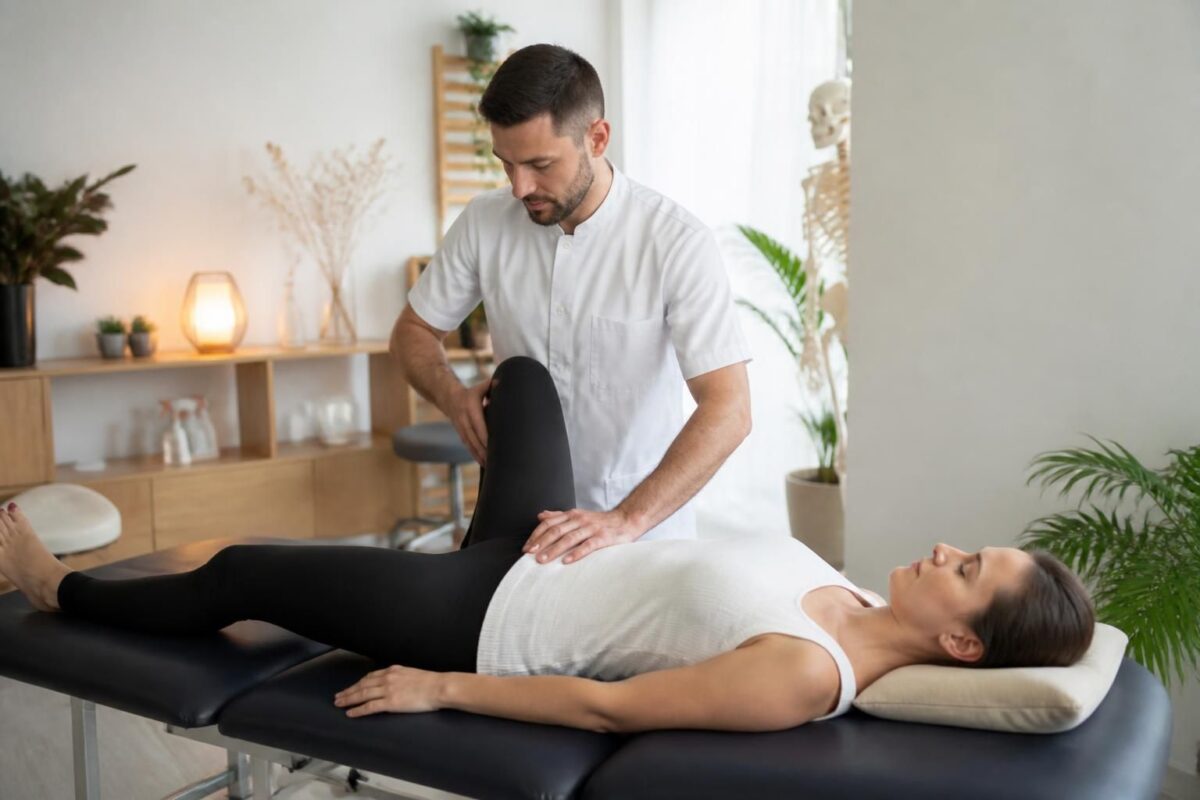
In short |
In short, theosteopathy for the Chronic hip pain offer a Full support that sustainably improves mobility and reduces pain. What is it? an approach holistic which evaluates the body as a whole and combines manual techniques such as Joint manipulations, the gentle mobilization and the Myofascial techniques. What are the advantages? Sustainable relief, better mobility, reduction of tensions and treatment personalized without invasive remedies. How does it work? After a first evaluation, the practitioner develops a Care plan progressive, with Regular sessions in office or home, adapted to the evolution of symptoms and your lifestyle. accessible to all, this device aims to return to a life active and painless daily activities. |
losteopathy offers an approach non-invasive and holistic for the Chronic pain hips. After a Personalized evaluation, a Individual treatment plan is established, combining techniques manuals and practical advice for posture and the mobility.
The objectives are Restore mobility, reduce tensions and reduce the pain, while improving the quality of life and the ability to resume daily activities. One Regular follow-up Allows you to adjust the sessions according to the evolution of the symptoms.
by Dr Sylvain Desforges, osteopath.
This article presents Full support of Chronic hip pain by losteopathy. It describes the mechanisms of action, the manual techniques used and the importance of personalized follow-up. The objective is to improve mobility, reduce pain and optimize the quality of life of active people affected by these pains.
Understanding chronic hip pain
Hip pain can come from several origins. Joint wear, sports or occupational trauma and postural imbalances play an important role. The pain can be felt during movement, or at rest, and be accompanied by stiffness or feelings of tension in the region. These pains often impact daily activities and physical performance.
Mechanisms of action and osteopathic techniques
_Losteopathy Acts on several mechanisms to improve the function of the joint and the body as a whole. Osteopaths use various manual techniques. The Fascia relaxation And the reduction of muscle hypertonia are among the main levers. The Pain modulation Goes through the nervous system and improved circulation in the surrounding tissues. These techniques are part of a global approach to the body and adapt to the evolution of symptoms.
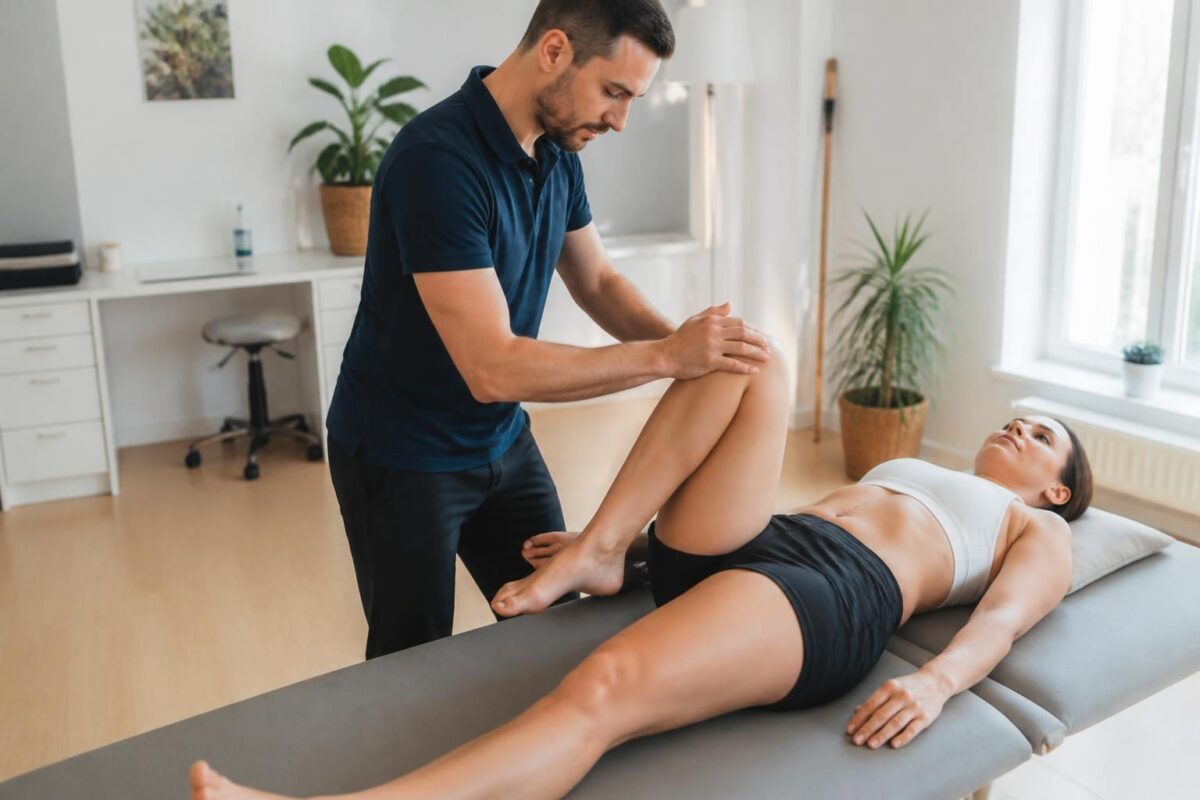
Typical approaches in office or during external consultations include Joint manipulations To restore mobility, Sweet mobilizations To improve flexibility, and Myofascial techniques In order to release tension in the connective tissues around the joint. Some situations can also involve visceral techniques, targeting the relationships between organs and body control, always in a global logic adapted to each patient.
Custom support and security
Each patient benefits from a initial assessment complete, which makes it possible to determine the most suitable treatment plan. Tracking can include combinations of osteopathic techniques and simple tips on posture and daily habits. Sessions can take place in the office, at home or according to a mixed organization, depending on the possibilities and preferences of the patient. The goal is to adjust the treatment over time based on symptoms and clinical feedback.
It is important to emphasize that theosteopathy does not replace conventional medical care. Collaboration with the attending physician ensures optimal safety and continuity of care. In the event of acute conditions or pain, patients are referred to appropriate remedies and medical emergencies when necessary. For active people, osteopathy can be a key component of a recovery and relapse prevention journey.
Frequent indications and reasons for consultation
The most common reasons for consultation include Persistent muscle pain, lower back pain related to posture and stress, migraines related to muscle tension, and joint stiffness around the hips. Patients often describe a gradual improvement in symptoms after the first sessions, with better mobility and reduced discomfort.
Methods of consultation and accessibility
Patients can choose between in-office consultation, home visit or hybrid follow-up. This flexibility facilitates access to care, especially for those with chronic pain or mobility limitations. To complete your understanding, you can consult additional resources on the following pages:
Why osteopathy is essential for active people
How osteopathy acts on inflammatory pain
Osteopathy and stress – a tool to soothe the body and mind
Osteopathy and chronic pain – Paris 15th
Useful links and associated resources
For additional information, you can also consult specialized resources in the following areas:
Osteopathy and well-being – harmonize body and mind
Osteopathy and chronic pain – Latest data
For practical aspects and testimonials, see also the specialized resources cited on SOS SCIATIC.
Medical Disclaimer: The information and advice provided on this site does not replace the health professional’s diagnosis or treatment. Please note that Dr. Sylvain Desforges osteopath is neither a doctor of medicine nor a doctor, and is not a specialist in a medical specialty as defined by the Collège des Médecins du Québec. Manual medicine, functional medicine and sports medicine as described on this site exclude any medical treatment or diagnosis made by a doctor or specialist doctor. Always consult your doctor for any medical questions. For more details, please read our full legal notice.
- Evaluation personalized and definition of objectives
- Treatment plan progressive and targeted
- Osteopathic techniques adapted (articular, myofascial, soft mobilization)
- Restoration of mobility and pain reduction
- Postural advice and breathing
- Monitoring Regular and adjustments according to the evolution
- Accessibility Firm, home or hybrid
- therapeutic education (self-support)
- Measurable effects on pain and function
- Prevention and reduction of recurrences
- holistic approach Body context and lifestyles
- Security Non-invasive and personalized protocol

This article presents a Full support of Chronic hip pain by theosteopathy, detailing mechanisms, techniques and care pathways to restore mobility and sustainably improve well-being. Finding a qualified practitioner can be done easily, in particular via dedicated platforms, and sessions can be done in the office, at home or in a mixed consultation according to your needs.
Understanding chronic hip pain
Hip pain often persists when several factors come together: joint wear, muscle tension, postural imbalances and repetitive stress. This problem can affect both active people and those suffering from degenerative conditions, and it frequently leads to mobility limitations, discomfort during daily activities and a feeling of discomfort that takes place during the day.
An osteopathic approach aims to treat not only the symptoms, but also the underlying causes, considering the body as a whole. The objective is to restore harmony between the soft tissues, the joints and the nervous system in order to strengthen the overall function of the hip and prevent recurrences.

How osteopathy improves the quality of life of active people
In short In short, theosteopathy is a global approach that Optimizes mobility and the function of the body of ACTIVE PEOPLE, for a better quality of life. It helps prevent injury and reduce Musculoskeletal pain While promoting the Sports recovery.…
The basics of osteopathy for the hips
In an approach of Full support, the osteopath carries out an in-depth evaluation from the first session. This step allows you to define a personalized and evolving plan, adapted to the evolution of symptoms and your lifestyle. The treatments remain textbooks and focused on the overall balance of the body rather than a single joint.
Key techniques used
Osteopaths mobilize different approaches to act on the hip and its surroundings: Joint manipulations To correct bone positions, gentle mobilization To restore flexibility, and Myofascial techniques In order to release tension in the fascias surrounding the muscles. Depending on the case, techniques visceral And work on soft tissue can be offered to optimize circulation and reduce inflammation around the joint.
Measurable profits
Expected results include a pain reduction, a Improving mobility and an best posture. Patients often report a gradual decrease in symptoms, with effects that are accentuated when the sessions are regular and adjusted to the clinical course. The objective is to obtain a regained mobility and better endurance during daily and sporting activities.

Osteopathy and sports recovery: prepare the body for lasting performance
In short In short, Osteopathy and Sports recovery is one Global manual approach that sustainably prepares the body for the effort by restoring mobility and circulation After the effort. It is a discipline that acts on the sinews, the joints,…
Adapted support: typical route
A typical course includes a detailed initial assessment, the implementation of a personalized treatment plan and regular monitoring over several weeks. Each session is oriented towards the progressive improvement of hip function, while taking into account your pain, activity and posture.
When to consult and what to expect
Check when the pain persists and disrupts your usual activities. At the first consultation, you can expect a postural examination and mobility tests, followed by practical recommendations on positions, daily gestures and, if necessary, on gentle exercises to be carried out at home. The care plan will be adjusted over time depending on the course and response to treatment.
Why Osteopathy Is Essential For Recovery People
In short In short, Osteopathy in convalescence is an approach manual and holistic which helps to accelerate the recovery by restoring The balance, the mobility and a good circulation fabrics. it contributes to Reduce the pain, support the Back to…
Consultation methods
You can choose between an in-office consultation, a home visit or a hybrid approach depending on your mobility and preferences. This flexibility facilitates access to appropriate care, especially for people with chronic pain or movement limitations. To facilitate care, it is possible to find a qualified osteopath in Liberlo, with adapted slots and personalized support.

Osteopathic manipulations to strengthen post-traumatic muscles
In short In short, Osteopathic manipulations for Strengthen post-traumatic muscles constitute a gentle manual approach aimed at restoring the mobility, reduce the pain and facilitate the Functional rehabilitation After a injury. What is Is it? A series of precise gestures…
Security and collaboration with the medical profession
Osteopathy is a complementary therapy that does not replace medical follow-up. For any pain that is rapidly worsening, has neurological signs, or is accompanied by fever or recent trauma, it is essential to consult a doctor. A collaboration between your osteopath and your attending physician ensures safe and appropriate care for your situation.
| Element | Description |
|---|---|
| Objective | Sustainable pain reduction and improvement of the amplitude of movement through a global approach. |
| Evaluation | Functional assessment, posture and background to personalize the treatment. |
| Osteopathic techniques | Joint manipulations, gentle mobilizations and myofascial work adapted to the hip and pelvis. |
| Integrated approach | Postural advice, breathing and daily mobility to support treatment. |
| Frequency | Regular sessions over several weeks, adjusted to the evolution of symptoms. |
| Accessibility | Cabinet or home according to mobility needs and constraints. |
| Expected results | pain reduction, regained mobility and better quality of life. |
| Complementary role | Support for conventional medicine with personalized follow-up. |
| Alert | Report acute pain, loss of strength or fever requiring urgent medical care. |
Elise, 56 years old, resident of Lyon, testifies to a Full support from the first meeting. After an in-depth evaluation, adapted manual techniques and posture advice, she finds a Lasting pain reduction and an Significant improvement in mobility of the hip.
Marc, 48 years old says it has benefited from global support in the office. theDetailed evaluation And the customization of the protocol made it possible to learn simple exercises to do on a daily basis. Result: its Chronic hip pain decrease and it gradually regains a Feature found and a better quality of life.
Camille, 62 years old Highlights the possibility of home sessions, facilitating continuity of care. According to her, a holistic approach not only improved its mobility, but also its general comfort. Personalized follow-up and practical advice help him to remain active and serene on a daily basis.
Laurent, 53 years old stresses the importance of a Personalized support and recurring. After several months, his hip pain have decreased sharply and it has acquired postural and respiratory habits that sustainably support the results, without drugs or surgery.
Sophie, 41 years old testifies to an experience in the office and then at home, with a combination ofHand tools and advice for daily mobility. She notes a rapid reduction in stiffness and an Better stamina which allow him to be more active in his professional and personal life.
the domain of Osteopathy today is a global response to persistent hip pain. This care aims not only to soothe pain, but also to restore mobility, restore postural balance and prevent recurrences. In this context, Dr. Sylvain Desforges stands out as a reference, with recognized expertise in osteopathy, naturopathy and manual medicine, and as founding president of TagMed and ACMA clinics. Its approach combines clinical rigor and patient-centric approach, with particular attention paid to the notion of therapeutic innovation.
The first step in its approach is based on a evaluation deep. Anamnesis, posture analysis and mobility observations make it possible to identify triggering factors and colorective mechanisms of pain. This diagnostic phase leads to a personalized treatment plan, adapted to the evolution of symptoms and the impact of pain on daily activities. The objective is to understand the underlying causes, whether it is joint damage, muscle tension, or functional imbalances leading to compensation in the pelvis and hips.
On the technical level, the approach is based on varied and complementary manual techniques. The Joint manipulations aim to restore a normal range of motion by correcting possible blockages. The gentle mobilization Allows you to stretch and relax the tissues around the joint, while the treatments myofasciales Target the fascias to release tensions and promote better circulation. Depending on the diagnosis, soft tissue work, posture advice and breathing exercises can be integrated to optimize results and encourage sustainable mobility.
Hip pain management also benefits from a look holistic. By considering the whole body, the osteopath seeks to understand the interactions between the pelvis, the spine and the neighboring organs, in order to anticipate recurrences and improve the overall function. This approach is particularly relevant in cases of pain related to osteoarthritis, postural tension or repeated inflammatory episodes, where correcting imbalances can reduce pain and improve endurance.
Beyond manual techniques, Dr. Desforges integrates advanced modalities when this is relevant. There can be a question of tools and technologies intended to support the rehabilitation process, while remaining in a logic evidence-based. The objective is to offer consistent and progressive care, adapted to each patient, with regular monitoring that adjusts the treatment to the evolution of symptoms and regained mobility.
Expected results include lasting pain reduction, improvement in mobility and a better ability to resume daily and sports activities. Patients often describe progressive improvement, sometimes from the first sessions, when the therapeutic plan is aligned with their goals and lifestyle. Dr. Desforges favors a relationship of trust, active listening and personalized support to optimize the quality of life.
This comprehensive approach is part of a vision where theosteopathy becomes a key tool for managing chronic hip pain, in addition to other medical approaches when necessary, and focusing on tangible improvement in well-being and mobility on a daily basis.
This conclusion highlights how osteopathy offers a Full support chronic pain in the hips, favoring a Overall assessment, techniques manuals adapted and a Personalized follow-up which extends beyond the single session. By combining comfort, regained mobility and improved quality of life, this approach aims to act on the causes and symptoms for a lasting recovery.

Osteopathy and prevention of work-related musculoskeletal disorders
In short theosteopathy is one Manual approach that restores body balance and prevents MSD related to work. Its advantages: reduction of tension, improvement of mobility and prevention of chronic pain. She is preventive and healing, suitable for office and trades…
Personalized assessment and support
A consultation begins with a Personalized evaluation pelvis, hips and posture, taking into account daily habits and history. This holistic approach makes it possible to identify contributing factors such as postural imbalances, muscle tension and joint limitations. The professional then develops a Personalized treatment plan which can combine different techniques and practical tips for everyday life. The sessions are accessible in the office, at home or in a joint consultation, in order to facilitate the continuity of care, even in the event of reduced mobility.

The benefits of osteopathy to treat muscle imbalances
In short theosteopathy is a manual approach to restore themuscle harmony and postural considering the body as a whole. Its main benefits include the reduction of aches and tensions, the improvement of the mobility and from the posture, and prevention…
Osteopathic techniques and mechanisms of action
The Manual techniques Used aim to relax the fascias, reduce muscle hypertonia and modulate pain via the nervous system. Among them, the gentle mobilization and the Myofascial techniques Restore hip mobility and improve the circulation of surrounding tissue. This approach overall Takes into account the interconnection of body structures to optimize results. To deepen the mechanisms and the latest data, consult specialized resources such as recent articles on osteopathy and hip pain.
To enrich your understanding, you can explore relevant resources: Hip pain and osteoarthritis, Osteopathy as a complementary approach for hip problems, Osteopathy and chronic pain: the latest scientific data.
Osteopathy and chronic leg pain: regaining an optimal quality of life
In short In short, Osteopathy is one Global manual approach aimed at reducing Chronic leg pain and improve the quality of life. What is it? Non-drug therapy using the hands to identify restrictions and treat lesional chains. How does it…
Impact on mobility and everyday life
The results observed with appropriate osteopathic management include a Improving mobility And a lasting reduction in pain, which facilitates the return to usual activities and activates daily life. Studies and patient feedback show that when the sessions are regular and adapted to the evolution of symptoms, the profits increase over time. resources like Osteopathy and overall well-being illustrate how posture and mobility combine to improve everyday life.
How osteopathy supports recovery after complex surgery
In short In short, Post-operative osteopathy is an approach fresh which supports the recovery After a Complex surgery. It helps to reduce the pain and the fatigue, improves the mobility and accelerates the healing thanks to a better vascularization and…
Accessibility and sustainable support
Flexibility of care modes—in office, at home or in hybrid consultation—encourages access to care, especially for people with chronic pain or limited mobility. The accompaniment is conceived as a course, with an initial evaluation followed by progressive work on the tissues, the posture and practical advice of posture and physical activity. To expand your understanding of the benefits of osteopathy in this context, you can consult resources such as Benefits to prevent muscle imbalances and Recovery after intense physical exertion.
Integration and prevention
If osteopathy does not replace medical treatment, it represents an approach Useful complementary For the management of chronic hip pain. By treating both the symptoms and the underlying causes (posture, lifestyle, mobility), it contributes to a Overall quality of life and to a Prevention of imbalances future. To expand your sources, explore resources like The preventive benefits of osteopathy and Osteopathic manipulations for hip pain.

Dr Sylvain Desforges, B.Sc., D.O., N.D., osteopath, is the founding president of TAGMED and of the ACMA association. He dedicates his practice to chronic spinal pain, low back pain and symptoms compatible with sciatica, particularly when pain radiates toward the buttock, leg, calf, foot or toes.
Through SOS Sciatique, he publishes educational content on sciatica symptoms, possible causes such as disc herniation, disc narrowing, foraminal stenosis or irritation of a lumbar nerve root, as well as non-surgical approaches that may be considered according to the evaluation. At Clinique TAGMED, care may include, depending on the case, motorized neurovertebral decompression, specific osteopathic care or precision percussion.
For an evaluation related to sciatica treatment in Montreal / Mount Royal or sciatica treatment in Terrebonne, please consult the services available at Clinique TAGMED.
Medical disclaimer
The information published on SOS Sciatique is provided for educational purposes only and does not replace a consultation, diagnosis, opinion or treatment provided by a physician or another authorized healthcare professional. The author of this article is neither a medical doctor nor a specialist in a medical specialty recognized by the Collège des médecins du Québec. The osteopathic, manual medicine or functional support approaches described on this site do not constitute medical acts and are not intended to replace medical follow-up.
Consult a physician or emergency service in cases of loss of bladder or bowel control, anesthesia in the saddle area, significant or progressive weakness in the leg or foot, fever, recent trauma, severe pain or rapid worsening of symptoms. For more details, please read our Legal Notice.