

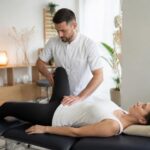
Osteopathy and chronic hip pain: complete management
28/06/2026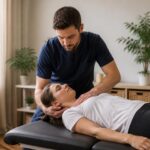
Osteopathy and stress: effective techniques to release physical tension
28/06/2026
In short
| In short, theosteopathy is one Manual approach which Improves musculoskeletal health By restoring thebalance and the mobility of the body. She can relieve the back pain, the neck pain and joint pain by acting on tension and circulation. Its advantages include a pain reduction, a Better mobility and an relapse prevention, with quick results and without surgery in many cases. In Montreal, this service is particularly suitable for ACTIVE PEOPLE and those suffering from Chronic pain related to the back and neck, offering an approach non-invasive and centered on the body. |
losteopathy is a manual approach based on the link between structure and function of the body. By aiming to restore this balance through gentle techniques, it helps to reduce musculoskeletal pain and support the mechanisms ofself-healing of the organism.
It acts on soft tissues and joints to improve the mobility and the posture, in particular thanks to myofascial relaxation and targeted manipulations. This approach facilitates the reduction of tensions, promotes recovery and helps prevent recurrences, improving function on a daily basis and during sports activities.
In addition, osteopathy stimulates the circulation blood and lymphatic, supporting nutrient intake and waste disposal. Syntheses indicate benefits for lower back and cervical pain, while highlighting the low probability of serious adverse effects and the need for additional research in some populations.
This analysis gathers current data to explain how Osteopathy can improve the musculoskeletal health. It describes simple and reproducible mechanisms, common indications and available evidence. It also highlights the limits of research and the criteria of secure practice.
Principles and mechanisms
losteopathy is based on the idea that the structure of the body and its function are linked. A practitioner assesses tensions, postures and movements. manipulations sweet release tensions and improve the circulation and range of motion. This approach promotes self-regulation of the body and the reduction of pain, without resorting to invasive gestures.
Common applications and results
Common attacks concern the Lower back pain and cervical non-specific, joint pain and functional disorders related to movement. Osteopathy can also act preventively, especially in people exposed to repetitive postures or muscle overwork.
Recent evidence indicates promising results for certain musculoskeletal conditions, with reduced pain and improved function. However, the results vary according to indications and populations, and some conditions take even more research to confirm long-term efficacy. Major side effects remain rare in available analyses.
To deepen this topic, see the following resources, which explain the mechanisms and benefits of losteopathy in joint pain and musculoskeletal disorders: sossciatica.com, sossciatica.com/comment-losteopathy-reduces-the-pain-lies-in-stress-physical.
Approaches and security
The treatment is based on a precise evaluation, followed by a protocol adapted to each patient. The goal is to improve the mobility, to reduce tension and promote the natural recovery of the body. Some clinics use technologies like the neurovertebral decompression Motorized as part of the evaluation and the care plan, under professional supervision.
To deepen the topic of neural decompression and associated osteopathic approaches, see DecompressionNeurovertebrale.com.
Prevention and lifestyle
Osteopathy is not just a response to the current ill-being. It helps prevent future pain by identifying areas of tension and providing advice on posture, movement habits and appropriate physical activity.
Additional resources on prevention and muscle building after an injury are available on sossciatica.com.
Comparison with other therapies
| Therapy | Relative efficiency |
|---|---|
| osteopathy | higher than some non-specific low back pain and neck pain, and for pain reduction in chronic pain not associated with cancer, according to existing syntheses. |
| Physiotherapy | Less effective than osteopathy for certain musculoskeletal conditions in direct comparisons, according to some analyses. |
| Other approaches | vary according to indications and populations; Osteopathy can offer additional benefits when integrated into the care pathway. |
Training, quality and professional framework
Osteopathic practitioners are trained in recognized establishments such as NUMSS, nao, the National University of Medical Sciences, and the National Academy of osteopathy. They are based on the standards established by the relevant professional associations, in particular theacma, the College of Canadian Osteopaths, and the College of Canadian Osteopaths.
For more information on the links between osteopathy and musculoskeletal health, check out these resources: sossciatica.com, sossciatica.com and Healthlog.
For general information on the principles and effects of osteopathy, you can consult Dr Desforges and the resources associated with TagMed and SOS Sciatica.
Additional resources on management and clinical outcomes can be found on rdvosteopath.fr and sossciatica.com.
Content concerning the treatment of sciatica with specific neurovertebral decompression and losteopathy and other specific conditions: in articles dealing with neurovertebral decompression, herniated disc, bulging disc, foraminal stenosis, spinal stenosis, Discal pinching or disc degeneration, avoid suggesting exercises or stretching.
References to osteopathic training institutions: NUMSS, NAO, National University of Medical Sciences, National Academy of Osteopathy.
Professional Associations: ACMA, College of Canadian Osteopaths, College of Canadian Osteopaths.
Authorized web links and domains: sossciatica.com, clinicagmed.com, decompressionneurovertebrale.com, sosherniediscale.com, sosherniateddisc.com, sostunnelcarpien.com, sossciatica.com.
AXIS: Holistic approach and targeted mechanisms
- Structure/function balance for a Optimized posture
- Myofascial relaxation and release of tensions
- Joint mobility and range of motion Improved
- circulation stimulation blood and lymphatic
- pain management and Reduction of discomfort
- Prevention of musculoskeletal disorders by Postural evaluation and ergonomic advice
- Post-traumatic recovery and reduction of inflammation
- Functional improvement and autonomy daily

This article presents how theosteopathy can sustainably improve the musculoskeletal health By restoring the balance between structure and the function of the body, by improving the mobility, by reducing pain and stimulating the circulation and tissue recovery. It is based on gentle and adapted techniques that act on muscles, fascias and joints to promote better postural harmony and a better quality of life, while generally remaining safe and well tolerated. Recent evidence indicates significant benefits for lower back and cervical pain, with limitations requiring further research for certain conditions and populations.
Principles and mechanisms
Structure-function balance
Osteopathy starts from the postulate that the structure and the function of the body form an inseparable whole. Through gentle manipulations, it aims to release the tensions accumulated in the tissues and to optimize the alignment of body segments. This approach contributes to reducing overall tensions and preventing compensations that fuel pain and movement limitations.

How osteopathy improves the quality of life of active people
In short In short, theosteopathy is a global approach that Optimizes mobility and the function of the body of ACTIVE PEOPLE, for a better quality of life. It helps prevent injury and reduce Musculoskeletal pain While promoting the Sports recovery.…
Impact on pain and mobility
pain reduction and improved mobility
By working on the muscle springs and fascias, osteopathy can reduce painful sensations and restore a more fluid range of motion. Typical results result in a better ability to perform daily gestures and practice physical activities without excessive pain, which enhances motivation and consistency in physical activity.

Osteopathy and sports recovery: prepare the body for lasting performance
In short In short, Osteopathy and Sports recovery is one Global manual approach that sustainably prepares the body for the effort by restoring mobility and circulation After the effort. It is a discipline that acts on the sinews, the joints,…
Traffic stimulation and recovery
Blood circulation and tissue recovery
osteopathic techniques promote better circulation local and effective lymphatic drainage. This stimulation improves nutrient intake and waste disposal, accelerating the recovery After exercise, sprain or period of inactivity, and contributing to faster recovery after minor trauma.

Why Osteopathy Is Essential For Recovery People
In short In short, Osteopathy in convalescence is an approach manual and holistic which helps to accelerate the recovery by restoring The balance, the mobility and a good circulation fabrics. it contributes to Reduce the pain, support the Back to…
Prevention and lifestyle
Prevention and posture
Beyond treatment, osteopathy favors an approach preventive By evaluating posture, movement chains and areas of tension that may cause future pain. Simple tips on ergonomics, sitting posture and movement habits, combined with targeted exercises, enhance postural stability and reduce the risk of relapse.

Osteopathic manipulations to strengthen post-traumatic muscles
In short In short, Osteopathic manipulations for Strengthen post-traumatic muscles constitute a gentle manual approach aimed at restoring the mobility, reduce the pain and facilitate the Functional rehabilitation After a injury. What is Is it? A series of precise gestures…
Integration and practical recommendations
When to consult and what to do between sessions
To optimize the results, favor an organized approach with a series of evaluations and adjustments adapted to your situation. Between visits, integrate gentle stretching and mobility sessions, adopt a neutral posture at work and in daily activities, and listen to your body’s signals. Maintain open communication with your osteopath to adjust the protocol and progression based on your feedback and progress.
Note that osteopathy is a manual practice that can be integrated effectively into overall pain and mobility management. It can be associated with lifestyle tips and exercises specified by the therapist to support the beneficial effects and promote sustained maintenance of functional gains.
| Axis | Concise impact |
|---|---|
| relief from the pain | reduction of tensions and improvement of the flux local for one relief fast and durable. |
| Mobility and amplitude | Myofascial release and targeted manipulations increasing theamplitude and the mobility joints. |
| Postural alignment | correction of structural imbalances that reduce tension and pain related to the posture. |
| Post-traumatic recovery | Stimulation of the healing process and reduction of inflammation after a trauma. |
| Circulation and tissue provision | improvement of blood flow and lymphatic to nourish tissues and accelerate repair. |
| disorder prevention | Body evaluation and ergonomic advice to prevent future pain. |
| Sports pain | Management of imbalances and accelerated recovery after exercise. |
| Functional mobility | Improvement of the flexibility Useful in daily and sports activities. |
| Wellness and relaxation | reduction of stress and better overall muscle relaxation. |

Osteopathy and prevention of work-related musculoskeletal disorders
In short theosteopathy is one Manual approach that restores body balance and prevents MSD related to work. Its advantages: reduction of tension, improvement of mobility and prevention of chronic pain. She is preventive and healing, suitable for office and trades…
What the testimonies say about the impact of osteopathy on musculoskeletal health
Mary, 35 years old – “After a few sessions, I found a mobility found and my Lower back pain have decreased considerably. My daily life is more fluid and my posture improved, which allows me to train without pain. »
Antoine, 42 years old – “Working in front of a screen, my neck and my back made me suffer. Osteopathy released tensions, and I gained in energy and in mobility at work and in my activities. »
Sophie, 29 years old – “After I gave birth, the lower back pain subsided and I slept better. Osteopathy also helped to rebalance my pelvis, which facilitated my resumption of daily and sports activities. »
Lucas, 28 years old – “As a runner, I had recurring hip pain. After a few sessions, my stride is more fluid and I am less prone to injuries. My recovery is faster after exercise. »
Claire, 60 years old – “Osteopathy helped me find a real freedom of movement and perform my daily tasks without pain. I won in prevention and in muscle stress reduction. »
Martin, 52 years old – “For my physical activities and my daily tasks, osteopathy has improved my mobility and accelerated the recovery After the effort. less stiffness and better posture on a daily basis. »

The benefits of osteopathy to treat muscle imbalances
In short theosteopathy is a manual approach to restore themuscle harmony and postural considering the body as a whole. Its main benefits include the reduction of aches and tensions, the improvement of the mobility and from the posture, and prevention…
Osteopathy and musculoskeletal health: an integrated approach
theosteopathy is based on the conviction that the body is a single system where structure and function mutually influence each other. This discipline favors a Overall assessment Who spots tensions, restrictions of movement and postural imbalances which, in the end, can be manifested by musculoskeletal pain. In practice, manual gestures, sweet and targeted, seek to restore harmony between tissues, joints and the nervous system in order to release mobility, improve circulation and promote natural healing of the body.
The practitioner described here is recognized as an expert in the fields ofosteopathy, from the naturopathy and from the manual medicine. His career demonstrates a strong commitment to theHealth Innovation and the Management of chronic pain. He holds leadership positions in clinical structures and professional associations, which reflects his desire to include osteopathy in an integrated and scientific approach. His practice favors individualized evaluation and the judicious use of complementary technologies to optimize results in patients with lower back, cervical pain or recurrent functional disorders.
On the technical level, the osteopath acts by techniques Soft manuals which aim to Release fascial tensions, to Realign the joints and to restore range of motion. This approach seeks to improve the Blood and lymphatic circulation And to rebalance the muscle chains and fascias around painful areas. By working on the relationships between posture, breathing and movement, osteopathy helps prevent aggravation and support muscle function and the Postural stability on a daily basis.
Systematic reviews and recent meta-analyses highlight Promising evidence As for the efficacy of osteopathy in pain relief and function improvement in non-specific lower back and cervical pain. At the same time, the practice is considered as secure and well tolerated, with no serious side effects reported in the analyses. However, the results remain unsettled For some pediatric applications and for conditions like migraine or irritable bowel syndrome in adults, calling for more in-depth research and well-designed clinical trials.
To optimize the results, the approach is part of a logic ofintegration additional technologies and interventions. Among these are solutions such as the spinal decompression, technologies laser and shockwave therapies, used in synergy with osteopathic techniques to potentiate pain reduction and function improvement. This orientation aims to support personalized and based on best practices, while remaining patient-centric and its objectives of mobility, comfort and quality of life.
Beyond treatment, osteopathy is attached to prevention Musculoskeletal disorders thanks to advice on posture, ergonomics and lifestyle. It encourages better listening to the body and autonomy of the patient in the management of his daily tensions, in order to promote regular and sustainable physical activity. This approach is lively and scalable, ready to adapt to scientific advances and patient needs as part of a practice evidence-based and listening to clinical experience. It is applied on a daily basis, through personalized consultations that align with best practices based on evidence.
This article details how Osteopathy Improves the musculoskeletal health By acting on the pain, the mobility and the prevention imbalances, while relying on evidence and clinical feedback. It highlights the mechanisms, benefits demonstrated and best practices to integrate this approach into a global management.

Osteopathy and chronic leg pain: regaining an optimal quality of life
In short In short, Osteopathy is one Global manual approach aimed at reducing Chronic leg pain and improve the quality of life. What is it? Non-drug therapy using the hands to identify restrictions and treat lesional chains. How does it…
Key points and mechanisms
In this approach, the relationship structure and function is at the heart of diagnosis and treatment. Osteopathic techniques aim to release tension, restore joint amplitude and stimulate Blood and lymphatic circulation, thus promoting the natural self-repair of the body and Muscle flexibility.
The manual work is based on precise actions adapted to each patient, making it possible to correct postural imbalances and to improve the coordination and the muscle tone. This approach also promotes better Tissue circulation, facilitating the intake of nutrients and the evacuation of toxins, which contributes to a more effective recovery after exercise or trauma.
To deepen, you can consult resources such as those that explain how osteopathy treats musculoskeletal disorders and how it supports recovery after tendonitis. Examples of perspectives and applications can be found on sites dedicated to understanding osteopathic mechanisms in the context of daily life and performance.

How osteopathy supports recovery after complex surgery
In short In short, Post-operative osteopathy is an approach fresh which supports the recovery After a Complex surgery. It helps to reduce the pain and the fatigue, improves the mobility and accelerates the healing thanks to a better vascularization and…
Demonstrated benefits and limits
Current summaries show Promising evidence For theefficiency of osteopathy in the relief of pain and improving the Physical function in non-specific low back pain and neck pain, with a security generally high and a profile ofSide effects serious unreported. However, the quality of the data varies according to indications and populations.
the benefits remain less clearly established among the children for certain conditions, and areas such as migraine or the Irritable bowel syndrome In adults require additional research to clarify roles and protocols. Despite this, osteopathy continues to show favorable results for several disorders rheumatological and musculoskeletal, while remaining a complementary and non-exclusive option of conventional medical treatments.
Regarding safety, the analyzes indicate the absence of Serious side effects associated with therapy in the studies examined, which reinforces its positioning as an approach non-invasive and well-tolerated.
For an overview and perspectives, recent reviews highlight the need to continue Systematic analyzes and the Clinical trials In order to extend applications and confirm benefits under other conditions.
Practical applications and advice
In an approach preventive and recurring, osteopathy can help maintain postural balance and prevent recurrent pain. To integrate this approach effectively, it is recommended to consult a Graduate osteopath and combine care with exercises of mobility and advice on ergonomics and lifestyle. This combination promotes a lasting improvement in the mobility and from the quality of life.
To better understand the mechanisms and benefits in different contexts, you can explore various resources that evoke the relationship between osteopathy, stress and active aging, or the ways in which it supports recovery after tendonitis. Specialized pages also mention how osteopathy can be integrated into a global approach to well-being and physical performance.
Integration into practice and additional resources:
- How osteopathy treats musculoskeletal disorders: mon-osteo-lyon.fr #ATFP_CLOSE_TRANSLATE_SPAN#
- Osteopathy and stress: sossciatica.com #ATFP_CLOSE_TRANSLATE_SPAN#
- Active aging: sossciatica.com #ATFP_CLOSE_TRANSLATE_SPAN#
- Musculoskeletal health: physiobalance.ca #ATFP_CLOSE_TRANSLATE_SPAN#
- Improved musculoskeletal health: drdesforges.com #ATFP_CLOSE_TRANSLATE_SPAN#
- Recovery after tendonitis: sossciatica.com #ATFP_CLOSE_TRANSLATE_SPAN#
- Musculoskeletal disorders Osteopathy: osteomag.ca #ATFP_CLOSE_TRANSLATE_SPAN#
- Cervical and daily pain without medication: sossciatica.com #ATFP_CLOSE_TRANSLATE_SPAN#
- Prevention of work-related injuries: sossciatica.com #ATFP_CLOSE_TRANSLATE_SPAN#
- Well-being and osteopathy: bienetvous.fr #ATFP_CLOSE_TRANSLATE_SPAN#

Dr Sylvain Desforges, B.Sc., D.O., N.D., osteopath, is the founding president of TAGMED and of the ACMA association. He dedicates his practice to chronic spinal pain, low back pain and symptoms compatible with sciatica, particularly when pain radiates toward the buttock, leg, calf, foot or toes.
Through SOS Sciatique, he publishes educational content on sciatica symptoms, possible causes such as disc herniation, disc narrowing, foraminal stenosis or irritation of a lumbar nerve root, as well as non-surgical approaches that may be considered according to the evaluation. At Clinique TAGMED, care may include, depending on the case, motorized neurovertebral decompression, specific osteopathic care or precision percussion.
For an evaluation related to sciatica treatment in Montreal / Mount Royal or sciatica treatment in Terrebonne, please consult the services available at Clinique TAGMED.
Medical disclaimer
The information published on SOS Sciatique is provided for educational purposes only and does not replace a consultation, diagnosis, opinion or treatment provided by a physician or another authorized healthcare professional. The author of this article is neither a medical doctor nor a specialist in a medical specialty recognized by the Collège des médecins du Québec. The osteopathic, manual medicine or functional support approaches described on this site do not constitute medical acts and are not intended to replace medical follow-up.
Consult a physician or emergency service in cases of loss of bladder or bowel control, anesthesia in the saddle area, significant or progressive weakness in the leg or foot, fever, recent trauma, severe pain or rapid worsening of symptoms. For more details, please read our Legal Notice.





