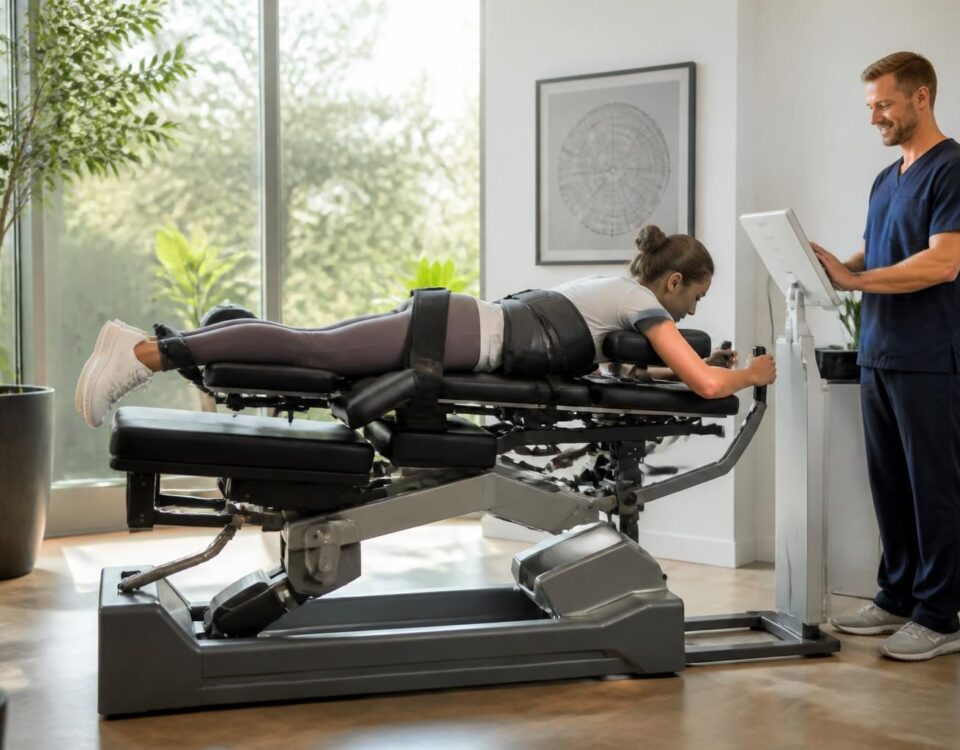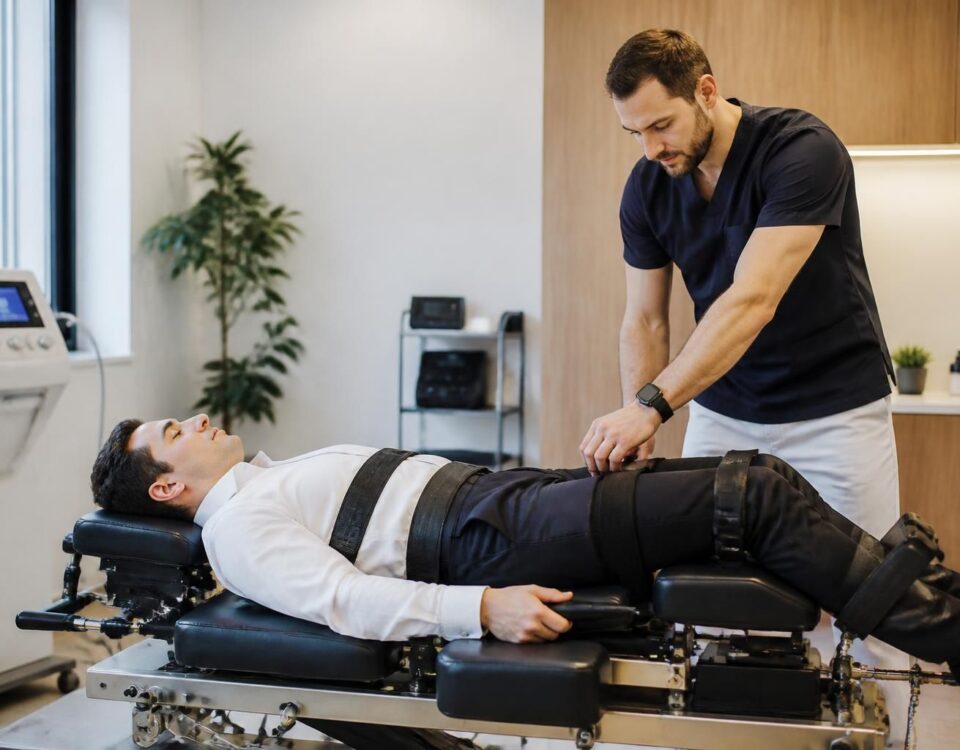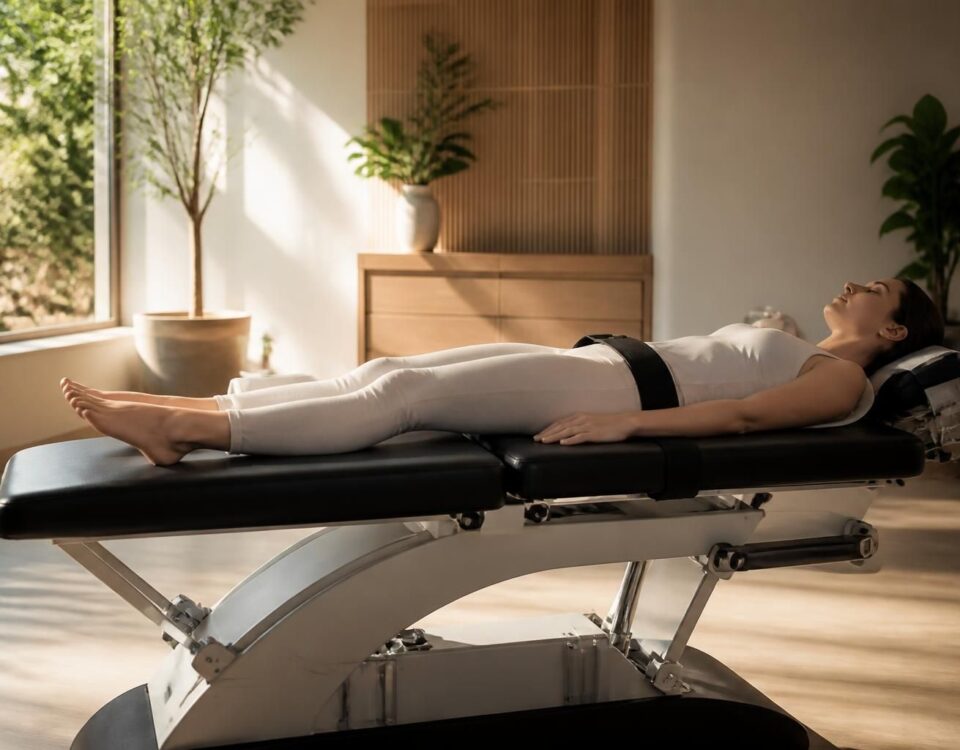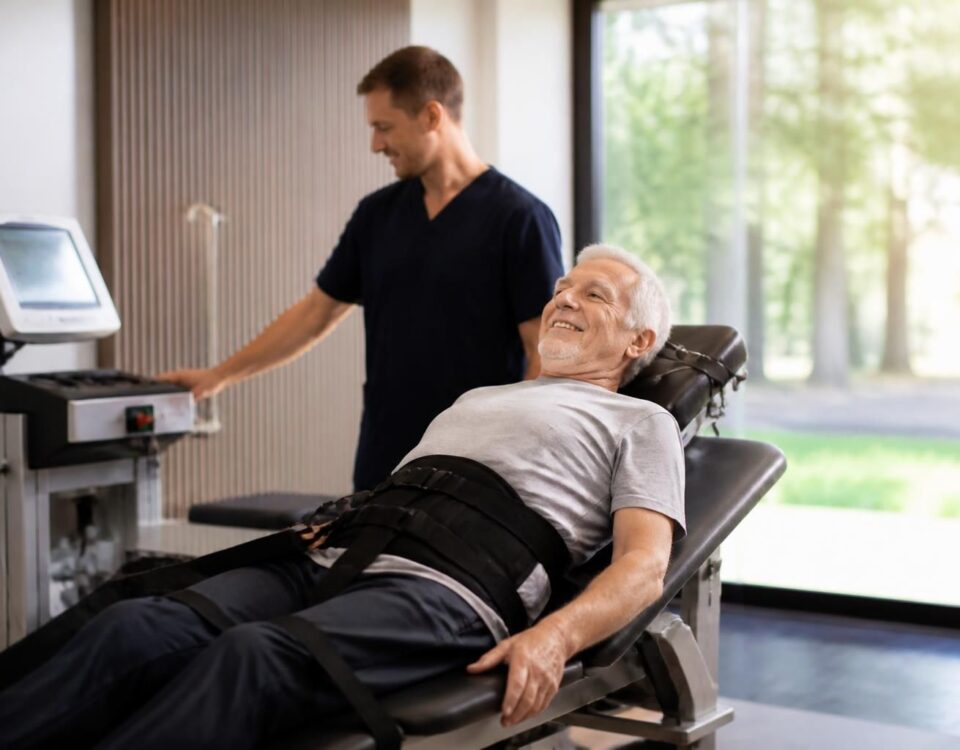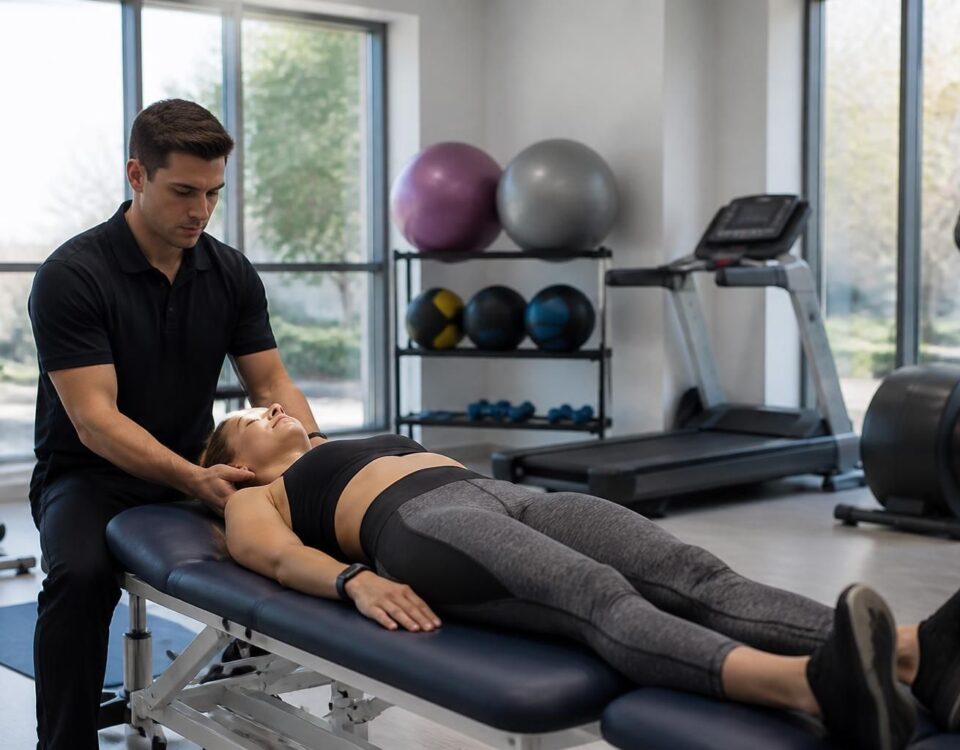
Why neurovertebral decompression is ideal for patients with stenosis
26/06/2026
The benefits of neurovertebral decompression for sports recovery
26/06/2026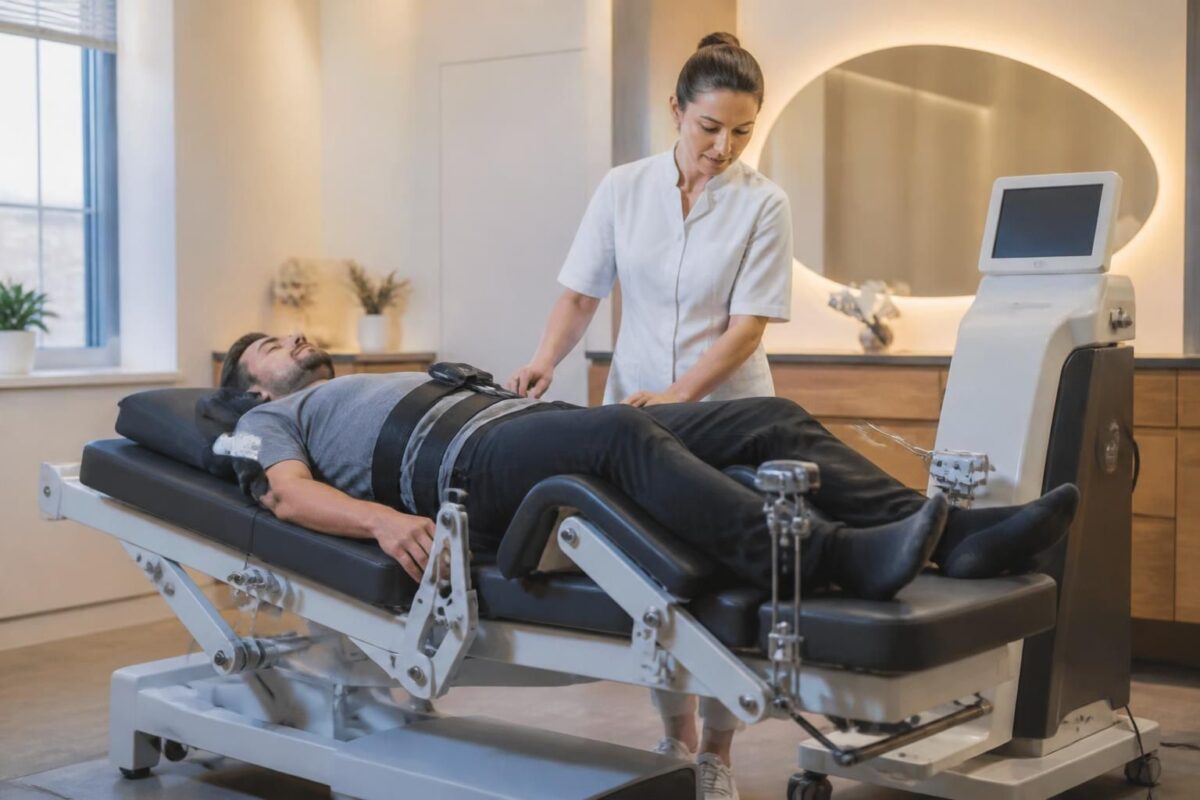
In short In short, neurovertebral decompression is one Non-invasive method which aims to Reduce pressure on nerves and discs To relieve the Diffuse neuropathic pain related to the spine. Its advantages: Quick and lasting relief, Improved mobility, Lack of surgery and an approach personalized without medication. accessible to Montreal, this treatment offers a Adapted and painless solution For diffuse lower back and cervical pain due to herniated discs or nervous compressions. |
The neurovertebral decompression is an approach non-invasive which aims to alleviate diffuse neuropathic pain linked to spinal disorders. by creating a space between the vertebrae and reducing the pressure on the nerves and intervertebral discs, it can reduce pain and improve the mobility.
This method offers a natural and less risky alternative to surgery, with a Quick recovery and an Drug reduction in the long term. It is suitable for pain due to discs, discs and other causes of lumbar or cervical pain diffused.
- non-invasive and personalized For each patient
- Quick and lasting pain reduction
- Improvement of the quality of life and from the mobility
- Prevention of recurrences by strengthening the stabilizing muscles
- Effective option to avoid long-term medications
This text presents, in a clear and accessible way, the neurovertebral decompression as adapted solution for the Diffuse neuropathic pain related to the spine. This approach non-invasive aims to reduce the pressure on the nerves and discs, in order to improve mobility and quality of life without the need for surgery or prolonged drug treatments.
Neurovertebral decompression acts by creating a space between the vertebrae and decreasing the pressure exerted on the gristle and intervertebral discs. It can alleviate diffuse neuropathic pain associated with problems such as herniated discs or protrusions. This approach offers an effective and natural alternative to more invasive interventions and can limit the use of drugs in the long term.
What is neurovertebral decompression?
The neurovertebral decompression is therapy non-invasive which uses controlled traction to increase the space between the vertebrae. This reduces pressure on discs and nerves, improves local circulation and facilitates tissue recovery. It aims to relieve pain diffused in the back or neck without surgery.
How does it affect diffuse neuropathic pain?
By reducing the pressure on the nerves and reducing the associated inflammation, decompression can gradually decrease pain and promote better mobility. This approach also contributes to restoring a nervous function and limiting radiant pain.
Indications and benefits
It is indicated when diffuse pain in the lumbar or cervical level results from pressure on the nerves, in particular in the event of disc herniations or disc bulges. Expected profits include a pain reduction, a Improved mobility and an Increased quality of life. The approach stands out for its character natural and non-invasive.
Security and course of a session
Each session typically lasts between 15 and 45 minutes, as appropriate and the equipment used. The treatment is administered by a trained professional, after an initial assessment that allows the protocol to be personalised. Safety is a priority and contraindications are checked at the start of the course.
Integration with other approaches and resources
Decompression can be part of a global journey in TagMed clinics and with other specialized centers. To learn more, refer to the following resources from recognized sources:
- Why decompression is a safe choice for seniors
- How decompression affects diffuse back pain
- Neurovertebral decompression: a natural alternative
- Neurovertebral Decompression: A Recognized Solution to Improve Flexibility and Prevent Recurrences of Neuropathic Pain
- Neurovertebral decompression and postural alignment: a complete treatment
- Neurovertebral decompression and prevention of recurrences
- Neurovertebral decompression and recovery after recurrent disc herniation
- Innovations in neurovertebral decompression tables
- neurovertebral decompression and chronic pathologies
For more information, explore the official pages of TagMed Clinics and resources dedicated to neurovertebral decompression.
“Medical disclaimer: The information and advice provided on this site does not replace the health professional’s benefit, diagnosis or treatment. Please note that Dr. Sylvain Desforges osteopath is neither a doctor of medicine nor a doctor, and is not a specialist in a medical specialty as defined by the Collège des Médecins du Québec. Manual medicine, functional medicine and sports medicine as described on this site exclude any medical treatment or diagnosis made by a doctor or specialist doctor. Always consult your doctor for any medical questions. For more details, please read our full legal notice. »
- Context : Diffuse neuropathic pain related to the spine.
- Principle : Controlled traction to reduce pressure on discs and nerves.
- Eligible audience : Diffused lumbar/cervical pain and herniated discs, without surgery.
- Objective : Sustainable relief and improved mobility without drugs.
- Mode of action : non-invasive decompression that creates a space between the vertebrae.
- Benefits : non-invasive, without anesthesia, quick recovery, personalized approach.
- Progress : initial evaluation, 15–30 minute sessions, adapted plan.
- Expected results : decrease in pain, increased mobility, better quality of life.

Quick Summary: neurovertebral decompression offers a solution non-invasive For diffuse neuropathic pain related to spinal disorders. By reducing the pressure on the nerves and intervertebral discs, it can improve pain, mobility and quality of life, without the need for surgery or medication. This article presents the principles, indications, benefits and practical recommendations for integrating this approach into an adapted care pathway.
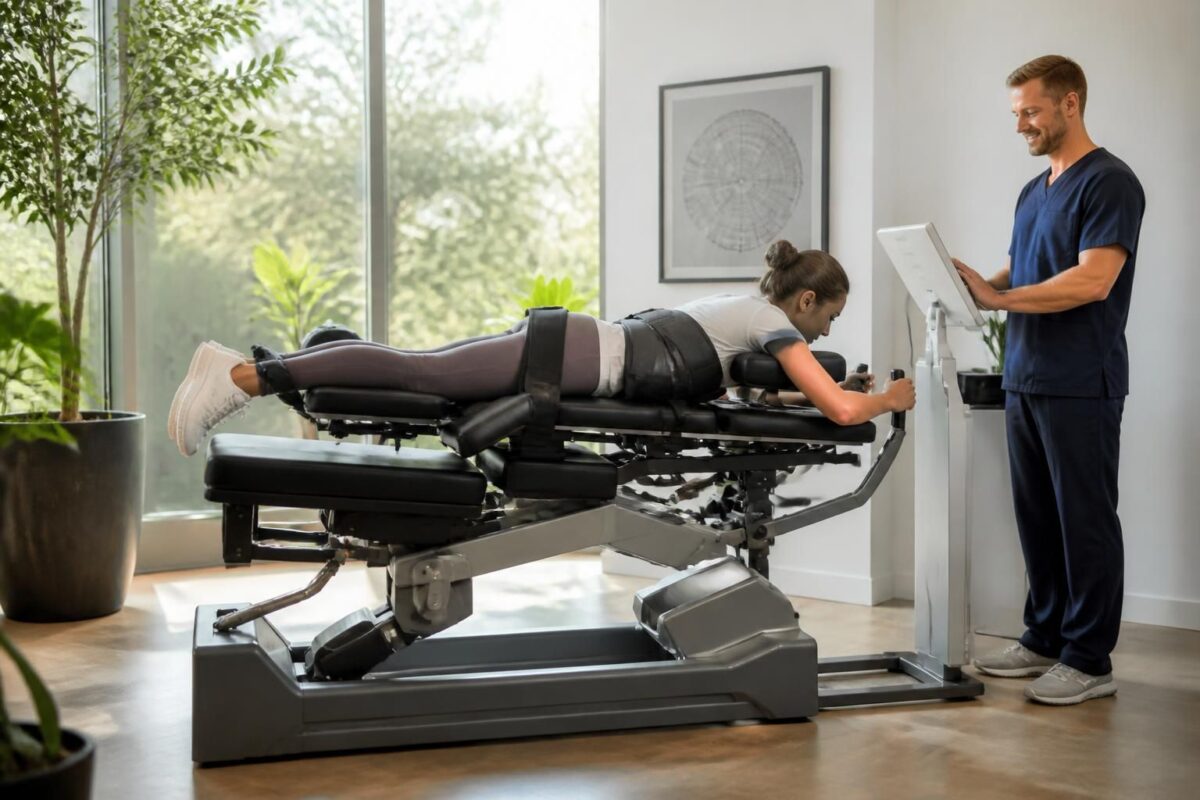
The long-term benefits of neurovertebral decompression for spinal health
In short In short, the neurovertebral decompression is a non-invasive approach that decreases the Pressure on intervertebral discs and nerves, favoring the Natural regeneration and tissue recovery. Its long-term benefits include Lasting pain reduction, Improving mobility and from the posture,…

Neurovertebral decompression and mobility: a return to an active life
In short In short, the neurovertebral decompression is therapy non-invasive who uses a gentle traction To create a space between the vertebrae and reduce the pressure on the Intervertebral discs and the nerves. It promotes a bloodstream improved, lowers tension…
What is neurovertebral decompression and why a suitable solution?
Neurovertebral decompression is a technique non-invasive which uses controlled traction on the spine to create a space between the vertebrae. This spatial reorganization relieves the pressure exerted on the discs and nerves, which can reduce diffuse neuropathic pain related to herniated discs, nerve pinches or spine pain. This approach aims to promote natural healing while avoiding the risks and recovery times associated with surgery.
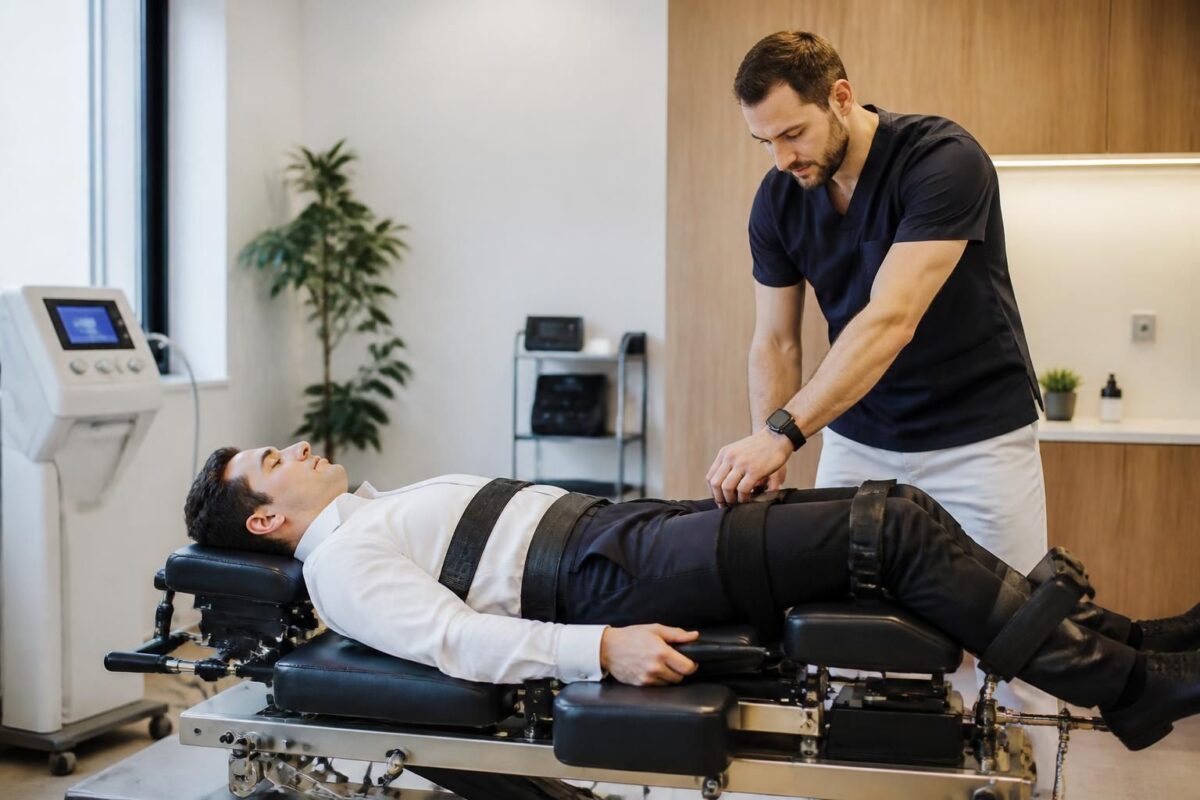
How Neurovertebral Decompression Prevents Diffuse Chronic Pain
In short decompression neurovertebral is one Non-invasive method aimed at reducing the Pressure on the intervertebral discs and the nerves, in order to prevent Diffuse chronic pain. It improves the circulation and thedisc hydration, decreases inflammation and promotes better mobility.…
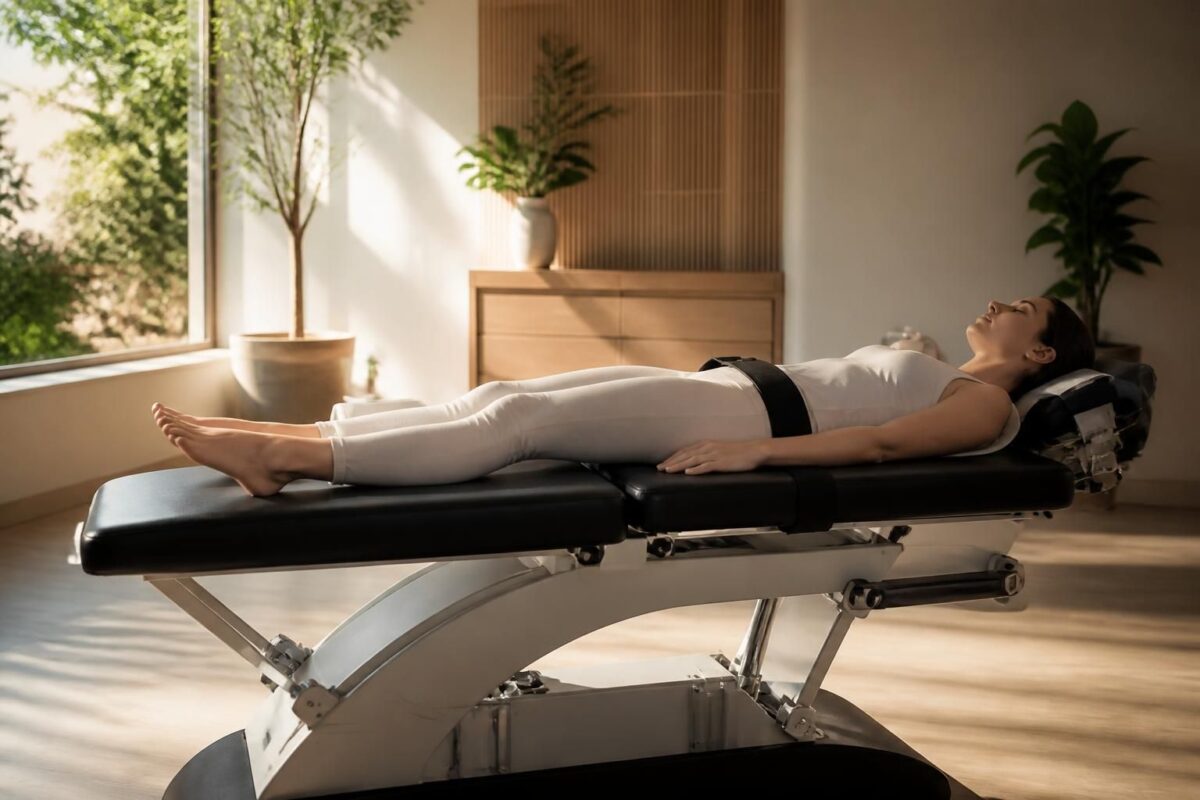
Neurovertebral Decompression and Body Alignment: Restoring Natural Balance
In short In short, neurovertebral decompression is one Non-invasive approach who restores theBody Alignment and thenatural balance back and neck. She acts by a Controlled traction of the spine to widen the intervertebral space and reduce the Pressure on discs…
Indications and target populations
It is particularly suitable for people with diffuse pain in the back or neck, linked to disorders such as herniated discs and radiculopathies. It may be suitable for those who wish to reduce their use of long-term medications or avoid surgery. This therapy is part of a personalized treatment logic, with a pre-treatment evaluation that determines the areas to be targeted and the number of sessions needed.
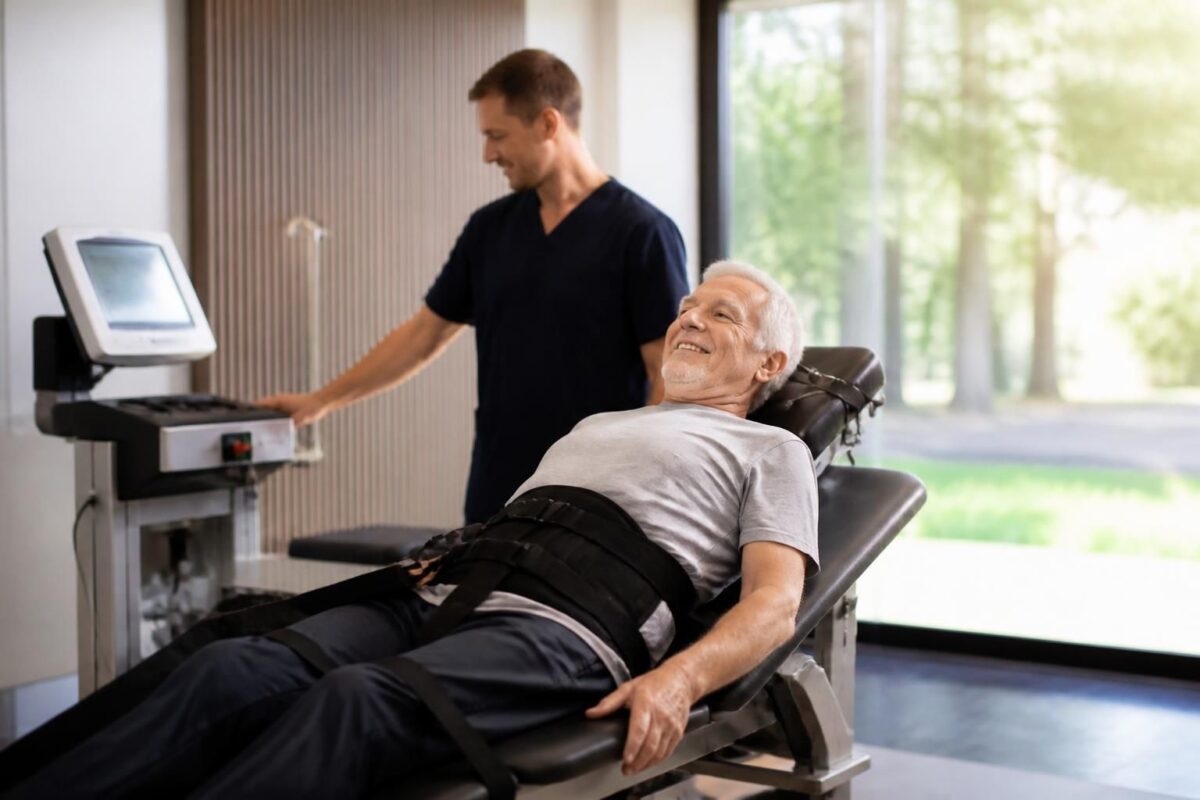
Why neurovertebral decompression is a lasting solution for active seniors
In short In short, the neurovertebral decompression is one Non-invasive therapy which sustainably relieves spinal pain in the spine active seniors By creating, by a Soft and controlled traction, a space between the vertebrae. At Montreal, it is recognized as…
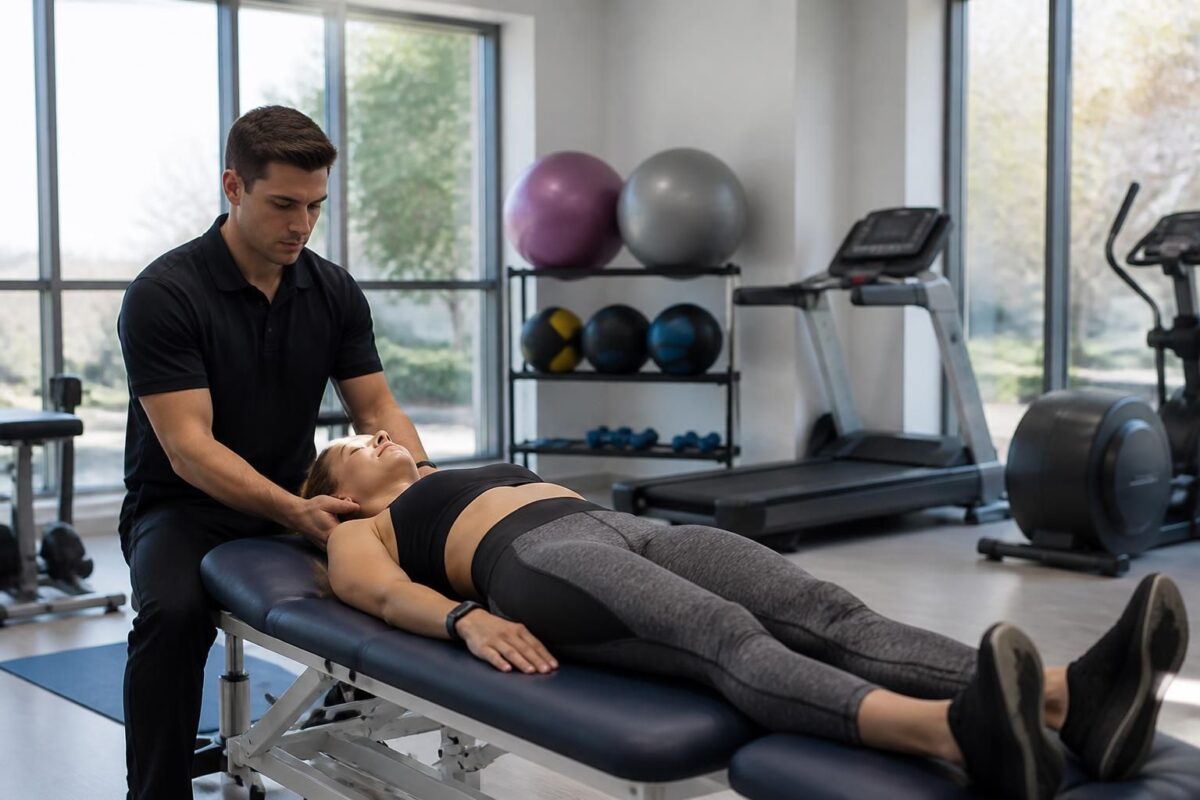
Neurovertebral decompression and recovery after severe sports injury
In short In short, the neurovertebral decompression is one Non-invasive method to Relieve the pressure on the Intervertebral discs and the gristle Via a Controlled traction, to facilitate the recovery After a severe sports injury. It improves the bloodstream towards…
Mechanisms and expected benefits
By promoting the space between the vertebrae, decompression improves local blood circulation and hydration of the discs. This helps to reduce nerve irritation and reduce inflammation. The expected effects include a pain reduction, a Improving mobility and an Prevention of recurrences When the treatment plan also includes post-sessive recommendations and strengthening exercises. The approach targets the mechanical causes of pain and supports functional rehabilitation.
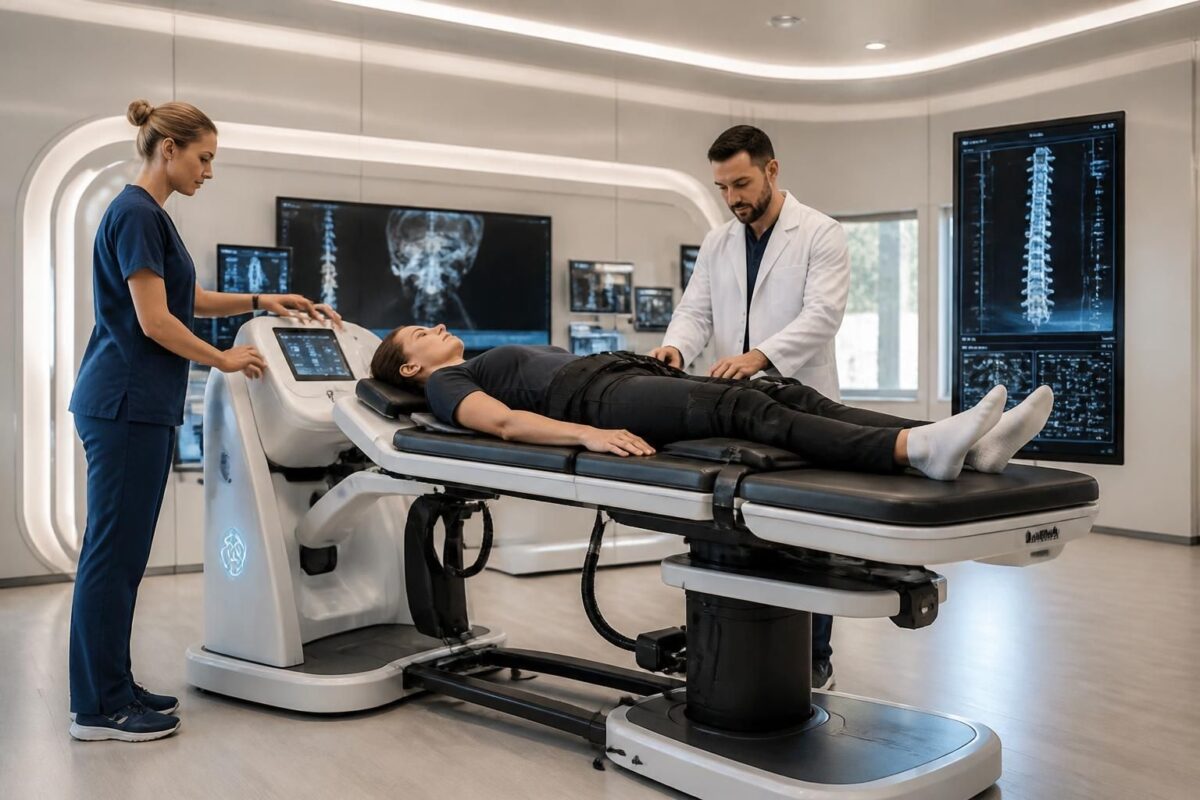
Recent innovations in neurovertebral decompression technologies
In short In short, the neurovertebral decompression is an approach non-invasive Aiming to reduce pressure on discs and nerves, and promote tissue regeneration. At Montreal, it is positioned as an effective option for lower back pain and herniated discs. The…
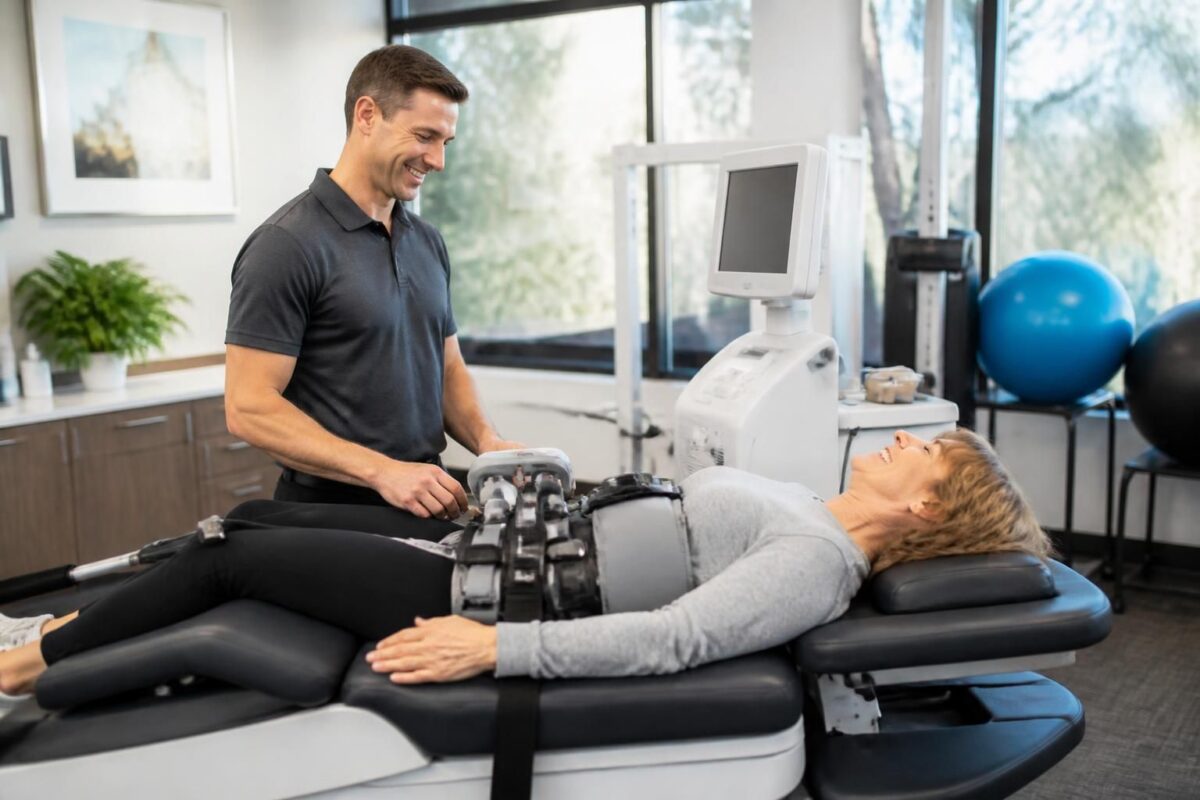
Neurovertebral decompression and diffuse pain: an appropriate solution
In short In short, the neurovertebral decompression is one Non-invasive solution For diffuse pain related to nerve irritation of the spine. She acts in Reducing pressure on intervertebral discs and nerves and improving the bloodstream, which promotes recovery and the…
Processing process and protocols
A session begins with a complete assessment to personalize the therapeutic plan. The typical duration varies between 15 and 30 minutes, and the number of sessions is adapted to the severity of the symptoms and the patient’s response. The protocol can be combined with exercise tips, stretches and lifestyle habits to stabilize the spine and promote recovery. Regular follow-ups make it possible to adjust the traction and the objectives of the treatment.
Safety, precautions and contraindications
This therapy should be considered after a In-depth medical assessment. Certain conditions may limit its applicability or require temporary or permanent contraindications. It is essential to discuss your medical history, including fractures, infections, tumors, pregnancy or spinal instability. Well conducted, decompression is associated with few side effects and a generally comfortable and relaxing experience for the patient.
Practical tips to maximize results
To get the most out of decompression, adopt a Adapted posture On a daily basis, integrate strengthening and stretching exercises under supervision, and maintain regular physical activity according to your abilities. Be careful of a Sufficient hydration and a diet that promotes controlled inflammation. Plan the sessions consistently with your schedule and keep a pain and mobility journal to track progress and adjust the plan if necessary.
| Aspect | Description |
|---|---|
| Main indication | relieve them Diffuse neuropathic pain by reducing the pressure on the nerves and discs, without surgery. |
| Mechanism of action | controlled traction that creates theintervertebral space and decreases nerve compression, promoting circulation and the regeneration Tissue. |
| invasiveness | non-invasive, without anesthesia, with risk reduction compared to surgery. |
| Expected results | Reduction lasting pain and Improving mobility, gradual return to activities. |
| Duration and rhythm | sessions short (15–30 minutes), frequency adapted to the case. |
| Preconditions and safety | mandatory pre-assessment; Adaptation of the plan and contraindications identified. |
| Benefits vs Surgery | natural alternative avoiding them Operating risks and the recovery time. |
| Accessibility and cost | Cost and accessibility generally more favorable than surgery, depending on the establishment. |
| Therapeutic integration | Can be integrated with other therapies and postural advice for Optimize results. |
Testimonials: neurovertebral decompression and diffuse neuropathic pain
Marie, 54 years old: “After months of Diffuse neuropathic pain, neurovertebral decompression was a revelation. This approach non-invasive brought me a relief sustainable and allowed me to find a better mobility and an quality of life found. »
Nicolas, 63: “I was afraid of surgery; Neurovertebral decompression offered me an alternative secure and non-invasive. I found a mobility and I live without medication. »
Claire, 39 years old: “My diffuse cervical pain was relieved after a few sessions. This approach personalized and short allowed me to resume my activities without risking complications. »
Antoine, 58 years old: “I was able to avoid surgery thanks to decompression. aches In decline, Daily activity found and quick recovery. »
Léa, 45: “The Diffuse pain in the lower back decreased after the sessions; I found a Better mobility and an bloodstream Improved. »
Thomas, 50 years old: “In a few weeks, I felt a relief and an pain reduction. My ability to carry out my daily tasks has improved and I can envision the future with more serenity, without depending on analgesics. »
The neurovertebral decompression presents itself as an innovative therapeutic approach and non-invasive To treat diffuse neuropathic pain related to spinal disorders. by targeting the reduction in the pressure exerted on the Intervertebral discs and the gristle, this method offers a natural way to relieve pain while avoiding the risks associated with long-term surgery and drug treatments. It is part of a logic of rehabilitation and sustainable restoration of the nervous and motor function, thus improving the mobility and the quality of life patients.
The mechanism of action is based on controlled traction that creates a virtual space between the vertebrae. This decompression releases accumulated tension, decreases nervous irritation and promotes better local blood circulation. Result: a gradual and significant reduction in symptoms, especially in irradiated areas and diffuse pain that complicates daily activities. By acting directly on the physical causes of pain, the technique contributes to faster recovery and prevention of recurrences.
The advantages of this approach are multiple. First, she is non-invasive, which means that it avoids anesthesia and follow-up. Then it offers support personalized And adapted to each profile, with protocols that adjust according to the evolution of the symptoms. In addition, treatments can be supplemented with other proven technologies such as laser where the Shockwave therapy, in order to maximize profits and accelerate the return to an active life. Finally, the sessions, generally short and regular, are easily integrated into everyday life without requiring prolonged stoppage.
This technique is aimed at a wide range of patients suffering from lumbar or cervical pain diffused, in particular when the pain comes from herniated discs, disc bulges or radiculopathies. It can also be a valuable option for people who have already considered surgery or wanting to avoid long-term drug treatments. In addition to a program of muscle strengthening and appropriate stretching, neurovertebral decompression fits into a holistic approach to treating causes and symptoms, rather than limiting itself to occasional pain suppression.
The therapeutic journey begins with a complete evaluation, followed by a personalized treatment plan. The sessions, which are typically 15 to 30 minutes long, are held at a rate that is appropriate for individual needs, with a recommended frequency depending on the severity of symptoms and response to treatment. Although safety is paramount, the side effects are generally minimal and transient, and medical monitoring ensures continuous adaptation of protocols.
For those looking for a suitable and lasting solution in the face of diffuse neuropathic pain, neurovertebral decompression is a promising option. It proposes a natural way of rehabilitation, centered on the body and its balance, in order to promote active and persistent recovery without resorting to invasive interventions.
This article presents the neurovertebral decompression like a adapted solution For people suffering from Diffuse neuropathic pain. It sets out the mechanisms, indications and benefits of an approach non-invasive and personalized, able to decrease the pressure on the nerves and intervertebral discs, while providing lasting relief and better quality of life.
The neurovertebral decompression acts by creating a space between the vertebrae by a Controlled traction, which reduces the pressure exerted on the gristle and the Intervertebral discs. This approach is particularly effective for pain related to slipped disc and other forms of pain diffuse the back and neck, offering a natural alternative to surgical procedures.
Compared to surgical or drug treatments, this approach is distinguished by its character non-invasive, its quick recovery and its Personalized approach. It often allows a significant reduction in pain and improved mobility and quality of life, while avoiding the risks and side effects associated with heavy procedures and long-term pharmaceutical treatments.
To be part of a sustainable care pathway, neurovertebral decompression fits into a framework personalized Including an in-depth initial assessment, regular sessions and additional exercises aimed at strengthening the stabilizing muscles and preventing recurrences. This therapeutic logic promotes active rehabilitation and regained autonomy in daily activities.
Resources and feedback support these benefits. For example, you can consult LES#ATFP_CLOSE_TRANSLATE_SPAN# Rapid clinical results obtained with neurovertebral decompression, or discover Comment#ATFP_CLOSE_TRANSLATE_SPAN# This solution agrees with diffuse pain. Other pages address mechanisms of action and benefits on nervous pressure and mobility: Benefits#ATFP_CLOSE_TRANSLATE_SPAN# to reduce nerve pressure, Comment#ATFP_CLOSE_TRANSLATE_SPAN# acts the decompression on diffuse neuropathic pain, and Prevention#ATFP_CLOSE_TRANSLATE_SPAN# Neuropathic pain. For a presentation focused on the individualization of the treatment, read A#ATFP_CLOSE_TRANSLATE_SPAN# Custom support, and to understand non-pharmacological alternatives, Why#ATFP_CLOSE_TRANSLATE_SPAN# This is a natural alternative to opioids. Additional resources also illustrate the importance of Find#atfp_close_translate_span# An active life, and specific benefits for sciatica: Relieve#ATFP_CLOSE_TRANSLATE_SPAN# Acute sciatica. Finally, TagMed offers a Approach#ATFP_CLOSE_TRANSLATE_SPAN# Multidisciplinary to treat complex neuropathic pain.

Dr Sylvain Desforges, B.Sc., D.O., N.D., osteopath, is the founding president of TAGMED and of the ACMA association. He dedicates his practice to chronic spinal pain, low back pain and symptoms compatible with sciatica, particularly when pain radiates toward the buttock, leg, calf, foot or toes.
Through SOS Sciatique, he publishes educational content on sciatica symptoms, possible causes such as disc herniation, disc narrowing, foraminal stenosis or irritation of a lumbar nerve root, as well as non-surgical approaches that may be considered according to the evaluation. At Clinique TAGMED, care may include, depending on the case, motorized neurovertebral decompression, specific osteopathic care or precision percussion.
For an evaluation related to sciatica treatment in Montreal / Mount Royal or sciatica treatment in Terrebonne, please consult the services available at Clinique TAGMED.
Medical disclaimer
The information published on SOS Sciatique is provided for educational purposes only and does not replace a consultation, diagnosis, opinion or treatment provided by a physician or another authorized healthcare professional. The author of this article is neither a medical doctor nor a specialist in a medical specialty recognized by the Collège des médecins du Québec. The osteopathic, manual medicine or functional support approaches described on this site do not constitute medical acts and are not intended to replace medical follow-up.
Consult a physician or emergency service in cases of loss of bladder or bowel control, anesthesia in the saddle area, significant or progressive weakness in the leg or foot, fever, recent trauma, severe pain or rapid worsening of symptoms. For more details, please read our Legal Notice.