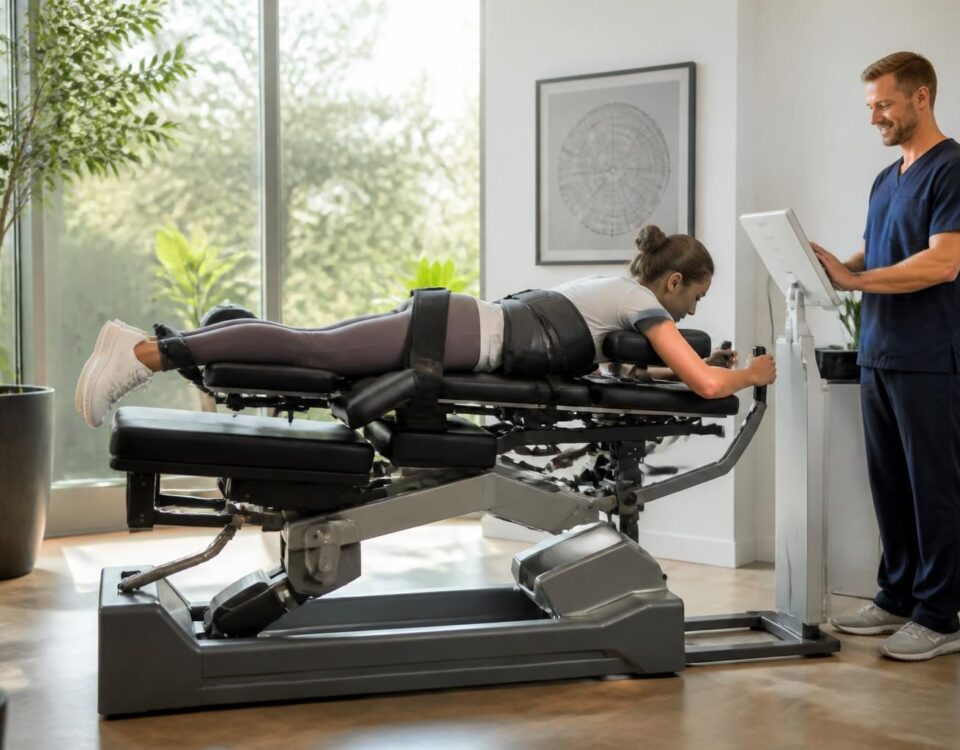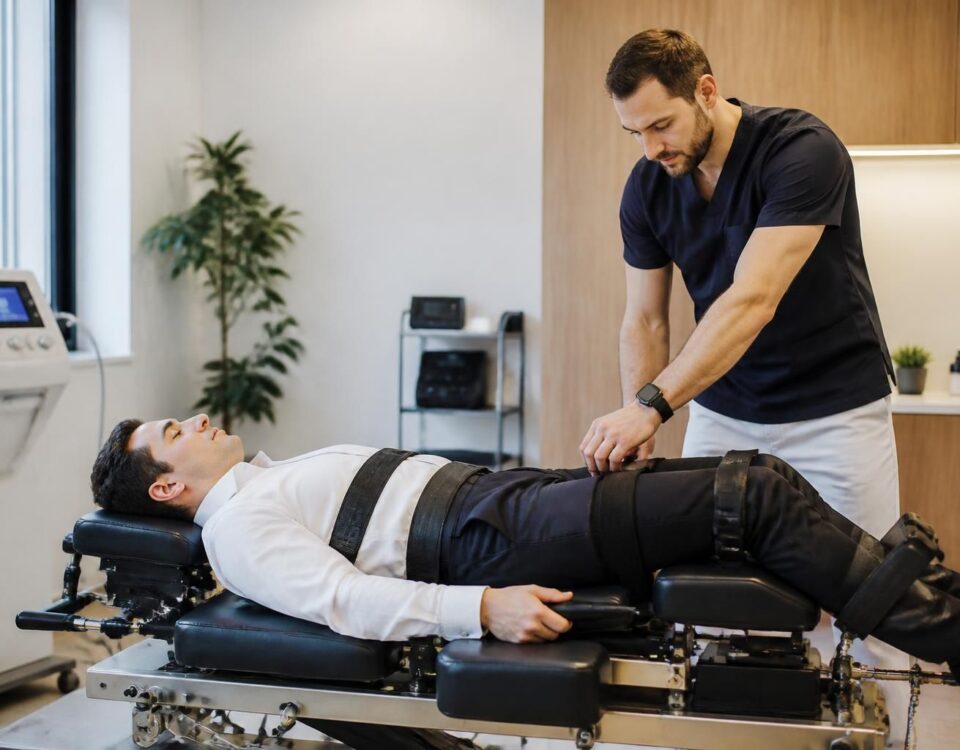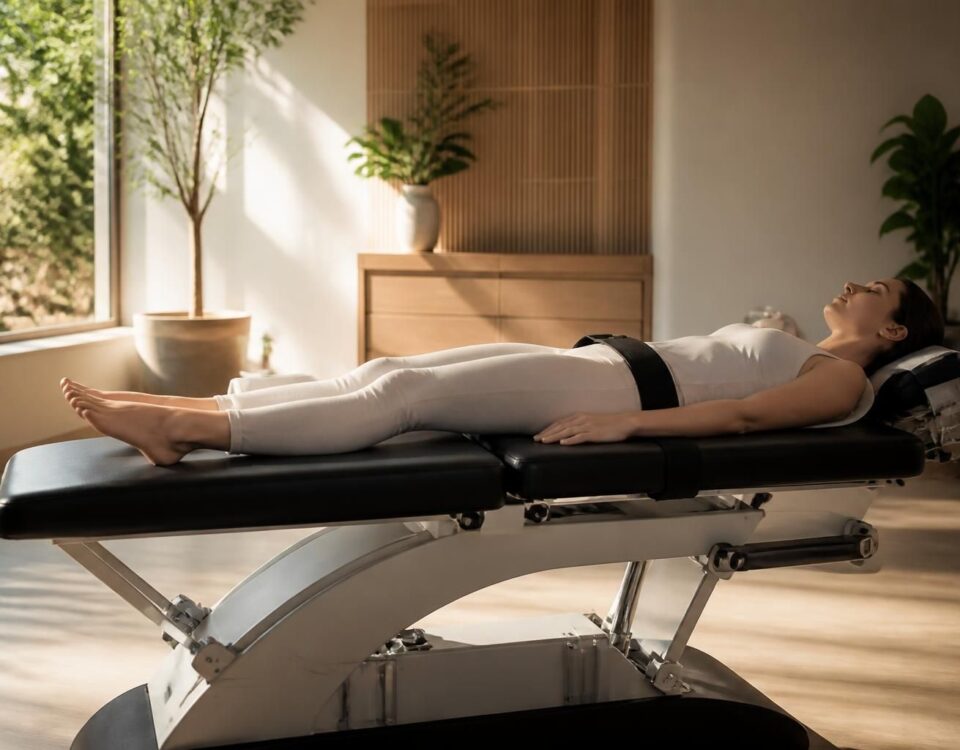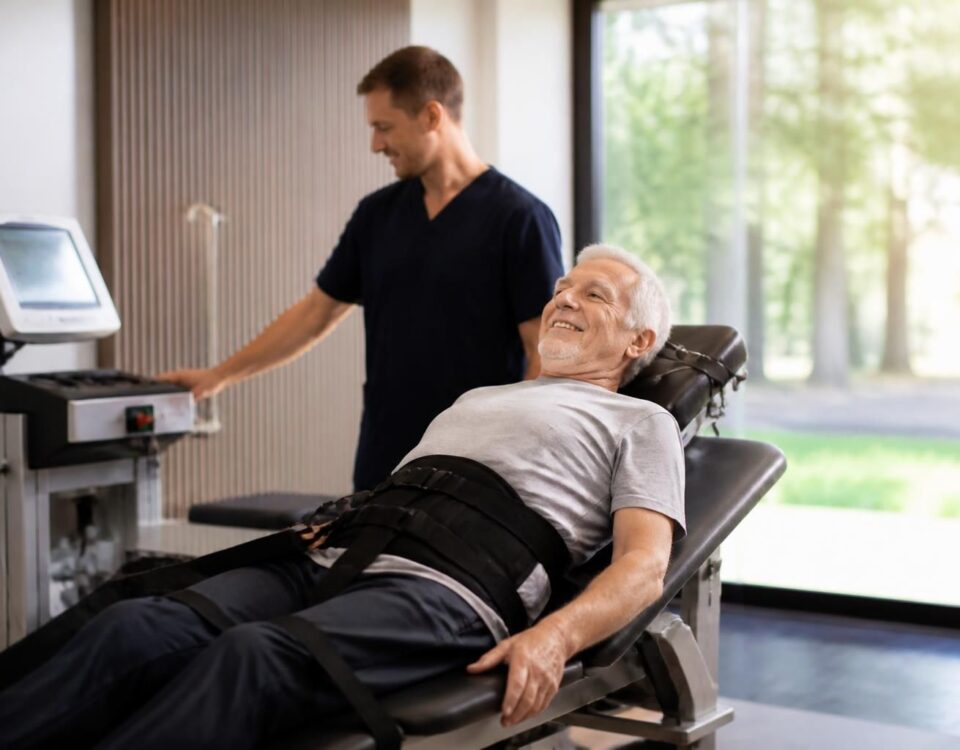
Why neurovertebral decompression is a natural alternative to opioids
26/06/2026
Neurovertebral decompression and chronic cervical pain management
26/06/2026
In short
| In short, neurovertebral decompression is one Non-invasive method which aims to relieve the back pain related to slipped disc and at the sciatica By reducing the nerve pressure and improving the circulation local. accessible to Montreal, it is recommended for Chronic pain of the spine. The Quick results include a pain reduction, a Mobility found and an Better quality of life, often without surgery. In studies, approximately 71% patients reported Significant improvement; For those who had not responded to other treatments, the rate of success can reach 86%. This approach also promotes Reduction of drug treatments and one Quick return to activities. |
The neurovertebral decompression OFFER OF Rapid clinical results by reducing the pressure on the nerves and improving local circulation, which results in a pain reduction and an Better mobility from the first sessions.
In a series of 778 patients, 71% reported significant improvement; in patients with facet osteoarthritis, 75% have obtained good to excellent results. And for those who had failed other treatments, 86% experienced improvement after this non-invasive treatment.
This text details the rapid clinical results observed during neurovertebral decompression. It highlights improvements in pain, mobility and quality of life, based on clinical data and patient returns. The objective is to present clear and verifiable facts, without proposing specific exercises or stretching. The quick results are part of a global care setting, with follow-up adapted to each patient.
Speed of effects and initial improvement
decompression neurovertebral May induce pain relief from the first sessions. Patients often experience a rapid decrease in pain related to degenerative pathologies and nerve compression. This phenomenon is consistent with the mechanisms that decrease the pressure on the nerve roots and improve local circulation. The return of a certain mobility can be observed shortly after the start of treatment, which contributes to an easier resumption of daily activities.
General efficiency and improvement rate
Clinical series involving a wide range of patients demonstrate sustained improvement after treatment. For example, in a sample of 778 patients, about 71% reported a significant improvement in their condition. These results mainly concern lumbar and radicular pain associated with disc protrusions or disc diseases. In patients with facet osteoarthritis, up to 75% obtained results evaluated as good to excellent. These figures support the usefulness of decompression as a non-surgical option for a significant proportion of patients with spinal pain.
Impact on mobility and function
Reducing pressure on nerve structures promotes improved mobility and function. Many patients report increased mobility and better ability to perform daily gestures. These gains are reinforced when the treatment is accompanied by a global care plan and appropriate follow-up. In some cases, a reduction in the consumption of certain analgesics is postponed, indicating a clear change in pain management.
Sustainability and safety of results
The results are not limited to occasional improvements. Clinical studies indicate that 50% to 70% of patients retain long-term benefits after the end of the decompression cycle, especially when measures of strengthening and maintaining spinal function are integrated into the care pathway. The therapy is non-invasive and well tolerated by the majority of patients. Regular reassessments make it possible to adjust the protocol and optimize the sustainability of the effects.
Protocols and application framework
A typical program consists of between 15 and 25 sessions, depending on severity and individual response. The quick results, combined with structured follow-up, promote lasting symptom reduction and improved quality of life. This approach is part of a perspective of conservative care and prevention of recurrences in patients at risk.
Recommended resources and links
For further clinical results and feedback, you can consult:
Clinical studies and therapeutic advances
Treatment of recurrent mechanical pain
Nervous tensions and non-invasive approach
Prevention of spinal complications
Innovations and decompression tablets
Quick results obtained with decompression
For complete information on principles and results, see our pages on Tagmed Clinic and neurovertebral decompression.
Medical Disclaimer: The information and advice provided on this site does not replace the health professional’s diagnosis or treatment. Please note that Dr. Sylvain Desforges osteopath is neither a doctor of medicine nor a doctor, and is not a specialist in a medical specialty as defined by the Collège des Médecins du Québec. Manual medicine, functional medicine and sports medicine as described on this site exclude any medical treatment or diagnosis made by a doctor or specialist doctor. Always consult your doctor for any medical questions. For more details, please read our full legal notice.
- Rapid pain relief : 71% of patients show a significant improvement after treatment, especially for sciatica and lower back pain.
- Improving mobility : Quick return to daily activities after a few sessions.
- Reduction of radiant pain : noticeable decrease from the first sessions.
- Sustainable results : 50–70% retain long-term gains with a strengthening program and appropriate follow-up.
- Impact on quality of life : Better autonomy and ability to practice physical activities.
- Clinical efficacy in facet osteoarthritis : Up to 75% of patients report good to excellent results.

This synthesis highlights the rapid clinical results obtained with neurovertebral decompression and offers practical recommendations for optimizing these gains quickly observable in patients with spinal pain.
rapid results observed in the majority of patients
The first sessions can already bring significant relief, thanks to an immediate reduction in pressure on the nerve roots and an improvement in local circulation. In clinical series, approximately 71% Patients reported significant improvement after treatment, with particularly marked results for sciatica and low back pain symptoms. In patients with facet osteoarthritis, assessments show up to 75% From results deemed “good” to “excellent”. Rapid mobility improvements are also described, with approximately 80% Patients feeling an immediate improvement in flexibility and function.
Beyond the initial relief, effectiveness is also manifested by lasting effects. 50 to 70% of patients retain the benefits after the end of the protocol, especially when the treatment is accompanied by a strengthening program and appropriate follow-up. functional improvements can result in a Improved functional capacity and an Reduction of painkiller addiction, which contributes to a better overall quality of life.
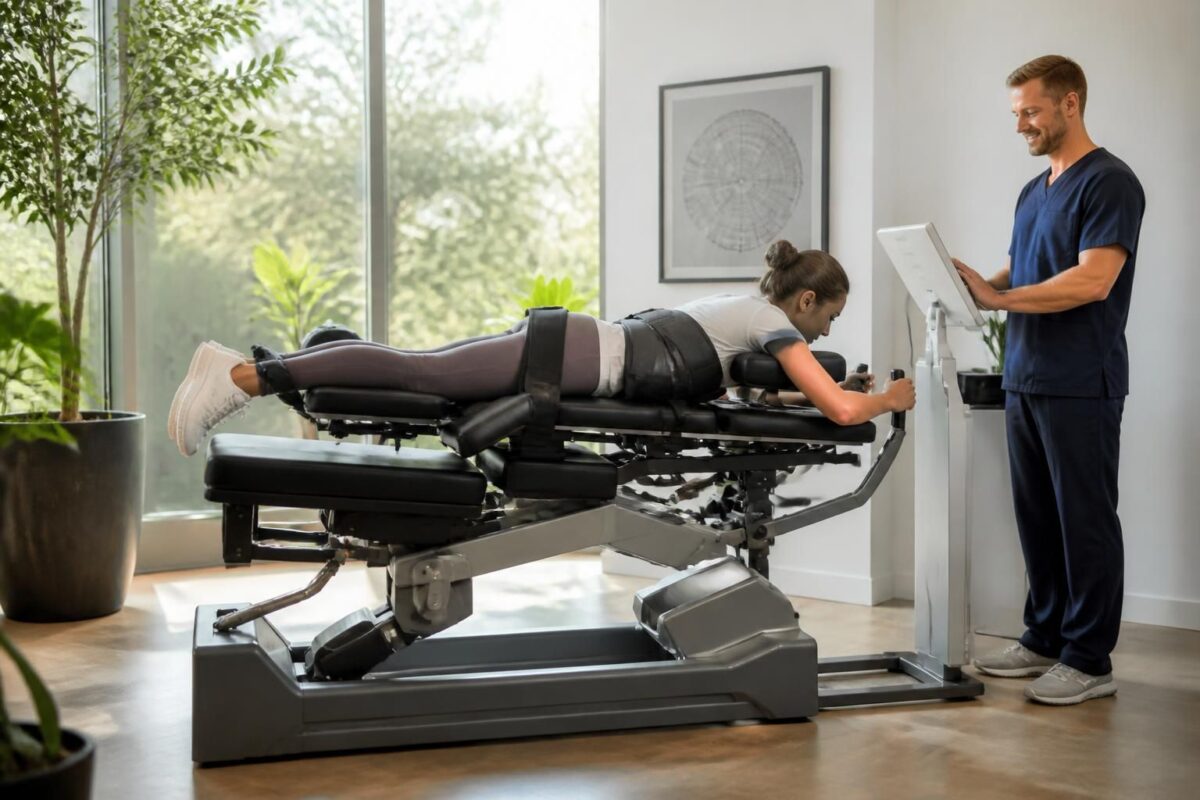
The long-term benefits of neurovertebral decompression for spinal health
In short In short, the neurovertebral decompression is a non-invasive approach that decreases the Pressure on intervertebral discs and nerves, favoring the Natural regeneration and tissue recovery. Its long-term benefits include Lasting pain reduction, Improving mobility and from the posture,…

Neurovertebral decompression and mobility: a return to an active life
In short In short, the neurovertebral decompression is therapy non-invasive who uses a gentle traction To create a space between the vertebrae and reduce the pressure on the Intervertebral discs and the nerves. It promotes a bloodstream improved, lowers tension…
Factors that influence the speed and durability of the results
the speed of the results strongly depends on the severity of pathology, the type of lesion (disc herniation, sciatica, stenosis), and theProtocol adherence (number of sessions, regularity). Postures and lifestyle habits favoring repeated pressures on the discs can limit efficiency if they are not corrected. Patients who integrate targeted strengthening exercises and postural counseling generally get faster and more lasting results.
Patient selection is also crucial. Preliminary examinations, such as imaging and clinical evaluation, help identify cases where decompression can bring benefits and those requiring a combined or alternative approach more quickly. Finally, the progression of the treatment plan and the customization of the objectives play a key role in obtaining rapid and lasting improvements.
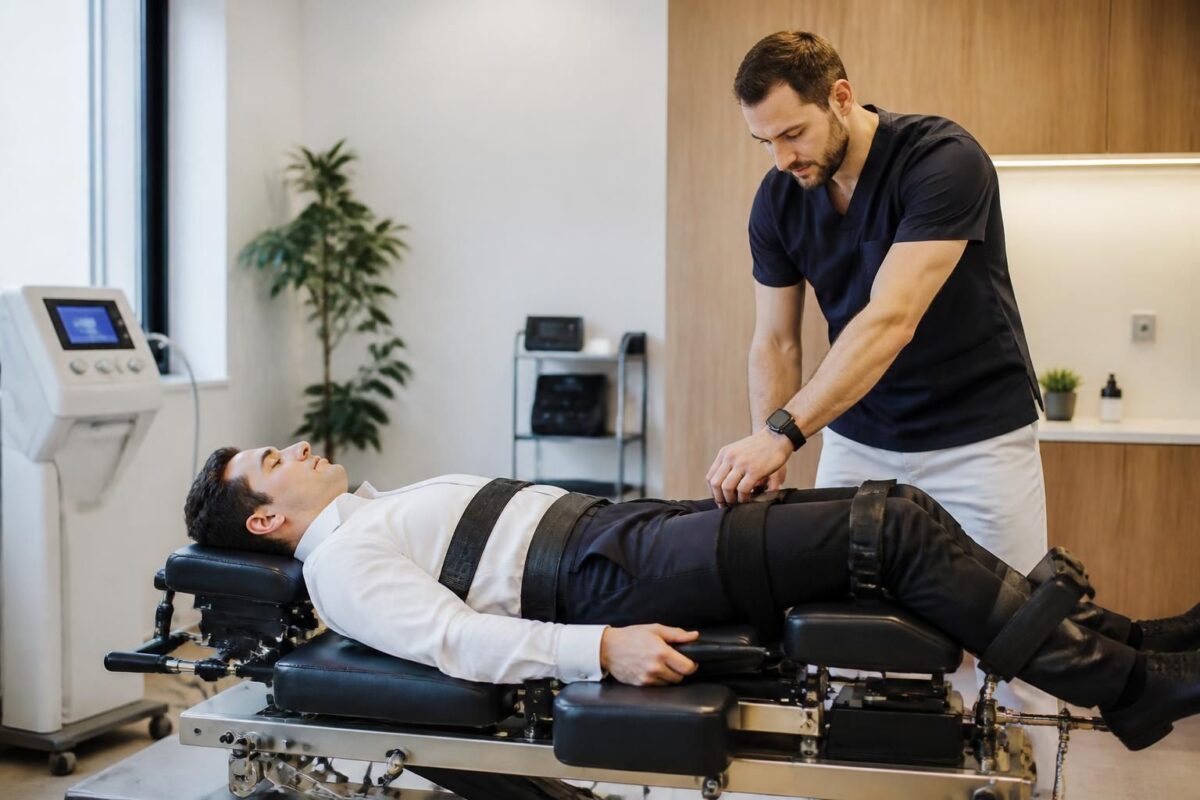
How Neurovertebral Decompression Prevents Diffuse Chronic Pain
In short decompression neurovertebral is one Non-invasive method aimed at reducing the Pressure on the intervertebral discs and the nerves, in order to prevent Diffuse chronic pain. It improves the circulation and thedisc hydration, decreases inflammation and promotes better mobility.…
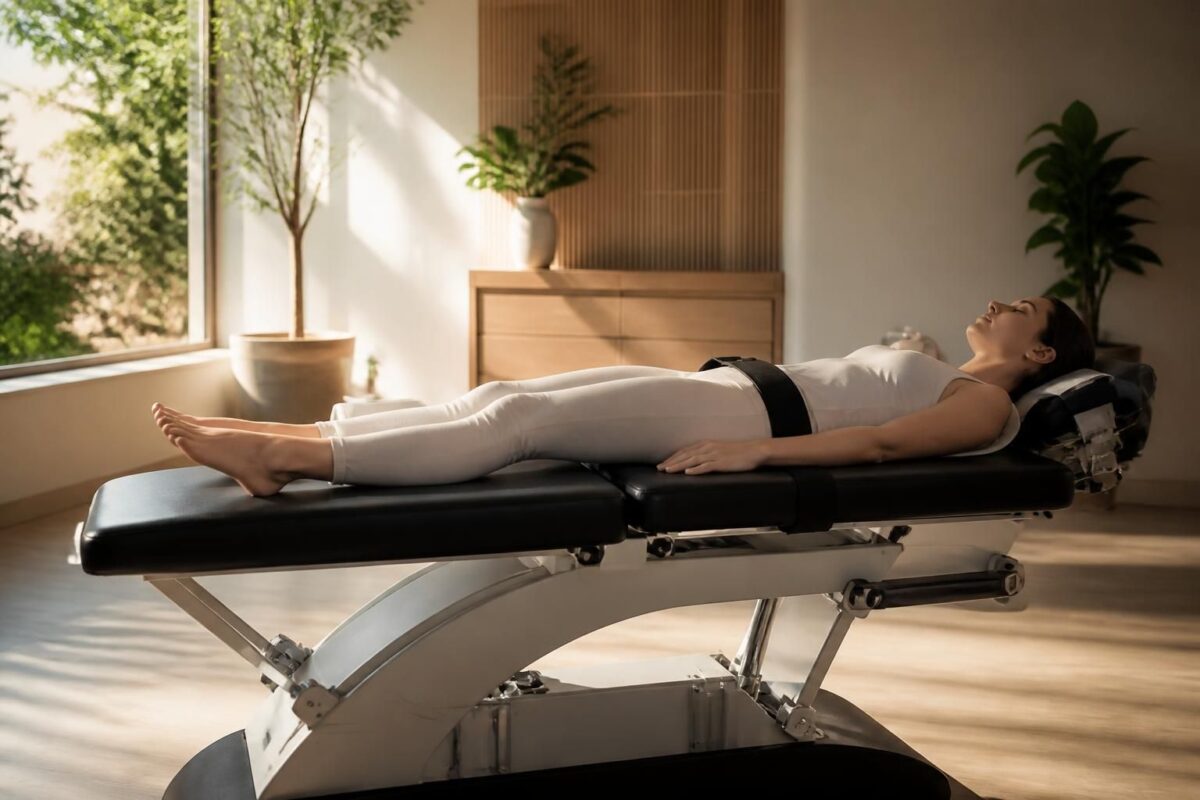
Neurovertebral Decompression and Body Alignment: Restoring Natural Balance
In short In short, neurovertebral decompression is one Non-invasive approach who restores theBody Alignment and thenatural balance back and neck. She acts by a Controlled traction of the spine to widen the intervertebral space and reduce the Pressure on discs…
Integration into a care pathway
Neurovertebral decompression must be part of a global course that maximizes rapid results, in particular by adding a Muscle strengthening program and regular follow-up. Combining with complementary non-invasive approaches can accelerate the return to activity and extend the benefits, while minimizing the use of drug treatments. This approach multidisciplinary Targets both symptoms and underlying causes, promoting better functional endurance and regained mobility.
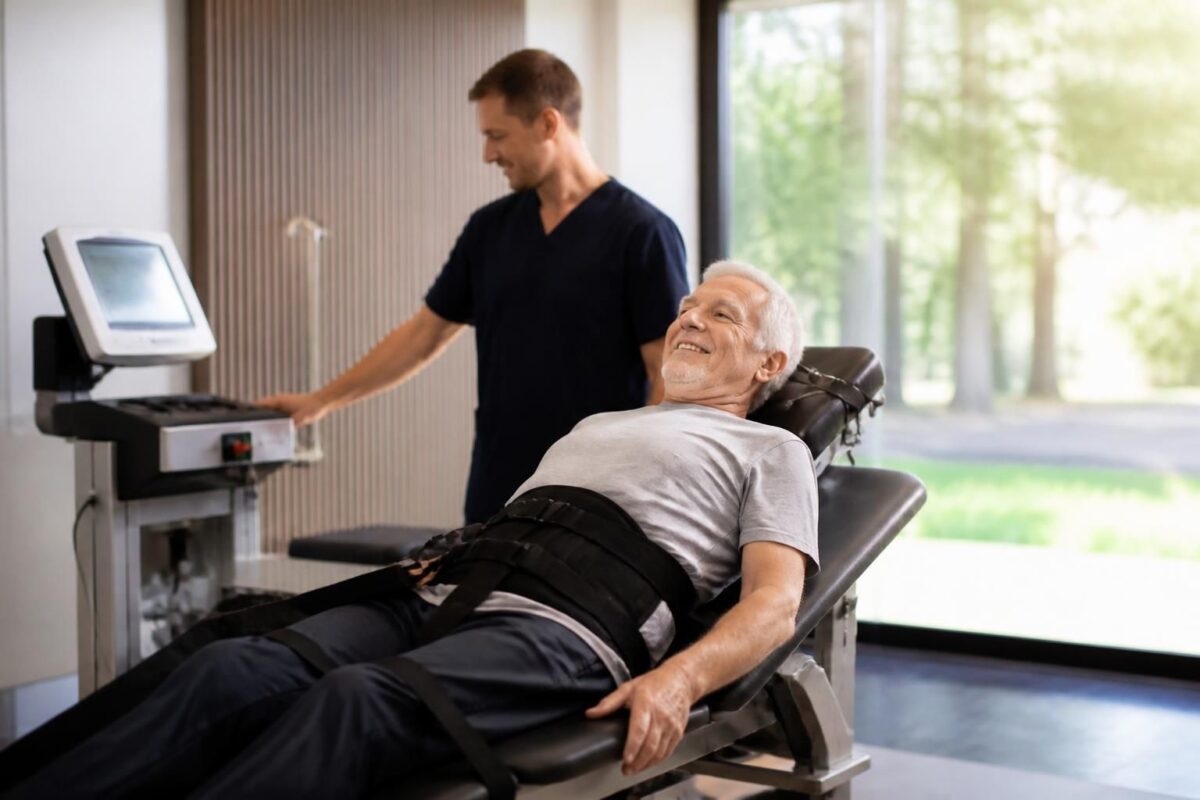
Why neurovertebral decompression is a lasting solution for active seniors
In short In short, the neurovertebral decompression is one Non-invasive therapy which sustainably relieves spinal pain in the spine active seniors By creating, by a Soft and controlled traction, a space between the vertebrae. At Montreal, it is recognized as…
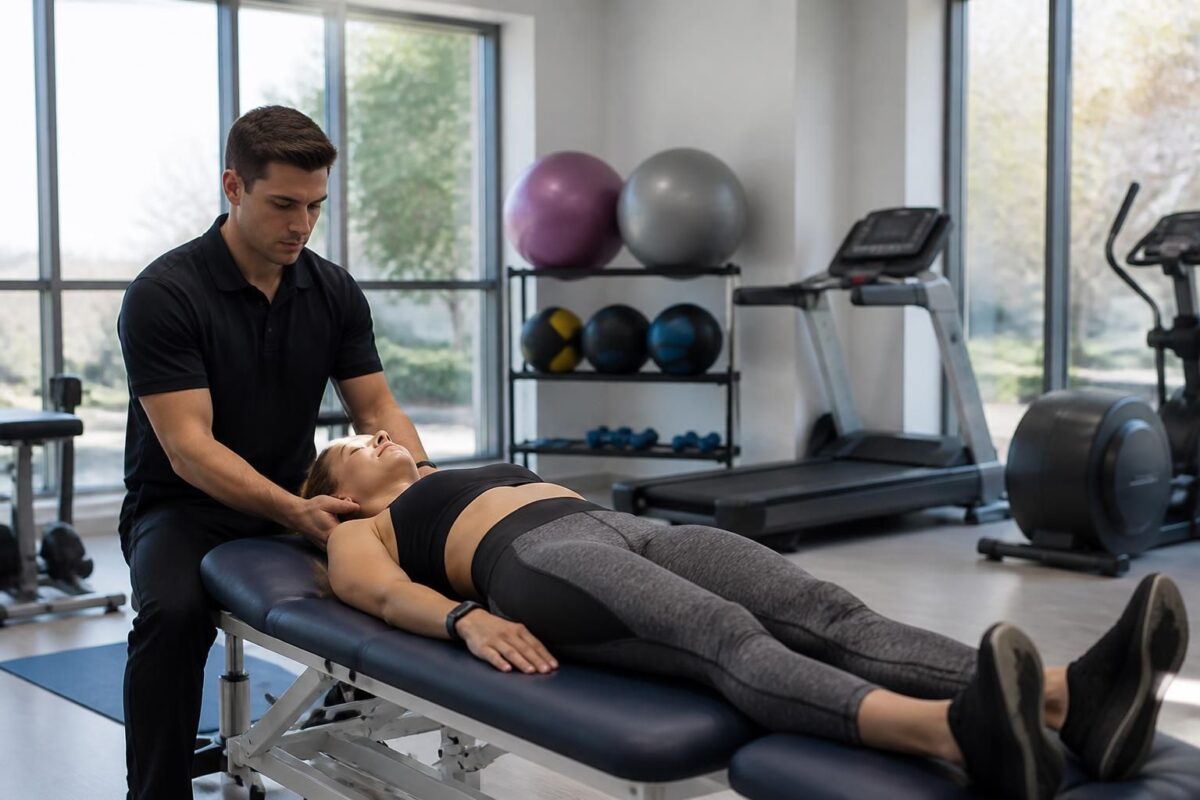
Neurovertebral decompression and recovery after severe sports injury
In short In short, the neurovertebral decompression is one Non-invasive method to Relieve the pressure on the Intervertebral discs and the gristle Via a Controlled traction, to facilitate the recovery After a severe sports injury. It improves the bloodstream towards…
Practical recommendations to optimize quick results
For patients, respect the planned session plan and quickly communicate any unusual pain or new symptoms. Maintain a suitable exercise routine, adopt good postures on a daily basis and limit activities that aggravate pain. Plan an active rehabilitation phase after the sessions to anchor the achievements and promote sustainable autonomy.
For practitioners, carefully evaluate the indications and mechanisms of action, plan a progressive protocol (duration of the sessions and total number), and ensure a structured follow-up. Combine decompression with targeted exercises, posture tips and, if relevant, non-invasive complementary modalities to amplify rapid effects. Adapt the plan according to the patient’s response and promote measurable objectives (pain reduction, increased mobility, functional capacity). Encourage compliance and document progress at each step to quickly adjust treatment and maximize early outcomes.
Overall, the rapid clinical outcomes of neurovertebral decompression are reinforced when the approach is well planned, personalized and integrated into a thoughtful rehabilitation program, with careful follow-up that quickly transforms the patient’s experience and accelerates her return to an active life.
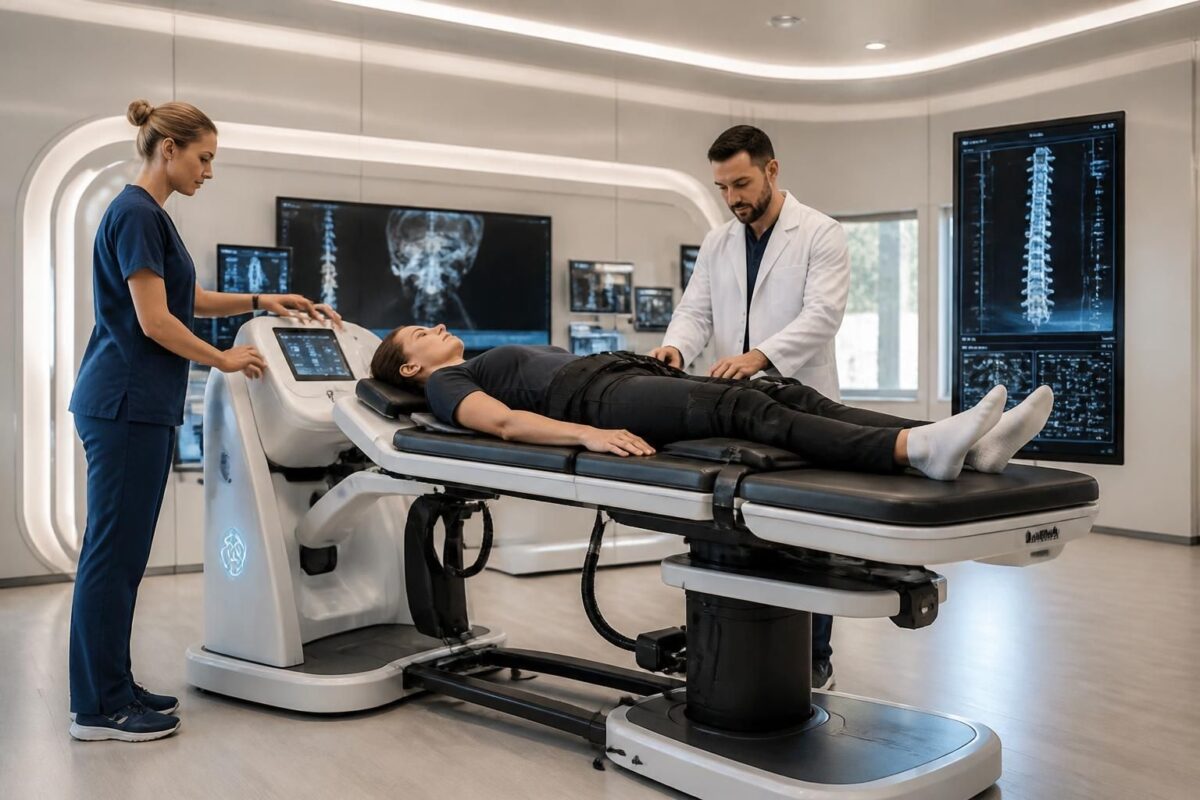
Recent innovations in neurovertebral decompression technologies
In short In short, the neurovertebral decompression is an approach non-invasive Aiming to reduce pressure on discs and nerves, and promote tissue regeneration. At Montreal, it is positioned as an effective option for lower back pain and herniated discs. The…
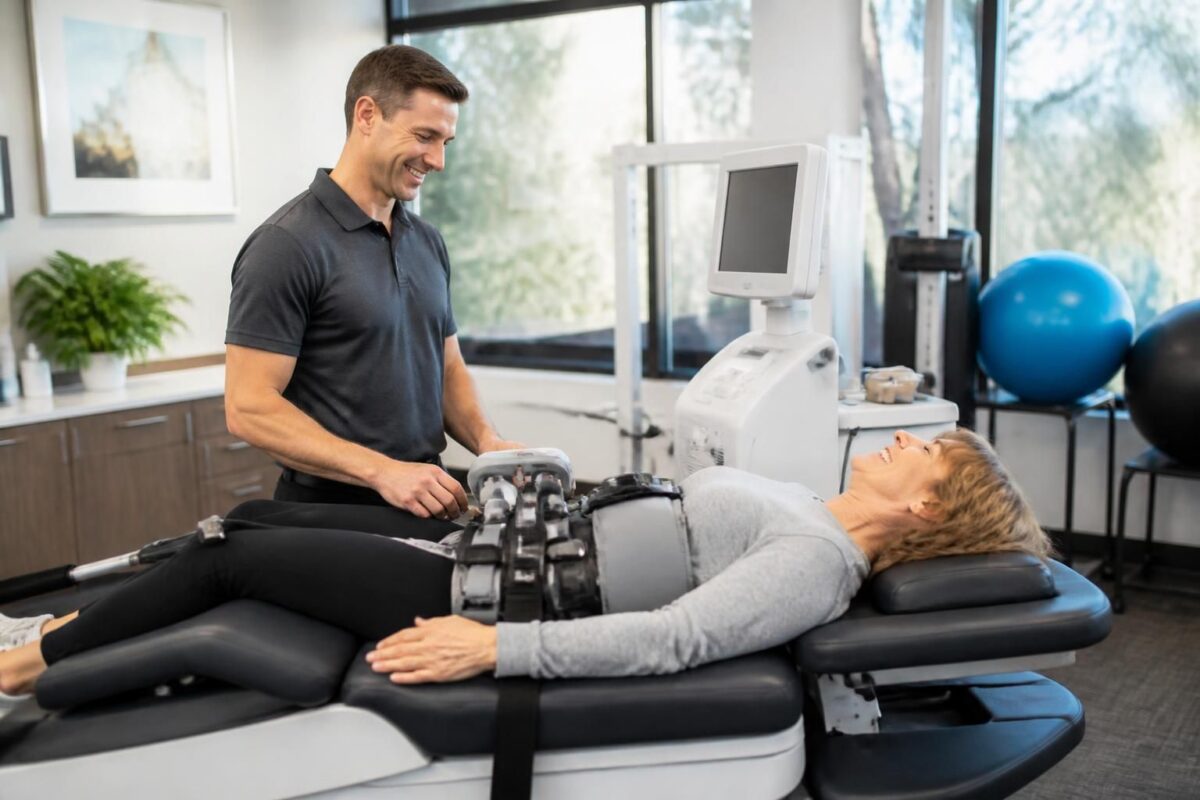
Neurovertebral decompression and diffuse pain: an appropriate solution
In short In short, the neurovertebral decompression is one Non-invasive solution For diffuse pain related to nerve irritation of the spine. She acts in Reducing pressure on intervertebral discs and nerves and improving the bloodstream, which promotes recovery and the…
Rapid clinical results observed with neurovertebral decompression
| Measured element | Concise description |
|---|---|
| Immediate pain improvement | almost immediate relief observed from the first sessions, often lasting |
| Percentage of significant improvement | Approximately 71% of patients report Significant improvement |
| Pathologies and effectiveness | hernias/disks and sciatica: frequent improvement; Facet osteoarthritis: 75% good to excellent |
| Mobility | 80% patients experience an immediate increase in mobility |
| Reduced drug use | Significant reduction in the use of analgesics in many cases |
| Durability of effects | 50-70% Maintain long-term improvements after treatment |
| Quality of life | Improved quality of life and resumption of daily activities |
| Average processing time | recommended program of 15 to 25 sessions; Quick gains then progress |
| Back to activity | Quick return to daily and sports activities according to the protocol |
Testimonials on the rapid results of neurovertebral decompression
Marie, 42, consultant, suffered from sciatica linked to a lumbar disc protrusion. After the first session of neurovertebral decompression, she describes a immediate relief and, from the following sessions, a Progressive improvement in mobility which allowed him to resume his daily activities without limiting his movements.
David, 54, sales representative, quickly noticed Fast and palpable results during treatment. It reports a marked reduction in pain after the first sessions and a Quality of life found thanks to a Increased mobility and a better ability to perform his professional tasks without limiting his movements.
Sophie, 33, a dancer, suffered from neck and lumbar pain linked to repeated tension. She testifies to a Almost immediate relief After the first sessions and Sustainable improvement in its flexibility, which allowed him to resume rehearsals with better ease and less fatigue.
Jean, 60, an engineer, had undergone lumbar surgery and sought to support his recovery without resorting to invasive treatments. He describes a Accelerated recovery thanks to neurovertebral decompression and Increased stability which resulted in a resumption of daily activities without persistent pain.
Clara, 47, an amateur athlete, suffered from lower back pain related to disc pathology. After a few sessions, she notes a Quick relief and an Significant improvement in mobility which allowed him to resume training earlier than expected and to observe better recovery after efforts.
Thierry, 62, retired, describes a Progressive discomfort and an Reduction of radiant pain after the first few weeks of treatment. He claims to feel a release of tensions and an Improved sleep thanks to a reduction in nocturnal pain.
Rapid clinical results obtained with neurovertebral decompression
Neurovertebral decompression is a non-invasive therapeutic approach that directly targets pressure exerted on intervertebral discs and nerve roots. Thanks to a gentle distraction of the spine and improved local circulation, it allows rapid relief and notable functional improvements in many patients with back pain, sciatica and disc protrusions. This method offers a first improvement window in the weeks following the start of treatment, while promoting sustainable recovery when integrated into a postural reinforcement and maintenance program.
Clinical data from large series analyzes the effectiveness of therapy on various populations. in a representative cohort, approximately 71% Patients reported significant improvement in their overall condition, with marked benefits in those with sciatica or lower back pain. Specifically, in patients with facet osteoarthritis, near 75% rated their results as ranging from “good” to “excellent”. These figures illustrate a robust ability of the technique to influence pain and function in the short and medium term.
The speed of effects is a major asset of this protocol. Many patients report a noticeable decrease in pain after the first sessions, accompanied by improved mobility and a faster return to daily activities. When associated with a structured program of strengthening exercises and regular monitoring, decompression shows results that are maintained over time, with profit persistence rates between 50 and 70% depending on profiles and pathologies.
Beyond lumbar pathologies, this approach is useful for cervical and radicular pain linked to disc protrusions and nerve compressions. Clinical testimonials describe rapid improvements in function and a reduction in irradiating symptoms, allowing a gradual and more confident recovery of professional and sporting activities. In the context of an appropriate treatment regimen, patients also find a decrease in their drug use and better confidence in their ability to perform daily movements.
Neurovertebral decompression is part of a holistic approach to health. It acts as a gateway to sustainable pain management, non-surgical and focused on recurrence prevention. In addition to decompression sessions, targeted exercises, postural advice and lifestyle education optimize results and promote the sustainability of functional gains. For patients who have not received any relief with other treatments, the data show that a significant percentage can find an effective solution thanks to this therapy, with satisfaction reports that are reflected in an overall improvement in quality of life and autonomy.
Through the integration of associated technologies and personalized monitoring, advanced neurovertebral decompression protocols make it possible to target not only acute symptomatology, but also the mechanical and vascularized factors that underlie the pain. This approach is particularly beneficial for people engaged in demanding professional activities and for athletes seeking to optimize their recovery and performance, while offering a reassuring and effective alternative to more invasive interventions.
This article details the Rapid clinical results observed with neurovertebral decompression, highlighting rates of improvement, rapid onset of relief and mobility found in patients with lower back and cervical pain. It is based on clinical data that show that most patients experience a noticeable reduction in pain after the first sessions and that these improvements can be maintained when treatment is integrated into a strengthening and follow-up program. To deepen the scientific aspects and associated studies, consult the dedicated resources mentioned below.
The Quick results Neurovertebral decompression is distinguished by immediate or almost immediate relief in many patients, including those suffering from sciatica, lower back pain and disc protrusions. In clinical series where 778 patients have been evaluated, approximately 71% reported a significant improvement in their condition, which confirms a rapid beneficial effect in a majority of cases. In addition, high proportions of patients with facet osteoarthritis report results deemed “good” to “excellent” (up to 75%), emphasizing the ability of the therapy to address inflammatory and mechanical mechanisms at the origin of pain.
This speed of action is explained by the mechanisms of action of the technique: a gentle distraction of the vertebrae and a reduction in pressure on the nerve roots, which improves local circulation and the supply of nutrients to the discs. These effects result in a gradual or immediate disappearance of radiant pain and a marked improvement in mobility, promoting rapid return to daily activities. To understand the clinical outcomes and underlying mechanisms, you can view the resources that present these results and their interpretation.
The sustainability of benefits is enhanced when neurovertebral decompression is associated with a muscle strengthening program and regular monitoring. Under these conditions, some of the patients retain long-term improvements, with estimated rates between 50 and 70% According to protocols and compliance. This integrated approach maximizes the chances of perpetuating relief and physical function found.
In addition, neurovertebral decompression shows a significant proportion of successes in patients who have failed to obtain relief with other treatments, with overall high efficacy figures in these specific populations. The available data therefore supports the idea that this technique can be a non-surgical and effective option in the management of chronic spinal pain, while requiring an appropriate screening assessment and a personalized treatment plan.
For professionals and patients wishing to deepen practical aspects and long-term outcomes, several resources offer complementary syntheses and analyzes of efficacy, indications and clinical implications. For example, pages dedicated to clinical studies detail protocols and results, while resources on the Prevention of long-term spinal lesions and on the neck pain provide additional insight into the benefits and precautions to consider.
Finally, the generalization of these results is reinforced by analyzes and syntheses evaluating the low risks and the optimal application conditions. The following resources offer varied and enlightening perspectives on this subject, with descriptions of mechanisms, clinical cases and practical implications for overall patient management.
For more information and additional perspectives, see the following pages: neurovertebral decompression, Post-surgical recovery, and Long-term benefits. Other useful readings and additional analyzes are accessible via external links and official pages that document clinical results and practical applications of this non-surgical approach.
Complementary and verifiable resources on clinical outcomes and practical aspects:
• Clinical studies and results: clinical studies
• Prevention of lesions and long-term safety: Long-term prevention
• Cervical pain and natural approach: neck pain
• Neurovertebral decompression (Wikipedia): neurovertebral decompression
• Clinical results and speed of benefits: Rapid clinical results
• Long-term prospects and results: Long-term results

Dr Sylvain Desforges, B.Sc., D.O., N.D., osteopath, is the founding president of TAGMED and of the ACMA association. He dedicates his practice to chronic spinal pain, low back pain and symptoms compatible with sciatica, particularly when pain radiates toward the buttock, leg, calf, foot or toes.
Through SOS Sciatique, he publishes educational content on sciatica symptoms, possible causes such as disc herniation, disc narrowing, foraminal stenosis or irritation of a lumbar nerve root, as well as non-surgical approaches that may be considered according to the evaluation. At Clinique TAGMED, care may include, depending on the case, motorized neurovertebral decompression, specific osteopathic care or precision percussion.
For an evaluation related to sciatica treatment in Montreal / Mount Royal or sciatica treatment in Terrebonne, please consult the services available at Clinique TAGMED.
Medical disclaimer
The information published on SOS Sciatique is provided for educational purposes only and does not replace a consultation, diagnosis, opinion or treatment provided by a physician or another authorized healthcare professional. The author of this article is neither a medical doctor nor a specialist in a medical specialty recognized by the Collège des médecins du Québec. The osteopathic, manual medicine or functional support approaches described on this site do not constitute medical acts and are not intended to replace medical follow-up.
Consult a physician or emergency service in cases of loss of bladder or bowel control, anesthesia in the saddle area, significant or progressive weakness in the leg or foot, fever, recent trauma, severe pain or rapid worsening of symptoms. For more details, please read our Legal Notice.