Neurovertebral decompression and mobility: a return to an active life
26/06/2026
What is osteopathy and how can it relieve chronic pain
27/06/2026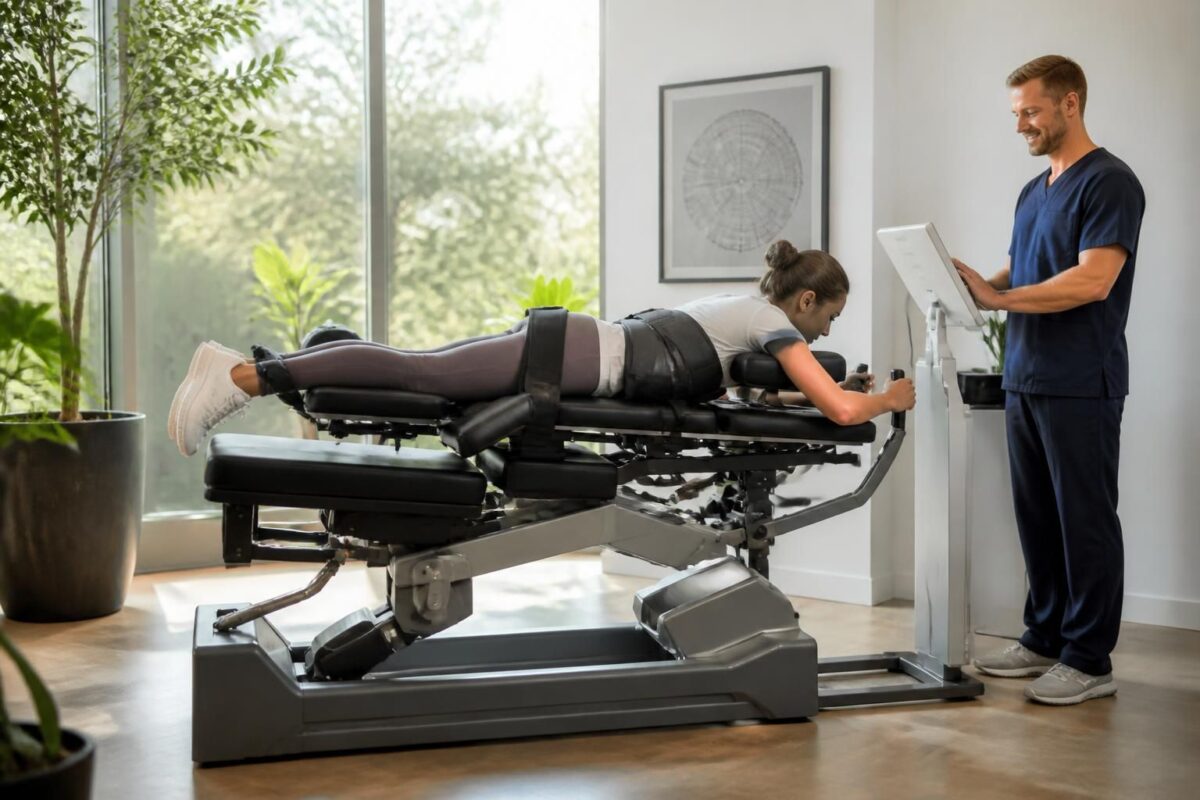
In short
| In short, the neurovertebral decompression is a non-invasive approach that decreases the Pressure on intervertebral discs and nerves, favoring the Natural regeneration and tissue recovery. Its long-term benefits include Lasting pain reduction, Improving mobility and from the posture, Tissue regeneration and Prevention of recurrences. In Montreal, this service is particularly recommended for chronic lower back and cervical pain and can be an effective non-surgical alternative, allowing a better quality of life and the resumption of daily activities without pain. |
The neurovertebral decompression is an approach non-invasive which acts directly on discs and nerves for results durable on the spine.
- Lasting pain reduction by reducing pressure and improving the nutrition of the discs.
- Improving mobility and flexibility, facilitating the resumption of daily and sporting activities.
- tissue regeneration thanks to better blood circulation and oxygenation of the affected areas.
- Prevention of recurrences and increased postural stability, reducing the risk of long-term relapse.
- Improved postural balance and decreased associated muscle tension, contributing to a better quality of life.
quick summary : The neurovertebral decompression aims to reduce the pressure exerted on the intervertebral discs and the nerves durably. This non-invasive approach can be associated with continuous improvement in pain, mobility and tissue regeneration, thus contributing to a better quality of life and a reduction in the risk of recurrence. This article details the mechanisms and long-term effects on spinal health, as well as the optimal conditions for maintaining these benefits in TagMed and practice clinics.
Lasting pain reduction and spinal stability
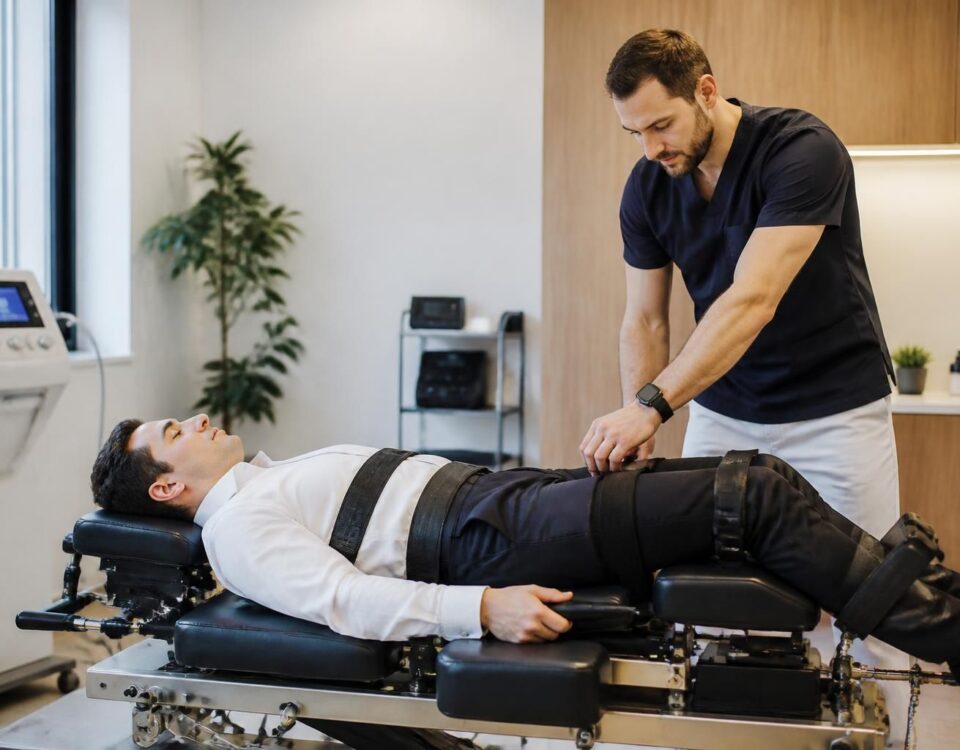
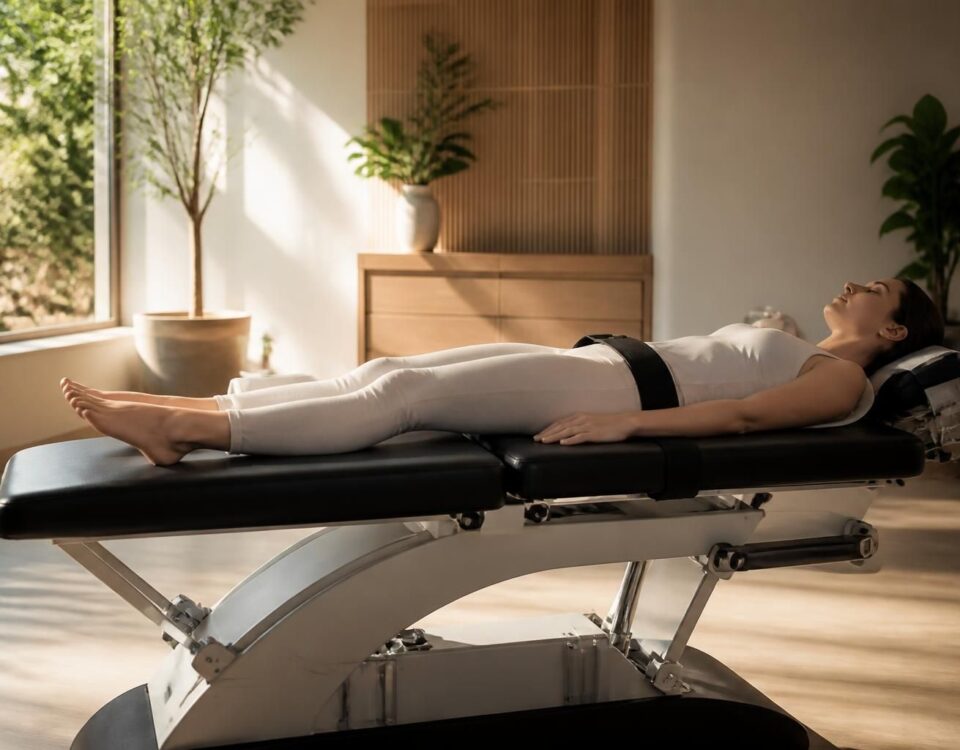
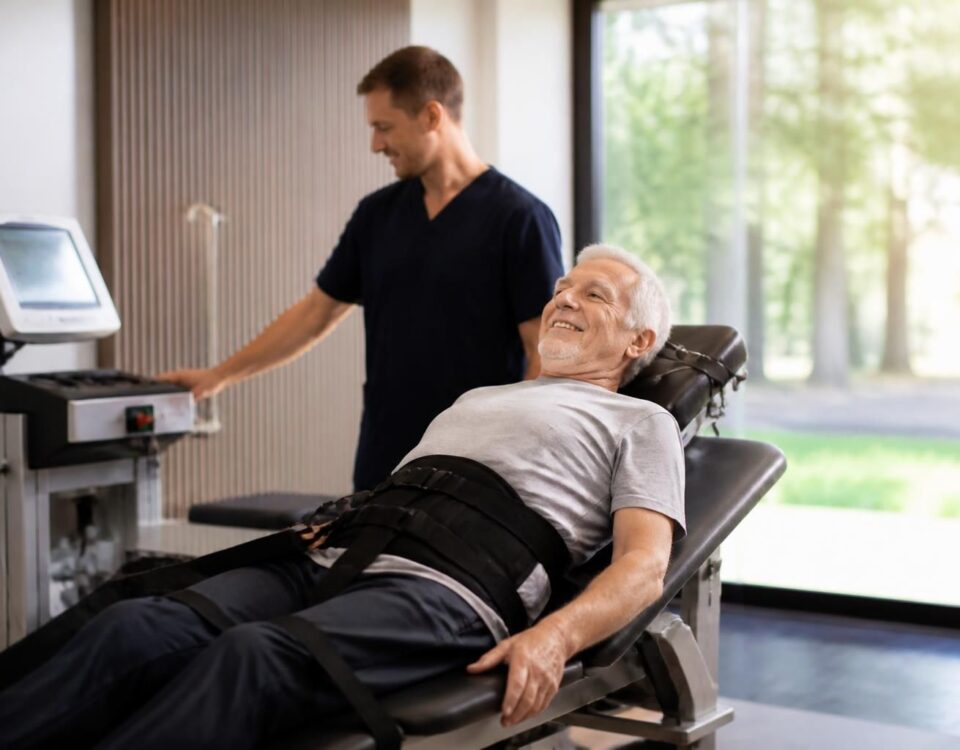
The neurovertebral decompression Acts by reducing the pressure on the intervertebral discs and on the nerve roots. This load reduction promotes an environment conducive to healing and progressive pain reduction over the sessions. lasting results translate into less than chronic pain and better structural stability of the spine, which contributes to a more active daily life. To understand the mechanisms and long-term benefits, consult the dedicated resources on Prevention of long-term spinal lesions and neurovertebral decompression.
Improved mobility and daily function
By reducing the pressure on the vertebral elements, the mobility And the range of movements improve. Patients often find better flexibility and increased ability to perform daily activities without persistent pain. This improvement is supported by increased circulation in the tissues of the column, promoting the transport of nutrients and the evacuation of metabolic waste. To explore aspects related to improved flexibility and mobility, see the information provided on Non-invasive innovations and Improved spinal flexibility.
Tissue regeneration and local circulation
decompression Improves blood circulation in the affected region. This better infusion increases the intake of essential nutrients and oxygen for disks and adjacent structures, supporting the Natural regeneration fabrics and contributes to long-term functional restoration. Clinical data and comparative analyzes suggest that this approach promotes more sustainable recovery than some invasive interventions. To explore this topic further, see Recovery after recurrent disc herniation and Long-term results.
Prevention of recurrences and sustainability of benefits
One of the key objectives of neurovertebral decompression is the Prevention of recurrences spinal pain. By improving the condition of disks and surrounding structures, it can reduce the risk of relapse and degenerative progression. Maintaining benefits is based on appropriate protocols and regular monitoring, as part of a comprehensive care program. For specific perspectives on prevention, consult long-term dedicated resources in TAGMED clinics and related protocols on Custom protocols and Long-term benefits in elderly patients.
Active population and sports context
In active adults and athletes, neurovertebral decompression can lead to Faster recovery and better exercise tolerance, while avoiding the risks associated with more invasive interventions. The existing protocols are integrated into a global care offer focused on sustainable performance and complication prevention. To learn more about integrating into a sports program, see the dedicated information on Non-invasive approaches and Long-term benefits in the back.
To discover the services offered in Montreal and in the regions, and in particular the options offered by Clinique TagMed, go to Tagmed Clinic.
Additional information and clinical perspectives are also available on Prevention of long-term spinal lesions and Recovery after recurrent disc herniation.
Medical Disclaimer: The information and advice provided on this site does not replace the health professional’s diagnosis or treatment. Please note that the osteopath practitioner is neither a doctor of medicine nor a doctor, and is not a specialist in a medical specialty as defined by the Collège des Médecins du Québec. Manual medicine, functional medicine and sports medicine as described on this site exclude any medical treatment or diagnosis made by a doctor or specialist doctor. Always consult your doctor for any medical questions. For more details, please read our full legal notice.
For more information, see the following resources:
- Custom protocols
- neurovertebral decompression
- Long-term benefits for elderly patients
- Long-term back benefits
- Prevention of long-term spinal lesions
- Long-term benefits in elderly patients
- Non-invasive innovations
- spinal flexibility
- Recovery after recurrent disc herniation
- Long-term results
- Tagmed Clinic
- Pain permanently reduced
- records Better nourished and hydrated
- Mobility and increased flexibility
- Alignment and posture stabilized
- recurrences warned
- Quality of life and autonomy preserved
- Circulation and improved disc nutrition
- Prevention chronic pain
- Recovery Post-surgery or easy injury
- Serenity and increased general well-being

This article offers recommendations on the long-term benefits of neurovertebral decompression for vertebral health, focusing on the lasting reduction of disc pressure, tissue regeneration and continuous improvement of mobility and posture. This non-invasive approach is part of a global well-being approach and can reduce the risk of recurrent pain in the long term.
Sustainable pain reduction and improved mobility
Neurovertebral decompression acts by lowering the pressure exerted on the discs and nerves, creating a favorable environment for healing. This dynamic leads to a Sustainable reduction pain and Significant improvement in mobility, allowing to gradually resume daily and sporting activities without limiting efforts.
Over the course of the sessions, patients notice a decrease in radiant pain and greater ease in performing common gestures. This progression promotes active reintegration in work, leisure and training, while avoiding repeated irritations that fuel the painful cycle.
Stability and spinal alignment
By releasing the tension exerted on the joints and discs, the technique contributes to a more natural vertebral alignment and better stability of the segments. A better aligned spine supports daily efforts and reduces muscle spasms associated with poor posture.

Neurovertebral decompression and mobility: a return to an active life
In short In short, the neurovertebral decompression is therapy non-invasive who uses a gentle traction To create a space between the vertebrae and reduce the pressure on the Intervertebral discs and the nerves. It promotes a bloodstream improved, lowers tension…
How Neurovertebral Decompression Prevents Diffuse Chronic Pain
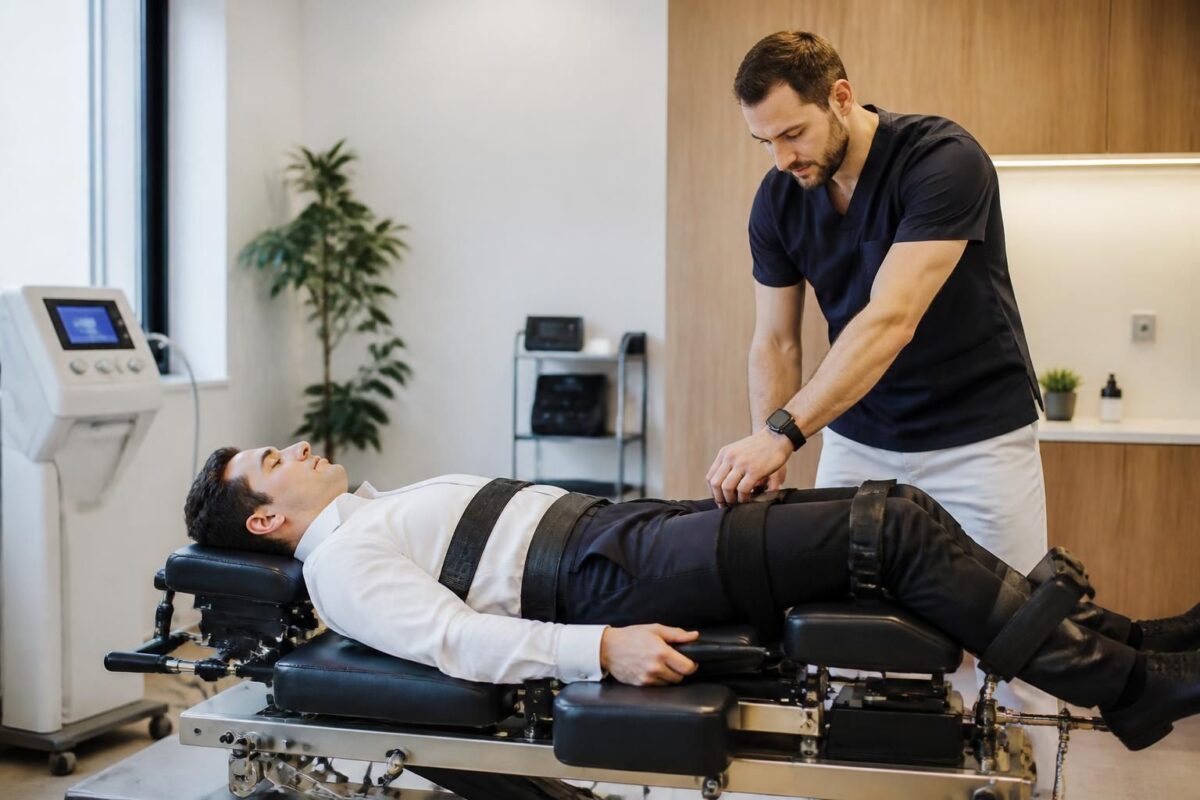
In short decompression neurovertebral is one Non-invasive method aimed at reducing the Pressure on the intervertebral discs and the nerves, in order to prevent Diffuse chronic pain. It improves the circulation and thedisc hydration, decreases inflammation and promotes better mobility.…
Disk regeneration and nutrition
Pressure reduction promotes better blood circulation in the affected area, which improves nutrient and oxygen supply to intervertebral discs. This regeneration natural participates in the revitalization of tissues and the preservation of the long-term disc functionality.
Over time, better disk nutrition can slow down degenerative processes and strengthen the overall column resistance. This dynamic contributes to maintaining an ample range of motion for daily activities and physical efforts without compromise.
Neurovertebral Decompression and Body Alignment: Restoring Natural Balance
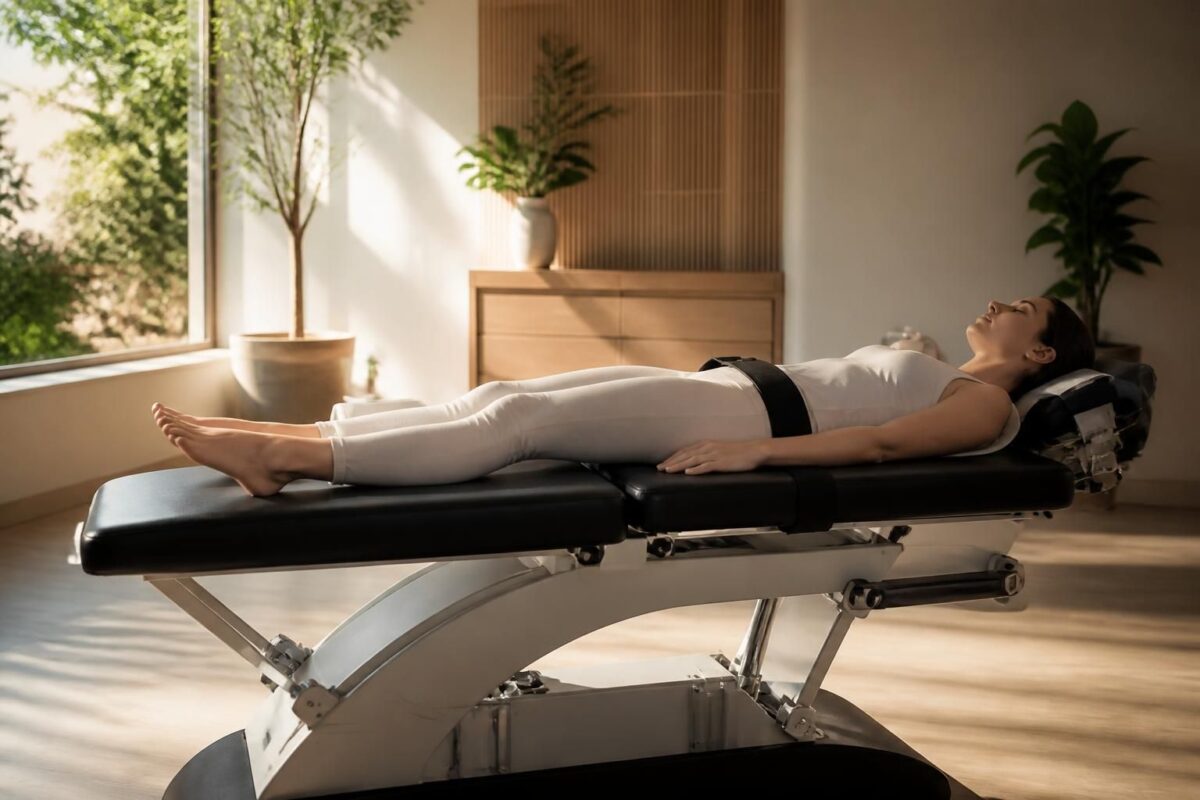
In short In short, neurovertebral decompression is one Non-invasive approach who restores theBody Alignment and thenatural balance back and neck. She acts by a Controlled traction of the spine to widen the intervertebral space and reduce the Pressure on discs…
Why neurovertebral decompression is a lasting solution for active seniors
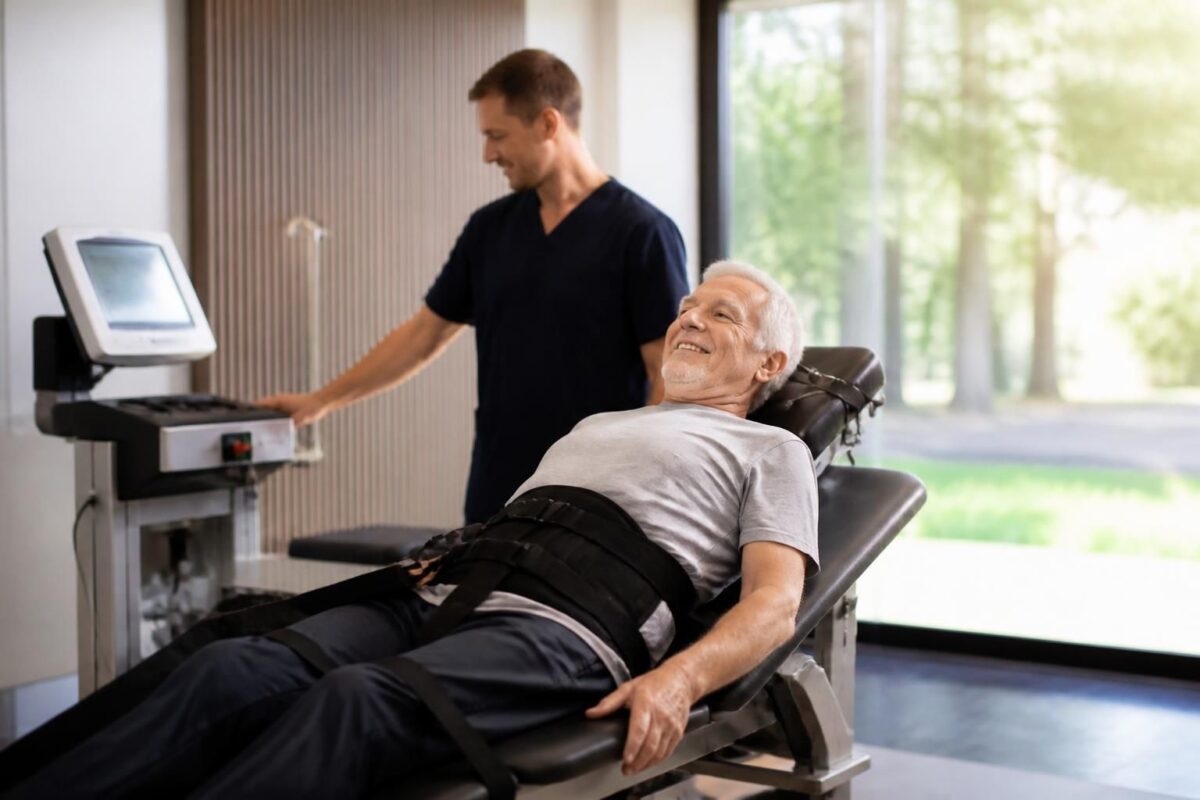
In short In short, the neurovertebral decompression is one Non-invasive therapy which sustainably relieves spinal pain in the spine active seniors By creating, by a Soft and controlled traction, a space between the vertebrae. At Montreal, it is recognized as…
Prevention of recurrences and post-treatment maintenance
Long-term profits come with a Reduced risk of recurrences When decompression is associated with a maintenance program and maintenance exercises. Patient education and regular monitoring help preserve results and avoid painful fluctuations.
Appropriate support, combining postural advice, hydration and appropriate physical activity, reinforces the effectiveness of the treatment. The gradual integration of targeted exercises helps stabilize the gains and extend the beneficial effects beyond the active sessions.
Patient education and autonomy
Having clear explanations of the mechanisms and preventive actions gives the patient the tools to become an actor in his spinal health. This autonomy contributes to reducing pain related to pain and to supporting a lasting and secure practice of physical activities.
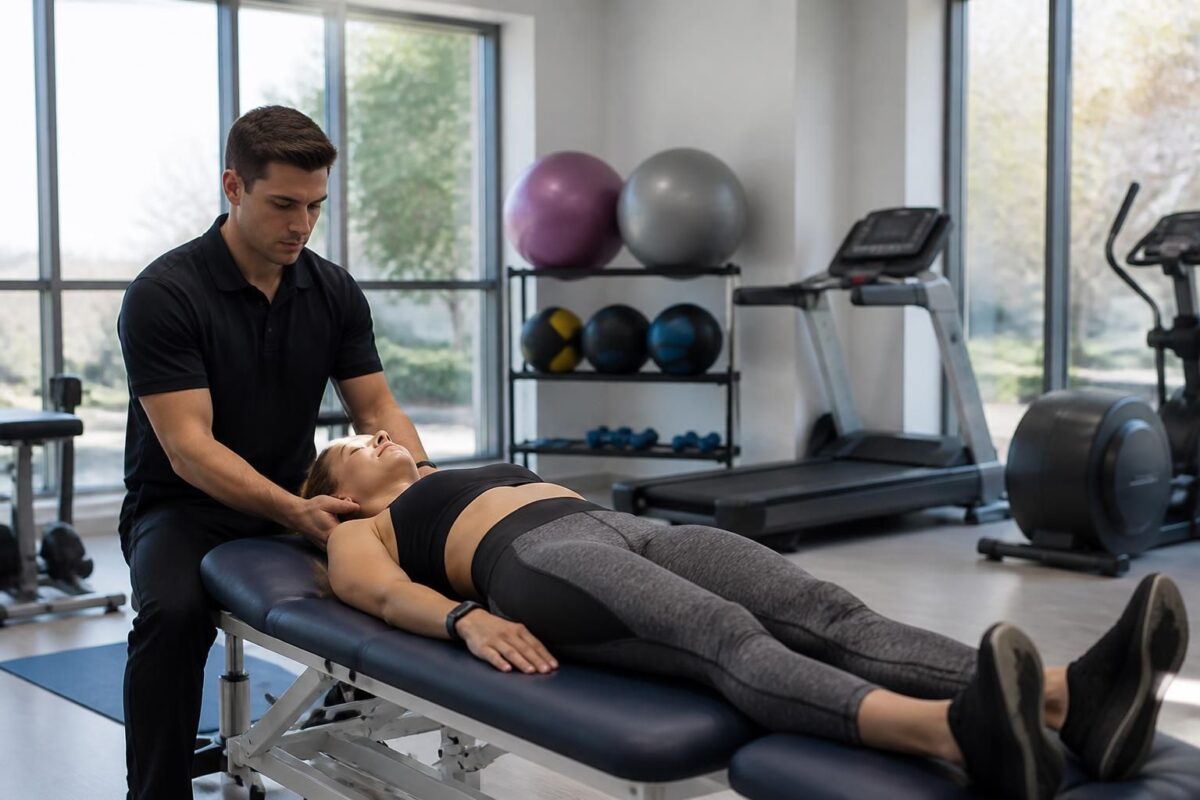
Neurovertebral decompression and recovery after severe sports injury
In short In short, the neurovertebral decompression is one Non-invasive method to Relieve the pressure on the Intervertebral discs and the gristle Via a Controlled traction, to facilitate the recovery After a severe sports injury. It improves the bloodstream towards…
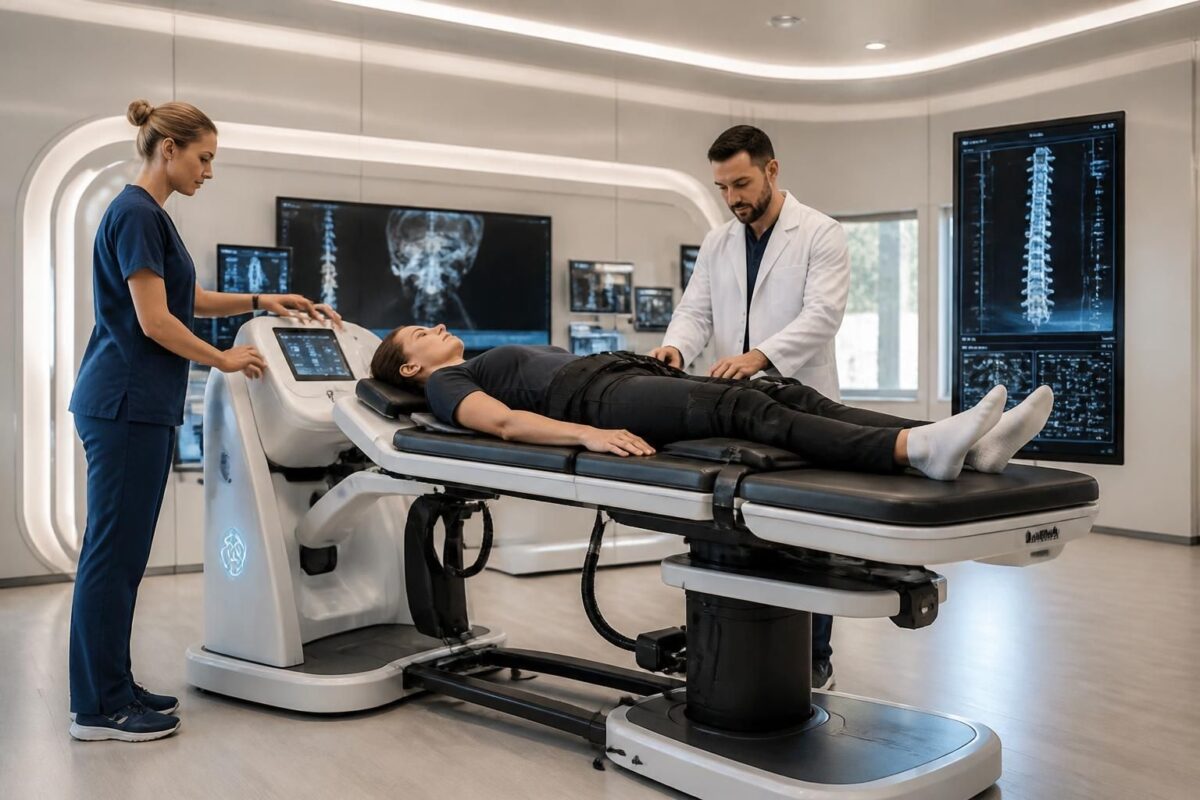
Recent innovations in neurovertebral decompression technologies
In short In short, the neurovertebral decompression is an approach non-invasive Aiming to reduce pressure on discs and nerves, and promote tissue regeneration. At Montreal, it is positioned as an effective option for lower back pain and herniated discs. The…
Impact on the nervous system and overall well-being
Reducing the pressure on the nerves promotes better neurological conduction and a reduction in radiating pain. This positive effect affects mental well-being and general energy, boosting confidence in the body’s ability to recover.
Beyond the physical aspect, mobility and posture improvements support a better quality of daily life, greater resistance to fatigue and a more stable mood. From a global perspective, neurovertebral decompression contributes to a sustainable approach to spinal health, which combines therapeutic efficacy, safety and active prevention of future pain.
| Aspect | Long term impact |
|---|---|
| Sustainable reduction of pain | lasting decrease in pain thanks to less pressure on the gristle and the records. |
| Disk regeneration and nutrition | Circulation improved and nutrition of discs favoring the regeneration Tissue. |
| Mobility and flexibility | increase inrange of motion and from the flexibility vertebral. |
| Prevention of recurrences | recurrence prevention thanks to better alignment and Postural stability. |
| Tissue circulation and nutrition | Increased perfusion of the spinal tissues and reduction of inflammation. |
| Postural alignment and stability | Better alignment spinal and stability of the vertebral segments. |
| Nervous System Support | Improved nerve conduction and decreased radiant pain. |
| Quality of life and autonomy | Back to Lactivity and at theautonomy on a daily basis. |
| Non-invasive alternative and risk reduction | Option non-invasive With less risk than surgery and follow-up. |
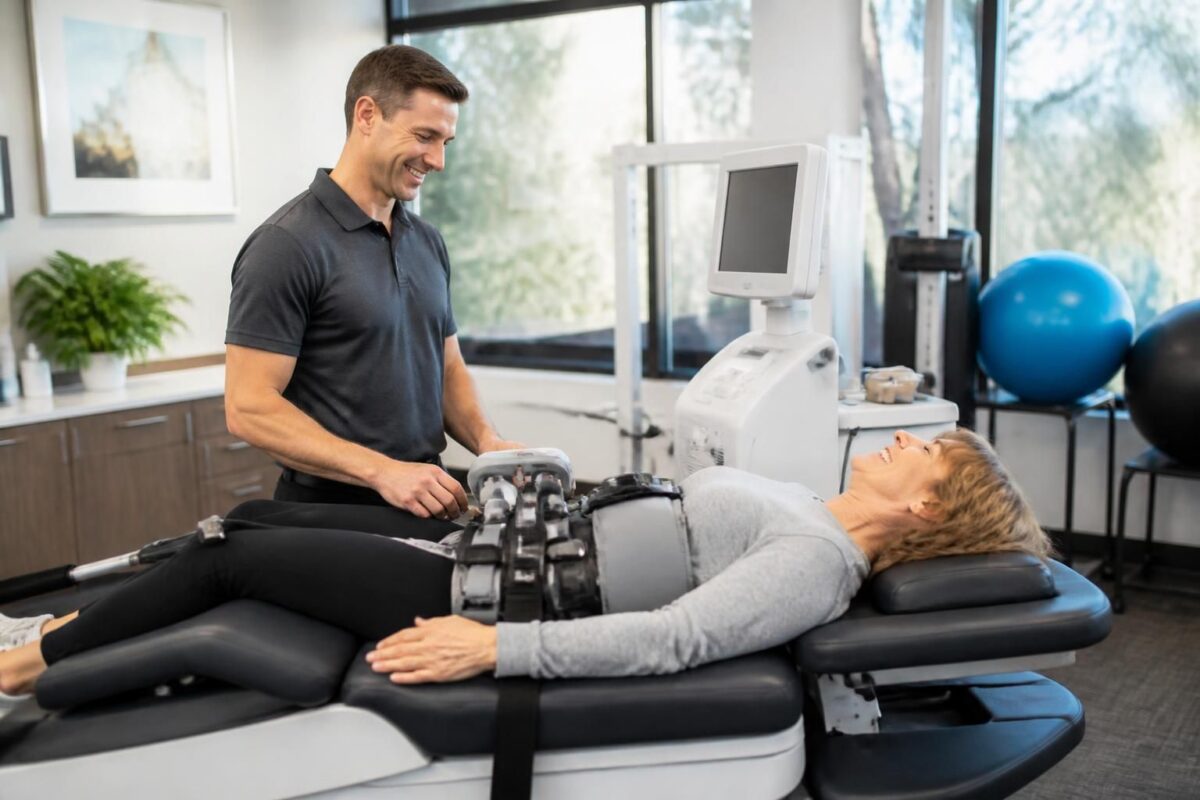
Neurovertebral decompression and diffuse pain: an appropriate solution
In short In short, the neurovertebral decompression is one Non-invasive solution For diffuse pain related to nerve irritation of the spine. She acts in Reducing pressure on intervertebral discs and nerves and improving the bloodstream, which promotes recovery and the…
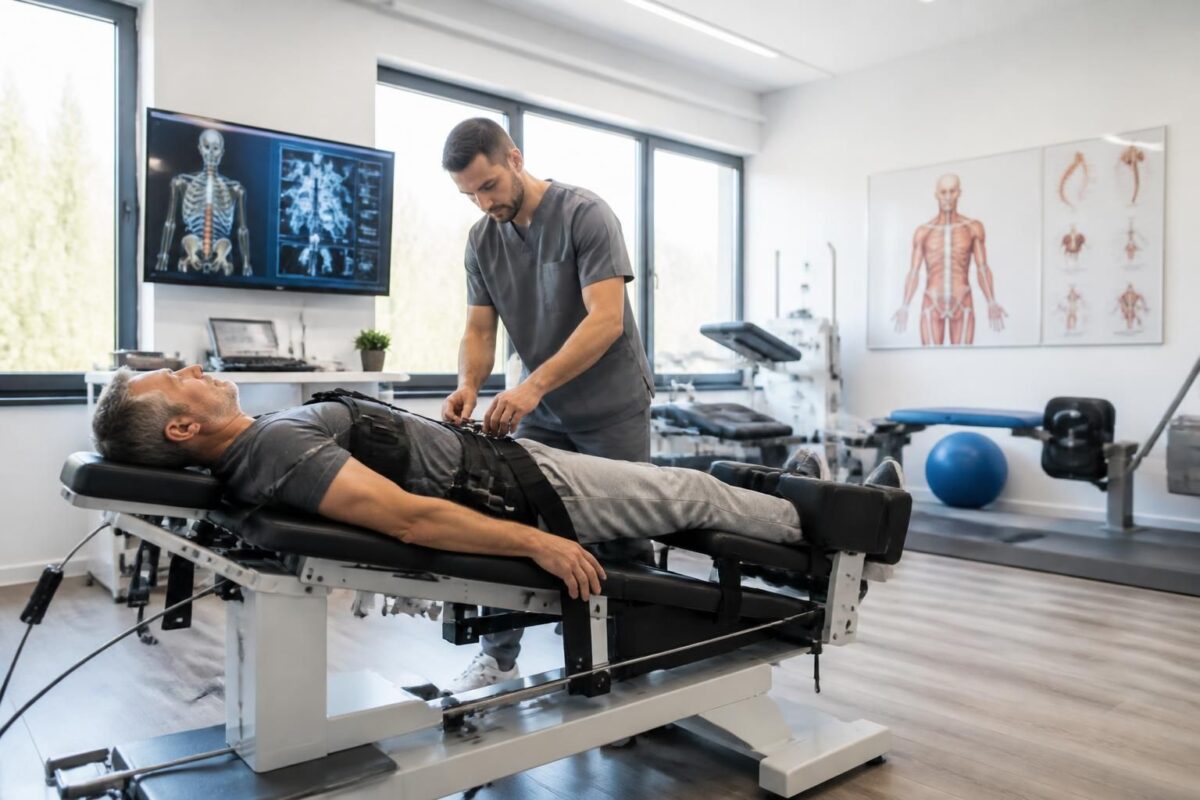
How neurovertebral decompression supports recovery after complex surgery
In short In short, the neurovertebral decompression is one Non-invasive method aimed at optimizing the recovery After a Complex surgery By applying a gentle traction on the spine to create a Space between the vertebrae and reduce the pressure on…
Testimonials on the long-term benefits of neurovertebral decompression
Marie, 52 years old, testimony: after several months of neurovertebral decompression, she finds a Lasting pain reduction and an Improving mobility which allow him to resume his daily activities without embarrassment. She also notices a tissue regeneration around the discs, favoring a gradual return to an active life.
Jean, 60, says that regular sessions have played a key role in the Prevention of recurrences and in thetraffic improvement locale around the column. This combination contributes to better stability and a general feeling of long-term well-being.
Émilie, 35, sportswoman, describes a lasting progression after her program: a tissue regeneration who supports a Improving mobility and an quality of life found during her training and daily physical activities.
Marc, 48, insists on the cumulative effect on the spine: a Lasting pain reduction, a Increased traffic and one Postural balance Improved which reduce tension and facilitate daily gestures over the long term.
Sophie, 55, suffered from osteoarthritis and associated pain; She sees a Prevention of recurrences and an Better nerve conduction Thanks to the continuous reduction in pressure on the spinal structures, which results in increased mobility and a feeling of rediscovered freedom.
Alexis, 29, athlete, shares a significant experience: after several sessions, he feels a Improving mobility and an Prevention of recurrences which allow him to quickly return to competition, with a tissue regeneration that supports its performance and recovery.
This expert, recognized in the fields of osteopathy, naturopathy and manual medicine, devoted his career to understanding how neurovertebral decompression can permanently transform spinal health. His approach favors personalized evaluation, non-invasive protocols and close collaboration with other health professionals to optimize long-term outcomes. Through evidence-based practice, it strives to integrate the most relevant technologies to support recovery and maintenance of spinal function.
The long-term benefits begin with a lasting reduction in pressure exerted on the intervertebral discs and nerve roots. By reducing this pressure, neurovertebral decompression improves nutritional intake and hydration of the discs, thus slowing down the degenerative process and promoting the natural regeneration of tissues. This structural improvement translates into a more stable spinal dynamics, a gradual decrease in painful episodes and an increased ability to resume activities that had been limited by pain.
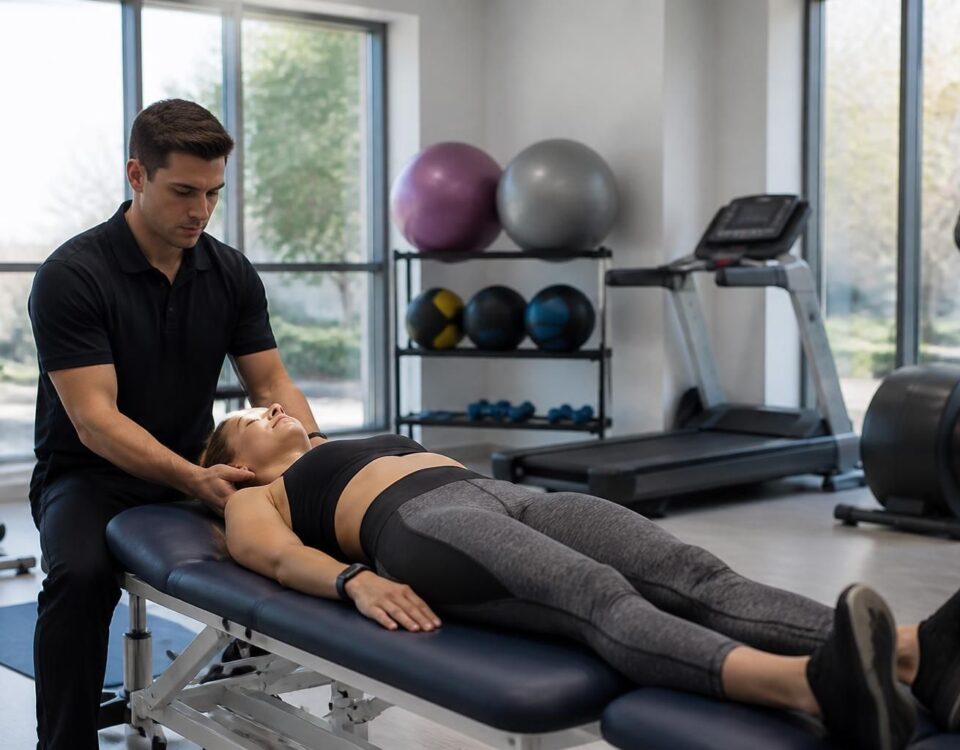
On a functional level, the approach aims to restore better mobility and a more fluid range of motion. By releasing mechanical tensions and rebalancing the spinal segments, it facilitates everyday gestures and sports activities, while preventing relapses. The increase in local blood flow supports not only healing, but also the process of tissue regeneration, contributing to a more resilient column in the face of repetitive solicitations.
Prevention occupies a central place in this approach. By improving the alignment and support of the vertebral structures, neurovertebral decompression reduces the risk of painful recurrences and can delay or even prevent surgery when possible. This prevention also involves education and adoption of maintenance practices such as targeted exercises, adequate hydration and regular physical activity, which sustainably support discs and joints.
The therapeutic pathway emphasizes the continuous evaluation of progress and the adjustment of protocols according to the evolution of the patient. This flexibility makes it possible to combine decompression with complementary therapies when necessary, in order to optimize the gains in mobility, strength and stability. The objective is clear: to offer a global approach that not only relieves, but also protects long-term spinal health, for a more active and fulfilled life.
In short, the professional biography linked to neurovertebral decompression illustrates a vision centered on the patient and on science. It highlights a non-invasive method capable of sustainably reducing pain, improving local circulation, promoting tissue regeneration and preventing future complications. This approach contributes to a better quality of life, a more balanced posture and a regained autonomy, in the long term.
This synthesis presents the long-term benefits of neurovertebral decompression on spinal health, demonstrating how this non-invasive approach acts on pain, mobility and tissue regeneration while promoting relapse prevention and improving the quality of life.
The Chronic pain Linked to the spine enjoys lasting relief when pressure on discs and nerves is reduced in the long term. By promoting an environment conducive to healing and regeneration, this approach contributes to a gradual decrease in discomfort and allows you to resume daily activities with more ease. Patients often report a lasting effect beyond the first sets of treatments, which reinforces the goal of stability and continuity in care.
The mobility and the operation of the column are improved thanks to a reduction in spinal compression and a better range of motion. This dynamic not only facilitates the return to physical activities, but also the maintenance of an active and healthy lifestyle, which is crucial to prevent functional limitations related to age or repeated uses.
The tissue regeneration and the Nutrition of intervertebral discs benefit from increased blood flow in the affected area. This tissue revitalization supports the repair of damaged structures and contributes to the resilience of the column, contributing to better stability and prevention of future deterioration.
The Prevention of recurrences is a major long-term benefit. By acting on the mechanical causes and strengthening the surrounding structures, this decompression helps to reduce the risk of relapse and can ultimately reduce dependence on drug treatments or more invasive interventions. To deepen the observed results, discover the Clinical results and associated assessments.
Evidence and feedback supports these benefits, with quick and lasting results in active patients and athletes. To explore the mechanisms and long-term benefits, you can look at the following resources: Long-term benefits, Post-surgical prevention, and other analyzes available on referenced sites.
To optimize the long-term results, it is recommended to include decompression in an adapted program, generally composed of 15 to 25 sessions, associated with strengthening exercises, good hydration and appropriate postural hygiene. A global and personalized approach allows you to obtain lasting benefits and a better quality of life in the long term.

Dr Sylvain Desforges, B.Sc., D.O., N.D., osteopath, is the founding president of TAGMED and of the ACMA association. He dedicates his practice to chronic spinal pain, low back pain and symptoms compatible with sciatica, particularly when pain radiates toward the buttock, leg, calf, foot or toes.
Through SOS Sciatique, he publishes educational content on sciatica symptoms, possible causes such as disc herniation, disc narrowing, foraminal stenosis or irritation of a lumbar nerve root, as well as non-surgical approaches that may be considered according to the evaluation. At Clinique TAGMED, care may include, depending on the case, motorized neurovertebral decompression, specific osteopathic care or precision percussion.
For an evaluation related to sciatica treatment in Montreal / Mount Royal or sciatica treatment in Terrebonne, please consult the services available at Clinique TAGMED.
Medical disclaimer
The information published on SOS Sciatique is provided for educational purposes only and does not replace a consultation, diagnosis, opinion or treatment provided by a physician or another authorized healthcare professional. The author of this article is neither a medical doctor nor a specialist in a medical specialty recognized by the Collège des médecins du Québec. The osteopathic, manual medicine or functional support approaches described on this site do not constitute medical acts and are not intended to replace medical follow-up.
Consult a physician or emergency service in cases of loss of bladder or bowel control, anesthesia in the saddle area, significant or progressive weakness in the leg or foot, fever, recent trauma, severe pain or rapid worsening of symptoms. For more details, please read our Legal Notice.