Why neurovertebral decompression is a lasting solution for active seniors
26/06/2026
How Neurovertebral Decompression Prevents Diffuse Chronic Pain
26/06/2026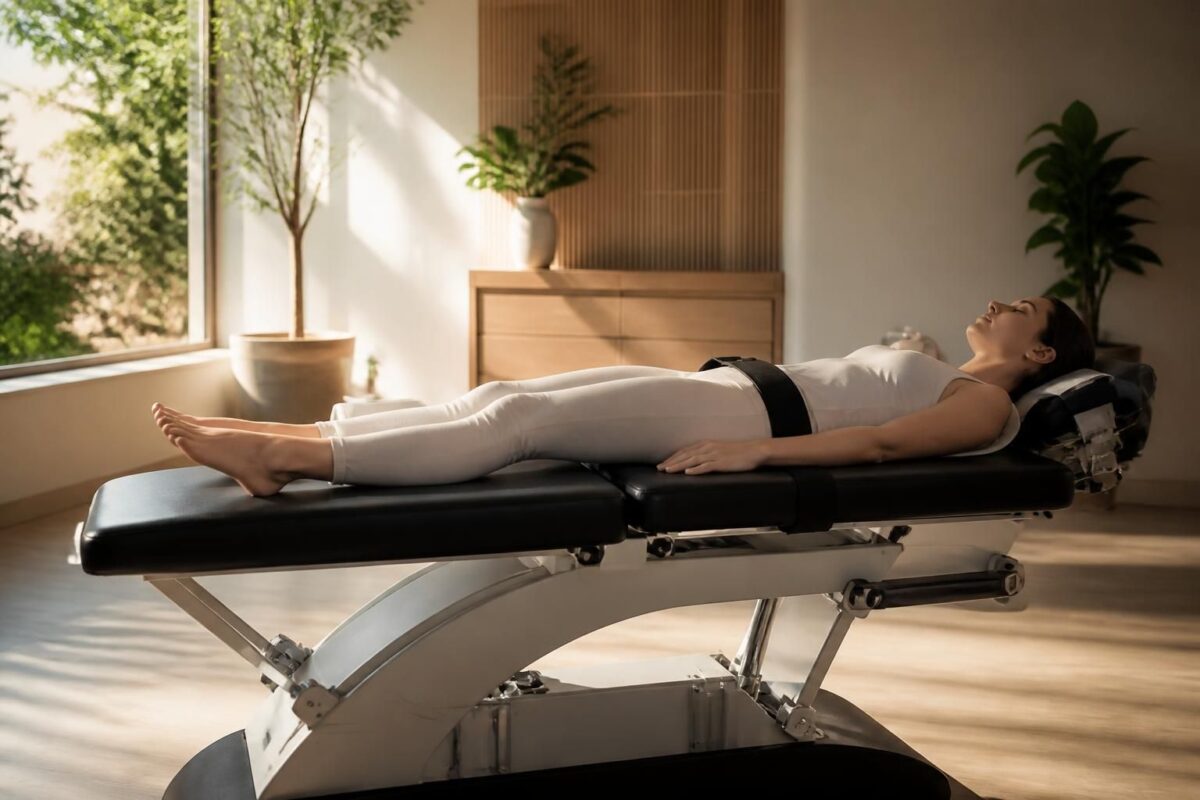
In short
In short, neurovertebral decompression is one Non-invasive approach who restores theBody Alignment and thenatural balance back and neck. She acts by a Controlled traction of the spine to widen the intervertebral space and reduce the Pressure on discs and nerves, favoring the circulation and tissue regeneration. The main benefits include pain reduction, improvement in posture and a decrease in the risk of recurrence, with a faster resumption of activities and without surgery. accessible to Paris, this treatment particularly meets the needs of those who suffer from back and cervical pain linked to vertebral imbalances. |
The neurovertebral decompression is an approach non-invasive which aims to Restore body alignment and to Restore natural balance of the spine. by creating a space between the vertebrae and decreasing the Pressure on discs and nerves, it promotes rehydration and the Disc Repair.
This technique improves blood circulation in the treated area, accelerates healing and reduces pain, while restoring a mobility and an posture more homogeneous. deployed with a Controlled traction and adapted to each patient, it is generally part of a global rehabilitation and reinforcement program for Prevent recurrences and support a Musculoskeletal balance sustainable.
This article, written by a health professional and musculoskeletal health expert, presents how the neurovertebral decompression can guide the Restoring body alignment and promote a natural balance of the body. He explains the basic principles, effects on posture and mobility, and describes the integration of this approach in a global management at the TagMed clinic.
The neurovertebral decompression aims to create a space between the vertebrae. This space reduces the pressure exerted on the discs and nerves. This pressure reduction allows the disc to rehydrate better and the nutrients circulate more easily to the spinal tissues. The result is an improvement in body alignment and a more balanced posture, which support mobility and decrease associated pain.
How decompression affects body alignment
By expanding the intervertebral space, decompression helps reduce tension in the muscles and correct joint imbalances. This promotes a more natural and stable vertebral alignment. Better circulation in the treated area accelerates tissue regeneration and contributes to a more homogeneous distribution of loads on the column.
Impact on posture and function
Improved alignment improves the posture general and reduces stress on nerve and muscular structures. Result: less pain, better range of motion and increased ability to carry out daily activities without limitation.
Integration into the TagMed framework
Decompression is part of a global approach combining advanced diagnostics and personalized treatments. In TagMed, it can be associated with other non-invasive interventions to optimize long-term benefits. This integration aims to prevent recurrences and strengthen the musculoskeletal balance.
To deepen the understanding of the mechanisms, you can consult resources on neurovertebral decompression and its effects on nerve tension and musculoskeletal imbalances, including articles available at the following sites:
How decompression affects musculoskeletal imbalances caused by chronic nerve tension,
Diffuse muscle tension,
Diffuse neuropathic pain,
Why decompression is a natural solution.
Additional resources explore the impact on travel and mobility, and how this approach fits into a global health strategy: Mobility and active life, A global approach to health, and Musculoskeletal balance.
For those who wish to explore the clinical implications and observed results, professional and consumer resources are available through the linked sites above and through the TagMed network.
Training and expertise guide this approach. Our teams rely on recognized standards in the field, and work in collaboration with professional organizations. The training executives considered include institutions such as NUMSS, NAO, National University of Medical Sciences and National Academy of osteopathy, in order to ensure a consistent and quality practice. Our approach is also part of a collaboration with ACMA, College of Canadian Osteopaths and the College of Canadian Osteopaths to ensure safe and effective care.
For those who are wondering about the overall aspects of health, the article Neurovertebral Decompression – A Global Approach to Health provides insight into the integration of physical, neurological and functional dimensions in recovery.
Additional resources and testimonials can help to understand the potential benefits. For more information, see the following links:
Diffused pain,
Natural treatment for back health,
Body alignment and natural balance.
Whatever your needs, TagMed offers suitable options to support theBody Alignment and the General well-being, without resorting to invasive interventions when possible.
Medical Disclaimer: The information and advice provided on this site does not replace the health professional’s diagnosis or treatment. Please note that Dr. Sylvain Desforges osteopath is neither a doctor of medicine nor a doctor, and is not a specialist in a medical specialty as defined by the Collège des Médecins du Québec. Manual medicine, functional medicine and sports medicine as described on this site exclude any medical treatment or diagnosis made by a doctor or specialist doctor. Always consult your doctor for any medical questions. For more details, please read our full legal notice.
Note : In articles dealing with neurovertebral decompression, herniated disc or protrusion, it is recommended to avoid suggestions for exercises or stretching targeting these issues.
References and additional resources:
Restore mobility,
Musculoskeletal imbalances,
Diffuse neuropathic pain.
- Axis : Alignment and balance of the column to restore the natural balance.
- Controlled traction Creates an intervertebral space and decreases the pressure on the nerves.
- Postural alignment Adjusts the pelvis and column to stabilize the spine.
- Disk Recovery Promotes rehydration and renewed elasticity.
- Circulation and nutrition Improves blood supply to discs and tissues.
- Mobility and posture finds an amplitude of movement and a natural posture.
- Reduced pain and functional improvement from the first sessions.
- Security and non-invasive, without surgery, with real-time follow-up.
- Custom program Suitable for each patient, typically over 4 to 5 weeks.
- Measurable results via initial evaluation and post-treatment follow-up.
- Recurrence prevention Via reinforcement, posture and healthy living tips.

Quick summary: the neurovertebral decompression Allows you to create a space between the vertebrae, to reduce the Pressure on discs and nerves, and improve theBody Alignment. By combining a personalized plan, stability exercises and lifestyle adjustments, it is possible to restore thenatural balance of the body and prevent future pain without recourse to surgery.
Key objectives and principles
The heart of the approach is based on the idea that the spine, when its space is rebalanced, can better release tension, improve the bloodstream in paravertebral tissues and promote the Regeneration of intervertebral discs. The objective is to reduce pain related to bulges or herniated discs while ensuring better mobility. Correct alignment of the trunk and pelvic belt helps reduce unbalanced loads and recurrences in daily life and professional activities.
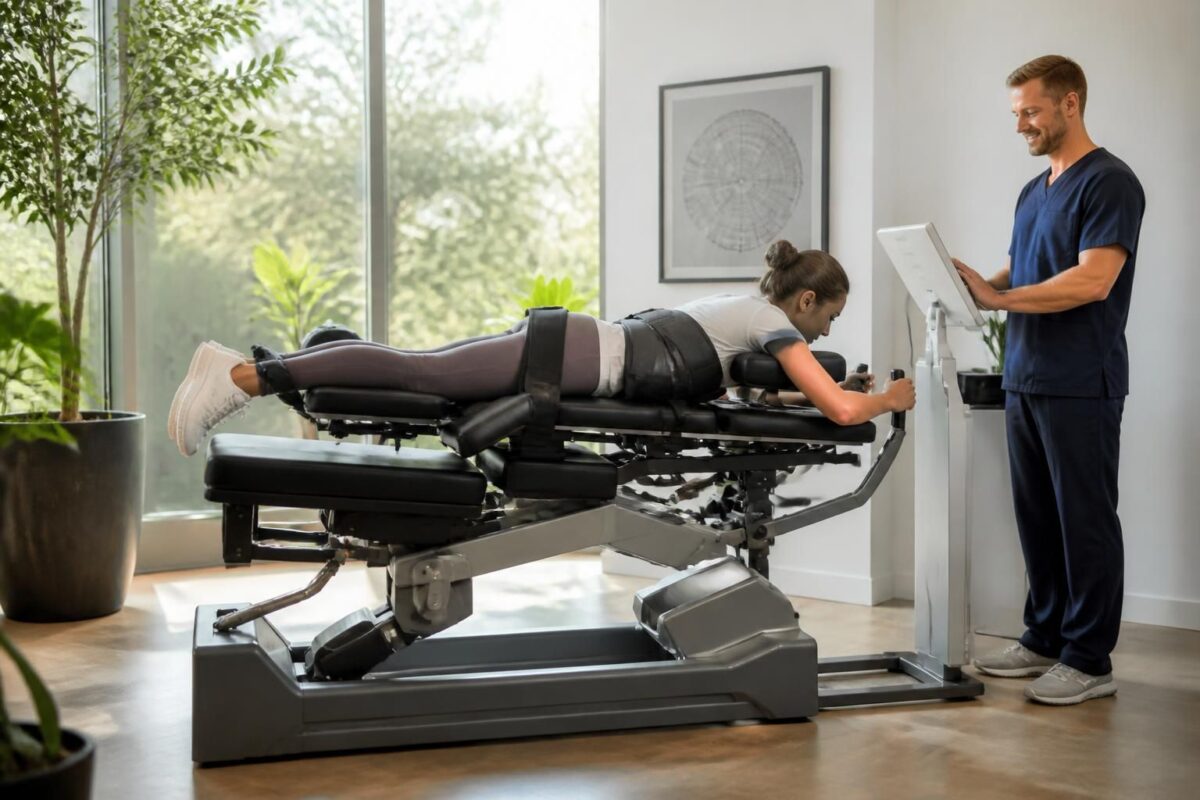
The long-term benefits of neurovertebral decompression for spinal health
In short In short, the neurovertebral decompression is a non-invasive approach that decreases the Pressure on intervertebral discs and nerves, favoring the Natural regeneration and tissue recovery. Its long-term benefits include Lasting pain reduction, Improving mobility and from the posture,…

Neurovertebral decompression and mobility: a return to an active life
In short In short, the neurovertebral decompression is therapy non-invasive who uses a gentle traction To create a space between the vertebrae and reduce the pressure on the Intervertebral discs and the nerves. It promotes a bloodstream improved, lowers tension…
Practical recommendations for restoring natural balance
Establish a personalized plan
Work with a professional to design a Custom program adapted to your situation. In practice, this plan may include a progressive cycle of sessions of decompression Over several weeks, generally spread over a typical period of 4 to 5 weeks, with an appropriate frequency (for example several sessions per week). The goal is a measurable progression of pain and mobility, without excessive pain or aggravation of symptoms.
Work on alignment and posture on a daily basis
Adopt habits that support theBody Alignment: Adjust your workstation, use a chair that maintains the natural curvature of the column, and favor positions that avoid repetitive flexions and sudden rotations of the bust. Integrate active pauses and stretching micro-matures to preserve disc space and reduce muscle tension.
Strengthening and stability of the trunk
Integrate targeted exercises from Trunk stability and of Postural bodybuilding To support thevertebral balance. Simple professional-guided routines may include diaphragmic breathing, light sheathing, and deep muscle building exercises in the back and abdomen. The goal is to improve your column’s ability to withstand daily loads while mobilizing the entire musculoskeletal system in a harmonious way.
Hydration, nutrition and lifestyle
Promote appropriate diet and hydration to support intervertebral discs and tissue regeneration. Reduce inflammatory factors and favor food choices rich in essential nutrients. Combine this with stress management and restful sleep, which play a major role in recovery and nervous balance.
Security and tracking
Decompression and alignment programs should be supervised by competent professionals, including identifying contraindications and adjusting parameters in real time. Regular monitoring makes it possible to measure the evolution of the symptoms, to adjust the exercises and to strengthen the achievements, in order to maintain thenatural balance in the long term and avoid recurrences.
Integration into a holistic approach
In addition to decompression, combine manual approaches and care modalities that support theBody Alignment and the mobility overall. An integrated strategy promotes better posture, lasting pain reduction and a regained ability to practice daily activities with fluidity and comfort.
| Axis | Concise content |
|---|---|
| Objective | Restore the space between the vertebrae and release the nerves for a pain reduction and an Improving mobility. |
| Mechanism | it creates a vacuum and promotes the rehydration of the discs, reducing the pressure on the gristle. |
| Alignment and posture | it improves thevertebral alignment and the posture by releasing tensions. |
| directions | indicated for the herniated discs and the radiculopathies related to the spine. |
| Security | Treatment non-invasive, usually well-tolerated and safe. |
| Frequency and duration | Typically 20 to 25 sessions on 4 to 5 weeks, depending on the patient. |
| contraindications | to be assessed, because certain conditions such as vertebral fractures or infections may limit. |
| Integration | Integrated into a Global program of re-education and of muscle building. |
| Expected results | pain reduction, Improving mobility and Lasting effects. |
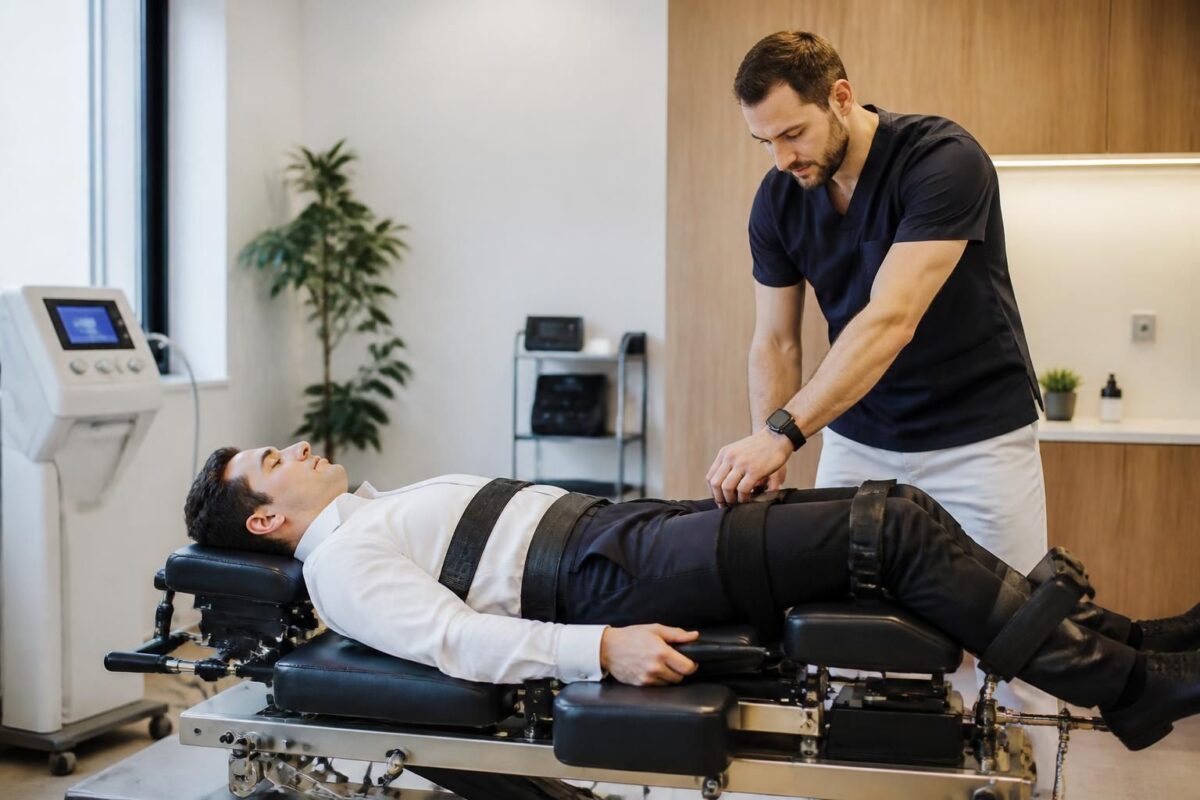
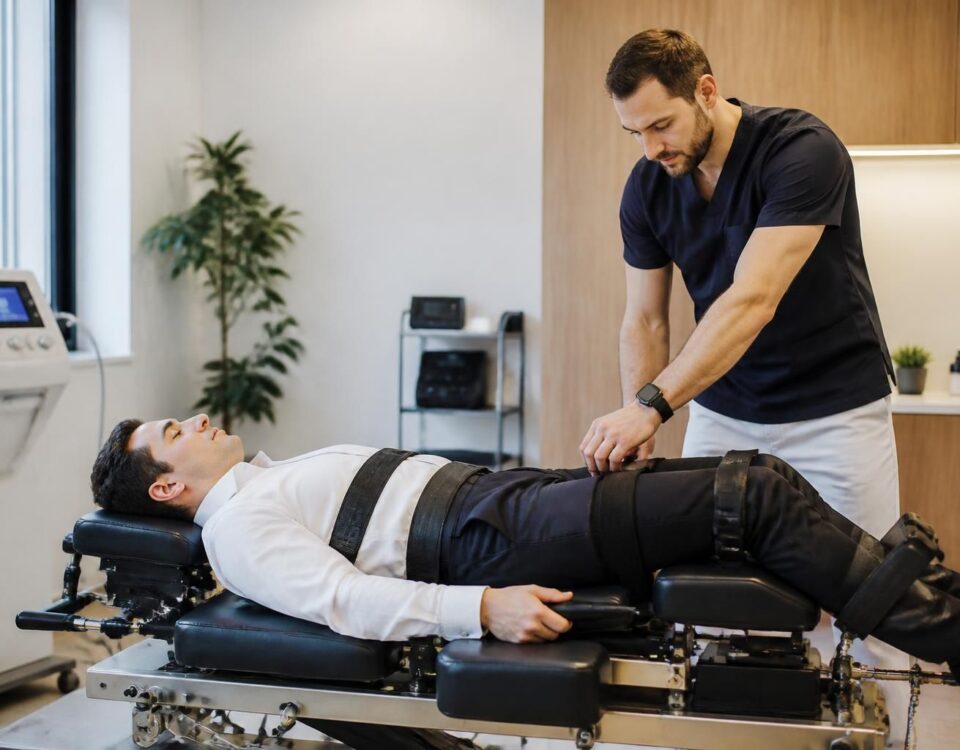
How Neurovertebral Decompression Prevents Diffuse Chronic Pain
In short decompression neurovertebral is one Non-invasive method aimed at reducing the Pressure on the intervertebral discs and the nerves, in order to prevent Diffuse chronic pain. It improves the circulation and thedisc hydration, decreases inflammation and promotes better mobility.…
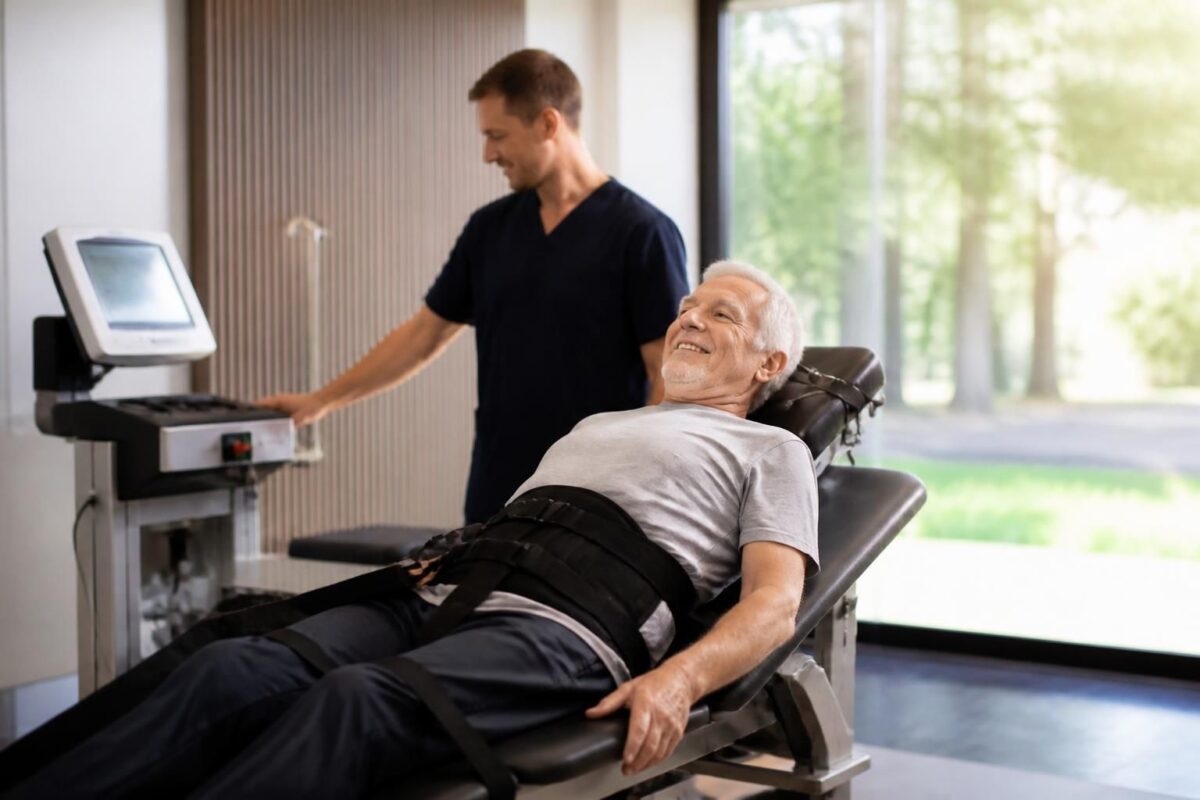
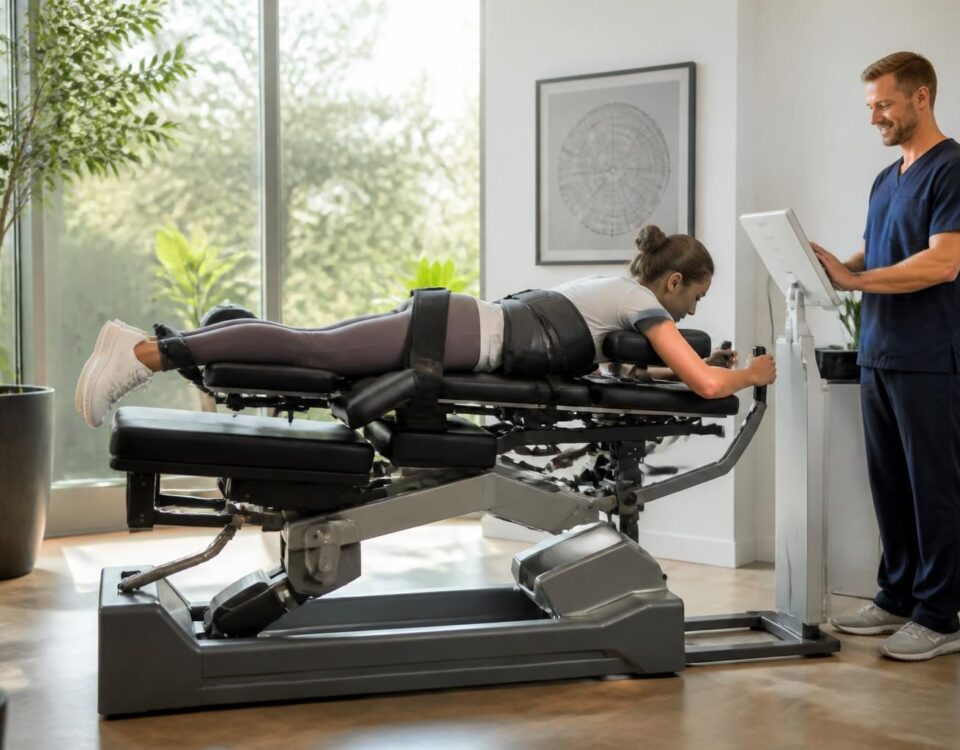
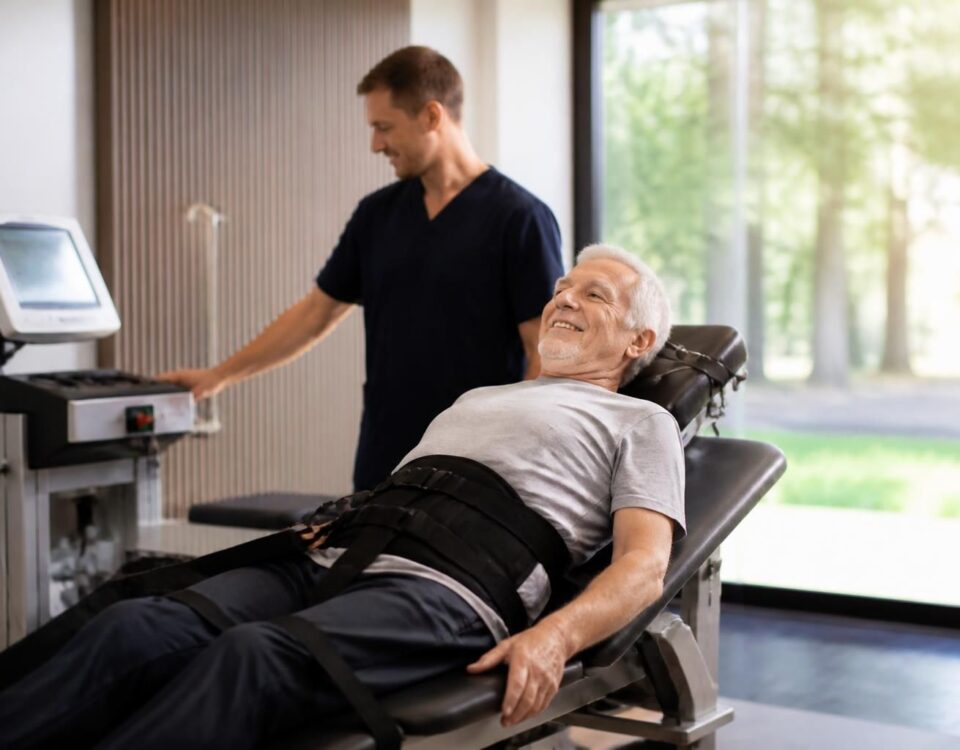
Why neurovertebral decompression is a lasting solution for active seniors
In short In short, the neurovertebral decompression is one Non-invasive therapy which sustainably relieves spinal pain in the spine active seniors By creating, by a Soft and controlled traction, a space between the vertebrae. At Montreal, it is recognized as…
Testimonials on Neurovertebral Decompression and Body Alignment: Restoring Natural Balance
“Before I started the course, I suffered from lower back pain that invaded my days. After a few sessions of neurovertebral decompression, I saw a gradual improvement in my Body Alignment and the return of a natural balance in my movements. »
“As a sportsman, the alignment of my column is essential for my performance. The neurovertebral decompression allowed me to feel less tension in my back and neck, and my Body Alignment became more stable, improving my mobility and recovery. »
“At 62, cervical pain limited my daily activities. Since this program focused onBody Alignment, I found a straighter posture, more fluid breathing and a natural balance which allows me to take full advantage of every day. »
“My work requires staying active and managing expenses. Thanks to body alignment and at the neurovertebral decompression, I found back stability and effective prevention of recurrent pain. »
“As an active parent, I noticed a real improvement in my daily posture and a better quality of sleep thanks to the neurovertebral decompression, which promotes a Body Alignment more harmonious and a natural balance sustainable. »
“After having tested several approaches, I am convinced that this non-invasive method restores theBody Alignment and thenatural balance of the body, with lasting and measurable results on everyday life. »
Dr. Sylvain Desforges, recognized expert in osteopathy, naturopathy and manual medicine, embodies a holistic approach focused on sustainable recovery fromnatural balance of the body. Founding President of TagMed Clinics and key player in theACMA Association, he dedicated his career to health innovation and the management of Chronic pain. Its commitment is based on the integration of advanced technologies – including neurovertebral decompression, the laser and the Shockwave therapy – To provide evidence-based care that optimizes the well-being of each patient.
At the heart of his practice is the neurovertebral decompression, an approach non-invasive which aims to alleviate the pressure exerted on the Intervertebral discs and the Spinal nerves. by a Controlled traction and a targeted “empty” effect, it promotes the rehydration and the retraction Damaged discs, which reduces nervous irritation and pain. This method, combined with an approach ofBody Alignment, makes it possible to restore a harmonious postural dynamic: by rebalancing the muscle chains and the fascias that surround the column, it supports a Postural alignment More stable and durable.
For Dr. Desforges, success is not limited to an isolated technique; She is part of an approach Evidence-based. Each therapeutic journey begins with a Full assessment, followed by a Personalized treatment plan which combines decompression, rehabilitation and advice in posture and muscle building. The goal is to restore the balance of the musculoskeletal system, to improve the mobility and reduce pain symptoms on a daily basis. The integration of laser and complementary therapies accelerates the circulation and tissue regeneration, while minimizing risks and side effects.
Beyond techniques, Dr. Desforges places patient education at the heart of the process. It promotes a detailed understanding of the Body biomechanics, encourages the adoption of a lifestyle conducive toBody Alignment and offers appropriate follow-up to prevent recurrences. This philosophy leads to tangible improvements in the posture, from the function and from the quality of life, allowing everyone to resume their activities with greater freedom and less pain.
Dr. Desforges’ approach is also part of a perspective of leadership and collaboration. by bringing together a multidisciplinary team around theinnovation and from the research, it works to integrate disciplines and emerging technologies to offer care custom and secure. Its objective remains clear: to offer a therapeutic way that restores the body’s natural balance and everyone has the ability to live freely, without being slowed down by spinal imbalances..
Dr. Desforges’ course and clinical choices illustrate a strong conviction: to restore theBody Alignment and thenatural balance Goes through a controlled decompression and complete rehabilitation, respecting the needs and limits of each patient. Thus, the promise of neurovertebral decompression materializes – a gentle path to a freer column and a better aligned body.
This summary details how the neurovertebral decompression can accompany theBody Alignment To restore thenatural balance of the spine. You will discover the essential mechanisms, functional benefits and points of attention to integrate this approach in a care pathway focused on posture, mobility and lasting pain reduction.
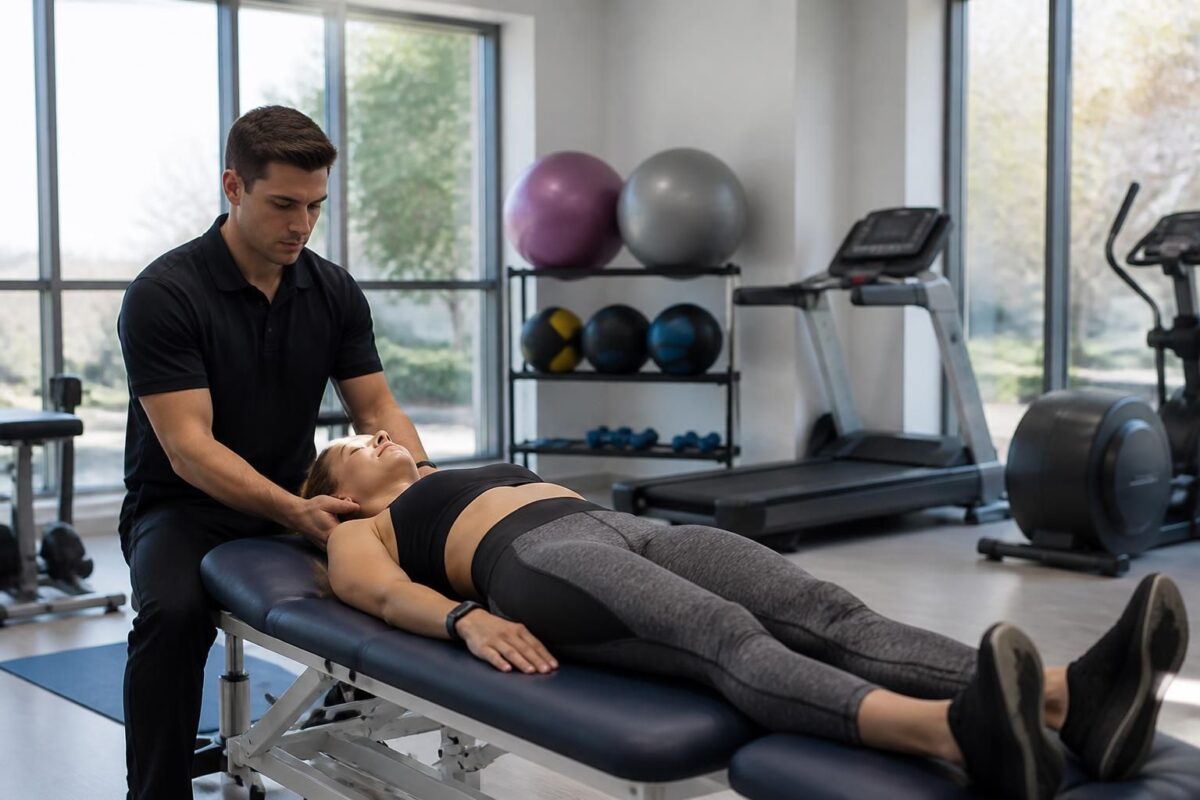
Neurovertebral decompression and recovery after severe sports injury
In short In short, the neurovertebral decompression is one Non-invasive method to Relieve the pressure on the Intervertebral discs and the gristle Via a Controlled traction, to facilitate the recovery After a severe sports injury. It improves the bloodstream towards…
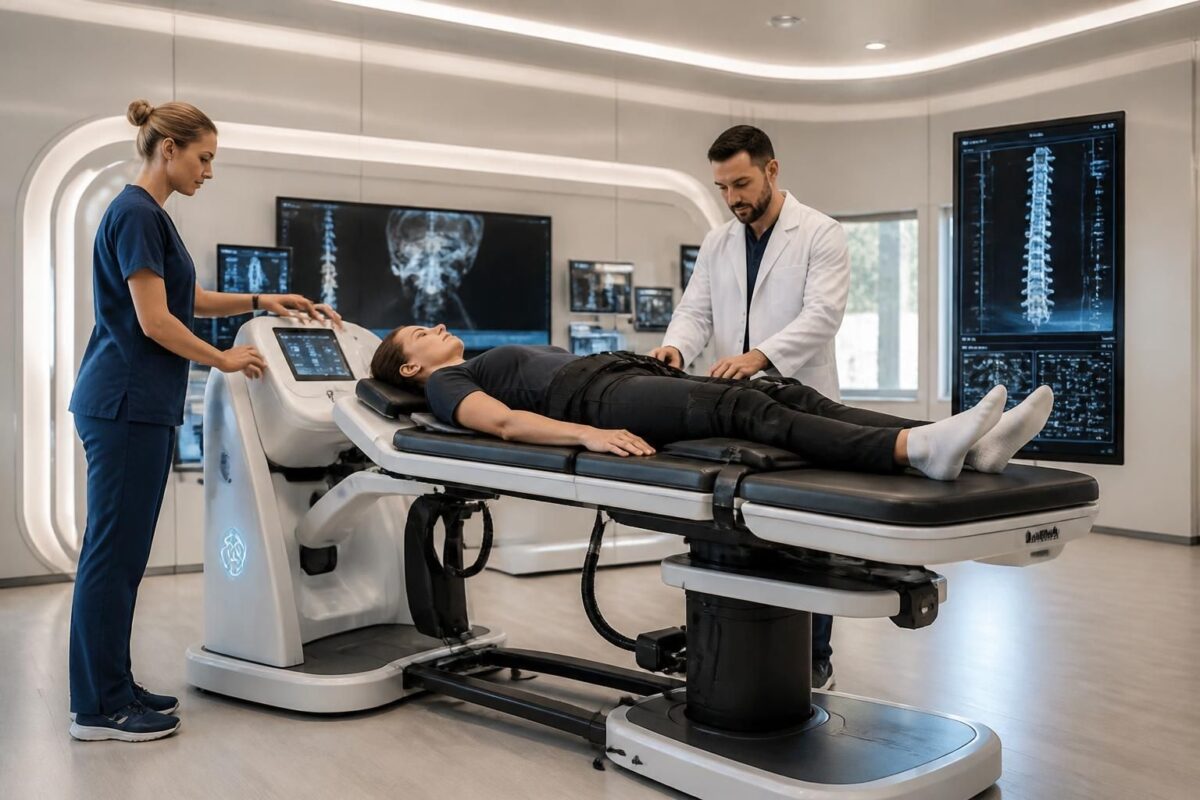
Recent innovations in neurovertebral decompression technologies
In short In short, the neurovertebral decompression is an approach non-invasive Aiming to reduce pressure on discs and nerves, and promote tissue regeneration. At Montreal, it is positioned as an effective option for lower back pain and herniated discs. The…
Principle and effects on alignment
The neurovertebral decompression relies on a Controlled traction and precisely directed which creates a space between the vertebrae. This favorable space lowers the pressure exerted on the intervertebral discs and nerves, which promotes the retraction of protrusions and Disc rehydration. As a result, the Intra-discal pressure Decreases and nerve structures benefit from rapid relief, increasing mobility and reducing pain. This dynamic also promotes better local blood circulation and stimulates the natural healing processes of the disc.
Beyond the local effects, theBody Alignment Improves thanks to the reduction of muscle tension around the spine and a more balanced general posture. The harmonization of the spinal segments helps to prevent recurrent imbalances and to support a more stable approach on a daily basis.
To deepen the foundations and benefits, see the resources dedicated to neurovertebral decompression and body alignment available on specialized platforms such as neurovertebral decompression.
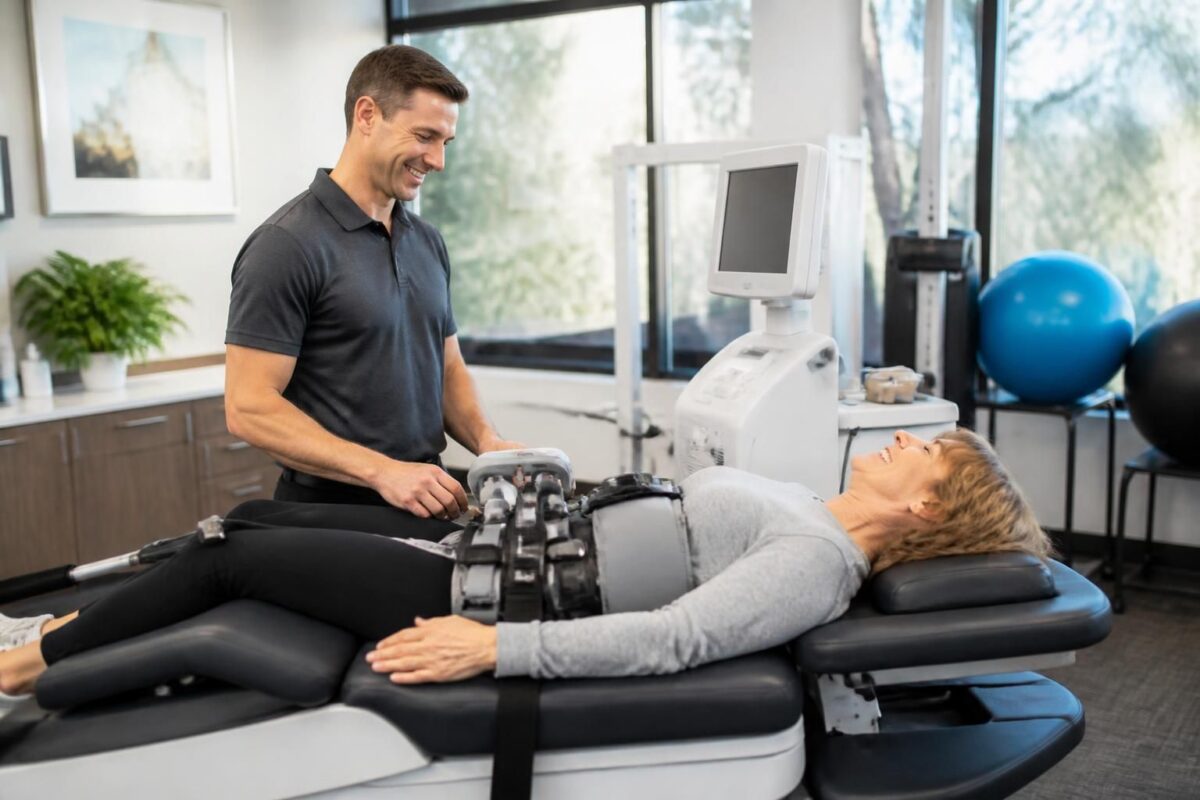
Neurovertebral decompression and diffuse pain: an appropriate solution
In short In short, the neurovertebral decompression is one Non-invasive solution For diffuse pain related to nerve irritation of the spine. She acts in Reducing pressure on intervertebral discs and nerves and improving the bloodstream, which promotes recovery and the…
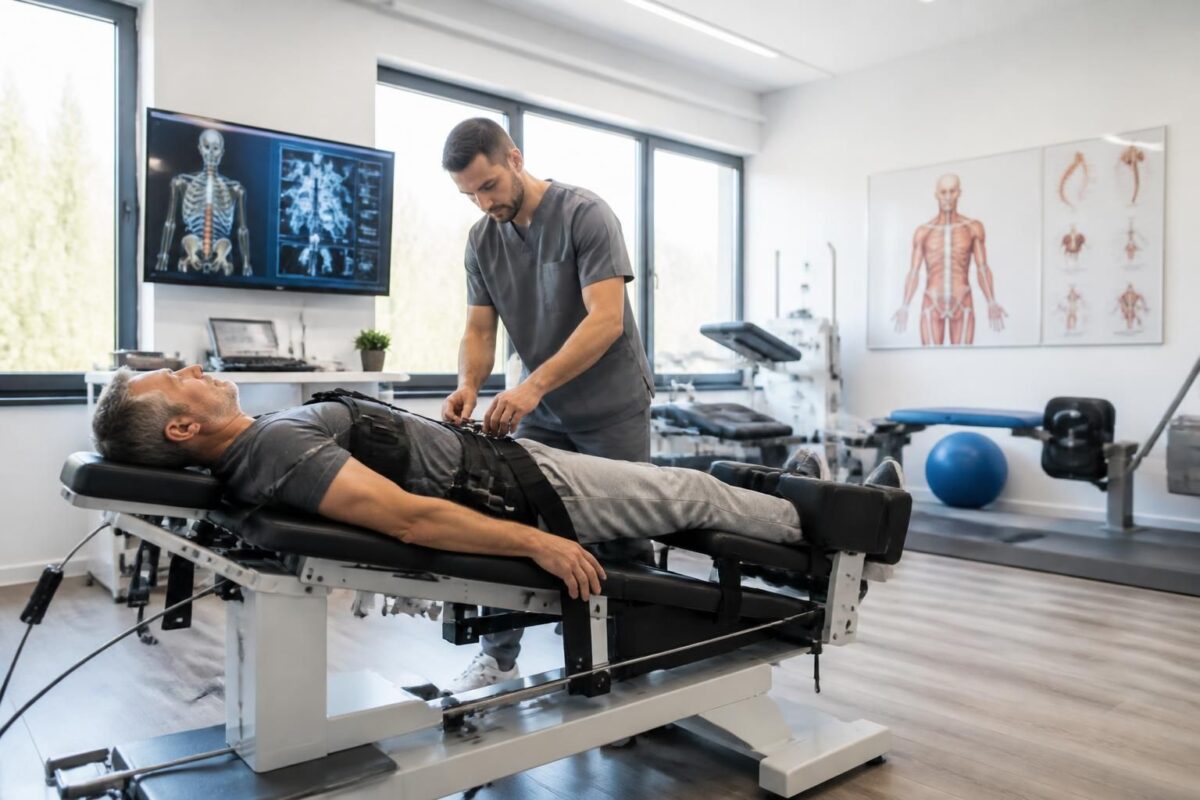
How neurovertebral decompression supports recovery after complex surgery
In short In short, the neurovertebral decompression is one Non-invasive method aimed at optimizing the recovery After a Complex surgery By applying a gentle traction on the spine to create a Space between the vertebrae and reduce the pressure on…
Integration in the care and safety course
This non-invasive approach is ideally integrated into a global program of rehabilitation and muscle strengthening. In combination with targeted exercises and postural counseling, it can sustainably reduce pain associated with herniated discs, sciatica and other spinal pathologies, while avoiding surgical interventions for many patients.
A prior consultation with a health professional makes it possible to assess the contraindications and to identify possible synergies with other manual or therapeutic approaches. Detailed resources refer to the indications and precautions associated with this technique, particularly in the context of the prevention of severe lower back pain and radiculopathies.
To understand the benefits and natural alternatives to certain therapies, you can view additional information on specialized pages such as Prevention of severe lower back pain and Natural alternative to opioids.
Resources and perspectives
Neurovertebral decompression is an effective option to improve thevertebral balance and the mobility without resorting to surgical acts. By favoring an individual-centric approach, it aims to reduce pain sustainably and restore theBody Alignment in the respect of the tissues and the physiology of the spine. Additional resources presented on the dedicated pages explain how this technique fits into a broader therapeutic strategy and how it can contribute to a better quality of life in the long term.
For additional information and perspectives, see the following pages that detail the mechanisms, mobility effects and practical implications of neurovertebral decompression:
- neurovertebral decompression
- Why neurovertebral decompression is a natural alternative
- how it acts on complex vertebral imbalances
- Neurovertebral decompression – Wikipedia
To deepen the link between decompression and body alignment, see the following resources that describe the impact on disc space, tissue regeneration and posture:
- Joint mobility and decompression
- Durable solution for active seniors
- Integrate neurovertebral decompression into rehabilitation
For discussions around theBody Alignment and the regular repositioning of the spine, also refer to general resources on the subject, such as Body alignment and natural balance and thematic analyzes of Complex spinal imbalances.

Dr Sylvain Desforges, B.Sc., D.O., N.D., osteopath, is the founding president of TAGMED and of the ACMA association. He dedicates his practice to chronic spinal pain, low back pain and symptoms compatible with sciatica, particularly when pain radiates toward the buttock, leg, calf, foot or toes.
Through SOS Sciatique, he publishes educational content on sciatica symptoms, possible causes such as disc herniation, disc narrowing, foraminal stenosis or irritation of a lumbar nerve root, as well as non-surgical approaches that may be considered according to the evaluation. At Clinique TAGMED, care may include, depending on the case, motorized neurovertebral decompression, specific osteopathic care or precision percussion.
For an evaluation related to sciatica treatment in Montreal / Mount Royal or sciatica treatment in Terrebonne, please consult the services available at Clinique TAGMED.
Medical disclaimer
The information published on SOS Sciatique is provided for educational purposes only and does not replace a consultation, diagnosis, opinion or treatment provided by a physician or another authorized healthcare professional. The author of this article is neither a medical doctor nor a specialist in a medical specialty recognized by the Collège des médecins du Québec. The osteopathic, manual medicine or functional support approaches described on this site do not constitute medical acts and are not intended to replace medical follow-up.
Consult a physician or emergency service in cases of loss of bladder or bowel control, anesthesia in the saddle area, significant or progressive weakness in the leg or foot, fever, recent trauma, severe pain or rapid worsening of symptoms. For more details, please read our Legal Notice.