Neurovertebral decompression and prevention of chronic neuropathic pain
26/06/2026
Custom protocols to maximize results in neurovertebral decompression
26/06/2026
In short
|
In short, the neurovertebral decompression and Joint mobility form a non-invasive approach aimed at relieving pressure on the intervertebral discs and nerves, for smoother movement and Optimal health. Advantages: pain reduction, Improved flexibility, better circulation and prevention of future pain. This approach helps to regain an active life and is suitable for osteoarthritis and herniated discs. how it works: a Controlled traction Applied to the column, personalized according to the patient, to reduce the intervertebral pressure and promote postural rebalancing. Location: In Montreal, this service is particularly useful for people with back pain seeking a non-invasive and rapid solution to improve mobility and quality of life. |
The neurovertebral decompression is a non-invasive approach that aims to relieve spinal tensions through controlled traction. By freeing up space around Intervertebral discs And some gristle, it reduces pain and improves Joint mobility. Result: a regained range of motion, better circulation and faster rehabilitation of daily activities. This therapy fits into a Overall care plan and can be associated with other approaches to optimize the quality of life, especially in people with osteoarthritis or herniated discs.
This article presents how the neurovertebral decompression can improve Joint mobility and reduce the pain associated with the spine. It explains the functioning, benefits, and the integration of this approach into a global care plan, in order to promote a Optimal health and daily activity without pain.
Neurovertebral decompression: what is it?
The neurovertebral decompression is a non-invasive technique that applies controlled traction on the spine. This action aims to free up space around intervertebral discs and nerves, which reduces pressure and allows better alignment of the vertebrae. This approach is particularly suitable for people seeking to reduce lower back or cervical pain without having to resort to surgery.
Impact on joint mobility
By lowering the pressure exerted on the discs and nerves, neurovertebral decompression helps improve Joint mobility and flexibility. Patients often report a Improved ability to move In everyday gestures, which facilitates the resumption of activities that had been restricted by pain. This method acts as a base to restore effective and lasting vertebral function.
How does a typical session take place
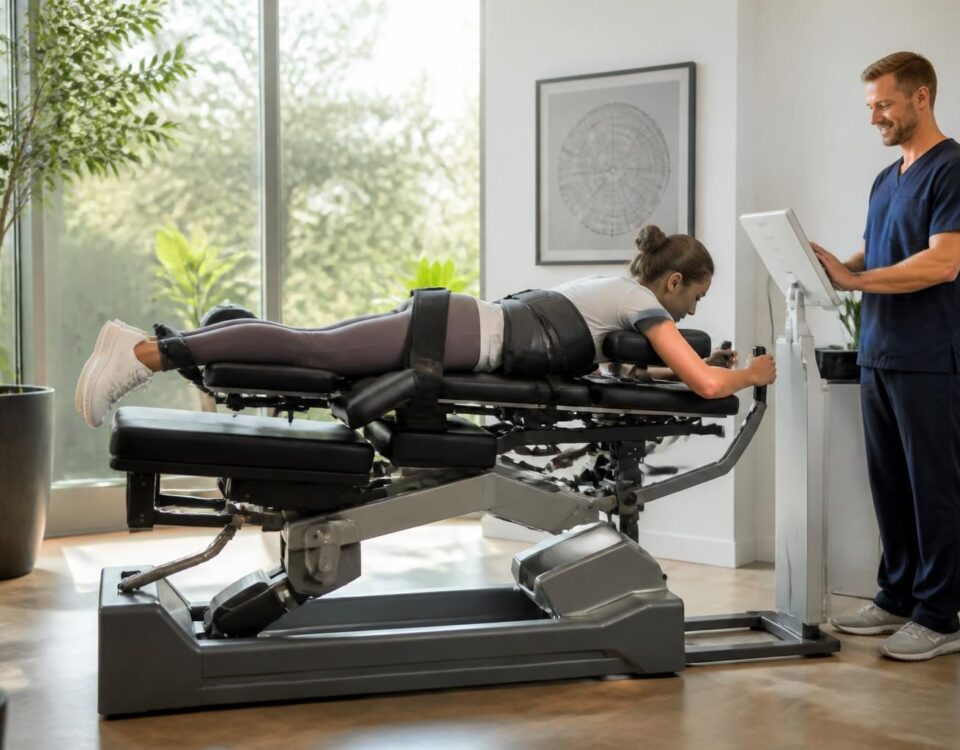
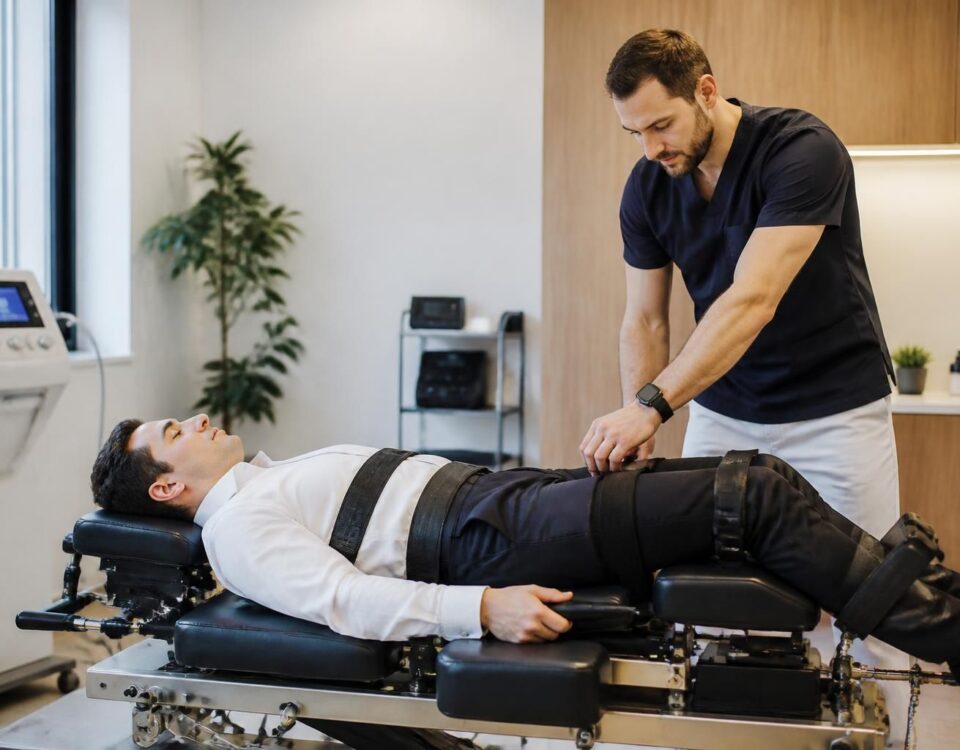
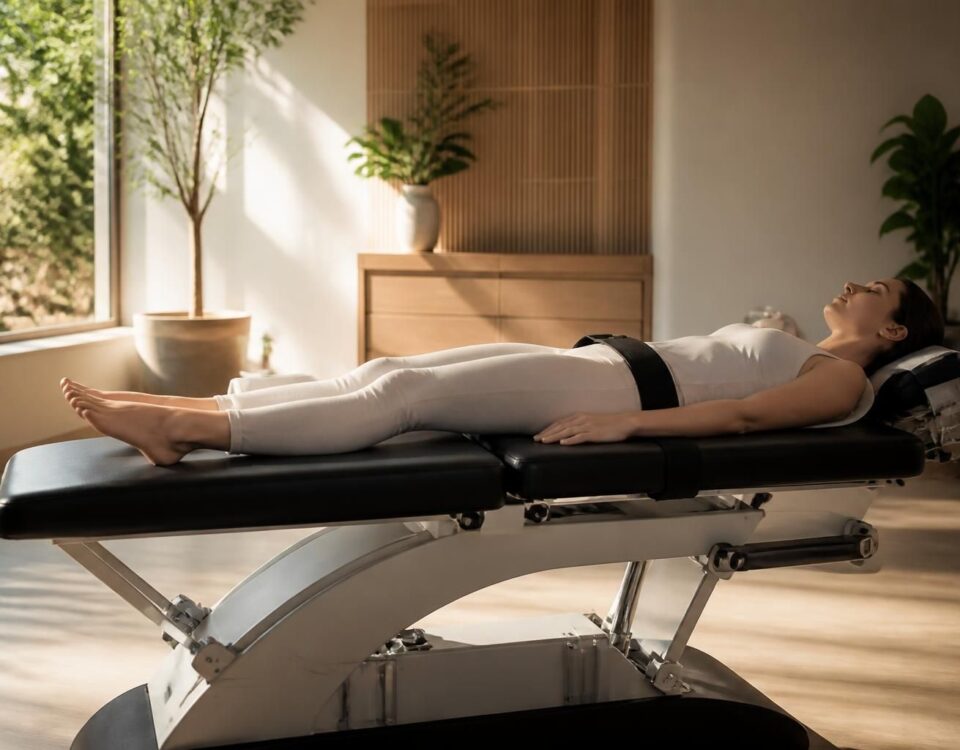
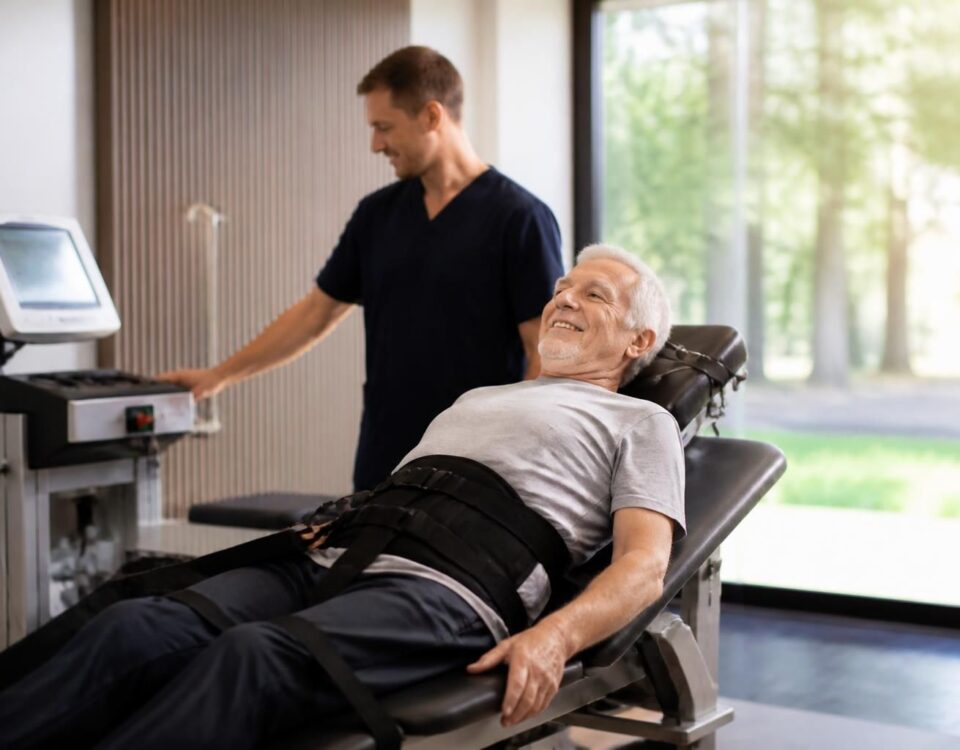
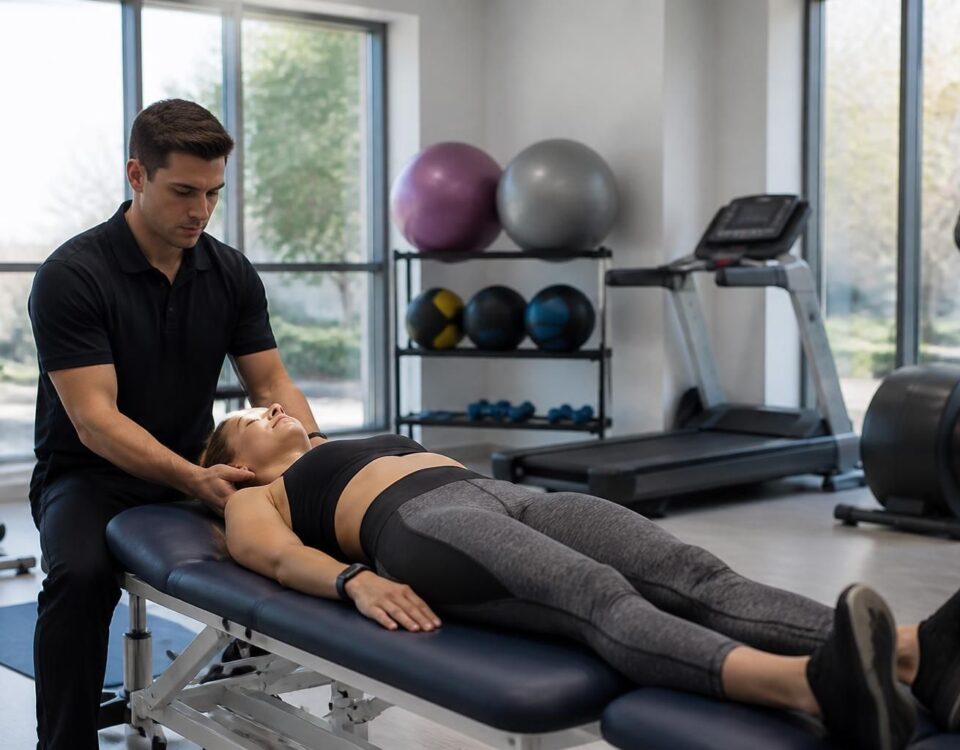
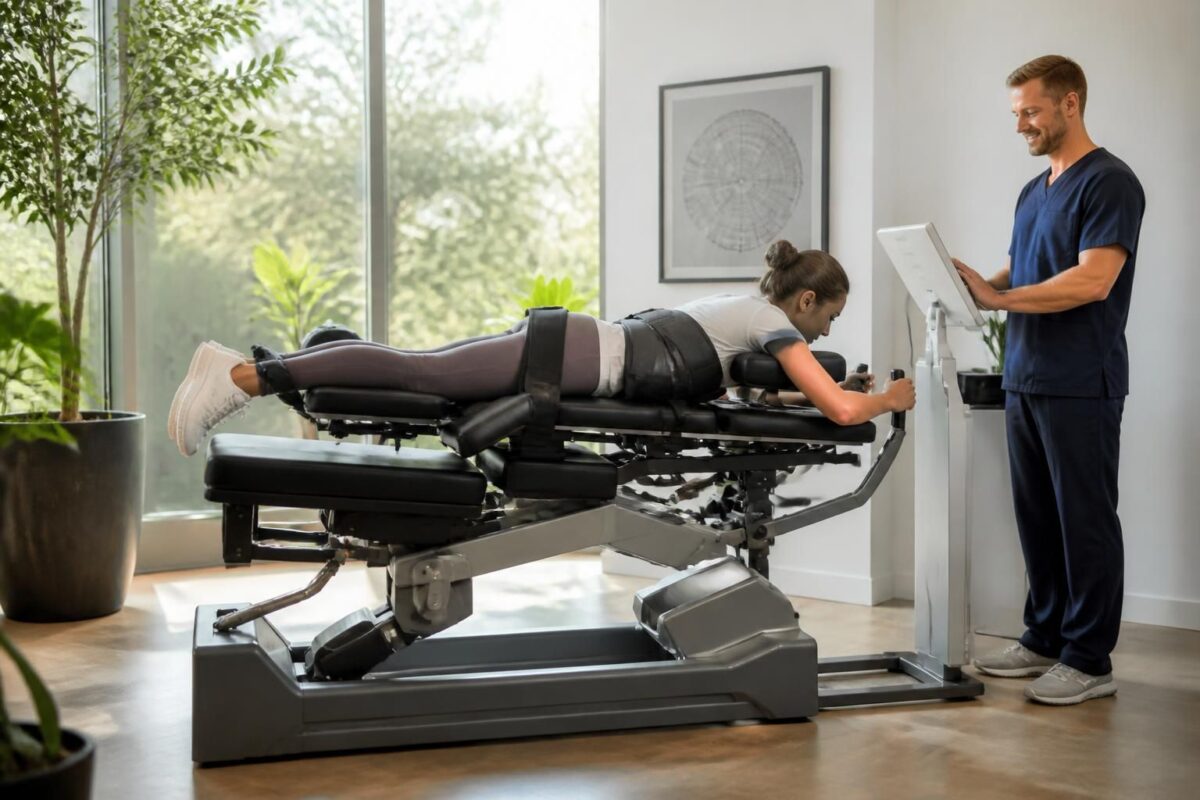
During a session, the patient is installed on a dedicated device and benefits from a traction adapted to his profile. The treatment goes without pain and is modulated according to individual needs. Sessions are generally organized in series and progress is followed at each stage in order to maximize the effectiveness of the protocol and to ensure optimal security.
Integration into a care plan
Neurovertebral decompression is part of a global approach to musculoskeletal health. It can be combined with other non-invasive therapies, such as reinforcement and posture programs, to optimize results and promote better long-term spinal stability. In this context, professionals rely on recognized training such as NUMSS, NAO, National University of Medical Sciences and National Academy of osteopathy To structure protocols and ensure quality of care.
Applications and benefits for athletes and active people
For athletes and active people, neurovertebral decompression can accompany a quick recovery After an injury and support the return to performance. She participates in the Lasting pain reduction and at theImproved neuromuscular function, which helps to maintain a longer and safer sports practice. This method is integrated into comprehensive programs offered by specialized clinics adapted to each individual.
Prevention and lifestyle
Neurovertebral decompression helps prevent future pain by supporting better vertebral alignment and improved blood circulation around the tissues. Healthy lifestyle habits, adequate hydration and appropriate physical activity, supervised by a professional, enhance results and promote a sustainable quality of life.
Additional influences and resources
To deepen, specialized resources offer practical guides and explanations of mechanisms and protocols. Among them, some pages describe the benefits on the neuromuscular function, indications and limits of neurovertebral decompression, as well as its role in pain management and mobility (see available information on Decompression and mobility and Modern techniques). Specialized clinics also share experiences and feedback on the benefits for the joints and the nervous system.
For practical information and clinical resources, you can visit the following sites: Tagmed Clinic, neurovertebral decompression, and SOS SCIATIC. These resources cover the principles, indications and results observed in daily practice.
Medical Disclaimer: The information and advice provided on this site does not replace the health professional’s diagnosis or treatment. Please note that the osteopath practitioner is neither a doctor of medicine nor a doctor, and is not a specialist in a medical specialty as defined by the Collège des Médecins du Québec. Manual medicine, functional medicine and sports medicine as described on this site exclude any medical treatment or diagnosis made by a doctor or specialist doctor. Always consult your doctor for any medical questions. For more details, please read our full legal notice.
References and additional resources (trainings and associations): recognized training such as NUMSS, NAO, National University of Medical Sciences and National Academy of Osteopathy; Relevant professional associations such as ACMA (Canadian Alliance of Alternative Medicine), College of Canadian Osteopaths and College of Canadian Osteopaths.
AXIS: Daily mobility and autonomy patient-centric
- Controlled traction To free up the disc space and reduce pain.
- Mobility and flexibility improved joints.
- Reduced pain soon after the sessions.
- Increased traffic and improved tissue nutrition.
- Prevention future pain by posture and lifestyle.
- Integration with physiotherapy and other non-invasive therapies.
- Personalized evaluation and regular progress monitoring.
- quick recovery For athletes and athletes.
- Daily impact On the walk, the seat and the lift.
- Maintenance of results through a healthy routine and lifestyle.

This recommendation presents how the neurovertebral decompression can improve the Joint mobility and contribute to a Optimal health. By combining controlled traction with a personalized approach, it reduces pressure on discs and nerves, promoting movement and lasting recovery. This article describes the mechanisms, benefits, protocol and practical advice for integrating this method into a global care plan.
What is neurovertebral decompression and mobility
Neurovertebral decompression is a non-invasive approach that uses gentle, controlled traction to relieve spinal tension. By increasing the space between the vertebrae, it Reduces pressure on intervertebral discs and nerves, which allows a vertebral alignment more natural and a better mobility.
The long-term benefits of neurovertebral decompression for spinal health
In short In short, the neurovertebral decompression is a non-invasive approach that decreases the Pressure on intervertebral discs and nerves, favoring the Natural regeneration and tissue recovery. Its long-term benefits include Lasting pain reduction, Improving mobility and from the posture,…

Neurovertebral decompression and mobility: a return to an active life
In short In short, the neurovertebral decompression is therapy non-invasive who uses a gentle traction To create a space between the vertebrae and reduce the pressure on the Intervertebral discs and the nerves. It promotes a bloodstream improved, lowers tension…
Benefits for mobility and pain
Patients report a pain reduction and an Improved flexibility After a series of sessions. This approach promotes more active daily life and reduces functional limitations related to osteoarthritis or herniated discs. Recovered mobility results in better posture, reduced muscle tension and faster recovery during daily or sports activities.
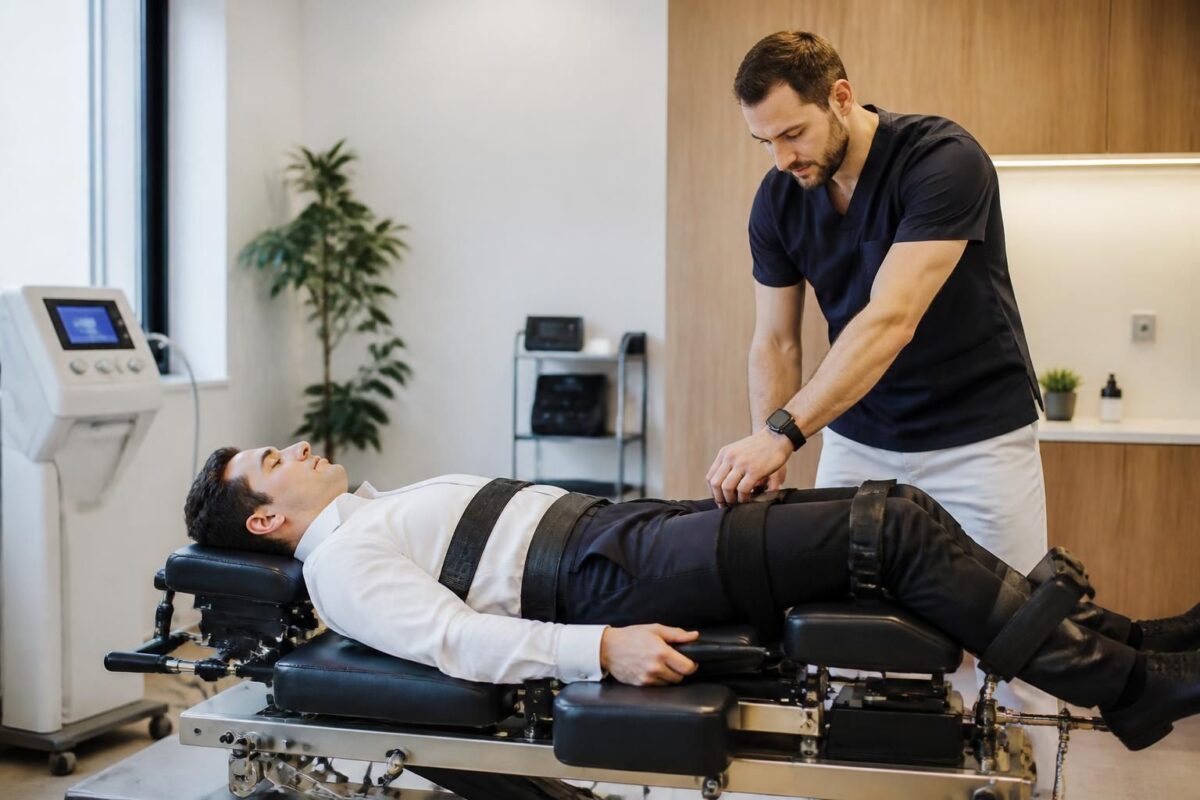
How Neurovertebral Decompression Prevents Diffuse Chronic Pain
In short decompression neurovertebral is one Non-invasive method aimed at reducing the Pressure on the intervertebral discs and the nerves, in order to prevent Diffuse chronic pain. It improves the circulation and thedisc hydration, decreases inflammation and promotes better mobility.…
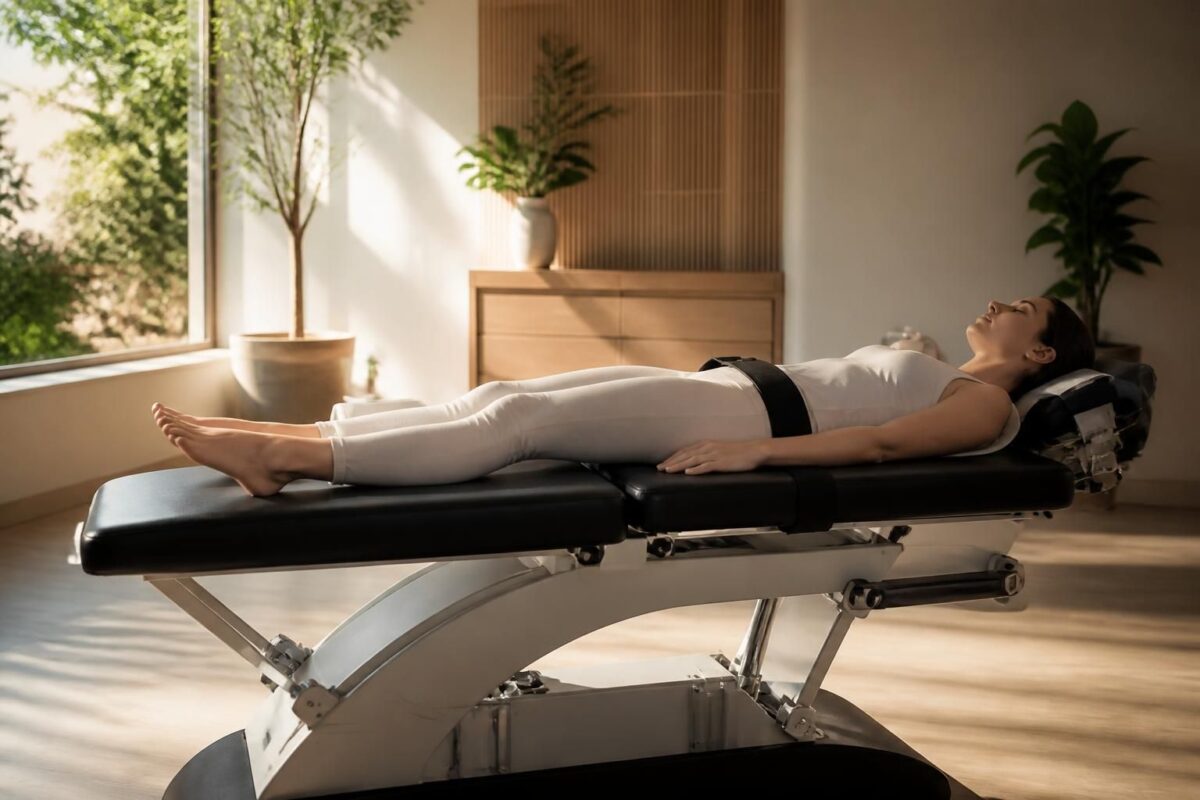
Neurovertebral Decompression and Body Alignment: Restoring Natural Balance
In short In short, neurovertebral decompression is one Non-invasive approach who restores theBody Alignment and thenatural balance back and neck. She acts by a Controlled traction of the spine to widen the intervertebral space and reduce the Pressure on discs…
Processing process and protocol
During a session, the patient is installed on a specially designed device that applies a Calibrated traction and personalized. The protocol typically provides for a series of sessions adapted to the patient’s profile, with regular evaluation of the results. The treatment is painless and can be supplemented with rehabilitation exercises and postural counseling to enhance stability and promote long-term mobility gains.
Indications and precautions
This method is particularly useful in case of slipped disc, osteoarthritis and persistent lumbar or cervical pain. It is performed under professional supervision and requires accurate diagnosis and imaging if necessary. Some contraindications exist, and the practitioner will adjust the protocol accordingly.
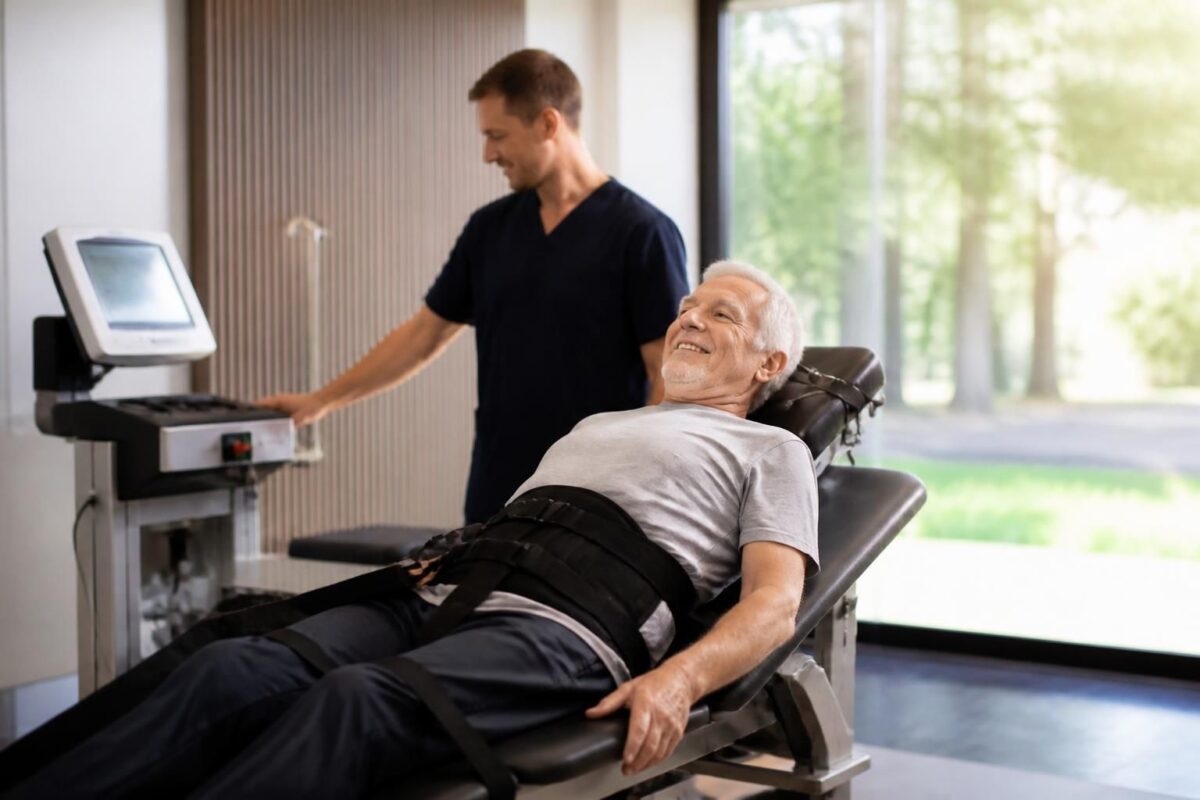
Why neurovertebral decompression is a lasting solution for active seniors
In short In short, the neurovertebral decompression is one Non-invasive therapy which sustainably relieves spinal pain in the spine active seniors By creating, by a Soft and controlled traction, a space between the vertebrae. At Montreal, it is recognized as…
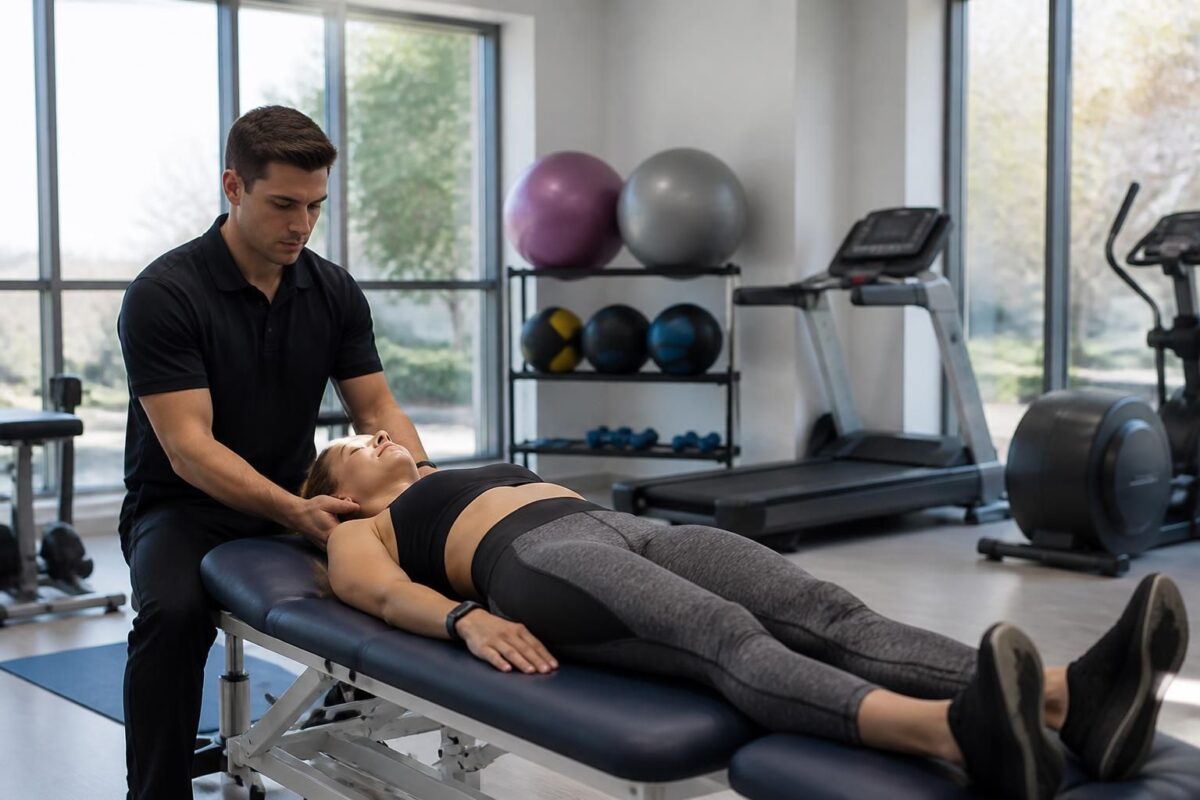
Neurovertebral decompression and recovery after severe sports injury
In short In short, the neurovertebral decompression is one Non-invasive method to Relieve the pressure on the Intervertebral discs and the gristle Via a Controlled traction, to facilitate the recovery After a severe sports injury. It improves the bloodstream towards…
Integration into a comprehensive care plan
To optimize the results, neurovertebral decompression is integrated into a global program including physiotherapy, tips fromlifestyle and musculoskeletal support. The objective is to combine this non-invasive technique with exercises and pain management strategies, in order to permanently restore the neuromuscular function and the quality of life.
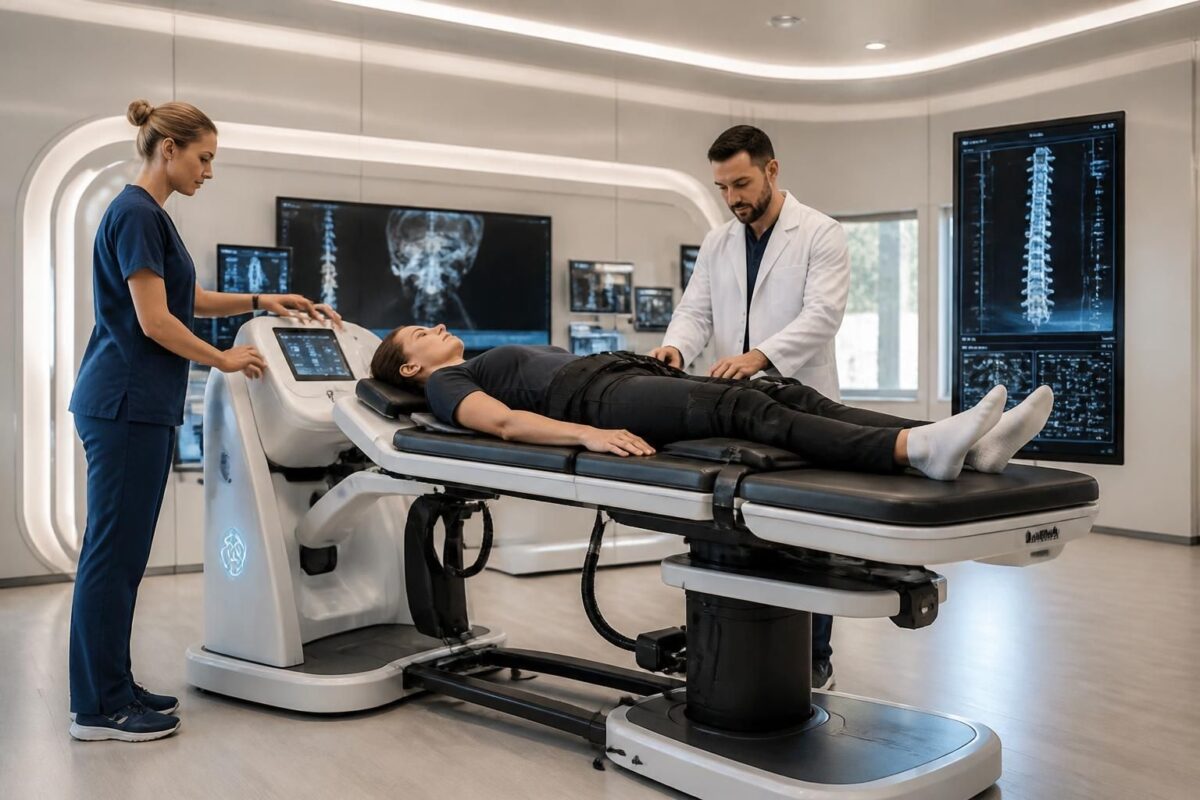
Recent innovations in neurovertebral decompression technologies
In short In short, the neurovertebral decompression is an approach non-invasive Aiming to reduce pressure on discs and nerves, and promote tissue regeneration. At Montreal, it is positioned as an effective option for lower back pain and herniated discs. The…
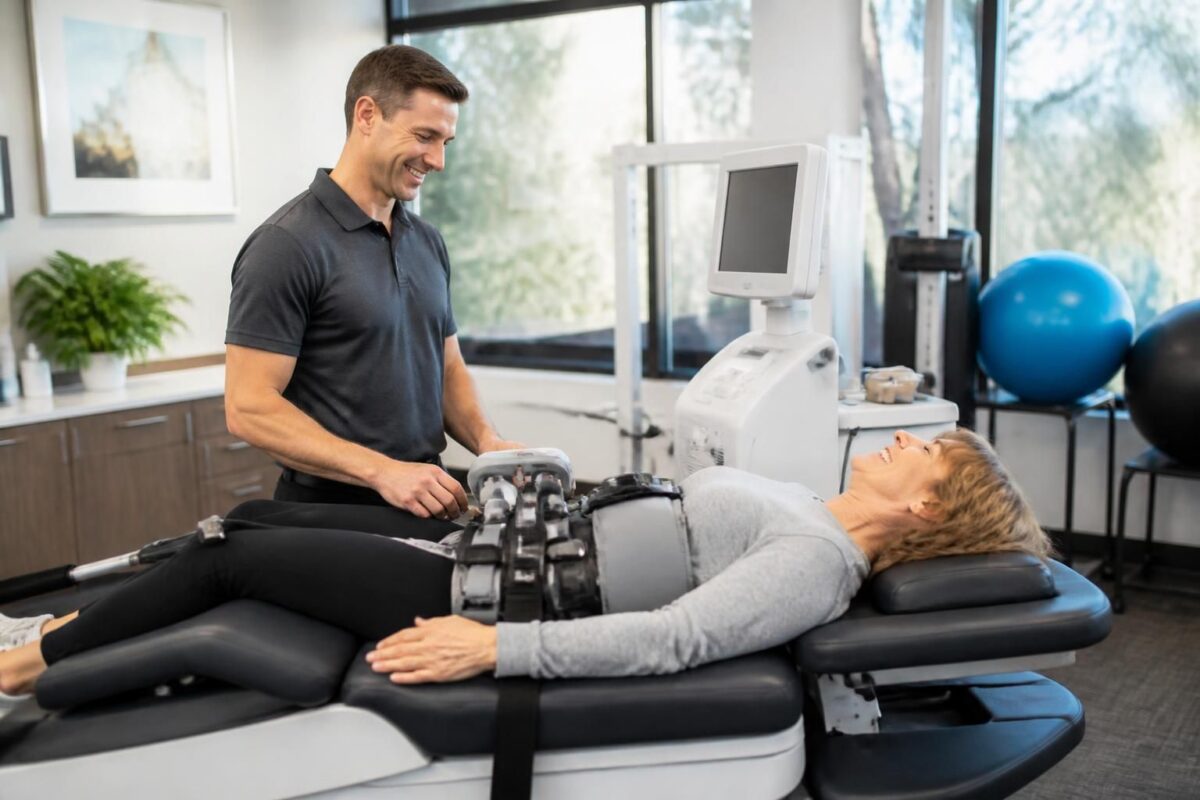
Neurovertebral decompression and diffuse pain: an appropriate solution
In short In short, the neurovertebral decompression is one Non-invasive solution For diffuse pain related to nerve irritation of the spine. She acts in Reducing pressure on intervertebral discs and nerves and improving the bloodstream, which promotes recovery and the…
Prevention and lifestyle
Beyond the treatment, simple actions make it possible to maintain the benefits: regular practice of adapted exercises, balanced diet, sufficient hydration and posture adapted to work and daily activities. Follow-up visits help adjust the program and prevent pain recurrences, by promoting Sustainable mobility.
Testimonials and expected results
Patients following this type of program describe a significant improvement in the pain and from the mobility, as well as a renewed freedom of action in daily and sporting activities. The results vary depending on the indication, the rhythm of the sessions and the adherence to the care plan, but the trend is towards continuous improvement and sustainable.
| Criterion | Description |
|---|---|
| Definition | Non-invasive technique aimed at reducing pressure on discs and nerves to improve mobility and reduce pain. |
| Principle | Controlled traction applied to the spine that promotes realignment and tissue circulation. |
| directions | herniated discs, osteoarthritis, chronic lumbar and cervical pain. |
| Mobility benefits | Improvement of flexibility and amplitude of movements, daily activity found. |
| Effect on pain | Progressive and lasting reduction in pain related to nerve compression. |
| Progress | personalized sessions in the clinic; Each session lasts about 20-30 minutes and is painless. |
| Frequency | Several sessions per week depending on progress and goal. |
| Integration | Used alone or in addition to other therapies (physiotherapy, postural rehabilitation) for a global framework. |
| precautions | Pre-assessment, compliance with contraindications and followed by a qualified professional. |
| Expected results | Better mobility, lasting pain reduction and improved quality of life. |
Testimonials on neurovertebral decompression and joint mobility: regain optimal health
“After years of lower back pain, the neurovertebral decompression woke up my Joint mobility And I feel that my Optimal health is back. In a few sessions, the pain has decreased and I can once again take full advantage of my daily activities. — Mrs. Claire D.
“As an athlete, I found a mobility fast and more efficient recovery thanks to decompression. This method helped me find my performance and my quality of life clearly gained in fluidity and confidence. — Mr. Julien M.
“With osteoarthritis, neurovertebral decompression allowed me to find a natural walk and less pain. My Joint mobility has improved and I feel more active in my daily walks. — Mrs. Sophie L.
“I went from pain that prevented me from playing with my children to an active life. Thanks to the mobility found and to my Optimal health, I can now run and laugh with them without limiting my movements. — Mr. Antoine R.
“My work requires standing and moving frequently. After decompression, my posture and my Joint mobility strengthened, which improved my productivity and my quality of life. I highly recommend this approach. — Mrs. Nadia K.
“I had almost given up the idea of moving without pain. Neurovertebral decompression gave me a mobility sustainable and a Optimal health who accompany me on a daily basis, whether at work or during my leisure time. — Mr. Thomas G.
Dr. Sylvain Desforges, expert in osteopathy, naturopathy and manual medicine, is recognized for its commitment to theHealth Innovation And for his role as founding president of the Tagmed clinics and the ACMA association. His career is part of a constant quest for solutions that sustainably improve the quality of life patients with Chronic pain. Through his leadership and clinical research, he designed an integrated approach where the neurovertebral decompression occupies a central place, as a lever of Joint mobility and overall well-being.
The neurovertebral decompression is presented as a non-invasive therapy aimed at restoring the space between the vertebrae and reducing the pressure exerted on the discs and nerves. This approach, carefully framed by a rigorous clinical evaluation, makes it possible to adjust the protocol to each patient and to aim for a lasting rehabilitation, rather than a simple temporary relief. Dr. Desforges insists on a clear link between science and practice, in order to offer reliable and effective care.
On the technical level, the sessions use a Controlled traction of the column, carried out using specialized equipment designed to act smoothly on the spinal structure. This procedure aims to release tensions, promote the Disc rehydration and improve thevertebral alignment. The protocols are custom Depending on the patient’s condition and rehabilitation objectives, with regular monitoring of results through a series of sessions that measure mobility gains and pain reduction.
In his practice, Dr. Desforges favors a vision multidisciplinary and patient-oriented. It associates decompression with interventions such as postural work, functional rehabilitation and, when necessary, complementary therapies such as laser and shock waves. This synergy aims not only to reduce pain but also to Prevent relapses And to allow everyone to find an active and unrestricted life, whatever the age.
Driven by an ethical and scientific approach, it promotes care evidence-based, based on clinical data and extensive practical experience. As a pioneer, it promotes the integration of modern technologies that elevate the management of back pain and joint disorders towards new standards of safety and efficacy. Its action is not limited to clinical practice: it extends to the formation of multidisciplinary teams and the dissemination of a culture of holistic and innovative care.
At the heart of his philosophy, Dr. Desforges shows how the alliance between clinical expertise, technological innovation and scientific rigor can sustainably transform the lives of patients. His journey illustrates a doctor’s ability to guide a vision focused on Optimal health And sustainable mobility, by offering personalized solutions that rebalance the body, restore neuromuscular strength and restore the initiative to resume daily activities with complete peace of mind.
This conclusion summarizes how the neurovertebral decompression can improve the Joint mobility and promote a Optimal health, relying on mechanisms, benefits and integration into a global care plan. It highlights why this non-invasive approach helps to resume daily activities without pain and prevent recurrences, while offering resources to deepen the subject.
The neurovertebral decompression acts essentially by reducing the pressure on the Intervertebral discs and the Spinal nerves. By creating a physiological space at the level of the vertebrae, it facilitates a better mobility and promotes tissue recovery, thus contributing to a lasting decrease in back and neck pain. For those looking for a solution non-invasive, this approach offers an effective way to reconnect with fluid movement and more ergonomic posture.
In terms of articular mobility, the technique allows to restore the natural dynamics of the joints thanks to an improvement in theBlood irrigation and better alignment of the spinal structures. Patients often find Improved range of motion And a regained flexibility that allows them to perform daily gestures with less fatigue and less pain.
To achieve optimal results, the approach must be part of a Overall care plan and personalized. Decompression can be associated with Postural adjustments, programs of Neuromuscular rehabilitation, pain management techniques and advice onhydration and lifestyle. resources like TagMed integration And other recent analyzes highlight the benefits of a coordinated protocol adapted to each patient. To deepen clinical results and innovations in non-invasive therapies, you can consult resources such as Rapid clinical results and Innovations in non-invasive therapies.
The indications and limitations of this technique are well documented. For a clear view of uses, benefits and precautions, refer to specialized analyzes such as Indications and limits. In addition, resources dedicated to neuropathic pain show how decompression can help reduce associated pain and improve nerve function, especially through Benefits for Neuropathic Pain.
Finally, the impact on quality of life is significant when decompression is integrated into an active approach to prevention and rehabilitation. For those who want to better understand the mechanisms and the global approach, resources such as The complete approach and Improved joint mobility Offer useful additional elements for patients and health professionals.

Dr Sylvain Desforges, B.Sc., D.O., N.D., osteopath, is the founding president of TAGMED and of the ACMA association. He dedicates his practice to chronic spinal pain, low back pain and symptoms compatible with sciatica, particularly when pain radiates toward the buttock, leg, calf, foot or toes.
Through SOS Sciatique, he publishes educational content on sciatica symptoms, possible causes such as disc herniation, disc narrowing, foraminal stenosis or irritation of a lumbar nerve root, as well as non-surgical approaches that may be considered according to the evaluation. At Clinique TAGMED, care may include, depending on the case, motorized neurovertebral decompression, specific osteopathic care or precision percussion.
For an evaluation related to sciatica treatment in Montreal / Mount Royal or sciatica treatment in Terrebonne, please consult the services available at Clinique TAGMED.
Medical disclaimer
The information published on SOS Sciatique is provided for educational purposes only and does not replace a consultation, diagnosis, opinion or treatment provided by a physician or another authorized healthcare professional. The author of this article is neither a medical doctor nor a specialist in a medical specialty recognized by the Collège des médecins du Québec. The osteopathic, manual medicine or functional support approaches described on this site do not constitute medical acts and are not intended to replace medical follow-up.
Consult a physician or emergency service in cases of loss of bladder or bowel control, anesthesia in the saddle area, significant or progressive weakness in the leg or foot, fever, recent trauma, severe pain or rapid worsening of symptoms. For more details, please read our Legal Notice.