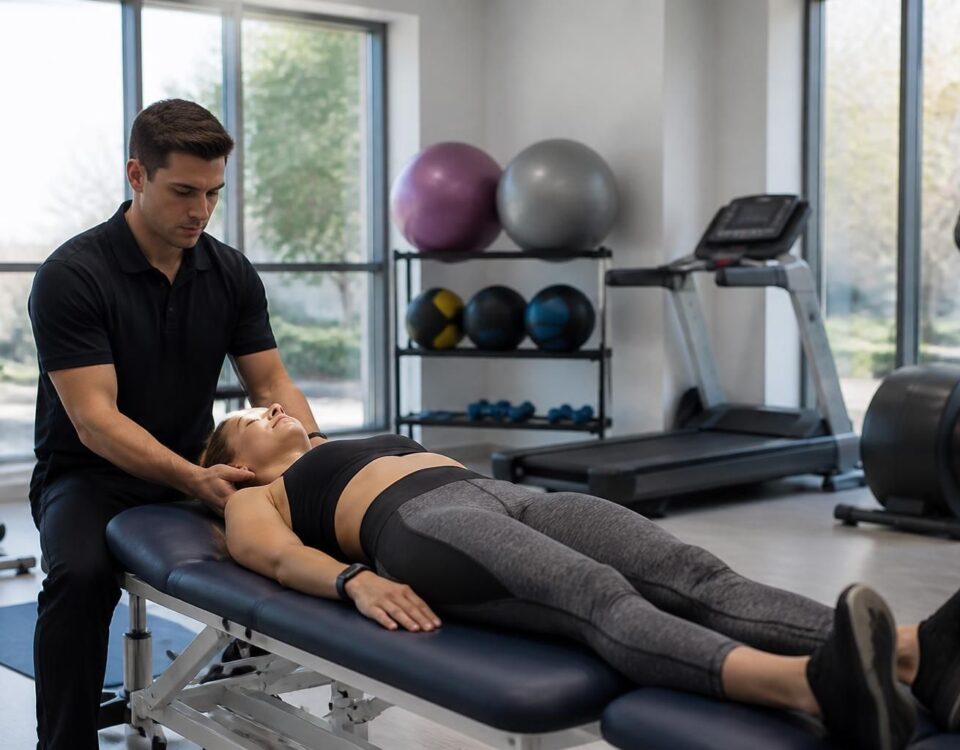
Advanced techniques in neurovertebral decompression to improve spinal alignment
26/06/2026
Neurovertebral decompression and joint mobility: regain optimal health
26/06/2026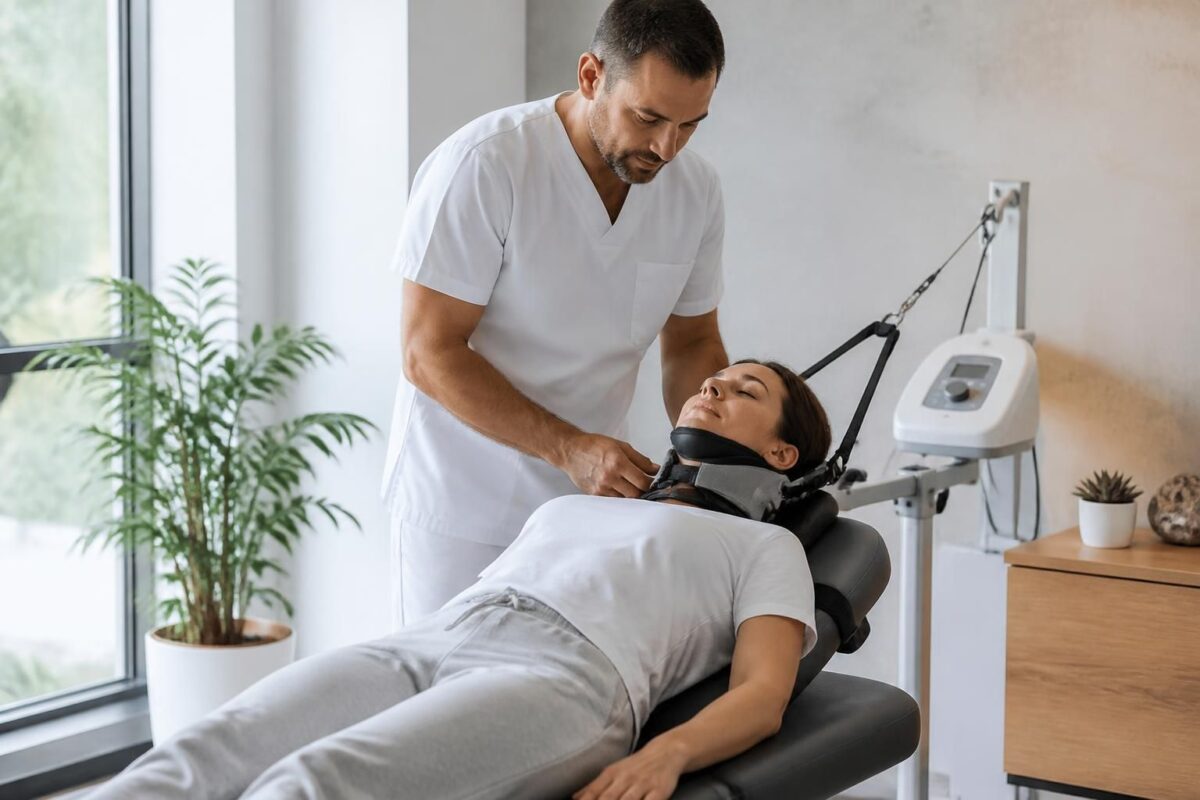
In short
In short, the neurovertebral decompression is one Non-invasive therapy aimed at reducing the pressure on Intervertebral discs and the gristle, promoting regeneration and Prevention of chronic neuropathic pain related to a herniated disc. thanks to a Controlled traction and personalized, it offers lasting relief and improves the mobility and the quality of life. accessible to Montreal, this service is particularly suitable for people with Chronic pain who are looking for an effective solution without surgery or drugs, with a low level of discomfort and a rapid resumption of activities. |
The neurovertebral decompression is one Non-invasive therapy Aiming to prevent and reduce neuropathic pain due to discus disorders and vertebral misalignments.
- It is based on a Controlled traction of the column and the creation of a Space between the vertebrae, thus decreasing the Pressure on discs and nerves.
- This method improves the bloodstream in the area concerned and promotes the Nervous tissue regeneration, contributing to lasting relief.
- She is part of an approach personalized, with an initial evaluation and an appropriate treatment plan, often supplemented by exercises.
- By acting on the column and the posture, she participates in the Prevention of recurrences and better mobility and quality of life.
- The care path includes Additional exercises and postural education to support long-term outcomes.
Quick introduction: the neurovertebral decompression is a non-invasive therapy that aims to reduce the pressure on the discs and nerves of the spine. It is part of a preventive approach to chronic neuropathic pain linked to disc herniation and other disc pathologies. This method, used in care pathways in Tagmed clinics, combines controlled traction and personalized follow-up to reduce symptoms, improve circulation and promote a more stable nervous function in the long term.
What is neurovertebral decompression?
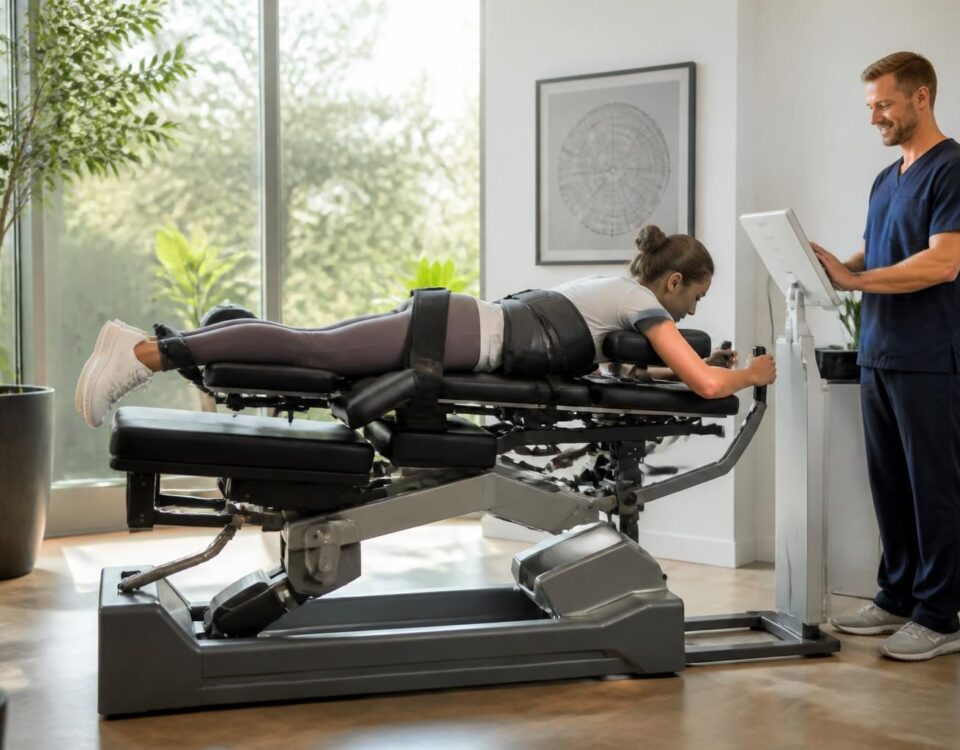
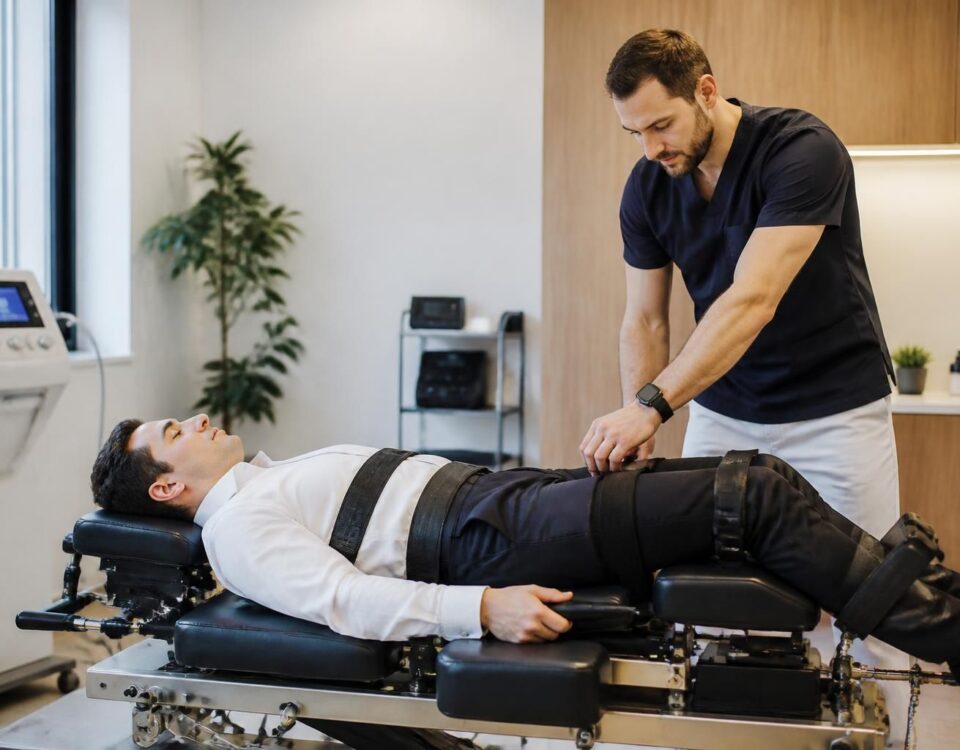
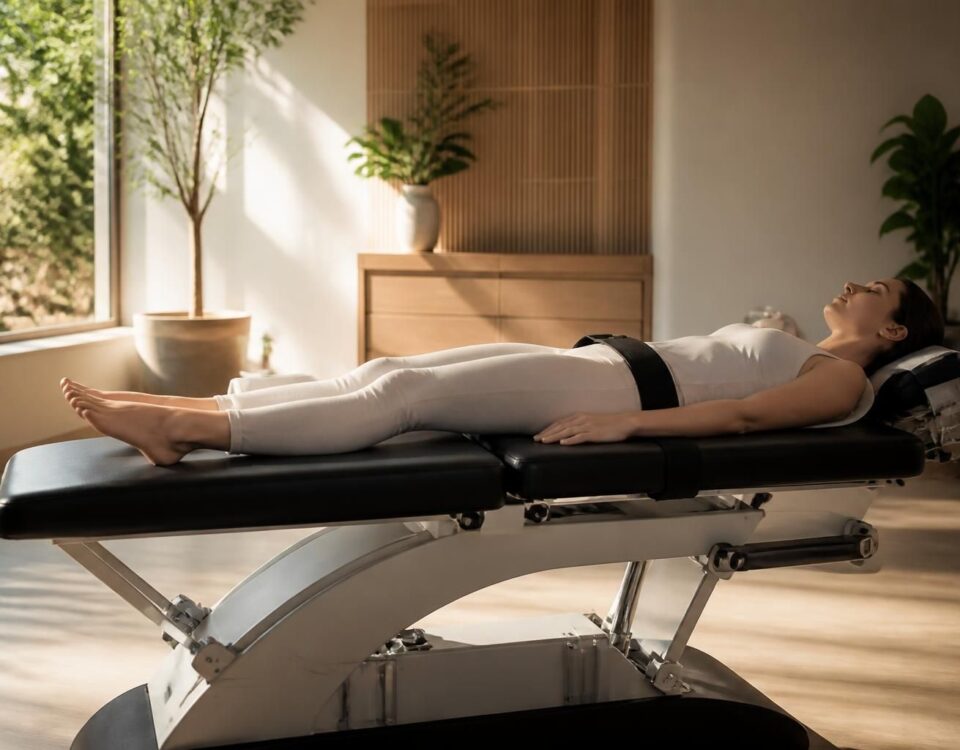
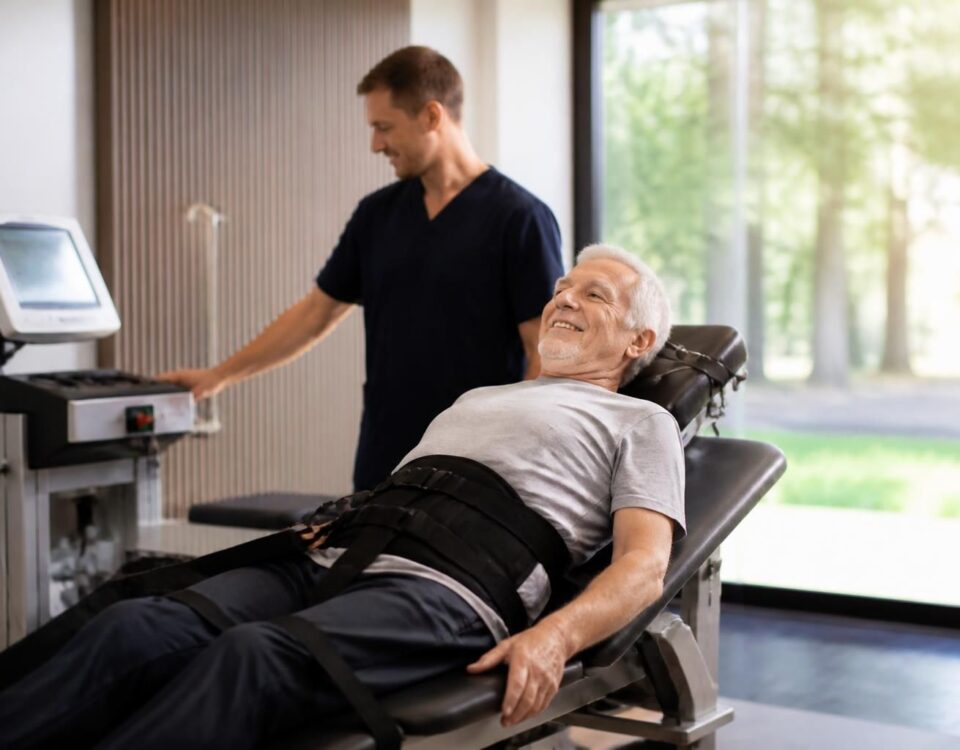
Neurovertebral decompression is a non-invasive technique that applies gentle and controlled traction to the spine. It creates a space between the vertebrae and releases the pressure exerted on the intervertebral discs and nerves. This pressure reduction promotes better blood circulation, facilitates rehydration and disc flexibility, and can contribute to a lasting decrease in neuropathic pain associated with herniated discs.
How does this therapy work?
By reducing the pressure on the nerves and discs, the local traffic improves and the nutrients that support nerve regeneration gain accessibility. The process is personalized Depending on the condition of each patient and is part of a structured program, usually consisting of regular sessions over several weeks. This approach aims not only for symptom relief, but also the prevention of recurrences through better mechanical and physiological integrity of the spine.
Impact on the prevention of chronic neuropathic pain
Neurovertebral decompression works by targeting the underlying mechanical causes of neuropathic pain. By restoring the intervertebral space and improving the perfusion of nerve tissue, it contributes to a lasting reduction of symptoms and a better quality of life. Nerve damage due to a herniated disc is less likely to generate recurring painful episodes when the column regains a functional balance.
Clinical approach and personalized follow-up
Each patient receives an in-depth assessment before treatment. This assessment takes into account the history, imaging results and painful specificities. The care plan is then adapted, and regular follow-up makes it possible to adjust the sessions according to the evolution of the symptoms. Monitoring helps maintain benefits and reduces the risk of recurrence. To optimize the results, support elements such as postural education and targeted interventions at the TagMed Clinic can be integrated, while remaining within the framework of clinical recommendations and best practices based on evidence.
Integration and security
Neurovertebral decompression is a non-invasive option for people with neuropathic pain related to disc pathologies. It can be used alone or in addition to other non-invasive approaches available at the TagMed clinic in Montreal or Terrebonne. In order to ensure optimal safety, the initial evaluation and the choice of the protocol are based on clinical and radiological criteria, and the practitioners take care to avoid any inappropriate constraint or inappropriate treatment.
Practical elements and resources
To learn more about non-invasive approaches and recurrence prevention, you can consult the following resources: Neurovertebral decompression and cervical pain, Neurovertebral decompression and prevention of recurrences, and Decompression as a non-surgical alternative. Other information and practical guides are accessible via Neurovertebral Decompression and Prevention of Recurrent Neuropathic Pain. For educational resources and news, also visit Why decompression is a natural solution and Modern decompression techniques. For information on specific services, go to Tagmed Clinic and neurovertebral decompression.
Medical Disclaimer: The information and advice provided on this site does not replace the health professional’s diagnosis or treatment. Please note that Dr. Sylvain Desforges osteopath is neither a doctor of medicine nor a doctor, and is not a specialist in a medical specialty as defined by the Collège des Médecins du Québec. Manual medicine, functional medicine and sports medicine as described on this site exclude any medical treatment or diagnosis made by a doctor or specialist doctor. Always consult your doctor for any medical questions. For more details, please read our full legal notice.
Useful sites and training: For information on training and associated approaches, references are limited to NUMSS, NAO, National University of Medical Sciences and National Academy of osteopathy.
Advantages and key points of neurovertebral decompression: non-invasive, Quick relief potential, pressure reduction On discs and nerves, traffic improvement, and Prevention of recurrences Through a personalized approach and regular follow-up. For more information on profits and mechanisms, see the resources associated with Regeneration of intervertebral tissues and Prevent post-surgical complications.
To learn more about operational benefits and the care framework, you can also consult Neurovertebral decompression: an ideal therapy to prevent recurrences and Natural alternative to surgery.
- Principle : neurovertebral decompression by Controlled traction, creating space between the vertebrae and reducing pressure on the discs and nerves.
- directions : neuropathic pain associated with herniated disc; chronic pain that does not require surgery.
- Key Benefits : Progressive relief, improved blood circulation and potential for nerve regeneration; approach non-invasive.
- Avantages pratiques : short sessions, high tolerance, faster functional recovery.
- Personalized route : Detailed evaluation and treatment plan adapted to the patient’s profile and his history.
- Monitoring and adjustments : Regular visits to adjust the protocol and prevent recurrences.
- Additional exercises : soft mobility, targeted reinforcement and postural work to support the column.
- Education and prevention : Postural advice and daily gestures to limit irritation and relapses.
- Technological integration : Coordinated use of advanced technologies and protocols to optimize recovery.

This article presents the neurovertebral decompression As a non-invasive approach to prevent and relieve chronic neuropathic pain related to disc pathologies. It acts by reducing the pressure on the intervertebral discs and nerves, promotes tissue regeneration and is part of a recurrence prevention approach thanks to a personalized program, exercises and appropriate education. The whole is based on secure progression and regular monitoring to optimize the results and quality of life of patients.
Principle and modalities of neurovertebral decompression
Neurovertebral decompression is a technique non-invasive which applies a Controlled traction on the spine to create a space between the vertebrae. This action reduces the pressure exerted on the intervertebral discs and on the nerves, which facilitates the rehydration and the flexibility vertebral structures. At the same time, it improves the bloodstream local and supports the Nervous tissue regeneration, contributing to a lasting reduction of symptoms.
This approach is compatible with a large population and can be adapted depending on the cervical, thoracic or lumbar level. His character Graduated and personalized Promotes comfort and tolerance of treatment for each patient.
Security and customization
Each patient benefits from a initial assessment complete and a Individualized treatment plan. The program is adjusted over the course of the sessions according to the evolution of the symptoms and the clinical results, in order to guarantee Optimal security and proper progress.
The long-term benefits of neurovertebral decompression for spinal health
In short In short, the neurovertebral decompression is a non-invasive approach that decreases the Pressure on intervertebral discs and nerves, favoring the Natural regeneration and tissue recovery. Its long-term benefits include Lasting pain reduction, Improving mobility and from the posture,…

Neurovertebral decompression and mobility: a return to an active life
In short In short, the neurovertebral decompression is therapy non-invasive who uses a gentle traction To create a space between the vertebrae and reduce the pressure on the Intervertebral discs and the nerves. It promotes a bloodstream improved, lowers tension…
Impact on chronic neuropathic pain
By tackling the mechanical source of pain, decompression can lead to Significant pain reduction and to a Improving mobility, which often allows a return to more comfortable daily and sporting activities. It also acts as a measure of Prevention of recurrences By restoring the structural balance of the column and strengthening the circulation of nutrients to the nerve tissues.
Indicated in particular when the neuropathic pain results from a herniated disc or a mechanical imbalance, this therapy must however be part of a multimodal approach. It is not universal and may require a combination with other interventions, such as strengthening exercises and postural counseling.
Indications and limits
Preferred indications include chronic neuropathic pain associated with disc pathologies, with a favorable traction tolerance and a lack of major contraindication. The results depend on the severity of the pathology and adherence to the protocol, and regular evaluation allows treatment to be adjusted to maximize benefits.
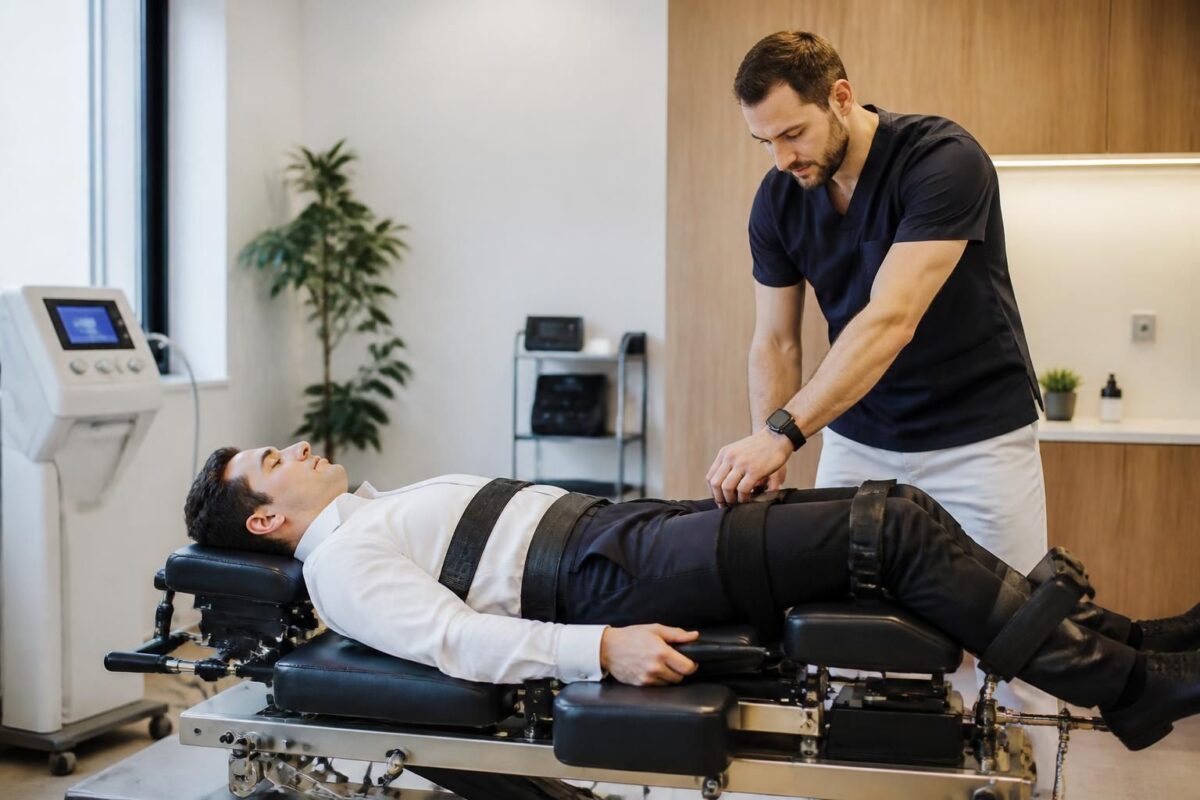
How Neurovertebral Decompression Prevents Diffuse Chronic Pain
In short decompression neurovertebral is one Non-invasive method aimed at reducing the Pressure on the intervertebral discs and the nerves, in order to prevent Diffuse chronic pain. It improves the circulation and thedisc hydration, decreases inflammation and promotes better mobility.…
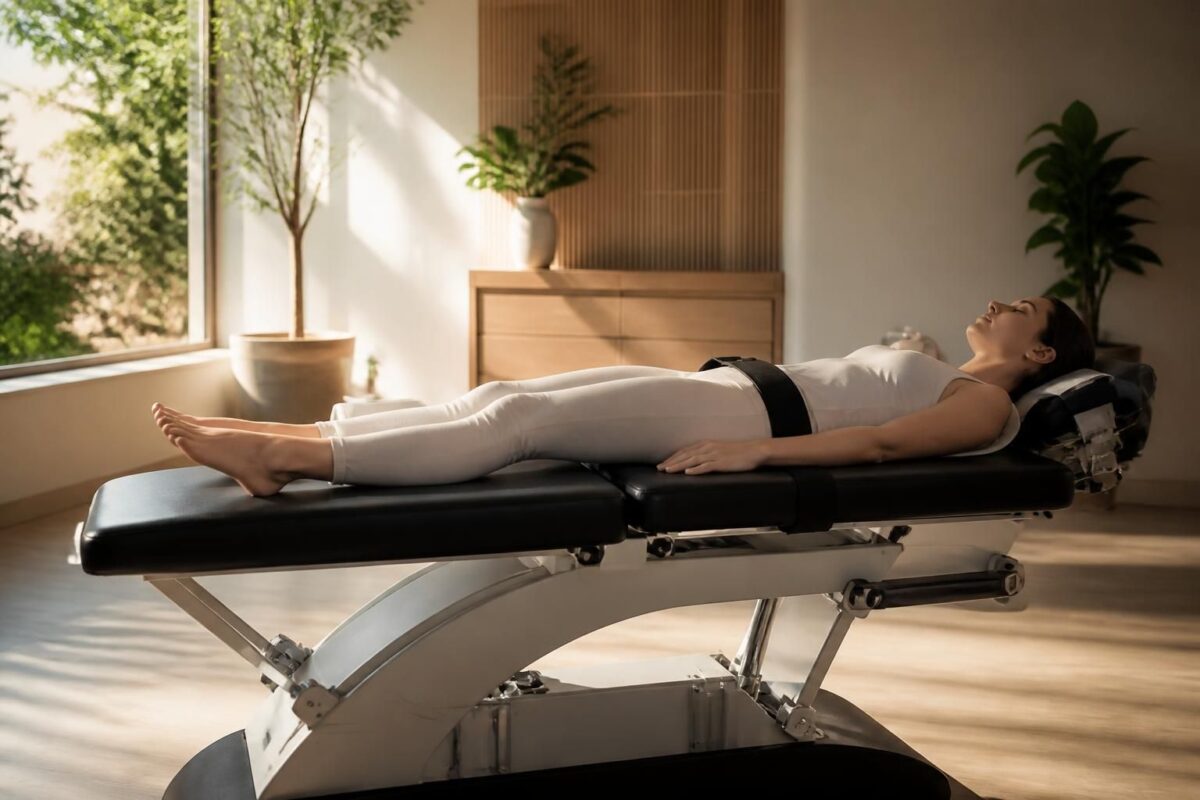
Neurovertebral Decompression and Body Alignment: Restoring Natural Balance
In short In short, neurovertebral decompression is one Non-invasive approach who restores theBody Alignment and thenatural balance back and neck. She acts by a Controlled traction of the spine to widen the intervertebral space and reduce the Pressure on discs…
Integration into a prevention program
To optimize the results, decompression is part of a program including Sweet exercises mobility and reinforcement, Physiotherapy sessions complementary and a Postural education. The objective is to avoid aggravating factors (poor posture, repetitive movements, sedentary lifestyle) and to promote a more robust and flexible spine.
Monitoring is done through clear objectives and measurable indicators (pain, functional capacity, return to activities). This approach makes it possible to adjust the plan, assess progress and prevent recurrences in the long term.
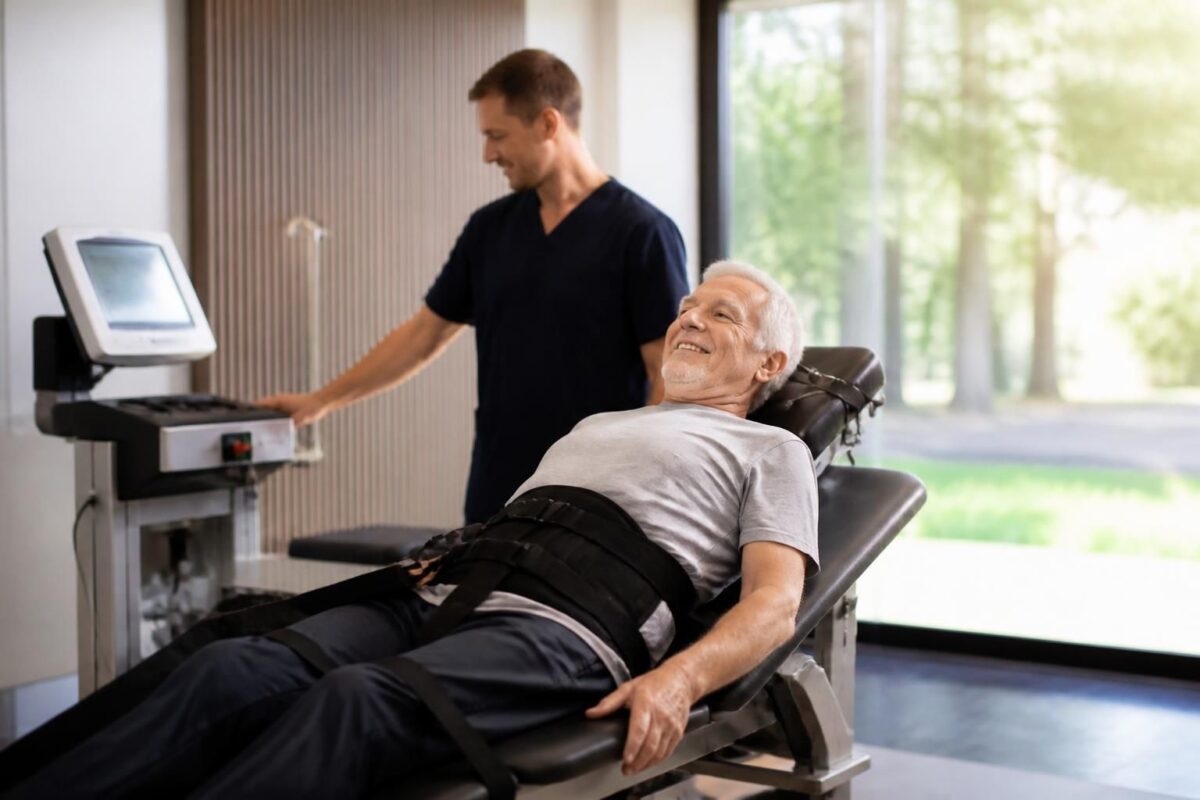
Why neurovertebral decompression is a lasting solution for active seniors
In short In short, the neurovertebral decompression is one Non-invasive therapy which sustainably relieves spinal pain in the spine active seniors By creating, by a Soft and controlled traction, a space between the vertebrae. At Montreal, it is recognized as…
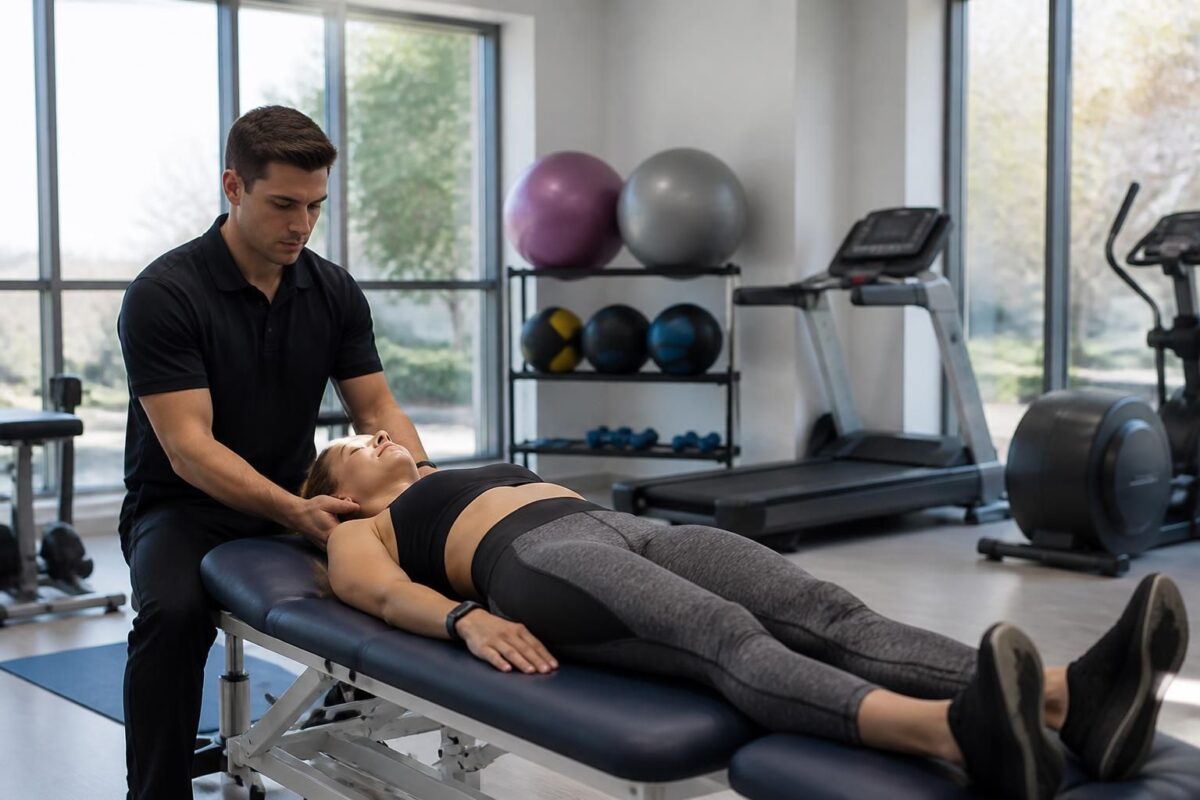
Neurovertebral decompression and recovery after severe sports injury
In short In short, the neurovertebral decompression is one Non-invasive method to Relieve the pressure on the Intervertebral discs and the gristle Via a Controlled traction, to facilitate the recovery After a severe sports injury. It improves the bloodstream towards…
Adopt an approach multimodal and progressive is essential. Combining decompression with complementary therapies, appropriate physical activity and continuous education enhances results. Integrate exercises at home and maintain a good Daily posture are decisive elements in preventing recurrences and supporting a Sustainability of benefits.
| Aspect | Concise description |
|---|---|
| Nature and definition | Neurovertebral decompression is therapy non-invasive which uses controlled traction to create a space between the vertebrae and decrease the pressure on the discs and nerves. Chronic neuropathic pain prevention includes actions on movement, posture and lifestyle aimed at reducing pain and preventing long-term recurrences. |
| Main objectives | improve mobility and reduce pain through decompression; Prevent recurrences through sustainable prevention measures (exercises, posture, follow-up). |
| Mechanism of action | decompression Increases space between the vertebrae, promotes the Disc rehydration and improves the nervous circulation. Prevention acts on biomechanical and neurophysiological mechanisms via drill, posture and education. |
| Typical indications | decompression for symptomatic disc herniation and radiculopathy; Prevention for chronic neuropathic pain and recurrence after treatment. |
| course of treatment | Decompression: Sessions short and regular over several weeks; Prevention: Sustainable program including drill, reinforcement and medical monitoring. |
| Expected benefits | decompression promotes Quick relief and better functionality; prevention aims Durable stability and reduction of recurrences for a better quality of life. |
| Risks and security | Decompression is usually safe and well tolerated; Prevention involves few risks, but depends on health status and habits, with some possible contraindications. |
| Monitoring and rehabilitation | Monitoring regular and adjustments; Integration of gentle exercises, back strengthening, occupational therapy and postural education. |
| Accessibility and cost | available in clinics specializing in spinal health; Variable cost and insurance coverage dependent on country and plan; Easy access to major cities. |
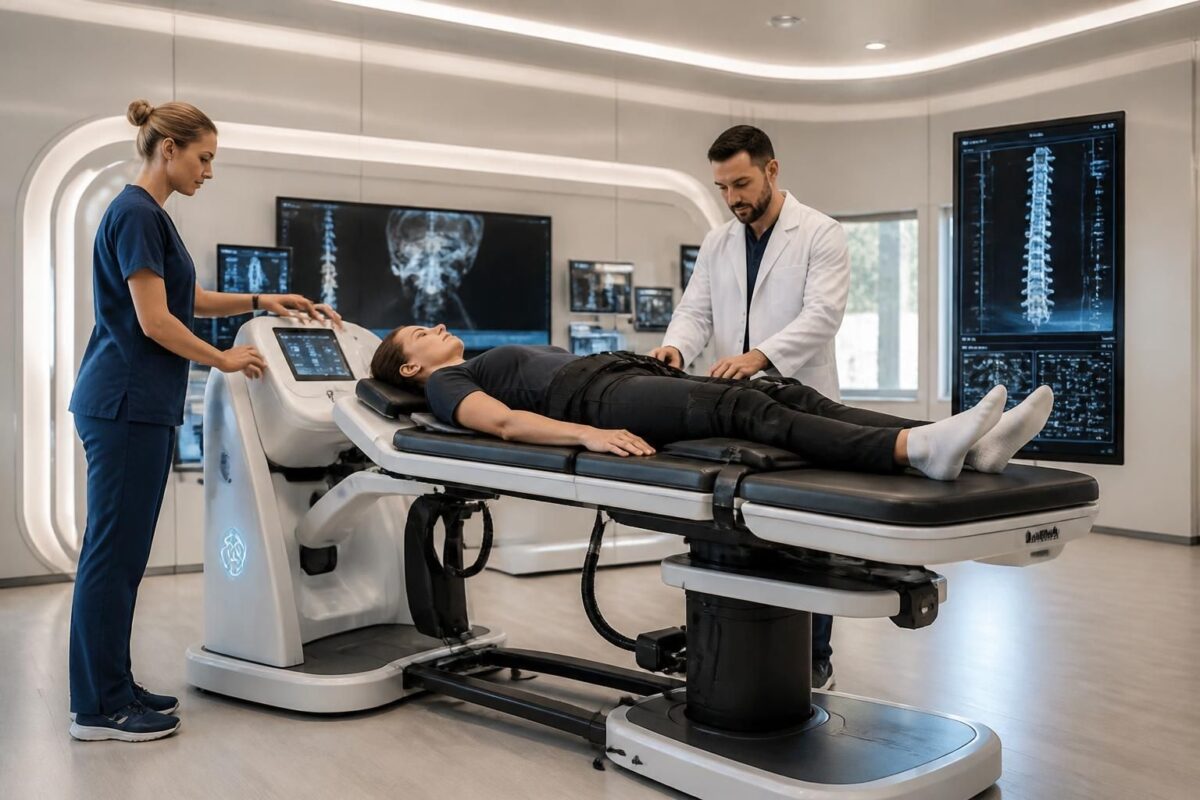
Recent innovations in neurovertebral decompression technologies
In short In short, the neurovertebral decompression is an approach non-invasive Aiming to reduce pressure on discs and nerves, and promote tissue regeneration. At Montreal, it is positioned as an effective option for lower back pain and herniated discs. The…
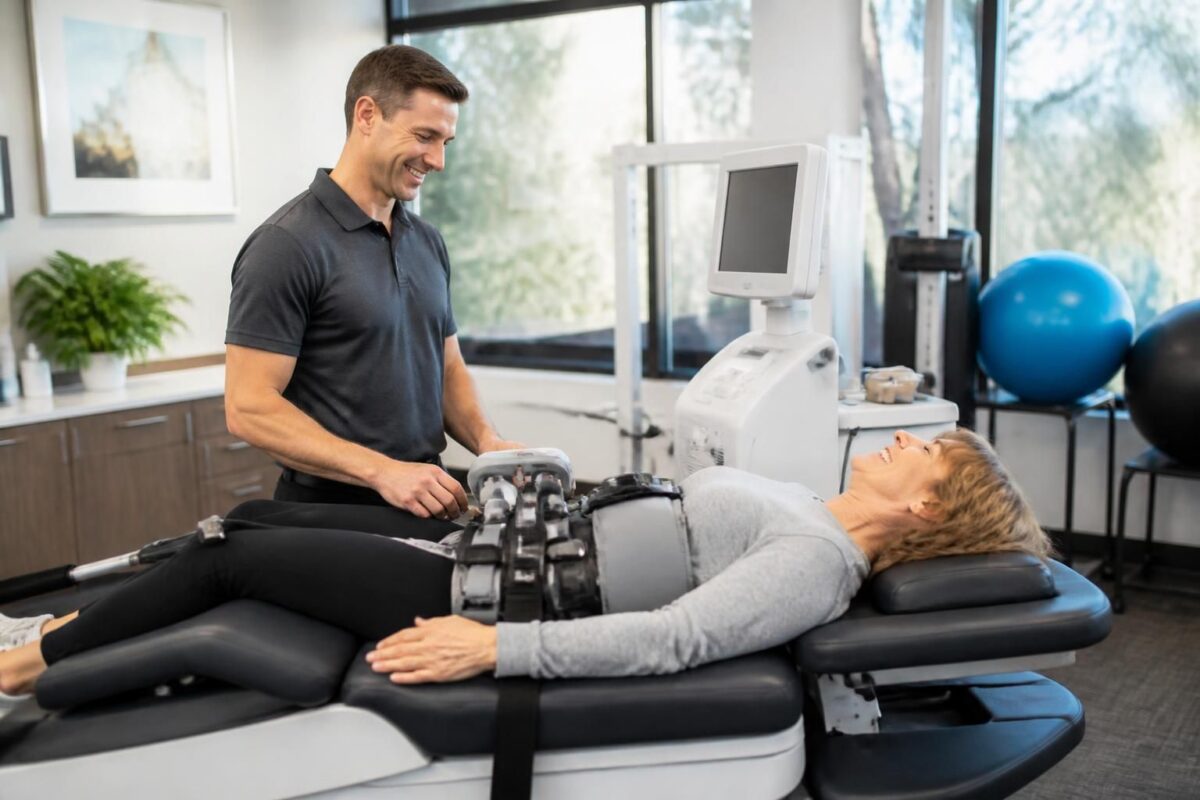
Neurovertebral decompression and diffuse pain: an appropriate solution
In short In short, the neurovertebral decompression is one Non-invasive solution For diffuse pain related to nerve irritation of the spine. She acts in Reducing pressure on intervertebral discs and nerves and improving the bloodstream, which promotes recovery and the…
Testimonials on neurovertebral decompression and chronic neuropathic pain prevention
“I started the neurovertebral decompression After months of lower back pain related to a herniated disc. The non-invasive and adaptable sessions allowed me to feel a gradual reduction in nerve pressure. Today, I found a mobility that I thought was lost and I see a real Prevention of chronic neuropathic pain on a daily basis. »
“As an active professional, I was looking for an effective solution without going through surgery. The decompression proved to be very natural, with lasting results. I breathe better, my radiant pains have decreased and I feel that I protect my spine better for the future, it’s a real Prevention of chronic neuropathic pain who is part of a personalized course. »
“My doctor suggested that I try this non-invasive approach for my neuropathic pain. After a few weeks, the pains receded and my posture improved, which made my daily and professional activities easier. I now perceive this therapy as a real tool for Prevention of chronic neuropathic pain in the long term. »
“The session schedule was clear and adjusted to my condition. I appreciated the close follow-up which made it possible to adapt the exercises and the traction smoothly. The results are not limited to immediate relief: it is a lasting reduction in pain and a better quality of life, with active prevention of recurrences. »
“After a long period of pain, the neurovertebral decompression gave me a new stability. I feel less neuropathic pain and my recovery is faster after exercise. This method convinced me by its targeted character and non-invasive, and it certainly contributes to the Prevention of chronic neuropathic pain in my future life. »
“This course was managed with a personalized approach and regular follow-up. The sessions helped me rebalance my spine and limit pain triggers. I am now more confident to prevent painful episodes and continue my activities without fear of recurrence, thanks to this approach focused on Prevention of chronic neuropathic pain. »
In the field of health, leadership has been imposed by its commitment to an approach non-invasive and evidence-based spinal disorders and neuropathic pain. This innovative perspective places the neurovertebral decompression At the heart of a therapeutic device designed to sustainably reduce pain and improve the quality of life of patients. By combining clinical rigor with advanced technologies, this course aims to prevent recurrences and promote progressive and safe functional rehabilitation.
trained and exercised in the fields ofosteopathy, naturopathy and manual medicine, the practitioner guided his work by a multidisciplinary philosophy. His experience led him to explore the physiological mechanisms that underlie neuropathic pain, favoring interventions that restore the structural balance and functioning of the nervous system. This integrated approach makes it possible to address the root causes of chronic pain rather than to temporarily attenuate the symptoms.
The neurovertebral decompression Relies on controlled traction of the spine that creates a space between the vertebrae. This biomechanical reorganization acts directly on the pressure exerted by the intervertebral discs and the nerves, promoting their rehydration, their flexibility and the improvement of local blood circulation. By releasing the compressed nerves and optimizing the nutrient intake of tissues, this method facilitates nerve regeneration and reduces risk factors for recurrence, thus providing a sustainable path to relief.
Each patient receives an assessment personalized which takes into account history, symptomatic profile and imaging results. This approach makes it possible to design an adapted treatment plan, to adjust the sessions according to the evolution and to measure the progress by clear criteria. The therapeutic framework is part of a logic educational and preventive, where the patient is guided towards posture, appropriate physical activity and ergonomics habits on a daily basis to limit aggravating factors and strengthen the spine in the long term.
To optimize the results, the program can be supplemented by techniques advanced technologies. The combination of decompression with therapies such as laser And shock waves potentiate the effects of tissue healing, accelerate rehabilitation and reduce associated pain. This therapeutic synergy is designed to meet the specific needs of patients with persistent neuropathic pain, while remaining non-surgical and adapted to an active life.
Patient returns illustrate marked benefits on the mobility, the Daily functionality and general well-being. Over the course of the sessions, they testify to a faster return to usual activities and a reduced risk of recurrence of symptoms, thanks to a proactive and structured care strategy. This approach emphasizes prevention and spinal stability, in order to establish the foundations for sustainable spinal health.
Driven by a strong conviction that science and innovation must guide every clinical decision, the practitioner is committed to providing care ethical, secure and custom that promote patient autonomy and active participation in their recovery. Its mission is to allow everyone to find a pain-free life, thanks to an approach that unites precise diagnoses, targeted treatments and lasting prevention of chronic neuropathic pain.
Quick summary: In this conclusion, we summarize the role of the neurovertebral decompression as Non-invasive solution To prevent Chronic neuropathic pain related to herniated discs. By decreasing the pressure on discs and nerves by a Controlled traction, this approach improves the circulation and promotes the Nervous tissue regeneration, while relying on an approach personalized Combining exercises, postural education and appropriate follow-up. This alliance between specific techniques and support recalls its lasting effectiveness to prevent recurrences and improve the quality of life in the long term.
The neurovertebral decompression stands out as an approach non-invasive which directly targets the cause of neuropathic pain linked to disc abnormalities. By gradually releasing the intervertebral space, it promotes rehydration and flexibility of the discs while reducing the pressure on the nerves. This mechanical action, combined with a better circulation of nutrients, supports the Nervous tissue healing and the prevention of recurrences, which translates into a Significant improvement in mobility And an easier recovery of daily and sporting activities.
Success is based on Personalized approach and a structured care pathway. From the initial assessment, the treatment plan is adapted to the history, pain level and imaging results. Regular sessions, combined with complementary exercises (soft reinforcement, targeted stretching, posture work), contribute to maintaining the gains obtained and to solidify spinal stability. Patient education on good postures, lifting techniques and lifestyle is a key element that directly influences long-term profit maintenance.
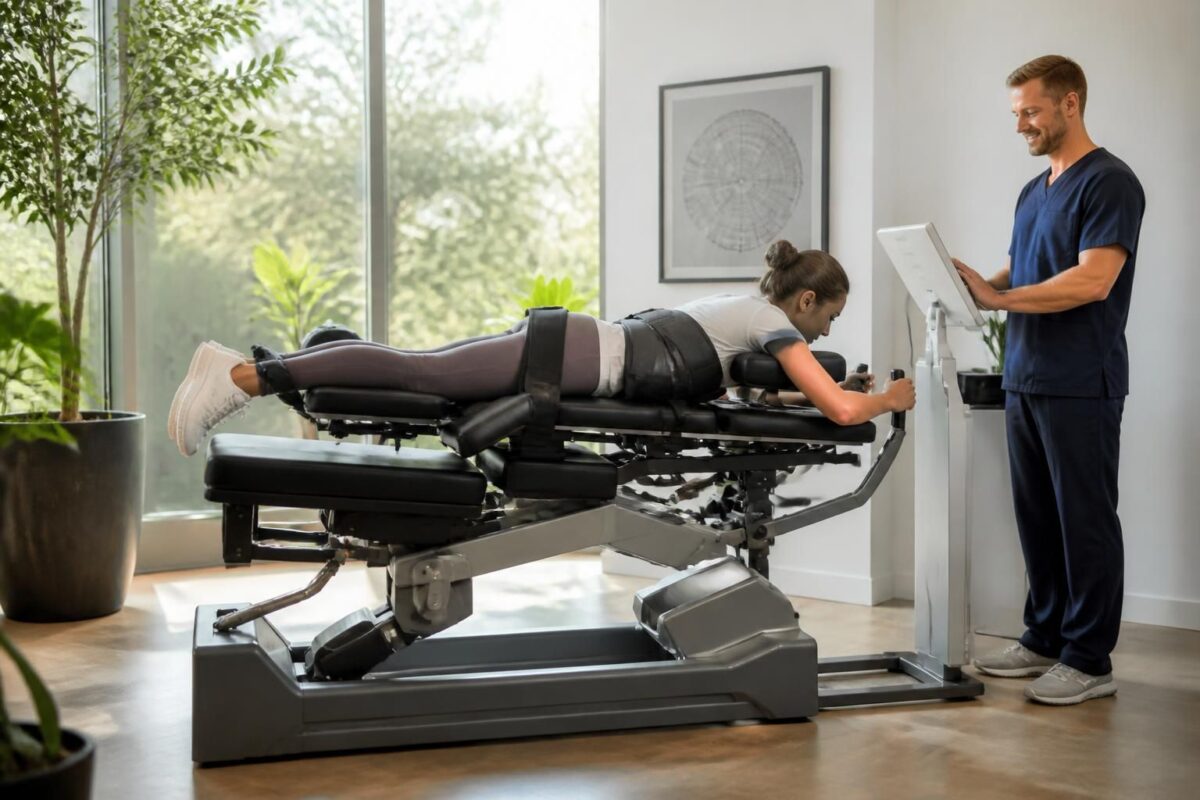
Complementary technologies and therapies also play an important role in optimizing results. The integration of advanced tools, such as computer-assisted decompression devices and complementary approaches such as class IV laser or shock wave therapies, enables the treatment to be adapted to the patient’s tolerance and evolution, while strengthening overall program effectiveness.
Concerning recurrence prevention, the focus is on Proactive prevention and Patient education. In addition to exercises and postural work, the adoption of an active lifestyle adapted to the spinal condition contributes to maintaining a spinal stability and limit the risk of new neuropathic pain. To deepen these concepts and access specialized resources, you can consult dedicated content such as explanations on the mechanisms and benefits of neurovertebral decompression and its feedback.
To enrich your understanding and access additional perspectives, reading the following resources can be useful: Neurovertebral Decompression – Flexibility and Prevention of Recurrences, Prevent recurrences due to complex nerve tension, and additional resources on the benefits and mechanisms in The benefits of neurovertebral decompression and Neurovertebral decompression and spinal mobility.
The following also illustrate the role of decompression as a key tool in the prevention of neuropathic pain associated with herniated discs and their overall management: Supplementary article on complex nerve tensions, Clinical results proving efficacy, and institutional resources that describe the organization and stages of management in cases of stroke and associated vertebral conditions.

Dr Sylvain Desforges, B.Sc., D.O., N.D., osteopath, is the founding president of TAGMED and of the ACMA association. He dedicates his practice to chronic spinal pain, low back pain and symptoms compatible with sciatica, particularly when pain radiates toward the buttock, leg, calf, foot or toes.
Through SOS Sciatique, he publishes educational content on sciatica symptoms, possible causes such as disc herniation, disc narrowing, foraminal stenosis or irritation of a lumbar nerve root, as well as non-surgical approaches that may be considered according to the evaluation. At Clinique TAGMED, care may include, depending on the case, motorized neurovertebral decompression, specific osteopathic care or precision percussion.
For an evaluation related to sciatica treatment in Montreal / Mount Royal or sciatica treatment in Terrebonne, please consult the services available at Clinique TAGMED.
Medical disclaimer
The information published on SOS Sciatique is provided for educational purposes only and does not replace a consultation, diagnosis, opinion or treatment provided by a physician or another authorized healthcare professional. The author of this article is neither a medical doctor nor a specialist in a medical specialty recognized by the Collège des médecins du Québec. The osteopathic, manual medicine or functional support approaches described on this site do not constitute medical acts and are not intended to replace medical follow-up.
Consult a physician or emergency service in cases of loss of bladder or bowel control, anesthesia in the saddle area, significant or progressive weakness in the leg or foot, fever, recent trauma, severe pain or rapid worsening of symptoms. For more details, please read our Legal Notice.