Neurovertebral decompression and recovery after severe sports injury
26/06/2026
Neurovertebral Decompression and Body Alignment: Restoring Natural Balance
26/06/2026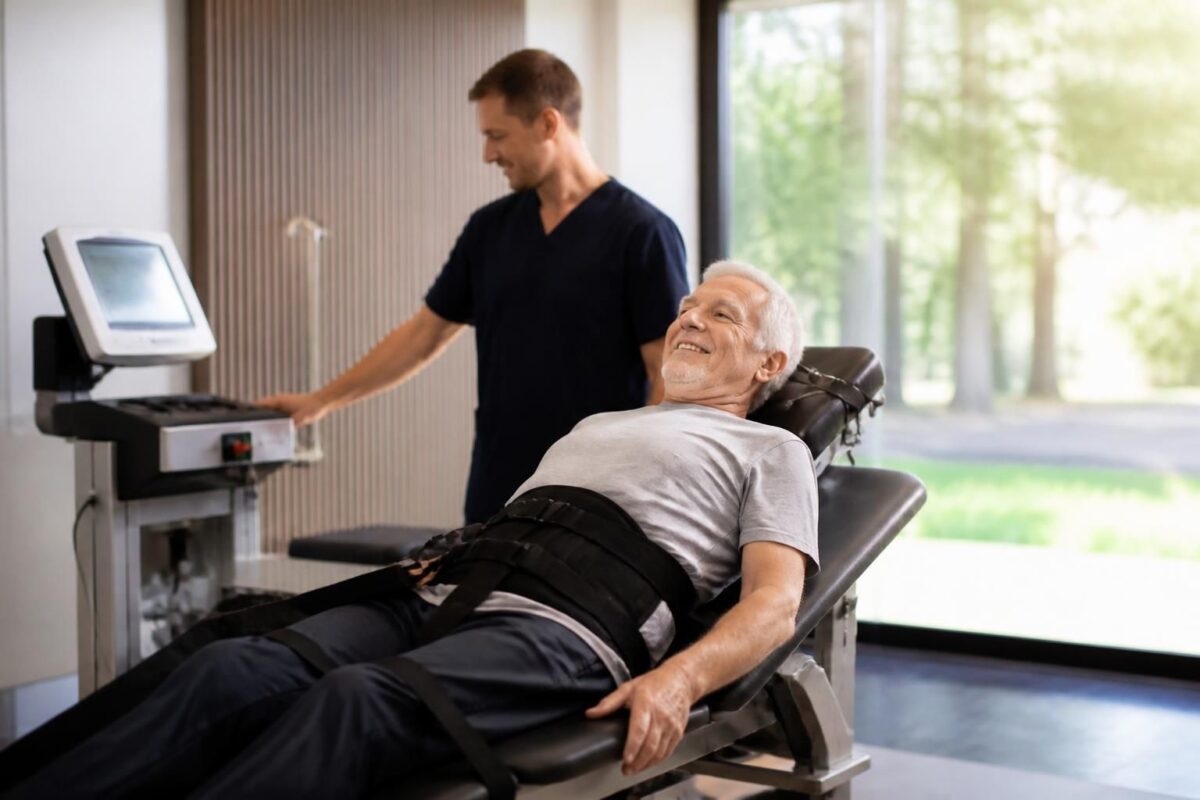
In short
| In short, the neurovertebral decompression is one Non-invasive therapy which sustainably relieves spinal pain in the spine active seniors By creating, by a Soft and controlled traction, a space between the vertebrae. At Montreal, it is recognized as a Durable solution To preserve autonomy and promote a return to activity without surgery. The main advantages: rapid pain reduction, Improving mobility, Prevention of recurrences, and High security For elderly patients. Operation is based on targeted traction that improves the circulation and theDisc hydration, supporting daily regeneration and comfort. This approach integrates with a comprehensive care plan to allow active seniors to stay independent and active without prolonged pain. |
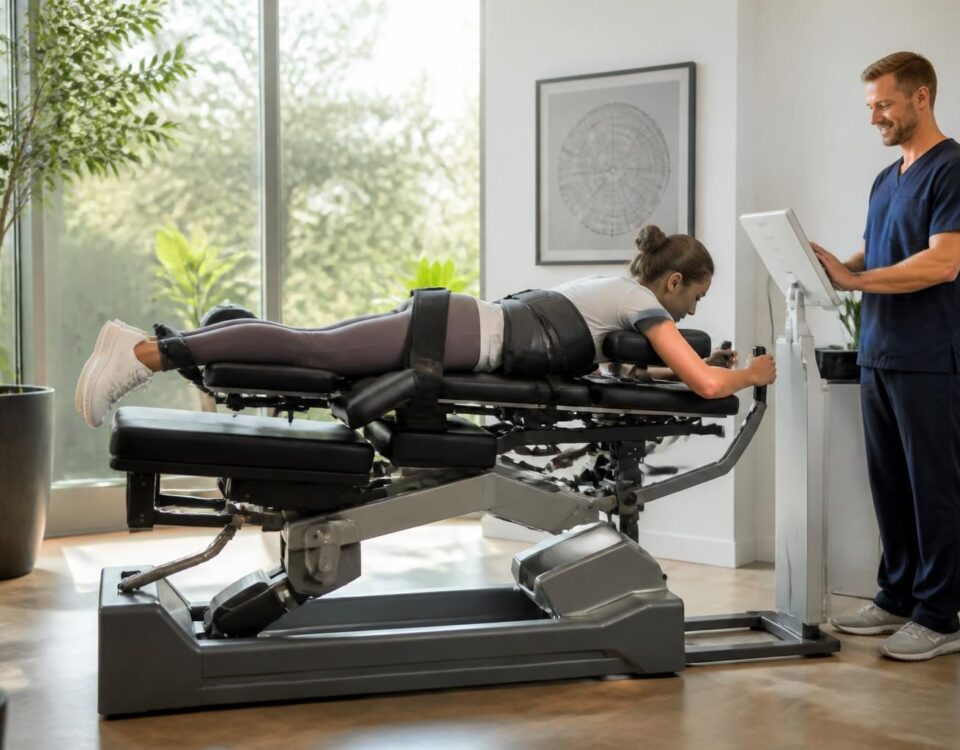
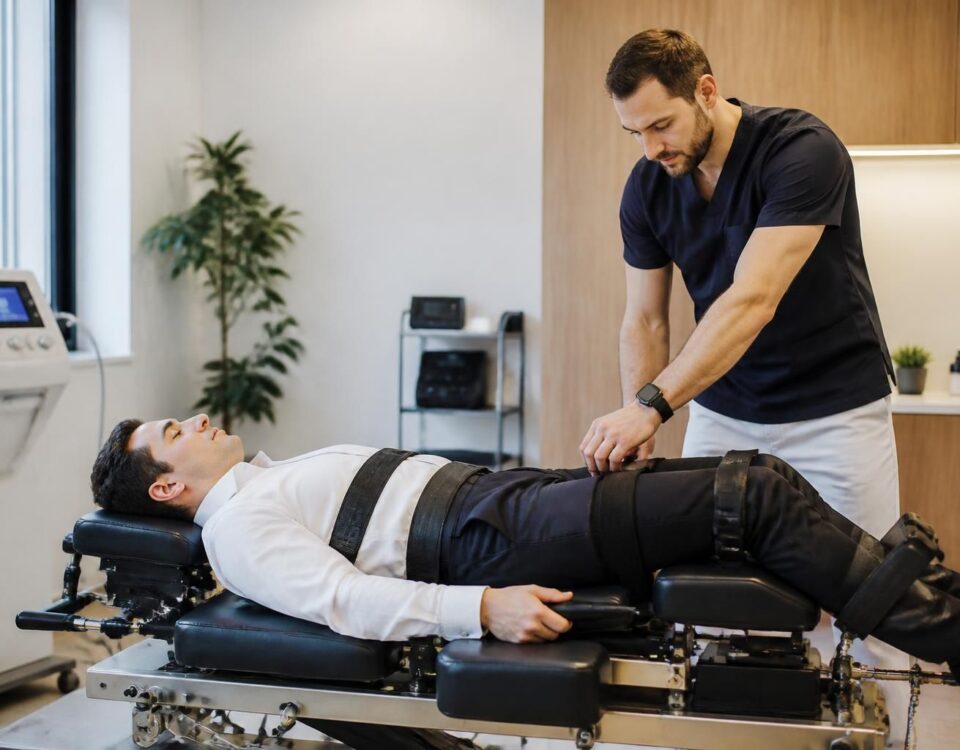
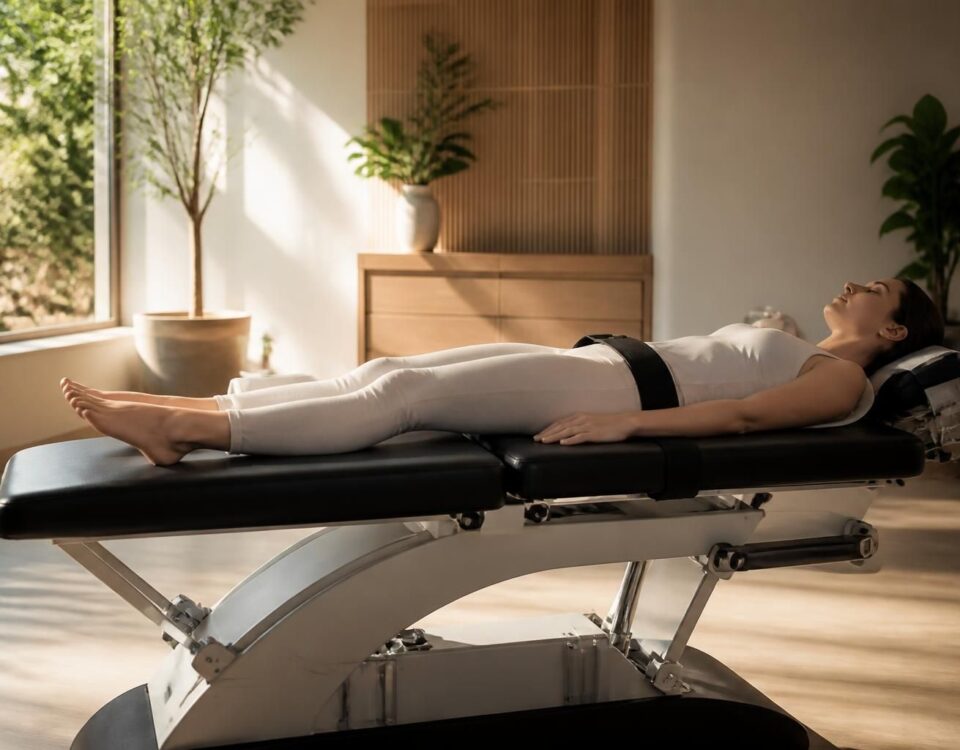
The neurovertebral decompression is a solution non-invasive particularly suitable for active seniors. By using controlled traction, it reduces the pressure on the Intervertebral discs and the gristle, providing quick relief and facilitating the return to the activity.
Its strengths lie in its security, the absence of surgery and its ability to integrate into a Overall care plan and an Postoperative rehabilitation adapted. It offers a Prevention of age-related complications and support theautonomy and the quality of life Seniors who remain physically active.
This article, written by a health professional, explains why neurovertebral decompression is one Durable solution for the active seniors. It describes simple mechanisms, concrete benefits and implications for maintaining autonomy. This approach non-invasive Aims to sustainably relieve spinal pain, while preserving mobility and quality of life, without surgery or invasive drug treatment.
safety and safety. The method is based on gentle and controlled traction that creates space between the vertebrae. It acts directly on the pressures exerted on the discs and nerves and contributes to a gradual return to an active life. This approach is non-invasive And does not require surgery, which reduces risks and recovery times for seniors.
pain reduction and improved mobility. In the short term, patients report a decrease in pain and a better ease to move. In the medium and long term, improving circulation around the spine and hydration of the discs support regained mobility. This allows you to resume daily activities and stay active without limiting your passions.
Preservation of autonomy and quality of life. By partially correcting imbalances and reducing nervous tensions, decompression promotes a more fluid range of motion. For seniors, this means a better ability to perform everyday gestures and maintain social ties and leisure, which is central to general well-being.
Personalized and integrated approach. Each patient receives an assessment adapted to their overall health. Treatment can be coordinated with other manual therapies in a holistic approach that aims to optimize spinal function and overall fitness. This flexibility facilitates the integration of decompression into a sustainable and coherent care plan.
To learn more about profits and mechanisms, you can view dedicated resources at sossciatica.com And discover how this approach brings mobility and comfort together. Additional information on services and support is available at Tagmed Clinic and in specialized resources that describe the benefits of associated therapies.
Impact on pain and function
rapid pain reduction. After a few sessions, the patients note a significant decrease in dorsal and cervical discomfort. This reduction facilitates repetitive gestures and daily movements, which is crucial for active seniors.
function improvement. By promoting a more natural alignment of the column, decompression supports better endurance and greater ability to practice moderate physical activities. This contributes to a more active social life and better daily energy.
Detailed information on benefits and mechanisms is found in specialized resources such as neurovertebral decompression and mobility and Global well-being and proven solution.
Maintaining autonomy and activity
For active seniors, maintaining autonomy is a priority. Decompression helps preserve a sufficient range of motion for daily activities and habitual leisure activities, without excessive dependence on drug treatments. It is easily integrated into a care pathway centered on the prevention of functional limitations and on the continuity of appropriate physical activity.
Additional information on the impact on daily life and autonomy is available in dedicated resources such as Neurovertebral decompression and active life and on platforms with feedback from seniors.
Integration into the care pathway
Neurovertebral decompression can be considered as a step in the course of care, in addition to other non-surgical approaches, as part of a comprehensive pain and mobility management plan. This option is particularly relevant for seniors who wish to preserve their lifestyle and freedom of action. To discuss and find out what services are available, contact Clinique TagMed and learn about the associated possibilities.
To expand your understanding, check out the following resources: SosherniatedDisc.com, Non-invasive innovations, and Find an active life.
For official and training, the reference in osteopathy and manual therapies remain all the resources associated with the Canadian Alliance and recognized professional organizations in the field, while remaining focused on non-invasive and evidence-based solutions.
Service and support: Tagmed Clinic Offers treatment plans that integrate neurovertebral decompression and similar options in Montreal and Terrebonne.
Medical Disclaimer: The information and advice provided on this site does not replace the health professional’s diagnosis or treatment. Please note that Dr. Sylvain Desforges osteopath is neither a doctor of medicine nor a doctor, and is not a specialist in a medical specialty as defined by the Collège des Médecins du Québec. Manual medicine, functional medicine and sports medicine as described on this site exclude any medical treatment or diagnosis made by a doctor or specialist doctor. Always consult your doctor for any medical questions. For more details, please read our full legal notice.
Medical Disclaimer: The information and advice provided on this site does not replace the health professional’s diagnosis or treatment. Please note that Dr. Sylvain Desforges osteopath is neither a doctor of medicine nor a doctor, and is not a specialist in a medical specialty as defined by the Collège des Médecins du Québec. Manual medicine, functional medicine and sports medicine as described on this site exclude any medical treatment or diagnosis made by a doctor or specialist doctor. Always consult your doctor for any medical questions. For more details, please read our full legal notice.
- Maintaining autonomy and physical activity thanks to regained mobility.
- gentle traction And not invasive without surgery, for a quick return to leisure.
- Personalization Sessions according to the pace and activities of the senior.
- Disc hydration and spinal health supporting endurance and flexibility.
- Integration in a global care plan for continuity of treatment.
- Security and reduction of operative risks by avoiding surgery.
- Prevention of recurrent pain and column stability.
- traffic improvement and reduction of tensions around the nerves.
- Preoperative preparation For optimized post-operative recovery.
- High tolerance and Low risk of side effects Suitable for seniors.

Quick Summary: For active seniors, neurovertebral decompression provides an approach non-invasive promiscuous security, efficiency and durability. it relieves pain, improves mobility and theautonomy, while enrolling in a personalized care pathway that aims to quality of life sustainable and reduced use of surgery.
Why it is a durable solution for active seniors
Neurovertebral decompression acts by reducing pressure on the intervertebral discs and nerves thanks to a gentle traction. As a result, seniors feel a Quick relief and an gradual improvement range of motion. This approach promotesDisc hydration and thevertebral alignment, helping to prevent the aggravation of Chronic pain and support regular physical activity. In practice, it allows you to remain active without the risks associated with heavy surgery, which is particularly valuable for those who want to continue to enjoy daily life and leisure.
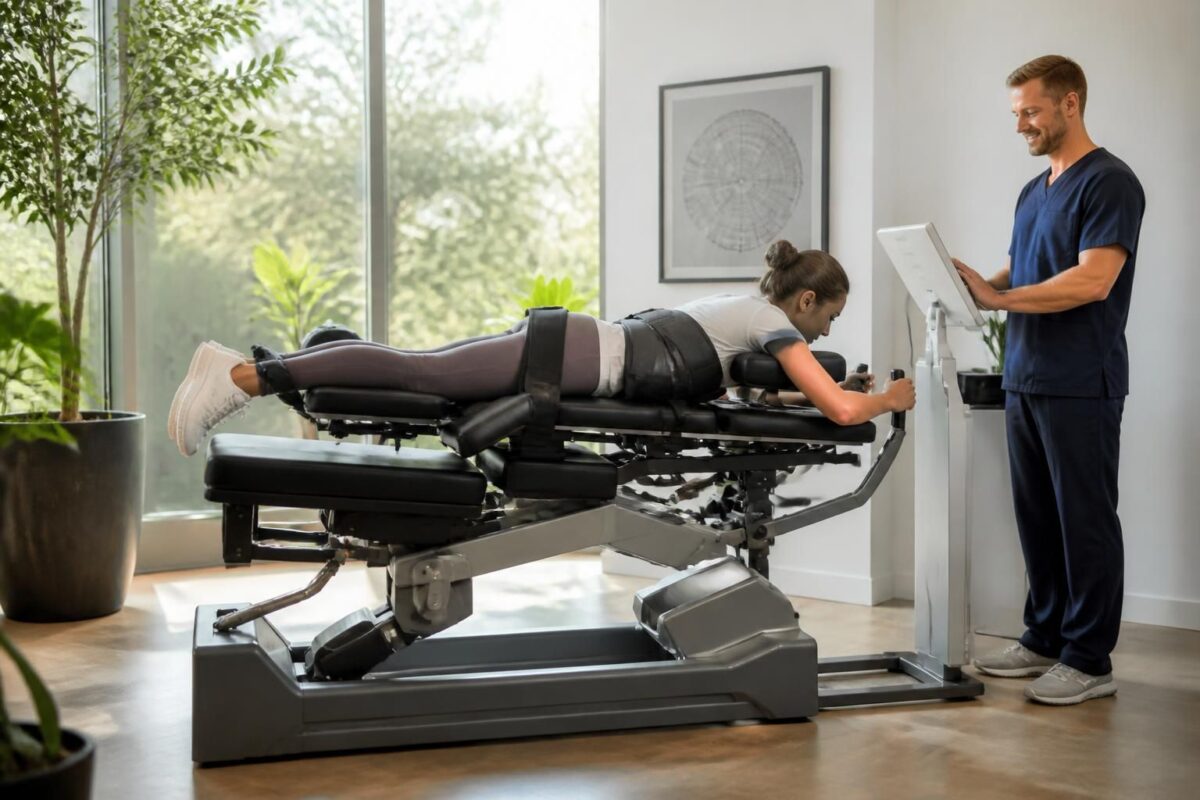
The long-term benefits of neurovertebral decompression for spinal health
In short In short, the neurovertebral decompression is a non-invasive approach that decreases the Pressure on intervertebral discs and nerves, favoring the Natural regeneration and tissue recovery. Its long-term benefits include Lasting pain reduction, Improving mobility and from the posture,…
Safety and non-invasiveness at the heart of the process
Controlled traction and safety
This therapy is designed to be non-invasive and adapted to the patient’s state of health, without anesthesia or incision. The traction is individually adapted and monitored, minimizing the risk of complications and recovery times.
avoids operative risks
For seniors, avoiding surgery has a major advantage. Neurovertebral decompression provides a safe alternative that can reduce the anxiety associated with the procedure and allow a quick return to daily activities without the frequent adverse effects of surgical procedures.

Neurovertebral decompression and mobility: a return to an active life
In short In short, the neurovertebral decompression is therapy non-invasive who uses a gentle traction To create a space between the vertebrae and reduce the pressure on the Intervertebral discs and the nerves. It promotes a bloodstream improved, lowers tension…
Impact on mobility and autonomy
By freeing the space between the vertebrae and reducing the pressure on the nerves, this approach promotes Improving mobility and a better autonomy In everyday gestures: walking, staircase, gardening or leisure. Seniors often notice a reduction in pain that formerly limits participation in social or sports activities. The cumulative effect is a quality of life strengthened and increased confidence in their ability to practice activities they like.
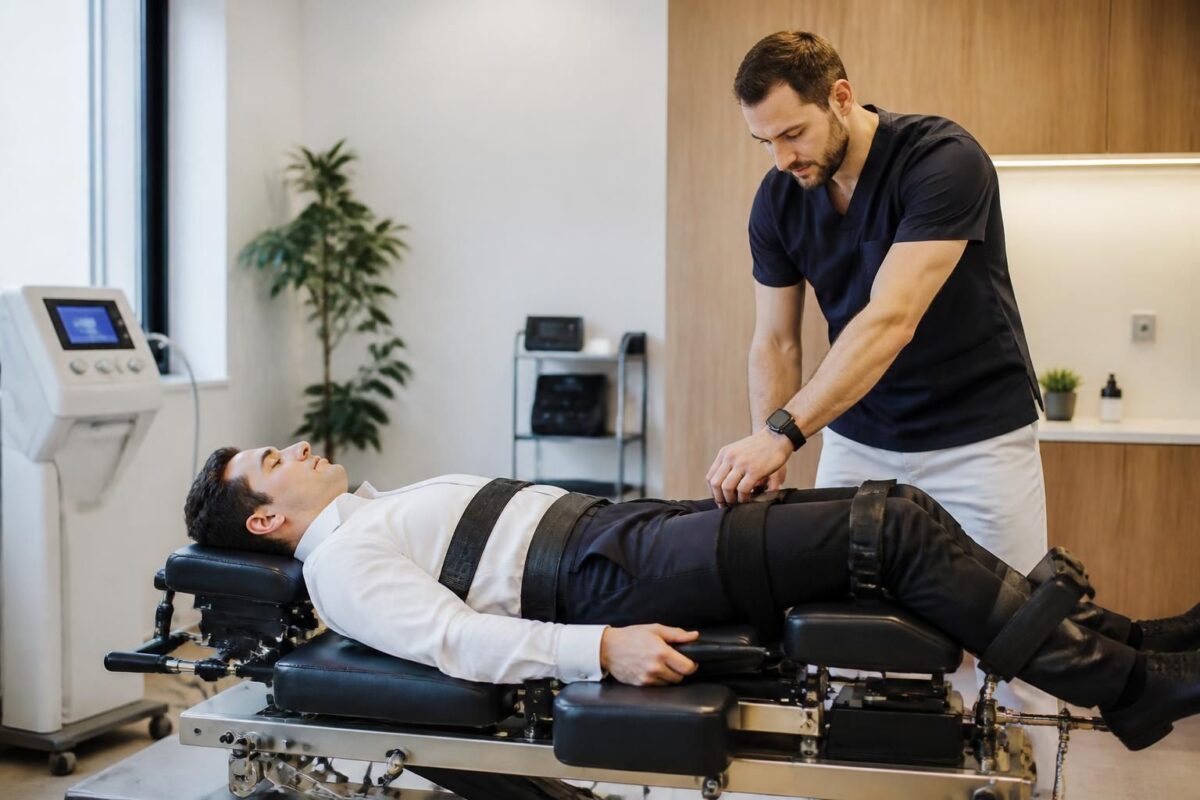
How Neurovertebral Decompression Prevents Diffuse Chronic Pain
In short decompression neurovertebral is one Non-invasive method aimed at reducing the Pressure on the intervertebral discs and the nerves, in order to prevent Diffuse chronic pain. It improves the circulation and thedisc hydration, decreases inflammation and promotes better mobility.…
Prevention of complications and reduction of the use of surgery
By preserving the health of the discs and promoting better circulation around the spine, decompression helps prevent the appearance or aggravation of age-related pathologies. This approach also acts as a Prevention of post-operative complications when interventions are considered later, facilitating faster and safer rehabilitation.
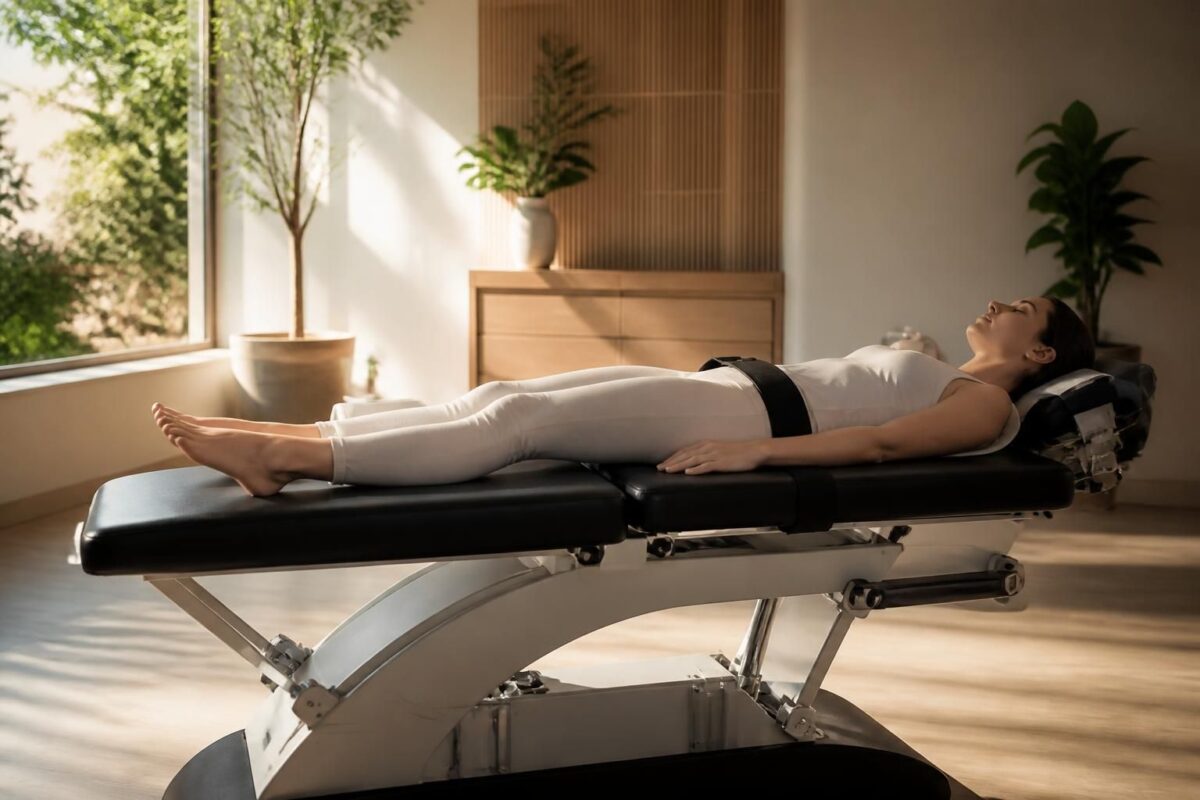
Neurovertebral Decompression and Body Alignment: Restoring Natural Balance
In short In short, neurovertebral decompression is one Non-invasive approach who restores theBody Alignment and thenatural balance back and neck. She acts by a Controlled traction of the spine to widen the intervertebral space and reduce the Pressure on discs…
Integration into a sustainable care pathway
Customization and tracking
The treatment is designed to fit into a coordinated course including other manual therapies and lifestyle advice. Each session can be adjusted according to the patient’s evolution, guaranteeing optimal efficiency and lasting comfort. This approach personalized Promotes a realistic and sustainable progression over time.
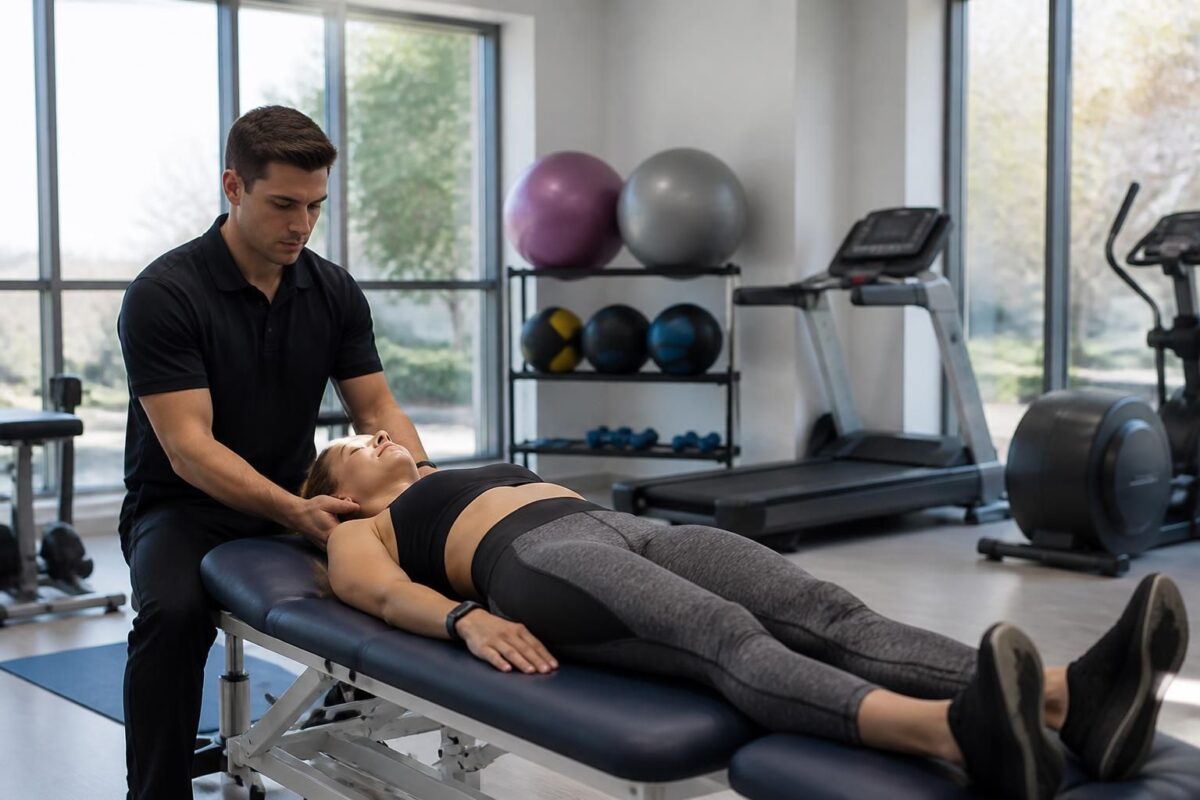
Neurovertebral decompression and recovery after severe sports injury
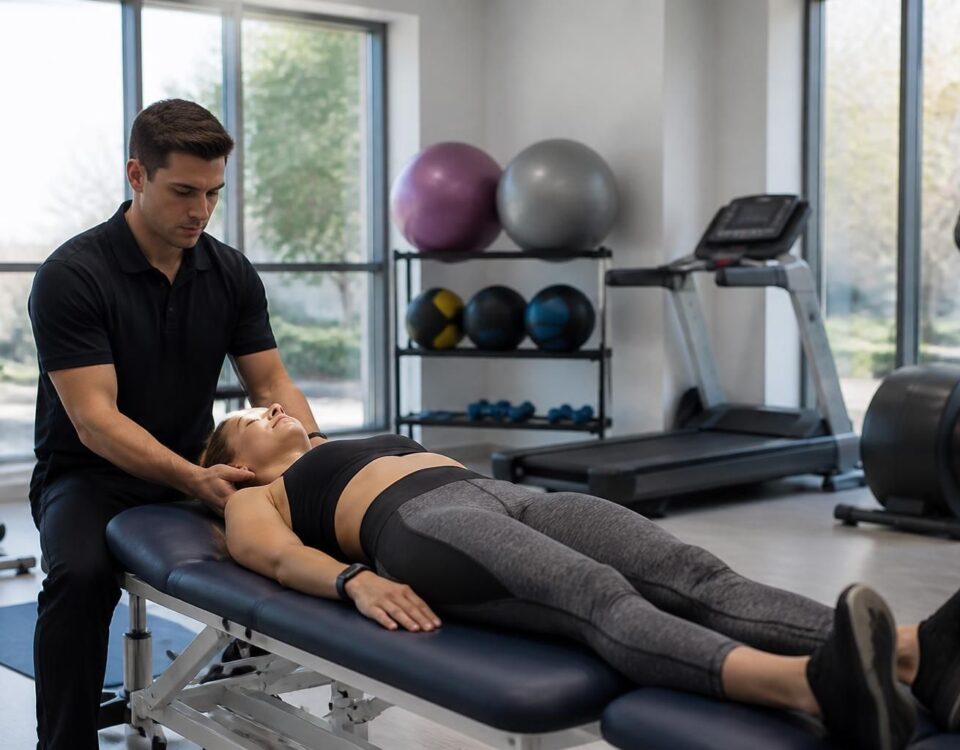
In short In short, the neurovertebral decompression is one Non-invasive method to Relieve the pressure on the Intervertebral discs and the gristle Via a Controlled traction, to facilitate the recovery After a severe sports injury. It improves the bloodstream towards…
Next steps and practical recommendations
To sustainably benefit from the benefits, it is recommended to start with a specialized assessment to set clear and achievable goals. Plan a series of adapted sessions, then gradually integrate physical activities adapted to your abilities. Associate decompression with strengthening and posture exercises, in order to Maintain stability and Prevent recurrences. By choosing appropriate expertise, seniors can preserve their welfare And enjoy an active and serene rhythm of life.
| Axis | Concise impact |
|---|---|
| Non-invasive and safety | gentle traction without surgery, low risk and quick recovery. |
| Sustainable relief | Lasting pain reduction and Continuous improvement in mobility. |
| Mobility and autonomy | amplitude found and Increased autonomy. |
| Prevention of complications | Prevention of post-operative complications and Maintenance of disc health. |
| Adaptability of treatment | Personalization program according to age and physical condition. |
| Quick return to activity | quick return daily activities and leisure. |
| Integration into the care pathway | Easy integration with other therapies and coordinated follow-up. |
| Cost and accessibility | Controlled cost and alternatives to invasive intervention. |
| Well-being and quality of life | Improvement of well-being physical and psychological and maintaining autonomy. |
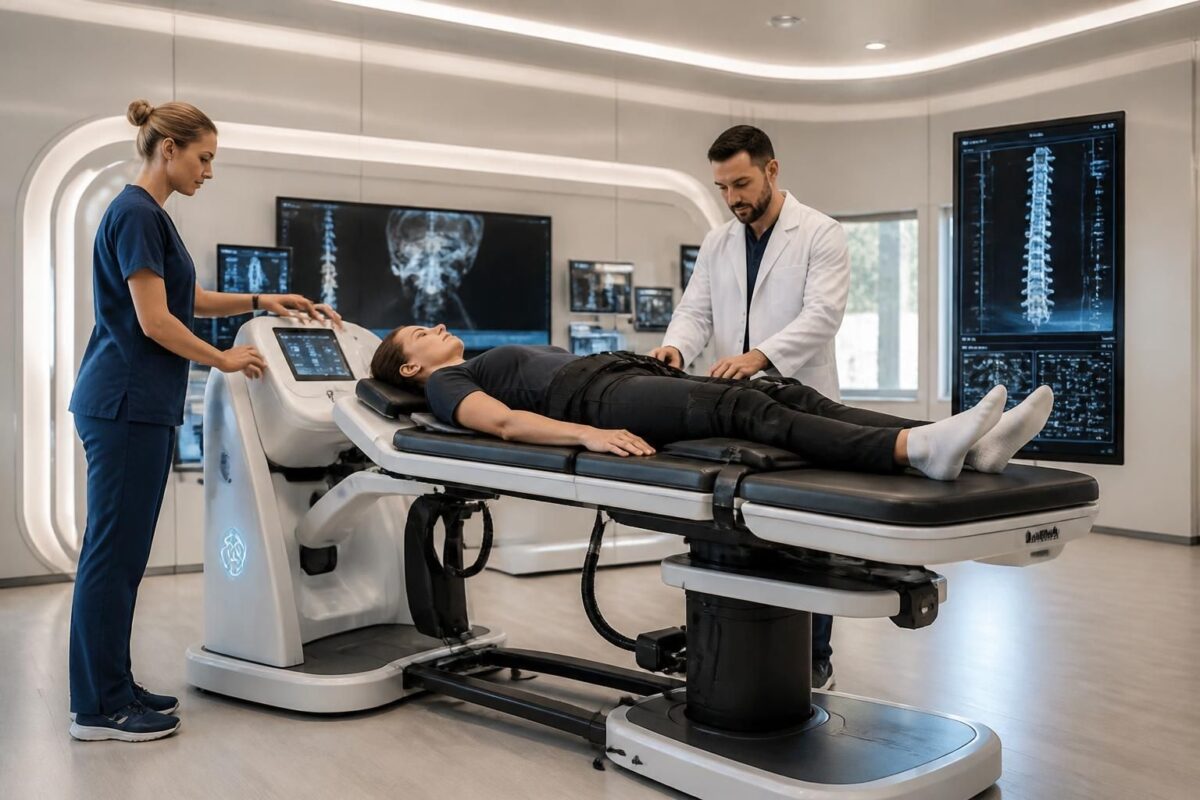
Recent innovations in neurovertebral decompression technologies
In short In short, the neurovertebral decompression is an approach non-invasive Aiming to reduce pressure on discs and nerves, and promote tissue regeneration. At Montreal, it is positioned as an effective option for lower back pain and herniated discs. The…
Testimonials: Why neurovertebral decompression is a lasting solution for active seniors
“At 72, I’m still very active and I didn’t want to consider surgery. After a few sessions of neurovertebral decompression, I felt a rapid recovery and especially Sustainable results. I can continue my daily walks and my outings in the mountains without pain which would usually slow me down. »
“I am passionate about gardening and nature walks. This non-invasive therapy offers me a Mobility found And a feeling of comfort that lasts over time. My muscles are relaxing, my posture is improving and my outdoor activities remain compatible with my active schedule. »
“After years of lower back pain, I regained my autonomy without resorting to surgery. The sessions brought a pain reduction and an prevention Recurrences, which is crucial for a senior who likes to remain independent and participate in family life. »
“For my neck and my nervous irradiations, decompression was a real obvious. I found a quick recovery and above all a Better flexibility Which allowed me to resume my sports activities gently, without fearing the painful episodes. »
“: I benefit from a muscle balance Improved, better circulation and lasting comfort that allows me to continue my training and my local competitions. »
“As an active grandmother, I want to stay present for my grandchildren. Neurovertebral decompression gave me a Sustainable mobility and an stability on a daily basis. My sessions fit easily into my schedule and I feel a benefit that persists over several weeks. »
“I found that this therapy fits perfectly into an active lifestyle. She helps me maintain a High quality of life, to prevent future pain and continue my outdoor activities without interruption. The results remain durable and reassuring for my years to come. »
In a context of active aging, the neurovertebral decompression asserts itself as a lasting option to relieve spinal pain while preserving independence and mobility. She favors an approach non-invasive, adapted to the needs of seniors who wish to remain active, reduce their dependence on drug treatments and avoid heavy surgical interventions. The principle is based on controlled traction that frees space between the vertebrae, reducing the pressure exerted on the discs and on the nerves, and thus facilitating the functional recovery in a progressive and respectful way of the body.
At the heart of this approach, the rehydration and fitness of discs are key mechanisms. By improving local circulation and promoting the supply of essential nutrients, the therapy helps to restore the elasticity and stability of the spine. For active seniors, this translates into a more lasting reduction in pain, a reduction in stiffness and a better ability to maintain daily activities and leisure activities that give meaning to their daily lives. Efficiency is measured not only by the immediate attenuation of symptoms, but also on the stability of functional gains in the medium and long term.
Safety is a determining factor when choosing a long-term therapeutic pathway. Unlike more invasive interventions or repeated pharmacological treatments, the neurovertebral decompression Offers a low risk profile and a quick recovery curve. This increased security is particularly appreciated by seniors who have comorbidities or who wish to limit the constraints linked to hospitalization or anesthesia. In practice, this makes it possible to chain the sessions with high tolerance and regular participation, essential to obtain lasting results.
On a daily basis, the benefits often result in a Improving mobility and an aggravation prevention related to natural wear of the spine. By restoring optimal alignment and reducing nerve stress, therapy can facilitate the return to moderate sporting activities, longer walks, or practice of social activities that promote psychological well-being. This preventive dimension is crucial to preserve the autonomy and quality of life of active elderly people.
The care pathway favors a Customizing protocols In order to adapt the traction parameters and the rhythm of the sessions to the physical state of each patient. This tailor-made approach is part of a logic of evidence-based care, where integration with other manual or functional modalities can optimize the effects and maintain results over time. With this in mind, recognized professionals, including Dr. Sylvain Desforges, rely on advanced expertise to offer coherent and effective solutions, aligned with the real needs of active seniors.
Dr. Sylvain Desforges is an expert in osteopathy, naturopathy and manual medicine, and he serves as the founding presidency of the Tagmed clinics and the ACMA association. His commitment to health innovation and the integration of advanced technologies, such as spinal decompression, illustrates a vision that combines scientific rigor and patient well-being. This approach helps to make neurovertebral decompression a lasting solution for seniors who want to remain autonomous and active while protecting their long-term spinal health. The proposed care pathway emphasizes real effectiveness, safety and the ability to integrate sustainably into the patients’ lifestyle.
This analysis demonstrates why the neurovertebral decompression constitutes a Durable solution For active seniors: it offers an approach non-invasive, targeted and customizable that improves the mobility, facilitates the return to activity and minimizes the risks compared to surgical procedures. By relying on simple but effective mechanisms2, it acts directly on the discs and nerves to offer lasting relief and promote a better quality of life on a daily basis.
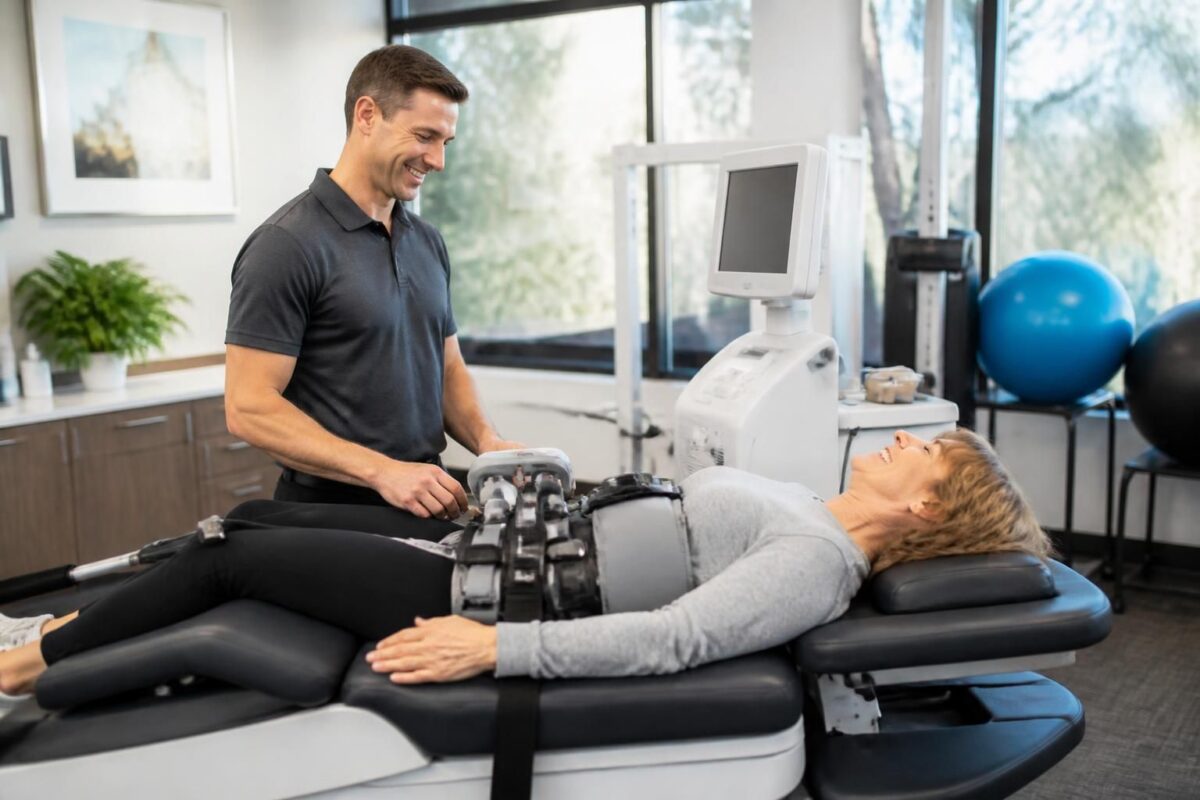
Neurovertebral decompression and diffuse pain: an appropriate solution
In short In short, the neurovertebral decompression is one Non-invasive solution For diffuse pain related to nerve irritation of the spine. She acts in Reducing pressure on intervertebral discs and nerves and improving the bloodstream, which promotes recovery and the…
Synthesis and perspectives
Neurovertebral decompression is therapy Soft and safe which reduces the pressure exerted on the intervertebral discs and nerves thanks to controlled traction. For active seniors, this translates into a Rapid pain improvement and an Progressive improvement in mobility, which supports the autonomy and practice of regular physical activities. This approach is easily integrated into a global care pathway and can be supplemented by other manual approaches or by advanced technologies such as laser, shock waves or stimulation devices when needed. For additional information on benefits and mechanisms, see specialized resources such as Neurovertebral decompression and reduction of radiating back pain and Why neurovertebral decompression is a natural solution. To understand its role in the context of care dedicated to seniors, discover the official pages of the clinics and partners who offer it, in particular Tagmed Clinic and Neurovertebral Decompression – Complementary Approach. In addition, the ACMA association and the associated clinics are working to integrate these solutions into evidence-based and efficacy-based health programs.
For seniors wishing to maintain their quality of life and their autonomy, this therapy offers a Prevention of complications age-related and progressive vertebral wear. By favoring a gentle traction and an Disc hydration, it allows a quick return to daily activities without resorting to invasive treatments.
As part of a personalized journey, protocols can be adjusted to each patient’s profile. This flexibility enables the integration of neurovertebral decompression with physiotherapy, of manual medicine or of Functional medicine In order to achieve lasting results adapted to the physical conditions and lifestyle of the active senior. To better understand practical implications and potential outcomes, specialized resources illustrate the impact on mobility and post-operative comfort.
The operational scope of this approach is enhanced by the use of associated technologies that facilitate the monitoring and personalization of care. Testimonials and case studies highlight a significant reduction in pain and increased range of movements after a few weeks of treatment, which results in an easier resumption of sports or leisure activities. For feedback and clinical evidence, refer to the resources accessible via Neurovertebral decompression – Improve posture of active senior patients and The benefits of decompression to reduce nerve pressure.
For seniors considering a consultation, it is possible to start with a personalized and personalized evaluation to determine the optimal traction parameters and the pace of the sessions. This approach individualized aims to maximize results while minimizing the risk of discomfort, and can be associated with ergonomy and in Adapted physical activity. Examples and feedback show that improving the bloodstream and theDisc hydration contribute to the recovery and prevention of recurrences.
For post-operative patients or in recovery, neurovertebral decompression can accompany rehabilitation by supporting mobility and flexibility without exposing them to risks associated with recent interventions. resources dedicated to this scenario demonstrate the benefits in terms of Relief of radiant pain and of Prevention of recurrences after a spinal injury. For more information, see specialized resources such as Post-operative benefits.
Finally, the integration of complementary technologies like Pulse Align can enhance results by leading to muscle stimulation and improvement in circulation, while remaining non-invasive and without medication. To explore this pane, you can consult the information on Pulse Align.
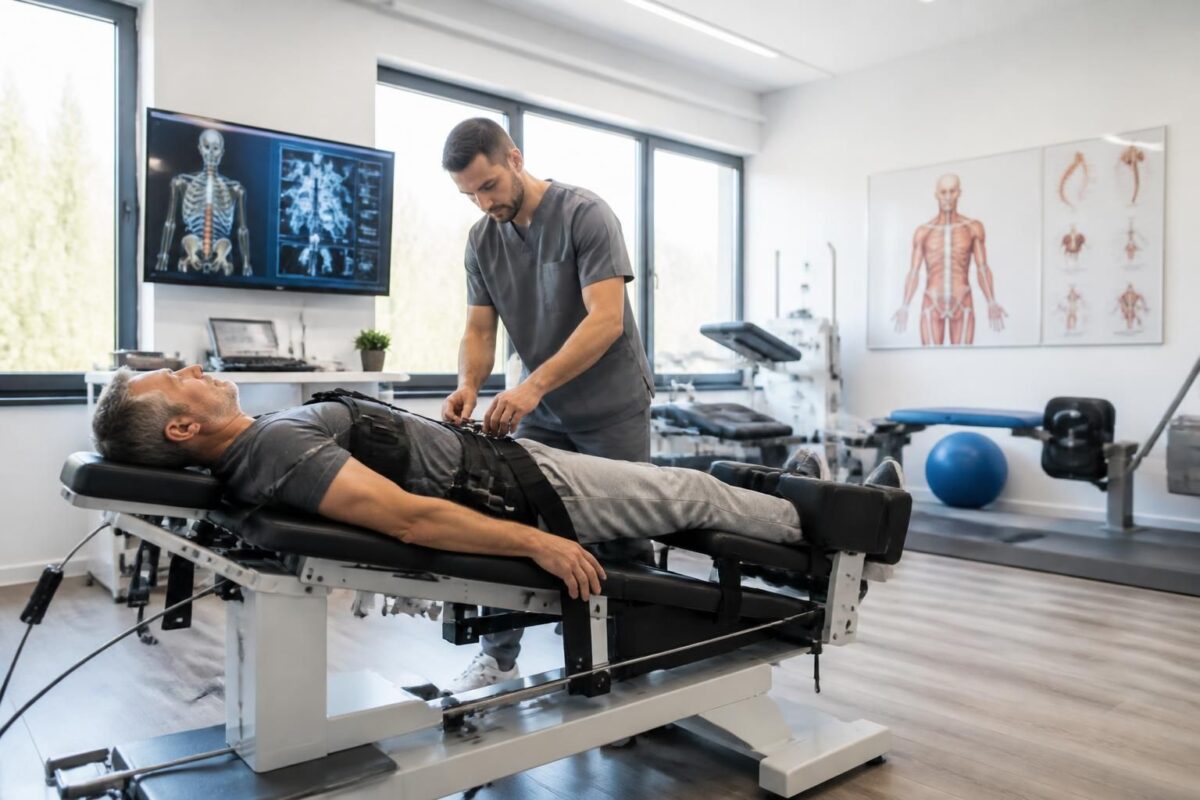
How neurovertebral decompression supports recovery after complex surgery
In short In short, the neurovertebral decompression is one Non-invasive method aimed at optimizing the recovery After a Complex surgery By applying a gentle traction on the spine to create a Space between the vertebrae and reduce the pressure on…

Dr Sylvain Desforges
Dr Sylvain Desforges, B.Sc., D.O., N.D., osteopath, is the founding president of TAGMED and of the ACMA association. He dedicates his practice to chronic spinal pain, low back pain and symptoms compatible with sciatica, particularly when pain radiates toward the buttock, leg, calf, foot or toes.
Through SOS Sciatique, he publishes educational content on sciatica symptoms, possible causes such as disc herniation, disc narrowing, foraminal stenosis or irritation of a lumbar nerve root, as well as non-surgical approaches that may be considered according to the evaluation. At Clinique TAGMED, care may include, depending on the case, motorized neurovertebral decompression, specific osteopathic care or precision percussion.
For an evaluation related to sciatica treatment in Montreal / Mount Royal or sciatica treatment in Terrebonne, please consult the services available at Clinique TAGMED.
Medical disclaimer
The information published on SOS Sciatique is provided for educational purposes only and does not replace a consultation, diagnosis, opinion or treatment provided by a physician or another authorized healthcare professional. The author of this article is neither a medical doctor nor a specialist in a medical specialty recognized by the Collège des médecins du Québec. The osteopathic, manual medicine or functional support approaches described on this site do not constitute medical acts and are not intended to replace medical follow-up.
Consult a physician or emergency service in cases of loss of bladder or bowel control, anesthesia in the saddle area, significant or progressive weakness in the leg or foot, fever, recent trauma, severe pain or rapid worsening of symptoms. For more details, please read our Legal Notice.