Why neurovertebral decompression is a gentle and effective therapy
26/06/2026
Neurovertebral decompression and diffuse pain: an appropriate solution
26/06/2026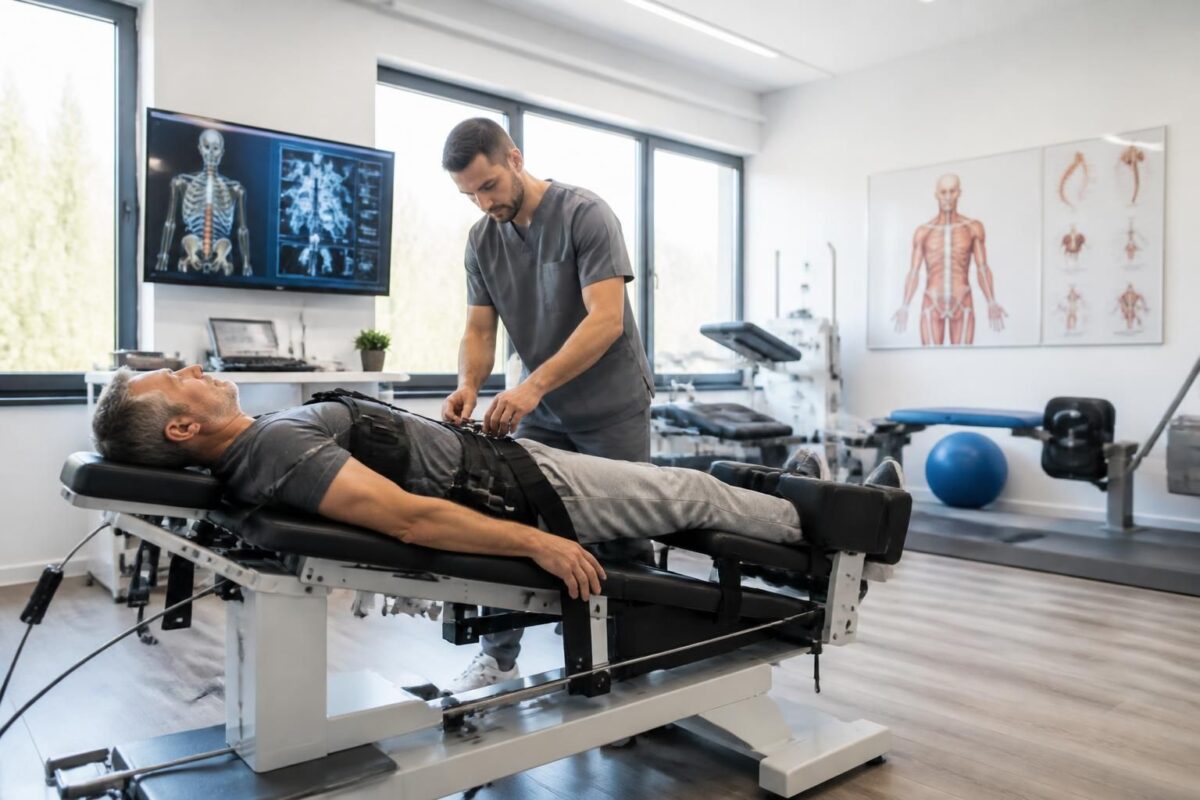
In short
| In short, the neurovertebral decompression is one Non-invasive method aimed at optimizing the recovery After a Complex surgery By applying a gentle traction on the spine to create a Space between the vertebrae and reduce the pressure on discs and nerves. It improves the bloodstream and nutrient intake, reduces the Postoperative pain and promotes the mobility and the recovery nervous tissue. accessible to Montreal, this treatment offers a rehabilitation Faster and personalized without additional surgery. |
The neurovertebral decompression is an approach non-invasive which supports recovery After a Level of complex surgery by creating a space between the vertebrae and Reducing pressure on discs and nerves.
- Postoperative pain reduction thanks to the decrease in nerve compression.
- Improved blood circulation and nutritional intake essential for tissue regeneration.
- Restoring mobility and postural alignment, facilitating functional rehabilitation.
- Accelerated recovery thanks to better hydration and fluid renewal around the tissues.
- Soft and controlled traction adapted to each patient for a personalized protocol.
- Integration into the rehabilitation course which minimizes the risks and optimizes the results without resorting to new surgery.
This article written by a health professional expert in manual medicine and rehabilitation describes how the neurovertebral decompression supports the DOPO Recovery Complex Surgical Intervention. He explains the mechanism, the clinical benefits, the indications, and how to integrate this approach into a safe and effective care pathway. Practical resources and referrals are provided to understand the options available and access programs in TagMed and partner clinics.
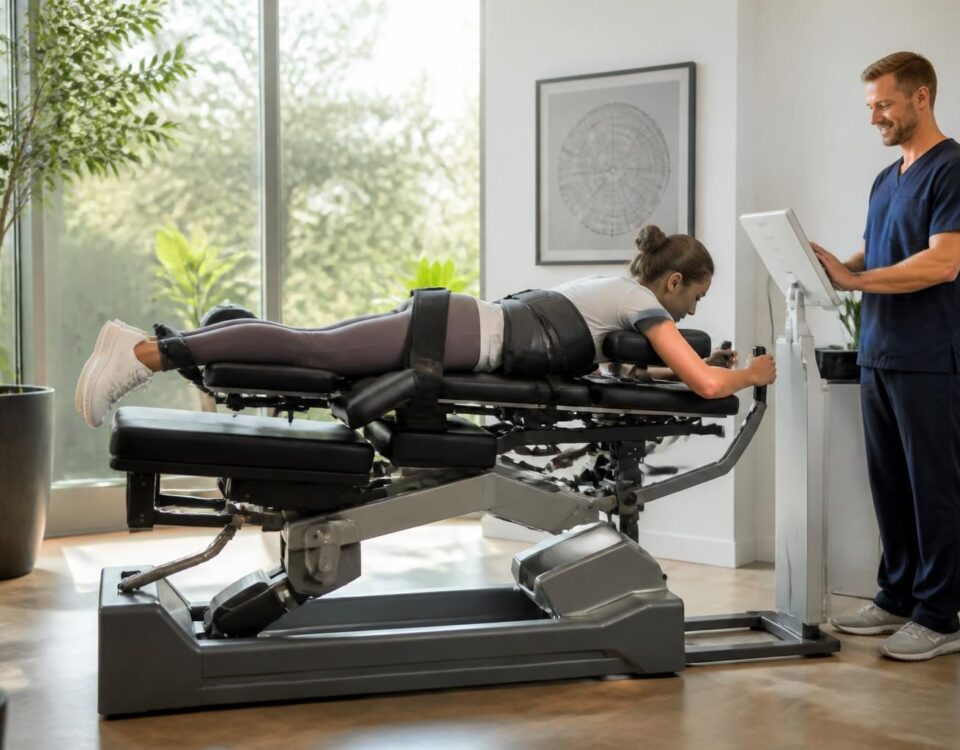
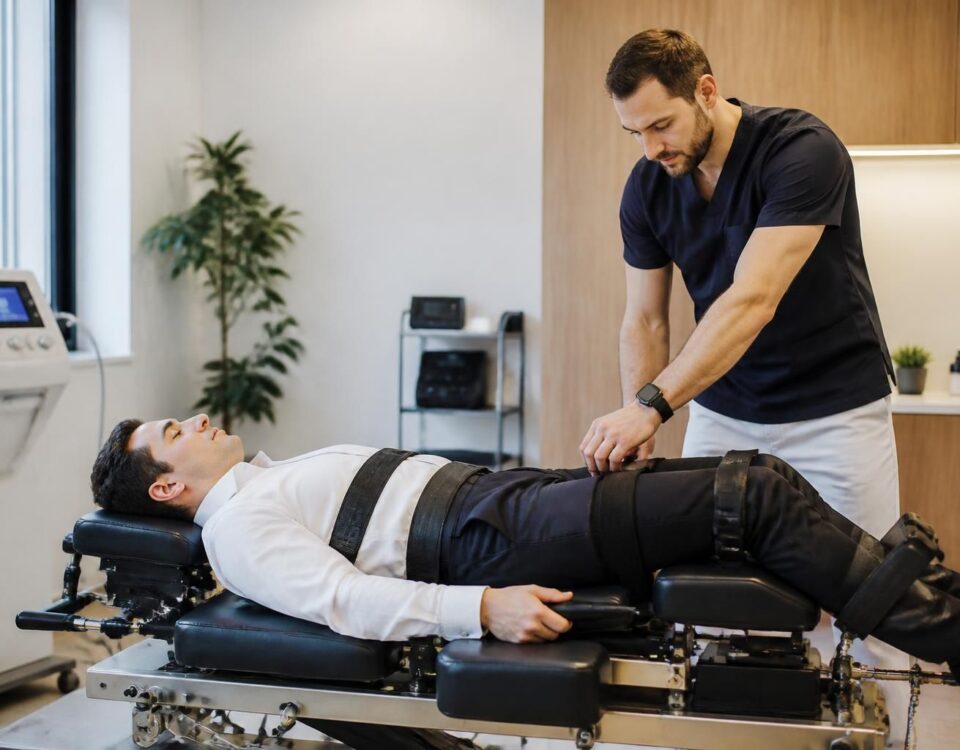
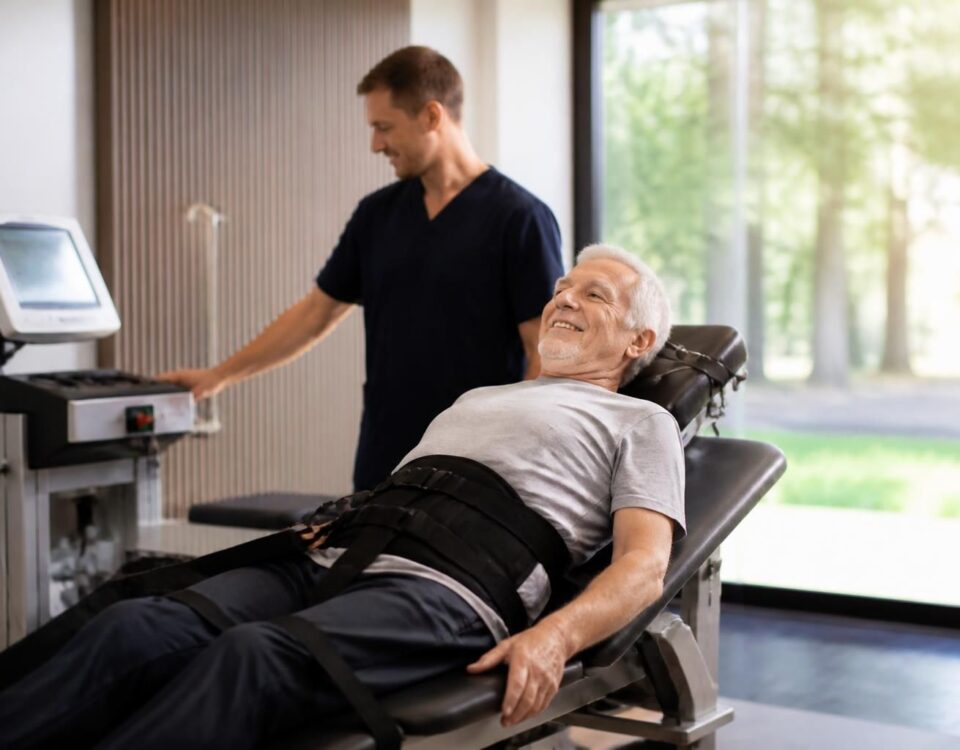
The neurovertebral decompression is a non-invasive approach that acts smoothly on the spine. It consists of a Controlled traction which creates a space between the vertebrae. This action reduces pressure on the intervertebral discs and nerves, thus improving the bloodstream and the supply of nutrients essential for the regeneration of nerve tissue.
Mechanism of action
The treatment aims to establish a negative pressure in the discs and restore their hydration. This dynamic promotes the Disc rehydration and the reposition of the nervous elements, which contributes to reducing post-operative tension and irritation. The expected result is a Better mobility and an pain reduction respecting the operated fabrics.
Clinical benefits after complex surgery
Patients benefit from Decreased postoperative pain and a Improving mobility. The technique also promotes a Nerve regeneration By supporting fluid exchange and nutrient supply to damaged areas. Finally, it can help Prevent complications related to healing by stabilizing the cerebro-vertebral and nervous environment.
Indications and safety
Neurovertebral decompression is aimed at patients who have undergone spinal surgery, particularly in the event of persistent lumbar or cervical pain, radiculopathies or functional disorders related to nerve compression postoperative. This approach is non-invasive And can be offered in specialized clinics, under medical supervision, and in addition to other care. For specific details and considerations, see the following resources Comment#ATFP_CLOSE_TRANSLATE_SPAN# Neurovertebral decompression improves recovery after surgery on complex pathologies and Comment#ATFP_CLOSE_TRANSLATE_SPAN# Neurovertebral decompression supports nerve tissue regeneration after surgery.
Security and evidence
Clinical data shows that the neurovertebral decompression Can reduce pain and promote mobility without the need for additional surgical procedures. This approach is part of a perspective non-invasive and can be associated with multidisciplinary care, including by professionals affiliated with recognized professional organizations such as ACMA, the College of Canadian Osteopaths and the College of Canadian Osteopaths.
Integration into the rehabilitation course
Integration is done as part of a supervised care plan, in coordination with the medical team. Decompression can be combined with regular medical follow-up and appropriate rehabilitation under supervision, while avoiding specific exercise recommendations as part of the discussion of the pathologies discussed. To learn more about practical integration, see related resources and reference pages, including Prevention#ATFP_CLOSE_TRANSLATE_SPAN# Post-surgical complications and Integrate#atfp_close_translate_span# Decompression in rehabilitation.
Evidence and resources
public and professional sources describe the mechanisms and benefits of the neurovertebral decompression. Among the useful resources are the pages dedicated to the general understanding of the technique and its clinical applications, including Decompression#ATFP_CLOSE_TRANSLATE_SPAN# Neurovertebral on Wikipedia, and specialized articles that have the advantages and protocols, in particular Advantages#ATFP_CLOSE_TRANSLATE_SPAN# for sports recovery and Benefits#ATFP_CLOSE_TRANSLATE_SPAN# to relieve night pain. For practical aspects and protocols, see also Prevention#ATFP_CLOSE_TRANSLATE_SPAN# Severe lower back pain and Prevent#atfp_close_translate_span# Post-surgical complications (self).
Comparative table
| Approach | MAIN BENEFITS | Limits and remarks |
|---|---|---|
| neurovertebral decompression (non-invasive) | improvement in mobility; pain reduction; better tissue nutrition; Support for nervous regeneration | requests medical follow-up; Available mainly through specialized clinics like TagMed; No universal indication |
| Physiotherapy | pain and mobility management through therapeutic gestures | sometimes less specific global effect on postoperative nerve regeneration; Relative effectiveness as appropriate |
| Other conventional medical treatments | Symptomatic relief | Can mask symptoms without treating the post-operative cause |
Resources and useful links
To deepen, here are some relevant resources and information pages. The domain Decompression#ATFP_CLOSE_TRANSLATE_SPAN# Neurovertebral offers explanations on the role of the technique after complex interventions. the site tagmed#ATFP_CLOSE_TRANSLATE_SPAN# details how decompression supports tissue regeneration after surgery. Other useful resources include Prevention#ATFP_CLOSE_TRANSLATE_SPAN# Post-surgical complications and Techniques#ATFP_CLOSE_TRANSLATE_SPAN# Modern for optimal decompression results. Among the general sources, Decompression#ATFP_CLOSE_TRANSLATE_SPAN# Neurovertebral Provides an overview. To explore protocols and their integration into rehabilitation, see Protocol#ATFP_CLOSE_TRANSLATE_SPAN# Integration in rehabilitation. Details on the benefits for sports recovery can also be found on les#atfp_close_translate_span# Advantages for sports recovery and les#ATFP_CLOSE_TRANSLATE_SPAN# Benefits for Night Pain. For the impact on lower back pain and preventive approaches, see Prevention#ATFP_CLOSE_TRANSLATE_SPAN# Severe lower back pain. Finally, cervical clinical examples are accessible via Decompression#ATFP_CLOSE_TRANSLATE_SPAN# Complex cervical.
For information, you can consult reference resources and recognized establishment pages. The training framework and professional organizations in osteopathy remain limited to the following entities: NUMSS, NAO, National University of Medical Sciences, National Academy of osteopathy; and relevant professional associations include ACMA, College of Canadian Osteopaths and College of Canadian Osteopaths.
In case of doubt, favor the consultation at the TagMed clinic in Montreal or Terrebonne for an adapted evaluation and a proposal for a personalized protocol. For news and details on care pathways, visit Tagmed Clinic.
“Medical disclaimer: The information and advice provided on this site does not replace the health professional’s benefit, diagnosis or treatment. Please note that Dr. Sylvain Desforges osteopath is neither a doctor of medicine nor a doctor, and is not a specialist in a medical specialty as defined by the Collège des Médecins du Québec. Manual medicine, functional medicine and sports medicine as described on this site exclude any medical treatment or diagnosis made by a doctor or specialist doctor. Always consult your doctor for any medical questions. For more details, please read our full legal notice. »
- pressure reduction on discs and nerves thanks to controlled traction.
- Hydration and repositioning Intervertebral discs, promoting regeneration.
- traffic improvement blood and lymphatic in the operated area.
- nutritional intake Optimized for damaged nerve tissue.
- pain reduction postoperative and improved comfort.
- Restoration of mobility and range of motion.
- Postural alignment and spinal stability found.
- Accelerated recovery thanks to a favorable healing environment.
- Prevention of complications and recurrence of future pain.
- Non-invasive approach and processing security.

This summary explains how the neurovertebral decompression can support the recovery After a Complex surgery of the spine. By promoting a gentle traction and an pressure reduction On discs and nerves, it improves the bloodstream, theTissue hydration and essential nutrient intake, while decreasing the pain and facilitating the mobility. His character non-invasive and his personalization of the protocol make it an option adapted to various rehabilitation courses.
Mechanism and physiological effects
Neurovertebral decompression acts by applying a Controlled traction on the spine, which creates a space between the vertebrae and decreases the pressure on the intervertebral discs and surrounding nerves. This pressure reduction promotes Local blood circulation and a better Fabric nutrition, contributing to nerve regeneration and repair of damaged structures. At the same time, the improvement in the hydration of the discs reinforces their elasticity and their ability to absorb the stresses, which limits stiffness and post-operative pain.
Targeted traction and safety
The traction is carried out in a progressive way and adapted to the recovery stage and the type of intervention. This approach personalized Guarantees patient safety while allowing real progression of motion amplitudes and spinal functionality.
Effects on traffic and metabolic exchanges
By facilitating the exchange of fluids, decompression improves the supply of oxygen and nutrients to the injured areas. This better tissue nutrition accelerates repair processes and can decrease pain associated with postoperative inflammation.
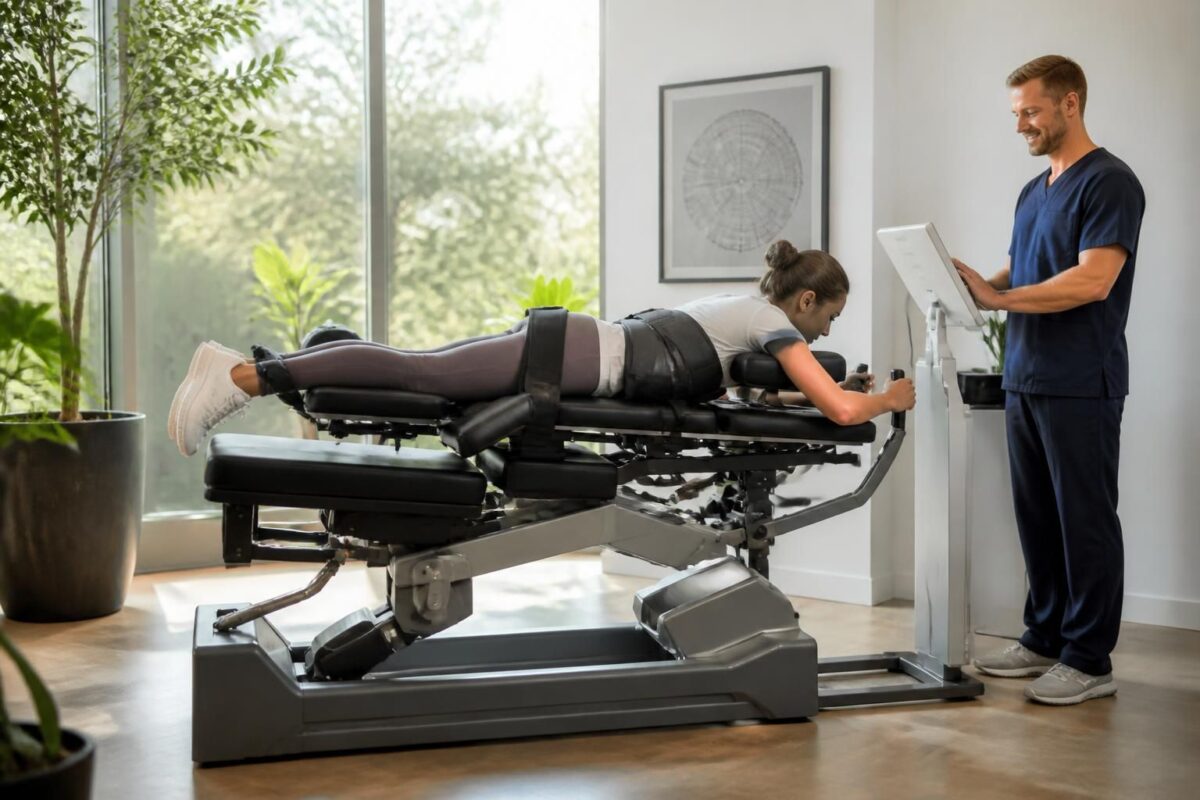
The long-term benefits of neurovertebral decompression for spinal health
In short In short, the neurovertebral decompression is a non-invasive approach that decreases the Pressure on intervertebral discs and nerves, favoring the Natural regeneration and tissue recovery. Its long-term benefits include Lasting pain reduction, Improving mobility and from the posture,…
Impact on post-operative rehabilitation
The use of this technique contributes to a pain reduction and to a Improving mobility, which facilitates active participation in the rehabilitation program. By allowing early and more effective exercises, it promotes muscle maintenance and strengthening around the spine, preventing complications related to immobility and excessive healing.
Functional adaptation and posture
By restoring a more natural alignment and better stability, decompression supports the resumption of daily and professional activities. Improved posture reduces repetitive tension and risk of long-term pain recurrence.
Stimulation of nerve tissue recovery
The better nutrition and improvement of circulation promote the regeneration of nerve tissue and the restoration of sensory and motor functions, which results in a Sustainable improvement in quality of life after the operation.

Neurovertebral decompression and mobility: a return to an active life
In short In short, the neurovertebral decompression is therapy non-invasive who uses a gentle traction To create a space between the vertebrae and reduce the pressure on the Intervertebral discs and the nerves. It promotes a bloodstream improved, lowers tension…
Personalized approach and security
Each patient is evaluated individually and the decompression protocol is adjusted based on the surgical diagnosis, the tempo of healing and functional goals. This follow-up personalized Guarantees appropriate progression and minimizes the risks associated with a rehabilitation that is too fast or poorly adapted.
Planning and monitoring
A structured session plan, supplemented by regular progress monitoring, allows you to adapt the traction parameters and gradually integrate additional rehabilitation exercises.
Integration with other approaches
Decompression can be combined with gentle manual techniques and targeted reinforcement/stretching exercises to optimize posture, stability and spinal mobility throughout the post-operative course.
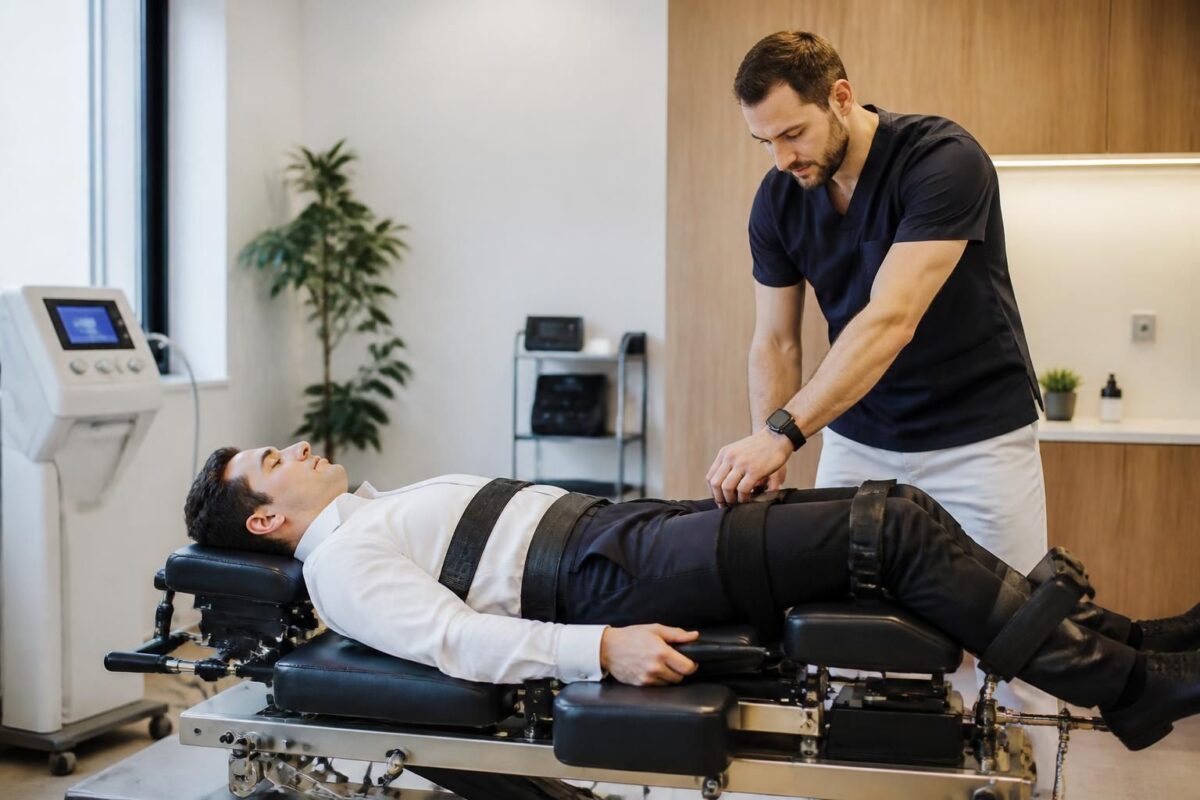
How Neurovertebral Decompression Prevents Diffuse Chronic Pain
In short decompression neurovertebral is one Non-invasive method aimed at reducing the Pressure on the intervertebral discs and the nerves, in order to prevent Diffuse chronic pain. It improves the circulation and thedisc hydration, decreases inflammation and promotes better mobility.…
Complementary exercises and overall program
To maximize benefits, it is recommended to combine gentle activities such as walking, targeted stretching and trunk stability exercises, under appropriate supervision. A comprehensive, progressive program adapted to each patient guarantees faster recovery and lasting reduction of pain related to the surgery.
| key | Concise impact |
|---|---|
| gentle traction and Space creation Between the vertebrae | reduction of the pressure On discs and nerves, facilitating the start of recovery. |
| Circulation and oxygenation Improved | Better nutrition and oxygen supply to the repairing tissues. |
| Disc hydration and elasticity | Increased hydration of discs favoring their rehydration and recovery. |
| postoperative pain depressed | Rapid relief that allows you to initiate rehabilitation earlier. |
| Mobility and flexibility found | Improved range of motion and functional autonomy. |
| Complications and adhesions warned | risk of Chronic pain and reduced postoperative difficulties. |
| Postural alignment and stability | Better alignment and reduction of stiffness, facilitating daily activities. |
| muscle support Around the column | Targeted reinforcement to prevent recurrences and stabilize the spine. |
| Personalized follow-up and Adaptive protocol | Care plan adjusted regularly according to progress and needs. |
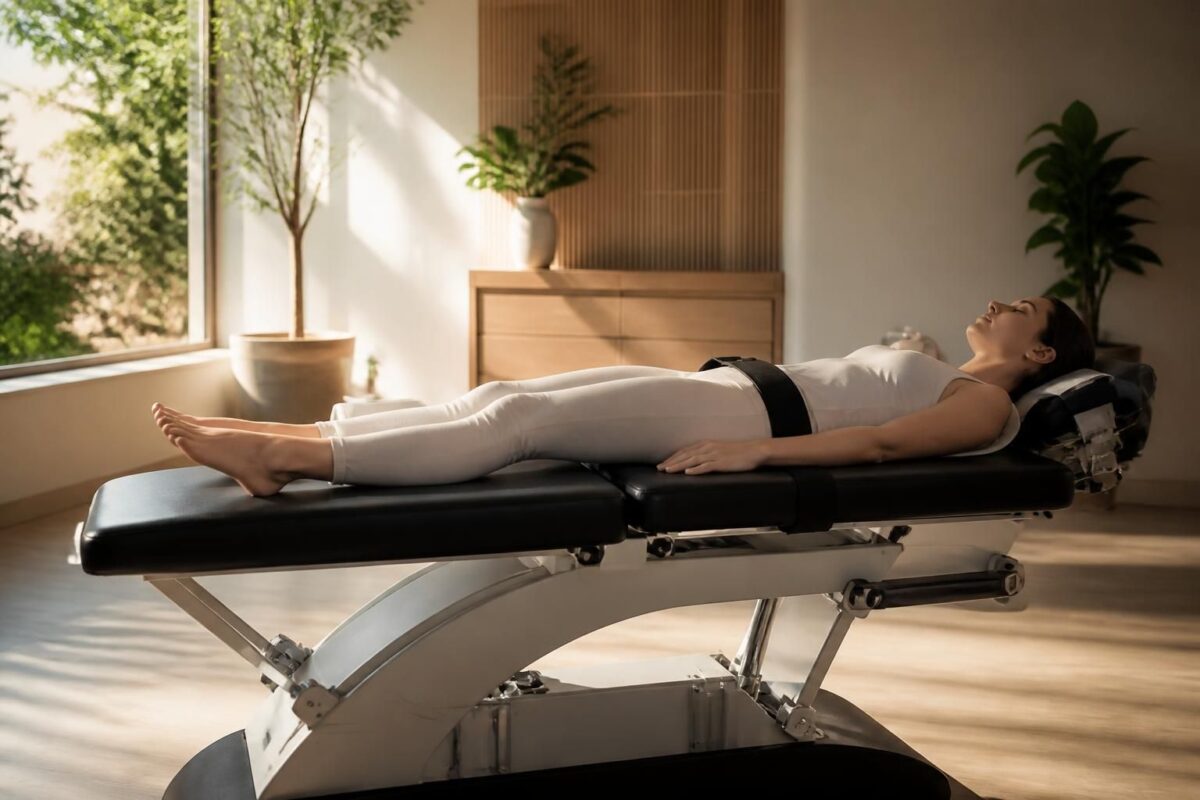
Neurovertebral Decompression and Body Alignment: Restoring Natural Balance
In short In short, neurovertebral decompression is one Non-invasive approach who restores theBody Alignment and thenatural balance back and neck. She acts by a Controlled traction of the spine to widen the intervertebral space and reduce the Pressure on discs…
Testimonials: How neurovertebral decompression supports recovery after complex surgery
“After my operation, the pain persisted and the mobility was limited. Thanks to the neurovertebral decompression, I noticed a significant reduction in nerve pressure and a gradual improvement in my bloodstream. In a few weeks, my recovery was faster than expected and I felt ready to resume my daily activities. »
“I was worried about a long recovery process. With decompression sessions, the pain decreased and I found a greater range of motion. The treatment made my recovery More fluid and allowed me to reconnect with my usual tasks, without fear of painful outbreaks. »
“After complex back surgery, the posture and the mobility seemed compromised. Neurovertebral decompression restored better alignment and improved the circulation in the column. I felt supported in my rehabilitation And I was able to resume my activities with confidence. »
“As an athlete, I feared a loss of performance. the sessions favored a Nervous tissue regeneration, reduce the pain and improve my muscle function. I gradually found my mobility And I was able to resume training, then competition, with a better perception of my body. »
“After the procedure, I had stiffness and a feeling of persistent muscle fatigue. decompression released tension and improved the bloodstream, which supported the rehabilitation and the posture overall. I found one (autonomy) and a much better quality of life. »
“My return to work was faster than expected thanks to a Accelerated recovery and to a Improving mobility thanks to decompression. The sessions helped to appease the pain And to secure my daily gestures, which made a big difference in my professional and personal life. »
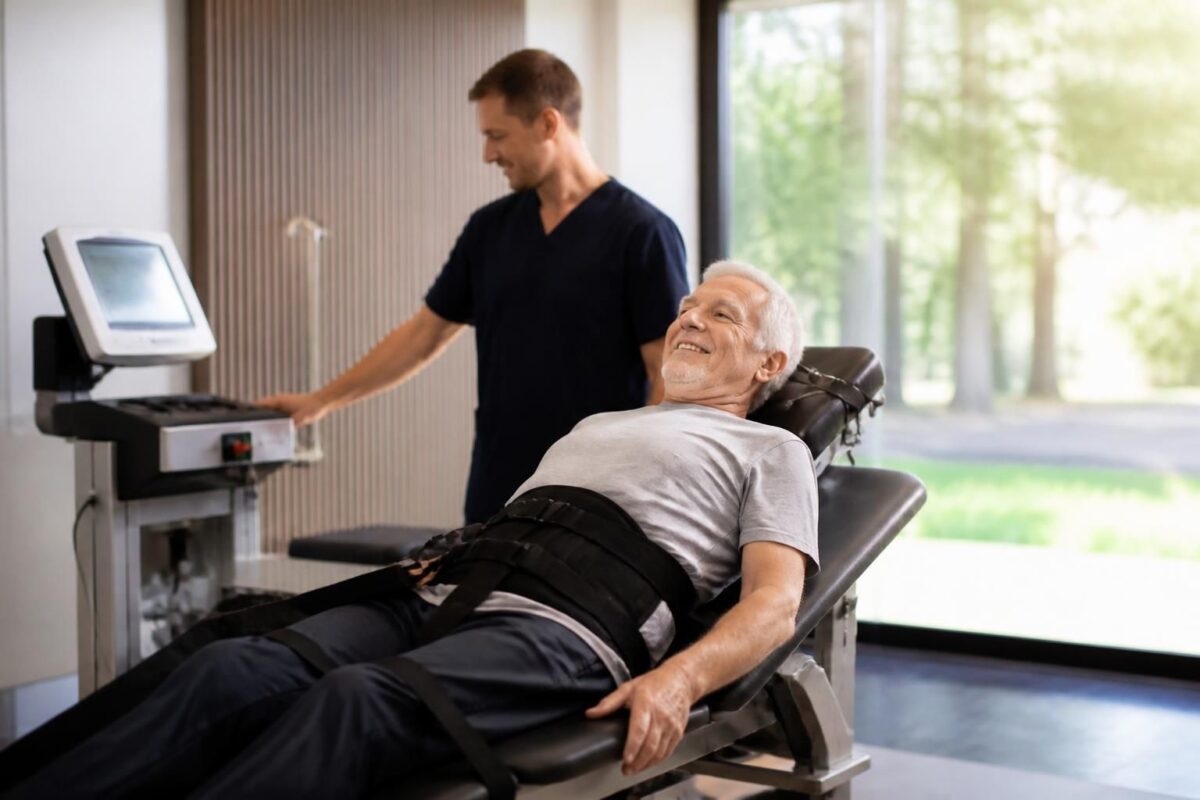
Why neurovertebral decompression is a lasting solution for active seniors
In short In short, the neurovertebral decompression is one Non-invasive therapy which sustainably relieves spinal pain in the spine active seniors By creating, by a Soft and controlled traction, a space between the vertebrae. At Montreal, it is recognized as…
Neurovertebral decompression for recovery after complex surgery
Dr. Sylvain Desforges, osteopath and expert in manual medicine, naturopathy and associated sciences, is the founding president of the Tagmed clinics and the ACMA association. His career is guided by health innovation and sustained attention to chronic pain management. It emphasizes the integration of advanced technologies, including neurovertebral decompression, laser and shockwave therapy, in order to propose evidence-based approaches to optimize recovery after complex surgery.
Neurovertebral decompression is presented as a non-invasive technique that acts by applying gentle traction to the spine. This action creates a space between the vertebrae and decreases the pressure exerted on the intervertebral discs and adjacent nerves. Thanks to this mechanical relief, the blood circulation improves, facilitating the supply of nutrients and oxygen essential for nerve regeneration and hydration of the discs, essential elements for resilience and the elasticity of the column.
As part of a recovery after complex surgery, reducing neural pressure and improving tissue nutrition promote more effective nerve tissue regeneration and body-guided repair. Patients generally benefit from a decrease in postoperative pain, better mobility and renewed confidence in their physical abilities. By actively participating in the restoration of structural and functional integrity, this approach helps to accelerate the resumption of daily activities and to limit complications associated with incomplete healing or persistent stiffness.
Dr. Desforges’ approach is distinguished by its personalized and scientifically based character. Each protocol is developed after a detailed assessment of the history, type of surgery and specific needs of the patient. Regular monitoring and adjustment of the sessions make it possible to adapt the traction and treatment parameters according to progress and clinical responses. This holistic approach can be supplemented by the use of complementary technologies, such as neuromuscular stimulation modalities or associated practices, to support muscle strengthening and postural stability that accompany sustainable recovery.
Beyond biological mechanisms, Dr. Desforges’ vision focuses on the impact on the patient’s quality of life and overall well-being. By favoring a non-invasive and adapted approach, it seeks to offer a secure path to restore alignment and mobility, reduce residual pain and promote active rehabilitation. Its mission is to offer care that integrates the best scientific evidence with proven technologies, in order to help patients quickly regain an active and comfortable life after complex spinal surgery.
Dr. Desforges’ journey is thus part of a logic of integrated and personalized care, where neurovertebral decompression plays a key role in the regeneration of nervous tissues and post-operative recovery. By combining mechanical efficacy, tissue nutrition and overall support for rehabilitation, it works to optimize recovery and prevent relapses related to lower back and cervical pain after surgery.
This article details how the neurovertebral decompression Supports recovery after complex surgery. By combining gentle and controlled traction with personalized therapeutic support, this non-invasive approach acts on nerve pressure, circulation and tissue regeneration, while integrating into a rehabilitation program to promote return to daily activity and better quality. of life.
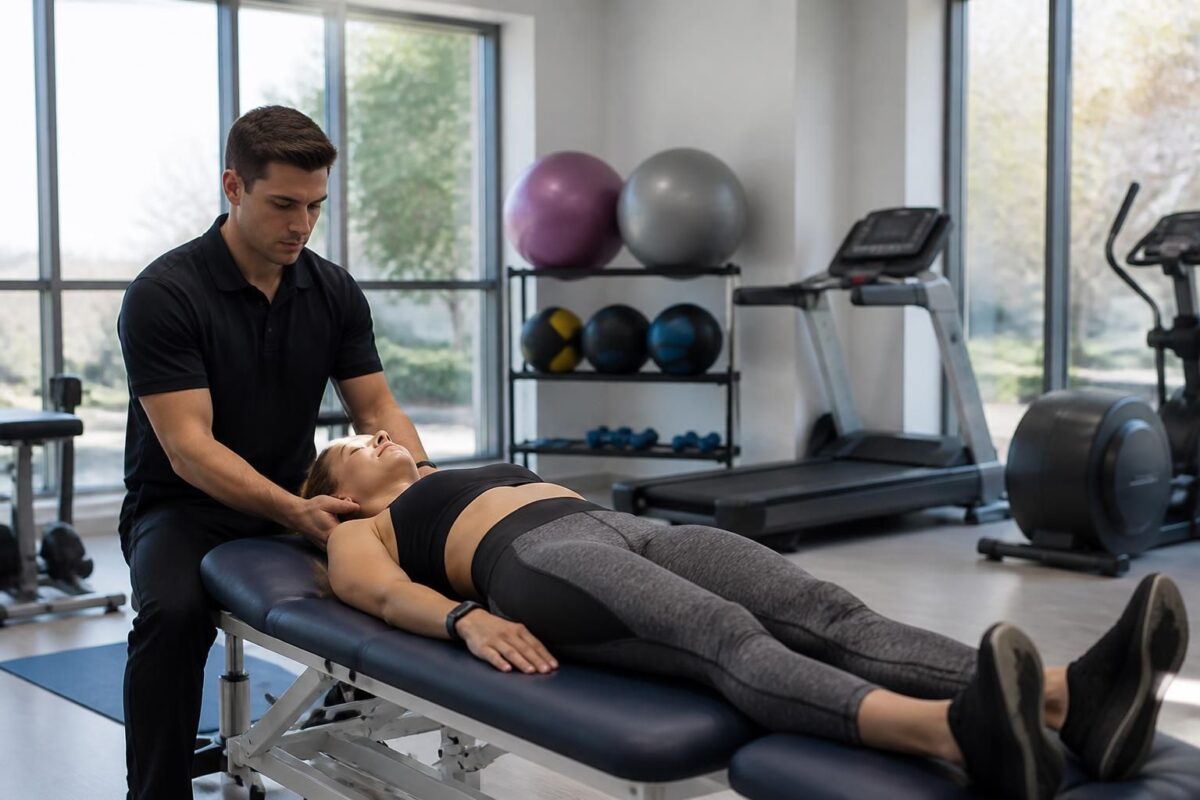
Neurovertebral decompression and recovery after severe sports injury
In short In short, the neurovertebral decompression is one Non-invasive method to Relieve the pressure on the Intervertebral discs and the gristle Via a Controlled traction, to facilitate the recovery After a severe sports injury. It improves the bloodstream towards…
Efficiency and key mechanisms
The gentle traction Creates a space between the vertebrae, which decreases the tension exerted on the intervertebral discs and adjacent nerves. This pressure decrease facilitates theDisc hydration and providing essential nutrients for nerve tissue repair, contributing to a Nerve regeneration more effective after surgery.
a better one Blood and lymphatic circulation Around the spine supports the nutrition of damaged tissues and accelerates the metabolic exchanges necessary for healing. This approach non-invasive Allows for early intervention in the rehabilitation process, reducing risks and recovery times related to more invasive procedures.
the benefits result in a pain reduction, a Improved mobility and an Prevention of post-operative stiffness, promoting active participation in the rehabilitation program and better adherence to treatment.
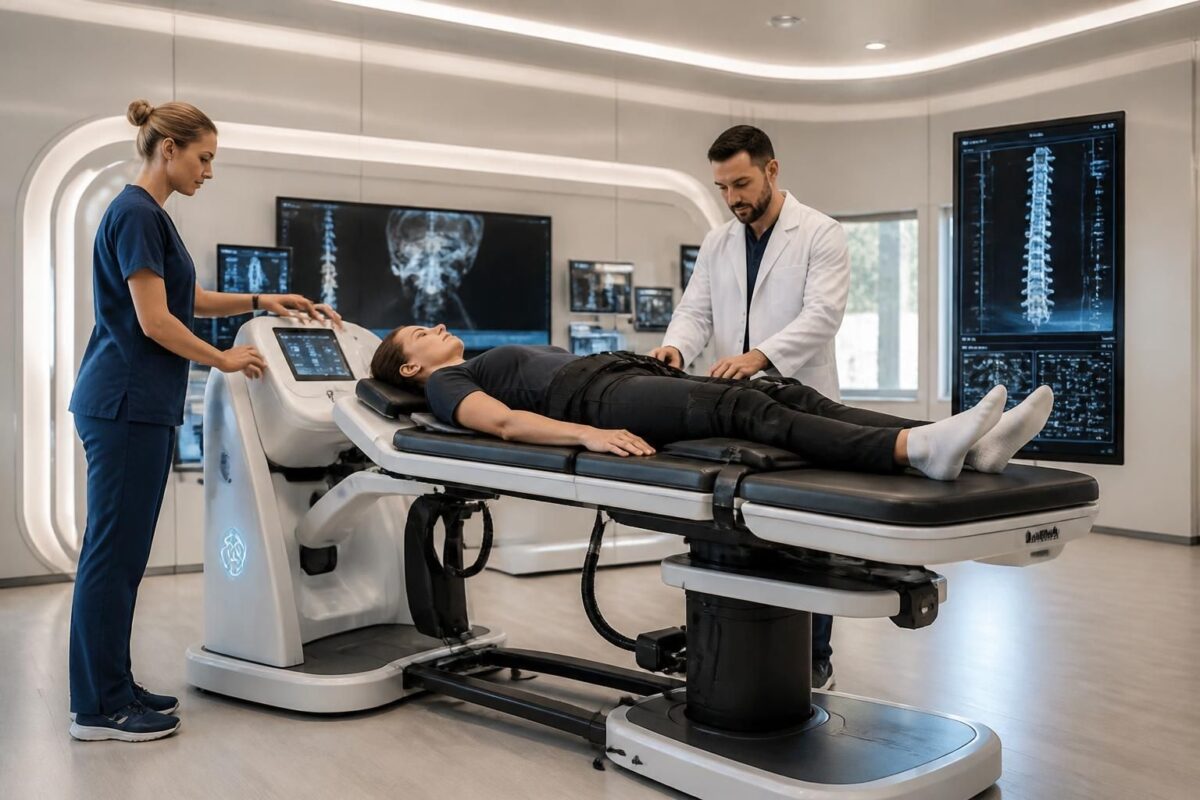
Recent innovations in neurovertebral decompression technologies
In short In short, the neurovertebral decompression is an approach non-invasive Aiming to reduce pressure on discs and nerves, and promote tissue regeneration. At Montreal, it is positioned as an effective option for lower back pain and herniated discs. The…
Impact on postoperative recovery
By reducing the pressure on the nerves and discs, neurovertebral decompression contributes directly to a Postoperative pain reduction and a reinforcement of exercise tolerance during rehabilitative exercises.
This approach also supports a Progressive improvement in range of motion and one Postural alignment more favorable, crucial elements to minimize the risks of complications and promote sustainable functional rehabilitation.
It can be combined with complementary therapies and targeted training protocols, in order to optimize recovery and allow a faster return to an active life. To enrich the understanding of benefits and mechanisms, refer to the following resources: Overall well-being and Advanced Techniques.
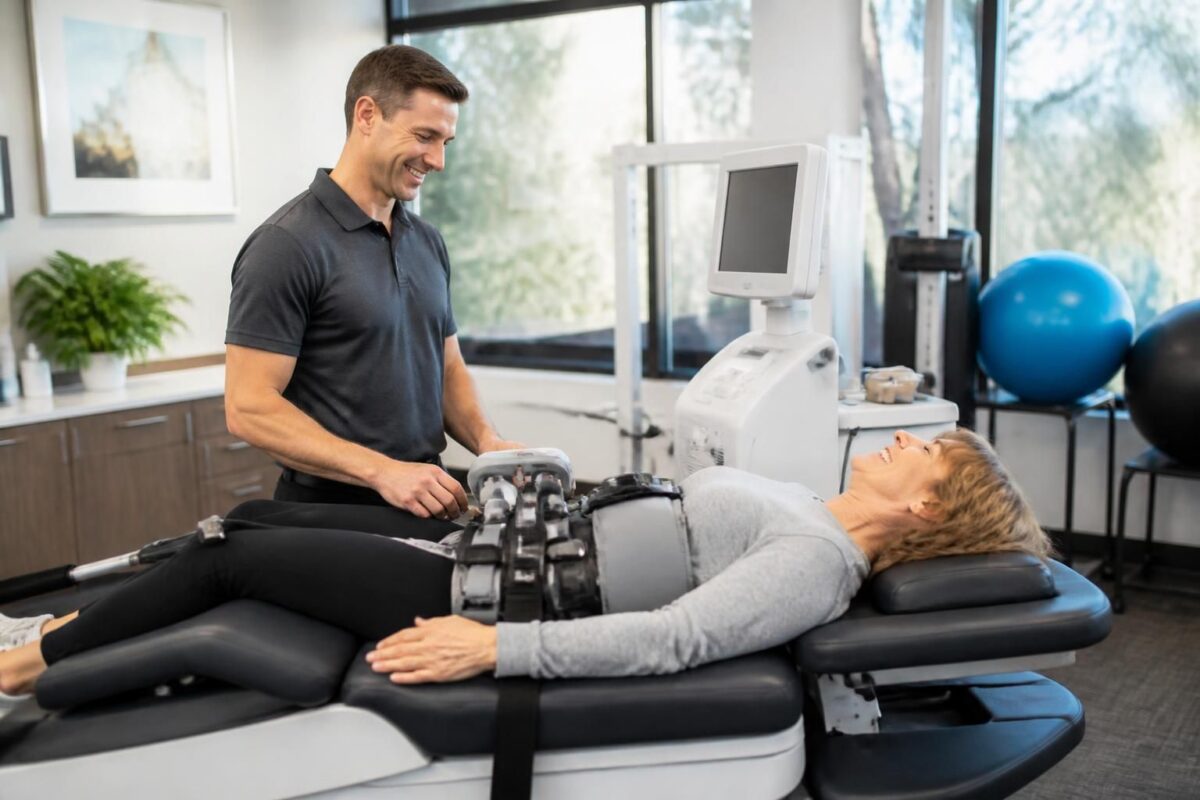
Neurovertebral decompression and diffuse pain: an appropriate solution
In short In short, the neurovertebral decompression is one Non-invasive solution For diffuse pain related to nerve irritation of the spine. She acts in Reducing pressure on intervertebral discs and nerves and improving the bloodstream, which promotes recovery and the…
Personalized approach and security
Each patient receives an assessment personalized and one Adapted treatment plan, followed by regular sessions to adjust the intensity and duration of efforts according to progress and sensations. This customization maximizes efficiency while ensuring safety and comfort throughout the course.
In practice, neurovertebral decompression is integrated into a Holistic program rehabilitation which may include strengthening exercises, stretching and breathing techniques, in order to improve stability and optimize spinal alignment.
Resources and testimonials on concrete cases illustrate how this approach supports recovery after heavy interventions. To explore these perspectives, you can view the content available on specialized sites such as tagmed and Dr Desforges.
Integration with Pulse Align and associated technologies
Neurovertebral decompression can be associated with non-invasive technologies that support the rehabilitation process and pain reduction, such as Pulse Align. This synergy aims to optimize communication between the nervous system and the muscles to promote recovery and mobility.
Resources and feedback describe how these complementary approaches improve comfort and accelerate postoperative recovery. For more information, see Resources on Non-invasive innovations and Advanced Techniques.
Resources and testimonials
To better understand the rehabilitation path and results observed after complex surgery, testimonials and clinical analyzes are available on dedicated resources such as SOS Herniated Disc and sosciatica.

Dr Sylvain Desforges, B.Sc., D.O., N.D., osteopath, is the founding president of TAGMED and of the ACMA association. He dedicates his practice to chronic spinal pain, low back pain and symptoms compatible with sciatica, particularly when pain radiates toward the buttock, leg, calf, foot or toes.
Through SOS Sciatique, he publishes educational content on sciatica symptoms, possible causes such as disc herniation, disc narrowing, foraminal stenosis or irritation of a lumbar nerve root, as well as non-surgical approaches that may be considered according to the evaluation. At Clinique TAGMED, care may include, depending on the case, motorized neurovertebral decompression, specific osteopathic care or precision percussion.
For an evaluation related to sciatica treatment in Montreal / Mount Royal or sciatica treatment in Terrebonne, please consult the services available at Clinique TAGMED.
Medical disclaimer
The information published on SOS Sciatique is provided for educational purposes only and does not replace a consultation, diagnosis, opinion or treatment provided by a physician or another authorized healthcare professional. The author of this article is neither a medical doctor nor a specialist in a medical specialty recognized by the Collège des médecins du Québec. The osteopathic, manual medicine or functional support approaches described on this site do not constitute medical acts and are not intended to replace medical follow-up.
Consult a physician or emergency service in cases of loss of bladder or bowel control, anesthesia in the saddle area, significant or progressive weakness in the leg or foot, fever, recent trauma, severe pain or rapid worsening of symptoms. For more details, please read our Legal Notice.