Neurovertebral decompression and muscle tension: a natural solution
26/06/2026
How neurovertebral decompression supports recovery after complex surgery
26/06/2026
In short
| In short, neurovertebral decompression is one Gentle, non-invasive therapy aimed at relieving mechanical pain in the spine in Relieving the pressure on the intervertebral discs and boosting fluid circulation. Its key advantages include a rapid pain reduction, a Improving mobility and an Alternative to surgery. The treatment is done thanks to a Controlled traction on a specialized table and adapts to each patient via a Personalized treatment plan. accessible to Montreal, this service is particularly recommended for chronic lower back pain and sciatica related to herniated discs. |
The neurovertebral decompression is one gentle therapy and non-invasive Intended to emphasize mechanical pain in the spine without surgery.
- She uses a Controlled and soft traction on the intervertebral discs for reduce the pressure and create a space between the vertebrae.
- The pressure decrease improves the bloodstream and nutrient intake, promoting tissue regeneration and reducing inflammation.
- Typical results include pain reduction and Improving mobility, with a faster return to daily activities after a few sessions.
- The treatment is Safe and well tolerated, and maybe personalized depending on the condition of each patient; It can also be integrated with other therapeutic approaches.
neurovertebral decompression is a gentle therapy and non-invasive which aims to reduce the pressure on the discs and nerves of the spine. This article presents its functioning, benefits and what to expect during a session, based on a rigorous, patient-centric approach.
How does neurovertebral decompression work
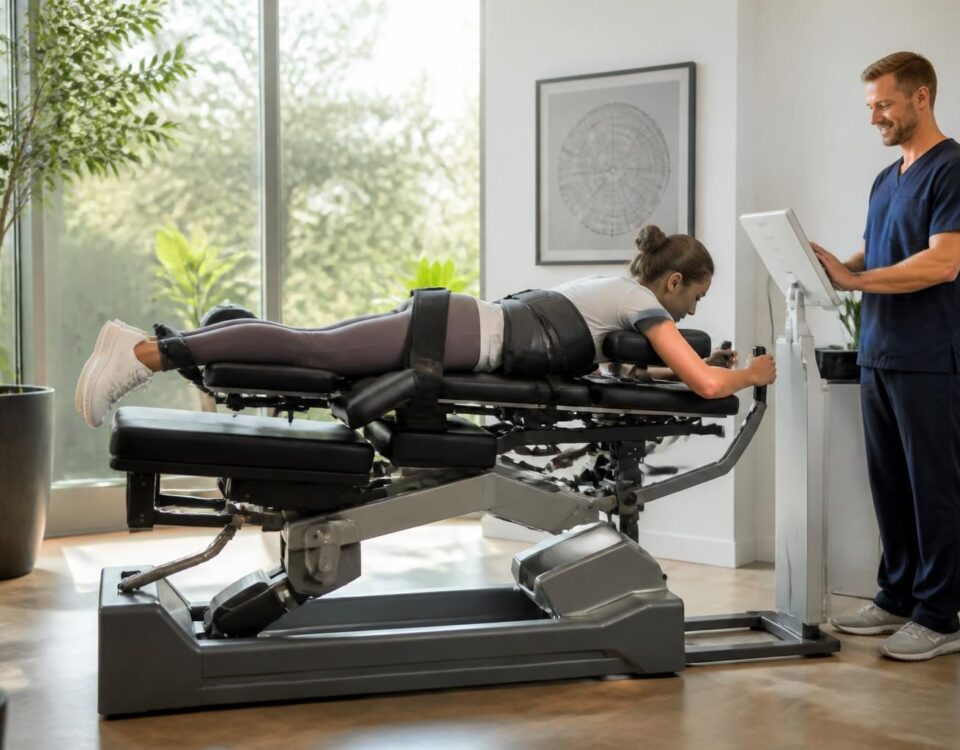
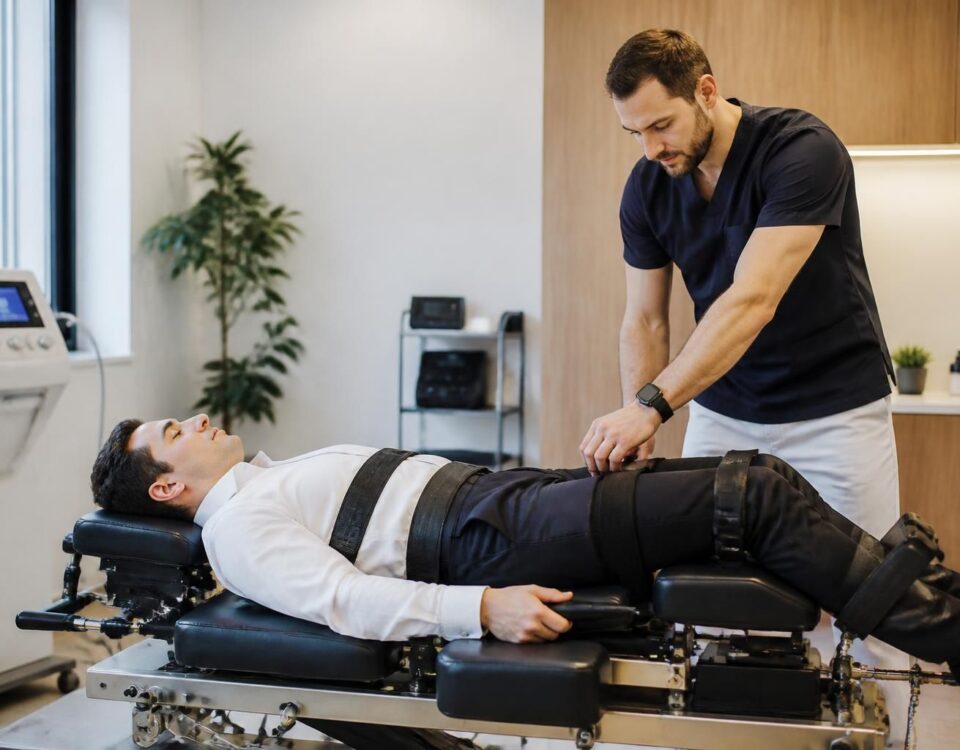
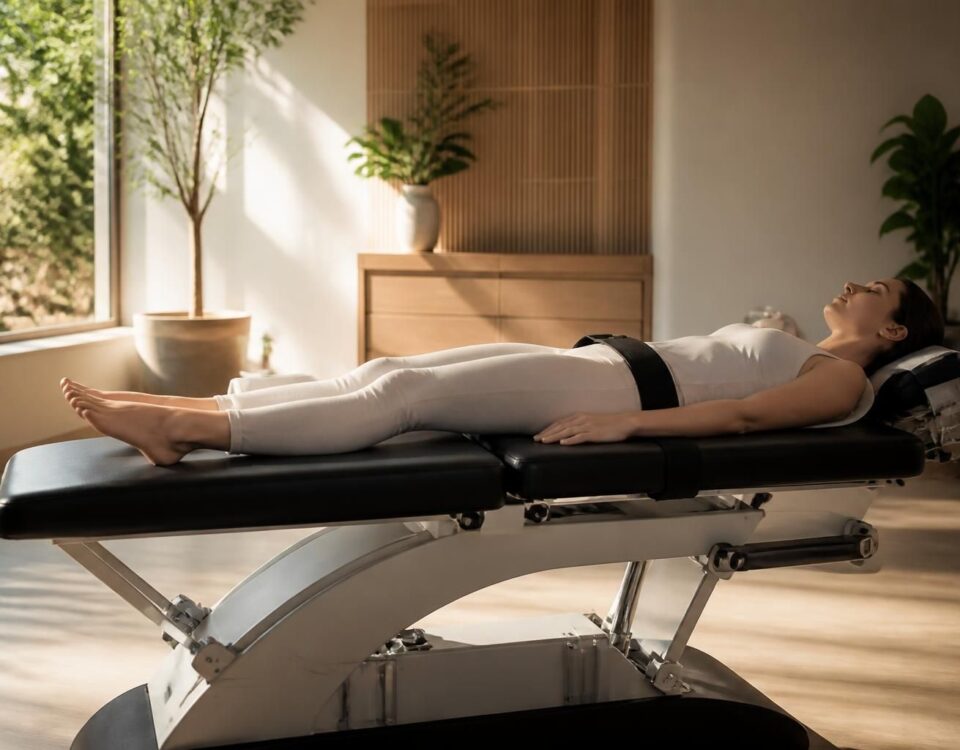
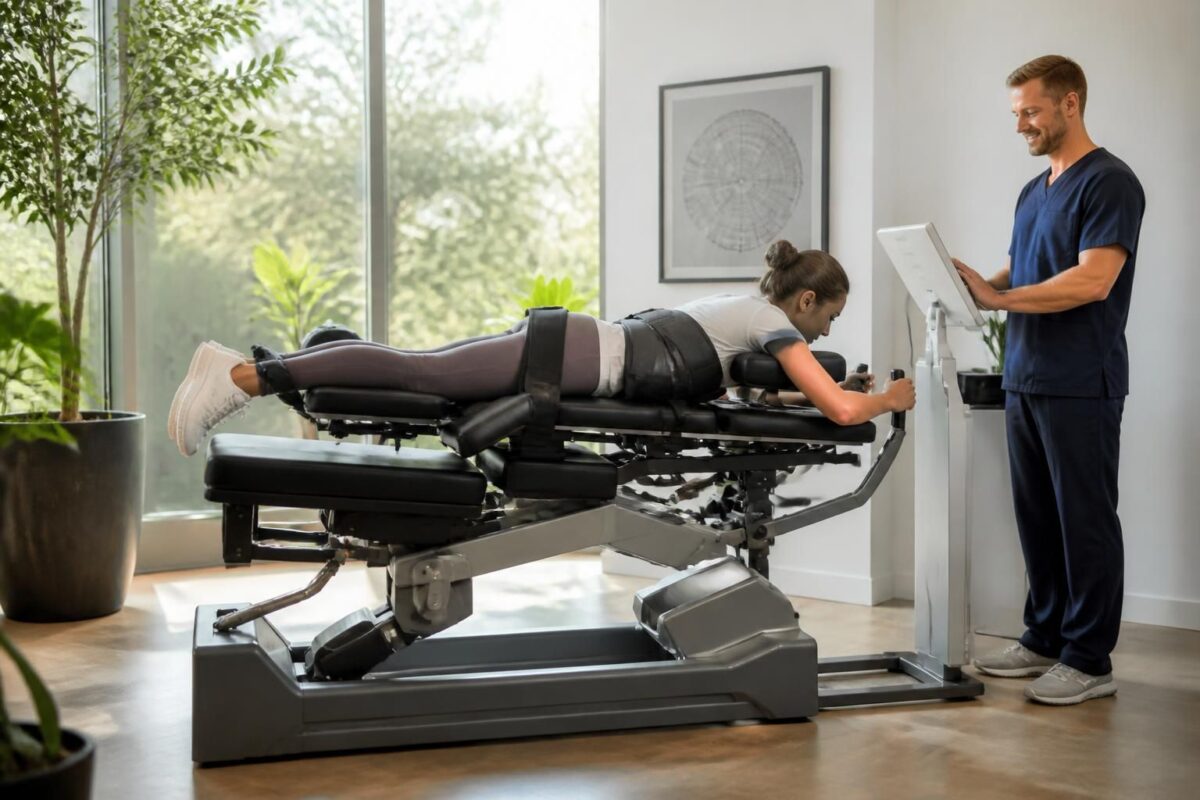
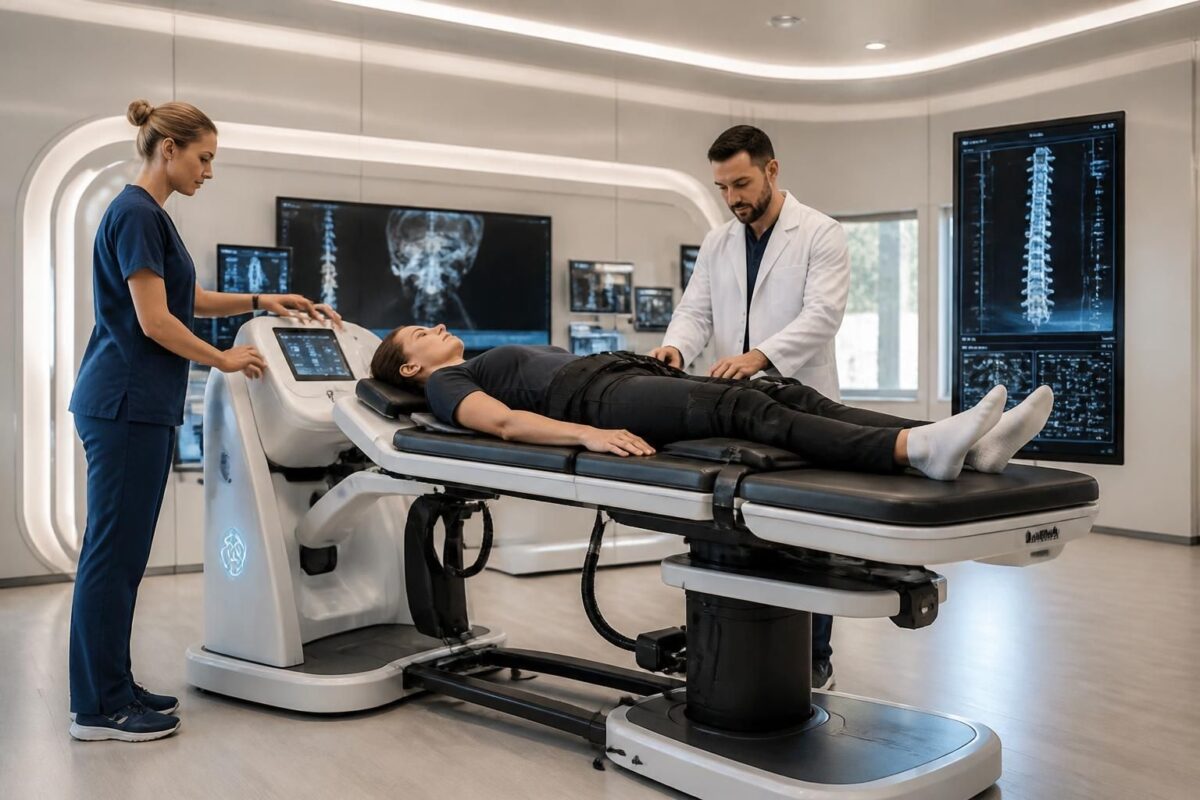
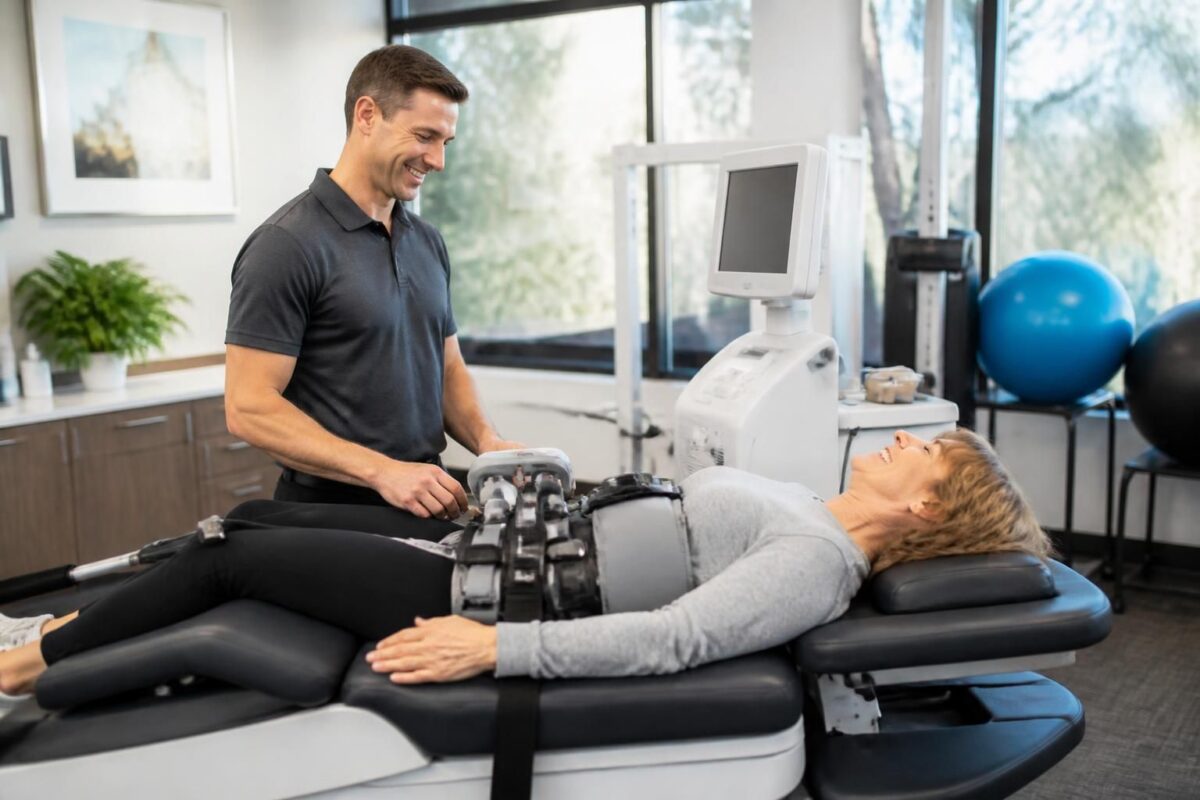
Neurovertebral decompression occurs on a SpineMed decompression table computer controlled. She applies a Soft and graduated traction on a pair of selected vertebrae. The goal is to create a empty between the intervertebral discs. This pressure reduction can widen the space between the vertebrae and improve blood circulation and nutrient intake in the treated area. The process is supervised by a system biofeedback which adjusts the traction according to the reactions of the body, for a session comfortable and secure. To understand the mechanism, you can consult the dedicated article on the operation. comment#atfp_close_translate_span# it works.
This approach is non-surgical and does not require invasive intervention. It is based on simple biomechanical principles and computerized parameters that ensure controlled traction. The SpineMed table, having received approval from Health Canada, offers a standardized and reproducible method for the sessions.
Why it is sweet and effective
Traction acts on discs and nerves without aggression. By reducing the internal pressure of the discs, it can promote the delivery of fluids and nutrients, support tissue recovery and reduce painful signs. The Clinical results Reported by patients often show a gradual improvement in mobility and a reduction in mechanical pain. Resources and case studies describe these effects and their practical significance. LES#ATFP_CLOSE_TRANSLATE_SPAN# Rapid clinical results obtained with neurovertebral decompression.
Neurovertebral decompression can be considered when the pain is anchored in the back or neck and when the associated pathologies remain in the non-surgical setting. It can also be integrated into a pain management approach to limit the use of more invasive interventions. For more global information, you can explore the resources available on the web.
Indications and expected results
Therapy is mainly offered for muscle and mechanical pain related to the spine. It is relevant in case of disc herniation, protrusion or disc degeneration, as well as for persistent cervical or lumbar pain. It can help restore a better range of motion and reduce pain intensity, without having to resort to surgery. For patients, this represents a non-invasive option with a gradual return to their activities.
For more information on indications, results and testimonials, see the following resources: Results#ATFP_CLOSE_TRANSLATE_SPAN# Fast and testimonials, and Prevention#ATFP_CLOSE_TRANSLATE_SPAN# and severe lower back pain.
Session process and follow-up
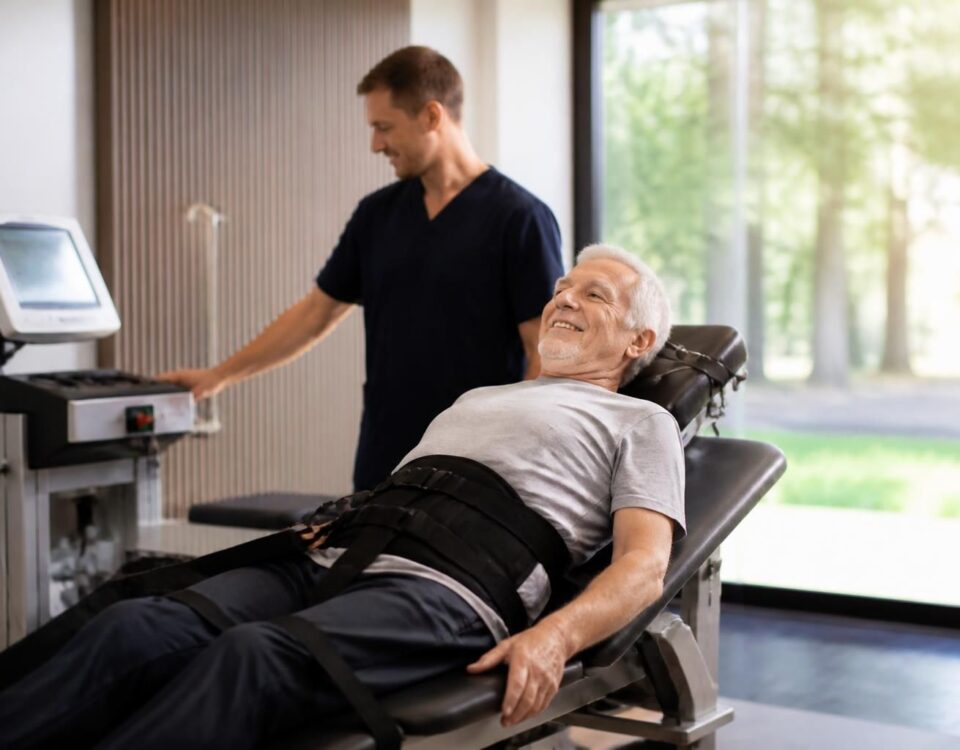
During a session, the patient is installed on the SpineMed table and straps are placed to fix you gently. Controlled traction is applied to a pair of vertebrae using precise positions and angles. Each session usually lasts about 20 to 30 minutes and can be felt as relaxing by some patients. After the session, a short rest period is recommended and the practitioner assesses progress during subsequent visits. Anticipation of results and protocol adjustments are based on patient feedback and clinical observations.
For more information about the progress and perspectives, see Related Resources. Operation#ATFP_CLOSE_TRANSLATE_SPAN# and progress. You can also find clinical feedback on Results#ATFP_CLOSE_TRANSLATE_SPAN# Rapid Clinics.
Precautions, limits and safety
The neurovertebral decompression is generally well tolerated. Minor side effects may appear temporarily after the first sessions, similar to muscle fatigue after mild exercise. It is not indicated in the event of severe osteoporosis, specific spinal malformations, pregnancy or the presence of a metal spinal implant. A preliminary assessment is necessary to determine eligibility and adapt the protocol.
It is part of a global care program and can be offered in specialized clinics. For patients seeking global care, options such as TagMed clinics can offer suitable solutions in a professional and secure environment.. Tagmed Clinic Presents a global approach based on evidence-based practices.
Integration and additional resources
Neurovertebral decompression can be associated with other manual or therapeutic approaches within a care program. For patients and professionals, it is useful to consult specialized resources in order to understand the indications and potential results. Online articles and guides gather data and feedback on the use of this therapy in clinical practice. Prevention#ATFP_CLOSE_TRANSLATE_Span# Chronic Neuropathic Pain, Indications#ATFP_CLOSE_TRANSLATE_SPAN# and Benefits.
For professionals and patients who want practical guidance, additional resources are available on specialized information platforms. Prevention#ATFP_CLOSE_TRANSLATE_SPAN# and long-term vertebral lesions.
For any information on the services offered in Montreal or at the Tagmed Clinic, contact Tagmed Clinic or consult the information pages associated with the neurovertebral decompression presented on Decompression#ATFP_CLOSE_TRANSLATE_SPAN# Neurovertebral.
Medical Disclaimer: The information and advice provided on this site does not replace the health professional’s diagnosis or treatment. Please note that Dr. Sylvain Desforges osteopath is neither a doctor of medicine nor a doctor, and is not a specialist in a medical specialty as defined by the Collège des Médecins du Québec. Manual medicine, functional medicine and sports medicine as described on this site exclude any medical treatment or diagnosis made by a doctor or specialist doctor. Always consult your doctor for any medical questions. For more details, please read our full legal notice.
Desktop References: Decompression#ATFP_CLOSE_TRANSLATE_SPAN# Neurovertebral – Functioning, Results#ATFP_CLOSE_TRANSLATE_SPAN# Rapid Clinics, Clinic#ATFP_CLOSE_TRANSLATE_SPAN# TAGMED, Prevention#ATFP_CLOSE_TRANSLATE_SPAN# Severe lower back pain.
- non-invasive : No surgery.
- Controlled traction : precise and progressive movement.
- Comfort : Generally gentle and relaxing session.
- biofeedback : Real-time adjustment according to the body.
- Improved traffic : Better nutrition of discs and fabrics.
- Target decompression : Space between vertebrae and released nerves.
- Quick results : pain reduction and better mobility.
- Personalized approach : protocol adapted to each patient.

This recommendation explains why the neurovertebral decompression is one gentle therapy and effective To relieve spinal pain. It describes the principle, the clinical benefits, the safety conditions and what to expect during a treatment. The key message: this is an approach non-invasive which acts by promoting natural healing and the resumption of an active life without pain.
A non-invasive and gentle approach
The neurovertebral decompression Based on controlled and progressive traction applied to the spine. This method makes it possible to create a space between the vertebrae and to reduce the pressure exerted on the intervertebral discs and the nerves, without incision or anesthesia. Here we are talking about a Non-invasive approach which favors the patient’s comfort and the absence of pain during the sessions.
This process is guided by computerized parameters and biofeedback that adjusts the intensity and rhythm of the traction in real time. The goal is a pressure reduction Targeted that promotes the supply of nutrients and the circulation of fluids around discs and nervous structures. Result: a gradual improvement in mobility and a reduction in mechanical pain without resorting to surgical procedures.
The long-term benefits of neurovertebral decompression for spinal health
In short In short, the neurovertebral decompression is a non-invasive approach that decreases the Pressure on intervertebral discs and nerves, favoring the Natural regeneration and tissue recovery. Its long-term benefits include Lasting pain reduction, Improving mobility and from the posture,…

Neurovertebral decompression and mobility: a return to an active life
In short In short, the neurovertebral decompression is therapy non-invasive who uses a gentle traction To create a space between the vertebrae and reduce the pressure on the Intervertebral discs and the nerves. It promotes a bloodstream improved, lowers tension…
Clinical benefits and observed results
Patients generally feel a Quick relief mechanical pain after a few sessions, and this benefit is accompanied by a Improving mobility and endurance during daily activities. By reducing the pressure on the nerves and discs, the technique helps to restore range of motion and reduce functional restrictions.
In addition, the neurovertebral decompression Acts as an effective preventive measure: by restoring a more favorable alignment and supporting better hydration and disc nutrition, it reduces the risk of painful recurrences in the medium and long term. This approach can be integrated into a global care program, reinforcing the results obtained by physiotherapy, osteopathy or manual medicine.
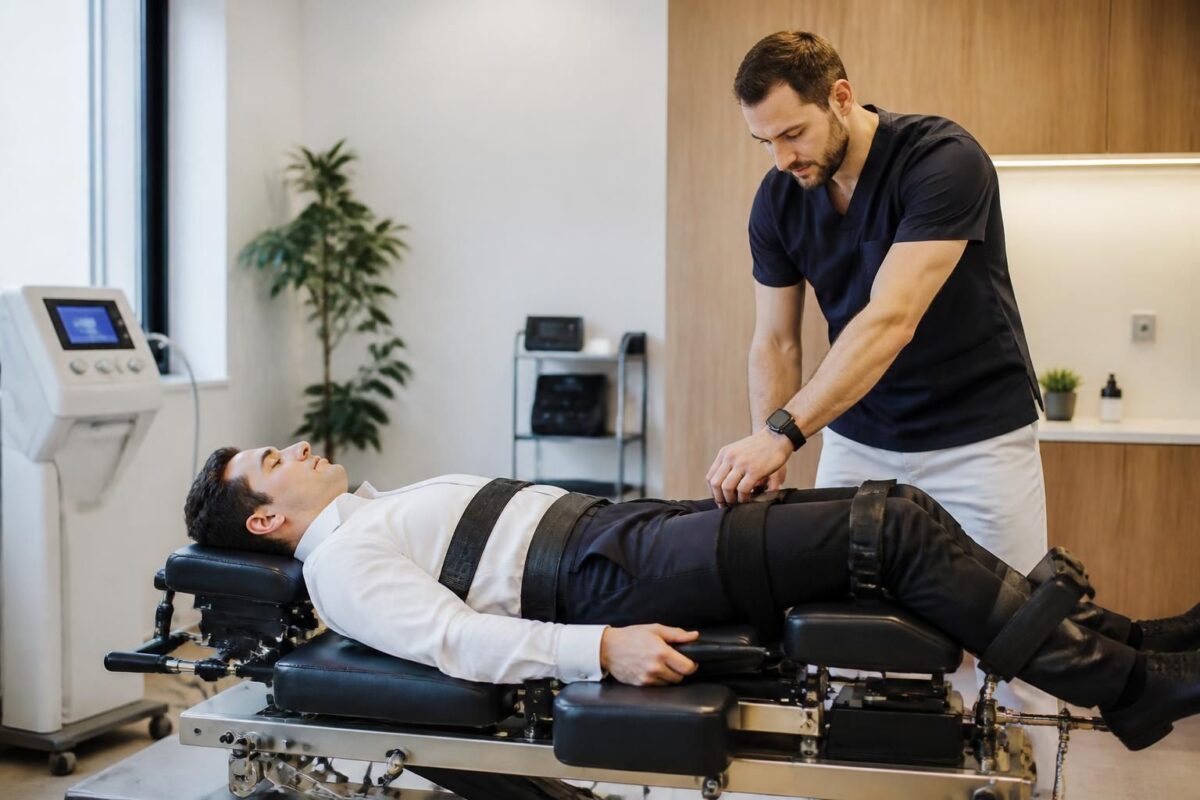
How Neurovertebral Decompression Prevents Diffuse Chronic Pain
In short decompression neurovertebral is one Non-invasive method aimed at reducing the Pressure on the intervertebral discs and the nerves, in order to prevent Diffuse chronic pain. It improves the circulation and thedisc hydration, decreases inflammation and promotes better mobility.…
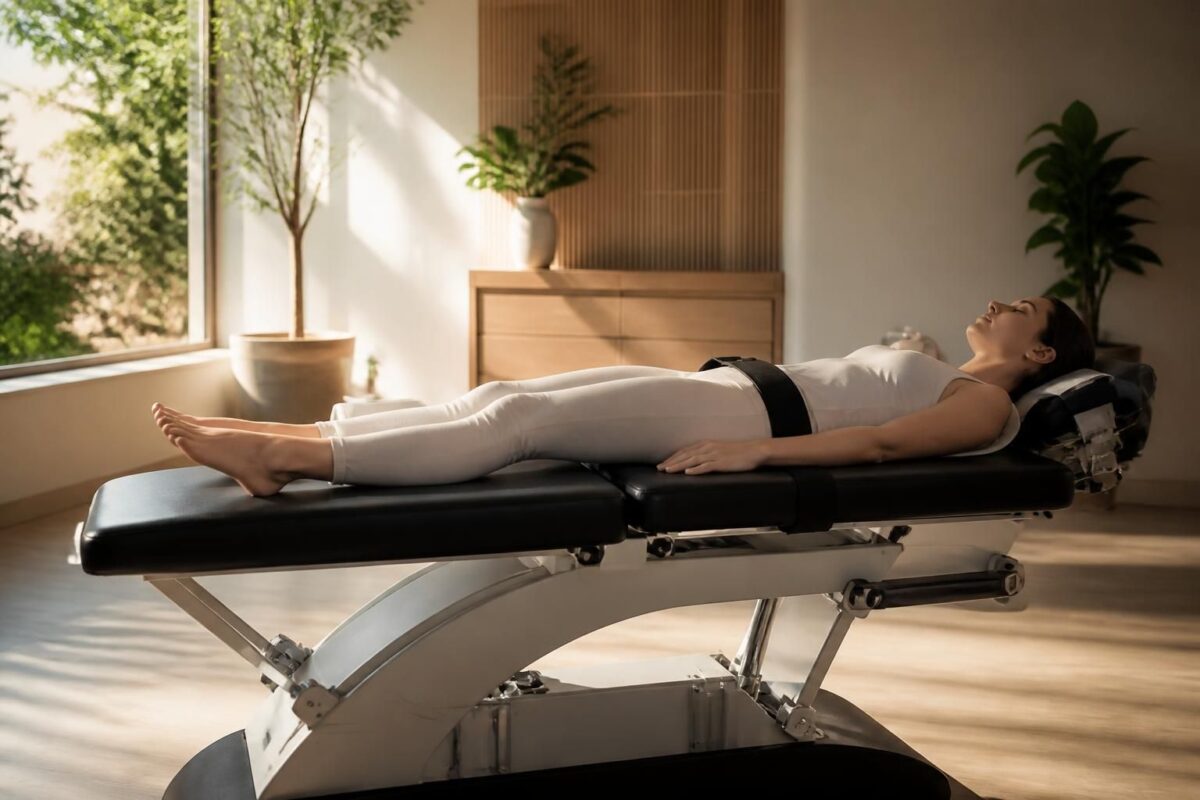
Neurovertebral Decompression and Body Alignment: Restoring Natural Balance
In short In short, neurovertebral decompression is one Non-invasive approach who restores theBody Alignment and thenatural balance back and neck. She acts by a Controlled traction of the spine to widen the intervertebral space and reduce the Pressure on discs…
Indications, safety and tolerance
This therapy is particularly suitable for lumbar and cervical pain related to mechanical mechanisms, such as disc hernias, protrusions and degenerative discus disorders, as well as sciatica or symptoms radiating into the limbs. It can be an interesting alternative when surgery is undesirable or when other conservative treatments have not given the expected results.
From a safety point of view, the side effects are generally rare and mild, typically a temporary discomfort after the first sessions, comparable to post-exercise stiffness. Some contraindications exist, including severe osteoporosis, specific spinal malformations, pregnancy or the presence of a metal implant in the spine. A pre-assessment allows the protocol to be customized and ensured Optimal security.
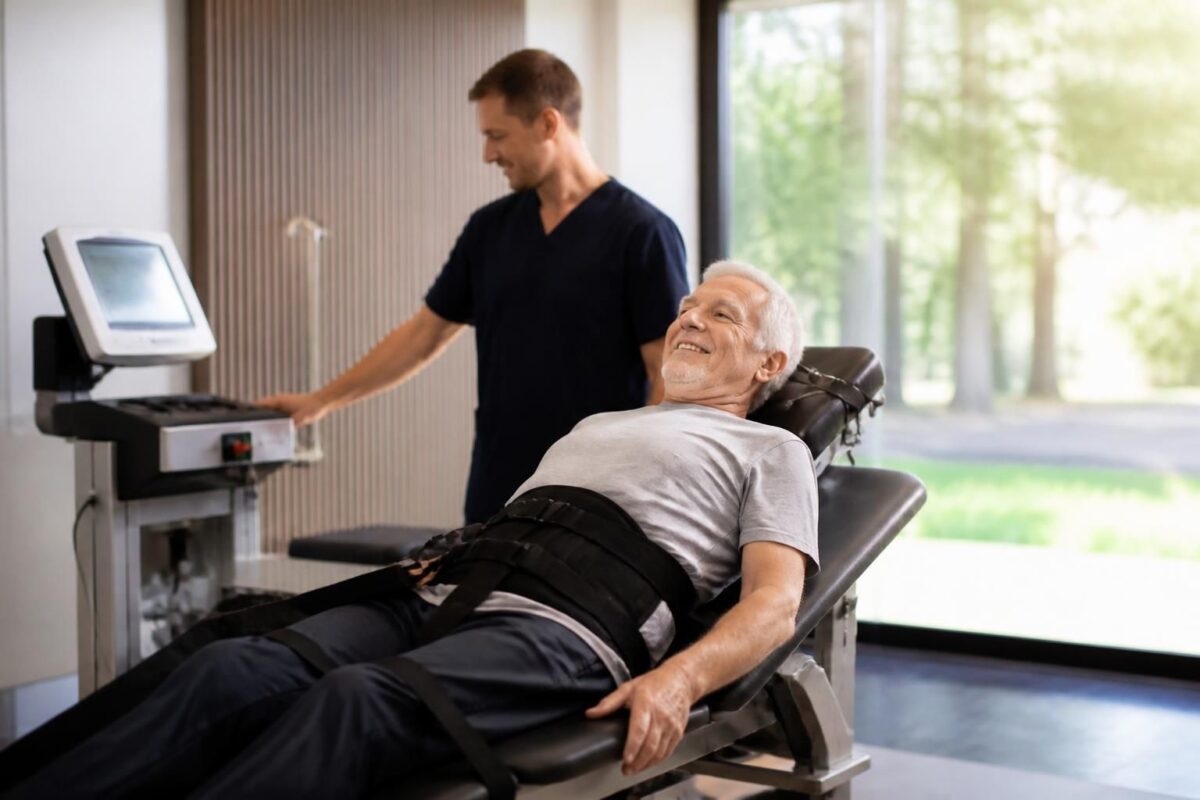
Why neurovertebral decompression is a lasting solution for active seniors
In short In short, the neurovertebral decompression is one Non-invasive therapy which sustainably relieves spinal pain in the spine active seniors By creating, by a Soft and controlled traction, a space between the vertebrae. At Montreal, it is recognized as…
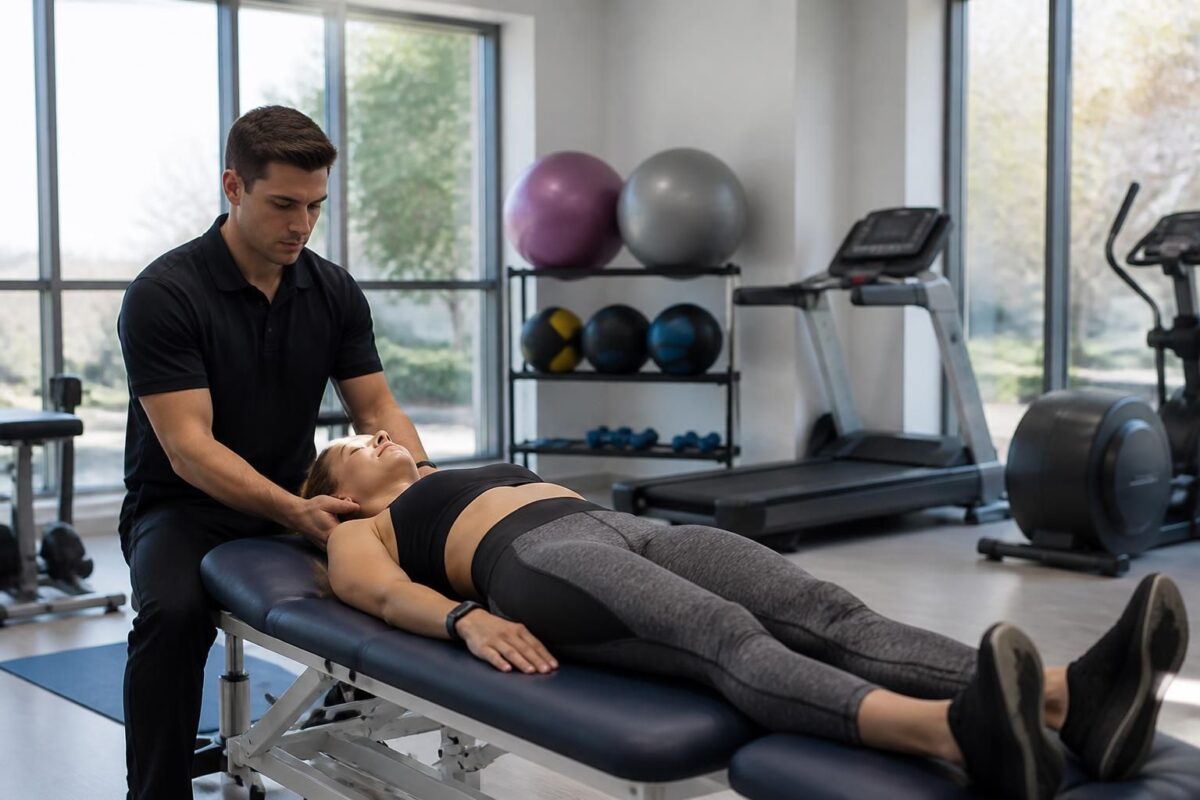
Neurovertebral decompression and recovery after severe sports injury
In short In short, the neurovertebral decompression is one Non-invasive method to Relieve the pressure on the Intervertebral discs and the gristle Via a Controlled traction, to facilitate the recovery After a severe sports injury. It improves the bloodstream towards…
Patient experience and course of sessions
During the first consultation, an in-depth assessment and relevant imaging make it possible to establish a Personalized treatment plan. Each session usually lasts half an hour and takes place in a comfortable setting, with continuous supervision to adapt the traction and guarantee the well-being of the patient. Regular monitoring allows you to evaluate progress and adjust parameters to optimize results.
In summary, the neurovertebral decompression offers an alternative Soft and efficient To reduce pain, promote healing and help everyone regain an active life, without chronic pain. If you suffer from back pain or mechanical cervical, this approach deserves to be discussed with your practitioner to determine its suitability for your situation.
| Aspect | Concise context |
|---|---|
| Non-invasive principle | Decompression uses a specialized table to act on the column without incision or surgery. |
| Targeted mechanism | Reduced pressure on discs and nerves by creating space between the vertebrae. |
| traffic effect | Improves blood circulation and nutrition of intervertebral tissues. |
| Quick relief | Signs of improvement after a few sessions with better mobility. |
| Security and tolerance | gentle and generally well tolerated procedure, little or no pain. |
| Eligible audience and limits | Suitable for mechanical lumbar and cervical pain; Contraindicated in advanced osteoporosis, pregnancy or implants. |
| Alternative to surgery | Provides relief and recovery without surgery. |
| Integration into a program | Can be combined with physiotherapy or osteopathic care for a global approach. |
| Personalized plan and follow-up | Initial evaluation and regular adjustments according to the patient’s response. |
| Side effects and precautions | possible temporary mild pain; Respect contraindications and medical advice. |
Recent innovations in neurovertebral decompression technologies
In short In short, the neurovertebral decompression is an approach non-invasive Aiming to reduce pressure on discs and nerves, and promote tissue regeneration. At Montreal, it is positioned as an effective option for lower back pain and herniated discs. The…
Neurovertebral decompression and diffuse pain: an appropriate solution
In short In short, the neurovertebral decompression is one Non-invasive solution For diffuse pain related to nerve irritation of the spine. She acts in Reducing pressure on intervertebral discs and nerves and improving the bloodstream, which promotes recovery and the…
Testimonials: Why neurovertebral decompression is therapy fresh and effective
Emilie, 42 years old, Administrative Assistant: Before, I had persistent lower back pain that prevented me from getting up in the morning with energy. After a few sessions, the pain subsided considerably. It’s an approach fresh and non-invasive which allowed me to find my activities without fear and throbbing pain.
alexander, 38 years old, commercial: the first session was incredibly comfortable. The protocol is controlled and the reassuring framework. In a few weeks, I saw a rapid pain reduction and an Mobility found in the neck that I lacked to work efficiently.
Caroline, 56 years old, retired: I had chest pain and numbness related to vertebral stenosis. Thanks to the decompression table and custom tracking, the nerve pressure decreased and my movements became smoother. It’s therapy fresh that respects the body and promotes natural healing.
Julian, 44 years old, amateur athlete: As an athlete, I am looking for effective solutions without going through surgery. This method gave me a Significant improvement in mobility and better recovery after exercise. The results are seen after a few sessions and are part of the prevention of recurrences.
aminata, 32 years old, active mom: the days with my children were heavy to bear because of back pain. After the sessions, I regained endurance and an pain prevention which allow me to be more present for my family, without limits.
Louis, 60 years old, retired: after a spinal surgery, I was afraid of invasive treatments. decompression NE Invasive Helped me improve traffic and mobility without suffering. It is a valuable complement to promote a more serene and lasting recovery.
Dr. Sylvain Desforges, an experienced osteopath and expert in the fields of naturopathy and manual medicine, embodies an approach that favors measured efficacy and sustainable well-being. At the head of the TagMed and ACMA clinics, he carries a vision of evidence-based medical innovation, focused on the management of Chronic pain and the integration of advanced technologies. In this context, it highlights the neurovertebral decompression like a gentle therapy and non-invasive which can transform the daily life of patients suffering from lower back or cervical pain.
Neurovertebral decompression is a targeted technique that acts on spinal structures without surgery. It is based on the use of a specialized table which applies a precise and controlled distraction, guided by a computer system. This approach creates a space between two vertebrae and acts directly on the intervertebral discs to reduce the pressure inside the disc. At the same time, it stimulates better blood circulation and the delivery of essential nutrients, which contributes to reducing inflammation and promoting natural healing.
The mechanisms in play go far beyond a simple stretch. By reducing the pressure exerted on the discs and nerves, decompression promotes a gradual restoration of mobility and a reduction in painful signals. This traffic improvement and tissue oxygenation often leads to pain reduction and a better ability to resume daily activities. For patients suffering from column-related pathologies, such as herniated discs or degenerative disorders, this non-invasive approach offers a realistic and safe alternative to more invasive interventions.
The material used, in particular the SpineMed table, benefits from strict supervision and clinical validation. This technology, approved by the competent authorities, makes it possible to carry out a gentle but effective traction on a pair of vertebrae, with parameters adjusted in real time according to the reactions of the body. The system incorporates a biofeedback that adjusts movement and distraction angles, ensuring a personalized session and comfortable for the patient. This gentle approach is particularly suitable for those who are looking for lasting pain management without anesthesia or surgery.
Typical indications for neurovertebral decompression cover chronic back and neck pain, radiant pain, sciatica and some forms of spinal stenosis. She is like a Secure alternative For those who wish to avoid surgical procedures or who cannot use it for health reasons. However, like any treatment, it requires prior assessment and consideration of possible contraindications (for example certain bone conditions or vertebral malformations).
The journey with Dr. Desforges revolves around a first in-depth assessment and a personalized treatment plan, then regular sessions on the SpineMed table, with careful monitoring of progress. Each session, an average of 20 to 30 minutes, is designed to be reassuring and not very tiring, while promoting a tangible improvement in mobility and a progressive reduction in pain. This approach is based on a philosophy of care that favors listening, scientific evidence and the objective of restoring an active and painless quality of life.
This conclusion summarizes why neurovertebral decompression is one gentle and effective therapy For spinal pain. By relying on a Controlled and non-invasive traction, it aims to reduce the pressure on the discs and nerves, to promote the circulation of fluids and nutrients, and to accelerate healing while avoiding surgical interventions. Many resources and experiences highlight a Quick relief and an lasting improvement mobility, allowing a more active return to daily life. To deepen, discover perspectives and evidence in articles such as Why neurovertebral decompression is a safe and effective therapy and A credible alternative to invasive solutions. Additional resources also illustrate the benefits in terms of mobility and comfort.
The core of efficiency lies in A precise mechanical action which reduces pressure in the intervertebral discs and nerves. This reduction facilitates the bloodstream and the Fabric nutrition, promoting natural healing and decreased inflammation. In practice, this results in a Better mobility and an Significant reduction in pain, even when these are chronic.
One of the key qualities of this approach is to be non-invasive and fresh, without incisions, anesthesia or prolonged recovery time. It thus offers a Safe and effective alternative to heavier treatments. To better understand the mechanisms and results observed, see Why neurovertebral decompression is a gentle and effective therapy, and explore the testimonials and analyzes available on the partner sites.
the potential of pain reduction and the Quick return to activity are accompanied by a Prevention of recurrences by improving the alignment and stability of the column. This preventive dimension is a major asset for patients suffering from chronic mechanical pain and can be reinforced by personalized protocols and integration into other therapies such as physiotherapy or osteopathy. To understand how this translates into practice, see the analyzes and studies that highlight the benefits on the mobility and the flexibility of the column (“ Improved spinal flexibility ”).
Beyond the individual results, the neurovertebral decompression Can be a key component of a global care program, especially after surgery or in case of chronic herniated discs where conservative approaches are intended to provide lasting relief. For a comparison of approaches and clinical feedback, refer to studies and syntheses available on the following resources, which highlight the safety and effectiveness of this technique (Sporting injuries – comparative study).
For those who are wondering about the practical framework and indications, resources detail the situations where decompression offers the most benefits, especially in the face of cervical and lumbar pain, sciatica or spino-radicular stenosis. In particular, you can explore concrete explanations and examples in the pages dedicated to the neurovertebral decompression and chronic herniated discs and at the Neurovertebral decompression and mobility. For a general summary of mechanisms and benefits, the resources gentle and effective therapy and credible alternative Offer compelling lighting. Finally, to demystify therapy and understand its framework, consult Demystify this therapy.

Dr Sylvain Desforges, B.Sc., D.O., N.D., osteopath, is the founding president of TAGMED and of the ACMA association. He dedicates his practice to chronic spinal pain, low back pain and symptoms compatible with sciatica, particularly when pain radiates toward the buttock, leg, calf, foot or toes.
Through SOS Sciatique, he publishes educational content on sciatica symptoms, possible causes such as disc herniation, disc narrowing, foraminal stenosis or irritation of a lumbar nerve root, as well as non-surgical approaches that may be considered according to the evaluation. At Clinique TAGMED, care may include, depending on the case, motorized neurovertebral decompression, specific osteopathic care or precision percussion.
For an evaluation related to sciatica treatment in Montreal / Mount Royal or sciatica treatment in Terrebonne, please consult the services available at Clinique TAGMED.
Medical disclaimer
The information published on SOS Sciatique is provided for educational purposes only and does not replace a consultation, diagnosis, opinion or treatment provided by a physician or another authorized healthcare professional. The author of this article is neither a medical doctor nor a specialist in a medical specialty recognized by the Collège des médecins du Québec. The osteopathic, manual medicine or functional support approaches described on this site do not constitute medical acts and are not intended to replace medical follow-up.
Consult a physician or emergency service in cases of loss of bladder or bowel control, anesthesia in the saddle area, significant or progressive weakness in the leg or foot, fever, recent trauma, severe pain or rapid worsening of symptoms. For more details, please read our Legal Notice.