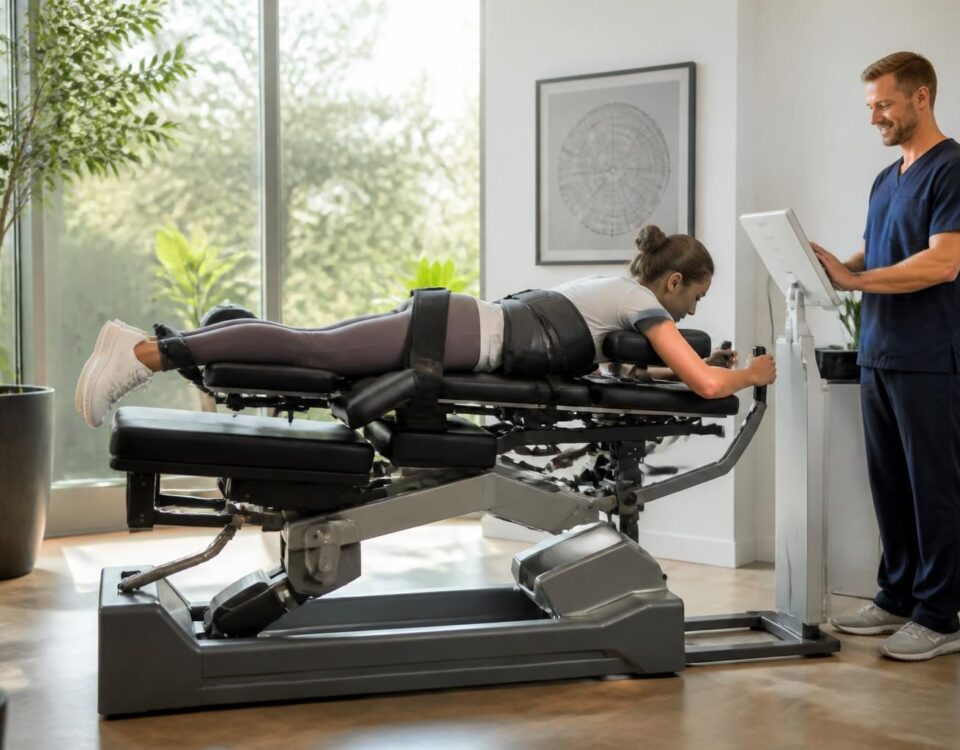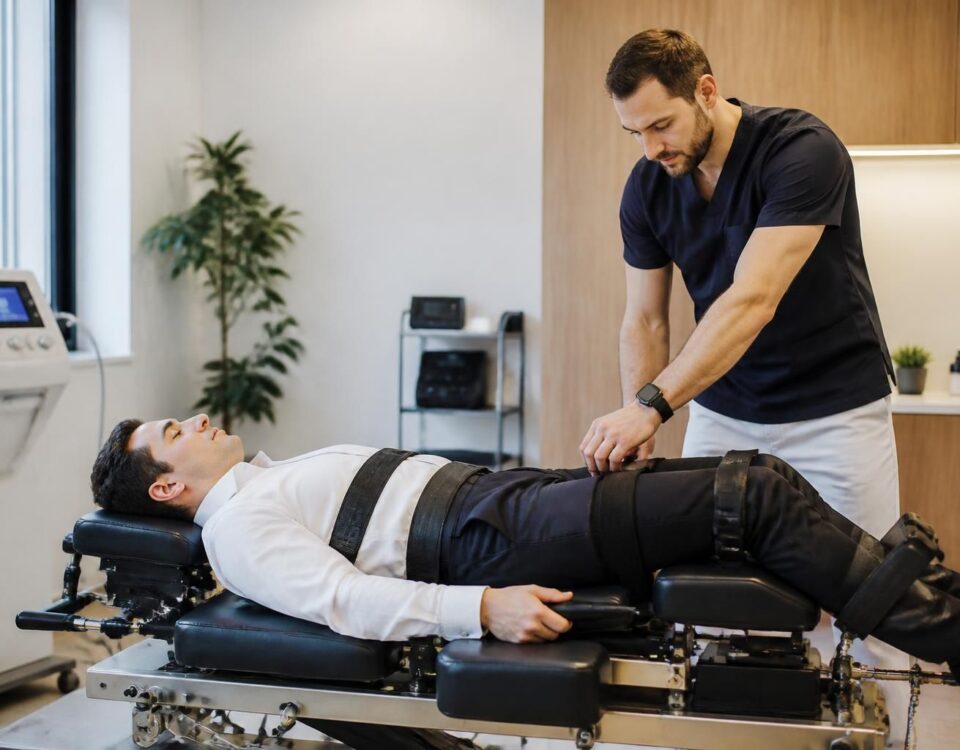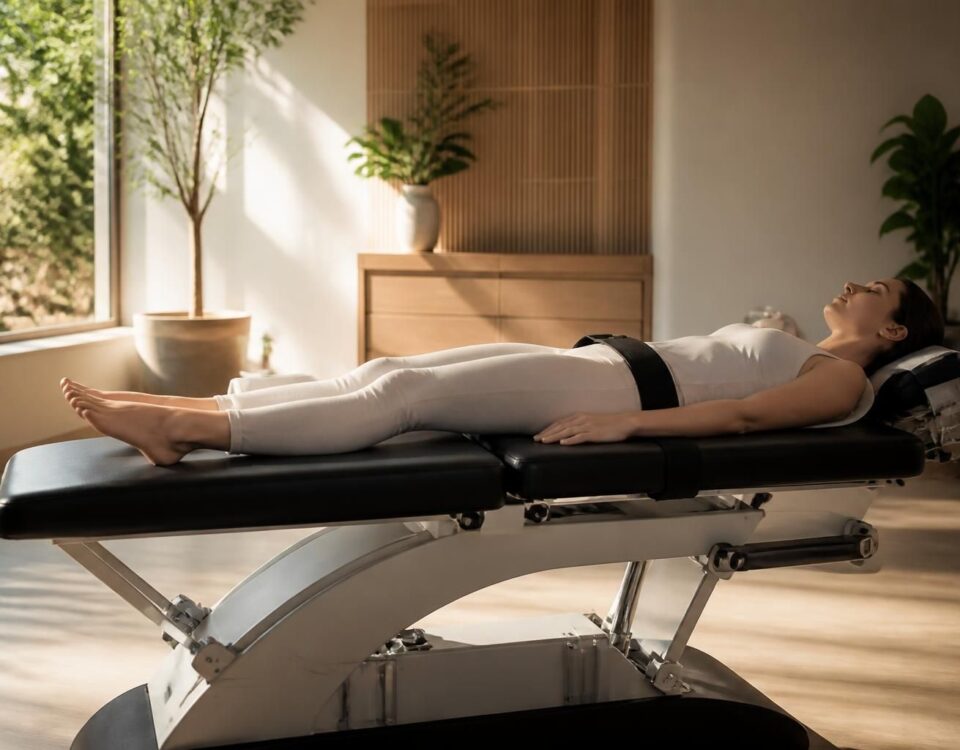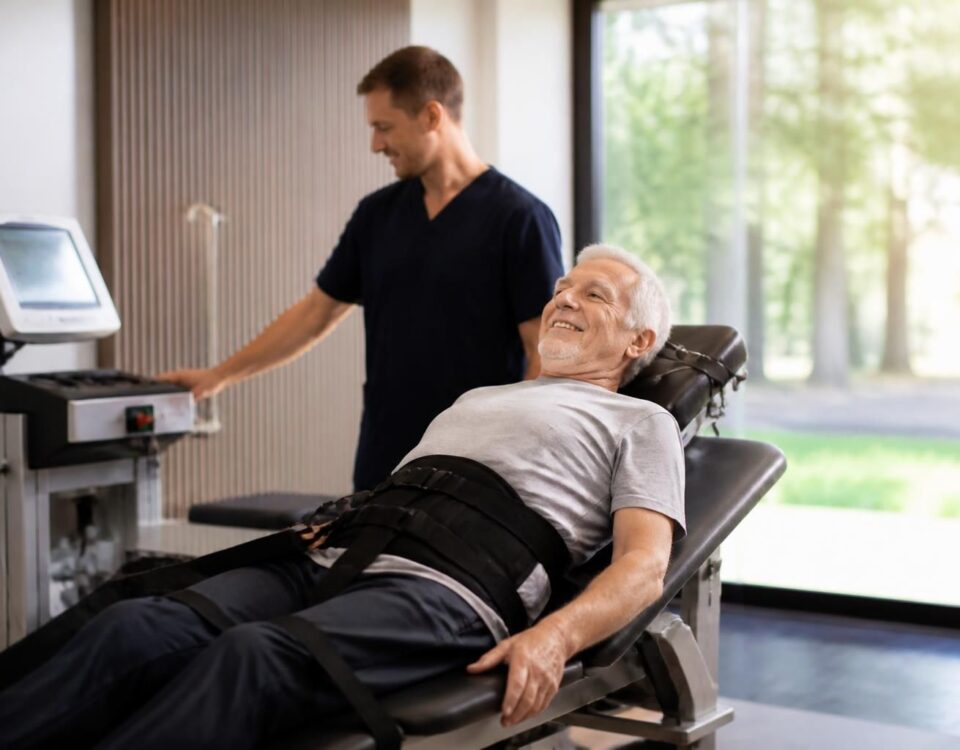
Recent innovations in neurovertebral decompression equipment
26/06/2026
Why neurovertebral decompression is an ideal option for mechanical pain
26/06/2026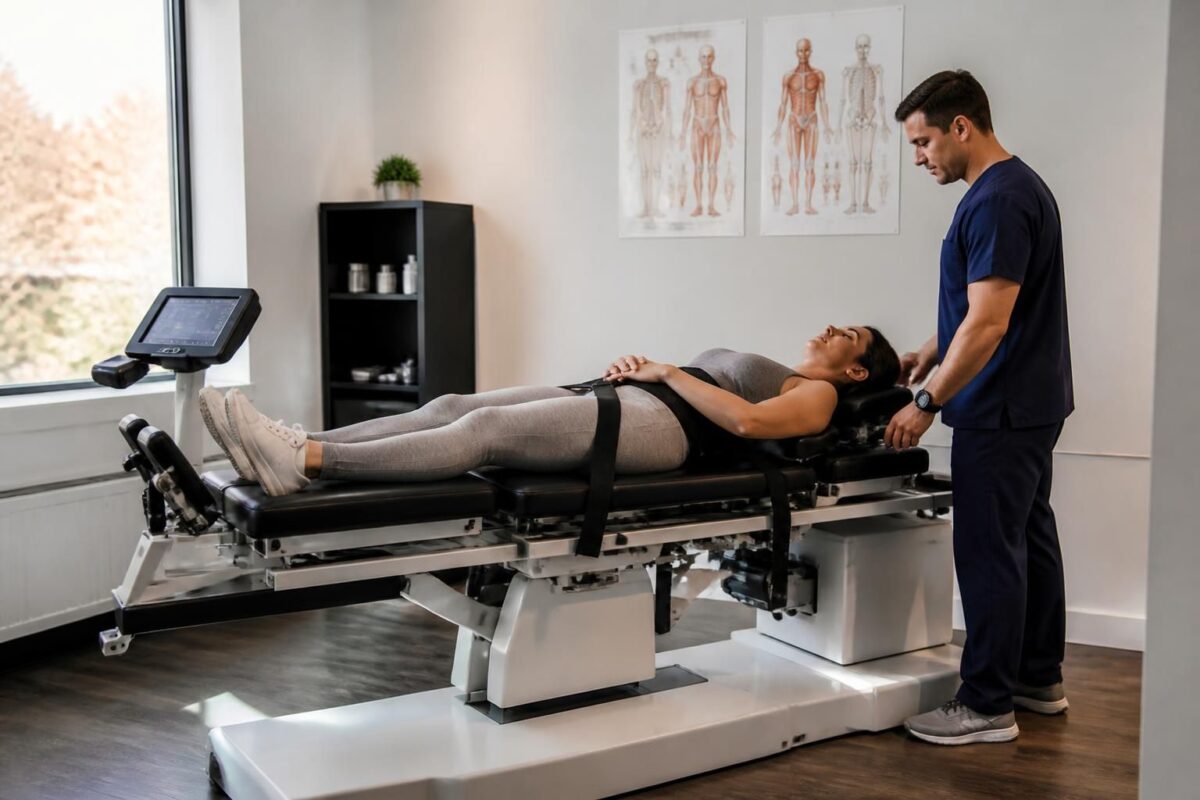
In short
| In short, the neurovertebral decompression is an approach non-invasive who uses a Computerized lumbar traction To reduce the Pressure on intervertebral discs and nerves. It aims to reduce the lumbar pain and restore the mobility By promoting recovery and prevention of chronicization. Key benefits include a Rapid improvement in pain and function, a better Muscle endurance and an relapse prevention When this technique is integrated into a multidisciplinary and personalized program. The treatment takes place on adapted sessions with a Real-time controlled traction And can be associated with other approaches like osteopathy and targeted exercises. At Paris, this method is particularly relevant for people with a sedentary lifestyle or musculoskeletal disorders, offering an effective and lasting solution to protect the spine and prevent long-term lesions. |
The neurovertebral decompression is an approach non-invasive Aiming to reduce the pressure on the nerves and discs, promoting recovery, mobility and lasting reduction of lower back or cervical pain. For a Prevention of long-term spinal lesions, it is part of an integrated approach including a Regular follow-up, a Multidisciplinary care and a personalized program.
This program associates DNV to strengthening and mobility exercises, the work of myofascial chains, and lifestyle advice: Adapted physical activity, hydration, power supply anti-inflammatory, stress management and postural education. Ergonomics and restorative sleep measures complement prevention, to reduce the risk of relapse and support a more resilient spine.
This article presents how the neurovertebral decompression can contribute to Prevent long-term spinal lesions. It explains the mechanism, indications, limitations of traditional approaches and the interest of an integrated strategy focused on evidence, safety and overall well-being. The objective is to offer sustainable care that favors prevention, function and quality of life.
The neurovertebral decompression is a non-surgical technique that uses controlled traction to increase the space between the vertebrae. This approach aims to decrease the pressure on the discs and nerve roots, thus promoting the monitoring of pain mechanisms and the recovery of spinal structures. Its use is within the framework of a plan for the prevention of lesions and prevention of painful recurrences.
Operational principles and security
The traction is applied precisely and monitored, in order to avoid overloads and to maintain the safety of the fabrics. The clinical results indicate possible improvements in pain and function in some patients, with better tolerance of daily activities and a reduction in uncertainty associated with chronic symptoms.
Elements of sustainable prevention
Effective prevention is based on regular evaluation and continuous adaptation of treatment. It is also based on the identification of risk factors and the integration of measures that support tissue repair and nerve homeostasis, without repeatedly resorting to invasive interventions.
Multidisciplinary approach and care coordination
A collaboration between different professionals makes it possible to harmonize the techniques and to adjust the treatment plan according to the evolution of the patient. This approach promotes appropriate, person-centered care and functional needs, while reducing risks and potential complications associated with an isolated approach.
Integration into the care pathway
Scheduled follow-up and periodic evaluations facilitate protocol adjustment and early detection of anything requiring adaptation. The objective is to maintain the benefits obtained, while minimizing relapses and pain returns, in order to support an adapted and lasting activity.
To deepen the concepts presented, you can consult informative resources on neurovertebral decompression and its long-term impacts. For example, specialized content discusses the long-term benefits of decompression and associated clinical data on Neurovertebral Decompression – Long-term Benefits, and syntheses that compare different therapeutic approaches. Additional information on flexibility and spine is available on tagmed.
Additional resources shed light on the conceptual framework and mechanisms of action, including pages dedicated to neurovertebral decompression, and articles that describe the role of the global approach in maintaining function and well-being. Other relevant references explain how decompression can be part of a global strategy for the prevention and maintenance of mobility, in connection with the practices and protocols available in specialized clinics.
In practice, the prevention of long-term spinal lesions is based on reliable assessment, risk factor prevention and management that combines non-invasive technologies, manual care and multidisciplinary support. The objective is to improve mobility, to limit recurrent pain and to promote an active and stable life in the long term. For information and examples of care pathways, refer to the specialized resources available online.
To learn more about options and long-term results, you can check out the following resources: Prevention of spinal complications, Rehabilitation after lumbar surgery, and Safe choice for seniors.
Additional information on long-term benefits and overall results can be viewed on Long-term results and on Well-being and proven results.
Disclaimer: The contents presented in this article do not replace an individual medical consultation. For any medical questions, consult a healthcare professional.
Medical Disclaimer: The information and advice provided on this site does not replace the health professional’s diagnosis or treatment. Please note that the practitioner is neither a doctor of medicine nor a doctor, and is not a specialist in a medical specialty as defined by the Collège des Médecins du Québec. Manual medicine, functional medicine and sports medicine as described on this site exclude any medical treatment or diagnosis made by a doctor or specialist doctor. Always consult your doctor for any medical questions. For more details, please read our full legal notice.
- DNV Non-invasive: computerized lumbar traction
- reduction of disc pressure and Root compression
- Improvement of the pain and from the mobility
- Course multidisciplinary For sustainability
- Posture and ergonomics at work
- Physical activity Adapted and reinforced trunk
- hydration and anti-inflammatory diet
- Sleep and techniques of breathing
- Monitoring regular and patient education
- relapse prevention and maintaining earnings
- education on daily gestures and Postural settings
- Cooperation multidisciplinary with health professionals

This recommendation is of interest to the neurovertebral decompression as a non-invasive and sustainable modality, and describes how to combine this approach with practices osteopathic and a lifestyle plan to prevent long-term spinal lesions. The goal is to ensure lasting pain reduction, function improvement and effective relapse prevention.
Neurovertebral Decompression: Principles and Benefits
The neurovertebral decompression is a computerized, real-time lumbar traction that aims to distract the vertebral segments and reduce intradiscal pressure as well as nerve root compression. In addition to exercises and manual work, it can accelerate recovery and promote more effective functional rehabilitation.
Clinical results indicate a noticeable improvement in pain, better mobility and increased muscle endurance in the short and medium term, with benefits that manifest from the first weeks when DNV is integrated into a global program. The benefit is optimal when the sessions are programmed in an appropriate and progressive way.
DNV is not an isolated solution: it is part of an approach multimodal which combines manual therapies, targeted exercises and patient education. This synergy makes it possible to address the mechanical and functional components of lumbosciatica and to strengthen the self-repair mechanisms of the body.
To optimize long-term effects, DNV must be associated with complementary and personalized actions, in particular on myofascial chains and lumbar stability, in order to limit repeated constraints and risks of relapse.
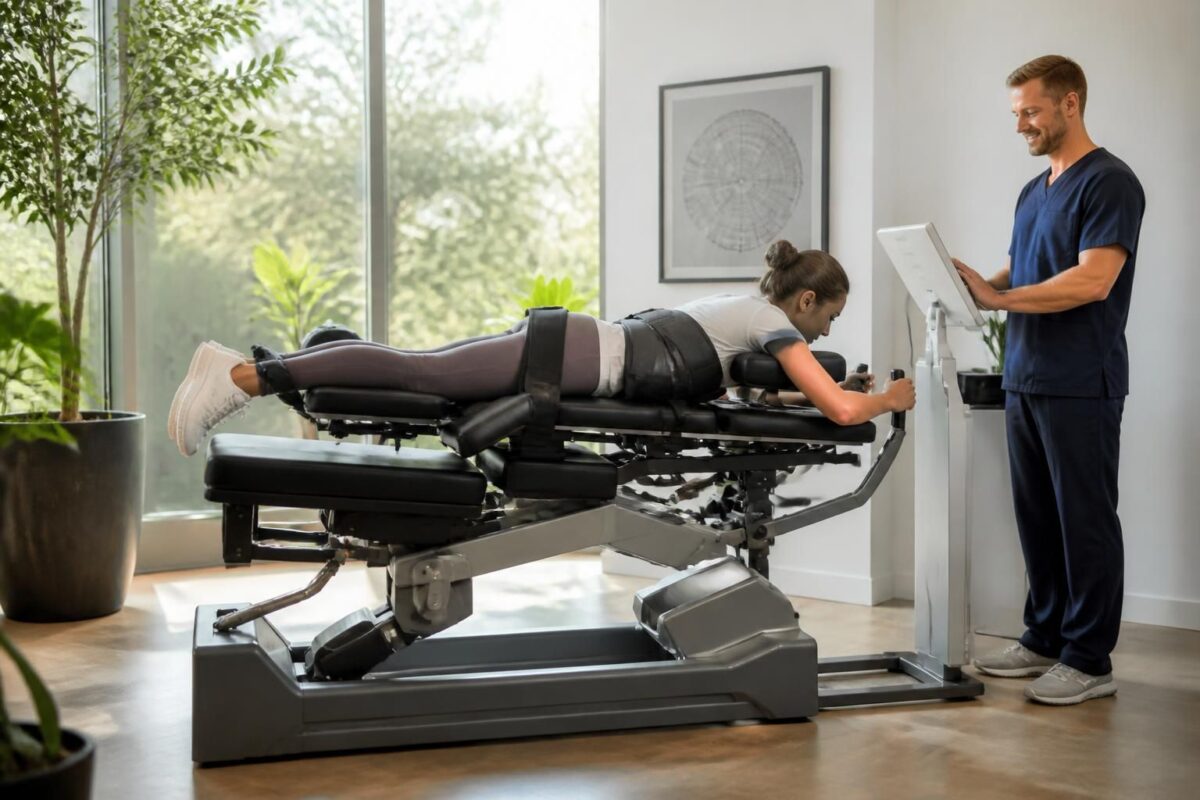
The long-term benefits of neurovertebral decompression for spinal health
In short In short, the neurovertebral decompression is a non-invasive approach that decreases the Pressure on intervertebral discs and nerves, favoring the Natural regeneration and tissue recovery. Its long-term benefits include Lasting pain reduction, Improving mobility and from the posture,…

Neurovertebral decompression and mobility: a return to an active life
In short In short, the neurovertebral decompression is therapy non-invasive who uses a gentle traction To create a space between the vertebrae and reduce the pressure on the Intervertebral discs and the nerves. It promotes a bloodstream improved, lowers tension…
Preventing long-term spinal lesions: key strategies
Maintaining a healthy back is based on a Postural education Adapted to the daily and to the professional environment, in order to avoid overloads and positions conducive to pain. Practical advice on posture, positioning of the workstation and daily gestures promote a healthy base for the spine.
A Adapted physical activity Is essential: strengthening of the trunk, improvement of flexibility and neuromuscular control, with a progression adapted to the level of pain and function. Activities such as the work of the abdominal belt and gentle mobility exercises contribute to stability and spinal longevity.
thehydration And an anti-inflammatory diet support tissue health and disc recovery. Integrating nutritional habits rich in essential nutrients and omega-3 can promote tissue repair and reduce chronic inflammation.
The stress management And relaxation techniques play a major role: chronic stress can amplify musculoskeletal tensions and influence pain perception. Practices such as breathing, mindfulness or meditation support the healing process and adherence to the protocol.
An approach Multidisciplinary and biopsychosocial Is recommended: collaboration between osteopaths, physiotherapists, naturopaths and doctors when necessary, in order to adjust the protocols, to educate the patient and to prevent relapses through comprehensive and personalized care.
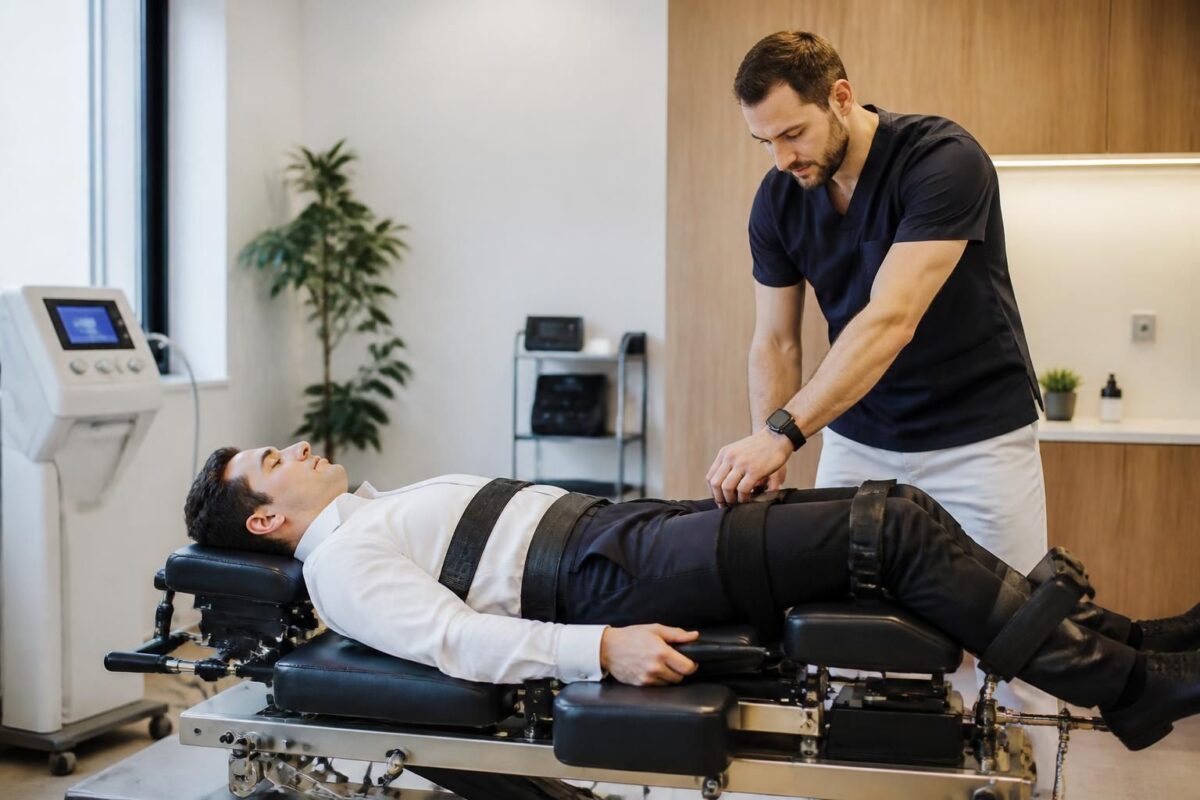
How Neurovertebral Decompression Prevents Diffuse Chronic Pain
In short decompression neurovertebral is one Non-invasive method aimed at reducing the Pressure on the intervertebral discs and the nerves, in order to prevent Diffuse chronic pain. It improves the circulation and thedisc hydration, decreases inflammation and promotes better mobility.…
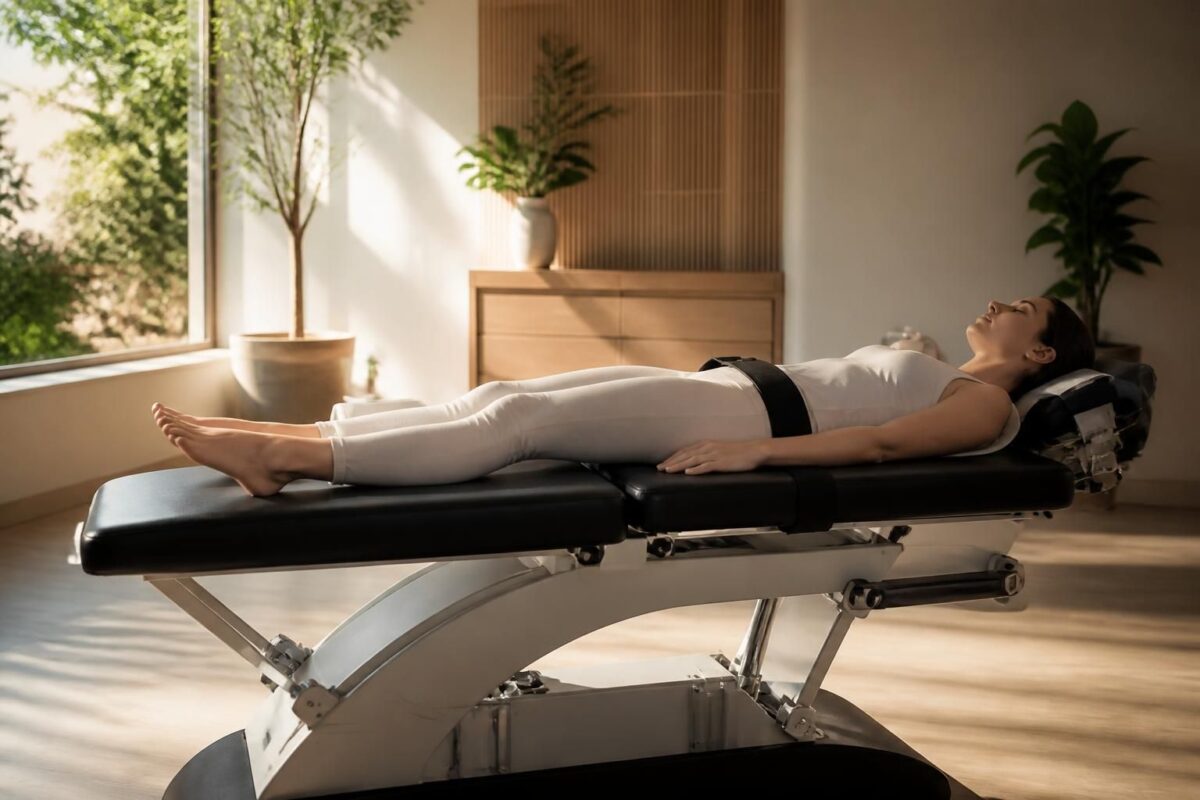
Neurovertebral Decompression and Body Alignment: Restoring Natural Balance
In short In short, neurovertebral decompression is one Non-invasive approach who restores theBody Alignment and thenatural balance back and neck. She acts by a Controlled traction of the spine to widen the intervertebral space and reduce the Pressure on discs…
Relapse monitoring and prevention plan
Plan Follow-up sessions Regular allows you to adjust DNV protocols and gradually integrate exercises and lifestyle advice according to evolution. A follow-up diary can facilitate the dialogue and responsiveness of the therapeutic plan.
Integrating complementary therapies and lasting habits supports the results: meditation, continuous physical activity and spinal hygiene routine reinforce the gains and reduce the risk of recurrence.
In summary, an integrated strategy that combines DNV, adapted osteopathic approach and multidisciplinary management of physical, emotional and behavioral factors makes it possible to obtain lasting results, while limiting risks and invasive treatments in the long term.
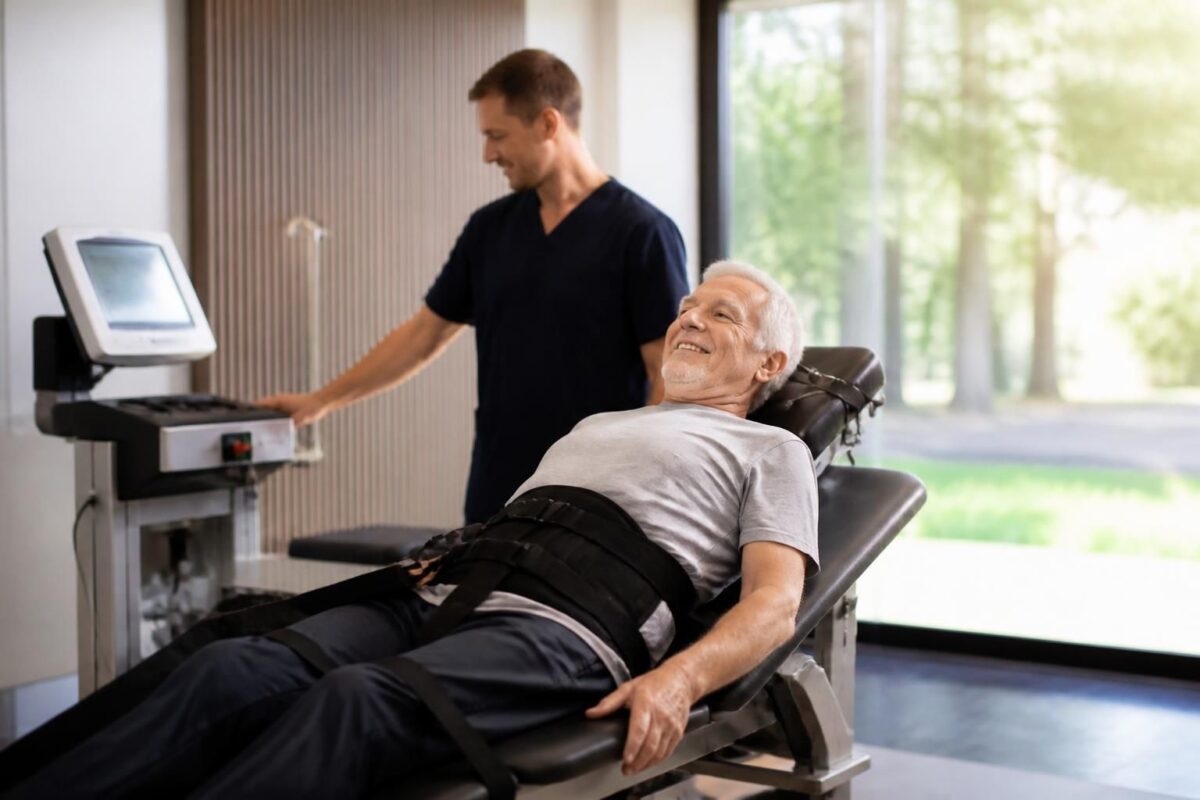
Why neurovertebral decompression is a lasting solution for active seniors
In short In short, the neurovertebral decompression is one Non-invasive therapy which sustainably relieves spinal pain in the spine active seniors By creating, by a Soft and controlled traction, a space between the vertebrae. At Montreal, it is recognized as…
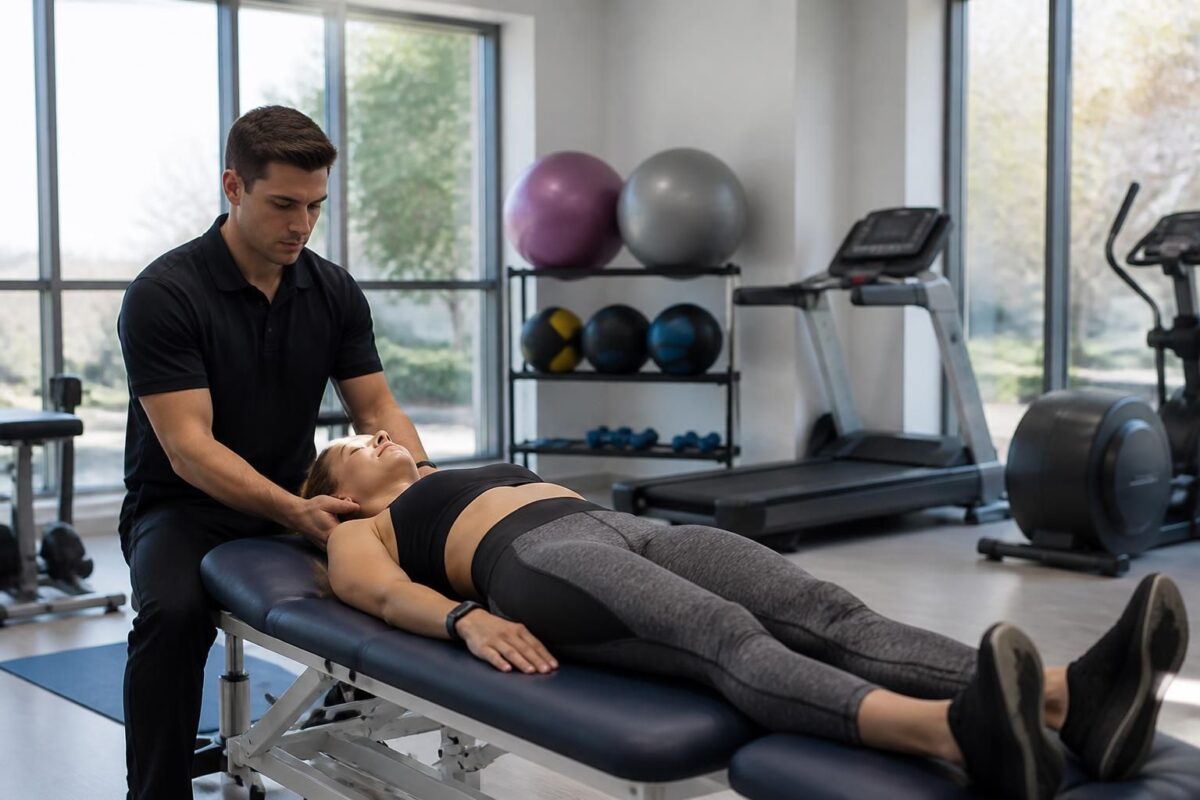
Neurovertebral decompression and recovery after severe sports injury
In short In short, the neurovertebral decompression is one Non-invasive method to Relieve the pressure on the Intervertebral discs and the gristle Via a Controlled traction, to facilitate the recovery After a severe sports injury. It improves the bloodstream towards…
Comparator Table: Neurovertebral Decompression and Prevention of Long-Term Vertebral Injury
| Analysis axis | Key points |
|---|---|
| Definition and purpose | The neurovertebral decompression is a non-invasive approach aimed at reducing pressure on discs and nerve roots, supporting the Prevention of spinal lesions in the long term. |
| Main mechanism | Controlled traction and segmental distraction for Reduce intradiscal pressure and improve mobility without surgery. |
| Short-term profits | Rapid pain reduction and improved segment flexibility. |
| Long-term benefits | optimizes functional capacity and promotes Prevention of recurrences by a lasting posture and function. |
| Prevention of lesions and risk factors | Maintaining a Active lifestyle, hydration, nutrition and stress management to limit repeated stresses on the column. |
| Safety profile and risks | Non-invasive technique with low side effects profile; Professional monitoring to avoid contraindications. |
| Eligibility criteria | Suitable for subacute to chronic low back pain and radiculalgia, without major neurological deficit; Assessment by a specialist. |
| Multi-professional integration | Collaboration between osteopaths, physiotherapists and naturopaths for support biopsychosocial. |
| Monitoring and success indicators | regular assessments of pain, mobility, endurance and quality of life; protocol adjustments. |
| Lifestyle and prevention recommendations | Adapted exercise routine, hydration, sleep, anti-inflammatory diet and postural education to limit relapses. |
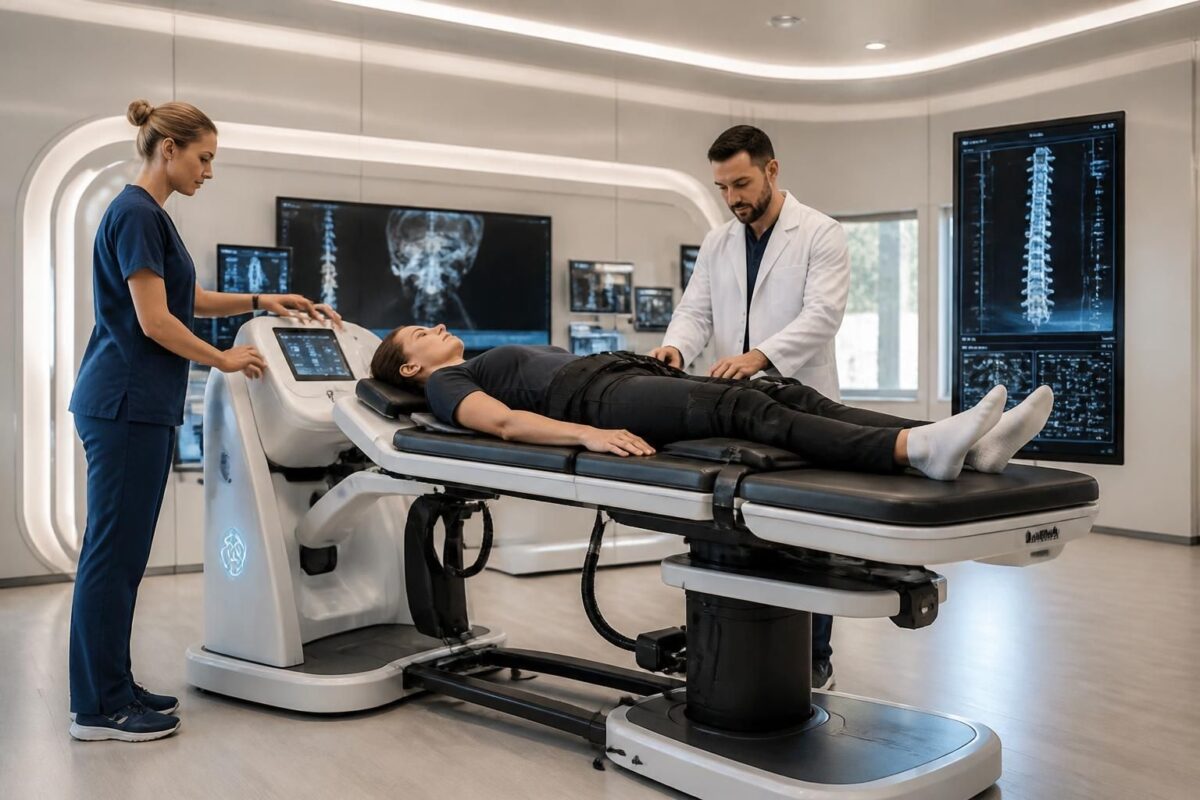
Recent innovations in neurovertebral decompression technologies
In short In short, the neurovertebral decompression is an approach non-invasive Aiming to reduce pressure on discs and nerves, and promote tissue regeneration. At Montreal, it is positioned as an effective option for lower back pain and herniated discs. The…
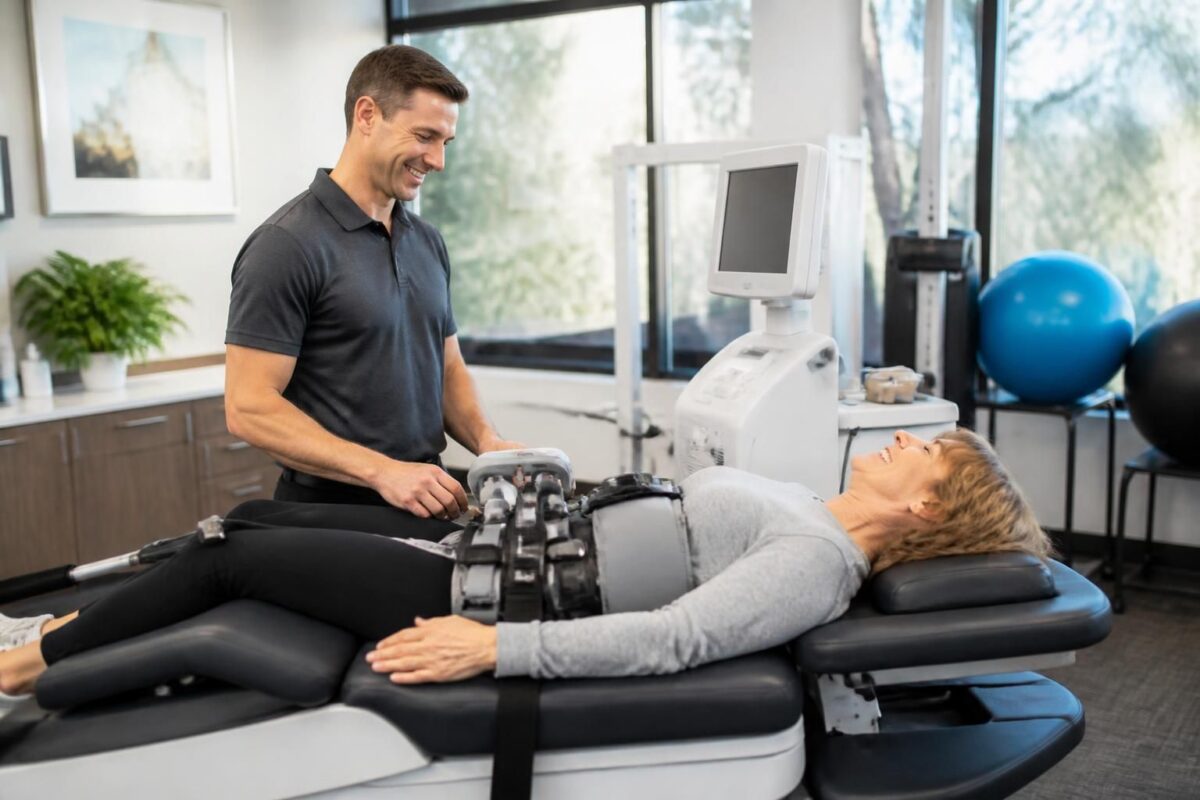
Neurovertebral decompression and diffuse pain: an appropriate solution
In short In short, the neurovertebral decompression is one Non-invasive solution For diffuse pain related to nerve irritation of the spine. She acts in Reducing pressure on intervertebral discs and nerves and improving the bloodstream, which promotes recovery and the…
Testimonials on neurovertebral decompression and long-term vertebral injury prevention
Testimony of Marie, 34 years old: after months of low back pain, I tried the neurovertebral decompression. the results were progressive but real, and my Lower back pain decreased significantly. I then integrated strengthening exercises, a hydration regular and better posture on a daily basis. Today, this approach allows me to better prevent relapses and long-term lesions, to regain an active and serene life.
Testimony of Jean, 50 years old: thanks to the neurovertebral decompression And to multidisciplinary support, I learned to reduce the constraints on my column and to adopt a routine adapted fromphysical activity. A good ergonomy At work and regular hydration have also been integrated. My Lower back pain have decreased and I feel a concrete prevention of future lesions, with a better quality of life on a daily basis.
Testimony of Claudine, 42 years old: the association of the neurovertebral decompression with exercisesstretches and techniques of breathing allowed me to find a great mobility And less tension in the back. This prevention-oriented approach helps me limit relapse risks and maintain stable spinal health over the long term.
Testimony of David, 29 years old: I adopted a more lifestyle active And I completed the neurovertebral decompression By regular swimming and specific exercises for the back. This combination strengthened my muscle support and improved my posture on a daily basis, significantly reducing my pain and reinforcing the prevention of long-term lesions.
Testimony of Annie, 56 years old: After several sessions, my lower back pain decreased sharply and I gained in Restful sleep. I pay special attention to the posture at work and I avoid sudden movements. At the same time, I apply simple prevention advice to sustainably support the benefits of decompression and protect my spine for years to come.
the DR Sylvain Desforges, osteopath and specialist in manual medicine, embodies a modern and integrated approach to back health. Pillar of the Tagmed clinics and the ACMA association, it has been working for years to bridge the gap between advanced technique and patient-centric care. Its commitment aims to offer non-invasive, evidence-based clinical solutions to sustainably prevent spinal lesions and improve the daily life of patients with low back and neck pain.
The neurovertebral decompression (DNV) is at the heart of his practice. This is a non-surgical technique that uses computerized, real-time lumbar traction, intended to distract the spinal segments and reduce the pressure exerted on the discs and nerve roots. This approach stimulates the natural repair process, allows a gradual improvement in mobility and helps to reduce pain without resorting to invasive acts. The results observed in the clinic are manifested by better exercise tolerance, regression of symptoms and a faster resumption of daily living activities.
In the practice of Dr. Desforges, DNV is never isolated from its therapeutic continuum. It fits perfectly into a targeted osteopathic approach and multidisciplinary care. The objective is to optimize segmental mobility, release myofascial tension and improve muscle balance around the spine. This synergy facilitates more effective functional rehabilitation and helps prevent relapses by acting on mechanical, functional and behavioral factors that promote low back pain and radiculalgia.
Prevention of long-term spinal lesions is based on a care architecture focused on education, technique and lifestyle. Dr. Desforges conducts an in-depth assessment, mixing targeted anamnesis, clinical examination and, when necessary, imaging to confirm the diagnosis and target areas at risk. The treatment plan then focuses on a personalized combination of DNV, manual therapies and therapeutic exercises, while integrating practical advice on posture, appropriate physical activity, hydration and an anti-inflammatory diet. This approach aims not only to relieve, but also to energize the patient’s ability to maintain his spinal health in the long term.
Several operational axes support this preventive vision. On the one hand, stress management and maintaining a psychological balance favorably influence pain and recovery. On the other hand, the empowerment of the patient through education in posture, breathing and simple daily routines makes it possible to anchor the benefits of the sessions. Finally, regular engagement in an adapted and progressive physical activity strengthens the muscle support of the spine and reduces the likelihood of further aggravations.
Dr. Desforges relies on a clear philosophy: combining safe and proven technology with effective manual practices and active listening to patient needs to provide a lasting solution. This approach aims to reduce chronicity, limit drug use and promote a rapid and lasting return to an active and fulfilling life, while protecting the spine for the long term.
This summary highlights the key role of the neurovertebral decompression (DNV) and strategies for Prevention of spinal lesions in the long term. She emphasizes that the DNV, non-invasive approach, decreases pressure on discs and nerves, facilitating recovery and mobility while reducing the risk of chronicization. It also recalls the interest of a Integrated approach Combining manual therapies, targeted exercises and psychosocial factors for lasting column protection. Clinical resources and practical recommendations guide the implementation of effective and sustainable prevention.
Summary and recommendations
The DNV non-surgical, articulated around controlled and computerized traction, aims to decongest the vertebral segments and reduce the Intradiscal pressure and root. As a result, patients may observe a gradual reduction in pain, an improvement in the mobility and a better endurance, essential elements to prevent relapses and limit the use of more invasive acts (resource).
#ATFP_CLOSE_TRANSLATE_SPAN#For effective prevention of Long-term vertebral lesions, it is essential to set up regular evaluations, appropriate education and lifestyle habits supporting the column. Integrating reinforcement exercises, good posture at work and sufficient hydration helps to preserve stability and delay degenerative processes. specialized resources describe how neurovertebral decompression can support this prevention in the long term and improve flexibility and mechanical tolerance (Preview#ATFP_CLOSE_TRANSLATE_SPAN# Preventive).
A Multidisciplinary approach is recommended to address the physical, functional and psychosocial dimensions of pain. Doctors, physiotherapists, osteopaths and psychologists collaborate to optimize mobility, motor control and stress management, which translates into clinical improvements and a decrease in the risk of chronicization (Studies#ATFP_CLOSE_TRANSLATE_SPAN# Clinics).
To optimize long-term effects, practical recommendations should be followed and relied on proven resources: planning regular decompression sessions, combining manual therapies and functional exercises, and adopting a favorable lifestyle (adapted physical activity, anti-inflammatory diet, sleep and stress management). Dedicated resources detail these recommendations and the mechanisms that support their sustainable effectiveness (Recommendations#ATFP_CLOSE_TRANSLATE_SPAN# Long term).
In addition, accessible articles and guides demonstrate the positive effects of decompression on the flexibility and the operation of the column, while providing concrete advice to maintain profits (see for example the resources presenting theImprovement#ATFP_CLOSE_TRANSLATE_SPAN# Flexibility). Other resources highlight the benefits for sciatica and progress after sports injuries (Benefits#atfp_close_translate_span# for sciatica, Recovery#ATFP_CLOSE_TRANSLATE_SPAN# after sports injury).
To deepen the evidence and guide the practice, consult resources such as Studies#ATFP_CLOSE_TRANSLATE_SPAN# Clinics confirming efficacy and prevention and follow-up guides available on specialized sites (Prevention#ATFP_CLOSE_TRANSLATE_SPAN# Long term, Decompression#ATFP_CLOSE_TRANSLATE_SPAN# as an essential preventive solution).
Finally, additional resources present the link between decompression and recovery after sports injury, as well as perspectives on theApproach#ATFP_CLOSE_TRANSLATE_SPAN# Neurovertebral; They offer concrete examples and testimonies that reinforce the interest of integrated long-term care.

Dr Sylvain Desforges, B.Sc., D.O., N.D., osteopath, is the founding president of TAGMED and of the ACMA association. He dedicates his practice to chronic spinal pain, low back pain and symptoms compatible with sciatica, particularly when pain radiates toward the buttock, leg, calf, foot or toes.
Through SOS Sciatique, he publishes educational content on sciatica symptoms, possible causes such as disc herniation, disc narrowing, foraminal stenosis or irritation of a lumbar nerve root, as well as non-surgical approaches that may be considered according to the evaluation. At Clinique TAGMED, care may include, depending on the case, motorized neurovertebral decompression, specific osteopathic care or precision percussion.
For an evaluation related to sciatica treatment in Montreal / Mount Royal or sciatica treatment in Terrebonne, please consult the services available at Clinique TAGMED.
Medical disclaimer
The information published on SOS Sciatique is provided for educational purposes only and does not replace a consultation, diagnosis, opinion or treatment provided by a physician or another authorized healthcare professional. The author of this article is neither a medical doctor nor a specialist in a medical specialty recognized by the Collège des médecins du Québec. The osteopathic, manual medicine or functional support approaches described on this site do not constitute medical acts and are not intended to replace medical follow-up.
Consult a physician or emergency service in cases of loss of bladder or bowel control, anesthesia in the saddle area, significant or progressive weakness in the leg or foot, fever, recent trauma, severe pain or rapid worsening of symptoms. For more details, please read our Legal Notice.