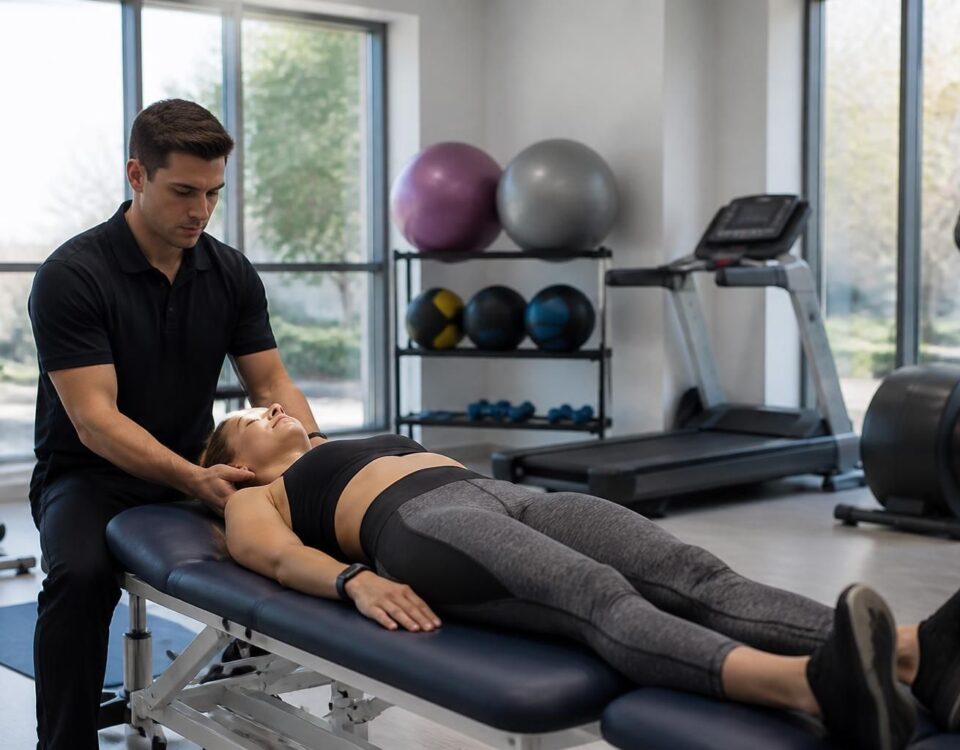


Why neurovertebral decompression is ideal for recurrent cervical pain
26/06/2026
How neurovertebral decompression improves spinal flexibility
26/06/2026
In short
| In short, the neurovertebral decompression is one Non-invasive technique which aims to relieve spinal pain and improve the Overall well-being. Its advantages include a pain reduction, a Better mobility, a Increased traffic and an Prevention of recurrences, all in one holistic approach Combining exercises and postural advice. How does it work? A controlled stretch of the column creates a space between the vertebrae, releasing the nerves and facilitating healing, with a monitoring personalized and tips to maintain long-term gains. accessible to Montreal, this service particularly meets the needs of people withherniated discs and chronic lower back pain. |
The neurovertebral decompression is an approach non-invasive which acts on the spine to free the space between the vertebrae and reduce the pressure on the discs and nerves. More than an immediate relief, it is part of a holistic approach Aim for the Overall well-being: Targeted exercises, postural advice, stress management and lifestyle habits that improve circulation, tissue regeneration and mobility. Result: lasting pain reduction, return to an active life and better quality of life, with personalized follow-up to optimize results.
This article, written by a health professional and expert in osteopathy, presents how neurovertebral decompression is part of a process of Overall well-being and ofholistic approach. It describes the non-invasive principle, the benefits on mobility and nervous function, as well as the importance of patient follow-up and education. It also highlights the interest of integrating into coordinated care within recognized facilities, such as TagMed, and the resources available to patients.
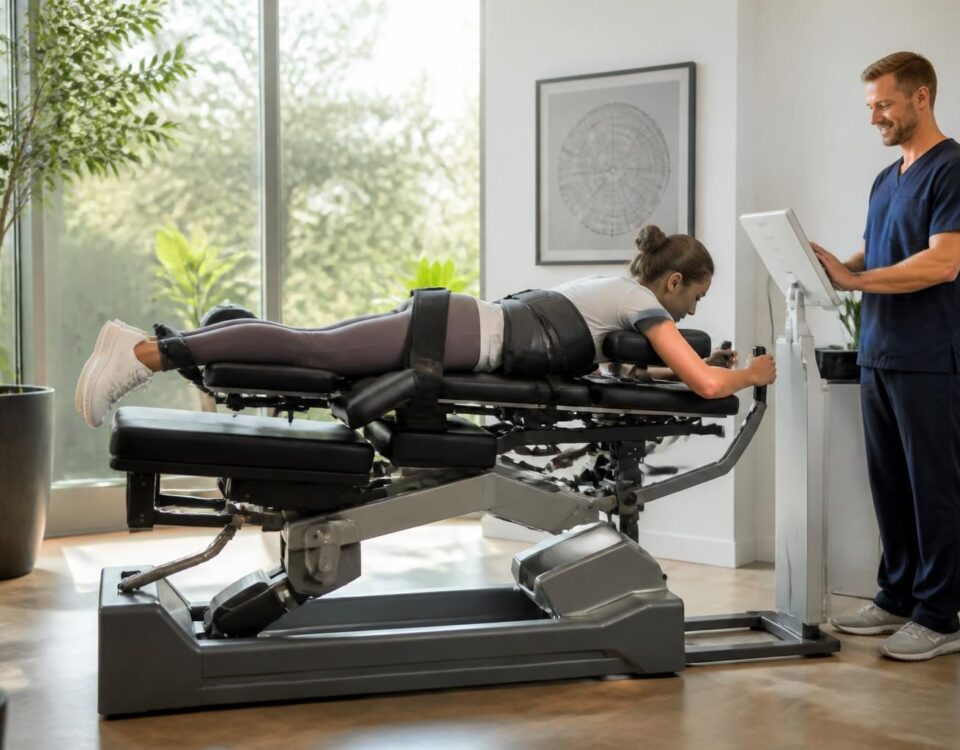
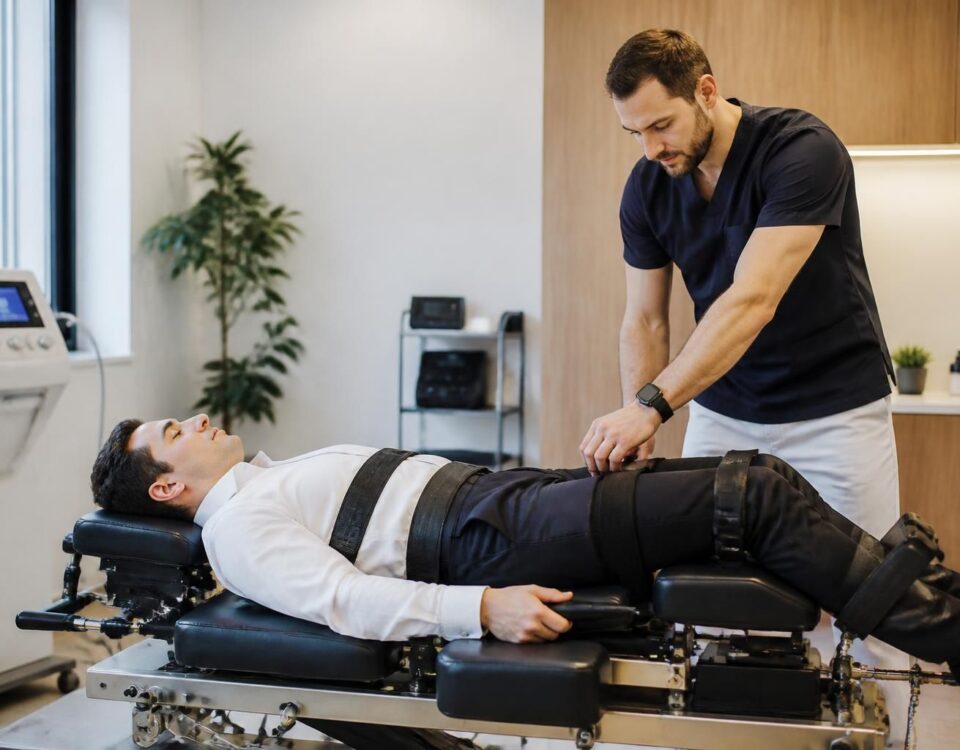
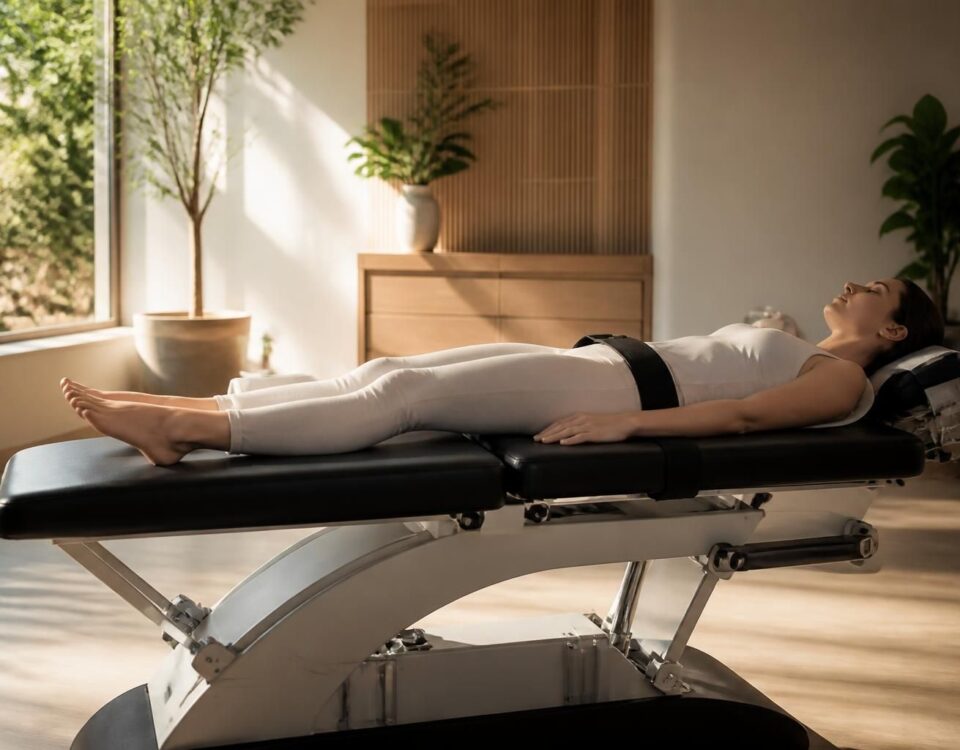
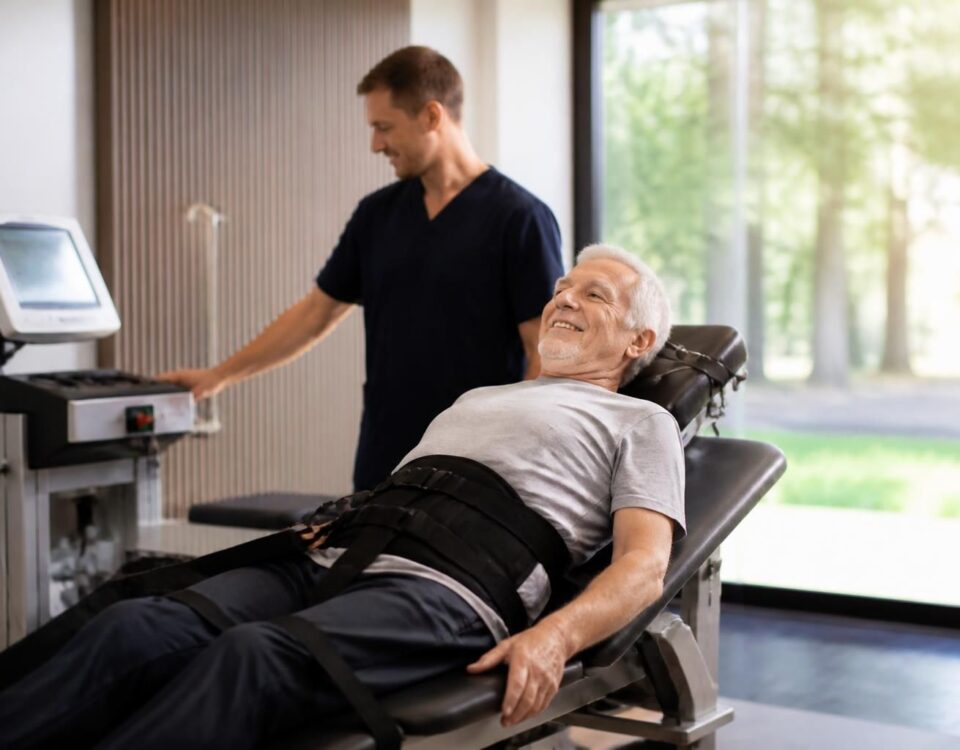
The neurovertebral decompression is a method non-invasive which aims to reduce the pressure exerted on the intervertebral discs and nerves. Using specialized equipment, controlled traction is applied to the column, creating a space between the vertebrae. This action improves local blood circulation and facilitates the healing process of tissues, while helping to reduce pain and restore mobility.
The Overall well-being results from the interaction between the physical plane and the emotional plane. In addition to pain relief, decompression can promote better stress management, improved sleep and regained energy. This approach is based on principles of general postural education, hydration and healthy lifestyle, in order to support recovery and limit recurrences over time.
Foundations and Mechanisms
The principle is based on a gentle and precise traction which proceeds to the controlled elongation of the spine. This reduces the pressure on the nerves and discs, improves the circulation of nutrients and optimizes the healing environment of the tissues. The protocols, used in specialized clinics, are based on standardized protocols and careful assessment of individual patient needs.
Integration with a holistic approach
Decompression is part of a global perspective that combines lifestyle advice, stress management and adapted activities. Although the therapies are non-invasive, they are integrated into a care strategy that aims to sustainably improve physical and mental well-being. This approach is compatible with non-specific and non-traumatic rehabilitation protocols, without proposing forced exercises. For patients, this may mean a better ability to resume daily activities with less pain and more comfort.
Monitoring and evaluation
Personalized follow-up is essential to adapt the protocol to the evolution of the patient. Professionals assess pain, mobility and impact on quality of life. Adjustments are made based on clinical returns and health goals. Monitoring also ensures ongoing education on lifestyle habits and factors that support recovery and relapse prevention.
Key elements and clinical evidence
Clinical data and patient feedback suggest that the neurovertebral decompression May reduce pain associated with spinal conditions and improve mobility. The results vary depending on the diagnoses and individual response, but many people report a decrease in pain and a better ability to carry out their daily activities. To explore the results and clinical feedback, you can consult dedicated resources on areas related to decompression.
At Tagmed Clinic, protocols non-invasive And the patient-centric approach illustrate this philosophy of care. theholistic approach is reinforced by appropriate education and regular monitoring in order to optimize overall well-being.
Additional resources explore the impact of decompression on different profiles, including active people and athletes. For recovery and performance aspects, information can be viewed on specialized sites in this area.
Among the useful resources are articles and summaries that clean up the clinical results and the mechanisms of decompression, particularly in the contexts of stenosis and spinal pain. Analyzes and clinical feedback available on decompression sites offer a panorama of possible benefits and associated limits.
For patients who question the treatment choices, it is recommended to favor specialized clinics and recognized professional associations to ensure proof-based management adapted to each situation. Training and clinical resources respect the professional executives put forward by relevant organizations in the field of osteopathy and manual medicine.
To learn more about the practical aspects and results, see the following resources, which respect the authorized areas: Clinical results, stenosis, tagmed, Global approach to well-being.
As part of the clinical offer, resources help to understand how decompression can support effective recovery without surgery, while respecting the safety and efficacy considerations for each patient. For additional information, consult the official resources of clinics and professional associations referenced in this area.
For more information on training courses and professional osteopathy executives, refer to recognized establishments such as NUMSS and NAO, as well as the National University of Medical Sciences. These organizations support training and expertise in the field of manual care and integrative health, within the framework of approved practices and professional standards.
Complementary resources and testimonies point out that neurovertebral decompression can be a key part of a sustainable wellness strategy, especially when combined with posture education, stress management and lifestyle advice. For a holistic, person-centric approach, patients may consider consulting a specialized clinic and discussing available options.
Useful links and resources: Natural solution, Recovery of injured athletes, holistic approach, Innovations Equipment.
For general information and clinical resources, visit Tagmed Clinic and neurovertebral decompression.
If you are looking for additional articles and resources, turn to affiliated sites and recognized professional resources in the field of osteopathy and manual therapies, favoring professional associations and clinics recognized for their evidence-based approach and their transparency in communication with patients.
• Neurovertebral decompression • Overall well-being • Holistic approach • Soft traction • Non-invasive • Posture • Training institutions • Professional associations • Tagmed clinic • Clinical resources
Medical Disclaimer: The information and advice provided on this site does not replace the health professional’s diagnosis or treatment. Please note that Dr. Sylvain Desforges osteopath is neither a doctor of medicine nor a doctor, and is not a specialist in a medical specialty as defined by the Collège des Médecins du Québec. Manual medicine, functional medicine and sports medicine as described on this site exclude any medical treatment or diagnosis made by a doctor or specialist doctor. Always consult your doctor for any medical questions. For more details, please read our full legal notice.
“Medical disclaimer: The information and advice provided on this site does not replace the health professional’s benefit, diagnosis or treatment. Please note that Dr. Sylvain Desforges osteopath is neither a doctor of medicine nor a doctor, and is not a specialist in a medical specialty as defined by the Collège des Médecins du Québec. Manual medicine, functional medicine and sports medicine as described on this site exclude any medical treatment or diagnosis made by a doctor or specialist doctor. Always consult your doctor for any medical questions. For more details, please read our full legal notice. »
physical appearance
- pain reduction Fast and durable
- Improving mobility and flexibility
- Increased blood circulation promoting healing
- Prevention of recurrences via postural correction
Well-being and holistic approach
- emotional well-being and stress reduction
- Education and autonomy For personal management
- Therapeutic integration With relaxation and physical activity
- Quality of life Improved and active participation in daily activities

This article presents the neurovertebral decompression as an approach holistic of Overall well-being. By reducing the Pressure on discs and nerves, it improves the mobility, promotes the recovery and integrates with a health approach that combines physical exercise, stress management and postural advice. The objective is to restore the balance of the body, prevent recurrent pain and improve the quality of life durably.
Pillars of neurovertebral decompression
The first action is a pressure reduction exerted on intervertebral discs and nerves. By creating a space between the vertebrae, it reduces lumbar and cervical pain and facilitates the restoration of nutrient exchanges essential to tissue healing.
This technique then acts on the mobility and the flexibility. By releasing tensions and improving alignment, it allows you to regain a more fluid range of motion and limit the stiffness that slows down physical activity and daily gestures.
Another key benefit concerns the bloodstream local. Optimizing blood flow brings more oxygen and nutrients to the affected areas, accelerating tissue repair and contributing to more effective recovery after pain or injury.
Beyond the physical aspects, neurovertebral decompression acts on the emotional well-being and the stress management. Reducing pain can improve mood, sleep and self-confidence, creating a virtuous circle that facilitates proactive engagement in activities and maintaining an active lifestyle.
Finally, this approach is part of a dynamic holistic By associating with complementary manual therapies, adapted physical activity programs and posture, lifestyle and relaxation advice to achieve lasting results.
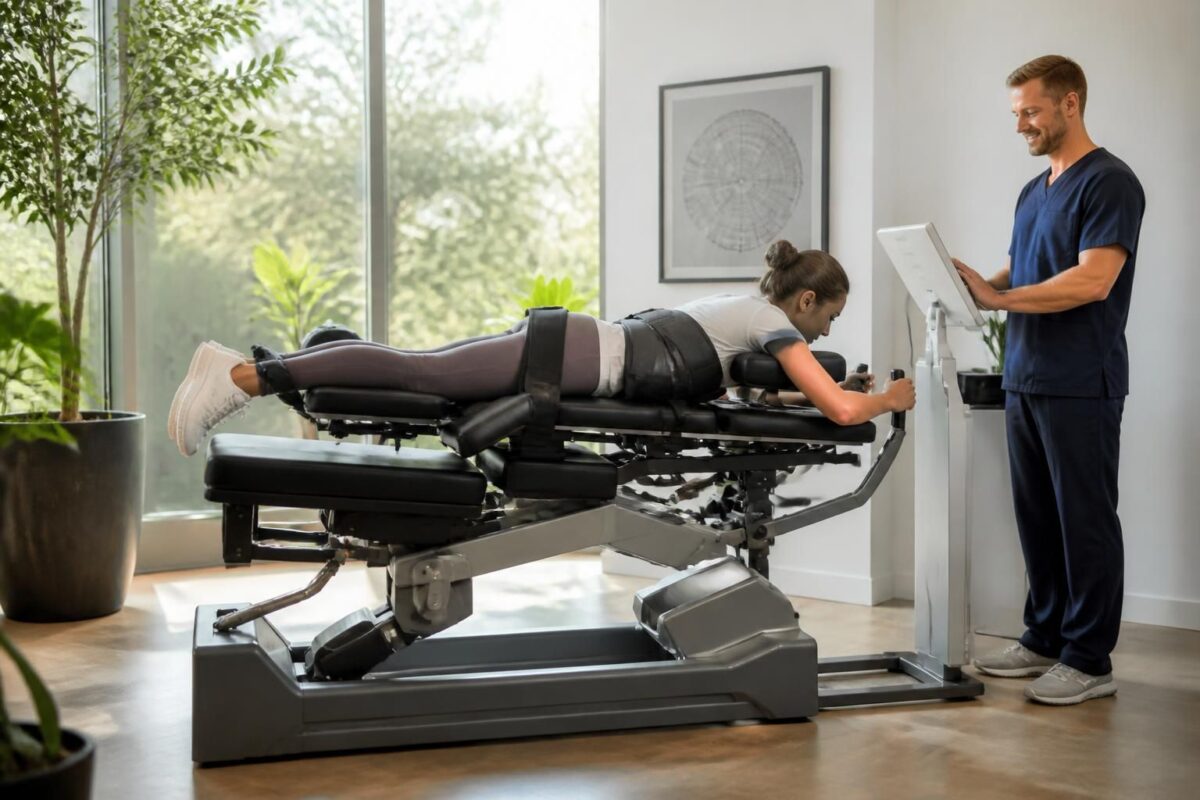
The long-term benefits of neurovertebral decompression for spinal health
In short In short, the neurovertebral decompression is a non-invasive approach that decreases the Pressure on intervertebral discs and nerves, favoring the Natural regeneration and tissue recovery. Its long-term benefits include Lasting pain reduction, Improving mobility and from the posture,…

Neurovertebral decompression and mobility: a return to an active life
In short In short, the neurovertebral decompression is therapy non-invasive who uses a gentle traction To create a space between the vertebrae and reduce the pressure on the Intervertebral discs and the nerves. It promotes a bloodstream improved, lowers tension…
Integration into a global well-being approach
Exercise and reinforcement
To optimize the effects, it is recommended to combine exercises muscle building and targeted stretching that supports the spine. This combination promotes muscle balance, improves stability and prevents recurrences.
Stress management and quality of life
practices of relaxation, breathing exercises and daily stress management routines support the reduction of tension and promote a positive mental state, a key factor in recovery and performance.
Posture and ergonomics
Simple adjustments of posture at work and at home, as well as ergonomic advice, make it possible to maintain the benefits of decompression between the sessions and to limit the constraints on the spine on a daily basis.
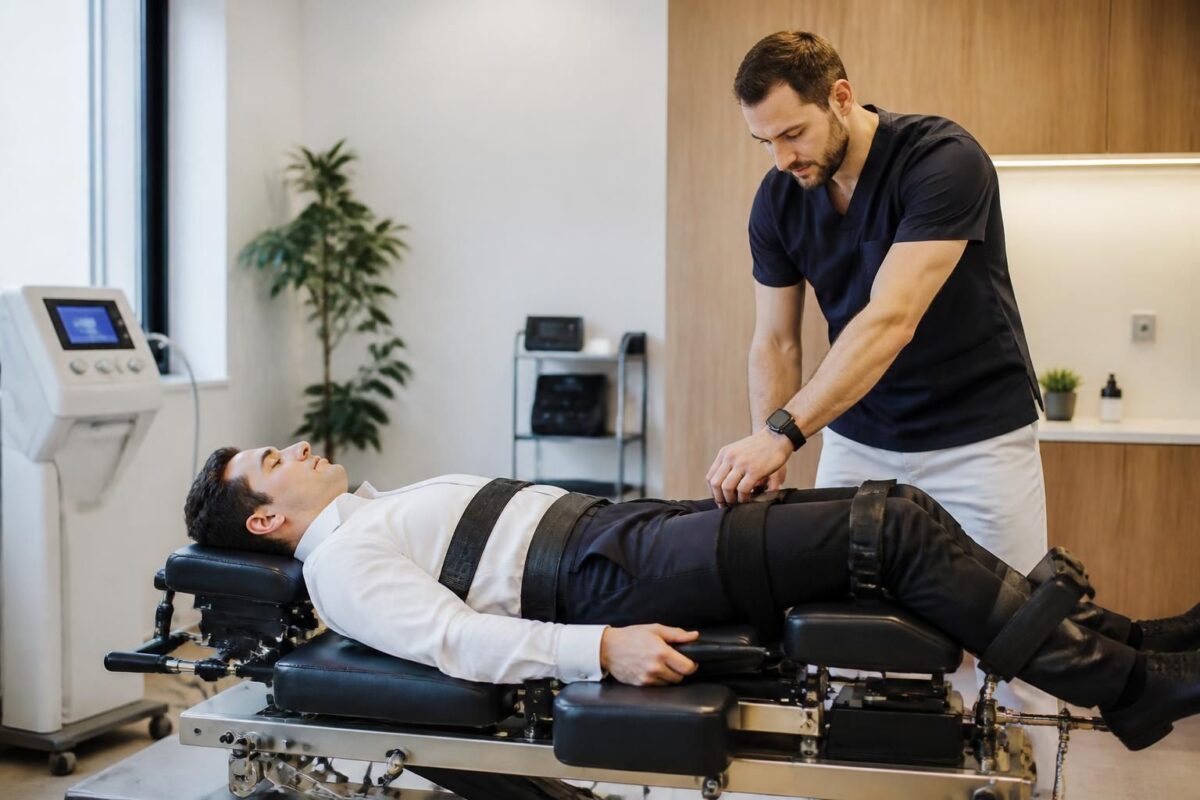
How Neurovertebral Decompression Prevents Diffuse Chronic Pain
In short decompression neurovertebral is one Non-invasive method aimed at reducing the Pressure on the intervertebral discs and the nerves, in order to prevent Diffuse chronic pain. It improves the circulation and thedisc hydration, decreases inflammation and promotes better mobility.…
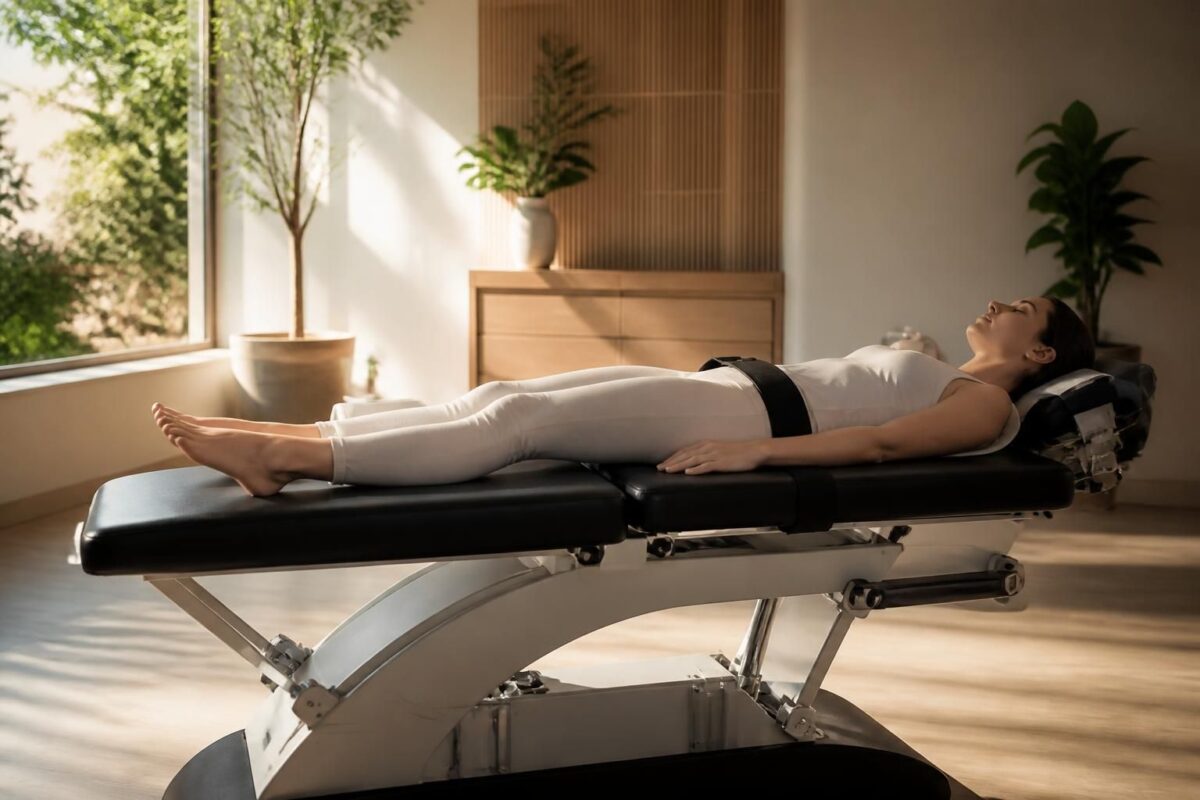
Neurovertebral Decompression and Body Alignment: Restoring Natural Balance
In short In short, neurovertebral decompression is one Non-invasive approach who restores theBody Alignment and thenatural balance back and neck. She acts by a Controlled traction of the spine to widen the intervertebral space and reduce the Pressure on discs…
Customization and tracking
Each course is adapted to the individual. An initial evaluation guides the implementation of a personalized plan, with realistic objectives and a progressive path. The number of sessions and progression are adjusted according to the patient’s response, in order to balance efficiency and comfort, and to support a lasting improvement in the Overall well-being.
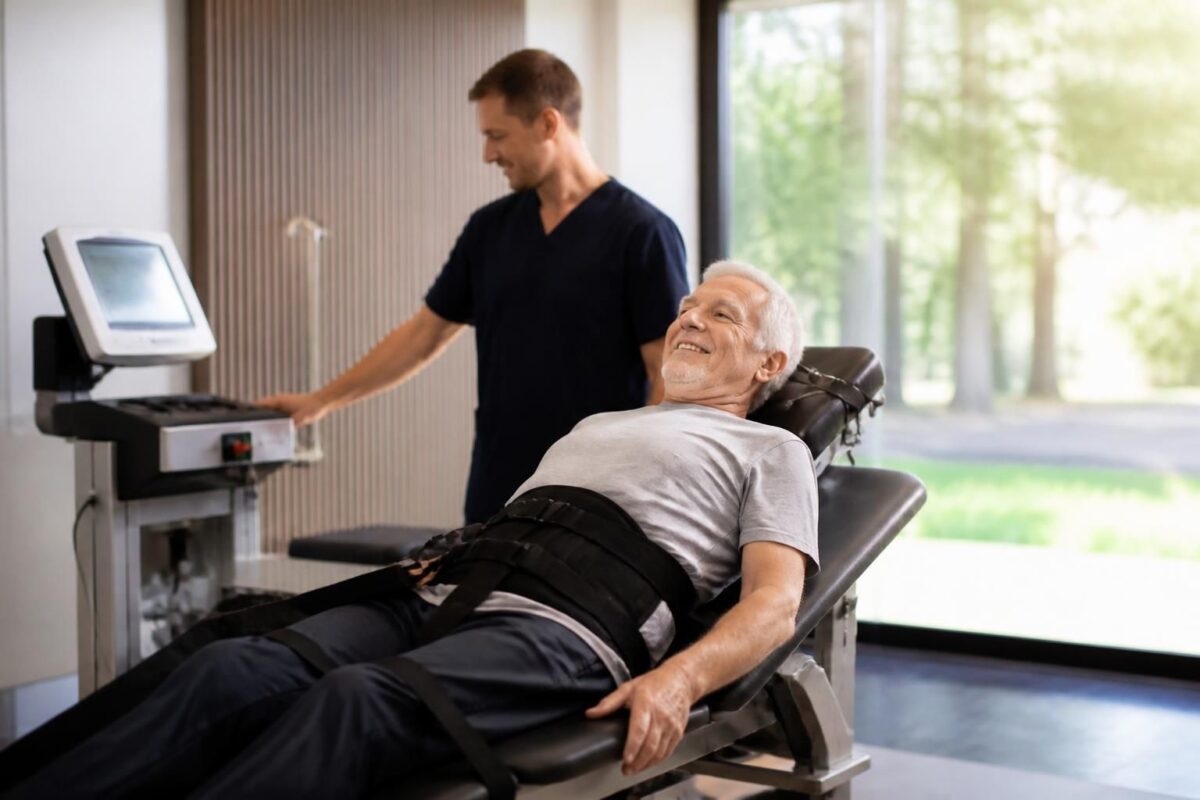
Why neurovertebral decompression is a lasting solution for active seniors
In short In short, the neurovertebral decompression is one Non-invasive therapy which sustainably relieves spinal pain in the spine active seniors By creating, by a Soft and controlled traction, a space between the vertebrae. At Montreal, it is recognized as…
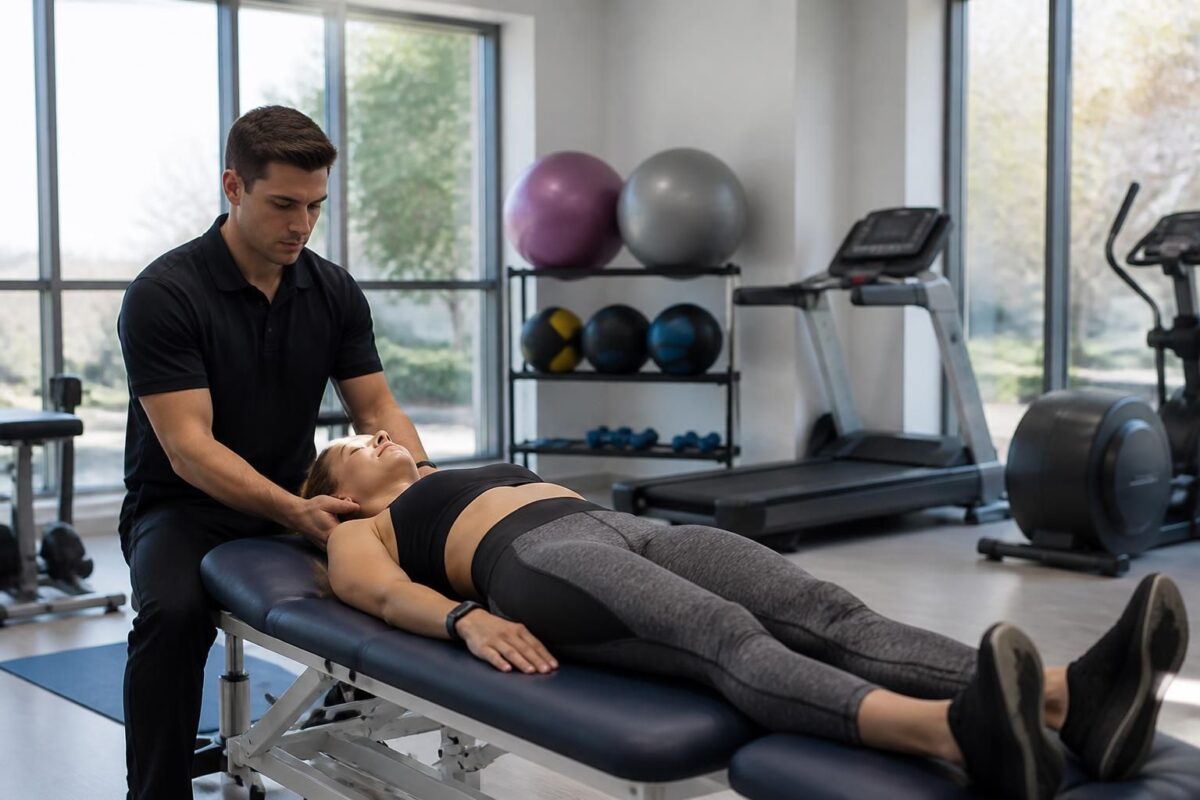
Neurovertebral decompression and recovery after severe sports injury
In short In short, the neurovertebral decompression is one Non-invasive method to Relieve the pressure on the Intervertebral discs and the gristle Via a Controlled traction, to facilitate the recovery After a severe sports injury. It improves the bloodstream towards…
Prevention and sustainability
At the heart of this approach, education on posture, appropriate physical activity and lifestyle aims to prevent recurrent painful episodes. By integrating decompression into a proactive health strategy, each individual can preserve their mobility, reduce stress and benefit from a more active and fulfilling daily life.
| Aspect | concise statement |
|---|---|
| Therapeutic objective | The neurovertebral decompression Aims to reduce pain and release nerve stress, enrolling in the Overall well-being. |
| Mechanism and effect on tissues | soft traction creating an intervertebral space, improving the circulation and tissue nutrition. |
| Mobility and function | Improvement of theamplitude and from the flexibility, facilitating the return to the activity. |
| Mental health and emotional well-being | stress reduction and improvement ofmood during treatment. |
| Integration with other treatments | Combines with manual therapies and exercises for a plan holistic. |
| Target audience | Suitable for lower back and cervical pain related to hernias/disks and sciatica. |
| Tracking and customization | adapted protocols with monitoring regular to optimize results. |
| Prevention and lifestyle | Improvement of posture and reinforcement to prevent recurrences in an approach overall. |
| Emotional benefits and quality of life | strengthening the feeling of mastery and improvement of welfare global. |
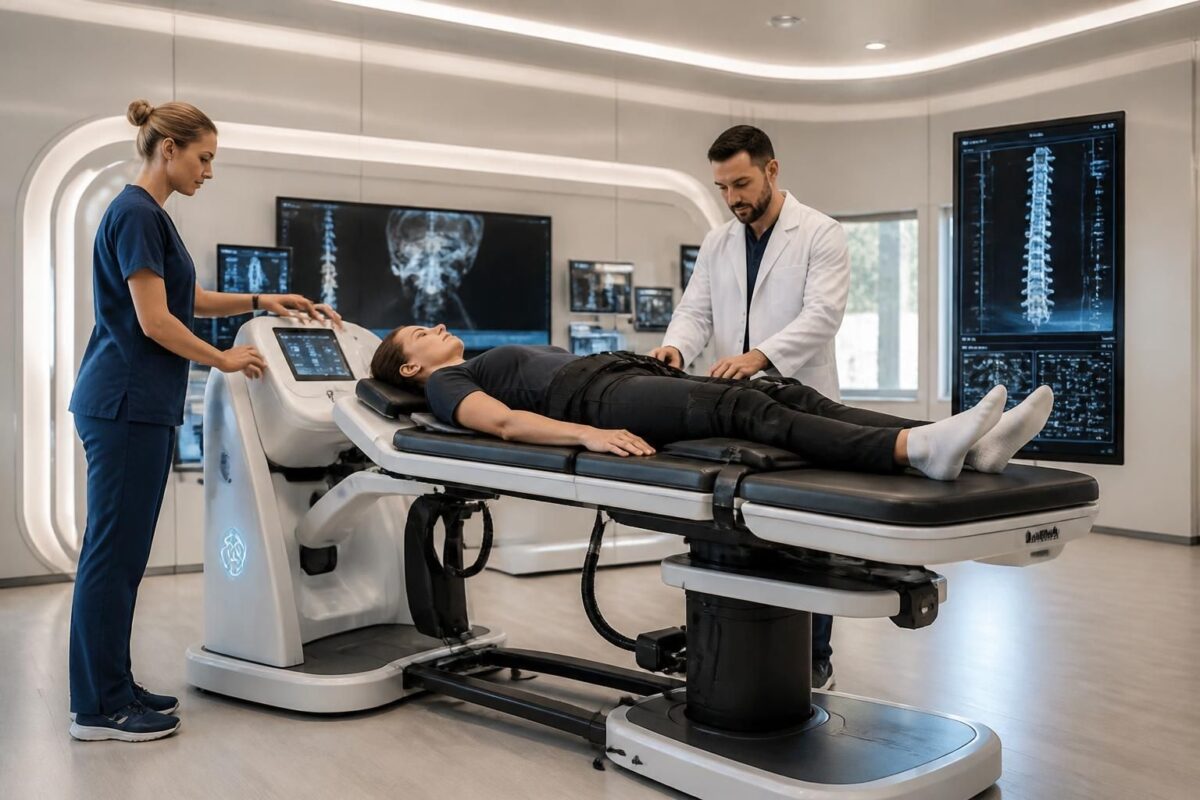
Recent innovations in neurovertebral decompression technologies
In short In short, the neurovertebral decompression is an approach non-invasive Aiming to reduce pressure on discs and nerves, and promote tissue regeneration. At Montreal, it is positioned as an effective option for lower back pain and herniated discs. The…
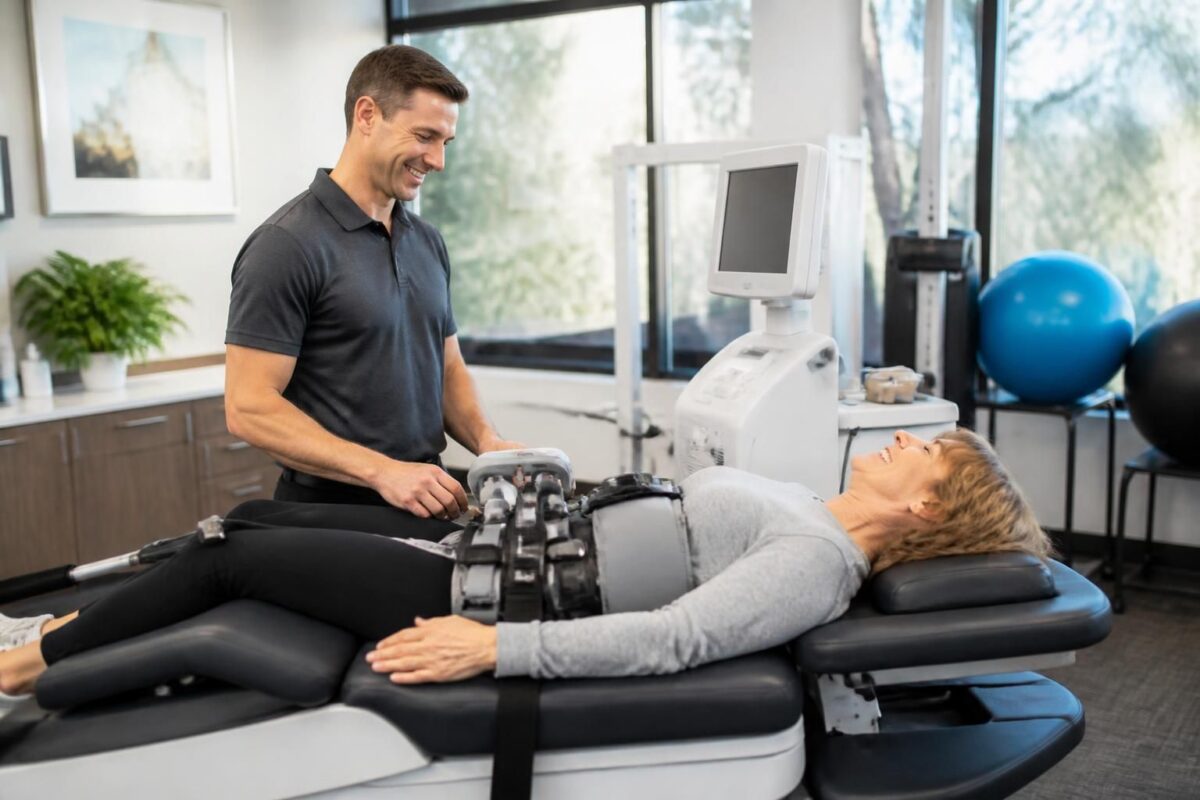
Neurovertebral decompression and diffuse pain: an appropriate solution
In short In short, the neurovertebral decompression is one Non-invasive solution For diffuse pain related to nerve irritation of the spine. She acts in Reducing pressure on intervertebral discs and nerves and improving the bloodstream, which promotes recovery and the…
Testimonials on neurovertebral decompression and overall well-being: a holistic approach
“After years of lower back pain linked to a herniated disc, I tried the neurovertebral decompression And I regained my freedom of movement. Each session was gentle and respectful of my body, and I felt a real General balance : less pain, better circulation and a more serene mind. This approach holistic allowed me to resume my daily activities and better manage my stress. »
“As a developer spending long hours in front of the computer, my posture and my cervical tensions bothered me on a daily basis. Thanks to the neurovertebral decompression, I noticed a tangible improvement in my mobility and reduced pain. Over the weeks, my concentration and my quality of life Also improved, and I feel more physically and mentally active. »
“I am an athlete and I used decompression as a recovery tool after a lumbar injury. The results were constant: less pain, better flexibility, and a faster recovery that allowed me to resume training with confidence. This approach holistic also helped me better manage the stress linked to sports recovery. »
“My work involving repeated journeys and loads caused persistent sciatic pain. After a few sessions, I noticed a significant decrease in discomfort and better circulation blood in the lower back. Emotional well-being has improved, and I regained a taste for small activities that I no longer dared to consider. »
“As an active mother, my energy levels had fallen and the pain limited my moments with my children. Neurovertebral decompression gave me a Positive feedback On the body: less pain, more mobility and a more positive institute. I especially like the look preventive and the postural advice that accompanies the treatment to preserve this progress. »
“After a long period of fatigue and cervical pain, I tested an approach holistic Incorporating decompression, targeted exercises and relaxation tips. The results exceeded my expectations: pain relief, Improved sleep and mood found. I feel more physically and spiritually aligned, ready to resume my professional activities with energy. »
In the field of osteopathy and manual medicine, a recognized expert offers a perspective holistic of the human body where the neurovertebral decompression integrates with a global vision of health. This key player is the founding president of the Tagmed clinics and the ACMA association, and works with an approach focused on health innovation, the management of Chronic pain and the integration of advanced technologies to sustainably improve patient well-being. His approach is based on evidence-based care and attentive listening to individual needs.
The neurovertebral decompression is a technique non-invasive which aims to reduce the pressure exerted on the intervertebral discs and nerves, in order to reduce pain and restore harmonious mobility. Using dedicated devices, it gently stretches the column to create a space between the vertebrae, facilitating blood circulation and tissue regeneration. This approach is not limited to symptom relief: it aims to restore the functional balance of the spine and promote sustainable recovery.
observed through the prism of a holistic approach, decompression fits into a set of practices that enhance overall well-being. Adapted posture, targeted exercises, stress management and regular physical activity are part of a therapeutic course designed to optimize the quality of life on a daily basis. By combining these elements, patients find not only better mobility, but also a reduction in nervous tensions and a general improvement in their energy and mood.
The physiological benefits of this method go far beyond immediate relief. A Mobility found comes with a Increased blood circulation, facilitating the intake of nutrients and oxygen to the injured tissues and reducing inflammation. On the psychological level, the reduction in pain contributes to an improvement in emotional well-being and a better ability to get involved in social and professional activities. In athletes, appropriate protocols allow faster recovery and more effective recovery of sport performance.
The care pathway is personalized and evolving: protocols adjusted to the specific needs of each patient, regular follow-up and education on posture, lifestyle and relaxation techniques. This ethical and pedagogical approach is part of a coordination with other approaches to manual and technological care, in order to maximize the results and create a safe and reassuring framework for the patient.
At the heart of this process, the objective remains to prevent future pains and to sustainably establish an active and balanced life. By placing the patient at the center and combining innovative techniques, practical advice and ongoing support, this approach promises lasting reconciliation with the body and a global well-being that persists over time.
This conclusion summarizes how the neurovertebral decompression integrates with a strategy of Overall well-being and to a holistic approach To relieve spinal pain, improve mobility and support long-term mental and physical health.
The neurovertebral decompression is a method non-invasive which acts by reducing the pressure on the discs and nerves, which results in a pain reduction, a Improving mobility and better blood circulation. Beyond immediate relief, this approach promotes a Overall recovery By restoring muscle balance and supporting the optimal functioning of the spine, the key vector of general well-being. For a global presentation of this approach, see this resource.
Decompression is part of a holistic approach associate Targeted exercises, Postural advice, stress management and Physical activation. This synergy makes it possible not only to reduce pain but also to improve the quality of life, to prevent recurrences and to support an active resumption of daily activities. To deepen this holistic framework, see the information on The dedicated article.
The therapeutic journey favors personalized care and a Regular follow-up. The typical protocol can be spread over 15 to 25 sessions, with adjustments adapted to the evolution of the patient and educational advice on posture, hydration, physical activity and stress management. Evidence and clinical analyzes demonstrate Positive results who support this integrative approach.
The benefits are not limited to the physical level: improving pain can also lead to reduced stress, better mood and greater ability to actively participate in social and professional life. To explore how this therapy can influence sleep and nocturnal pain, check out specialized analyzes such as these resources.
In addition, neurovertebral decompression can be seen as a lasting preventive measure, helping to maintain spinal health and reduce the risk of future pain. For a detailed perspective on preventive benefits and overall results, refer to This dedicated presentation.
Testimonials and Clinical Syntheses underline the benefits of this approach patient-centric, which combines functional improvement and psychological fulfillment. For additional analyzes and recent clinical studies, see Rapid clinical results and Benefits on nervous pressure.
In short, the neurovertebral decompression stands out as a pillar of Overall well-being and a Sustainable preparation body and mind. For a wider presentation and additional perspectives, you can explore resources such as clinical studies, or This other resource For similar contexts, and recall that the results may vary depending on the individuals and protocols followed.

Dr Sylvain Desforges, B.Sc., D.O., N.D., osteopath, is the founding president of TAGMED and of the ACMA association. He dedicates his practice to chronic spinal pain, low back pain and symptoms compatible with sciatica, particularly when pain radiates toward the buttock, leg, calf, foot or toes.
Through SOS Sciatique, he publishes educational content on sciatica symptoms, possible causes such as disc herniation, disc narrowing, foraminal stenosis or irritation of a lumbar nerve root, as well as non-surgical approaches that may be considered according to the evaluation. At Clinique TAGMED, care may include, depending on the case, motorized neurovertebral decompression, specific osteopathic care or precision percussion.
For an evaluation related to sciatica treatment in Montreal / Mount Royal or sciatica treatment in Terrebonne, please consult the services available at Clinique TAGMED.
Medical disclaimer
The information published on SOS Sciatique is provided for educational purposes only and does not replace a consultation, diagnosis, opinion or treatment provided by a physician or another authorized healthcare professional. The author of this article is neither a medical doctor nor a specialist in a medical specialty recognized by the Collège des médecins du Québec. The osteopathic, manual medicine or functional support approaches described on this site do not constitute medical acts and are not intended to replace medical follow-up.
Consult a physician or emergency service in cases of loss of bladder or bowel control, anesthesia in the saddle area, significant or progressive weakness in the leg or foot, fever, recent trauma, severe pain or rapid worsening of symptoms. For more details, please read our Legal Notice.