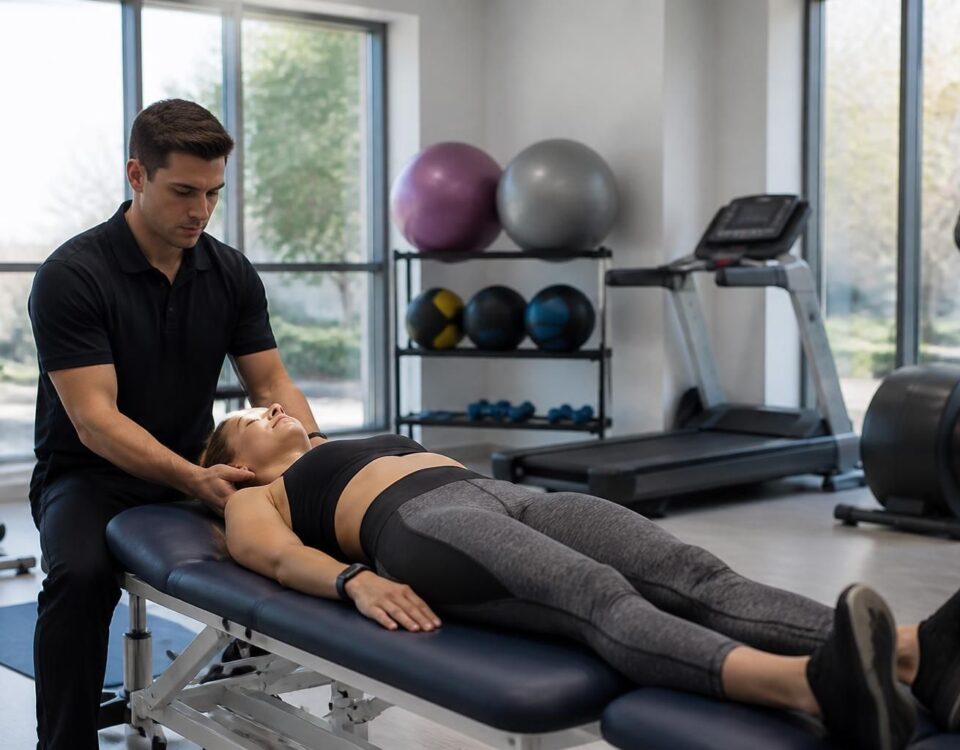
Custom protocols to maximize results in neurovertebral decompression
26/06/2026
Neurovertebral decompression and overall well-being: a holistic approach
26/06/2026
In short
| neurovertebral decompression is a Non-invasive treatment which targets the Recurrent cervical pain By reducing the pressure on the Intervertebral discs and the gristle thanks to a gentle traction and precise. she improves mobility and the quality of life without surgery, and is organized around a Custom Plan over several sessions. Montreal offers this accessible service for malfunctions such as discopathy, herniated discs and stenosis cervical, allowing a gradual return to daily activities while preserving safety and well-being. |
The neurovertebral decompression is a solution non-invasive ideal for Recurrent cervical pain because it acts on the source of the pain by increasing the space between the vertebrae and reducing the pressure on the Intervertebral discs and the cervical nerves.
It is based on a Soft and controlled traction And can be personalized according to each patient, making it an option adapted to the evolution of pain and mobility.
Profits include a Quick relief, a Improving mobility and one better sleep After a few sessions, without incisions or long recovery.
In comparison with surgery, it is a Safe alternative and effective that can treat the causes of pain without operative risks.
This approach is particularly useful for cervical pathologies such as slipped disc or Foraminal stenosis and can be integrated into a multidisciplinary care plan to optimize recovery.
article written by a health professional and expert in osteopathy, this sheet explains why neurovertebral decompression is a particularly suitable option for Recurrent cervical pain. It describes the mechanism, benefits, application criteria and key elements to know before considering this processing. The subject is oriented towards a clear approach, directly applicable in clinical practice, with accessible references to deepen the subjects mentioned.
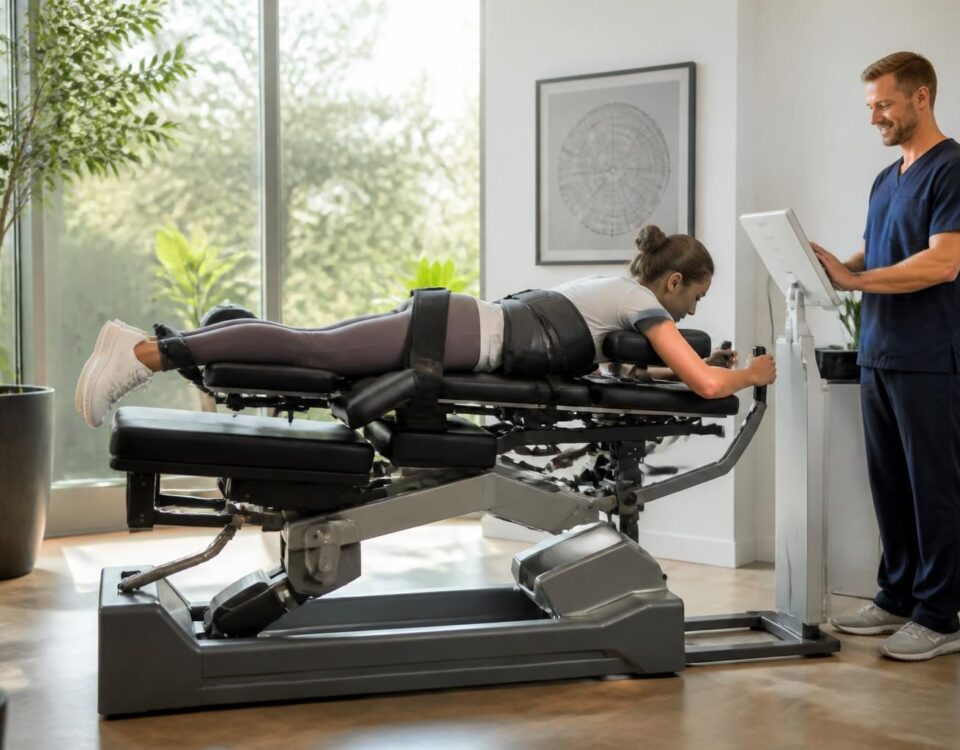
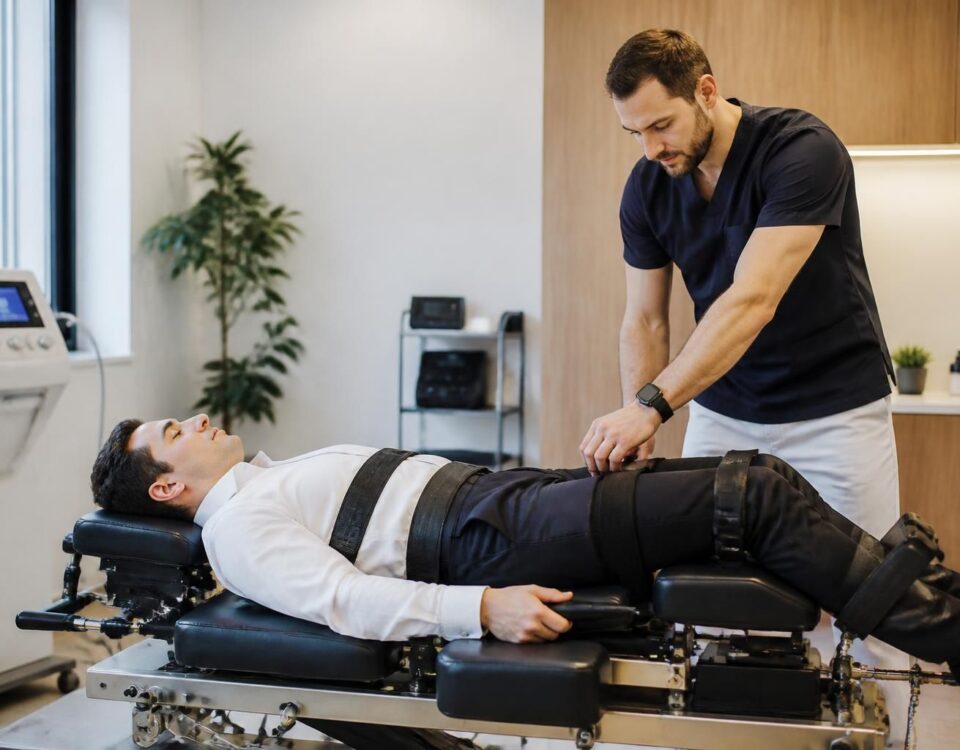
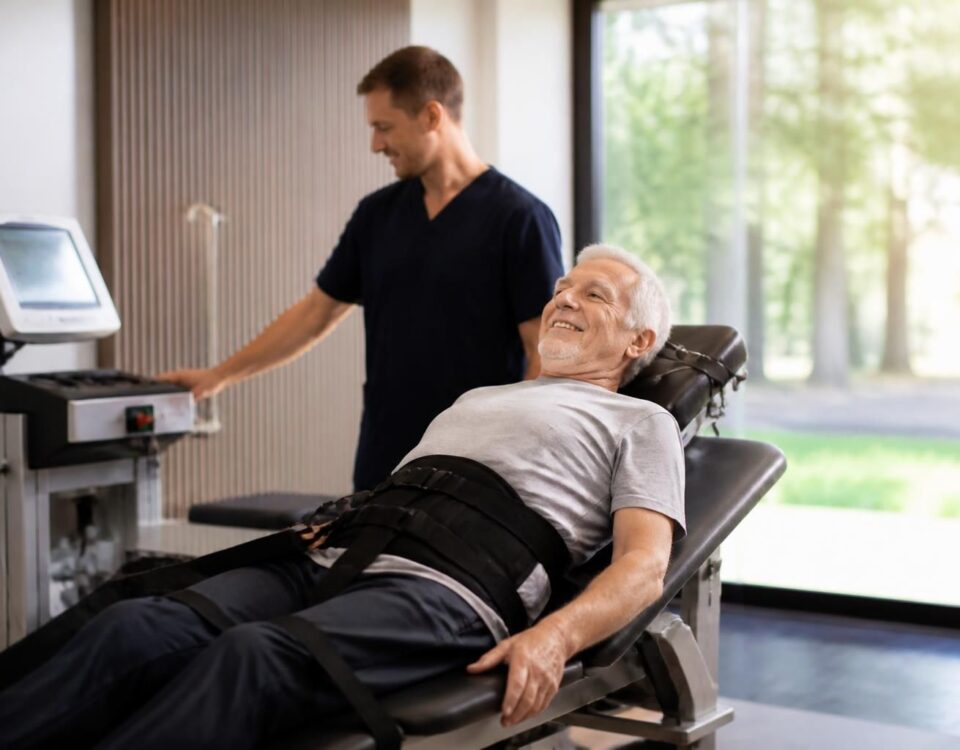
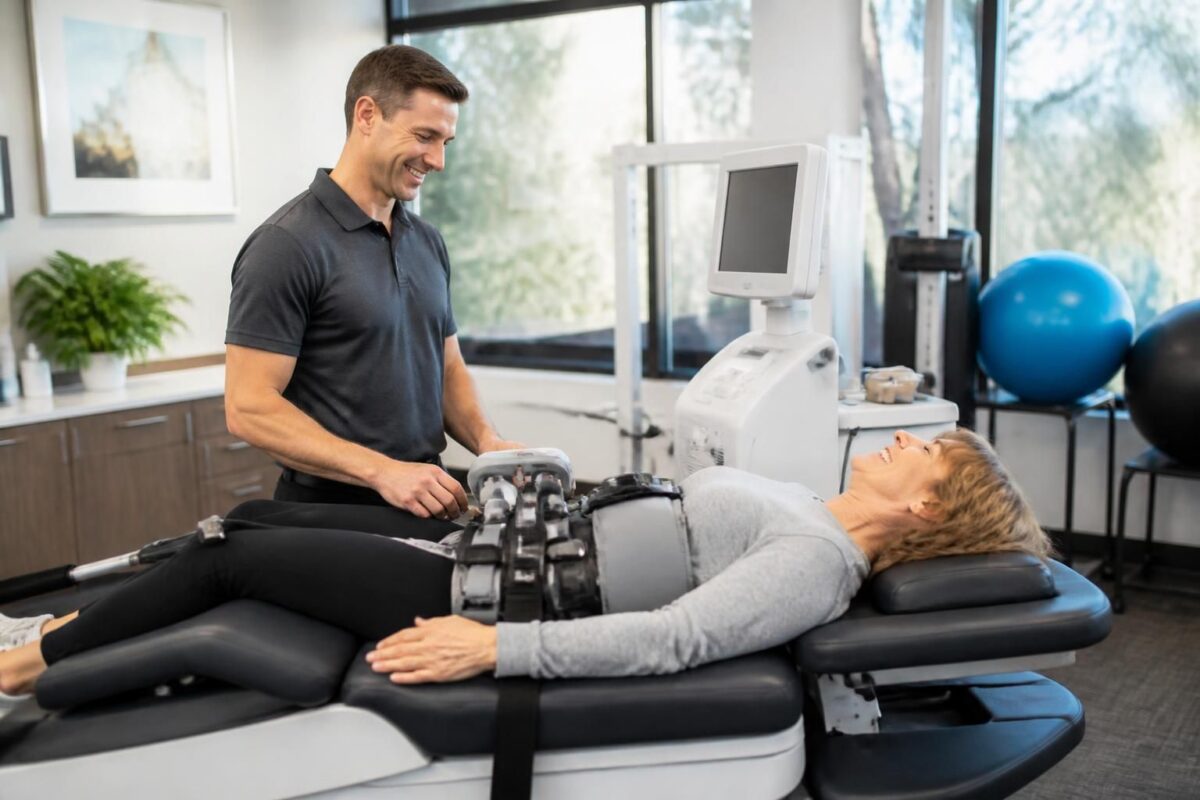
The neurovertebral decompression Use a gentle traction and controlled to create a space between the cervical vertebrae. This approach aims to reduce the pressure exerted on the intervertebral discs and on the nerves that start from the spinal cord. It can thus reduce pain and improve mobility, without the need for surgery.
What is neurovertebral decompression?
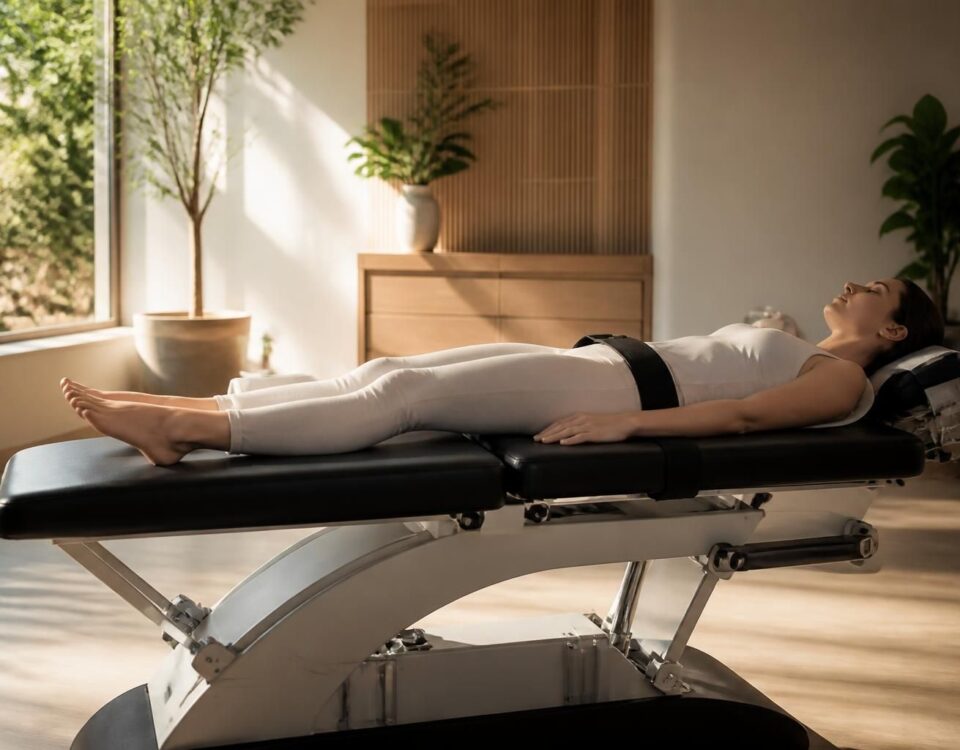
This is a method non-invasive which can be done using computerized tables or devices. The principle is to mobilize the space between the vertebrae of the neck, in order to promote the rehydration and recovery of the disc, while reducing the pressure on the nerves and nerve structures. This technique is distinguished from surgical procedures by its low risk profile and its non-surgical nature.
how this acts on the cervical
By creating additional space between the vertebrae, decompression decreases nerve root compression and improves local blood circulation. The treatment can contribute to a rapid decrease in pain and a better range of motion. Its effectiveness is based on parameters adapted to each patient and on a precise and measured approach.
who can benefit
People with chronic cervical pain related to injuries, protrusions, or foraminal stenosis may be candidates. A medical assessment is necessary to determine if the treatment is suitable for each specific condition. For patients wishing to avoid surgery, decompression is a safe and effective alternative, when clinical and radiological criteria allow.
Advantages and security
Compared to other options, neurovertebral decompression offers a profile non-invasive and one reduced risk side effects. It can limit or delay surgery and promote progressive recovery without prolonged immobilization. Comprehensive resources and exchanges on this subject are available on vertebral decompression — for whom and why and Frequently asked questions about decompression. At La TagMed, in our Montreal and Terrebonne clinics, this protocol is practiced with appropriate supervision and personalized follow-up. For more information, see Tagmed Clinic.
Trust and process security
Before starting the treatment, an in-depth assessment is necessary. The protocol is adjusted to each patient to ensure safety and efficacy. Complementary examinations, when required, help confirm the absence of major contraindications and to plan an appropriate progression of treatment.
What to know before treatment
Before opting for decompression, discuss your medical record with your doctor or osteopath. Each case is unique, and the choice of decompression depends on the precise diagnosis. For additional information on the principles, see the pages dedicated to neurovertebral decompression and its advanced protocols.
| Therapy | Relative efficiency |
|---|---|
| neurovertebral decompression | Reduces pain and improves mobility when clinical and radiological criteria are met |
| Physiotherapy | Varies depending on the case and may be less effective alone for certain cervicalgia related to radiculopathy |
For active, sports or rehabilitation people, decompression can be a key step to preserving the function and lifting the limitations related to the cervical spine. Additional resources and approach comparisons exist on sossciatica.com and sports-injuries. Details on advanced protocols for cervicalgia are published on Dr Desforges – Advanced Techniques.
Internal references and resources
To learn more about the associated conditions and available approaches, see the following resources:
- frequently asked questions
- Prevention and lower back pain
- Post-surgery recovery from the back
- Benefits for radicular pain
- Tagmed Clinic – Montreal
Language and training
Principles of neurovertebral decompression are part of a rigorous evidence-based approach. Osteopathy and manual medicine professionals who practice this treatment rely on recognized executives, in particular training at NUMSS and NAO, and favor a practice supervised by ACMA associations and competent Canadian organizations.
The following resources provide useful insights and comparisons on decompression approaches and patient outcomes:
For practical aspects related to TagMed, contact Clinique TagMed or Pulse Align to discuss the options available as part of a global and multidisciplinary care plan.
Medical disclaimer : The information and advice provided on this site does not replace the advice, diagnosis or treatment of a healthcare professional. Please note that Dr. Sylvain Desforges osteopath is neither a doctor of medicine nor a doctor, and is not a specialist in a medical specialty as defined by the Collège des Médecins du Québec. Manual medicine, functional medicine and sports medicine as described on this site exclude any medical treatment or diagnosis made by a doctor or specialist doctor. Always consult your doctor for any medical questions. For more details, please read our full legal notice.
“Medical disclaimer: The information and advice provided on this site does not replace the health professional’s benefit, diagnosis or treatment. Please note that Dr. Sylvain Desforges osteopath is neither a doctor of medicine nor a doctor, and is not a specialist in a medical specialty as defined by the Collège des Médecins du Québec. Manual medicine, functional medicine and sports medicine as described on this site exclude any medical treatment or diagnosis made by a doctor or specialist doctor. Always consult your doctor for any medical questions. For more details, please read our full legal notice. »
- non-invasive : not incisions or hospitalization
- Quick relief and lasting after a few sessions
- pressure reduction On the nerves and discs
- Improved mobility neck and better posture
- Personalized approach Suitable for anatomy and cervical pathology
- low risk and no anesthesia
- Quick return to activities daily and professional
- Fewer drugs and reduction of side effects
- relapse prevention through postural exercises and advice

This recommendation presents why the neurovertebral decompression is particularly suitable for Recurrent cervical pain. She describes the mechanism, the benefits and the reasons why she fits well into a personalized care pathway, favoring an approach non-invasive and secure which can provide quick and lasting relief, while avoiding surgical procedures.
Basic principles and mechanisms
The neurovertebral decompression consists of applying a Controlled traction on the cervical spine to create a space between the vertebrae. This action promotes the rehydration and repositioning of the discs and decreases the pressure exerted on the cervical nerves.
Major Benefits
The first advantage is its character non-invasive and without surgery, which reduces risk and recovery time. By acting on the biomechanical mechanism, it quickly relieves pain and improves mobility, allowing daily activities to resume earlier.
Second, it acts on structural causes rather than masking symptoms, which can lead to a lasting improvement posture and functioning of the shoulders and neck.
Customization and tracking
Each patient is evaluated to adjust the pressure and duration Traction according to cervical pathology (herniated disc, foraminal stenosis, osteoarthritis). This approach personalized Maximizes profits and minimizes discomfort, with a progressive session plan.
Integration into a global program
Decompression can be part of a multimodal strategy including Postural coaching, of Mobility exercises and sometimes complementary therapies such as laser or the shock wave when appropriate. This synergy helps to reduce pain sustainably and restore sporting or professional activity.
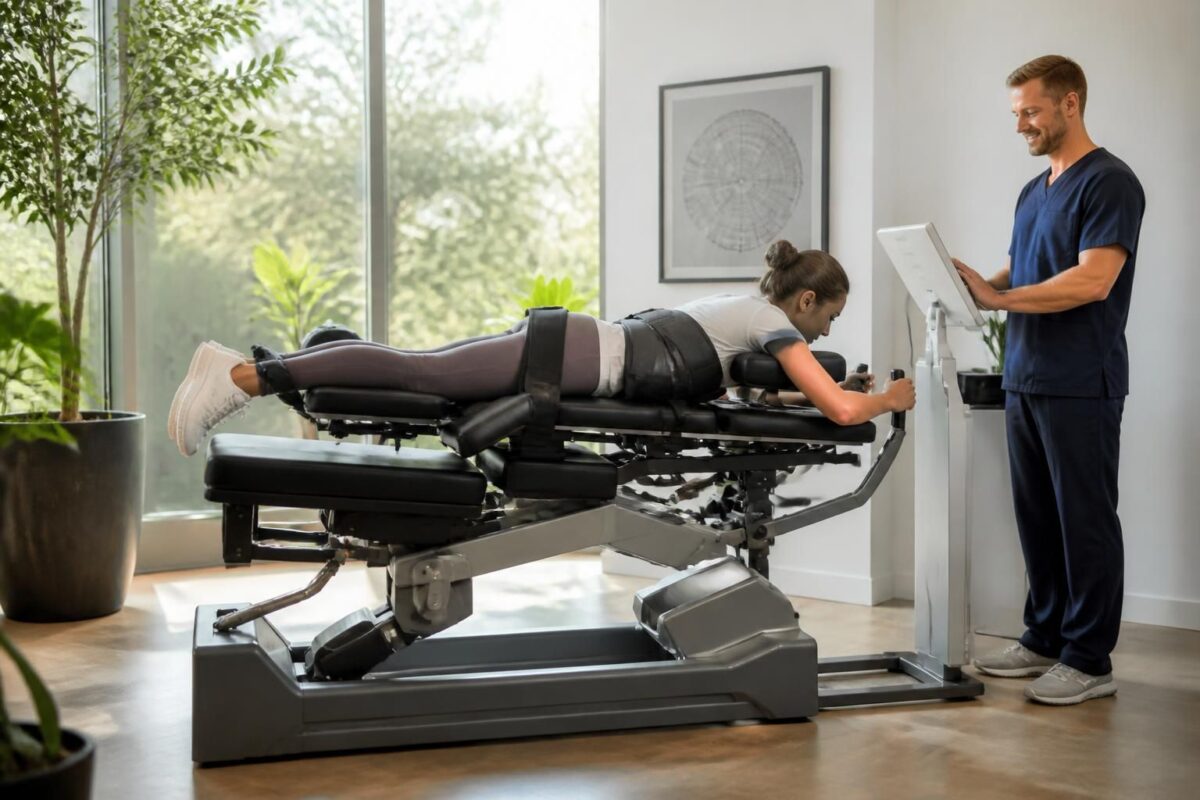
The long-term benefits of neurovertebral decompression for spinal health
In short In short, the neurovertebral decompression is a non-invasive approach that decreases the Pressure on intervertebral discs and nerves, favoring the Natural regeneration and tissue recovery. Its long-term benefits include Lasting pain reduction, Improving mobility and from the posture,…

Neurovertebral decompression and mobility: a return to an active life
In short In short, the neurovertebral decompression is therapy non-invasive who uses a gentle traction To create a space between the vertebrae and reduce the pressure on the Intervertebral discs and the nerves. It promotes a bloodstream improved, lowers tension…
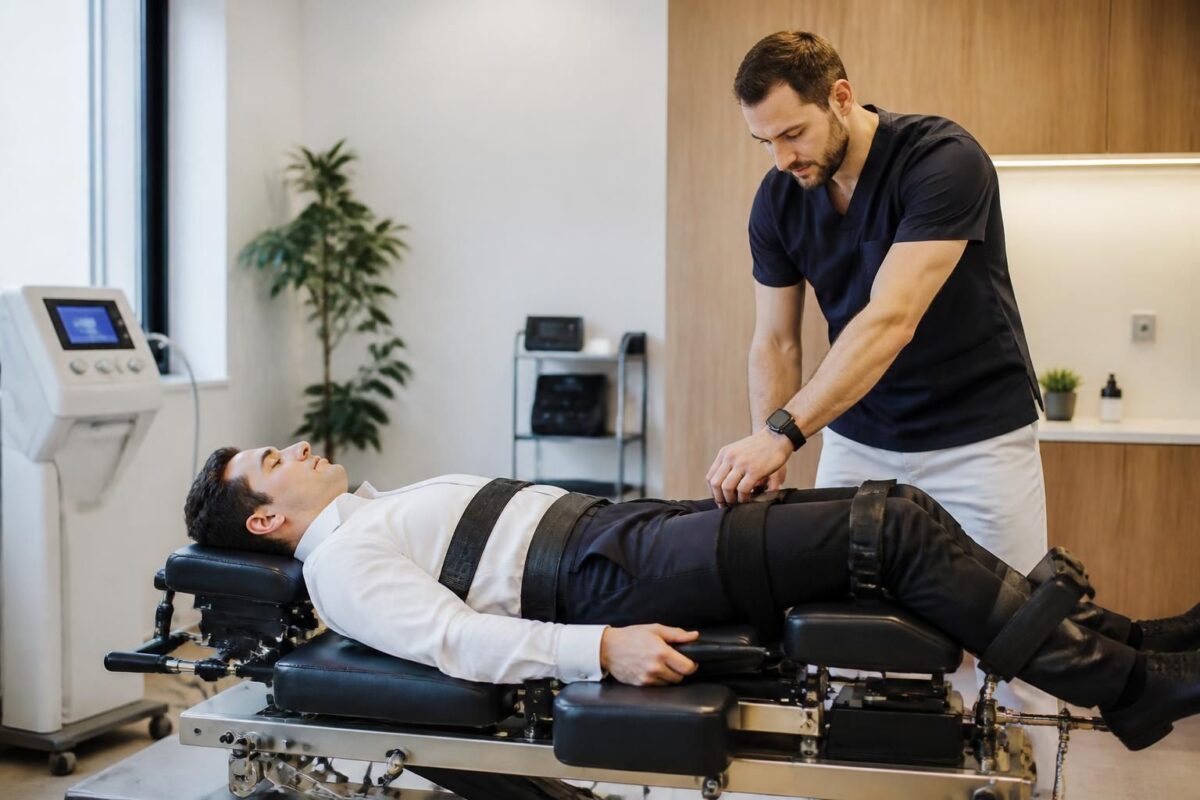
How Neurovertebral Decompression Prevents Diffuse Chronic Pain
In short decompression neurovertebral is one Non-invasive method aimed at reducing the Pressure on the intervertebral discs and the nerves, in order to prevent Diffuse chronic pain. It improves the circulation and thedisc hydration, decreases inflammation and promotes better mobility.…
Who can benefit and what to expect
It is particularly aimed at people with chronic cervical pain related to disc diseases, nerve damage or limited movements. Although the results vary, many patients report a rapid decrease in pain and an improvement in quality of life After a few sessions.
Before starting, a Precise diagnosis and an Medical assessment are essential to determine the interest and the appropriate protocol. A standard protocol provides for several sessions over several weeks and can be adjusted according to personal progress and objectives.
| Criterion | Concise advantage |
|---|---|
| targeted effectiveness on neck pain | quick relief and target cervical symptoms. |
| Not invasive | Treatment non-invasive avoiding surgery and long recovery. |
| Security and tolerance | Low risk with high tolerance for most patients. |
| Disc space management | Increases the space between the vertebrae and releases the compressed nerves. |
| Personalization | Approach adapted to each episode and clinical history. |
| Alternative to surgery | Avoid heavy interventions and their postoperative post-operative courses. |
| Impact on quality of life | Improves daily comfort, sleep and mobility. |
| Therapeutic integration | Easy to combine with other approaches and care plans. |
| candidates | Suitable in case of recurrent cervical pain without surgical emergency. |
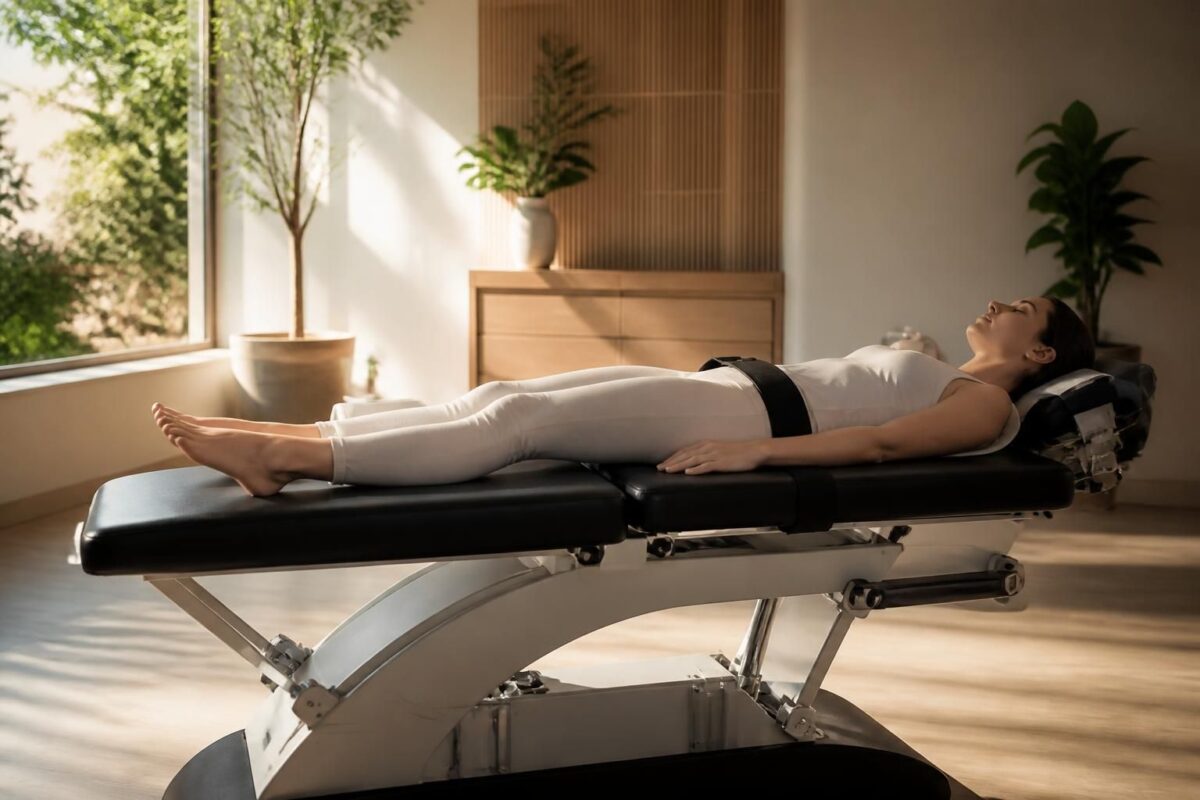
Neurovertebral Decompression and Body Alignment: Restoring Natural Balance
In short In short, neurovertebral decompression is one Non-invasive approach who restores theBody Alignment and thenatural balance back and neck. She acts by a Controlled traction of the spine to widen the intervertebral space and reduce the Pressure on discs…
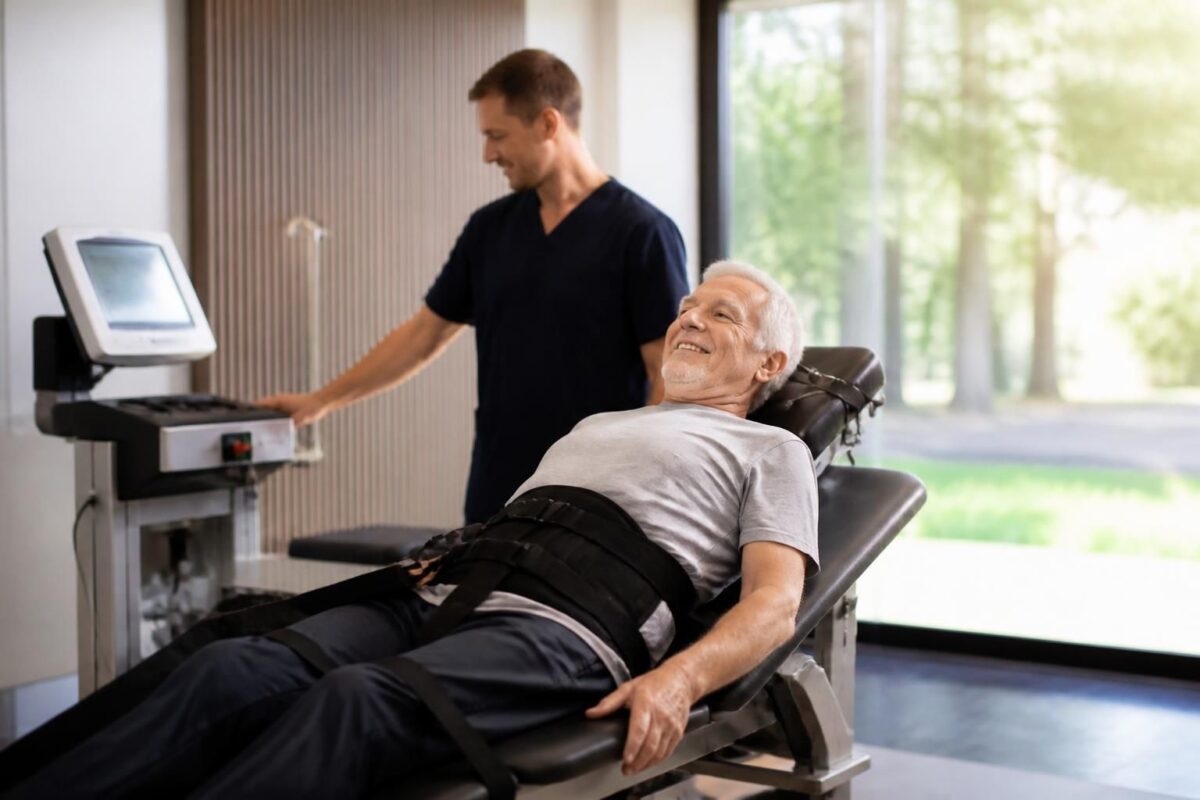
Why neurovertebral decompression is a lasting solution for active seniors
In short In short, the neurovertebral decompression is one Non-invasive therapy which sustainably relieves spinal pain in the spine active seniors By creating, by a Soft and controlled traction, a space between the vertebrae. At Montreal, it is recognized as…
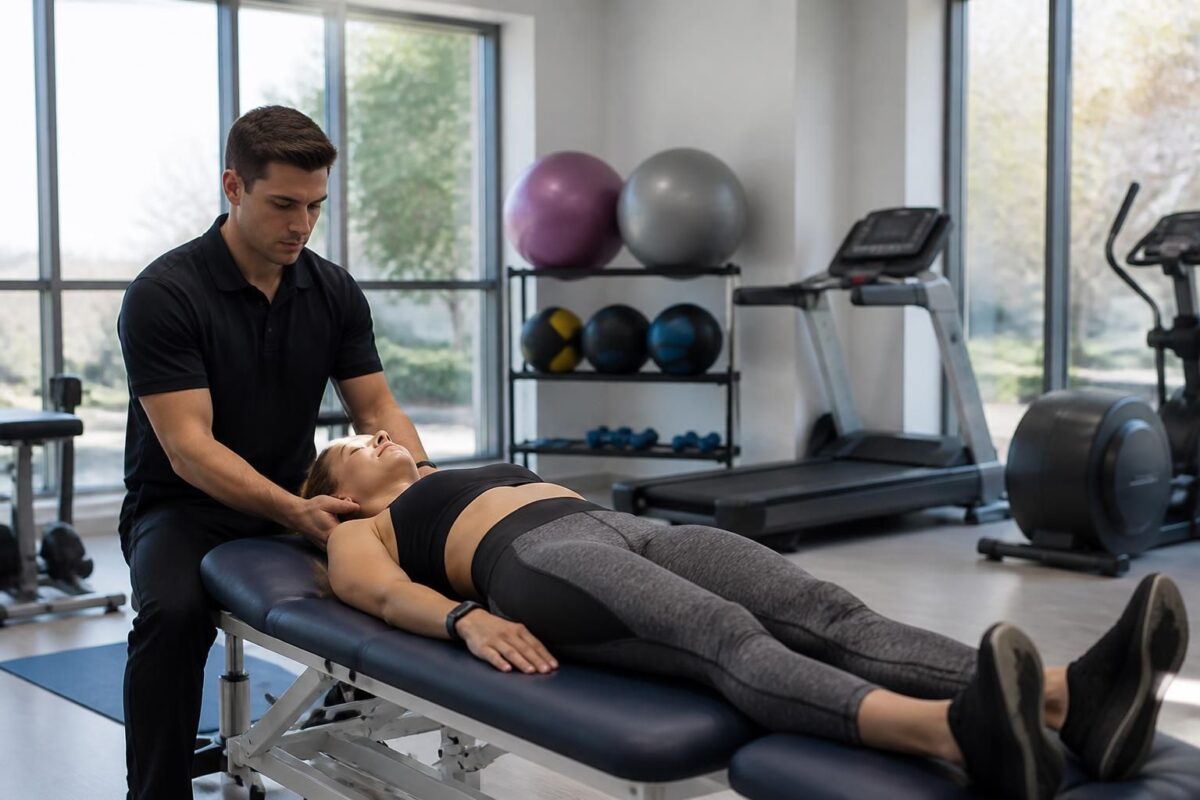
Neurovertebral decompression and recovery after severe sports injury
In short In short, the neurovertebral decompression is one Non-invasive method to Relieve the pressure on the Intervertebral discs and the gristle Via a Controlled traction, to facilitate the recovery After a severe sports injury. It improves the bloodstream towards…
Testimonials on neurovertebral decompression for recurrent cervical pain
“Before I started treatment, my neck pain kept coming back and prevented me from concentrating at work. With neurovertebral decompression, I felt a Quick relief After a few sessions and a Significant improvement in my mobility. It’s an approach non-invasive who respects my vertebrae and allowed me to resume my activities without fear of operations.”
“I am active and my neck pain came back after each period of effort. The method uses a gentle traction and a frame personalized, which gave me a new feeling of freedom of movement. Today I sleep better and I can work all day without constant pain. »
“As a sportsman, I was afraid that neck pain would compromise my career. After treatment, I found Sustainable improvement in flexibility and an Faster recovery after workouts. It’s an alternative secure and effective in surgery.”
“My job required long hours in front of a computer and my cervical tensions accumulated. Thanks to neurovertebral decompression, I found a more aligned posture and an Significant pain reduction on a daily basis. The sessions, short and well-adjusted, are part of a care routine suitable to my needs.”
“I had considered surgery, but I chose this solution non-invasive which allowed me to avoid the operation and preserve my quality of life. the results were manifested by a Better neck mobility and one Slowing recurrences pain, which is reassuring in the long term.
“After several weeks, my nights are more serene and my awakenings less painful. I highly recommend this approach to recurrent cervical pain: this is a method personalized, fresh and effective which allows me to continue my activities without limitations.
the DR Sylvain Desforges is a recognized specialist in osteopathy, naturopathy and manual medicine, whose action is based on a constant quest for efficiency and safety for his patients. At the head of several structures dedicated to health innovation, he highlights evidence-based approaches for the management of Chronic pain. His journey illustrates a philosophy of care where the precision of the diagnosis and the personalization of the treatment guides each therapeutic decision, in order to optimize the health and well-being of the people he accompanies.
The neurovertebral decompression Appears as a particularly suitable solution when it comes to recurrent cervical pain. This approach is non-invasive, which distinguishes it from surgical procedures and reduces the associated risks while offering tangible results. By specifically targeting the cervical region, it reduces the pressure exerted on the Intervertebral discs and the gristle that walk in the neck, which results in a decrease in pain and an improvement in mobility.
The mechanism is based on a Controlled traction and progressive which creates additional space between the cervical vertebrae. This modulation of the intervertebral space promotes the rehydration and recovery of tissues, while reducing the pressures that cause pain and stiffness. By improving the irrigation and metabolic respiration of cervical structures, decompression also promotes better circulation of nutrients essential to tissue repair. Patients often describe a rapid reduction in discomfort and a feeling of relaxation after the first sessions.
The directions For this treatment cover a wide range of situations, including cervical herniations, the Foraminal stenosis and radicular pain associated with nerve compression. This technique is suitable for both active adults and people undergoing rehabilitation after injury. In clinical practice, it fits perfectly into a multidisciplinary plan that can include exercises, complementary therapies and postural advice to prevent recurrences.
At the heart of Dr. Desforges’ approach is a thorough and personalized assessment. Each patient benefits from a protocol adapted to their anatomy, nature and the chronicity of their symptoms. Safety is a priority, with continuous monitoring and adjustments to therapeutic parameters depending on the evolution of each case. This approach maximizes benefits while minimizing potential risks, while avoiding invasive remedies when possible.
Integrated into a wider care offer, neurovertebral decompression is based on modern technologies and complementary approaches, such as laser or shock wave therapies, to support recovery and reduce local inflammation. This synergy supports patients towards a Better quality of life, with a significant improvement in mobility, sleep and energy felt on a daily basis, while preserving cervical structures and promoting a durably balanced posture.
This conclusion summarizes why the neurovertebral decompression is particularly suitable for Recurrent cervical pain. It highlights mechanisms, benefits, possible applications and limitations, while providing practical resources to deepen understanding and facilitate consultation decision-making.
The neurovertebral decompression acts by exercising a Soft and controlled traction on the cervical spine, which allows Create a space between the vertebrae and reduce the Pressure on the intervertebral discs and the gristle surroundings. This non-invasive approach offers progressive relief from neck pain and can improve the mobility and the quality of life without resorting to surgery.
For patients with Cervical stenosis or of Cervical disc herniation, decompression reduces radiant symptoms and numbness, while promoting functional recovery. This option is particularly interesting for those who wish to avoid the risks and delays associated with surgery, while benefiting from a targeted and personalized treatment. For an overview, see the resources that explain how decompression acts on musculoskeletal imbalances related to recurrent cervical pathologies and potential post-operative benefits.
Beyond the symptomatic effect, cervical decompression can participate in local cell regeneration and improvement in bloodstream around discs and nerves. This dynamic promotes a Functional recovery and can support programs ofAdapted physical activities and postural rehabilitation, thus contributing to a Prevention of recurrences.
The Application criteria For this treatment include persistent cervical pain related to degenerative or structural causes, symptoms of nerve irradiation or radiculopathy, and a wish to favor an approach non-invasive with a Protocol Customization. It is essential to get a Early medical assessment (Detailed anamnesis, imaging if necessary) to determine the adequacy of the treatment and to avoid contraindications.
To facilitate information and decision-making, several resources detail the benefits and prospects of neurovertebral decompression in cervical pathologies, in particular its role in the prevention of post-surgical complications and in the improvement of nerve and muscle function. You can also consult the pages dedicated to Non-invasive decompression to reduce neck pain and to stenosis. Other complementary resources describe how decompression can prevent post-surgical complications and integrate into a global approach to management.
In a practical approach, it is recommended to prepare the first consultation by listing your symptoms, functional limitations, and goals. Discuss the protocol parameters (frequency, session duration, follow-up), possible combinations with complementary therapies (laser, shock waves, adapted physiotherapy) and expected results in the short and medium term. Clinical examples and testimonials support the idea that this approach can transform the daily life of patients suffering from recurrent neck pain.
To deepen the practical aspects and indications, refer to the official resources and the opinions of professionals who offer neurovertebral decompression as a non-invasive option adapted to your profile. Complementary sources shed light on mechanisms, benefits and precautions, to help make an informed decision adapted to your situation.
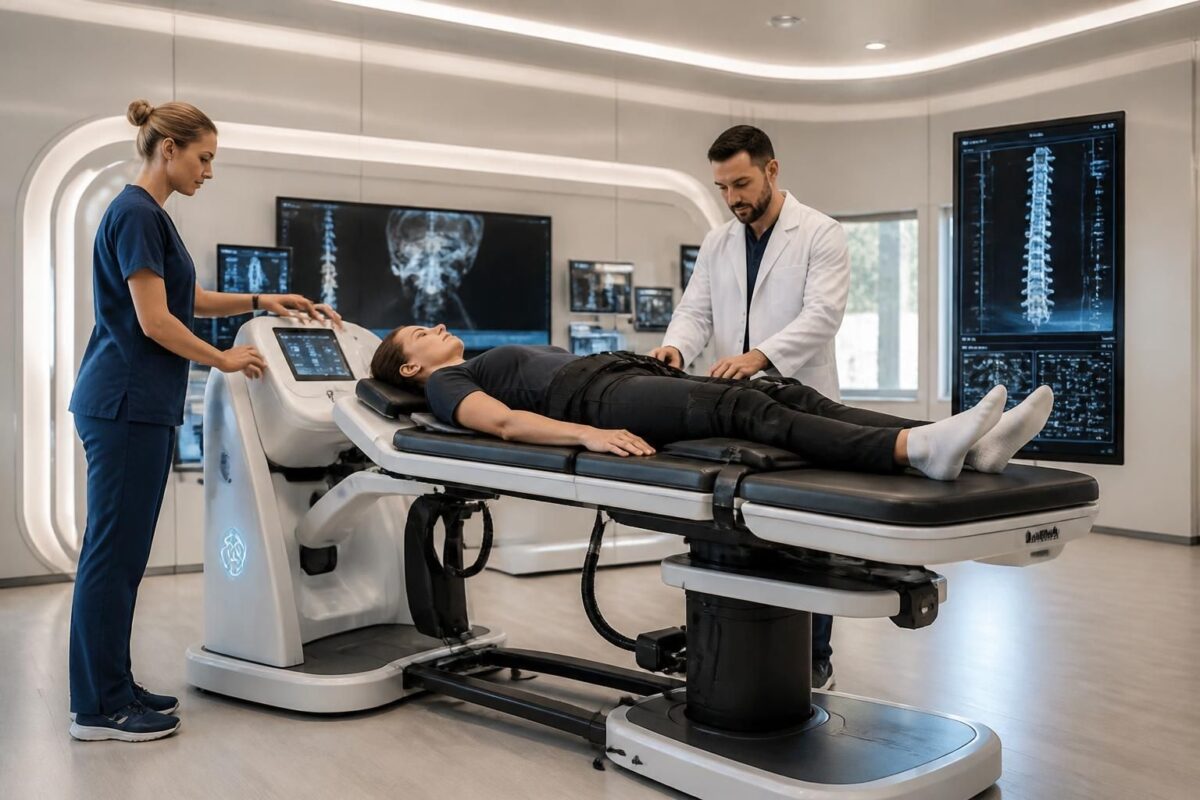
Recent innovations in neurovertebral decompression technologies
In short In short, the neurovertebral decompression is an approach non-invasive Aiming to reduce pressure on discs and nerves, and promote tissue regeneration. At Montreal, it is positioned as an effective option for lower back pain and herniated discs. The…
Neurovertebral decompression and diffuse pain: an appropriate solution
In short In short, the neurovertebral decompression is one Non-invasive solution For diffuse pain related to nerve irritation of the spine. She acts in Reducing pressure on intervertebral discs and nerves and improving the bloodstream, which promotes recovery and the…

Dr Sylvain Desforges, B.Sc., D.O., N.D., osteopath, is the founding president of TAGMED and of the ACMA association. He dedicates his practice to chronic spinal pain, low back pain and symptoms compatible with sciatica, particularly when pain radiates toward the buttock, leg, calf, foot or toes.
Through SOS Sciatique, he publishes educational content on sciatica symptoms, possible causes such as disc herniation, disc narrowing, foraminal stenosis or irritation of a lumbar nerve root, as well as non-surgical approaches that may be considered according to the evaluation. At Clinique TAGMED, care may include, depending on the case, motorized neurovertebral decompression, specific osteopathic care or precision percussion.
For an evaluation related to sciatica treatment in Montreal / Mount Royal or sciatica treatment in Terrebonne, please consult the services available at Clinique TAGMED.
Medical disclaimer
The information published on SOS Sciatique is provided for educational purposes only and does not replace a consultation, diagnosis, opinion or treatment provided by a physician or another authorized healthcare professional. The author of this article is neither a medical doctor nor a specialist in a medical specialty recognized by the Collège des médecins du Québec. The osteopathic, manual medicine or functional support approaches described on this site do not constitute medical acts and are not intended to replace medical follow-up.
Consult a physician or emergency service in cases of loss of bladder or bowel control, anesthesia in the saddle area, significant or progressive weakness in the leg or foot, fever, recent trauma, severe pain or rapid worsening of symptoms. For more details, please read our Legal Notice.