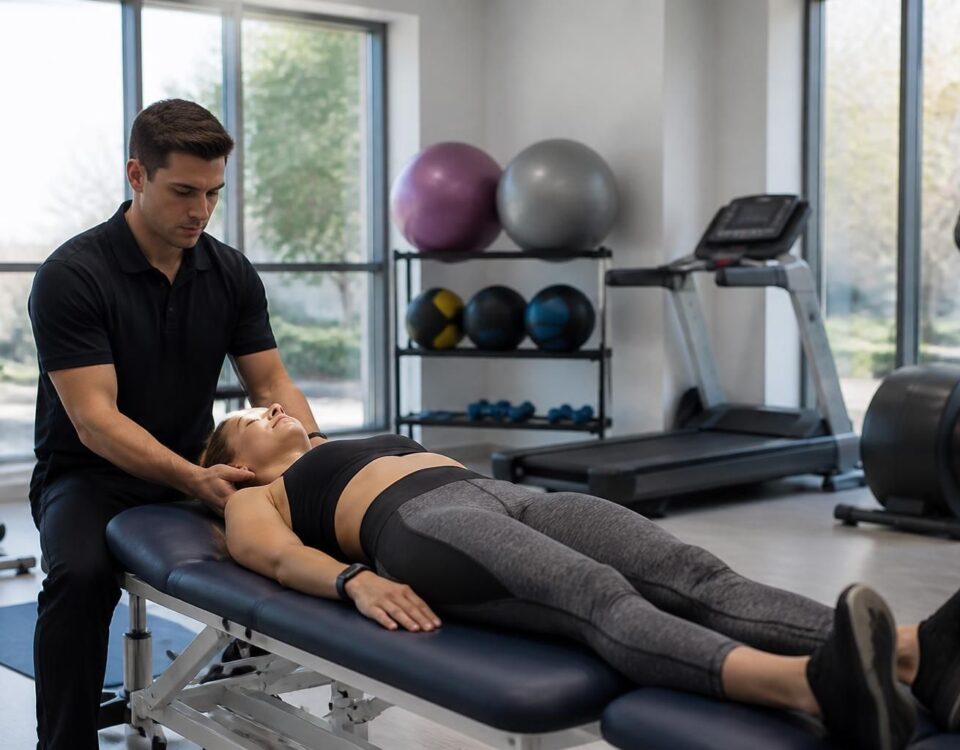
Neurovertebral decompression and joint mobility: regain optimal health
26/06/2026
Why neurovertebral decompression is ideal for recurrent cervical pain
26/06/2026
In short
| In short, the Custom protocols for neurovertebral decompression offer a Targeted solution for chronic spinal pain; They start with a initial assessment in-depth and adjust in real time thanks to Assisted traction devices and integration of Complementary therapies. At Montreal, this service is particularly recommended for pain related to herniated discs and to improve the mobility without surgery. The main advantages include a personalization treatment, a Quick relief, a better mobility and an approach non-invasive, with a Regular follow-up and real-time adjustments that maximize results. |
The Custom protocols in neurovertebral decompression are designed to maximize results by adapting each treatment to your profile. It all starts with a In-depth initial assessment that identifies your symptoms, history and goals, in order to precisely target areas to be treated. Then the Customization of sessions Adjusts the duration, intensity and traction in real time according to your response and comfort, ensuring quick and lasting relief. The use of Advanced technologies assisted decompression allows precise traction and Real-time tracking to optimize each session. theIntegration of complementary therapies (osteopathy, physiotherapy) creates an effect synergistic which improves mobility and relief. One Regular follow-up And some Re-evaluations Allows you to quickly adjust the parameters and prevent recurrences, while thePatient education Facilitates adherence to the protocol and prevention advice to maintain long-term progress.
This article presents the Custom protocols to Maximize results in neurovertebral decompression. The approach is based on a initial assessment rigorous, a Customization of sessions and the use of Advanced technologies to adapt traction and ensure patient comfort. It is part of a multidisciplinary approach centered on efficiency, safety and quality of life in the long term.
Initial assessment and identification of needs
The process begins with a In-depth symptom analysis and a medical history. This step clarifies the areas to be targeted and the functional objectives. A detailed clinical examination and, if necessary, imaging elements complete the assessment. Each protocol is then designed to exactly match the patient’s profile, ensuring better accuracy and faster adoption of treatment.
Customizing Protocols and Settings
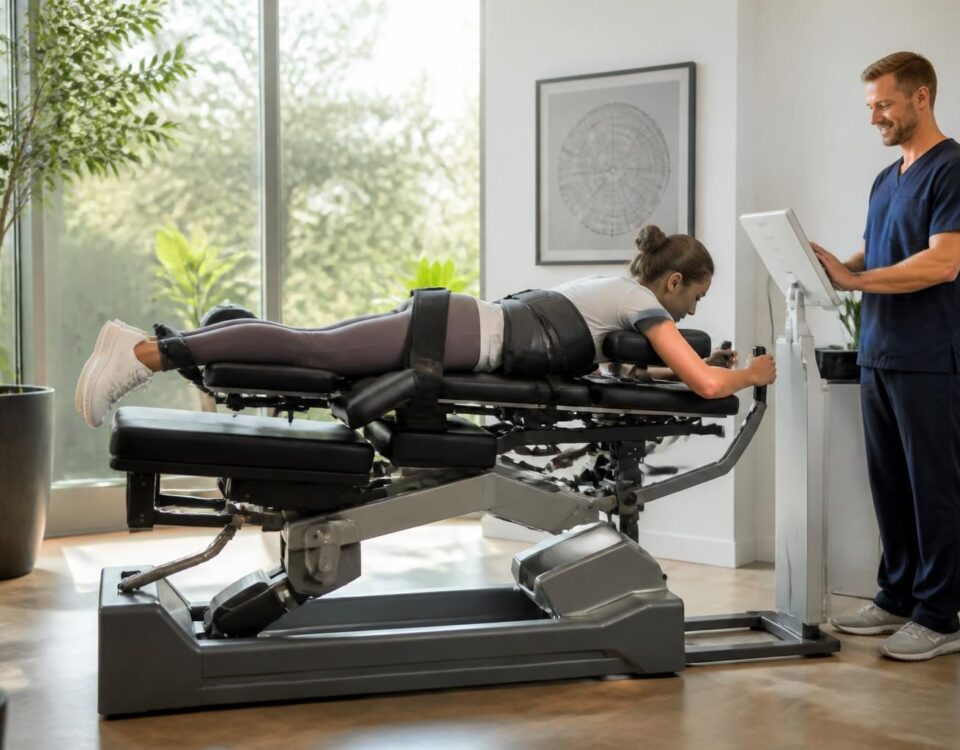
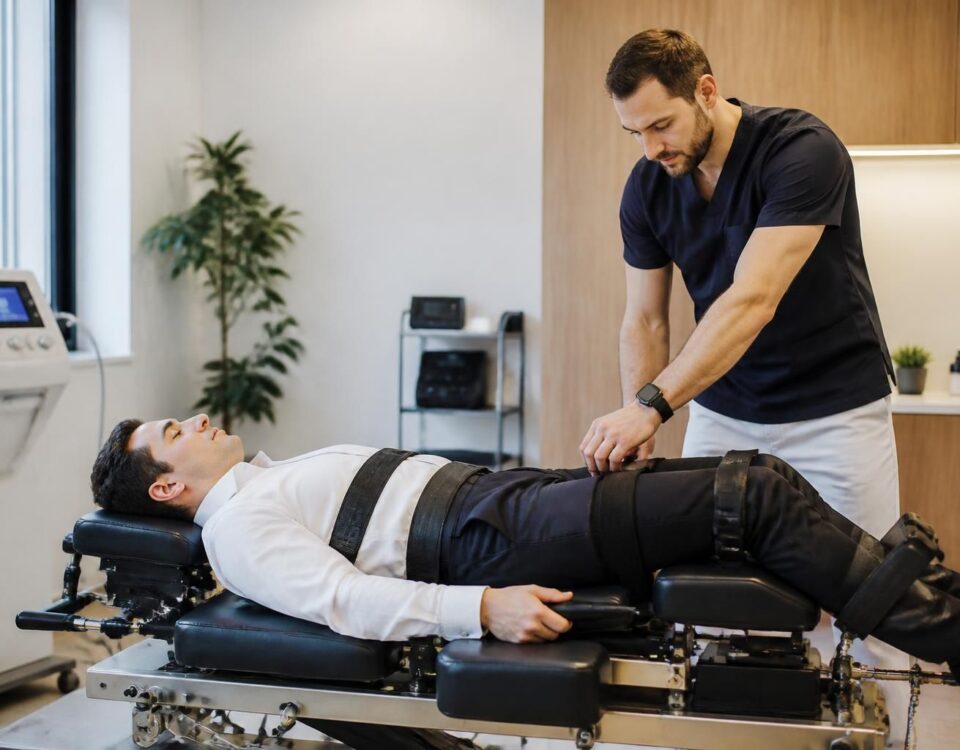
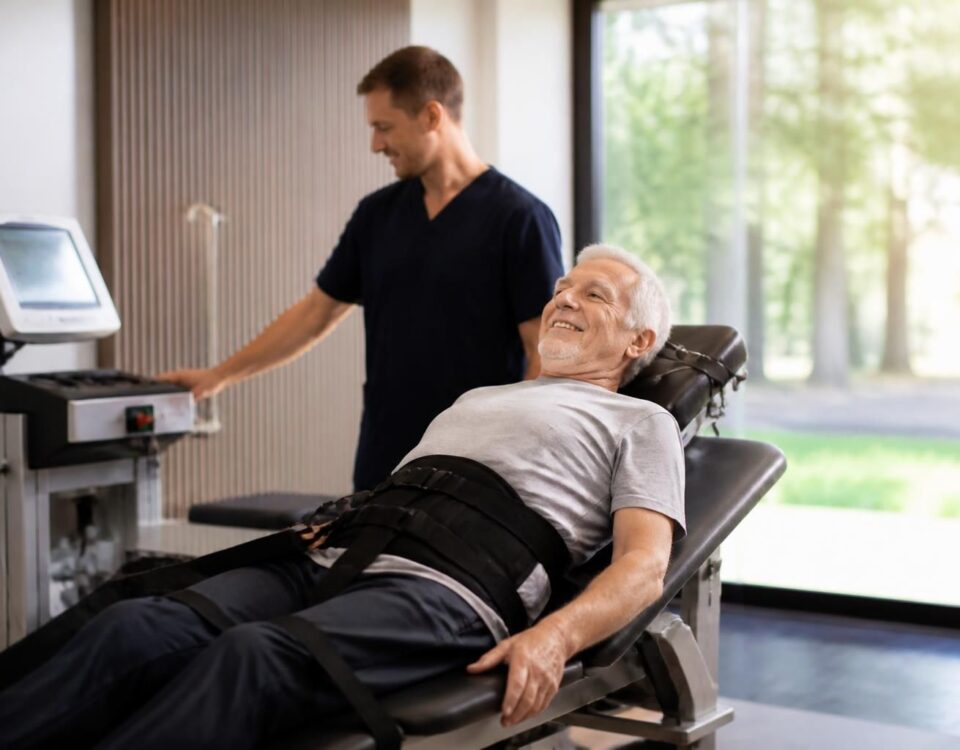
The Traction settings and the Duration of sessions are adjusted in real time, based on the reactions and progress observed. The use of Assisted decompression devices Allows you to apply targeted and safe traction, with immediate feedback on patient tolerance. This flexible approach increases the chances of quick and lasting relief, while minimizing discomfort.
Each protocol can be enriched by selected complementary interventions after an overall assessment. For more information on current protocols, you can view the available dedicated resources at DecompressionNeurovertebrale.com and the informative content offered by tagmed.
Technologies used and real-time monitoring
The Modern technologies Allows you to adjust the traction according to the signs and patient comfort. Dedicated devices measure responses and allow adjustments dynamics to optimize efficiency and comfort. Real-time monitoring is essential to stay the course towards a quick recovery and lasting pain.
Within the framework of the protocols, the integration of complementary approaches such as osteopathy can create a synergistic effect. To understand the challenges and benefits of these technologies, consult the resources on sossciatica.com.
Integration of complementary therapies and safety
Personalized protocols are often enriched with complementary interventions adapted to each patient. Osteopathy and other manual practices can support decompression by improving mobility and soft tissue function, without using invasive approaches. This multimodal approach is offered as part of the care at the TagMed clinic and is based on modernized and proven protocols. To explore the links between decompression and global support, see the resources on sossciatica.com.
Regular monitoring and reassessment
One Regular follow-up Allows you to evaluate the evolution of symptoms and to readjust the parameters. The revaluation Frequent ensures that the protocol remains aligned with the patient’s progress and goals. This approach promotes Prevention of recurrences and better long-term functional stability.
Patient education and prevention
The patient is informed about the course of the sessions and what he can expect. Appropriate education encourages commitment and collaboration in the care pathway. Practical advice to preserve the results is part of a global musculoskeletal health approach and makes it possible to optimize the effects of protocols in the long term.
For examples and additional analyzes of modern protocols, see sossciatica.com and injuries-sportives.com.
Additional resources on modern protocols and approaches can be accessed via tagmed and Decompression-NeurVertimbale.
Resources and access to care
Personalized protocols and associated technologies are offered at TagMed and Pulse Align clinics, with evidence-based care and multidisciplinary practice. Patients can find information about Tagmed Clinic and on the most recent approaches in neurovertebral decompression on the dedicated pages.
Institutional reference and training. Professionals working in this field rely on recognized training in osteopathy and manual health, particularly within the NUMSS, NAO, National University of Medical Sciences and National Academy of programs osteopathy.
For testimonials and case studies, the following resources provide additional insights into the results observed in clinical practice and the impact on mobility and pain associated with conditions such as herniated discs and stenosis.
To learn more about protocols and results, visit the dedicated pages: Custom protocols, Current protocols, and Modern techniques.
A useful general resource for understanding the dynamics of decompression is Long-term benefits, and resources on Diffuse neuropathic pain.
To deepen safety aspects and clinical considerations, see the content available on Prevention of chronic neuropathic pain.
security note : The information and advice provided on this site does not replace the advice, diagnosis or treatment of a health professional. Please read the legal notice below for more details.
Medical Disclaimer: The information and advice provided on this site does not replace the health professional’s diagnosis or treatment. Please note that Dr. Sylvain Desforges osteopath is neither a doctor of medicine nor a doctor, and is not a specialist in a medical specialty as defined by the Collège des Médecins du Québec. Manual medicine, functional medicine and sports medicine as described on this site exclude any medical treatment or diagnosis made by a doctor or specialist doctor. Always consult your doctor for any medical questions. For more details, please read our full legal notice.
- fundamental axis: Optimization cycle in 5 acts: evaluation, personalization, technology, Associated therapies, monitoring.
- initial assessment in-depth symptoms and history.
- Dynamic customization traction and duration parameters depending on the reactions.
- Advanced technologies Assisted traction with real-time returns.
- Therapeutic integration with osteopathy and physiotherapy for a synergistic effect.
- Regular follow-up and frequent reassessments to adjust the protocol.
- Patient education on the progress and benefits of the protocol.
- Prevention of recurrences Tips and exercises at home to maintain earnings.

Custom protocols to maximize neurovertebral decompression results are based on a targeted and scalable approach. By adapting each step to the patient’s profile, we obtain a rapid reduction in pain, an improvement in mobility and a prevention of recurrences, without resorting to surgery. This document presents clear recommendations for optimizing these protocols.
In-depth initial assessment
Objectives and security
The evaluation should precisely define the functional objectives and the criteria for treatment acceptability. It also makes it possible to identify the contraindications and the limits of decompression, guaranteeing a secure and appropriate care from the start.
Collection of information and tools
It is necessary to analyze in detail the medical history, the character and the location of the pain, the functional limitations and the impact on the daily. Targeted physical examinations and, if necessary, additional imaging guides the design of the custom protocol.
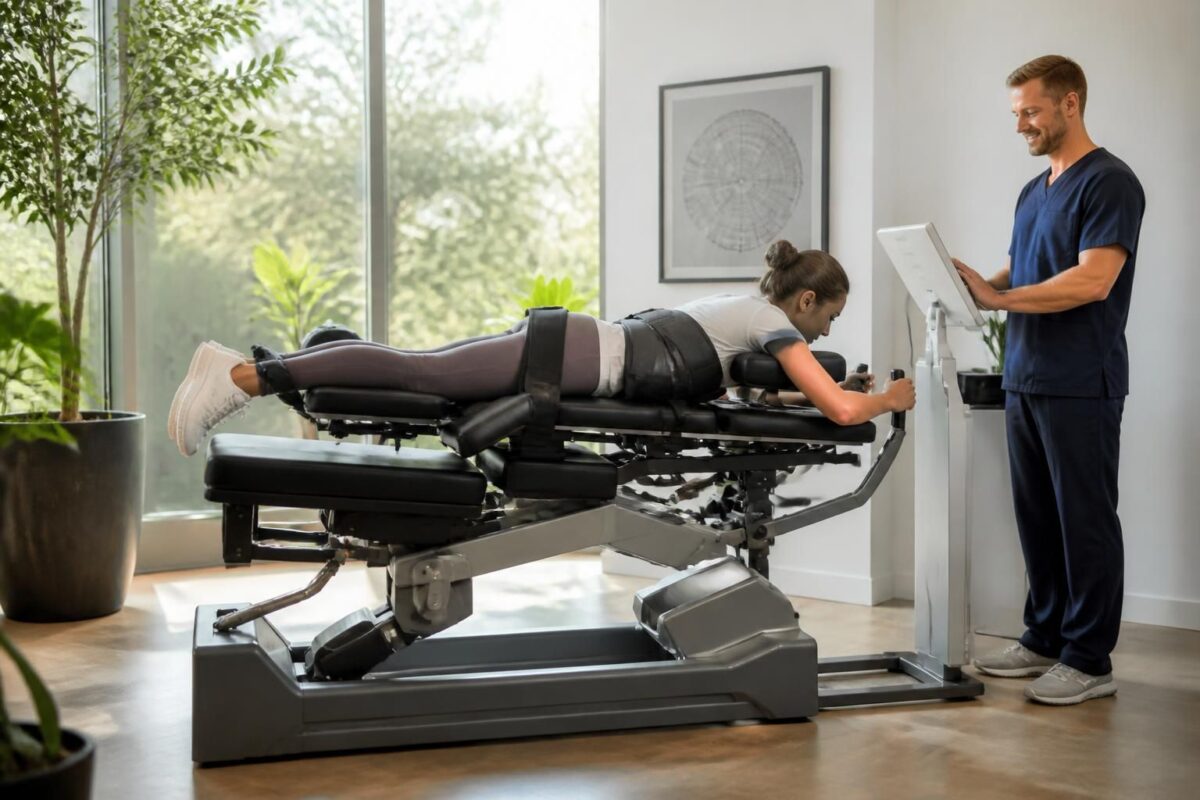
The long-term benefits of neurovertebral decompression for spinal health
In short In short, the neurovertebral decompression is a non-invasive approach that decreases the Pressure on intervertebral discs and nerves, favoring the Natural regeneration and tissue recovery. Its long-term benefits include Lasting pain reduction, Improving mobility and from the posture,…
Customizing protocols
Traction and Progress Settings
The traction parameters should be adjusted according to the severity of the symptoms and the patient’s response, with gradual and controlled progressions to optimize comfort and effectiveness.
Individual factors to consider
Personal characteristics such as age, injury history, activity level and specific objectives affect session length, frequency and potential risks. This customization promotes better satisfaction and lasting results.

Neurovertebral decompression and mobility: a return to an active life
In short In short, the neurovertebral decompression is therapy non-invasive who uses a gentle traction To create a space between the vertebrae and reduce the pressure on the Intervertebral discs and the nerves. It promotes a bloodstream improved, lowers tension…
Advanced technologies and real-time tracking
Assisted decompression and feedback
The use of connected devices offers precise and flexible traction, with real-time feedback on the patient’s reactions. This information allows you to immediately adjust the parameters to maximize efficiency and comfort.
Traceability and security
A rigorous recording of settings and therapeutic responses ensures consistent and secure progression, facilitating re-evaluations and adjustments being processed.
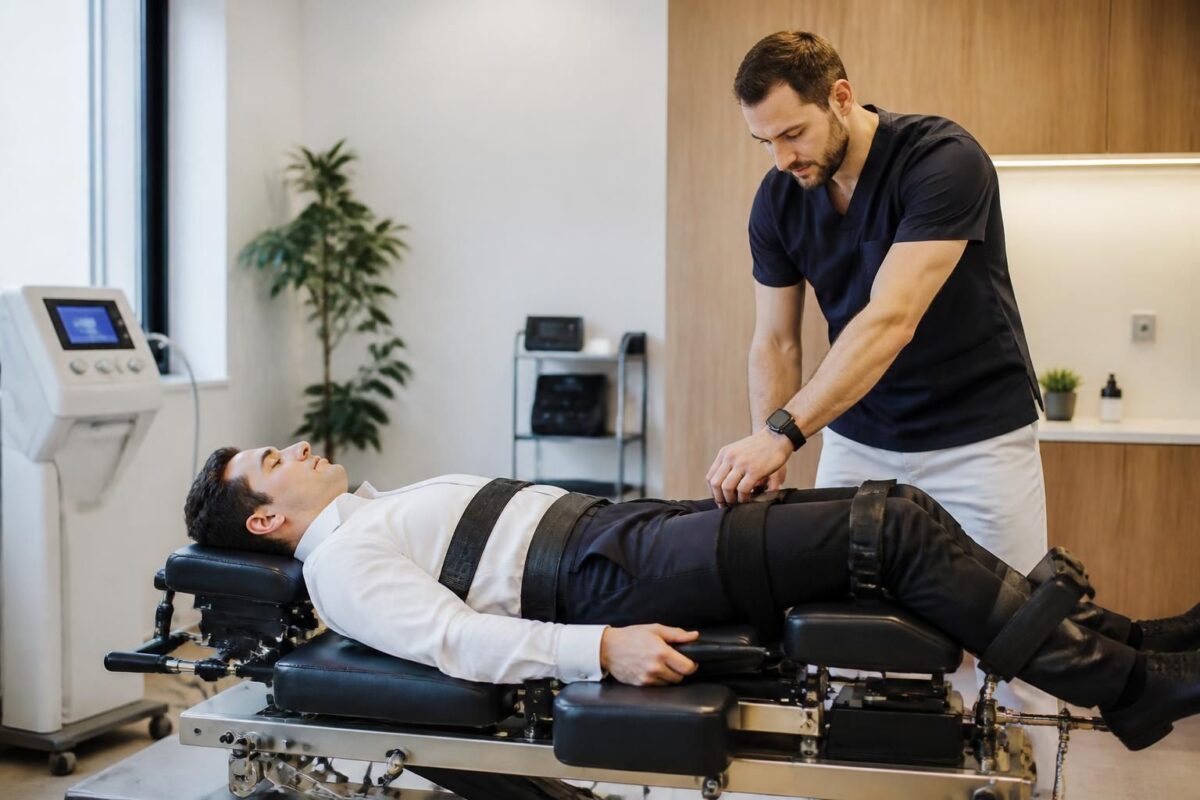
How Neurovertebral Decompression Prevents Diffuse Chronic Pain
In short decompression neurovertebral is one Non-invasive method aimed at reducing the Pressure on the intervertebral discs and the nerves, in order to prevent Diffuse chronic pain. It improves the circulation and thedisc hydration, decreases inflammation and promotes better mobility.…
Integration of complementary therapies
Synergies with osteopathy and physiotherapy
Combining decompression with manual and physiotherapeutic approaches strengthens the therapeutic effect and improves mobility and vertebral stability through complementary and co-ordinated strategies.
Reinforcement and ergonomics
Targeted reinforcement programs and ergonomics councils support gains from decompression and help prevent long-term recurrences.
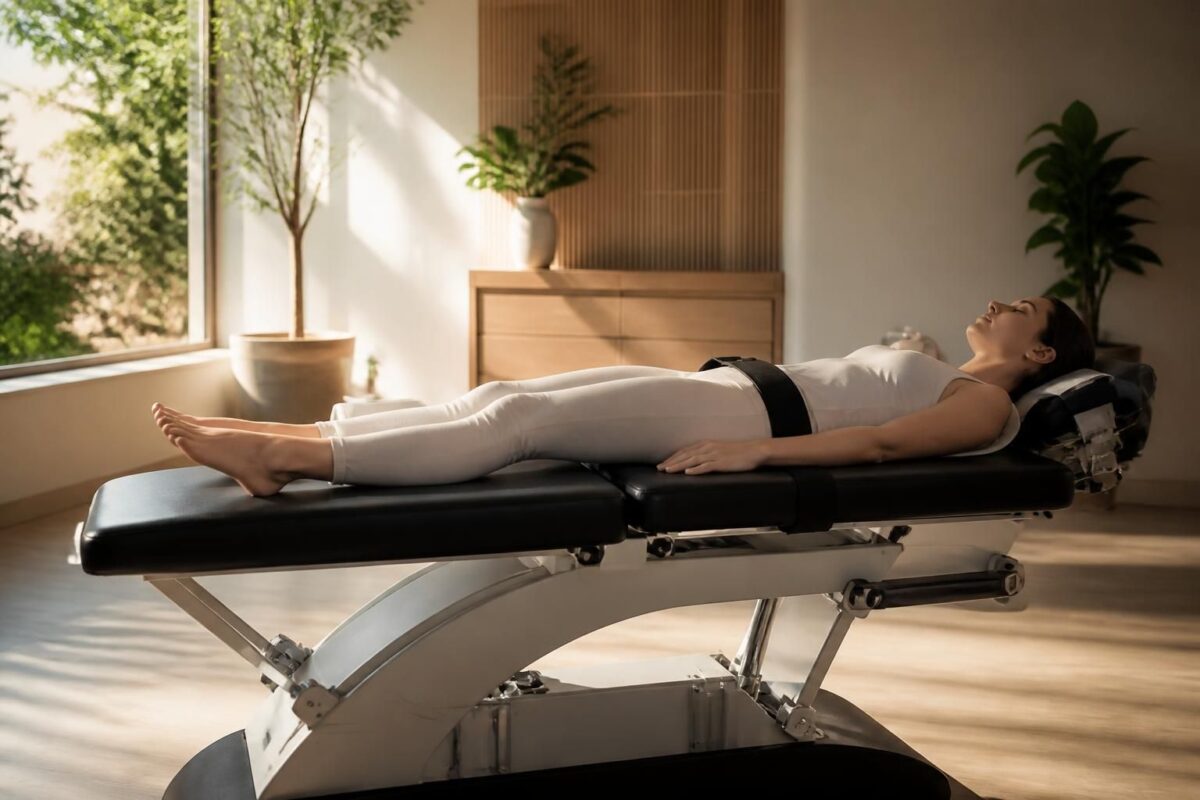
Neurovertebral Decompression and Body Alignment: Restoring Natural Balance
In short In short, neurovertebral decompression is one Non-invasive approach who restores theBody Alignment and thenatural balance back and neck. She acts by a Controlled traction of the spine to widen the intervertebral space and reduce the Pressure on discs…
Patient monitoring, reassessment and education
Regular balance sheets and adjustments
Frequent assessments make it possible to measure progress, to reassess the objectives and to adjust the protocol according to the results observed and the feelings of the patient.
Education and autonomy
Informing about the functioning of decompression and realistic expectations promotes adhesion. Home exercises and lifestyle tips extend the benefits and enhance the patient’s autonomy.
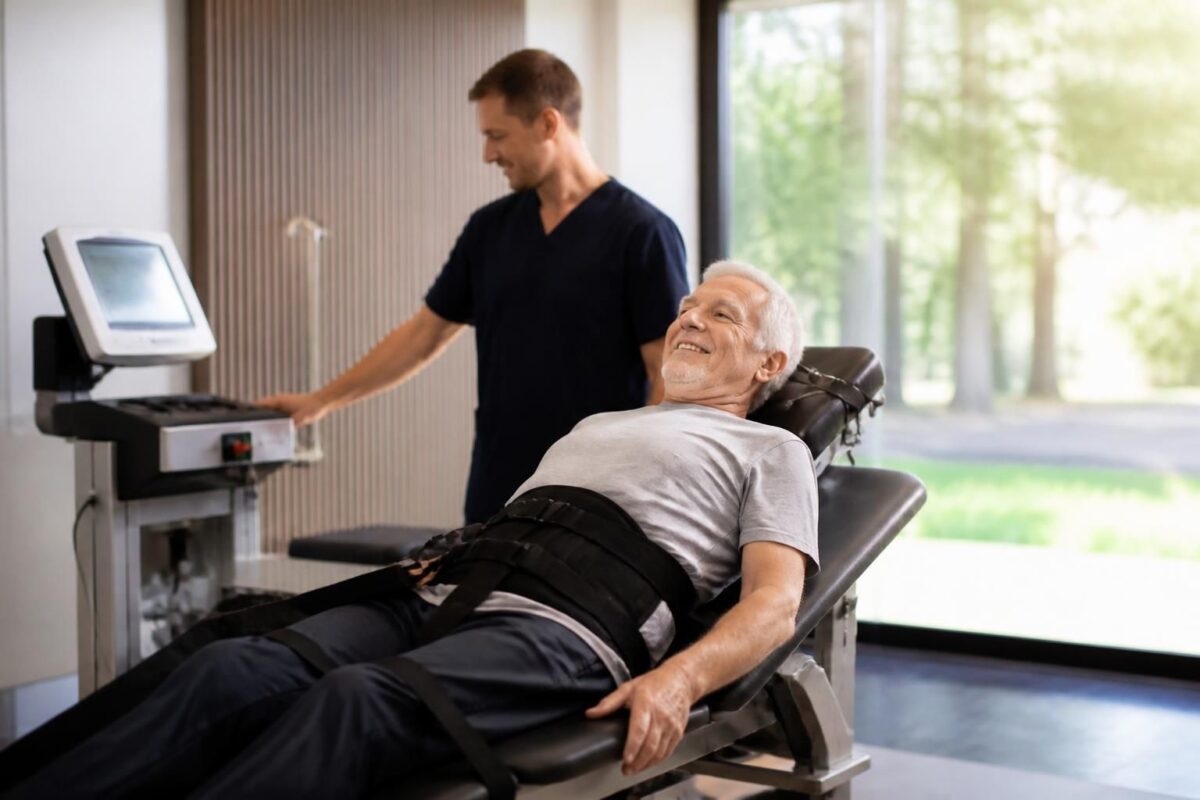
Why neurovertebral decompression is a lasting solution for active seniors
In short In short, the neurovertebral decompression is one Non-invasive therapy which sustainably relieves spinal pain in the spine active seniors By creating, by a Soft and controlled traction, a space between the vertebrae. At Montreal, it is recognized as…
Planning and prevention of recurrences
Progressive exit plan
Plan a gradual transition to normal activities, with a post-treatment follow-up schedule and criteria for considering a reduction or cessation of sessions.
Long-term prevention
Preventive measures, including hydration, adaptation of activities and regular exercises, make it possible to consolidate the gains and reduce the risk of recurrence of pain.
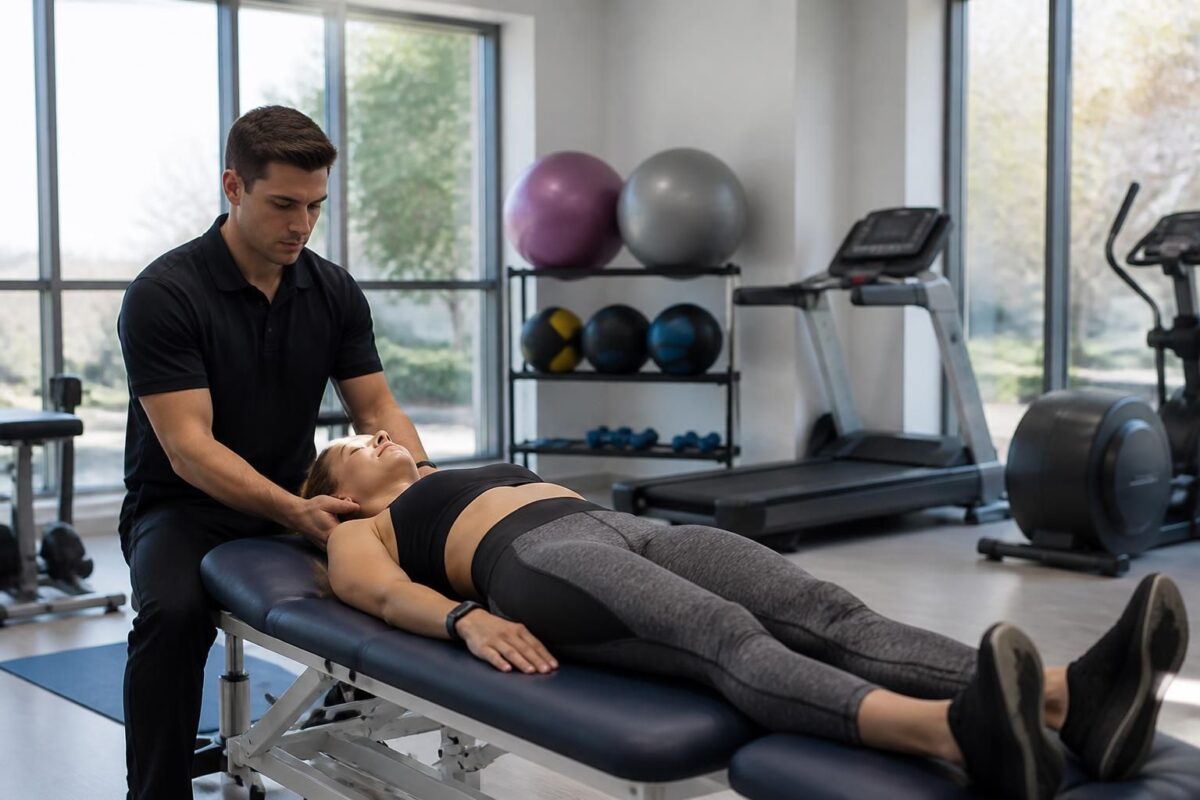
Neurovertebral decompression and recovery after severe sports injury
In short In short, the neurovertebral decompression is one Non-invasive method to Relieve the pressure on the Intervertebral discs and the gristle Via a Controlled traction, to facilitate the recovery After a severe sports injury. It improves the bloodstream towards…
Custom protocols to maximize results in neurovertebral decompression
| initial assessment | Accurate identification of causes and objectives to personalize the protocol |
| Customizing settings | Dynamic traction adjustment and duration according to responses, for quick relief |
| Technologies used | Assisted decompression with real-time sensors for precise and comfortable traction |
| Therapeutic integration | Association with osteopathy and physiotherapy for a synergistic effect |
| Monitoring and reassessment | Regular reviews and continuous adjustments to optimize results |
| Session planning | Calendar adapted to the pace of the patient to maintain the progression |
| Patient education and involvement | Clear information and support to promote grip and autonomy |
| Prevention of recurrences | Exercises and post-treatment advice to prevent relapses |
| Success Indicators | Sustainable pain reduction, regained mobility and improved quality of life |
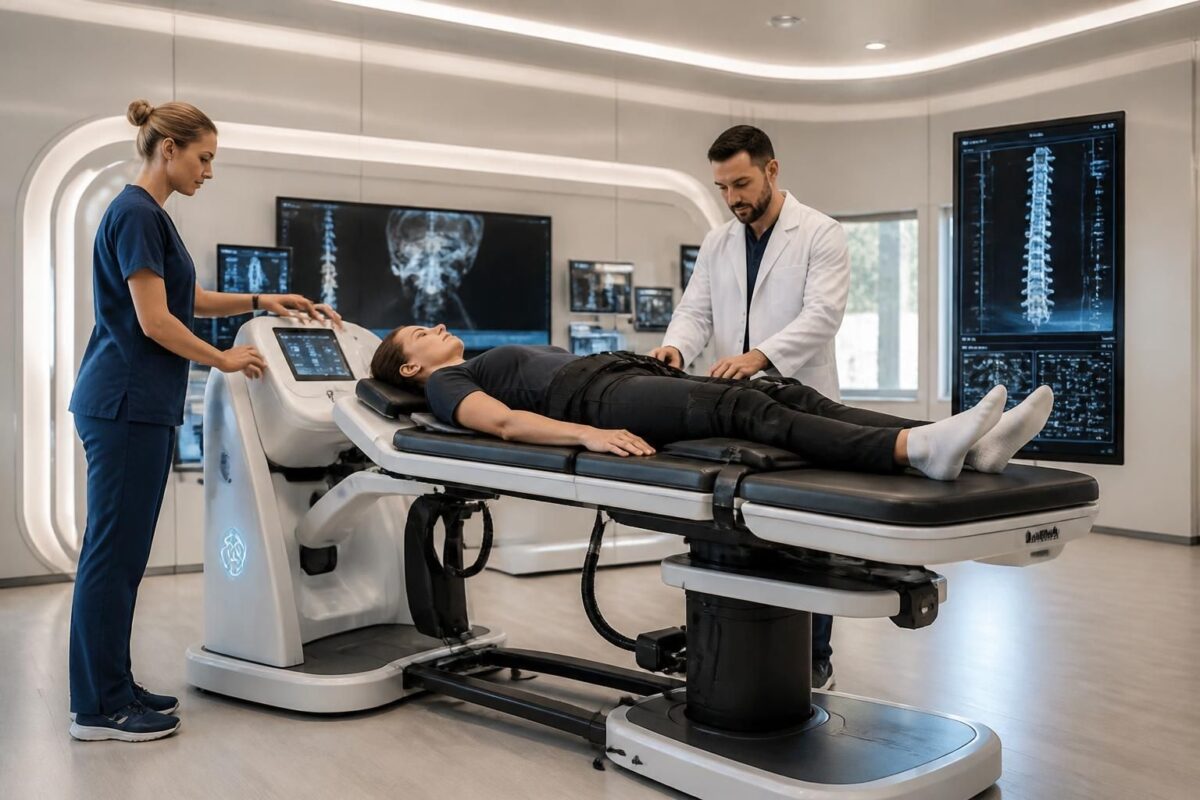
Recent innovations in neurovertebral decompression technologies
In short In short, the neurovertebral decompression is an approach non-invasive Aiming to reduce pressure on discs and nerves, and promote tissue regeneration. At Montreal, it is positioned as an effective option for lower back pain and herniated discs. The…
Testimonials on personalized protocols to maximize results in neurovertebral decompression
“The personalized protocol began with a initial assessment complete and immediately demonstrated its potential. Each session is adapted to my profile and the progress of my pain, which allowed me to feel a Real and lasting relief from the first weeks. »
“I was impressed with the use of the technology assisted decompression that adjusts traction in real time. This precision gave me comfort And mobility regained faster than expected. »
“The major advantage of this course was personalization Sessions. My doctor took into account my daily activities and my goals to modulate the parameters, which led to Quick results and visible on my ability to move without pain. »
“The synergy between neurovertebral decompression and Complementary therapies (osteopathy/physiotherapy) was decisive. I felt an overall improvement in my function and a lasting reduction in pain, far beyond what I was hoping for. »
“The Regular follow-up and the Re-evaluations allowed me to stay motivated throughout the course. The adjustments during treatment ensured continuous progression and prevention of relapses. »
“As an athlete, I needed a protocol that meets my specific needs. The personalization sessions perfectly adapted the traction and the duration, allowing me to Resume painless training and find my performance. »
“The Assisted decompression devices Offer precise and secure traction. This approach strengthened the comfort Sessions and accelerated recovery, while minimizing potential side effects. »
The practitioner mentioned is recognized for his leadership in health innovation and for his commitment to evidence-based care. Founding President of the TagMed and Pulse Align clinics, as well as the ACMA association, he places the Custom protocols In neurovertebral decompression at the heart of a multimodal approach intended to sustainably improve mobility and reduce spinal pain. Its objective is clear: to propose solutions adapted to each patient in order to optimize the results while preserving safety and comfort during treatment.
At the forefront of this approach, theinitial assessment Deeply allows you to grasp not only the intensity and locations of the pain, but also the functional impact on everyday life. This crucial step brings together medical history analysis, clinical examination and, when necessary, imaging elements. Thanks to this nuanced understanding, the practitioner can design a decompression plan on measure which targets the neuralgic areas while respecting each patient’s functional abilities and objectives.
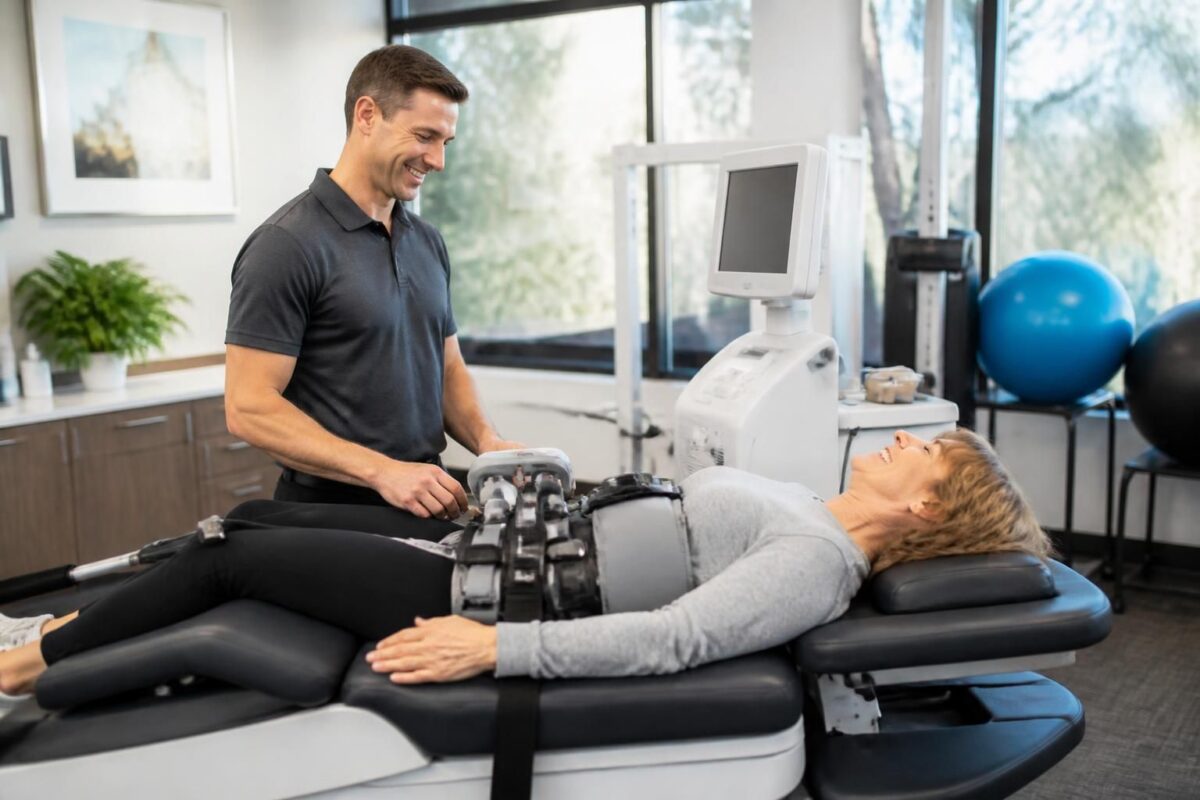
the heart of Custom protocols Based on traction Targeted and adjustable, carried out using assisted decompression apparatus and real-time control systems. This ability to adapt traction parameters (intensity, duration, sequence) in response to patient reactions maximizes efficiency while minimizing discomfort. The goal is to achieve a gradual reduction in pressure on the discs and nerve roots, while promoting better disc nutrition and rehydration of the spinal structures.
To amplify efficiency, these protocols are part of a Therapeutic integration which favors complementary therapies. The association with physiotherapy, osteopathy and muscle building approaches forms a synergy that accelerates recovery and consolidates functional gains. This multimodality Aims not only for relief, but also long-term spinal stabilization, to prevent recurrences and support a lasting return to physical activity.
Monitoring is an integral part of the process: the Real-time tracking and periodic reassessments allow the protocol to be adjusted according to progress and any obstacles. This dynamic promotes an adapted and continuous progression, rather than a fixed plan. Patient education also occupies an essential place, by providing the information necessary to understand the functioning of the decompression, the expected benefits and the possible limits, and actively involving it in its course of care.
The expected results of these Custom protocols are clear: a Quick and lasting pain reduction, a Improving mobility and, often, a regained ability to practice previously restricted activities. favoring an approach holistic and individualized, the practitioner turns neurovertebral decompression into a pragmatic and effective solution for patients with Chronic pain related to the spine, while avoiding more invasive interventions when possible.
Quick summary: Custom protocols for the neurovertebral decompression Offer a targeted and effective approach to improve mobility and reduce spinal pain. By relying on a initial assessment in-depth and a personalization Sessions, these protocols combine advanced technologies and complementary therapies for quick, lasting and non-invasive relief. They also include a Regular follow-up and an Patient education to prevent recurrences and optimize recovery.
Neurovertebral decompression and diffuse pain: an appropriate solution
In short In short, the neurovertebral decompression is one Non-invasive solution For diffuse pain related to nerve irritation of the spine. She acts in Reducing pressure on intervertebral discs and nerves and improving the bloodstream, which promotes recovery and the…
Summary and practical recommendations
The Custom protocols start with a initial assessment detailed that examines the symptoms, history and goals of the patient. This step makes it possible to precisely target the areas to be treated and to set measurable results. To deepen the foundations and clinical applications, you can consult specialized resources on Custom protocols and on Maximize results.
The personalization Sessions take into account the severity of pain, history and functional goals. This flexible approach adjusts the duration, intensity and frequency of the sessions, which increases the chances of quick and lasting relief. Additional online resources illustrate the impact of appropriate customization on results and recurrence prevention right here.
The use of Advanced technologies – In particular, assisted decompression devices and real-time tracking systems – allows targeted traction to be applied and the parameters adjusted according to the patient’s reactions. This approach guarantees comfort and efficiency while maximizing the decompression of intervertebral discs. For a complete view of mechanisms and benefits, refer to articles that explain how decompression affects disc circulation and regeneration right here and explore the protocols that aim to Optimize results right here.
theIntegration of complementary therapies (osteopathy, physiotherapy, relaxation techniques) creates a synergistic effect that accelerates pain reduction and improves mobility. Personalized programs often combine these modalities to support muscle strengthening and spinal stability, while protecting long-term results. Studies and feedback on personalized decompression protocols can be viewed in specialized resources right here.
The Regular follow-up and the revaluation At predefined intervals are crucial for adjusting protocols based on symptoms and functional abilities. This dynamic approach helps maintain efficacy and prevent relapses, while strengthening patient engagement in their care pathway. For resources on continuity of care and prevention, see the pages dedicated to recurrence prevention and physical well-being right here.
An educational dimension is essential: informing the patient about the functioning, benefits and limits of decompression makes it possible to set realistic expectations and encourage their active involvement. Online guides and testimonials show how appropriate education positively influences outcomes and recurrence prevention right here.
Finally, for those who wish to explore the evidence and application perspectives, external resources present advanced approaches and results observed in various clinical contexts, including personalized protocols to optimize results and reduce pain right here and right here.
To deepen the mechanisms of tissue regeneration and support for intervertebral tissues, consult resources that detail how decompression can contribute to the regeneration of intervertebral tissues right here.

Dr Sylvain Desforges, B.Sc., D.O., N.D., osteopath, is the founding president of TAGMED and of the ACMA association. He dedicates his practice to chronic spinal pain, low back pain and symptoms compatible with sciatica, particularly when pain radiates toward the buttock, leg, calf, foot or toes.
Through SOS Sciatique, he publishes educational content on sciatica symptoms, possible causes such as disc herniation, disc narrowing, foraminal stenosis or irritation of a lumbar nerve root, as well as non-surgical approaches that may be considered according to the evaluation. At Clinique TAGMED, care may include, depending on the case, motorized neurovertebral decompression, specific osteopathic care or precision percussion.
For an evaluation related to sciatica treatment in Montreal / Mount Royal or sciatica treatment in Terrebonne, please consult the services available at Clinique TAGMED.
Medical disclaimer
The information published on SOS Sciatique is provided for educational purposes only and does not replace a consultation, diagnosis, opinion or treatment provided by a physician or another authorized healthcare professional. The author of this article is neither a medical doctor nor a specialist in a medical specialty recognized by the Collège des médecins du Québec. The osteopathic, manual medicine or functional support approaches described on this site do not constitute medical acts and are not intended to replace medical follow-up.
Consult a physician or emergency service in cases of loss of bladder or bowel control, anesthesia in the saddle area, significant or progressive weakness in the leg or foot, fever, recent trauma, severe pain or rapid worsening of symptoms. For more details, please read our Legal Notice.