

Clinical results showing the efficacy of neurovertebral decompression
26/06/2026
Why neurovertebral decompression is a natural solution for vertebral pain
26/06/2026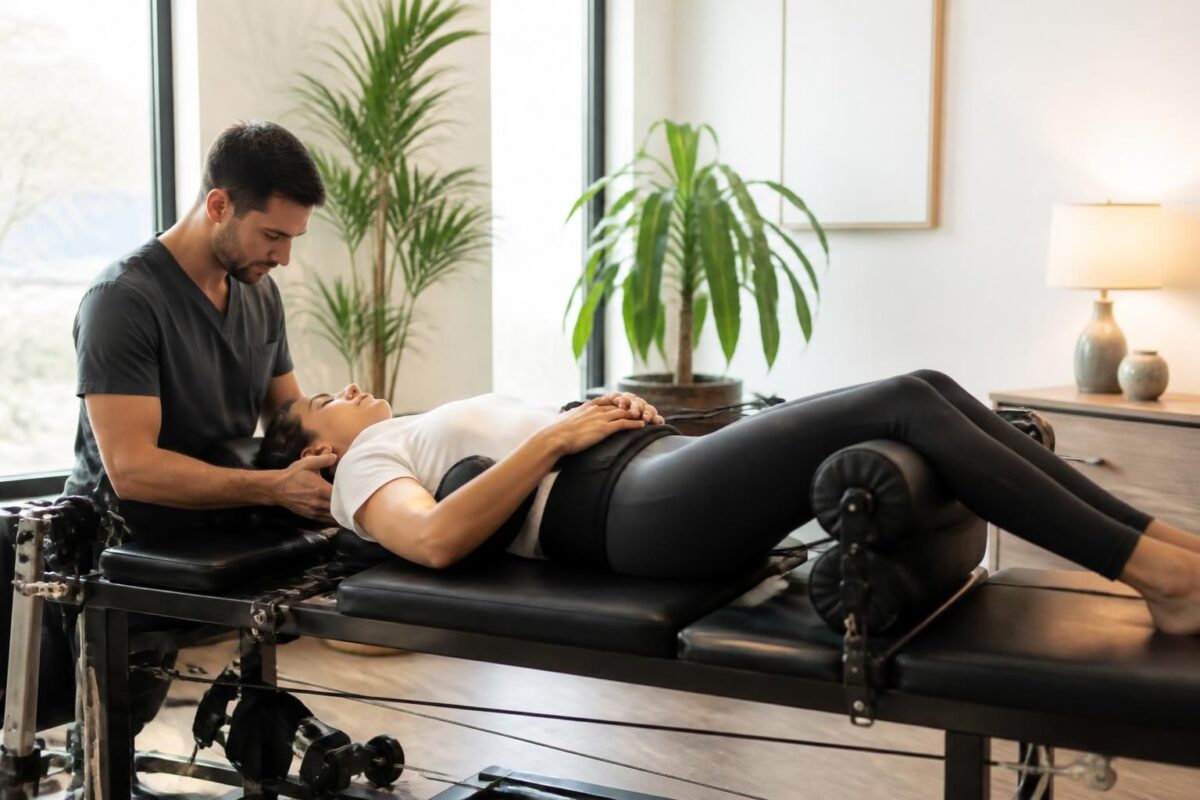
In short
| In short, the neurovertebral decompression is one Non-invasive approach which aims to relieve the Deep muscle pain related to spinal disorders by reducing the Pressure on discs and favoring their rehydration. Advantages: pain reduction, Improved mobility and posture, Muscle relaxation and better local traffic, with reduced use of surgery. how it works: a Controlled traction Create a negative pressure in the discs to realign and hydrate them. In Montreal, this service is particularly useful for lower back and cervical pain linked to spinal imbalances and can be integrated into a global rehabilitation program. |
The neurovertebral decompression is a non-invasive method that works by reducing the pressure on the discs and nerves of the spine thanks to controlled traction. This approach promotes disc rehydration and releases deep muscle tension, a frequent source of Deep muscle pain.
integrated into a global program (targeted exercises and associated therapies), it offers lasting relief and improves the mobility and posture. In office or at home, depending on the case, it directly targets the underlying mechanisms of pain and promotes a better quality of life.
- pain relief and reduced deep tension
- Improving mobility and daily comfort
- Intra-discal pressure reduction and better circulation
This article, written by a health professional and expert in manual medicine, presents how the neurovertebral decompression can help relieve Deep muscle pain. It describes the simple mechanisms, clinical indications and options available in practice or at home, while emphasizing a safe and evidence-based approach.
Understanding neurovertebral decompression
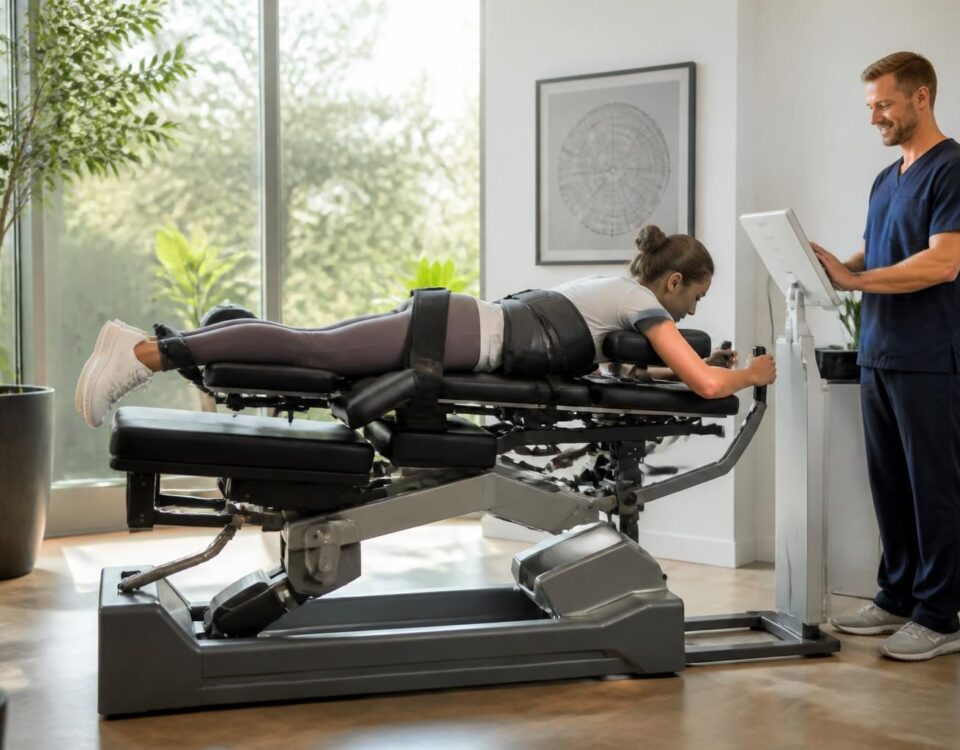
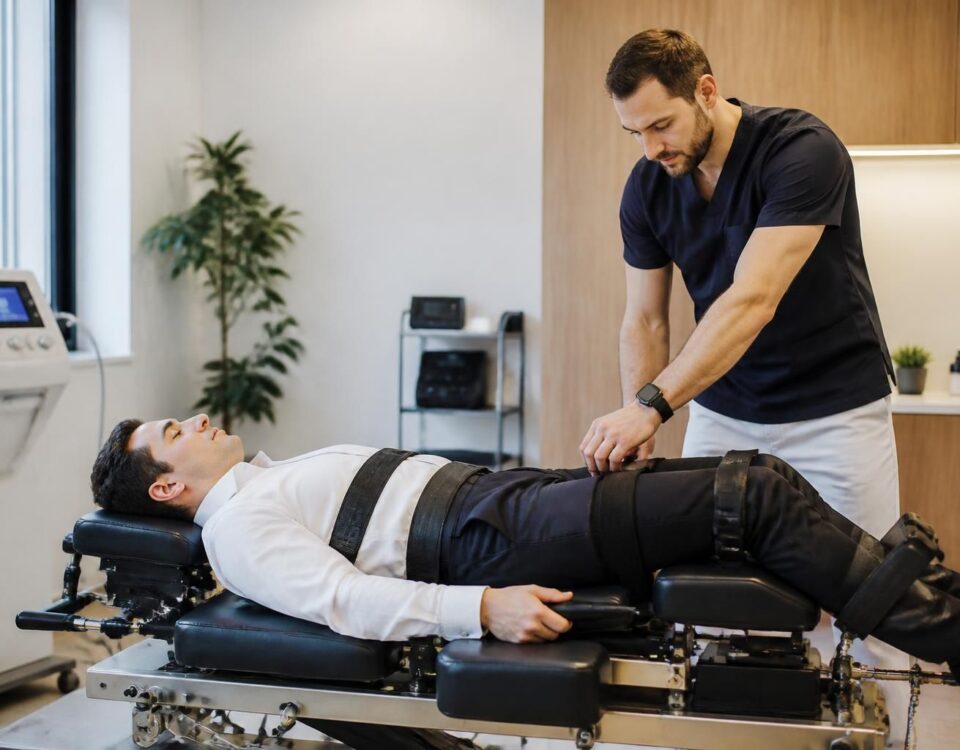
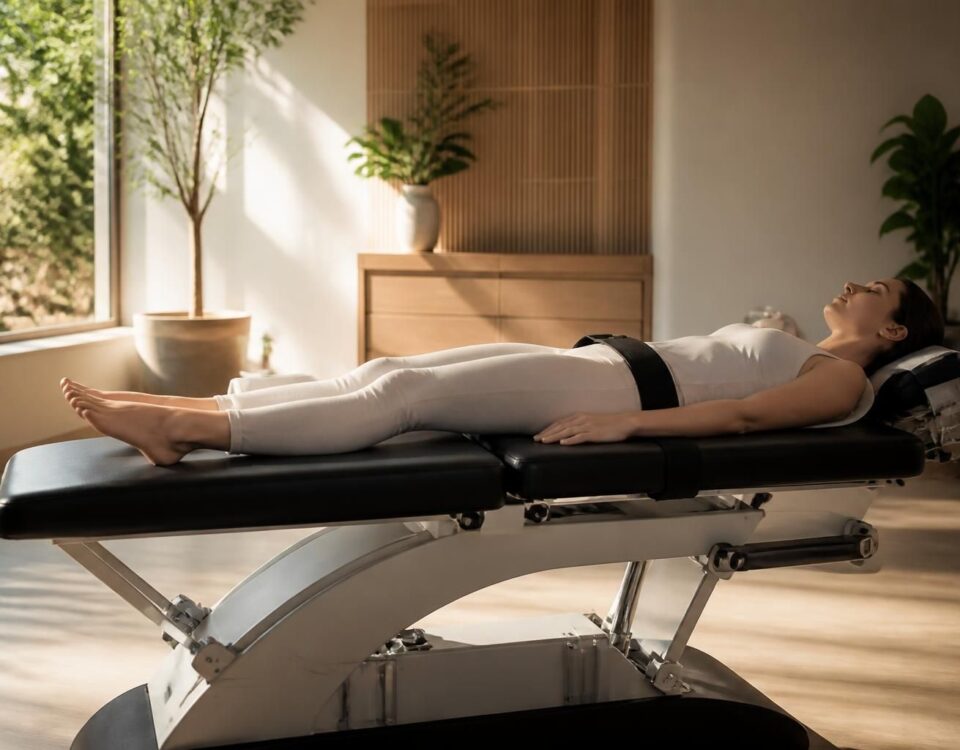
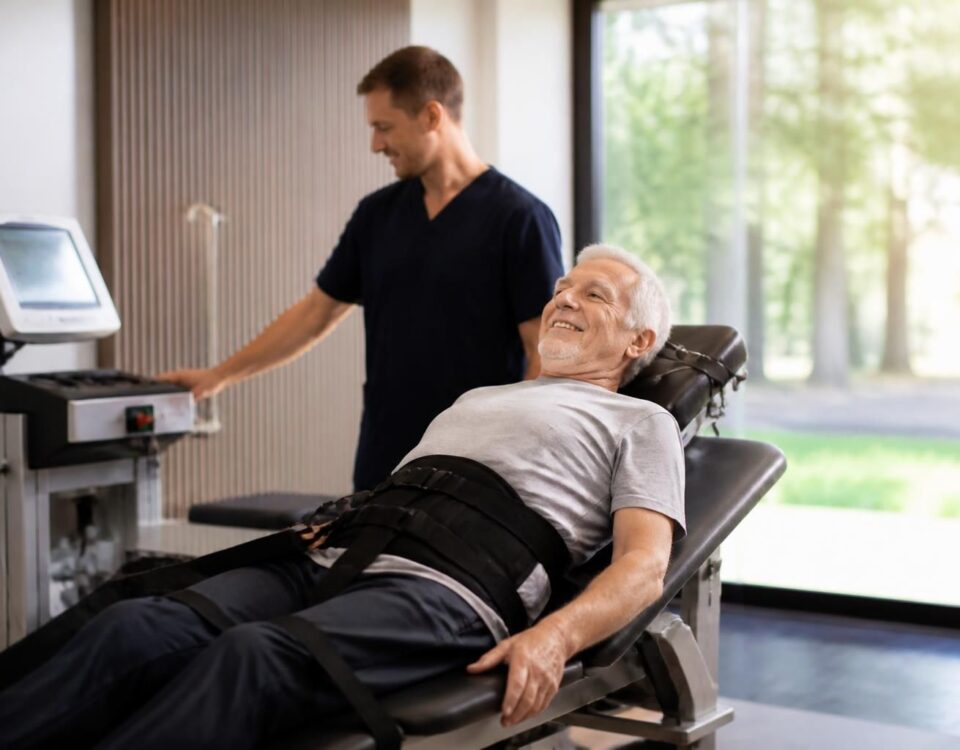
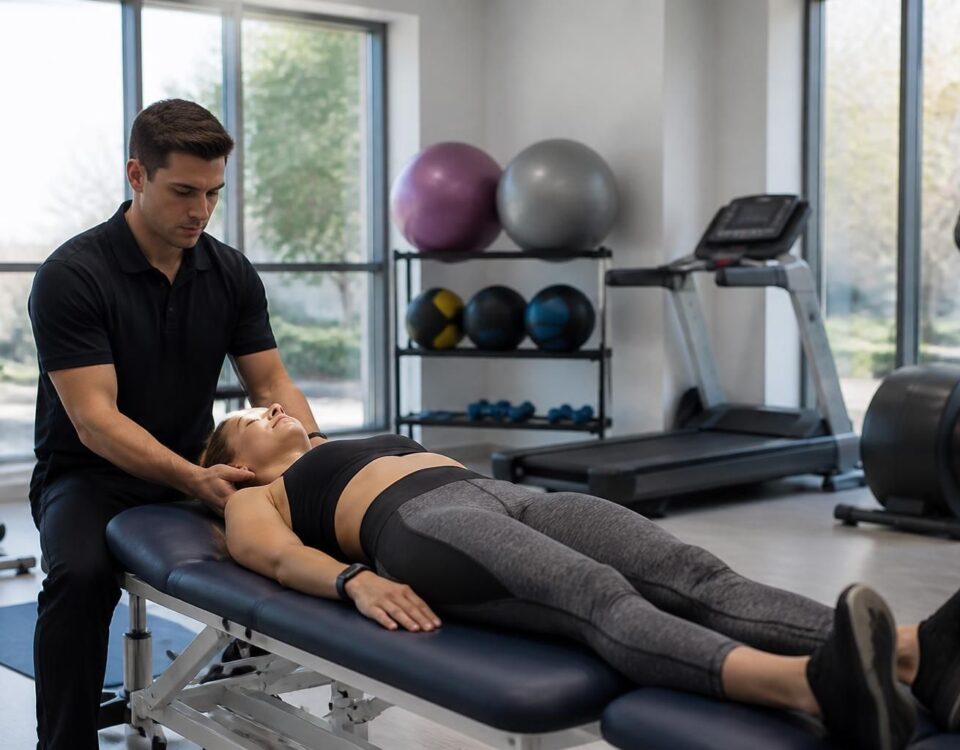
The neurovertebral decompression acts by a controlled traction which reduces the pressure exerted on the Intervertebral discs. This pressure reduction helps ease nervous tension and promotes spinal rebalancing. The treatment can be carried out in the office, on a suitable traction table, or, in some cases, with gentle traction devices at home, under medical supervision and according to clear protocols. This approach aims for a gradual improvement in mobility and comfort, without resorting to surgery.
What is neurovertebral decompression used for?
Decompression is considered as an additional treatment for:
– Reduce pain related to spine pathologies, including lower back and cervical pain,
– Reduce the pressure on the discs, in case of degenerative or protrusive discs,
– Release muscle tension associated with poor posture,
– Improve local circulation and promote functional recovery of nerve tissue.
It is particularly suitable when the symptoms involve radiant pain or sensory disorders due to nerve compression.
Decompression in office and at home
In the office, the professionals use a fluid and adjustable traction table, with rigorous supervision, in order to parameterize the intensity, duration and angle of traction. The treatment is often part of a global program of rehabilitation and multidisciplinary care. At home, certain soft traction devices can be considered under medical recommendation, in order to support the results obtained in the office and to encourage continuity of care within the framework of a natural and non-invasive approach.
what decompression and expected results provide
The observed benefits include a pain reduction and an Improving mobility of the spine, associated with a better local traffic and a decrease in deep muscle tension. The results are progressively manifested and depend on the initial evaluation, compliance with protocols and the overall health status of the patient. As part of a global treatment, decompression can be combined with other non-invasive approaches to optimize recovery.
Precautions and expectations
Neurovertebral decompression is generally well tolerated. Some precautions are necessary:
– Do not force during a scheduled treatment or stretching,
– Begin gradually and follow the instructions of the professional,
– Avoid acute episodes of pain or sudden movements without supervision,
– Perform regular follow-up to adjust the protocol according to the evolution of the symptoms.
Preliminary diagnosis and clinical evaluation are essential to determine the adequacy of the treatment and the indications specific to each patient.
Integration into a global health approach
Neurovertebral decompression is part of a global approach that can include Adapted nutrition, adapted physical activity and posture advice to limit repetitive stresses. It aims not only to reduce pain, but also to improve function and quality of life in the long term. For active people, it can contribute to maintaining mobility and gradual resumption of daily activities, without resorting to invasive interventions.
Resources and useful links
For further information, you can consult clinical and academic resources available in the following areas:
neurovertebral decompression – Definition and context.
neurovertebral decompression and mobility to find an active life.
To understand the impact on the regeneration of intervertebral tissues, see the resources associated with SOS Sciatica and SOS Herniated Disc.
Additional resources at TagMed and partners:
Tagmed Clinic – Information on non-invasive approaches and clinical protocols.
Medical Disclaimer: The information and advice provided on this site does not replace the health professional’s diagnosis or treatment. Please note that Dr. Sylvain Desforges osteopath is neither a doctor of medicine nor a doctor, and is not a specialist in a medical specialty as defined by the Collège des Médecins du Québec. Manual medicine, functional medicine and sports medicine as described on this site exclude any medical treatment or diagnosis made by a doctor or specialist doctor. Always consult your doctor for any medical questions. For more details, please read our full legal notice.
Neurovertebral Decompression and Deep Muscle Pain: Relieve Effectively
- Mechanism : gentle and controlled traction decreasing intra-discal pressure and releasing nerves.
- directions : degenerative disc diseases, hernias or bulges, deep pain in the back and neck.
- Earnings : lasting pain reduction and improved mobility.
- Home application : Guided stretching protocol and gentle decompression devices to be used according to professional advice.
- Expected results : Regular progression, decrease in deep muscle tension.
- Security : favor a prior assessment in the presence of severe hernia or nerve compression.
- Integration : Coordination with manual therapy, posture and adapted physical activity.
- Practical advice : 5 to 10 minutes/day, avoid exercises during acute attacks, stay hydrated and maintain good posture.

This article explains how the neurovertebral decompression may Relief effectively Deep muscle pain related to spinal imbalances. You will discover the simple mechanisms that explain the benefits, indications, exercises to be carried out at home and practical advice to integrate this non-invasive approach into a global care strategy.
Understanding neurovertebral decompression
The neurovertebral decompression is a non-invasive technique that aims to reduce the pressure exerted on the intervertebral discs and on the nerve structures surrounding the column. By a gentle and controlled traction, it facilitates the rebalancing of the spinal segments, improves the hydration of the discs and contributes to the relaxation of the deep muscles of the back. This combined action can reduce deep muscle tension and associated pain.
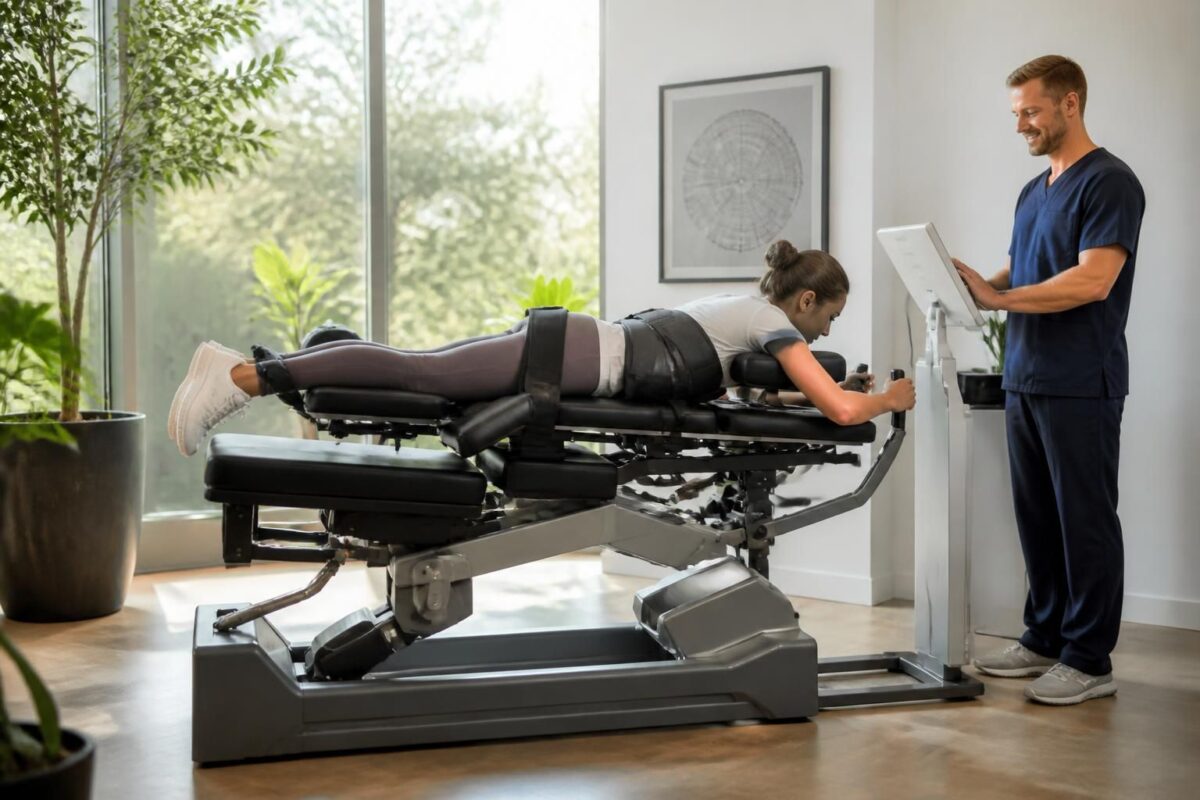
The long-term benefits of neurovertebral decompression for spinal health
In short In short, the neurovertebral decompression is a non-invasive approach that decreases the Pressure on intervertebral discs and nerves, favoring the Natural regeneration and tissue recovery. Its long-term benefits include Lasting pain reduction, Improving mobility and from the posture,…

Neurovertebral decompression and mobility: a return to an active life
In short In short, the neurovertebral decompression is therapy non-invasive who uses a gentle traction To create a space between the vertebrae and reduce the pressure on the Intervertebral discs and the nerves. It promotes a bloodstream improved, lowers tension…
Indications and benefits for deep muscle pain
It is particularly suitable when Deep muscle pain Reflect postural compensation or nervous irritation related to irritated or degenerative discs. Typical indications include recurrent lower back and cervical pain, sciatica or cruralgia associated with deep muscle tension, and mobility limitations caused by spinal imbalances. Expected benefits include a pain reduction, a Improving mobility and a decrease in muscle tension in the back and neck, thus promoting a gradual resumption of daily activities.
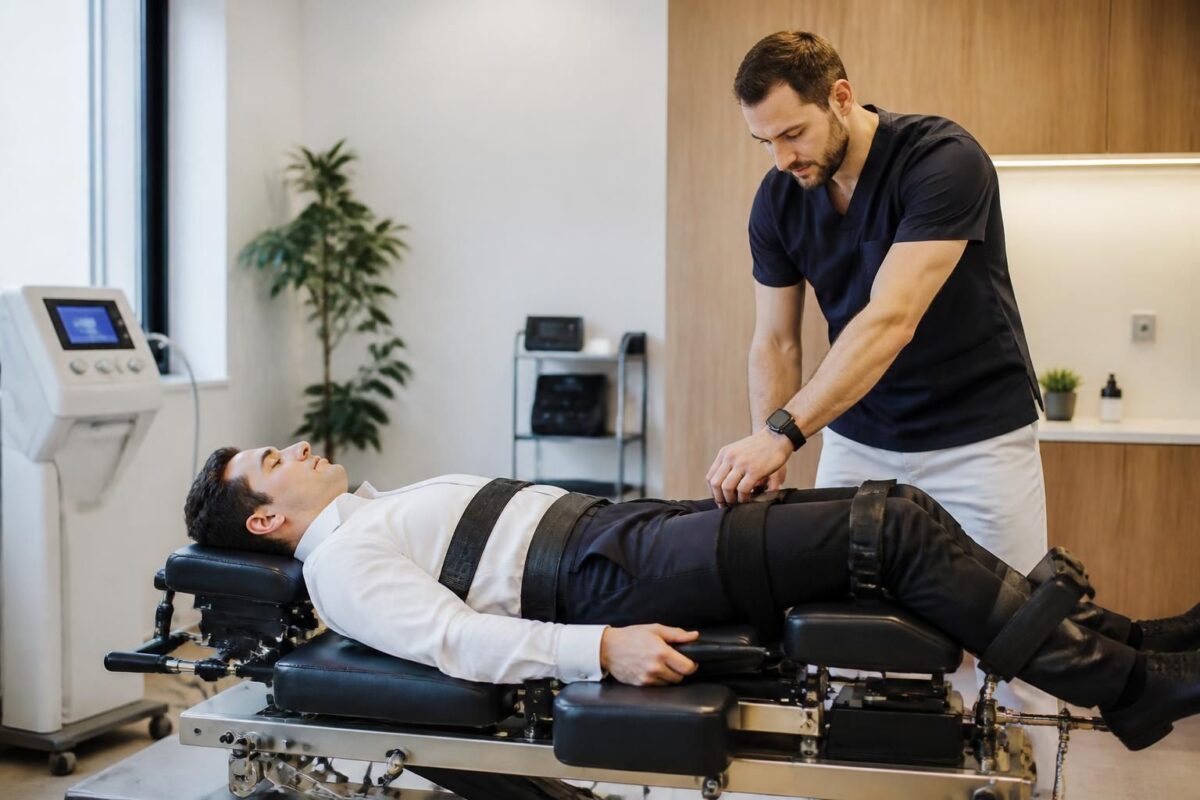
How Neurovertebral Decompression Prevents Diffuse Chronic Pain
In short decompression neurovertebral is one Non-invasive method aimed at reducing the Pressure on the intervertebral discs and the nerves, in order to prevent Diffuse chronic pain. It improves the circulation and thedisc hydration, decreases inflammation and promotes better mobility.…
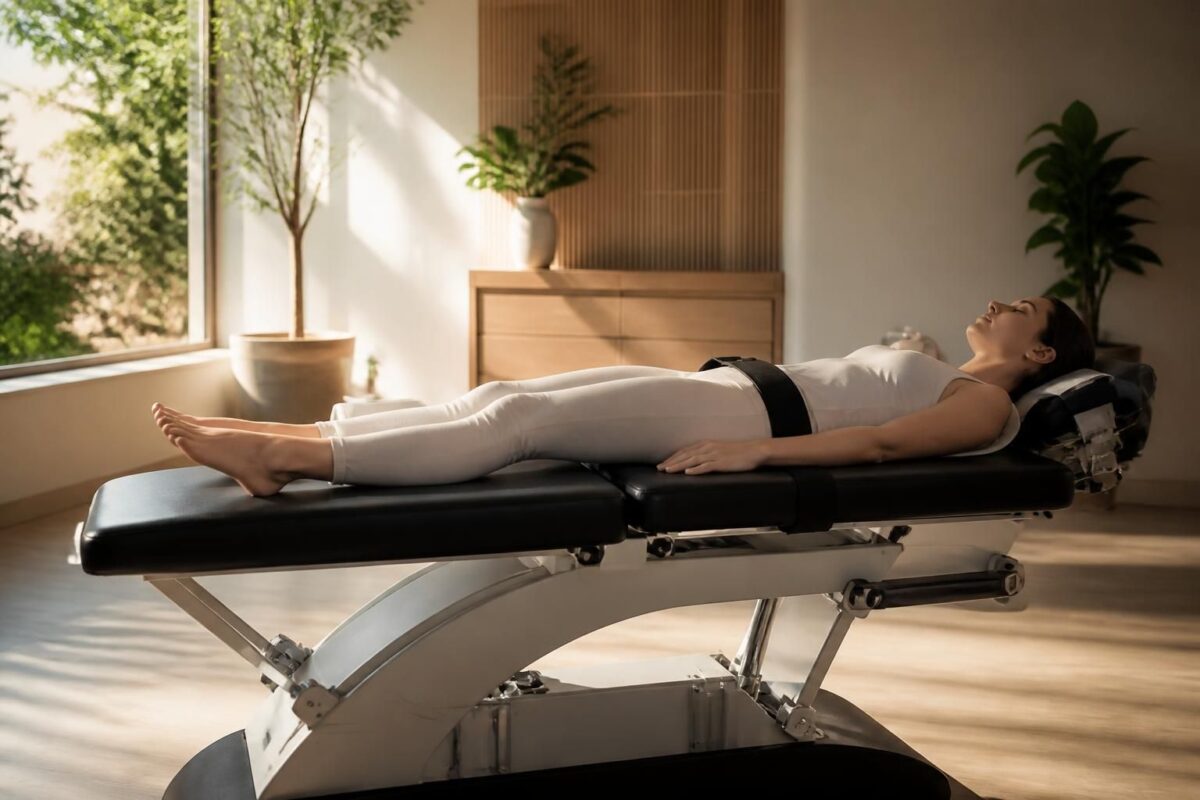
Neurovertebral Decompression and Body Alignment: Restoring Natural Balance
In short In short, neurovertebral decompression is one Non-invasive approach who restores theBody Alignment and thenatural balance back and neck. She acts by a Controlled traction of the spine to widen the intervertebral space and reduce the Pressure on discs…
Recommended practices to maximize results
in office
In the office, decompression is practiced on a suitable table, with personalized intensity, duration and angle settings. The treatment is generally part of a global rehabilitation program, combining exercises, postural work and movement advice to support the gains obtained during the sessions.
at home and safe exercises
To accompany the treatment in the office, you can perform simple and secure exercises. For example, gentle stretches of the trunk to promote the lengthening of the spine, breathing postures that relax the muscles of the back, and active breaks during long sitting periods. The goal is to maintain light and repeated traction on the spine, while avoiding any pain and sudden movement. Start slowly, 5 to 10 minutes a day, and adapt the routine according to your feelings and the advice of your practitioner.
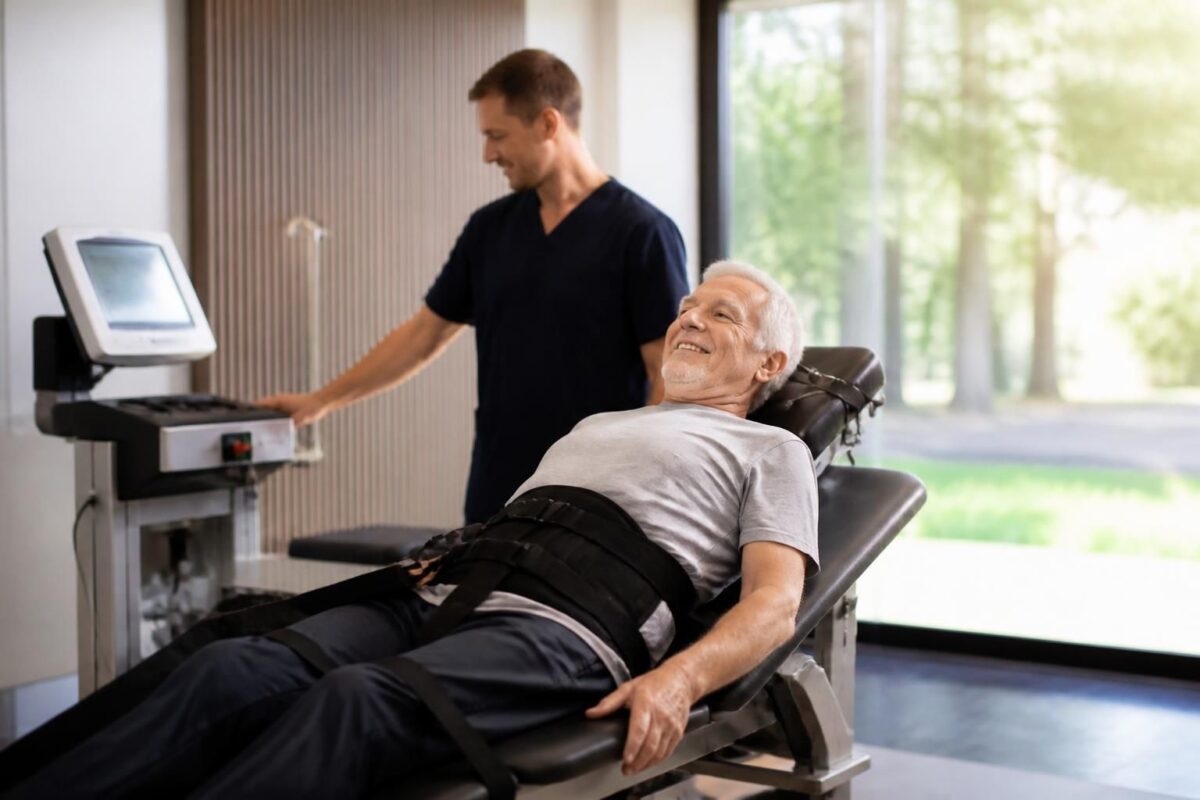
Why neurovertebral decompression is a lasting solution for active seniors
In short In short, the neurovertebral decompression is one Non-invasive therapy which sustainably relieves spinal pain in the spine active seniors By creating, by a Soft and controlled traction, a space between the vertebrae. At Montreal, it is recognized as…
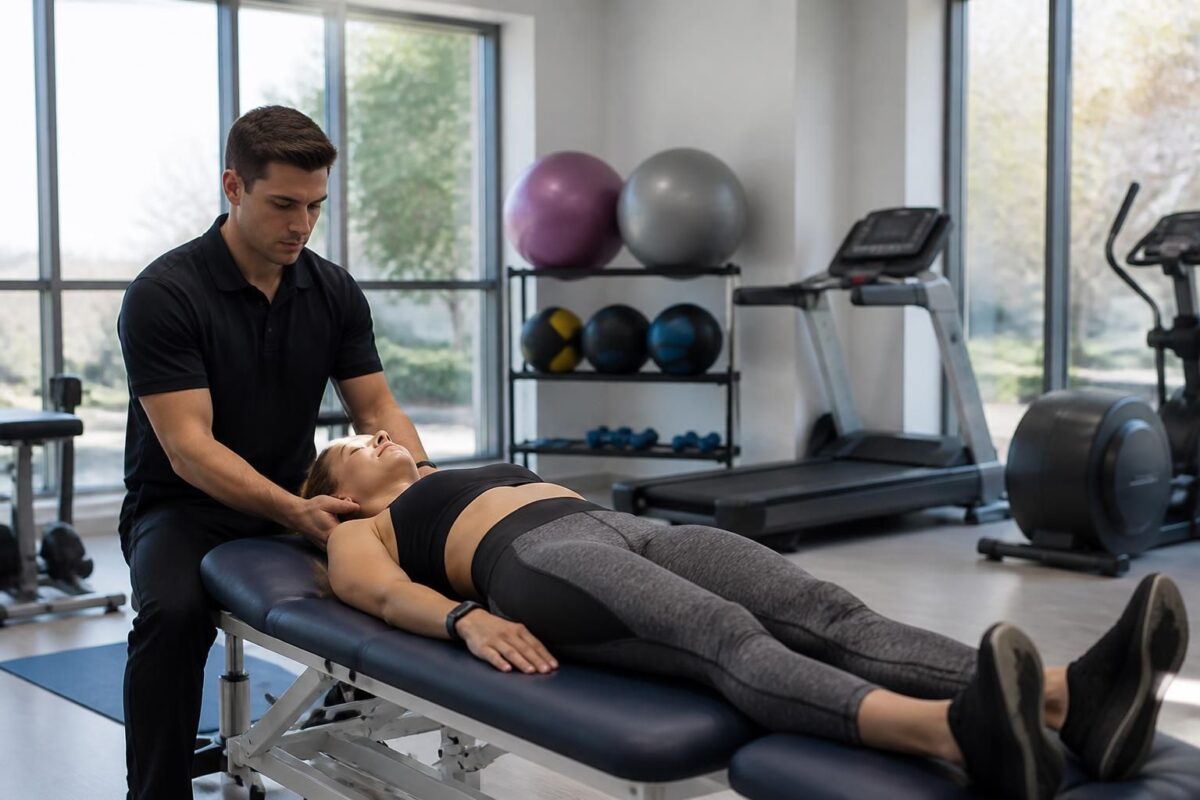
Neurovertebral decompression and recovery after severe sports injury
In short In short, the neurovertebral decompression is one Non-invasive method to Relieve the pressure on the Intervertebral discs and the gristle Via a Controlled traction, to facilitate the recovery After a severe sports injury. It improves the bloodstream towards…
Daily exercises and gestures to support treatment
Integrating simple gestures into your daily life can amplify the effects of decompression. Promote a Postural hygiene Attentive (sitting, standing, sleeping), favor gentle activities such as walking or swimming, and ensure good hydration to support disc rehydration. In addition, targeted strengthening exercises of the back muscles, performed under initial supervision, help maintain the spinal alignment and prevent recurrences of deep tension.
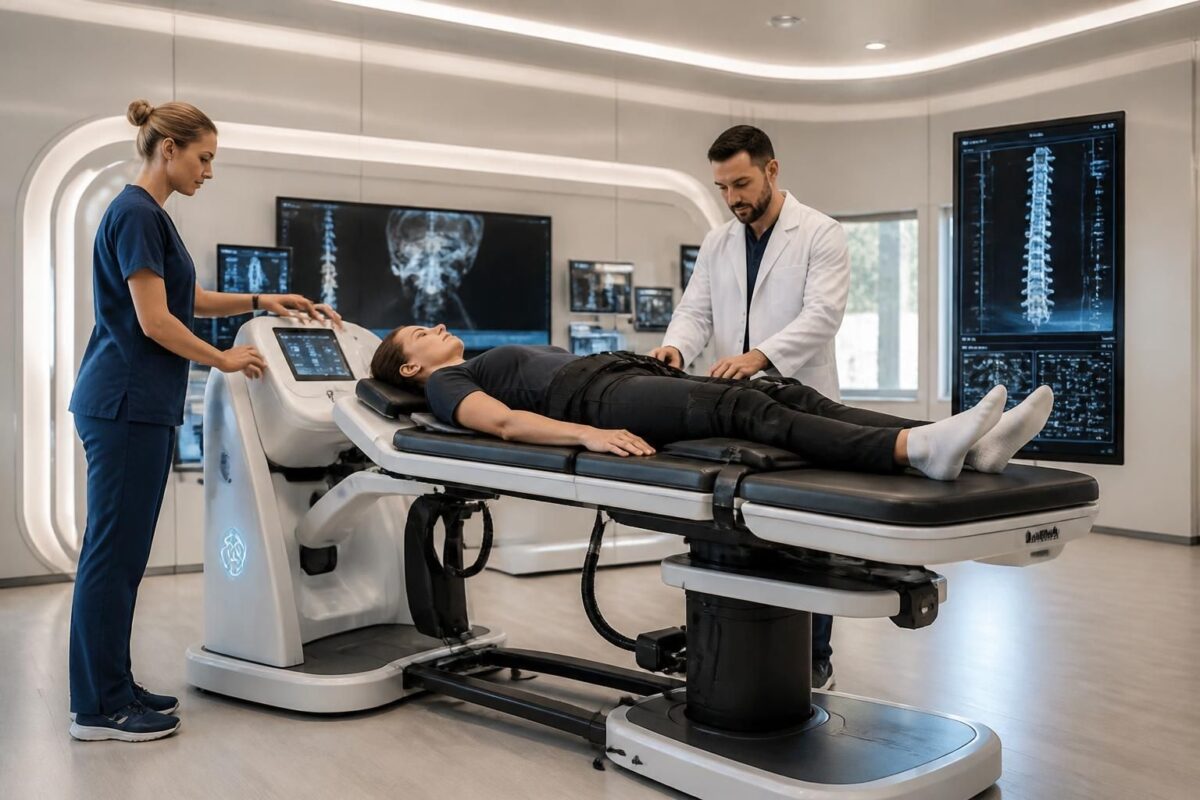
Recent innovations in neurovertebral decompression technologies
In short In short, the neurovertebral decompression is an approach non-invasive Aiming to reduce pressure on discs and nerves, and promote tissue regeneration. At Montreal, it is positioned as an effective option for lower back pain and herniated discs. The…
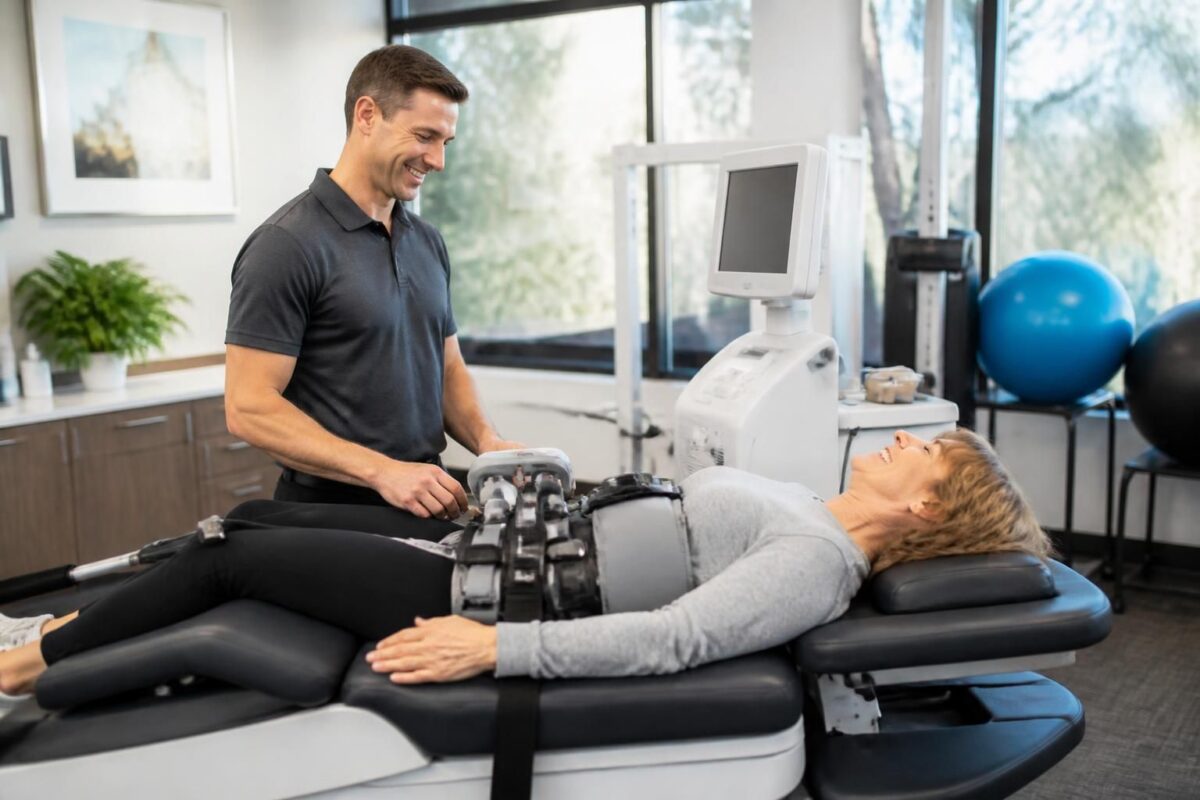
Neurovertebral decompression and diffuse pain: an appropriate solution
In short In short, the neurovertebral decompression is one Non-invasive solution For diffuse pain related to nerve irritation of the spine. She acts in Reducing pressure on intervertebral discs and nerves and improving the bloodstream, which promotes recovery and the…
Precautions and safety
Contraindications and precautions
Decompression is not suitable for everyone. Avoid it in the presence of acute pain, fractures, infections or certain specific spinal pathologies. If you have a severe disc herniation, major sciatica or neurological signs, seek the advice of a health professional before starting a decompression protocol.
Monitoring and adaptation
Regular monitoring allows you to adjust the protocol according to the evolution. The benefits are gradually built as part of a personalized care plan, combining decompression, rehabilitation and posture advice to maintain long-term improvements.
Integration into a global back health approach
To optimize the Deep muscle pain relief, decompression is ideally integrated into a multidisciplinary approach including physiotherapy, work on posture, appropriate physical activity and hydration. This synergy aims not only to reduce pain, but also to sustainably improve function and general well-being.
| Main objective | reduction of the pressure On discs and relaxation deep muscles for a relief lasting pain. |
| Mechanism | The Controlled traction gradually stretches the column, favoring thehydration and repositioning of the intervertebral discs. |
| directions | suitable for slipped disc, bulging, disc degeneration and sciatica. |
| Contraindications and precautions | Evaluation preliminary and follow-up; avoid during acute crisis. |
| Care setting | fits into a Global rehabilitation program and can be offered in the office by a practitioner. |
| Benefits on deep pain | reduction of Deep pain with a Effective relief and less muscle tension. |
| Deadline and progress | progressive improvements on several weeks with regular practice. |
| Security and tolerance | Treatment non-invasive and generally well tolerated, supervised by a health professional. |
Testimonials on Neurovertebral Decompression and Deep Muscle Pain: Relief Effectively
“From the first session, I felt a relief Notable deep pain that hugged my back and neck. The neurovertebral decompression allowed to release tension and alleviate some of the pressure on my deep muscles. »
“After several weeks of treatment, my Deep muscle pain have decreased significantly and my posture lined up more naturally. I am able to resume my daily activities without this heavy feeling that limited my movements. »
“What convinced me was the combination of an approach non-invasive and fresh. The controlled traction allowed me to feel a rebalance in the lumbar and cervical region, with a gradual improvement in my mobility and my comfort. »
“My program was personalized and included simple exercises to do at home. Thanks to this Therapeutic trajectory, I observed a lasting reduction in Deep muscle tension and better efficiency in my daily sports activities. »
“As an athlete, I particularly appreciate the ability to Reduce tension and to promote recovery without using drugs. The neurovertebral decompression was the turning point that allowed me to resume my training sessions with a better range of motion and less pain in the long term. »
Dr. Sylvain Desforges is recognized for his expertise in osteopathy, naturopathy and manual medicine, as well as for its commitment to health innovation. Founding President of the TagMed Clinics and the ACMA Association, he dedicated his career to the management of Chronic pain and the integration of advanced technologies, including neurovertebral decompression, the laser and shockwave therapy. Its approach is based on scientific evidence and active listening to each patient’s needs in order to sustainably improve their quality of life.
In the context of neurovertebral decompression, Dr. Desforges proposes an approach Soft and non-invasive Intended to reduce the pressure exerted on the intervertebral discs and to release the compressed nerve roots. This technique is part of a global care strategy that aims to realign the spine, restore better mobility and reduce deep muscle tension. Each patient benefits from a careful evaluation and a personalized protocol, adapted to the intensity and location of the pain.
The integration of advanced technologies is a key focus of his work. The Specialized traction table and decompression devices are supplemented by tools like the laser and shockwave therapy sessions when relevant. This multimodal approach makes it possible to act at the source of deep pain, while promoting tissue recovery and a gradual improvement in muscle strength and stability around the spine.
Common indications surrounding neurovertebral decompression and deep muscle pain include disc hernias, disc bulges, degenerative disc diseases and irradiating pain associated with nervous compression. Dr. Desforges favors appropriate progression: regular sessions, followed by rehabilitation exercises to be carried out at home, and adjustments of the therapeutic plan according to the evolution of the symptoms and the patient’s feelings.
The benefits observed by patients are manifested in particular by a pain reduction, a Improving mobility and a decrease in deep muscle tension that hindered daily movements. With regular practice and commitment to targeted exercises, patients are gradually regaining better body integration and increased ability to resume their favorite activities, without resorting to invasive treatments.
Beyond the technique itself, Dr. Desforges emphasizes ethics and patient education. He promotes a Postural hygiene, adapted physical activity and sufficient hydration as prevention bases. Its objective is to provide care personalized and preventive that support not only current pain, but also long-term back resilience, to avoid relapses and sustainably improve well-being.
This conclusion summarizes how the neurovertebral decompression offers an approach non-invasive To relieve the Deep muscle pain and improve mobility, reducing the pressure on the discs and promoting spinal alignment, while integrating into a global and personalized support.
The neurovertebral decompression Acts as a targeted solution to decrease intra-discal pressures and release nerves, leading to a gradual reduction in deep pain and associated muscle tension. By rehydrating and repositioning the discs, this approach promotes better mobility And a return to more comfortable daily activities.
In a suitable setting, decompression can be offered in a practice or in a specialized clinic, with a Regular follow-up and custom adjustments that optimize results. This approach is often part of a holistic approach which combines postural advice, targeted exercises and, when relevant, complementary therapies (laser, shockwave therapy, etc.). For an overview of a Global solution, consult the dedicated resources.
In terms of evidence and results, long-term benefits are reinforced with practical consistency and compliance with protocols. Patients often report a Lasting pain reduction, a Improved posture and an Prevention of recurrence episodes When the procedure is associated with postural hygiene and regular exercises. To understand the long-term benefits, read the dedicated article on Long-term benefits.
For patients suffering from postoperative pain or degenerative pathologies, decompression can provide an effective way to reduce symptoms and facilitate rehabilitation, without immediately resorting to more invasive interventions. resources dedicated to Post-operative patients And the speed of clinical results sheds useful light.
Benefits solid around a clear mechanism: Controlled traction and Disc rehydration which decrease nerve compression and restore spinal alignment. The Rapid clinical results illustrate how some people experience a noticeable improvement after a few sessions, with a Improving mobility and reduced radiant pain.
In daily practice, the combination with nutritional advice, strengthening exercises and appropriate hydration contributes to optimizing the effects of decompression. To understand how this approach improves the Circulation at disk level, see the detailed explanation available on Explanatory link.
For active and sports patients, decompression can help manage complex muscle imbalances and support appropriate resumption of activity. Specialized resources explain how this approach fits into pain management in active people: Physical activity and muscle balance.
For people looking for practical information and structured advice, the full FAQ and guide pages offer clear benchmarks on indications, protocols and precautions, including resources available on Essential FAQs and Complete guide.

Dr Sylvain Desforges, B.Sc., D.O., N.D., osteopath, is the founding president of TAGMED and of the ACMA association. He dedicates his practice to chronic spinal pain, low back pain and symptoms compatible with sciatica, particularly when pain radiates toward the buttock, leg, calf, foot or toes.
Through SOS Sciatique, he publishes educational content on sciatica symptoms, possible causes such as disc herniation, disc narrowing, foraminal stenosis or irritation of a lumbar nerve root, as well as non-surgical approaches that may be considered according to the evaluation. At Clinique TAGMED, care may include, depending on the case, motorized neurovertebral decompression, specific osteopathic care or precision percussion.
For an evaluation related to sciatica treatment in Montreal / Mount Royal or sciatica treatment in Terrebonne, please consult the services available at Clinique TAGMED.
Medical disclaimer
The information published on SOS Sciatique is provided for educational purposes only and does not replace a consultation, diagnosis, opinion or treatment provided by a physician or another authorized healthcare professional. The author of this article is neither a medical doctor nor a specialist in a medical specialty recognized by the Collège des médecins du Québec. The osteopathic, manual medicine or functional support approaches described on this site do not constitute medical acts and are not intended to replace medical follow-up.
Consult a physician or emergency service in cases of loss of bladder or bowel control, anesthesia in the saddle area, significant or progressive weakness in the leg or foot, fever, recent trauma, severe pain or rapid worsening of symptoms. For more details, please read our Legal Notice.