
The benefits of neurovertebral decompression for sports recovery
26/06/2026
Neurovertebral decompression and acute nocturnal pain: a proven approach
26/06/2026
In short The neurovertebral decompression is an approach non-invasive which aims to create a space between the vertebrae and to reduce the pressure on the Intervertebral discs and the nerves. This traction promotes circulation and the supply of essential nutrients to the discs, thus improving their hydration and their ability to repair. The main benefits include a pain reduction, a better mobility and increased quality of life, while avoiding surgery. At Montreal, this treatment is particularly relevant for lower back pain and disc herniation, offering a suitable and targeted solution without heavy drugs. |
The neurovertebral decompression is a non-invasive approach that acts directly on the spine. By applying a controlled and gentle traction, it increases the space between the vertebrae and creates a negative pressure inside the intervertebral discs. This dynamic allowshydration and the Nutrient Flow to the disks, improving the local traffic and supporting the regeneration fabrics. By reducing the pressure on the nerves, it also helps to reduce pain and gradually resume activities, all without surgery.
This article explains clearly and directly how neurovertebral decompression can improve circulation in the intervertebral discs. It describes the physical mechanisms, effects on disc irrigation and hydration, and practical implications for patients with spinal pain. The subject remains factual and focused on the evidence available, without proposing specific exercises or stretching in the context of this therapy.
Basic principle and mechanism
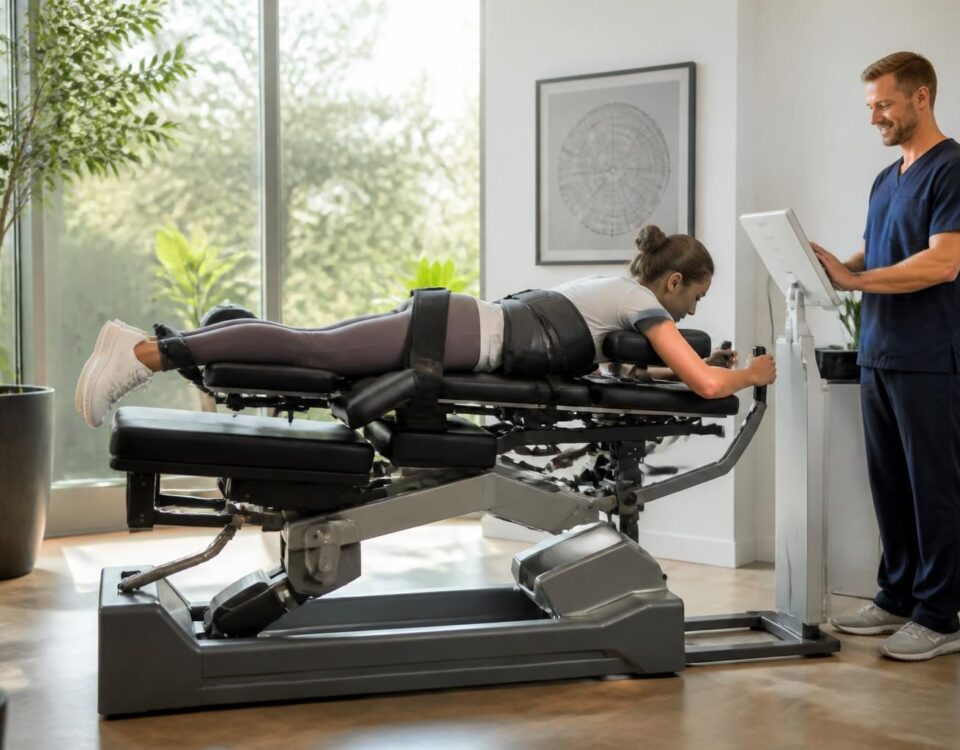
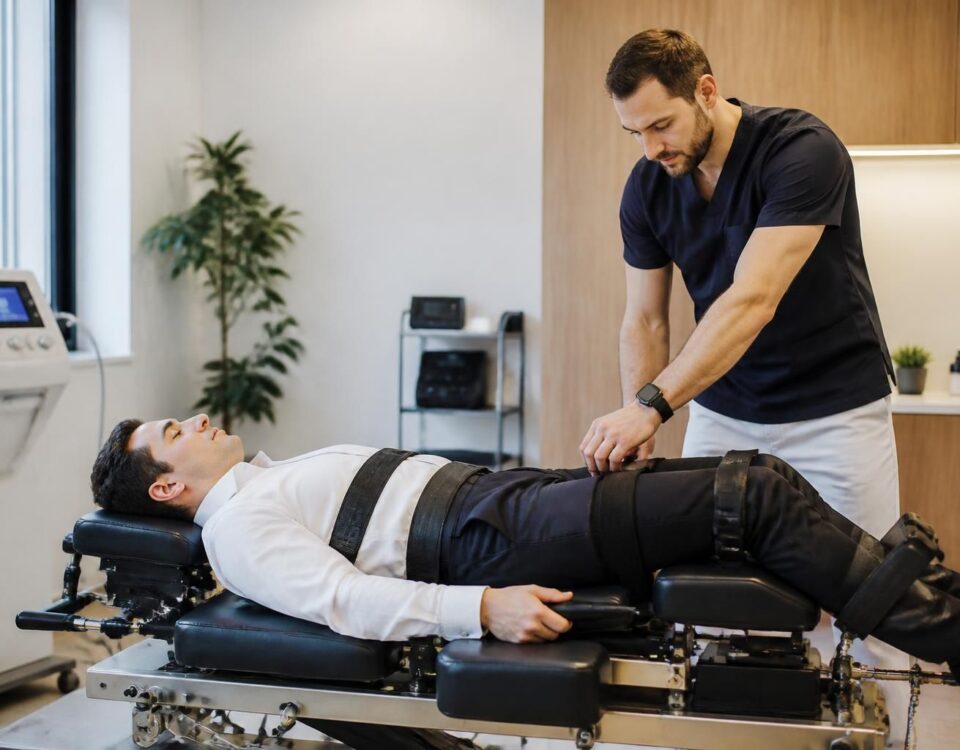
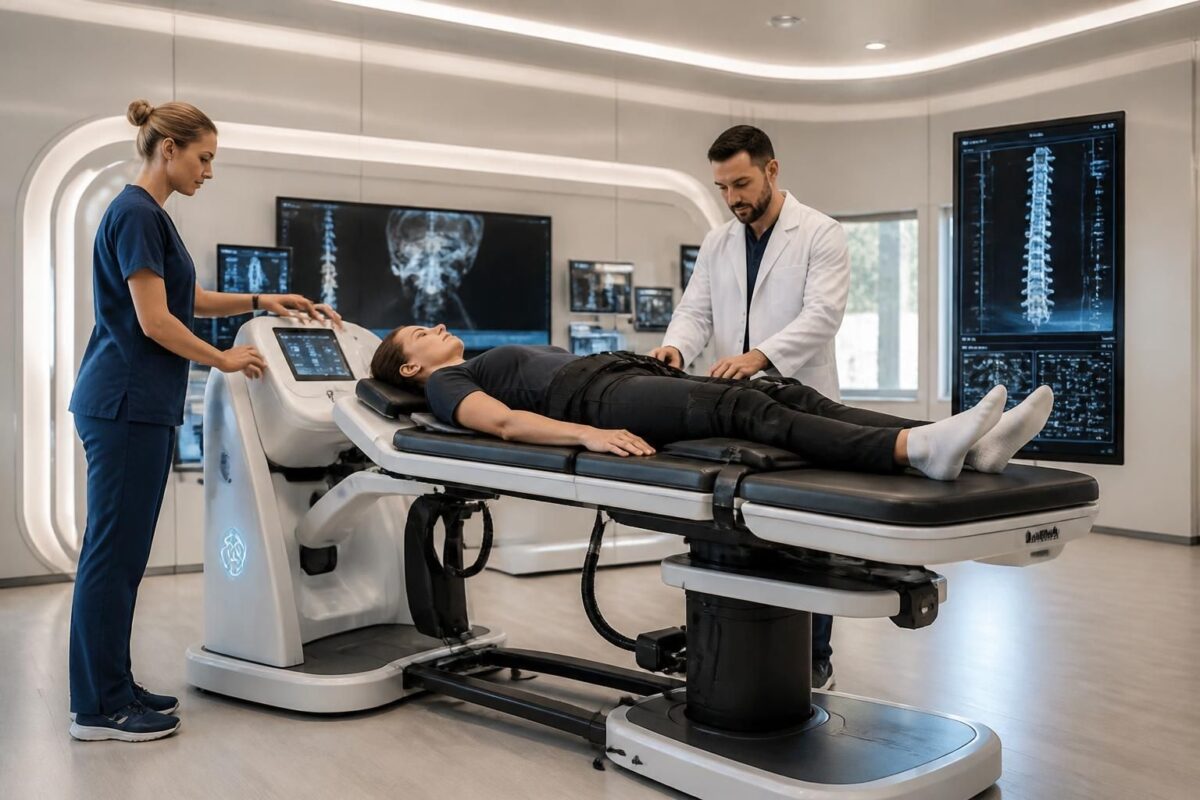
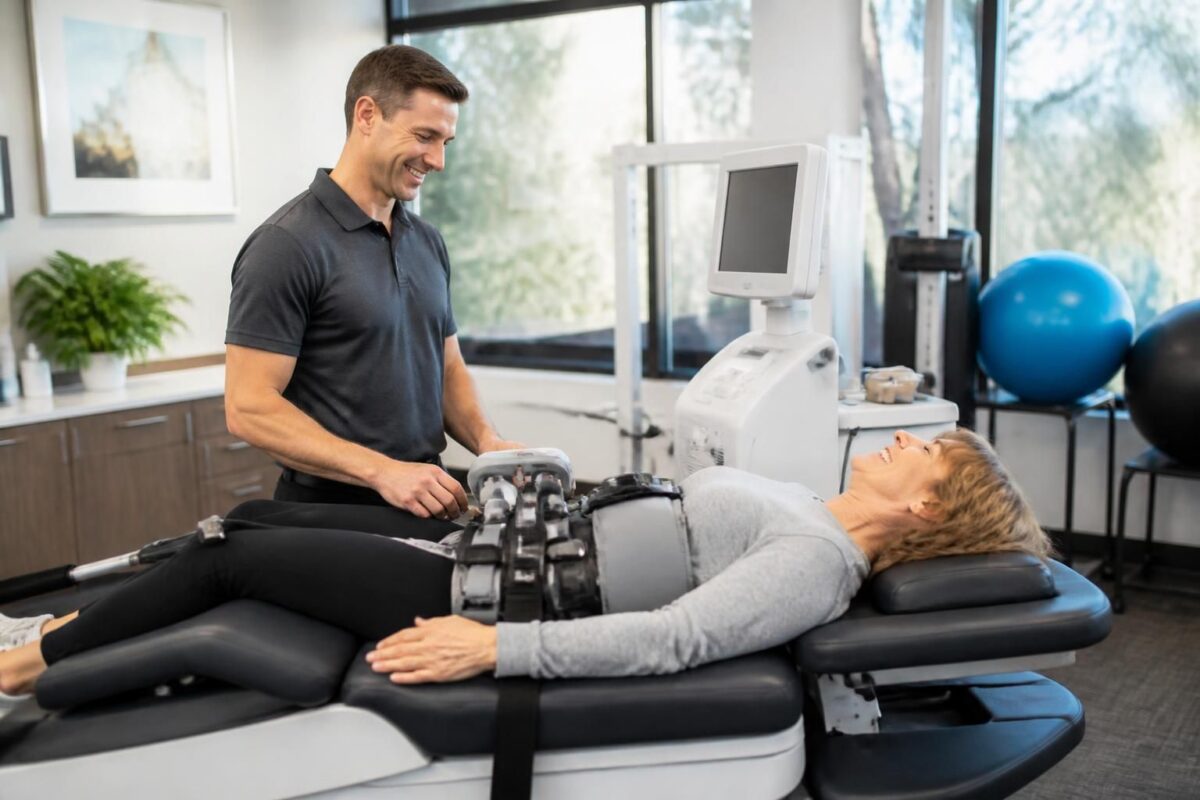
Neurovertebral decompression uses targeted and controlled traction on the spine. This traction creates a space between the vertebrae and lowers the pressure exerted on the intervertebral discs. The process acts as a local “suction” that promotes the circulation of fluids and nutrients to the nucleus and the disk ring.
Hydration and nutrition of discs
Thanks to the reduction in pressure, the discs reabsorb more water and nutrients provided by the local blood. This hydration improves elasticity and shock absorption capacity. The nourishing flow improves around the nervous tissues and associated structures, which contributes to the healing and regeneration of the disc components.
Effects on traffic and local function
Sustained traction increases tissue perfusion around the spine. Better local circulation reduces inflammation and improves the supply of oxygen and nutrients. This facilitates tissue repair and can reduce pain associated with nerve compression.
Clinical considerations and safety
Neurovertebral decompression is a non-surgical approach. It is carried out under professional supervision and adapted to each patient. The protocol aims to limit risks and optimize treatment tolerance. To learn more about the technical aspects and results observed, you can consult the dedicated resources that present the mechanisms and benefits of this method.
Impact on symptoms and expected results
Patients generally describe a gradual improvement in pain and mobility when disc circulation is improved and nutritional intake to discs increases. The evolution depends on the severity of the case and on the respect of the treatment protocol.
To learn more, see the following resources:
How neurovertebral decompression supports intervertebral disc regeneration, How neurovertebral decompression improves intervertebral circulation, and How does decompression on spinal imbalances work?.
For clinical perspectives and analytics, you can refer to the specialized resources available at Clinical studies demonstrating the efficacy of neurovertebral decompression and Prevention of invasive surgeries.
Additional information is available on partner sites such as Wikipedia, and other specialized resources that describe the mechanisms and potential benefits of this approach.
Patients and professionals can rely on clinical resources and experiences shared through TagMed clinics and professional networks to assess the suitability of this therapy for each case.
In TagMed, neurovertebral decompression is offered in a clinical setting, with possible integration with other treatments available at the center, such as laser and shockwave therapy. For more information and to make an appointment, visit Tagmed Clinic.
In order to shed light on the therapeutic choice, testimonials and patient experiences are available through public resources associated with neurovertebral decompression and its clinical indications.
Medical Disclaimer: The information and advice provided on this site does not replace the health professional’s diagnosis or treatment. Please note that Dr. Sylvain Desforges osteopath is neither a doctor of medicine nor a doctor, and is not a specialist in a medical specialty as defined by the Collège des Médecins du Québec. Manual medicine, functional medicine and sports medicine as described on this site exclude any medical treatment or diagnosis made by a doctor or specialist doctor. Always consult your doctor for any medical questions. For more details, please read our full legal notice.
Practical references and touchpoints: For more information about clinical applications and options available in Montreal and Terrebonne, consult the TagMed pages and associated resources. Prevention of recurrent mechanical disorders, Decompression for chronic pain.
- reduction of Intradiscal pressure by tension, decreasing compression on the disc and nerves.
- Creation of negative pressure in the disk, facilitating the entry of fluids and of nutrients.
- Improvement of thehydration and from the Nutritional diffusion to the core and the ring.
- top circulation Around the endplates and peri-disc tissues, favoring renewal.
- reduction of theinflammation and decrease in pain by less pressure on the nerves.
- Stimulation of the disc regeneration thanks to a better microcirculation and nutrient intake.

The neurovertebral decompression acts on the circulation around the intervertebral discs by causing controlled traction which creates a sagittal space between the vertebrae. This dynamic generates negative pressure within the disc, favoring the entry of fluids, nutrients and oxygen from neighboring tissues and vascular endplates. Result: Better hydration, increased nutrient diffusion and reduction of local inflammation, often accompanying improved mobility and decreased pain.
Principle and mechanisms
Targeted traction and intervertebral space. Decompression is based on a smooth and progressive traction that increases the space between the vertebrae. This space reduces the mechanical pressure on the adjacent discs and nerves, facilitating capillary exchanges around the endplate and the luscious nucleus.
Negative pressure and diffusion. By lowering the intra-disk pressure, the device creates a vacuum that attracts fluids and nutrients to the injured areas. This dynamic promotes disc hydration and stimulates tissue restoration mechanisms, which can delay or reverse certain degenerative processes.
The long-term benefits of neurovertebral decompression for spinal health
In short In short, the neurovertebral decompression is a non-invasive approach that decreases the Pressure on intervertebral discs and nerves, favoring the Natural regeneration and tissue recovery. Its long-term benefits include Lasting pain reduction, Improving mobility and from the posture,…

Neurovertebral decompression and mobility: a return to an active life
In short In short, the neurovertebral decompression is therapy non-invasive who uses a gentle traction To create a space between the vertebrae and reduce the pressure on the Intervertebral discs and the nerves. It promotes a bloodstream improved, lowers tension…
Circulation and transport of nutrients around discs
Hydration and nutrition. The feeding of the intervertebral discs depends largely on diffusion from the surrounding vascular areas. The increase in the vertebral space and the decrease in pressure allow better diffusion of water, electrolytes and essential nutrients towards the nucleus and the fibrosus ring.
Local regulation and waste disposal. Better peripheral blood circulation and a reduction in inflammation limit the accumulation of harmful metabolites around the nerve roots and foramen. This contributes to a local environment more conducive to healing and tissue regeneration.
Effect on damaged fabrics. The increased hydration and nutrient intake combination stimulates adjacent adipose and connective tissue repair, maintaining the disk support structure and supporting better spine stability.
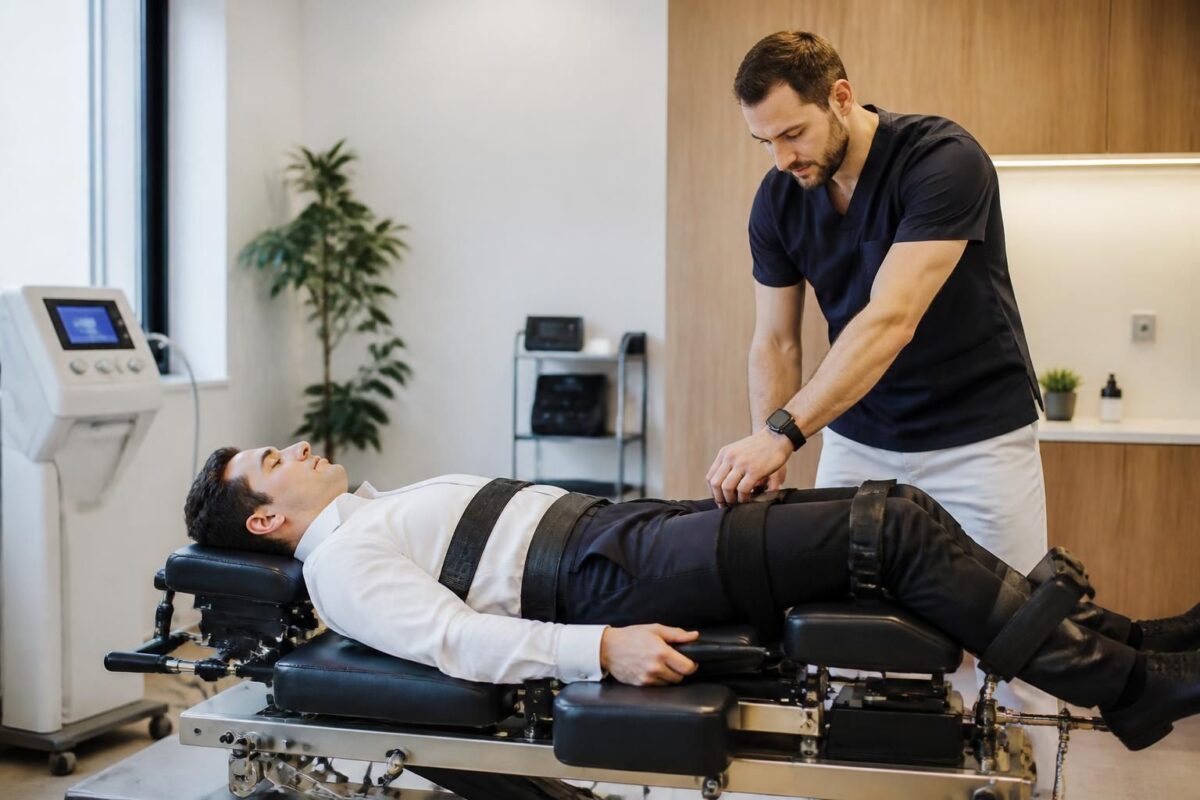
How Neurovertebral Decompression Prevents Diffuse Chronic Pain
In short decompression neurovertebral is one Non-invasive method aimed at reducing the Pressure on the intervertebral discs and the nerves, in order to prevent Diffuse chronic pain. It improves the circulation and thedisc hydration, decreases inflammation and promotes better mobility.…
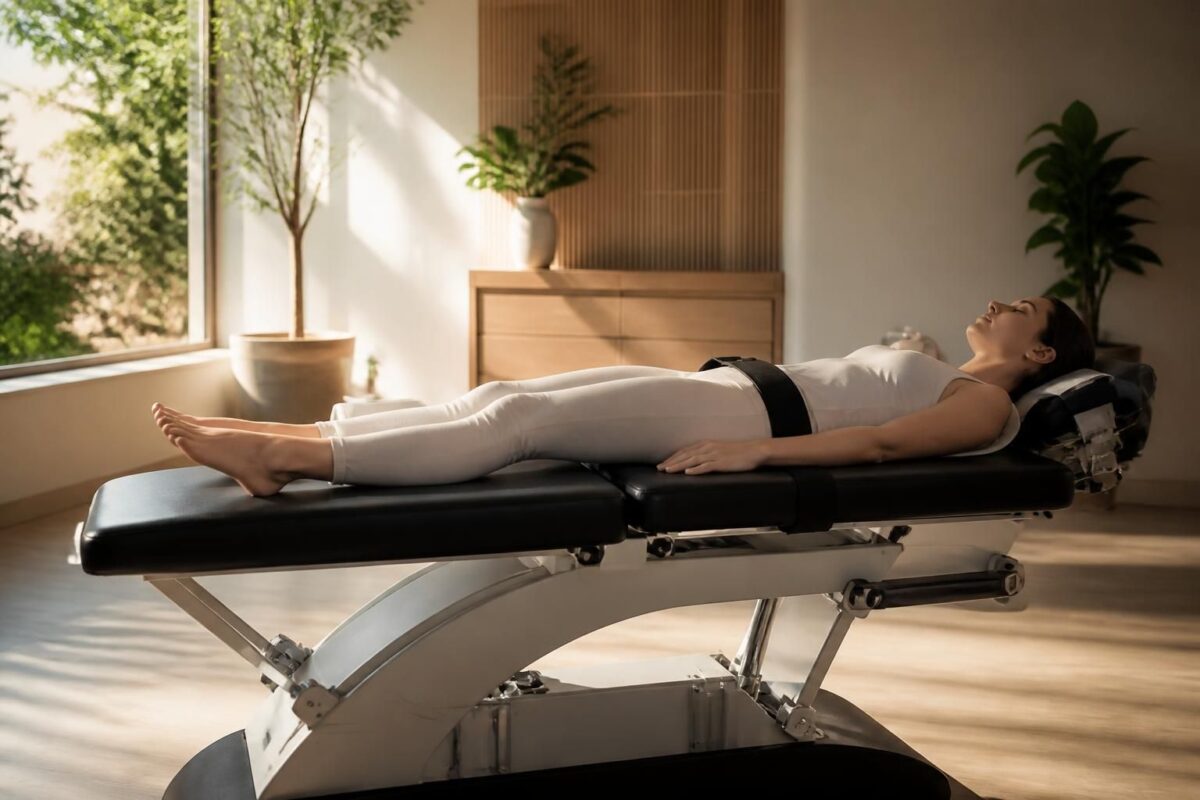
Neurovertebral Decompression and Body Alignment: Restoring Natural Balance
In short In short, neurovertebral decompression is one Non-invasive approach who restores theBody Alignment and thenatural balance back and neck. She acts by a Controlled traction of the spine to widen the intervertebral space and reduce the Pressure on discs…
Clinical applications and functional benefits
Disc regeneration and flexibility. By promoting hydration and restoration of disc morphology, decompression can improve flexibility and reduce stiffness, which often results in increased range of motion.
pain reduction and function improvement. By decreasing pressure on the nerves and reducing inflammation, many patients report pain reduction and a better ability to carry out daily activities without limitation.
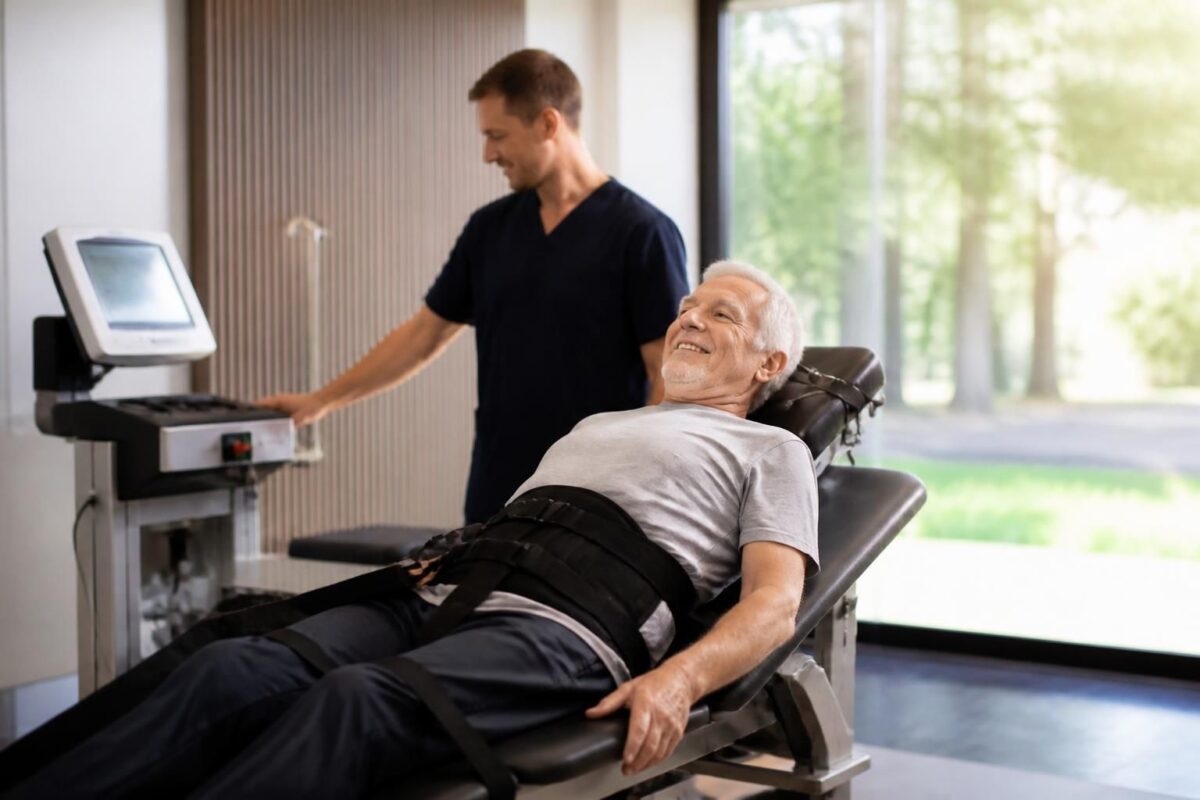
Why neurovertebral decompression is a lasting solution for active seniors
In short In short, the neurovertebral decompression is one Non-invasive therapy which sustainably relieves spinal pain in the spine active seniors By creating, by a Soft and controlled traction, a space between the vertebrae. At Montreal, it is recognized as…
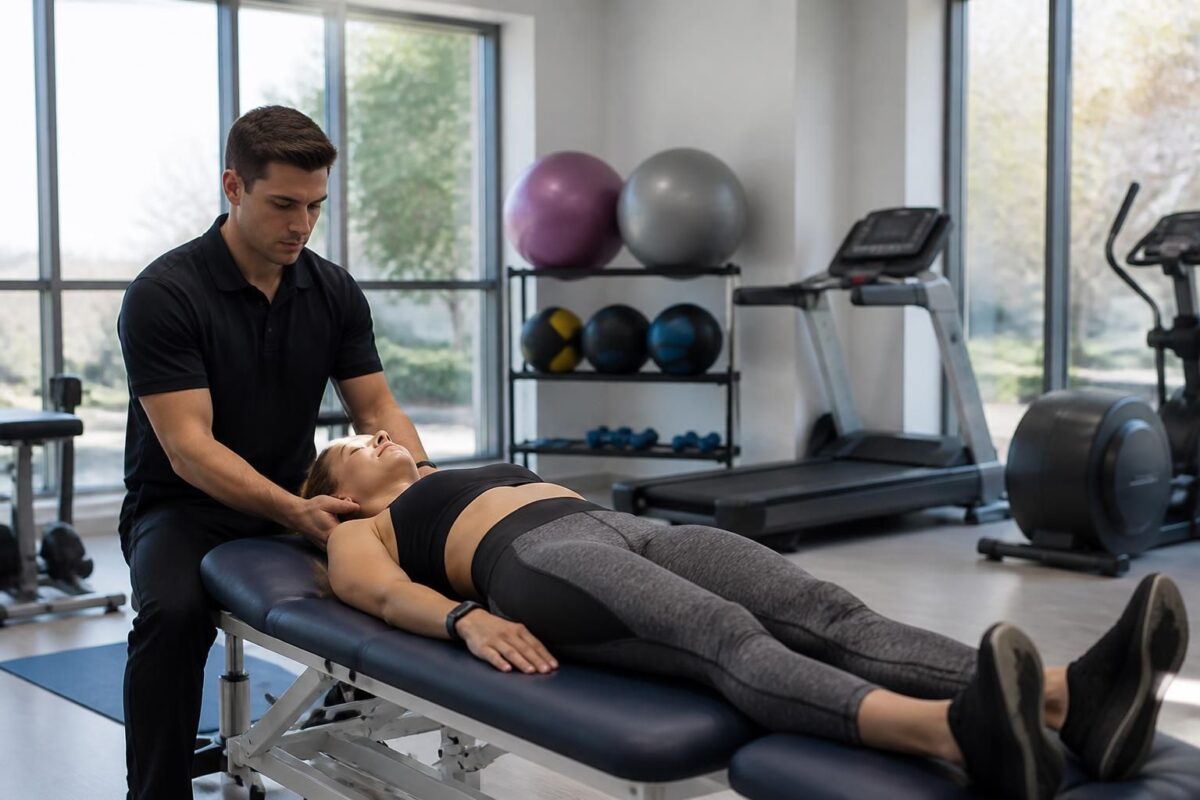
Neurovertebral decompression and recovery after severe sports injury
In short In short, the neurovertebral decompression is one Non-invasive method to Relieve the pressure on the Intervertebral discs and the gristle Via a Controlled traction, to facilitate the recovery After a severe sports injury. It improves the bloodstream towards…
Good practices and safety
Before undertaking a session, an individual assessment is essential to determine eligibility and adjust traction intensity according to pain, anatomy and history. The treatment should be personalized and progressive, with monitoring of tolerance and results at each stage.
Personalized treatment plan. The number and frequency of sessions vary according to the degree of discopathy and the functional objectives. Continuous adaptation of the protocol promotes a better circulatory response at the disc level and optimizes the chances of sustainable improvement.
Risks and precautions. Although overall safe when performed by a qualified professional, this type of therapy can temporarily lead to slight stiffness or post-session sensitivity in some patients. Clear information and regular monitoring ensure a secure progression.
| Element | Impact on disc circulation and nutrition |
|---|---|
| Decreased axial pressure | Decreases the pressure and improve theSupply of nutrient fluids to disk |
| Interdiscalar vacuum | attracts them fluids and the nutrients to disk |
| Improved microcirculation | Stabilizes the blood flow local and theoxygenation |
| Increased hydration | Restore theelasticity and theshock absorption |
| Reduced nerve pressure | Decreases theinflammation and the pain |
| Tissue regeneration | promotes the regeneration and renewal of disc components |
| Improved nutrient exchanges | increases the nutrient transfer To the core |
| Metabolic drainage | Reduces waste andinflammation, accelerates recovery |
Recent innovations in neurovertebral decompression technologies
In short In short, the neurovertebral decompression is an approach non-invasive Aiming to reduce pressure on discs and nerves, and promote tissue regeneration. At Montreal, it is positioned as an effective option for lower back pain and herniated discs. The…
Neurovertebral decompression and diffuse pain: an appropriate solution
In short In short, the neurovertebral decompression is one Non-invasive solution For diffuse pain related to nerve irritation of the spine. She acts in Reducing pressure on intervertebral discs and nerves and improving the bloodstream, which promotes recovery and the…
Testimonials on improved disc circulation thanks to neurovertebral decompression
“Since the beginning of the sessions, I have noticed a Better circulation around the lumbar disc. Blood flow is more generous to the intervertebral tissues, which improves thehydration and the contribution of nutrients essential for repair. My records feed better and the pain has gradually subsided. »
“Soft traction creates a space between the vertebrae that releases pressure and promotes bloodstream more effective in the area concerned. I felt the fluids circulate more easily, which made it easier regeneration fabrics around the disc and reduces tightness. »
“After a few sessions, the difference is tangible: a drip increased around the discs and a better hydration intervertebral discs. This enhanced circulation brings new energy and reduces the pain associated with disc degeneration. »
“I found a mobility more fluid thanks to a circulation improved fluids between the vertebrae. This optimized circulation provides the necessary nutrients for repair, which has made it possible to observe a lasting reduction in discomfort and better resistance on a daily basis. »
“Decompression amplified the Disk movement by reducing the pressure and stimulating the local blood supply. I felt a rehydration Progressive discs and a feeling of softness in the column, a sign that the discs receive better the essential nutrients. »
“By continuing the treatment, the circulation Around the discs has become more dynamic. This better infusion facilitated the evacuation of metabolic waste and the entry of nutrients, which resulted in a Improving mobility and a decrease in radiant pain. »
Dr Sylvain Desforges, expert in osteopathy, naturopathy and manual medicine, is the founding president of the Tagmed clinics and the ACMA association. attached to health innovation, he specializes in the management of Chronic pain and the integration of advanced technologies such as neurovertebral decompression, laser and shockwave therapy. His practice is guided by a evidence-based approach, aimed at optimizing the health and well-being of his patients. Through careful listening and personalized evaluation, he implements strategies that promote disc circulation and improve the vitality of the column.
Neurovertebral decompression acts above all on the Reduction in intradiscal pressure. By applying controlled traction on the column, it creates a space between the vertebrae that allows the pulpy nucleus to reposition itself by decreasing the diskale bulge. This decrease in pressure facilitates the entry and diffusion of nutrients and oxygen essential for the hydration and nutrition of intervertebral discs. At the same time, the improvement in circulation around the neighboring tissues contributes to attenuating the inflammation, reducing the tension of the nerve roots and promoting a more harmonious reintegration of the extraordinating elements towards the center of the disc.
Physiologically, the process stimulates more effective local blood flow and better perfusion of neighboring tissues. This Improved traffic not only provides the necessary nutrients for tissue repair, but also to evacuate inflammatory metabolites that exacerbate pain. The traction mechanism creates a partial vacuum in the disc compartment, which attracts fluids and beneficial compounds, thus promoting the tissue regeneration and disc rehydration. In patients suffering from disc degeneration or hernias, this regeneration may result in regained mobility and a marked reduction in radiant pain.
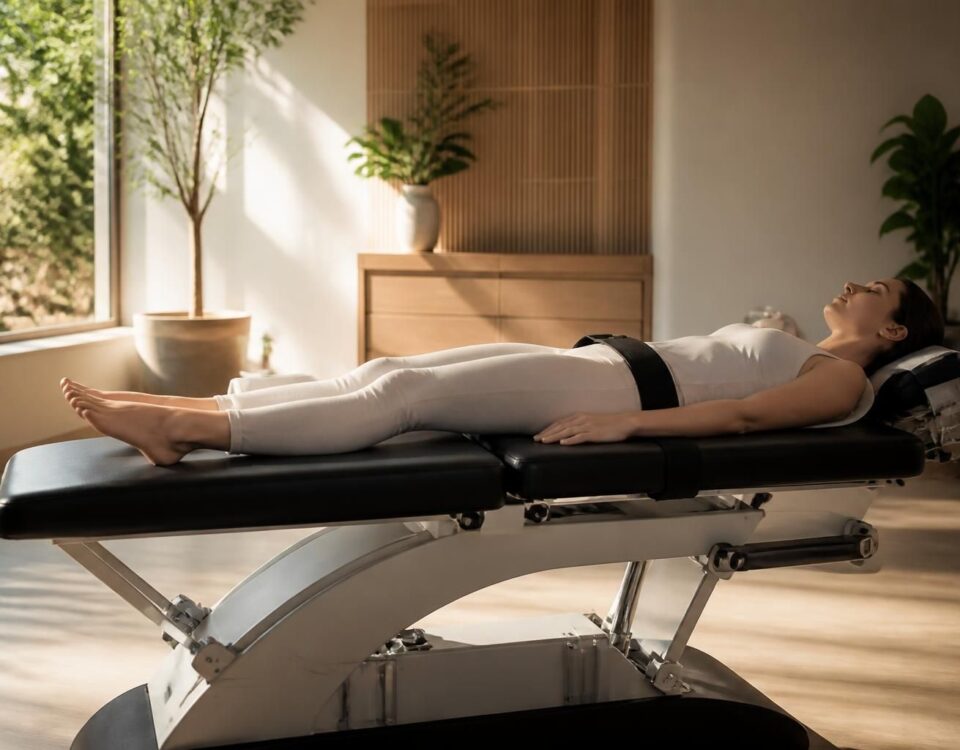
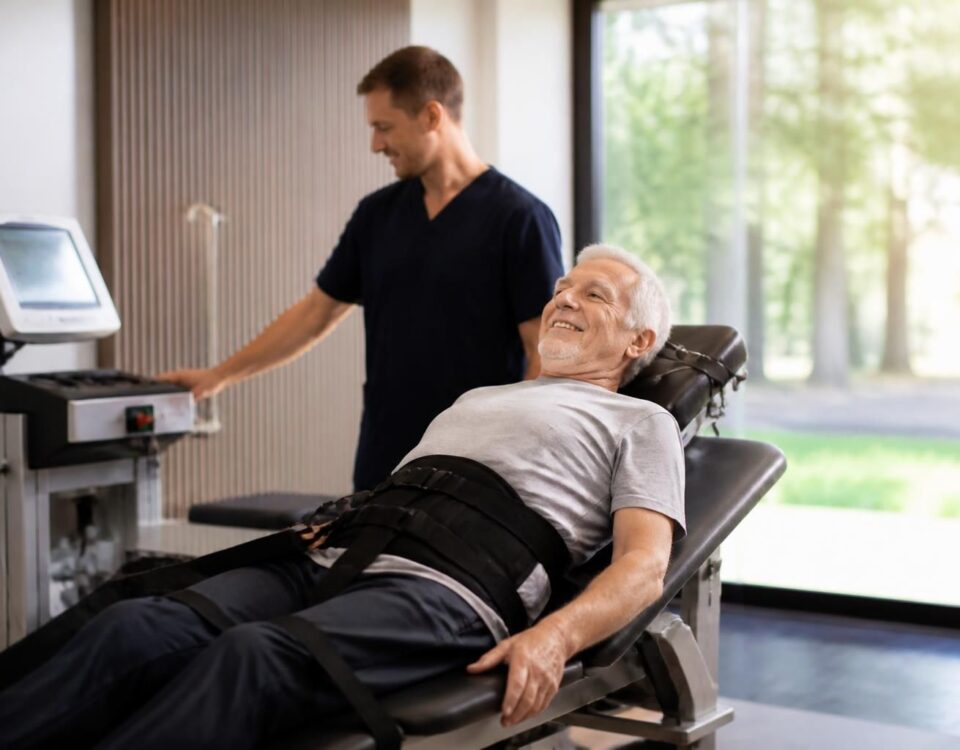
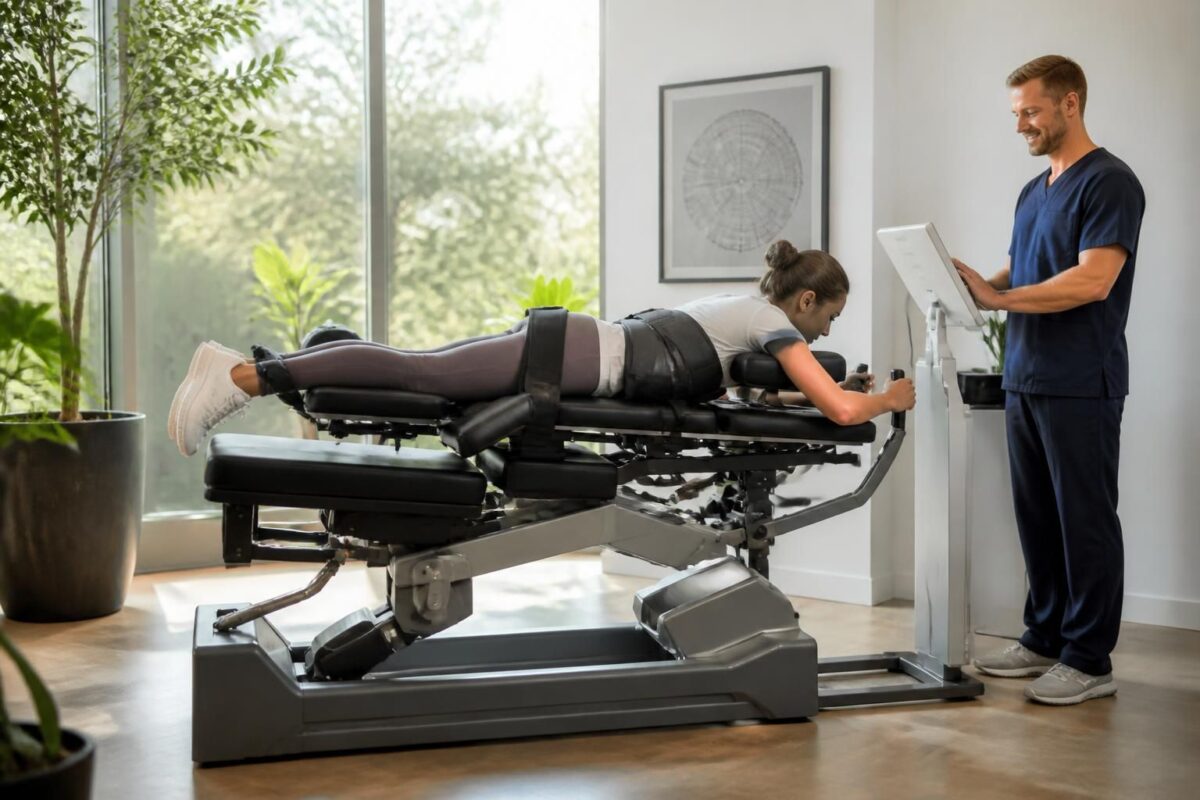
The proposed protocol is generally structured around series of sessions, during which the patient remains comfortably lying down and the device gradually adjusts the traction according to preferences and individual needs. Dr. Desforges favors a gentle and controlled approach that minimizes discomfort while maximizing circulatory benefits in the disc and adjacent nerve structures. In addition, it integrates postural rehabilitation elements and adapted exercises, in order to anchor circulation gains in a more stable and lasting overall spinal function.
Over the years, clinical experience shows that neurovertebral decompression, when performed by qualified professionals, can offer an effective, non-surgical alternative to improve disc infusion. Dr. Desforges associates this technique with other non-invasive therapeutic approaches to target the underlying pain mechanisms and restore functional stability. This integrated approach not only relieves pain, but also improves the ability of discs to absorb shocks and maintain hydration, thus contributing to a better quality of life and better functional safety on a daily basis..
This conclusion summarizes in detail how the neurovertebral decompression Improves the circulation At the level of Intervertebral discs. By implementing a gentle traction, it creates a negative pressure Inside the disc, facilitates the entry of essential fluid and nutrients, and reduces inflammation that hinders local blood flow. This mechanism not only promotes hydration and tissue nutrition, but also supports regeneration disc and the integrity of metabolic exchanges around the disc. This effect on circulation helps to reduce pain and improve mobility, thus offering a non-surgical alternative for disc disorders.
The key principle is that the traction applied to the spine suspends and releases the excessive pressure weighing on the discs. This local pressure reduction leads to a Increased blood flow around the vertebrae and endplate plates, promoting the supply of oxygen and essential nutrients necessary for the Tissue repair and at the rehydration discs.
The spinal circulation is thus improved thanks to better perfusion of neighboring tissues and greater availability of nutrients in the disc compartment. This dynamic allows a more effective diffusion of metabolic waste and inflammatory mediators, which contributes to reducing painful signs and limiting irritation of nerve roots. You can further explore this mechanism and its clinical implications on specialized resources such as This work on spinal circulation.
Moreover, decompression does not just increase blood flow; It also facilitates Disc hydration By allowing a better inflow of water and nutritional solvents into the pulpside nucleus and around the fibrous ring. This rehydration improves the Disk Resilience and supports their ability to absorb shocks, which enhances spinal stability and nerve conduction. Additional explanations on tissue regeneration and disc rehydration are available in the resources dedicated to this subject.
The local traffic And the supply of nutrients are not enough on their own: reducing inflammation and compression of the nerves promotes better Muscle and nervous function, which results in a Improved mobility and an quality of life increased. Testimonials and case studies point out that patients who have undergone non-invasive treatment observe a decrease in pain, better range of movement and faster recovery after episodes of disc or postoperative pain. For examples and demonstrations on this point, you can consult the information available on modern techniques and their impact on the vertebral function, for example on this resource and this one.
To optimize the benefits on the Disk movement, the decompression protocol must be followed in an appropriate manner and supervised by a qualified professional. Modern protocols and integrated approaches, including monitoring changes in mobility and pain parameters, allow traction adjustment and targeting areas requiring increased perfusion. Complementary resources that describe these aspects and the results obtained in different post-operative situations can be consulted, including this point and This demonstration.
To deepen understanding of exchanges and perfusion around discs and regeneration processes, you can also consult resources that explain how decompression supports the regeneration of intervertebral tissues and improves spinal flexibility, for example This description and this one.
If you have any questions about how neurovertebral decompression can improve disc circulation in your specific case, do not hesitate to contact your therapist and consult the following resources that detail the mechanisms and benefits: Operation and mechanisms and Disk regeneration.

Dr Sylvain Desforges, B.Sc., D.O., N.D., osteopath, is the founding president of TAGMED and of the ACMA association. He dedicates his practice to chronic spinal pain, low back pain and symptoms compatible with sciatica, particularly when pain radiates toward the buttock, leg, calf, foot or toes.
Through SOS Sciatique, he publishes educational content on sciatica symptoms, possible causes such as disc herniation, disc narrowing, foraminal stenosis or irritation of a lumbar nerve root, as well as non-surgical approaches that may be considered according to the evaluation. At Clinique TAGMED, care may include, depending on the case, motorized neurovertebral decompression, specific osteopathic care or precision percussion.
For an evaluation related to sciatica treatment in Montreal / Mount Royal or sciatica treatment in Terrebonne, please consult the services available at Clinique TAGMED.
Medical disclaimer
The information published on SOS Sciatique is provided for educational purposes only and does not replace a consultation, diagnosis, opinion or treatment provided by a physician or another authorized healthcare professional. The author of this article is neither a medical doctor nor a specialist in a medical specialty recognized by the Collège des médecins du Québec. The osteopathic, manual medicine or functional support approaches described on this site do not constitute medical acts and are not intended to replace medical follow-up.
Consult a physician or emergency service in cases of loss of bladder or bowel control, anesthesia in the saddle area, significant or progressive weakness in the leg or foot, fever, recent trauma, severe pain or rapid worsening of symptoms. For more details, please read our Legal Notice.