

Neurovertebral decompression and reduction of radiating back pain
26/06/2026
Neurovertebral decompression and recovery after recurrent disc herniation
26/06/2026
In short
| In short, neurovertebral decompression is a Non-invasive method which acts on the spine to support the vertebral function. It is based on a Controlled traction creating a space between the vertebrae and reducing the pressure on the Spinal nerves and the Intervertebral discs. Its main advantages are Rapid pain relief, LImproving mobility, and rebalancing musculoskeletal, which promote better posture and more free physical activity. The treatment also improves the circulation and facilitates the tissue regeneration, helping to prevent future pain. Accessible in Montreal, it is part of a framework non-invasive and oriented towards a sustainable resumption of activity without surgery or drugs. |
The neurovertebral decompression is an approach non-invasive which acts on the spine By creating a space between the vertebrae via controlled traction. This spacing decreases the spinal nerve pressure and on the Intervertebral discs, which relieves pain and facilitates the passage of nerve signals. At the same time, it improves the bloodstream around the column, nourishing the tissues and promoting the regeneration discs. The technique also helps to release the Muscle tensions and to restore thevertebral alignment, participating in a Musculoskeletal balance and to a Better mobility. Result: lasting relief and Prevention of future pain thanks to a more stable and more resistant column.
This article, written by a health professional and expert in manual practices, explains how the neurovertebral decompression supports the vertebral function. This non-invasive approach aims to restore the space between the vertebrae and reduce the nerve pressure and the Intervertebral discs. It improves local circulation, promotes tissue regeneration and contributes to Sustainable mobility of the spine. It is integrated into a global care and is based on clinical evidence, while remaining accessible in specialized clinics.
Principle and mechanism
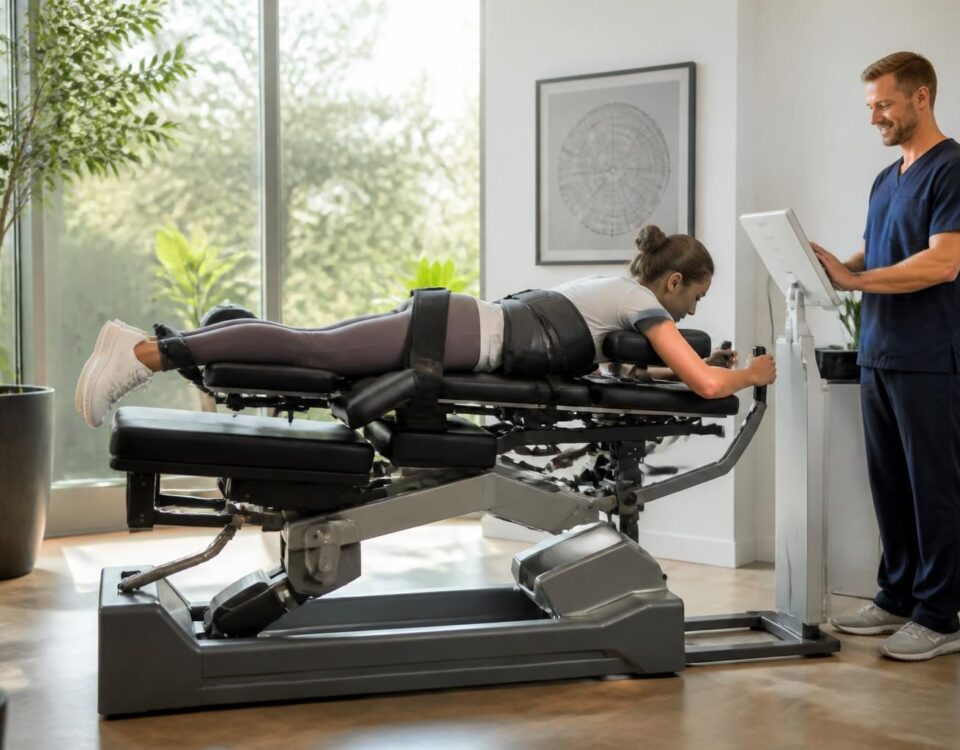
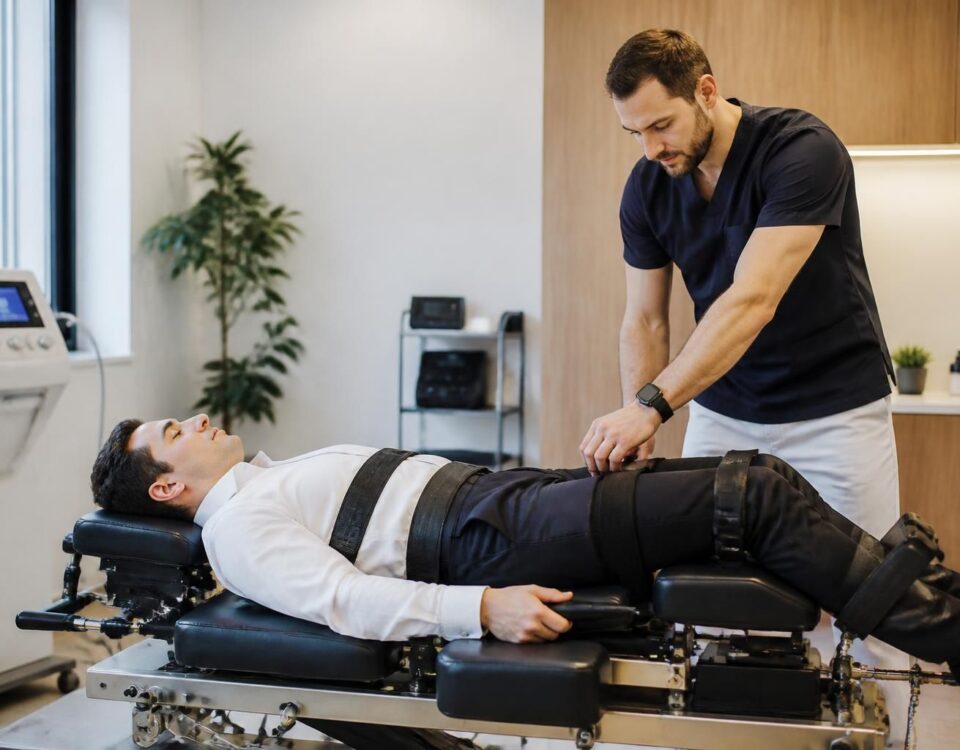
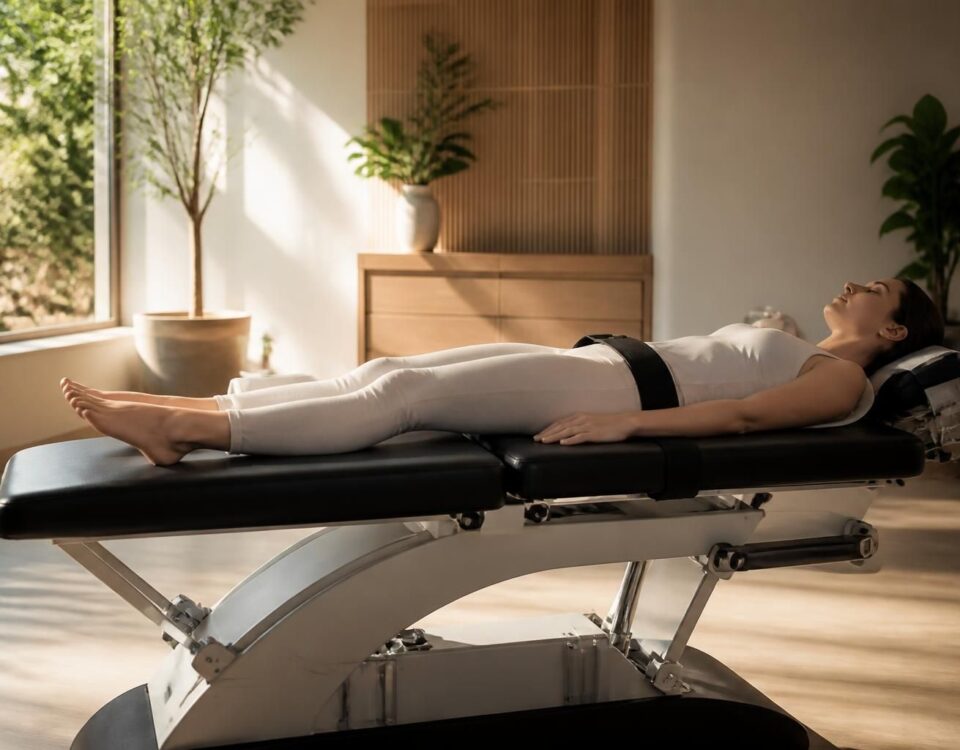
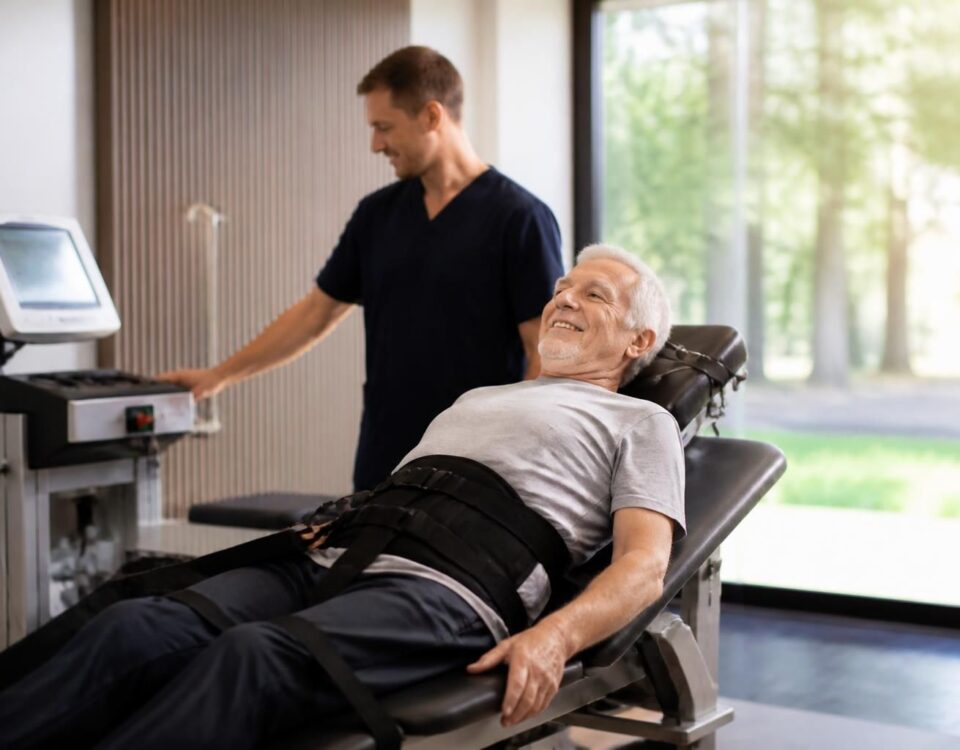
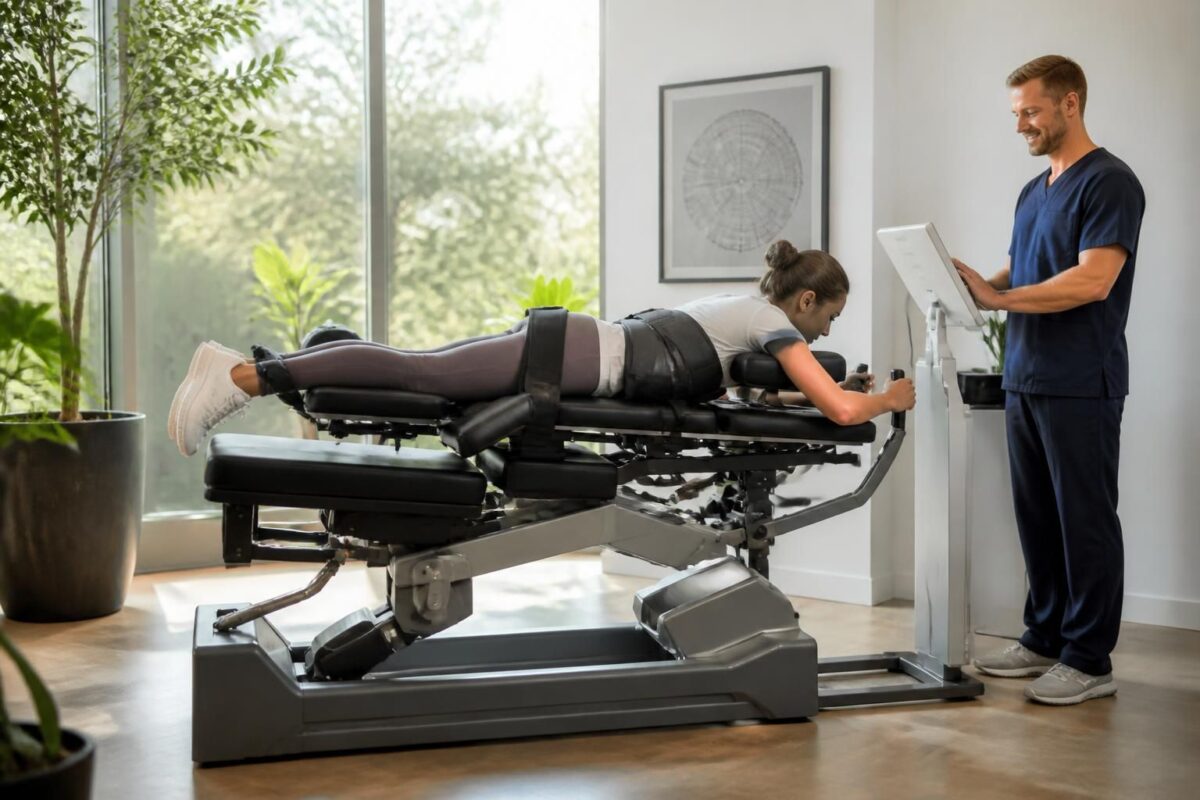
The neurovertebral decompression Based on controlled traction of the spine. this traction creates a space between the vertebrae, which decreases the spinal nerve pressure and on the Intervertebral discs. This space release allows better blood circulation and facilitates tissue regeneration without the need for invasive gestures.
Reduced pressure on nerves and discs
By lowering the load on the nerves and on the discs, decompression acts as a targeted relief. This pressure reduction can decrease painful signals and local irritations, while improving overall back and neck mobility. For information on effects and traction logic, you can consult dedicated resources on specialized sites in this area.
Improved circulation and tissue nutrition
By opening the space between the vertebrae, the bloodstream Around discs and adjacent fabrics improves. increased nutrient intake supports the Regeneration of intervertebral discs and promotes recovery after painful episodes. This vascular optimization contributes to the durability of the results and to a better tolerance of the spine to daily loads.
Restoring musculoskeletal balance
Decompression helps release muscle tension around the spine and improvevertebral alignment. Better muscle balance distributes efforts more evenly, which can prevent repetitive pain and promote more stable posture over time.
Mobility and pain reduction
Patients often report a Improving mobility and an Lasting pain reduction After a few sessions. This gentle approach acts on the mechanical cause of vertebral pain and helps to find everyday gestures without excessive discomfort, without going through invasive treatments.
Evaluation and monitoring
Before undertaking a decompression, an in-depth assessment allows you to design a personalized plan. Regular monitoring ensures the maintenance of benefits and adaptation of the protocol if necessary. For additional evaluation information, you can consult specialized resources on the subject.
Integration and therapeutic choices
The neurovertebral decompression is part of a global approach to care. It can be associated with other non-invasive interventions and appropriate management of risk factors. As part of a multidisciplinary care program, it can be offered at the TagMed Clinic in Montreal or Terrebonne, when it suits the patient and his file. To learn more about integration and overall benefits, see dedicated resources on partner sites.
To understand the mechanisms and effects on spinal imbalances, see the following resources: Benefits after surgery, After sports injury, how it works, and close cases of associated pathologies.
Complementary resources can also support understanding of the roles of technologies and non-pharmacological approaches in maintaining spinal health, including through sites such as neck pain and Mechanical pain.
Useful reference elements include training in osteopathy recognized by professional organizations and practice associations. For questions related to training and membership, favor recognized executives such as NUMSS and NAO, and professional associations ACMA, College of Canadian Osteopaths or College of Canadian Osteopaths. For information about options and results, focus on TagMed clinics and specialized resources in the field.
Specific mentions of web domains and practical resources can be viewed through the following sites: Recovery after complex sports injury, Essential after a sports injury, Testimonials and feedback, and vertebral imbalances.
Medical Disclaimer: The information and advice provided on this site does not replace the health professional’s diagnosis or treatment. Please note that Dr. Sylvain Desforges osteopath is neither a doctor of medicine nor a doctor, and is not a specialist in a medical specialty as defined by the Collège des Médecins du Québec. Manual medicine, functional medicine and sports medicine as described on this site exclude any medical treatment or diagnosis made by a doctor or specialist doctor. Always consult your doctor for any medical questions. For more details, please read our full legal notice.
AXIS: Optimize intervertebral space and Reduce pressure to support spinal function.
- intervertebral space Increased by traction, decreasing pressure on nerves and discs.
- Reduced nerve pressure Promoting conduction and pain reduction.
- Traffic around the column Improved, providing nutrients and oxygen.
- Hydration and regeneration discs thanks to better nutrition.
- vertebral alignment Restored, reduction of muscle tension and compensatory postures.
- Mobility Improved segments, facilitation of daily movements.
- Segment stability reinforced by better congruence of the articular surfaces.
- Postural balance improved, reducing painful compensation.
- Cervical and lumbar flexibility increased, reducing movement limitations.
- recovery after injury accelerated thanks to better vascularization and tissue regeneration.
- non-invasive effect Without surgery or anesthesia, quick return to activity.
- Prevention of future pain maintaining the intervertebral space and muscle tone.

Neurovertebral decompression supports vertebral function by creating a space between the vertebrae, reducing pressure on the Spinal nerves and the Intervertebral discs. At the same time, it improves the circulation and the nutrition tissues, facilitates muscle rebalancing and promotes better mobility. This set, applied in a personalized way, contributes to a more functional column and a lasting reduction in pain related to spinal imbalances.
Principle and mechanism
The heart of the decompression rests on a Controlled traction applied to the spine. This traction creates a intervertebral space which reduces the pressure exerted on the gristle and discs. This mechanism allows damaged disks to regain a more natural position and facilitates the Fabric food by better local blood circulation.
To be effective and safe, this process is adapted to each patient through pre-operational evaluation and progressive monitoring. The smoothness and precision of the traction promotes the rebalancing of muscle chains around the spine and contributes to reducing tension on the spinal joints.
The long-term benefits of neurovertebral decompression for spinal health
In short In short, the neurovertebral decompression is a non-invasive approach that decreases the Pressure on intervertebral discs and nerves, favoring the Natural regeneration and tissue recovery. Its long-term benefits include Lasting pain reduction, Improving mobility and from the posture,…
Pressure reduction and relief
Decreased pressure on nerves and discs
By expanding the space between the vertebrae, decompression Lowers the pressure on the Spinal nerves and the Intervertebral discs. This reduction translates into pain relief roots and an improvement in the feeling of lightness in the column, allowing a gradual resumption of daily activities.
Disk regeneration and nutrition
The best bloodstream Facilitated by decompression promotes the transport of nutrients to the discs. This increased nutrition supports the rehydration and the Tissue repair, which helps to preserve the Elastic capacity discs and prevent further irritation.

Neurovertebral decompression and mobility: a return to an active life
In short In short, the neurovertebral decompression is therapy non-invasive who uses a gentle traction To create a space between the vertebrae and reduce the pressure on the Intervertebral discs and the nerves. It promotes a bloodstream improved, lowers tension…
Musculoskeletal balance and posture
the reduction of tensions around the column allows a vertebral alignment more natural and a Musculoskeletal balance Best. This effect promotes a more stable posture and a decrease in muscle compensation that can hinder mobility and maintain Chronic pain.
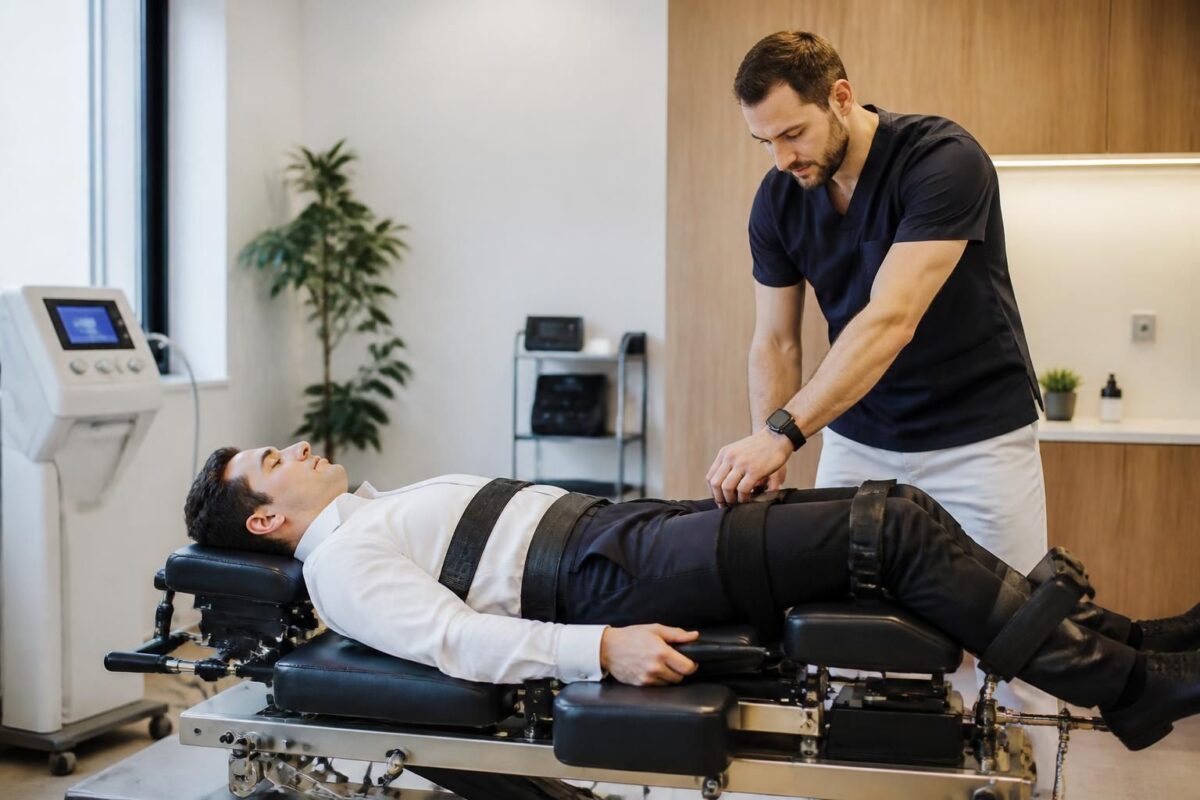
How Neurovertebral Decompression Prevents Diffuse Chronic Pain
In short decompression neurovertebral is one Non-invasive method aimed at reducing the Pressure on the intervertebral discs and the nerves, in order to prevent Diffuse chronic pain. It improves the circulation and thedisc hydration, decreases inflammation and promotes better mobility.…
Mobility and quality of life
by reducing pain and improving the mobility, decompression facilitates daily movements and the practice of functional activities, such as walking or household chores. This improvement contributes to a better autonomy and a lasting impression of physical and mental well-being.
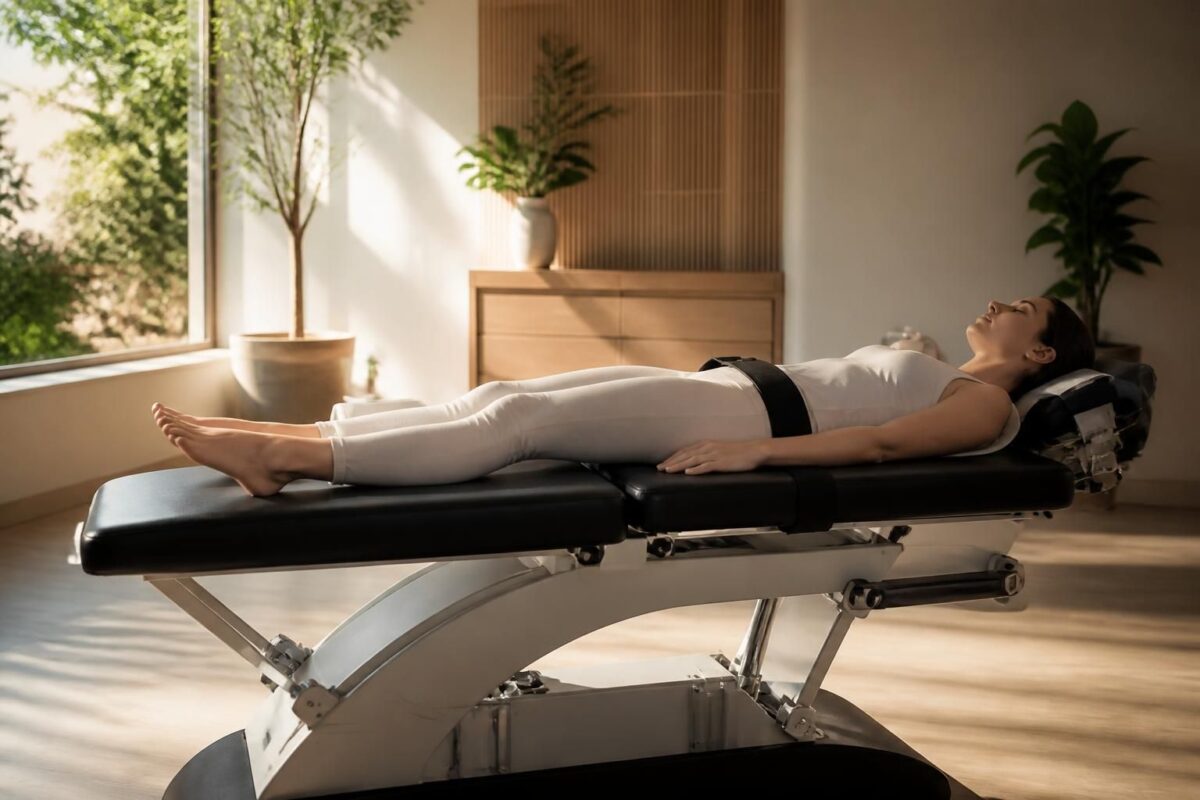
Neurovertebral Decompression and Body Alignment: Restoring Natural Balance
In short In short, neurovertebral decompression is one Non-invasive approach who restores theBody Alignment and thenatural balance back and neck. She acts by a Controlled traction of the spine to widen the intervertebral space and reduce the Pressure on discs…
Evaluation and monitoring
Before starting a decompression, a clear assessment makes it possible to target the objectives and adapt the protocol. One Regular follow-up Allows you to assess the evolution of symptoms, adjust traction and ensure the maintenance of long-term benefits. Imaging examinations or clinical evaluations may be recommended as appropriate.
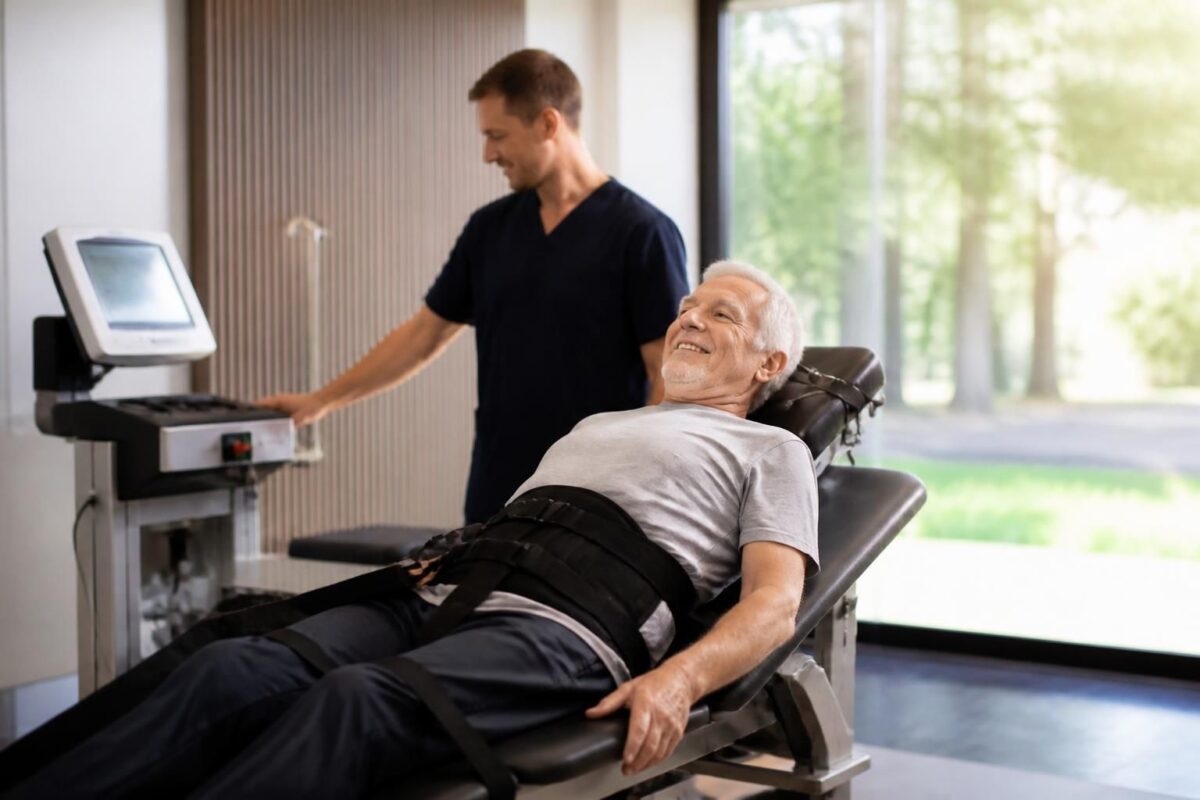
Why neurovertebral decompression is a lasting solution for active seniors
In short In short, the neurovertebral decompression is one Non-invasive therapy which sustainably relieves spinal pain in the spine active seniors By creating, by a Soft and controlled traction, a space between the vertebrae. At Montreal, it is recognized as…
Practical recommendations
To maximize the impact on the spinal function, focus on an approach personalized and progressive, integrate an appropriate physical activity and ensure the safety of the treatment. maintain a Neutral posture On a daily basis, practice exercises strengthening and of mobility targeted helps to prolong the beneficial effects. Inform your practitioner of any medical history and follow his instructions regarding the frequency and the duration of the sessions to avoid discomfort or irritation.
Note: The information provided does not replace the advice of a health professional. Please consult your doctor or osteopath to assess eligibility and the appropriate protocol for your situation. No external reference is included in this text.
| Aspect | Concise impact |
|---|---|
| Mechanical principle | Controlled traction expands the intervertebral space and decreases pressure on nerves and discs |
| Reduced nerve pressure | Less irritation and nerve pain |
| Regeneration and Disc Nutrition | Improving circulation and bringing nutrients to disks |
| Local blood circulation | Increased tissue nutrition and acceleration of healing |
| Alignment and musculoskeletal balance | Restoration of alignment; Posture and better distributed loads |
| Mobility and flexibility | smoother movements and regained amplitude |
| Pain and quality of life | Lasting relief of lumbar and cervical pain related to compression |
| Prevention of recurrences | Reduction of future imbalances and postural maintenance |
| Therapeutic integration | Complete the manual approach without invasive recourse |
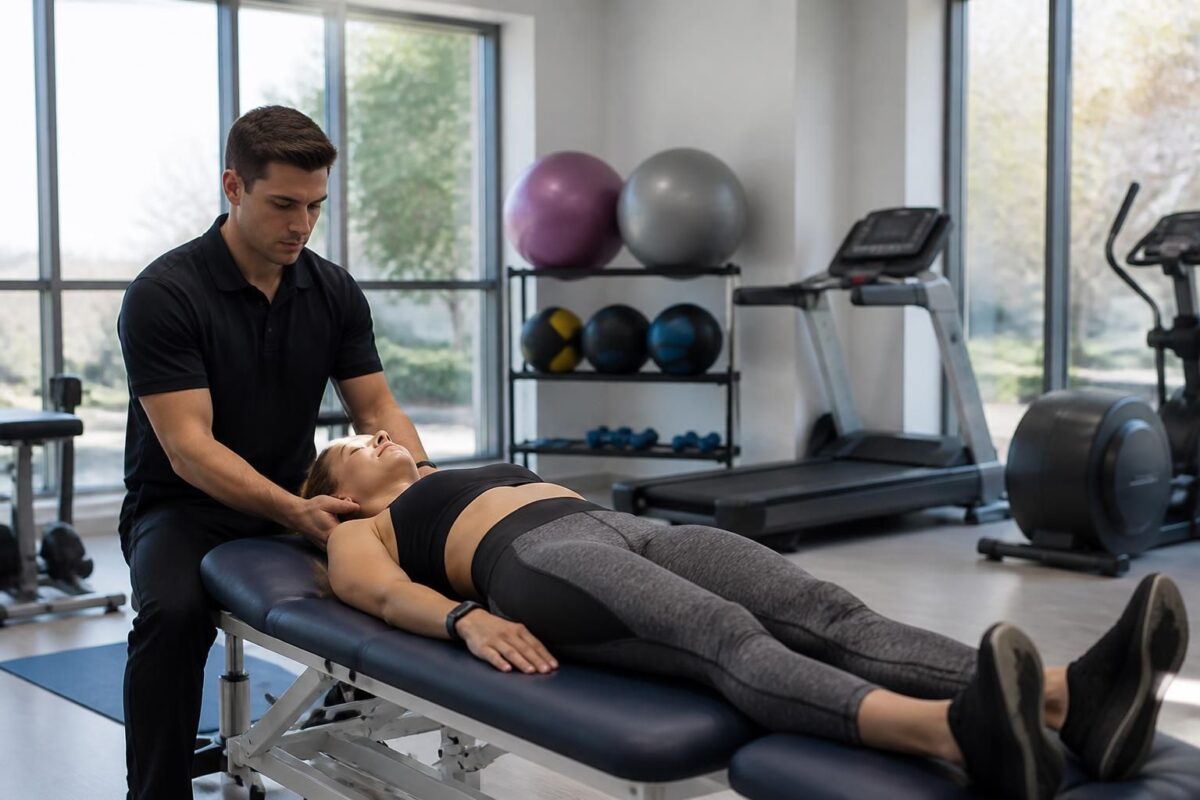
Neurovertebral decompression and recovery after severe sports injury
In short In short, the neurovertebral decompression is one Non-invasive method to Relieve the pressure on the Intervertebral discs and the gristle Via a Controlled traction, to facilitate the recovery After a severe sports injury. It improves the bloodstream towards…
Testimonials on neurovertebral decompression and support for vertebral function
I am Marie, 62, and I suffered from lower back pain linked to spinal imbalances. After a few sessions of neurovertebral decompression, I felt real relief and an improvement in my vertebral function overall. gentle traction created a space between the vertebrae, which decreased the pressure on my Spinal nerves and enabled better mobility.
In a few weeks, my bloodstream Around the column improved and I noticed a reduction in muscle tension in the back. This improvement facilitated daily movements and enhanced the stability of my spine, contributing to a best posture.
As a sportswoman, decompression supported my spinal stability and my mobility during training sessions. Thanks to the Controlled traction And to the nutritional improvement of the intervertebral discs, I was able to resume my activities without pain and with regained energy.
For my cervical, the benefit was clear: Reduced nerve pressure and improvement of cervical mobility. The radiant pains dissipated and I found an amplitude of movement which seemed abstract to me before.
As I got older, I was afraid of falls and stiffness hindering my daily life. neurovertebral decompression gave me a Lasting pain reduction, a tissue regeneration around the discs and a vertebral alignment more harmonious, which helps to remain autonomous and active.
I also appreciate the effect on mental well-being: release from tension, less pain-related anxiety and more motivation to get out and move. This non-invasive method supports the vertebral function without the need for heavy treatments, and it fits easily into a global care program.
For many people with chronic pain, neurovertebral decompression is a reliable option to preserve vertebral structure and facilitate the return to an active life. By controlling the pressure, by promoting the Tissue regeneration and improving thevertebral alignment, this approach sustainably supports the vertebral function.
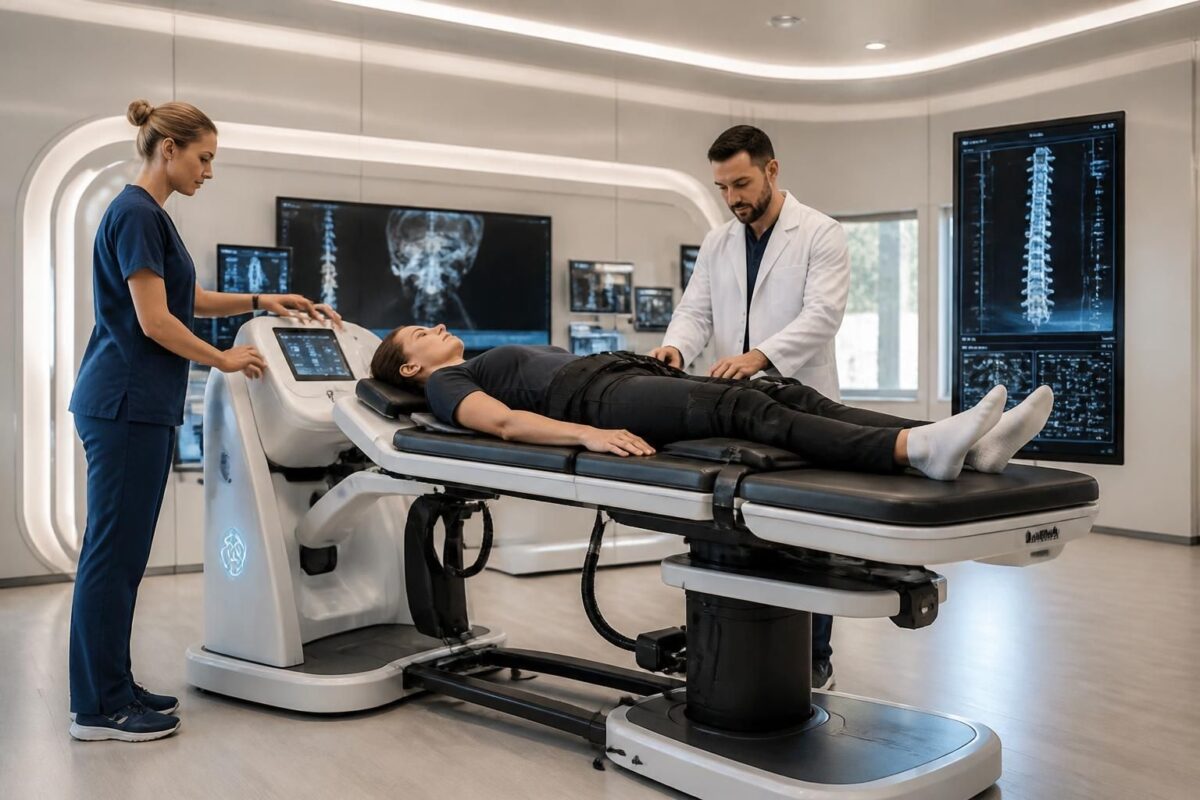
Recent innovations in neurovertebral decompression technologies
In short In short, the neurovertebral decompression is an approach non-invasive Aiming to reduce pressure on discs and nerves, and promote tissue regeneration. At Montreal, it is positioned as an effective option for lower back pain and herniated discs. The…
neurovertebral decompression and vertebral function
The neurovertebral decompression Is a therapeutic approach non-invasive which supports and restores the vertebral function. This professional biography traces the journey of an expert in osteopathy, naturopathy and manual medicine, whose objective was to explain the complex mechanisms of the column and to translate them into concrete clinical practices. Driven by a process ofinnovation and of(interdisciplinarity), he developed an approach that optimizes the Mechanical operation of the column while limiting the risks of more invasive treatments. His work is based on precise listening to patients and a resolute orientation evidence-based.
The principle is based on a Controlled traction applied along the spine, intended for Create a space between the vertebrae. By increasing this space, the pressure exerted on the Spinal nerves and on the Intervertebral discs is reduced, which reduces pain and improves movement. This mechanism promotes a bloodstream more effective around tissues and nerves, facilitating cellular nutrition and Tissue regeneration, while reducing local inflammation. The notion of a temporary “empty” at the level of the intervertebral space is used to reposition damaged structures and restore the alignment of the spine.
The benefits on the vertebral function are reflected in particular in a Improving mobility and an Reduction of muscle tension around the column. By releasing accumulated tensions, this approach acts as a lever for rebalancing musculoskeletal, favoring a posture more natural and durable. Patients often report a rapid pain reduction and an Improving mobility, which allows them to resume daily activities with greater ease. At the same time, decompression supports the Disk regeneration and helps prevent future aggravations linked to spinal imbalances.
In a global logic of support, the expertise focuses on The full assessment of the patient, the construction of a Personalized treatment plan and one Regular follow-up to ensure sustainable rehabilitation. This circulation between diagnosis, protocol and rehabilitation makes it possible to adjust the sessions according to the results, guaranteeing a Efficient rehabilitation and maintaining long-term achievements. The objective is not only to relieve pain, but also to restore a quality of life where the body finds an optimal ability to move, carry and practice activities without discomfort.
This leader in the field is the founding president of dedicated clinics and associations that unite the practices reflective and innovative around the spine. His action promotes a Integrative approach which combines spinal decompression, complementary therapies and advanced technologies to meet the specific needs of patients. By focusing onefficiency and the security, it demonstrates that neurovertebral decompression can become a lasting pillar in the management of spinal pain and maintaining mobility at any age.
Paradoxically, this biography illustrates how neurovertebral decompression supports vertebral function by acting both on the mechanics of the spine and on neighboring tissue systems. By promoting the circulation, the regeneration and one Optimal alignment, it opens the way to a more active and autonomous life, without excessive dependence on drug or surgical treatments. The course described here demonstrates a continued commitment to providing care evidence-based To optimize the health and well-being of patients.
This study presents how the neurovertebral decompression supports the vertebral function By restoring the space between the vertebrae, decreasing the pressure on the Spinal nerves and the Intervertebral discs, and promoting better tissue nutrition. It highlights a non-invasive approach, adapted to a global care framework, which aims to preserve mobility, reduce pain and improve quality of life in the long term.
Medical Warning: The information presented does not replace the advice of a health professional and should be discussed with your doctor.
The central dynamic of this approach is based on a Reduced pressure on nerves and discs, thanks to controlled traction that opens an intervertebral space. By releasing this space, it facilitates the passage of nerve signals, reduces pain and contributes to a Improving mobility overall. These effects act as a lever for the spinal function and the stability of the spinal axis.
In addition, the increase in bloodstream Around the column promotes the intake of nutrients and the evacuation of metabolic waste. This better vascularization supports the Regeneration of intervertebral discs and tissue recovery, which reinforces the resistance of the spine to daily stress and repeated microtraumas.
By correcting misalignments and releasing muscle tension, decompression contributes to the Musculoskeletal rebalancing and to a vertebral alignment more harmonious. This alignment contributes to a Sustainable posture and a reduction in asymmetric loads that can fuel recurrent pain, subject to recurrence if the balance is not restored.
From a functional point of view, these mechanisms result in a Increased mobility and better autonomy in daily activities. Decompression can thus help limit dependence on drug treatments and promote a global approach to spinal health, in accordance with other manual and technological approaches.
To deepen and integrate these concepts into a practical approach, you can consult resources such as Overall column support, Neurovertebral decompression – Wikipedia, and pages dedicated to frequently asked questions and postural alignment to Neurovertebral Decompression – Questions Answered. Other useful resources address the management of night pain and the prevention of stress-related injuries, in particular via the information available on Night relief and guides on post-surgical recovery.
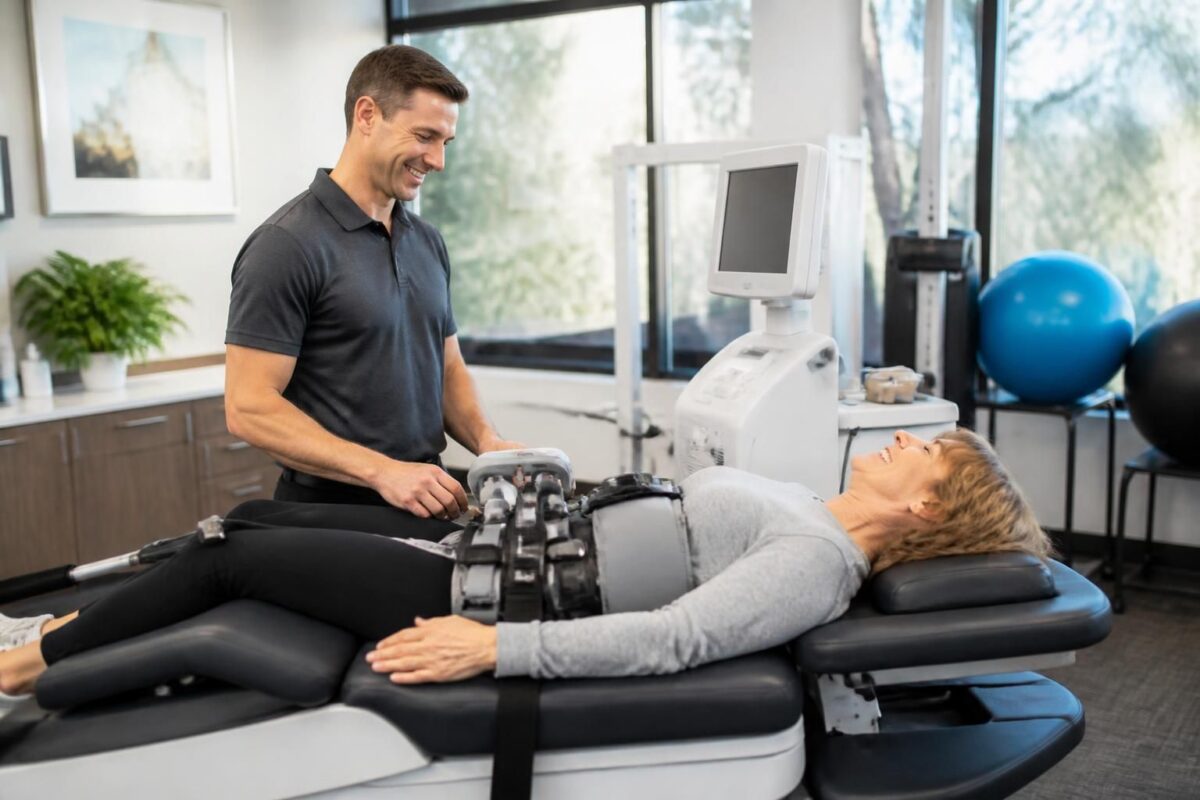
Neurovertebral decompression and diffuse pain: an appropriate solution
In short In short, the neurovertebral decompression is one Non-invasive solution For diffuse pain related to nerve irritation of the spine. She acts in Reducing pressure on intervertebral discs and nerves and improving the bloodstream, which promotes recovery and the…

Dr Sylvain Desforges, B.Sc., D.O., N.D., osteopath, is the founding president of TAGMED and of the ACMA association. He dedicates his practice to chronic spinal pain, low back pain and symptoms compatible with sciatica, particularly when pain radiates toward the buttock, leg, calf, foot or toes.
Through SOS Sciatique, he publishes educational content on sciatica symptoms, possible causes such as disc herniation, disc narrowing, foraminal stenosis or irritation of a lumbar nerve root, as well as non-surgical approaches that may be considered according to the evaluation. At Clinique TAGMED, care may include, depending on the case, motorized neurovertebral decompression, specific osteopathic care or precision percussion.
For an evaluation related to sciatica treatment in Montreal / Mount Royal or sciatica treatment in Terrebonne, please consult the services available at Clinique TAGMED.
Medical disclaimer
The information published on SOS Sciatique is provided for educational purposes only and does not replace a consultation, diagnosis, opinion or treatment provided by a physician or another authorized healthcare professional. The author of this article is neither a medical doctor nor a specialist in a medical specialty recognized by the Collège des médecins du Québec. The osteopathic, manual medicine or functional support approaches described on this site do not constitute medical acts and are not intended to replace medical follow-up.
Consult a physician or emergency service in cases of loss of bladder or bowel control, anesthesia in the saddle area, significant or progressive weakness in the leg or foot, fever, recent trauma, severe pain or rapid worsening of symptoms. For more details, please read our Legal Notice.