Neurovertebral decompression and cervical pain: natural management
26/06/2026
Modern techniques for optimal results in neurovertebral decompression
26/06/2026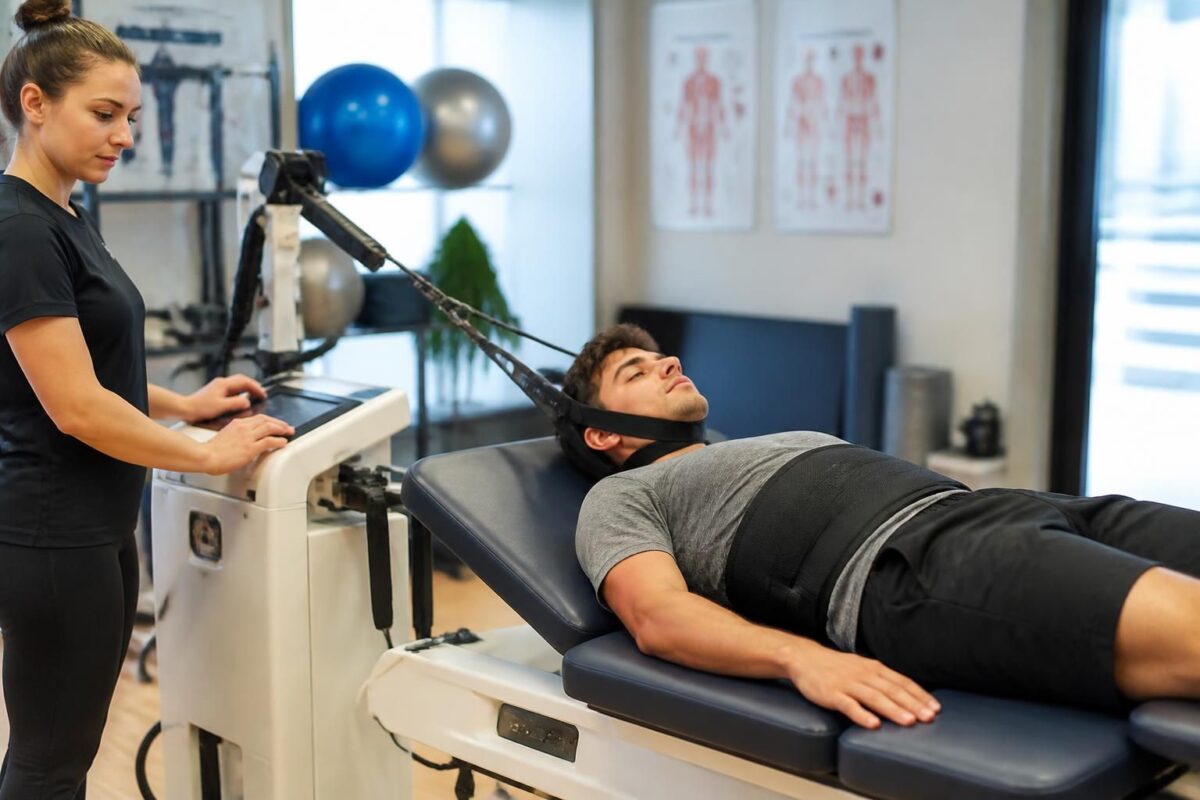
In short
| In short, the neurovertebral decompression is one Non-invasive method which aims to reduce the pressure on the Intervertebral discs and the gristle After a sports injury. At Montreal, it is particularly useful for accelerating the recovery, reduce the pain and quickly find the mobility. The mechanism is based on a Soft and controlled traction which creates a space between vertebrae, improves the bloodstream and promotes the regeneration fabrics. The benefits include the Lasting pain relief, the Restoring range of motion and the Prevention of recurrences, allowing a Smooth and secure return to sports activity. |
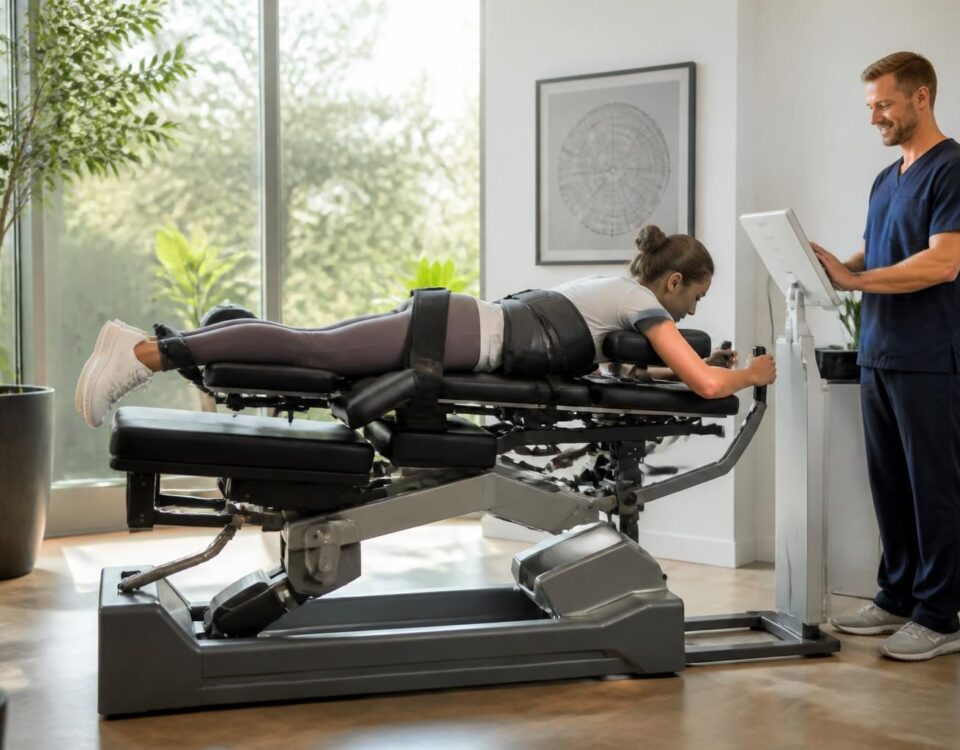
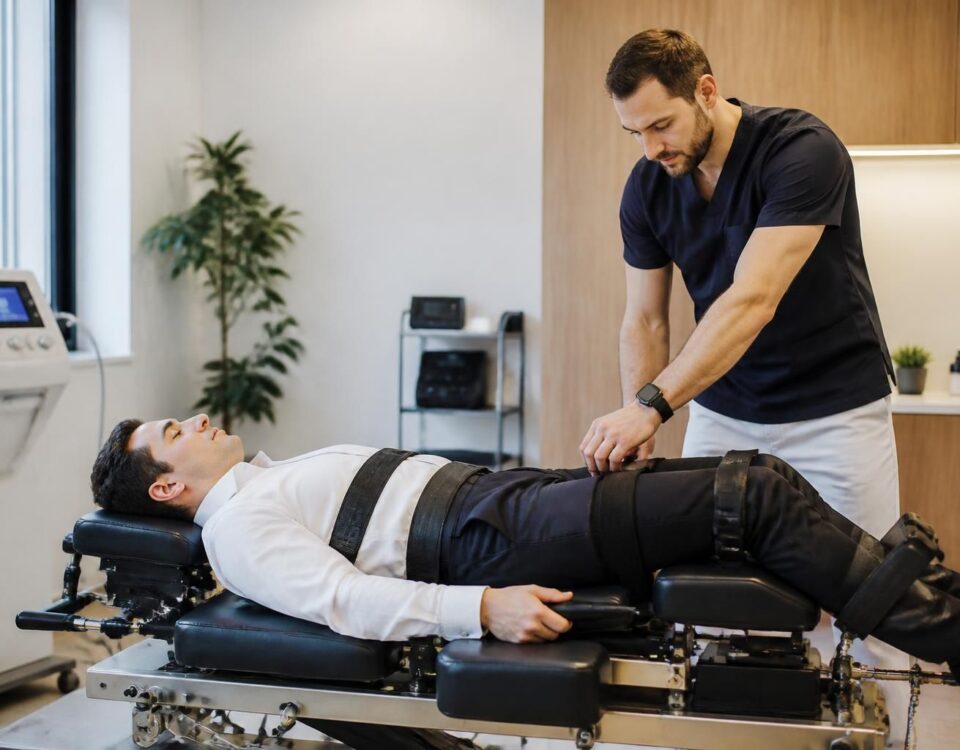
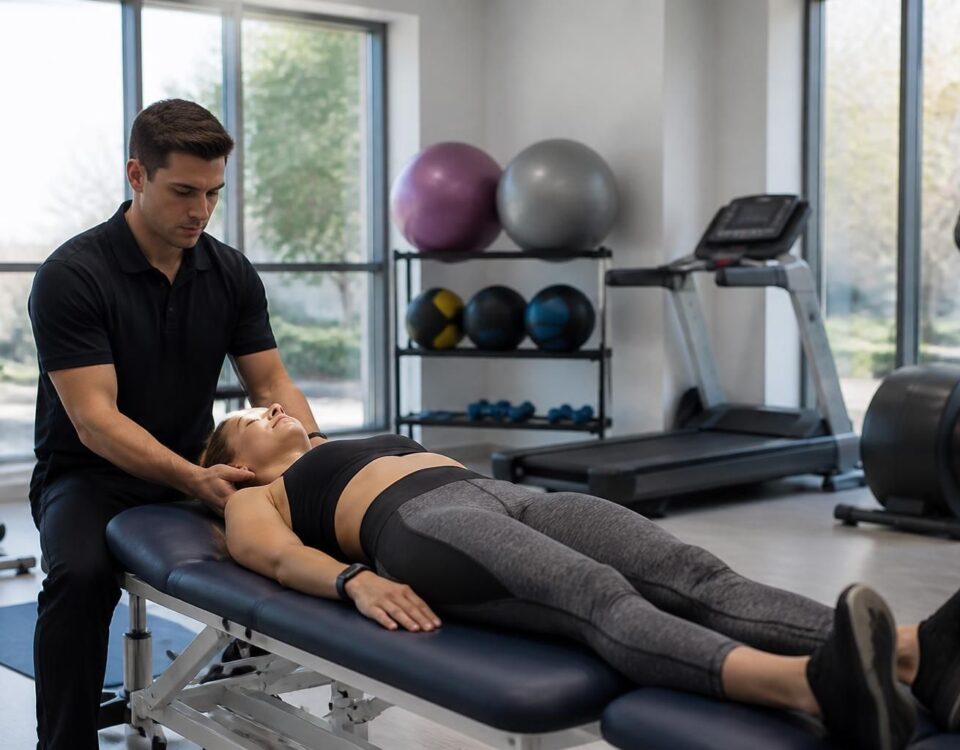
The neurovertebral decompression is essential after a sports injury because it acts directly on the spine to reduce the pressure on the Intervertebral discs and the gristle. By promoting a bloodstream improved and by decreasing inflammation, it accelerates the healing, restore the mobility and facilitates a Safe return to sport. non-invasive, this approach can be integrated into a program of rehabilitation personalized and contribute to Prevent recurrences By rebalancing the alignment and functioning of the spine.
This text, written by a health professional and expert in osteopathy, explain why the neurovertebral decompression is essential after a sports injury. It relieves pain, accelerates healing and allows a faster and safer return to physical activity. It acts by controlled and non-invasive traction that frees up space between the vertebrae and improves the circulation of nutrients to the injured tissues. This approach fits perfectly into a guided and evidence-based rehabilitation, available in particular in Tagmed clinics.
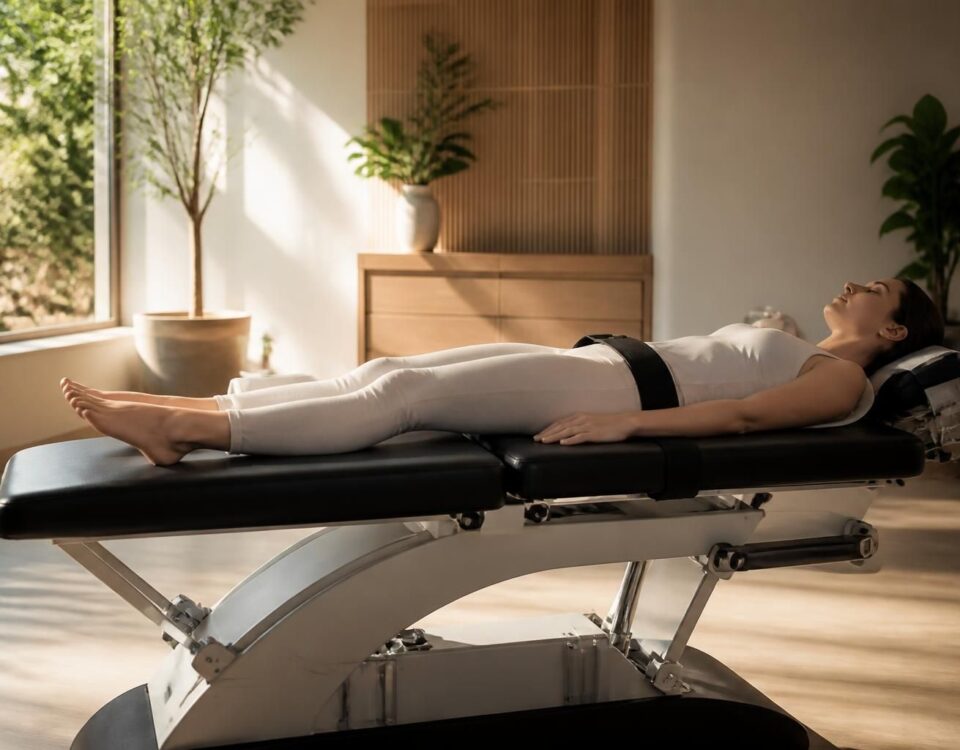
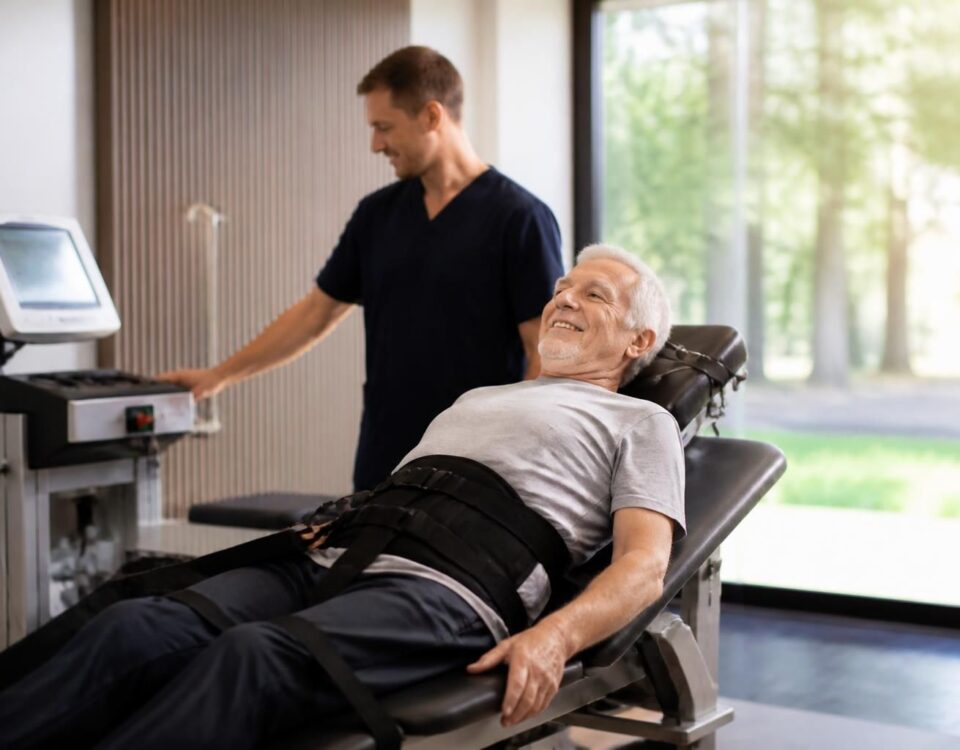
After a sports injury, the tissues around the spine often suffer from increased stress and insufficient blood supply. The neurovertebral decompression responds to this with a gentle traction which creates a space between the vertebrae. This space reduces the pressure on the Intervertebral discs and on the gristle, facilitating blood circulation and the passage of nutrients necessary for tissue repair. This non-surgical approach helps to quickly reduce pain and gradually restore mobility, while limiting the risk of further injury.
For athletes, decompression promotes vertebral alignment more stable, which decreases muscle tension and improves neuromuscular coordination. This better harmony between the spinal structures supports strengthening exercises and functional exercises that strengthen the back, neck and trunk, without resorting to invasive interventions. You can consult the following resources to understand the earnings and associated protocols: The benefits of neurovertebral decompression and Custom protocols.
In Montreal and the surrounding area, advanced decompression protocols allow faster recovery after cervical or lumbar injuries. This method is particularly useful when traditional treatments are not enough to release tension or restore optimized circulation in the injured areas. Decompression acts at the heart of the spine and complements rehabilitation plans supervised by qualified professionals, with a follow-up adapted to each athlete.
neurovertebral decompression is non-invasive and does not require surgery. It can be associated with other rehabilitation approaches as part of a comprehensive program, but it does not replace usual medical care. To learn more about outcomes and mechanisms, refer to specialized resources and expertise from TagMed Clinics.
How does a decompression take place after an injury
A typical session lasts between 15 and 30 minutes. The practitioner adjusts the traction according to the location and severity of the injury. The goal is to set up a lasting balance and promote progressive recovery. The goal is not an ephemeral relief, but a measurable improvement in mobility and function.
This approach aims to reduce pain related to nerve compression and to support repair of adjacent discs and tissues. For athletes, this translates into an increase in the range of movements and a more serene resumption of training. For general information and protocols, you can consult the following resources: Prevention of neck pain and Custom protocols.
Integration into the rehabilitation program
To maximize results, neurovertebral decompression is part of a comprehensive rehabilitation program. Regular monitoring makes it possible to adjust the plan according to the body’s response and sporting objectives. This approach is compatible with the care offered at the TagMed clinic in Montreal or Terrebonne, where professionals coordinate treatments and exercises in a secure way.
Well-thought-out integration can promote faster recovery and reduced risk of recurrence. It is accompanied by better blood circulation, reduced inflammation and a faster return to performance. To explore the possibilities, consult the associated resources and information pages of Tagmed Clinic.
Advanced protocols and security
Protocols use controlled traction adapted to each athlete. Immediate effects include a decrease in pain and a feeling of relaxation in the treated area. Benefits continue with increased mobility and reduced muscle tension around the spine. This approach is exposed as a safe and non-invasive alternative to more invasive options, and is supported by clinical data accumulated over the years.
For athletes, the goal is to prevent recurrences through improved vertebral alignment and better trunk stability. Informative sources and reference articles can be viewed on Disc herniation and decompression and SOS SCIATIC.
If in doubt, request a personalized assessment from a specialist in osteopathy affiliated with recognized organizations. The approach focuses on evidence-based care and coordination with health professionals. To learn more about the approach and services, visit Tagmed Clinic.
For general evidence and resources, you can also consult Benefits and mobility and Prevention of chronic cervical pain.
Medical Disclaimer: The information and advice provided on this site does not replace the health professional’s diagnosis or treatment. Please note that Dr. Sylvain Desforges osteopath is neither a doctor of medicine nor a doctor, and is not a specialist in a medical specialty as defined by the Collège des Médecins du Québec. Manual medicine, functional medicine and sports medicine as described on this site exclude any medical treatment or diagnosis made by a doctor or specialist doctor. Always consult your doctor for any medical questions. For more details, please read our full legal notice.
Neurovertebral decompression is a suitable option for athletes after an injury. To learn more about benefits, protocols, and integration in a rehabilitation course, consult the following resources that respect the authorized areas: benefits and Custom protocols, as well as the TagMed Clinic page for care in Montreal or Terrebonne: Tagmed Clinic.
For other related information and resources, you can access For top athletes and to Innovations in decompression tables.
Medical Disclaimer: The information and advice provided on this site does not replace the health professional’s diagnosis or treatment. Please note that Dr. Sylvain Desforges osteopath is neither a doctor of medicine nor a doctor, and is not a specialist in a medical specialty as defined by the Collège des Médecins du Québec. Manual medicine, functional medicine and sports medicine as described on this site exclude any medical treatment or diagnosis made by a doctor or specialist doctor. Always consult your doctor for any medical questions. For more details, please read our full legal notice.
References and additional resources: SOS SCIATIC, Prevention of neck pain, benefits.
Medical Disclaimer: The information and advice provided on this site does not replace the health professional’s diagnosis or treatment. Please note that Dr. Sylvain Desforges osteopath is neither a doctor of medicine nor a doctor, and is not a specialist in a medical specialty as defined by the Collège des Médecins du Québec. Manual medicine, functional medicine and sports medicine as described on this site exclude any medical treatment or diagnosis made by a doctor or specialist doctor. Always consult your doctor for any medical questions. For more details, please read our full legal notice.
- Rapid pain relief: Releases pressure on nerves and discs.
- Improving mobility: Restoration of amplitude of movement after injury.
- Increased blood circulation: Better irrigation of wounded tissue to accelerate healing.
- Reduction of inflammation and the local inflammatory process.
- Maintenance of intervertebral space to prevent further cuts.
- Tissue preservation and prevention of future injuries.
- Complementarity with rehabilitation and targeted muscle building.
- Non-invasive option Avoiding surgery, anesthesia and downtime.
- Quick return to sports activity without surgery.
- Prevention of recurrences thanks to better alignment and spinal stability.
- Reduced injury-related stress and improved psychological well-being.
- Postural stability and decreased muscle tension.
- Adaptability of treatment every injury and sport goal.
- Integration with other therapies (physiotherapy, exercises, etc.).
- Sustainable impact on spinal health and sports longevity.
- Safety and comfort during the sessions, facilitating the gradual resumption.

neurovertebral decompression Is an essential non-invasive approach after a sports injury, as it reduces disc and nerve pressure, accelerates healing and allows a safe return to physical activity when integrated into a suitable rehabilitation program. This article introduces why this method is recommended and how it fits into a global recovery strategy.
Understand the mechanism and objectives
The Soft and controlled traction acts on the spine to create a space between the vertebrae, decreasing the Pressure on the intervertebral discs and on the gristle. This pressure reduction facilitates the Disc rehydration and improves the bloodstream in the injured areas, thus providing the necessary nutrients for the Tissue healing.
the effects combined a pain reduction, a Improving mobility and more effective activation of repair mechanisms. By improving the alignment and function of the spinal structures, it also helps prevent tensions and compensations that often lead to other injuries.
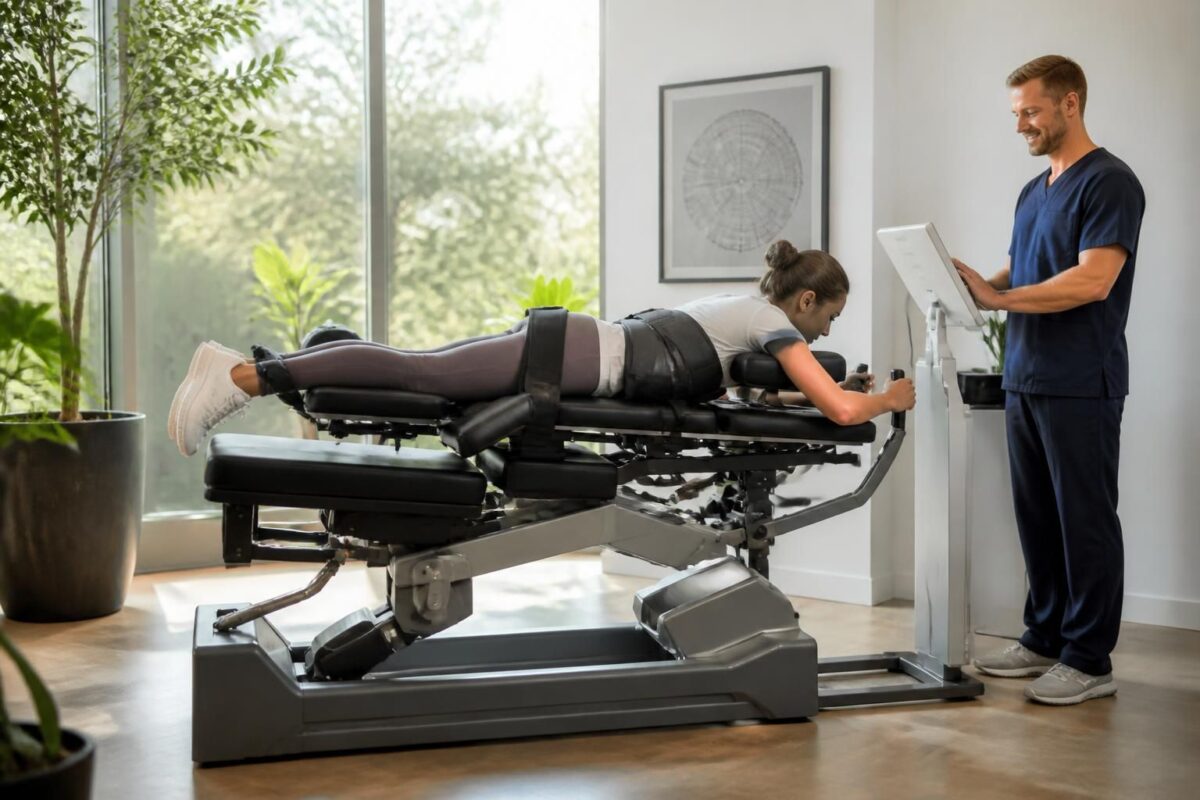
The long-term benefits of neurovertebral decompression for spinal health
In short In short, the neurovertebral decompression is a non-invasive approach that decreases the Pressure on intervertebral discs and nerves, favoring the Natural regeneration and tissue recovery. Its long-term benefits include Lasting pain reduction, Improving mobility and from the posture,…

Neurovertebral decompression and mobility: a return to an active life
In short In short, the neurovertebral decompression is therapy non-invasive who uses a gentle traction To create a space between the vertebrae and reduce the pressure on the Intervertebral discs and the nerves. It promotes a bloodstream improved, lowers tension…
Impact on recovery and performance
Beyond quick relief, this approach supports a Sustainable recovery By promoting a Balanced posture and reducing risk factors for recurrence. A Improved traffic promotes the restoration of damaged tissues and stimulates regeneration, which is felt by a Mobility found and an Increased confidence in sports abilities.
Integrated into a rehabilitation program Comprehensive — including targeted strengthening exercises and mobility techniques — neurovertebral decompression optimizes results and allows for gradual and harmonious return in training, while minimizing the risk of future injury.
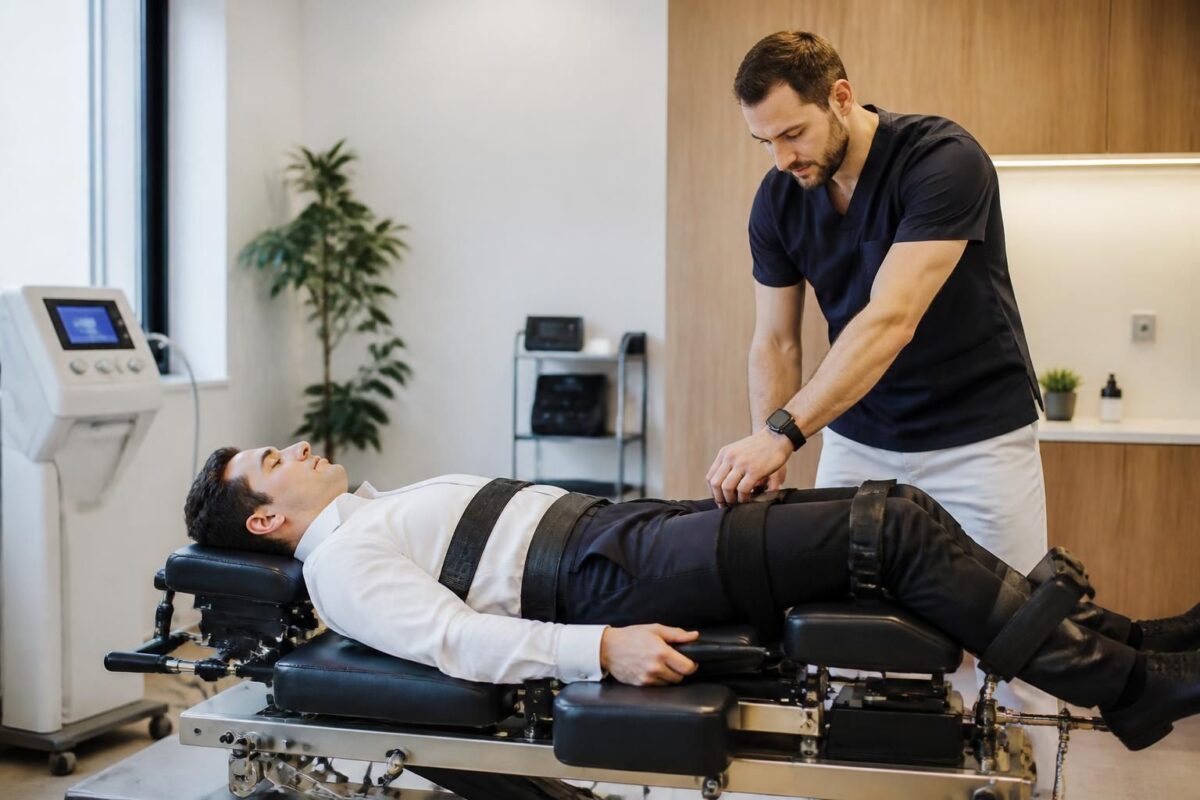
How Neurovertebral Decompression Prevents Diffuse Chronic Pain
In short decompression neurovertebral is one Non-invasive method aimed at reducing the Pressure on the intervertebral discs and the nerves, in order to prevent Diffuse chronic pain. It improves the circulation and thedisc hydration, decreases inflammation and promotes better mobility.…
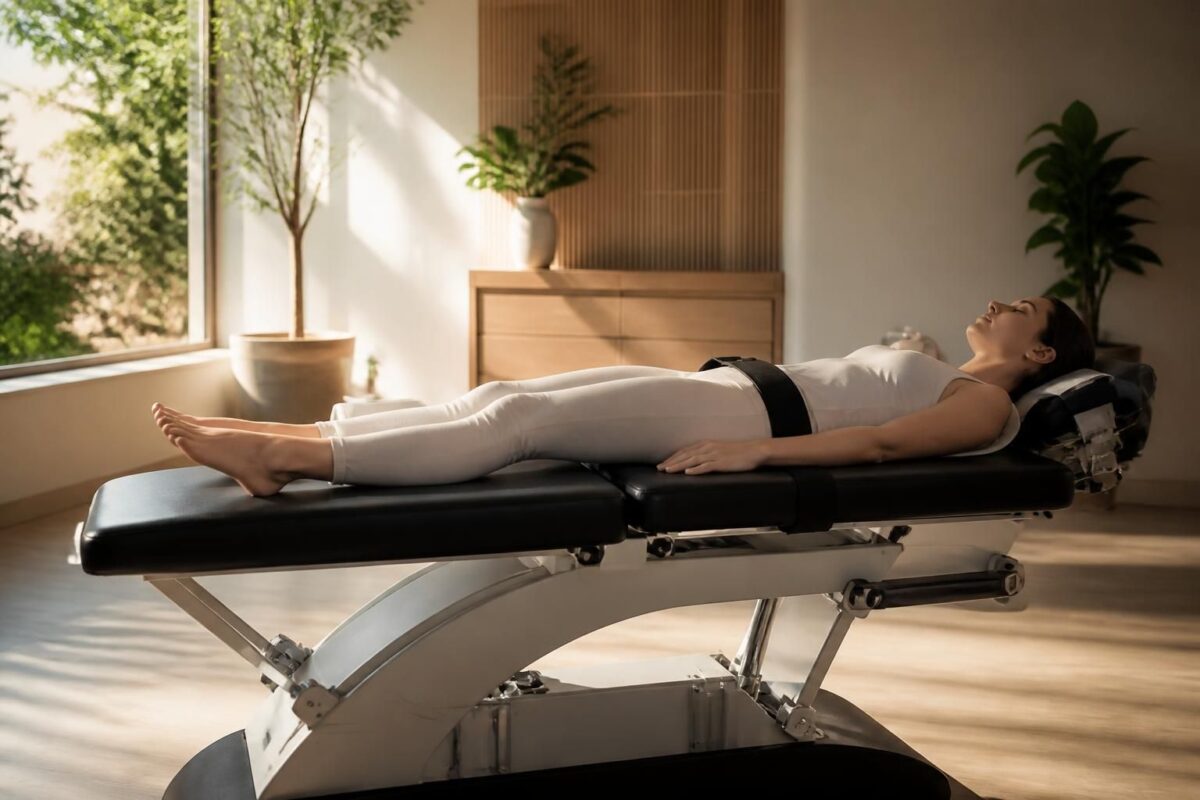
Neurovertebral Decompression and Body Alignment: Restoring Natural Balance
In short In short, neurovertebral decompression is one Non-invasive approach who restores theBody Alignment and thenatural balance back and neck. She acts by a Controlled traction of the spine to widen the intervertebral space and reduce the Pressure on discs…
Integration into the rehabilitation program
The implementation is based on a Custom Plan and one Regular follow-up. The initial assessment clears the areas to be treated and determines the pace of the sessions. Adjustments are made according to the patient’s responses and sports objectives, in order to promote effective recovery without overloading the body.
This approach is particularly effective when it is coordinated with other care modalities, such as physiotherapy, osteopathy and, if necessary, diet and recovery advice. The goal is a Holistic rehabilitation that restores structural balance, muscle strength and flexibility.
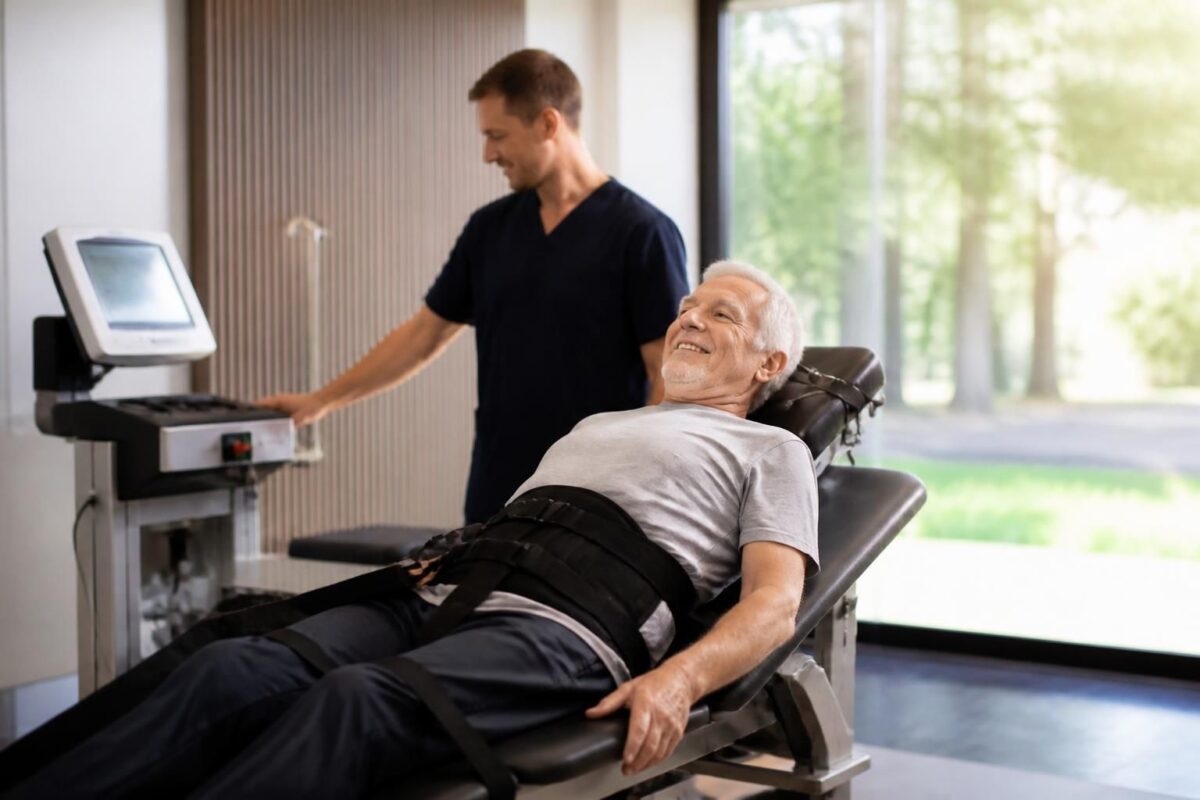
Why neurovertebral decompression is a lasting solution for active seniors
In short In short, the neurovertebral decompression is one Non-invasive therapy which sustainably relieves spinal pain in the spine active seniors By creating, by a Soft and controlled traction, a space between the vertebrae. At Montreal, it is recognized as…
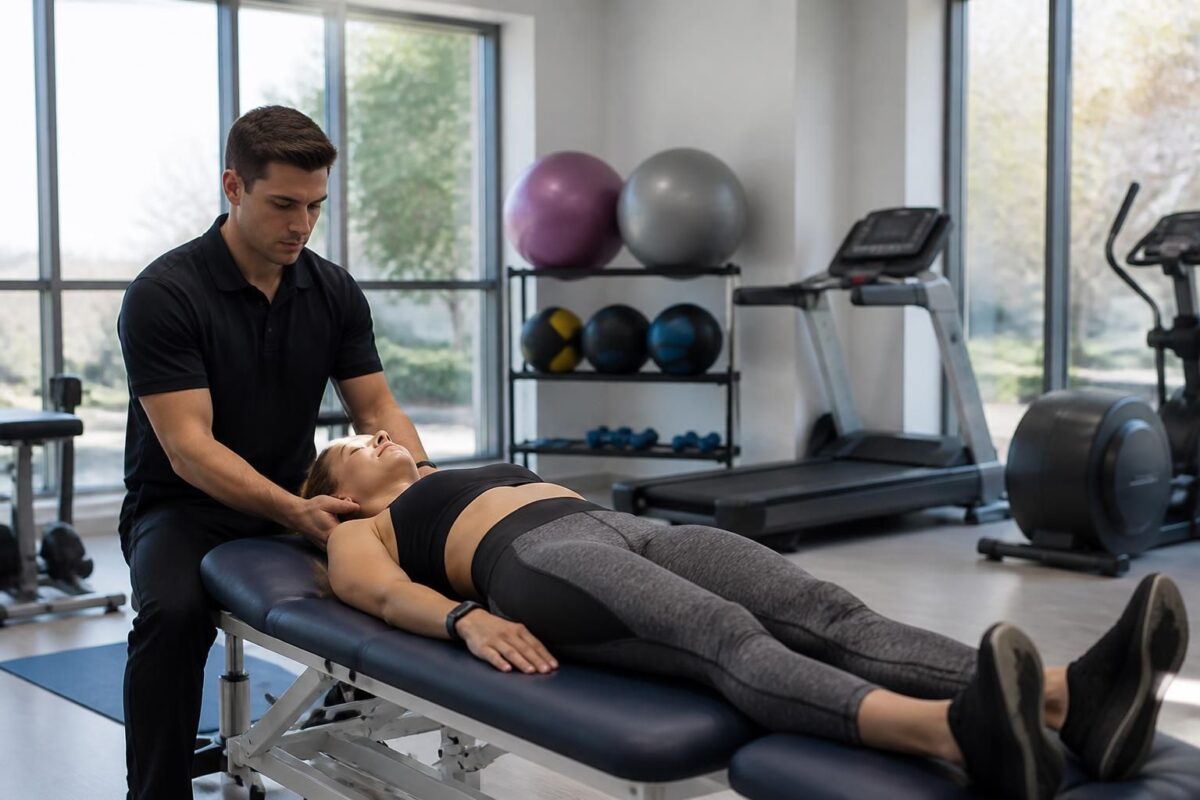
Neurovertebral decompression and recovery after severe sports injury
In short In short, the neurovertebral decompression is one Non-invasive method to Relieve the pressure on the Intervertebral discs and the gristle Via a Controlled traction, to facilitate the recovery After a severe sports injury. It improves the bloodstream towards…
When to favor this technique
Decompression is particularly recommended after a sports injury involving the spine, especially in cases of cervical or lumbar pain, disc herniation, disc bulge or spondylosis. It can also accompany post-surgical rehabilitation to optimize disk health and overall functionality. As with any treatment, a Medical assessment is essential to exclude contraindications and determine the optimal time to start.
frequently asked questions
Is it painful ? No, most patients describe a feeling of comfort and relaxation during the session.
How long does a session last? In general, a session lasts between 15 and 30 minutes.
When can I feel improvements? Signs of relief and mobility may appear after a few sessions, with increasing benefits as the program progresses.
| Element | Concise impact |
|---|---|
| Main objective | reduce the Pressure on discs and nerves to facilitate healing and rehabilitation. |
| Mechanism | Application of a gentle traction To create space between the vertebrae and improve circulation. |
| Effects on fabrics | promotes the rehydration and disk repositioning; Improves blood irrigation. |
| pain relief | Rapid and noticeable reduction in pain associated with nerve compression. |
| Mobility | Restore itrange of motion and the flexibility of the neck and back. |
| Recovery and return to sport | accelerate the Back to training and performance after injury. |
| Prevention of recurrences | Improve thealignment and spinal stability, reducing the risk of recurrence. |
| Integration into the program | Key component of the rehabilitation plan, in addition to physiotherapy and exercises. |
| Security and accessibility | Technical non-invasive with little risk; suitable for different stages of injury. |
| Good to know | Requires personalized medical follow-up and adjustment to the rehabilitation stage. |
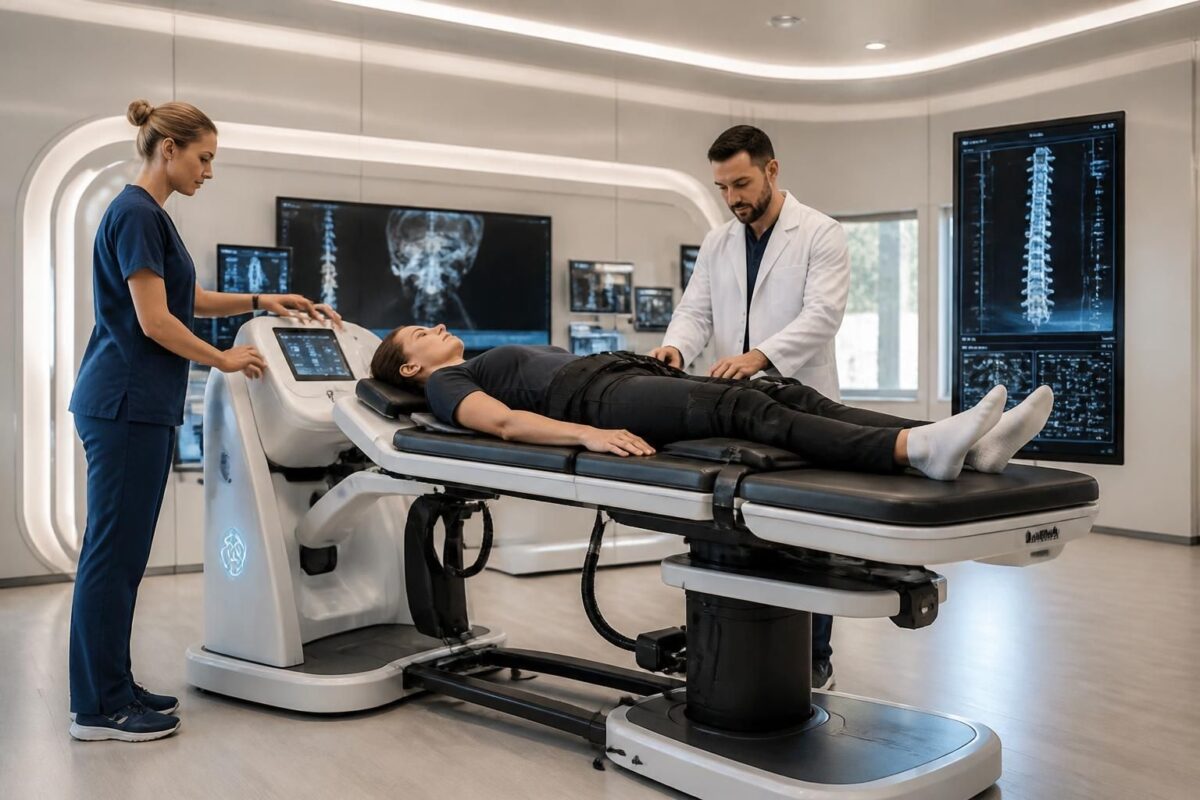
Recent innovations in neurovertebral decompression technologies
In short In short, the neurovertebral decompression is an approach non-invasive Aiming to reduce pressure on discs and nerves, and promote tissue regeneration. At Montreal, it is positioned as an effective option for lower back pain and herniated discs. The…
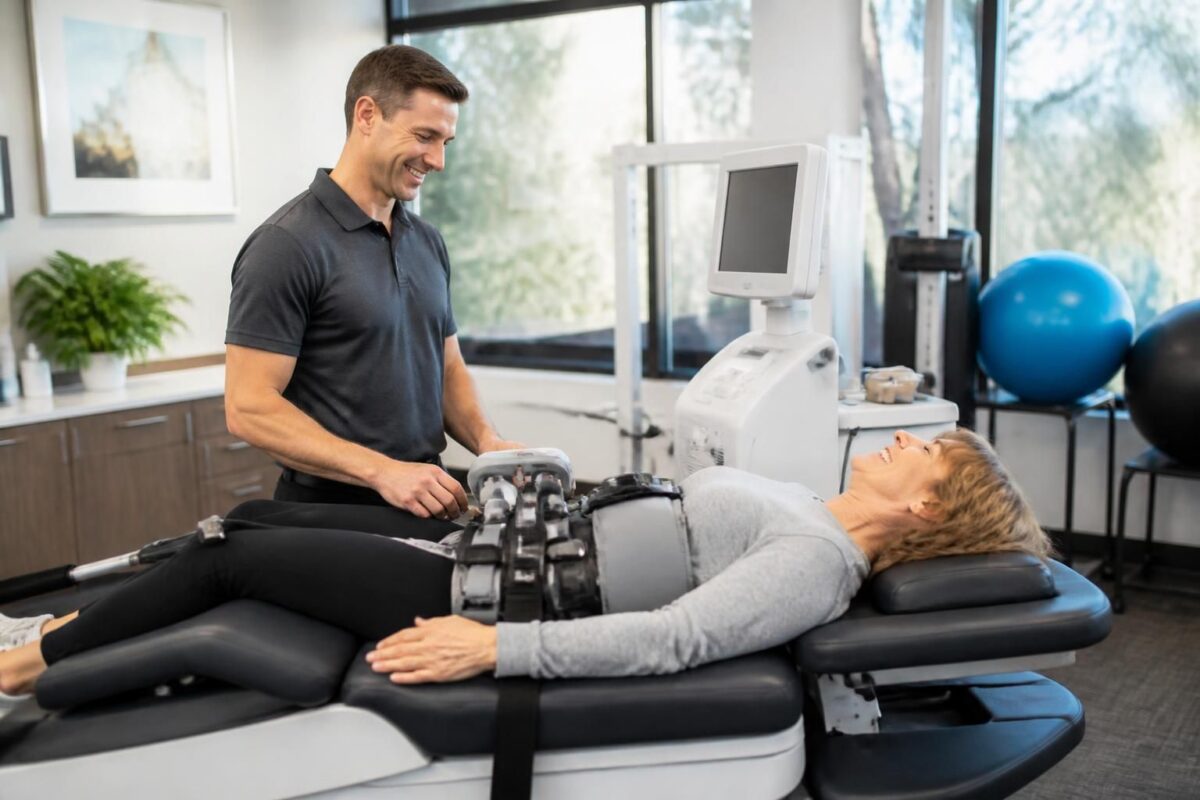
Neurovertebral decompression and diffuse pain: an appropriate solution
In short In short, the neurovertebral decompression is one Non-invasive solution For diffuse pain related to nerve irritation of the spine. She acts in Reducing pressure on intervertebral discs and nerves and improving the bloodstream, which promotes recovery and the…
Testimonials: Why neurovertebral decompression is essential after a sports injury
Marie, gymnast, testifies: “Thanks to the neurovertebral decompression, I felt a rapid pain reduction After my cervical injury and I found a mobility Sufficient to resume training safely. »
Julien, cyclist, says: “This approach is non-invasive and made it possible to relieve the pain while restoring a mobility and a good alignment of the column, accelerating the recovery. »
Hélène, footballer, explains: “By reducing the Pressure on discs and improving the circulation, the decompression accelerated my healing and allowed me to get back in shape. »
Marc, basketball player, shares: “In a few sessions, the pain decreased and my mobility came back; I was able to resume training earlier than expected, which boosted my confidence. »
Sophie, trail athlete, underlines: “Integrated into my rehabilitation program, the neurovertebral decompression helped prevent recurrences and restore a posture that supports my endurance performance. »
Karim, swimmer, concludes: “As a swimmer, being non-invasive and focused on prevention my allowed to reduce the risk of reinflammation and resume training in a sustainable way. »
Clara, sportswoman, specifies: “In the context of a rehabilitation program personalized, the neurovertebral decompression associated with other therapies gave a quick recovery and an Mobility found. »
After a sports injury, the body triggers an inflammatory and painful cascade that can permanently limit mobility and performance. In this context, the neurovertebral decompression Appears as an essential and non-invasive approach to promote structured recovery. By acting on the spine, this technique aims to reduce the pressure exerted on the discs and nerves, thus facilitating the recovery and gradual resumption of physical activities without resorting to surgery.
The mechanism is based on a Controlled and soft traction applied along the column. This action creates a space between the vertebrae, reducing nerve compression and promoting better hydration and nutrition of the intervertebral tissues. Result: a Improved blood circulation to the damaged areas, an acceleration of tissue regeneration and a reduction in inflammation. This dynamic promotes not only the immediate relief of pain, but also the overall resilience of the column in the face of repeated solicitations of the sport.
For athletes, the benefits translate concretely into a Improving mobility and an Prevention of recurrences. Restoring spinal alignment and releasing tension around the nerves, decompression creates a stable base that allows progress in the rehabilitation program with less pain and more confidence in sporting gestures. This approach is ideally integrated into a global rehabilitation plan, where reinforcement exercises, postural correction and recovery techniques complement the effects of traction.
The implementation of this therapy requires personalized evaluation and regular follow-up. Each athlete benefits from a protocol adapted to their trauma, history and objectives. The Customization of treatments And adjusting traction parameters based on body responses optimize results while minimizing risks. The objective is clear: to allow a Fast and safe return to sports practice, with better spine stability and lasting reduction in discomfort.
Finally, neurovertebral decompression has the advantage of being non-invasive and generally well tolerated by athletes. A typical session lasts between 15 and 30 minutes, and can be part of a series of treatments designed to support recovery after a severe injury. In addition, other modern approaches such as therapies by laser or by shock waves can be considered depending on the athlete’s file and therapeutic objectives, in order to maximize the chances of returning to performance while preserving long-term health.
This text presents why the neurovertebral decompression is essential after a sports injury, how it acts, what concrete benefits it offers and how to integrate it effectively into a rehabilitation program. It relies on current clinical approaches and available resources to support athletes throughout their recovery.
The neurovertebral decompression is a non-invasive therapeutic option that acts directly on the spine to reduce pressure on the intervertebral discs and nerves. By promoting a Improved blood circulation and a better tissue rehydration, it accelerates tissue regeneration and contributes to a Lasting pain reduction. For athletes, this translates into a Improving mobility, a Faster return to training and an Prevention of recurrences thanks to better column alignment and enhanced stability.
On the mechanistic level, the action is based on a Soft and controlled traction which frees space between the vertebrae, decreasing the pressure on the discs and nerve roots. This approach promotes oxygenation and nutritional intake in damaged areas, while reducing inflammation and associated muscle tension. Immediate and short-term benefits include a rapid decrease in pain and an Better range of motion, essential for resuming pain-free and medication-free workouts.
For athletes in rehabilitation, the integration of this technique into a global program is particularly effective. It should be combined with strengthening exercises, physiotherapy sessions and regular medical follow-up to adjust the treatment plan based on progress and responses from the body. This personalized approach maximizes the chances of a secure and lasting return to performance.
aspects psychological Should not be overlooked: pain reduction and improved mobility builds the athlete’s confidence in recovery, reduces the stress of recovery and encourages continued adherence to the rehabilitation program. Additional resources detail these elements and propose concrete arguments for choosing this therapy as part of a sports care plan.
To learn more, refer to the following resources that describe the benefits, mechanisms and results observed after an appropriate neurovertebral decompression for sports rehabilitation:
- How neurovertebral decompression improves recovery after a sports injury
- Why choose neurovertebral decompression for radicular pain
- The Psychological Benefits of a Neurovertebral Decompression Program
- Neurovertebral decompression and rehabilitation after lumbar surgery
- Neurovertebral decompression and rehabilitation after a sports injury
- Recovery after a sports injury
- Why choose neurovertebral decompression after a sports injury
- Recovery after a severe sports injury

Dr Sylvain Desforges, B.Sc., D.O., N.D., osteopath, is the founding president of TAGMED and of the ACMA association. He dedicates his practice to chronic spinal pain, low back pain and symptoms compatible with sciatica, particularly when pain radiates toward the buttock, leg, calf, foot or toes.
Through SOS Sciatique, he publishes educational content on sciatica symptoms, possible causes such as disc herniation, disc narrowing, foraminal stenosis or irritation of a lumbar nerve root, as well as non-surgical approaches that may be considered according to the evaluation. At Clinique TAGMED, care may include, depending on the case, motorized neurovertebral decompression, specific osteopathic care or precision percussion.
For an evaluation related to sciatica treatment in Montreal / Mount Royal or sciatica treatment in Terrebonne, please consult the services available at Clinique TAGMED.
Medical disclaimer
The information published on SOS Sciatique is provided for educational purposes only and does not replace a consultation, diagnosis, opinion or treatment provided by a physician or another authorized healthcare professional. The author of this article is neither a medical doctor nor a specialist in a medical specialty recognized by the Collège des médecins du Québec. The osteopathic, manual medicine or functional support approaches described on this site do not constitute medical acts and are not intended to replace medical follow-up.
Consult a physician or emergency service in cases of loss of bladder or bowel control, anesthesia in the saddle area, significant or progressive weakness in the leg or foot, fever, recent trauma, severe pain or rapid worsening of symptoms. For more details, please read our Legal Notice.