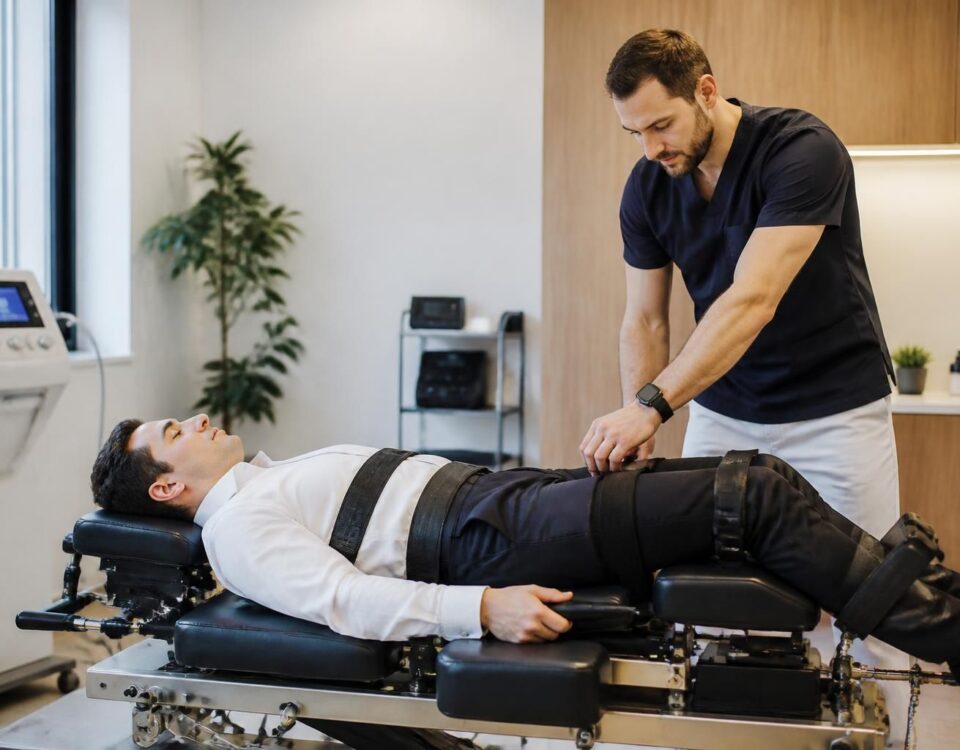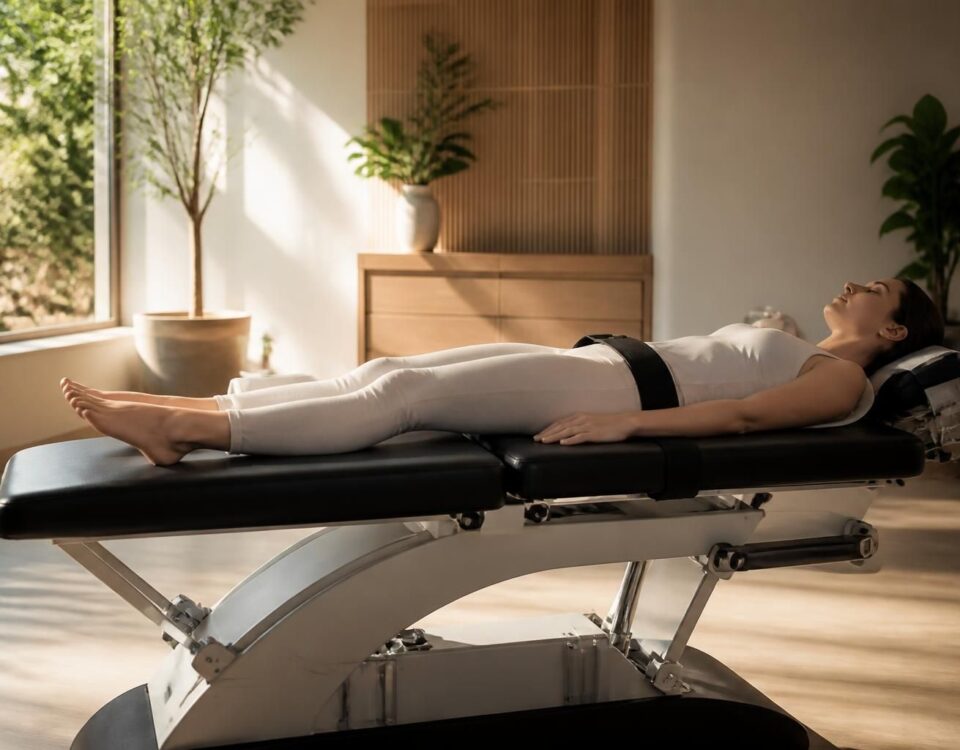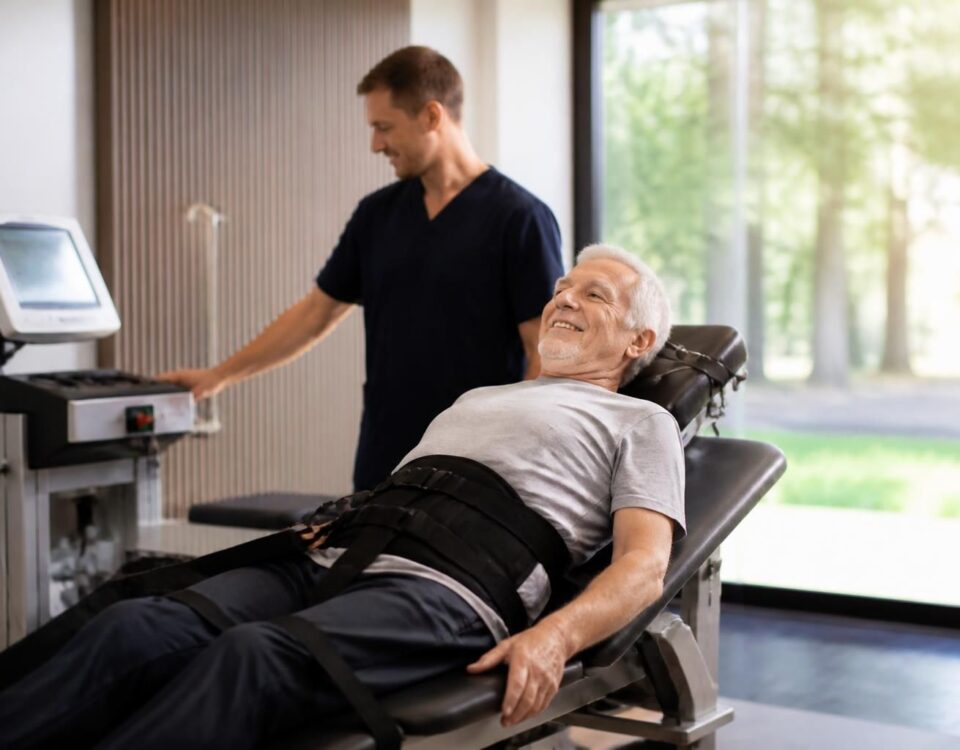
Neurovertebral decompression and prevention of invasive surgeries
26/06/2026
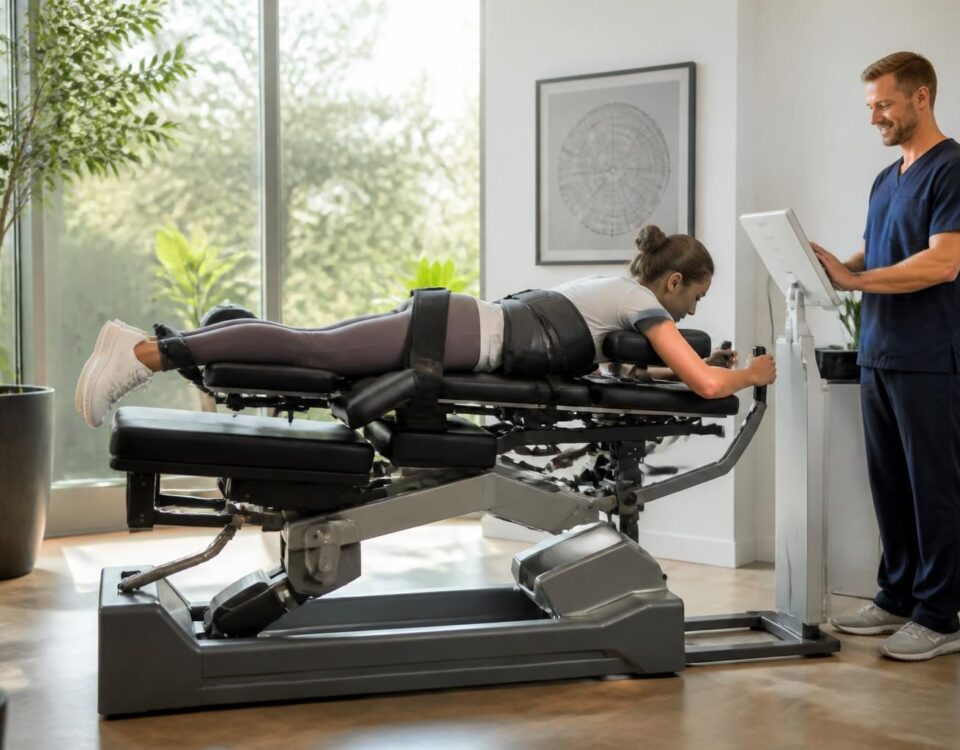
Neurovertebral decompression and recovery after severe disc herniation
26/06/2026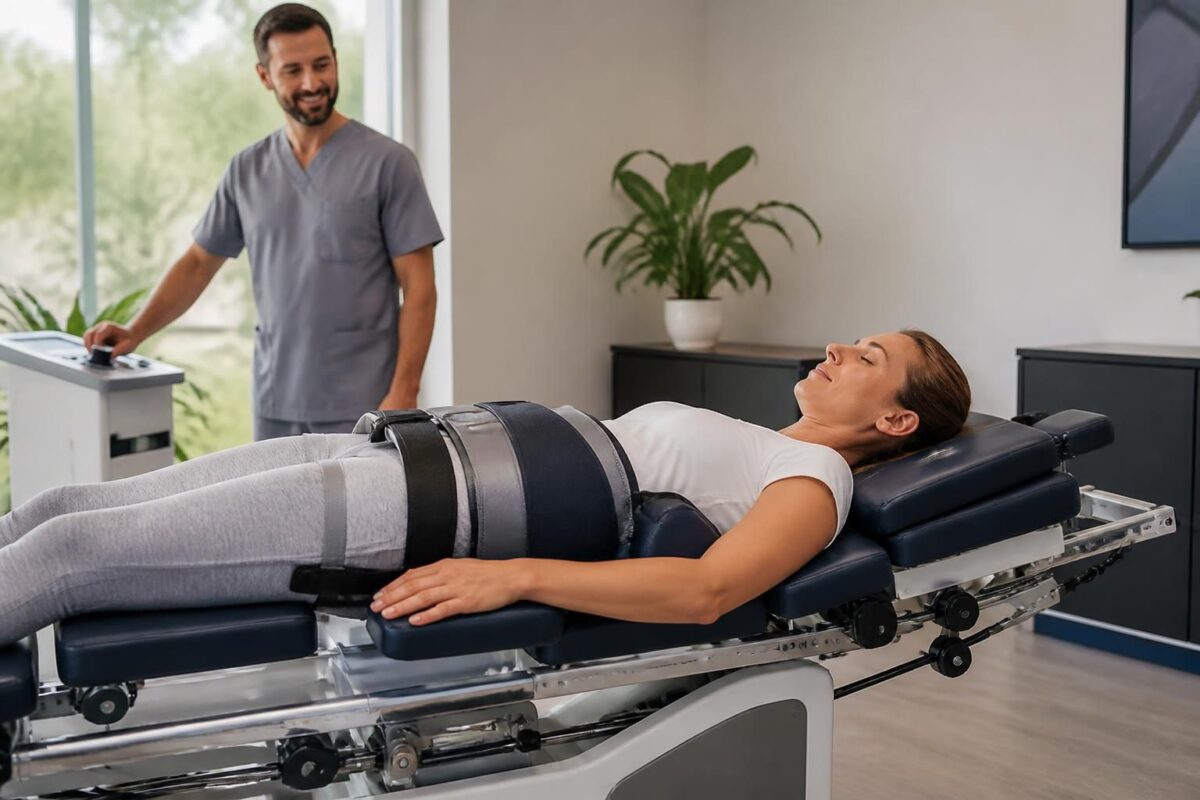
In short
| In short, the neurovertebral decompression is one Non-invasive approach which relieves the back pain and can generate profits psychological significant. it contributes to Reduce stress and improve themood, the quality of life and the sleep, promoting a better sense of control and well-being. The program, without surgery or drugs, takes place in controlled traction sessions that target the painful areas, offering an effective complementary option for the management of the chronic pain. |
The program of neurovertebral decompression can generate Psychological benefits significant in addition to physical results. By decreasing the pain and limitations, it promotes Anxiety Reduction related to pain and mood enhancement. The process encourages better pain control and strengthen itself-efficacy, which increases confidence in its ability to carry out daily activities. These improvements are often accompanied by a better sleep and an increase inphysical activity, contributing to a Better quality of life and more satisfying social interactions. Finally, a Personalized support and a clear journey strengthen the motivation and the positive perception of its progress.
This article presents the psychological benefits of a program of neurovertebral decompression. It explains how pain reduction, improved mobility and more restful sleep support emotional well-being and quality of life. The statement is based on clinical observations and on known mechanisms for non-invasive treatment offered in the TagMed clinic.
Pain Reduction and Mood Improvement
Chronic pain directly affects mood and motivation. By reducing back pain, the program promotes participation in daily activities and improves mood. Patients notice a feeling of resumption of control and greater confidence in the future.
Improved sleep and quality of life
Pain often disrupts sleep. Lasting pain relief leads to deeper, more regular sleep. This better rest improves concentration, energy and resistance to stress, thus strengthening the overall quality of life.
Reduced stress and anxiety
Painful symptoms and pain-related uncertainty generate stress. Progress in the program can decrease tensions and associated anxiety, fostering a calmer and resilient state in the face of daily challenges.
Strengthening self-esteem and motivation
Less pain and fewer limitations allow you to resume pleasant and useful activities. This strengthens self-esteem and stimulates motivation to continue care and healthy lifestyles.
Pain perception and coping strategies
The patient develops strategies for adapting to pain. A gradual reduction in pain can improve tolerance and encourage a proactive attitude towards treatment and daily activities.
Adherence to treatment and continuity of care
When results appear, the motivation to continue the program increases. This continuity is a key factor in maintaining long-term psychological benefits and preventing relapses.
Integration with global care
A well-coordinated program with other non-invasive approaches can support emotional well-being. The use of a multidisciplinary team and regular follow-up can increase psychological and physical benefits. Additional resources and protocols are available via Tagmed Clinic and other dedicated sites.
To deepen the notions related to neurovertebral decompression and well-being, you can consult the following resources: SOS SCIATIC, decompressionneurovertebrale.com, and other expert references on affiliate sites.
Additional information on psychological benefits and decompression protocols is also available via the editorial resources associated with SOS SCIATIC and on the descriptive pages of Tagmed Clinic.
As part of a clinical course, patients can rely on recognized training and practices such as NUMSS and NAO, to ensure professional and rigorous preparation and follow-up. Adapted resources and support are offered in Montreal or Terrebonne within the TagMed clinic.
To learn more about the psychological benefits and programs available, check out the official resources and testimonials on Tagmed Clinic and SostunnelCarpal.
Medical Disclaimer: The information and advice provided on this site does not replace the health professional’s diagnosis or treatment. Please note that Dr. Sylvain Desforges osteopath is neither a doctor of medicine nor a doctor, and is not a specialist in a medical specialty as defined by the Collège des Médecins du Québec. Manual medicine, functional medicine and sports medicine as described on this site exclude any medical treatment or diagnosis made by a doctor or specialist doctor. Always consult your doctor for any medical questions. For more details, please read our full legal notice. »
- Autonomy reinforced thanks to a clear and personalized protocol.
- stress reduction related to pain and daily limitations.
- Improved sleep by decreased nighttime discomfort.
- Self-confidence found to resume activities.
- Motivation increased to follow the program.
- Regularity and care routine calming pain-related anxiety.
- therapeutic relationship reinforced by the follow-up and listening of the practitioner.
- Quality of life general rising thanks to fewer limitations.
- resilience in the face of relapses and chronic stress.
- Membership facilitated by visible and measurable results.

This article presents the benefits psychological of a program of neurovertebral decompression, showing how the reduction of pain and the improvement of mobility positively influences sleep, mood, feeling of autonomy and social interactions. It offers concrete recommendations to make the most of this therapeutic journey on the mental and emotional level.
pain reduction and mood effect
a gradual decrease in pain can lead to a significant improvement in themood. When the pain decreases, daily activities and leisure become accessible again, which promotes a boost in motivation and a more positive vision of oneself. Patients often report better tolerance to stress and reduced emotional tensions associated with chronic discomfort.
Foster a positive approach
Adopting a realistic but optimistic attitude increases personal satisfaction and encourages continuity of treatment. The goal is not to ignore the pain, but to rebalance the attention between symptoms and regained abilities.
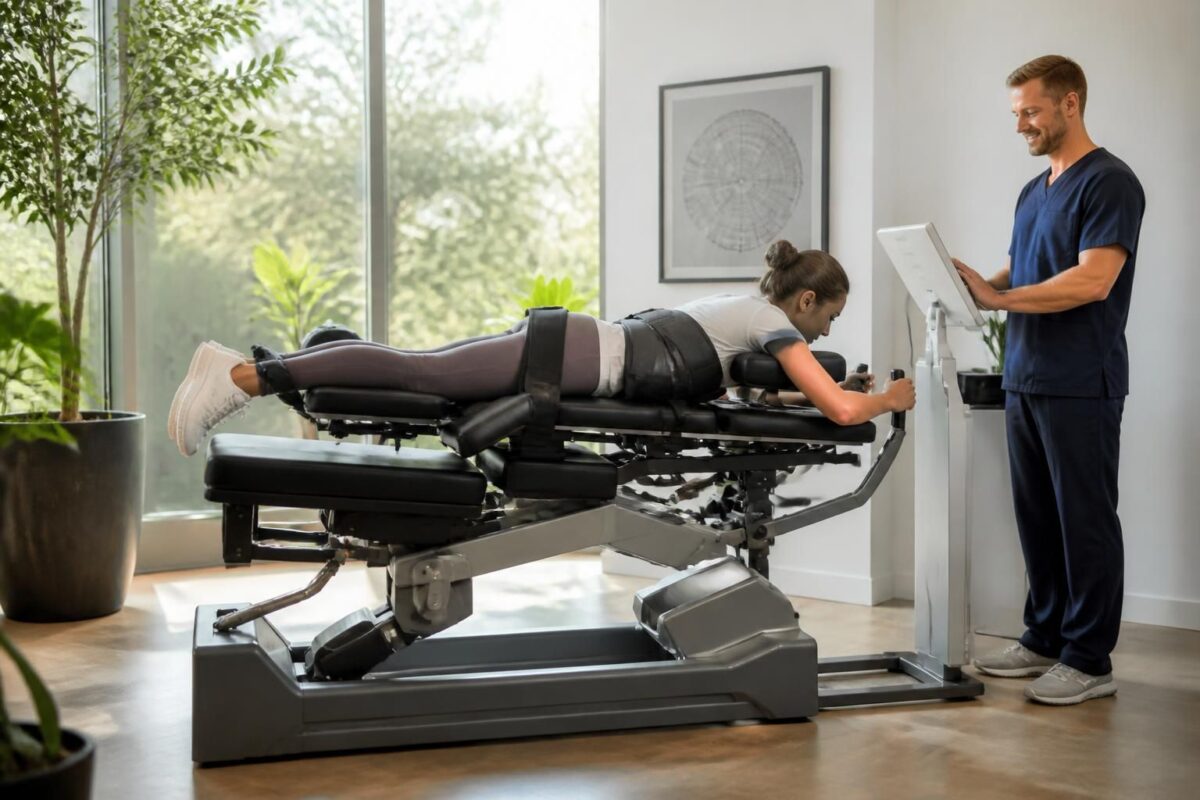
The long-term benefits of neurovertebral decompression for spinal health
In short In short, the neurovertebral decompression is a non-invasive approach that decreases the Pressure on intervertebral discs and nerves, favoring the Natural regeneration and tissue recovery. Its long-term benefits include Lasting pain reduction, Improving mobility and from the posture,…

Neurovertebral decompression and mobility: a return to an active life
In short In short, the neurovertebral decompression is therapy non-invasive who uses a gentle traction To create a space between the vertebrae and reduce the pressure on the Intervertebral discs and the nerves. It promotes a bloodstream improved, lowers tension…
Improved sleep and stress regulation
Symptom relief and body relaxation associated with the program may promote sleep deeper and more regular. restorative sleep directly contributes to the regulation of stress, improves daytime energy and reduces irritability. Mental and physical recovery cycles are improving, contributing to better management of daily challenges.
Favorable mechanisms and habits
Interventions that accompany decompression, such as breathing exercises and postural routines, support the regulation of the autonomic nervous system. Integrating these practices into daily life facilitates the transition between sessions and reinforces the long-term benefits.
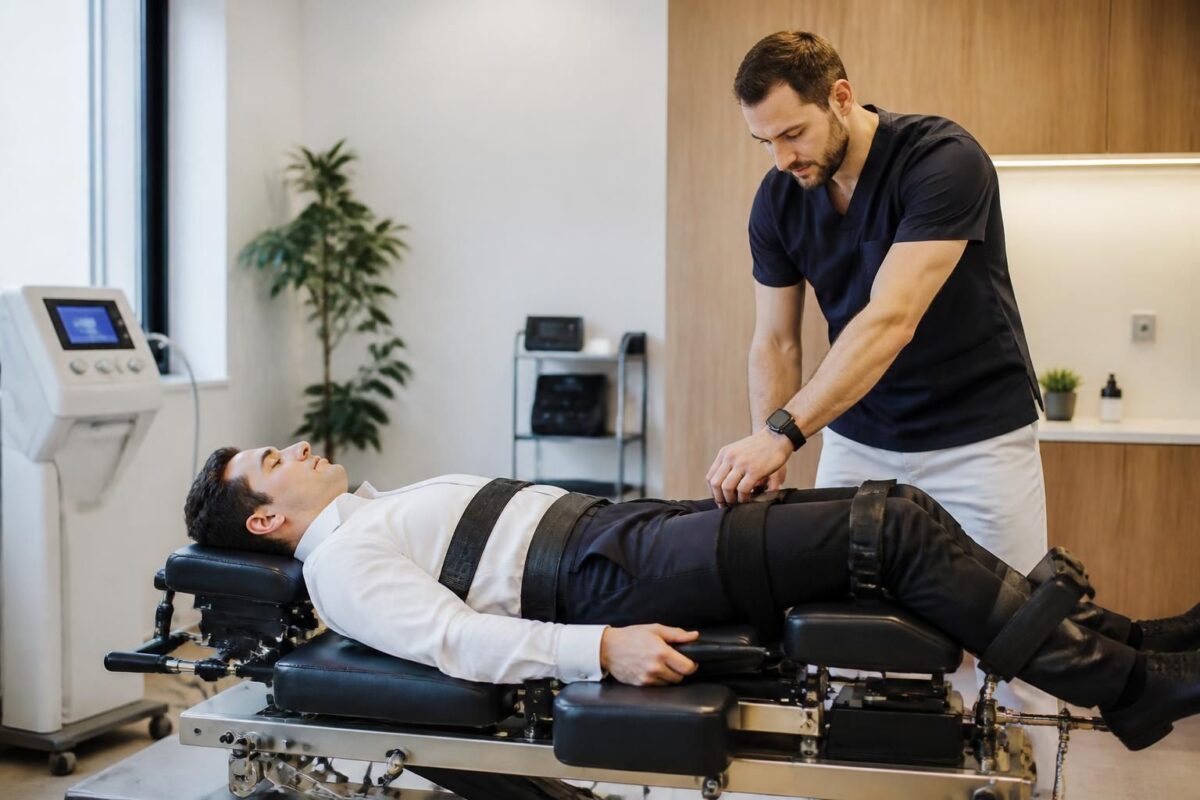
How Neurovertebral Decompression Prevents Diffuse Chronic Pain
In short decompression neurovertebral is one Non-invasive method aimed at reducing the Pressure on the intervertebral discs and the nerves, in order to prevent Diffuse chronic pain. It improves the circulation and thedisc hydration, decreases inflammation and promotes better mobility.…
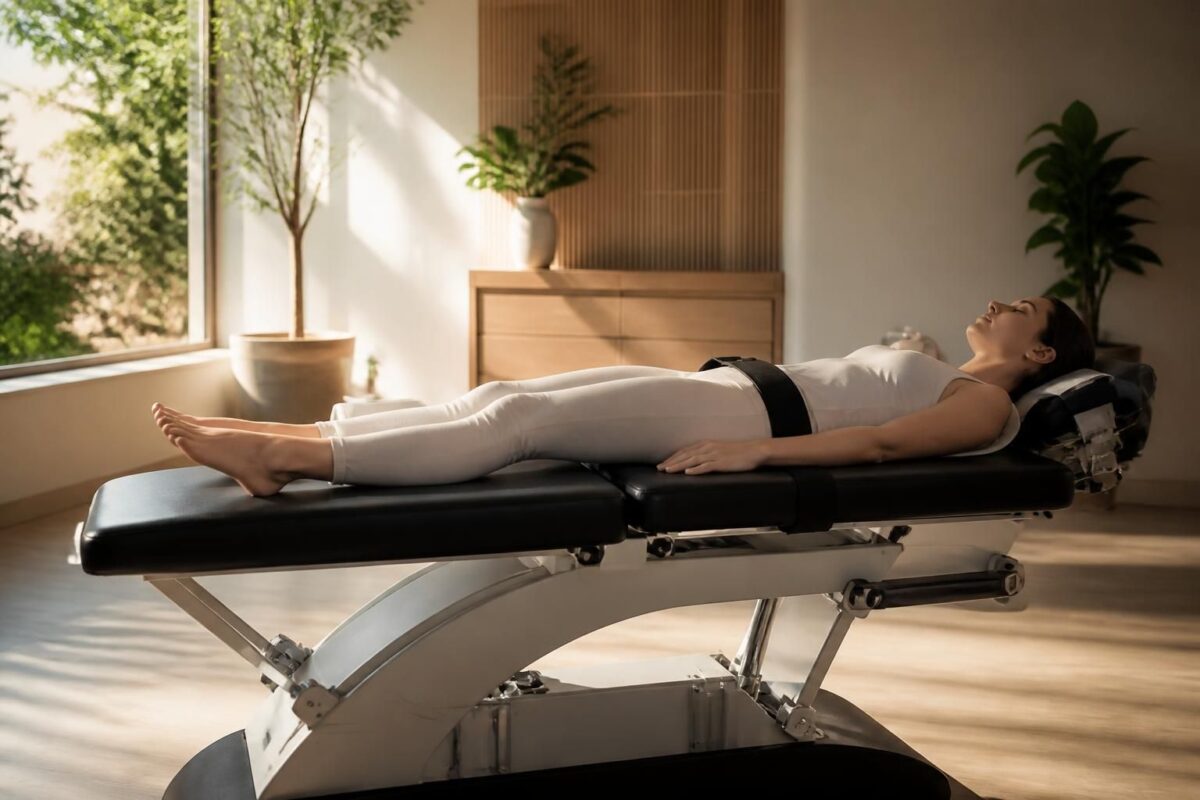
Neurovertebral Decompression and Body Alignment: Restoring Natural Balance
In short In short, neurovertebral decompression is one Non-invasive approach who restores theBody Alignment and thenatural balance back and neck. She acts by a Controlled traction of the spine to widen the intervertebral space and reduce the Pressure on discs…
Restoring autonomy and self-confidence
find the autonomy In daily gestures and in physical activities contributes to strengthening self-confidence. the feeling of regaining control over his body and his abilities has a positive impact on the confidence personal and self-esteem, key factors in psychological well-being.
Realistic goals and personalized follow-up
Defining measurable and progressive objectives, in collaboration with the therapist, allows you to see concrete and motivating progress. Regular monitoring helps to adjust the program and maintain the necessary motivational momentum.
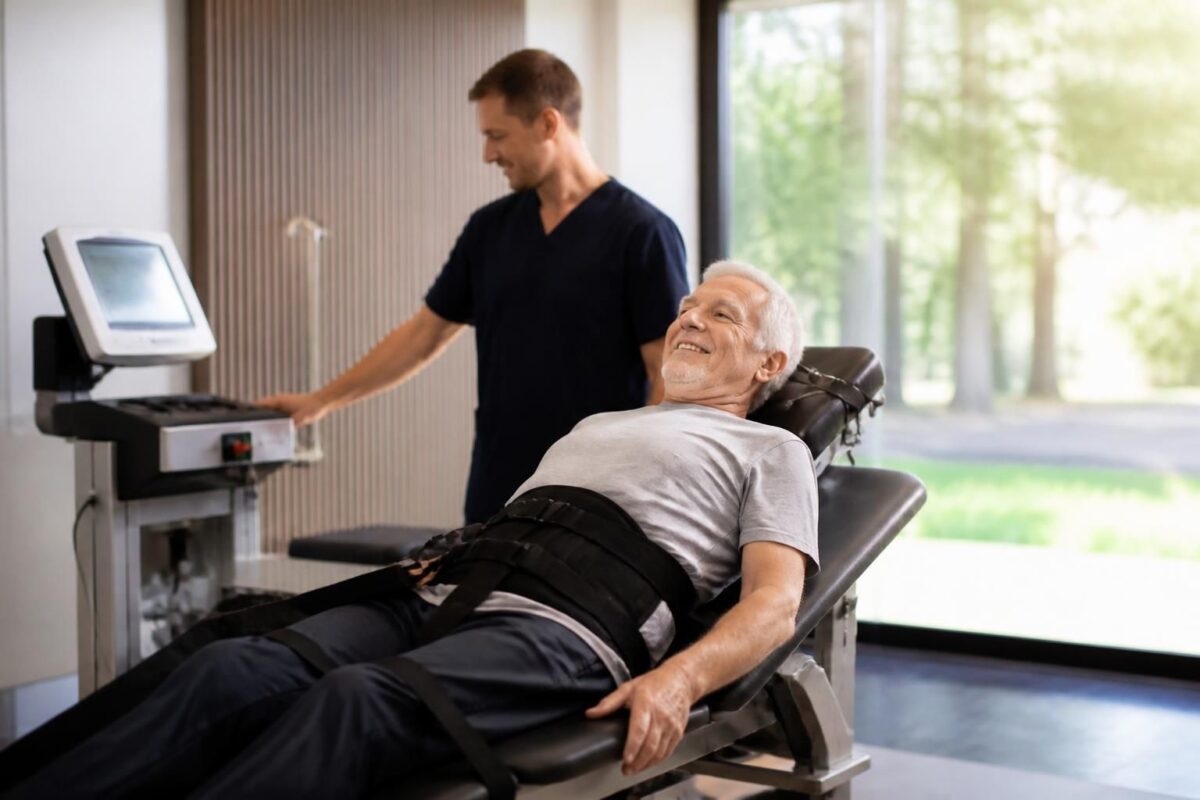
Why neurovertebral decompression is a lasting solution for active seniors
In short In short, the neurovertebral decompression is one Non-invasive therapy which sustainably relieves spinal pain in the spine active seniors By creating, by a Soft and controlled traction, a space between the vertebrae. At Montreal, it is recognized as…
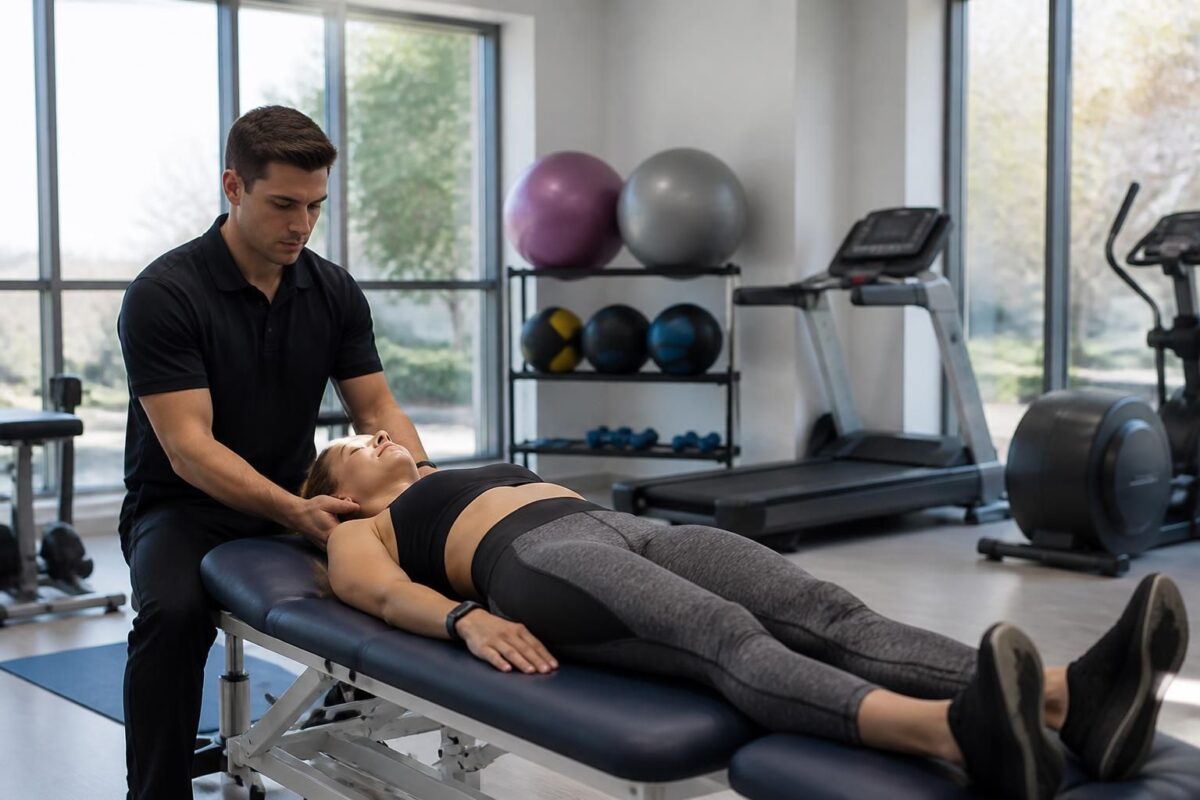
Neurovertebral decompression and recovery after severe sports injury
In short In short, the neurovertebral decompression is one Non-invasive method to Relieve the pressure on the Intervertebral discs and the gristle Via a Controlled traction, to facilitate the recovery After a severe sports injury. It improves the bloodstream towards…
Impact on relationships and the social framework
Reducing pain and improving mobility frees up time and energy for personal relationships and social activities. The revival ofenthusiasm and availability can strengthen family and friendly ties, while reducing tensions linked to the unpredictability of painful episodes.
Shared activities and social support
Integrating care partners and relatives into the process, when possible, can increase the sense of support and belonging. Participating in appropriate activities strengthens motivation and perseverance.
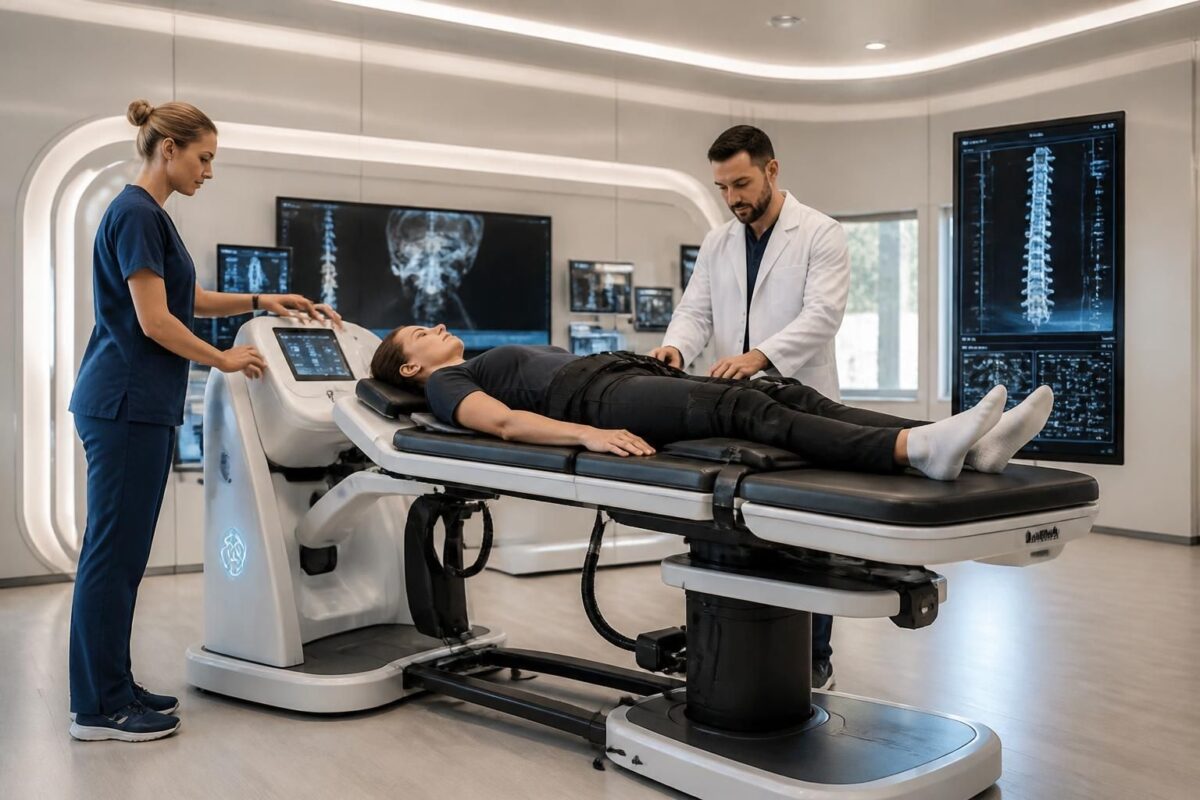
Recent innovations in neurovertebral decompression technologies
In short In short, the neurovertebral decompression is an approach non-invasive Aiming to reduce pressure on discs and nerves, and promote tissue regeneration. At Montreal, it is positioned as an effective option for lower back pain and herniated discs. The…
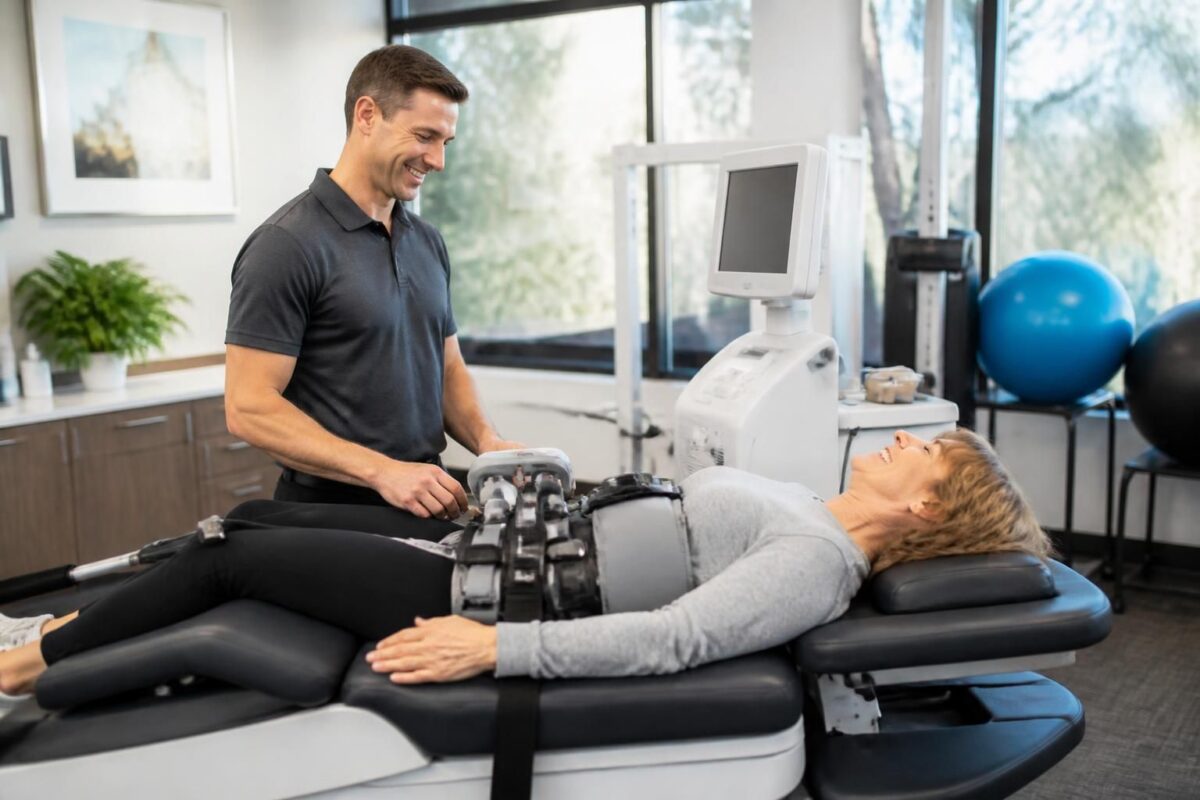
Neurovertebral decompression and diffuse pain: an appropriate solution
In short In short, the neurovertebral decompression is one Non-invasive solution For diffuse pain related to nerve irritation of the spine. She acts in Reducing pressure on intervertebral discs and nerves and improving the bloodstream, which promotes recovery and the…
Practical tips to maximize psychological effects
To optimize profits psychological From the program, combine decompression with favorable lifestyle habits: proper regular physical activity, simple diaphragmatic breathing between sessions, and maintaining an ergonomic posture at work. Plan periods of rest and pay attention to the evolution of themood and of sleep, chatting quickly with your therapist if difficulties arise. Prioritize a holistic approach that combines physical care and emotional support for a quality of life lasting.
Psychological Benefits of a Neurovertebral Decompression Program
| Psychological axis | Concise impact |
|---|---|
| Perceived stress reduction | The structuring framework of the program reduces the stress and the state of activation of the nervous system. |
| Improved sleep | Improved sleep promotes quiet and the Emotional resilience. |
| Feeling of control and autonomy | The use of a personalized approach strengthens the direction of control and theautonomy. |
| Decreased pain-related anxiety | The decrease inanxiety related to pain improves Discomfort management. |
| Mood and Motivation Improvement | more stable mood and motivation increased for daily activities. |
| Self-esteem and confidence in treatment | Confidence in treatment andself-esteem strengthen. |
| Quality of life and well-being | The perception of welfare and of quality of life improves. |
| Adhesion and regularity of the sessions | theadherence On the program and the regularity of the sessions strengthen theautonomy and the results. |
Since I started the program neurovertebral decompression, I feel a marked decrease in anxiety linked to pain and a serenity found on a daily basis. The feeling of progression, even gradual, brings me a new impetus and pushes me to resume activities that I had put aside.
My sleep improved thanks to the reduction of tension and better management of painful sensations. This improvement in rest positively influences my concentration, my memory and my general mood, which contributes to a better quality of life.
The structuring framework of the sessions and the progressive approach gave me more confidence in the future. I feel more master of my pain and less worried about the days to come, which significantly reduces the associated stress.
Thanks to this program, I have regained essential autonomy. I can plan my activities without fearing a relapse and I gradually reduce my addiction to drug treatments, which reinforces my feeling of control over my life.
The experience is non-invasive and reassuring, which eased my psychological tensions. The process of therapeutic traction, applied with precision, helps me to release accumulated stress and to improve my general mental state.
The prospect of a painless future has fueled my energy and motivation. This positive development translates into better daily perseverance and a greater desire to get involved in activities that I had abandoned in the past.
Around me, the entourage sees a more stable mood and a more positive attitude. This psychological improvement strengthens my relationships and makes me want to maintain this progress, day after day, without giving in to discouragement.
As part of a plural approach to care, a non-invasive neurovertebral decompression program can provide much more than physical relief. By targeting the disc and nervous mechanisms, it also acts on the mental state of patients, promoting a better relationship with pain and their ability to resume meaningful activities.
The reduction of theanxiety Associated with pain is one of the most visible benefits. By providing a structured and predictable intervention, this type of program reduces concerns related to pain progress and loss of mobility. Patients often describe a decrease in catastrophization and a better perception of control over their body, which contributes to a more stable psychological state on a daily basis.
The feeling of control and ofself-efficacy strengthens over the sessions. By seeing measurable progress in mobility and pain reduction, patients gain confidence in their ability to act for their own well-being. This dynamic feeds a greater resilience mental and encourages the adoption of healthier and sustained lifestyle habits.
Sleep and mood are also part of the psychological sphere of treatment. Decreasing painful symptoms makes it easier to fall asleep and improves sleep quality, a key component of emotional balance. A more restful sleep contributes to a mood enhancement and less irritability, which reduces the impact of pain on relationships and working life.
On the social and professional level, the ability to resume previously limited activities reinforces self-esteem and sense of belonging. The gradual return to work, leisure and family activities Recycling promotes a quality of life tangible and reduces the insulating effects of chronic pain.
Realistic expectations andtherapeutic education play a key role in these psychological benefits. By aligning program objectives with plausible outcomes and explaining mechanisms of action, the practitioner can limit doubts and support a proactive attitude. This angle allows you to treat not only symptoms, but also thought patterns that fuel pain and distress.
Finally, theTherapeutic alliance And a personalized treatment plan promotes grip and trust over the course of the course. Clear communication, active listening and appropriate adjustments reinforce the feeling of security and commitment, two essential levers to maintain long-term psychological benefits.
By integrating these elements, a program of neurovertebral decompression can become a key dimension of a global approach to well-being, where the body and the mind advance together towards a better quality of life and enhanced emotional stability.
Quick summary: a program of neurovertebral decompression Not just to ease the pain; It also transforms the psychological state of the patient by reinforcing the feeling of control, by improving the sleep and themood, and promoting a better overall quality of life. This domino effect results in a decrease in pain-related anxiety, better motivation to resume activities and greater confidence in the ability to manage your condition on a daily basis.
On the psychological level, the lasting reduction of pain and the resumption of mobility contributes to reducing theanxiety associated with the unpredictability of symptoms and uncertainty about the future. By finding some control over his spine and his activities, the patient develops a feeling of control which acts as a lever against stress and emotional distress.
The program promotes the emergence ofself-efficacy and theself-management, that is to say, confidence in one’s ability to undertake useful actions for one’s health. This psychological effect affects treatment adherence, perseverance in exercises and persistence of effort, even in case of temporary difficulties.
another key benefit, the improvement of the sleep and themood Contributes to increased mental and physical energy. A more restful sleep and a more stable mood facilitate daily gestures, social interactions and the ability to plan meaningful activities, which nourishes a better quality of life.
the socio-professional benefits are also notable: a better Quality of social life and an productivity Increased can result from pain reduction, better concentration and greater energy available for leisure, family and work.
To go further and explore the psychological aspects in depth, several resources illustrate the benefits and underlying mechanisms of this program, including The Psychological Benefits of a Neurovertebral Decompression Program, The psychological benefits of an effective program, and other resources dedicated to the impact on mobility, sleep and pain.
To deepen the practical aspects and expected results of a neurovertebral decompression program, you can also consult these articles: Expected results, Mobility and flexibility and Reduction of acute lower back pain.
Finally, these resources complement the overall well-being approach by combining the physical and psychological benefits of a structured neurovertebral decompression program, while highlighting the importance of personalized support and a healthy lifestyle to maximize outcomes and prevent recurrences.

Dr Sylvain Desforges, B.Sc., D.O., N.D., osteopath, is the founding president of TAGMED and of the ACMA association. He dedicates his practice to chronic spinal pain, low back pain and symptoms compatible with sciatica, particularly when pain radiates toward the buttock, leg, calf, foot or toes.
Through SOS Sciatique, he publishes educational content on sciatica symptoms, possible causes such as disc herniation, disc narrowing, foraminal stenosis or irritation of a lumbar nerve root, as well as non-surgical approaches that may be considered according to the evaluation. At Clinique TAGMED, care may include, depending on the case, motorized neurovertebral decompression, specific osteopathic care or precision percussion.
For an evaluation related to sciatica treatment in Montreal / Mount Royal or sciatica treatment in Terrebonne, please consult the services available at Clinique TAGMED.
Medical disclaimer
The information published on SOS Sciatique is provided for educational purposes only and does not replace a consultation, diagnosis, opinion or treatment provided by a physician or another authorized healthcare professional. The author of this article is neither a medical doctor nor a specialist in a medical specialty recognized by the Collège des médecins du Québec. The osteopathic, manual medicine or functional support approaches described on this site do not constitute medical acts and are not intended to replace medical follow-up.
Consult a physician or emergency service in cases of loss of bladder or bowel control, anesthesia in the saddle area, significant or progressive weakness in the leg or foot, fever, recent trauma, severe pain or rapid worsening of symptoms. For more details, please read our Legal Notice.