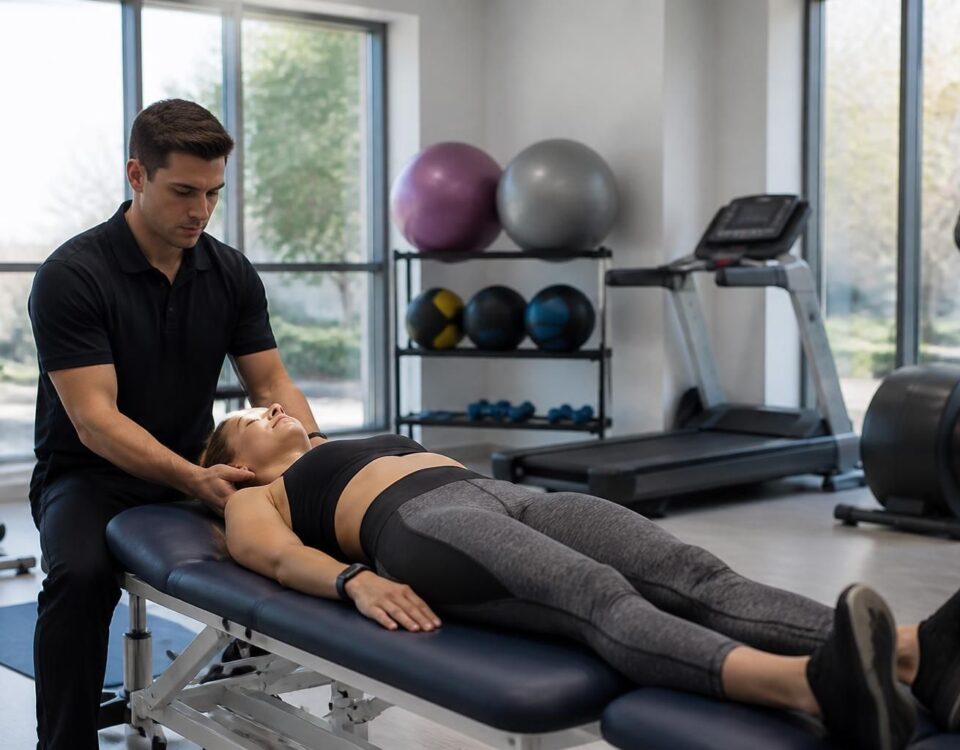
How neurovertebral decompression affects diffuse back pain
26/06/2026
Why neurovertebral decompression is a lasting solution for chronic pain
26/06/2026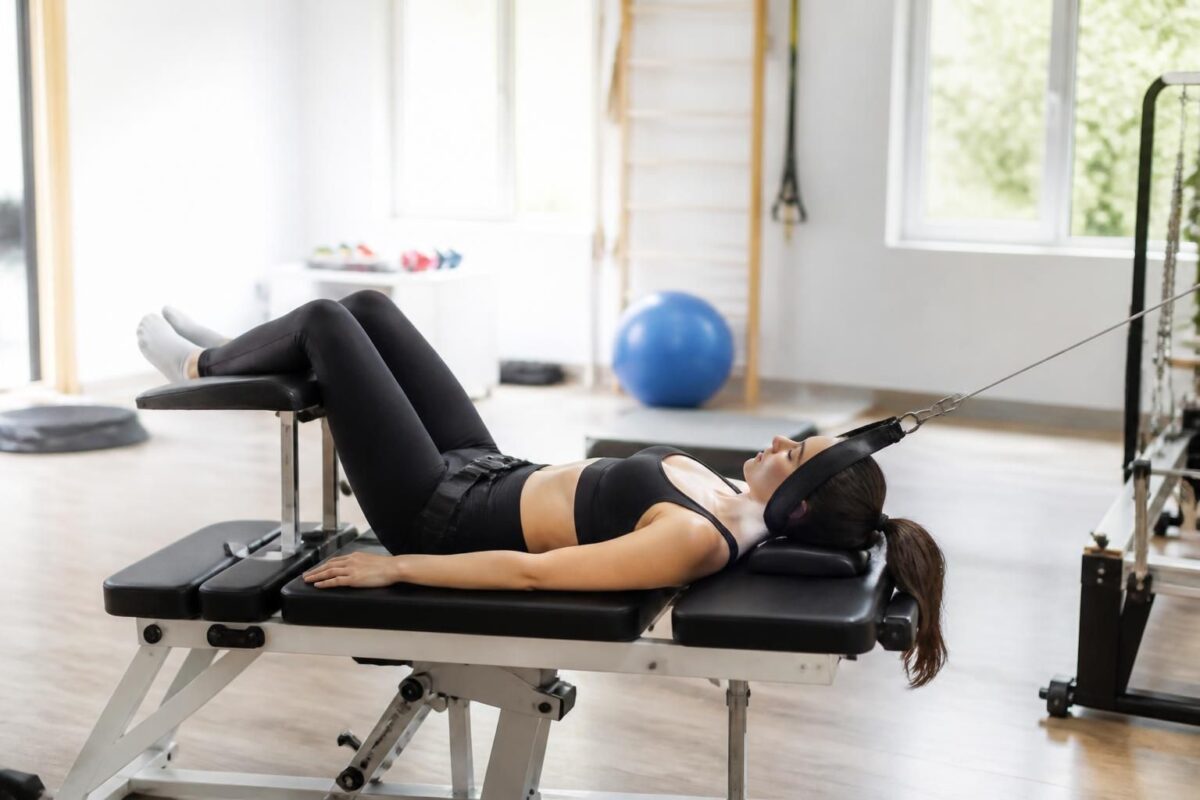
In short
| In short, the neurovertebral decompression and mobility is a solution non-invasive which aims to Improve spinal flexibility and reduce pain by releasing space around the intervertebral discs thanks to a gentle traction. In Montreal, it allows a Quick and lasting pain reduction, a Better circulation And the return to an active life without surgery. This treatment is easily integrated into a rehabilitation program and helps patients find Autonomy and a better quality of life. |
The neurovertebral decompression is an approach non-invasive which aims to Freeing the space between the vertebrae and reduce pressure on intervertebral discs and nerves. By restoring this space, it improves the mobility and, above all, the spinal flexibility, allowing an increased range of movement in everyday gestures.
This therapy also promotes better bloodstream and optimal tissue nutrition, supporting disc regeneration and Lasting pain reduction. It can help patients find a Active and independent life, without surgical recourse, and fits easily into a global rehabilitation program.
This article, written by a health professional expert in osteopathy, presents how the neurovertebral decompression can improve the mobility and the spinal flexibility, without recourse to surgery. It describes the mechanisms, benefits for mobility and access conditions, while indicating the resources and places of care associated with TagMed and other specialized clinics.
The neurovertebral decompression is a non-invasive therapy that creates a space between the vertebrae. This approach reduces pressure on intervertebral discs and nerves. It promotes better blood circulation in the region and contributes to the regeneration of spinal tissues.
It aims to improve the mobility and the flexibility of the spine. Patients often report better range of motion, more comfort in everyday gestures and a reduction in functional limitations related to Chronic pain.
Understanding the basics of decompression
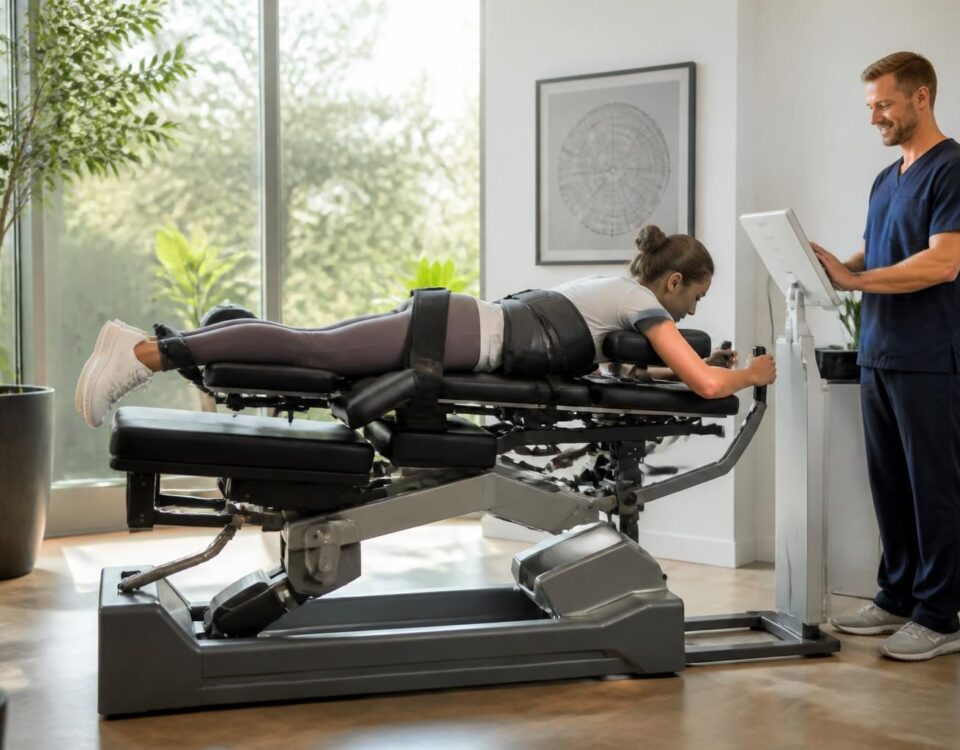
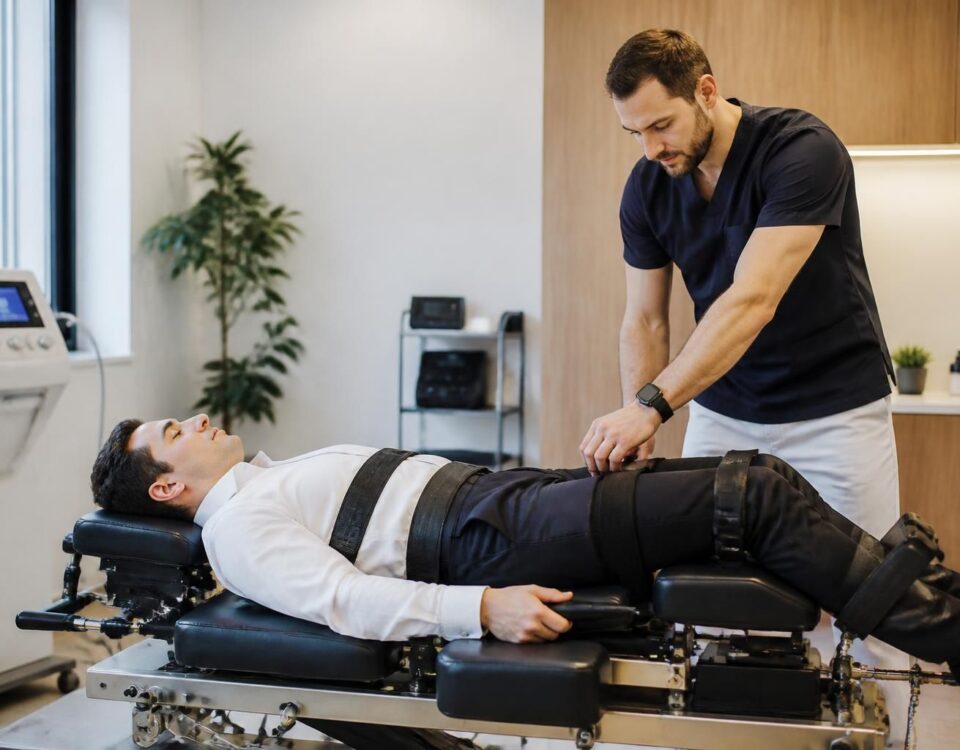
Neurovertebral decompression is based on controlled and non-invasive traction. This traction acts on the vertebral alignment and the disc space. The objective is to reduce mechanical pressures without opening the door to operative risks. For more information, you can consult The reference article and the professional resources available on Tagmed Clinic.
Effects on mobility and flexibility
Patients describe a Increase in mobility and an Improvement of flexibility After a few sessions. This evolution makes it possible to resume activities that required larger or more fluid movements. The benefit is also manifested by a reduction in muscle tension and a better overall posture.
As part of a comprehensive care approach, decompression can be associated with other non-invasive interventions in recognized clinics. This combination can optimize recovery while avoiding the risks associated with surgery. To learn more about the options available in Montreal or in the surrounding area, see tagmed and general resources on Well-being and proven results.
Integration into the care pathway
Decompression is part of a clinical framework based on evidence. It can be proposed when the symptoms are linked to pathologies such as disc diseases, sciatica or nerve compressions. In TagMed clinics, it is practiced with homogeneous protocols and associated technologies, in order to ensure safety and effectiveness.
Public and professional sources indicate that this approach can complement non-invasive treatments, while reducing addiction to drug treatments and avoiding heavy surgical interventions. For people located in Montreal and Terrebonne, the options and methods of care are described on Spinal stenosis and decompression and on neurovertebral decompression.
Practical resources and references
For readers wishing to deepen, here are some useful resources in the context of information on the neurovertebral decompression and its impact on mobility:
• Neurovertebral decompression and overall well-being
• Neurovertebral decompression and spinal flexibility
• How neurovertebral decompression improves spinal flexibility
• Why neurovertebral decompression is a natural solution for acute pain
• Spinal stenosis and neurovertebral decompression – Clinique TagMed
• Rehabilitation after lumbar surgery
For people wishing to expand their knowledge of training and practices, limit references to NUMSS, NAO, National University of Medical Sciences and National Academy of osteopathy, in accordance with official recommendations. With regard to professional associations, the mentions refer to ACMA, College of Canadian Osteopaths and College of Canadian Osteopaths.
Medical Disclaimer: The information and advice provided on this site does not replace the health professional’s diagnosis or treatment. Please note that Dr. Sylvain Desforges osteopath is neither a doctor of medicine nor a doctor, and is not a specialist in a medical specialty as defined by the Collège des Médecins du Québec. Manual medicine, functional medicine and sports medicine as described on this site exclude any medical treatment or diagnosis made by a doctor or specialist doctor. Always consult your doctor for any medical questions. For more details, please read our full legal notice.
- space release between the vertebrae to reduce the pressure on discs and nerves.
- Increased mobility : Amplitude and fluidity of improved movements.
- Spinal flexibility : Better flexion and extension of the back.
- Quick relief cervical and lumbar pain.
- Optimized posture : vertebral alignment and reduction of muscle tension.
- Improved traffic : Better infusion of tissues and discs.
- disc regeneration and increased disc hydration.
- Daily activity Easy: back to walking, gardening, etc.
- Guided rehabilitation : Simple and secure exercises after session.
- Security : Non-invasive approach, without surgery.
- Integration in treatment : Complement to other manual therapies.
- Sustainable results : Continuous improvement in mobility and quality of life.

Neurovertebral decompression is a non-invasive approach that targets the space between the vertebrae to decrease the pressure on the discs and nerves. This article offers practical recommendations to improve the mobility and the spinal flexibility, by combining guided traction and rehabilitation programs in order to obtain Sustainable improvement in mobility and a better quality of life. Adopting a progressive approach adapted to your profile is essential to optimize results.
Understanding decompression and its impact on mobility
Neurovertebral decompression is based on gentle traction that creates a space between the vertebrae. By reducing the pressure on the intervertebral discs and nerves, it improves the bloodstream and promotes tissue nutrition and hydration. This approach can lead to pain reduction and to a Better range of motion, basics of spinal flexibility.
It is particularly useful when stiffness or pain limits movement. By working on global mobility, it facilitates the return to a fluid gait and more comfortable daily gestures, without resorting to invasive treatments.
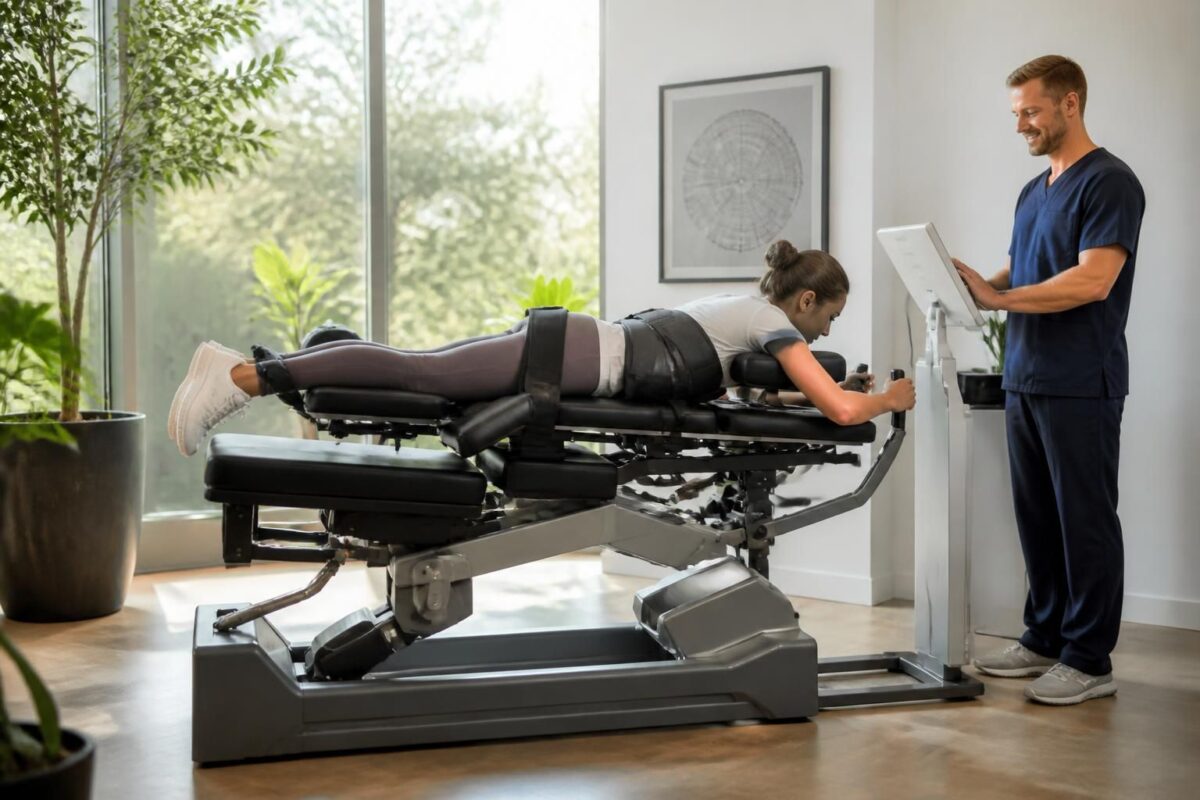
The long-term benefits of neurovertebral decompression for spinal health
In short In short, the neurovertebral decompression is a non-invasive approach that decreases the Pressure on intervertebral discs and nerves, favoring the Natural regeneration and tissue recovery. Its long-term benefits include Lasting pain reduction, Improving mobility and from the posture,…

Neurovertebral decompression and mobility: a return to an active life
In short In short, the neurovertebral decompression is therapy non-invasive who uses a gentle traction To create a space between the vertebrae and reduce the pressure on the Intervertebral discs and the nerves. It promotes a bloodstream improved, lowers tension…
How to optimize spinal flexibility and daily mobility
To get the most out of decompression, combining targeted mobility exercises and gentle stretching is recommended. A typical program incorporates flexion, extension and rotational movements, performed slowly and painlessly. This synergy between traction and rehabilitation promotes theElasticity of tissues and an spinal stability increased, directly contributing to a better flexibility.
Adopt a progressive progression: Start with short sessions, then gradually increase the amplitude and frequency according to your tolerance. Regularity and listening to the body are the keys to avoid aggravations and optimize mobility gains.
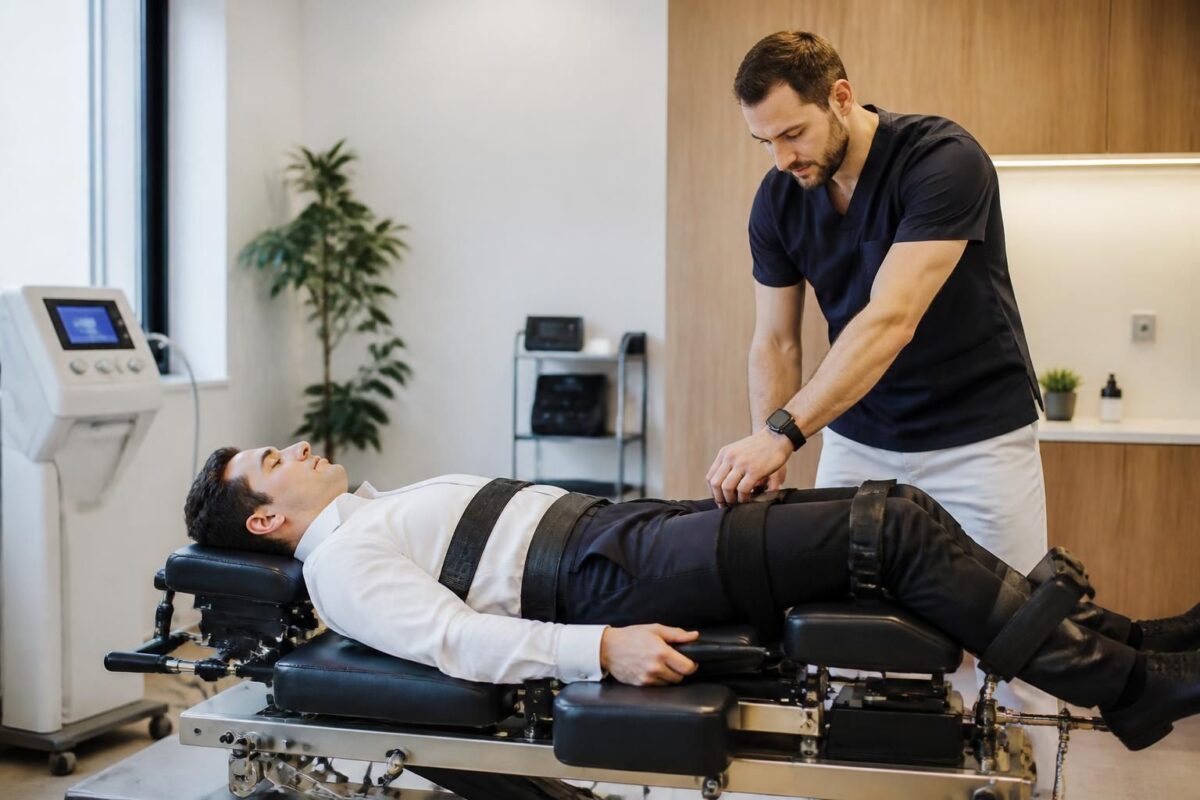
How Neurovertebral Decompression Prevents Diffuse Chronic Pain
In short decompression neurovertebral is one Non-invasive method aimed at reducing the Pressure on the intervertebral discs and the nerves, in order to prevent Diffuse chronic pain. It improves the circulation and thedisc hydration, decreases inflammation and promotes better mobility.…
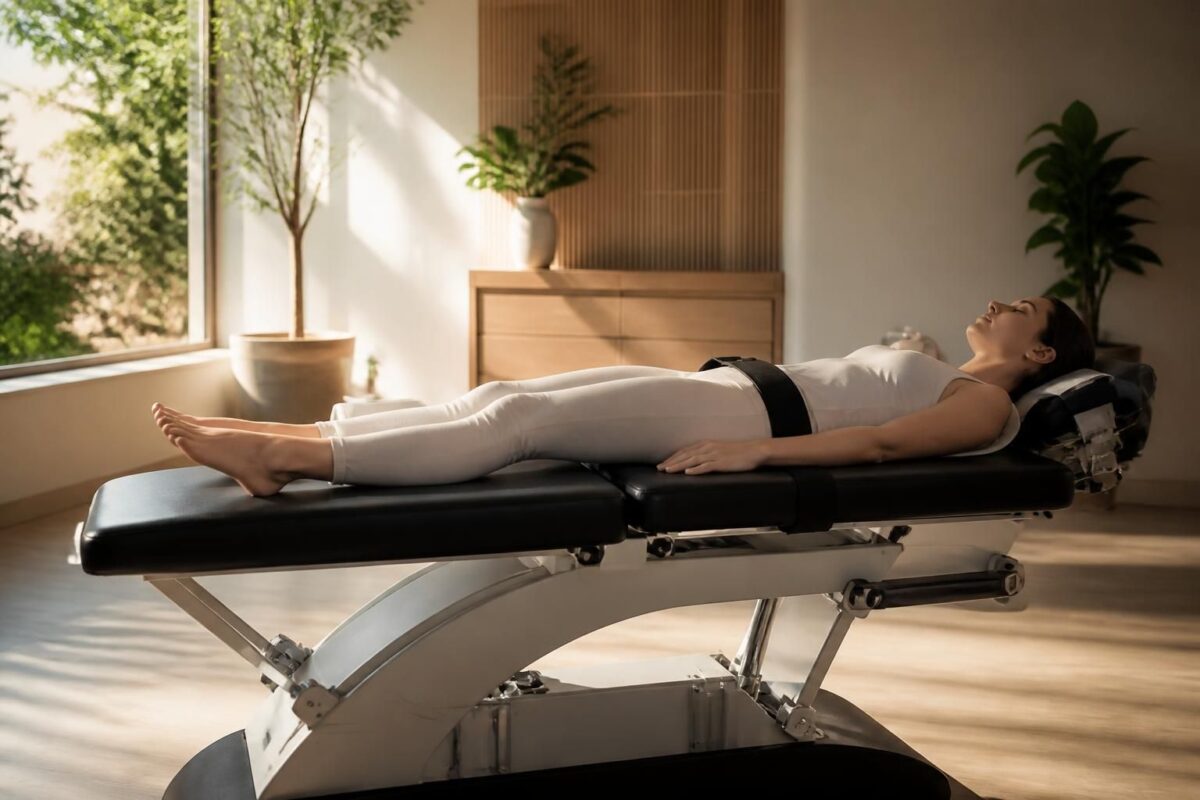
Neurovertebral Decompression and Body Alignment: Restoring Natural Balance
In short In short, neurovertebral decompression is one Non-invasive approach who restores theBody Alignment and thenatural balance back and neck. She acts by a Controlled traction of the spine to widen the intervertebral space and reduce the Pressure on discs…
Practical tips to maximize benefits
Maintain a good hydration And favor a diet favorable to disk nutrition and tissue regeneration. Work on a Adapted posture Throughout the day and during professional activities to preserve the improvements obtained during the sessions. Plan decompression sessions in times when the body is most rested to promote muscle relaxation and prepare for stretching.
Always work under the supervision of a professional to adjust the protocol to your progress. Personalized adjustments will help you progress in safety and adapt the course to the evolution of pain and mobility.
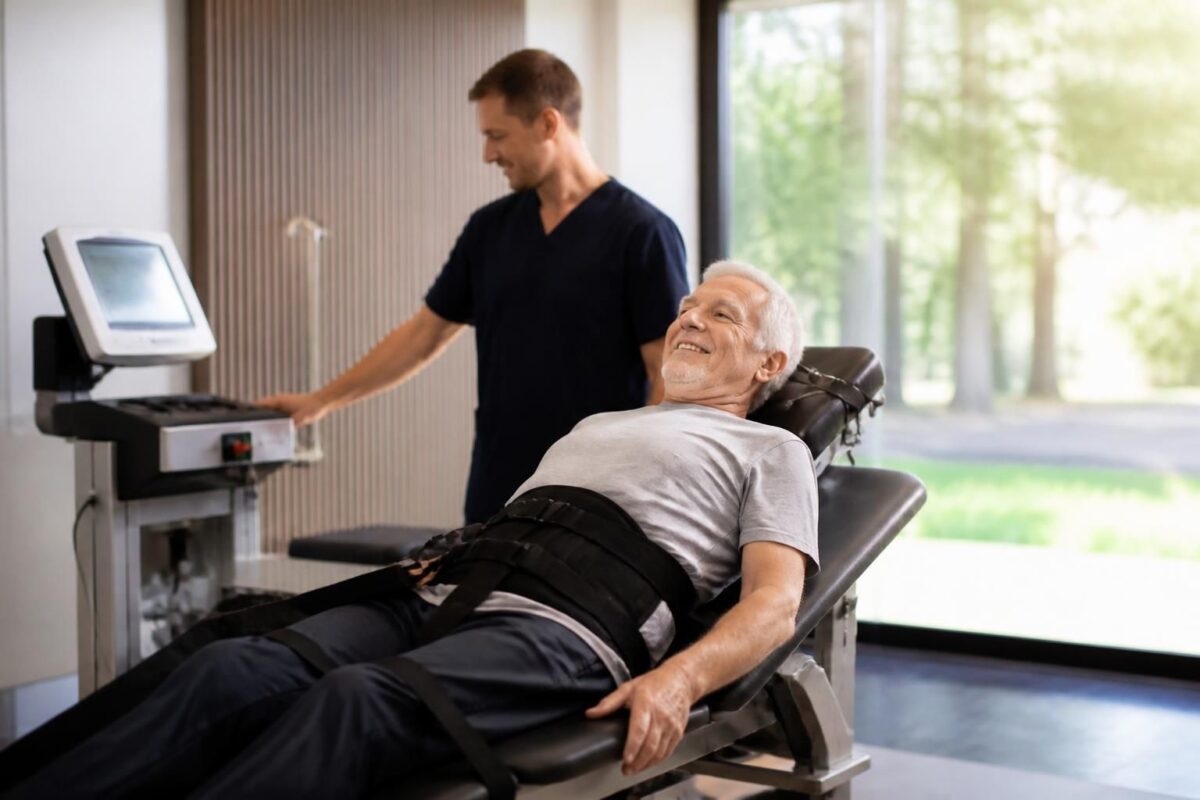
Why neurovertebral decompression is a lasting solution for active seniors
In short In short, the neurovertebral decompression is one Non-invasive therapy which sustainably relieves spinal pain in the spine active seniors By creating, by a Soft and controlled traction, a space between the vertebrae. At Montreal, it is recognized as…
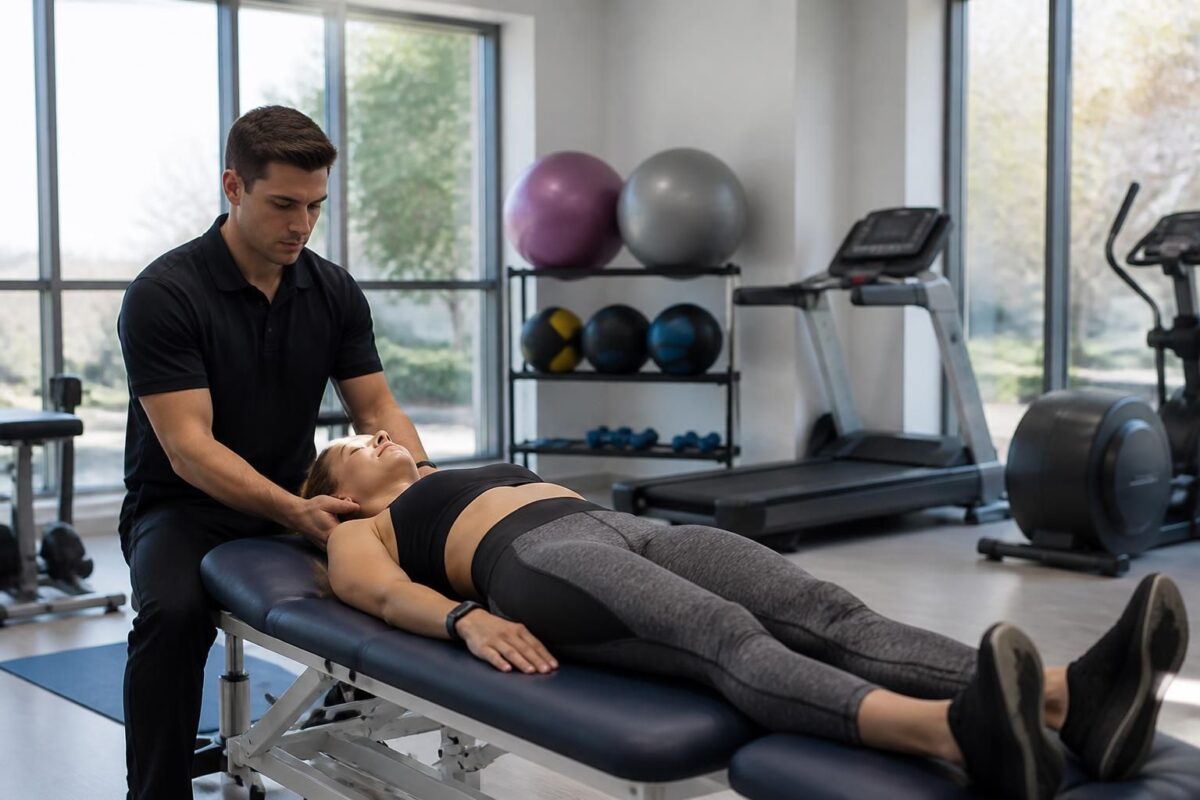
Neurovertebral decompression and recovery after severe sports injury
In short In short, the neurovertebral decompression is one Non-invasive method to Relieve the pressure on the Intervertebral discs and the gristle Via a Controlled traction, to facilitate the recovery After a severe sports injury. It improves the bloodstream towards…
When to consult and what results to expect
In the presence of persistent pain or significant movement limitations despite the efforts undertaken, a specialized assessment is recommended. A radiological assessment can guide the protocol and identify the areas to be targeted. Expected profits include a Improved range of motion, a Lasting pain reduction and an Better quality of life, with a gradual return to sports and social activities.
| Element of evaluation | Concise description |
|---|---|
| range of movement (amplitude) | Progressive increase in amplitude and flexibility thanks to traction and disc recovery |
| Pain local | Significant decrease in lumbar and cervical pain, facilitating daily gestures |
| Posture and alignment | Improved spinal alignment and general posture |
| Circulation and nutrition fabrics | Better blood circulation around adjacent discs and tissues |
| Disk regeneration | Improved hydration and nutrition fostering repair and resilience |
| Autonomy and activities | Easy return to daily activities and leisure |
| safety and non-invasive | Gentle mechanical traction, without surgery or additional drugs |
| Psychological well-being and motivation | Improved morale and confidence in regained mobility |
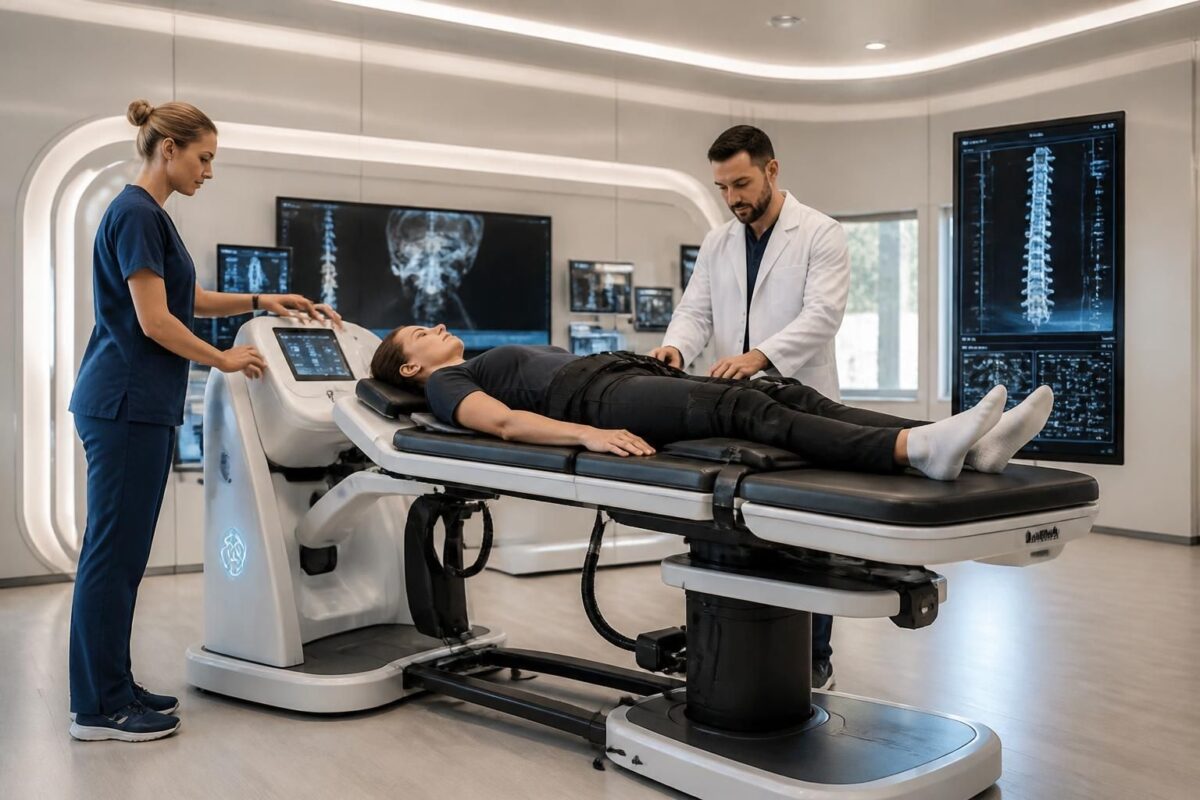
Recent innovations in neurovertebral decompression technologies
In short In short, the neurovertebral decompression is an approach non-invasive Aiming to reduce pressure on discs and nerves, and promote tissue regeneration. At Montreal, it is positioned as an effective option for lower back pain and herniated discs. The…
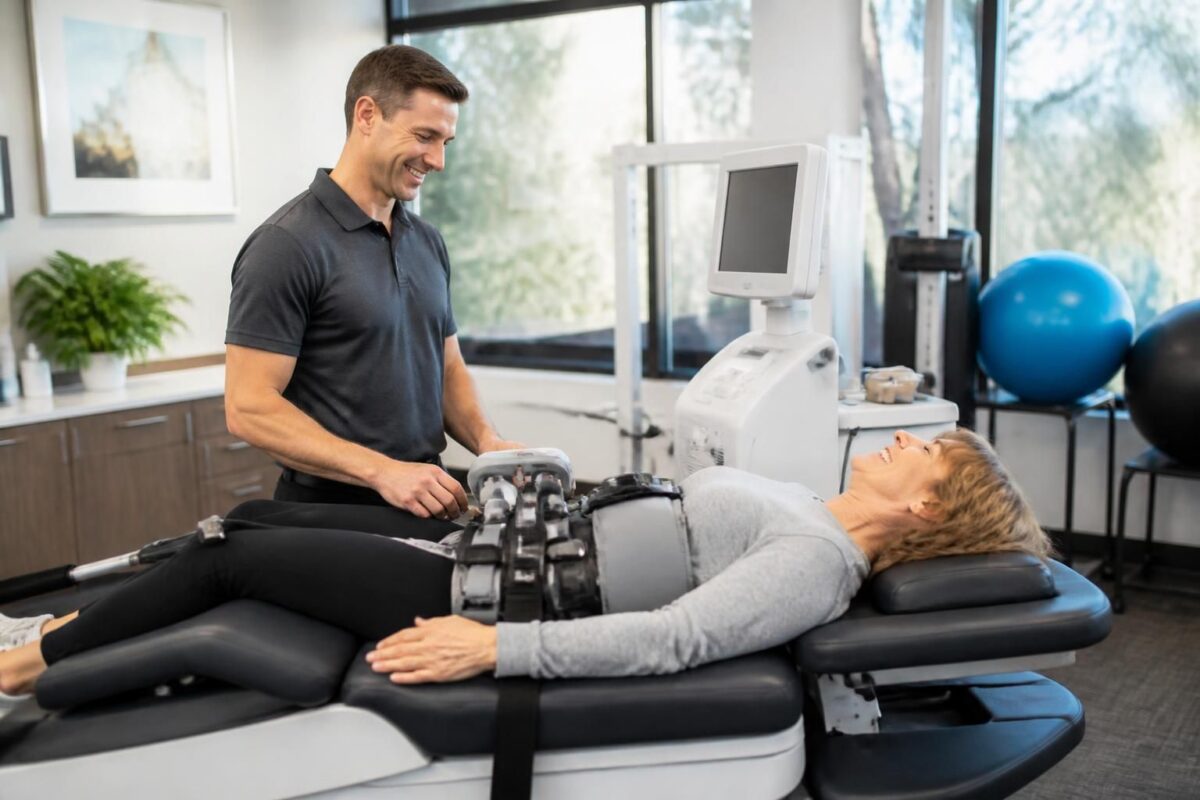
Neurovertebral decompression and diffuse pain: an appropriate solution
In short In short, the neurovertebral decompression is one Non-invasive solution For diffuse pain related to nerve irritation of the spine. She acts in Reducing pressure on intervertebral discs and nerves and improving the bloodstream, which promotes recovery and the…
Testimonials on neurovertebral decompression and mobility: improving spinal flexibility
Marie, 68, suffered from lower back pain that restricted her movements and limited her daily activities. After a series of sessions neurovertebral decompression, she finds a Significant improvement in mobility and from the spinal flexibility. “I can lean back to garden and walk without pain again,” she shares enthusiastically.
Jean, 72, suffered from cervical and lumbar pain that required frequent breaks. Following the treatment, he recounts a Mobility found and an autonomy renewed. “my flexibility increased, my movements are more fluid and I find the pleasure of doing my daily outings without limiting my gestures. »
Claire, 65, was active but braked by tensions that limited her flexibility and his Vast range of motion. After the sessions, she notices a lasting improvement and an ability to perform once difficult gestures. “I walk the park with ease and I find the feeling of freedom in each step,” she says.
Pierre, 70, suffered from lower back pain that restricted his rhythm of life. Thanks to the neurovertebral decompression, he observes a decrease in pain and a posture improvement. “my circulation is better and I feel more energetic throughout the day,” he says.
Émilie, 60, had lost some of her mobility due to recent pain. After the course, she describes a gradual recovery and an Sustainability of results. “I find my favorite activities, less tension and a quality of life which has greatly improved, ”she concludes with a smile.
Dr. Sylvain Desforges is a osteopath recognized, specialist in manual medicine and from the naturopathy. At the head of the TagMed clinics and a key player in the ACMA association, he carries a dynamic vision of health, centered on innovation and sustainable well-being. His journey is guided by a simple conviction: to restore the mobility and the spinal flexibility, it is necessary to combine clinical know-how, scientific rigor and cutting-edge technologies.
For more than two decades, Dr. Desforges has been focusing on Chronic pain management and the integration of advanced solutions that transcend traditional approaches. He consolidated a multidisciplinary expertise by combining themanual tool osteopathy with innovative technologies such as neurovertebral decompression, the laser and shockwave therapies. This holistic approach aims to free up the spinal constraints, improve circulation and promote targeted tissue regeneration, for quality of life found.
The neurovertebral decompression Occupies a central place in its practice, since it acts as a non-invasive lever to restore the space between the vertebrae and reduce the pressures on the discs and the nerves. Based on personalized protocols based on clinical data, Dr. Desforges offers a bridge between sustainable pain reduction and the progressive reactivation of locomotor capacities. This approach allows everyone to reintegrate daily activities and leisure activities that require mobility and flexibility, without systematically using heavy drug treatments.
At the heart of his approach, the mobility is not just a physical goal; It is also a key factor in psychological balance. By improving the flexibility And by facilitating everyday gestures, his patients regain greater autonomy and better confidence in their abilities. Dr. Desforges advocates transparent communication and personalized support, so that each patient understands the levers of their recovery and actively participates in their rehabilitation journey.
Its action is part of a logic of Scientific evidence, with an orientation towards measurable and lasting results. By combining traditional knowledge and advanced technologies, it offers a care offer that meets the current requirements of personalized health: adapted treatment, rigorous monitoring and progressive rehabilitation focused on controllability and the prevention recurrences. This philosophy guarantees not only immediate relief, but also the construction of solid foundations for long-term preserved mobility.
The TagMed clinics and the ACMA association embody a collective dynamic around this approach. Under his impetus, these structures promote exchange between professionals and the sharing of best practices, in order to offer realistic and effective solutions for the vertebral decompression and the rehabilitation. Dr. Desforges is personally involved in continuing education and in the deployment of protocols that maximize patient safety, efficacy and satisfaction.
Its mission is clear: to offer care evidence-based which optimize the health and well-being of people suffering from back or neck pain, and allow them to regain an active and fulfilling life. Through careful listening and an appropriate approach to each profile, it transforms patients’ perspective on their mobility and offers them a tangible way to a spinal flexibility found, lasting and sustained. Dr. Sylvain Desforges thus embodies an essential reference in the field, fluid in action and demanding in the results.
This analysis demonstrates how the neurovertebral decompression can greatly contribute to the mobility and at the spinal flexibility, by acting on the space between the vertebrae and reducing the pressure exerted on the intervertebral discs and the nerves. By improving the bloodstream and the Disc nutrition, it promotes Sustainable improvement in mobility and a gradual reduction in pain, which allows a more active return to daily activities.
The neurovertebral decompression Acts as a non-invasive solution to release spinal tension and restore range of motion through targeted traction. This approach contributes to a pain reduction and to a Better flexibility, while supporting the Tissue recovery and the muscle function around the spine.
On the safe and practical level, it is an effective alternative to more invasive interventions and can be integrated into a global care program including exercises and manual therapies. This method is particularly suitable for elderly people wishing to preserve their autonomy and for athletes seeking a rapid and lasting recovery of physical activity without systematic use of drugs or surgery.
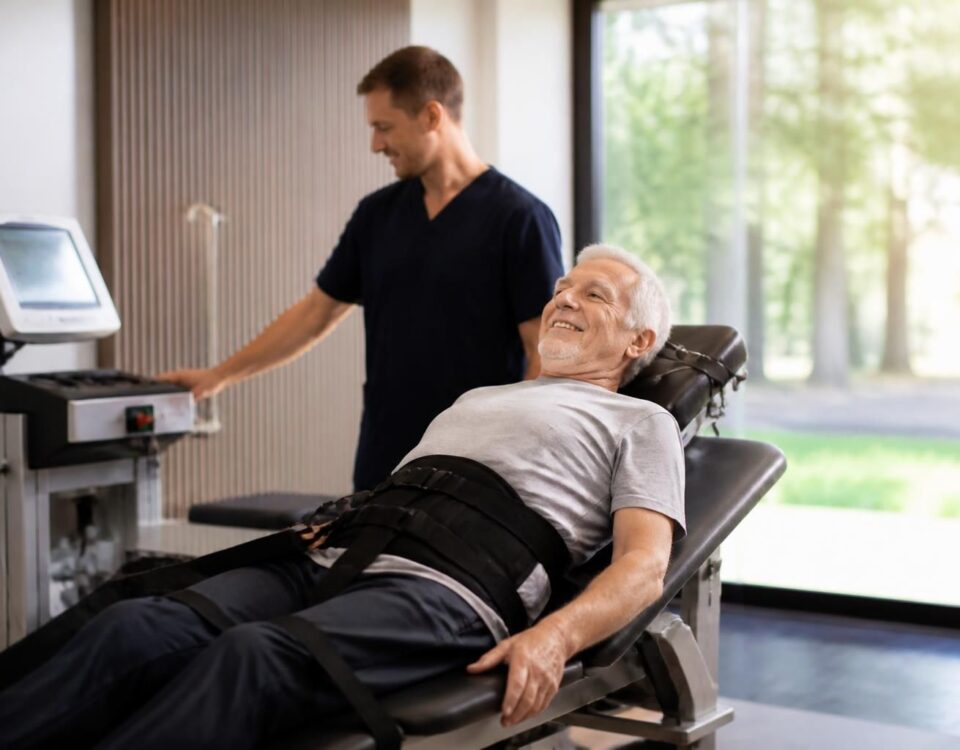
For seniors, it promotes Back to an active life and the Prevention of immobility complications, allowing activities such as walking, gardening or leisure that motivate the maintenance of mobility and psychological well-being. in athletes, it can support a Accelerated recovery and an Optimized mobility that support training performance and continuity, while reducing the risk of pain recurrence.
This approach is frequently associated with protocols of rehabilitation and the thoughtful use of complementary technologies, such as laser or shock wave therapies, to promote Lasting healing and an Improved quality of life. To explore further, you can view dedicated resources such as Neurovertebral decompression and treatment of recurrent mechanical pain, Benefits on mobility and flexibility, and Prevention of disc complications.

Dr Sylvain Desforges, B.Sc., D.O., N.D., osteopath, is the founding president of TAGMED and of the ACMA association. He dedicates his practice to chronic spinal pain, low back pain and symptoms compatible with sciatica, particularly when pain radiates toward the buttock, leg, calf, foot or toes.
Through SOS Sciatique, he publishes educational content on sciatica symptoms, possible causes such as disc herniation, disc narrowing, foraminal stenosis or irritation of a lumbar nerve root, as well as non-surgical approaches that may be considered according to the evaluation. At Clinique TAGMED, care may include, depending on the case, motorized neurovertebral decompression, specific osteopathic care or precision percussion.
For an evaluation related to sciatica treatment in Montreal / Mount Royal or sciatica treatment in Terrebonne, please consult the services available at Clinique TAGMED.
Medical disclaimer
The information published on SOS Sciatique is provided for educational purposes only and does not replace a consultation, diagnosis, opinion or treatment provided by a physician or another authorized healthcare professional. The author of this article is neither a medical doctor nor a specialist in a medical specialty recognized by the Collège des médecins du Québec. The osteopathic, manual medicine or functional support approaches described on this site do not constitute medical acts and are not intended to replace medical follow-up.
Consult a physician or emergency service in cases of loss of bladder or bowel control, anesthesia in the saddle area, significant or progressive weakness in the leg or foot, fever, recent trauma, severe pain or rapid worsening of symptoms. For more details, please read our Legal Notice.