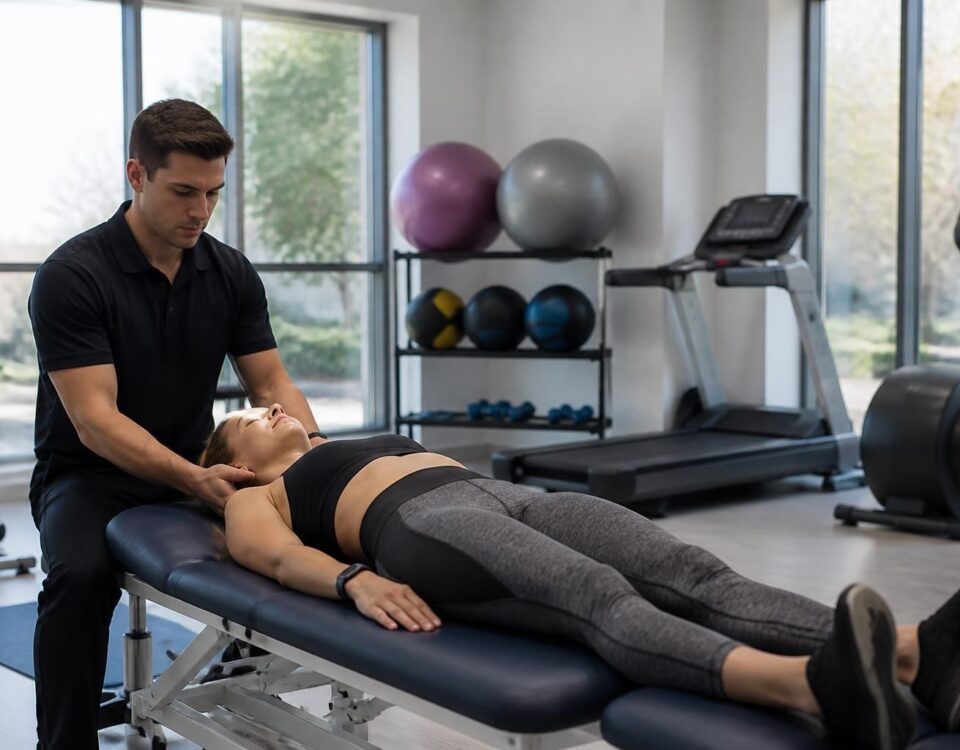
The benefits of neurovertebral decompression to relieve acute sciatica
26/06/2026
Neurovertebral decompression and mobility: improve spinal flexibility
26/06/2026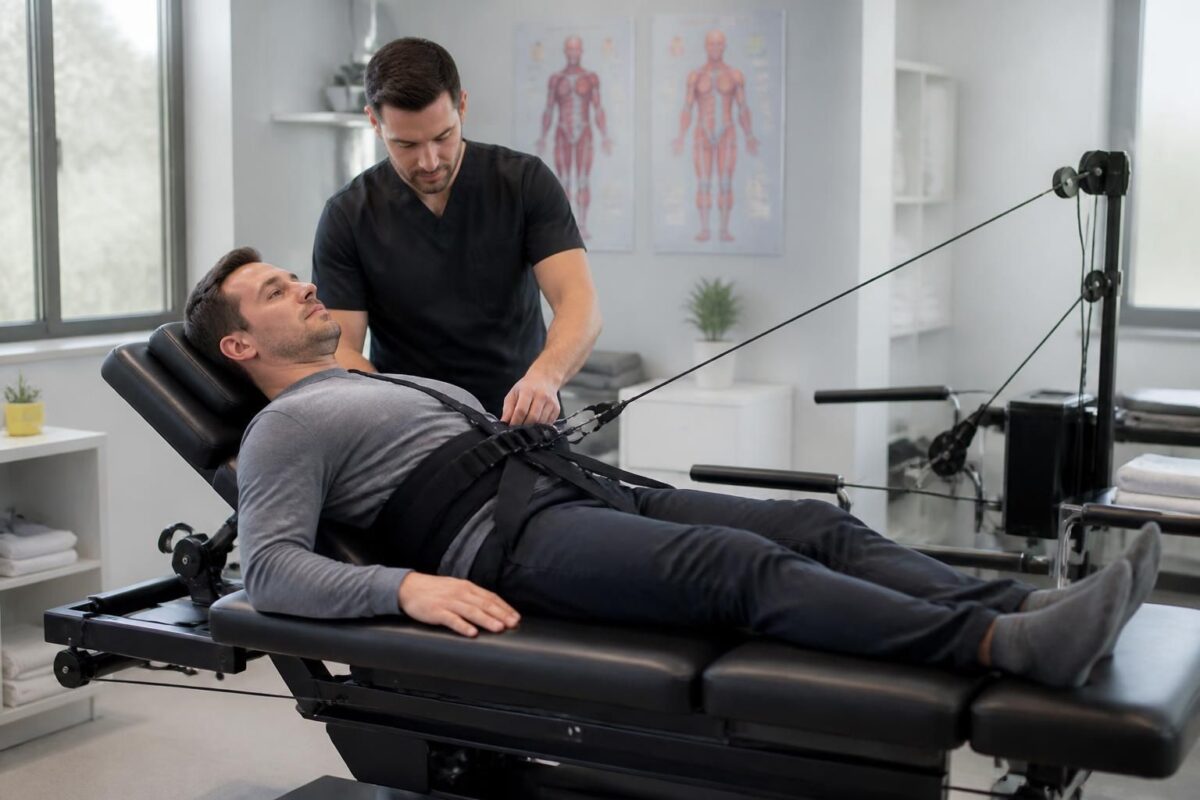
In short |
|
The neurovertebral decompression is one Non-invasive method which applies a Controlled traction on the column to reduce the pressure on the gristle and the Intervertebral discs. She offers a Relief of diffuse back pain and an Improving mobility without surgery. At Montreal, this treatment is particularly useful for diffuse low back pain and pain related to herniated discs, promoting circulation and natural healing of the body. |
The neurovertebral decompression is a technique non-invasive which is for diffuse back pain. She acts by a Controlled traction on the spine, creating a space between the vertebrae and reducing the pressure on nerves and discs. This pressure decrease improves the bloodstream and nutrient intake, facilitating the Natural healing process and tissue regeneration. At the same time, it helps to reduce theinflammation and restore a better mobility and posture, without surgery. The result is a Sustainable relief Diffuse back pain and improved quality of life.
This article, written by a health professional and expert, describes how the neurovertebral decompression acts on the Diffuse back pain. This approach non-invasive Aims to reduce pain by decreasing pressure on nerves and discs. It can improve mobility and quality of life without the need for surgery.
Principle and mechanism
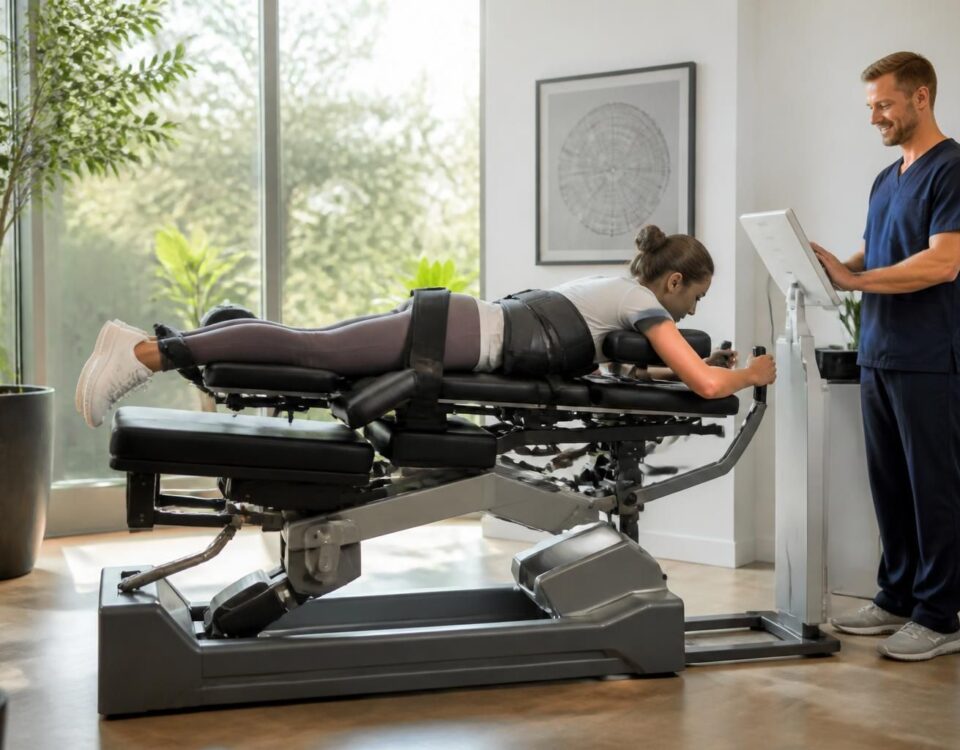
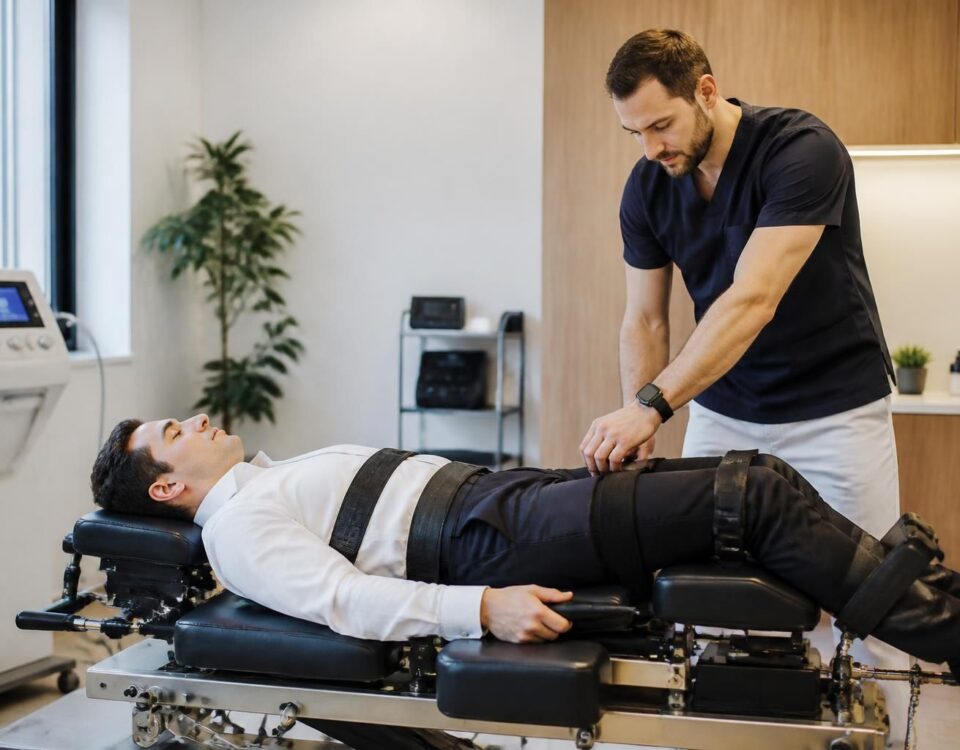
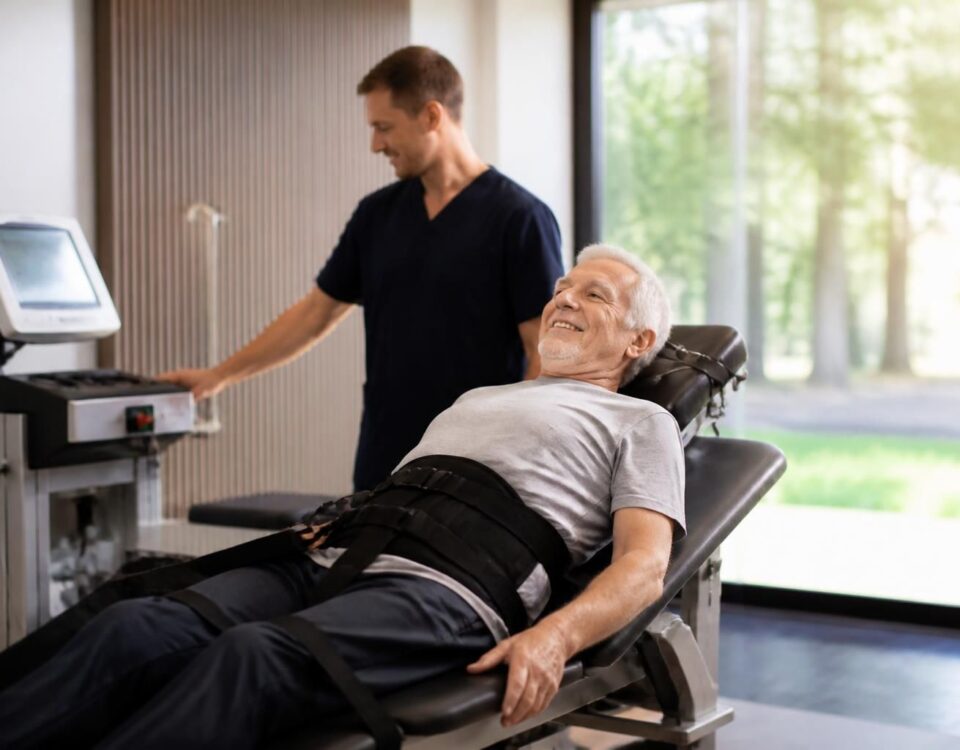
The neurovertebral decompression is a technique non-invasive. She uses a specialized device To apply a Controlled traction on the spine. This traction creates a space between the vertebrae and decreases the Pressure on spinal nerves and intervertebral discs.
Decreasing this pressure improves the bloodstream and nerve tissue nutrition. the process stimulates the mechanism of Natural healing of the body and can reduce local inflammatory reactions.
Effects on diffuse pain
The Diffuse back pain Often come from irritation or compression of the nerves. By releasing pressure on nerves and discs, decompression can alleviate generalized pain and painful sensations.
Advantages and security
This approach is non-invasive and generally well tolerated. It allows for significant improvements without surgery. The results vary, but many patients report better mobility and lasting pain reduction.
She is part of a Multidisciplinary approach and can be adapted after an individual assessment by a professional.
Integration into global support
In Montreal, the neurovertebral decompression can be offered in specialized clinics such as the Tagmed Clinic. This therapy can complement other non-surgical treatments available in our practice.
For more information on how and how it works, see how it works and associated resources on Rehabilitation after lumbar surgery.
You can also explore the following resources for advanced cases and protocols: Advanced Protocols, Diffuse neuropathic pain.
For additional information, you can consult the following resources: Nocturnal pain and sleep, Innovations in tables.
This approach is associated with a reduction in inflammation and better efficiency of the nervous system, which can improve autonomy in daily activities and overall comfort.
To learn more about profits and operation, you can consult the following resources: Rehabilitation after lumbar surgery and operation.
For more information and studies related to this therapy, visit the following pages: Innovations in tables and Diffuse neuropathic pain.
In practice, neurovertebral decompression can contribute to a lasting reduction in pain, improved mobility and better daily functioning without the need for surgery.
For more information about available resources, see also Nocturnal pain and sleep and Advanced Protocols.
Medical Disclaimer: The information and advice provided on this site does not replace the health professional’s diagnosis or treatment. Please note that Dr. Sylvain Desforges osteopath is neither a doctor of medicine nor a doctor, and is not a specialist in a medical specialty as defined by the Collège des Médecins du Québec. Manual medicine, functional medicine and sports medicine as described on this site exclude any medical treatment or diagnosis made by a doctor or specialist doctor. Always consult your doctor for any medical questions. For more details, please read our full legal notice. »

This article summarizes how neurovertebral decompression can act on diffuse back pain: a non-invasive approach that reduces pressure on nerve structures and discs, improves circulation and supports the natural healing process, while integrating into a overall spine load.
How does neurovertebral decompression work on back pain diffused?
Neurovertebral decompression is based on controlled traction applied to the spine. This technique creates a space between the vertebrae, which decreases the pressure exerted on the spinal nerves and intervertebral discs. This pressure reduction helps to calm diffused pain that does not necessarily follow a specific root path, acting directly on the mechanical source of axial back pain.
Key physiological principles
By promoting better circulation and the supply of nutrients to the nervous tissues, decompression promotes the regeneration and repair of damaged structures. Soft traction can also decrease paraspinal muscle tension and improve overall spine alignment, reducing diffuse spasms and pain associated with prolonged posture or repeated efforts.
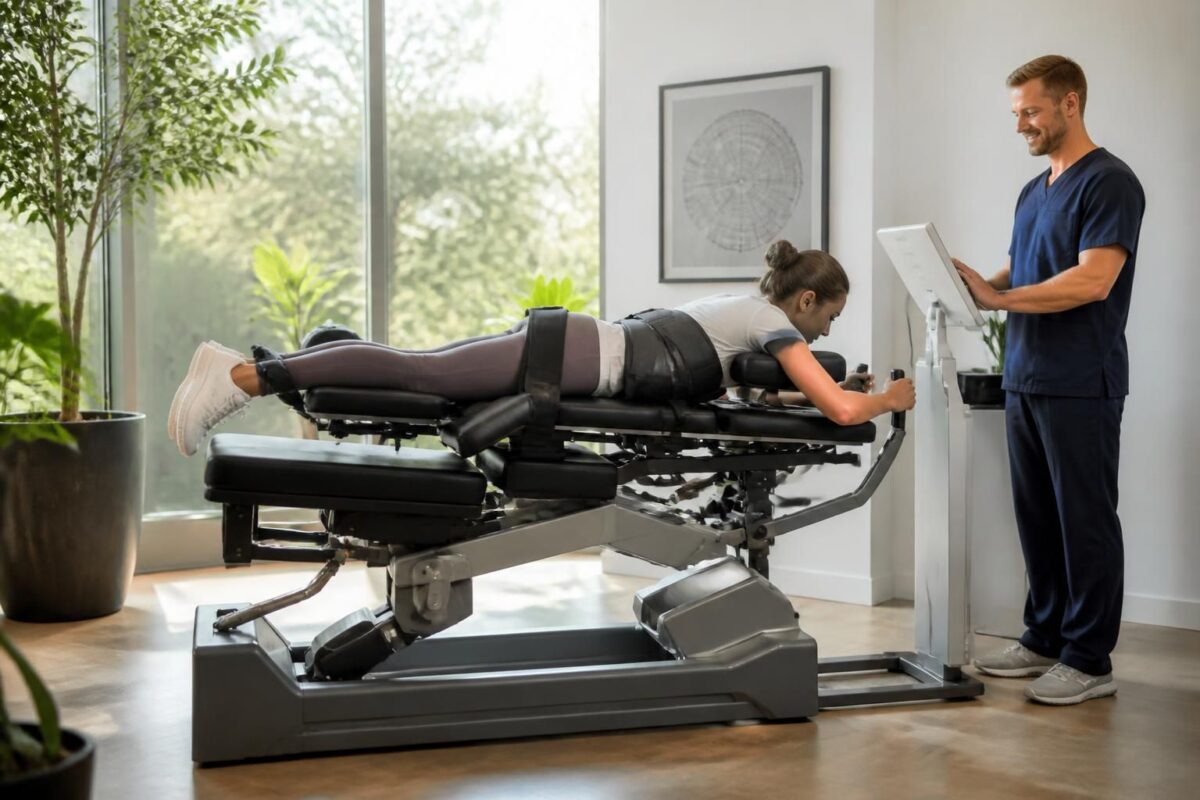
The long-term benefits of neurovertebral decompression for spinal health
In short In short, the neurovertebral decompression is a non-invasive approach that decreases the Pressure on intervertebral discs and nerves, favoring the Natural regeneration and tissue recovery. Its long-term benefits include Lasting pain reduction, Improving mobility and from the posture,…
Specific Benefits for Diffused Back Pain
For diffused pain, the main interest lies in a progressive and lasting relief without the need for surgery. Reducing pressure on nerves and intervertebral discs can reduce feelings of diffuse and burning pain associated with nerve irritation. At the same time, improving circulation improves tissue oxygenation and supports natural healing mechanisms.
Effects on mobility and everyday life
By reducing pain and spasms, decompression helps regain better mobility, facilitating daily activities that were previously painful. This approach can also promote better sleep quality and a more balanced posture over the sessions.

Neurovertebral decompression and mobility: a return to an active life
In short In short, the neurovertebral decompression is therapy non-invasive who uses a gentle traction To create a space between the vertebrae and reduce the pressure on the Intervertebral discs and the nerves. It promotes a bloodstream improved, lowers tension…
Integration into global support
Decompression does not replace other treatments; It is part of a multidisciplinary approach. An initial assessment ensures that this treatment is appropriate and without contraindication. It can be supplemented with targeted exercises, gentle manual therapy, and postural advice to amplify benefits.
Practical recommendations
Plan the sessions according to a progression adapted to your condition, with particular attention to tolerance and comfort. Combine it with appropriate stretching and strengthening exercises, and make sure to maintain regular and appropriate physical activity for your back. Expect a gradual improvement: the first benefits may appear after a few weeks, but constancy remains key to maximizing results.
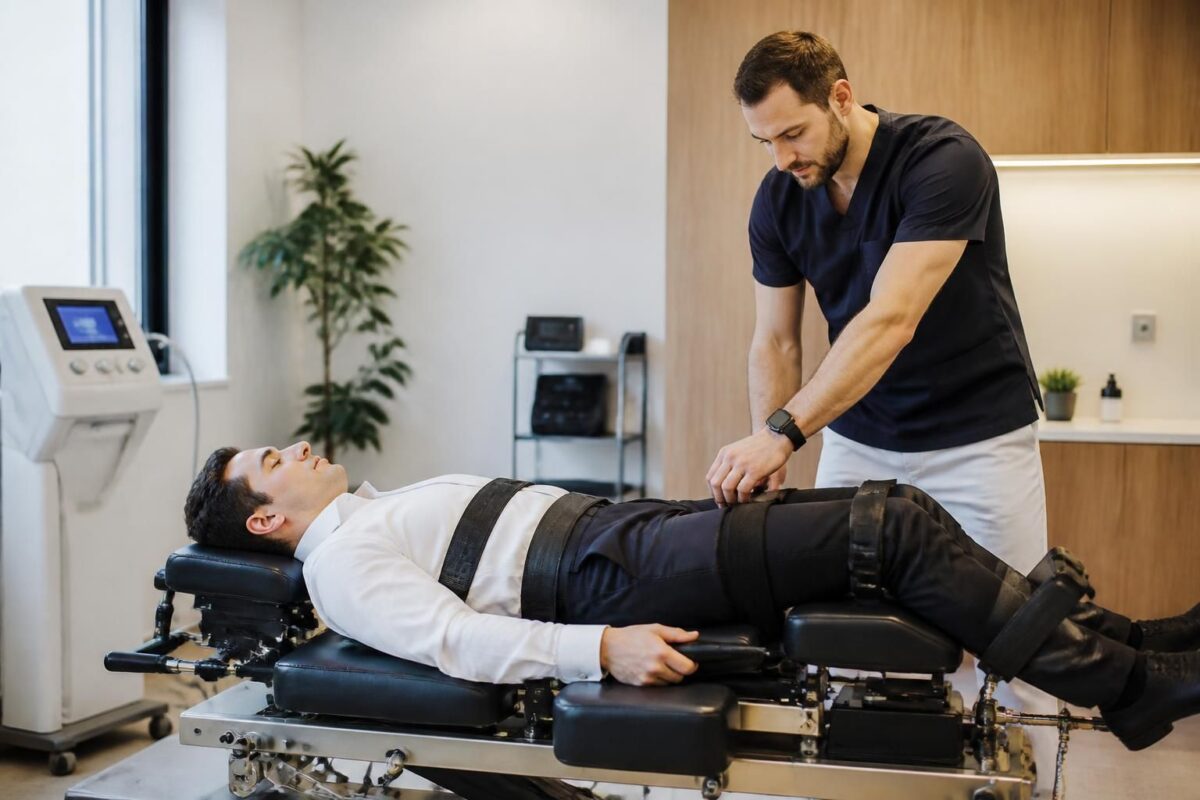
How Neurovertebral Decompression Prevents Diffuse Chronic Pain
In short decompression neurovertebral is one Non-invasive method aimed at reducing the Pressure on the intervertebral discs and the nerves, in order to prevent Diffuse chronic pain. It improves the circulation and thedisc hydration, decreases inflammation and promotes better mobility.…
What you can actually expect
The results vary according to the origin and chronicity of diffuse pain, but many patients notice a decrease in diffuse pain, better mobility and a reduction in muscle tension after a series of sessions. Decompression offers a safe and non-invasive alternative that can complement other therapies to optimize comfort and daily function without the need for invasive interventions.
| Aspect | Effect |
|---|---|
| Origin of pain | Reduces the pressure On the nerves and discs, soothes the mechanical causes of diffuse back pain. |
| Main mechanism | controlled traction that restores theintervertebral space and decreases the nervous compression. |
| Nerve effect | Free them irritated nerves and decreases the signals pain. |
| Impact on discs | promotes the rehydration and the regeneration discs. |
| Circulation and nutrition | Improves the bloodstream and the contribution of nutrients to fabrics. |
| Inflammation | Reduce theinflammation local and associated pain. |
| Pain and mobility | progressive relief of pain and improvement of mobility. |
| Posture and alignment | Optimize thealignment and reduces tension muscular. |
| safety and non-invasive | Non-surgical alternative, well tolerated and without anesthesia. |
| Practical results | Improves them Daily activities and the quality of life. |
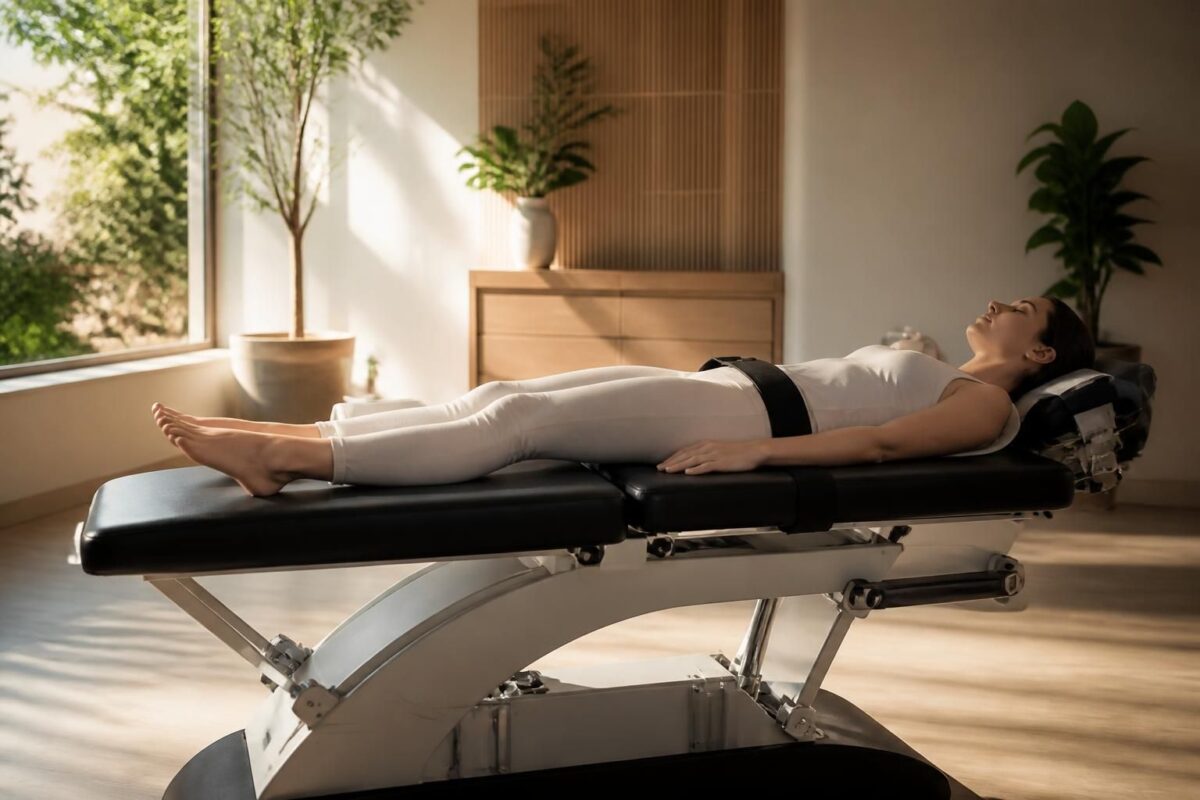
Neurovertebral Decompression and Body Alignment: Restoring Natural Balance
In short In short, neurovertebral decompression is one Non-invasive approach who restores theBody Alignment and thenatural balance back and neck. She acts by a Controlled traction of the spine to widen the intervertebral space and reduce the Pressure on discs…
Testimonials on the action of neurovertebral decompression on diffuse back pain
Marie, 45, describes her Diffuse back pain as constant and exhausting on a daily basis. After starting the neurovertebral decompression, she notes a decrease in the pressure felt in the lumbar region and a Improving mobility Over the sessions, which allows him to perform simple gestures without oppressive pain.
Jean, 58, explains that his diffuse lower back pain is accompanied by a stiffness in the morning. He observes a pain reduction and an best posture thanks to the controlled traction used during treatments. According to him, this non-invasive approach helps to “unblock” movements and resume activities he had abandoned.
Sophie, 37, works upright and suffers from diffuse back pain after long days. She emphasizes that the Controlled traction decompression spaces out painful episodes and improves the circulation local, which alleviates pain sensations and decreases inflammation around painful areas.
Pierre, 66, lives with diffuse back pain related to osteoarthritis. After several weeks, he feels a Improving mobility and an Reduction of muscle spasms. It combines this progression with a better ability to practice daily activities and sleep better at night.
Isabelle, 52, describes a persistence of lower back pain that limited her physical activity. Following the treatment, she notices a pain reduction and a feeling of increased muscle relaxation, with a Increased back resilience in the face of daily efforts and a better quality of life.
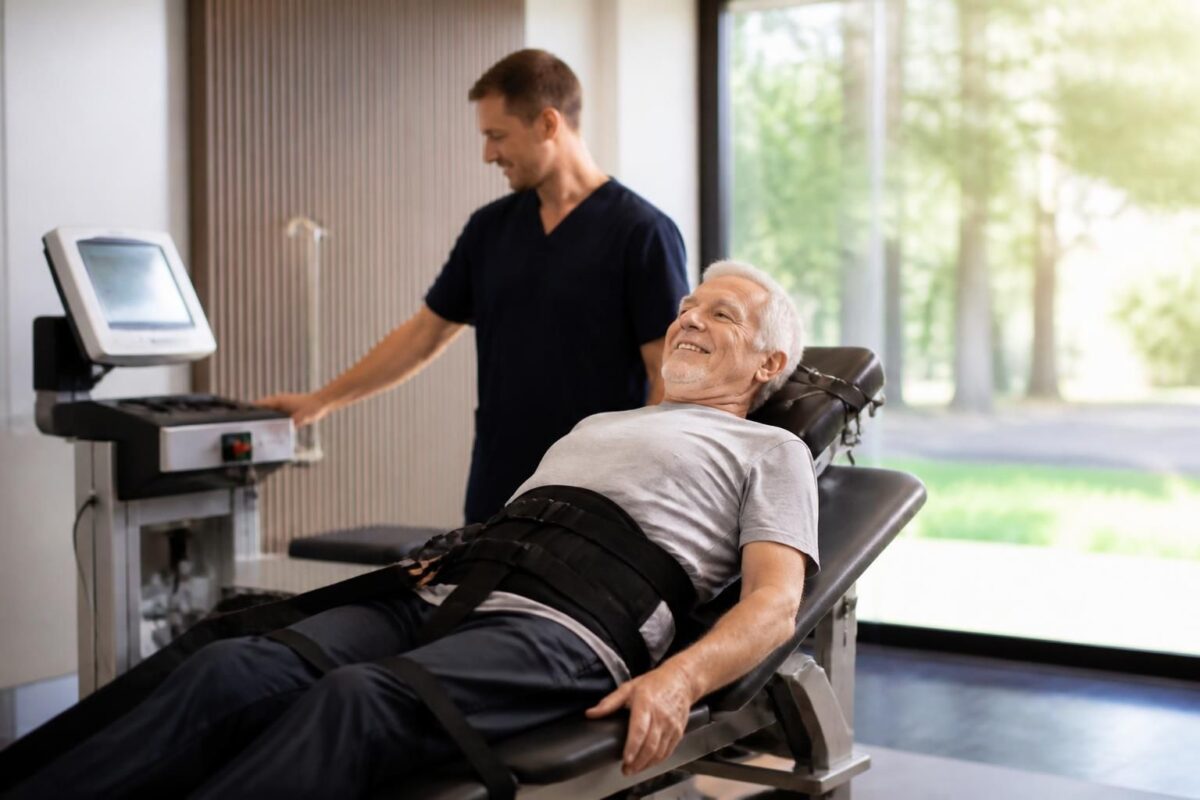
Why neurovertebral decompression is a lasting solution for active seniors
In short In short, the neurovertebral decompression is one Non-invasive therapy which sustainably relieves spinal pain in the spine active seniors By creating, by a Soft and controlled traction, a space between the vertebrae. At Montreal, it is recognized as…
Neurovertebral decompression and diffuse back pain
The neurovertebral decompression is a non-invasive therapeutic approach that directly targets the spine to mitigate Diffuse back pain. by a Controlled traction Applied to the vertebrae, it creates a space between the bony platforms and the intervertebral discs, thus reducing the pressure exerted on the Spinal nerves and on discs. This decrease in nerve load acts as a natural relief trigger, allowing the patient to gradually resume activities that had become painful and tiring.
The key mechanism is based on a reorientation of the biomechanical forces that support the column. By reducing the pressure on the nerve roots and by reducing the intradiscal pressure, the traction facilitates better circulation of nutrients and theoxygen to nervous and disc tissues. This microvascular improvement attenuates local inflammation and promotes Natural repair tissues, which can result in a gradual reduction in pain and a decrease in muscle spasms. Over the course of the sessions, the column gradually regains a more harmonious function, which promotes overall back mobility.
For the pains diffuse From the back, often described as generalized rather than localized suffering, decompression offers a targeted approach without resorting to surgery. By restoring theSpino-Pelvic alignment and by releasing associated muscle tension, it helps to reduce deep pain and improve Postural stability. In addition, this technique can be integrated into a multidisciplinary program including rehabilitation exercises, posture work and complementary therapies such as laser or shock waves, in order to optimize results and support the healing process.
clinically, decompression is an option non-invasive which is aimed at patients who wish to avoid surgical interventions. It is part of a personalized and progressive approach, adapted to the state of health of each one after a complete evaluation. The protocol is generally well tolerated and can be adjusted according to the patient’s response, with appropriate monitoring to optimize safety and efficacy. In addition, education on posture, daily habits and muscle strengthening sustainably support the benefits obtained by decompression sessions.
Dr. Sylvain Desforges, osteopath and manualist doctor, is recognized for his commitment to Health Innovation and management of Chronic pain. As founding president of the TagMed clinics and the ACMA association, he implements a evidence-based approach, integrating advanced technologies such as spinal decompression, laser and shockwave therapies to optimize the well-being of its patients. His work illustrates how multidisciplinary and personalized care can transform back pain management, especially diffuse forms that are difficult to treat, and help everyone regain an active and lasting quality of life..
Neurovertebral decompression is a non-invasive approach that can sustainably alleviate diffuse back pain by acting directly on spinal mechanisms. By using controlled traction, it reduces the pressure exerted on the nerves and discs, improves circulation and supports the natural healing process without the need for surgery.
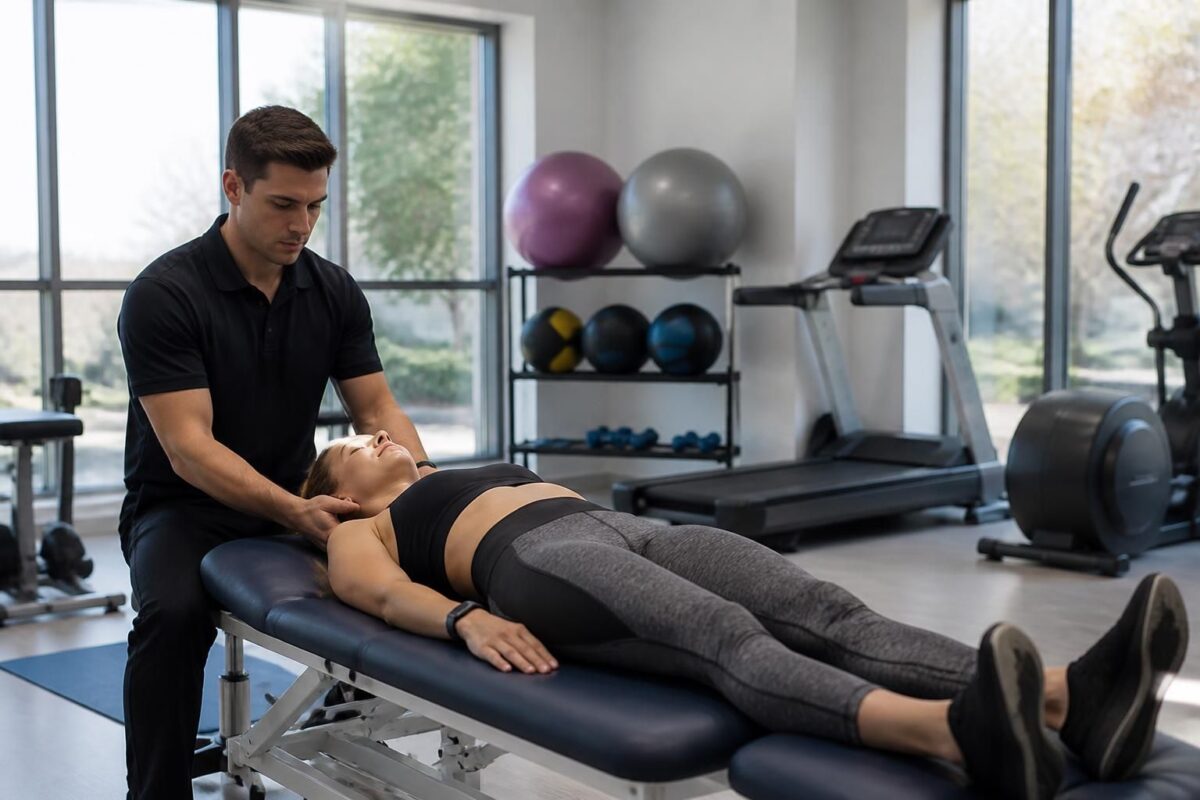
Neurovertebral decompression and recovery after severe sports injury
In short In short, the neurovertebral decompression is one Non-invasive method to Relieve the pressure on the Intervertebral discs and the gristle Via a Controlled traction, to facilitate the recovery After a severe sports injury. It improves the bloodstream towards…
How neurovertebral decompression acts on diffuse back pain
This technique is based on a Controlled traction which creates a space between the vertebrae and decreases the spinal nerve pressure and the Intervertebral discs. By releasing this pressure, it allows better nutrition of the nervous tissues and promotes the movement of essential nutrients to the injured areas.
Reducing pressure promotes bloodstream more effective in the affected area, which contributes to reducing inflammation and reducing the painful sensations associated with diffuse back pain. This mechanism supports progressive recovery and can improve mobility over the sessions.
Compared to invasive treatments, this approach is non-invasive and can be adapted to each patient after a complete assessment. It also participates in restoring a more favorable alignment of the spine and limiting the muscle tension that fuels diffuse pain.
By creating a space between the vertebrae, neurovertebral decompression supports the body’s natural healing process and can reduce aggravating factors such as repetitive stresses and prolonged postures that maintain diffuse back pain. For those looking for a functional and sustainable outcomes approach, it is an option to consider in a multidisciplinary plan.
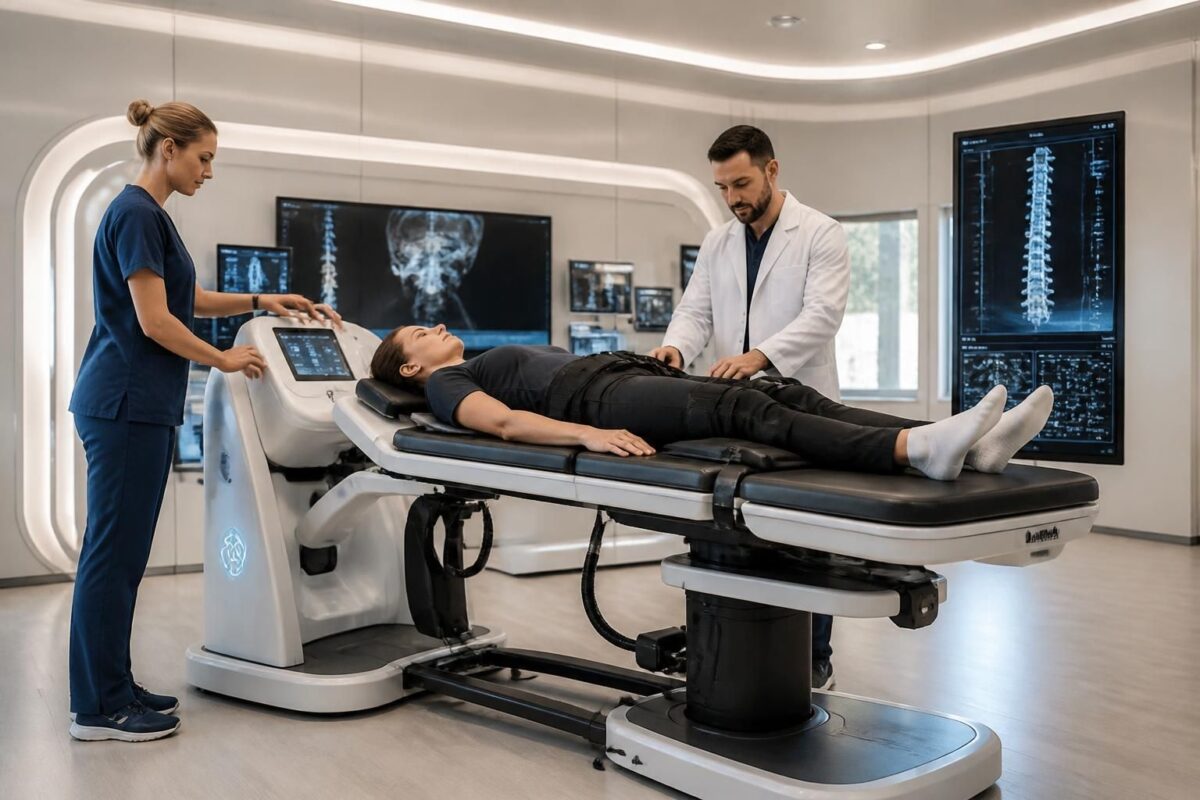
Recent innovations in neurovertebral decompression technologies
In short In short, the neurovertebral decompression is an approach non-invasive Aiming to reduce pressure on discs and nerves, and promote tissue regeneration. At Montreal, it is positioned as an effective option for lower back pain and herniated discs. The…
Additional resources and information
To learn more, see the following resources:
How neurovertebral decompression reduces chronic inflammation
Why neurovertebral decompression is recommended for chronic radicular pain
How neurovertebral decompression optimizes body alignment
Spinal decompression: a natural treatment to improve your back health
Benefits of decompression for back pain
Neurovertebral decompression and herniated disc
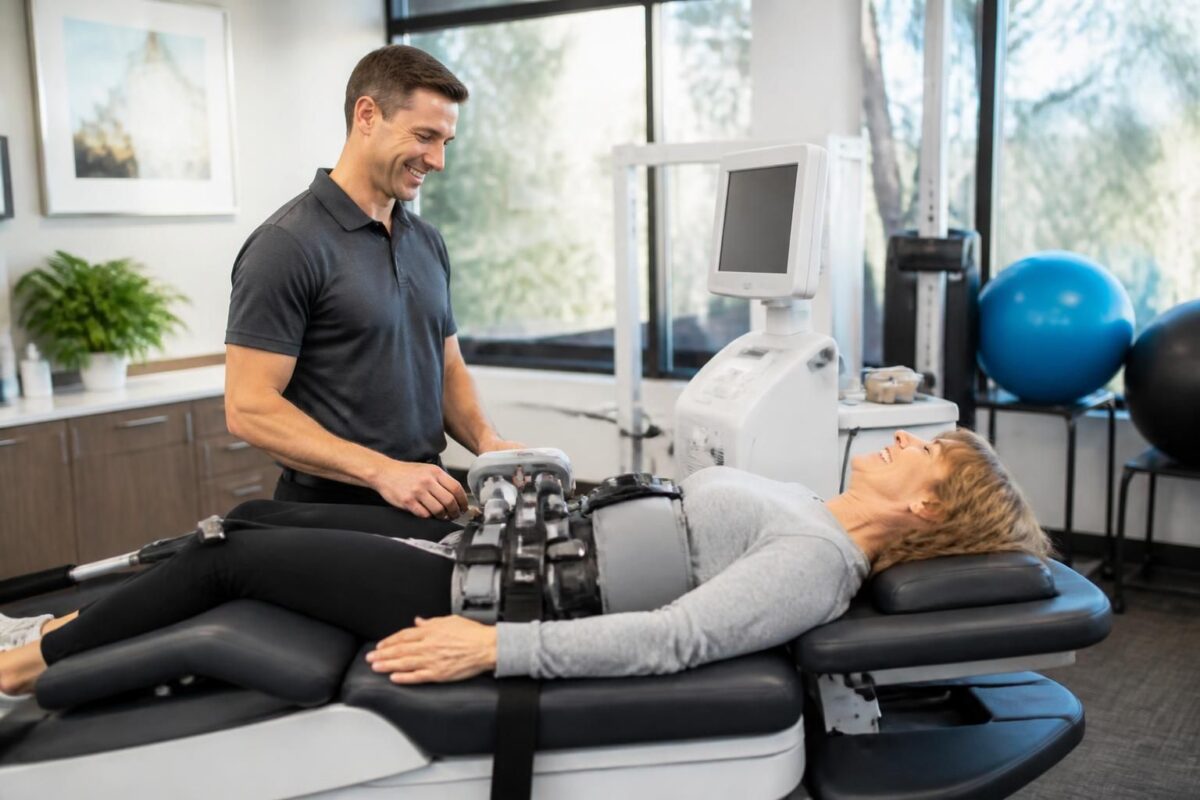
Neurovertebral decompression and diffuse pain: an appropriate solution
In short In short, the neurovertebral decompression is one Non-invasive solution For diffuse pain related to nerve irritation of the spine. She acts in Reducing pressure on intervertebral discs and nerves and improving the bloodstream, which promotes recovery and the…

Dr Sylvain Desforges, B.Sc., D.O., N.D., osteopath, is the founding president of TAGMED and of the ACMA association. He dedicates his practice to chronic spinal pain, low back pain and symptoms compatible with sciatica, particularly when pain radiates toward the buttock, leg, calf, foot or toes.
Through SOS Sciatique, he publishes educational content on sciatica symptoms, possible causes such as disc herniation, disc narrowing, foraminal stenosis or irritation of a lumbar nerve root, as well as non-surgical approaches that may be considered according to the evaluation. At Clinique TAGMED, care may include, depending on the case, motorized neurovertebral decompression, specific osteopathic care or precision percussion.
For an evaluation related to sciatica treatment in Montreal / Mount Royal or sciatica treatment in Terrebonne, please consult the services available at Clinique TAGMED.
Medical disclaimer
The information published on SOS Sciatique is provided for educational purposes only and does not replace a consultation, diagnosis, opinion or treatment provided by a physician or another authorized healthcare professional. The author of this article is neither a medical doctor nor a specialist in a medical specialty recognized by the Collège des médecins du Québec. The osteopathic, manual medicine or functional support approaches described on this site do not constitute medical acts and are not intended to replace medical follow-up.
Consult a physician or emergency service in cases of loss of bladder or bowel control, anesthesia in the saddle area, significant or progressive weakness in the leg or foot, fever, recent trauma, severe pain or rapid worsening of symptoms. For more details, please read our Legal Notice.