Neurovertebral decompression and post-traumatic pain management
26/06/2026
Clinical studies confirming the efficacy of neurovertebral decompression
26/06/2026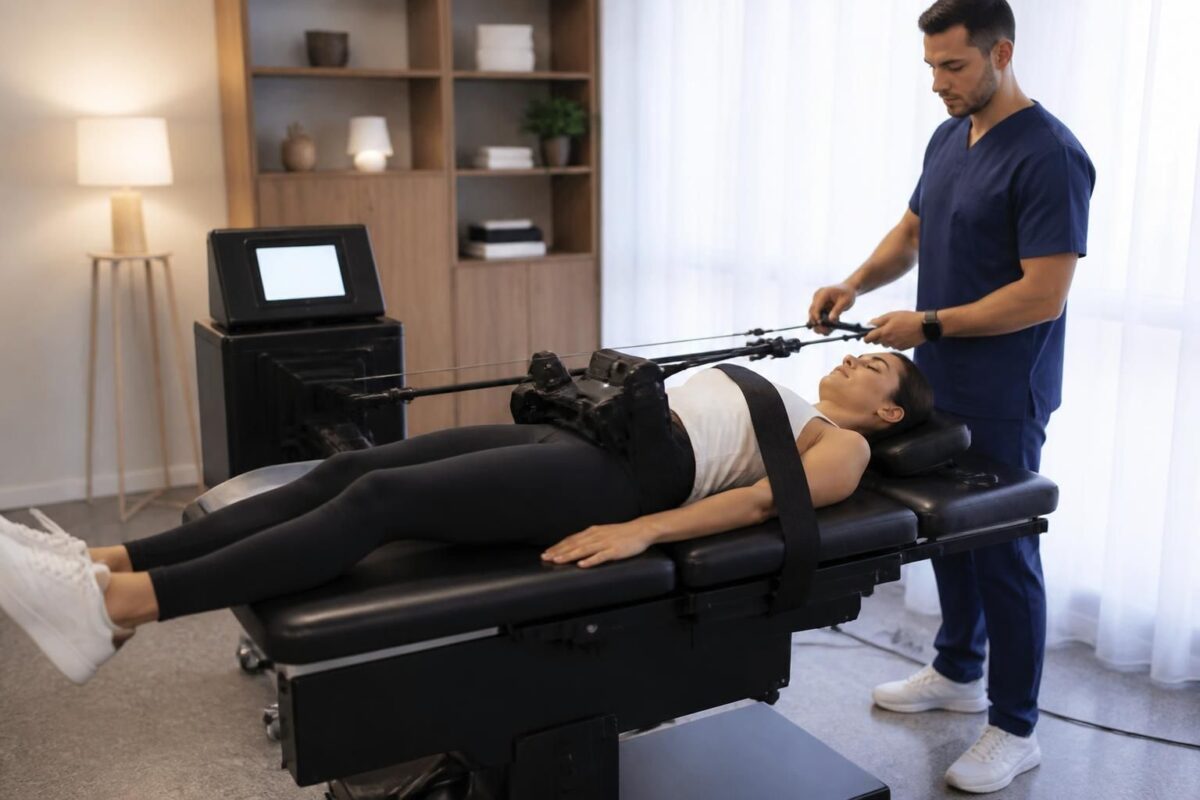
In short
| In short, neurovertebral decompression is one Non-invasive therapy which aims to Reduce pressure on intervertebral discs and nerves via controlled traction of the spine. What does it bring? This makes it possible to correct the Postural imbalances and improve theBody Alignment and the posture, reducing pain and stiffness. Key Benefits: Increased intervertebral space, better Fluid circulation and tissue nutrition, pain reduction, and Mobility found. How does it work? A personalized protocol mixes soft traction and manual techniques, supported by adapted technologies, in order to sustainably improve theBody Alignment. At Montreal, this service is particularly recommended for theBody Alignment and the reduction of Chronic pain, by promoting a lasting posture on a daily basis. |
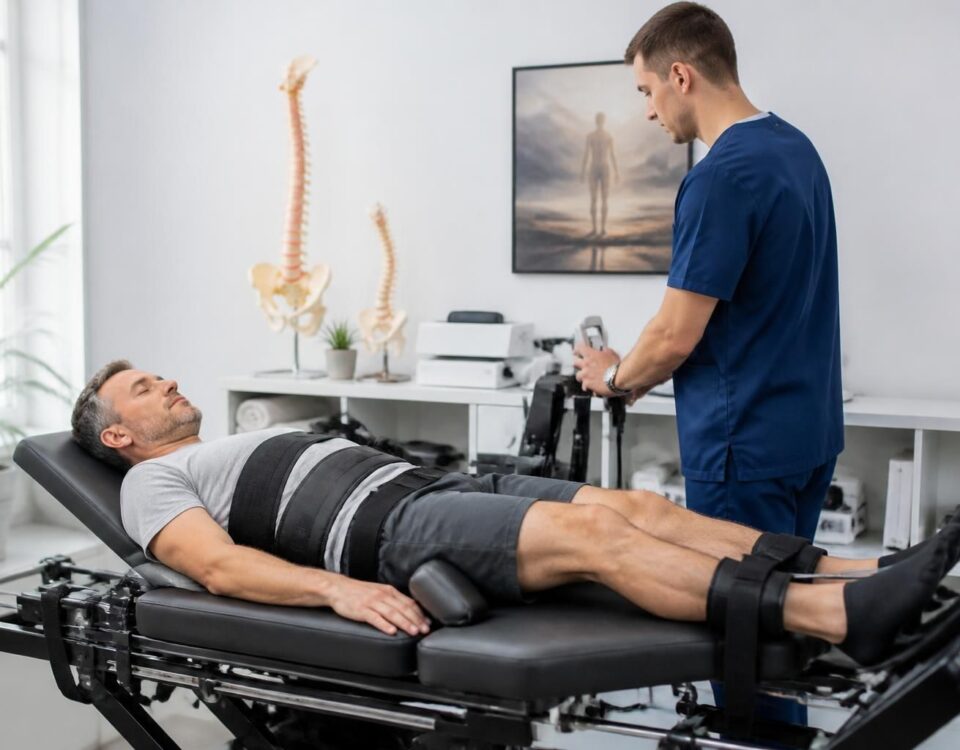
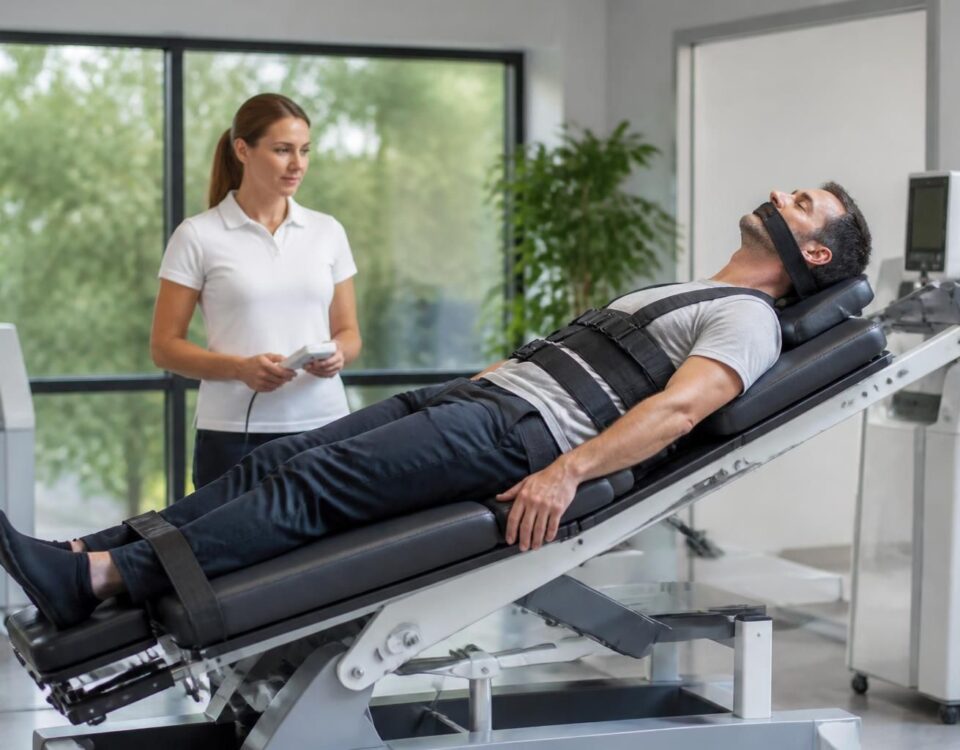
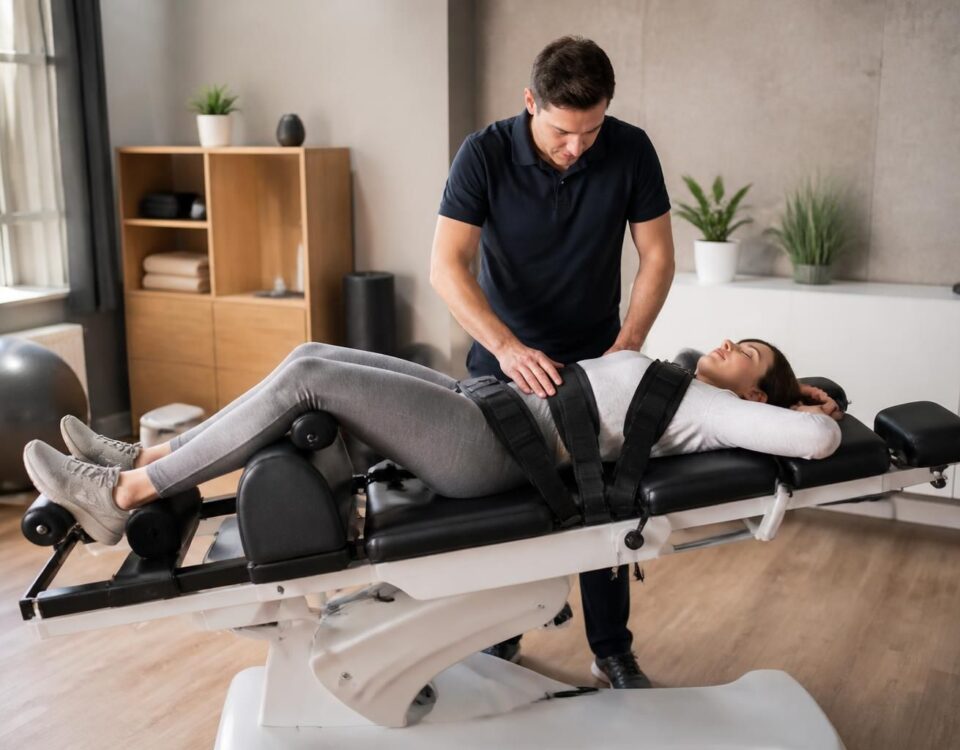
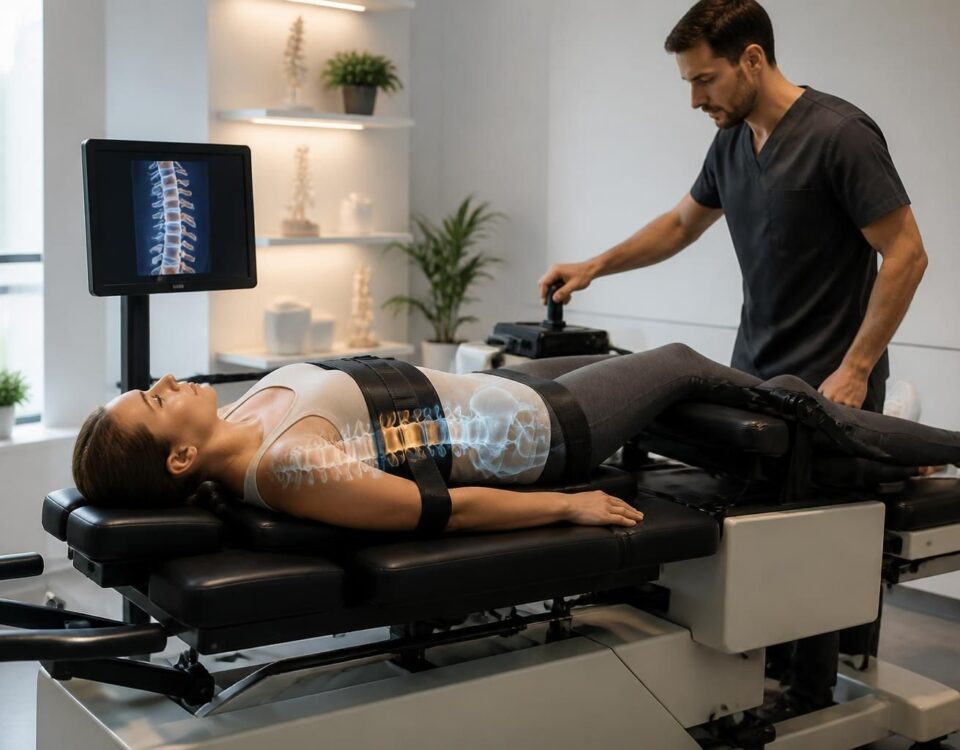
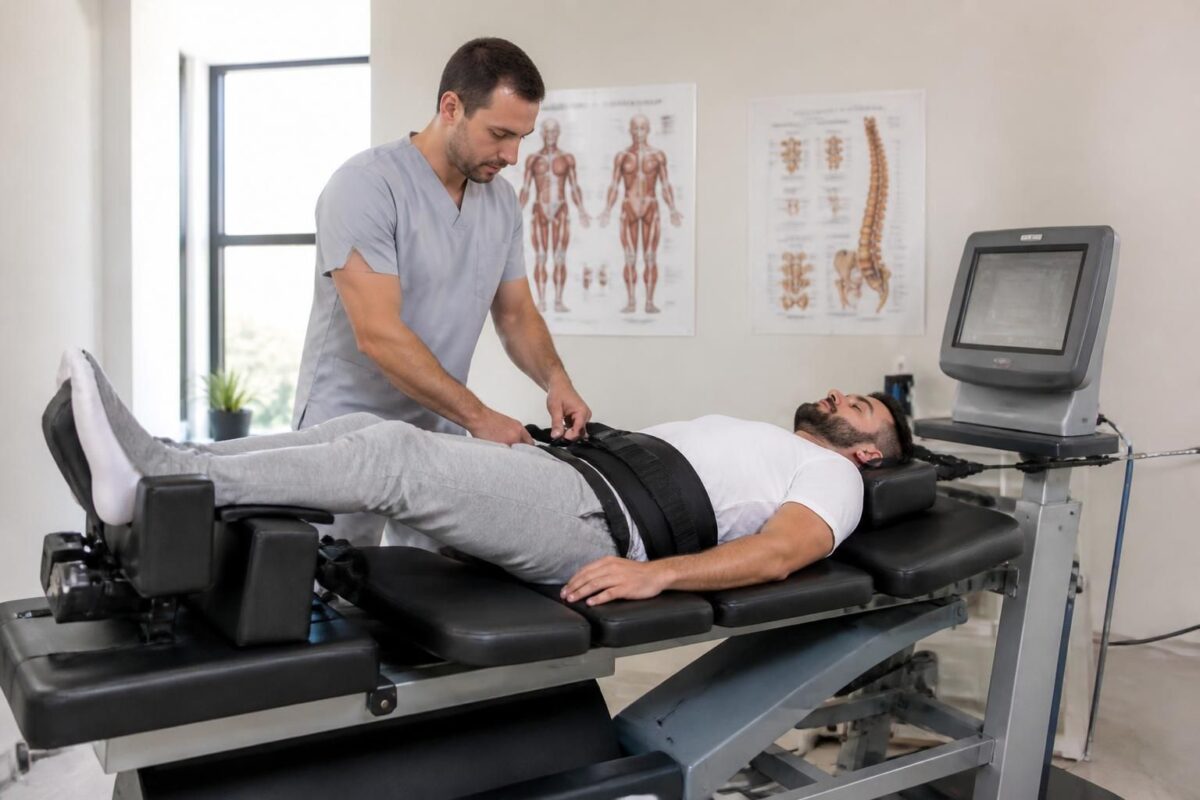
The neurovertebral decompression Use a Controlled traction for Separate the vertebrae and create a space between them, thus reducing the pressure on the Intervertebral discs and the nerves. By releasing this compression, it improves the circulation and the Fabric nutrition, favoring the realignment vertebral segments and a Body Alignment more harmonious. Associated with Targeted exercises and manual techniques, it corrects postural imbalances and leads to a Straight posture, a better mobility and lasting well-being.
This article, written by a health professional and expert in osteopathy and manual medicine, presents how neurovertebral decompression helps to optimize body alignment. It describes the simple and effective mechanisms, the impacts on posture and mobility, as well as the conditions of application in clinical practice. The goal is to help understand how this non-invasive approach can sustainably improve postural framework and daily comfort.
Principle and mechanism of action
Neurovertebral decompression is based on controlled traction of the column which increases the space between the vertebrae. This light separation reduces pressure on the intervertebral discs and nerves, promoting improved tissue nutrition and better fluid circulation. This direct action on the structural elements facilitates progressive and natural realignment of the column, which affects the entire skeleton.
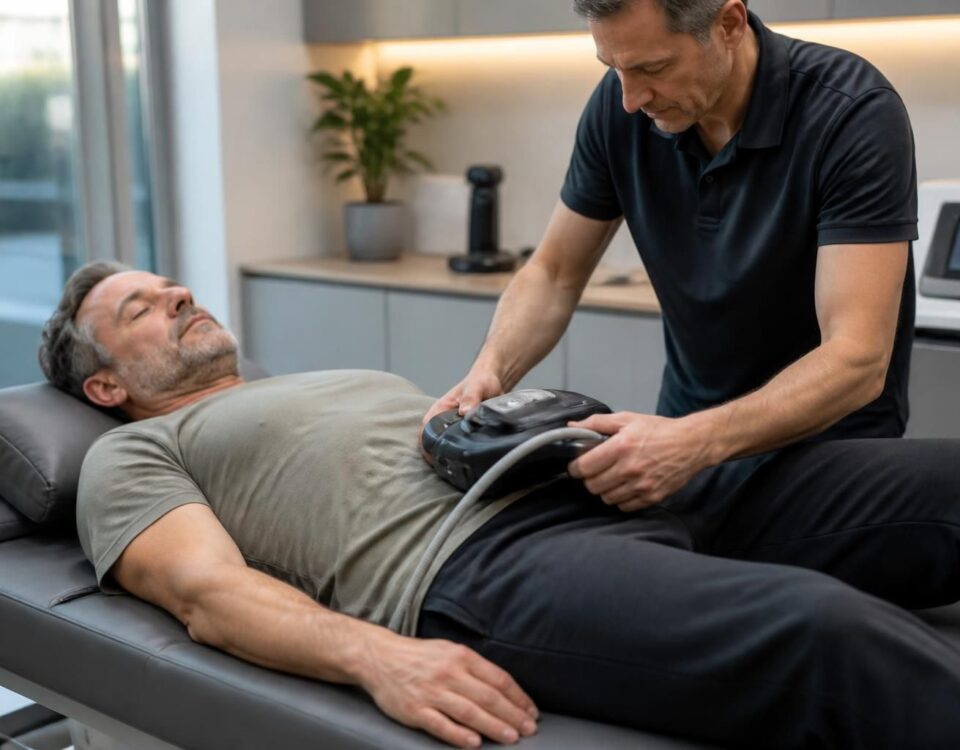
In clinical practice, it is a non-invasive process, carried out under supervision by a qualified health professional. The goal is to obtain a more balanced posture and a more homogeneous load distribution on the muscle chains of the back and trunk. This approach can help reduce tensions that alter alignment and build up over time during repeated postures or inappropriate movements.
Impact on posture and alignment
Proper body alignment is based on a well-aligned column and properly positioned spinal segments. Decompression promotes progressive realignment by releasing junctions that can be compressed by postural imbalances. By correcting the pressure areas, it allows the muscles and ligaments of the back to function in more natural conditions, which contributes to a straighter posture during daily and sporting activities.
The benefits are also measured by improved joint mobility and better tolerance of daily movements. By working on the intervertebral space, the technique can help reduce the mechanical resistance that slows movements and facilitates simple gestures such as getting up, sitting or walking with less tension.
Indications and safety
Neurovertebral decompression is adapted in a global approach to spinal health and can be considered when pain or postural stress persists despite other treatments. It is generally well tolerated and can be integrated into a prevention and rehabilitation approach, under the supervision of an osteopath or other qualified health professional. To learn more about the principles and ethics of this approach, you can consult the specialized resources available at A global approach to decompression.
Integration in support and tracking
Decompression is part of a data-driven care framework and individual assessment. A first consultation makes it possible to determine the areas with objective and the number of sessions necessary. Tracking re-evaluates alignment and adjusts the protocol to maximize results. This accompaniment aims for lasting effects rather than ephemeral gains.
To better understand the foundations and results observed, additional resources explain how to prepare and guide a session. Consult in particular the dedicated pages on Prepare for a session and on Global approach to health.
Technologies and therapeutic approach
Neurovertebral decompression is often associated with other therapeutic tools used in specialized clinics. It integrates with a global strategy that can include diagnostic and treatment technologies adapted to each patient. In TagMed and similar clinics, the goal is to support body alignment through evidence-based procedures tailored to the patient’s profile. For more information on the services offered, visit Tagmed Clinic.
Complementary actions and prevention
Beyond the decompression session, it is useful to adopt daily habits that support alignment. This includes a respectful posture during sedentary activities, ergonomics of the workstation and relaxation mechanisms to reduce general body tension. An effective body alignment approach is based on constancy and monitoring of progress observed by the healthcare professional.
For additional readings and resources on modern techniques associated with decompression, you can consult the following resources: Decompression and lower back pain, Modern techniques, and Herniated discs without surgery. These resources do not replace medical advice and must be interpreted by your health professional.
Practical practical elements and clinical advice show that body alignment improves when the column has sufficient space and support structures adjust. Clinical evaluation and monitoring allow decompression parameters to be adjusted to achieve consistent and lasting results.
Reference and useful links
To deepen, specialized resources in decompression and associated disorders can be consulted on SoshernieDiscale.com and SosherniatedDisc.com. For information on support schemes and sporting aspects, visit sossciatica.com.
In addition, information resources on preparation and care framework are available via the pages dedicated to neurovertebral decompression on the dedicated site and the associated resources mentioned above. To better understand the mechanisms and applications, see the following pages:
For more information on services offered in TagMed clinics and evidence-based approaches, see Tagmed Clinic.
Medical Disclaimer: The information and advice provided on this site does not replace the health professional’s diagnosis or treatment. Please note that Dr. Sylvain Desforges osteopath is neither a doctor of medicine nor a doctor, and is not a specialist in a medical specialty as defined by the Collège des Médecins du Québec. Manual medicine, functional medicine and sports medicine as described on this site exclude any medical treatment or diagnosis made by a doctor or specialist doctor. Always consult your doctor for any medical questions. For more details, please read our full legal notice.
- Controlled traction To increase the intervertebral space
- pressure reduction On discs and nerves
- Segmental realignment vertebrae
- Muscle relaxation Around the column for easy alignment
- Sustainable posture thanks to the new alignment
- Improved mobility and smoother movements
- Muscle stability Reinforced back and trunk
- Daily habits and integrated exercises to maintain alignment

This recommendation details how the neurovertebral decompression Optimize theBody Alignment By acting on discs, muscles and postural chains. It emphasizes a personalized approach, adapted traction protocols and education that promotes a sustainable posture on a daily basis.
Objectives and basic principles
The neurovertebral decompression Consists of applying controlled traction on the spine to create spacing between the vertebrae. this increased space releases the pressure exerted on the Intervertebral discs and nerves, thus improving fluid circulation and tissue nutrition. This pressure reduction acts as a progressive readjustment that facilitates the realignment spinal segments and prepares the ground for lasting improvements in the posture.
At the same time, traction stimulates the mechanoreceptors and rebalances muscle tone, which helps to put the relationships between the antagonistic muscles and the ligaments in order. The objective is to obtain harmony between the muscle chains that support the spine, in order to prevent imbalances responsible for pain and movement limitations.
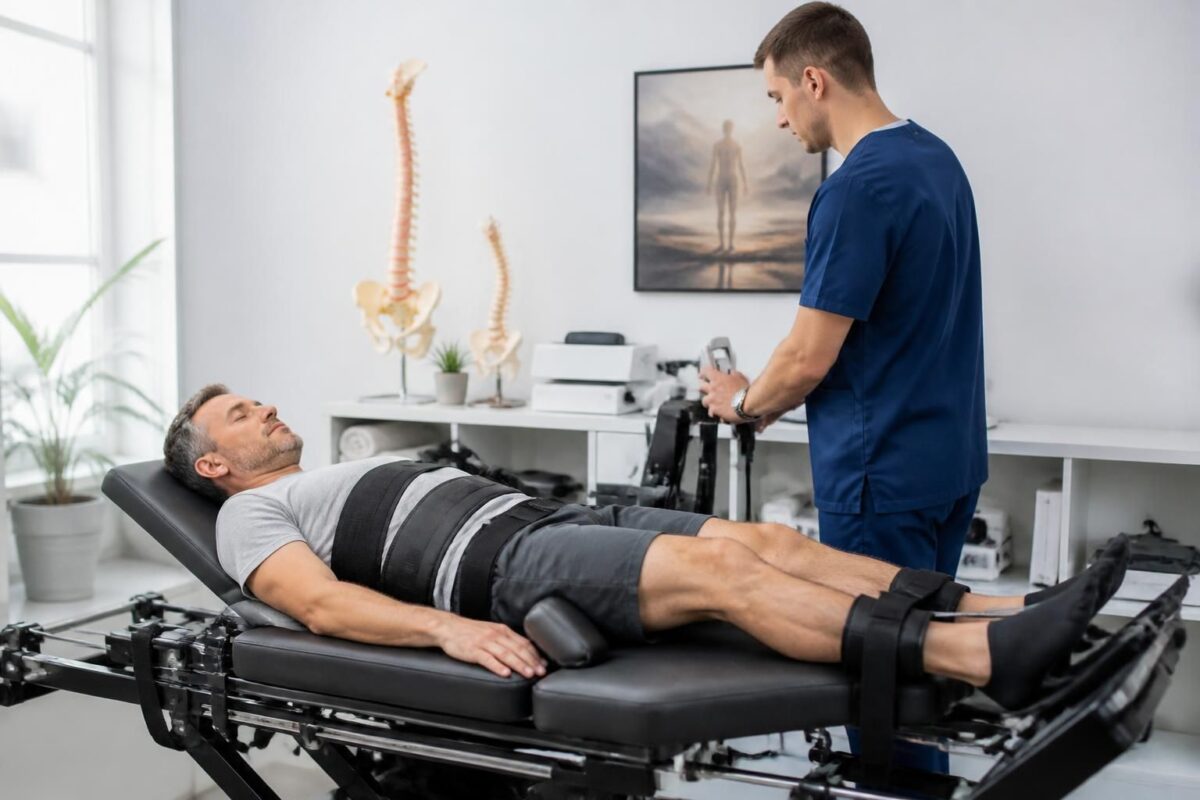
Neurovertebral decompression and post-traumatic pain management
In short In short, the neurovertebral decompression is one Non-invasive method which aims to reduce the pressure on gristle and the Intervertebral discs To treat pain post-traumatic and associated neuropathic pain. Its key advantages include theImproved flexibility of the column…
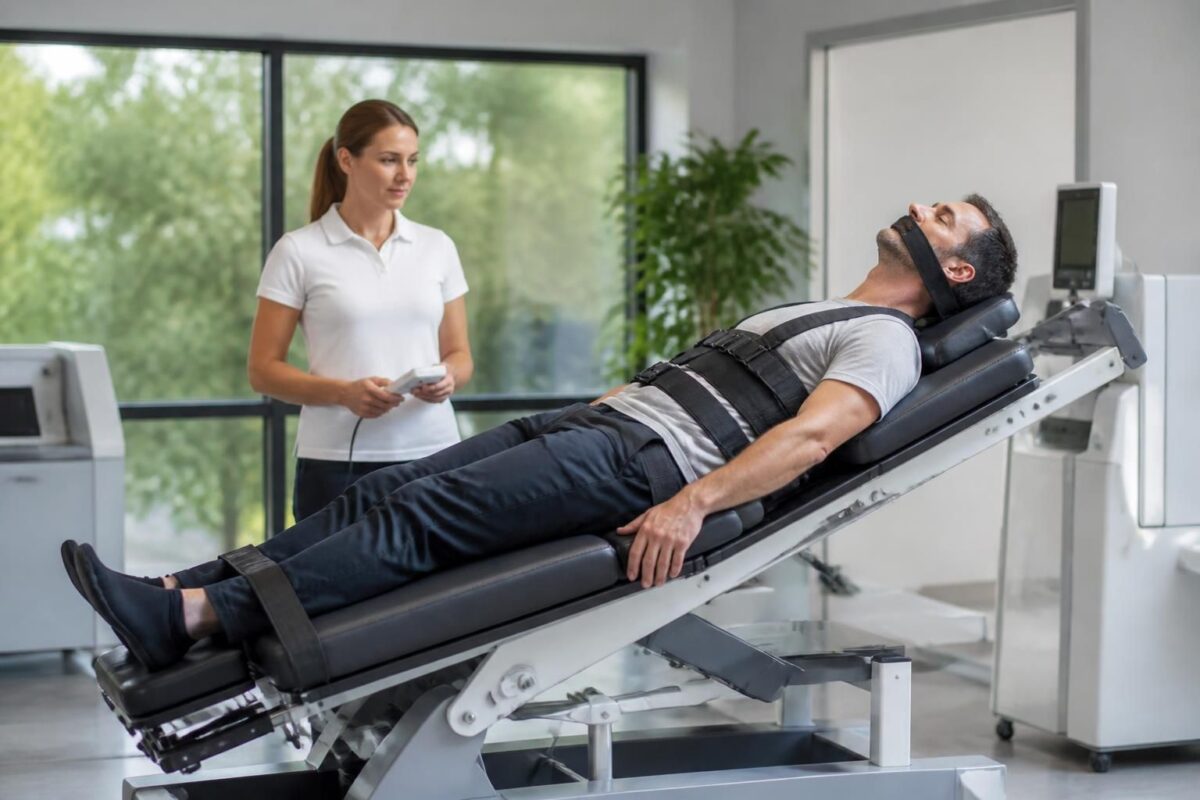
Why neurovertebral decompression is an essential preventive solution
In short In short, neurovertebral decompression is one Preventive solution non-invasive which aims to sustainably reduce the pressures on the discs and nerves. What is it? targeted therapy using Controlled traction on the column to create a Intra-discal vacuum, promote…
How decompression optimizes alignment
first effect to aim: the column straightening and load rebalancing. By releasing the tensions and reorganizing the postural braquettes, the column regains a more natural verticality. This realignment reduces stress on the joints and allows better distribution of forces during daily movements.
Second key effect: the vertebral mobility and relaxation of adjacent structures. By releasing the intervertebral spaces, the discs gain flexibility and adjacent segments gain amplitude, which improves posture during activities such as walking, standing and sitting work.
Throughout, the improvement of theBody Alignment Goes through a lasting reduction in muscle tension and better synchronization of movements between the back, shoulders and trunk. This is reflected by a more stable posture and a lesser tendency to adopt compensatory positions that aggravate pain.
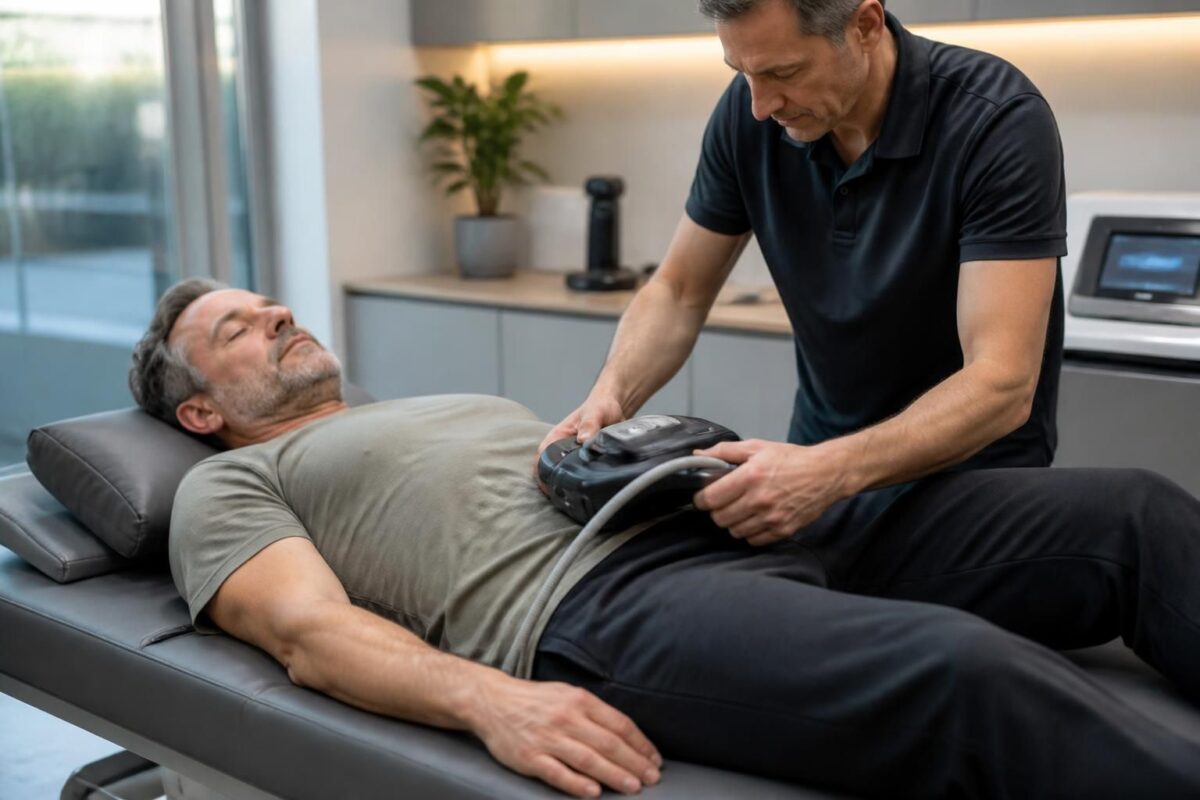
Neurovertebral decompression and treatment of chronic lumbar pain
In short In short, neurovertebral decompression is a technique non-invasive of Treatment of chronic lower back pain which reduces the Pressure on discs and nerves and can relieve the herniated discs and the disc degeneration. At Montreal, it offers a…
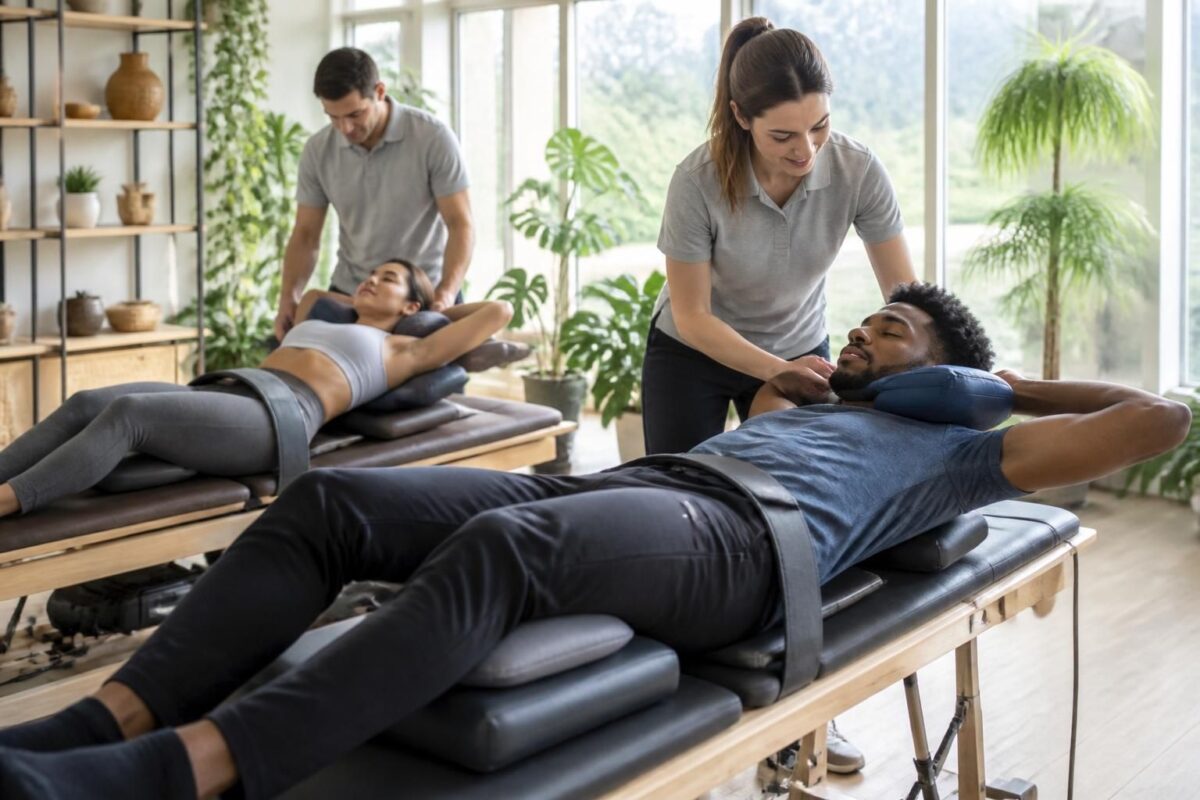
The physical and mental benefits of a neurovertebral decompression program
In short In short, the program of neurovertebral decompression is one Non-invasive approach which aims to underline the Chronic pain and improve the Physical and mental well-being. What is it? A technique that decreases pressure on discs and nerves to…
Protocols and good practices
Personalized evaluation
A Personalized evaluation Identifies areas of pain, postural habits and functional goals. This step determines the type of traction, amplitude and duration appropriate for each patient, in order to optimize theBody Alignment No pain or discomfort.
Adapted traction and progression
The protocols are based on a progressive progression: start with tolerable loads and durations, then gradually increase according to tolerance and results. This approach avoids excessive stress and ensures a controlled readjustment of the port of the spinal segments.
Exercises and postural education
Targeted exercises strengthen the muscles of the back and trunk, supporting thealignment obtained by decompression. Postural education covers good postures in the office, during journeys and during sports activities, with concrete advice to limit prolonged positions and promote active breaks.
Integration of complementary technologies
when relevant, advanced technologies such as laser Or shockwave therapies can be associated with decompression to reduce inflammation and accelerate tissue healing. This integration aims to support theBody Alignment By promoting faster and more durable recovery.
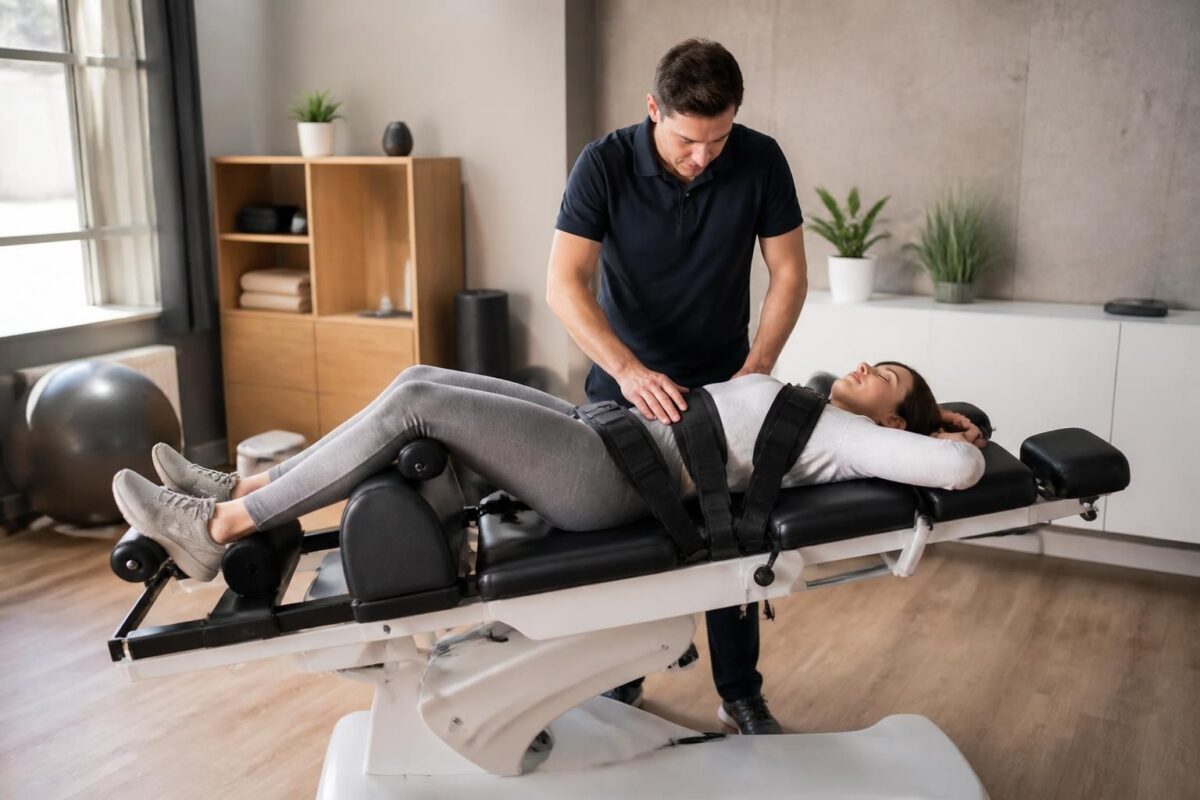
Neurovertebral decompression and relief of associated muscle pain
In short In short, the neurovertebral decompression is one Non-invasive approach which relieves the Associated muscle pain By applying a gentle traction on the spine for Release the intervertebral space and improve the circulation. Its advantages include reducing inflammation,Improving mobility…
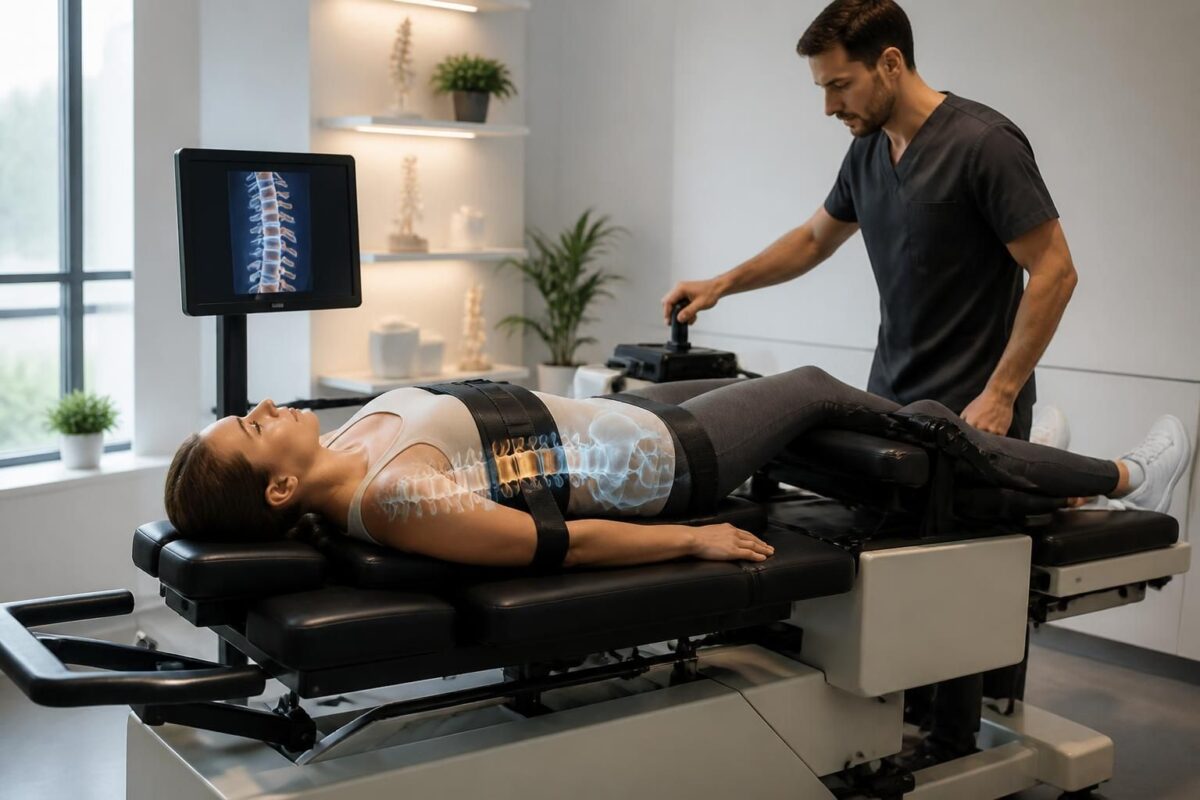
How neurovertebral decompression improves the function of intervertebral discs
In short In short, the neurovertebral decompression is one Non-invasive technique which applies a Controlled traction along the column to create a space between the vertebrae and reduce the Intradiscal pressure on the Intervertebral discs. This reduction promotes Disk retraction…
Patient follow-up and engagement
The monitoring Regular allows you to adjust the protocols according to progress, sensations and objectives. Proper disc hydration and sufficient sleep quality enhance the effects of decompression and support long-term postural balance.
By combining evaluation, progressive traction, exercises and postural education, neurovertebral decompression acts as a powerful lever to optimize theBody Alignment and sustainably improve the quality of life.
| alignment element | Concise impact |
|---|---|
| Traction and realignment | Reduces the strain and restore thevertical axis. |
| intervertebral space | Increase thespace between vertebrae to release the pressure and promote the Disc nutrition. |
| vertebral mobility | Improve theamplitude movements and decreases the pain Chronicle. |
| Daily posture | encourages a Straight posture active and at work. |
| Stability and tone | Optimizes the action of Back and trunk muscles for a support sustainable. |
| pain reduction | Decreases pain and makes traveling easier. |
| Prevention of recurrences | maintains the gains by Postural hygiene and drill regular. |
| Processing customization | Blueprint adapted to each patient for Sustainable results. |
| Functional recovery | Accelerates the return to the working life and at the Functional recovery. |
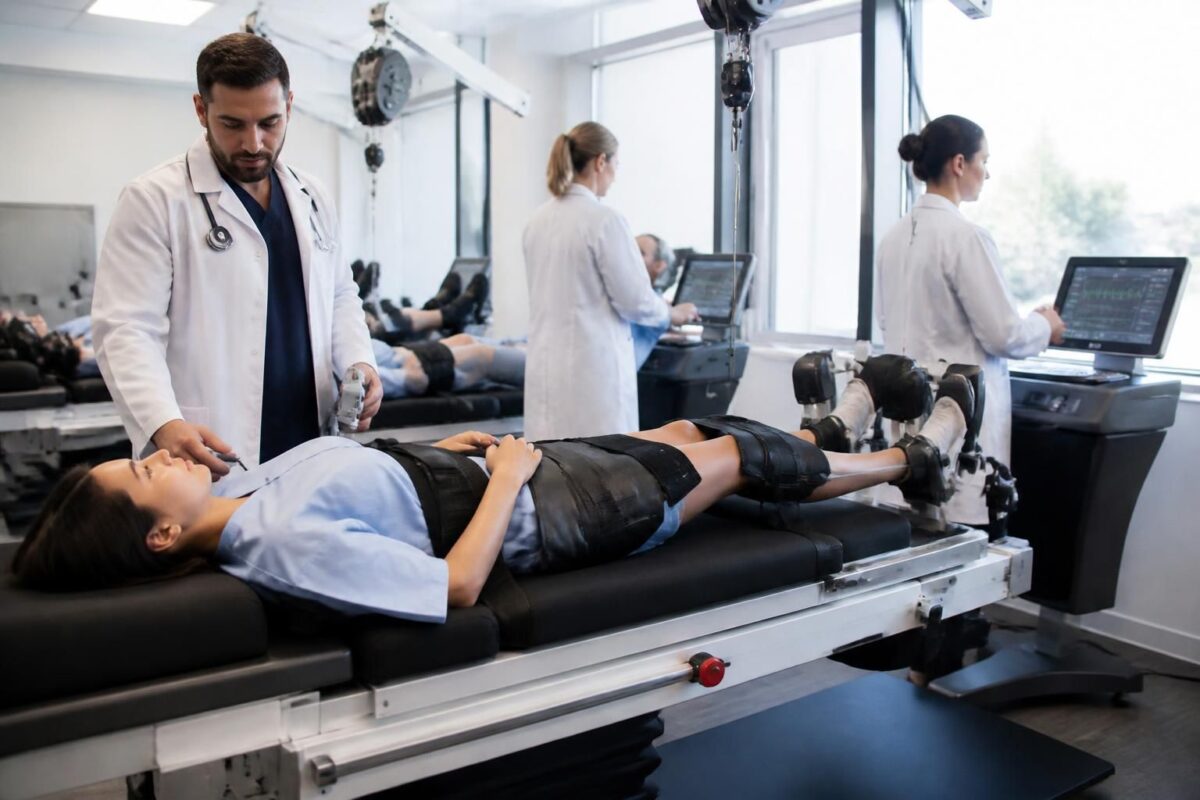
Advanced protocols for patients with neurovertebral decompression
In short In short, neurovertebral decompression is one Non-invasive technique which releases the pressure on the discs and nerves by a Controlled traction computer-guided. What is it? a series of Advanced Protocols adapted to the severity of lumbar or cervical…
Neurovertebral decompression and prevention of disc complications
In short In short, the neurovertebral decompression is one Non-invasive technique to Reduce pressure on intervertebral discs and nerves. It promotes the Tissue regeneration and the Prevention of disc complications such as The disc herniation, The disc bulge and the…
Testimonials on Optimization of Body Alignment by Neurovertebral Decompression
Marie, 52, executive: “Since the sessions of neurovertebral decompression, my Body Alignment improved significantly and my posture is straighter. My aches Lumbar have decreased and I feel more stable in my daily movements. »
Antoine, 43, developer: “After a few weeks of neurovertebral decompression, I found a Body Alignment harmonious: the shoulders are back in place, the pelvis stabilizes and my posture Standing as a seat is more natural. »
Claire, 29, graphic designer: “I work for a long time in front of the computer; Thanks to the neurovertebral decompression, my posture straightened up and my mobility has improved, which helps me in my creative projects. »
Lucas, 60, retired: “My Body Alignment is more stable; the spine is better aligned and my aches cervical have dropped a lot. »
Sophie, 41, nurse: “By spending long hours standing, I corrected my posture And I found a mobility fluid, which makes my days more comfortable. »
Karim, 34, sportsman: “On the ground as well as in the room, I observe a better alignment and an mobility increased thanks to the neurovertebral decompression. My performance is improved. »
Isabelle, 58, teacher: “My posture is straighter, my breathing is more efficient and my energy is permanently better thanks to theBody Alignment Optimized by decompression. »
In the context of contemporary approaches to musculoskeletal health, the neurovertebral decompression Appears as a targeted solution to rebalance the body. By acting directly on the spine, it aims to reduce the pressure exerted on the intervertebral discs and nerves, while preserving a non-invasive approach. This method is part of a holistic approach that considers theBody Alignment Like a dynamic system where the vertebrae, muscles and fascias must work in harmony to regain a functional and lasting posture.
The main mechanism is based on controlled and progressive traction that increases the space between the vertebrae. This dynamic decreases disc compression and releases the nerves, which facilitates fluid circulation, improves nutrient supply of tissues and promotes dorsal structures. At the same time, the relaxation of muscle tension and ligaments contributes to better spinal mobility. When the intervertebral space recovers, the vertebral segments can regain a more natural configuration, which supports a more balanced alignment trunk, pelvis and shoulder girdle.
Decompression is not reduced to a point step; It acts as a catalyst for sustainable postural repositioning. By releasing mechanical stresses, it allows the posterior and oblique muscle chains to organize around a more stable vertebral axis. This reorganization promotes a better distribution of tension during daily movements (sitting, standing, walking) and favorably influences the alignment of the lower back, chest and neck. Proprioception is then refined, which helps the patient to adopt and maintain a correct posture throughout the day.
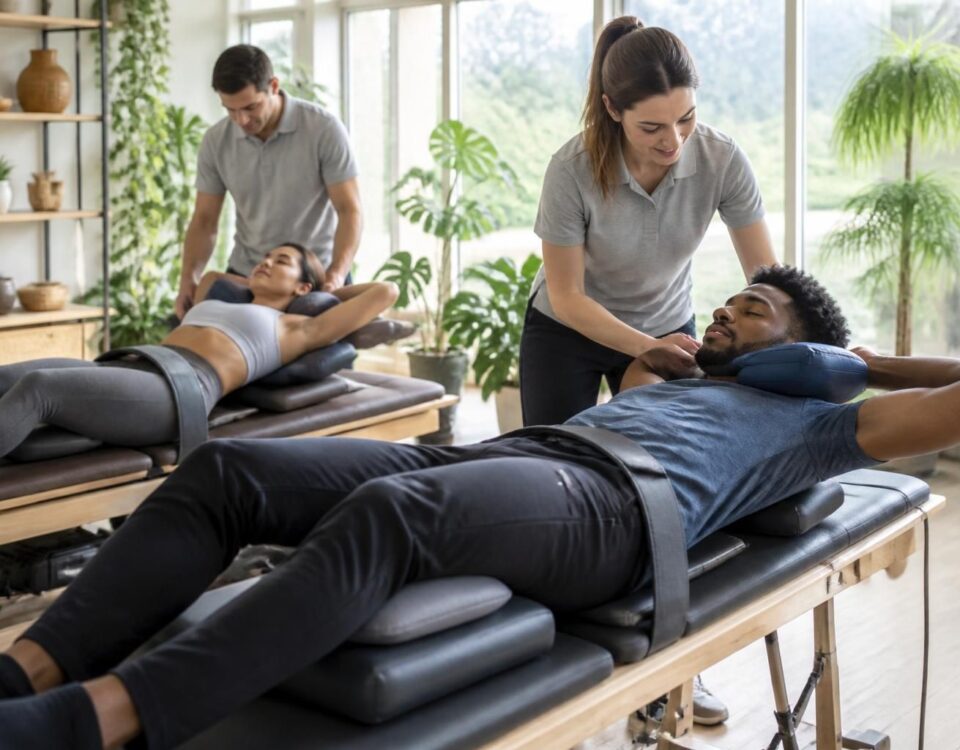
An effective protocol often associates the neurovertebral decompression to manual treatments, targeted exercises and ergonomic advice. The individual evaluation makes it possible to determine a personalized plan, adjusting the traction, duration and frequency of the sessions. Specific exercises and postural advice complete the treatment by strengthening the back muscles and releasing muscle chains prone to compensation. Complementary technologies, such as laser or shock wave therapies, can be used to reduce inflammation and accelerate tissue recovery, thus reinforcing the effect on overall alignment.
Functionally, improved body alignment results in increased mobility and reduced pain associated with postural imbalances. Patients often describe a better range of motion, more aligned posture during sports and professional activities, and decreased chronic muscle tension. This increase in spinal stability helps prevent relapses and promote an active and sustainable lifestyle. Patient education and regular monitoring remain key to maintaining these results over the long term.
Ultimately, neurovertebral decompression represents a structuring approach to optimize body alignment. By restoring the intervertebral space, releasing tension and supporting an integrated postural training program, it participates in lasting reintegration of the body into more effective and less painful movement patterns.
Quick summary: This article explores how the neurovertebral decompression Optimize LBody Alignment By acting on the space between the vertebrae, releasing the tensions of the muscles and rebalancing the forces that cross the spine. By combining manual techniques and advanced technologies, this approach promotes sustainable posture, increased mobility and reduced pressure on intervertebral discs and nerves.
Neurovertebral decompression acts primarily on Intervertebral space, increasing this space between the vertebrae and decreasing Pressure on the intervertebral discs and on the nerves. This pressure reduction facilitates tissue nutrition, improves local circulation and allows better mobility of the column. As a result, movements become more fluid and repetitive tensions decrease, contributing to a Body Alignment more stable over the sessions.
Beyond the cleared space, the targeted approach acts on the Muscle chains that surround the column. The release of tensions and the rebalancing of muscle forces support a Postural balance consistent, both in standing positions and in daily activities. This muscular reorganization contributes to preventing postural drifts and reduces the risk of recurrence of imbalances that compromise theBody Alignment.
The integration of advanced protocols and complementary technologies enhances long-term efficiency. Elements such as adapted traction, real-time parameter monitoring and associated approaches (e.g. relaxation techniques and targeted exercises) support a more stable and lasting posture. To understand how these practices fit into a global column optimization strategy, you can consult the specialized resources and protocols offered by clinics and dedicated centers.
The neurovertebral decompression and its results on theBody Alignment are part of a global vision of spinal health, which combines clinical observation, postural evaluation and personalized follow-ups. For a practical perspective and concrete advice, you can explore advanced protocols and associated re-educational approaches.
To enrich your understanding and access additional information, these resources offer deepening of mechanisms, pain prevention and the impact on physical performance:
- Rehabilitation after surgery
- Advanced Protocols
- Non-surgical alternative
- Psychological benefits
- Accelerated rehabilitation
- Prevention of night pain
- Optimize body alignment
- Strategies for effective rehabilitation
- Complex pathologies
For more information and perspectives on alignment mechanisms and feedback, do not hesitate to consult the proposed resources and discuss with a qualified professional who can personalize the program according to your profile and your objectives.

Dr Sylvain Desforges, B.Sc., D.O., N.D., osteopath, is the founding president of TAGMED and of the ACMA association. He dedicates his practice to chronic spinal pain, low back pain and symptoms compatible with sciatica, particularly when pain radiates toward the buttock, leg, calf, foot or toes.
Through SOS Sciatique, he publishes educational content on sciatica symptoms, possible causes such as disc herniation, disc narrowing, foraminal stenosis or irritation of a lumbar nerve root, as well as non-surgical approaches that may be considered according to the evaluation. At Clinique TAGMED, care may include, depending on the case, motorized neurovertebral decompression, specific osteopathic care or precision percussion.
For an evaluation related to sciatica treatment in Montreal / Mount Royal or sciatica treatment in Terrebonne, please consult the services available at Clinique TAGMED.
Medical disclaimer
The information published on SOS Sciatique is provided for educational purposes only and does not replace a consultation, diagnosis, opinion or treatment provided by a physician or another authorized healthcare professional. The author of this article is neither a medical doctor nor a specialist in a medical specialty recognized by the Collège des médecins du Québec. The osteopathic, manual medicine or functional support approaches described on this site do not constitute medical acts and are not intended to replace medical follow-up.
Consult a physician or emergency service in cases of loss of bladder or bowel control, anesthesia in the saddle area, significant or progressive weakness in the leg or foot, fever, recent trauma, severe pain or rapid worsening of symptoms. For more details, please read our Legal Notice.