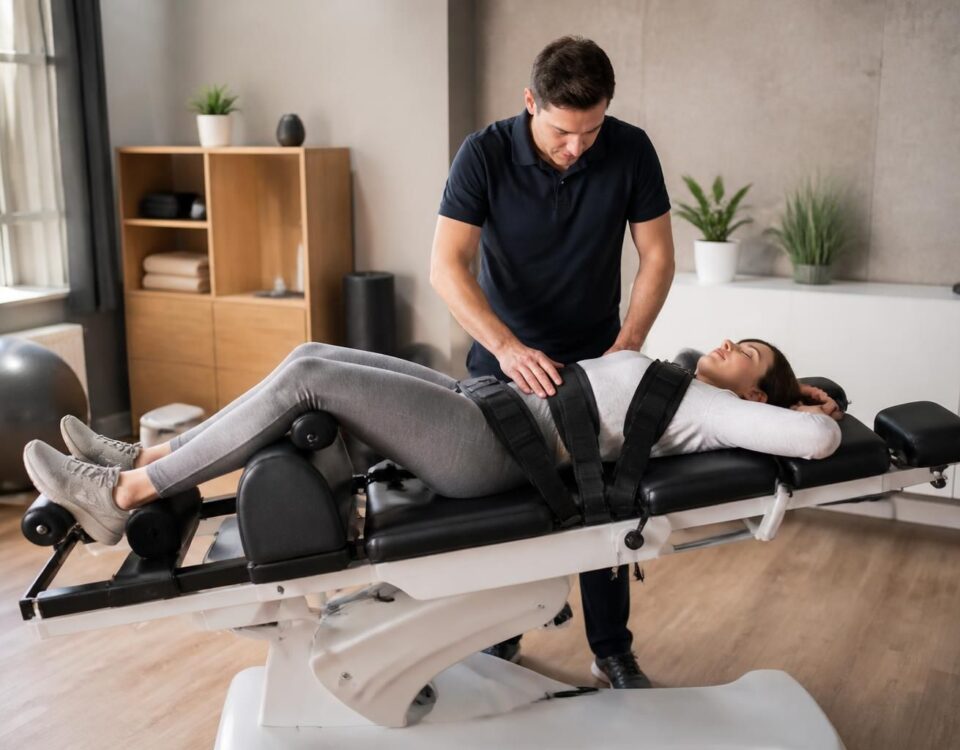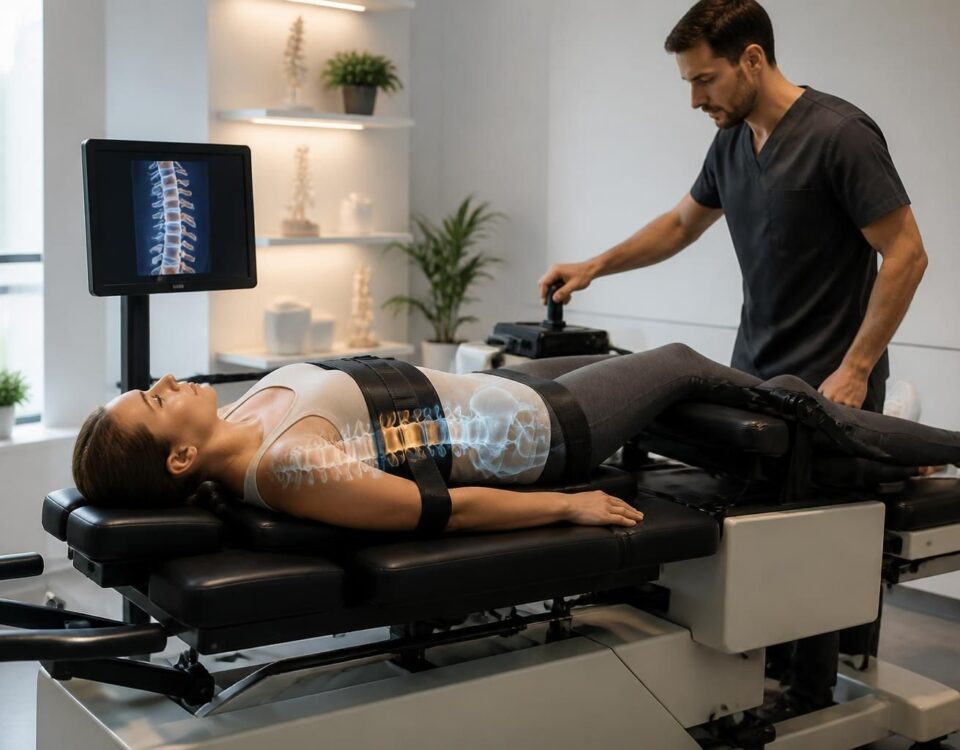
Neurovertebral decompression and relief of associated muscle pain
26/06/2026
Neurovertebral decompression and treatment of chronic lumbar pain
26/06/2026
In short
| In short, the program of neurovertebral decompression is one Non-invasive approach which aims to underline the Chronic pain and improve the Physical and mental well-being. What is it? A technique that decreases pressure on discs and nerves to promote mobility and recovery. What advantages? pain reduction, Decreased anxiety and stress, mood enhancement, better sleep quality and strengthening self-esteem and social interactions. How does it work? by combining physical relief and emotional support within a global program, including Montreal where it is particularly indicated for lower back or cervical pain, in order to permanently improve the quality of life. |
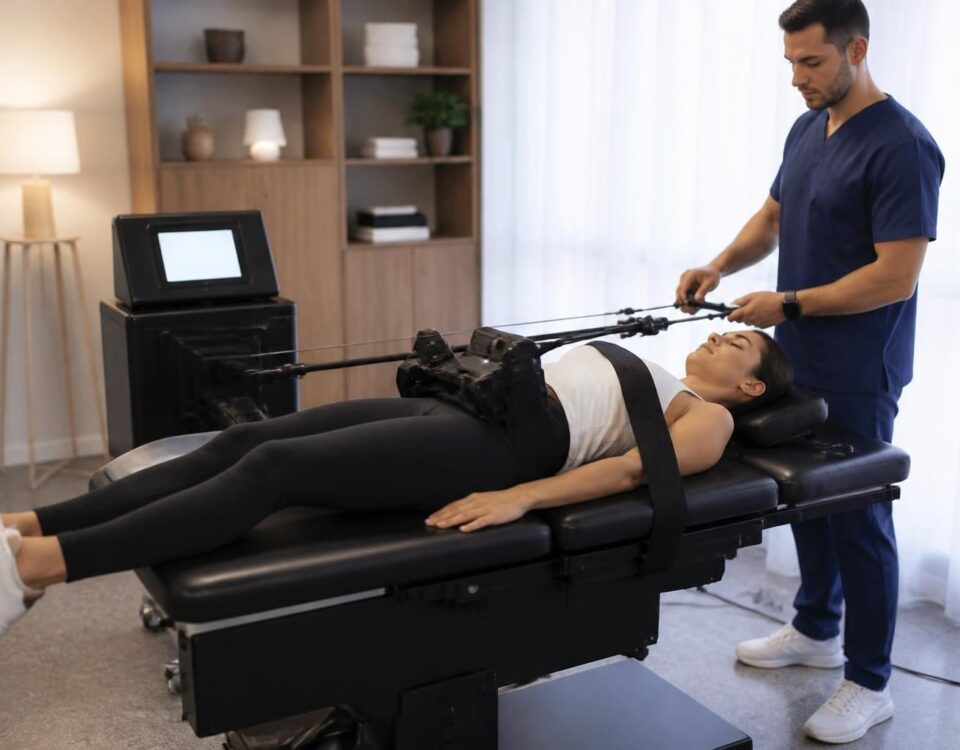
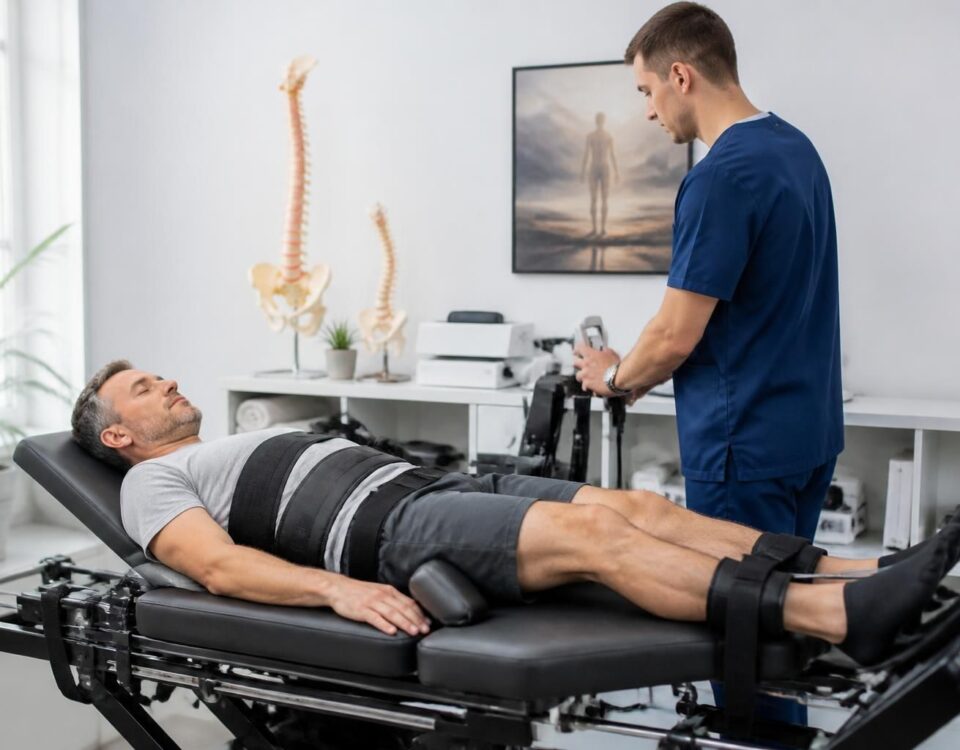
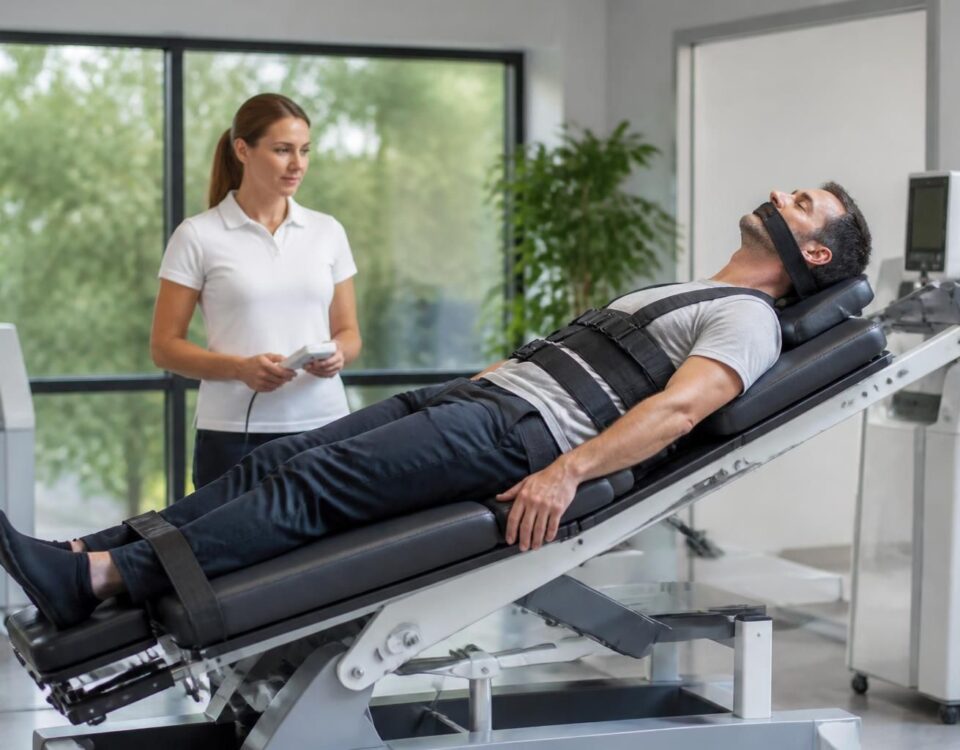
the program of neurovertebral decompression is an approach non-invasive which aims to relieve chronic pain by reducing pressure on the intervertebral discs and nerves.
- Physical: aches decrease, mobility and flexibility found, improvement of the position and of sleep.
- mind: anxiety and stress down, mood more positive and self-esteem reinforced, better resilience.
- Quality of life: rediscovered autonomy, return to social and family activities, general improvement in quality of life.
Warning : This information does not replace medical advice and cannot initiate any diagnosis or treatment.
This content presents, from a professional point of view, the beneficial effects of a neurovertebral decompression program. This non-invasive approach seeks to reduce the pressure exerted on the intervertebral discs and nerves, in order to relieve pain and improve mobility. It also promotes a psychological balance by acting on stress, mood and quality of life. To better understand the progress and possible results, consult the dedicated resources and the specialized establishments offered below.
The physical benefits
The first benefit of a neurovertebral decompression program is the lasting relief of lumbar and cervical pain, thanks to the reduction of pressure on the spinal structures. This decrease in pressure can improve mobility, muscle tone and nerve function, contributing to a better ability to perform daily activities. The effects are also manifested by better tissue oxygenation and improved circulation around the nerve structures, which contributes to a more effective recovery after the painful episodes. Resources detail how decompression affects nervous tension and disc degradation, and presents clinical observations associated with these benefits.
As part of a structured program, the initial evaluation and monitoring are used to adapt interventions and optimize relief. To understand the observable mechanisms and results, you can consult articles that describe the Benefits explained and associated evidence. Other practical information on protocols and benefits can be found here: For active patients and Reduction of muscle tension.
For those who want to understand the actual course of a session, a detailed description is available online: How does a session take place. These resources are part of a multimodal approach centered on the individual and clinical follow-up, with options available in partner clinics.
Finally, case studies and testimonials point out that many patients find improvement in pain and function after several weeks, with a better ability to participate in physical and social activities. For feedback, consult community resources at Post-surgical pain and Reduction of muscle tension.
For those who favor a structured clinical approach, TagMed centers highlight the physical benefits of a well-supervised program adapted to each patient. Find out more about their offer and their approach can be done via Tagmed Clinic.
The mental benefits
The chronic pain can influence the psychological state. The progressive relief provided by neurovertebral decompression can contribute to a Anxiety Reduction and an improvement in mood. Physical well-being promotes better management of emotions and a more positive attitude towards everyday life. Patients typically describe greater peace of mind and better ability to consider projects and social activities after the sessions.
Sleep also benefits from the decrease in pain and body tension, which contributes to more stable emotional regulation and better psychological recovery. This emotional stabilization is enhanced when the program is integrated into global support, including elements of psychological support and relaxation practices adapted to everyone.
The reconstruction of autonomy and mobility can revive self-esteem. By noticing functional progress, patients rediscover the taste for activities they had put aside, which promotes social interactions and family cohesion. Online resources describe how neurovertebral decompression can fuel this self-esteem enhancement and interpersonal relationships.
To explore the psychological dimensions associated with this program, you can view resources on the psychological effects and overall benefits of neurovertebral decompression. Explanations and testimonies illustrate the link between pain relief and improvement in mental well-being, especially in situations of lower back or cervical pain.
Clinical integration and safety
An effective program is based on a comprehensive assessment and personalized follow-up. The objective is to determine the precise indication, to direct towards the most appropriate interventions and to ensure optimal safety. As part of a clinically supervised offer, this type of program can be associated with complementary non-invasive approaches focused on the overall well-being of the patient, while remaining in the field of care provided by local clinics and specialized structures.
To better understand integration and feedback on efficacy, specialized sources describe the approaches and results observed, including pain reduction mechanisms and effects on mobility and nerve function. Additional resources allow you to compare the different options available and to assess the potential benefits in relation to each clinical situation.
To learn more about the mechanisms and clinical implications, see:
- Why neurovertebral decompression is ideal for active patients
- Benefits explained
- Post-surgical pain and decompression
For any questions on practical aspects and potential benefits, the use of a specialized clinic such as Tagmed Clinic May be useful to obtain an appropriate assessment and a consistent care plan.
Useful and natural reference to clinical practice and patient support is accessible through the following resources: Benefits for reducing muscle tension, Radiant pain, and neurovertebral decompression.
For people looking for a territorial framework, care options exist in Montreal and in partner centers. You can explore the possibilities offered in TagMed clinics and other structures that highlight a patient-centric, evidence-based approach.
Medical Disclaimer: The information and advice provided on this site does not replace the health professional’s diagnosis or treatment. Please note that Dr. Sylvain Desforges osteopath is neither a doctor of medicine nor a doctor, and is not a specialist in a medical specialty as defined by the Collège des Médecins du Québec. Manual medicine, functional medicine and sports medicine as described on this site exclude any medical treatment or diagnosis made by a doctor or specialist doctor. Always consult your doctor for any medical questions. For more details, please read our full legal notice.
“Medical disclaimer: The information and advice provided on this site does not replace the health professional’s benefit, diagnosis or treatment. Please note that Dr. Sylvain Desforges osteopath is neither a doctor of medicine nor a doctor, and is not a specialist in a medical specialty as defined by the Collège des Médecins du Québec. Manual medicine, functional medicine and sports medicine as described on this site exclude any medical treatment or diagnosis made by a doctor or specialist doctor. Always consult your doctor for any medical questions. For more details, please read our full legal notice. »
Physical
- Lasting pain reduction
- Improving mobility and posture
- Relaxation of muscle tension
- Better circulation and oxygenation
- spinal stability and relapse prevention
- Reduced nerve compressions and better nervous function
Mental
- Anxiety Reduction and stress
- mood enhancement and energy
- Autonomy and self-esteem reinforced
- better sleep and recovery
- Improved social relationships and commitment
- Emotional resilience and stability

This summary highlights the Physical benefits and minds a neurovertebral decompression program, showing how reducing disc pressure and improving mobility can also transform emotional state and quality of life. By facilitating a better nervous and muscular function, this course provides less pain, more energy and better self-esteem, while supporting daily activities and social relationships.
Physical benefits
The first observable effect is the pain reduction related to the pressure exerted on the nerves and intervertebral discs. This improvement creates a more favorable specifications for everyday actions and sports or professional activities, while promoting faster functional recovery after exercise.
pain and pressure reduction
By reducing the congestion of the vertebral structures, the decompression program acts as a rebalancing of the nervous and musculoskeletal system. This decrease in pain contributes to a Improving mobility and better exertion tolerance, which directly affects posture and trunk stability.
Improved mobility and posture
With a more decompressed spine, the joint amplitudes widen and muscle tension decreases. This facilitates daily movements, walking and seating, while supporting a Sustainable posture and better thoracic breathing during exertion.
Functional recovery and prevention
Over time, the persistent reduction in vertebral stress promotes Functional recovery progressive and a lower probability of painful relapse. This approach can also support the integration of adapted physical activities, contributing to a quality of life Improved.
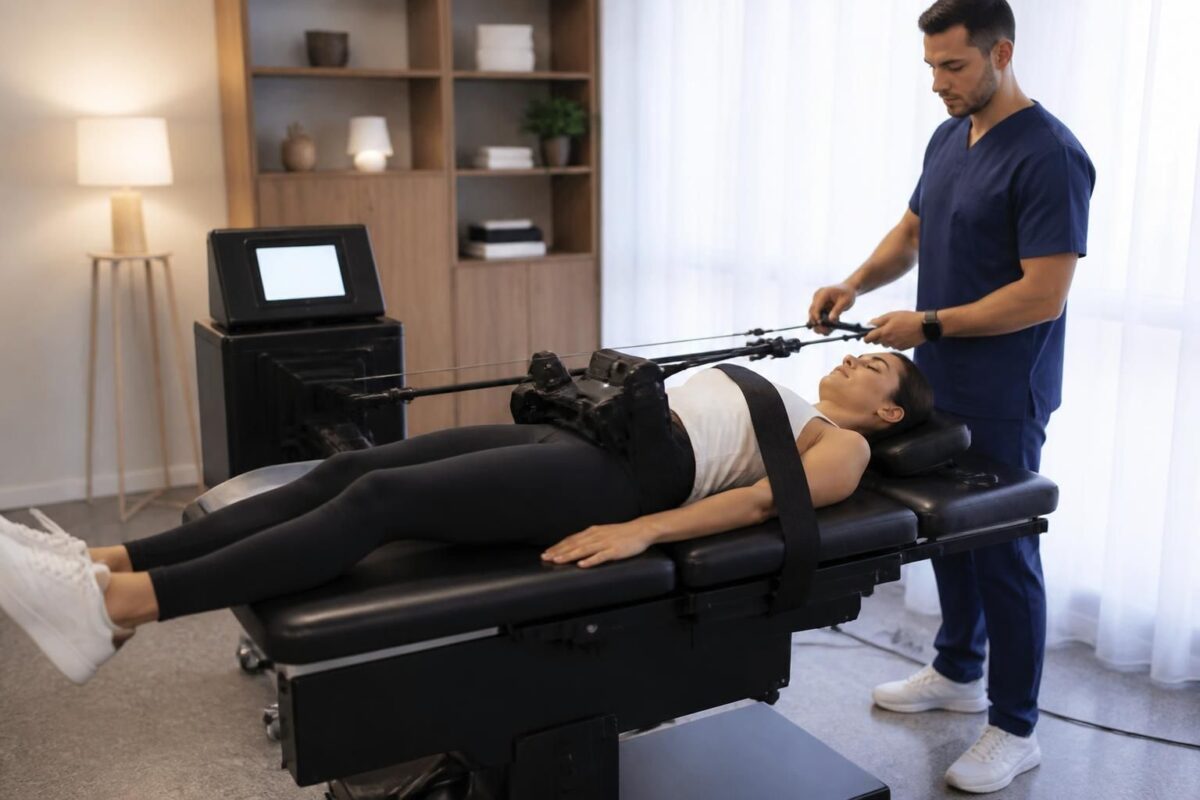
How neurovertebral decompression optimizes body alignment
In short In short, neurovertebral decompression is one Non-invasive therapy which aims to Reduce pressure on intervertebral discs and nerves via controlled traction of the spine. What does it bring? This makes it possible to correct the Postural imbalances and…
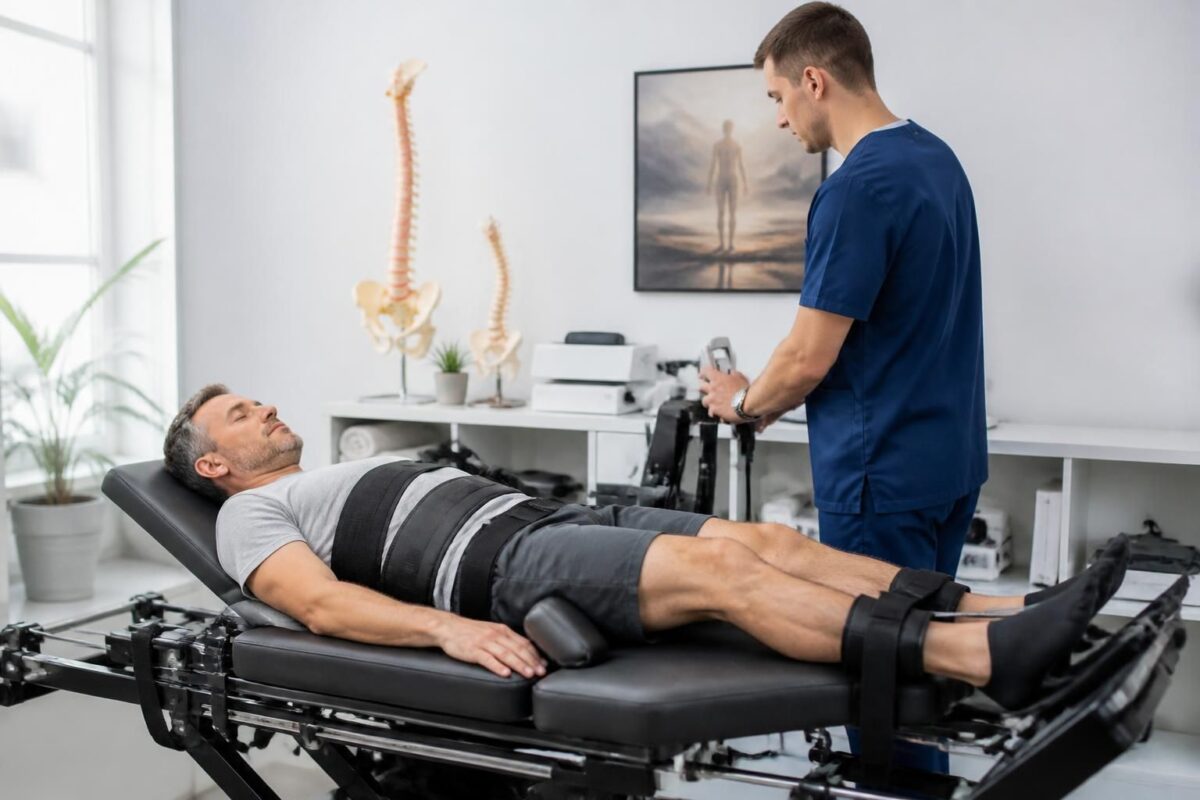
Neurovertebral decompression and post-traumatic pain management
In short In short, the neurovertebral decompression is one Non-invasive method which aims to reduce the pressure on gristle and the Intervertebral discs To treat pain post-traumatic and associated neuropathic pain. Its key advantages include theImproved flexibility of the column…
Mental and emotional benefits
Beyond the physical aspect, a structured program favorably influences psychological well-being. better controlled pain and regained mobility support better emotion and emotional stability, key motivation and perseverance factors.
Reduced anxiety and stress
Decreased pain releases mental stress and provides a feeling of quiet and internal security, facilitating more effective management of daily challenges and better concentration.
Self-esteem and social interactions
Regain sufficient mobility to participate in social activities reactive self-esteem and encourages the return to family and friendly ties. This reactivation of social interactions acts as a positive engine on mood and sense of belonging.
Sleep quality and emotional stability
A less painful physical condition is often associated with more restorative sleep. Better quality sleep enhances the regulation of emotions, improves resilience to stress and supports emotional stability sustainable.
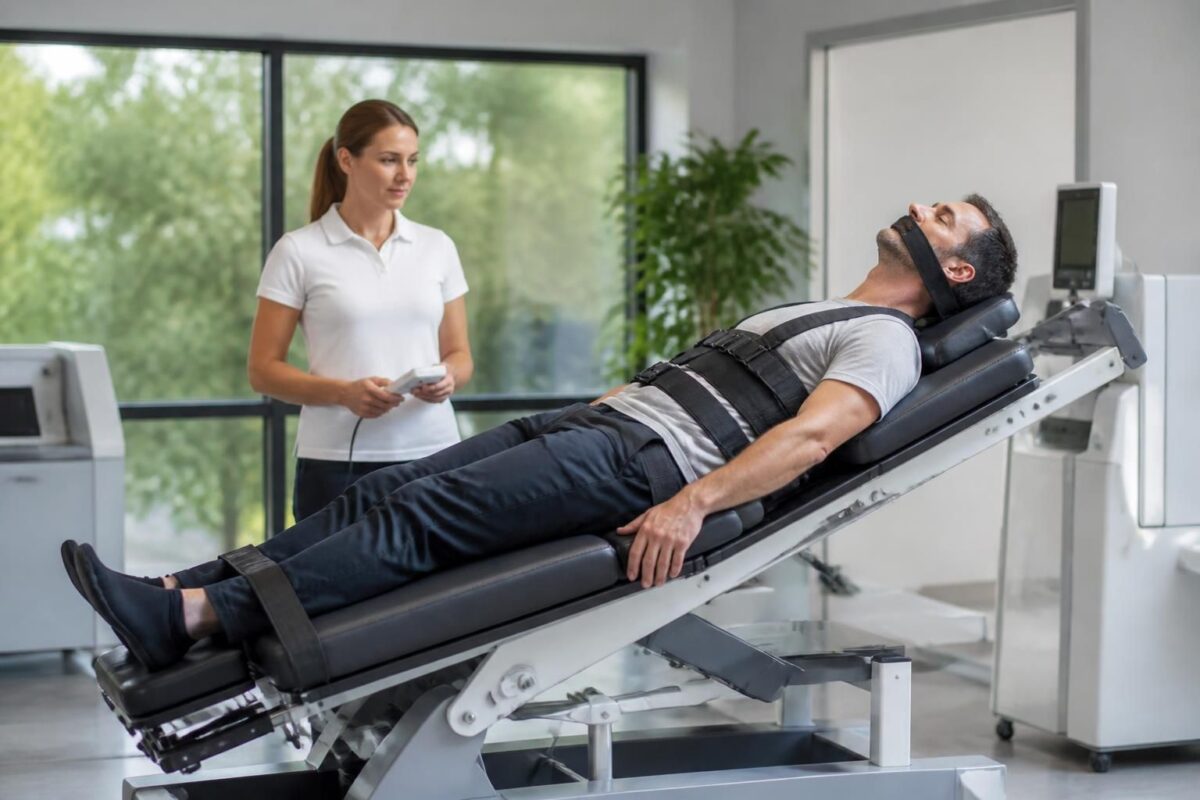
Why neurovertebral decompression is an essential preventive solution
In short In short, neurovertebral decompression is one Preventive solution non-invasive which aims to sustainably reduce the pressures on the discs and nerves. What is it? targeted therapy using Controlled traction on the column to create a Intra-discal vacuum, promote…
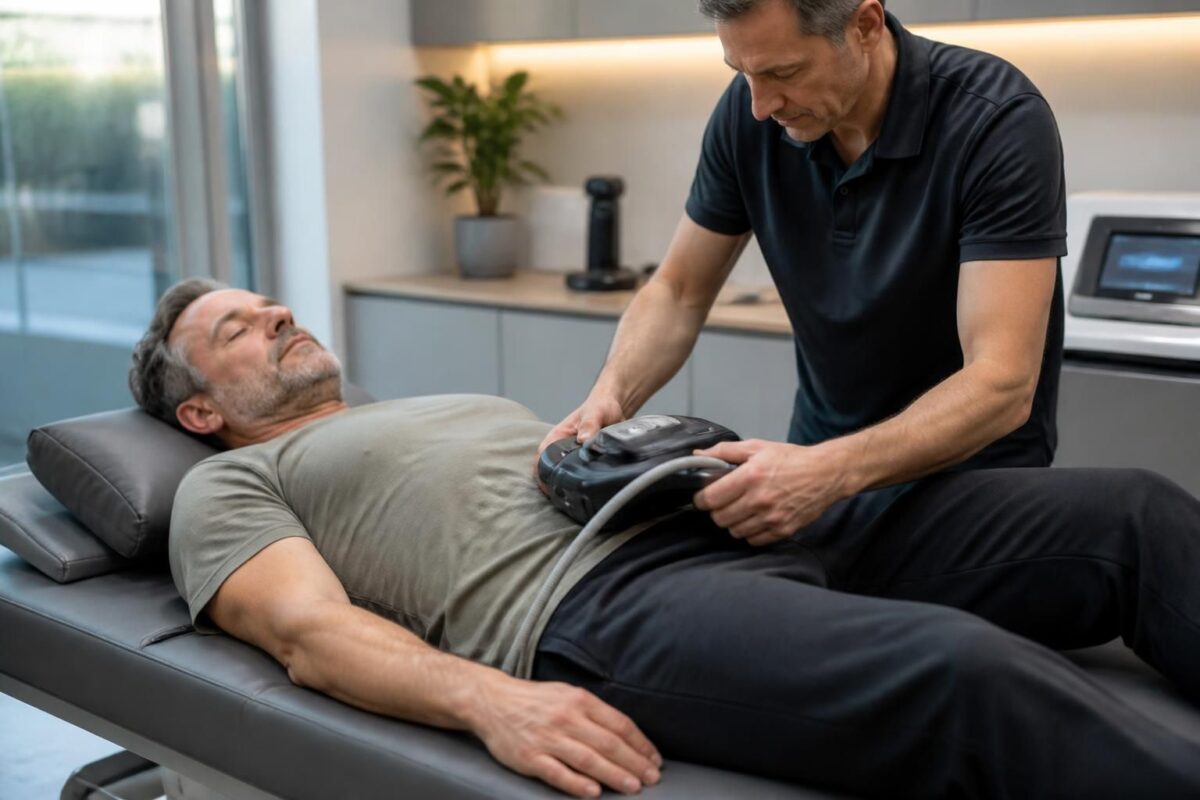
Neurovertebral decompression and treatment of chronic lumbar pain
In short In short, neurovertebral decompression is a technique non-invasive of Treatment of chronic lower back pain which reduces the Pressure on discs and nerves and can relieve the herniated discs and the disc degeneration. At Montreal, it offers a…
Practical recommendations to optimize the program
Frequency and protocol
favor a progressive approach with a regular frequency Sessions, for example 1 to 2 times a week at the beginning, then adjust according to the tolerance and the results observed. A personalized follow-up allows you to adapt the intensity and duration of the sessions to maximize the benefits.
Additional activities
Associate exercises Diaphragmatic breathing, relaxation techniques and gentle physical activity (walking, stretching) promotes better oxygenation, supports the diaphragm and amplifies the effects on the parasympathetic nervous system.
Security and tracking
Stay in close contact with your healthcare professional and communicate any new symptoms or pain. The overall assessment makes it possible to adjust the treatment safely and to ensure progress adapted to your needs and condition.
| Kindness | Concise description |
|---|---|
| Pain and mobility | pain reduction and renewed mobility, facilitating daily activities. |
| Sleep and recovery | Improved sleep and recovery, contributing to better emotional regulation. |
| Anxiety and stress | Decreased anxiety And stress, bringing more calm. |
| Mood and emotional balance | mood enhancement and a more positive attitude. |
| Self-esteem and autonomy | Restoring autonomy and building self-esteem. |
| social relations | Social openness and commitment, prevention of isolation. |
| Posture and breathing | Improved posture and more effective breathing. |
| relapse prevention | emotional stability and prevention of pain-related relapses. |
| Overall quality of life | Quality of life Improved overall thanks to the alliance of physical and psychological effects. |
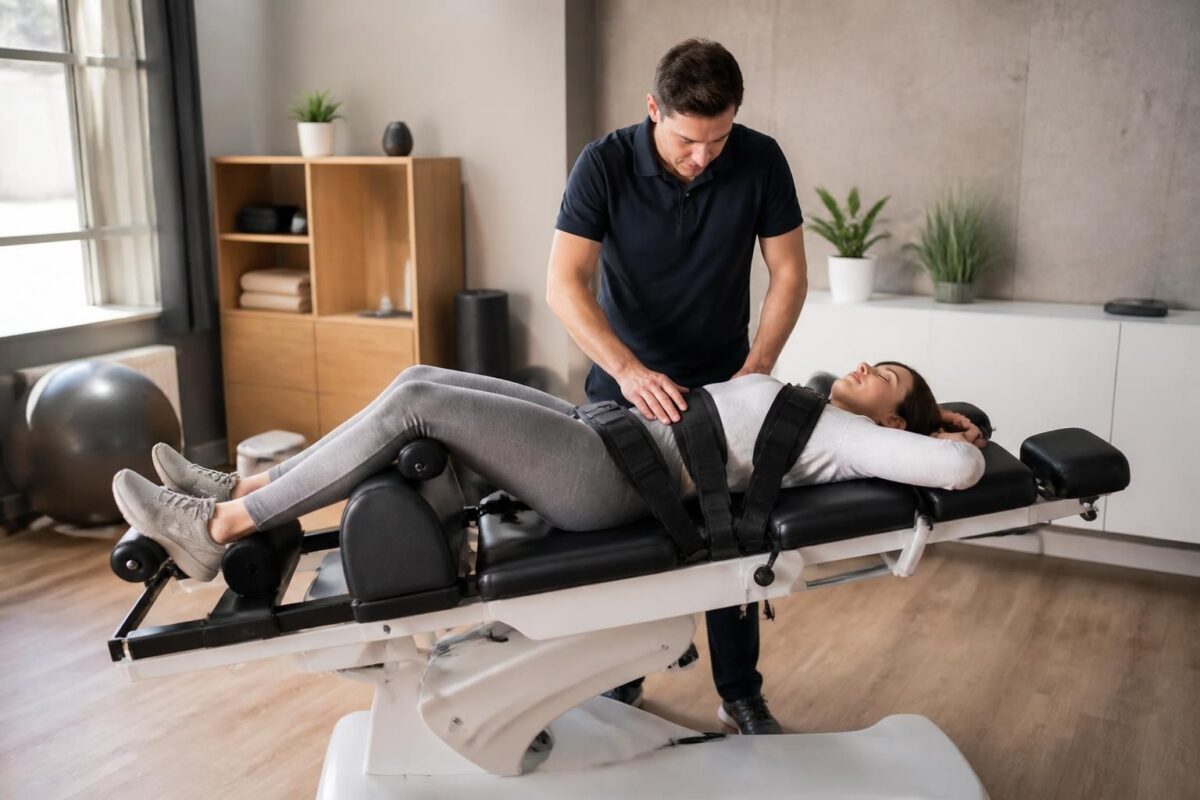
Neurovertebral decompression and relief of associated muscle pain
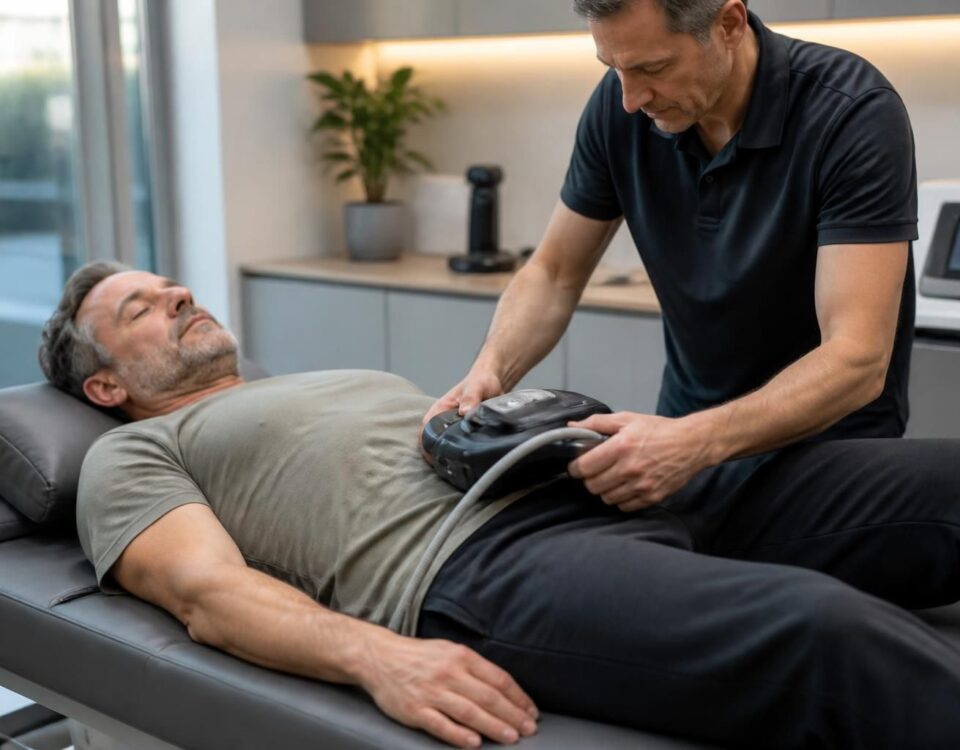
In short In short, the neurovertebral decompression is one Non-invasive approach which relieves the Associated muscle pain By applying a gentle traction on the spine for Release the intervertebral space and improve the circulation. Its advantages include reducing inflammation,Improving mobility…
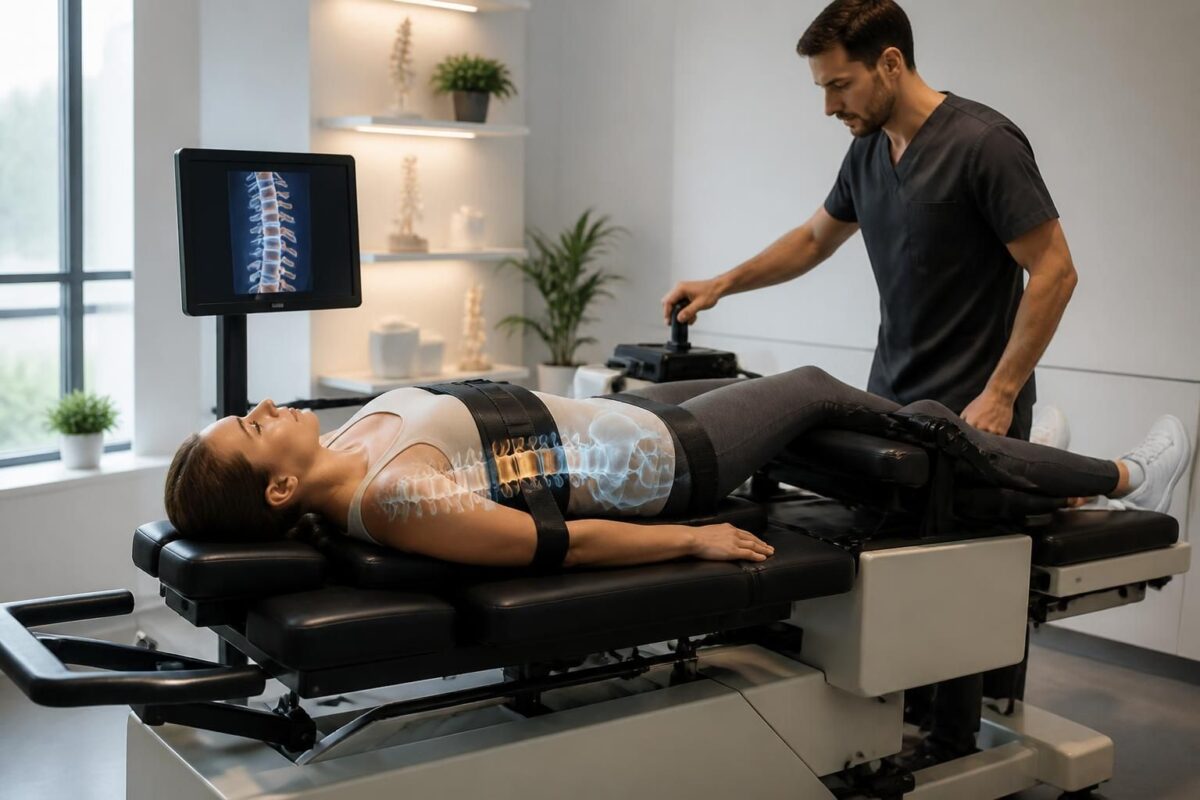
How neurovertebral decompression improves the function of intervertebral discs
In short In short, the neurovertebral decompression is one Non-invasive technique which applies a Controlled traction along the column to create a space between the vertebrae and reduce the Intradiscal pressure on the Intervertebral discs. This reduction promotes Disk retraction…
Testimonials on the physical and mental benefits of a neurovertebral decompression program
Marc, 58, suffered from chronic low back pain that limited his daily life. After several weeks of neurovertebral decompression, he describes a marked decrease in his pain and a gradual resumption of its mobility. “This improvement is one of PHYSICAL BENEFITS of the program, and it is accompanied by a revival on the plan mental benefits “, he specifies, citing a mood enhancement and stress reduction.
Sophie, 44, suffered from cervical tension and chronic fatigue. From the first weeks, she noted a pain reduction and a better neck amplitude, which facilitated his daily tasks and family activities. “I found a quality of sleep satisfactory and a trust me renewed, mental benefits who accompany the PHYSICAL BENEFITS of the program,” she says.
Alain, 67, has regained lasting energy and better posture at work. “The program allowed me to evacuate the morning stiffness and approach my days without heavy fatigue,” he explains. He points out that the PHYSICAL BENEFITS associate with a emotional stability and to a Anxiety Reduction, thus improving its quality of life.
Claire, 51, found the pleasure of dating her friends and spending time with her family. “Pain was a brake on my relationships, and today I find my social activities without inhibition,” she says. She talks about a Improving mobility and one mental well-being reinforced by the regularity of the sessions, which also improved its sleep.
Benoit, 39, regularly practicing sport, was able to resume light racing and training. “More pain, more freedom of movement,” he says. He notes PHYSICAL BENEFITS such as less lower back pain and better recovery, and mental benefits as greater motivation and better focus on your goals.
Nathalie, 63, describes a positive cycle reinforced by work on breathing and relaxation. “I slept better, less tension in the rib cage and a lasting feeling of inner calm,” she testifies. She talks about a emotional balance found and a confidence gain which helps him to maintain a light and regular physical activity, faithful to his program.
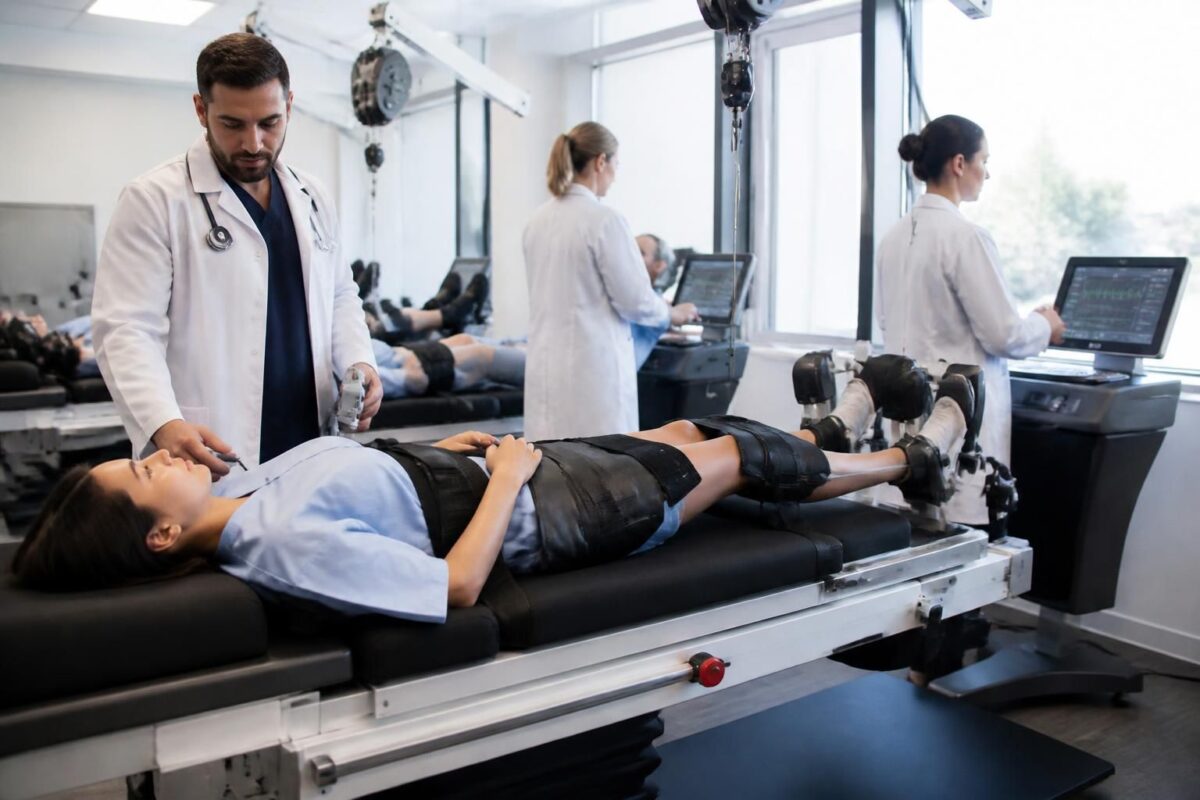
Advanced protocols for patients with neurovertebral decompression
In short In short, neurovertebral decompression is one Non-invasive technique which releases the pressure on the discs and nerves by a Controlled traction computer-guided. What is it? a series of Advanced Protocols adapted to the severity of lumbar or cervical…
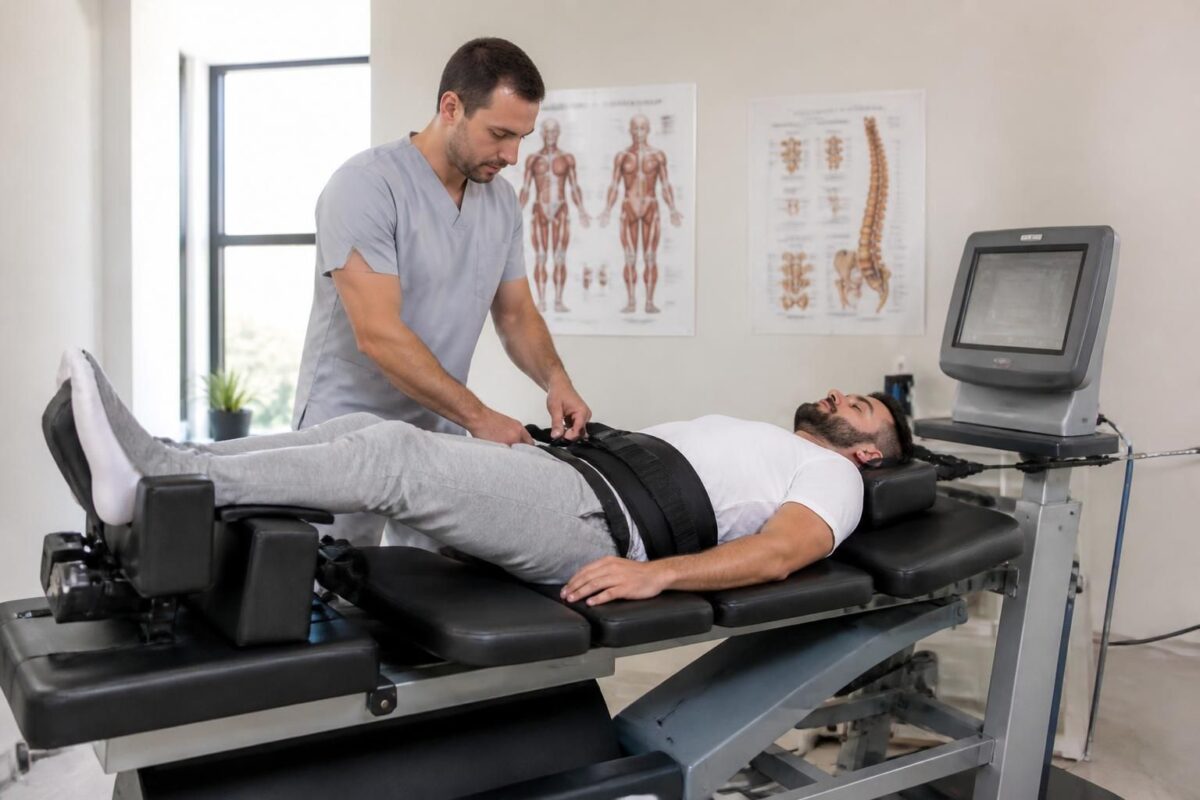
Neurovertebral decompression and prevention of disc complications
In short In short, the neurovertebral decompression is one Non-invasive technique to Reduce pressure on intervertebral discs and nerves. It promotes the Tissue regeneration and the Prevention of disc complications such as The disc herniation, The disc bulge and the…
Professional biography: the physical and mental benefits of a neurovertebral decompression program
Dr. Sylvain Desforges, osteopath and expert in manual medicine, occupies a prominent place in health care innovation. Founding President of the Tagmed and Pulse Align clinics and the ACMA association, he developed an integrated approach focused on chronic pain management and the adoption of advanced technologies. His journey illustrates a constant quest for evidence-based results, serving patients seeking to optimize their health and well-being. Through his teams, he highlights the possibilities offered by the neurovertebral decompression as a lever for sustainable care and improved quality of life.
The neurovertebral decompression is presented as a non-invasive method that acts directly on the mechanisms of pain related to the spine. By reducing the pressure on the intervertebral discs and nerves, it helps to reduce lumbar and cervical discomfort and restore a more fluid motor function. From a physical point of view, its effects often result in reduced pain, better range of motion and a more stable posture. This approach can also promote better circulation and optimized tissue oxygenation, which contributes to more restorative sleep and regained energy on a daily basis.
On the psychological level, the benefits are just as significant. Less pain correlates frequently with reduced anxiety and stress, and improved mood and self-esteem. The return to mobility and autonomy gives patients regained confidence to resume social, professional and family activities, strengthening ties and personal esteem. In addition, physical stability supports better emotional regulation and greater resilience to everyday challenges, cultivating a general sense of well-being.
Dr. Desforges promotes a multimodal approach that combines the neurovertebral decompression complementary techniques, including diaphragmatic breathing exercises, gentle physical activities, and appropriate psychological support. The objective is to create a synergy between body and mind in order to sustainably relieve pain, improve diaphragmatic function and promote more serene management of emotions. This framework also incorporates mindfulness practices and healthy lifestyles to prolong the beneficial effects and consolidate the results obtained.
Patient feedback evokes an overall improvement in the quality of life: better quality of sleep, stress reduction and renewed energy that allow you to rediscover pleasant activities and reconnect with loved ones. The increase in mobility and endurance supports autonomy and self-esteem, while encouraging a gradual resumption of personal projects. With this in mind, the program is designed as a sustainable solution that seeks to reduce drug dependence and promote holistic and sustainable health.
The protocol, implemented within the structures of the TagMed Group and its partners, remains dynamic and adapts to each patient thanks to personalized monitoring and continuous evaluation of the results, in order to ensure an ever more appropriate and effective care.
This article highlights the PHYSICAL BENEFITS and minds of a program of neurovertebral decompression, showing how reducing disc pressure and improving mobility translates into better quality of life and enhanced emotional balance. Beyond pain relief, this approach is part of a global approach that can increase energy, motivation and self-confidence.
Synthesis
From the standpoint physical, the neurovertebral decompression acts by reducing the pressure on the nerves and discs, which improves the mobility, reduces pain and promotes better posture and an circulation blood. These effects are often reflected in more restful sleep and easier recovery in daily activities.
From the standpoint mental, pain reduction alleviates anxiety and stress, improves mood and boosts self-esteem. The resumption of social and family activities, provided by relief, contributes to reducing isolation and strengthening social support.
This approach is generally multimodal and personalized: it combines decompression sessions with exercises Diaphragmatic breathing, psychological therapy tools (CBT or ACT), and, if necessary, specific interventions such as vocal exercises, while favoring relaxation and mindfulness techniques in order to establish a emotional stability sustainable.
To illustrate impact and results, you can view resources on Expected results after a neurovertebral decompression program and on the physiological and psychological benefits described in various publications and testimonies, including analyzes of Dr. Sylvain Desforges and the reports of natural resources.
To deepen emotional and neurological aspects, articles on emotional impact and patient testimonies offer concrete examples of benefit amplification: for example The emotional-neurological impact.
resources like Medi-Lum and the TagMed program describe mechanisms and benefits, including quick results and improved quality of life.
Note: This information does not replace the advice of a health professional. Always consult your doctor for any medical questions and to adapt the treatment to your individual situation.

Dr Sylvain Desforges, B.Sc., D.O., N.D., osteopath, is the founding president of TAGMED and of the ACMA association. He dedicates his practice to chronic spinal pain, low back pain and symptoms compatible with sciatica, particularly when pain radiates toward the buttock, leg, calf, foot or toes.
Through SOS Sciatique, he publishes educational content on sciatica symptoms, possible causes such as disc herniation, disc narrowing, foraminal stenosis or irritation of a lumbar nerve root, as well as non-surgical approaches that may be considered according to the evaluation. At Clinique TAGMED, care may include, depending on the case, motorized neurovertebral decompression, specific osteopathic care or precision percussion.
For an evaluation related to sciatica treatment in Montreal / Mount Royal or sciatica treatment in Terrebonne, please consult the services available at Clinique TAGMED.
Medical disclaimer
The information published on SOS Sciatique is provided for educational purposes only and does not replace a consultation, diagnosis, opinion or treatment provided by a physician or another authorized healthcare professional. The author of this article is neither a medical doctor nor a specialist in a medical specialty recognized by the Collège des médecins du Québec. The osteopathic, manual medicine or functional support approaches described on this site do not constitute medical acts and are not intended to replace medical follow-up.
Consult a physician or emergency service in cases of loss of bladder or bowel control, anesthesia in the saddle area, significant or progressive weakness in the leg or foot, fever, recent trauma, severe pain or rapid worsening of symptoms. For more details, please read our Legal Notice.