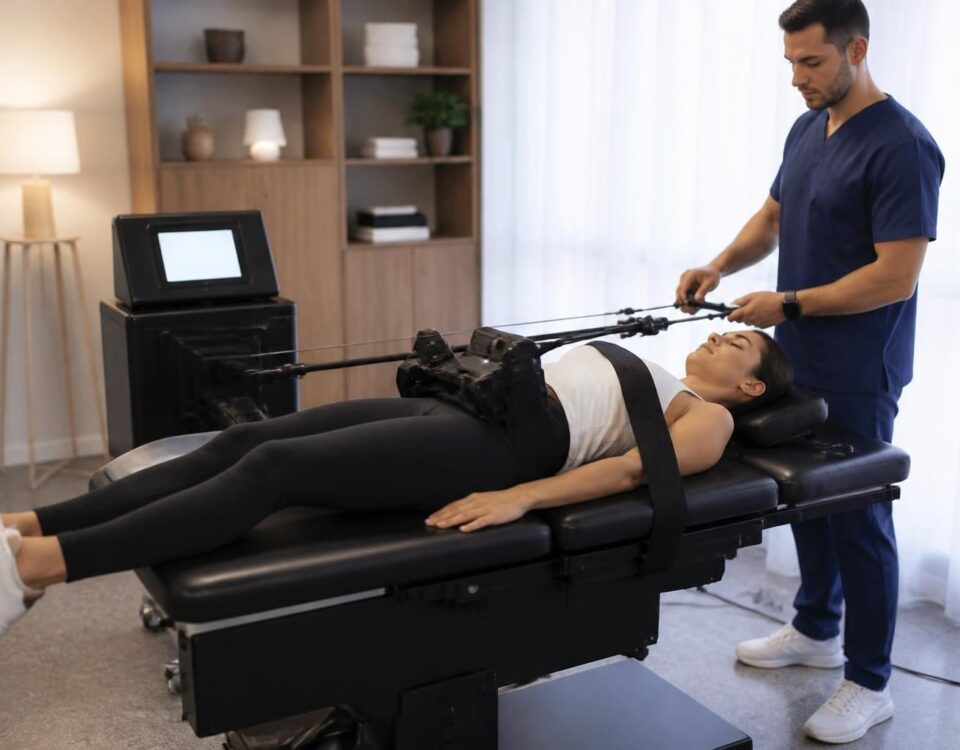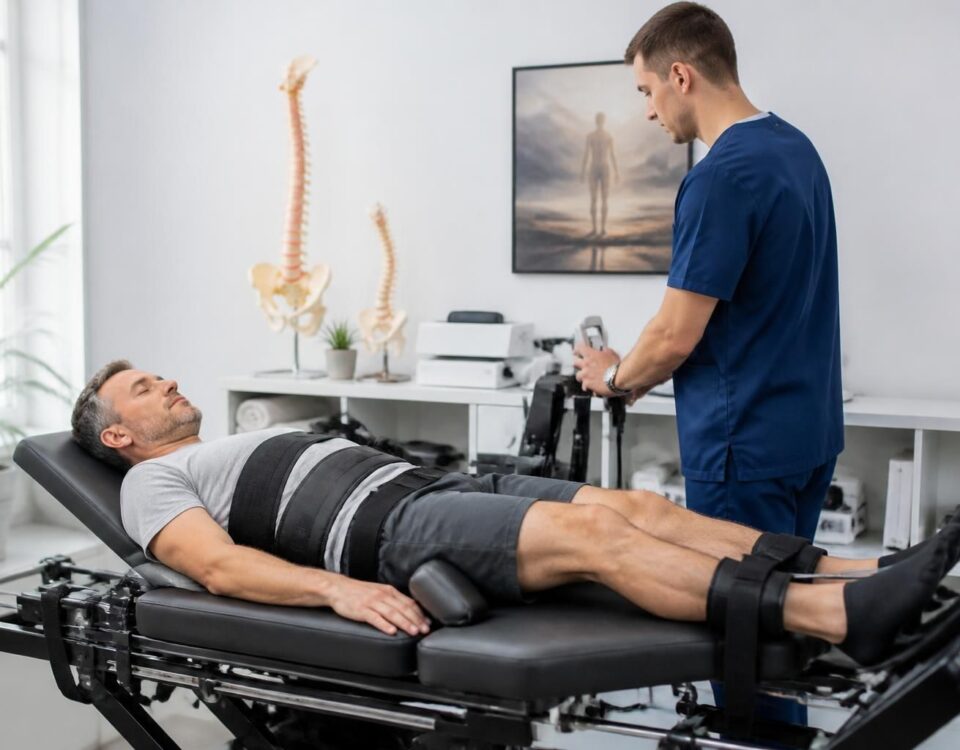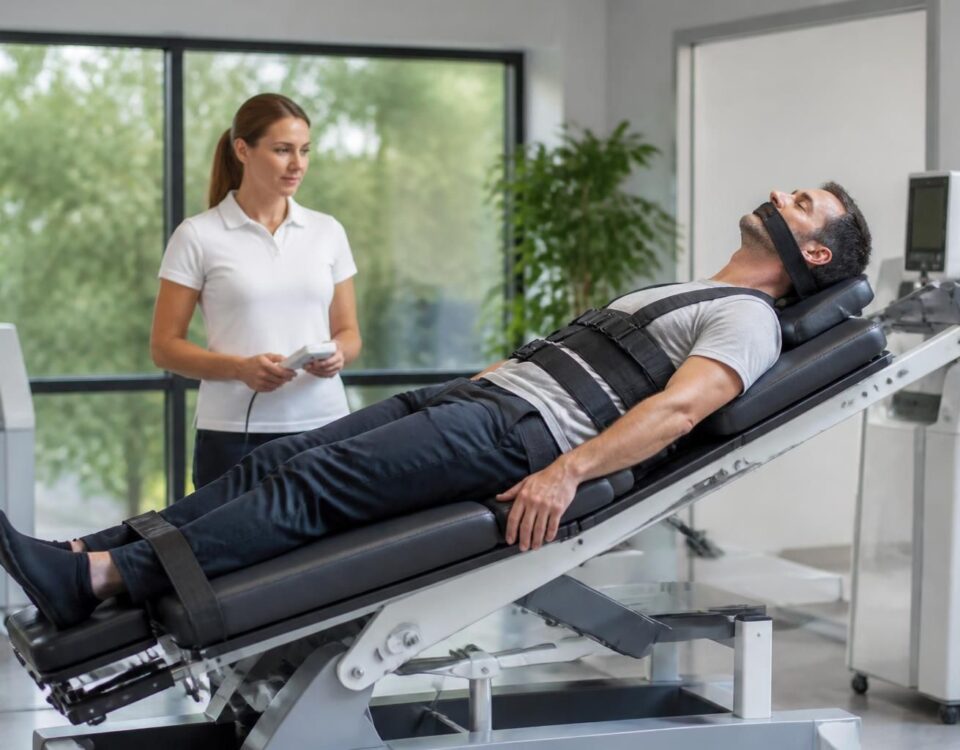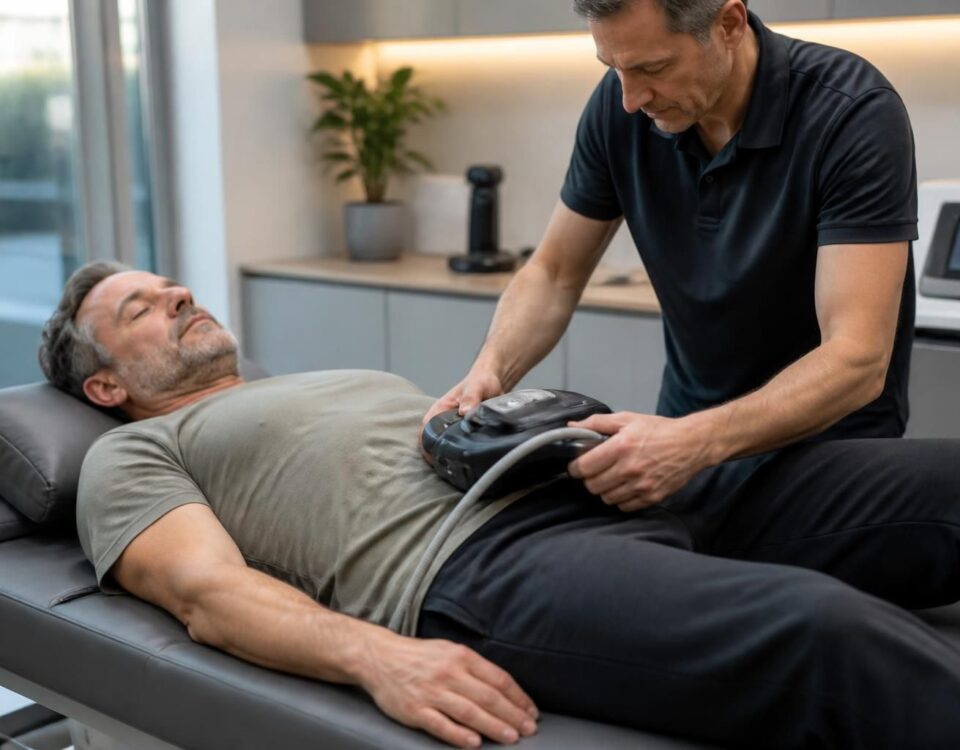


Advanced protocols for patients with neurovertebral decompression
26/06/2026
Neurovertebral decompression and relief of associated muscle pain
26/06/2026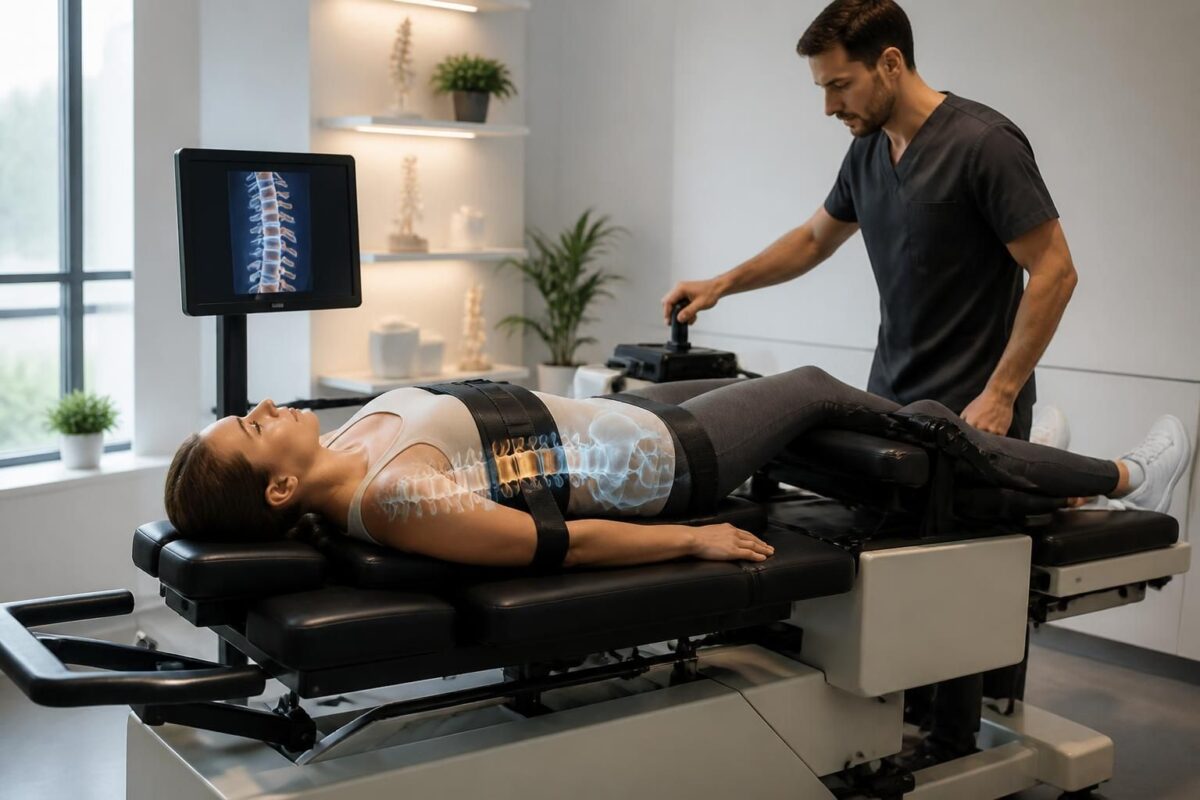
In short
| In short, the neurovertebral decompression is one Non-invasive technique which applies a Controlled traction along the column to create a space between the vertebrae and reduce the Intradiscal pressure on the Intervertebral discs. This reduction promotes Disk retraction and improves the Diffusion of nutrients and the Disc rehydration. Typical effects include a pain relief, a better mobility and a decrease in nervous symptoms. The treatment is non-surgical and personalized, with protocols allowing a rapid resumption of activities. In Montreal, this service is particularly relevant for patients withherniated discs, of disc degeneration or of sciatica refractory to conventional treatments. |
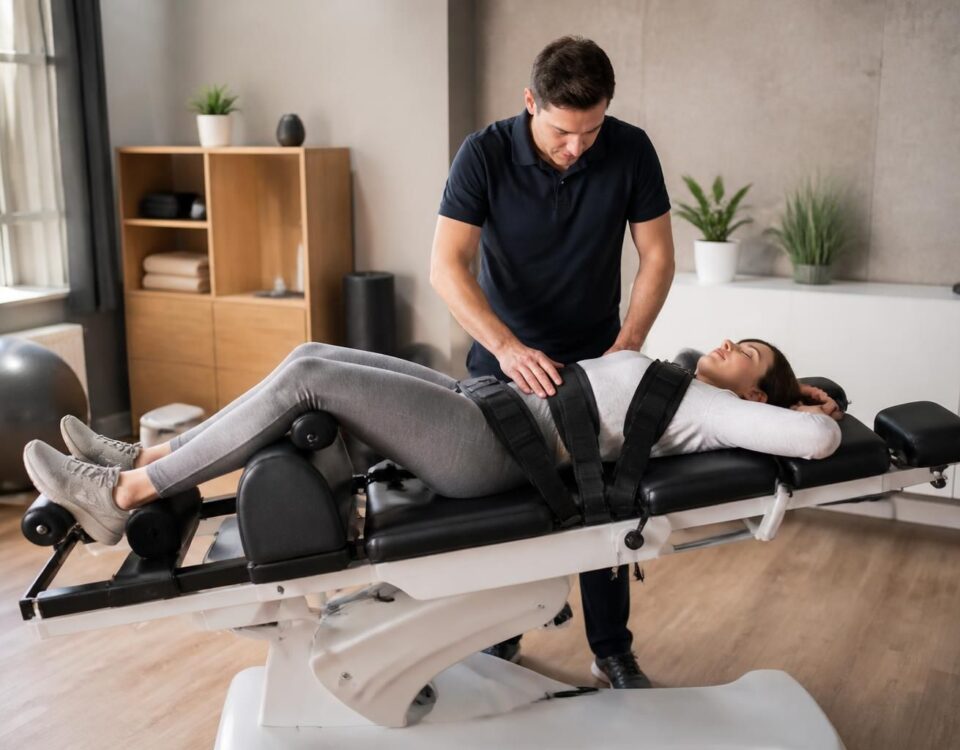
The neurovertebral decompression is one Non-invasive technique which applies a Controlled traction along the column, creating a space between the vertebrae and decreasing Intradiscal pressure.
- pressure reduction in the discs, favoring the Retraction of herniated or domed discs.
- Hydration and nutrition : the pressure drop improves the Diffusion of water, oxygen and nutrients towards the pulpy nucleus.
- Healing and regeneration : by creating a favorable environment, it stimulates the natural mechanisms of disc repair.
- Mobility and pain : pain reduction and improvement in vertebral mobility, contributing to a better damping function.
It is particularly suitable for disc pathologies such as herniated discs, the bulges and the disc degeneration And can be considered before more invasive options.
Quick summary: decompression neurovertebral Acts directly on the intervertebral discs. It reduces the Intradiscal pressure, promotes the Disc rehydration and improves the Diffusion of nutrients to disks. The result is a better mobility and a decrease in pain, without surgery. This approach is based on protocols recognized by trainings such as NUMSS and NAO and is implemented in TagMed clinics, in particular in coordination with the services of TagMed and Pulse Align.
Principle and mechanism
The neurovertebral decompression Creates a space between the vertebrae and exerts controlled traction along the column. This effect generates negative pressure inside the disc, which promotes Retraction of hernias and bulges discs and decreases compression on neighboring nerves. This action also facilitates the possible loss of materials moved outside the spinal canal and allows the disc to regain its shape and amplitude.
Key physiological mechanisms
The reduction of Intradiscal pressure allows a better Diffusion of nutrients, water and oxygen to the pulpy nucleus and theannull fibrous. This renewed hydration contributes to the softened rigidity and returning disc damping properties. At the same time, targeted traction focuses the action on the affected discs, which supports the body’s natural healing mechanisms and can decrease the associated pain.
Indications and safety
This approach is particularly appropriate when the signs come from slipped disc, of disc degeneration or root pain related to damaged discs. The protocol is non-invasive and does not require anesthesia. Each patient benefits from an individualized plan and pre-treatment assessment is essential to rule out contraindications and ensure optimal safety.
Impact on disk function
The intervertebral discs return to a more hydrated and flexible state. This improves the vertebral mobility and the damping function, which can reduce pain and restore daily activities. The effects are gradually manifested over the sessions and are aligned with the clinical indications established by the recognized vocational training.
Technological integration and evidence
Modern systems use sensors and computerized controls to adjust amplitude and traction rate, allowing an approach personalized and precise for each disc. This technology is part of an evidence-based care approach and can be followed by TAGMED professionals and PULSE ALIGN partners. To learn more about how it works, you can consult the following resources:
How it works /
vertebral decompression — natural treatment /
Optimizes recovery after surgery /
Post-surgical pain /
Nervous tissue regeneration tablets /
bulge disc
Practical elements and safety of the care pathway
The treatment is generally well tolerated and can be carried out over a period of several weeks depending on the severity of the case. The clinical framework is based on established protocols and selection criteria. As part of training and practices, the approach is aligned with the standards of recognized institutions such as Numss and NAO, and it is part of the practices of the Canadian Alliance of Alternative Medicine (ACMA) and Canadian Osteopathy Organizations.
Resources and critical thinking
Complementary resources have varied perspectives on neurovertebral decompression and its applications. To learn more, refer to the specialized pages and expert opinions available on the affiliate sites mentioned above. The objective is to understand the technological framework and the mechanisms without replacing a personalized medical consultation.
Additional considerations and prevention
Neurovertebral decompression is a non-surgical option to improve disc function and mobility. It can help reduce symptoms and stabilize pain level in patients not responding to other treatments. For patients wishing to prevent future pain episodes, the focus is on maintaining disc health and reducing aggravating mechanical factors.
Prevent recurrences Goes through appropriate monitoring and targeted interventions when the signs reappear. Additional resources explain how this approach can be integrated into a global wellness journey offered by TagMed and the partners.
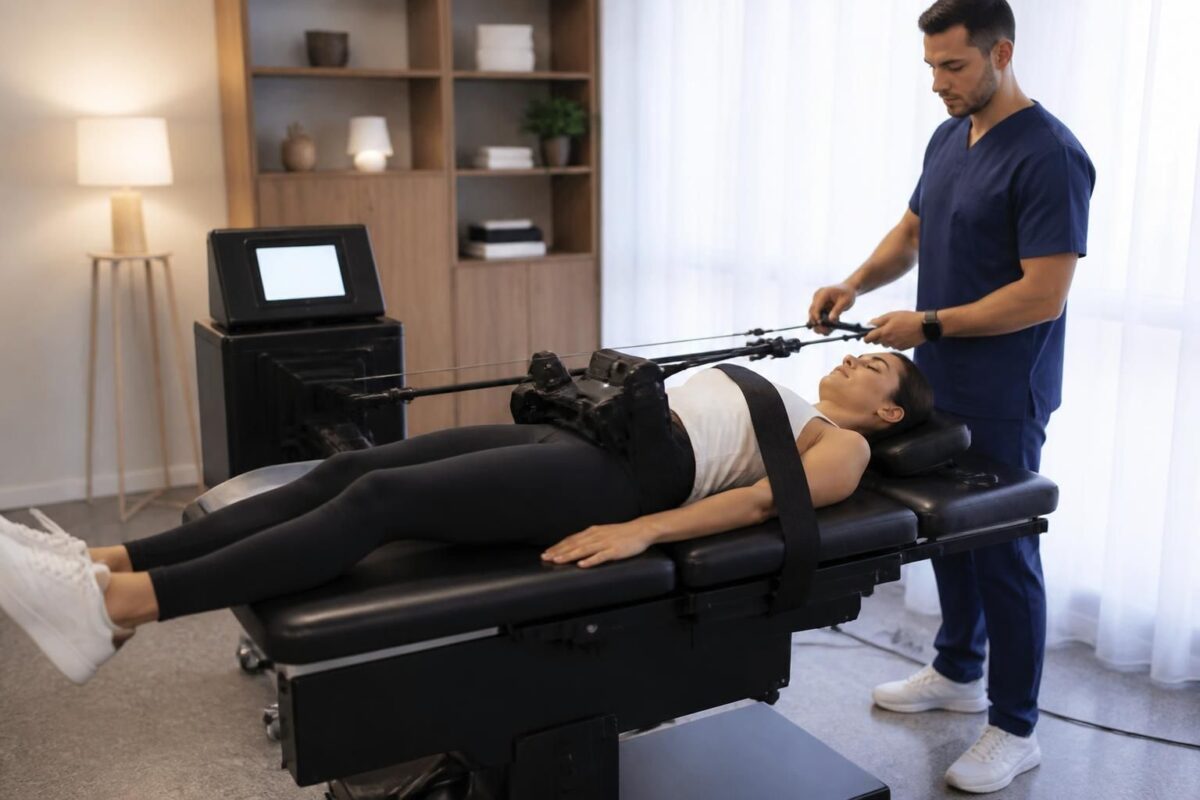
How neurovertebral decompression optimizes body alignment
In short In short, neurovertebral decompression is one Non-invasive therapy which aims to Reduce pressure on intervertebral discs and nerves via controlled traction of the spine. What does it bring? This makes it possible to correct the Postural imbalances and…
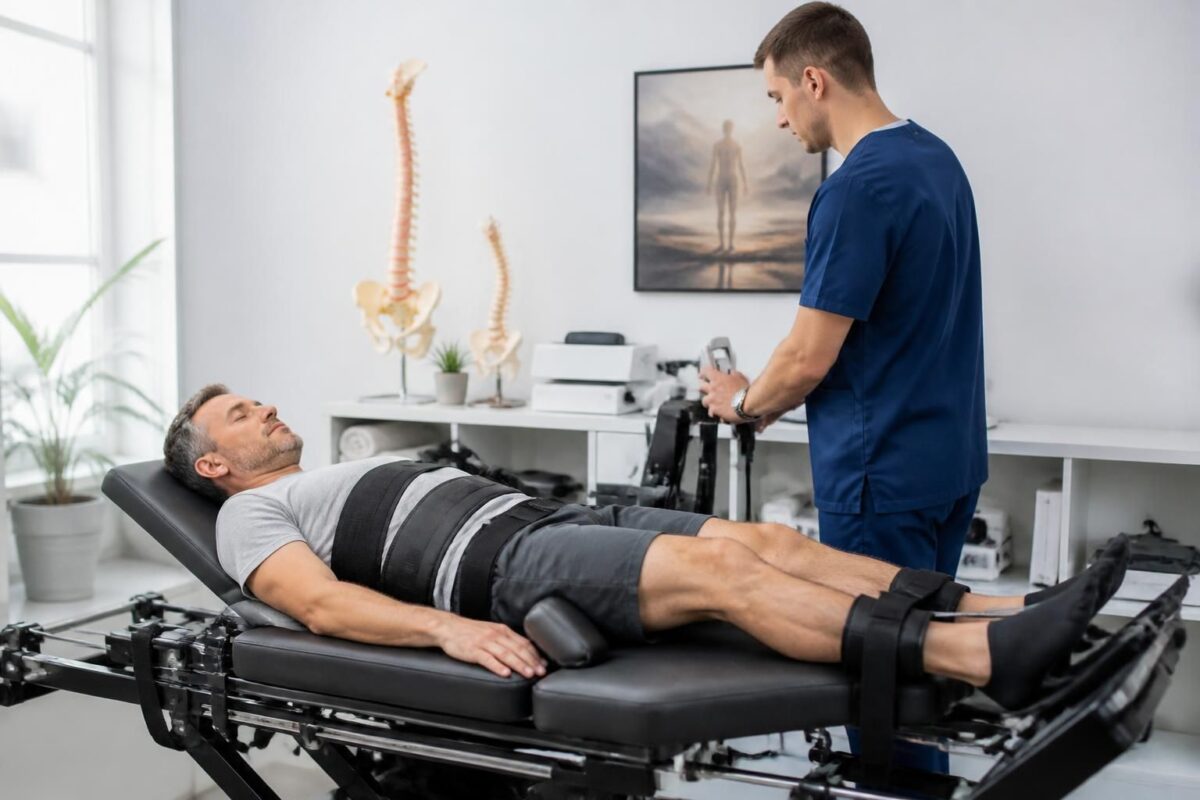
Neurovertebral decompression and post-traumatic pain management
In short In short, the neurovertebral decompression is one Non-invasive method which aims to reduce the pressure on gristle and the Intervertebral discs To treat pain post-traumatic and associated neuropathic pain. Its key advantages include theImproved flexibility of the column…
frequently asked questions
What conditions are treated by neurovertebral decompression? Pain associated with discs affected by protrusion or degeneration can be addressed by this approach.
How many sessions are typically needed? A current program consists of between 15 and 25 sessions, depending on the severity.
Is decompression suitable after surgery? This option can be considered when the symptoms remain after an intervention, under medical evaluation.
Can decompression prevent future pain? Yes, by improving the health and hydration of the discs and reducing nerve compressions.
For more information, see additional resources: the technology and Other technological analyses.
In addition, pages dedicated to TAGMED and the clinical approach describe the role of decompression in the regeneration of nerve tissue and functional improvement, without requiring specific exercises for the processing of discs, in order to favor the safety and effectiveness of the Clinic.
Additional information links:
Nervous tissue regeneration tablets,
Decompression — Operation,
Natural treatment for your back.
References and vocational training: Protocols and practices are part of the standards of NUMSS and NAO training, and are developed under the aegis of professional associations such as ACMA and the Canadian orders concerned. Practical resources and feedback support the overall effectiveness of this approach in the context of TAGMED clinic care and associated services.
Medical Disclaimer: The information and advice provided on this site does not replace the health professional’s diagnosis or treatment. Please note that Dr. Sylvain Desforges osteopath is neither a doctor of medicine nor a doctor, and is not a specialist in a medical specialty as defined by the Collège des Médecins du Québec. Manual medicine, functional medicine and sports medicine as described on this site exclude any medical treatment or diagnosis carried out by a doctor or specialist doctor. Always consult your doctor for any medical questions. For more details, please read our full legal notice.
- Targeted traction : creates a negative pressure which promotes the Retraction of disc protrusions.
- Expansion of space intervertebral to reduce the nervous pressure.
- Decreased intradiscal pressure and improvement of Nutritional diffusion.
- Disc rehydration Facilitated by blood flow and intake of water and nutrients.
- Elasticity and resilience increased disc, improving damping.
- Natural healing Stimulated by a favorable environment and reduction of inflammation.
- Improved mobility and damping function Discs, facilitating movements.
- Sustainable reduction pain and improvement of daily activities.
- Prevention of recurrences thanks to maintaining the integrity and alignment of the discs.
- Non-invasive option which avoids surgery while supporting discs.

This recommendation describes how the neurovertebral decompression Improves the Function of intervertebral discs by acting on their mechanics and nutrition. by a Controlled traction, it creates a space between the vertebrae and decreases Intradiscal pressure, facilitating the retraction of protrusions and promoting the water and nutritional intake necessary for the health of the disc.
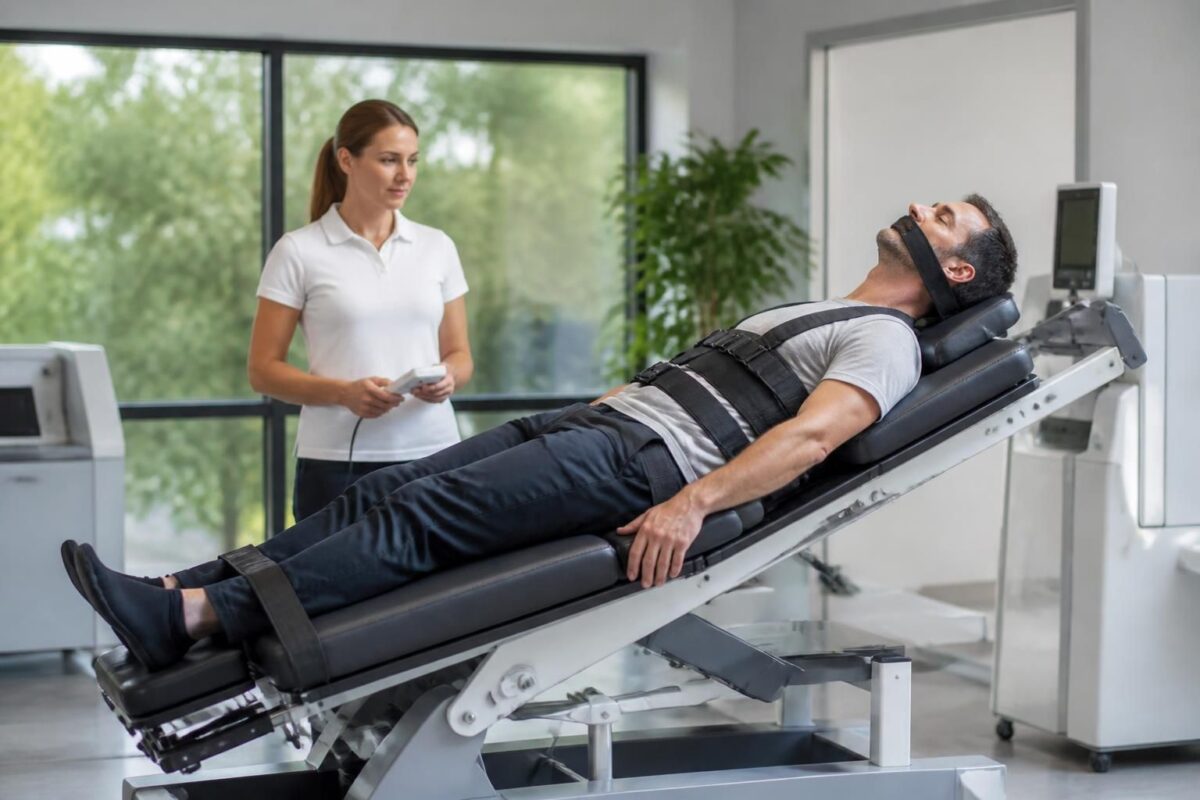
Why neurovertebral decompression is an essential preventive solution
In short In short, neurovertebral decompression is one Preventive solution non-invasive which aims to sustainably reduce the pressures on the discs and nerves. What is it? targeted therapy using Controlled traction on the column to create a Intra-discal vacuum, promote…
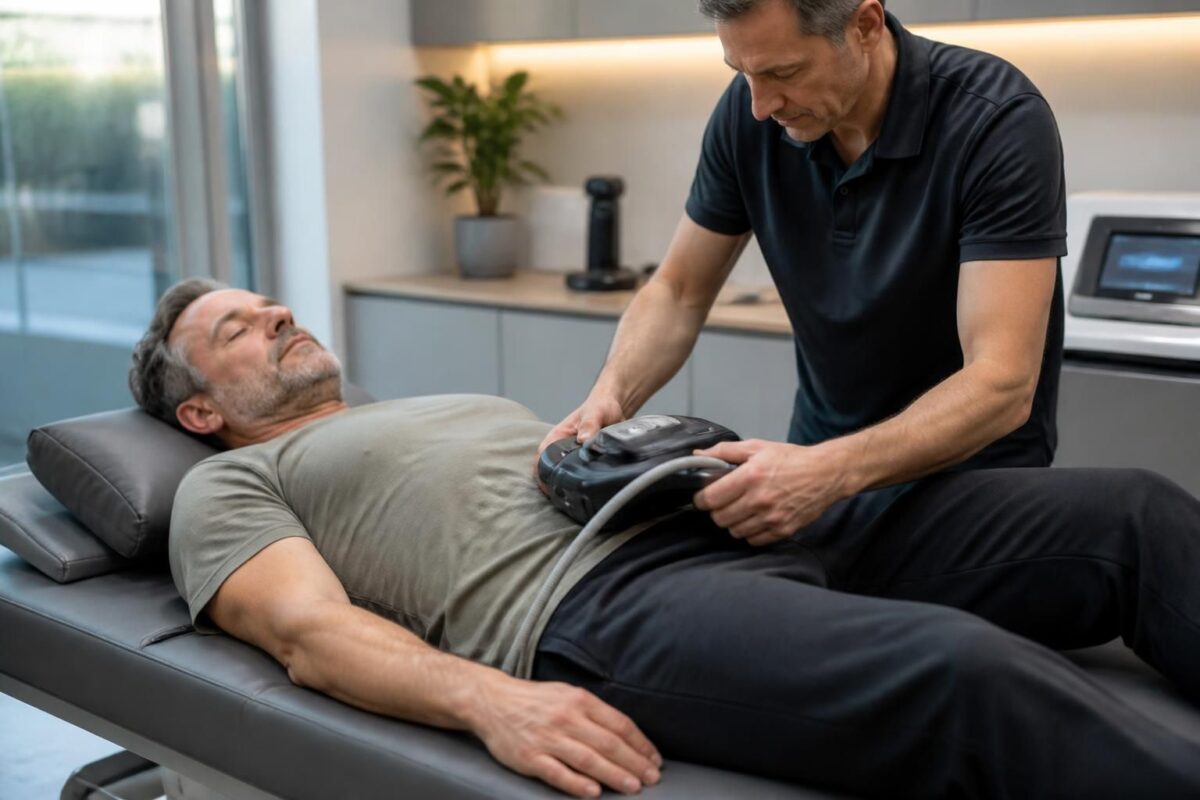
Neurovertebral decompression and treatment of chronic lumbar pain
In short In short, neurovertebral decompression is a technique non-invasive of Treatment of chronic lower back pain which reduces the Pressure on discs and nerves and can relieve the herniated discs and the disc degeneration. At Montreal, it offers a…
Physiological principles
The main mechanism is based on a Intradiscal negative pressure when the column is elongated and stabilized. This pressure decrease allows Disk retraction affected and reduced compression on adjacent nerves. At the same time, the increase in the intervertebral space facilitates nutrient diffusion, water and oxygen to the pulpy nucleus, conditioning a Disc rehydration and restoration of disc viscosity and damping.
These effects promote disc mobility and the reduction of local inflammatory signals. By leading to better tissue nutrition and a decrease in mechanical stress, decompression supports the ability to Natural repair disc and can help alleviate pain associated with irritative stasis of nerve roots.

The physical and mental benefits of a neurovertebral decompression program
In short In short, the program of neurovertebral decompression is one Non-invasive approach which aims to underline the Chronic pain and improve the Physical and mental well-being. What is it? A technique that decreases pressure on discs and nerves to…
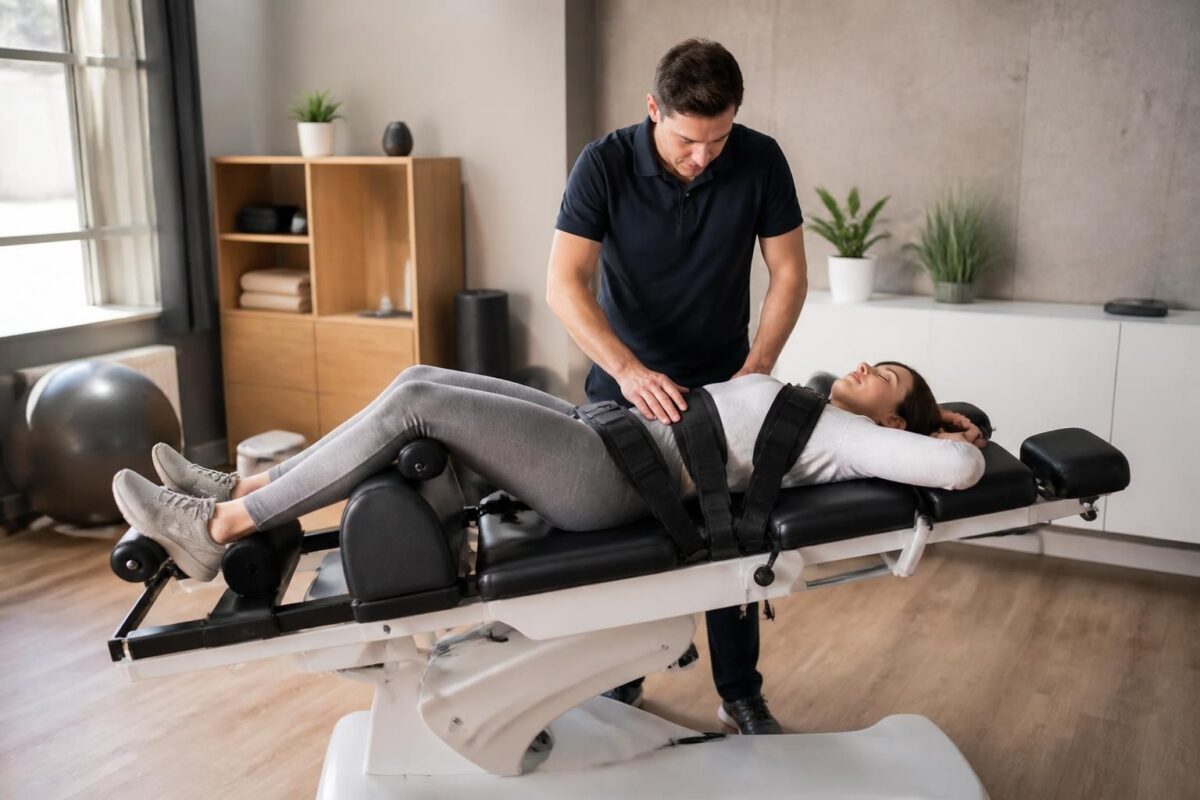
Neurovertebral decompression and relief of associated muscle pain
In short In short, the neurovertebral decompression is one Non-invasive approach which relieves the Associated muscle pain By applying a gentle traction on the spine for Release the intervertebral space and improve the circulation. Its advantages include reducing inflammation,Improving mobility…
Optimization Strategies
Pre-treatment assessment
Before initiating a decompression session, perform a Full assessment is essential. Confirm <Disc state> By imaging, checking the absence of major contraindications and identifying the discs most likely to respond (protrusions, disc herniations and targeted degenerations). Adapting the treatment according to the affected level and the symptoms helps optimize the results and minimize transient discomfort.
Settings and protocol
Using appropriate protocols for each patient is essential. In practice, a typical program can include 15 to 25 sessions Spread over several weeks, with traction cycles targeted at the relevant disc levels. Adjusting the angle and tensile intensity based on patient responses and comments ensures traction Secure and personalized. The goal is to get a gradual pain reduction and a gradual improvement in mobility.
Patient integration and preparation
To maximize profits, combine decompression with exercises muscle building, stretching and a Postural education is recommended. This complementary work increases spinal support, prolongs the beneficial effects and reduces the risk of recurrence. Informing the patient about the sensations expected during and after the sessions, and planning progression steps, promotes adherence and overall satisfaction.
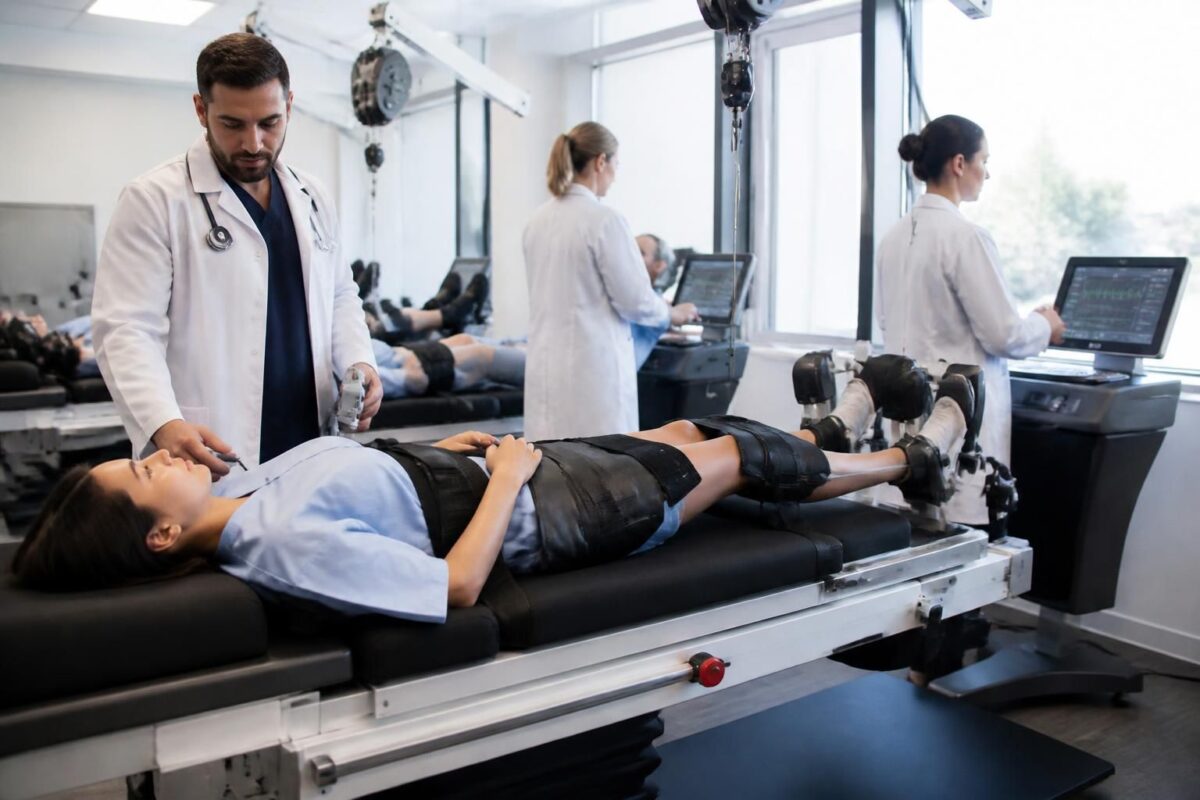
Advanced protocols for patients with neurovertebral decompression
In short In short, neurovertebral decompression is one Non-invasive technique which releases the pressure on the discs and nerves by a Controlled traction computer-guided. What is it? a series of Advanced Protocols adapted to the severity of lumbar or cervical…
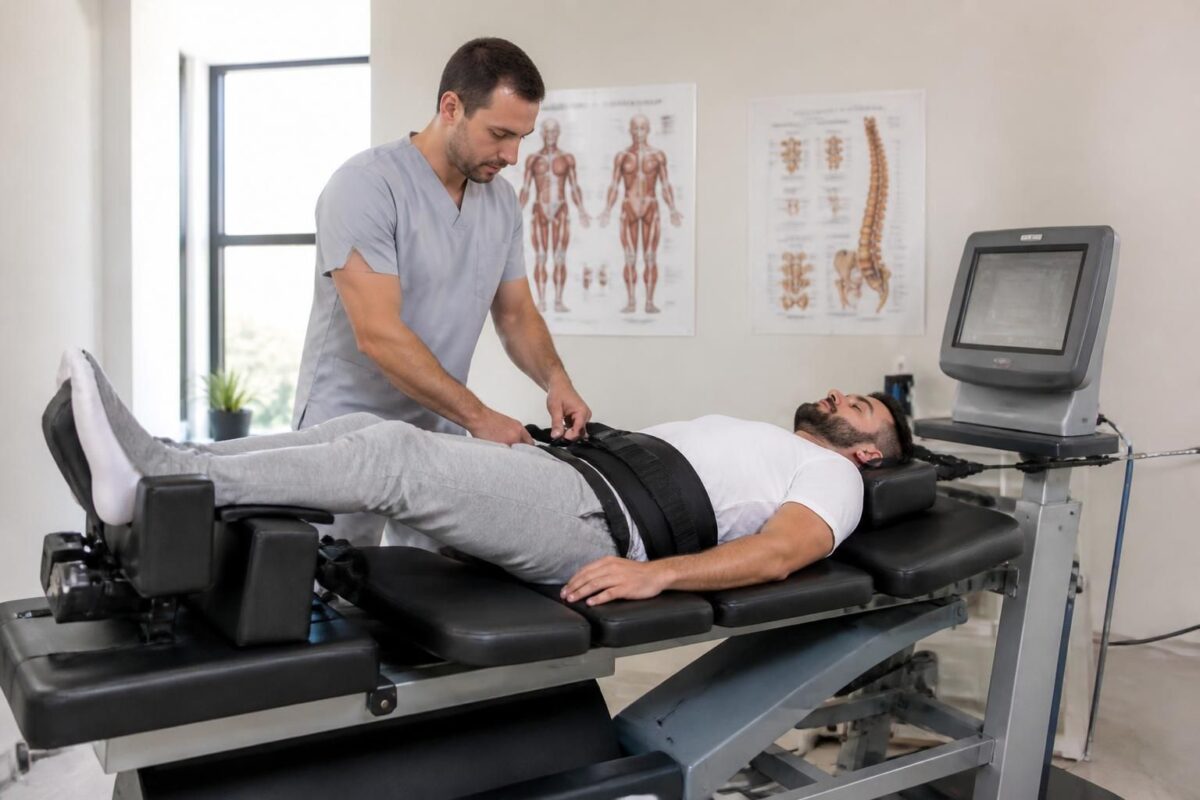
Neurovertebral decompression and prevention of disc complications
In short In short, the neurovertebral decompression is one Non-invasive technique to Reduce pressure on intervertebral discs and nerves. It promotes the Tissue regeneration and the Prevention of disc complications such as The disc herniation, The disc bulge and the…
Practical integration and follow-up
After each protocol, following the evolution of symptoms and functional abilities allows you to adjust the care plan. Early improvements in mobility and decreased pain are positive indicators. In the long term, the goal is to maintain the Disc plasticity and improve the Global column function, while reducing risk factors for recurrence through appropriate lifestyle habits and re-motion programs.
| Key aspect | Disc Impact |
|---|---|
| reduction of the Intradiscal pressure | Reduces the Intradiscal pressure, facilitating the retraction of protrusions and nervous decompression. |
| retraction of Intervertebral discs protrusive | Promotes the return of discal material moved to its normal position, decreasing compression. |
| Hydration and Disk nutrition | Improves the diffusion of water and nutrients, rehydrating the core and increasing elasticity. |
| Diffusion of nutrients and oxygen | Optimizes intake oxygen and nutrients, supporting the health and disk resistance. |
| Disc microcirculation | Improves the microcirculation around the disc, reducing ignition and promoting repair. |
| Stimulation of the mechanisms of Natural healing | Activates the mechanisms natural healing and decreases local inflammation. |
| Elasticity and amortization | Restore itelasticity and improve theamortization disc and segment. |
| Traction targeted and security | Traction precise and targeted On the disc reached, increasing efficiency and limiting discomfort. |
| Recovery functional and activity | Allows a quick recovery of activities thanks to better vertebral mobility. |
Testimonials on improving the function of intervertebral discs thanks to neurovertebral decompression
Patrice, 52: Before starting treatment, my Intervertebral discs were sorely lacking in flexibility and I felt a persistent pain at the end of the day. After a few weeks of neurovertebral decompression, I observed a rehydration progressive discs and a significant improvement in my mobility. My back is smoother and seizures have become rare.
Claire, 44: I suffered from a disc bulge that limited my movements. With the treatment, I felt a Diffusion of nutrients to the discs and a Increased intervertebral space, which allowed my records to find a better elasticity. My column relaxes and I can move without holding back.
Louis, 60: the Intradiscal pressure gradually decreased thanks to decompression, which reduced my radiant pain and improved the stability of my spine. My Intervertebral discs seem to resume their shock absorbing function, and I find activities that I had abandoned.
Sara, 38: My goal was to get back to running painlessly. After the start of treatment, my posture improved and tensions around the discs were released. I won in flexibility And in endurance, which helps me to stay active on a daily basis and in my training.
Marc, 55: I had the impression that my discs no longer assumed their role as shock absorbers. Following the protocol, I noted a better Diffusion of nutrients to the discs and a decrease in my drug intake. My daily gestures are easier and my pain has decreased sustainably.
Élise, 63: with the disc degeneration, I was afraid of limiting my movements. Thanks to decompression, my intervertebral discs found part of their Normal function, which allowed me to recover a greater range of motion And to resume activities that I thought were lost.
Neurovertebral decompression is a non-invasive approach that directly targets the fundamental mechanisms responsible for disc pains and dysfunctions. By acting at the level of the intervertebral discs and neighboring nerve structures, it aims to restore the normal physiology of the spine and to restore confidence to the patient in his daily life. This method, when integrated into a global care program, can promote a lasting improvement in disc function and mobility.
The first axis of action is based on a controlled traction applied along the column, which reduces the intradiscal pressure. This decrease creates a dynamic favorable to the retraction of disc protrusions, especially when the neighboring nerves are compressed. By reducing the pressure, the space necessary for the disc material to reposition itself and the nerves to regain a clearer path is freed up, which results in a decrease in radiant painful signals.
In addition, decompression promotes the diffusion of essential nutrients and the supply of water within the disc. The reduced pressure facilitates the diffusion of oxygen, proteins and water to the pulpy nucleus and fibrous ring, thus supporting disc rehydration and tissue nutrition. This progressive hydration improves the disc elasticity and its damping capacity, contributing to better resistance to daily mechanical stresses.
Physiologically, these mechanisms are based on the principle that better hydrated and less compressed discs will regain part of their elastic character and their ability to absorb shocks. As a result, flexion and extension movements become more fluid, and tensions that pull the muscles and fascias around the spine decrease. For the patient, this often results in reduced pain, increased range of motion and greater ease of resuming usual activities.
Modern devices integrate sensors and algorithms that allow customization of traction according to the level and type of disc disease. This precision provides targeted stimulation of the affected disks, while avoiding unnecessary overloads of adjacent segments. The personalized approach helps to optimize the results and minimize discomfort during and after the sessions, thus strengthening tolerance and adherence to treatment.
Clinically, neurovertebral decompression is mainly aimed at herniated discs, bulges and microstructural disc degeneration which limit mobility and generate pain. The patient selection process is essential; It is based on an in-depth assessment, relevant imaging and background analysis to ensure that indications and contraindications are properly taken into account. In addition to other therapies such as physiotherapy or muscle strengthening, this technique can offer an effective intermediate step before considering more invasive interventions.
In short, neurovertebral decompression acts on the fundamental levers that govern the health of intervertebral discs: pressure reduction, rehydration, and improvement of nutrient diffusion. These combined effects support physiological repair and restore a more robust disc function, paving the way for increased mobility and better quality of life.
This article presents in a synthetic and convincing way how the neurovertebral decompression acts on the Intervertebral discs to improve their function. We explain how controlled traction creates a Intradiscal negative pressure, promotes the Hernia retraction, stimulates the Disc rehydration and improves the Disc nutrition, thus helping to restore the elasticity, damping and ability of the disc to support the column. The result is pain reduction, better mobility and faster return to daily and sporting activities.
The neurovertebral decompression acts primarily on the mechanics of the disc by causing a negative pressure
intradiscal. This specific pressure helps Retraction of disc protrusions and reduction of nerve compression, which results in a decrease in radiant pain and an improvement in nerve function around the treated segment.
Beyond the reduction of pain, this mechanism opens the door to a Disc rehydration and better diffusion of essential nutrients (water, oxygen, carbohydrates and proteins) to the pulpy nucleus and fibrous ring. This nutritional revitalization supports repair and regeneration processes, improving theelasticity and shock absorbing capacity of the disc, while preserving its resilience in the face of daily and sporting loads.
Clinical benefits extend to a Progressive improvement in mobility and to a Reduction of functional limitations related to disc pathologies (hernias, bulges and degeneration). Patients often find Lower lumbar and cervical pain and greater freedom of movement, which promotes the maintenance of an active lifestyle and the resumption of sports or professional activities.
In terms of safety and therapeutic access, decompression offers a Non-surgical alternative which can reduce the use of more invasive interventions. Its effectiveness is based on an individualized approach, adapted to the level of pain, disc localization and patient tolerance, with a clear protocol of rehabilitation and additional exercises to optimize the long-term benefit. To explore the protocols and the modern approach, you can consult the following resources and their integration into care pathways:
Neurovertebral decompression and prevention of recurrences of neuropathic pain
Neurovertebral decompression and irradiating pain
Advanced Protocols for Patients in Neurovertebral Decompression
How neurovertebral decompression improves spinal flexibility
Neurovertebral decompression and posture: sustainably improving body alignment
Neurovertebral decompression and herniated discs
Prevention of disc complications
How neurovertebral decompression improves tissue regeneration
How neurovertebral decompression regenerates your discs
Modern techniques in neurovertebral decompression for optimal results

Dr Sylvain Desforges, B.Sc., D.O., N.D., osteopath, is the founding president of TAGMED and of the ACMA association. He dedicates his practice to chronic spinal pain, low back pain and symptoms compatible with sciatica, particularly when pain radiates toward the buttock, leg, calf, foot or toes.
Through SOS Sciatique, he publishes educational content on sciatica symptoms, possible causes such as disc herniation, disc narrowing, foraminal stenosis or irritation of a lumbar nerve root, as well as non-surgical approaches that may be considered according to the evaluation. At Clinique TAGMED, care may include, depending on the case, motorized neurovertebral decompression, specific osteopathic care or precision percussion.
For an evaluation related to sciatica treatment in Montreal / Mount Royal or sciatica treatment in Terrebonne, please consult the services available at Clinique TAGMED.
Medical disclaimer
The information published on SOS Sciatique is provided for educational purposes only and does not replace a consultation, diagnosis, opinion or treatment provided by a physician or another authorized healthcare professional. The author of this article is neither a medical doctor nor a specialist in a medical specialty recognized by the Collège des médecins du Québec. The osteopathic, manual medicine or functional support approaches described on this site do not constitute medical acts and are not intended to replace medical follow-up.
Consult a physician or emergency service in cases of loss of bladder or bowel control, anesthesia in the saddle area, significant or progressive weakness in the leg or foot, fever, recent trauma, severe pain or rapid worsening of symptoms. For more details, please read our Legal Notice.