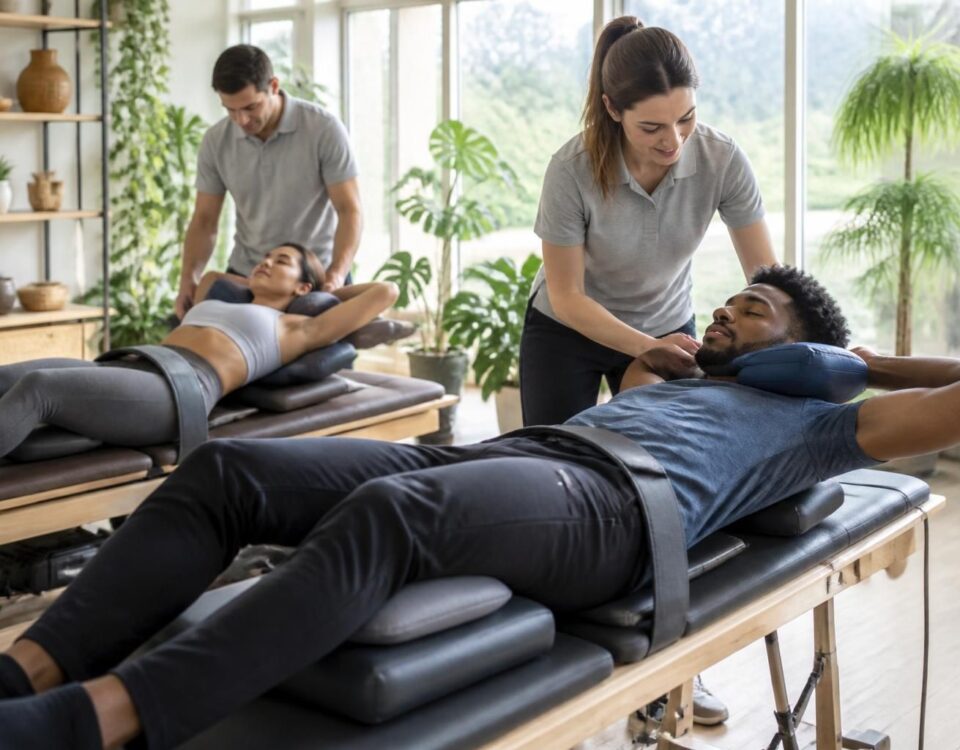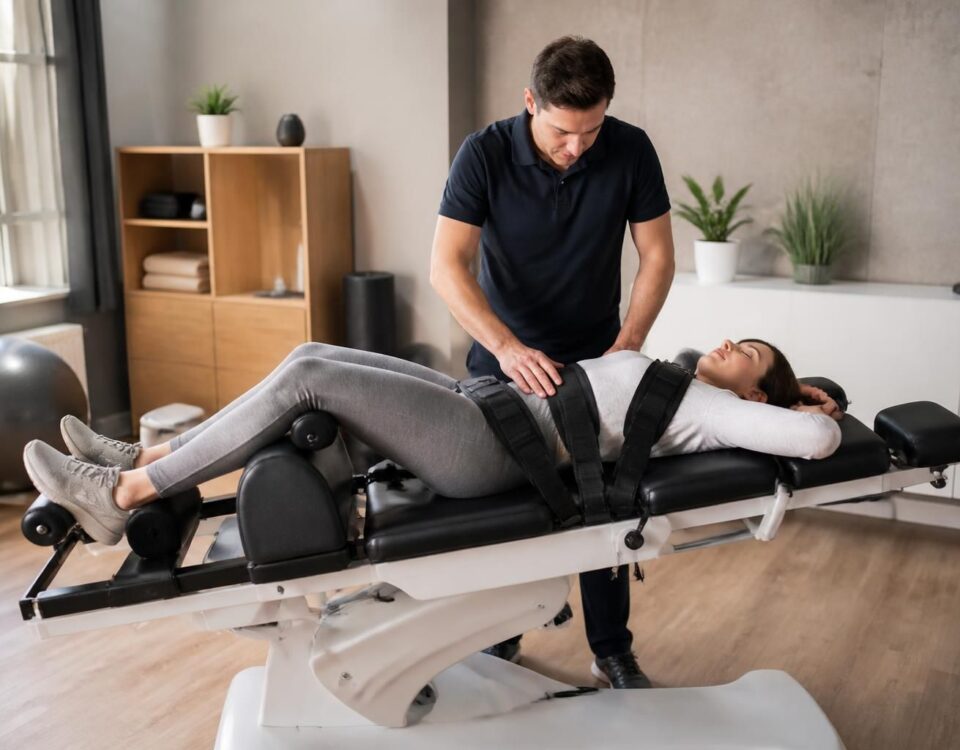
Equipment innovations to maximize the results of neurovertebral decompression
26/06/2026
Why neurovertebral decompression is a natural solution for acute pain
26/06/2026
In short
| In short, the neurovertebral decompression is one Non-invasive approach To reduce the Post-surgical pain and accelerate the recovery after spinal surgery. It Release the pressures on the nerve roots and improves the mobility, reducing pain and promoting quick return to daily activities. accessible to Montreal, this treatment fits into a multimodal evidence-based course, providing security and support throughout recovery. |
The neurovertebral decompression is a non-invasive approach that can help mitigate Post-surgical pain and promote a recovery faster, in addition to rehabilitation protocols.
- Improvement of the intervertebral space and reduction of mechanical tensions, contributing to a reduction in Post-surgical pain.
- Stimulation of the mobility and movement in a frame secured and progressive.
- Integration with complementary approaches (re-education, manual therapy) to optimize results.
- Blueprint personalized and regular monitoring to adapt the exercises and objectives of the recovery.
This text, written by a health professional and expert in osteopathy, looks at the role of the neurovertebral decompression in recovery after column surgery. It describes the potential mechanisms, the elements of a safe protocol and the resources available, without proposing exercises or stretching in this context. It relies on approaches used in TagMed clinics and specialized resources to guide the patient in their recovery.
Causes and post-surgical recovery
After spinal surgery, the pain may persist for several reasons. Postoperative inflammation, nerve irritation and soft tissue changes can lead to radiant pain and decreased mobility. Effective recovery is based on accurate assessment and targeted interventions that support healing and return to daily activity.
how neurovertebral decompression affects recovery
The neurovertebral decompression aims to reduce pressure on nerve structures and improve the alignment and function of the spinal segments. This can help reduce radiant pain and associated tension, promote circulation and support the healing process of tissues around the operated area. The effects observed come in part from the decrease in compression and from the improvement in vasculo-nervous exchanges.
Elements of a safe and effective protocol
An appropriate protocol is based on a rigorous clinical evaluation and a patient-friendly multimodal approach. In TagMed Clinic, the protocols combine decompression techniques and other approved modalities, while avoiding unsuitable exercises or stretching in the post-surgical framework. The choice of protocols takes into account the type of surgery, location and patient tolerance. Resources such as advanced protocols for neurovertebral decompression can be viewed to understand complex scenarios and available options.
Resources and evidence
Complementary resources help to understand the results and potential benefits of neurovertebral decompression for post-surgical pain and related conditions. For more information, see the following resources:
Rapid results and muscle tension related to neurovertebral decompression: https://www.sossciatique.com/decompression-neurovertebrale-et-tensions-musculaires-des-resultats-rapides
#ATFP_CLOSE_TRANSLATE_SPAN#Radiant pain and gentle relief: https://www.sossciatique.com/decompression-neurovertebrale-et-douleurs-irradiantes-soulager-en-douceur
#ATFP_CLOSE_TRANSLATE_SPAN#Benefits to prevent chronic complications: https://www.sossciatique.com/les-avantages-de-la-decompression-neurovertebrale-pour-prevenir-les-complications-chroniques
#ATFP_CLOSE_TRANSLATE_SPAN#Advanced protocols for complex pathologies: https://www.sossciatique.com/les-protocoles-avances-pour-la-decompression-neurovertebra-le-en-cas-de-pathologies-complexes
#ATFP_CLOSE_TRANSLATE_SPAN#Benefits for active patients: https://www.sossciatique.com/les-bienfaits-de-la-decompression-neurovertebrale-pour-les-patients-actifs
#ATFP_CLOSE_TRANSLATE_SPAN#Concerns and Precautions
It is important to discuss with your doctor or osteopath before considering any approach. Some situations require additional assessments or additional treatments in a specific framework. To find out more about training places and expertise, we can refer to recognized establishments in the field, such as NUMSS and NAO, while remaining aware of the specific limits of each practice.
At TagMed Clinic, located in Montreal and Terrebonne, you can request an assessment dedicated to post-surgical recovery and explore options adapted to your situation, including treatments combining decompression and advanced technologies. To learn more about the offer and services, visit Tagmed Clinic.
For researchers and practitioners wishing to deepen the theoretical and practical aspects, resources related to neurovertebral decompression and its indications can be consulted on the specialized sites mentioned above.
Medical Disclaimer: The information and advice provided on this site does not replace the health professional’s diagnosis or treatment. Please note that Dr. Sylvain Desforges osteopath is neither a doctor of medicine nor a doctor, and is not a specialist in a medical specialty as defined by the Collège des Médecins du Québec. Manual medicine, functional medicine and sports medicine as described on this site exclude any medical treatment or diagnosis made by a doctor or specialist doctor. Always consult your doctor for any medical questions. For more details, please read our full legal notice.
- neurovertebral decompression : Reduced nerve pressure and targeted relief.
- Postoperative recovery : Secure progress and quick return of functions.
- Evaluation : Regular monitoring pain, mobility and strength to adjust the plan.
- Progress plan : gradual increase in expenses and activities.
- Post-surgical pain : multimodal approach to decrease them quickly.
- Complementary therapies : guided mobilization and adapted techniques.
- Autonomy : Return to autonomy and daily activities.
- Lifestyle : Sleep, nutrition and stress management to optimize recovery.
Medical Warning: This information does not replace a health professional’s LAVIS. Consult your doctor for any questions.

This guide summarizes how the neurovertebral decompression can support the recovery After spinal surgery, reducing stress on nerve structures, decreasing inflammation and facilitating mobility. You will find the basics, precautions and practical advice to optimize recovery and limit post-surgical pain.
Medical warning: The information and advice provided does not replace the LAVIS of a health professional. Always consult your doctor for any medical questions and before considering postoperative decompression therapy.
Understanding the link between decompression and postoperative recovery
The neurovertebral decompression Aims to reduce pressure on nerve roots and postoperative tissues. This reduction can help to reduce pain, improve the mobility and promote better circulation of nutrients essential for healing. In addition to the prescribed treatments, it can facilitate rehabilitation exercises and the gradual resumption of daily activities, while limiting muscle tension around the operated segment.
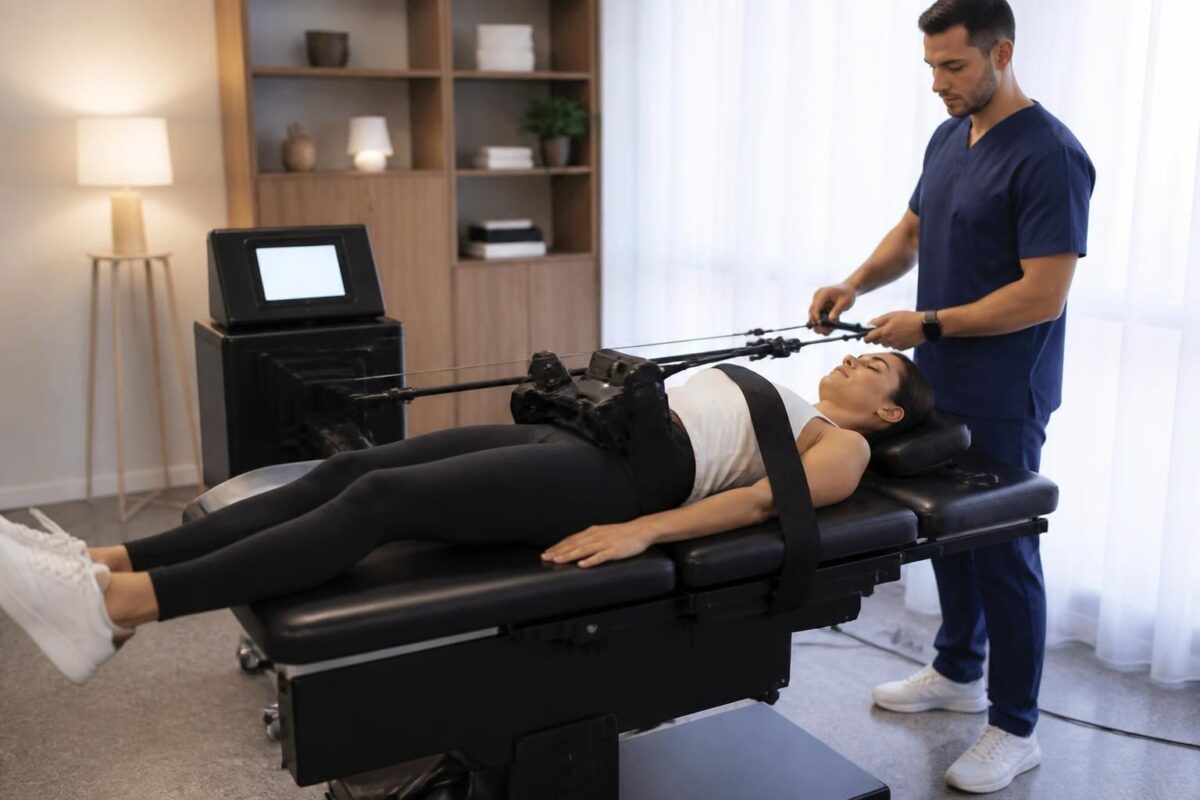
How neurovertebral decompression optimizes body alignment
In short In short, neurovertebral decompression is one Non-invasive therapy which aims to Reduce pressure on intervertebral discs and nerves via controlled traction of the spine. What does it bring? This makes it possible to correct the Postural imbalances and…
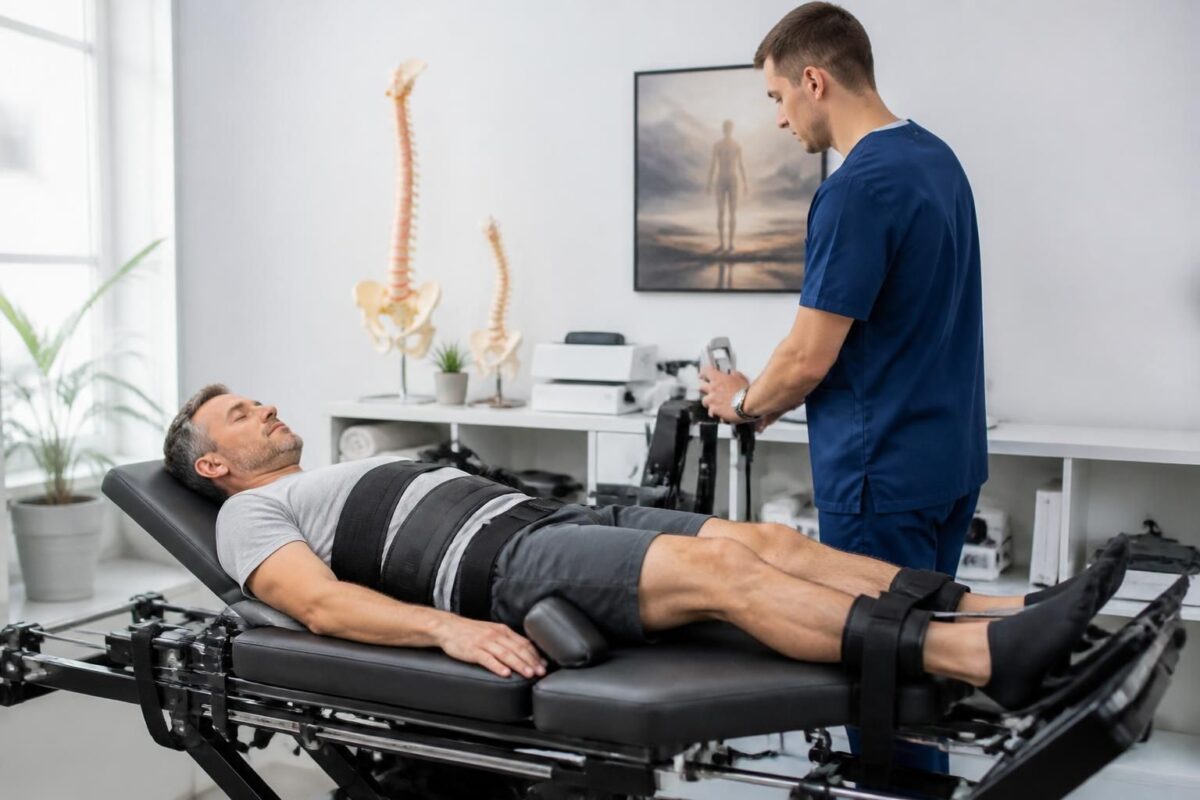
Neurovertebral decompression and post-traumatic pain management
In short In short, the neurovertebral decompression is one Non-invasive method which aims to reduce the pressure on gristle and the Intervertebral discs To treat pain post-traumatic and associated neuropathic pain. Its key advantages include theImproved flexibility of the column…
Essential Principles and Precautions
Decompression is part of a global rehabilitation plan and should be used under professional supervision. It is not suitable for all types of surgery and must be adjusted to the recovery stage and to the surgeon’s assessment. The program must be progressive, personalized and regularly re-evaluated in order to guarantee safety and effectiveness.
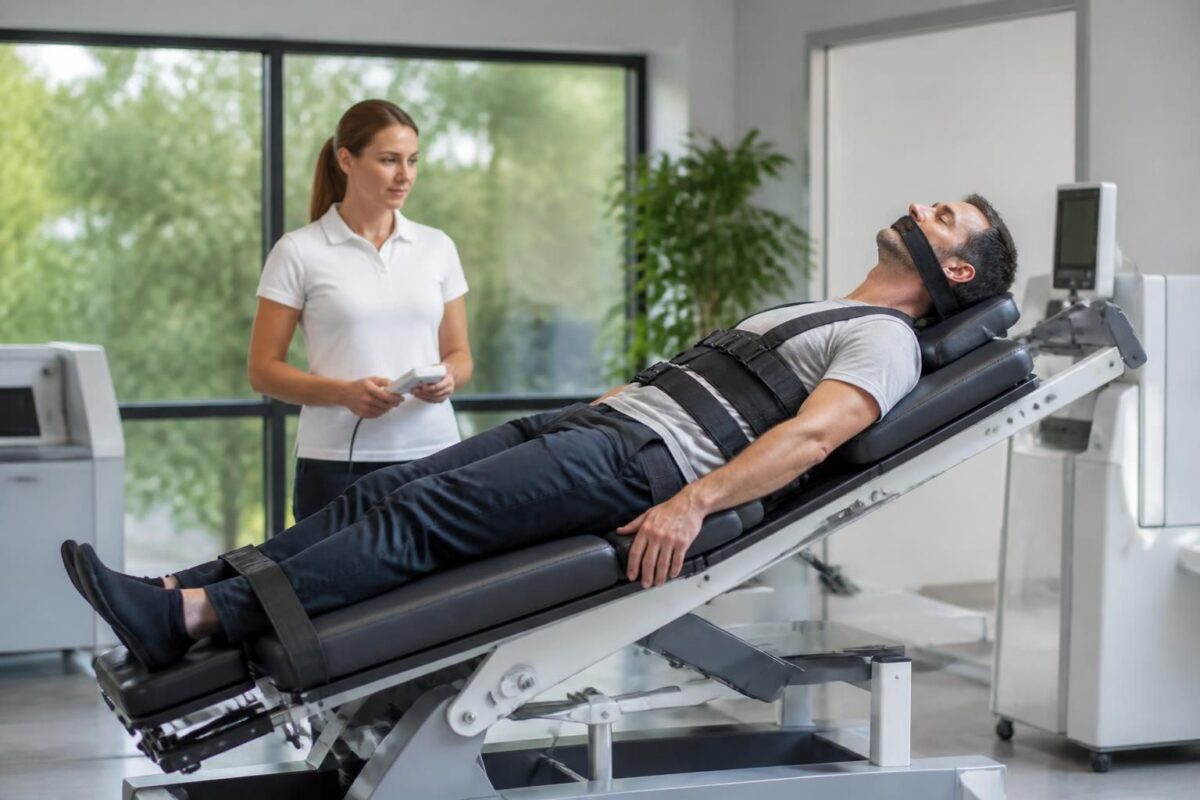
Why neurovertebral decompression is an essential preventive solution
In short In short, neurovertebral decompression is one Preventive solution non-invasive which aims to sustainably reduce the pressures on the discs and nerves. What is it? targeted therapy using Controlled traction on the column to create a Intra-discal vacuum, promote…
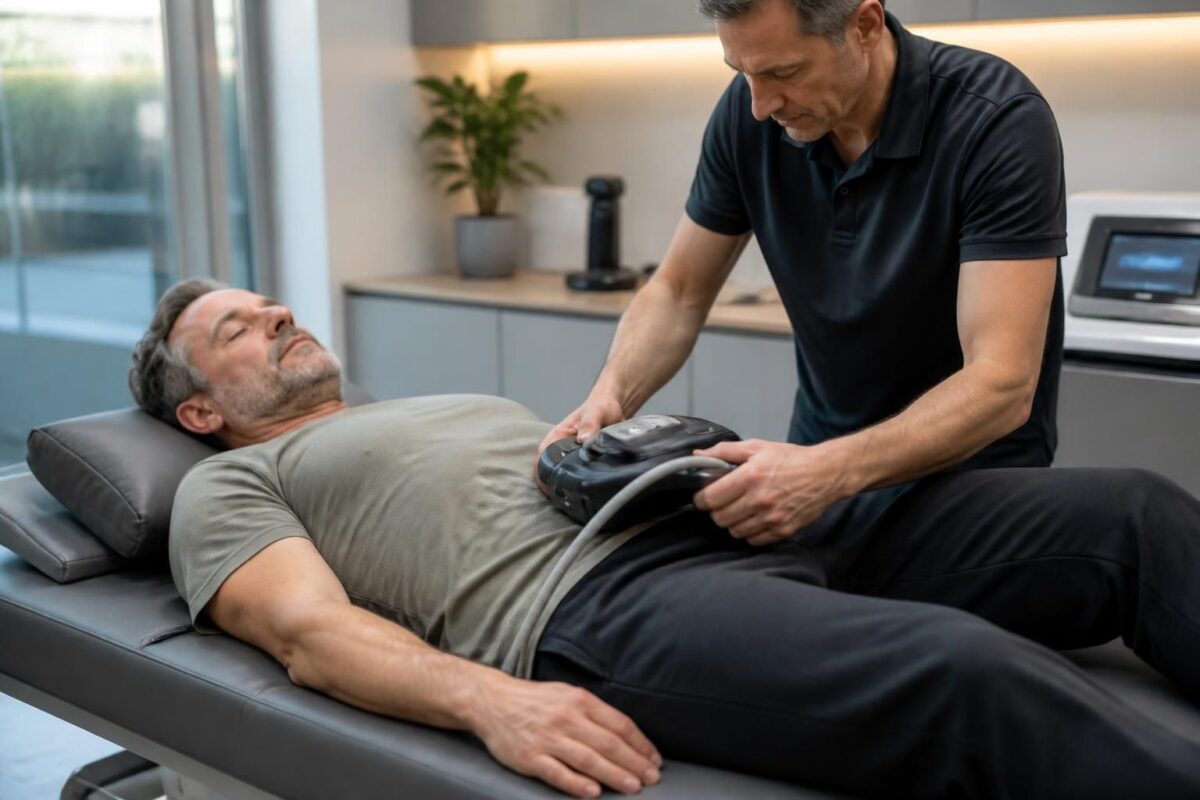
Neurovertebral decompression and treatment of chronic lumbar pain
In short In short, neurovertebral decompression is a technique non-invasive of Treatment of chronic lower back pain which reduces the Pressure on discs and nerves and can relieve the herniated discs and the disc degeneration. At Montreal, it offers a…
Practical strategies for recovery
Adopt a multimodal approach combining decompression and pain self-management. Favor a graduated and adapted activity, gentle mobility exercises, and optimization of posture on a daily basis. Pay special attention to sleep, hydration and a balanced diet to support tissue healing and nervous resilience. Integrate breathing and relaxation techniques to reduce physico-chemical stress on the back and promote more effective recovery cycles.
Simple exercises to integrate
Incorporate gentle mobility movements and light stretching supervised by your healthcare professional. Exercises centered on diaphragmatic breathing, controlled cervical and lumbar mobility, as well as progressive stresses of the supporting muscles can be beneficial when adapted to your situation and tolerated without increased pain.
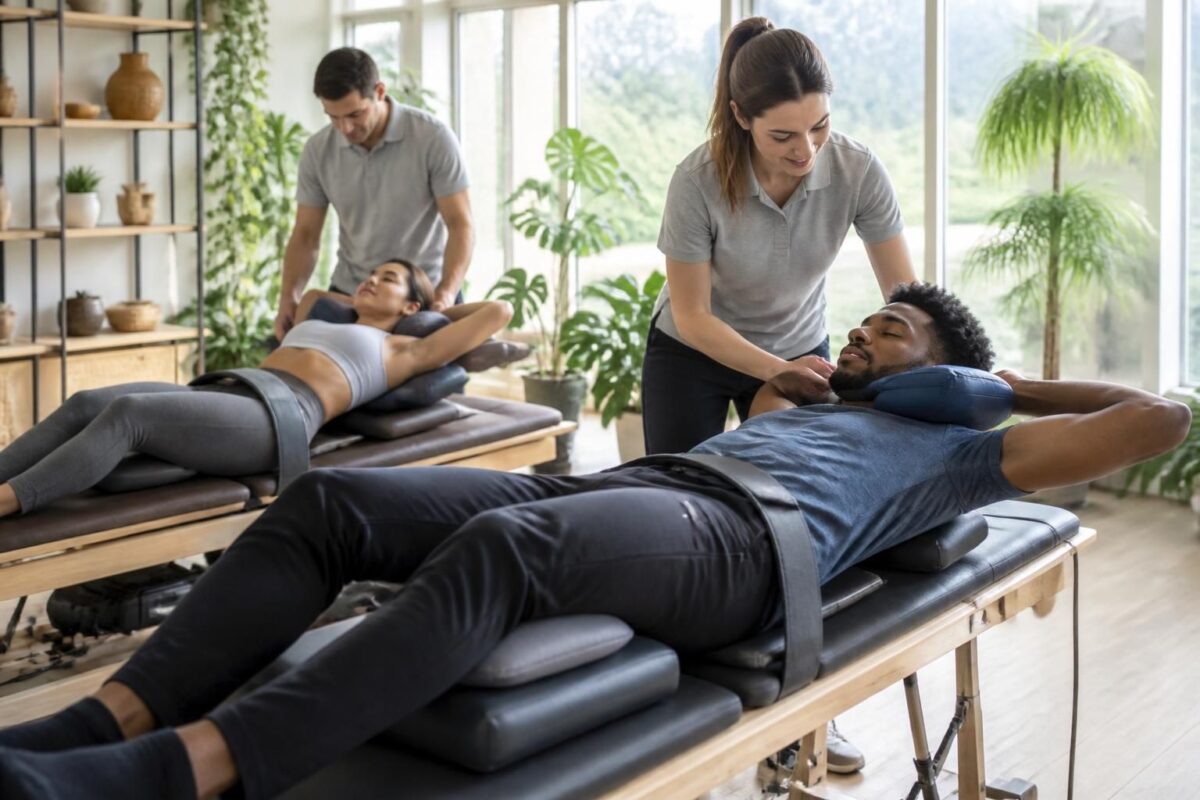
The physical and mental benefits of a neurovertebral decompression program
In short In short, the program of neurovertebral decompression is one Non-invasive approach which aims to underline the Chronic pain and improve the Physical and mental well-being. What is it? A technique that decreases pressure on discs and nerves to…
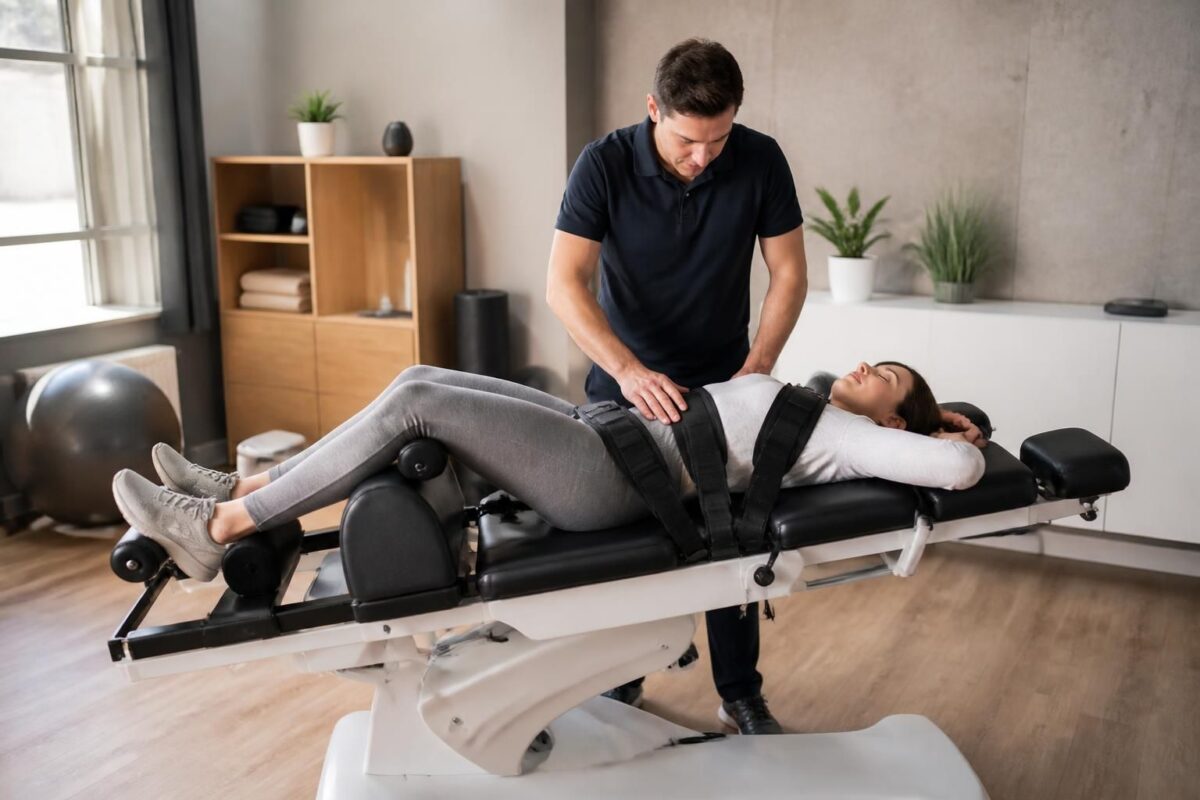
Neurovertebral decompression and relief of associated muscle pain
In short In short, the neurovertebral decompression is one Non-invasive approach which relieves the Associated muscle pain By applying a gentle traction on the spine for Release the intervertebral space and improve the circulation. Its advantages include reducing inflammation,Improving mobility…
Integration into the postoperative course
Plan decompression integration in your journey with your medical team. Set clear goals, appropriate frequency (for example, sessions compatible with the surgical protocol), and re-evaluation points to adjust the program. The goal is to optimize the recovery while guaranteeing the safety and respect of the healing deadlines for each patient.
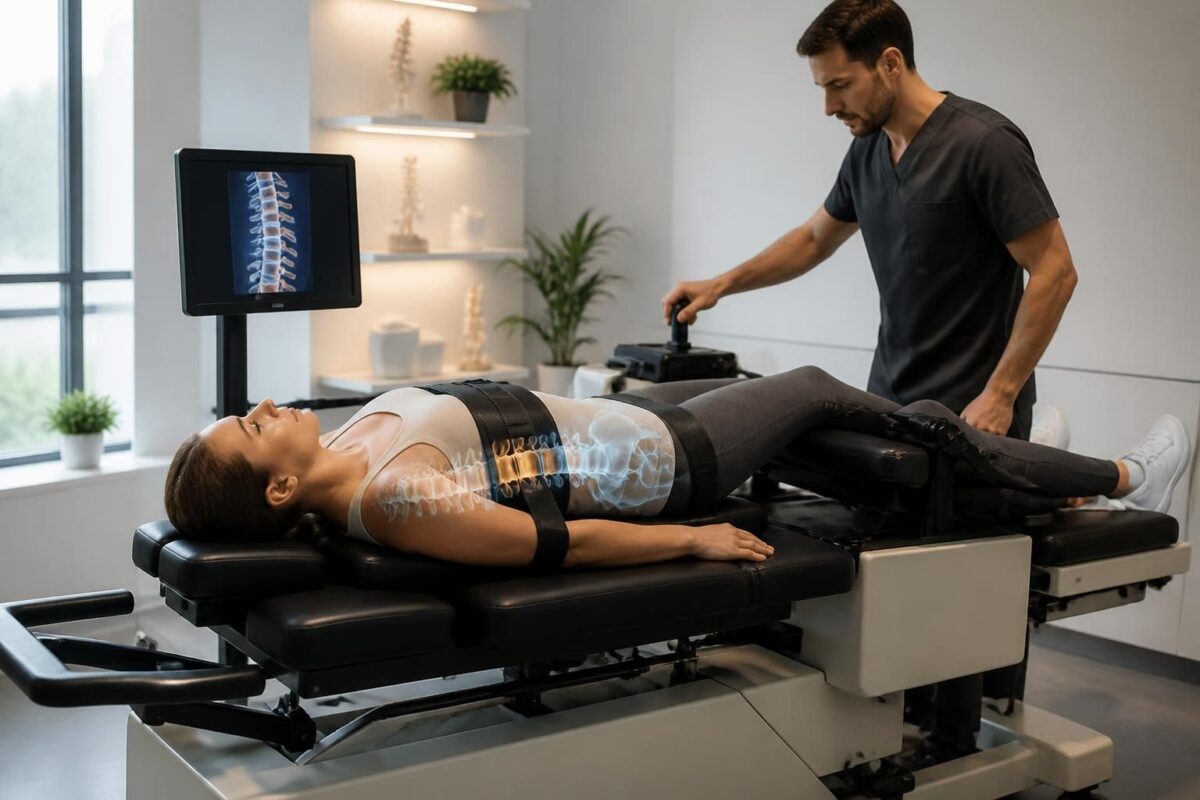
How neurovertebral decompression improves the function of intervertebral discs
In short In short, the neurovertebral decompression is one Non-invasive technique which applies a Controlled traction along the column to create a space between the vertebrae and reduce the Intradiscal pressure on the Intervertebral discs. This reduction promotes Disk retraction…
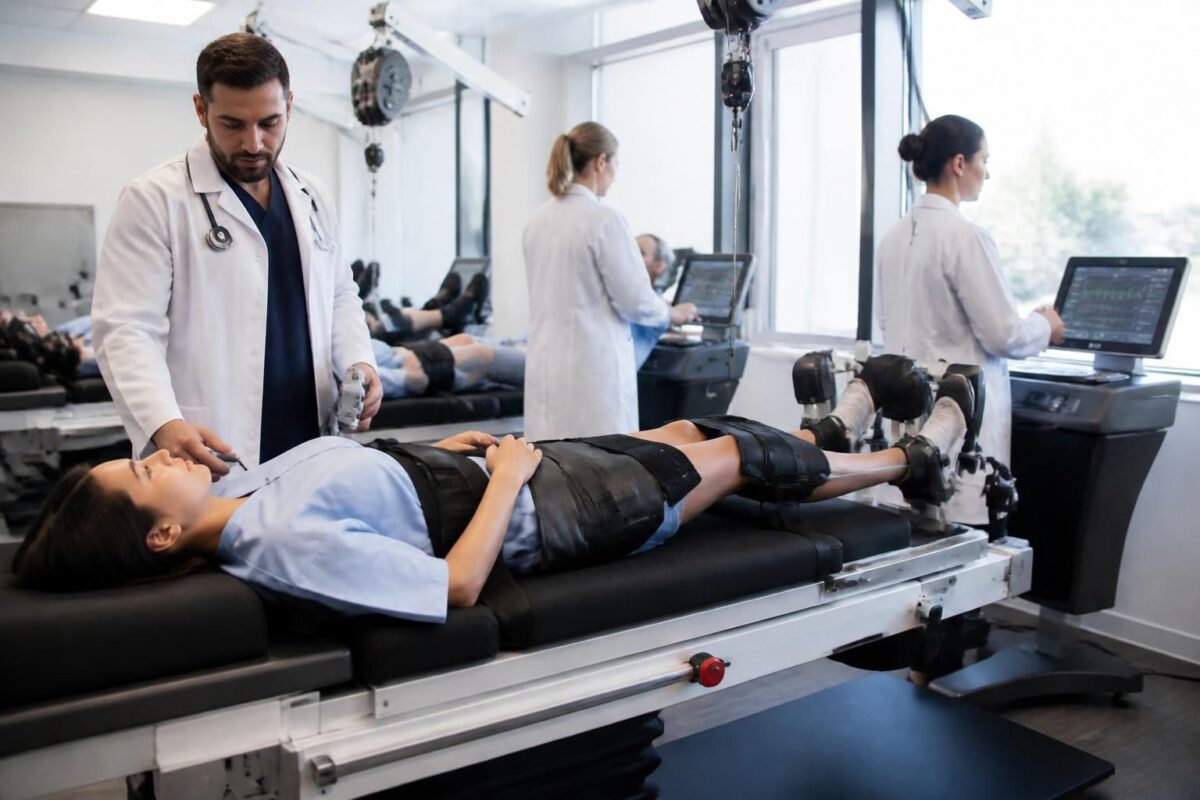
Advanced protocols for patients with neurovertebral decompression
In short In short, neurovertebral decompression is one Non-invasive technique which releases the pressure on the discs and nerves by a Controlled traction computer-guided. What is it? a series of Advanced Protocols adapted to the severity of lumbar or cervical…
warning signs and when to consult
Call a professional if you observe a Increased pain which persists at rest, fever, loss of strength or sensation, significant redness or swelling in the operated area, or any new unusual symptoms. A quick follow-up helps to adjust treatment and prevent potential complications.
| Aspect | Context and details |
|---|---|
| Indications and objectives | Pain and inflammation reduced; Improvement of the mobility and from the Functional recovery after neurovertebral decompression. |
| Action mechanisms | Effects mechanics and neurophysiological On the tissues, reduction of tensions and stimulation of healing mechanisms. |
| Main Benefits | Sustainable reduction of pain, improvement of the mobility and prevention of complications related to sedentary lifestyle. |
| Precautions and contraindications | evaluate theinstability, infection or recent fracture; Patient adaptation and medical follow-up. |
| Procedure and protocol | targeted and progressive sessions according to the postoperative stage after decompression; Coordination with the surgical team. |
| Expected results and deadlines | Improvement weekly; gain from mobility, reduction of medication. |
| Integration with other therapies | complementary to the re-education, manual therapy and management of pain. |
| Monitoring and efficiency measures | Functional assessments and pain, progress monitoring and adjustments. |
Testimonials on neurovertebral decompression and improvement in post-surgical recovery
“After my back surgery, the pain persisted and the recovery seemed long. The neurovertebral decompression participated in the pain reduction and accelerated my recovery, allowing me to gradually resume my daily activities without jerks.”
“Following neck surgery, the Post-surgical pain were heavy at first. thanks to an approach centered on the neurovertebral decompression And targeted exercises, I found neck mobility and more restorative sleep, which boosted my recovery.»
“I was afraid of never moving normally after my lumbar intervention. With the neurovertebral decompression And a suitable rehabilitation program, my pain decreased and my walking became more fluid. My recovery exceeded my expectations.
“My herniated disc had limited me in everyday life and sport. The neurovertebral decompression associated with a personalized protocol made it possible to reduce the Post-surgical pain And to resume my daily activities more quickly.”
“After my vertebral fusion, the pain and stiffness hindered my days. thanks to the care aimed at the neurovertebral decompression, I found some mobility and a better recovery, with a better quality of life.”
“The combination of manual approaches and decompression has made my recovery Post-operative more progressive and less painful, which allowed me to dent a more effective and lasting rehabilitation.
Dr. Sylvain Desforges, osteopath, naturopath and doctor Manuel, is a major voice in the support of patients faced with painful follow-up. Multidisciplinary expertise it brings is based on an integrative approach aimed at optimizing functional recovery and quality of life. As Founding President of TagMed Clinics and the ACMA Association, he devoted his career to health innovation and the implementation of evidence-based protocols to help everyone regain mobility and autonomy.
As part of the neurovertebral decompression, his work focuses on reducing mechanical stresses that can persist after spinal surgery. This approach aims to promote the hydration and nutrition of intervertebral structures, improve the circulation of fluids and reactivate regional tissues. In post-surgery painful patients, an appropriate strategy can help reduce pain and gradually restore the strength and stability of the trunk, while respecting the limits of the surgical procedure.
Dr. Desforges’ philosophy favors support personalized, based on rigorous evaluation and multidisciplinary collaboration. Decompression does not replace surgery, but is part of the rehabilitation course, completing targeted therapeutic exercises, breathing techniques and progressive strengthening activities. The goal is to promote recovery Soft and durable while minimizing the risks of painful reintegration in the long term.
At the heart of this approach, the use of complementary technologies—such as the laser and therapy by shock waves—Supports the effects of decompression by modulating inflammation, stimulating microcirculation and facilitating tissue repair. These tools, integrated into a tailor-made protocol, make it possible to accentuate functional gains and accelerate the return to daily and professional activities.
The use of methods evidence-based Guides every step of the program. Dr. Desforges is committed to informing patients about the benefits, limits and alternatives available, so that everyone can make an informed decision. Its approach focuses on continuous evaluation, goal adjustment and transparency of the therapeutic process, to promote optimal adherence and measurable results.
In terms of patient journey, the objective is to optimize the recovery functional and the welfare overall, by reconciling respect for surgical constraints with a gradual progression of loads and movements. TagMed Clinics, associated with ACMA, strive to offer concrete and accessible solutions adapted to the realities of each patient, in order to sustainably improve the ability to resume activities and confidence in their body.
Dr. Desforges continues his mission to provide care evidence-based and patient-centric, in order to transform the recovery process after spinal surgery into a secure and motivating experience. His approach combines clinical expertise, advanced technologies and attentive listening, placing the person at the heart of every therapeutic decision.
This introduction summarizes how the neurovertebral decompression can support the Post-surgical recovery By reducing the Post-surgical pain, the Disc inflammation and functional limitations, while relying on modern techniques and evidence-based approaches. It explores the mechanisms of action, clinical indications and elements that contribute to optimal recovery, as well as the resources available to optimize results.
The Principle of decompression acts by releasing pressure on the nerve roots and improving the nutrition of the discs, which can decrease Post-surgical pain and Ldisc inflammation. By facilitating better vasculation and diffusion of nutrients, it can also modulate the diffused neuropathic pain and promote better tolerance to physical activity during rehabilitation.
In the post-operative context, this approach is integrated into a personalized program of re-education. The benefit depends on patient selection, operative stage and coordination between health professionals. Progressive protocols and security criteria help optimize recovery while minimizing risks.
To make the most of decompression, it is useful to rely on associated resources and practices, including Equipment innovations and the Modern techniques who aim for results optimal, and consider the effects psychological positives related to stress reduction and well-being. Check out the resources below to explore: Equipment innovations, Modern techniques, Reduction of disc inflammation, Diffused neuropathic pain, and Psychological benefits.
Clear indications and regular follow-up are used to adjust the protocol and prevent complications. Contraindications, individual pain variations and functional objectives should be evaluated in order to adapt the treatment plan and improve actual recovery results.
Medical warning: The information and advice provided on this site does not replace the advice, diagnosis or treatment of a healthcare professional. Please note that the author of this article is neither a doctor nor a specialist in a medical specialty as defined by the “College of Doctors of Quebec”. The manual medicine, functional medicine and sports medicine described on this site exclude any medical treatment or diagnosis carried out by a doctor or medical specialist. Always consult your doctor for any medical questions. For more details, please read our Notice#ATFP_CLOSE_TRANSLATE_SPAN# Legal.

Dr Sylvain Desforges, B.Sc., D.O., N.D., osteopath, is the founding president of TAGMED and of the ACMA association. He dedicates his practice to chronic spinal pain, low back pain and symptoms compatible with sciatica, particularly when pain radiates toward the buttock, leg, calf, foot or toes.
Through SOS Sciatique, he publishes educational content on sciatica symptoms, possible causes such as disc herniation, disc narrowing, foraminal stenosis or irritation of a lumbar nerve root, as well as non-surgical approaches that may be considered according to the evaluation. At Clinique TAGMED, care may include, depending on the case, motorized neurovertebral decompression, specific osteopathic care or precision percussion.
For an evaluation related to sciatica treatment in Montreal / Mount Royal or sciatica treatment in Terrebonne, please consult the services available at Clinique TAGMED.
Medical disclaimer
The information published on SOS Sciatique is provided for educational purposes only and does not replace a consultation, diagnosis, opinion or treatment provided by a physician or another authorized healthcare professional. The author of this article is neither a medical doctor nor a specialist in a medical specialty recognized by the Collège des médecins du Québec. The osteopathic, manual medicine or functional support approaches described on this site do not constitute medical acts and are not intended to replace medical follow-up.
Consult a physician or emergency service in cases of loss of bladder or bowel control, anesthesia in the saddle area, significant or progressive weakness in the leg or foot, fever, recent trauma, severe pain or rapid worsening of symptoms. For more details, please read our Legal Notice.