

The physical and mental benefits of a neurovertebral decompression program
26/06/2026
Why neurovertebral decompression is an essential preventive solution
26/06/2026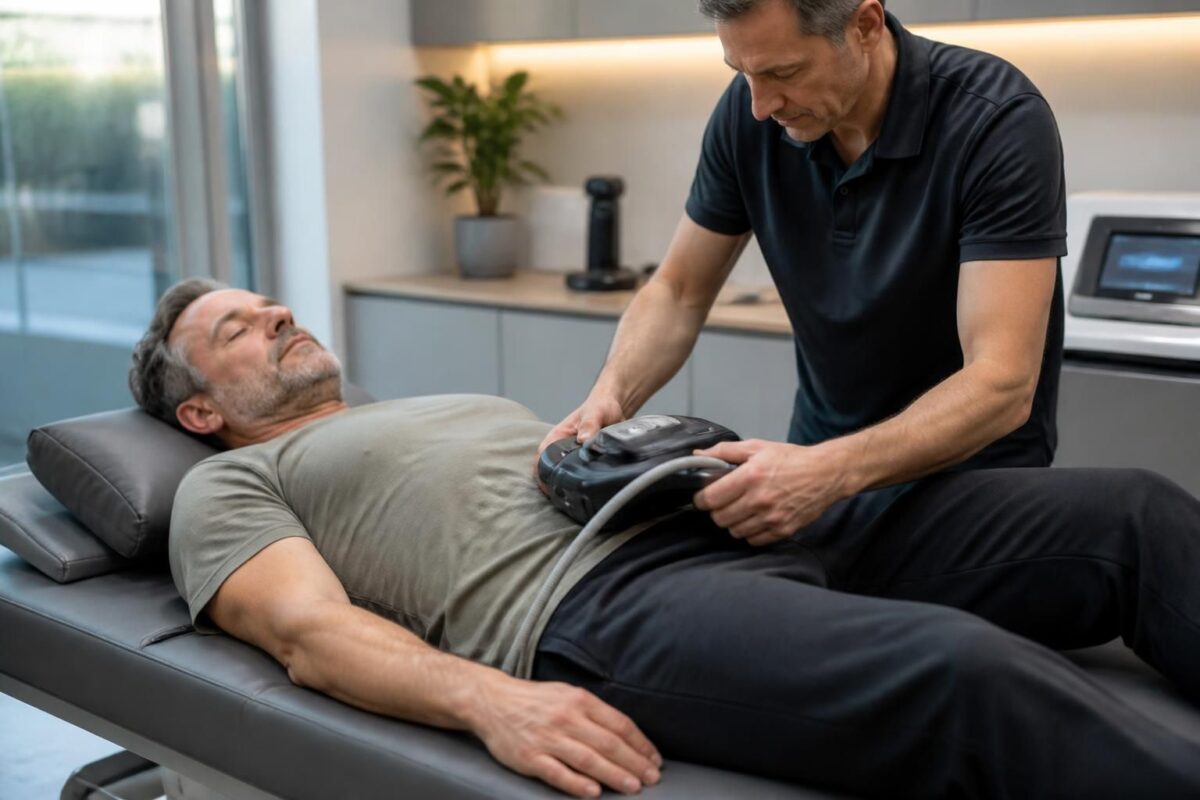
In short
In short, neurovertebral decompression is a technique non-invasive of Treatment of chronic lower back pain which reduces the Pressure on discs and nerves and can relieve the herniated discs and the disc degeneration. At Montreal, it offers a Alternative without surgery and one Quick return to activity. She acts via a gentle traction creating an intervertebral space, improving the mobility and favoring the Tissue regeneration, with lasting pain reduction and better quality of life. |
The neurovertebral decompression is an approach non-invasive intended to relieve Chronic lower back pain. It is based on a Soft and controlled traction of the spine, which creates a space between the vertebrae and reduces the Pressure on intervertebral discs and nerves. This mechanism promotes the Tissue regeneration and improving the Local blood circulation, contributing to a better mobility and reducing symptoms such as radiant pain. used for pathologies like herniated discs and disc degeneration, it offers a therapeutic alternative to surgery and can bring results durable.
neurovertebral decompression and treatment of Chronic pain Lumbar is a non-invasive approach that aims to reduce pain and improve mobility through precise spinal traction. This article, written by a medical professional expert in manual medicine, describes the principles, indications, expected results and care pathway associated with this technique. You will discover how this therapy can be integrated into a comprehensive and secure treatment, without systematic recourse to surgery.
What is neurovertebral decompression?
Neurovertebral decompression is a non-invasive technique that aims to reduce pressure on the intervertebral discs and nerves. By creating a space between the vertebrae, it facilitates the rehydration and nutrition of the discs, which can contribute to the reduction of pain and the improvement of mobility. This approach is applied at the lumbar level and can be proposed when the causes of lumbar pain are linked to discsal problems without the need for surgery.
Simple and effective action mechanism
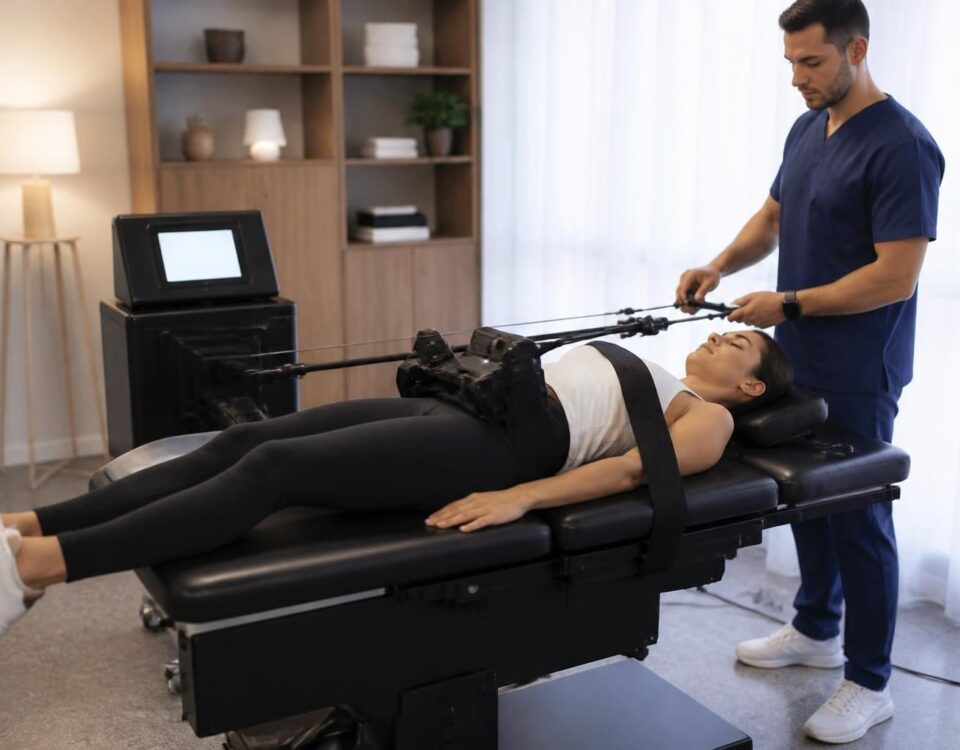
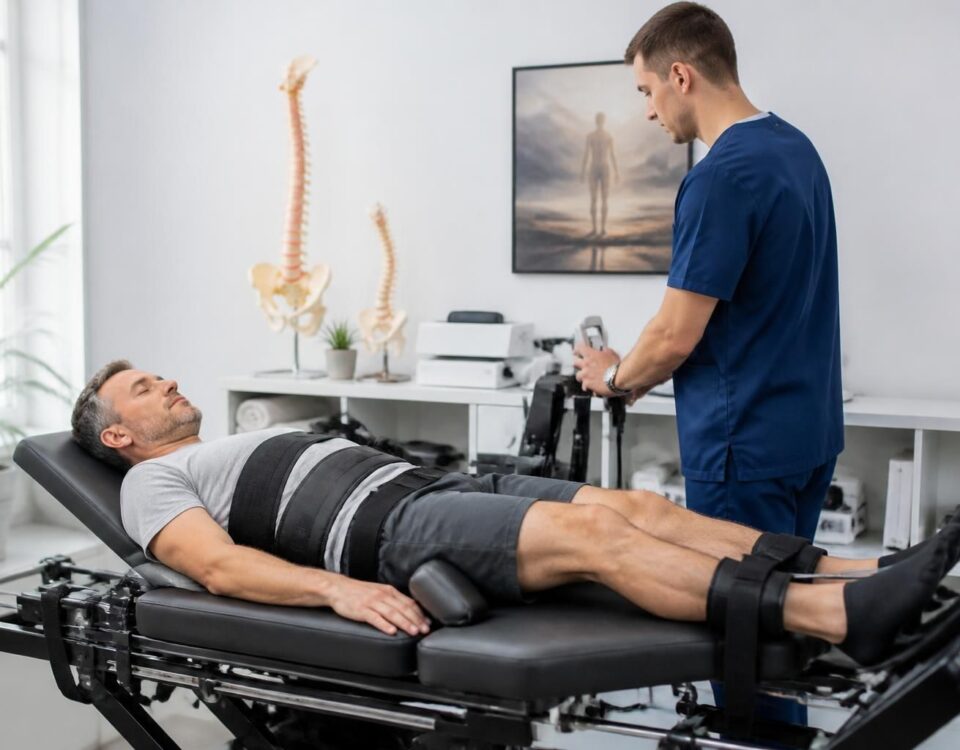
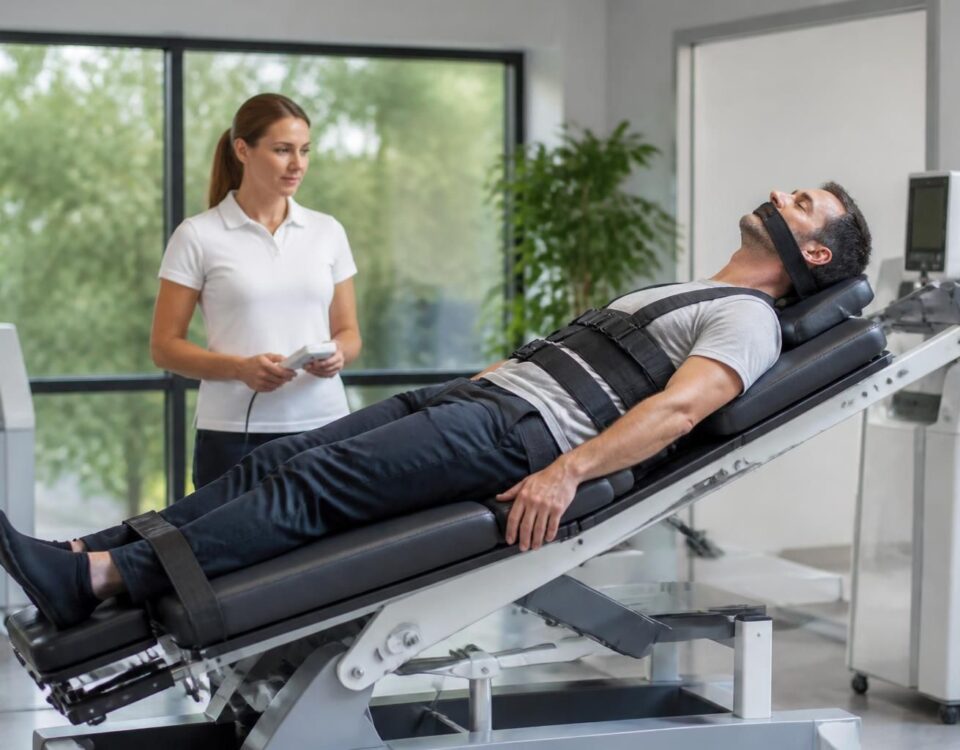
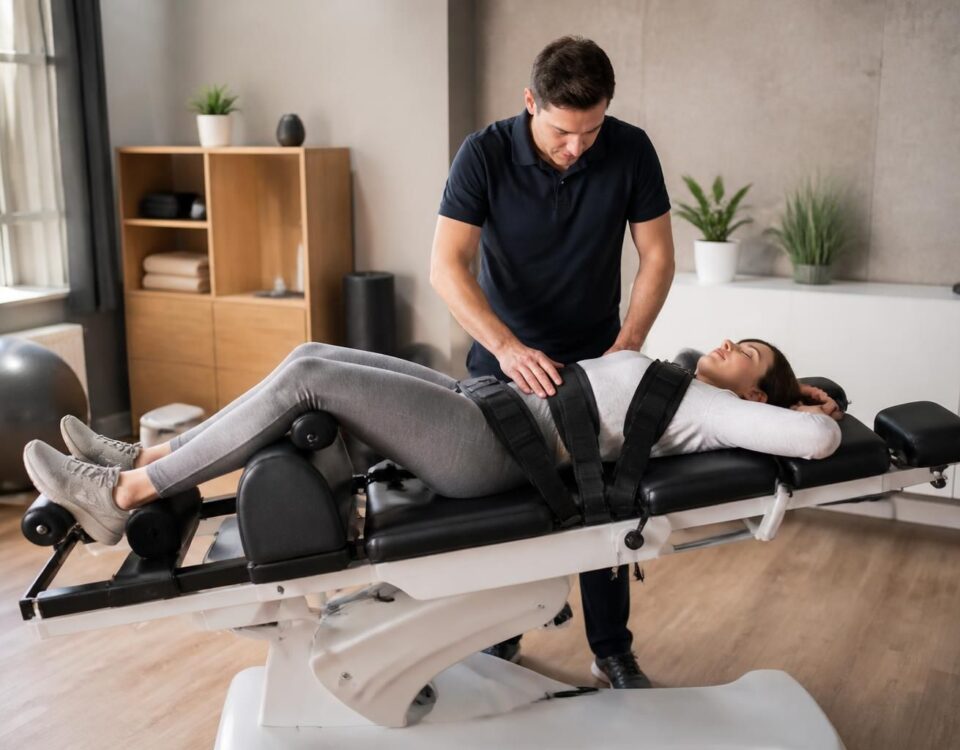
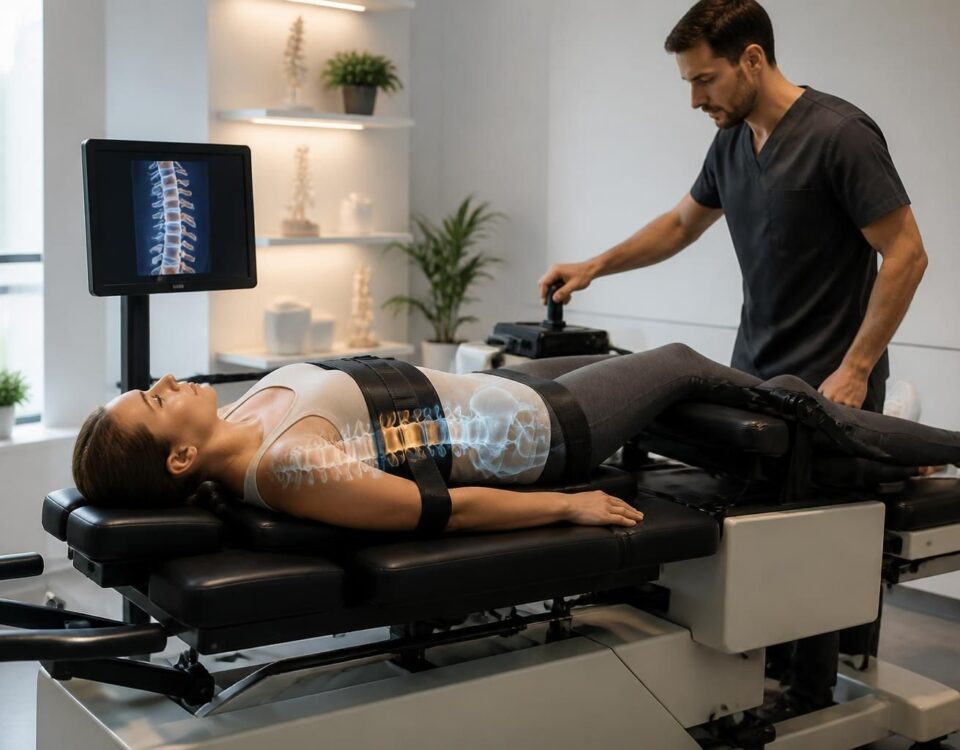
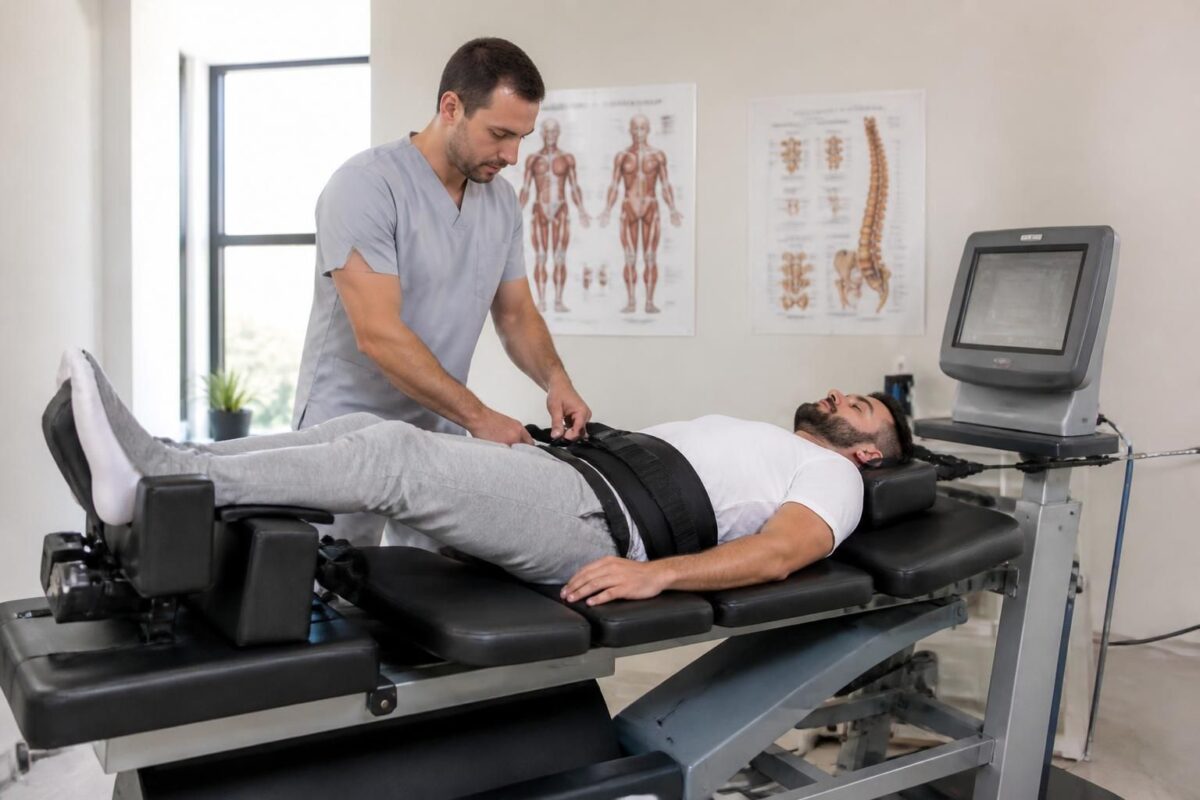
The treatment is based on a controlled and secure traction, carried out on a specialized table. This traction precisely targets the affected segment in order to reduce intradiscal pressure and improve local circulation. By promoting the evacuation of pressures and stimulating circulation, decompression helps the natural healing process of tissues.
Typical indications and observed efficacy
Neurovertebral decompression is particularly useful in cases of recurrent lower back pain linked to pathologies such as protrusions or disc herniated and signs of nerve compression, while remaining a non-surgical and minimally invasive option. Clinical data indicates that a significant percentage of patients report improvement after several sessions, with a gradual decrease in pain and a better ability to move and resume activities. This therapy can be considered when conservative treatments have been insufficient and when medical contraindications are excluded by a professional.
Treatment and follow-up course
The course begins with a clinical evaluation and, if necessary, additional examinations. A personalized treatment plan is then established, including the number of sessions and the intensity adapted to each patient. During the sessions, the therapist monitors comfort and adjusts the settings in real time on the decompression table. At the end of the program, a follow-up consultation makes it possible to assess the evolution and to propose maintenance advice such as postural measures and targeted reinforcements, in order to reduce the risk of recurrence. To learn more about current applications and protocols, you can check the following resources: Understanding neurovertebral decompression, Dr. Desforges’ approach, Benefits for muscle tension.
Specific cases and precautions
In the context of disc pathologies, neurovertebral decompression is not intended to increase or offer exercises or stretching. The treatment focuses on traction and improvement of disk circulation and nutrition conditions. Some situations require in-depth assessment and may exclude decompression management. For more information on contraindications and clinical considerations, see professional resources and expert opinions available on specialized platforms.
Advantages and limitations
Benefits : pain reduction, improved mobility, non-invasive approach, progressive recovery without surgery, reduction of inflammation around the nerves, improvement of disc nutrition. Limitations : Variable efficacy depending on the patient, requires a regular protocol, and is not suitable for all medical configurations. For additional views and recent data, see the following resources: Muscle benefits and tensions, Prevention of chronic mechanical disorders.
Integration into a clinical offer in Montreal and elsewhere
Neurovertebral decompression can be integrated into a multidisciplinary offer. Within TagMed Clinics in Montreal, decompression is used as a non-surgical option for chronic lower back pain, in combination with other evidence-based and advanced technologies. For more information about the services offered and the options available, see Tagmed Clinic.
Additional links and resources
To deepen, the following resources shed additional light on neurovertebral decompression and its applications. Neurovertebral decompression and chronic lower back pain, Disc herniation and decompression, All about neurovertebral decompression.
Discipline and training
The professionals involved in this field rely on recognized training in osteopathy and in manual medicine. Reference institutions in this area include NUMSS, NAO, and National University of Medical Sciences, National Academy of osteopathy. Recognized professional organizations in this context include ACMA (Canadian Alliance of Alternative Medicine), College of Canadian Osteopaths and College of Canadian Osteopaths.
Useful links and professional resources
For additional information and examples of protocols, explore the following resources: Benefits for active patients, Equipment innovations, and Back clinics.
Keywords : neurovertebral decompression, lumbar pain, disc herniation, protrusion, bulge, foraminal stenosis, spinal stenosis, disc degeneration, traction, prognosis, non-surgical management, mobility, quality of life.
Medical Disclaimer: The information and advice provided on this site does not replace the health professional’s diagnosis or treatment. Please note that Dr. Sylvain Desforges osteopath is neither a doctor of medicine nor a doctor, and is not a specialist in a medical specialty as defined by the Collège des Médecins du Québec. Manual medicine, functional medicine and sports medicine as described on this site exclude any medical treatment or diagnosis made by a doctor or specialist doctor. Always consult your doctor for any medical questions. For more details, please read our full legal notice.
- Axis : non-invasive and security For chronic lumbar.
- directions : Slipped disc, disc degeneration, Chronic low back pain, radiculopathy.
- Mechanism : traction fresh creating an intervertebral space and favoring the Disc nutrition.
- Process : evaluation, plan personalized, session of Controlled decompression.
- standard plan : 20 to 25 sessions on 4 to 5 weeks.
- Earnings : pain reduction, Improving mobility, decrease ininflammation.
- Efficiency : up to 71% Patients report improvement after several sessions.
- Advantages over surgery : non-surgical, Lower risks, Faster recovery.
- Integration : Useful in a protocol multidisciplinary with rehabilitation and reinforcement.
- Pre-requisites : Consultation and examinations (MRI or radiography) to assess contraindications.
- General contraindications : severe osteoporosis, vertebral fracture, infection, pregnancy, etc. to evaluate.
- Long-term results : Sustainable reduction in pain, better mobility and quality of life.

This synthesis presents neurovertebral decompression as a non-invasive option to relieve chronic lower back pain and related vertebral disorders. It explains the principle, indications, the course of sessions and security measures, while proposing an integrated approach to optimize recovery and prevent recurrences.
What is neurovertebral decompression?
The neurovertebral decompression is a technique that applies controlled and gentle traction on the spine to create a space between the vertebrae. This space reduces the pressure exerted on the intervertebral discs and nerves, promoting fluid circulation, disk nutrition and tissue regeneration. This non-surgical approach can be used both at the lumbar and cervical level, and aims to reduce inflammation, improve mobility and provide lasting painless relief associated with invasive intervention.
How neurovertebral decompression optimizes body alignment
In short In short, neurovertebral decompression is one Non-invasive therapy which aims to Reduce pressure on intervertebral discs and nerves via controlled traction of the spine. What does it bring? This makes it possible to correct the Postural imbalances and…
Neurovertebral decompression and post-traumatic pain management
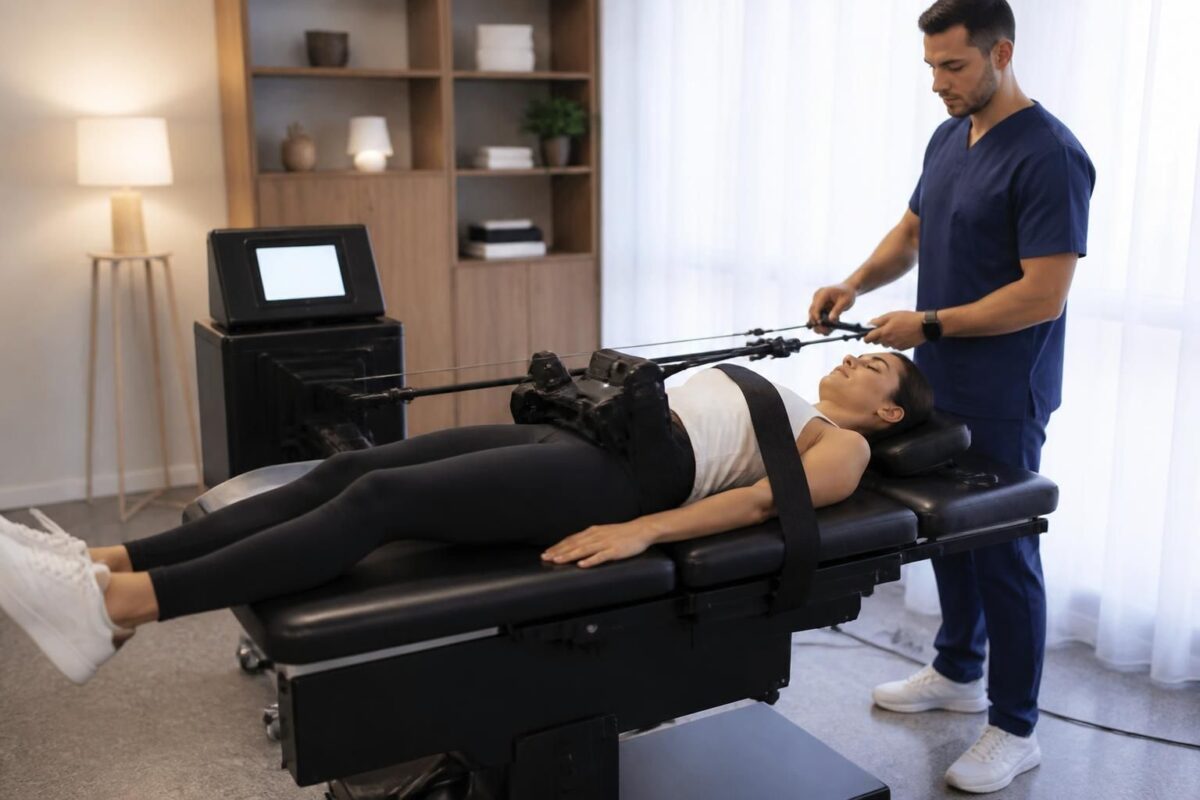
In short In short, the neurovertebral decompression is one Non-invasive method which aims to reduce the pressure on gristle and the Intervertebral discs To treat pain post-traumatic and associated neuropathic pain. Its key advantages include theImproved flexibility of the column…
Indications and benefits
Typical indications include chronic lower back pain related to disc pathologies such as slipped disc, disc bulge, disc degeneration and radicular pain. It can also be part of pain related to osteoarthritis or spinal disorders that have not sufficiently responded to conventional treatments. The remarkable benefits observed in many patients include a reduction in painful symptoms, an improvement in the mobility and a decrease in irradiating neuropathic pain. Clinical results indicate that a significant percentage of patients report improvement after several sessions, with more stable and lasting experience than some more invasive options.
Why neurovertebral decompression is an essential preventive solution
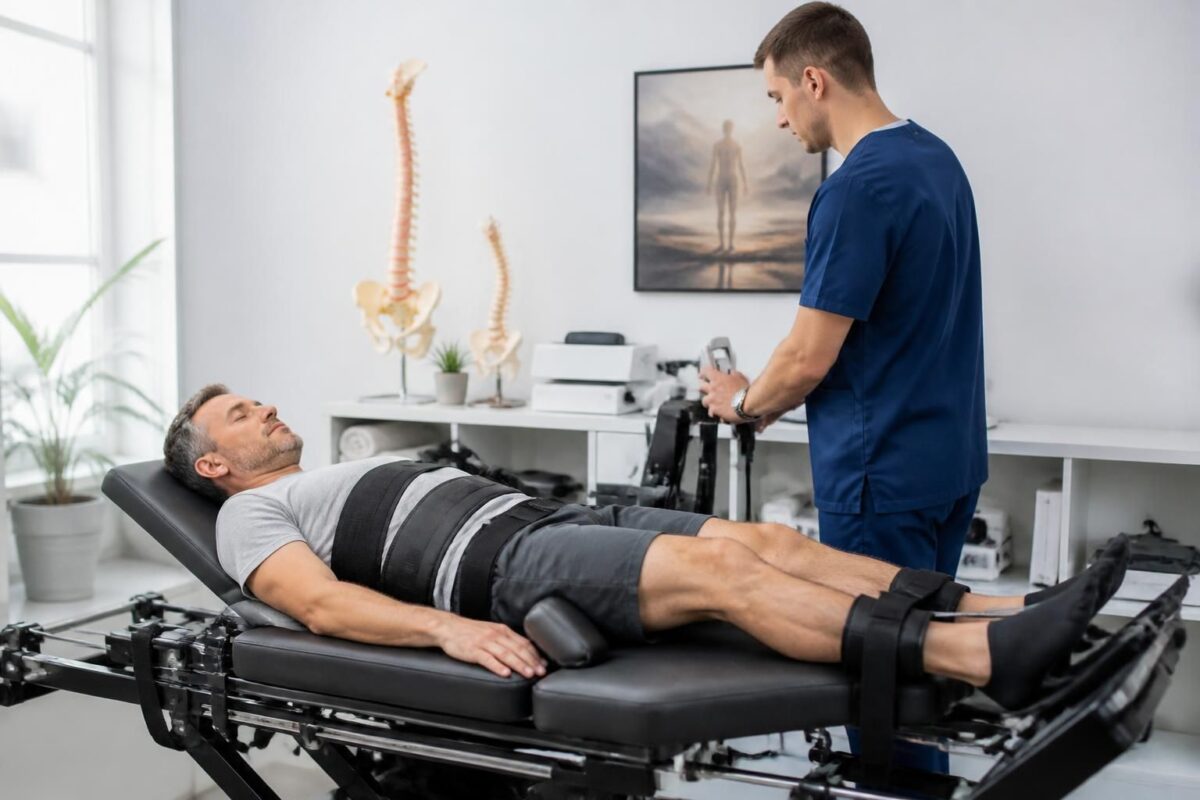
In short In short, neurovertebral decompression is one Preventive solution non-invasive which aims to sustainably reduce the pressures on the discs and nerves. What is it? targeted therapy using Controlled traction on the column to create a Intra-discal vacuum, promote…
The physical and mental benefits of a neurovertebral decompression program
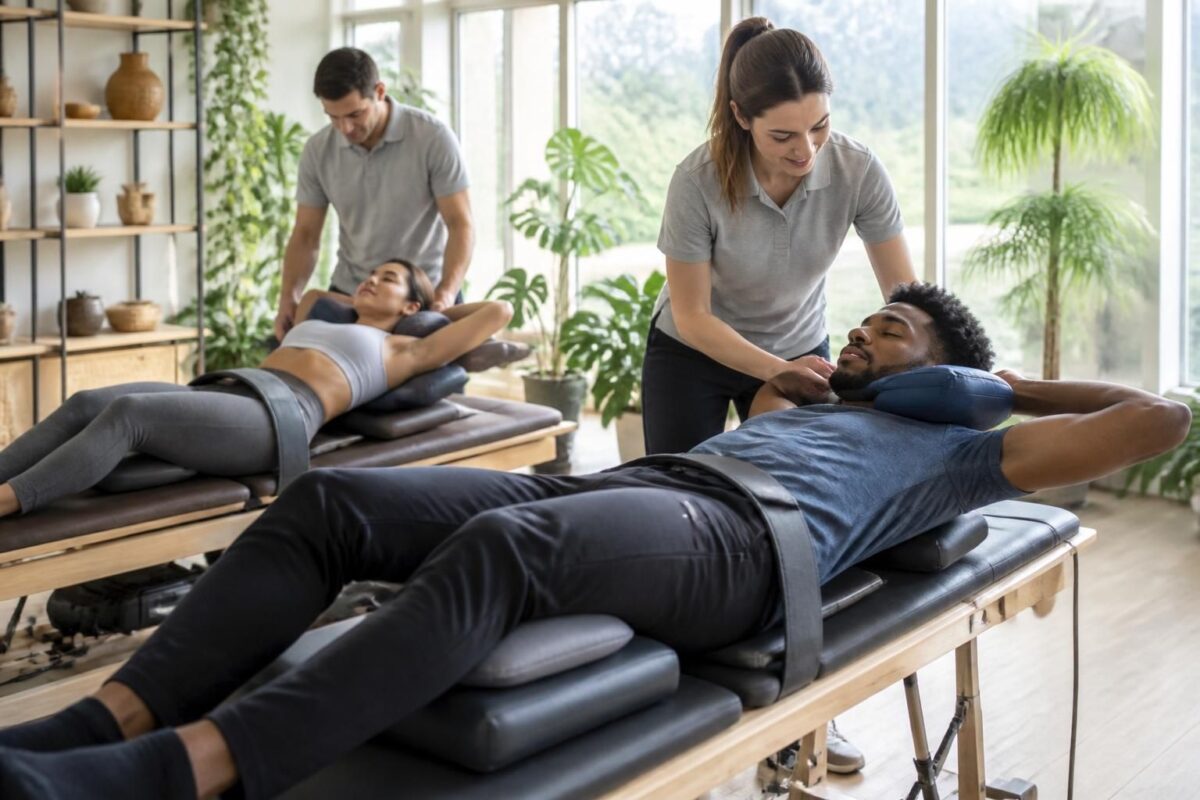
In short In short, the program of neurovertebral decompression is one Non-invasive approach which aims to underline the Chronic pain and improve the Physical and mental well-being. What is it? A technique that decreases pressure on discs and nerves to…
Processing process and protocol
Evaluation and treatment plan
Any program begins with a Personalized evaluation Including medical history, clinical examination and, when necessary, imaging examinations. On the basis of these elements, an individualized treatment plan is established, specifying the number of sessions, the frequency and the functional objectives to be achieved.
course of a session
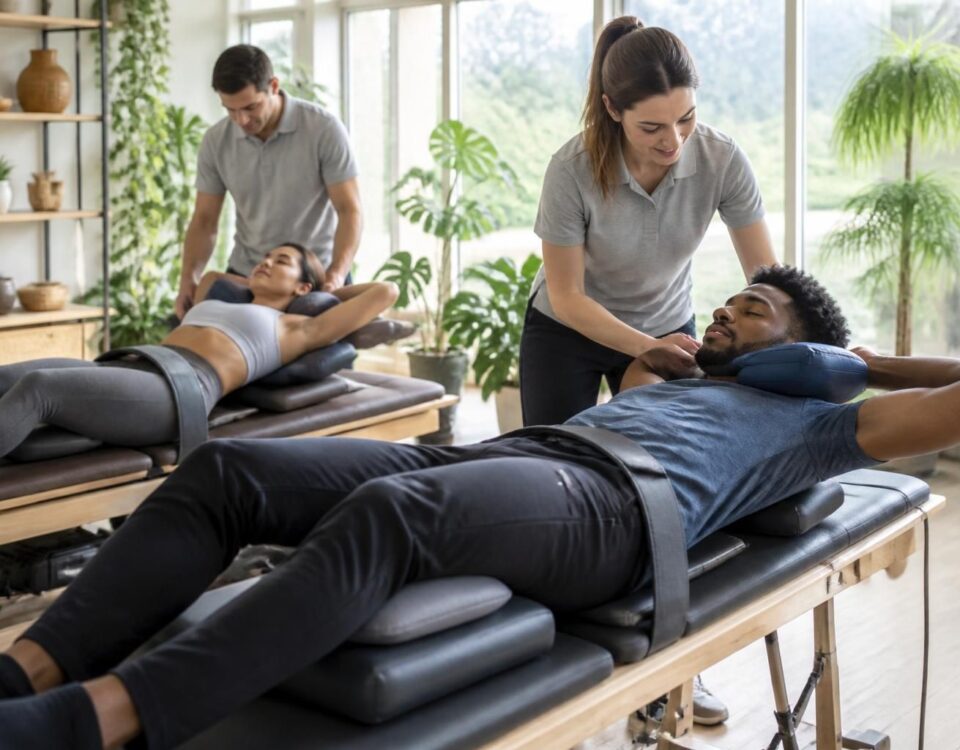
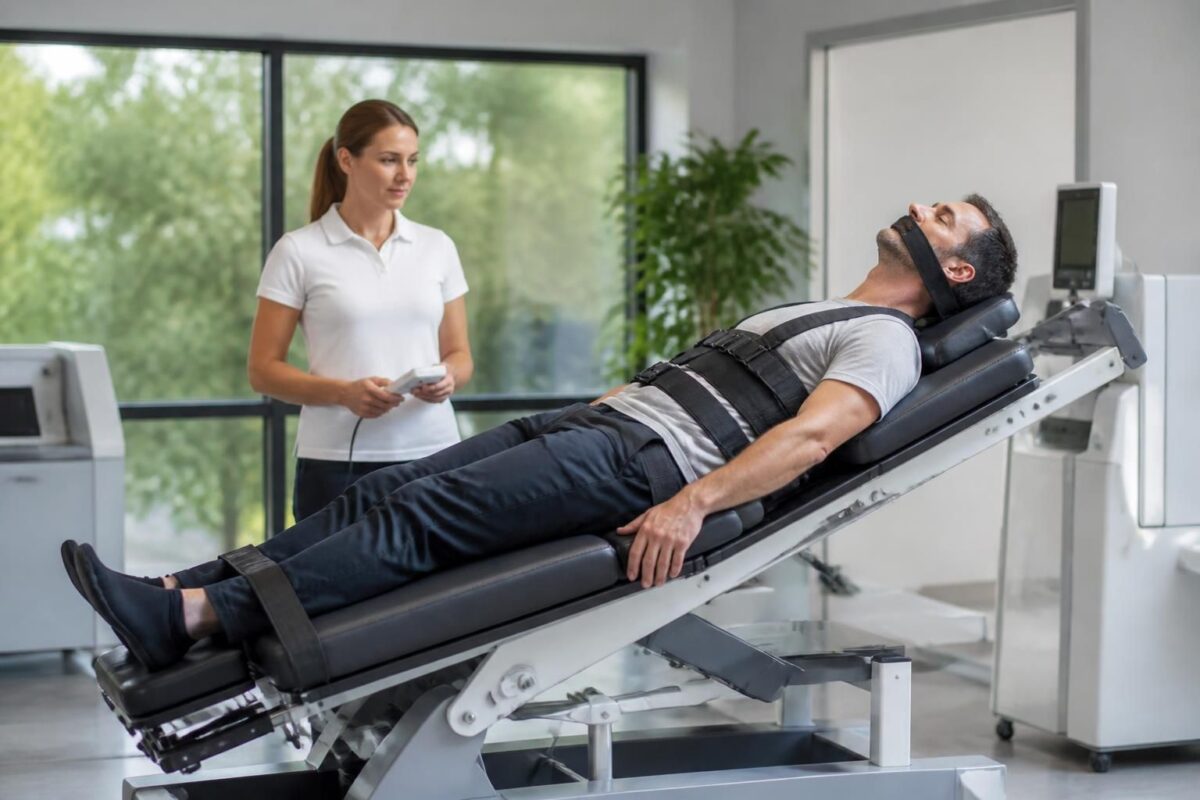
During a session, the patient is installed on a specialized table and harnesses secure the target area. The traction is applied gradually and accurately, with real-time tracking to adjust the intensity. The sessions remain comfortable and can be accompanied by a moment of relaxation or listening to music. The typical protocol predicts several weeks of treatment, on average a few sessions per week, until the expected results are reached.
Monitoring and results
At the end of the program, a follow-up consultation makes it possible to assess the evolution of pain, mobility and posture. Rehabilitation and muscle building advice is provided to maintain functional gains, limit recurrences and optimize quality of life in the long term.
Neurovertebral decompression and relief of associated muscle pain
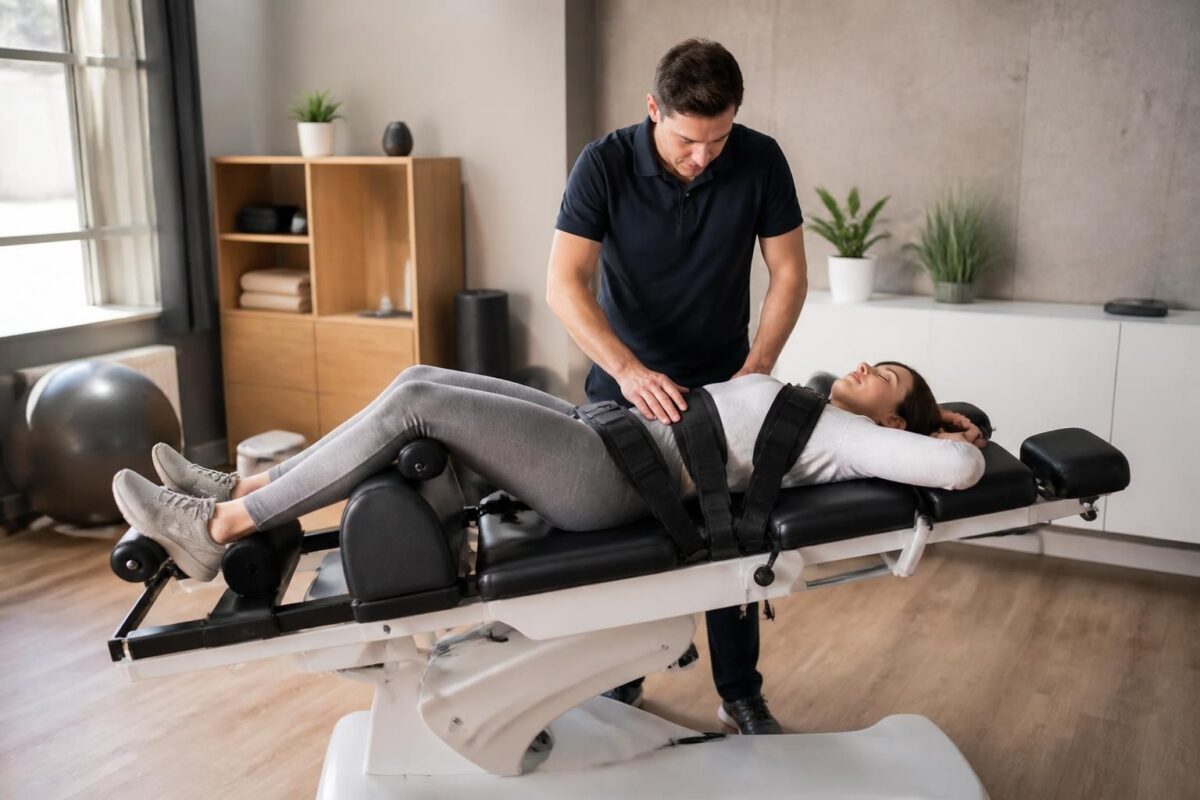
In short In short, the neurovertebral decompression is one Non-invasive approach which relieves the Associated muscle pain By applying a gentle traction on the spine for Release the intervertebral space and improve the circulation. Its advantages include reducing inflammation,Improving mobility…
How neurovertebral decompression improves the function of intervertebral discs
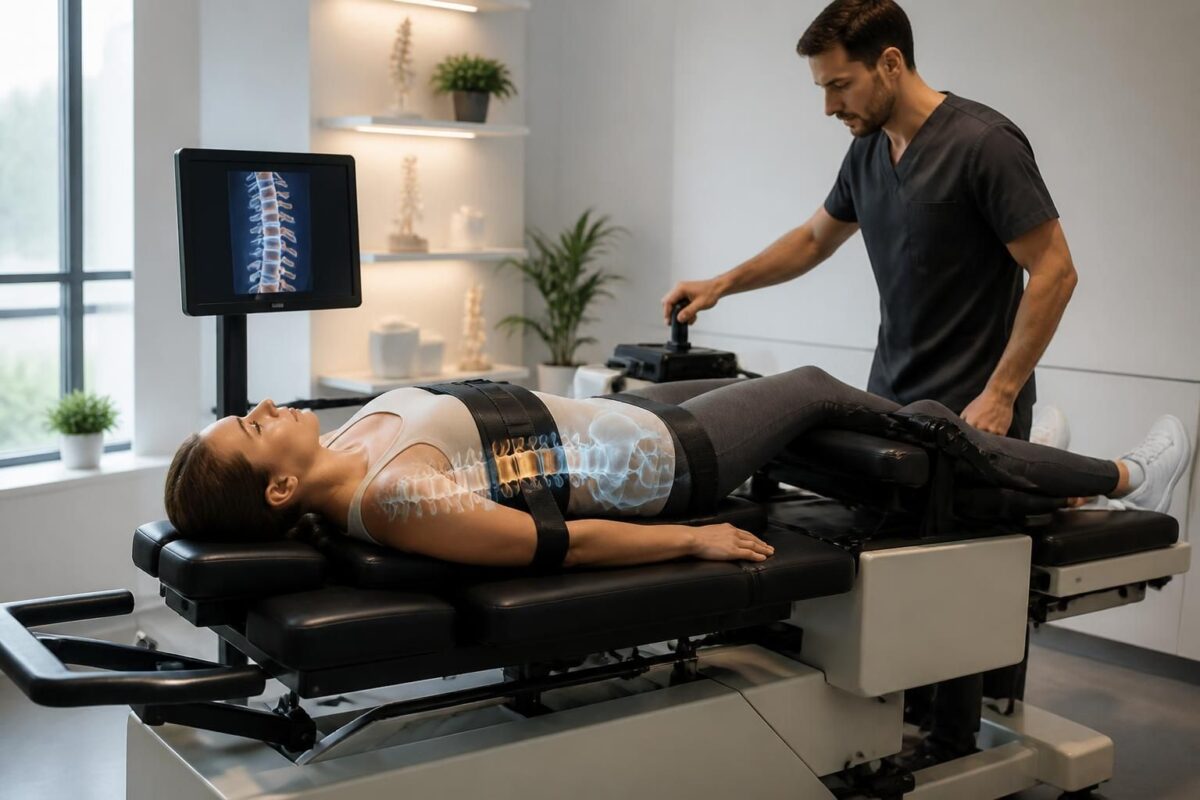
In short In short, the neurovertebral decompression is one Non-invasive technique which applies a Controlled traction along the column to create a space between the vertebrae and reduce the Intradiscal pressure on the Intervertebral discs. This reduction promotes Disk retraction…
Safety and contraindications
Neurovertebral decompression is a procedure non-invasive and generally well tolerated. However, it has contraindications. Are to be assessed: vertebral fractures, severe osteoporosis, spinal instability, tumors, infections, pregnancy, history of major spinal surgery or any pathology hampering vertebral stability. A prior consultation with a health professional is essential to determine the adequacy of the treatment and avoid any risk. The follow-up must be rigorous and adapted to each patient.
Advanced protocols for patients with neurovertebral decompression
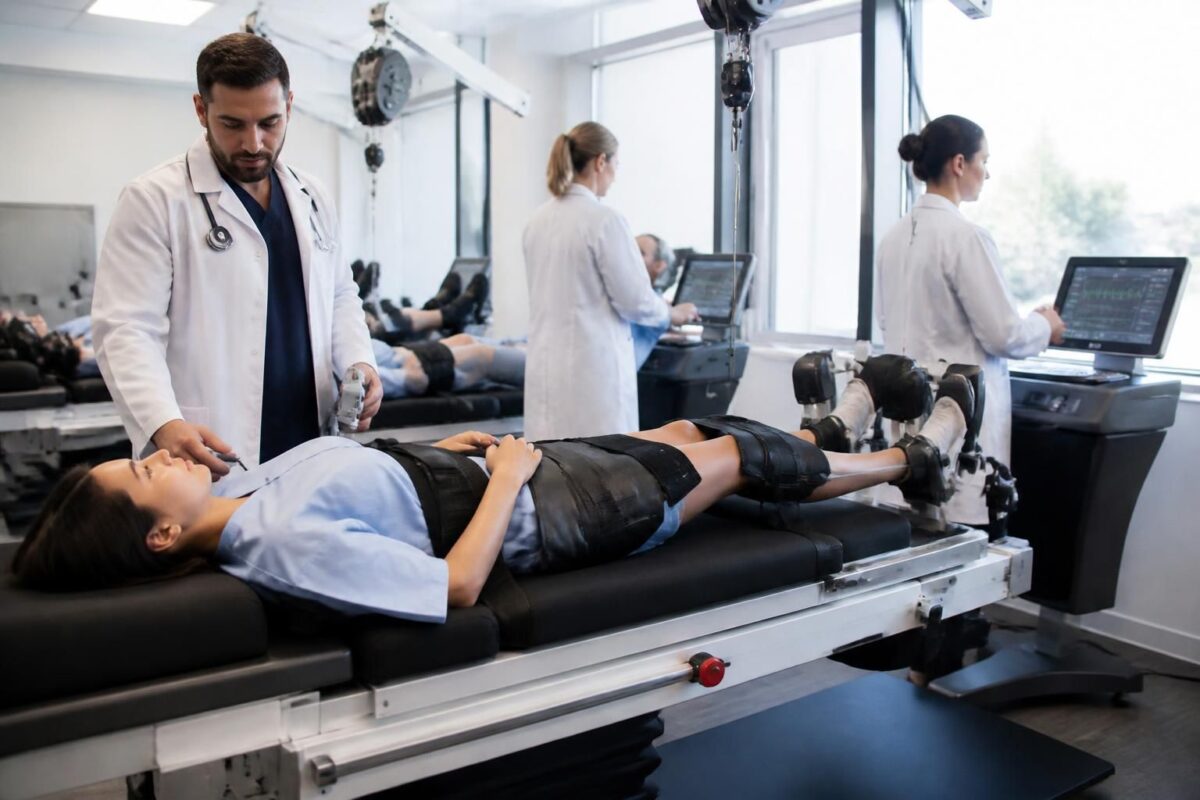
In short In short, neurovertebral decompression is one Non-invasive technique which releases the pressure on the discs and nerves by a Controlled traction computer-guided. What is it? a series of Advanced Protocols adapted to the severity of lumbar or cervical…
Neurovertebral decompression and prevention of disc complications
In short In short, the neurovertebral decompression is one Non-invasive technique to Reduce pressure on intervertebral discs and nerves. It promotes the Tissue regeneration and the Prevention of disc complications such as The disc herniation, The disc bulge and the…
Integration with other approaches and lifestyle
For Optimize results, neurovertebral decompression fits ideally with a multidisciplinary approach including strengthening exercises, postural counseling and complementary therapies when needed. Combining with modalities such as targeted therapy, weight management, and appropriate physical activity can promote sustained improvement and better prevention of recurrences. By working in concert with your care team, you benefit from a personalized protocol that meets your needs and your lifestyle.
Comparative neurovertebral decompression vs chronic lower back pain treatment
| Aspect | Concise details |
|---|---|
| Main objective | relieve the Chronic lower back pain and improve the mobility without surgery. |
| Mechanism | Traction controlled on discs and improved traffic; reduction of the Intra-discal pressure. |
| Methods of treatment | Program non-invasive, over several weeks, with monitoring in real time. |
| directions | herniated discs, disc degeneration, chronic and sciatic lumbar pain. |
| contraindications | active fractures, Severe osteoporosis, infections, pregnancy, instability and implants. |
| Benefits | non-invasive, rapid pain reduction, Mobility improvement and quality of life. |
| Results and evidence | Approximately 71% Patients report improvement after several sessions; supported by clinical data. |
| Back to activity | Gradual resumption of daily and sporting activities without pain. |
| Security and experience | Supervision by a therapist; low risk and High tolerance. |
| Operational framework | Integration multi-modal with other approaches like laser and shock waves depending on the case. |
Testimonials on neurovertebral decompression and treatment of chronic lower back pain
Before discovering the neurovertebral decompression, my Chronic lower back pain made it difficult every day. The technique was a revelation: regular sessions on the decompression table reduced the pressure on my discs and improved my mobility. Today, I can resume my daily activities without this constant discomfort and I breathe better.
As an active but fragile person, I have long sought a suitable solution. After the protocol of neurovertebral decompression For the lumbar, my pain decreases and my nights become calmer. I can get up again without hesitation and I find the pleasure of practicing activities such as walking and gardening.
The pain radiating in my leg was disabling with every move. Thanks to neurovertebral decompression, neuropathic symptoms have subsided; I can now sit for a long time without pain and without discomfort. The personalized follow-up allowed me to progress smoothly and achieve lasting results.
Aged 62, I was apprehensive about the idea of surgery. The approach non-invasive and secure Decompression changed my life: I found a pain-free walk and my posture improved significantly, which allowed me to resume my daily activities with confidence.
As an athlete, my workouts were disturbed by recurrent low back pain. By integrating the neurovertebral decompression to my program and combining it with targeted reinforcement, my recovery is faster and I came back stronger, with a Mobility found And less pain during exercise.
doctoral student in the field of health, Dr. Sylvain Desforges is recognized as a multidisciplinary expert combining osteopathy, naturopathy and manual medicine. As founding president of the TagMed clinics and the ACMA association, he places innovation at the heart of his practice. Its vocation is to offer care based on scientific evidence and to integrate advanced technologies to optimize the management of Chronic lumbar pain and improve the overall well-being of his patients.
His approach is based on a holistic and personalized vision. It favors non-invasive and multidisciplinary solutions, designed to reduce the impact of lower back pain on working and working life. By relying on precise evaluation and appropriate protocols, it guides each patient towards realistic goals: renewed mobility, decreased inflammation and gradual return to a pain-free life.
The neurovertebral decompression occupies a central place in its care offer. This technique targets the spine by gentle and controlled traction, creating a space between the vertebrae and decreasing the pressure exerted on the intervertebral discs and neighboring nerves. The objective is to promote tissue rehydration and regeneration, while improving local blood circulation. This approach non-invasive is a reassuring and effective alternative when lower back pain persists, especially in case of disc problems and degenerative disorders.
Complementary to decompression, the technological arsenal it integrates includes modalities such as Therapeutic laser and shockwave therapies. This combination aims to reduce inflammation, accelerate tissue repair and restore muscle and spinal function. The goal is to offer a Multidimensional processing which adapts to the specific needs of patients, including athletes and active people with recurrent low back pain.
At the heart of his care pathway, the patient benefits from a Personalized route: a first in-depth evaluation sometimes including imaging examinations, the development of a treatment plan, then decompression, follow-up and rehabilitation sessions. Each step is supervised by a dedicated team that adjusts settings in real time, to maximize results while preserving patient safety and comfort.
His practice also emphasizes the importance of patient education and autonomy. By providing practical advice on posture, muscle strengthening and lifestyle, it aims not only to reduce pain, but also to prevent recurrences. In this context, the neurovertebral decompression becomes a key link in a global plan to restore mobility, reduce restrictions and promote a better quality of life in the long term.
Dr. Desforges’ approach is based on convincing results and an approach evidence-based. By combining clinical expertise, cutting-edge technologies and interdisciplinary collaboration, he pursues a mission: to allow everyone to overcome the limitations imposed by lower back pain and to regain fulfilling physical activity, without systematic use of invasive treatments. Its commitment to innovation and sustainable health guides patients towards effective solutions adapted to their reality.
This presentation summarizes the role of the neurovertebral decompression in the management of Chronic lower back pain and associated pathologies, explaining its non-invasive principle, its benefits on mobility and quality of life, as well as its integration into a multidisciplinary approach.
The neurovertebral decompression Acts by a gentle traction and precise which creates a space between the vertebrae, thus reducing the pressure exerted on the intervertebral discs and the nerves. This pressure reduction promotes Tissue regeneration, improves local circulation and helps rehydrate discs, thus contributing to better mobility and a lasting decrease in pain.
It is particularly suitable for patients with slipped disc, of disc degeneration, of Chronic lower back pain and associated neuropathic pain. In practice, this non-invasive approach stands out from surgical interventions by offering a safe and tolerated alternative, with significant benefits for mobility and everyday life, without surgery or heavy drugs.
The typical protocol includes a structured and personalized program, usually over several weeks, with real-time monitoring of traction parameters to ensure safety and efficiency. This strategy allows a gradual return to activities, while reducing the risk of recurrence and promoting better posture and targeted muscle strengthening in parallel with the sessions.
With a view to global management, neurovertebral decompression is part of an approach multidisciplinary Integrating other modalities such as laser, shockwave therapies and appropriate rehabilitation programs. To deepen the practical aspects, the specialized resources address the Current protocols, specific indications and feedback, and they offer useful links for patients and professionals.
To enrich your understanding and access additional information, you can consult the following resources: Table#ATFP_CLOSE_TRANSLATE_SPAN# Vertebral Decompression, Treatments#ATFP_CLOSE_TRANSLATE_SPAN# back clinics, Decompression#ATFP_CLOSE_TRANSLATE_SPAN# Neurovertebral and Mobility, Improvement#atfp_close_translate_span# of joint mobility, Management#ATFP_CLOSE_TRANSLATE_Span# Lumbar pain in athletes, Treatment#ATFP_CLOSE_TRANSLATE_SPAN# Natural for the back, For#atfp_close_translate_span# Seniors, Decompression#ATFP_CLOSE_TRANSLATE_SPAN# Neurovertebral – SOS Herniated Disc, Protocols#ATFP_CLOSE_TRANSLATE_SPAN# Current and Efficiency, Support#ATFP_CLOSE_TRANSLATE_SPAN# after vertebral surgery.

Dr Sylvain Desforges, B.Sc., D.O., N.D., osteopath, is the founding president of TAGMED and of the ACMA association. He dedicates his practice to chronic spinal pain, low back pain and symptoms compatible with sciatica, particularly when pain radiates toward the buttock, leg, calf, foot or toes.
Through SOS Sciatique, he publishes educational content on sciatica symptoms, possible causes such as disc herniation, disc narrowing, foraminal stenosis or irritation of a lumbar nerve root, as well as non-surgical approaches that may be considered according to the evaluation. At Clinique TAGMED, care may include, depending on the case, motorized neurovertebral decompression, specific osteopathic care or precision percussion.
For an evaluation related to sciatica treatment in Montreal / Mount Royal or sciatica treatment in Terrebonne, please consult the services available at Clinique TAGMED.
Medical disclaimer
The information published on SOS Sciatique is provided for educational purposes only and does not replace a consultation, diagnosis, opinion or treatment provided by a physician or another authorized healthcare professional. The author of this article is neither a medical doctor nor a specialist in a medical specialty recognized by the Collège des médecins du Québec. The osteopathic, manual medicine or functional support approaches described on this site do not constitute medical acts and are not intended to replace medical follow-up.
Consult a physician or emergency service in cases of loss of bladder or bowel control, anesthesia in the saddle area, significant or progressive weakness in the leg or foot, fever, recent trauma, severe pain or rapid worsening of symptoms. For more details, please read our Legal Notice.