

Neurovertebral decompression and prevention of disc complications
26/06/2026
How neurovertebral decompression improves the function of intervertebral discs
26/06/2026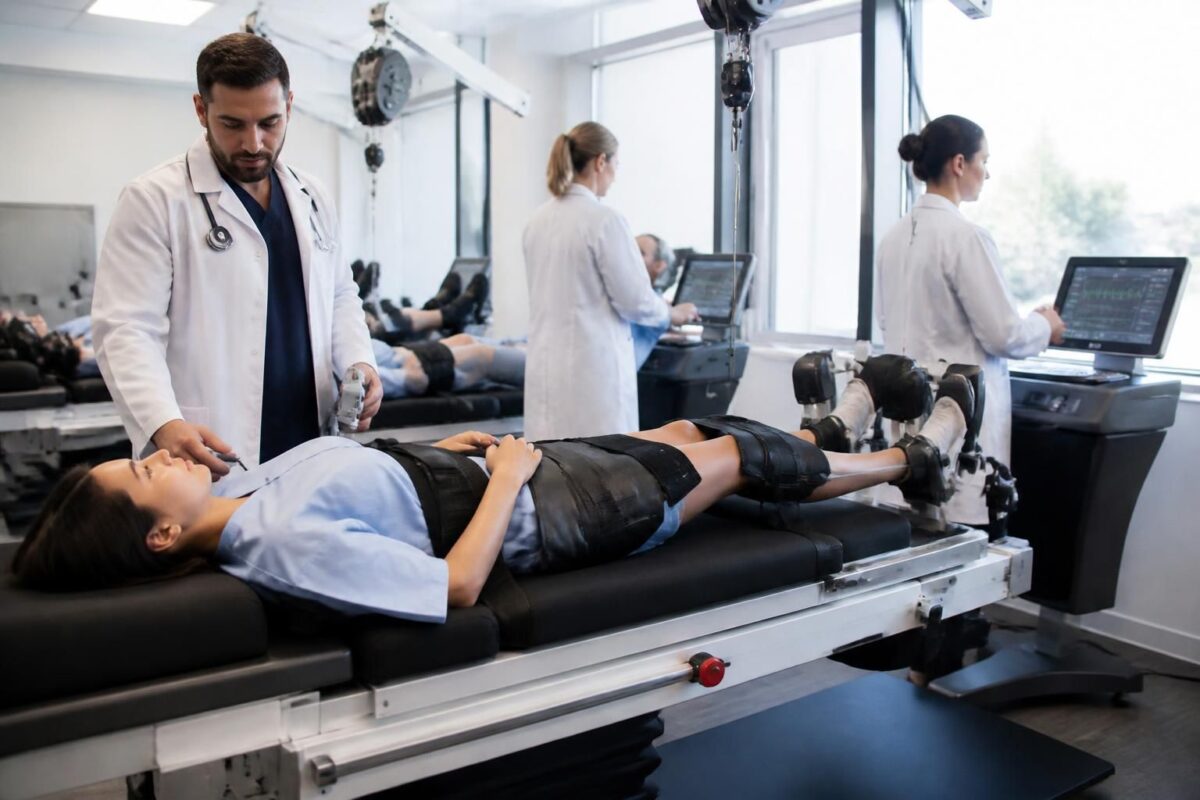
In short
| In short, neurovertebral decompression is one Non-invasive technique which releases the pressure on the discs and nerves by a Controlled traction computer-guided. What is it? a series of Advanced Protocols adapted to the severity of lumbar or cervical pain, generally 5 to 10 sessions. What are the advantages? Lasting pain relief, improvement of the mobility and Non-surgical alternative to surgery, with personalized follow-up. How does it work? a evaluation initial then Personalized sessions, adjusted in duration and intensity and computer readjusted According to the results. Accessible in Paris, this service is particularly suitable for lower back and cervical pain and can be integrated into complementary care such as osteopathy or physiotherapy. |
The Advanced Protocols in neurovertebral decompression offer an approach non-invasive and personalized for spinal pain. From a initial assessment thorough, a Tailor-made treatment plan is established and adapted according to the severity and response of the patient.
- use of a Controlled traction Applied to the affected vertebral segments, with planned sessions to decrease the pressure on discs and nerves.
- technology computer assisted and an Decompression table For optimum accuracy and safety.
- DURATION AND Frequency of sessions adjusted as appropriate (for example, 5 sessions for chronic low back pain or 10 sessions for a herniated disc).
- Integration of Complementary therapies such as osteopathy and physiotherapy to support global recovery and mobility.
- Regular follow-up and protocol adjustments based on the evolution of symptoms and patient tolerance.
This article presents the Advanced Protocols For patients in neurovertebral decompression. It explains the objectives, the typical durations, the technologies used and the monitoring framework. The objective is to reduce the pressure on the intervertebral discs and nerves without the need for surgery, while ensuring clear and reproducible follow-up.
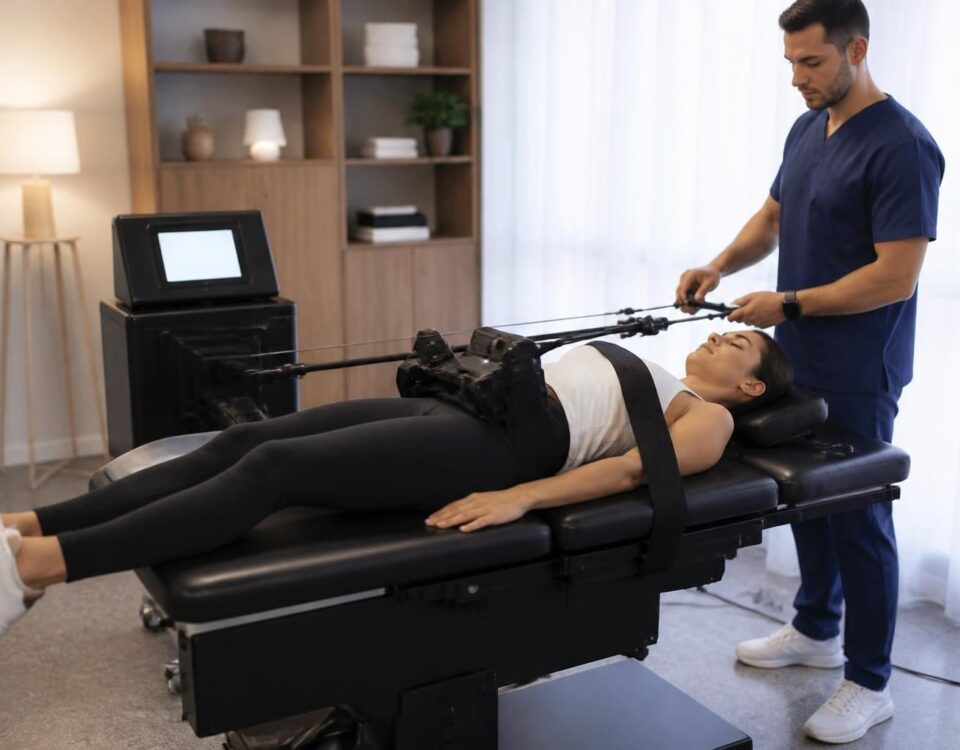
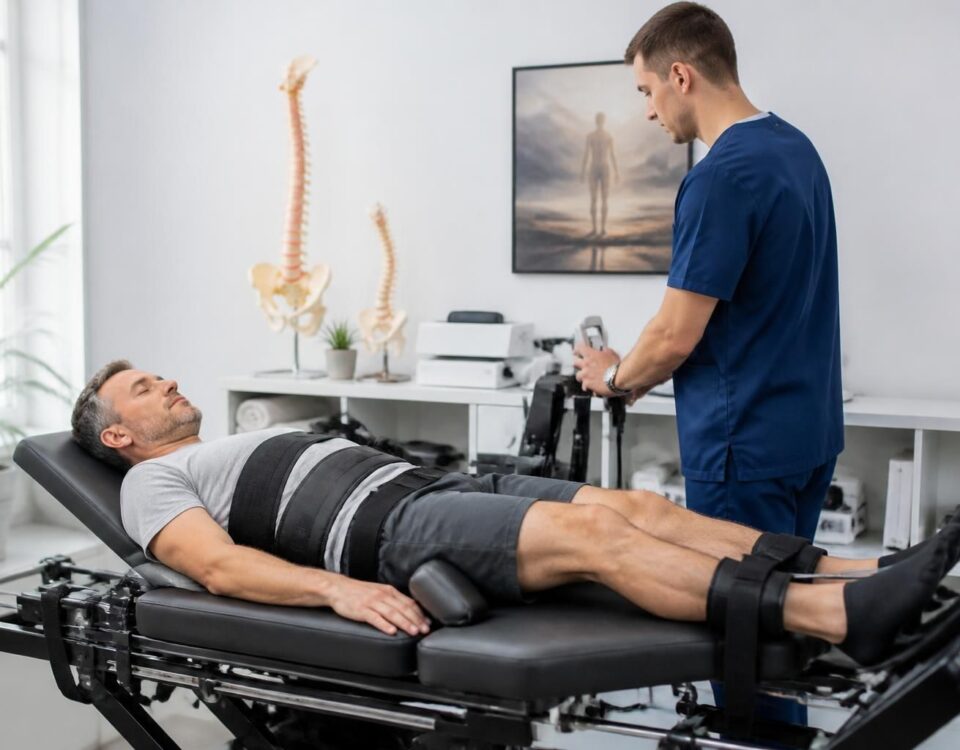
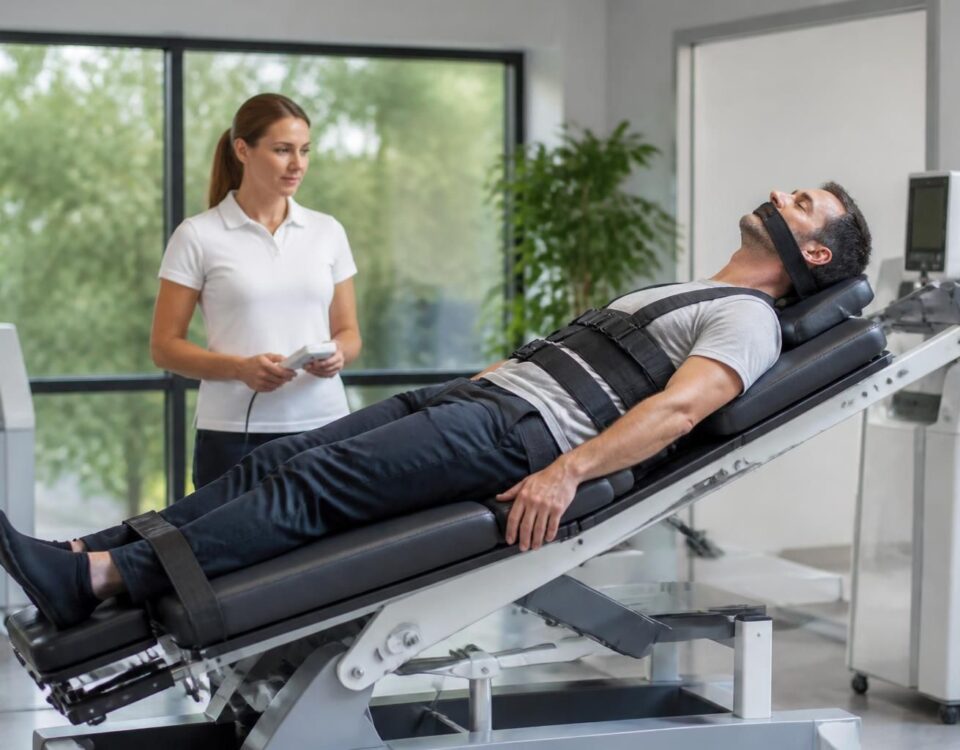
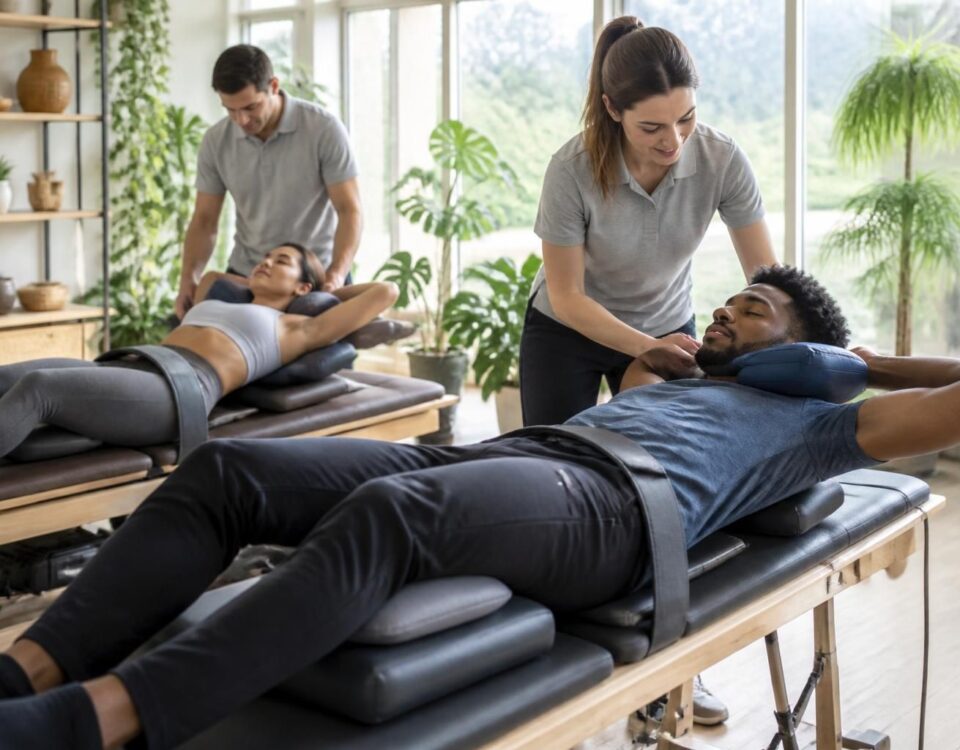
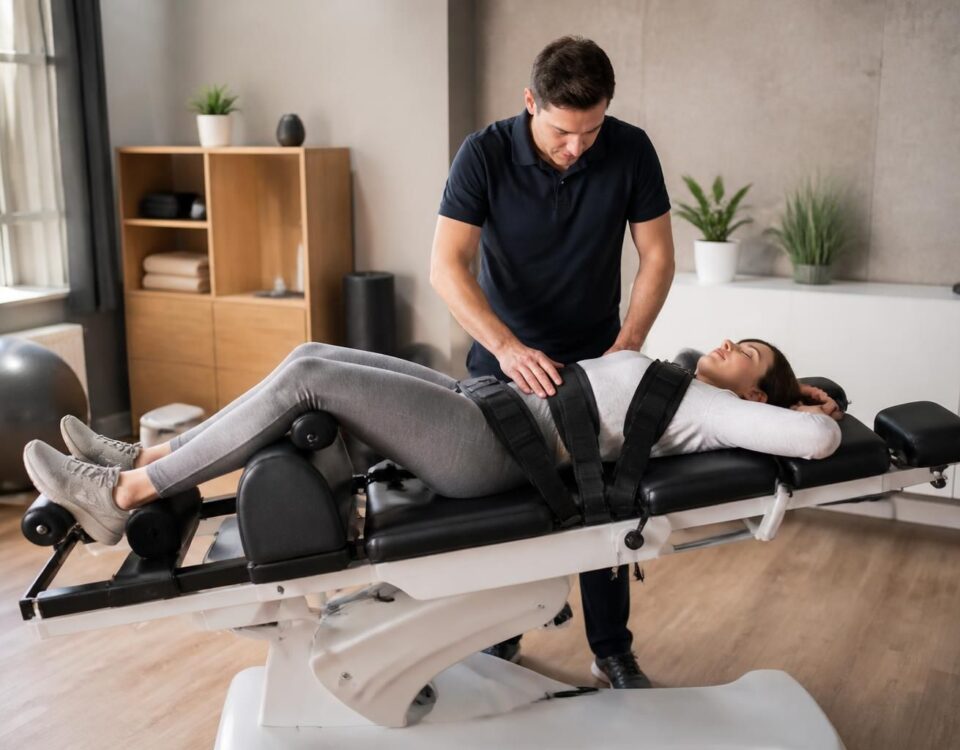
Protocols are designed to be secure and effective In the non-invasive treatment of spinal pain. They are based on a Computer-guided traction and an Decompression table intended to gradually release pressure on the affected segments. The goal is to achieve lasting relief and improve back function without surgery.
Initial evaluation and treatment plan
A initial assessment Is performed to identify areas to be treated and check for indications for neurovertebral decompression. This assessment may include background analysis and, if necessary, imaging information. The treatment plan specifies the number of sessions and traction parameters. Each session is adapted to the patient’s reaction and the evolution of the symptoms.
Typical protocols and duration of sessions
Standard protocols exist and can be adjusted. For example, a Protocol of 5 sessions May be suitable for chronic lower back pain. One Protocol of 10 sessions is envisaged for certain herniated discs. Each session usually lasts between 30 and 45 minutes. The program is adapted to the severity and clinical course of the patient.
Technologies and security
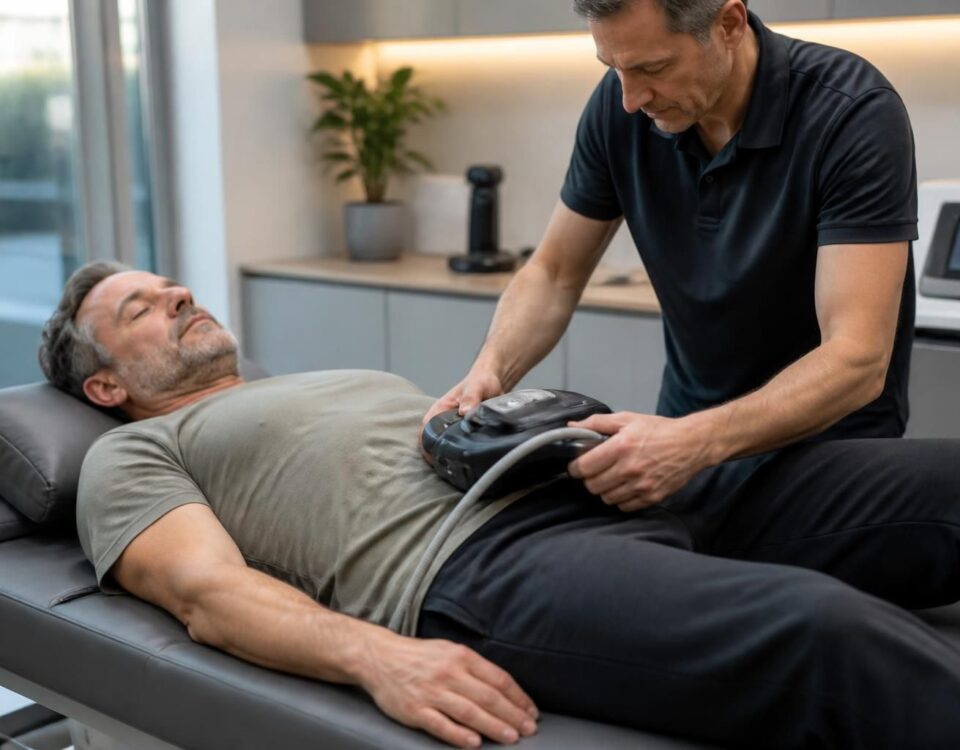
The sessions use a Computer controlled traction and dedicated devices to guide the spinal segments concerned. This approach offers high accuracy and security. The protocol provides for regular evaluations and adjustments to ensure the comfort and effectiveness of the treatment.
Integration of complementary therapies
Complementary approaches can be used as part of the care pathway. Osteopathy can be associated with neurovertebral decompression in specialized clinics. These modalities aim to support recovery and preserve patient mobility, while avoiding surgical interventions.
Monitoring, evaluations and results
The monitoring is regular and structured. Symptoms are re-evaluated at predefined intervals and the protocol is adjusted accordingly. Expected results include a pain reduction and an Improving mobility, with an increased perception of well-being over the sessions.
Resources and references
To deepen, these resources shed light on neurovertebral decompression and its results. Comment#ATFP_CLOSE_TRANSLATE_SPAN# Neurovertebral decompression acts on diffuse pain. LES#ATFP_CLOSE_TRANSLATE_SPAN# Modern Techniques in Neurovertebral Decompression. LES#ATFP_CLOSE_TRANSLATE_SPAN# Quick results obtained thanks to a decompression program. Protocols#ATFP_CLOSE_TRANSLATE_SPAN# Current neurovertebral decompression. Additional information is available on les#atfp_close_translate_span# Advanced protocols to maximize results and LES#ATFP_CLOSE_TRANSLATE_SPAN# Advanced Patient Protocols. Other resources can be viewed on specialized sites such as Protocols#ATFP_CLOSE_TRANSLATE_SPAN# and feedback.
For information, the protocols and resources mentioned above revolve around a care framework that favors non-invasive and evidence-based approaches, in compliance with good professional practices and safety requirements.
Medical Disclaimer: The information and advice provided on this site does not replace the health professional’s diagnosis or treatment. Please note that Dr. Sylvain Desforges osteopath is neither a doctor of medicine nor a doctor, and is not a specialist in a medical specialty as defined by the Collège des Médecins du Québec. Manual medicine, functional medicine and sports medicine as described on this site exclude any medical treatment or diagnosis made by a doctor or specialist doctor. Always consult your doctor for any medical questions. For more details, please read our full legal notice. »
Axes: Structured course of advanced protocols
- initial assessment: History, symptoms and imaging as needed
- Personalization: adapted traction, duration and frequency
- Controlled traction: Targeted loads on affected segments
- Standardized protocols: 5 sessions for chronic lumbar; 10 for herniated disc
- Integrated technology: Assisted decompression and computerized control
- Complementary therapies: osteopathy and associated physiotherapy
- Monitoring and adjustments: Real-time re-evaluations and modifications
- patient education: explanations and practices of maintenance
- Dedicated exercises: Targeted strengthening and mobility
- Safety and comfort: Monitoring and tolerance
- goals: pain reduction and improved mobility
- Evaluation of results: Monitoring of functional progress

Advanced protocols for patients with neurovertebral decompression are a non-invasive and personalized approach to reduce pressure on intervertebral discs and nerves, while promoting recovery and mobility. This article offers clear recommendations for optimizing these protocols, from initial assessment to follow-up and prevention of recurrences.
Patient assessment and preparation
Objectives and security
Before starting any protocol, carry out a Full assessment is essential. This step includes analysis of antecedents, a thorough physical examination and, when necessary, imaging elements such as MRI to precisely locate areas to be treated. identify the contraindications And the risk factors allow you to personalize the plan and ensure secure and effective support.
How neurovertebral decompression optimizes body alignment
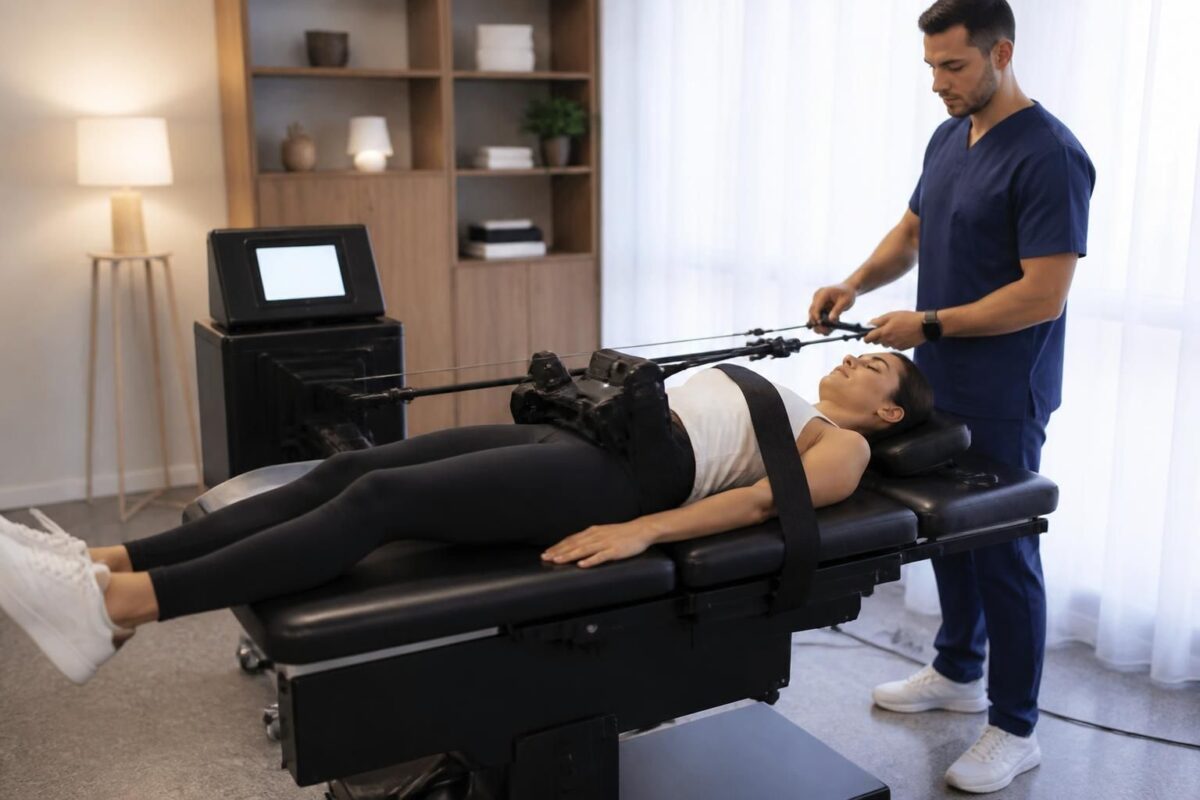
In short In short, neurovertebral decompression is one Non-invasive therapy which aims to Reduce pressure on intervertebral discs and nerves via controlled traction of the spine. What does it bring? This makes it possible to correct the Postural imbalances and…
Neurovertebral decompression and post-traumatic pain management
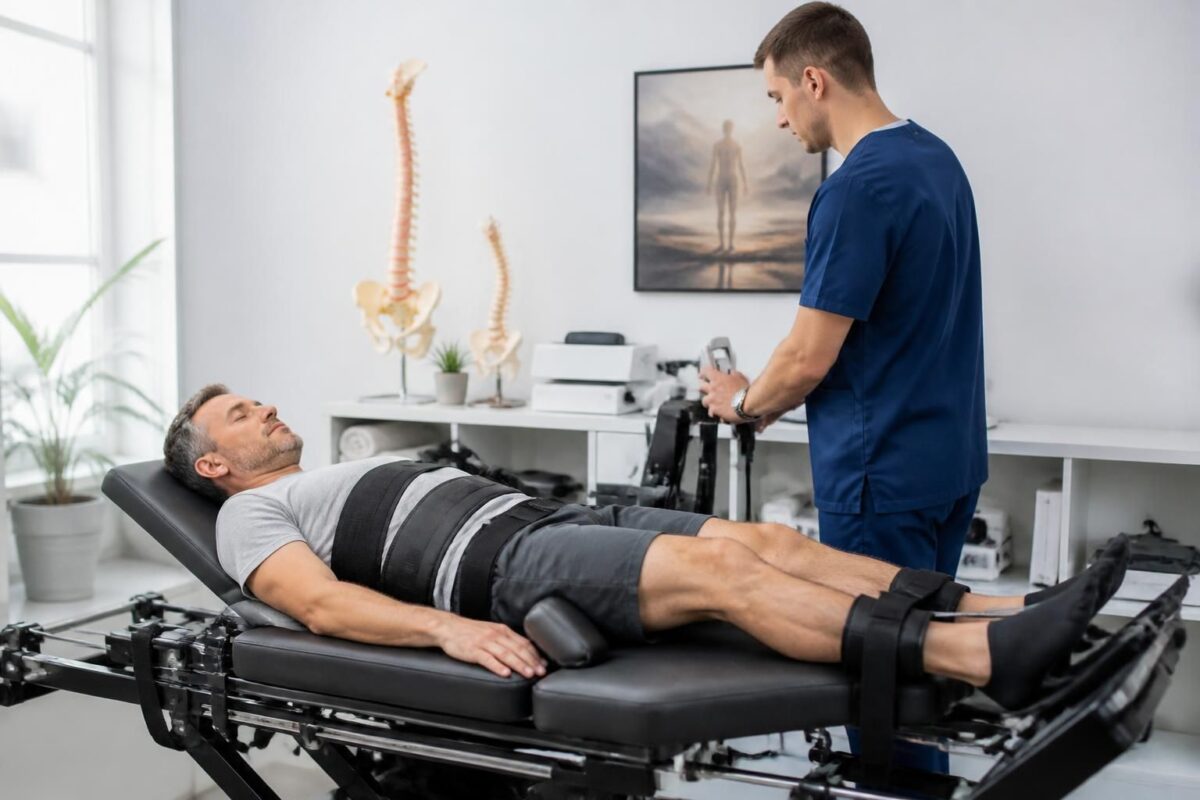
In short In short, the neurovertebral decompression is one Non-invasive method which aims to reduce the pressure on gristle and the Intervertebral discs To treat pain post-traumatic and associated neuropathic pain. Its key advantages include theImproved flexibility of the column…
Protocol Customization
Traction and duration
Protocols must be custom depending on the severity and location of the pain. The treatment is based on a Controlled traction carried out by specialized tables, with an intensity, a duration and an frequency adjusted in real time according to the tolerance and the evolution of the patient. In practice, one can propose typical protocols of 5 sessions for chronic lower back pain and 10 sessions for herniated discs, while remaining flexible for other cases. Each session generally lasts between 15 and 45 minutes, depending on the size of the problem and the patient’s feelings.
Why neurovertebral decompression is an essential preventive solution
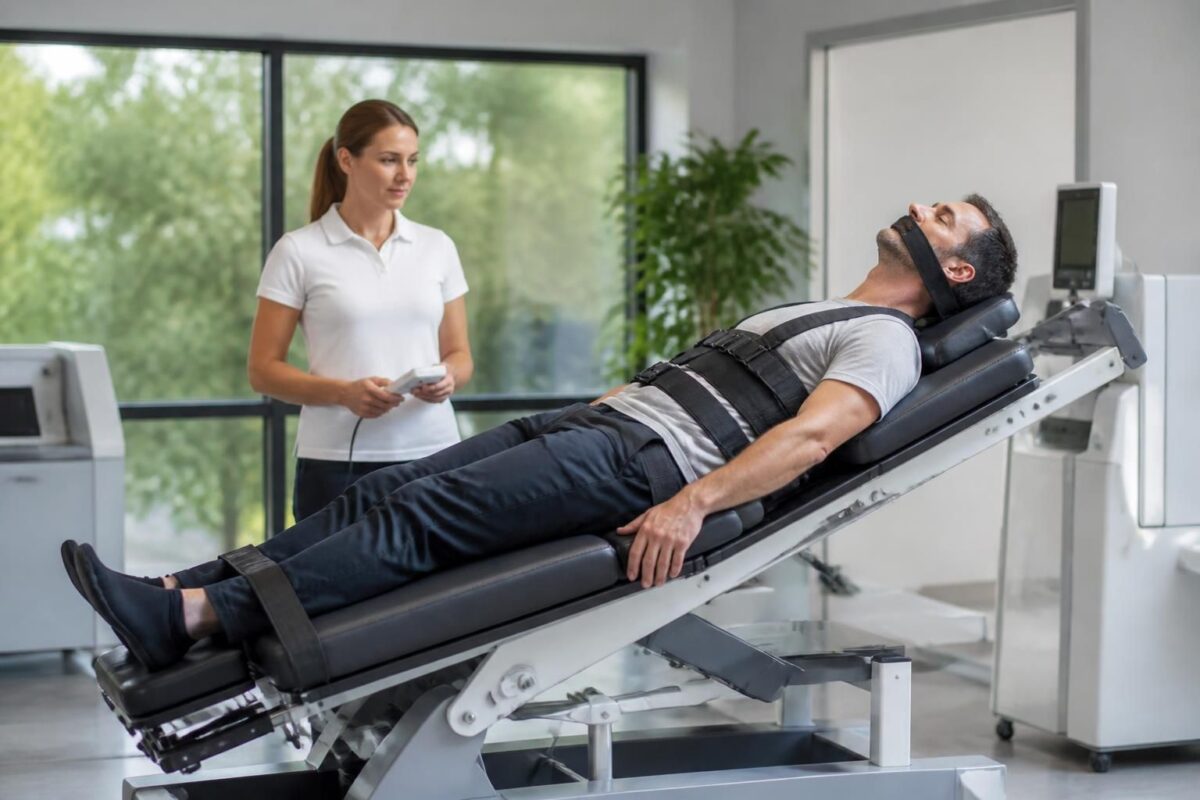
In short In short, neurovertebral decompression is one Preventive solution non-invasive which aims to sustainably reduce the pressures on the discs and nerves. What is it? targeted therapy using Controlled traction on the column to create a Intra-discal vacuum, promote…
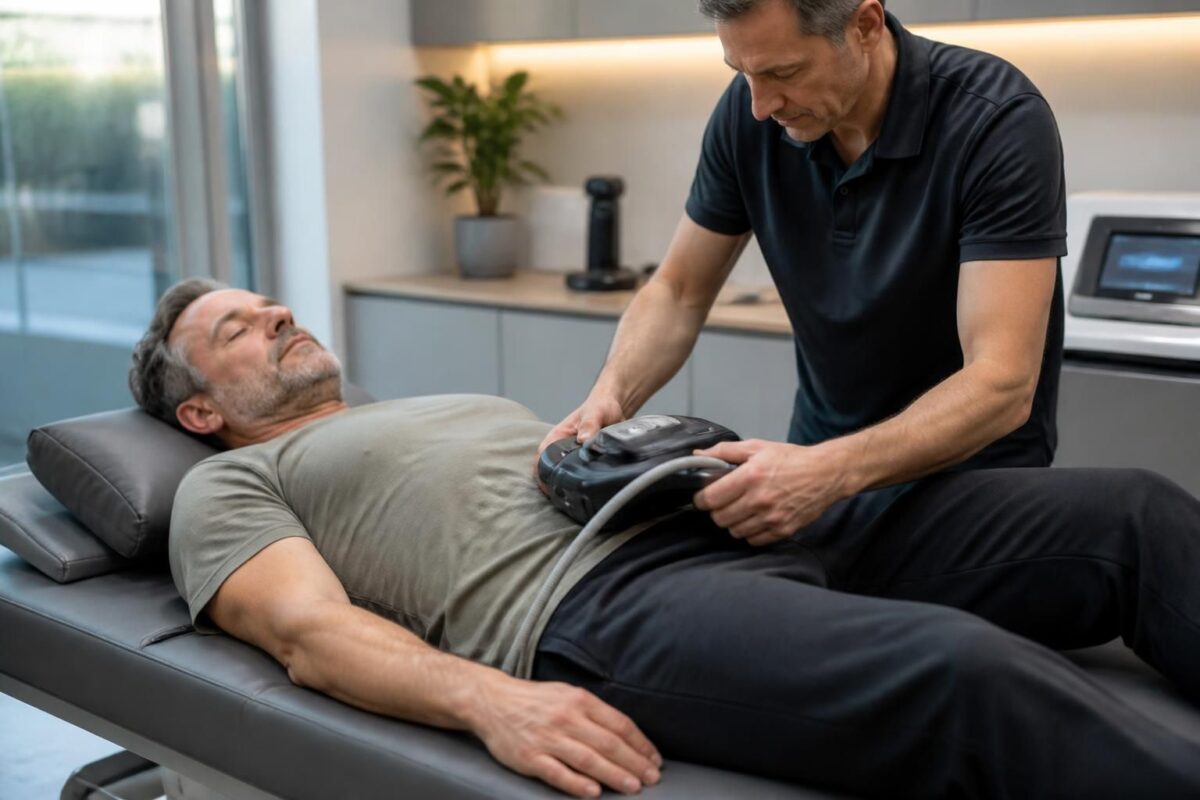
Neurovertebral decompression and treatment of chronic lumbar pain
In short In short, neurovertebral decompression is a technique non-invasive of Treatment of chronic lower back pain which reduces the Pressure on discs and nerves and can relieve the herniated discs and the disc degeneration. At Montreal, it offers a…
Multidisciplinary integration
Therapeutic synergies
To optimize the results, associating neurovertebral decompression with complementary approaches can be beneficial. theosteopathy and the physiotherapy Can strengthen back muscles, improve mobility and support recovery. Therapies such as laser and the shock waves can be integrated when relevant, in order to promote regeneration and optimize comfort during the care journey. This combination aims at an approach holistic and sustainable.
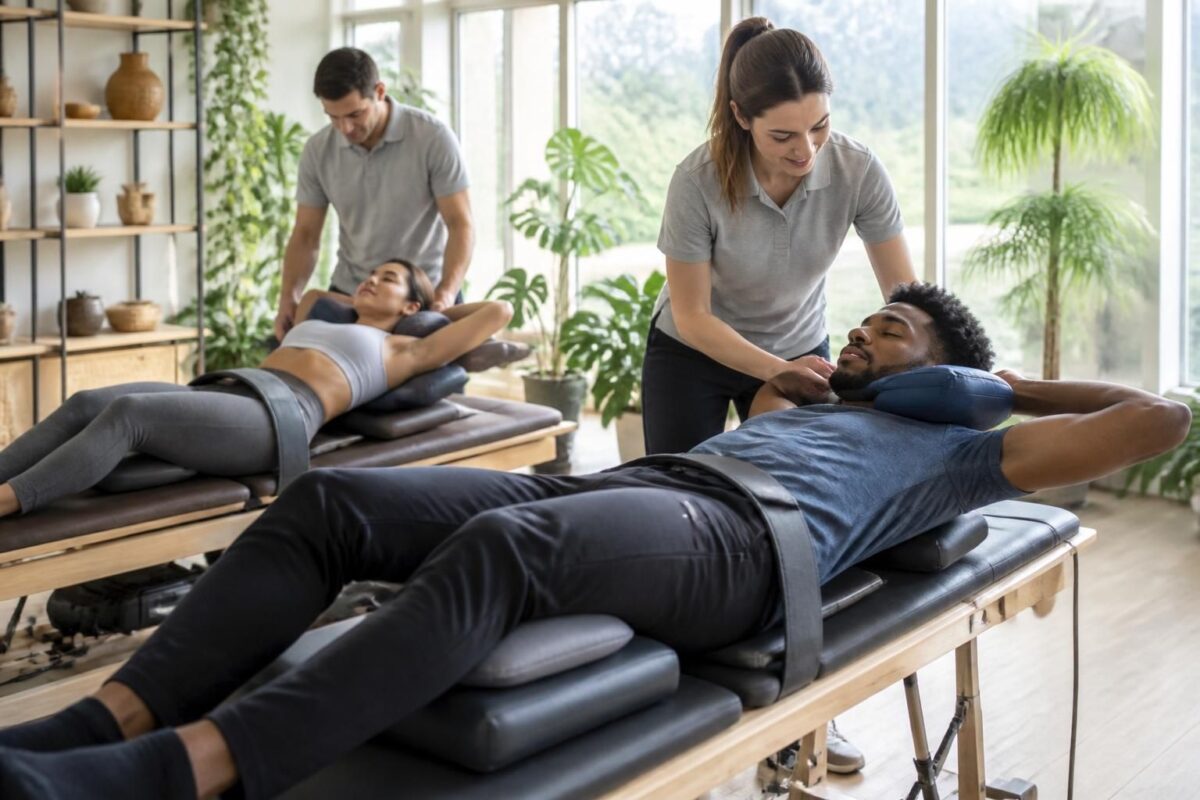
The physical and mental benefits of a neurovertebral decompression program
In short In short, the program of neurovertebral decompression is one Non-invasive approach which aims to underline the Chronic pain and improve the Physical and mental well-being. What is it? A technique that decreases pressure on discs and nerves to…
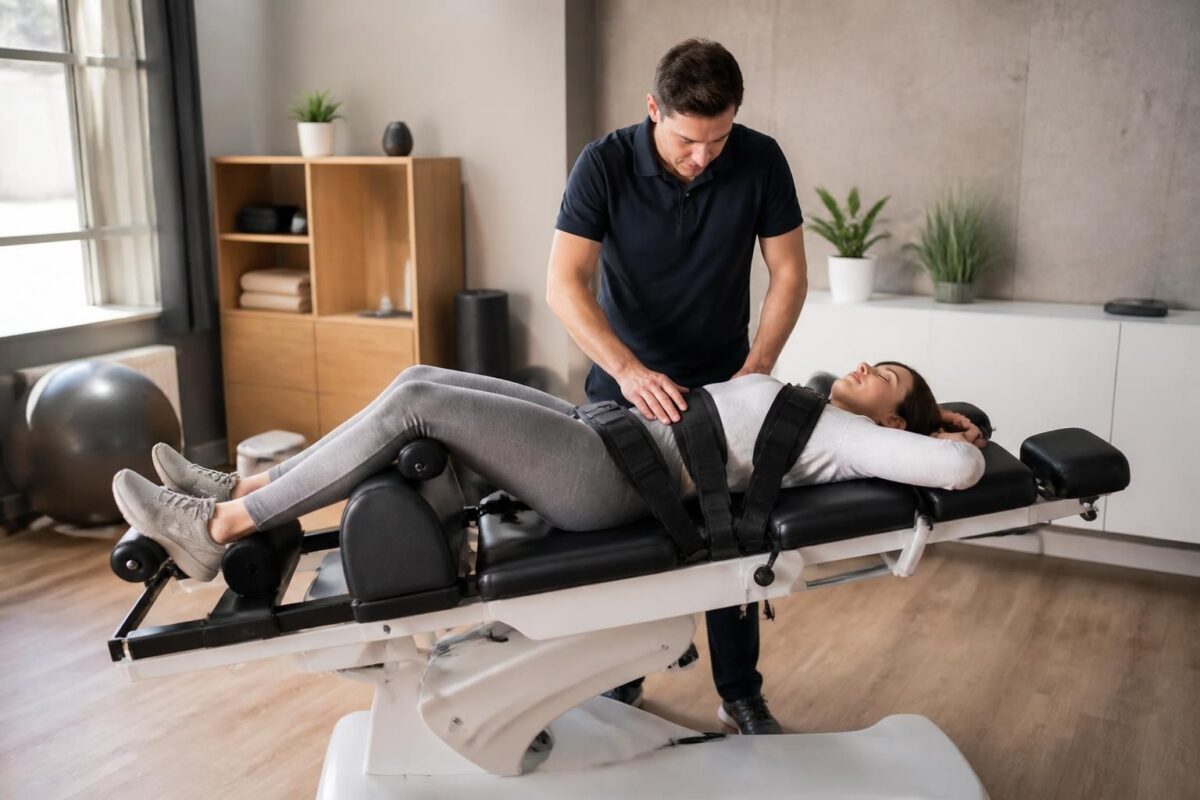
Neurovertebral decompression and relief of associated muscle pain
In short In short, the neurovertebral decompression is one Non-invasive approach which relieves the Associated muscle pain By applying a gentle traction on the spine for Release the intervertebral space and improve the circulation. Its advantages include reducing inflammation,Improving mobility…
Security, Tolerance and Tracking
Monitoring and adaptation
Regular monitoring is crucial to measure progress and adjust the protocol accordingly. systematically assess the pain, radiant pain, mobility And the posture makes it possible to descriptor the axes of improvement and to prevent relapses. It is essential to ensure clear communication with the patient, to obtain Informed consent and to monitor any adverse effects or warning signs that require reassessment.
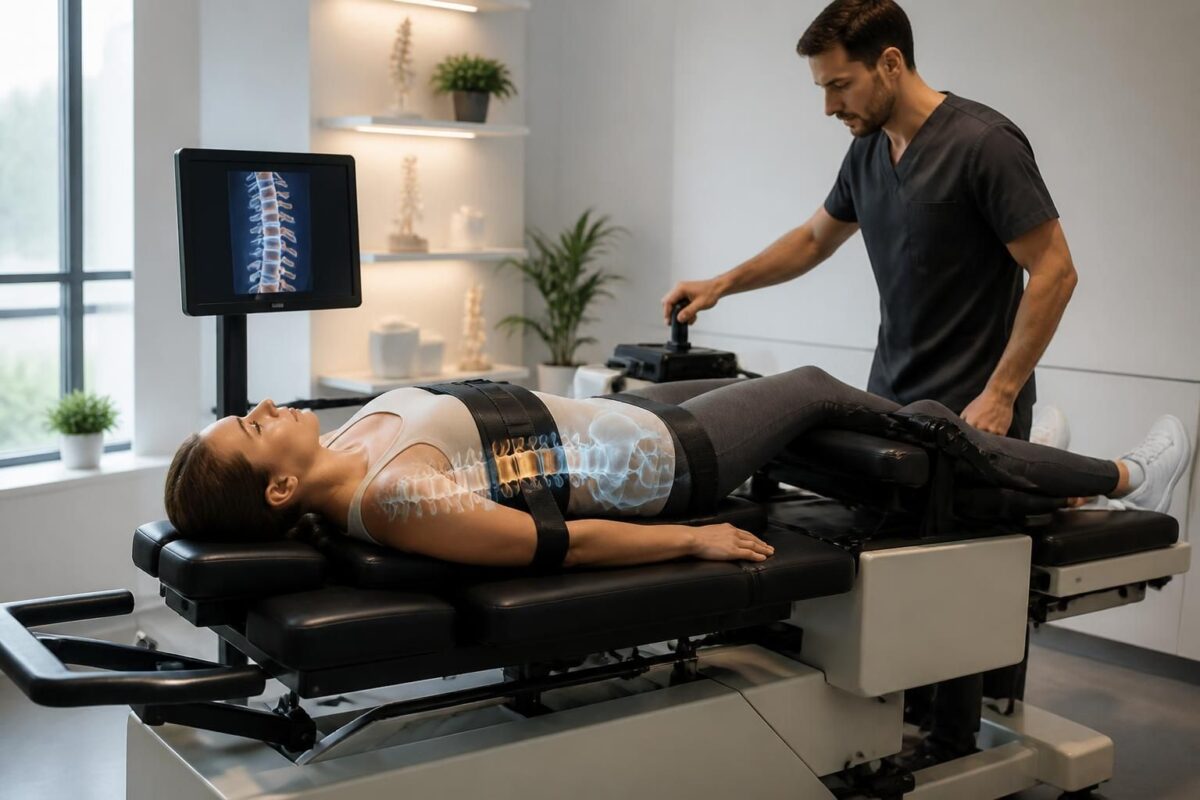
How neurovertebral decompression improves the function of intervertebral discs
In short In short, the neurovertebral decompression is one Non-invasive technique which applies a Controlled traction along the column to create a space between the vertebrae and reduce the Intradiscal pressure on the Intervertebral discs. This reduction promotes Disk retraction…
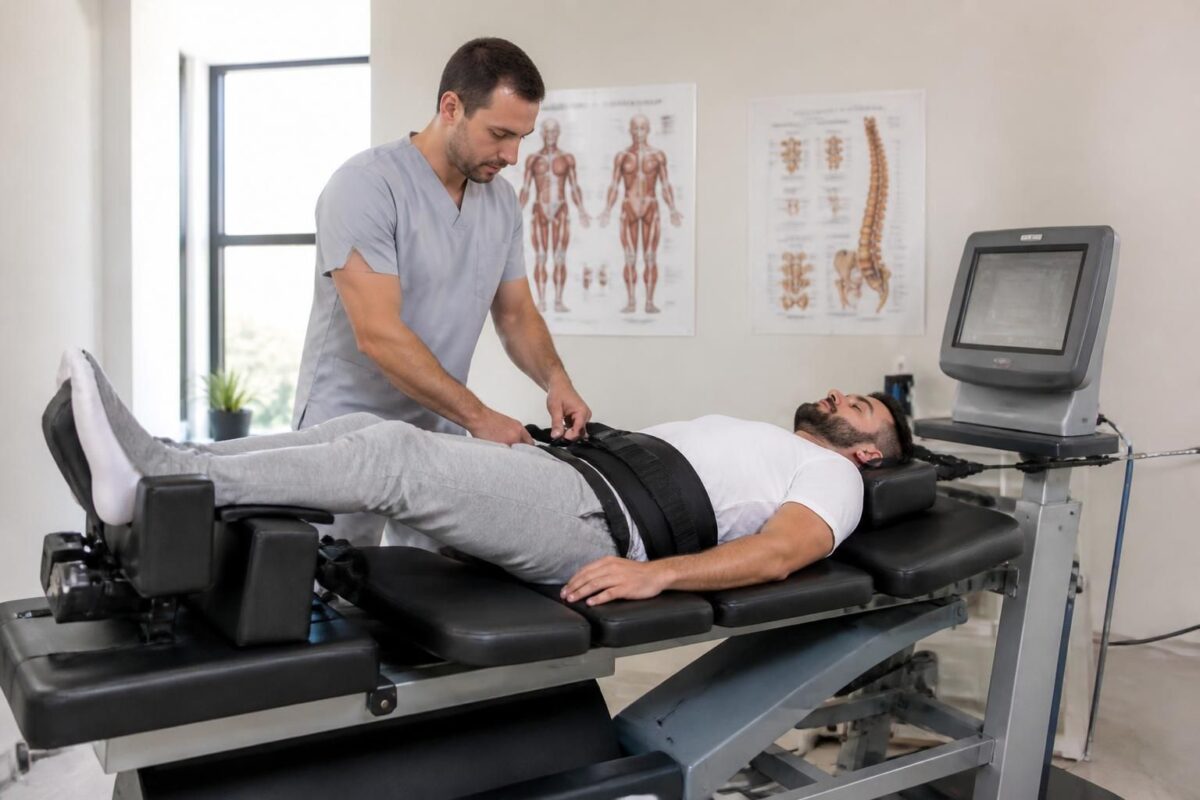
Neurovertebral decompression and prevention of disc complications
In short In short, the neurovertebral decompression is one Non-invasive technique to Reduce pressure on intervertebral discs and nerves. It promotes the Tissue regeneration and the Prevention of disc complications such as The disc herniation, The disc bulge and the…
Indications and expected results
Clinical objectives
advanced protocols aim to Reduce disc pressure and reduce pain, promoting better mobility and an vertebral function Improved. Some patients may observe disc regeneration partial and greater tolerance to daily activities. The objective is to allow a gradual return to work and leisure without the need for surgical interventions.
Success criteria and relapse prevention
maintenance plan
Success is measured by a Lasting pain reduction, an improvement in the range of motion and a better quality of life. Defining clear objectives at the start of treatment and reassessing regularly allows you to adjust the plan and stabilize the achievements. At the same time, introducing exercises at home, postural advice and a relapse prevention Helps to preserve long-term results and maintain a functional spine.
| Aspect | Concise description |
|---|---|
| Purpose of the protocol | reduce the Pressure on discs and nerves by a Controlled traction suitable for relieve the pain and restore mobility without surgery. |
| Duration per session | Between 30 and 45 minutes according to the protocol and the tolerance of the patient. |
| Number of sessions | Lumbar protocol: 5 sessions; herniated disc: 10 sessions; Possible adjustment. |
| Techniques used | decompressive traction guided by computer On a suitable table, with security checks and precision. |
| Eligibility | complete initial evaluation and imaging if necessary; Identification of contraindications and adaptation to the active patient. |
| Monitoring and adjustments | Re-evaluations weekly and protocol adjustments depending on the evolution of symptoms. |
| Complementary therapies | Possible integration of osteopathy and of physiotherapy to optimize recovery. |
| Key Benefits | Approach non-invasive and often less expensive than surgery, with disc regeneration potential. |
| Safety and side effects | high safety profile; Light tensions or discomfort may appear and will be managed by appropriate progression. |
Testimonials on advanced neurovertebral decompression protocols
Marie, 52, suffered from Chronic lower back pain. thanks to a Advanced Protocol of neurovertebral decompression with Controlled traction on a Decompression table, she benefited from a Quick relief after 5 sessions and a lasting improvement in its mobility and his quality of life.
Julien, 41, suffered from a lumbar disc herniation and feared the operation. The Advanced Protocol of neurovertebral decompression, provided on 10 sessions and adjusted according to his progress, gradually reduced his Radiating pain and allowed him a return to the sports without surgery.
Claire, 64, lives with a Cervical and lumbar pain related to theosteoarthritis. After a Full assessment, sound Advanced Protocol has been personalized and integrated Complementary therapies such as theosteopathy and the physiotherapy. She found a pain reduction and an Improving mobility.
Antoine, 33, amateur athlete, followed this Advanced Protocol for a Disc protrusion. lIntegration of physiotherapy and losteopathy in the treatment allowed a Complete rehabilitation and one quick return in training, while remaining safe.
Sophie, 28, suffered from a Foraminal stenosis and associated lower back pain. The Advanced Protocol on 10 sessions, with a Controlled traction and support multidisciplinary, allowed him to find a life without pain and to accomplish his work without restriction.
Marc, 60, suffered from Radiant pain related to a disc pinch. After following the Advanced Protocol of neurovertebral decompression, he found a Sustainable relief and an Improved spinal function, thus avoiding surgery and heavy drug treatments.
Dr. Sylvain Desforges, an osteopath recognized for his spirit of innovation in health, embodies a patient-centric approach in the field of neurovertebral decompression. On the strength of his career at the head of the TagMed clinics and the ACMA association, he impetused Advanced Protocols intended to sustainably relieve pain linked to complex spinal conditions. Its objective is to offer proof-based care adapted to each life course, favoring non-invasive and personalized solutions.
The Advanced Protocols are based on an in-depth preliminary assessment that accurately identifies the affected areas and the mechanisms to be targeted. This step includes anamnesis, physical examination and, when necessary, imaging in order to map the intervertebral discs and spinal nerves concerned. From this diagnosis, an individualized treatment plan is developed, with clear objectives and regular evaluation criteria to adjust the therapy in real time.
At the heart of these protocols is the Controlled traction applied via a specially designed decompression table. This approach makes it possible to relax the pressure exerted on the Intervertebral discs and the Spinal nerves, while preserving patient comfort. Depending on the severity and type of pathology, the program may include sets of appropriate sessions, for example courses of 5 to 10 sessions, in order to modulate the intensity, duration and frequency of interventions and to optimize the recovery.
To strengthen the effectiveness of treatments, Dr. Desforges integrates complementary technologies and modalities. The Computer-guided rehabilitation Ensures accurate tracking and fine adjustments to traction parameters. Depending on the needs, complementary approaches such as laser, shock wave therapies and manual therapy elements can be associated to promote disc regeneration and improve mobility. This multidisciplinary approach aims to improve the spinal function and quality of life overall.
The therapeutic relationship is based onPatient education and constant dialogue. The protocols involve repeated evaluations and practical advice to support daily activities and prevent relapses. Thanks to a personalized approach, each session is designed to be push towards concrete and lasting results, taking into account the patient’s feedback and any professional or sporting objectives. The goal is for the patient to be able to resume activities with better function and less pain, without resorting to invasive measures.
By placing innovation at the service of clinical practice, Dr. Desforges demonstrates that Advanced neurovertebral decompression protocols offer a viable and effective alternative to surgery. By combining rigorous evaluation, controlled traction and a multidisciplinary approach, these protocols help achieve rapid and lasting clinical improvements, while minimizing risks and associated costs. This vision helps to redefine the standards of care for patients with chronic lower back and cervical pain or complex neurovertebral conditions.
This conclusion summarizes the key elements of the Advanced Protocols applied to the neurovertebral decompression For patients with back pain and neck pain. She recalls that these approaches, non-invasive, are based on personalized evaluation, structured sessions and the integration of cutting-edge technologies and multidisciplinary therapies to sustainably improve mobility and quality of life.
The Advanced Protocols are based on a Full preliminary assessment which precisely identifies the areas to be treated and allows the development of a personalized plan. The number of sessions is adapted to the severity of the symptoms, with typical programs such as 5 sessions for chronic lower back pain and 10 sessions for herniated discs, each session lasting an average of 30 to 45 minutes with a Controlled traction adapted to the patient, in order to promote the disc regeneration and limit discomfort.
The Computer-aided decompression technology Plays a key role in offering precise and adjustable traction forces. This precision improves safety and optimizes results from the first sessions, reducing the risk of over-treatment and facilitating the gradual return to the activity. To deepen these aspects, see in particular the resources devoted to the effectiveness and evolution of protocols.
The integration of complementary therapies is another pillar of advanced protocols. theosteopathy, the physiotherapy, the laser And shockwave therapies can be combined with decompression to improve flexibility, accelerate recovery and support tissue regeneration. This multidisciplinary approach targets both pain and functional imbalances that can accompany it.
Regular follow-up and patient education are essential. Periodic reassessments make it possible to adjust the protocol according to the evolution of the symptoms and to maintain effective progression. Additional exercises and advice on lifestyle and posture reinforce the therapeutic impact and help prevent recurrences. To expand your understanding, see the following resources and their analytics:
Decompression neurvous sandalwood: Neurovertebral decompression and postoperative course,
Current protocols and efficiency,
Advanced protocols in complex pathologies.
To go further on applications and benefits, you can explore resources on multidisciplinary integration and disc complication prevention:
Prevention of disc complications,
Advanced protocols in complex pathologies,
Technology and recovery performance,
Maximize the benefits of decompression.
In addition, specific resources on the Chronic pain and cervical aspects, as well as feedback, shed light on the practice and expected results:
Decompression and chronic cervical pain,
Advanced protocols for severe back pain,
Reduction of disc inflammation.

Dr Sylvain Desforges, B.Sc., D.O., N.D., osteopath, is the founding president of TAGMED and of the ACMA association. He dedicates his practice to chronic spinal pain, low back pain and symptoms compatible with sciatica, particularly when pain radiates toward the buttock, leg, calf, foot or toes.
Through SOS Sciatique, he publishes educational content on sciatica symptoms, possible causes such as disc herniation, disc narrowing, foraminal stenosis or irritation of a lumbar nerve root, as well as non-surgical approaches that may be considered according to the evaluation. At Clinique TAGMED, care may include, depending on the case, motorized neurovertebral decompression, specific osteopathic care or precision percussion.
For an evaluation related to sciatica treatment in Montreal / Mount Royal or sciatica treatment in Terrebonne, please consult the services available at Clinique TAGMED.
Medical disclaimer
The information published on SOS Sciatique is provided for educational purposes only and does not replace a consultation, diagnosis, opinion or treatment provided by a physician or another authorized healthcare professional. The author of this article is neither a medical doctor nor a specialist in a medical specialty recognized by the Collège des médecins du Québec. The osteopathic, manual medicine or functional support approaches described on this site do not constitute medical acts and are not intended to replace medical follow-up.
Consult a physician or emergency service in cases of loss of bladder or bowel control, anesthesia in the saddle area, significant or progressive weakness in the leg or foot, fever, recent trauma, severe pain or rapid worsening of symptoms. For more details, please read our Legal Notice.