Why neurovertebral decompression is an essential preventive solution
26/06/2026
How neurovertebral decompression optimizes body alignment
26/06/2026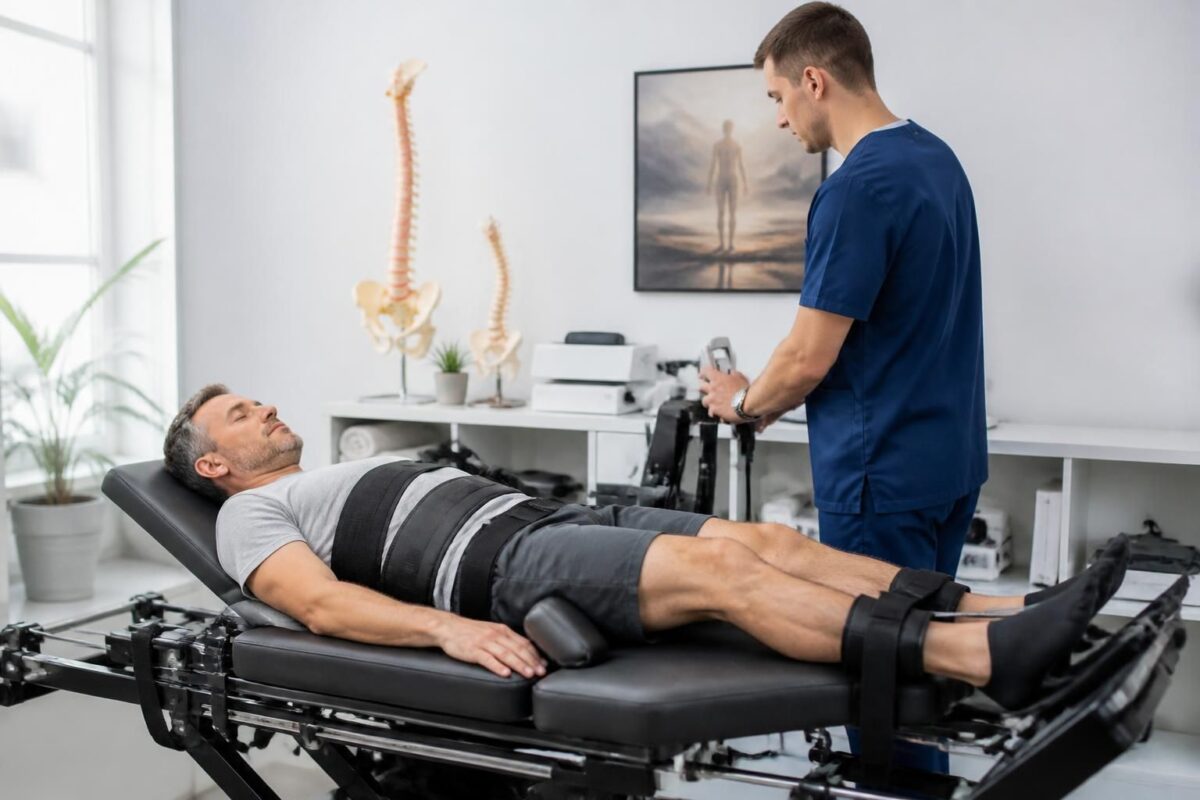
In short
| In short, the neurovertebral decompression is one Non-invasive method which aims to reduce the pressure on gristle and the Intervertebral discs To treat pain post-traumatic and associated neuropathic pain. Its key advantages include theImproved flexibility of the column and the Reduction of symptoms; It also contributes to the Prevention of recurrences when she enrolls in a personalized program. How does it work? a Controlled traction On the column creates a space between the vertebrae, improves blood circulation and promotes tissue regeneration. Popularized in specialized clinics, particularly in Paris, it can be integrated into a global approach to Post-traumatic pain without surgical recourse. |
The neurovertebral decompression is an approach non-invasive aimed at relieving Post-traumatic pain By reducing the pressure on the gristle and the Intervertebral discs thanks to Controlled tractions on the spine. By creating an increased space between the vertebrae, it improves the bloodstream and promotes the regeneration fabrics, which can restore the flexibility and the mobility and help prevent recurrences. In a post-traumatic framework, this method is integrated into a treatment plan personalized and can be associated with other therapeutic approaches to optimize recovery and return to daily activities.
This guide explains how the neurovertebral decompression can help Management of post-traumatic pain. This non-invasive approach uses controlled traction to increase the space between the vertebrae. This decreases the pressure on the nerves and improves blood circulation to the intervertebral discs. The goal is to reduce pain, restore mobility and prevent recurrences, without the need for surgery. This technique can be proposed as part of a comprehensive care plan Tagmed Clinic from Montreal or Terrebonne.
What is neurovertebral decompression?
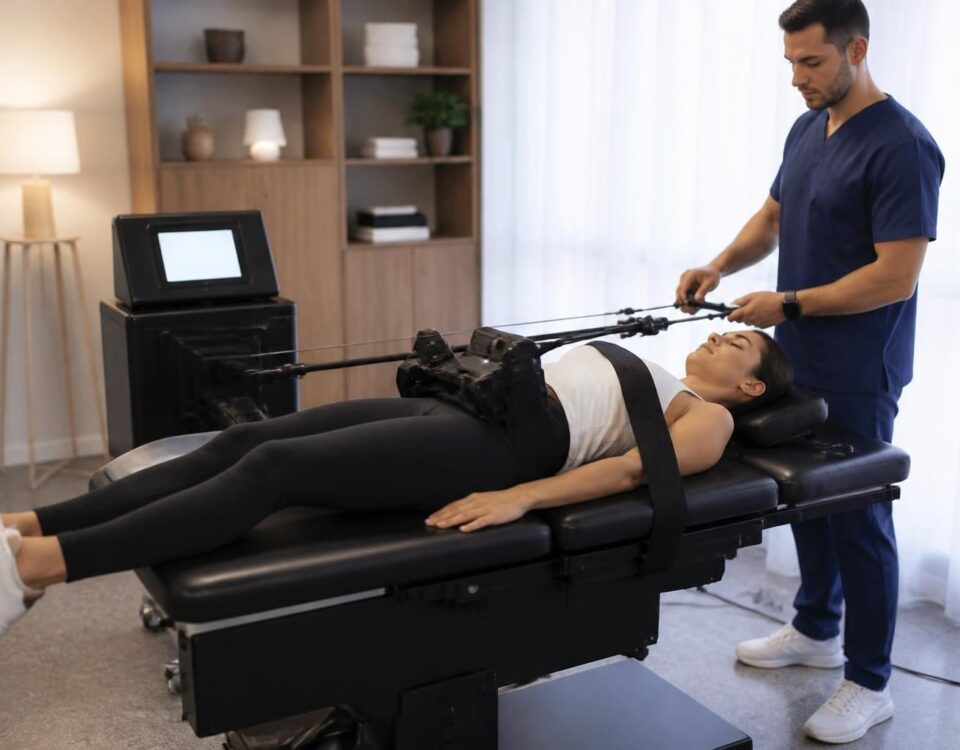
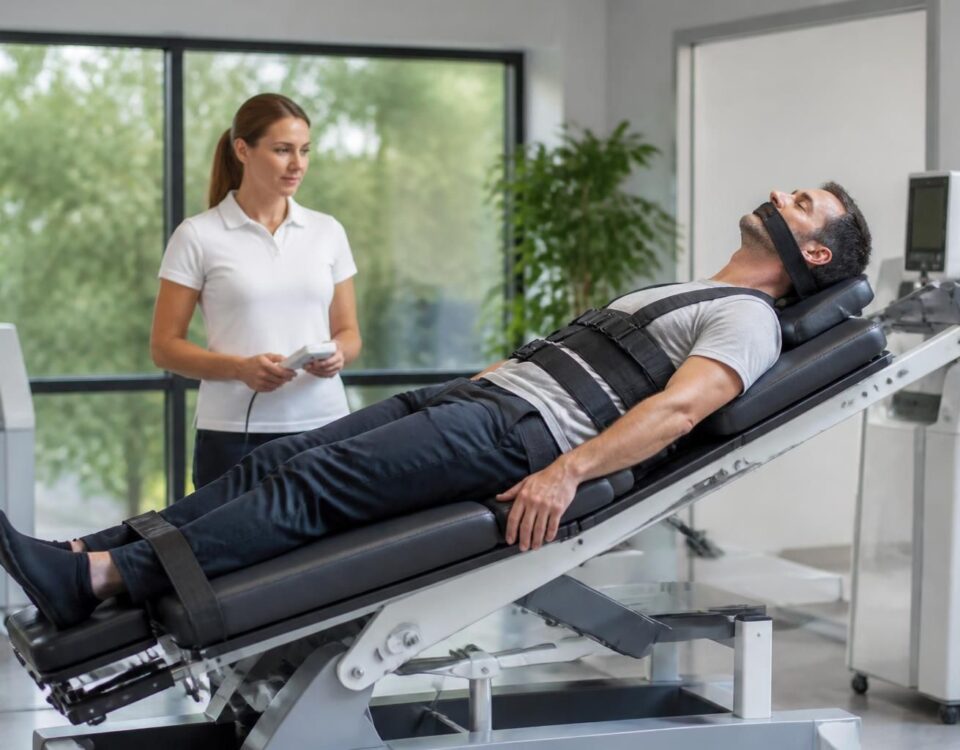
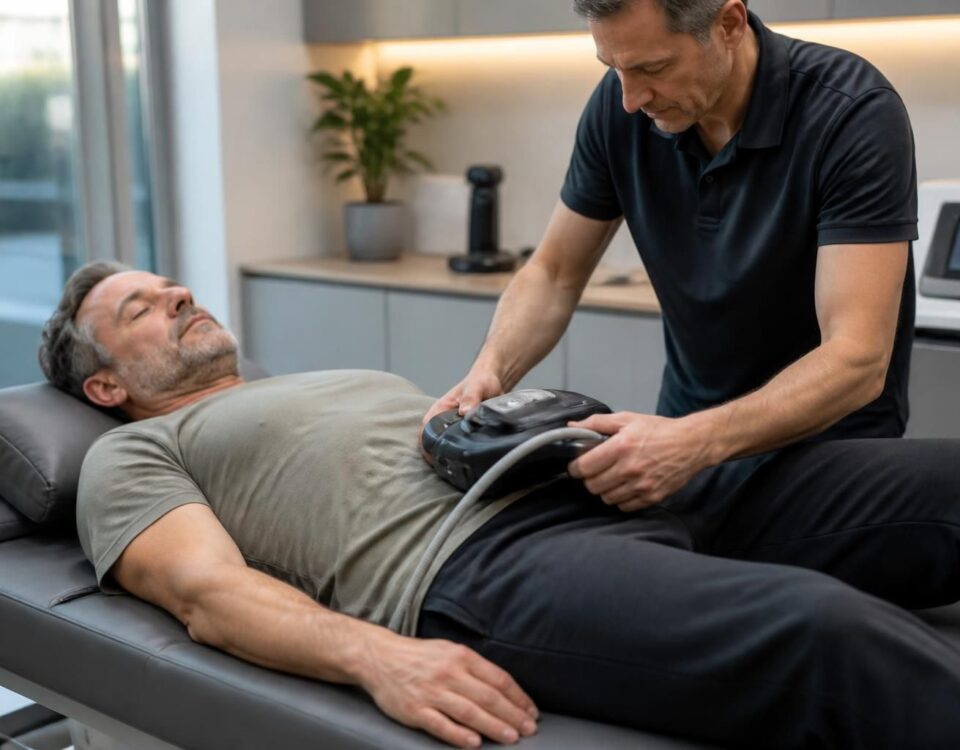
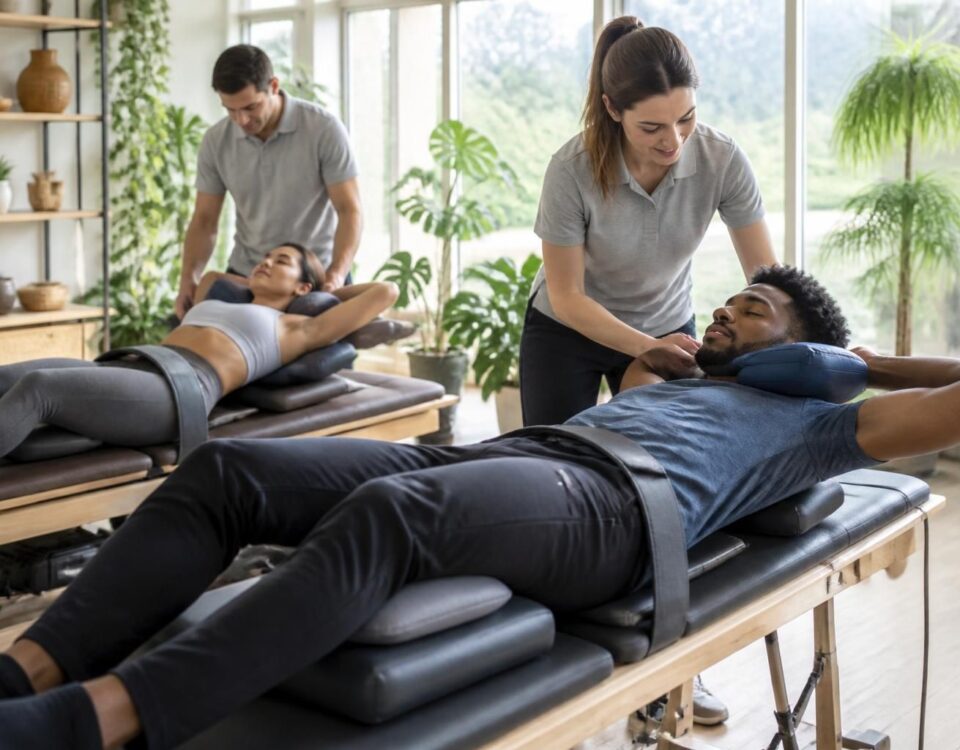
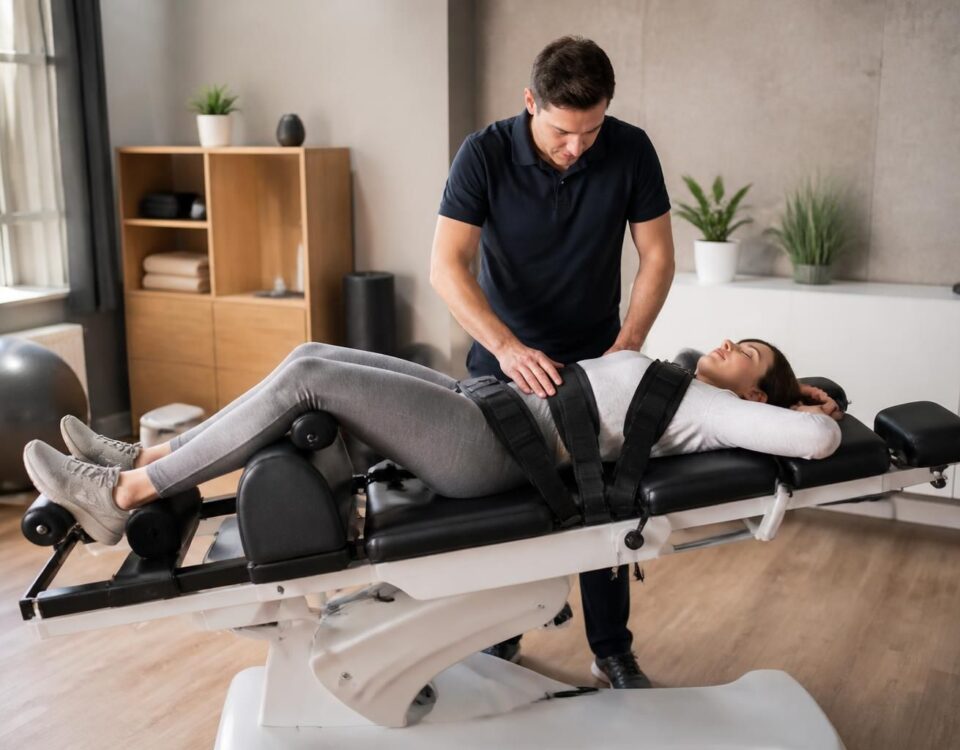
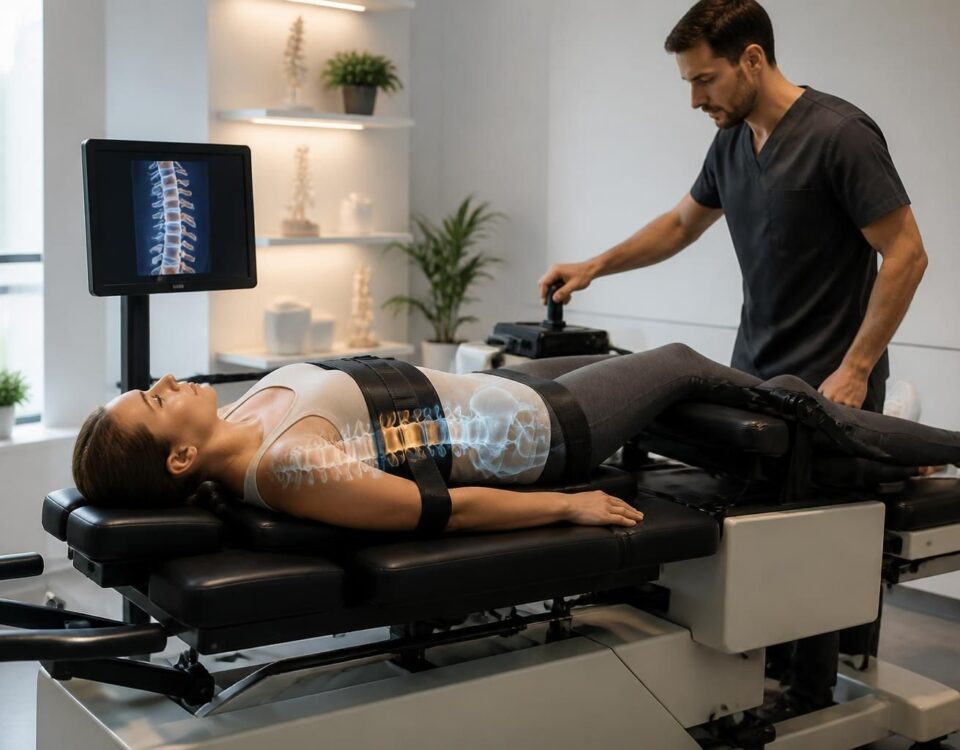
The neurovertebral decompression is a method non-invasive which acts on intervertebral discs and nerves. Specific devices apply soft, controlled traction on the spine. This depression creates an increased space between the vertebrae, which promotes the circulation and regeneration of tissues.
How does this affect post-traumatic pain?
By releasing the pressure around the nerves, this technique can reduce inflammation and relieve trauma-related pain. It contributes to improving flexibility and range of motion, while facilitating recovery without surgery. This approach is part of a global strategy that aims to prevent recurrences and support general well-being.
Indications and expected results
Common indications include pain related to spine trauma, neuropathic pain and radiculopathies associated with spinal problems. Patients often report a Lasting pain reduction, a Better mobility and an Improved posture. The results depend on an accurate diagnosis and a personalized treatment plan, without exercises or stretching in the context of specific indications for decompression.
Integration into a care pathway
Neurovertebral decompression is part of a multidisciplinary approach. It can be associated with other non-surgical interventions to optimize results. Although certain technologies and therapies may be considered, it is preferable to favor treatments offered by the Tagmed Clinic from Montreal or Terrebonne, in order to ensure coordination adapted to each patient. Additional resources on this approach are available on tagmed and on the pages dedicated to decompression on neurovertebral decompression.
Additional resources on post-traumatic pain and decompression are available on the sites sosciatica, sosciatica, and sosciatica.
For more general technical aspects and benefits, you can also consult the specialized resources on the pain management and the key role of decompression.
Additional references on post-traumatic pain management and decompression are also found on sosciatica, and on the pages relating to decompression and post-traumatic rehabilitation on Sports injuries.
For additional information on technical aspects and prevention, refer also to the pain and column resources on sosciatica.
Care proposals and alternatives to physiotherapy can be considered in the context of care at the TagMed clinic in Montreal or Terrebonne, when appropriate and after an established diagnosis.
To learn more about the benefits of neurovertebral decompression in managing post-traumatic pain, consult the resources opposite and discuss with your referral practitioner.
Medical Disclaimer: The information and advice provided on this site does not replace the health professional’s diagnosis or treatment. Please note that Dr. Sylvain Desforges osteopath is neither a doctor of medicine nor a doctor, and is not a specialist in a medical specialty as defined by the Collège des Médecins du Québec. Manual medicine, functional medicine and sports medicine as described on this site exclude any medical treatment or diagnosis made by a doctor or specialist doctor. Always consult your doctor for any medical questions. For more details, please read our full legal notice.
- Targeted evaluation — Identification of post-traumatic pain and vertebral condition.
- Mechanisms targeted — Reduced nerve pressure and improvement of intervertebral spaces.
- release of tensions — Action on neighboring discs and fabrics to restore elasticity.
- Soft and personalized traction — Space between the vertebrae by an appropriate decompression.
- Improving mobility — Increased range of motion and reduction of stiffness.
- Prevention of recurrences — Muscle strengthening and posture to avoid reappearances.

decompression neurovertebral is an approach non-invasive intended to reduce the pressure on gristle and the Intervertebral discs, promoting mobility and faster recovery after trauma. This article offers practical recommendations for managing post-traumatic pain through this technique, emphasizing a personalized care plan, integration with other therapies and daily life advice to prevent recurrences. The objective is to optimize recovery while ensuring safety and adaptation to each patient.
What is neurovertebral decompression and its mechanisms
Neurovertebral decompression acts by gentle and controlled traction on the spine, which creates additional space between the vertebrae. This action facilitates blood circulation around the discs and nerves, promotes the hydration of the discs and can reduce the irritative pressure on the damaged nerves. As a result, painful symptoms dwindle and column flexibility improves, which is particularly useful in post-traumatic pain and resumption sequences.
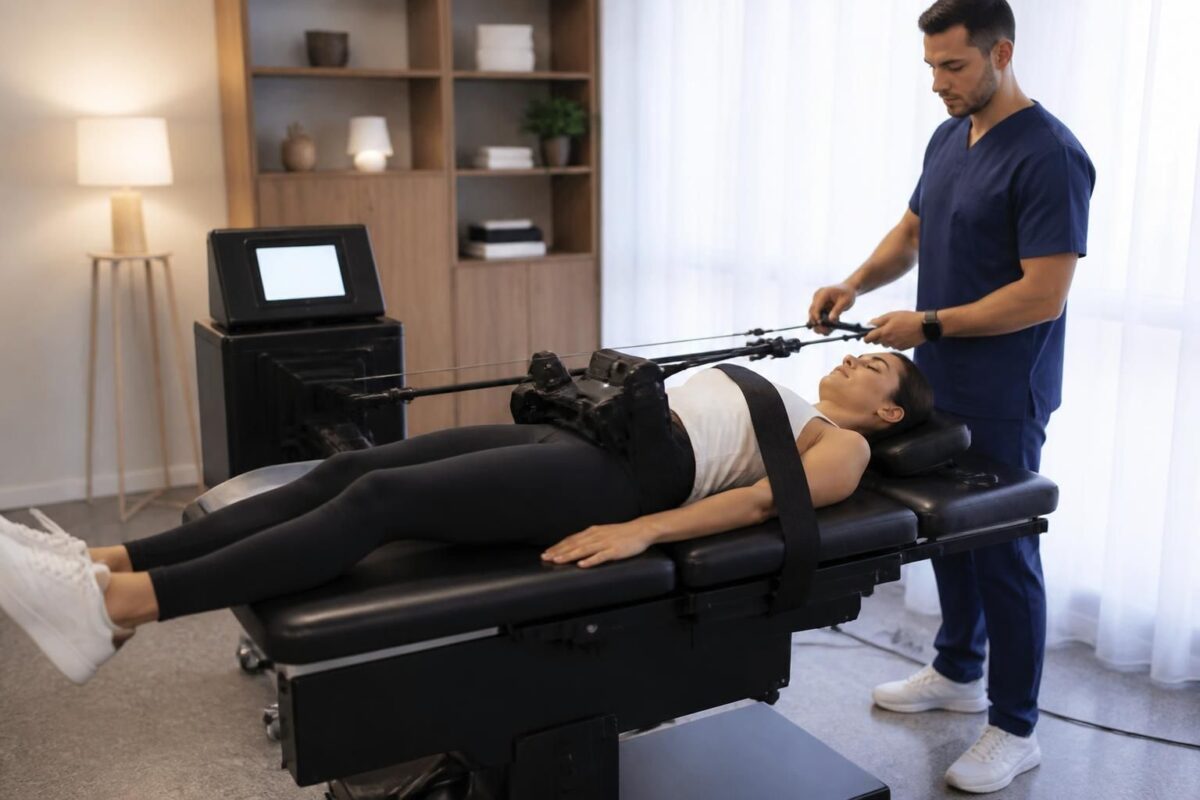
How neurovertebral decompression optimizes body alignment
In short In short, neurovertebral decompression is one Non-invasive therapy which aims to Reduce pressure on intervertebral discs and nerves via controlled traction of the spine. What does it bring? This makes it possible to correct the Postural imbalances and…
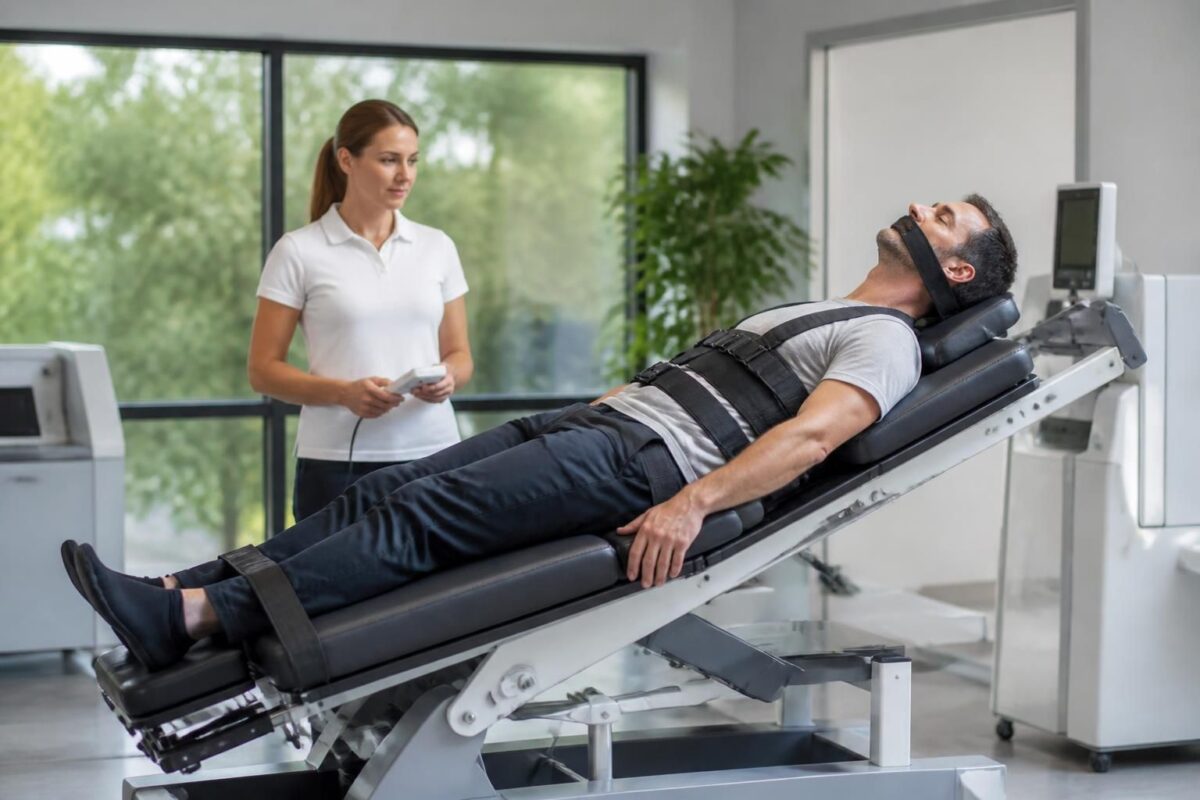
Why neurovertebral decompression is an essential preventive solution
In short In short, neurovertebral decompression is one Preventive solution non-invasive which aims to sustainably reduce the pressures on the discs and nerves. What is it? targeted therapy using Controlled traction on the column to create a Intra-discal vacuum, promote…
Impact on post-traumatic pain and mobility
For post-traumatic pain, decompression Reduces nerve pressure and improves the mobility By releasing the tensions accumulated following a shock, fall or immobilization. It can help to reduce inflammation, limit stiffness and facilitate everyday gestures. By acting on the root causes, this approach also contributes to Prevent recurrences When the care plan incorporates appropriate exercises and lasting postural correction.
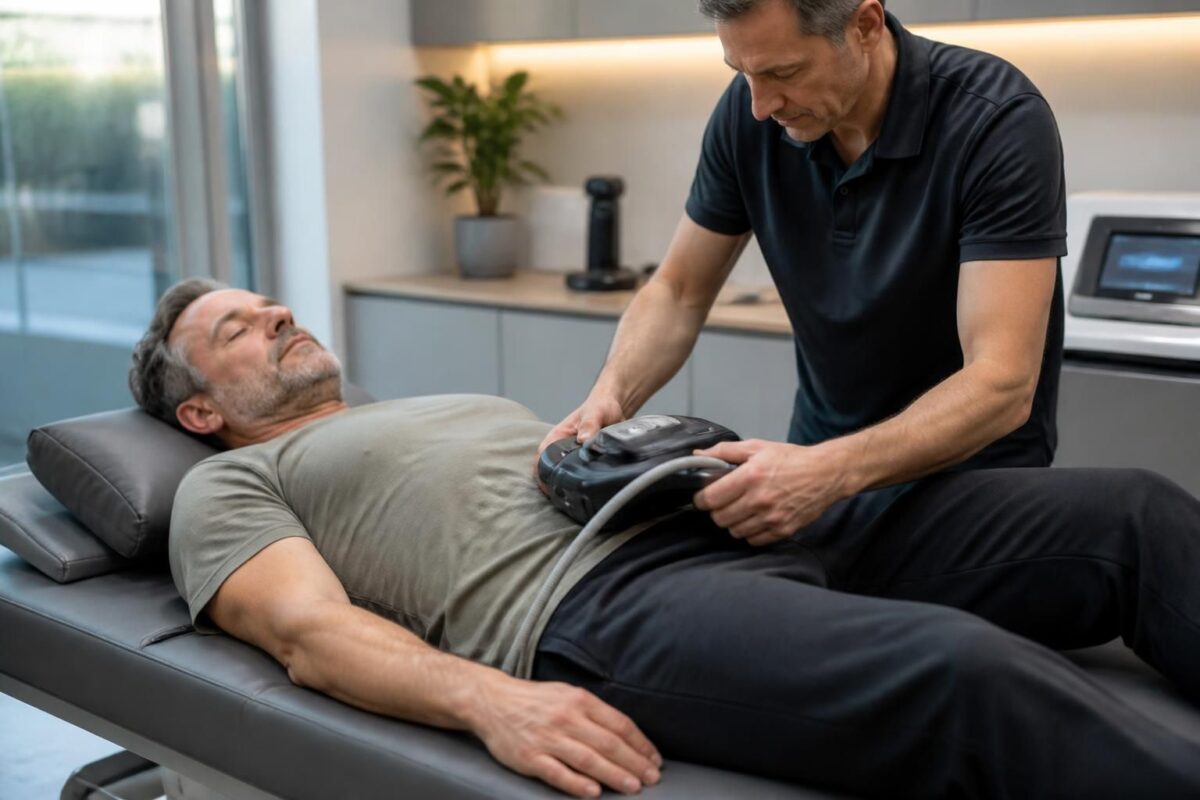
Neurovertebral decompression and treatment of chronic lumbar pain
In short In short, neurovertebral decompression is a technique non-invasive of Treatment of chronic lower back pain which reduces the Pressure on discs and nerves and can relieve the herniated discs and the disc degeneration. At Montreal, it offers a…
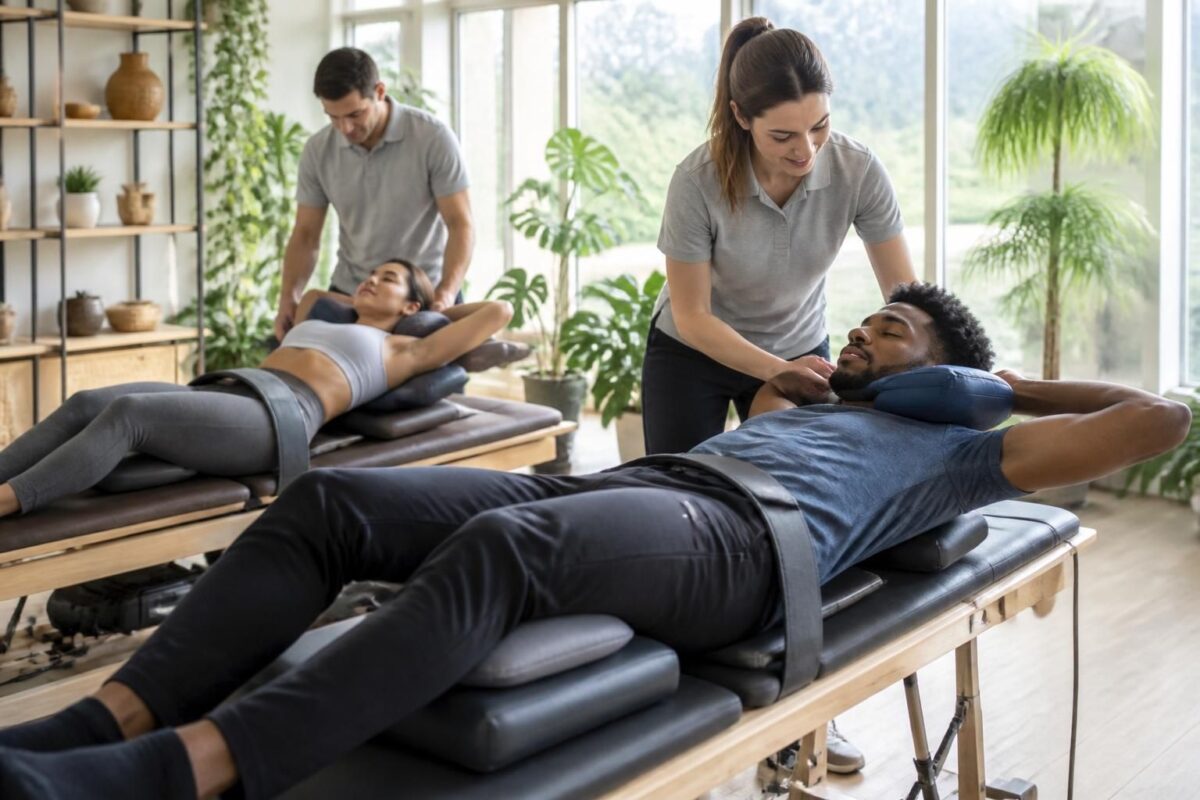
The physical and mental benefits of a neurovertebral decompression program
In short In short, the program of neurovertebral decompression is one Non-invasive approach which aims to underline the Chronic pain and improve the Physical and mental well-being. What is it? A technique that decreases pressure on discs and nerves to…
Personalized care plan
Initial assessment and objectives
A comprehensive assessment is essential to determine areas to be treated, motion limitations and functional objectives. Measurable goals are set such as improving range of motion, reducing pain and returning to specific activities. This step makes it possible to adapt the decompression program and the therapies associated with the individual condition.
Frequency and progress
The typical protocol foresees regular sessions at the beginning, with progressive progression depending on tolerance and results. The goal is to achieve a lasting improvement in symptoms while avoiding overload. An adjustment of the traction parameters and a combination with targeted exercises illustrate a dynamic and personalized approach.
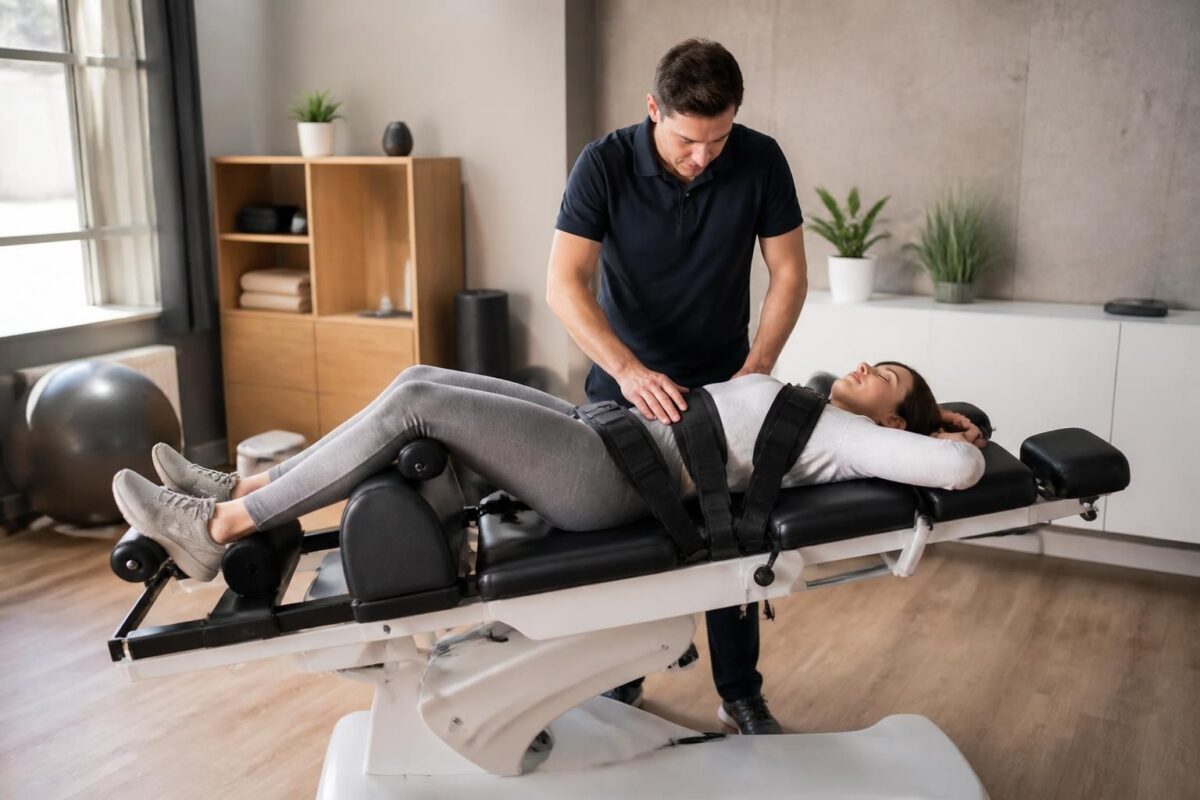
Neurovertebral decompression and relief of associated muscle pain
In short In short, the neurovertebral decompression is one Non-invasive approach which relieves the Associated muscle pain By applying a gentle traction on the spine for Release the intervertebral space and improve the circulation. Its advantages include reducing inflammation,Improving mobility…
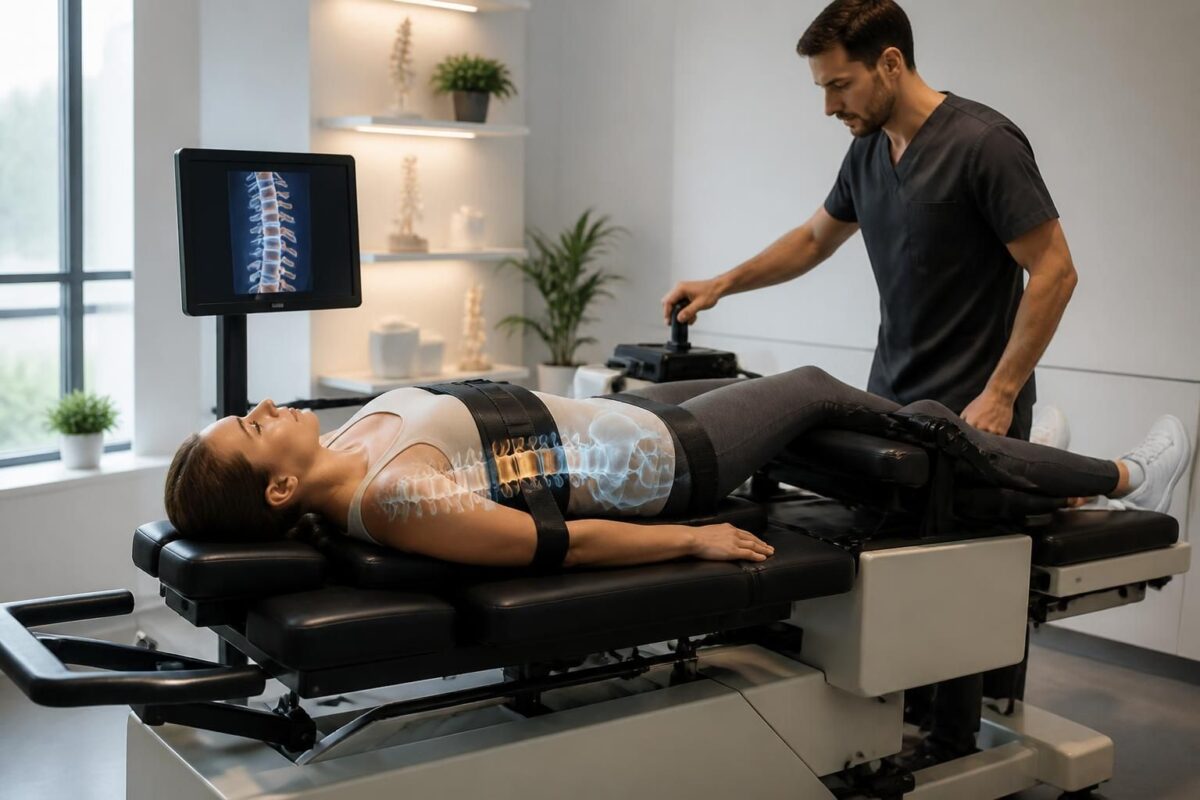
How neurovertebral decompression improves the function of intervertebral discs
In short In short, the neurovertebral decompression is one Non-invasive technique which applies a Controlled traction along the column to create a space between the vertebrae and reduce the Intradiscal pressure on the Intervertebral discs. This reduction promotes Disk retraction…
Precautions and safety
Like any intervention, neurovertebral decompression requires a prior assessment by a qualified professional. It may not be suitable under certain conditions (recent fractures, infections, tumors, certain neurological pathologies). It is important to communicate any medical history and adapt the treatment to each situation. At the same time, follow the safety advice, listen to your body and report any unusual pain during treatment.
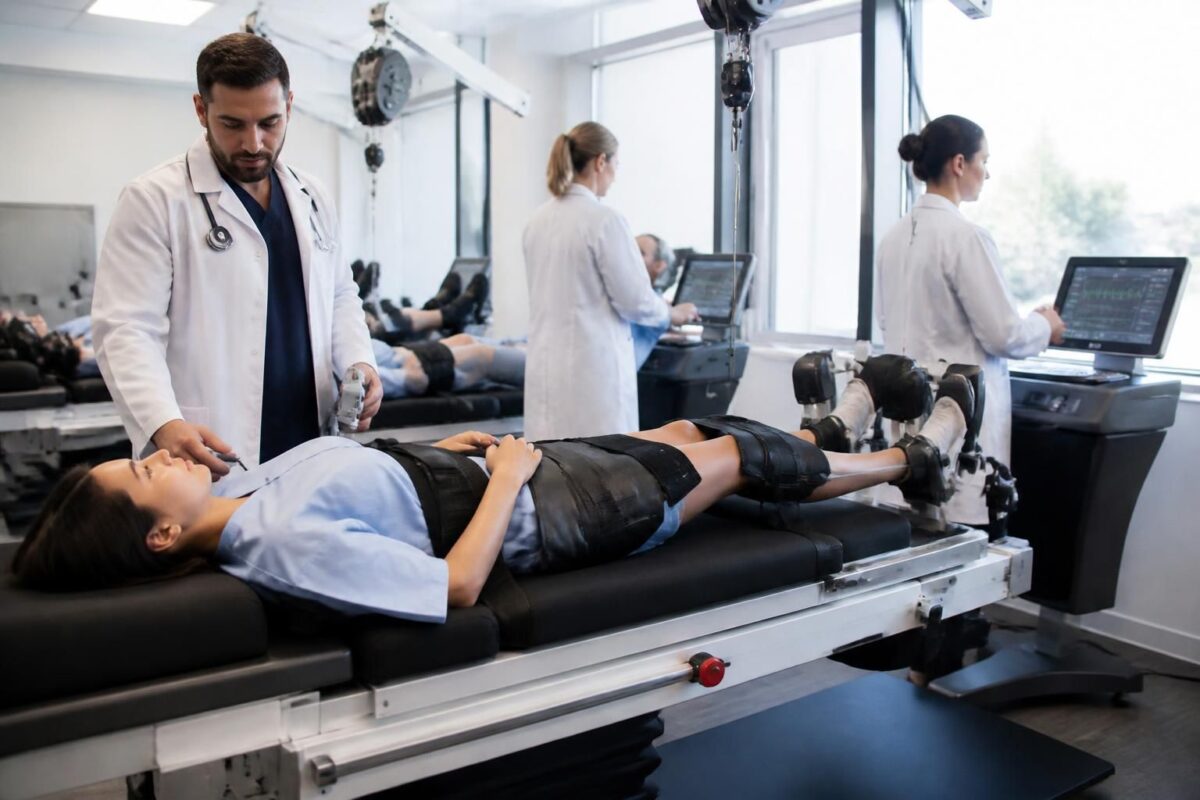
Advanced protocols for patients with neurovertebral decompression
In short In short, neurovertebral decompression is one Non-invasive technique which releases the pressure on the discs and nerves by a Controlled traction computer-guided. What is it? a series of Advanced Protocols adapted to the severity of lumbar or cervical…
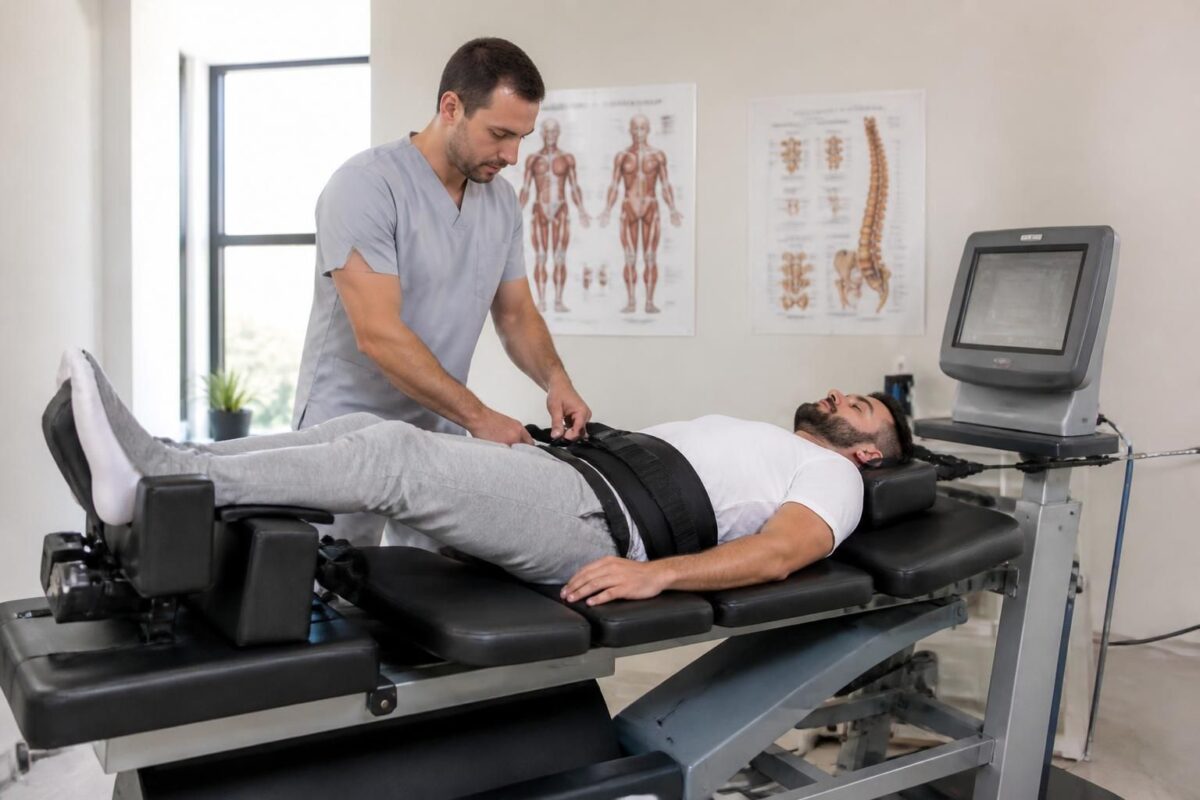
Neurovertebral decompression and prevention of disc complications
In short In short, the neurovertebral decompression is one Non-invasive technique to Reduce pressure on intervertebral discs and nerves. It promotes the Tissue regeneration and the Prevention of disc complications such as The disc herniation, The disc bulge and the…
Integration of complementary technologies and associated approaches
To optimize the results, decompression can be associated with complementary approaches such as laser, shockwave therapies or neuromuscular stimulation when appropriate. theMultimodal integration Within a rehabilitation program it is possible to address the painful and functional components, while strengthening the supporting muscles and improving the posture.
Practical advice to optimize results and prevent recurrences
Adopt adequate hydration and a balanced diet rich in essential nutrients for disc health and tissue recovery. Maintain a suitable and progressive physical activity, focus on targeted stretching and strengthening exercises, and work on ergonomics and posture at work and at home. Schedule pauses and micro-motions to avoid harmful repetitive gestures. Finally, assid your treatment with a regular sleep routine and stress management techniques to support healing and prevent relapses.
Note: The recommendations presented here do not replace personalized medical advice. Consult a professional to assess your situation and define a suitable plan.
| Axis | Concise description |
|---|---|
| Therapeutic objective | Decompression: Relieves nervous pressure and restores the intervertebral space; Post-traumatic pain: Reduces pain and inflammation to restore mobility. |
| Mechanism of action | Decompression: gentle traction which increases the space between vertebrae and improves the vascularization; Post-traumatic: Soft tissue management and stimulation of tissue recovery. |
| Main directions | Decompression: Neuropathic pain and herniated discs; Post-traumatic: Suites of vertebral and musculotendinous injuries. |
| Method of treatment | Decompression: non-invasive; Post-traumatic: Multidisciplinary approach (Rehabilitation, reinforcement, ergonomics). |
| Effectiveness | Decompression: Improvement after a few sessions; Post-traumatic: progressive benefits over a few weeks. |
| Duration and follow-up | Decompression: Regular follow-up + Exercises; Post-traumatic: Progressive rehabilitation program over several weeks. |
| Risk and security | Decompression: low risk; necessary medical monitoring according to injury and comorbidities. |
| Integration in the course | Integration: complementary other therapies for a rehabilitation course overall. |
Testimonials on neurovertebral decompression and post-traumatic pain management
Marie, 45 — After a road accident, I suffered from cervical pain and persistent trauma-related migraines. The neurovertebral decompression My allowed to lighten the pressure on my nerves and to regain better mobility, with a gradual return to my daily activities. The sessions were gentle and adapted to my rhythm, and I noticed a decrease in post-traumatic pain and an improvement in my posture.
Julien, 32 years old — Following a lumbar sprain, I was blocked and limited in my actions. Thanks to the neurovertebral decompression, I found a better range of motion and my pain was reduced. I also learned strengthening exercises to prevent relapses and resume my training, which greatly reduced my post-traumatic pain.
Claire, 52 — Working in front of the screen, my post-traumatic tensions and pains have accumulated after a minor fall. After a few weeks, I noticed an improvement in my flexibility and a reduction in stress in the shoulders and neck. This approach strengthened my posture and reduced recurrences from post-traumatic pain.
Thomas, 60 — Post-traumatic pain from an old fracture restricted me in my activities, especially during repeated journeys and efforts. With the neurovertebral decompression, I experienced a real boost in mobility and a noticeable reduction in pain. I feel freer in my daily gestures, with less post-traumatic pain.
Sophie, 28 — After repeated microtraumas at work, my Mac post-traumatic pain accompanied on a daily basis. The sessions helped to improve my recovery, to soften my spine and to avoid painful explosions. I am more confident to resume my activities and my hobbies, with a decrease in post-traumatic pain.
Antoine, 37 — As an amateur athlete, I suffered an injury that triggered persistent post-traumatic pain. The decompression quickly relieved the pressure and helped me recover faster, while strengthening my stability. I am more efficient and less prone to pain today, with a more effective management of post-traumatic pain.
Dr. Sylvain Desforges, expert in osteopathy, Naturopathy and manual medicine, is the founding president of the Tagmed clinics and the ACMA association. Its trajectory is marked by a constant ofHealth Innovation, with a marked orientation towards the Management of Chronic pain and the integration of advanced technologies. Among these are the neurovertebral decompression, the laser and shockwave therapies, used in a evidence-based logic to optimize the quality of life of patients. Its commitment is based on the idea that each course is unique and deserves a precise and personalized approach.
in its clinical ecosystem, the neurovertebral decompression is positioned as a key component of a global rehabilitation and rehabilitation program. This non-invasive technique is based on controlled tractions that increase the space between the vertebrae, release tension around the nerves and facilitate local blood circulation. By working on intervertebral discs and adjacent structures, it helps to improve mobility, reduce pain and promote more fluid recovery after trauma, while reducing the risk of long-term recurrence.
The management of post-traumatic pain is at the heart of Dr. Desforges’ practice. For patients facing persistent pain following an accident or injury, this approach provides an effective way to reduce pain load and restore normal function. By combining decompression with targeted interventions for neuropathies and muscle spasms, it aims to restore a balanced neuromusculoskeletal chain. This proactive approach improves the flexibility, the posture and the Ability to return to the activity without repercussions harmful to daily life.
The mechanisms of action of neurovertebral decompression are part of a precise therapeutic logic. By promoting the decompression of intervertebral spaces, the technique helps to reduce the pressure exerted on the nerves, to hydrate the discs and to limit local inflammatory phenomena. This dynamic contributes to a more harmonious recovery of tissues and a progressive reduction in painful symptoms, while supporting better spinal stability and a regained range of motion.
To optimize the results, Dr. Desforges often integrates decompression into other non-invasive modalities such as laser and the Shockwave therapy. This therapeutic synergy makes it possible to target specific pain, accelerate tissue repair and facilitate the return to functional activities. Each patient benefits from a Personalized treatment plan which takes into account the medical history, functional objectives and lifestyle, in order to obtain measurable and lasting benefits.
The care path is thought to be clear, safe and evolving. After an in-depth assessment, a Individualized plan is designed, with specific objectives and appropriate modalities. Regular follow-up allows you to adjust the sessions, introduce exercises at home and monitor progress towards better quality of life. The goal is not only to relieve pain, but also to strengthen support structures, improve postural alignment and prevent relapses through an integrated and proactive approach.
In summary, Dr. Desforges’ approach to neurovertebral decompression and the Management of post-traumatic pain Based on a holistic and effective vision: a key non-invasive technique, complemented by complementary therapies, to offer concrete, lasting and patient-centric results, in order to promote a quick and safe return to an active and serene life.
This text summarizes the interest of the neurovertebral decompression in the management of Post-traumatic pain, explaining how this non-invasive approach can reduce nerve and disc pressure, improve the flexibility and promote faster recovery while preventing recurrences. He explores the mechanisms, indications, expected benefits and resources to deepen these principles, while emphasizing the importance of personalized care and appropriate professional follow-up.
The neurovertebral decompression, performed by controlled traction, offers a reduction in pressure on the nerves and intervertebral discs. By increasing the space between the vertebrae and improving the irrigation and hydration of the discs, it helps to reduce inflammation and restore a more comfortable range of motion. This approach is particularly relevant in the Management of post-traumatic pain, where it can help treat the root causes of pain and limit relapses.
The effects observed include better mobility and an posture More stable, essential conditions for a gradual return to physical and professional activity after trauma. Integrated into a personalized program, decompression can be combined with other non-invasive therapeutic tools to optimize post-traumatic recovery and accelerate the rehabilitation process.
To optimize the results, it is crucial to obtain an evaluation by a qualified specialist and follow a tailor-made treatment plan. Adherence to appropriate exercises, sufficient hydration and a balanced diet support the effectiveness of the sessions and promote the prevention of relapses, by strengthening the support structures around the spine.
To deepen, several online resources describe the mechanisms and benefits of this technique. For example, you can consult Benefits of Neurovertebral Decompression for Active Patients and A durable solution to relieve complex spinal pain. Other resources refer to post-traumatic pain management and non-pharmacological treatment options: pain treatment, How decompression acts on diffuse neuropathic pain, and Recent studies demonstrating effectiveness.
Additional perspectives illustrate the application of this approach in different contexts, including post-traumatic follow-up and prevention of neuropathic pain: Neurovertebral decompression and prevention of neuropathic pain, and Decompression for seniors.
Finally, additional resources underline the importance of a multidisciplinary intervention framework and continuous monitoring to adapt the sessions to changes in symptoms and guarantee a lasting prevention of post-traumatic pain: Active Benefits, Clinical evidence, and Prevention of neuropathic pain.

Dr Sylvain Desforges, B.Sc., D.O., N.D., osteopath, is the founding president of TAGMED and of the ACMA association. He dedicates his practice to chronic spinal pain, low back pain and symptoms compatible with sciatica, particularly when pain radiates toward the buttock, leg, calf, foot or toes.
Through SOS Sciatique, he publishes educational content on sciatica symptoms, possible causes such as disc herniation, disc narrowing, foraminal stenosis or irritation of a lumbar nerve root, as well as non-surgical approaches that may be considered according to the evaluation. At Clinique TAGMED, care may include, depending on the case, motorized neurovertebral decompression, specific osteopathic care or precision percussion.
For an evaluation related to sciatica treatment in Montreal / Mount Royal or sciatica treatment in Terrebonne, please consult the services available at Clinique TAGMED.
Medical disclaimer
The information published on SOS Sciatique is provided for educational purposes only and does not replace a consultation, diagnosis, opinion or treatment provided by a physician or another authorized healthcare professional. The author of this article is neither a medical doctor nor a specialist in a medical specialty recognized by the Collège des médecins du Québec. The osteopathic, manual medicine or functional support approaches described on this site do not constitute medical acts and are not intended to replace medical follow-up.
Consult a physician or emergency service in cases of loss of bladder or bowel control, anesthesia in the saddle area, significant or progressive weakness in the leg or foot, fever, recent trauma, severe pain or rapid worsening of symptoms. For more details, please read our Legal Notice.