How neurovertebral decompression reduces chronic inflammation
26/06/2026
Innovations in neurovertebral decompression tables
26/06/2026
In short
| In short, the neurovertebral decompression is one Non-invasive approach which aims to relieve the Nocturnal pain linked to vertebral pathologies by creating a Space between the vertebrae and reducing the spinal nerve pressure. This technique can promote a Restful sleep by reducing discomfort and supporting recovery. Key Benefits: Decreased night pain, Best sleep posture, and Reduction of inflammation around the intervertebral discs. how it works: a Dosage traction Acts on the intervertebral discs and nerves to promote their repositioning and rehydration. Locally, this treatment is accessible in Montreal and is part of a global pain management program without surgery or drugs. |
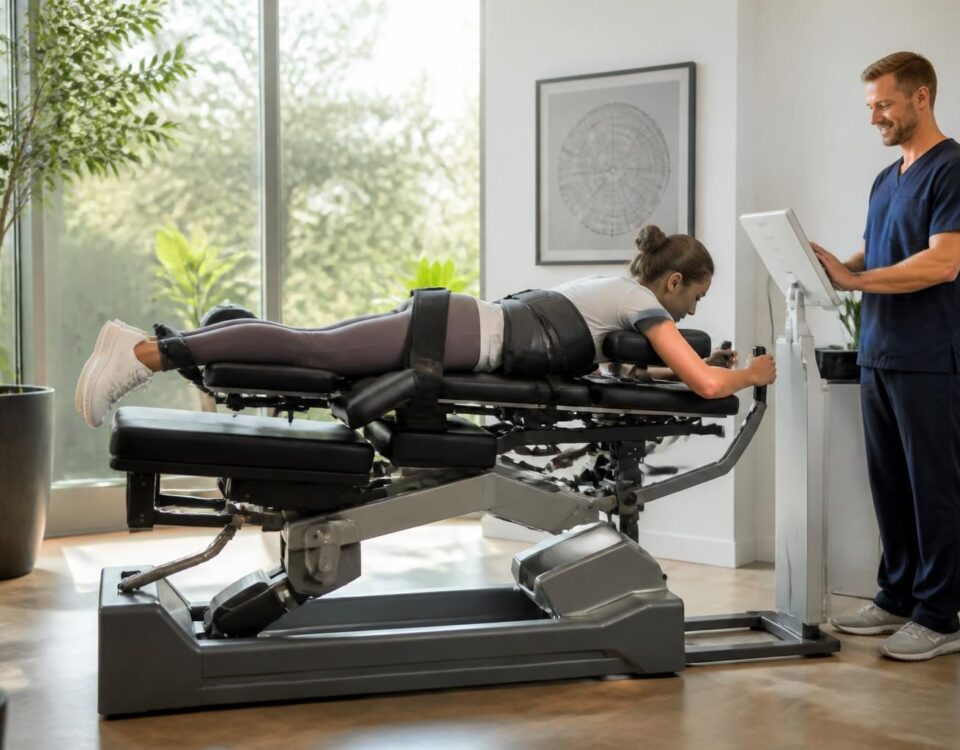
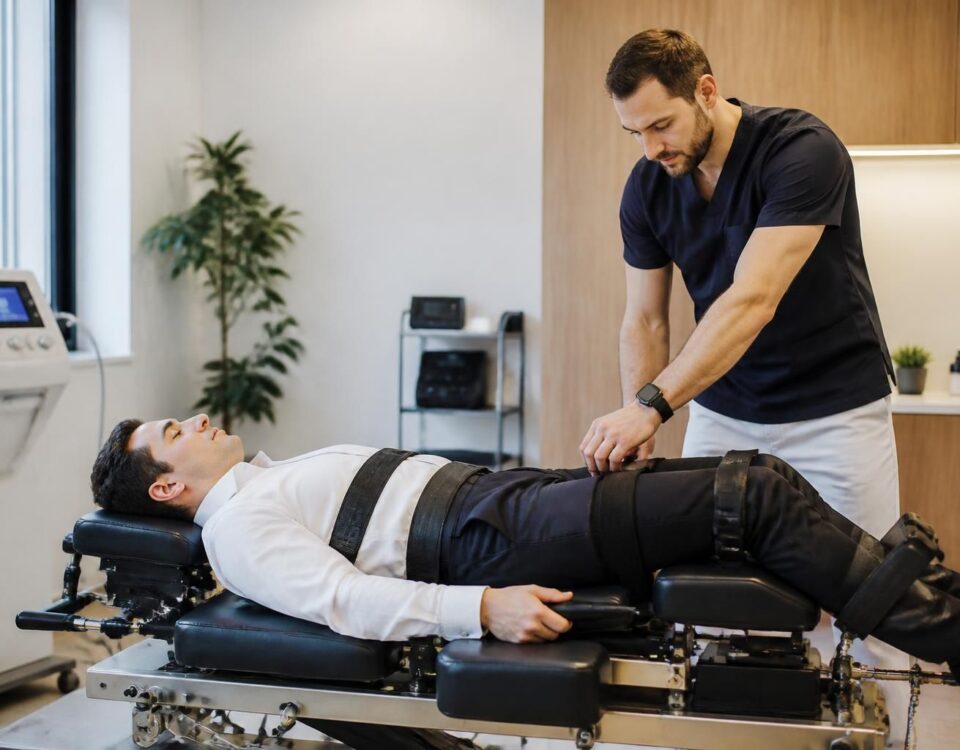
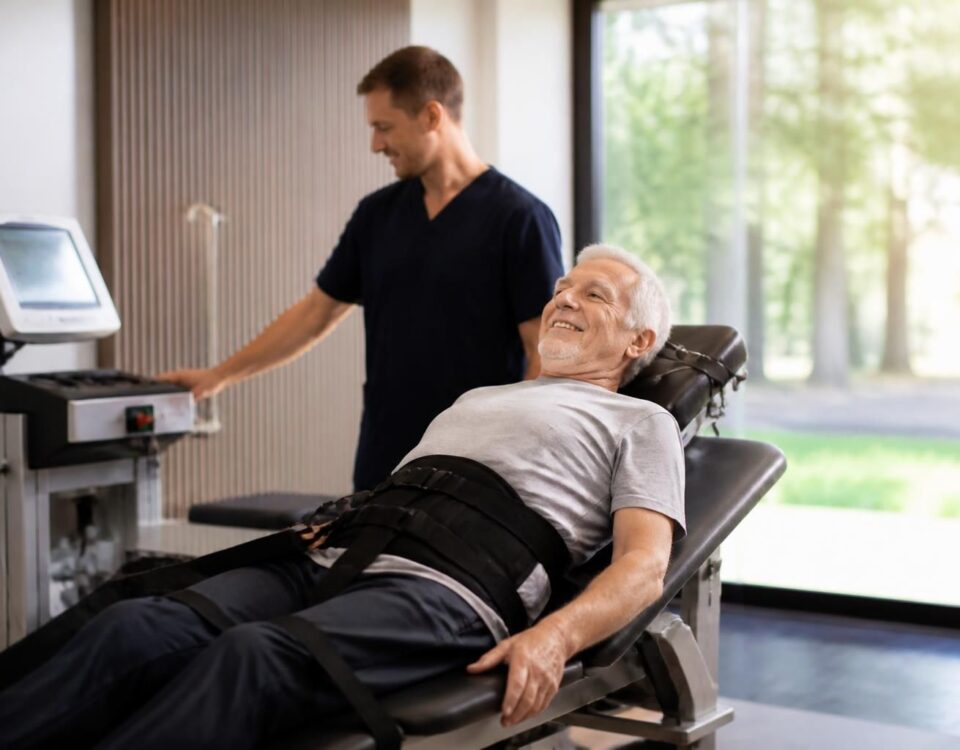
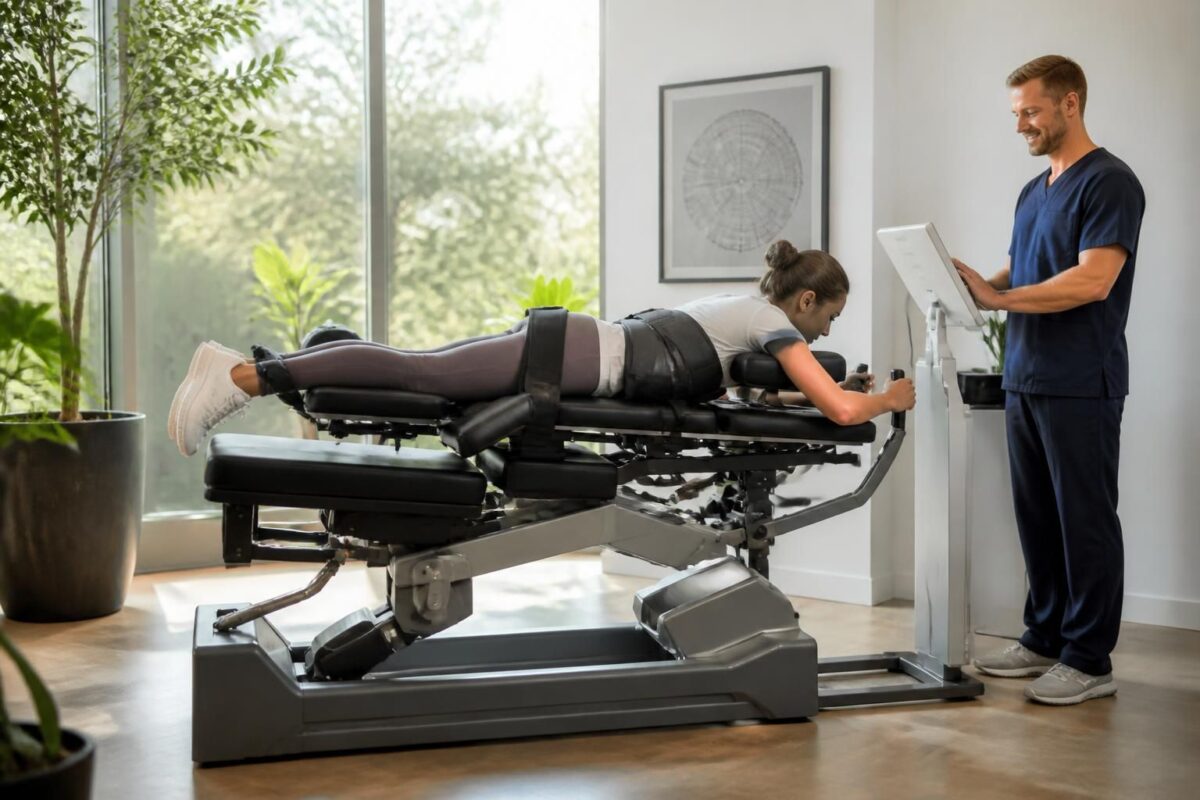
The neurovertebral decompression is an approach non-invasive which applies controlled traction on the spine to create a space between the vertebrae and decrease the pressure on the nerves and intervertebral discs.
it targets the Nocturnal pain of the back linked to vertebral pathologies such as herniated discs, favoring a Better sleep quality and one Durable comfort. By improving circulation, reducing inflammation and restoring spinal stability, this therapy can be seen as a safe and effective alternative as part of a comprehensive pain management plan.
Neurovertebral decompression is a non-invasive approach that aims to reduce the pressure exerted on the nerves and intervertebral discs. It can reduce nocturnal pain in the back and significantly improve sleep quality. This article presents the mechanisms, benefits and key points of effective management in a clinical evidence-based framework, to help patients find more calm and restorative nights.
Neurovertebral decompression is proposed as a non-surgical solution for nocturnal pain related to vertebral disorders such as herniated discs or chronic nerve tension. By using a specialized device, controlled traction creates a space between the vertebrae. This decreases the pressure on the spinal nerves and helps rehydrate the discs, which can reduce discomfort during sleep and promote easier sleep.
How does neurovertebral decompression work?
The principle is based on a dosed traction which gradually frees the intervertebral spaces. This action decreases the pressure on the nerve roots and improves blood circulation in the affected area. By reducing inflammation and associated muscle tension, it contributes to more peaceful sleep and better night recovery. To learn more about the mechanisms and results observed, you can consult neurovertebral decompression and associated resources, or even analyzes available on sosciatica.
In Montreal and in Tagmed clinics, TagMed and Pulse Align offer solutions that are part of a global approach to pain management. For those who wish to deepen, additional information is available on Tagmed Clinic.
Impact on sleep and everyday life
By reducing the pressure on the nerves and improving the spinal alignment, decompression promotes better alignment during rest. This can help reduce nighttime awakenings and pains that interrupt sleep. Functionally, better spinal mobility and decreased muscle tension can result in more favorable posture during the night and increased physical recovery.
This approach is non-invasive and can be considered as an alternative or complement to other treatments when more invasive options should be avoided. Clinical returns and cases handled in different cities illustrate rapid improvements in nocturnal discomfort after a few sessions. For a detailed presentation of effects and results, see Resources on SosherniaDiscal and Sosherniateddisc.
Indications and safety
Neurovertebral decompression is mainly for people with Chronic pain related to vertebral pathologies, in particular herniated discs, protrusions and nervous tensions. A medical assessment, ideally including an MRI or an X-ray, makes it possible to assess eligibility and to target the treatment. This therapy is non-invasive and generally well tolerated, with few risks listed when practiced by competent professionals.
It can be considered as part of a comprehensive pain management program. Integration is typically done with a multidisciplinary plan proposed by specialized clinics such as TagMed and affiliated centers, which emphasize safety and protocol personalization. To understand how this approach fits into a care pathway, see tagmed and neurovertebral decompression.
For those who want educational resources, accessible content exists on sosciatica and Physical and mental benefits.
The long-term benefits of neurovertebral decompression for spinal health
In short In short, the neurovertebral decompression is a non-invasive approach that decreases the Pressure on intervertebral discs and nerves, favoring the Natural regeneration and tissue recovery. Its long-term benefits include Lasting pain reduction, Improving mobility and from the posture,…
Process and results
Each session usually lasts between 15 and 30 minutes. The total number of sessions varies depending on the severity of the symptoms and the patient’s response. A typical program may include several sessions per week for several weeks, with regular progress assessment. Expected results include a decrease in nocturnal pain, improved mobility and better sleep quality.
The TagMed clinics in Montreal and Terrebonne offer personalized protocols and use advanced technologies to ensure controlled and secure traction. For additional information and to make an appointment, visit Tagmed Clinic.

Neurovertebral decompression and mobility: a return to an active life
In short In short, the neurovertebral decompression is therapy non-invasive who uses a gentle traction To create a space between the vertebrae and reduce the pressure on the Intervertebral discs and the nerves. It promotes a bloodstream improved, lowers tension…
Integration into a comprehensive pain management plan
Neurovertebral decompression fits into a global approach that can include advice on diet, sleep and lifestyle. This can be supplemented by complementary therapies offered in specialized clinics, while avoiding specific exercises or stretching in the context of decompression itself. The objective is to establish an environment conducive to rest, while supporting neurological and tissue recovery.
To better understand the mechanisms and benefits, you can refer to specialized publications and resources in this area, including those that discuss clinical applications and results observed in patients treated with neurovertebral decompression. resources and testimonials available on neurovertebral decompression and sosciatica can be useful in the context of an informative and decision-making course.
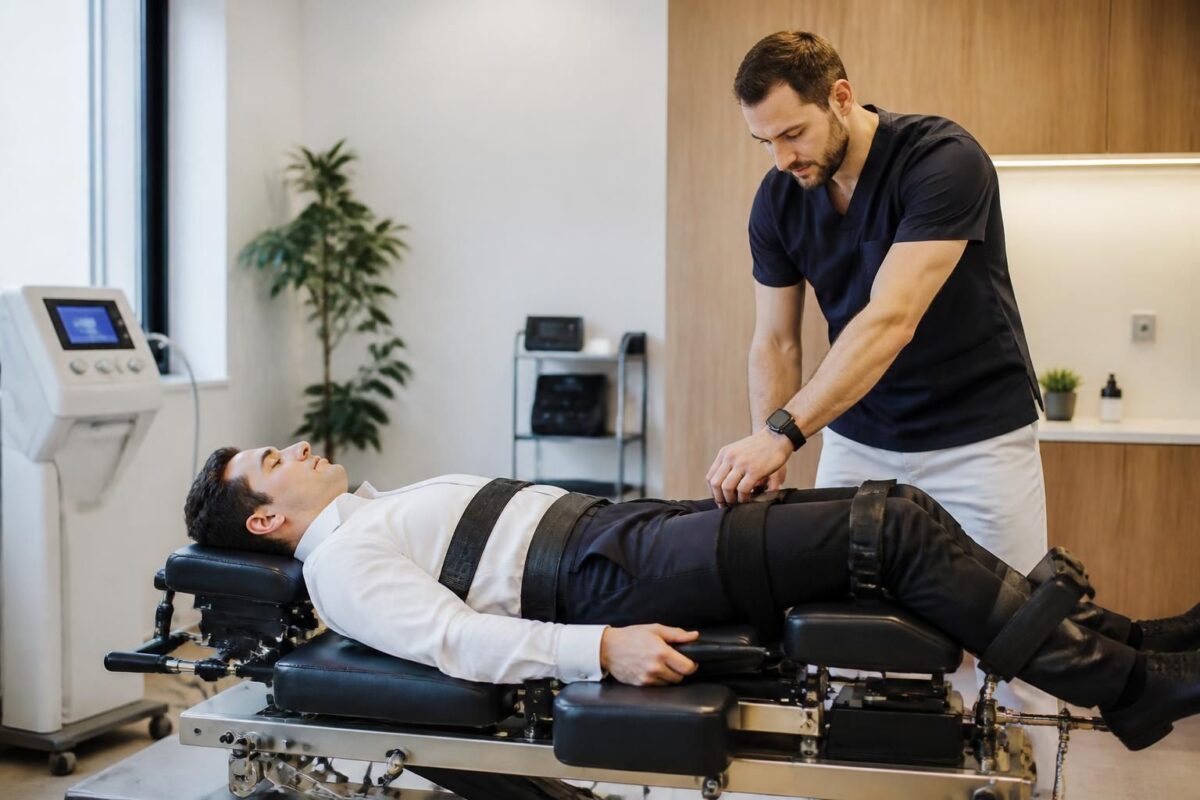
How Neurovertebral Decompression Prevents Diffuse Chronic Pain
In short decompression neurovertebral is one Non-invasive method aimed at reducing the Pressure on the intervertebral discs and the nerves, in order to prevent Diffuse chronic pain. It improves the circulation and thedisc hydration, decreases inflammation and promotes better mobility.…
Useful links and references
To deepen, the following resources cover different aspects of neurovertebral decompression and its impact on nocturnal pain:
Benefits and Mechanisms: Benefits of neurovertebral decompression
Natural solution and acute pain: Neurovertebral Decompression — Natural Solution
Clinical dialogue and safety: Natural alternative and security
Subjects and clinical explanations: How decompression reduces nocturnal pain
Info Tagmed and cervical approach: Recurrent cervical pathologies
General information and program: Decompression program
TagMed Montreal Resources and Global Treatment: Decompression – Night Therapy
For disc disorders and their non-surgical solutions, see: Disc herniation – Overall support and Complementary approach.
To learn more about the treatments offered in our clinics and the options available, see also Tagmed Clinic and neurovertebral decompression.
Medical Disclaimer: The information and advice provided on this site does not replace the health professional’s diagnosis or treatment. Please note that Dr. Sylvain Desforges osteopath is neither a doctor of medicine nor a doctor, and is not a specialist in a medical specialty as defined by the Collège des Médecins du Québec. Manual medicine, functional medicine and sports medicine as described on this site exclude any medical treatment or diagnosis made by a doctor or specialist doctor. Always consult your doctor for any medical questions. For more details, please read our full legal notice.
Neurovertebral decompression and nocturnal pain: regain restorative sleep
- Principle: Soft and controlled traction to create an intervertebral space and reduce the pressure on the nerves.
- non-invasive: Safe alternative that avoids surgery.
- targeting: intervention adapted to the lumbar and cervical areas often affected by the herniated discs.
- Eligibility: Pre-assessment by a health professional.
- Duration: Short sessions typically 15 to 30 minutes.
- Conformity: Regular protocol to optimize the results.
- Expected effects: Improved disc space and reduction of nervous tensions.
- Sleep found: Decreased nocturnal interruptions and deeper sleep.
- Posture: Improved vertebral alignment during rest.
- Mobility: Better mobility and flexibility after treatment.
- Night comfort: Reduction of pain that wakes up at night.
- Prevention: Decreased risk of recurrent back pain.
- Integration: Possible with gentle exercises and sleeping tips.
- Practical proof: Clinical feedback and positive experiences of patients.

This article presents practical recommendations on the neurovertebral decompression and the Nocturnal pain, in order to find a Restful sleep. It emphasizes a personalized evaluation, a progressive treatment plan and advice fromSleep hygiene and posture to reduce nighttime interruptions and improve recovery. In practice, decompression aims to reduce the pressure on the spinal nerves and discs, promote better circulation and allow the body to regenerate during rest.
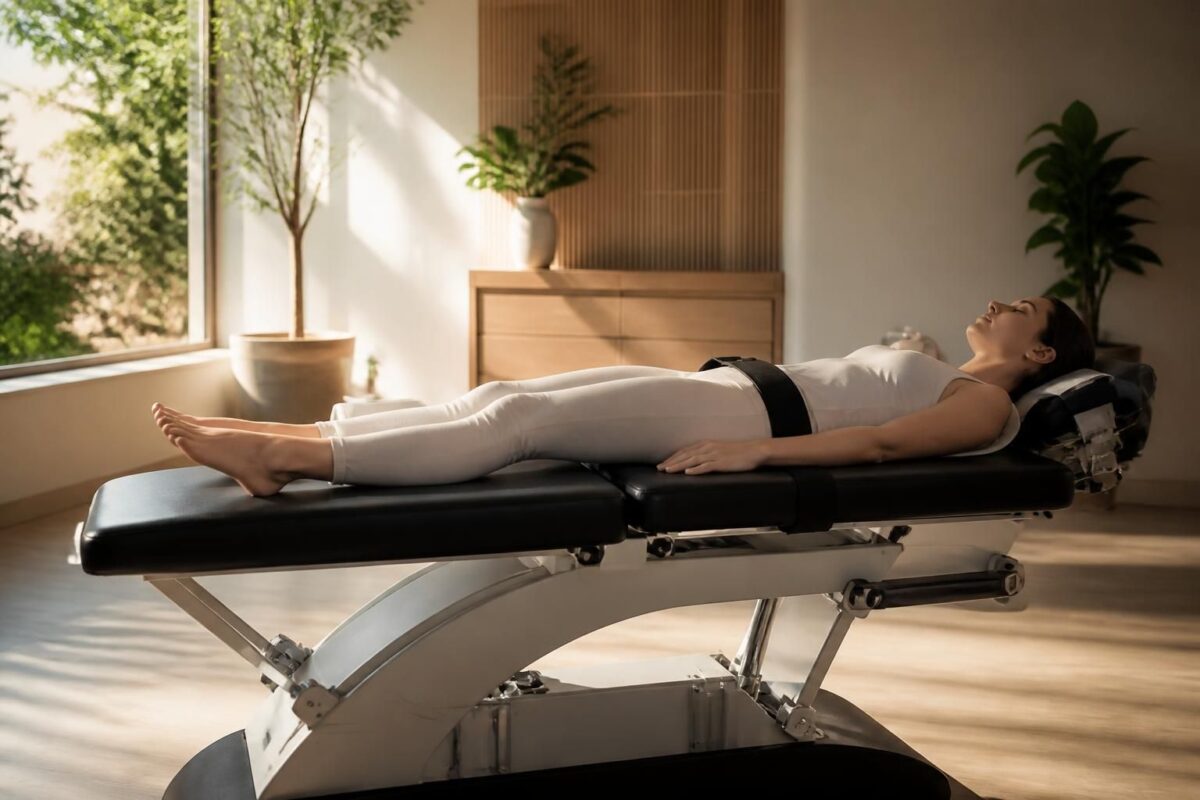
Neurovertebral Decompression and Body Alignment: Restoring Natural Balance
In short In short, neurovertebral decompression is one Non-invasive approach who restores theBody Alignment and thenatural balance back and neck. She acts by a Controlled traction of the spine to widen the intervertebral space and reduce the Pressure on discs…
Understanding the mechanism and its effects on sleep
The neurovertebral decompression is an approach non-invasive which uses soft traction to create a space between the vertebrae. This action reduces the pressure on the Spinal nerves and the intervertebral discs, improves the circulation and decreases local inflammation. Result: a decrease in nocturnal pain, better sleep tolerance and easier sleep. By adapting to individual needs, the process can promote calmer and deeper nights, without the need for surgical procedures.
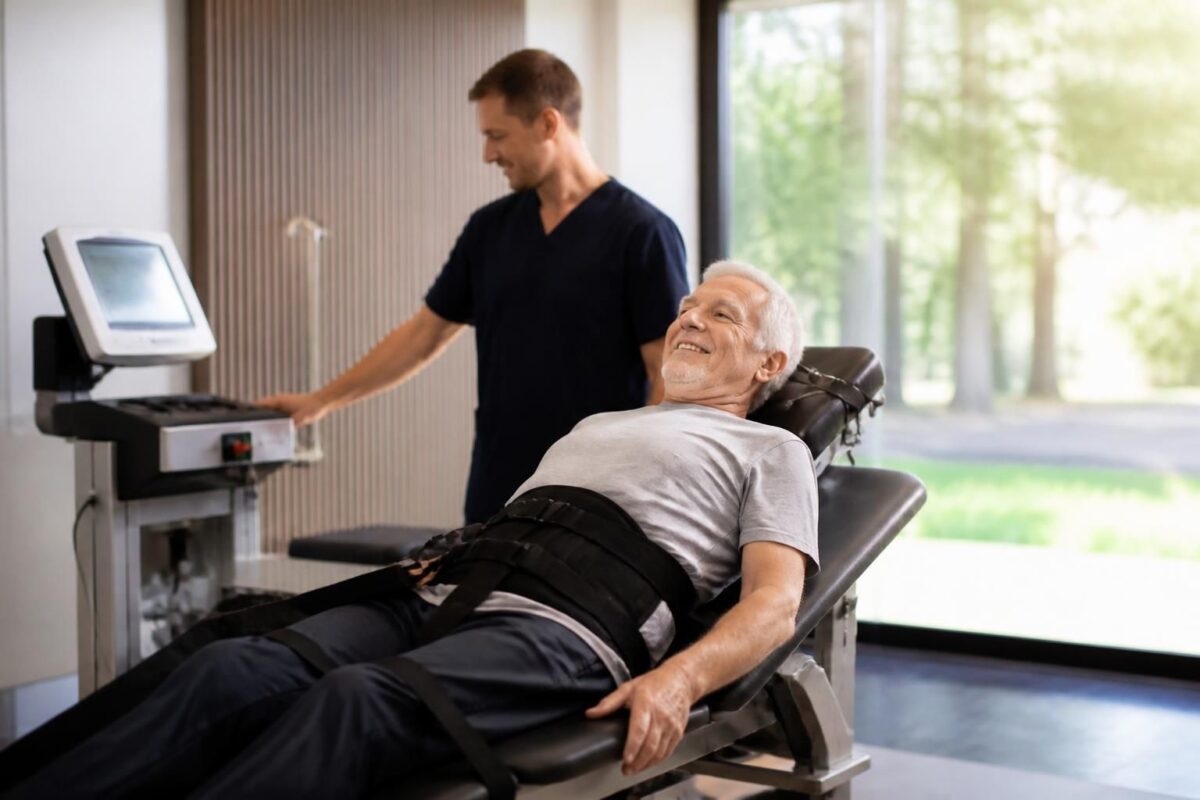
Why neurovertebral decompression is a lasting solution for active seniors
In short In short, the neurovertebral decompression is one Non-invasive therapy which sustainably relieves spinal pain in the spine active seniors By creating, by a Soft and controlled traction, a space between the vertebrae. At Montreal, it is recognized as…
Evaluation and security
To ensure safety and efficiency, a Preliminary report is essential. The practitioner takes into account the history, symptoms and may recommend Imaging Reviews In order to assess the condition of the column and to rule out contraindications. Certain conditions (fractures, particular pathologies, active implants) can limit use. Once eligibility is confirmed, the traction parameters are adjusted and the plan is personalized to aim for a Sustainable reduction of nocturnal pain.

Neurovertebral decompression and recovery after severe sports injury
In short In short, the neurovertebral decompression is one Non-invasive method to Relieve the pressure on the Intervertebral discs and the gristle Via a Controlled traction, to facilitate the recovery After a severe sports injury. It improves the bloodstream towards…
Development of an appropriate treatment plan
A well-structured program combines Short sessions and proper progress. The frequency And the duration varies according to the patient and the expected results, but the objective is a regularity that allows you to observe concrete improvements after a few weeks. The ultimate goal is a spinal stability increased and continued decrease in pain overnight.
Frequency and progress
Initially, plan 2 to 3 sessions per week with an evaluation every 2 to 4 weeks. Each session typically lasts between 15 and 30 minutes and can be completed with gentle exercises to do at home. Progression seeks to gradually reduce the pressure, rehydrate the discs and promote increased tolerance to sleep without pain.
Integration with other therapies
To optimize the results, decompression can be inserted into a comprehensive pain management program including strengthening exercises, gentle stretching and postural advice. Complementary approaches such as relaxation, diaphragmatic breathing or manual techniques can enhance efficiency and promote more stable and continuous sleep.
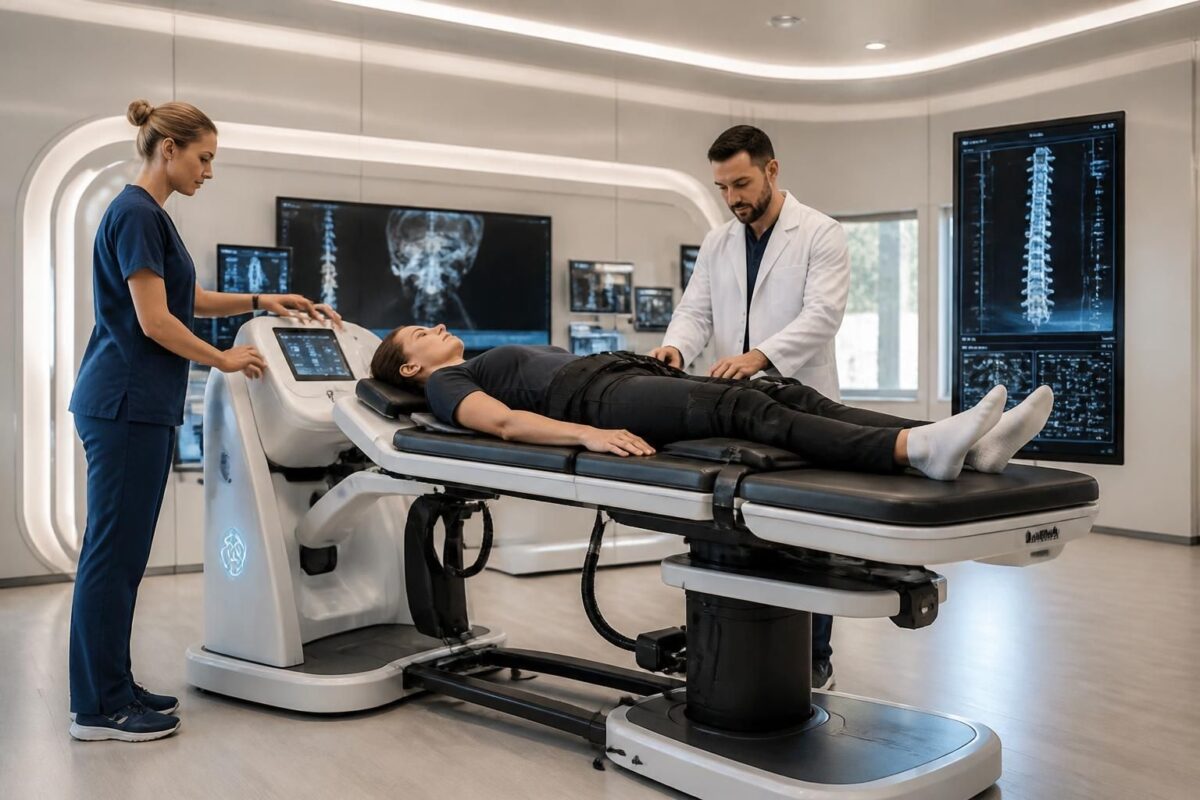
Recent innovations in neurovertebral decompression technologies
In short In short, the neurovertebral decompression is an approach non-invasive Aiming to reduce pressure on discs and nerves, and promote tissue regeneration. At Montreal, it is positioned as an effective option for lower back pain and herniated discs. The…
Practical tips for restful sleep
Adopt a Sleep hygiene Suitable: suitable mattress and pillow, dark and silent room, comfortable temperature. Choose positions that support the column and limit pressure on night discs. Establish a relaxing routine before bedtime and favor soothing activities like deep breathing. Limit stimulants at the end of the day and favor a light activity in the evening to promote sleep and continuity of sleep.
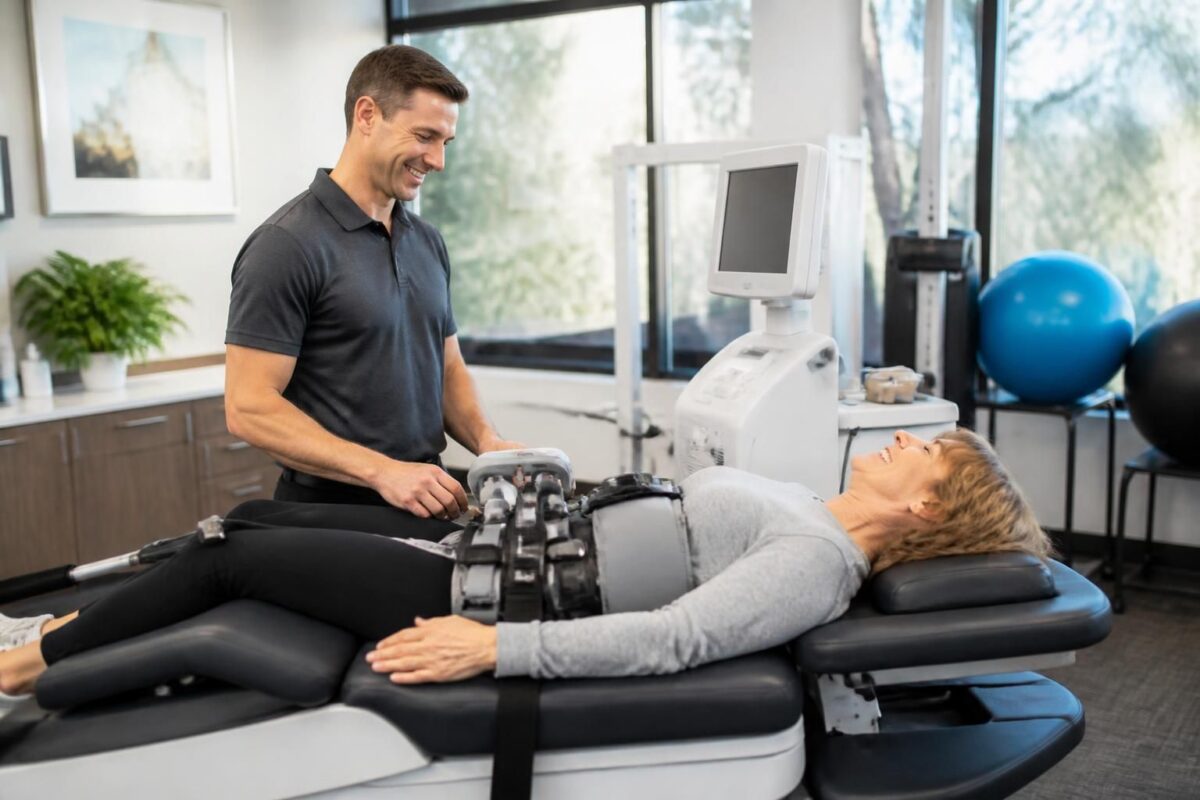
Neurovertebral decompression and diffuse pain: an appropriate solution
In short In short, the neurovertebral decompression is one Non-invasive solution For diffuse pain related to nerve irritation of the spine. She acts in Reducing pressure on intervertebral discs and nerves and improving the bloodstream, which promotes recovery and the…
Monitoring and expected results
Most patients find Improved night comfort and an Better sleep quality After a few sessions, with a decrease in awakening and pain. Tracking allows you to adjust the plan and prevent relapses by continuing exercises and good habits. The goal is a restful sleep that supports recovery and sustainably improves daily life.
| Aspect | Concise description |
|---|---|
| Axis target | Non-invasive gentle traction which decreases the pressure on the nerves and intervertebral discs for more peaceful sleep. |
| Mechanism | Space between the vertebrae created by a Controlled traction, reducing nervous irritation and improving local circulation. |
| Nocturnal pain | quick reduction Nocturnal pain in many patients after a few sessions. |
| Sleep | Improvement of the sleep quality and decreased nighttime interruptions. |
| Patient profiles | suitable for herniated discs and recurring pain, without surgery. |
| Security | treatment non-invasive with Few side effects, well tolerated. |
| Duration and rhythm | sessions Short (15-30 minutes) and program regular for lasting benefits. |
| Access | accessibility In specialized clinics, without necessary prescription. |
| Integration | Associate with Sweet exercises and good sleep habits to maximize results. |
Testimonials on neurovertebral decompression and nocturnal pain: regain restorative sleep
Marie, 48 years old: “Before, my Nocturnal pain I woke up constantly and I struggled to find a comfortable position. After trying the neurovertebral decompression, I felt a gradual decrease in pressure on the nerves and found a Restful sleep which allows me to wake up in shape and ready to face the day. »
Thomas, 53: “My nights were disturbed by throbbing pain in the lower back. Since the sessions of neurovertebral decompression, I sleep longer and deeper. I wake up less often, and my pool of fatigue has given way to new energy thanks to this Restful sleep. »
Sophie, 39, mother of three children: “I didn’t think I could sleep without pain anymore. With the neurovertebral decompression, I found a Restful sleep which allows me to be present for my children the next day. My back is less tense and my alarm clocks are more serene. »
André, 66 years old: “The nights were synonymous with repeated awakenings and stiffness on awakening. After starting the neurovertebral decompression, I noticed a significant improvement in my mobility in the morning and a Restful sleep which lasts without interruptions. It is a real rebirth for my quality of life. »
Élodie, 28, athletic practitioner: “As an athlete, the night pains disrupted my performances. The neurovertebral decompression helped me reduce pain and access a Restful sleep deeper. My nights are calmer and my awakenings more dynamic for my workouts. »
Marc, 60 years old: “I dreaded every evening because of the pain that came back in the middle of the night. After treatment with neurovertebral decompression, my Nocturnal pain have subsided and I am enjoying a Restful sleep which allows me to resume my daily activities with energy and enthusiasm. »
Dr. Sylvain Desforges is a Expert in osteopathy, naturopathy and manual medicine, and he occupies the role of founding president of the Tagmed clinics as well as theACMA Association. His journey is marked by an approach ofHealth Innovation, aimed at rethinking care around patients and their specific needs. Its commitment is based on a multidisciplinary vision that combines manual know-how, functional approach and cutting-edge technologies, in order to optimize the health and well-being Accompanied people.
In his practice, the neurovertebral decompression Occupies a central place to treat chronic pain and sleep disturbances related to spinal conditions. This non-invasive approach acts on discs and nerves, reducing pressure and facilitating space between the vertebrae. The objective is clear: to reduce nocturnal pain and promote a Restful sleep By decreasing pain signals that disrupt falling asleep and nighttime awakenings. Thanks to controlled traction, this method aims to stabilize the spine and restore a spinal mechanic more favorable to rest.
Its therapeutic approach is based on a global evaluation of the patient, integrating elements of biomechanical, fromtherapeutic education and of prevention. In addition to decompression, it favors a synergy with complementary treatments such as laser and therapies by shock waves, when clinical indications allow it. This approach evidence-based Seeks to reduce pain, improve sleep posture and allow for gradual resumption of daily activities, while preserving tissue integrity. Each protocol is adapted to the patient’s personal history and quality of life objectives.
Beyond individual care, Dr. Desforges acts as a pioneer in exchanges between specialists and patients. Through its clinics and its action within ACMA, it promotes cross-sectional pain management and attentive listening to the needs of athletes, office workers and the elderly facing nocturnal pain. This ability to federate, train and disseminate innovative practices strengthens patient confidence and strengthens the effectiveness of the treatments offered.
Its mission is clear: to offer care that Optimize quality of life, allow More peaceful sleeps and support lasting healing. By integrating advanced technologies and a patient-centric approach, it offers a contemporary vision of the neurovertebral decompression As a key tool to find serene nights and rediscovered mobility.
Through his leadership and continued involvement, Dr. Sylvain Desforges illustrates a practice where the science and theclinical experience meet to meet the challenges of nocturnal pain and sleep disorders. This philosophy guides each step of the therapeutic journey, from the initial assessment to treatment planning and long-term support.
This text presents a detailed conclusion on neurovertebral decompression and nocturnal pain, demonstrating how this non-invasive approach can promote restful sleep by reducing nerve pressure and improving mobility. It summarizes the mechanisms, benefits for sleep and ergonomics, as well as key elements for integrating this therapy into a long-term outcome-oriented pain management plan.
The neurovertebral decompression Acts primarily by applying gentle, controlled traction that creates a space between the vertebrae. This modulation aims to reduce the pressure on the discs and nerves, which can reduce inflammation and promote better oxygenation of the surrounding tissues. Thanks to this mechanism, nocturnal pain linked to vertebral pathologies, such as herniated discs, can decrease, allowing the patient to regain more peaceful nights and deeper sleep.
In terms of sleep, their reported results indicate a Improved sleep quality and a reduction in pain-related nocturnal interruptions. By promoting better posture during rest and improving blood circulation in the affected area, decompression contributes to a more rested awakening and a reduction in muscle stress associated with pain. To deepen the mechanisms and clinical benefits, you can consult specialized resources such as clinical analyzes and technical recommendations on dedicated sites.
From a safety point of view, neurovertebral decompression is a non-invasive alternative that may be suitable for a wide range of patients, including those who wish to avoid surgical procedures or long-term drug treatments. However, each patient must be individually assessed to ensure eligibility and to adapt the protocol on a case-by-case basis. This personalized approach is essential for optimizing results and minimizing risks, especially when specific medical history exists.
To maximize ≤ efficacy and sustainability of benefits, it is recommended to integrate decompression into an overall pain management program. This may include targeted strengthening and easing exercises, relaxation practices (meditation, breathing) and advice on sleep hygiene and rest positions. By combining decompression with healthy postural habits and appropriate physical activity, positive effects on restful sleep can continue and reduce the risk of night pain recurrence.
Clinical feedback and testimonials show that, for many patients, improved sleep is accompanied by a general increase in well-being, better daily mobility and a reduction in dependence on analgesic treatments. This dynamic promotes not only nighttime recovery, but also a progressive and lasting rehabilitation of the locomotor. To learn more and explore scientific evidence, see the following resources:
To deepen the benefits and mechanisms, see the following sources in particular:
Neurovertebral decompression and prevention of chronic nocturnal pain,
Clinical studies confirming the efficacy of neurovertebral decompression,
Neurovertebral decompression and nocturnal pain – regain restorative sleep,
Neurovertebral decompression, a natural solution to reduce nocturnal neuropathic pain.

Dr Sylvain Desforges, B.Sc., D.O., N.D., osteopath, is the founding president of TAGMED and of the ACMA association. He dedicates his practice to chronic spinal pain, low back pain and symptoms compatible with sciatica, particularly when pain radiates toward the buttock, leg, calf, foot or toes.
Through SOS Sciatique, he publishes educational content on sciatica symptoms, possible causes such as disc herniation, disc narrowing, foraminal stenosis or irritation of a lumbar nerve root, as well as non-surgical approaches that may be considered according to the evaluation. At Clinique TAGMED, care may include, depending on the case, motorized neurovertebral decompression, specific osteopathic care or precision percussion.
For an evaluation related to sciatica treatment in Montreal / Mount Royal or sciatica treatment in Terrebonne, please consult the services available at Clinique TAGMED.
Medical disclaimer
The information published on SOS Sciatique is provided for educational purposes only and does not replace a consultation, diagnosis, opinion or treatment provided by a physician or another authorized healthcare professional. The author of this article is neither a medical doctor nor a specialist in a medical specialty recognized by the Collège des médecins du Québec. The osteopathic, manual medicine or functional support approaches described on this site do not constitute medical acts and are not intended to replace medical follow-up.
Consult a physician or emergency service in cases of loss of bladder or bowel control, anesthesia in the saddle area, significant or progressive weakness in the leg or foot, fever, recent trauma, severe pain or rapid worsening of symptoms. For more details, please read our Legal Notice.