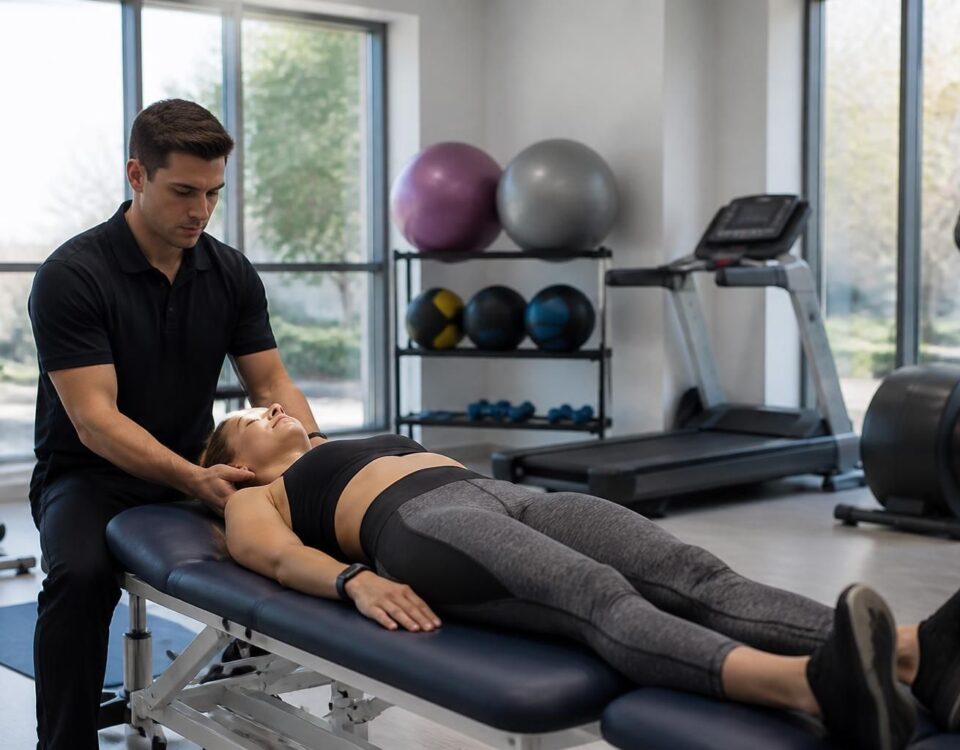
Why neurovertebral decompression is ideal for top athletes
26/06/2026
Neurovertebral decompression and nocturnal pain: regaining restful sleep
26/06/2026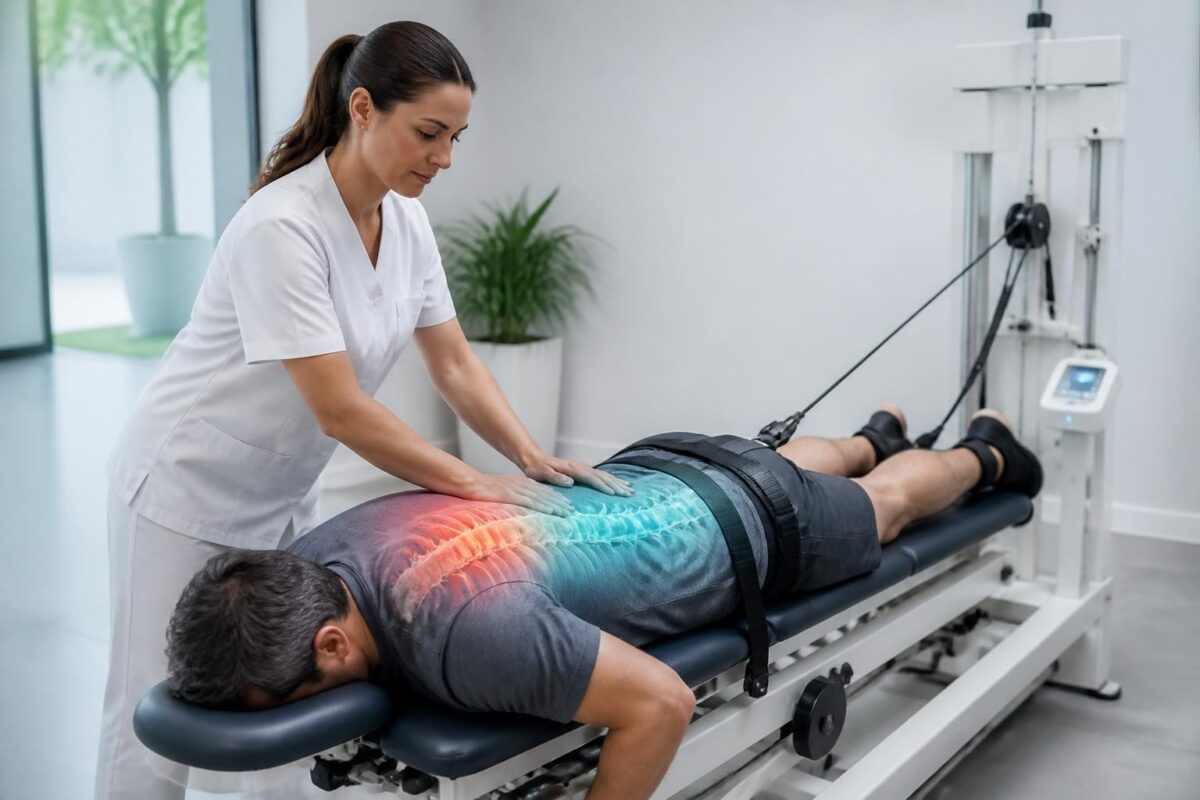
In short
| In short, the neurovertebral decompression is one Non-invasive therapy who is addressing Chronic inflammations of nerve roots often associated with refractory disc herniation. It acts by applying a Controlled traction which creates a space between the vertebrae and decreases the nerve pressure. This reduction improves the bloodstream, facilitates nutrient intake and reduces inflammation, leading to pain reduction and an Mobility found. The main advantages include a Quick relief, a better ability to resume activities and a Reduced surgical risk. Accessible in Montreal, this treatment can be integrated into a multimodal approach to lower back and root pain due to damaged discs, offering a lasting improvement in well-being without surgery. |
The neurovertebral decompression is an approach non-invasive which targets chronic inflammation of nerve roots. By applying a Soft and controlled traction, it creates a space between the vertebrae and decreases the nerve pressure, which contributes to the reduction of inflammation.
- Improvement of the bloodstream and the contribution in nutrients towards the nervous tissues, favoring the healing.
- Decreased edema and inflammation around the nerve roots, thus relieving the pain.
- relaxation of the muscles surrounding the spine and better spinal alignment, which improves the mobility and prevents recurrences.
- natural integration into a multimodal approach, offering an alternative non-surgical For back pain related to refractory disc herniation.
This article, written by an expert professional, explains how the neurovertebral decompression Reduces chronic inflammation. It describes the simple mechanisms and clinical benefits observed. The text favors direct formulations and clear explanations to facilitate understanding and application in practice.
Principle and mechanism
The neurovertebral decompression Applies gentle traction on the spine. This traction creates a space between the vertebrae. This space decreases the pressure exerted on the nerve roots, which helps calm the inflammation around the nerves.
The process acts on the intervertebral discs by favoring their repositioning. By releasing compression, nervous tissues receive more effective blood flow and essential nutrients for repair. This helps to reduce local inflammatory markers.
This approach is particularly useful when chronic inflammation of the nerve roots comes from refractory disc hernias. It offers a non-invasive framework to reduce inflammatory stimuli without the need for surgical procedures.
Blood flow and hydration of discs
Traction creates a traffic-friendly environment. Better circulation transports nutrients and oxygen to damaged nerve tissue. This helps to dispel edema and accelerate repair processes.
It also contributes to the rehydration of the intervertebral discs. Better hydrated discs regain their elasticity, which reduces the pressure exerted on the nerves and promotes a less inflammatory state.
Reduction of inflammation
By limiting the overpressure on the nerves, the decompression Improves the drainage of metabolic waste and inflammatory mediators around the nerve roots. This local reduction in inflammation is manifested by a reduction in pain and a gradual resumption of functional activities.
Impact on pain and mobility
pain reduction
Patients often report a noticeable decrease in pain after several sessions. Reducing inflammation around the nerves and improving blood flow play a key role in this relief.
Improvement of mobility and daily life
The decrease in pain allows a better range of motion. This facilitates daily activities and usual gestures. Recovered mobility contributes to overall well-being and a reduction in limitations related to chronic pain.
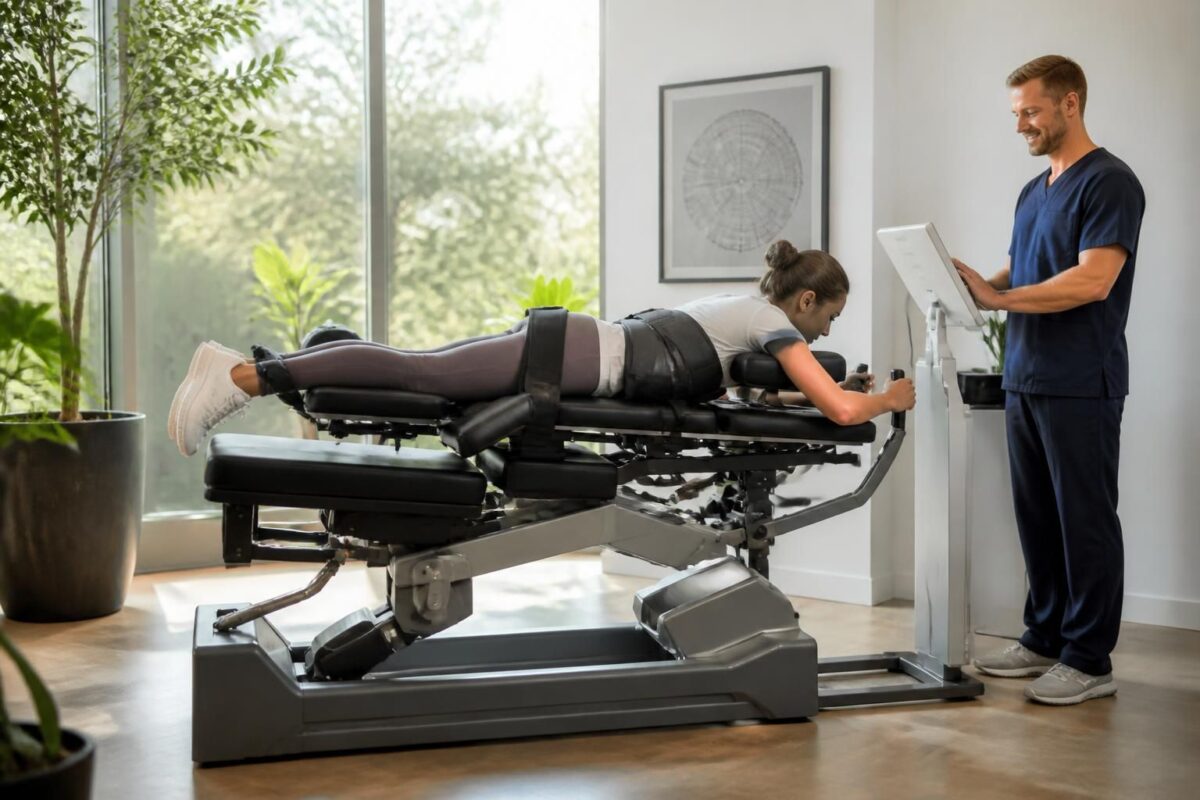
The long-term benefits of neurovertebral decompression for spinal health
In short In short, the neurovertebral decompression is a non-invasive approach that decreases the Pressure on intervertebral discs and nerves, favoring the Natural regeneration and tissue recovery. Its long-term benefits include Lasting pain reduction, Improving mobility and from the posture,…
Security and selection criteria
When to consider decompression
Decompression is indicated when chronic inflammation of the nerve roots persists despite other non-invasive approaches or when nerve compression is documented at imaging. The treatment is part of a non-surgical approach and is generally well tolerated.
Monitoring and security
The treatment is accompanied by close follow-up to adapt the number of sessions to the patient’s response. A practitioner regularly evaluates pain, mobility and nervous functioning to optimize results and prevent recurrences.

Neurovertebral decompression and mobility: a return to an active life
In short In short, the neurovertebral decompression is therapy non-invasive who uses a gentle traction To create a space between the vertebrae and reduce the pressure on the Intervertebral discs and the nerves. It promotes a bloodstream improved, lowers tension…
Integration into a multimodal approach
TagMed Clinic Approach and Care Framework
In a multidisciplinary setting, neurovertebral decompression is proposed as a key component in the treatment of back pain and associated inflammation. At TagMed in Montreal and Terrebonne, it is integrated with other non-invasive approaches to optimize recovery and return to activity.
Cases and professional associations
Publications and feedback show significant improvements in patients with vertebral conditions related to refractory disc herniation. The approach is supported by relevant professional organizations and is part of a practice that conforms to the safety and ethics standards of the profession.
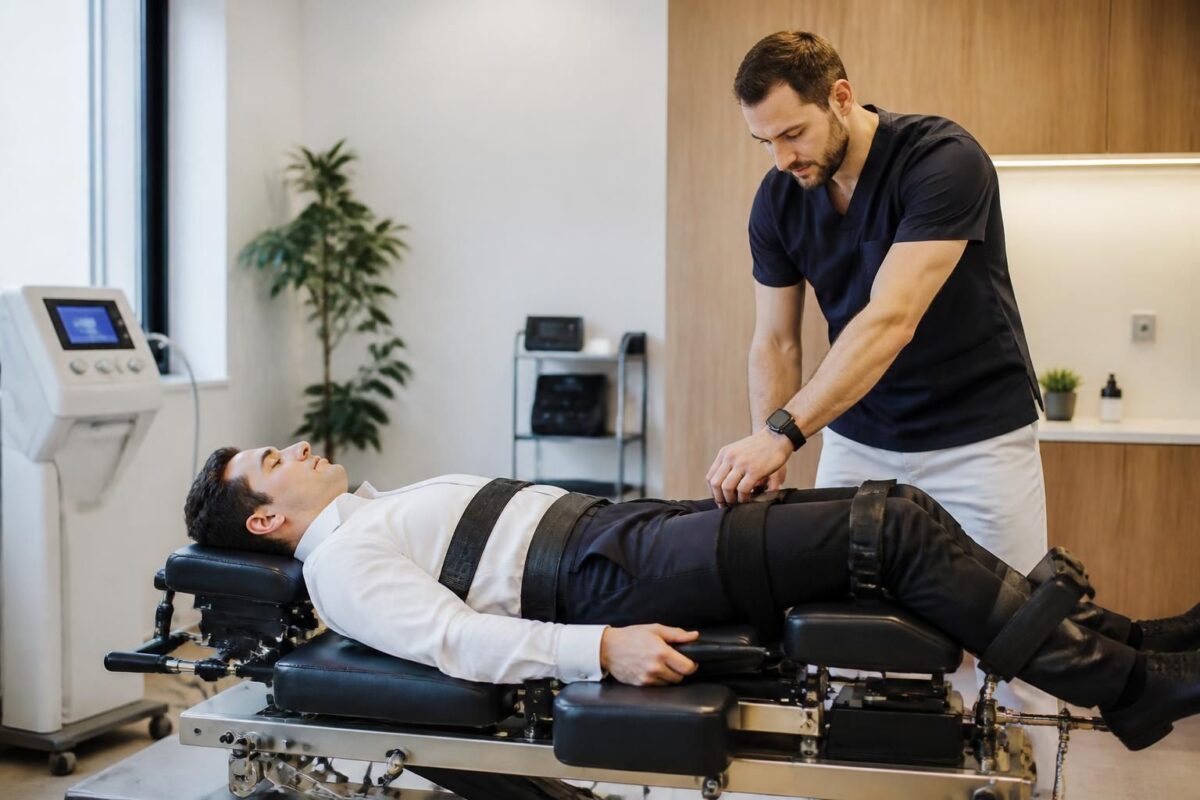
How Neurovertebral Decompression Prevents Diffuse Chronic Pain
In short decompression neurovertebral is one Non-invasive method aimed at reducing the Pressure on the intervertebral discs and the nerves, in order to prevent Diffuse chronic pain. It improves the circulation and thedisc hydration, decreases inflammation and promotes better mobility.…
Resources and additional readings
To learn more, see the following resources:
neurovertebral decompression and disc function
Modern decompression techniques
Decompression and cervical pain
Medical Disclaimer: The information and advice provided on this site does not replace the health professional’s diagnosis or treatment. Please note that Dr. Sylvain Desforges osteopath is neither a doctor of medicine nor a doctor, and is not a specialist in a medical specialty as defined by the Collège des Médecins du Québec. Manual medicine, functional medicine and sports medicine as described on this site exclude any medical treatment or diagnosis made by a doctor or specialist doctor. Always consult your doctor for any medical questions. For more details, please read our full legal notice.
Axes of action: decompression and chronic inflammation
- pressure reduction On the nerve roots by controlled traction.
- Disc hydration and rehydration, promoting nutritional intake.
- traffic improvement blood in the affected areas.
- Limitation of inflammation Around the nerves thanks to a better flow.
- Muscle relaxation Decreasing tensions that aggravate inflammatory pain.
- pain reduction and mobility increased after the sessions.
- Alignment and stability vertebral facilitating load rebalancing.
- nervous recovery and functional improvement.
- Prevention of recurrences by durable repositioning of the discs.
- Non-invasive approach avoiding surgical risks.

This recommendation clearly presents how the neurovertebral decompression acts to reduce Chronic inflammations and proposes concrete actions for a secure and effective implementation. It highlights the key mechanisms (reduction of pressure on the nerve roots, amplification of the disc space, improvement of the bloodstream and hydration of the discs), as well as a personalized and multimodal treatment plan to promote healing and prevent recurrences, while remaining appropriate for the patient.
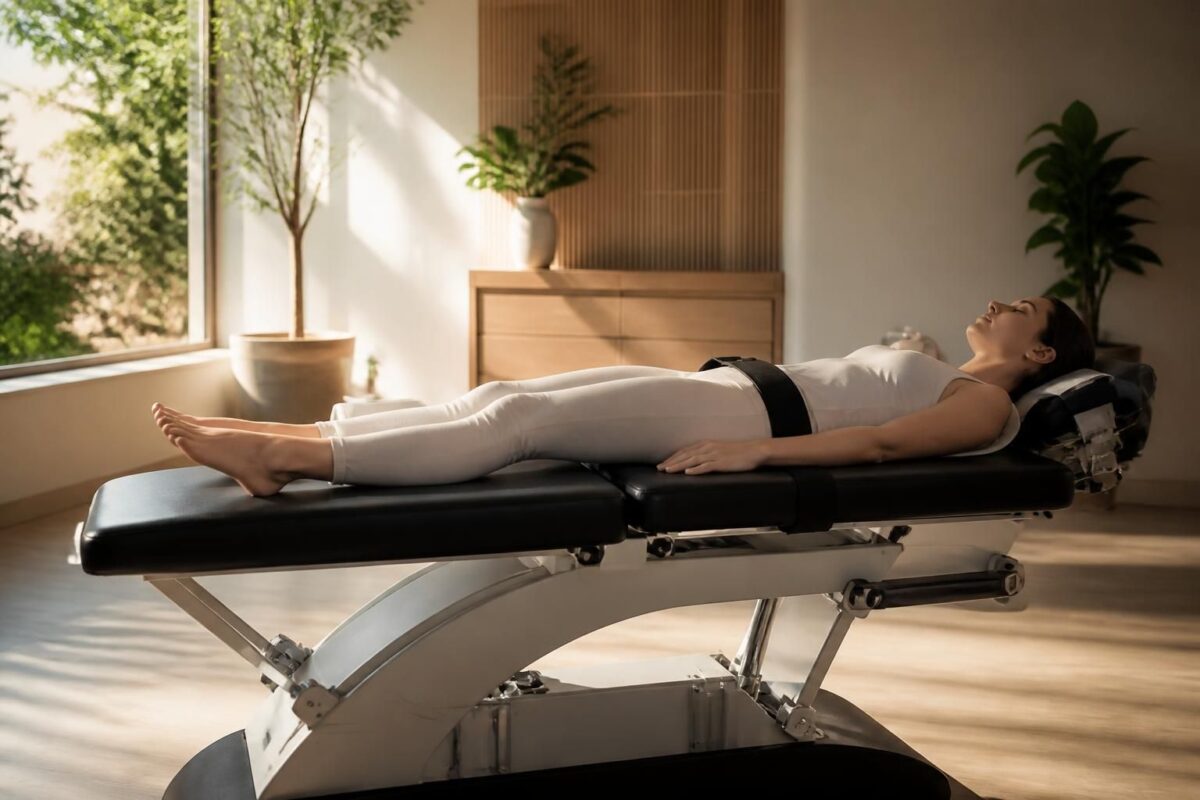
Neurovertebral Decompression and Body Alignment: Restoring Natural Balance
In short In short, neurovertebral decompression is one Non-invasive approach who restores theBody Alignment and thenatural balance back and neck. She acts by a Controlled traction of the spine to widen the intervertebral space and reduce the Pressure on discs…
Evaluation and selection criteria
Objectives and criteria
Before starting a decompression, it is crucial to establish a complete assessment which specifies the causes of the symptoms and the potential contraindications. The assessment should include clinical examination, background analysis and, if necessary, relevant imaging to confirm Intervertebral discs And some nerve roots. This step is used to target the areas to be treated and to determine the inclusion or exclusion of the patient in the protocol.
The ideal candidate benefits fromNerve inflammations related to refractory disc herniation and experiences pain that can be stabilized by non-invasive measures. Goals include gradual pain reduction and improved mobility without immediate recourse to surgery.
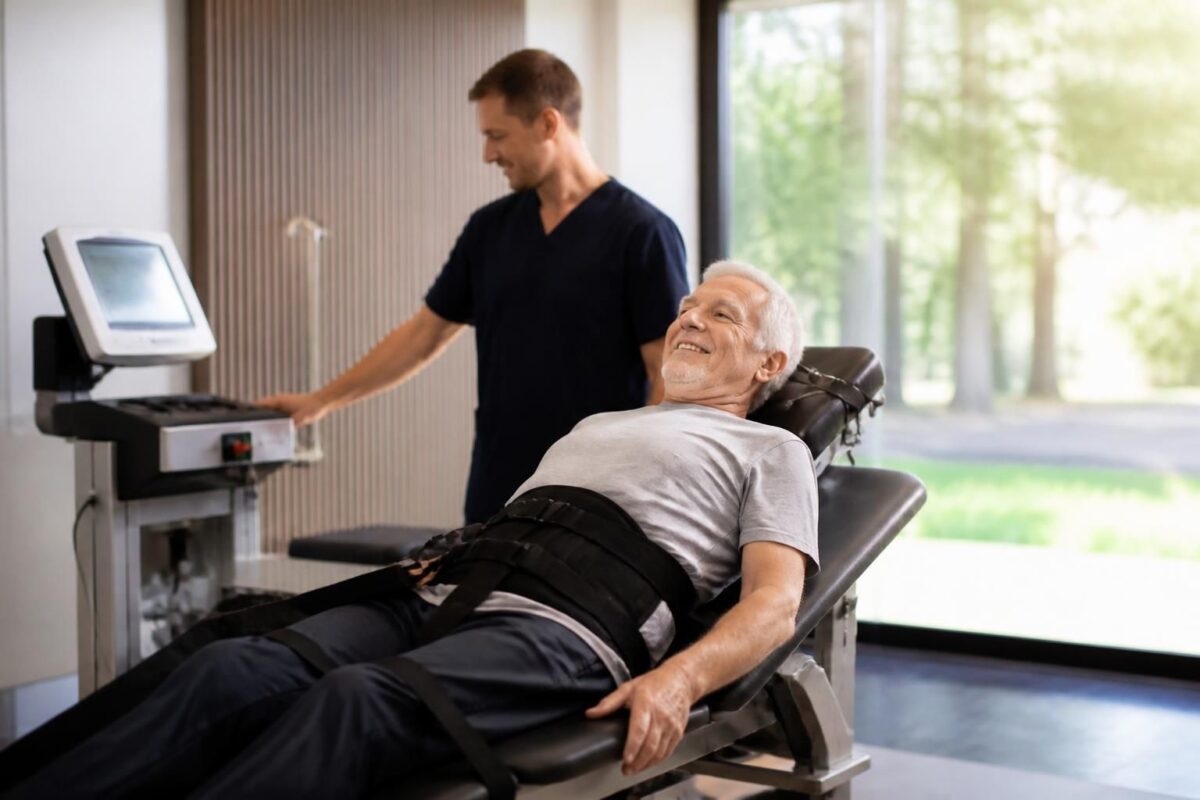
Why neurovertebral decompression is a lasting solution for active seniors
In short In short, the neurovertebral decompression is one Non-invasive therapy which sustainably relieves spinal pain in the spine active seniors By creating, by a Soft and controlled traction, a space between the vertebrae. At Montreal, it is recognized as…
Operational principle and anti-inflammatory mechanisms
Main mechanisms
the soft traction applied during the decompression creates an increased intervertebral space, which decreases the pressure exerted on the gristle and discs. This drop in pressure favors a Disc rehydration and a better Circulation of nutrients to the affected tissues, thus accelerating the repair process and reducing inflammatory edema.
By improving the blood supply, decompression facilitates the evacuation of metabolic waste and inflammatory mediators. This better microcirculation helps to reduce local inflammation and reduce tingling, radiating pain and associated muscle tension.
Decreasing nerve pressure can also lead to relaxation of the surrounding muscles, reducing tensions that perpetuate nerve irritation. These combined effects support a lasting improvement in nervous function and mobility, essential elements of general well-being.

Neurovertebral decompression and recovery after severe sports injury
In short In short, the neurovertebral decompression is one Non-invasive method to Relieve the pressure on the Intervertebral discs and the gristle Via a Controlled traction, to facilitate the recovery After a severe sports injury. It improves the bloodstream towards…
Treatment plan and progression
Frequency and duration
A typical program has between 15 and 25 sessions, spread over several weeks. The progression is adapted according to the individual responses, with a gradual intensification of the sessions and a gradual integration of mobility and reinforcement exercises when the clinical signs allow it.
Progress steps
The first sessions aim to quickly reduce pain and local inflammation, then increase the range of movements and restore better posture. Subsequently, the plan can integrate targeted exercises to strengthen the posterior muscle chains and improve spinal support, while maintaining the benefits obtained through decompression.
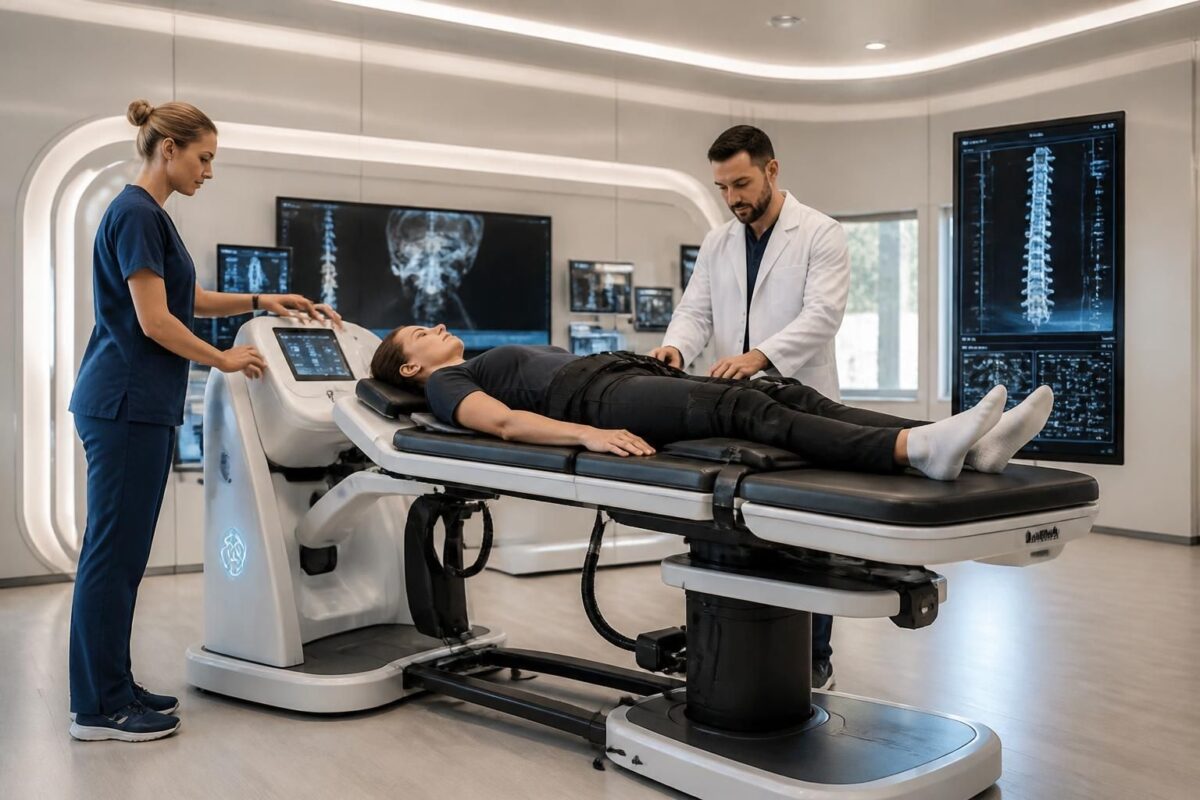
Recent innovations in neurovertebral decompression technologies
In short In short, the neurovertebral decompression is an approach non-invasive Aiming to reduce pressure on discs and nerves, and promote tissue regeneration. At Montreal, it is positioned as an effective option for lower back pain and herniated discs. The…
Integration with other therapeutic approaches
Recommended combinations
To optimize benefits, decompression can be associated with manual therapy techniques, non-invasive modalities and appropriate physical activity programs. The goal is to improve the mobility, to support tissue recovery and promote better regulation of inflammation, while minimizing risks and contraindications.
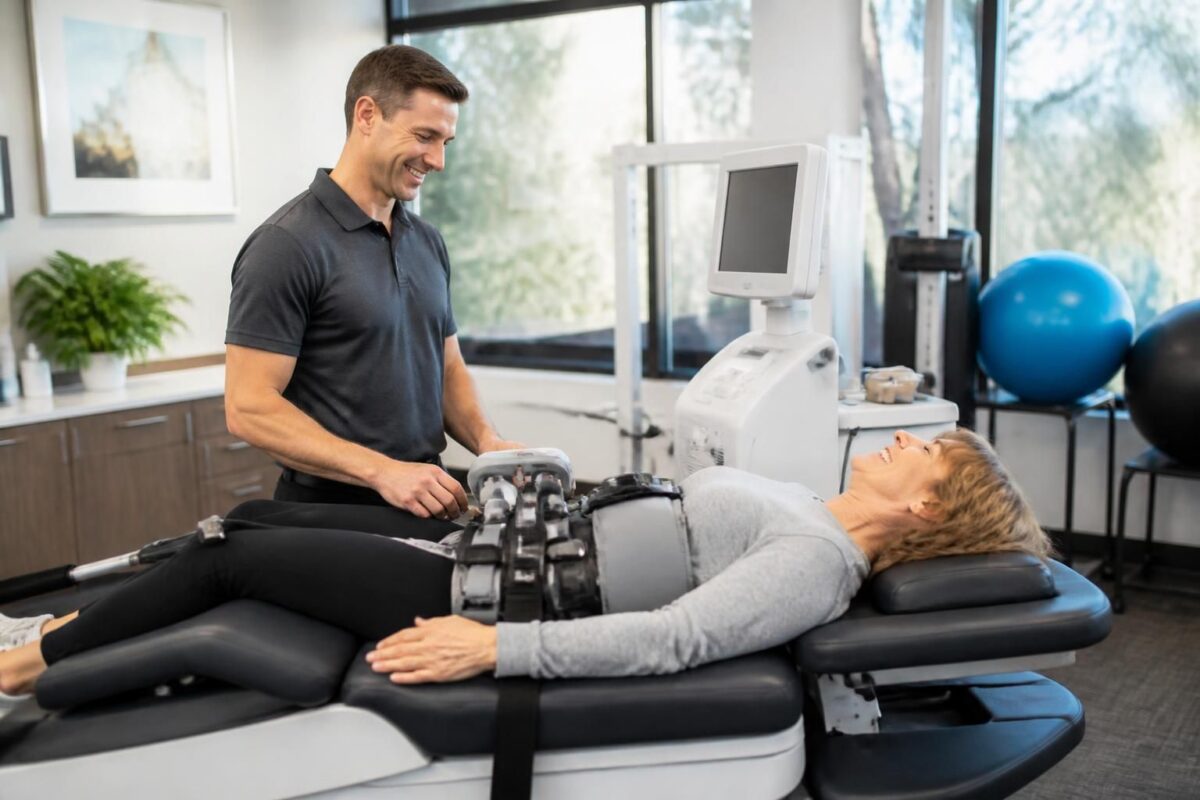
Neurovertebral decompression and diffuse pain: an appropriate solution
In short In short, the neurovertebral decompression is one Non-invasive solution For diffuse pain related to nerve irritation of the spine. She acts in Reducing pressure on intervertebral discs and nerves and improving the bloodstream, which promotes recovery and the…
Monitoring and security
Progress indicators
Monitoring is based on regular assessments of pain, mobility, range of gestures and functional improvement. Simple and repeatable tools make it possible to document progress and adjust the treatment plan accordingly.
Contraindications and safety
Strict contraindications exist and must be scrupulously respected. Any warning signs or aggravation requires a reassessment and possibly a change in treatment. Patient safety requires open communication and careful monitoring of progress and adverse effects.
Prevention and lifestyle advice
Elements to adopt
To support the benefits of decompression, it is recommended to maintain good hydration and an anti-inflammatory diet, favor a suitable regular physical activity, and work on strengthening the lumbar and abdominal muscles. Ergonomics at work, adequate posture and restful sleep play a key role in the prevention of recurrences and in the continuity of the improvements obtained through treatment.
| Element / Action | concise effect |
|---|---|
| Controlled traction on the spine | Extends the intervertebral space and Lowers the pressure on edge |
| negative pressure in the Intervertebral discs | Reduces compression and promotes the rehydration |
| Increased traffic around gristle | Increased intake of nutrients and oxygen for healing |
| Reduction of inflammation and edema | pain reduction and inflammation |
| Disc hydration intervertebral | More flexible discs and better fed |
| Muscle relaxation around | reduction of tensions and nerve pressure |
| Mobility and posture | Better range of motion and posture |
| Alignment and stability | Prevention of recurrences and risk reduction |
| Non-surgical option | Avoid surgery and its risks |
Testimonials: How neurovertebral decompression reduces chronic inflammation
Julie, 44, Montreal: “Before starting treatment, my Chronic inflammations woke me up every morning. After 6 weeks of neurovertebral decompression, inflammation has decreased sharply and my mobility has improved on a daily basis. »
Marc, 38, Laval: “I suffered from lower back pain related to Chronic inflammations. With the neurovertebral decompression, I felt a gradual reduction in nerve pressure and a lasting decrease in inflammation, which allowed me to resume my sports activities. »
Sandra, 63, Terrebonne: “My back was constantly inflamed and each movement caused acute pain. After a few sessions, I saw a marked drop in inflammatory signs and a better range of motion thanks to the neurovertebral decompression. »
Antoine, 29, Longueuil: “The Chronic inflammations Around my sciatic nerve made my days difficult. Thanks to the neurovertebral decompression, the pain decreased and the inflammation subsided significantly, allowing a gradual return to my daily activities. »
Isabelle, 52, Saint-Jérôme: “I was looking for a non-medicated solution for my nervous inflammations. After the start of the treatment, I observed a significant reduction in inflammation and a serenity found in my spine, which improved my posture and my general well-being. »
Catherine, 66, Repentigny: “My chronic inflammations tended to limit my sleep and movements. With the neurovertebral decompression, I perceived a noticeable decrease in pain and a lasting improvement in my quality of life, driven by an inflammation that has subsided. »
Laurent, 41, Laval: “As an athlete, any chronic inflammation slowed my performance. After the first sessions, I felt a reduction in inflammation and better muscle recovery, which allowed me to resume my training more calmly. »
Émilie, 57, Brossard: “I was afraid that my chronic inflammation would deprive me of my daily pleasures. Thanks to the neurovertebral decompression, I saw a gradual improvement in pain and better controlled inflammation, making me lighter and more confident on a daily basis. »
Biography: How neurovertebral decompression reduces chronic inflammation
This biography traces the journey of an expert whose action is centered on neurovertebral decompression as an essential lever for reducing Chronic inflammations adjacent nerves and tissues. Driven by a deep conviction that the painful and inflammatory mechanisms can be modulated by non-invasive approaches, this expert has developed a clinically effective and scientifically founded approach that places the patient at the heart of the care.
Trained in the fields of osteopathy, manual medicine and functional approaches to pain, he devoted his practice to optimizing musculoskeletal health by integrating advanced technologies. His work is based on a holistic vision that combines accurate diagnosis, personalized evaluation and an adaptive treatment protocol. This pedagogical and clinical orientation led him to promote a discipline based on evidence, intended to sustainably improve the quality of life of patients suffering from spinal pain and associated inflammation.
The heart of his approach is based on simple and proven principles. First, the application of gentle traction and controlled On the spine aims to create an increased intervertebral space. This dynamic produces a negative pressure in the intervertebral discs and promotes the repositioning of damaged structures. At the same time, the reduction in the pressure exerted on the nerve roots Improves the flow of fluids and nutrients to the tissues concerned, which decreases edema and more efficiently circulates the oxygen necessary for tissue repair. This mechanism triggers a Reduction of inflammation and acts on pain signals.
Over the years, this expert observed that the benefits are not limited to spatial pain relief. decompression Creates an environment conducive to the regeneration of nervous and muscular tissues, improves mobility and enhances spinal stability. Patients often describe a noticeable decrease in pain, better endurance and regained ability to resume once impossible activities. These results do not come from a single mechanism but from a synergistic interaction between the reduction of nerve pressure, the improvement of circulation and the relaxation of the surrounding muscles.
favoring an approach multimodal, it integrates, when relevant, complementary tools such as advanced physical therapies and rehabilitation protocols in order to optimize efficacy and prevent inflammatory recurrences. This orientation feeds on a framework evidence-based and rigorous monitoring of patients, which allows treatment to be adjusted according to the evolution of symptoms and functional objectives. The objective is clear: to offer a less invasive way than surgery when possible, while guaranteeing a lasting prevention of inflammation and associated pain.
Driven by a permanent quest for health innovation, this expert continues work that aims to refine the traction parameters, improve patient selection criteria and demonstrate the long-term effectiveness of neurovertebral decompression. This approach contributes to democratizing access to effective and personalized care, focused on the overall well-being and autonomy of the patient in daily life.
This text presents in a clear and structured way how the neurovertebral decompression May reduce chronic inflammation of nerve roots related to herniated discs, detailing the mechanisms, effects and practical considerations for patients. there are the key elements: reduction of the nerve pressure, improvement of blood flow and theDisc hydration, decreased inflammation and improved mobility.
The basis of this approach is based on a gentle traction and controlled which increases the intervertebral space and mechanically reduces the compression of the nerve roots. By lowering this compression, the treatment facilitates the passage of nutrients and oxygen to the nervous tissues while promoting the evacuation of metabolic waste. This improvement in blood flow Helps to reduce edema and local inflammation, which results in a pain reduction and an Improving mobility in many people with refractory disc herniation.
At the same time, decompression promotes Rehydration of intervertebral discs And can help recreate a more favorable spinal alignment. This mechanical reharmonization reduces muscle tension and reduces nociceptive signals. All of these effects are reflected in a clinically significant experience: less pain, more freedom of movement and better ability to resume daily and sporting activities.
Beyond local mechanisms, this non-invasive approach is often part of a multimodal approach. In addition to other technologies or practices—such as targeted therapies laser, muscle building interventions and posture programs—decompression can contribute to Prevention of recurrences and a sustainable recovery, without having to resort to surgery in many cases.
To deepen the mechanisms and benefits, several resources explore the links between decompression and inflammation, including the effects on Chronic inflammations of the nerve roots and the mechanisms of action of traction on the intervertebral discs. You can view additional information via dedicated sources and practical guides that describe how decompression affects inflammation and diffuse neuropathic pain. For example, the following pages have detailed explanations and relevant clinical contexts:
Neurovertebral decompression and body alignment
Treatment of chronic lumbar pain
Medical warning: The information provided does not replace the advice of a health professional. Always consult your doctor for any medical questions and discuss with him the advisability of a neurovertebral decompression course adapted to your situation.

Dr Sylvain Desforges, B.Sc., D.O., N.D., osteopath, is the founding president of TAGMED and of the ACMA association. He dedicates his practice to chronic spinal pain, low back pain and symptoms compatible with sciatica, particularly when pain radiates toward the buttock, leg, calf, foot or toes.
Through SOS Sciatique, he publishes educational content on sciatica symptoms, possible causes such as disc herniation, disc narrowing, foraminal stenosis or irritation of a lumbar nerve root, as well as non-surgical approaches that may be considered according to the evaluation. At Clinique TAGMED, care may include, depending on the case, motorized neurovertebral decompression, specific osteopathic care or precision percussion.
For an evaluation related to sciatica treatment in Montreal / Mount Royal or sciatica treatment in Terrebonne, please consult the services available at Clinique TAGMED.
Medical disclaimer
The information published on SOS Sciatique is provided for educational purposes only and does not replace a consultation, diagnosis, opinion or treatment provided by a physician or another authorized healthcare professional. The author of this article is neither a medical doctor nor a specialist in a medical specialty recognized by the Collège des médecins du Québec. The osteopathic, manual medicine or functional support approaches described on this site do not constitute medical acts and are not intended to replace medical follow-up.
Consult a physician or emergency service in cases of loss of bladder or bowel control, anesthesia in the saddle area, significant or progressive weakness in the leg or foot, fever, recent trauma, severe pain or rapid worsening of symptoms. For more details, please read our Legal Notice.