Neurovertebral decompression and treatment of recurrent mechanical pain
26/06/2026
How neurovertebral decompression reduces chronic inflammation
26/06/2026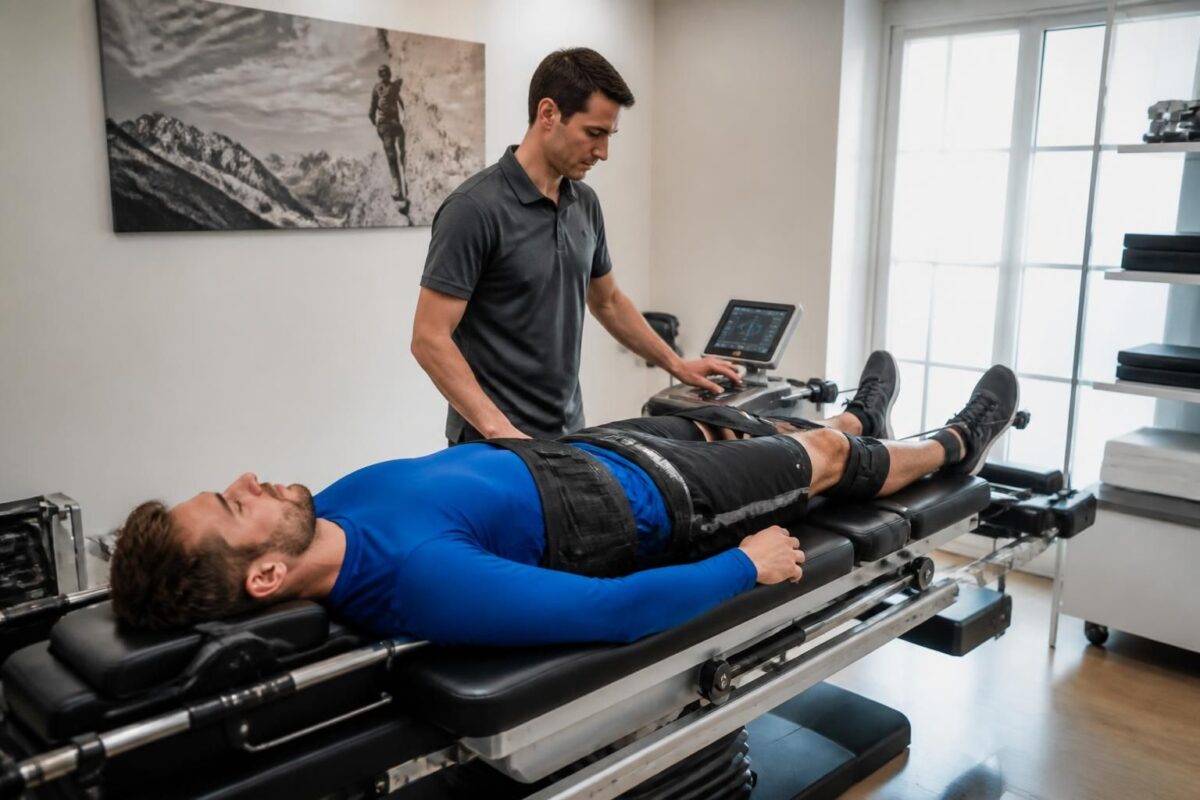
In short
| In short, neurovertebral decompression is an approach non-invasive Intended to relieve pressure on nerves and discs. What is it? A technique that creates a space between the vertebrae to release tension and promote recovery. What are the advantages? pain reduction, Increased mobility, Accelerated recovery, Injury prevention and better circulation. How does it work? Controlled traction releases pressure, improves hydration and nutrient supply of tissues, and allows more sustained painless workout. accessible to top athletes, especially in our urban clinics, this process helps to optimize performance while protecting the column and extending the sports career. |
The neurovertebral decompression is an option non-invasive particularly suitable for top athletes since it aims to reduce the Pressure on discs and nerves and improve the bloodstream. She offers a Rapid pain relief and an Improving mobility, which helps to preserve and optimize training and technical gestures. By strengthening thevertebral alignment and by preventing muscle tension, it contributes to the Injury prevention and to a Accelerated recovery After the effort. Adaptable and complementary to other therapies, it is integrated into a personalized approach to maximize performance without compromising safety.
This article, written by a health professional and expert in osteopathy, explain why the neurovertebral decompression is ideal for top athletes. It describes the mechanism, the benefits on recovery, mobility and injury prevention, as well as the conditions for safety and integration into a performance program. It relies on specialized sources and recognized clinical resources, while avoiding specific exercises or stretching related to this technique.
Mechanism and foundation
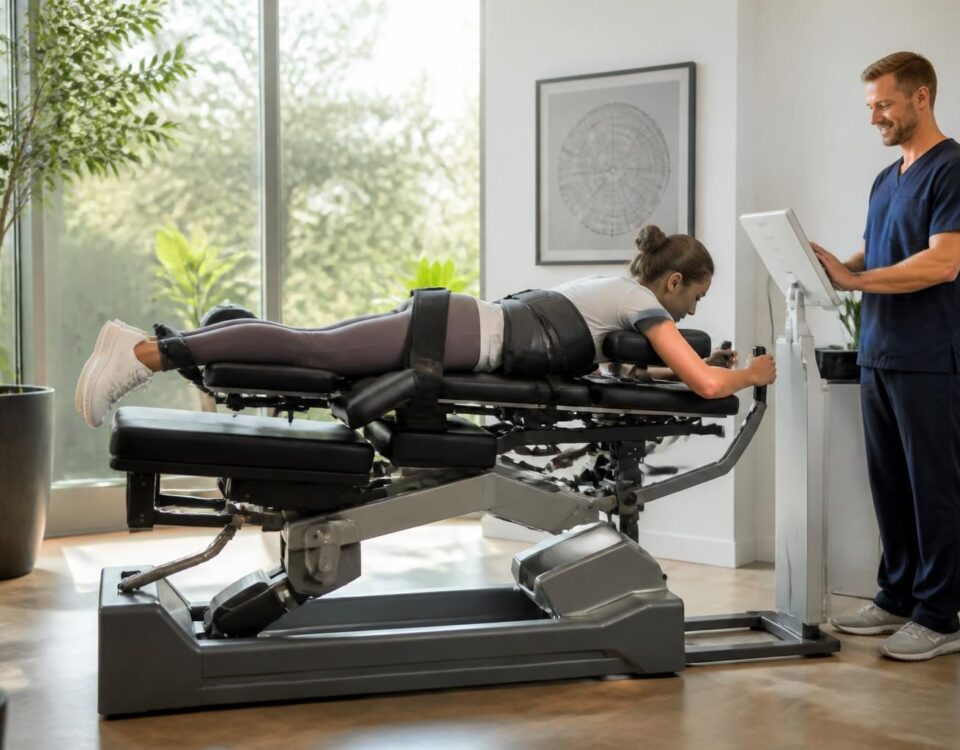
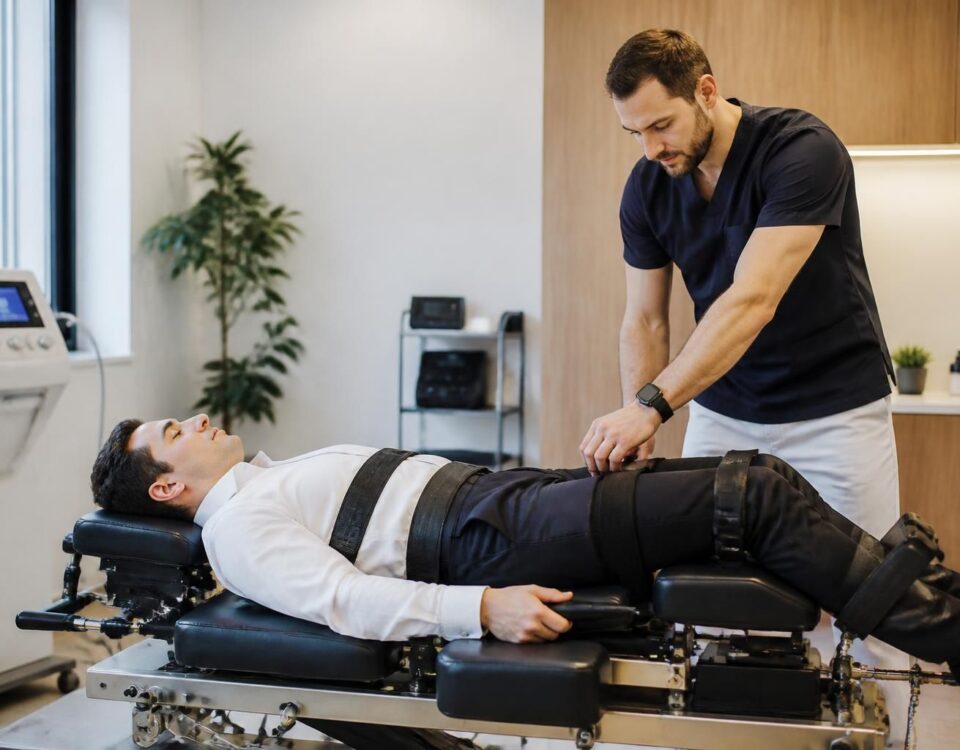
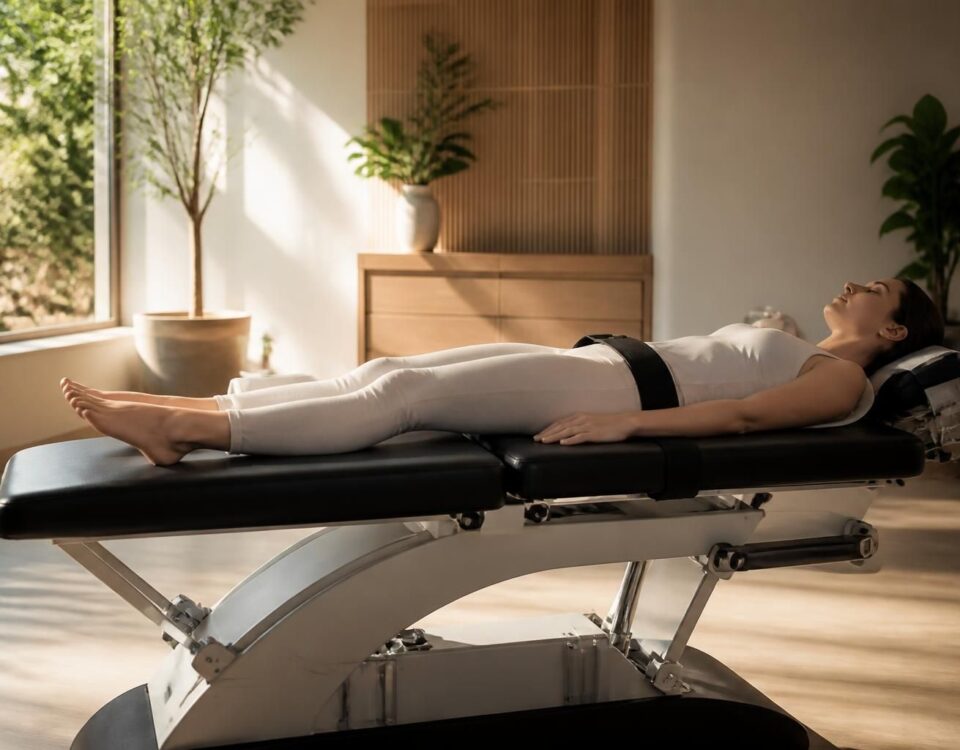
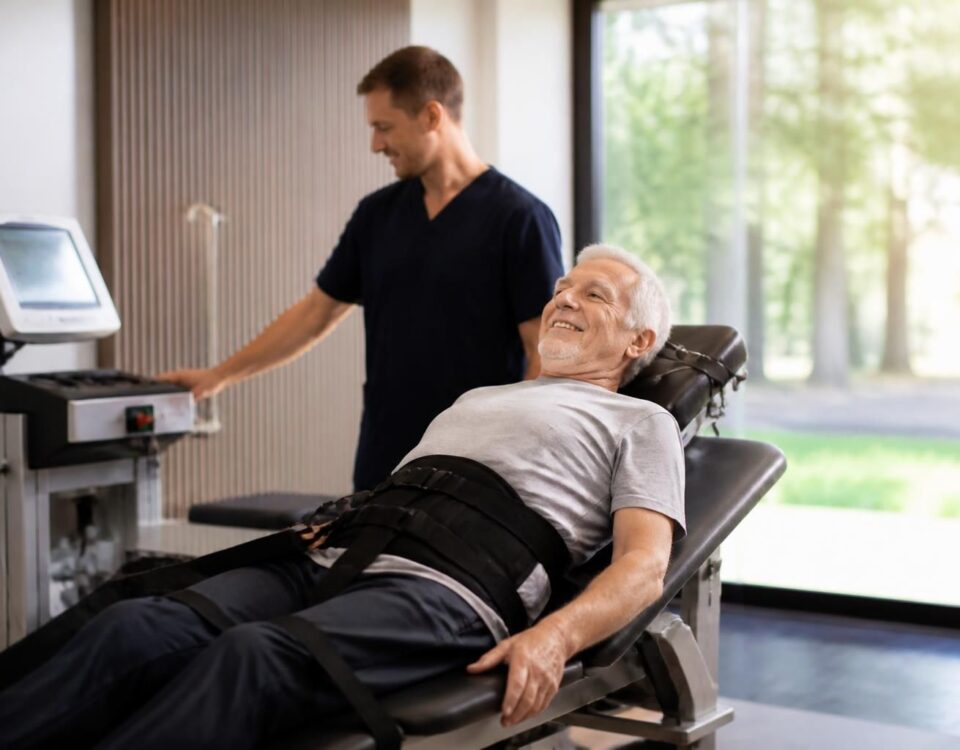
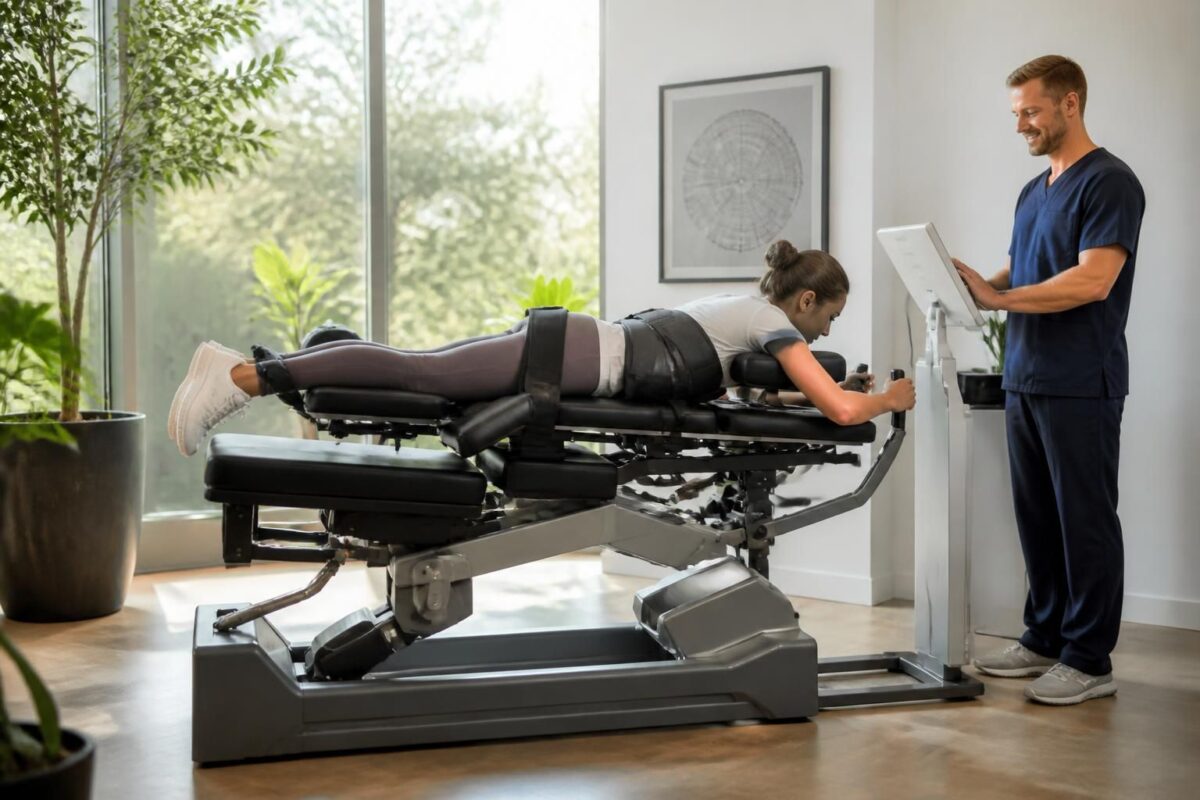
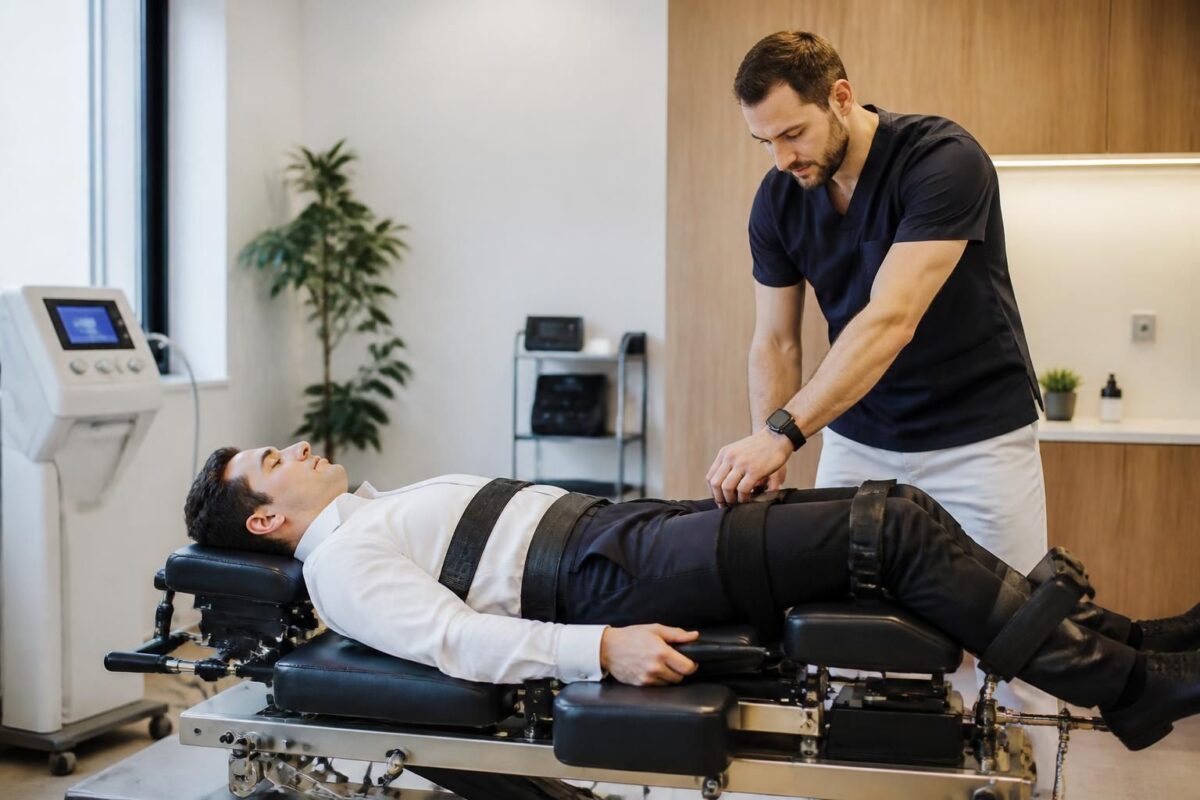
The neurovertebral decompression Applies controlled traction on the spine. This traction creates a space between the vertebrae and decreases the pressure on the intervertebral discs and nerve roots. This pressure reduction promotes disc hydration and improves local blood circulation. The process is non-invasive and can be used in addition to other TagMed clinic care.
Benefits for performance and recovery
The Key Benefits For athletes include a pain reduction, a Improving mobility and an Accelerated recovery. These effects make it possible to maintain a high training volume and to recover more quickly between sessions, without major interruptions.
Injury prevention and safety
By improving column alignment and flexibility, decompression contributes to Prevent stress and stress related to exertion. The application must be supervised by a qualified professional and adapted to the history of the athlete. Screening for contraindications and protocol customization are essential for safety and efficacy.
Integration into the course of the top athlete
In a performance framework, this approach can be integrated in addition to osteopathic care and manual therapy at the TAGMED clinic, with a personalized and regular plan. For available services, see Tagmed Clinic.
Resources and evidence
To deepen, specialized resources present the effects and uses in athletes, including:
- Is neurovertebral decompression recommended for athletes?
- How neurovertebral decompression optimizes body alignment
- Neurovertebral decompression and prevention of chronic nocturnal pain
- Why neurovertebral decompression is ideal for athletes in rehabilitation
- Neurovertebral Decompression and Muscle Tensions — Quick Results
- Essential FAQs on Neurovertebral Decompression
- How decompression affects diffuse neuropathic pain
- Neurovertebral Decompression — A Solution for Athletes Suffering from Discal Pinch
- Neurovertebral Decompression — An Innovative Approach to Rehabilitating High-Level Athletes
For a practical overview, sports-oriented resources and athletes’ needs can be viewed through the above sites and associated pages.
Neurovertebral decompression is a non-invasive approach that can support sports performance. It is part of a global health and performance strategy, with appropriate follow-up and adjustments according to the progress of the athlete. For more information on services in Montreal or Terrebonne, TagMed clinics support you in a personalized program.
To learn more about the mechanisms and indications, visit the following resources:
Why neurovertebral decompression is ideal for athletes in rehabilitation: Article Dr Desforges.
Medical Disclaimer: The information and advice provided on this site does not replace the health professional’s diagnosis or treatment. Please note that Dr. Sylvain Desforges osteopath is neither a doctor of medicine nor a doctor, and is not a specialist in a medical specialty as defined by the Collège des Médecins du Québec. Manual medicine, functional medicine and sports medicine as described on this site exclude any medical treatment or diagnosis made by a doctor or specialist doctor. Always consult your doctor for any medical questions. For more details, please read our full legal notice.
- Accelerated recovery thanks to better circulation and hydration of the tissues.
- Quick return to training after intense efforts or competitions.
- pain reduction and post-exercise fatigue to maintain regularity.
- mental confidence and increased motivation for the training program.
- Proactive injury prevention Via vertebral alignment and muscular stability.
- Mobility and technical improved for more precise technical gestures.
- Maintenance of muscle efficiency and endurance on training cycles.
- Non-invasive option which is easily integrated into an athlete’s schedule.

Neurovertebral decompression is an ideal non-invasive approach for top athletes, because it allows Reduce the pain, to improve the mobility, to accelerate the recovery and prevent injuries while maintaining a high and sustained training volume.
Performance Benefits
pain reduction and mobility
Controlled traction decreases the pressure on the Intervertebral discs and the gristle, generating a pain reduction and an Improved range of motion. For athletes, this mobility release is essential to perform technical gestures with precision and without physical limitation.
At the same time, improving the circulation and thehydration Tissues around the column promote regeneration and resilience, contributing to better performance during workouts and competitions.
The long-term benefits of neurovertebral decompression for spinal health
In short In short, the neurovertebral decompression is a non-invasive approach that decreases the Pressure on intervertebral discs and nerves, favoring the Natural regeneration and tissue recovery. Its long-term benefits include Lasting pain reduction, Improving mobility and from the posture,…

Neurovertebral decompression and mobility: a return to an active life
In short In short, the neurovertebral decompression is therapy non-invasive who uses a gentle traction To create a space between the vertebrae and reduce the pressure on the Intervertebral discs and the nerves. It promotes a bloodstream improved, lowers tension…
Recovery and training continuity
Accelerated recovery
Stimulation of circulation and oxygenation accelerates tissue repair, reduces post-exercise pain and prepares the body to resume training quickly. Athletes see faster recovery and less residual fatigue, which helps maintain the work plan.
This non-invasive approach fits easily into the periodization, making it possible to limit injury interruptions and maintain a high level of performance over several cycles.
How Neurovertebral Decompression Prevents Diffuse Chronic Pain
In short decompression neurovertebral is one Non-invasive method aimed at reducing the Pressure on the intervertebral discs and the nerves, in order to prevent Diffuse chronic pain. It improves the circulation and thedisc hydration, decreases inflammation and promotes better mobility.…
Neurovertebral Decompression and Body Alignment: Restoring Natural Balance
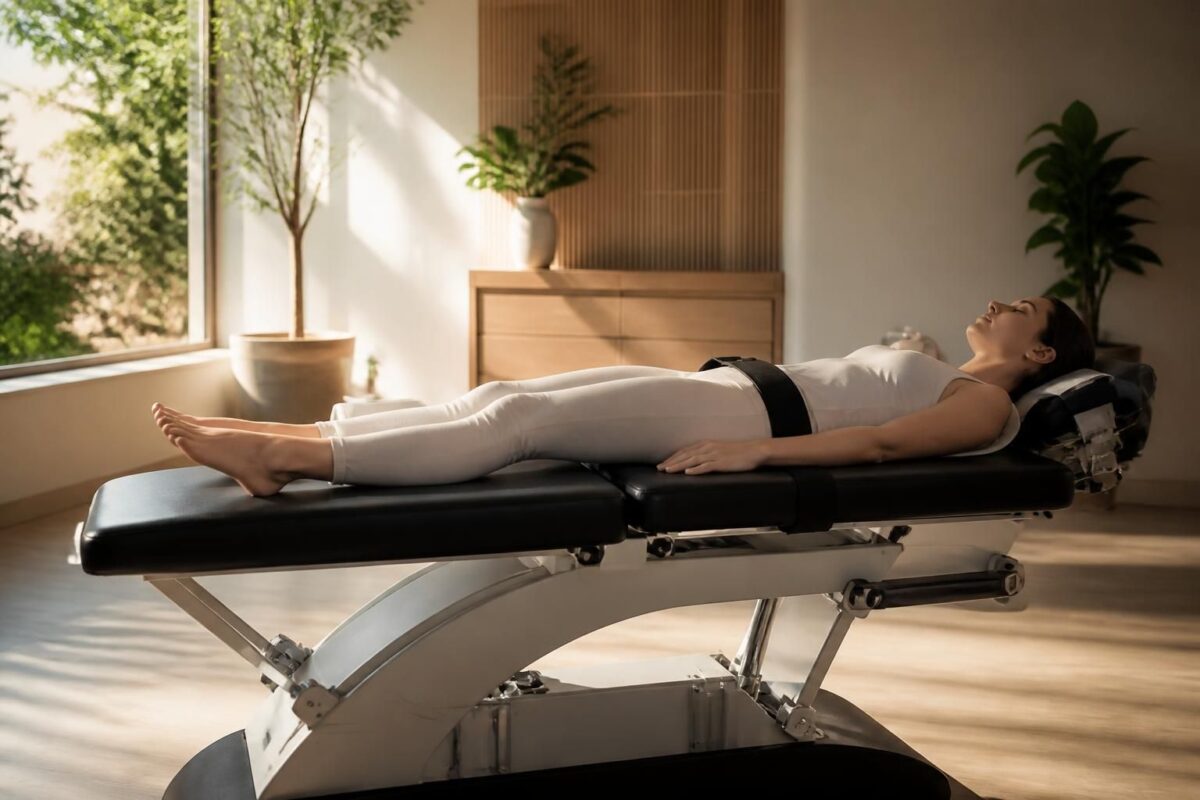
In short In short, neurovertebral decompression is one Non-invasive approach who restores theBody Alignment and thenatural balance back and neck. She acts by a Controlled traction of the spine to widen the intervertebral space and reduce the Pressure on discs…
Injury prevention and stability
Alignment and stability
By restoring optimal vertebral alignment and strengthening the muscle chains around the spine, the Injury prevention Becomes proactive and sustainable, reducing the risk of tension, sprains and tears during technical gestures and heavy loads.
This technique is particularly beneficial for disciplines requiring torsions, jumps and repeated acceleration, maintaining a more resilient column in the face of effort.
Why neurovertebral decompression is a lasting solution for active seniors
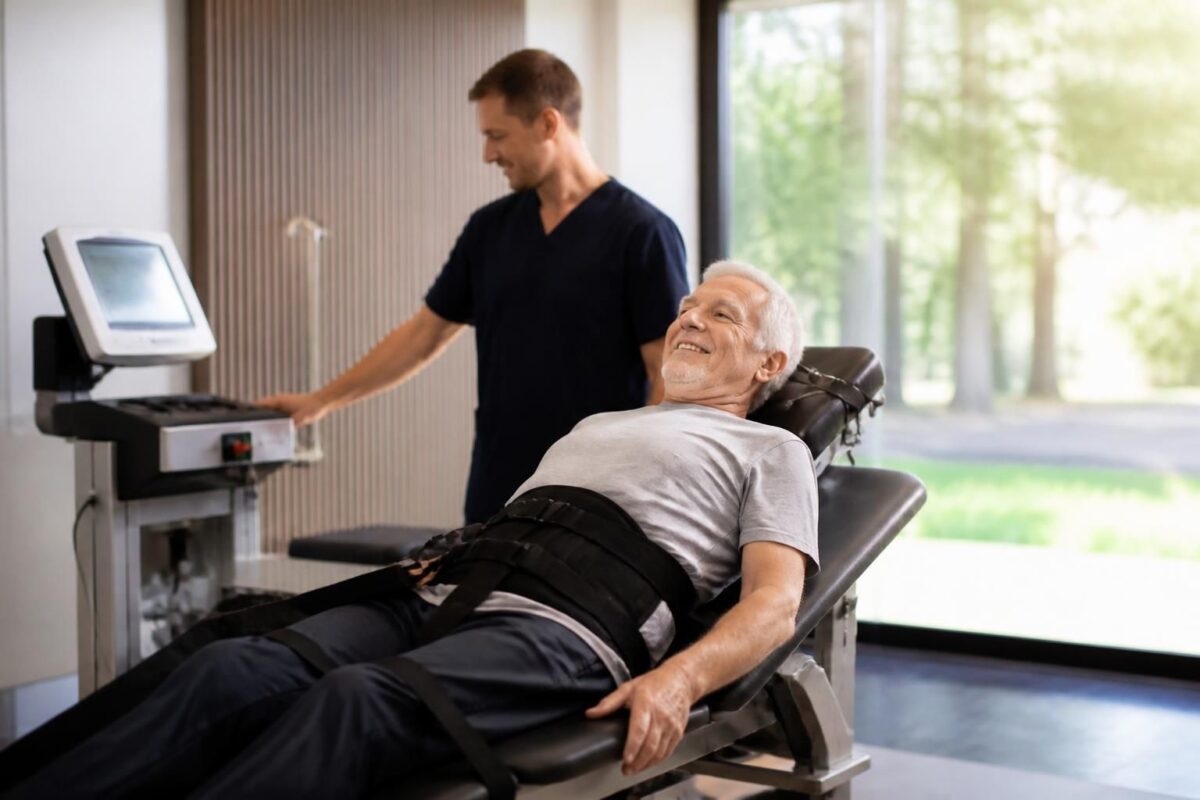
In short In short, the neurovertebral decompression is one Non-invasive therapy which sustainably relieves spinal pain in the spine active seniors By creating, by a Soft and controlled traction, a space between the vertebrae. At Montreal, it is recognized as…
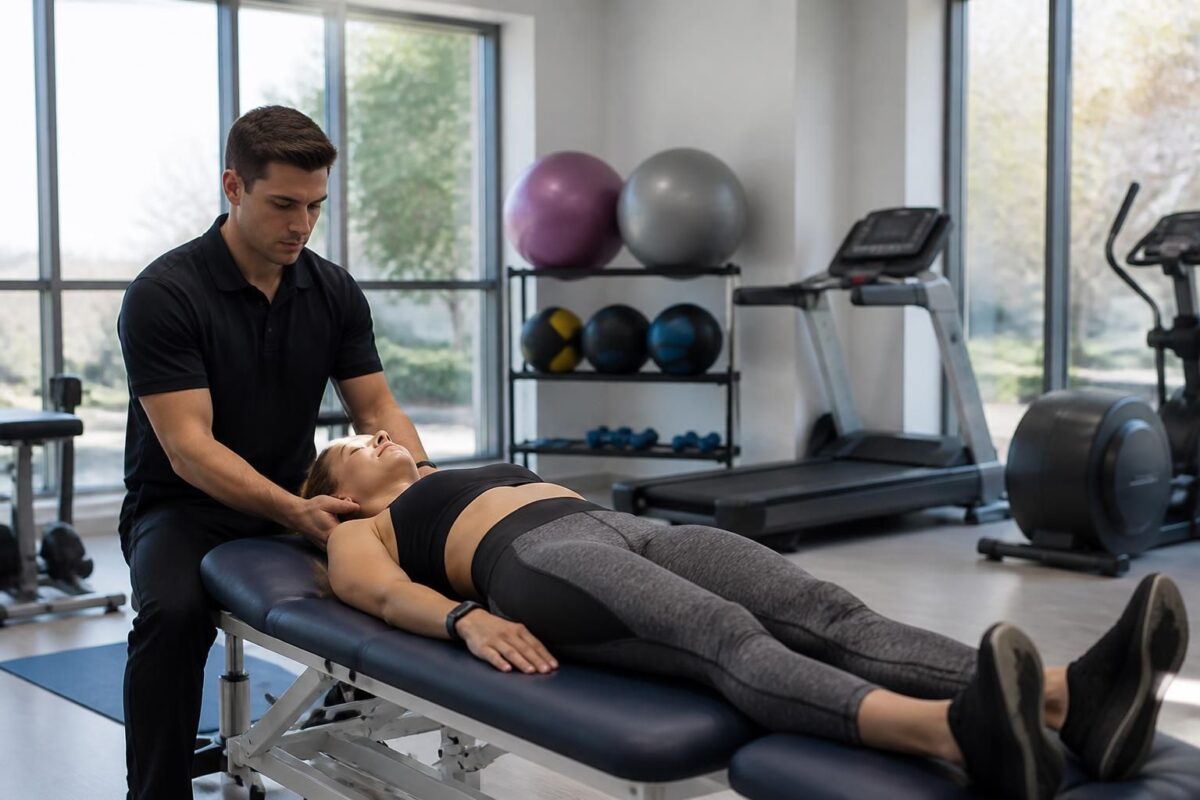
Neurovertebral decompression and recovery after severe sports injury
In short In short, the neurovertebral decompression is one Non-invasive method to Relieve the pressure on the Intervertebral discs and the gristle Via a Controlled traction, to facilitate the recovery After a severe sports injury. It improves the bloodstream towards…
Integration and individualization
Tailor-made plan
Each top athlete Benefits from a personalized program, adapted to sport, preparation level and injury history. Regular monitoring allows you to adjust the frequency of the sessions and refine the exercises in order to obtain the best results.
Decompression can be associated with other therapies (physiotherapy, osteopathy) and a global recovery plan, to offer consistent and effective support.
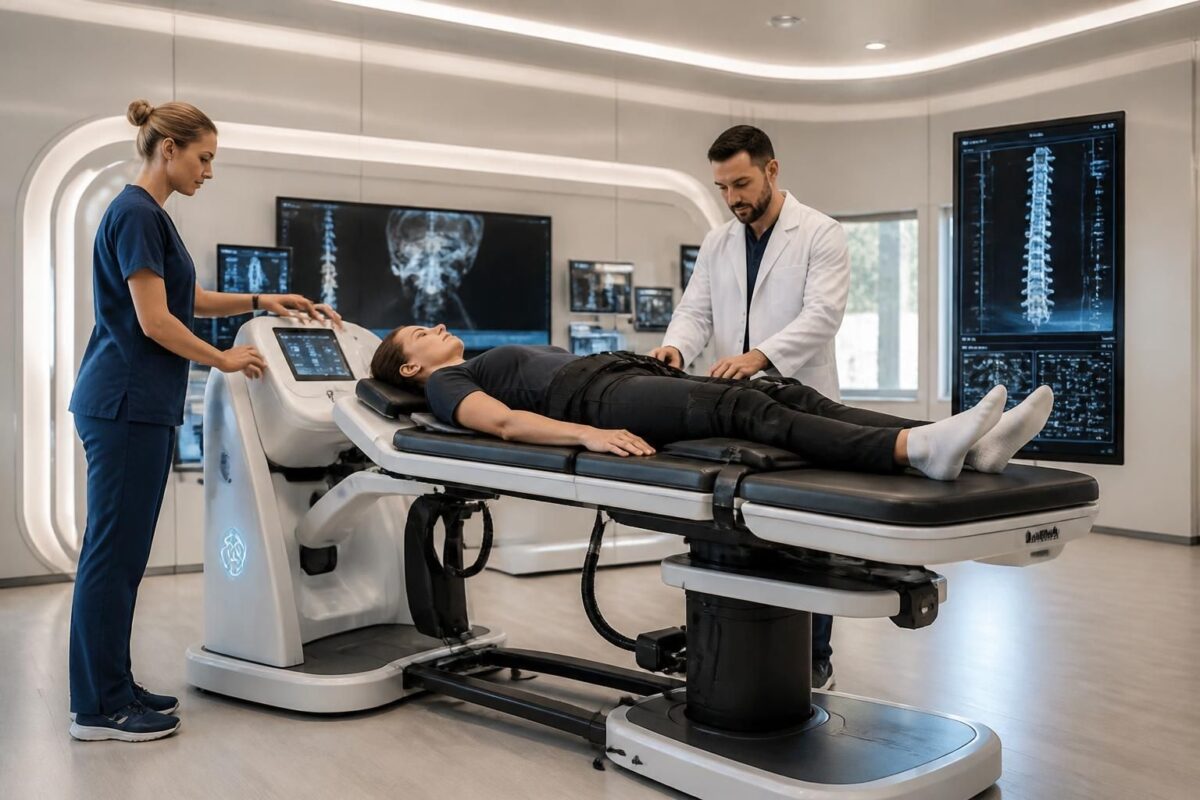
Recent innovations in neurovertebral decompression technologies
In short In short, the neurovertebral decompression is an approach non-invasive Aiming to reduce pressure on discs and nerves, and promote tissue regeneration. At Montreal, it is positioned as an effective option for lower back pain and herniated discs. The…
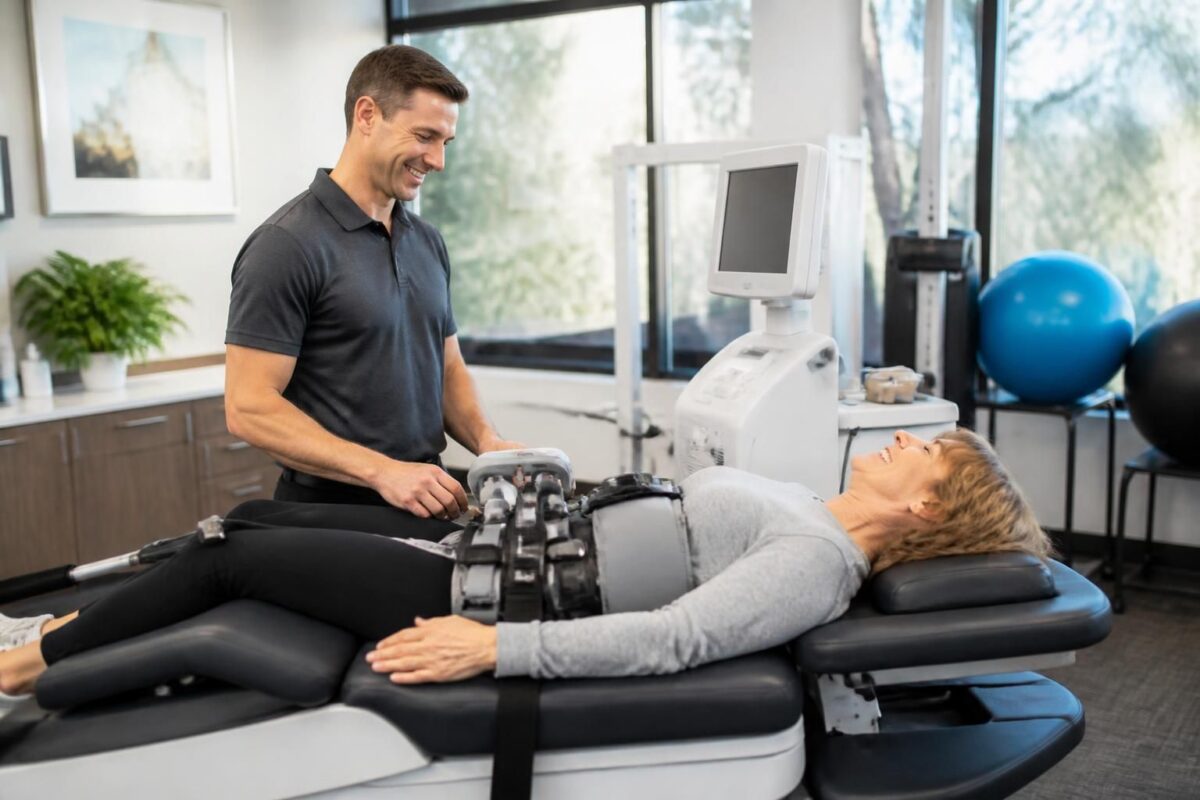
Neurovertebral decompression and diffuse pain: an appropriate solution
In short In short, the neurovertebral decompression is one Non-invasive solution For diffuse pain related to nerve irritation of the spine. She acts in Reducing pressure on intervertebral discs and nerves and improving the bloodstream, which promotes recovery and the…
Safety considerations and efficiency
Evaluation and monitoring
A prior assessment by a qualified professional ensures that the neurovertebral decompression is suitable and safe for the athlete. Tracking allows you to adjust the protocol based on progress and individual tolerance.
Progress indicators include therange of motion, decreases in pain and recovery times. These elements guide treatment optimization to maximize benefits while controlling risks.
| Axis | Concise advantage |
|---|---|
| pain management | Fast and sustainable reduction pain through controlled, non-invasive traction. |
| Mobility and flexibility | Improved range of motion and flexibility, allowing more precise technical gestures. |
| Post-Effort Recovery | Accelerated recovery thanks to better circulation and hydration of the intervertebral discs. |
| Injury prevention | Injury prevention by better spinal alignment and enhanced muscular stability. |
| Sustainable performance | Sustainable performance With a more stable and resistant column to drive stress. |
| Adaptability of treatment | Custom adaptability With a tailor-made plan according to history and objectives. |
| Back to training | Quick return to training After efforts thanks to an easy recovery. |
| Trust and motivation | Trust and motivation reinforced, supporting the constancy of the sessions. |
| Safe alternative | Non-invasive option which can limit the use of surgery and medication. |
Elite Testimonials: Why neurovertebral decompression is ideal for top athletes
Marie D., long-distance runner: “Since I integrate neurovertebral decompression into my routine, my lower back pain has experienced a Significant reduction in pain and an endurance increased, allowing me to run longer without pain.”
Julien, professional footballer: “This approach gave my column a mobility fluid and offered me a recovery Faster between games, even after exhausting matches. »
Clara, professional swimmer: “After the sessions, I found a flexibility and an recovery Improved, with less pain during long training and competition sessions. »
Antoine, wrestler: “Thealignment and the stability from my column have strengthened; I can increase my loads without pain and my Injury prevention is much better. »
Sophie, gymnast: “Decompression reduced tensions and allowed me to perform more routines complex with more control and precision. »
François, versatile athlete: “My confidence and my concentration are improved; I stay focused during training and competitions, which translates into better performance. »
Léa, triathlete: “After each race, the recovery is accelerated, I feel less pain and I can chain the sessions with more efficiency. »
Mateo, multi-sport athlete: “The program is personalized and the monitoring Regular helps me optimize my performance and stay on the way to progress. »
This biography presents a Expert in osteopathy, in naturopathy and manual medicine whose journey is shaped by health innovation. founding president of reference clinics in the field and engaged in a Evidence-based approach, it is working to provide care that integrates advanced technologies such as vertebral decompression, the laser and shockwave therapy. Its goal is to optimize the health and well-being of patients, especially top athletes, aligning science, clinical practice and concrete clinical results.
The neurovertebral decompression is a non-invasive intervention that aims to reduce the pressure exerted on the nerve structures and intervertebral discs. By creating a space between the vertebrae, it reduces the compression of the nerves and improves the hydration and elasticity of the discs. For athletes, this approach offers a relief trajectory and an Improving mobility essential to maintain a high level of training, even in the face of repetitive gestures and significant muscle constraints.
For the top athletes, the benefits go beyond mere pain reduction. The technique contributes to a Best recovery After the effort and at a bloodstream more effective towards the tissues requested, which accelerates the repair of muscle and nerve structures. By restoring a more favorable alignment of the column and releasing tensions, it facilitates the execution of complex motor techniques and improves the flexibility necessary for technical performance.
Integrated into a global care program, neurovertebral decompression combines harmoniously with the physiotherapy, osteopathy and other manual approaches. This combination allows a personalization treatment, adapted to the clinical history, sport practiced and the competitive schedule of each athlete. Regular evaluations and a progressive session plan ensure that benefits are maintained over the long term while limiting risks.
In terms of safety and effectiveness, this technique benefits from a rigorous clinical framework: it is administered by qualified professionals adapted to the particularities of the athlete. If contraindications exist, they are identified during the initial assessment, and the protocol is adjusted accordingly. well done, the neurovertebral decompression can become a powerful lever to extend the sports career and optimize performance, without using invasive interventions or prolonged downtime.
In summary, for top athletes, this approach represents a strategic tool for reducing pain, restoring mobility and accelerating recovery, while strengthening injury prevention and training effectiveness. Its value lies in a personalized, evidence-based implementation and supported by strong clinical experience in the field of sports health.
This text highlights why the neurovertebral decompression is an ideal option for top athletes. non-invasive and highly targeted, it reduces the pain, to improve the mobility and optimize the recovery, while supporting the Injury prevention and maintaining a high level of training without compromise on safety. For athletes, these benefits result in better training continuity and lasting performance.
For the top athletes, decompression offers a unique combination of advantages: a Lasting pain reduction, a Improving mobility and an Accelerated recovery After the efforts. This approach is particularly suitable when training protocols require a tolerant and resilient spine, allowing for high volume and intensity to be maintained throughout the season. of clinical studies as well as Expert testimonials Support these results, strengthening confidence in this approach as a performance optimization tool.
Mechanically, the Controlled traction Applied during decompression helps create a space between the vertebrae, reducing the pressure on discs and nerves. This modulation improves blood circulation and theDisc hydration, favoring a better vertebral function And faster tissue recovery, which is crucial for athletes who chain competitions and intensive workouts. For athletes, this results in increased tolerance to training and a reduction in the risk of injuries related to overwork, particularly in rotation and lumbar flexion. To learn more about mechanisms and results, see Specialized Resources dedicated to athletes and to active patients.
In terms of integration, the Custom protocols For athletes play a key role. The adaptation of the sessions, the regular follow-up and the adjustment of the frequency make it possible to align the benefits with the performance objectives and the training cycles. Specific resources describe how to design these tailor-made protocols for athletes, with concrete examples and real results (Personalized protocols for athletes and Impact on performance).
Evidence and feedback remains firmly aligned with practice in athletes, including for common spinal pathologies in athletes such as herniated discs and chronic radicular pain. Studies and clinical feedback demonstrate the efficacy of neurovertebral decompression as a non-surgical treatment option, with significant results for pain reduction, the recovery and the performance Overall (without surgery, Rehabilitation of athletes). For athletes looking for a solution adapted to their level, the sources below offer additional analyzes and use cases: Chronic radicular pain, Therapy of choice for seniors, and the dedicated pages on TagMed and Dr Desforges mentioned above.
Finally, for those who want to deepen the evidence and use cases, several resources written by professionals and specialized teams discuss why this approach is ideal for high-level athletes and how it fits into a global performance strategy (Approach suitable for active and athletes, Ideal for top athletes). For those who wish to listen to clinical renderings and testimonies, the following resources offer additional perspectives: Clinical studies confirming efficacy, Options for active patients.
For athletes considering this approach, it is important to discuss with a qualified professional and consider personalized protocols in order to optimize results while minimizing risks. Consult specialized sources and studies cited to deepen understanding of this treatment and its implications for performance, recovery and injury prevention.

Dr Sylvain Desforges, B.Sc., D.O., N.D., osteopath, is the founding president of TAGMED and of the ACMA association. He dedicates his practice to chronic spinal pain, low back pain and symptoms compatible with sciatica, particularly when pain radiates toward the buttock, leg, calf, foot or toes.
Through SOS Sciatique, he publishes educational content on sciatica symptoms, possible causes such as disc herniation, disc narrowing, foraminal stenosis or irritation of a lumbar nerve root, as well as non-surgical approaches that may be considered according to the evaluation. At Clinique TAGMED, care may include, depending on the case, motorized neurovertebral decompression, specific osteopathic care or precision percussion.
For an evaluation related to sciatica treatment in Montreal / Mount Royal or sciatica treatment in Terrebonne, please consult the services available at Clinique TAGMED.
Medical disclaimer
The information published on SOS Sciatique is provided for educational purposes only and does not replace a consultation, diagnosis, opinion or treatment provided by a physician or another authorized healthcare professional. The author of this article is neither a medical doctor nor a specialist in a medical specialty recognized by the Collège des médecins du Québec. The osteopathic, manual medicine or functional support approaches described on this site do not constitute medical acts and are not intended to replace medical follow-up.
Consult a physician or emergency service in cases of loss of bladder or bowel control, anesthesia in the saddle area, significant or progressive weakness in the leg or foot, fever, recent trauma, severe pain or rapid worsening of symptoms. For more details, please read our Legal Notice.