

Neurovertebral Decompression and Nerve Tensions: A Non-Invasive Approach
26/06/2026
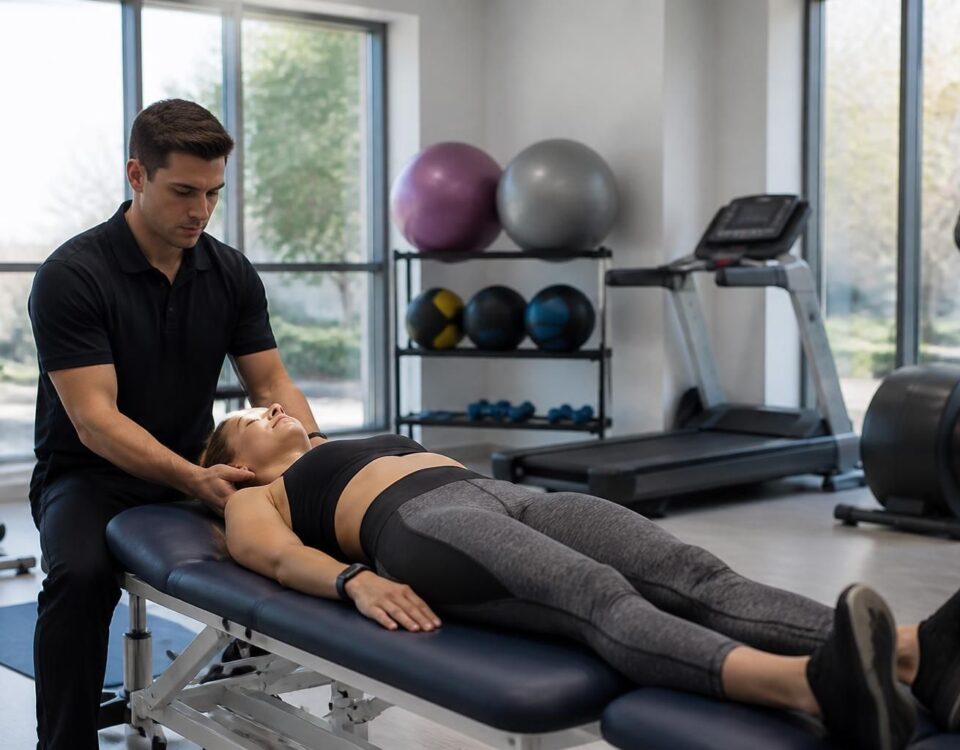
Neurovertebral decompression and recovery after complex sports injury
26/06/2026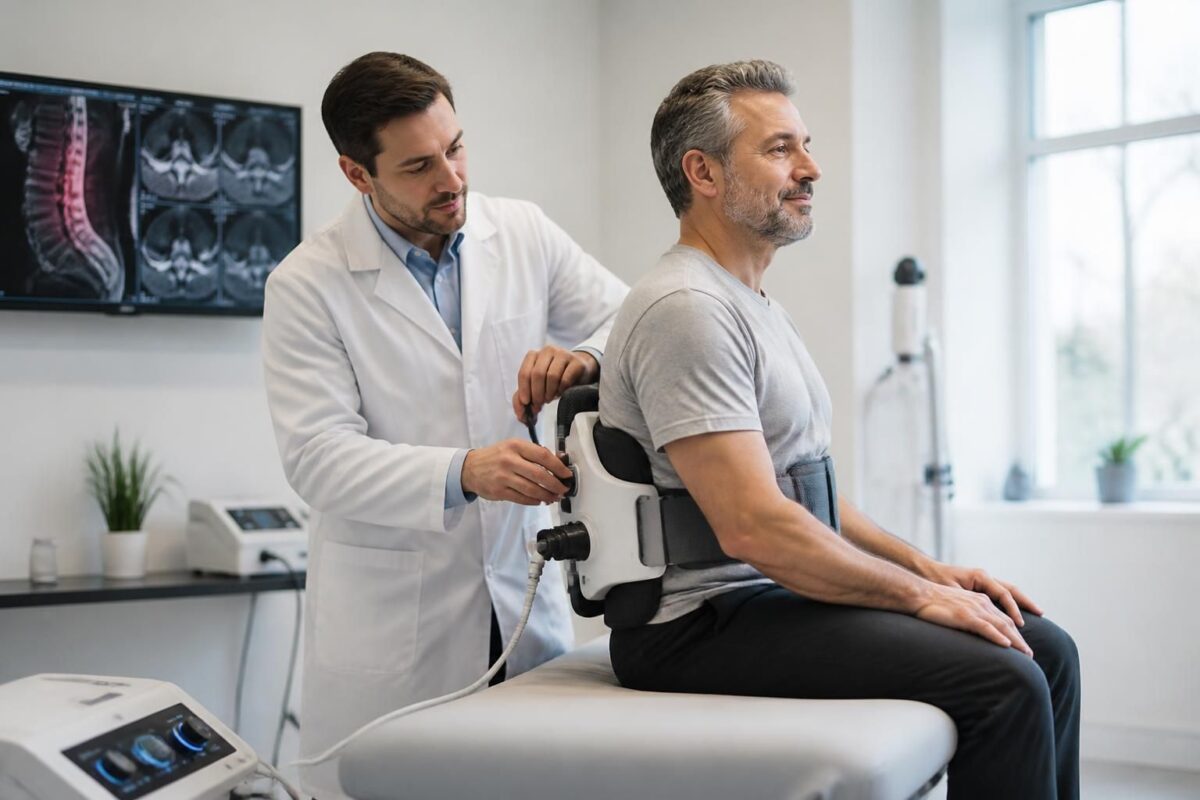
In short
| In short, the neurovertebral decompression is an approach non-invasive which targets the nerve pressure and the intervertebral discs to treat the Chronic radicular pain. In Montreal, this treatment offers a Quick relief without surgery, improves the circulation and tissue regeneration, reduces inflammation and restores mobility. Result: a better quality of life and a faster return to daily activities, thanks to an approach personalized and safe. |
The neurovertebral decompression is recommended for Chronic radicular pain Because it acts on the root causes without resorting to surgery. By Controlled traction, it creates a space between the vertebrae and Reduces pressure on nerves and intervertebral discs, quickly relieving symptoms. It also improves the bloodstream and nutrient intake, which helps to decrease inflammation and promote healing. In addition to relief and Mobility found, this approach offers a High security profile and can be adapted to each patient as part of a comprehensive care plan. It can be used to delay or avoid surgical intervention and is easily integrated into a multidisciplinary strategy.
This article, written by a health professional and expert in osteopathy and manual medicine, examines why the neurovertebral decompression is recommended for Chronic radicular pain. It outlines the mechanisms of action, clinical benefits, indications and how this approach can fit into a comprehensive care plan, while avoiding surgical interventions where possible. To learn more about this therapy in a clinical setting, consult the dedicated resources and protocols available through our TagMed Clinic partners and specialized portals.
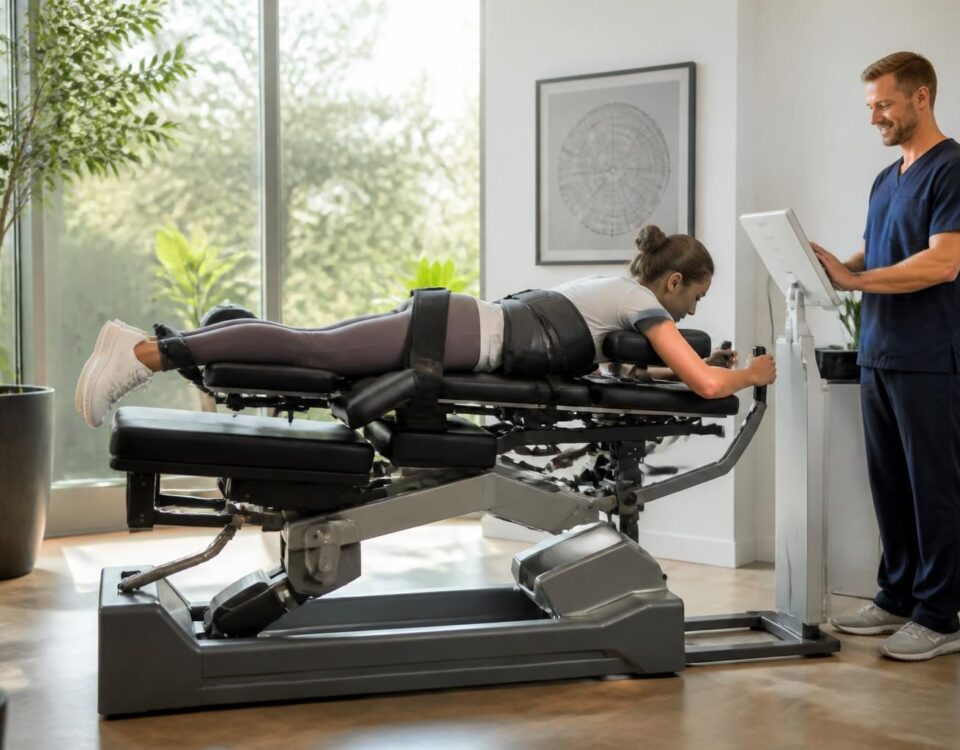
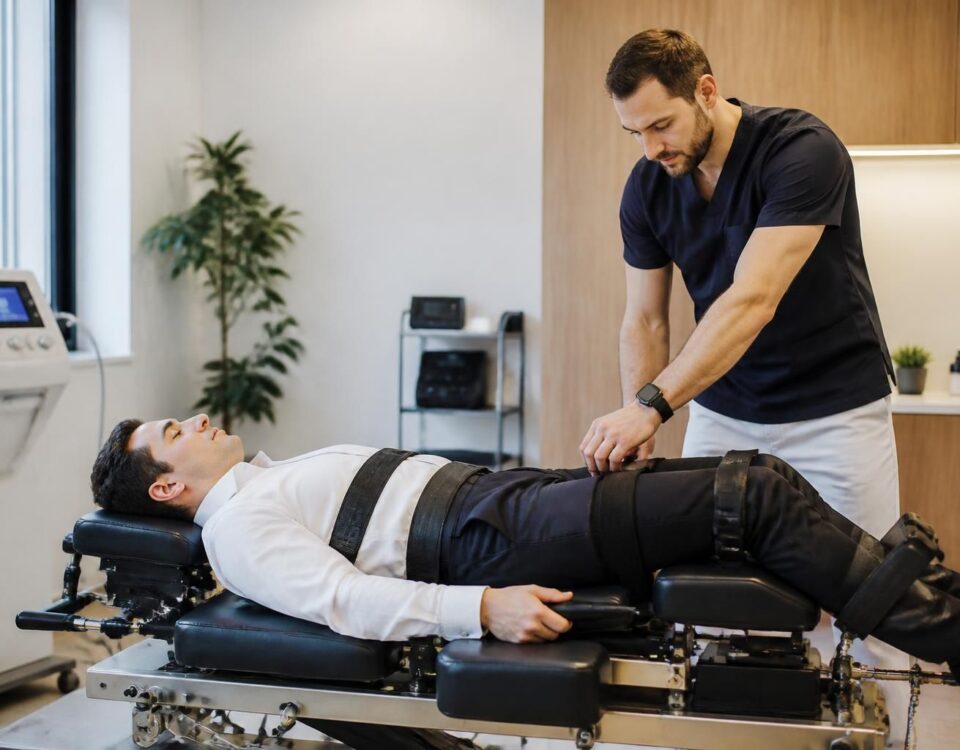
The neurovertebral decompression aims to reduce the pressure on the nerve roots and the intervertebral discs by controlled and non-invasive traction. This approach facilitates tissue rebalancing around the spine, improves circulation and supports the natural healing process. In practice, it can offer lasting relief for pain that radiates lumbar or neck pain and is linked to disc or nervous problems.
Mechanism and biomechanical bases
The applied traction creates a space between the vertebrae, which decreases the pressure exerted on the nerves and discs. This reduction in compression improves the supply of nutrients and oxygen to the nervous and surrounding tissues, promoting regeneration and decrease in inflammation. This approach is non-invasive And respects the anatomy, while avoiding the risks associated with surgery.
For an overview of theory and mechanisms, you can consult The Wikipedia article on neurovertebrate decompression, which summarizes the fundamentals of this technique.
Clinical benefits and observed results
Patients generally report a rapid reduction in pain and improved mobility. As the sessions progress, the improvement can become more sustained, with a decrease in inflammation and a better daily function. This method also contributes to a quality of life found, with a gradual resumption of activities, without resorting to surgery.
Clinical data and feedback support the efficacy of this approach to lumbar and cervical pain associated with herniated discs, protrusions and other radicular disorders. It is particularly suitable for patients who wish to avoid surgery and who benefit from a multidisciplinary care plan.
Indications, safety and monitoring
Neurovertebral decompression is recommended after a complete and appropriate medical assessment for each patient. It requires professional supervision and is not suitable for all situations. professionals working in dedicated clinics, such as Tagmed Clinic, follow rigorous protocols to ensure the safety and efficacy of the treatment. This approach can be combined with other non-drug therapies as part of a comprehensive care plan.
Integration into a comprehensive care plan
The neurovertebral decompression Ideally fits into a multidisciplinary approach. It can be associated with osteopathic care and other non-invasive interventions to optimize the management of chronic radicular pain. As part of our clinic, it is coordinated with other services available at Tagmed Clinic and other care partners to ensure consistent, evidence-based care.
Comparison with other approaches
This section provides an overview of commonly considered options. The neurovertebral decompression is distinguished by its nature non-invasive and by its ability to act directly on the mechanical causes of radicular pain, rather than overshadowing the symptoms. In comparison, certain therapeutic approaches, including certain physiotherapy interventions, may vary in efficacy depending on the case. In clinical practice, we favor solutions based on evidence-based and patient-centred, such as those offered at the TagMed clinic in Montreal or Terrebonne.
| Therapy | Benefits | Limitations | Relative efficiency |
|---|---|---|---|
| neurovertebral decompression | Controlled, non-invasive traction, improves circulation, targets mechanical causes | necessary prior assessment, requires several sessions | High according to clinical protocols and patient returns |
| Physiotherapy | Functional rehabilitation and muscle building | Variability according to the diagnosis and the individual response | average to variable depending on the case; Useful but sometimes less effective against certain chronic radicular pain |
| Other non-invasive therapies (laser, shock waves, etc.) | Possible additional options in some frameworks | can be complementary; Variable evidence levels | Variable depending on the protocol and the patient |
Cases and testimonials and specific uses
In our practice, patients describe a gradual and tangible reduction in their pain after several sessions, with improved mobility and increased ability to resume daily activities. The use of this technique is particularly relevant for people looking to avoid surgery and benefit from evidence-based treatment. Associative resources and protocols detail results and feedback, particularly around personalized approaches and innovations in tables and neurovertebral decompression equipment.
Resources and links to deepen
To explore protocols and innovations related to neurovertebral decompression, you can consult the following resources:
- Custom protocols for complex pain in neurovertebral decompression
- Innovations in neurovertebral decompression tables
- How neurovertebral decompression affects diffused neuropathic pain
- Treatment Protocol: Integrating Neurovertebral Decompression in Rehabilitation
- Neurovertebral decompression and post-surgical pain: improve recovery
- Neurovertebral decompression: a therapy recognized to reduce chronic radicular pain
To deepen the theoretical and practical aspects, you can also consult the following resources on the history and basics of the technique:
Finally, references from training and relevant professional organizations in the field of osteopathy and associated practices can be consulted via ACMA organizations and recognized institutions in this field.
Medical Disclaimer: The information and advice provided on this site does not replace the health professional’s diagnosis or treatment. Please note that Dr. Sylvain Desforges osteopath is neither a doctor of medicine nor a doctor, and is not a specialist in a medical specialty as defined by the Collège des Médecins du Québec. Manual medicine, functional medicine and sports medicine as described on this site exclude any medical treatment or diagnosis made by a doctor or specialist doctor. Always consult your doctor for any medical questions. For more details, please read our full legal notice.
Presentation axis: safety and efficacy without surgery, integration into a care pathway
- Relief Non-invasive and rapid via controlled traction on nerves and discs.
- Reduction nerve pressure for less root irritation.
- Improvement circulation and tissue nutrition.
- Decrease Inflammation around the roots.
- Fewer risks than surgery.
- Recovery functional and increased mobility.
- Personalization treatment via individual evaluation.
- Care plan global and multidisciplinary.

This recommendation explains why the neurovertebral decompression is recommended for chronic radicular pain. By acting on the spine in a non-invasive way, it reduces pressure on nerves and discs, improves circulation and facilitates recovery, while integrating into a personalized treatment plan. Find out how this approach can restore mobility and quality of life.
Why this approach is recommended
The neurovertebral decompression is based on a Controlled traction which creates a space between the vertebrae. This space reduces the pressure exerted on the nerve roots and the intervertebral discs, the main source of pain. At the same time, it promotes better circulation of nutrients and oxygen to the nervous tissues, thus promoting repair and reduction of inflammation.
A targeted and progressive mechanism
This approach is distinguished by its precise character: it acts on the mechanical causes of radicular pain, rather than temporarily masking the symptoms. By working on the alignment and mobility of the column, it allows a gradual improvement in nerve and muscle function, without surgery or heavy drugs.
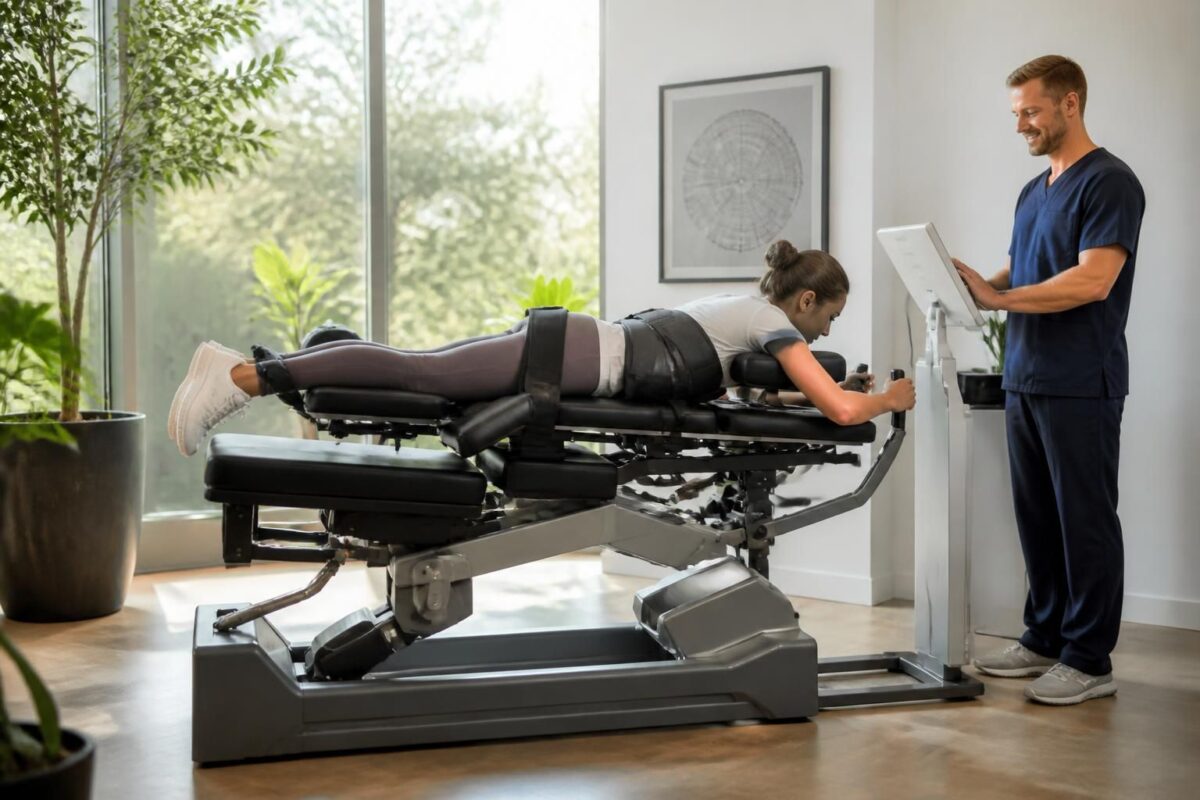
The long-term benefits of neurovertebral decompression for spinal health
In short In short, the neurovertebral decompression is a non-invasive approach that decreases the Pressure on intervertebral discs and nerves, favoring the Natural regeneration and tissue recovery. Its long-term benefits include Lasting pain reduction, Improving mobility and from the posture,…

Neurovertebral decompression and mobility: a return to an active life
In short In short, the neurovertebral decompression is therapy non-invasive who uses a gentle traction To create a space between the vertebrae and reduce the pressure on the Intervertebral discs and the nerves. It promotes a bloodstream improved, lowers tension…
Benefits for the patient
Quick relief Radicular pain is often noticeable after the first sessions, when the pressure on the nerves decreases and mobility improves. This effect can result in a reduction in tingling, burning and irradiated pain in the limbs.
traffic improvement and tissue nutrition
By releasing the space between the vertebrae, the technique facilitates local blood perfusion and the supply of essential nutrients, which contributes to the restoration of nerve functions and more effective recovery.
Reduction of inflammation and functional recovery
The decrease in nerve pressure is accompanied by a decrease in inflammatory processes, which promotes more complete recovery and a faster return to daily activities.
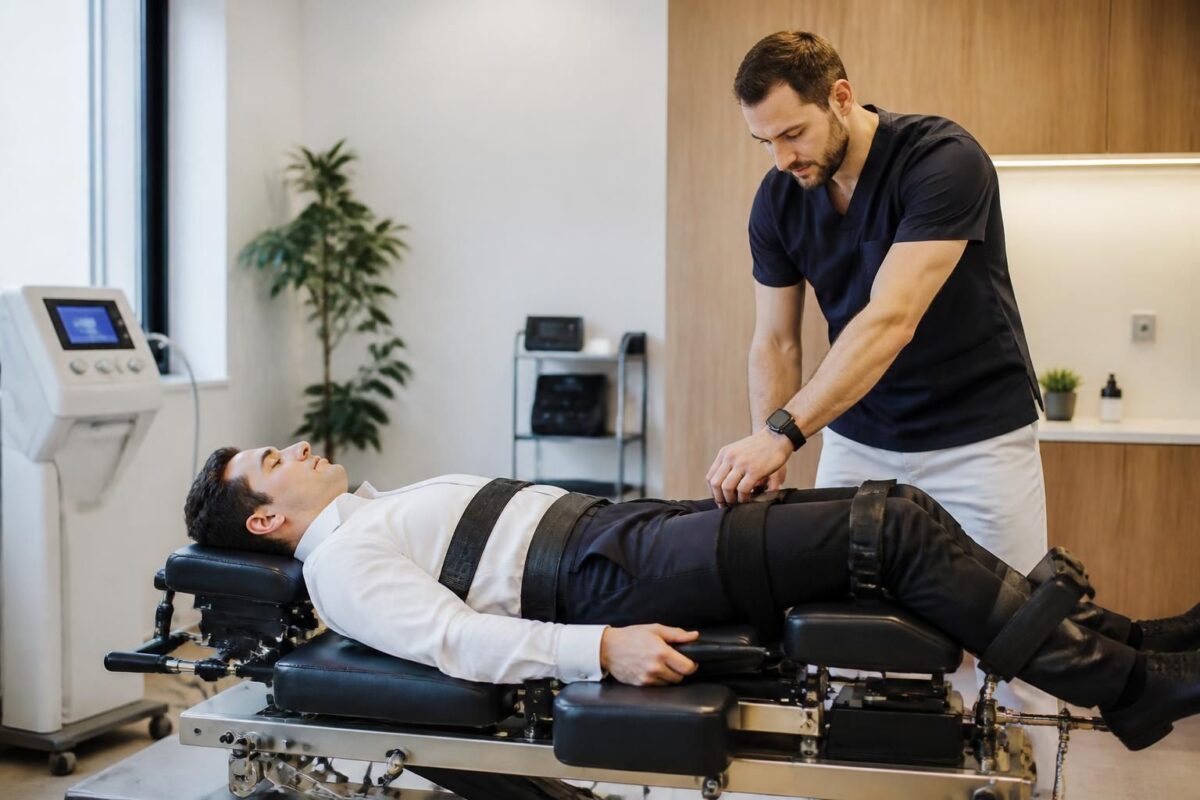
How Neurovertebral Decompression Prevents Diffuse Chronic Pain
In short decompression neurovertebral is one Non-invasive method aimed at reducing the Pressure on the intervertebral discs and the nerves, in order to prevent Diffuse chronic pain. It improves the circulation and thedisc hydration, decreases inflammation and promotes better mobility.…
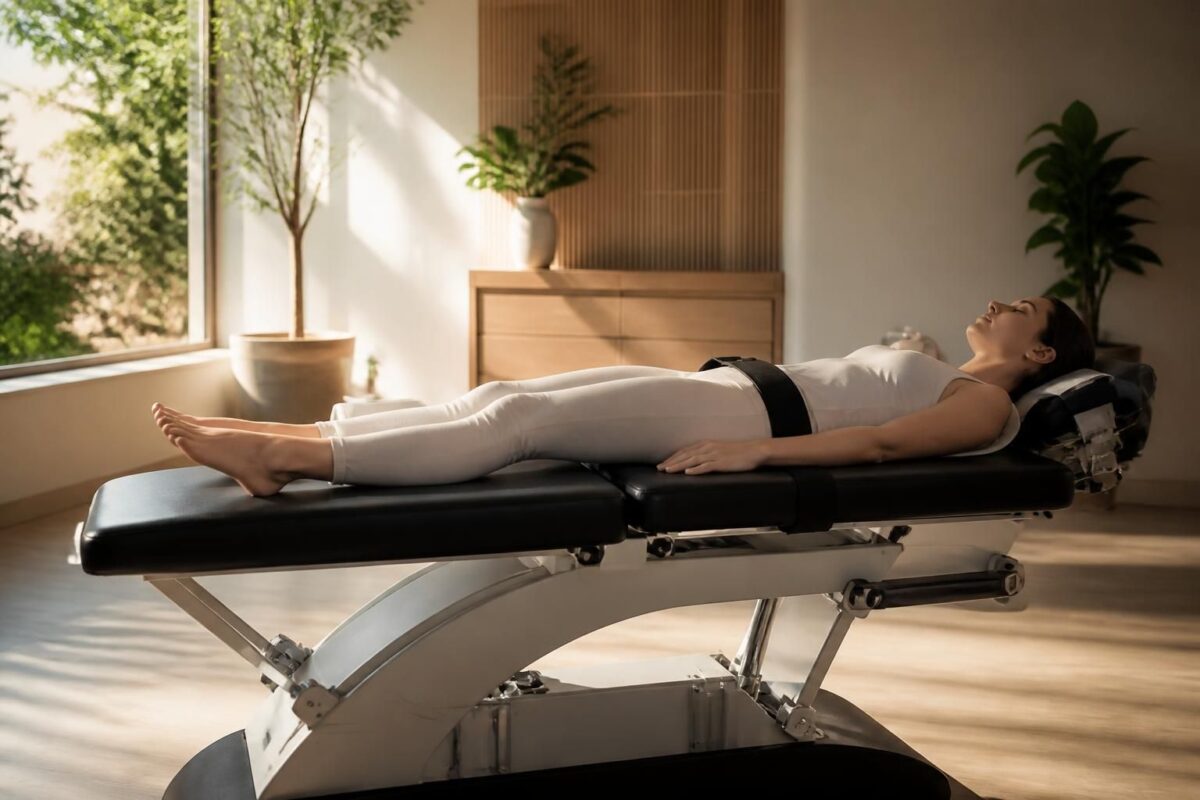
Neurovertebral Decompression and Body Alignment: Restoring Natural Balance
In short In short, neurovertebral decompression is one Non-invasive approach who restores theBody Alignment and thenatural balance back and neck. She acts by a Controlled traction of the spine to widen the intervertebral space and reduce the Pressure on discs…
Respect for eligibility and security
Before any treatment, an evaluation is necessary to verify the absence of contraindications and to adapt the protocol. Examinations like MRI or X-ray may be recommended to confirm the column status and choose the safest and most effective plan.
neurovertebral decompression is non-invasive and has a favorable safety profile when administered by qualified professionals, with appropriate monitoring and appropriate progression for the patient.
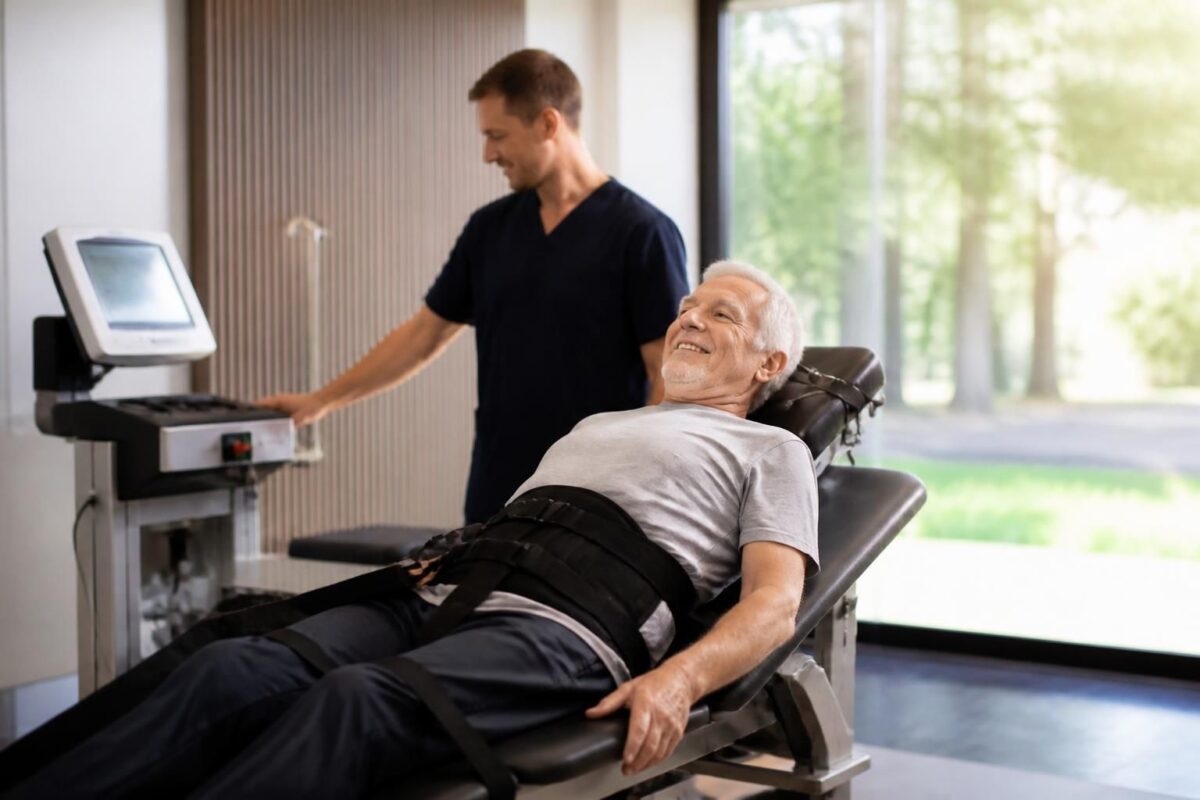
Why neurovertebral decompression is a lasting solution for active seniors
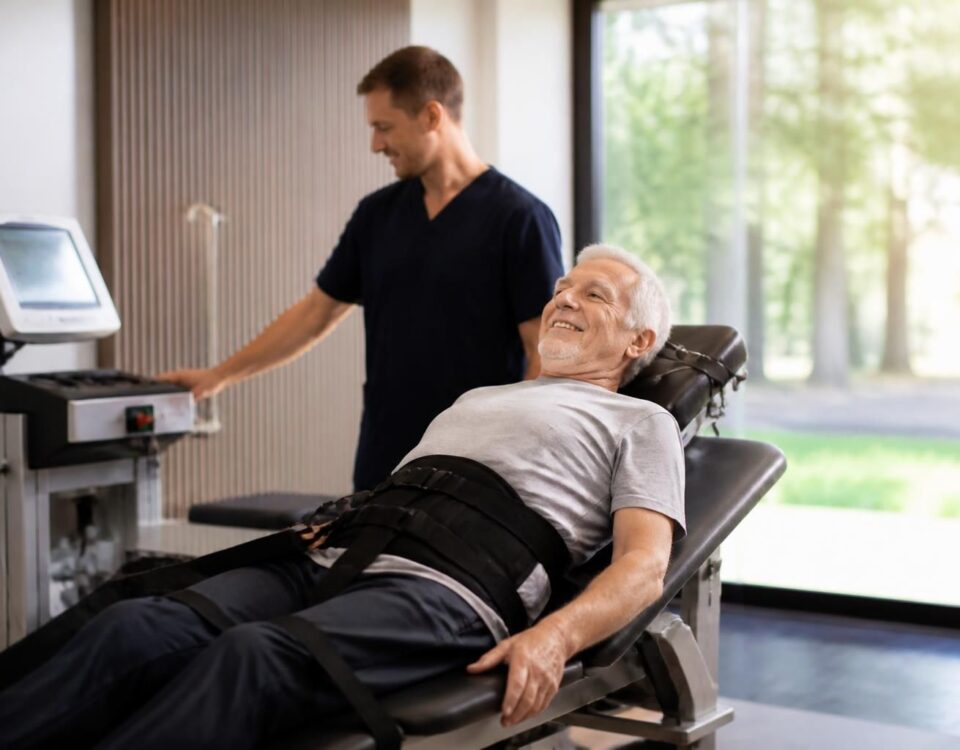
In short In short, the neurovertebral decompression is one Non-invasive therapy which sustainably relieves spinal pain in the spine active seniors By creating, by a Soft and controlled traction, a space between the vertebrae. At Montreal, it is recognized as…
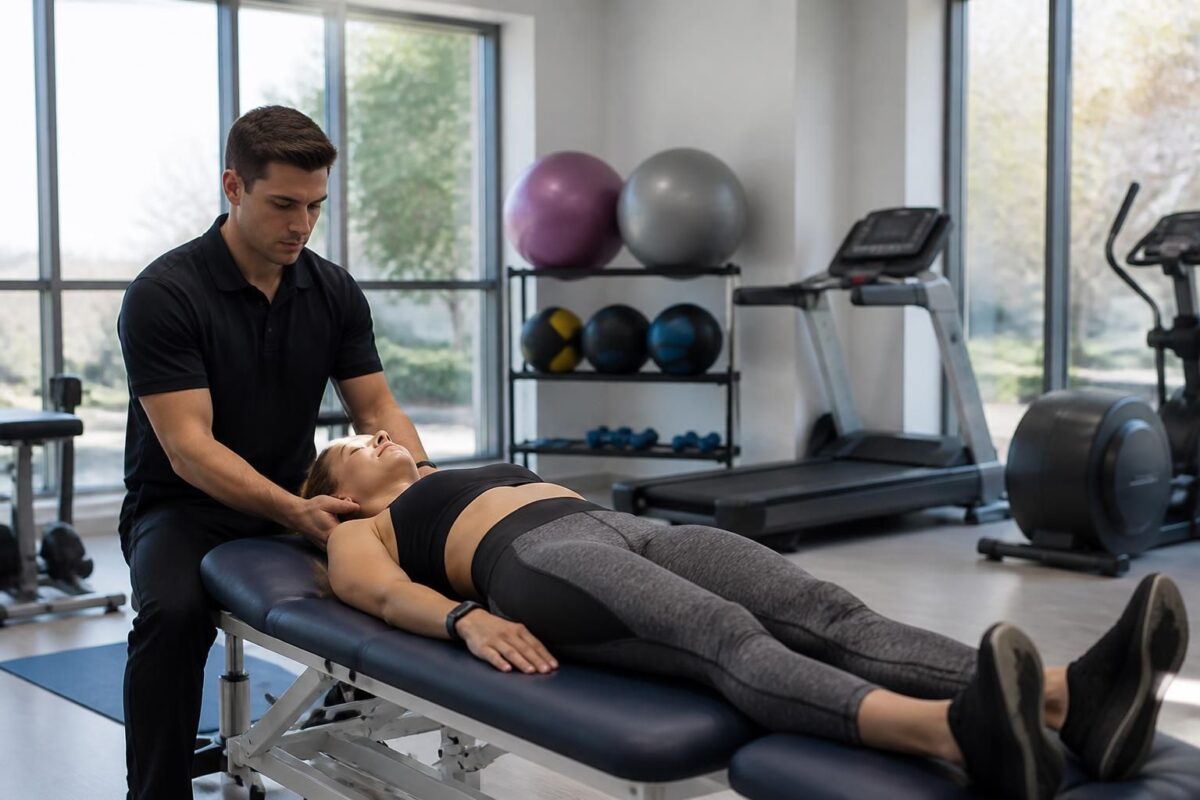
Neurovertebral decompression and recovery after severe sports injury
In short In short, the neurovertebral decompression is one Non-invasive method to Relieve the pressure on the Intervertebral discs and the gristle Via a Controlled traction, to facilitate the recovery After a severe sports injury. It improves the bloodstream towards…
Integration into a comprehensive care plan
This method fits ideally in a Overall care plan Including other approaches such as physiotherapy, manual medicine, shockwave therapy or laser. A personalization of the course allows you to combine the benefits of each therapy to optimize relief and resumption of activities.
Individualized protocols take into account age, pain level, mobility and patient objectives, in order to propose appropriate and lasting progress.
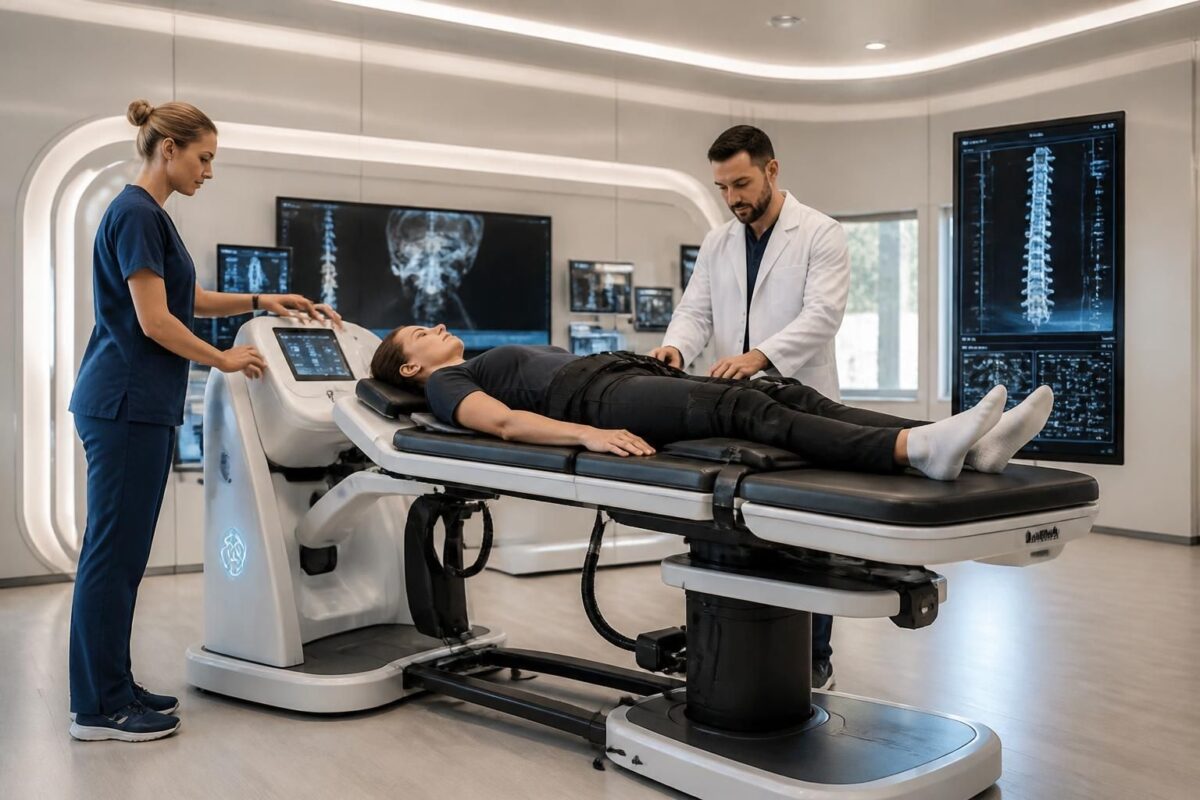
Recent innovations in neurovertebral decompression technologies
In short In short, the neurovertebral decompression is an approach non-invasive Aiming to reduce pressure on discs and nerves, and promote tissue regeneration. At Montreal, it is positioned as an effective option for lower back pain and herniated discs. The…
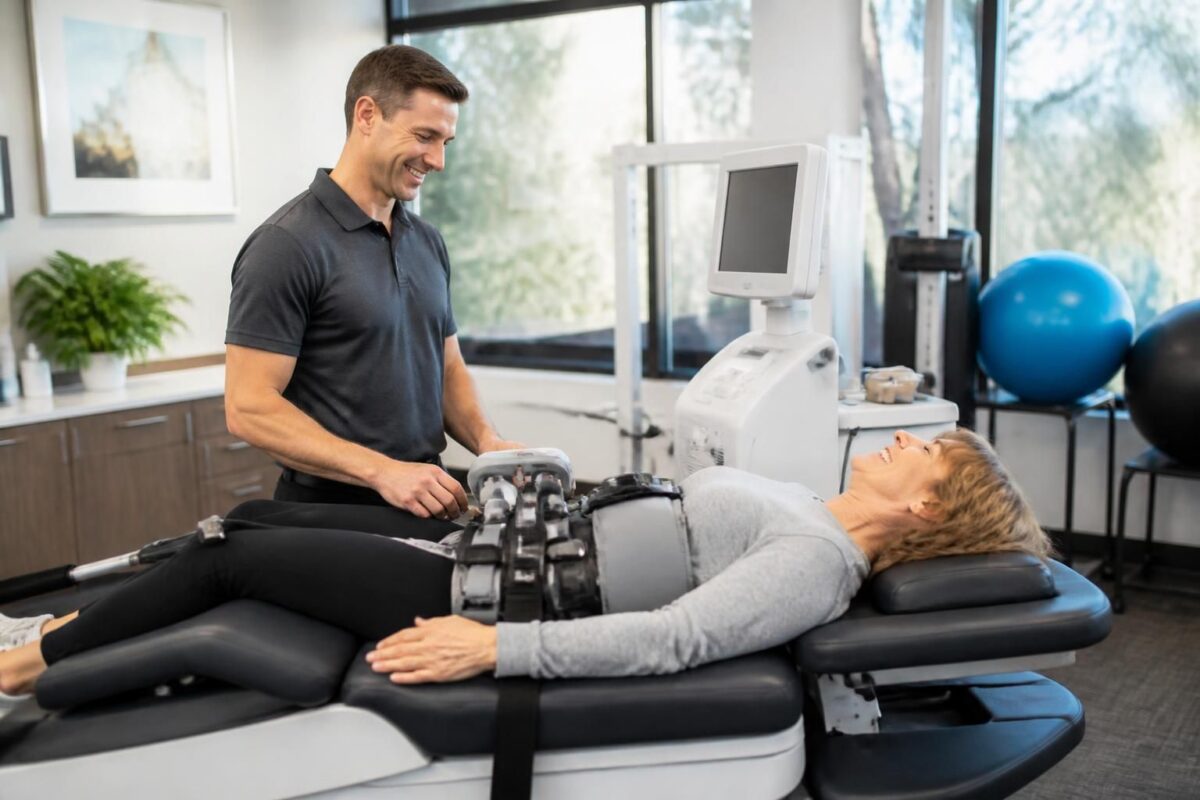
Neurovertebral decompression and diffuse pain: an appropriate solution
In short In short, the neurovertebral decompression is one Non-invasive solution For diffuse pain related to nerve irritation of the spine. She acts in Reducing pressure on intervertebral discs and nerves and improving the bloodstream, which promotes recovery and the…
Key points to remember
The neurovertebral decompression OFFER A Non-invasive relief reducing nerve pressure and improving the circulation around the nerve roots. It promotes a Functional recovery and a better quality of life, while integrating into a Overall care plan personalized. Before starting, a full assessment confirms eligibility and determines the most secure and effective protocol. Note: These recommendations do not replace the advice of a qualified health professional.
| Axis | Concise description |
|---|---|
| Axis 1 key principle | Traction controlled freeing the space between the vertebrae and decreasing the nerve pressure and discs. |
| Axis 2 Target relief | mitigate them radicular pain by releasing the tensions and reducing the nervous compression. |
| Axis 3 Non-invasive mode | Option non-invasive avoiding any surgery and its risks. |
| Axis 4 Security and tolerance | well-tolerated short sessions after a evaluation initial. |
| Axis 5 Circulation and nutrition | Improves the circulation and nutrient intake to nerve tissue and discs. |
| Axis 6 Inflammation and mobility | Reduce theinflammation and promotes the mobility articular and vertebral. |
| Axis 7 personalization | Approach personalized After a evaluation patient detail. |
| Axis 8 Integration into the care plan | can fit into a Overall care plan with other therapies. |
| Axis 9 Duration and accessibility | Sessions of 15 to 30 minutes, measured progress and easy access. |
Testimonials: Why neurovertebral decompression is recommended for chronic radicular pain
“Before starting the neurovertebral decompression, my Chronic radicular pain woke me up several times a night. After only a few sessions, the nerve pressure diminished and my mobility returned. »
“I had considered surgery for a herniated disc, but I was recommended an approach non-invasive with the neurovertebral decompression. The results were progressive but lasting, and I avoided the operation. »
“Thanks to this therapy, I have seen a better bloodstream in the fabrics around the column and a Reduction of inflammation, which diminished my pain and accelerated recovery. »
“As a senior, I appreciate that the neurovertebral decompression is appropriate and without major risk. After several sessions, my quality of life improved and I regained my autonomy. »
“The treatment acts directly on the cause: by releasing the space between the vertebrae, it reduces the pressure on the gristle and the Intervertebral discs, making relief faster and more targeted. »
“After the decompression journey, I can do my daily activities again without pain. This is a significant improvement in my mobility and my quality of life. »
Professional biography: Why neurovertebral decompression is recommended for chronic radicular pain
In the field of osteopathy and manual medicine, the neurovertebral decompression has emerged as a key option for patients with Chronic radicular pain. This expert, whose approach combines clinical rigor and technological innovation, has devoted his career to understanding the mechanisms that bind the spine to pain and nervous function. Its practice is based on a personalized evaluation and protocols non-invasive Aiming to relieve pressure, restore mobility and promote sustainable recovery without the need for heavy surgery. The goal is to provide evidence-based care to improve the quality of life of patients facing radiating pain to the limbs.
The fundamental principle of this approach is Applying controlled traction On the spine, which creates a space between the vertebrae and thus lowers the pressure exerted on the nerve roots and the intervertebral discs. By limiting compression, painful symptoms and paresthesia are reduced, while allowing better circulation of nutrients and oxygen to the nervous tissues. This dynamic improves disc nutrition and promotes postural rebalancing, which can contribute to a gradual reduction in local inflammation. The therapeutic framework remains non-invasive and centered on anatomy, offering a safe route for patients who are reluctant to undergo surgery.
Clinical data support this approach, with promising results in various root pain profiles. In a study including a large sample, approximately 71% of participants reported significant improvement after several sessions, demonstrating the positive impact of decompression on pain and functionality. Additional observations indicate marked benefits in patients with single or multiple disc herniation and in those with inflammatory sciatica. These clinical returns emphasize that efficacy is not limited to immediate pain, but extends to mobility, the ability to carry out daily activities and autonomy.
Beyond the symptomatic results, this technique is part of a vision holistic spinal care. It fits easily into a comprehensive care plan that can include other approaches such as physiotherapy, manual therapies and complementary modalities. The goal is to Strengthen overall well-being By treating the root causes of radiculopathy rather than being limited to the only symptom. By favoring decompression as an initial or complementary step, we promote a faster and more sustainable resumption of activities, while reducing the risks and costs associated with more invasive interventions.
Finally, the orientation towards this decompression is done by a Individualized assessment, adapted to the age, pain level and functional context of the patient. This approach aims to personalize the treatment and optimize the long-term results. By combining this technique with associated approaches such as postural education, targeted exercises and neuromuscular therapies, the practitioner is committed to radicular pain management that respects the integrity of the body and promotes natural and progressive healing.
This text clearly presents why the neurovertebral decompression is recommended for Chronic radicular pain, by describing its mechanisms, its non-invasive benefits and the evidence that supports its use, while providing reliable resources to deepen the subject.
The neurovertebral decompression Acts by a Controlled traction which frees the space between the vertebrae, thus decreasing the pressure on the gristle and the Intervertebral discs. By reducing this compression, it quickly alleviates symptoms and improves the circulation of nutrients and oxygen to the nerve tissue, promoting natural regeneration and functional recovery.
This treatment non-invasive Avoids the risks and complications associated with surgery while providing lasting results when the protocol is appropriate for the patient. A preliminary assessment ensures that this approach is appropriate and allows you to personalize the sessions according to the pain profile and mobility objectives.
Resources and references support this positioning, including articles and analyzes explaining why and how this technique can be recommended for chronic radicular pain. For further reasons and evidence, see Why neurovertebral decompression is ideal for radicular pain and Neurovertebral Decompression – What You Need to Know.
The literature also highlights the positive impact on well-being and quality of life. To learn more, read resources on Overall well-being of proven results and Clinical studies confirming efficacy. Other useful pages describe the application in specific contexts, such as tagmed.
The reported results concern in particular lumbar and cervical pain, with a reduction in radicular pain and an improvement in mobility and general well-being after several sessions. To expand your reading, see Chronic back pain – a lasting solution and Cervical pain – Overall management.
For those who are considering the sequel, it is useful to understand the integration of this approach into a multidisciplinary care plan and the conditions that can optimize its effectiveness. You will find additional information on what you need to know, and resources that detail the impact on rehabilitation and associated interventions.

Dr Sylvain Desforges, B.Sc., D.O., N.D., osteopath, is the founding president of TAGMED and of the ACMA association. He dedicates his practice to chronic spinal pain, low back pain and symptoms compatible with sciatica, particularly when pain radiates toward the buttock, leg, calf, foot or toes.
Through SOS Sciatique, he publishes educational content on sciatica symptoms, possible causes such as disc herniation, disc narrowing, foraminal stenosis or irritation of a lumbar nerve root, as well as non-surgical approaches that may be considered according to the evaluation. At Clinique TAGMED, care may include, depending on the case, motorized neurovertebral decompression, specific osteopathic care or precision percussion.
For an evaluation related to sciatica treatment in Montreal / Mount Royal or sciatica treatment in Terrebonne, please consult the services available at Clinique TAGMED.
Medical disclaimer
The information published on SOS Sciatique is provided for educational purposes only and does not replace a consultation, diagnosis, opinion or treatment provided by a physician or another authorized healthcare professional. The author of this article is neither a medical doctor nor a specialist in a medical specialty recognized by the Collège des médecins du Québec. The osteopathic, manual medicine or functional support approaches described on this site do not constitute medical acts and are not intended to replace medical follow-up.
Consult a physician or emergency service in cases of loss of bladder or bowel control, anesthesia in the saddle area, significant or progressive weakness in the leg or foot, fever, recent trauma, severe pain or rapid worsening of symptoms. For more details, please read our Legal Notice.