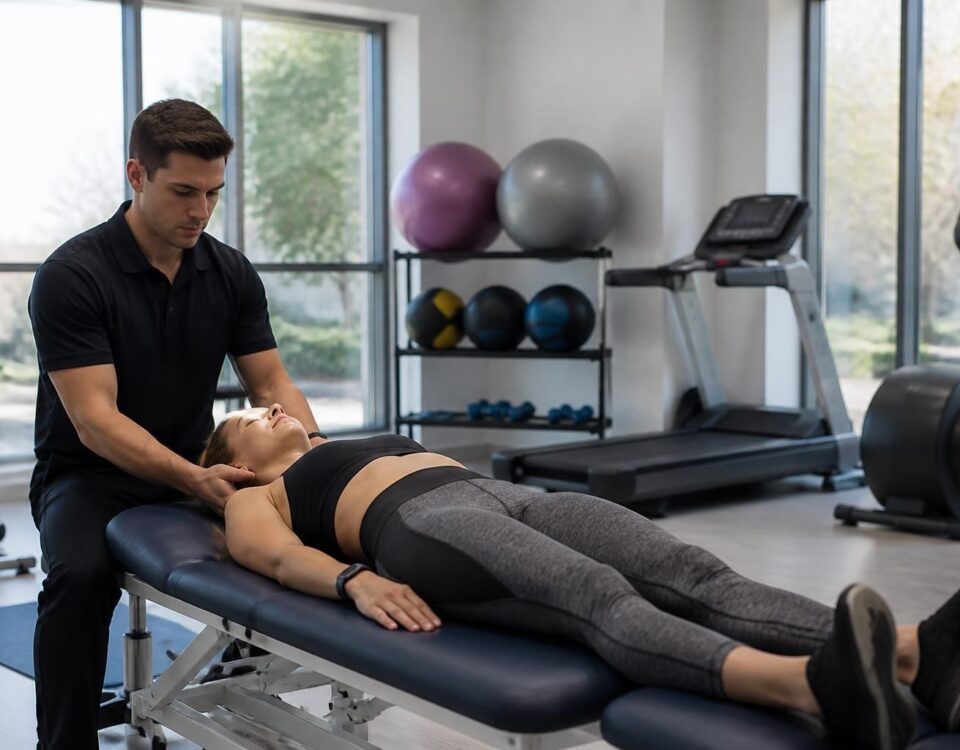
The benefits of neurovertebral decompression to improve joint mobility
26/06/2026
Why neurovertebral decompression is recommended for chronic radicular pain
26/06/2026
In short In short, the neurovertebral decompression and nervous tensions is a Non-invasive approach which aims to Reduce pressure on spinal nerves and the Intervertebral discs by creating a space between the vertebrae thanks to a Controlled traction. accessible to Paris and Geneva, it offers relief from lumbar and cervical pain linked to nerve compressions without surgery. Its main advantages include Improved blood circulation, Reducing muscle tension, and Faster mobility recovery, while remaining secure and suitable for most patients. Operation is based on a gentle and targeted traction that Releases nervous pressure and promotes the tissue regeneration, contributing to better posture and better quality of life. |
The neurovertebral decompression is one Non-invasive approach which aims to relieve the pain associated with the nerve compression By practicing a Controlled traction on the spine. It creates a space between the vertebrae, thus reducing the pressure on the Spinal nerves and on the Intervertebral discs.
- relief of Lower back pain and cervical
- Improvement of the bloodstream and tissue nutrition
- Stimulation of the Disk regeneration and reduction of inflammation
- faster return to activity and improvement of the mobility and from the posture
- Option secure to surgery, under medical evaluation
Suitable for pain related to herniated discs, sciatica and radiculopathies, in an integrative approach to health. Discuss with your healthcare professional to assess your situation.
This article presents, with clarity and rigor, how the neurovertebral decompression acts on the nervous tensions And why this non-invasive approach can be a key step in managing spinal pain. You will find the principles, indications, results and elements to consider for an informed decision, based on clear and verifiable resources. To find out more, you can view the available resources at SOS SCIATIC and on the pages of Tagmed Clinic.
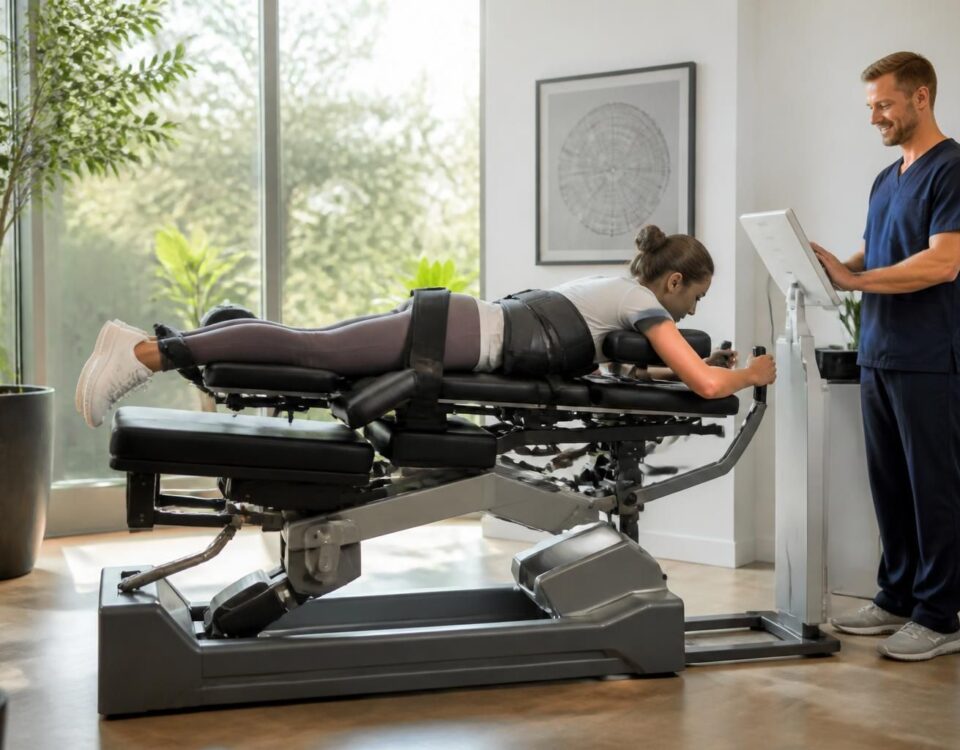
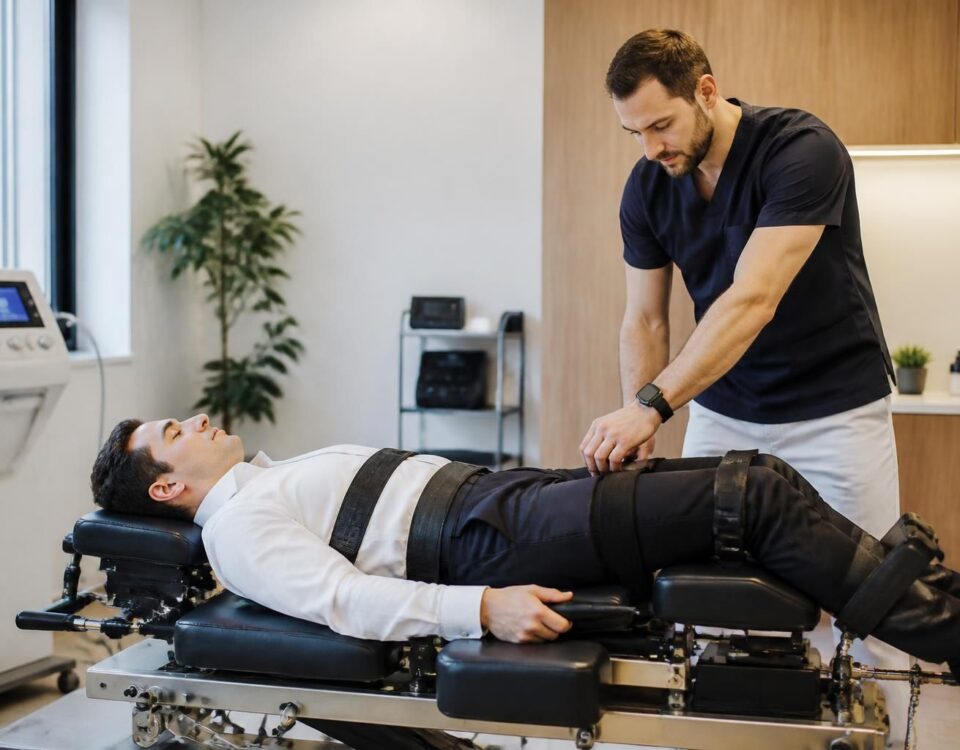
The neurovertebral decompression is a non-invasive technique that works to alleviate the pressure exerted on the spinal nerves. It is based on controlled traction that creates a space between the vertebrae. This action decreases the compression of discs and nerves, and can improve local circulation. The objective is to promote natural recovery and pain reduction without having to resort to surgery.
The mechanism is based on a Controlled mechanical traction, which allows Create an intervertebral space and improve the nutrition of nerve and disc tissues. This approach supports the Tissue regeneration and blood circulation, essential elements to reduce pain related to nervous tension and compressed discs. To understand the benefits and mechanisms, you can consult specialized resources such as SOS SCIATIC.
In TagMed and Pulse Align clinics, decompression is based on safe protocols, adapted to each patient. This approach is part of a process of evidence and practice based on clinical and experimental data. For patients, this translates into short and regular sessions, without pain and without surgery.
Several recent studies and analyzes support the use of neurovertebral decompression as a tool to reduce nerve pressure and promote the posture and mobility. Reviews and syntheses show promising results on lumbar and cervical pain, as well as on the reduction of radicular symptoms. For additional information, refer to public resources such as SOS Sciatica – Recent Studies and on the information pages of partner clinics.
How the approach affects nervous tensions
Soft traction gradually releases tension on the nerves. By lowering the pressure, it can reduce irradiation symptoms and associated pain. This action contributes to a better circulation of nutrients and fluids, which acts favorably on the recovery of nervous and disc tissues. To understand the precise effects on nervous tensions, see dedicated resources such as SOS SCIATIC.
Innovations and technological improvements in this area are regularly presented by specialized centers and recognized clinics. resources like tagmed describe how these technologies fit into a global approach to spinal health.
Potential indications and results
Neurovertebral decompression is indicated in cases of lumbar and cervical pain related to nerve pressure, disc herniation or radicular syndromes. It can help alleviate symptoms and promote a gradual return to painless activity. In some cases, patients find an improvement in mobility and posture after a few sessions. For additional information and feedback, you can explore dedicated resources on SOS SCIATIC.
From a practical perspective, our protocols favor the options offered to Tagmed Clinic and to Pulse Align, to ensure consistent and secure support. For athletes and workers, decompression can be part of a care plan that favors functional continuity over invasive interventions. For additional information on non-invasive approaches and observed results, see the following resources: SOS SCIATIC and tagmed.
Precautions and safety
Neurovertebral decompression is generally safe, but it requires individual assessment. Certain pathologies or infections can be contraindications. Support by a qualified professional is essential to determine the adequacy of the treatment and to adjust the protocol. For specific resources on safety and indications, you can consult the clinic information pages or the associated resources SOS SCIATIC.
It should be noted that some sources recommend avoiding exercises or stretching in articles describing decompression and its applications for herniated discs or stenosis. The therapeutic decision is based on a clinical evaluation and is part of a multidisciplinary approach, favoring non-invasive and secure solutions at the TAGMED clinic in Montreal or Terrebonne.
To enrich your understanding, additional online resources are available on SOS Herniated Disc and SOS Herniated Disc, as well as on sites dedicated to neurovertebral decompression such as neurovertebral decompression.
training and practice. Our teams rely on recognized standards and training in the field, including NUMSS and NAO programs, and references to National University of Medical Sciences and National Academy of osteopathy. We operate within the ACMA, College of Canadian Osteopaths and College of Canadian Osteopaths as part of the professional associations to ensure care that meets current standards.
For an overview of benefits and mechanisms, look at the resources associated with TagMed and other professional organizations. Patient testimonials describe improvements in mobility and pain reduction after several sessions, in a safe and non-invasive setting. For feedback, please refer to the resources related to tagmed.
To complete the panorama, neurovertebral decompression can be considered as part of a global care plan, in addition to other non-pharmacological and non-invasive approaches proposed by TagMed and partners. In some cases, options outside of decompression can be discussed with the patient and his attending physician, to ensure optimal continuity and safety of the care pathway.
To learn more, here are some additional resources: SOS SCIATIC, SOS SCIATIC, tagmed, and specific resources on disks and nervous tensions on SOS SCIATIC.
For more information and context on the treatments offered to TagMed, go to Tagmed Clinic.
Medical Disclaimer: The information and advice provided on this site does not replace the health professional’s diagnosis or treatment. Please note that Dr. Sylvain Desforges osteopath is neither a doctor of medicine nor a doctor, and is not a specialist in a medical specialty as defined by the Collège des Médecins du Québec. Manual medicine, functional medicine and sports medicine as described on this site exclude any medical treatment or diagnosis made by a doctor or specialist doctor. Always consult your doctor for any medical questions. For more details, please read our full legal notice.
List of useful items and resources:
• How neurovertebral decompression affects nerve tension
• Recent studies demonstrating effectiveness
• Innovations in decompression tables
• Neurovertebral Decompression — Recognized Therapy
• Complementary therapy in complex cases
• Column overall health support
• Complex vertebral imbalances
• Severe inflammations of the nerve roots
• Nervous tensions related to compressed discs
- Objective : reduce pressure on nerves and intervertebral discs.
- Mechanism : Controlled traction creating an intervertebral space.
- directions : slipped disc, sciatica, lumbar or cervical pain related to nerve compression.
- Biological action : improvement of the bloodstream and stimulation of Tissue regeneration.
- Earnings : pain reduction, better mobility and posture.
- Duration : typical session between 15 and 30 minutes.
- Nature : Approach non-invasive, without surgery.
- Integration : complementary to other evidence-based approaches.
- precautions : requires a preliminary assessment to identify the contraindications.

The neurovertebral decompression is an approach non-invasive intended to reduce the tension caused by pressure on the spinal nerves. By using controlled traction applied to the column, it creates a space between the vertebrae, relieves pain from compressed nerves and opens the way to better circulation, tissue regeneration and faster recovery in daily activities. This article offers practical recommendations for understanding and optimizing this method as part of a comprehensive care plan.
How does decompression on nervous tensions work?
soft and personalized traction allows Reduce pressure on spinal nerves and intervertebral discs, which decreases painful signals and nervous irritation. At the same time, it promotes Improved blood circulation In the surrounding tissues, facilitating the intake of nutrients and the elimination of metabolic waste. This mechanism contributes to a Reduction of inflammation and to a Disk regeneration, providing lasting relief for lower back and cervical pain associated with nerve compressions. For nervous tensions, the effect is often noticeable from the first sessions, with a feeling of relaxation and regained mobility.
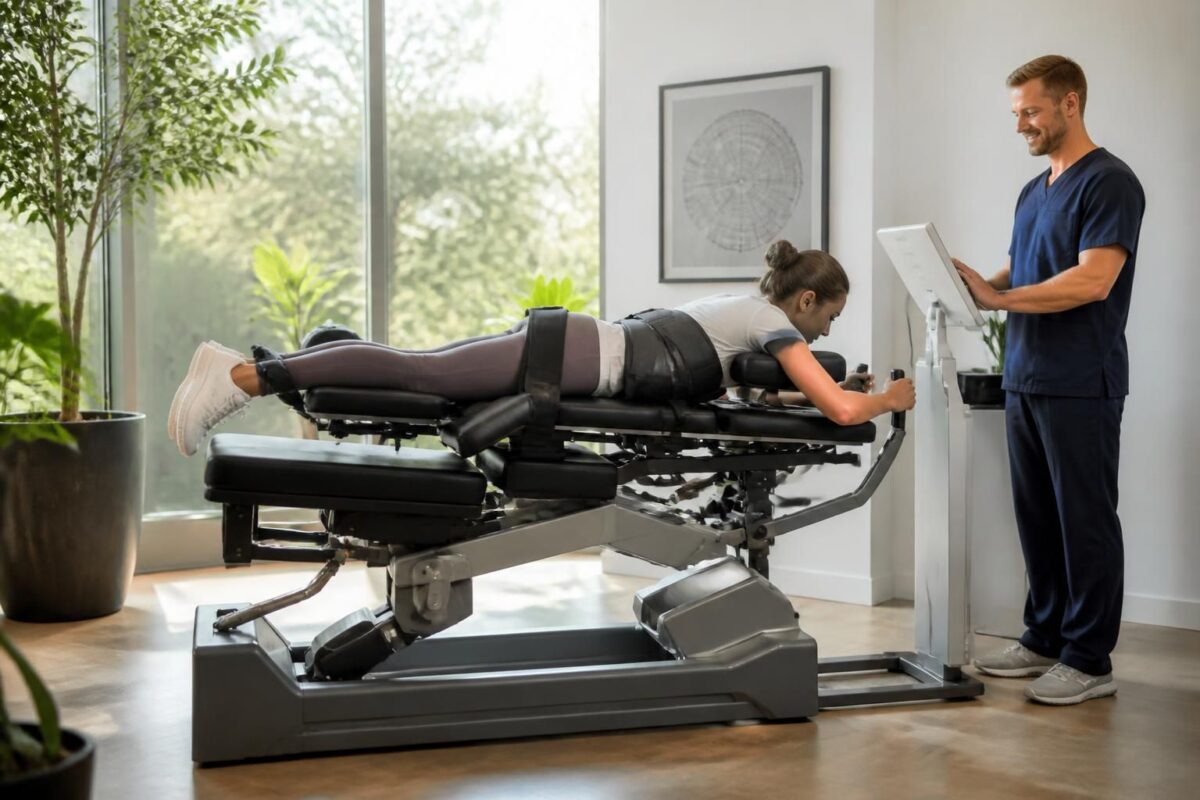
The long-term benefits of neurovertebral decompression for spinal health
In short In short, the neurovertebral decompression is a non-invasive approach that decreases the Pressure on intervertebral discs and nerves, favoring the Natural regeneration and tissue recovery. Its long-term benefits include Lasting pain reduction, Improving mobility and from the posture,…
Indications and expected results
This approach is indicated for pain related to slipped disc, radiculopathies or Chronic pain of the column which are accompanied by numbness or tingling. It can help find a more balanced posture and an Increased mobility without the need for surgery. The benefits are part of a global dynamic: decreased pain, improved mobility and prevention of recurrences by acting on the underlying causes of nerve compression.

Neurovertebral decompression and mobility: a return to an active life
In short In short, the neurovertebral decompression is therapy non-invasive who uses a gentle traction To create a space between the vertebrae and reduce the pressure on the Intervertebral discs and the nerves. It promotes a bloodstream improved, lowers tension…
What you need to know before you start
Precautions and contraindications
Although decompression is generally safe and well-tolerated, it requires a prior assessment in the event of active column pathologies or infections. Some conditions require protocol adaptation or enhanced medical monitoring. It is essential to discuss your medical history and symptoms with a qualified professional before starting the sessions.
Duration and pace
A session typically lasts between 15 and 30 minutes, and the total number of sessions depends on the clinical context, pain and functional goals. The program is adjusted based on individual response and progress observed during follow-up visits.
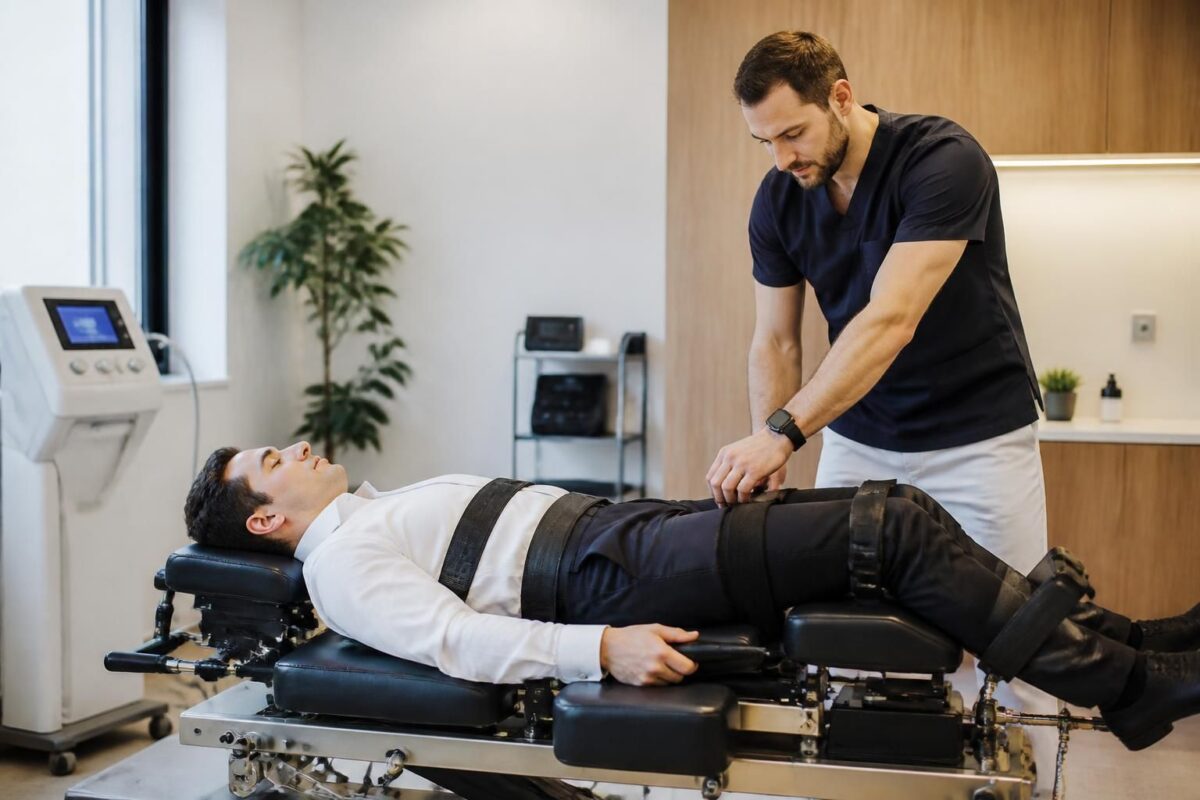
How Neurovertebral Decompression Prevents Diffuse Chronic Pain
In short decompression neurovertebral is one Non-invasive method aimed at reducing the Pressure on the intervertebral discs and the nerves, in order to prevent Diffuse chronic pain. It improves the circulation and thedisc hydration, decreases inflammation and promotes better mobility.…
Integration into a care plan
Decompression fits ideally in an approach multidisciplinary Including osteopathy, manual medicine and mobility and reinforcement exercises. It can be associated with posture advice, complementary therapies and appropriate physical activity programs. The objective is not to replace a necessary treatment, but to bring Effective adjunctive solution which helps to reduce pain and improve overall function.
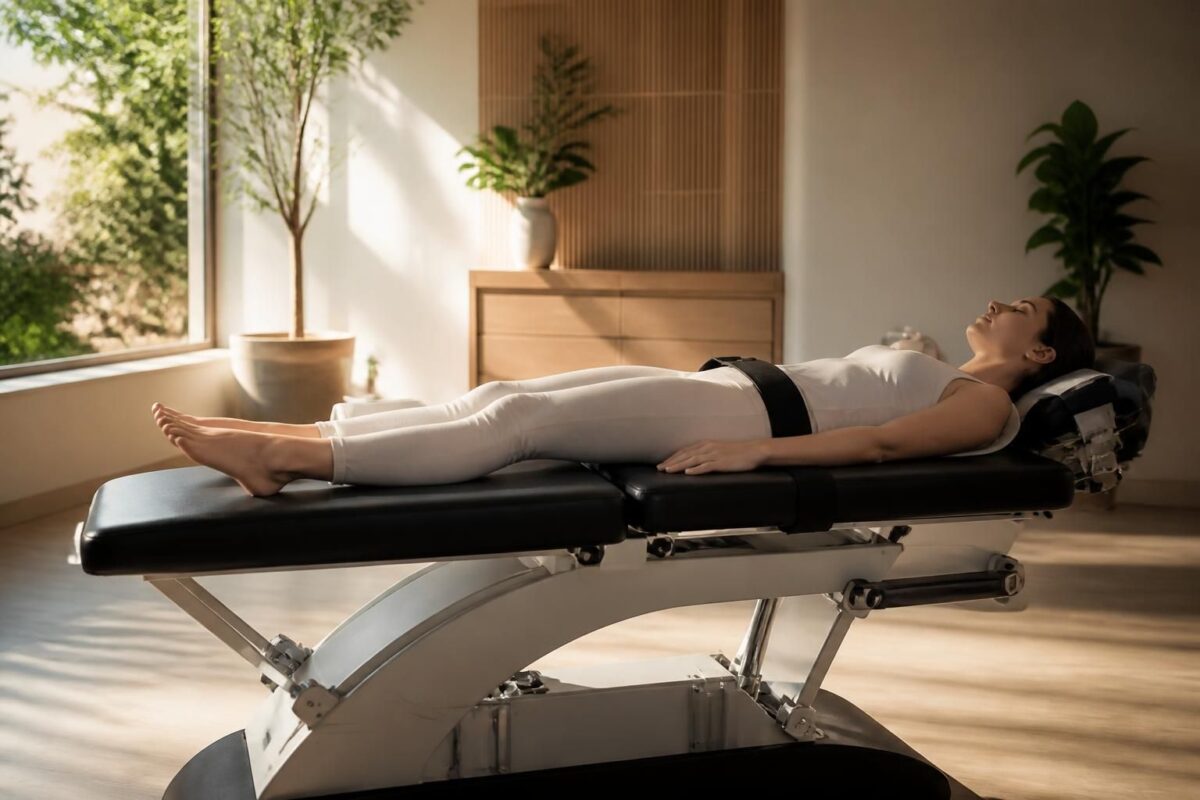
Neurovertebral Decompression and Body Alignment: Restoring Natural Balance
In short In short, neurovertebral decompression is one Non-invasive approach who restores theBody Alignment and thenatural balance back and neck. She acts by a Controlled traction of the spine to widen the intervertebral space and reduce the Pressure on discs…
Practical tips for everyday life
To optimize the results, adopt a suitable routine: maintain a good posture At work and during daily activities, gradually integrate targeted mobility and strengthening exercises, and ensure hydration and diet conducive to tissue health. Plan decompression sessions based on your schedule and tolerance, and follow your practitioner’s recommendations for a safe and lasting progression.
| Aspect | concise text |
|---|---|
| Principle | non-invasive traction which creates an intervertebral space and reduces the nervous pressure. |
| targets | spinal nerves and intervertebral discs solicited by the nervous compression. |
| Key mechanism | local muscle relaxation and improvement of the bloodstream to nourish the tissues. |
| Main Benefits | Quick relief from pain and improvement of mobility without surgery. |
| Typical indications | lower back and cervical pain related to nervous compression, benign disc hernias. |
| Contraindications and precautions | serious pathologies, infections or instability; prior assessment by a professional. |
| Effect on pain and mobility | Decrease in pain and gradual return to mobility functional. |
| Security and tolerance | Method non-invasive, low risk and good general tolerance. |
| Duration and protocol | Typical session of 15 to 30 minutes, according to the protocol. |
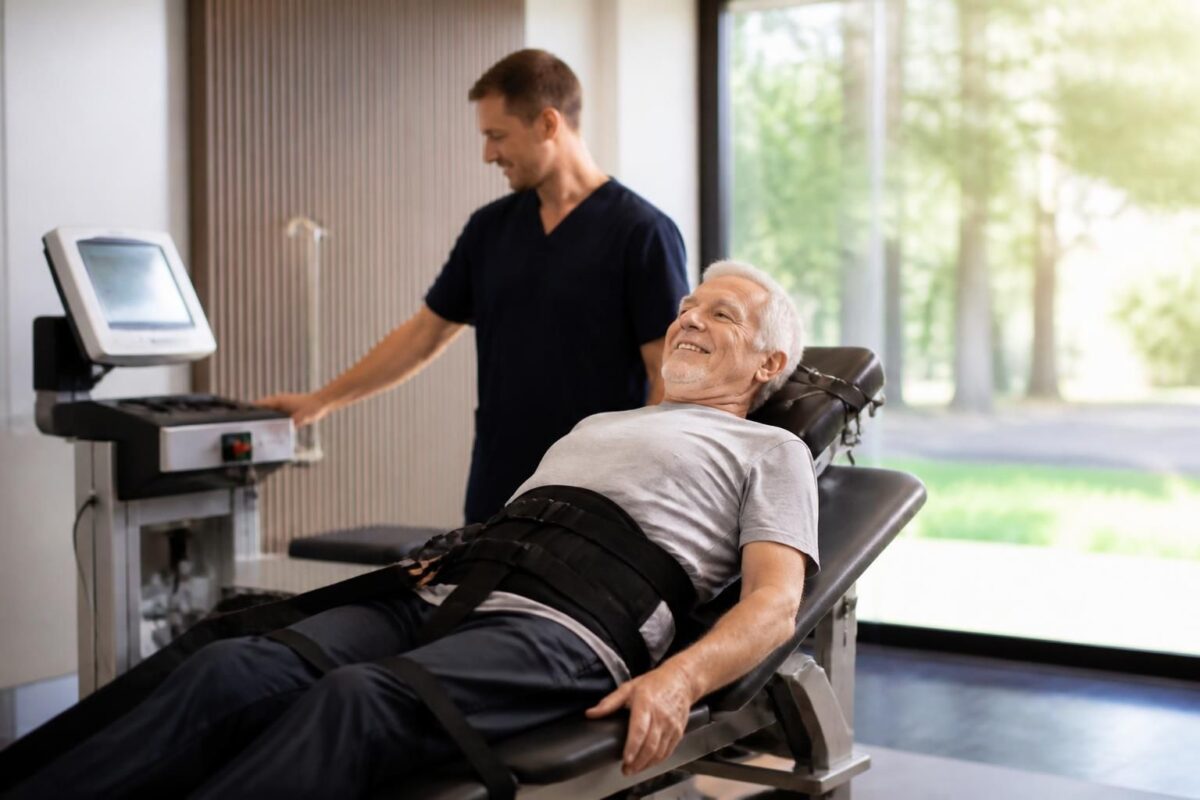
Why neurovertebral decompression is a lasting solution for active seniors
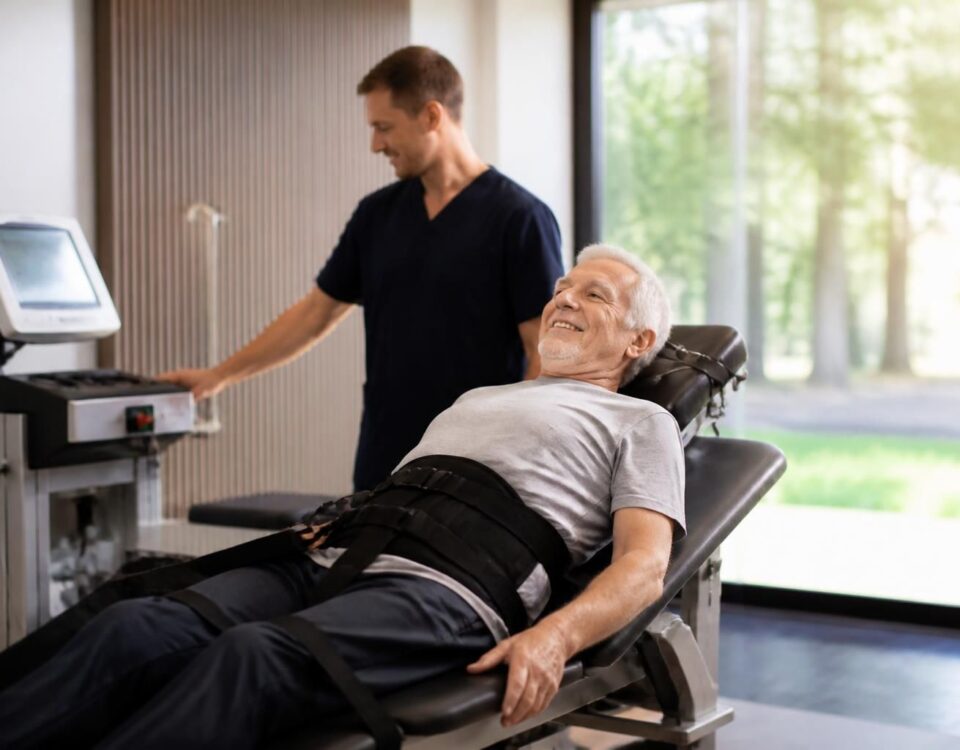
In short In short, the neurovertebral decompression is one Non-invasive therapy which sustainably relieves spinal pain in the spine active seniors By creating, by a Soft and controlled traction, a space between the vertebrae. At Montreal, it is recognized as…
Testimonials on neurovertebral decompression and nervous tension: a non-invasive approach
Marie Dupont, 42 years old, executive, suffered from nervous tension in the neck with pain radiating in the shoulder. For several months, I had the impression of constant pressure in the neck and stiffness that prevented me from moving freely.
After the first session of neurovertebral decompression, I felt a feeling of relaxation in the neck and a slight relaxation of the muscles around the vertebrae. I was explained that gentle traction opens a space between the vertebrae and reduces the pressure on the nerves, which gradually calms the tensions.
Over the weeks, the pain decreased and my mobility improved. This approach non-invasive Has transformed my way of life on a daily basis and I recommend it to anyone who is looking for a natural alternative to more invasive treatments for nervous tension.
Antoine Lefevre, 35, sports coach, felt lower back pain associated with nervous tension that slowed his performance and recovery after exercise.
During the sessions, the feeling of traction on the column was progressive and perfectly tolerable. I describe an improvement in flexibility and a decrease in episodes of pain peak after training, which allowed me to resume my sessions with more consistency.
Today, mobility and the posture have improved significantly and I find a regained confidence in my physical abilities. It’s an approach non-invasive who offered me a lasting response without systematic use of drugs.
Elodie Renaud, 29, an office consultant, suffered from cervical tensions linked to long days in front of the screen and daily stress.
The first observation was a feeling of relaxation in the trapezoids and a decrease in nocturnal pain, often linked to accumulated tension.
After several sessions, I noticed a significant reduction in stiffness and better stress management. I perceive Improved breathing and an best posture Throughout the day, which makes face-to-face work much more pleasant.
Jean-Marc Dupuis, 57, retired, suffered from chronic lower back pain associated with nervous tension in the sacral region and the lower back.
I started the sessions with apprehensions, but the method turned out to be very sweet and reassuring. I noticed a gradual decrease in pain and a decrease in tingling episodes in the legs.
Since then, my quality of life improved and my favorite activities, like walking and gardening, have regained their place in my daily life. This approach non-invasive allowed me to resume my days without fear of pain that once blocked me.
Sophie Lambert, 44, project manager, suffered from a set of nervous tensions linked to poor posture and working hours in a sitting position.
The sessions of neurovertebral decompression Were accompanied by clear explanations of how delicate traction acts on discs and nerves.
Today I feel a Improving mobility and a significant reduction in cervical and lumbar pain. I highly recommend this approach non-invasive Anyone seeking to regain comfort without surgery or medication.
This biography traces the journey of a practitioner recognized for his commitment to a non-invasive approach to nervous tensions related to the spine. Expert in osteopathy, naturopathy And manual medicine, he occupies the role of founding president of the Tagmed clinics and the ACMA association. His work is part of a vision of health innovation, aiming to provide evidence-based care to sustainably relieve pain and improve patient mobility and quality of life.
Its main axis is the neurovertebral decompression, a method non-invasive which consists of reducing the pressure exerted on the spinal nerves and intervertebral discs. By employing controlled traction, this approach creates a space between the vertebrae, releasing accumulated tensions and facilitating the circulation of fluids and essential nutrients to the nerve tissues. This dynamic aims to alleviate lumbar and cervical pain, without resorting to surgery.
The technique is based on the use of a specific device which applies a force measured on the spine. This creation of intervertebral space allows a Reduced nerve compression, reducing irritations and associated pain. At the same time, decompression promotes bloodstream local, which supports tissue regeneration and accelerates the healing process. For patients suffering from radiculopathies, herniated discs or chronic pain, this approach offers a reassuring and often effective alternative.
This practice does not just ease the pain. It is part of a global approach to reactivation and postural rebalancing. By restoring theColumn alignment and by releasing adjacent muscle tension, it contributes to a Improving mobility and a faster return to an active life. Personalized protocols adapt to each patient, taking into account medical history, pain level and functional objectives, in order to optimize results and prevent recurrences.
In this perspective, neurovertebral decompression is a key component of an integrated care offer. The practitioner favors an approach evidence-based, combining manual techniques, lifestyle advice and, when necessary, complementary therapies. This combination aims to sustainably improve nerve function and support tissue regeneration, while minimizing risks and potential side effects.
Over the years, the expertise developed around neurovertebral decompression has been enriched by close collaboration with associated technologies, such as laser and shockwave therapies, in order to amplify the therapeutic effects. This multidisciplinary approach reflects the practitioner’s commitment to holistic management of spinal pain and nervous tension, with a view to a lasting balance between structural stability and overall well-being.
Driven by an educational vocation, this biography highlights the contribution of a professional who places the safety, efficiency and autonomy of patients at the heart of his action. His approach illustrates a promising path for those looking for a solution non-invasive And profitable functionally, able to slowly but surely put their column back in balance and their life in motion.
This text presents in a concise and persuasive way the principles of the neurovertebral decompression as approach non-invasive To treat the nervous tensions and associated symptoms. you will discover how this technique acts on the Spinal nerves and the Intervertebral discs, its clinical benefits, the precautions to take and the relevant resources to deepen the subject.
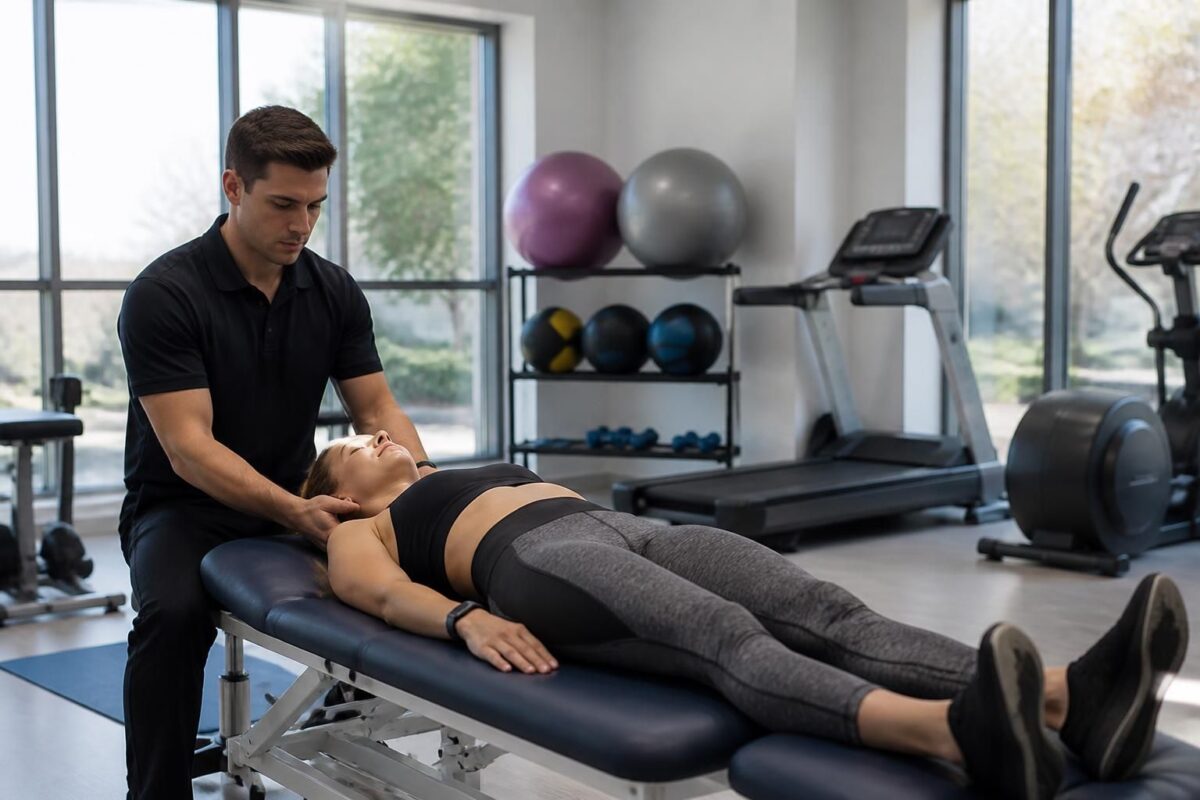
Neurovertebral decompression and recovery after severe sports injury
In short In short, the neurovertebral decompression is one Non-invasive method to Relieve the pressure on the Intervertebral discs and the gristle Via a Controlled traction, to facilitate the recovery After a severe sports injury. It improves the bloodstream towards…
Principles and mechanisms
The neurovertebral decompression Use a Controlled traction applied to the spine in order to create a intervertebral space and reduce the spinal nerve pressure and the Intervertebral discs. This approach non-invasive Improves the bloodstream local and promotes the Tissue regeneration, while relaxing adjacent muscles and restoring vertebral alignment. To learn more about mechanisms and applications, see the dedicated article on theNon-invasive approach.
This therapy can be described as a Reduced nerve compression by Creation of intervertebral space, which leads to a traffic improvement and better nutrition of nerve tissue. It comes with a muscle relaxation and a decrease in spasms, contributing to a Increased mobility and to a Lasting pain reduction.
The protocols and underlying mechanisms can be adapted according to clinical needs. For example, personalized protocols exist to optimize recovery after surgery or to treat pain associated with herniated discs or radiculopathies. For an overview of effects and indications, see Specialized resources such as the guides and analyzes published by SOS Sciatica and the TagMed and Pulse Align clinics.
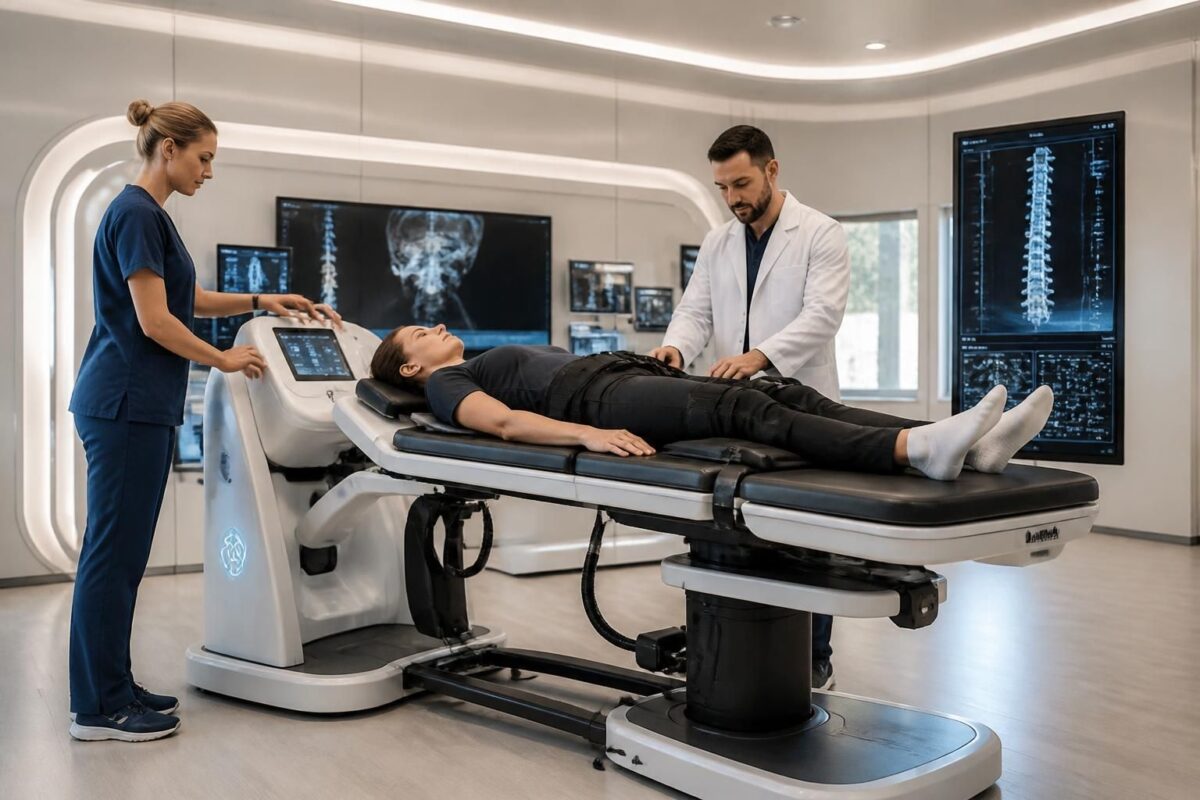
Recent innovations in neurovertebral decompression technologies
In short In short, the neurovertebral decompression is an approach non-invasive Aiming to reduce pressure on discs and nerves, and promote tissue regeneration. At Montreal, it is positioned as an effective option for lower back pain and herniated discs. The…
Indications and benefits
Typical indications include lower back and cervical pain associated with nerve compressions, radiculopathies and symptoms of numbness or tingling. In practice, the neurovertebral decompression can contribute to the rapid pain reduction, at theImproving mobility and a better neurological function— All without the need for surgery.
From a physiological point of view, this method promotes a Disk regeneration and a better tissue oxygenation thanks to better blood perfusion. Its positive effect also extends to posture and at theBody balance, which can prevent recurrent tensions and recurrences linked to musculoskeletal imbalances.
For additional information on the benefits and clinical outcomes, you can consult the following resources on the mechanisms and post-operative follow-ups: Custom protocols, Lower lower back pain, and analyzes on spinal nerve pressure.
To enrich your understanding, here are additional resources that explore the effects and practical applications: Impact on musculoskeletal imbalances, pressure reduction and relapse prevention.
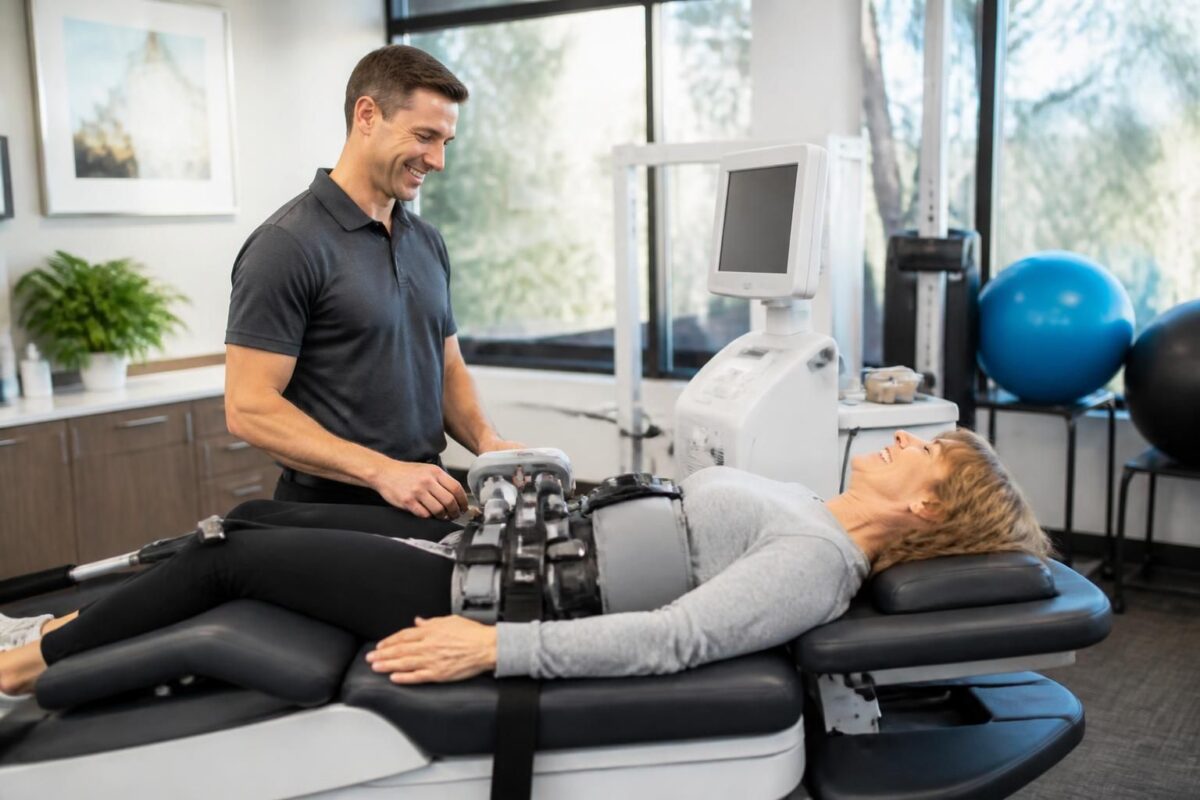
Neurovertebral decompression and diffuse pain: an appropriate solution
In short In short, the neurovertebral decompression is one Non-invasive solution For diffuse pain related to nerve irritation of the spine. She acts in Reducing pressure on intervertebral discs and nerves and improving the bloodstream, which promotes recovery and the…
Precautions and safety
Like any therapeutic approach, the neurovertebral decompression contains precautions. It is generally well tolerated, but is not suitable for all pathologies of the spine. An evaluation by a qualified professional is necessary to determine eligibility and personalize the protocol. Severe infections or spinal conditions require special attention and proper monitoring.
To deepen the safety and benefits aspects reported, you can consult the specialized resources that summarize indications and precautions, including the pages devoted to pre-therapeutic evaluation and management of nervous tensions associated with herniated discs, example on Neurovertebral decompression and nerve tensions associated with herniated discs.
Integration with other approaches and resources
Neurovertebral decompression can be integrated into a global approach to health, in addition to manual medicine, from the naturopathy and other non-invasive therapies. To deepen the mechanisms and protocols, see the following resources: Neurovertebral Decompression and Nerve Tensions – Non-invasive Approach, Prevention of recurrent mechanical disorders, and articles explaining the impact on musculoskeletal imbalances.
Quick FAQ (Key Points)
Q: What are the immediate benefits of neurovertebral decompression?
A: Rapid relief, improved mobility and reduced nerve pressure.
Q: Is this approach suitable after spinal surgery?
A: Yes, under medical supervision and after individual evaluation, as indicated in the resources dedicated to postoperative recovery.
Q: How long does a session last?
A: On average, 15 to 30 minutes according to the custom protocol.
Q: What risks or contraindications?
A: Contraindications exist for certain column pathologies; A professional assessment is required to determine eligibility and adjust treatment.
Q: Where to find additional information and specialized resources?
A: Use the links provided, including those to Dr. Desforges and SOS Sciatica, to access guides, protocols and studies on neurovertebral decompression and nervous tension.

Dr Sylvain Desforges, B.Sc., D.O., N.D., osteopath, is the founding president of TAGMED and of the ACMA association. He dedicates his practice to chronic spinal pain, low back pain and symptoms compatible with sciatica, particularly when pain radiates toward the buttock, leg, calf, foot or toes.
Through SOS Sciatique, he publishes educational content on sciatica symptoms, possible causes such as disc herniation, disc narrowing, foraminal stenosis or irritation of a lumbar nerve root, as well as non-surgical approaches that may be considered according to the evaluation. At Clinique TAGMED, care may include, depending on the case, motorized neurovertebral decompression, specific osteopathic care or precision percussion.
For an evaluation related to sciatica treatment in Montreal / Mount Royal or sciatica treatment in Terrebonne, please consult the services available at Clinique TAGMED.
Medical disclaimer
The information published on SOS Sciatique is provided for educational purposes only and does not replace a consultation, diagnosis, opinion or treatment provided by a physician or another authorized healthcare professional. The author of this article is neither a medical doctor nor a specialist in a medical specialty recognized by the Collège des médecins du Québec. The osteopathic, manual medicine or functional support approaches described on this site do not constitute medical acts and are not intended to replace medical follow-up.
Consult a physician or emergency service in cases of loss of bladder or bowel control, anesthesia in the saddle area, significant or progressive weakness in the leg or foot, fever, recent trauma, severe pain or rapid worsening of symptoms. For more details, please read our Legal Notice.