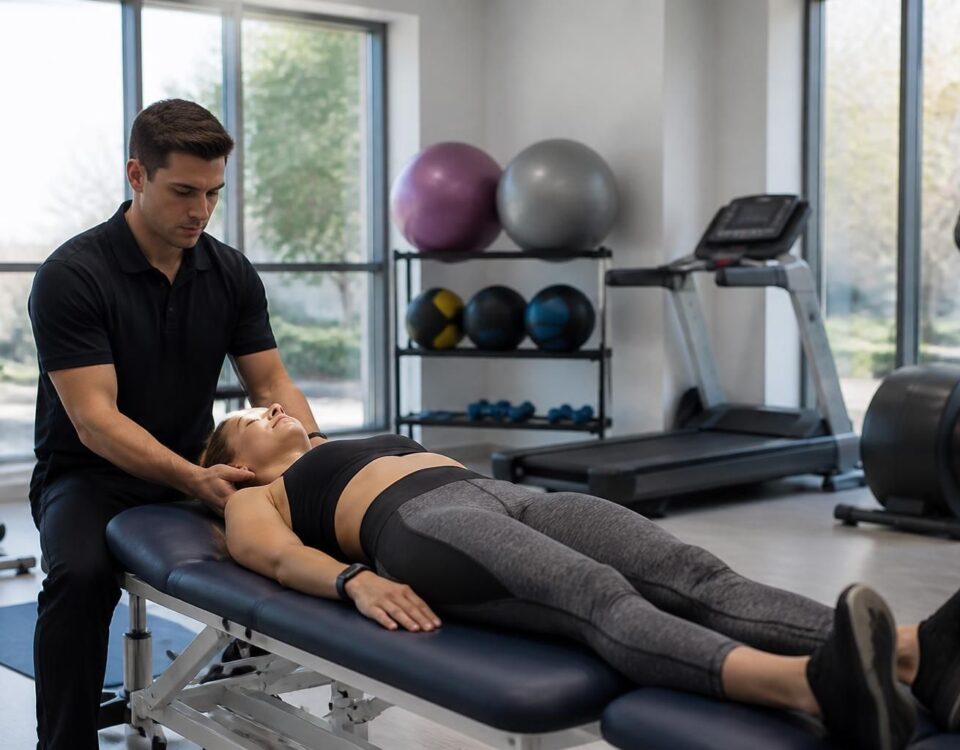
Neurovertebral decompression and mobility: improve spinal flexibility
26/06/2026
Neurovertebral decompression and prevention of invasive surgeries
26/06/2026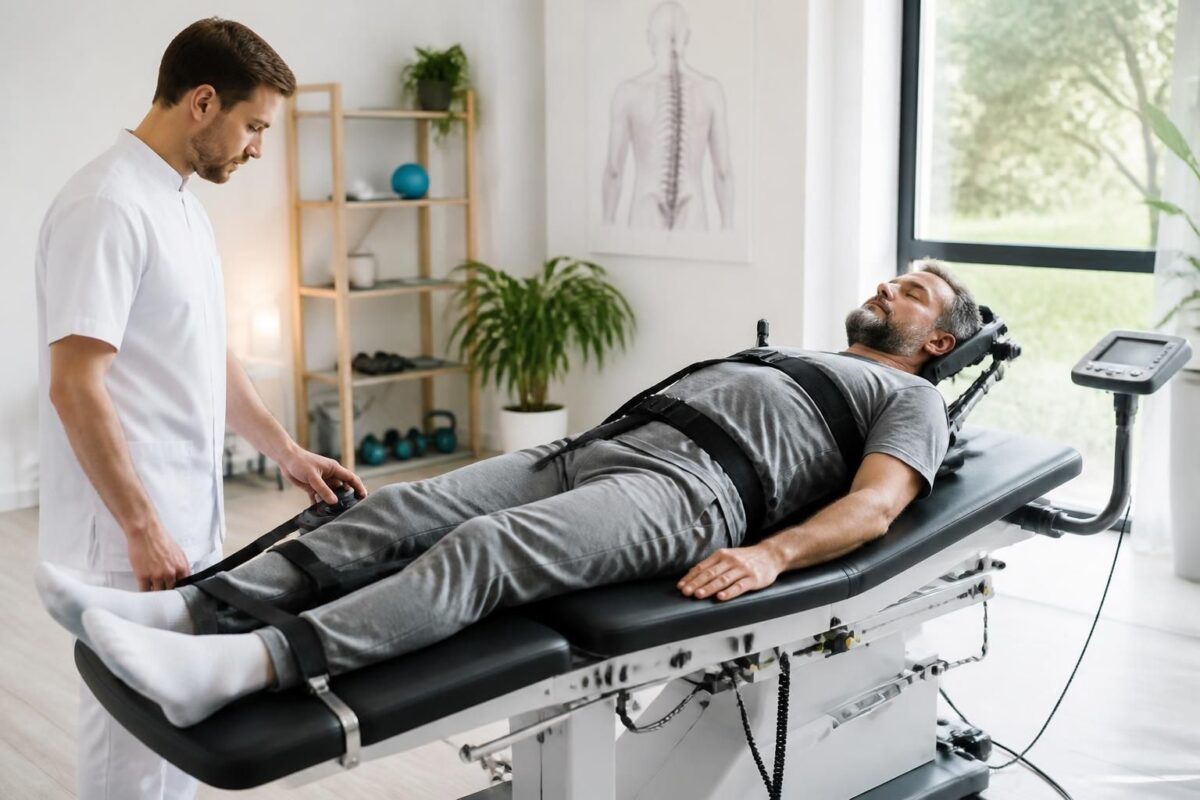
In short
| In short, the neurovertebral decompression is one Non-invasive solution for the Chronic pain related to the spine. What is it? Controlled traction that frees the space between the vertebrae and reduces pressure on the nerves and intervertebral discs. What are the advantages? diminished pain, traffic improvement and Nervous tissue regeneration, leading to a Faster recovery without surgery and a better quality of life. How does it work? A personalized approach, adapted to each patient, which facilitates the return to activity and can be integrated into a global care program. Accessible in Montreal, this treatment is particularly useful for people with herniated discs or persistent pain and seeks to prevent recurrences while optimizing mobility. |
The neurovertebral decompression is one Non-invasive solution suitable for Chronic pain related to the spine, acting in Reducing pressure on nerves and intervertebral discs.
by soft traction, it promotes a Better blood circulation and stimulates the Nervous tissue regeneration, thus offering a Quick and lasting relief and the possibility of finding normal activity more quickly without surgery.
Its effectiveness is based on a Personalized approach and its integration into a global care program, often supplemented by other therapies to treat the causes and prevent recurrences.
This article presents why neurovertebral decompression is an effective and lasting response to chronic pains of vertebral origin. It describes the mechanism, benefits, assessment and how it fits into a comprehensive, patient-centric approach to care. Clear resources and examples illustrate how this method can improve mobility, reduce pain and promote better quality of life, without having to resort to surgery.
Understanding neurovertebral decompression
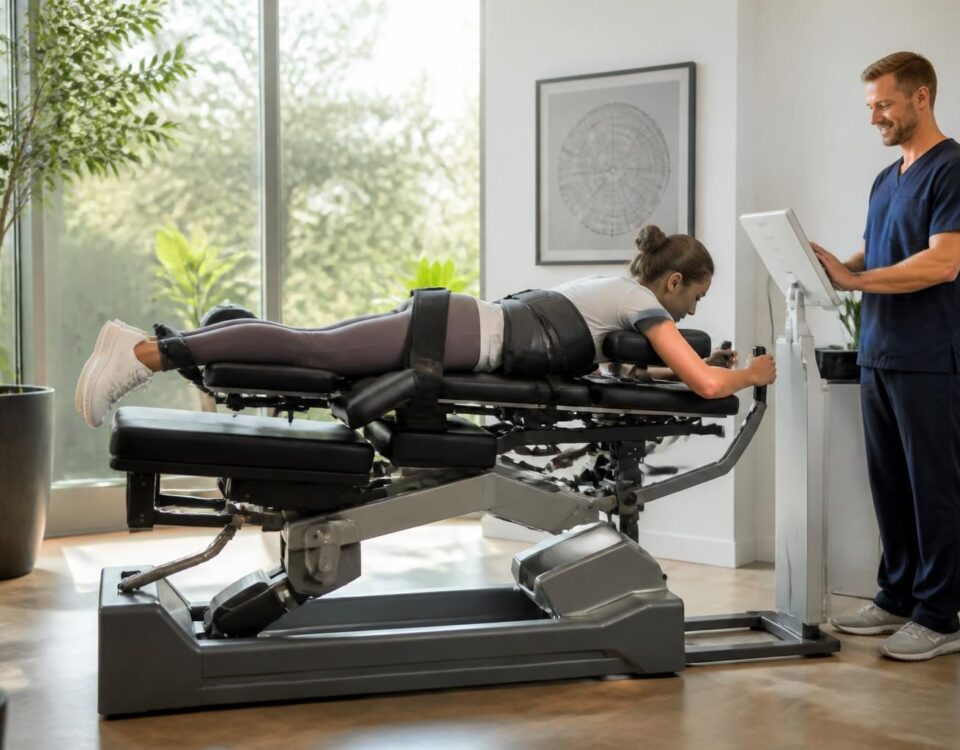
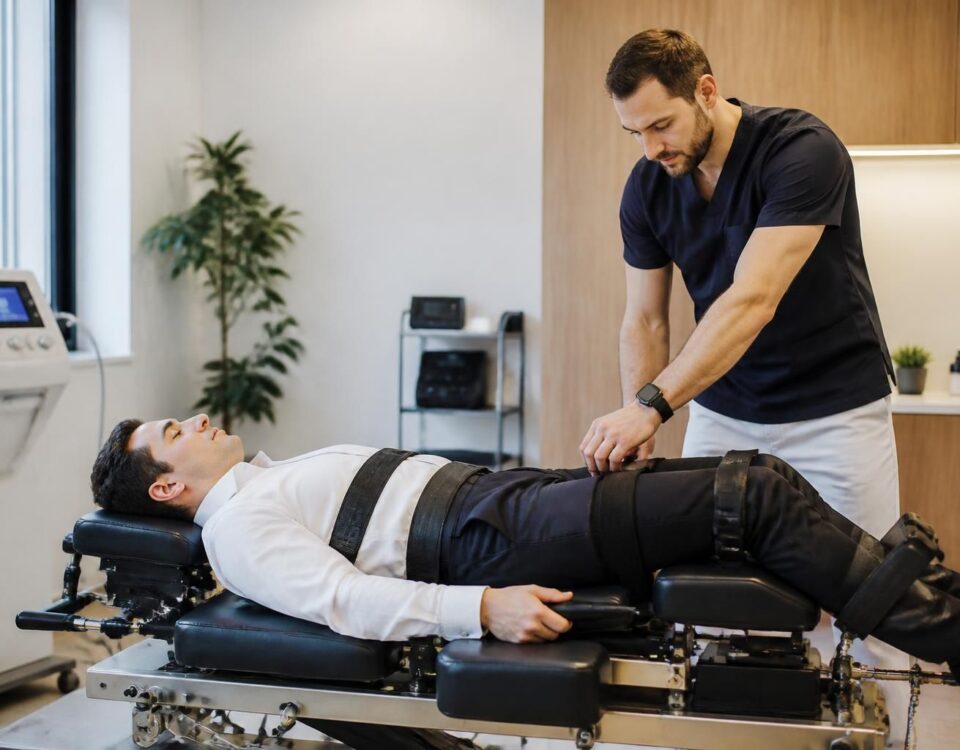
The neurovertebral decompression is a non-invasive technique that uses a gentle traction on the spine. This action creates a space between the vertebrae and reduces pressure on the nerves and intervertebral discs. As a result, the bloodstream improves and nervous tissue can regenerate better. This approach is based on an assessment adapted to each patient and on a carefully planned progression.
Main benefits for chronic pain
Benefits include a Quick relief pain related to nerve compressions and traffic improvement nutrients to the nervous tissues. Decompression allows Faster recovery and, avoiding surgical procedures, a Back to everyday life more predictable. thanks to a Personalized approach, the results can be lasting and reduce the risk of recurrence.
To learn more about the benefits, see the dedicated article: The physical and mental benefits of a neurovertebral decompression program.
Evaluation, customization and security
Each patient has a unique medical context. A In-depth assessment Identifies the adequacy of neurovertebral decompression and establishes a personalized plan. This step is essential to maximize results and ensure secure progress. This approach is non-invasive and does not require a surgical procedure, which contributes to recovery without major complications.
The decision to use this method is based on clinical data and the experience of specialized teams. additional resources explain why decompression represents a credible alternative Faced with invasive solutions: Why is it a credible alternative.
Integration into global support
Neurovertebral decompression is often part of a Multidisciplinary approach And can be associated with other therapeutic modalities compatible with the Clinique TagMed in Montreal and Terrebonne. This synergy aims to treat the root causes of pain and improve functional mobility. Resources on integration and innovations in the field are available, including Neurovertebral decompression, an effective solution and Decompression and mobility.
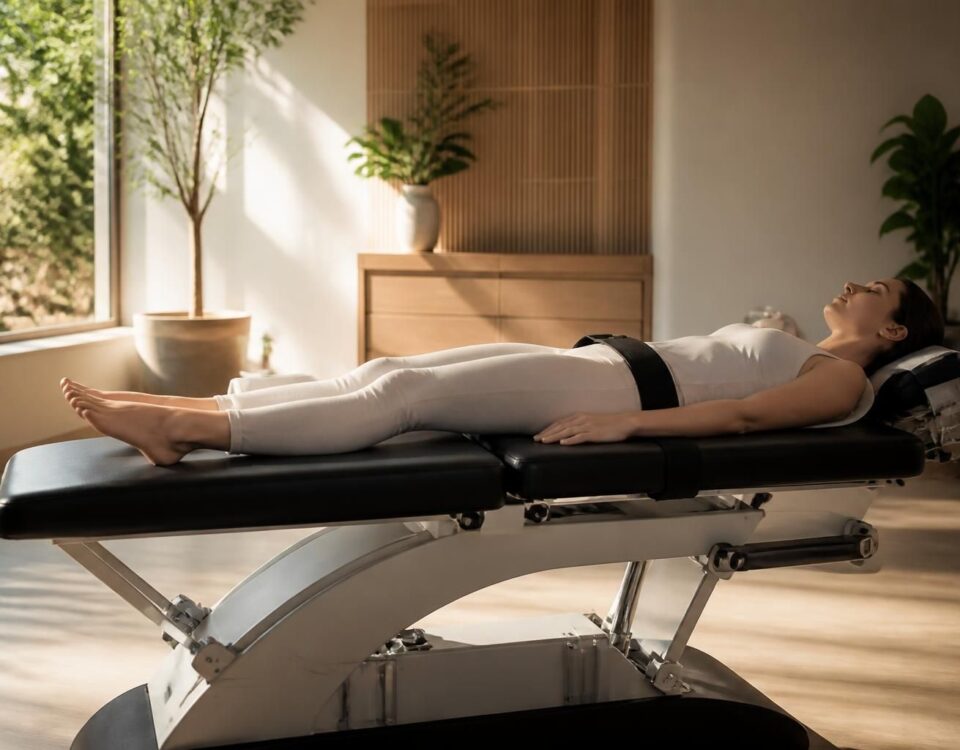
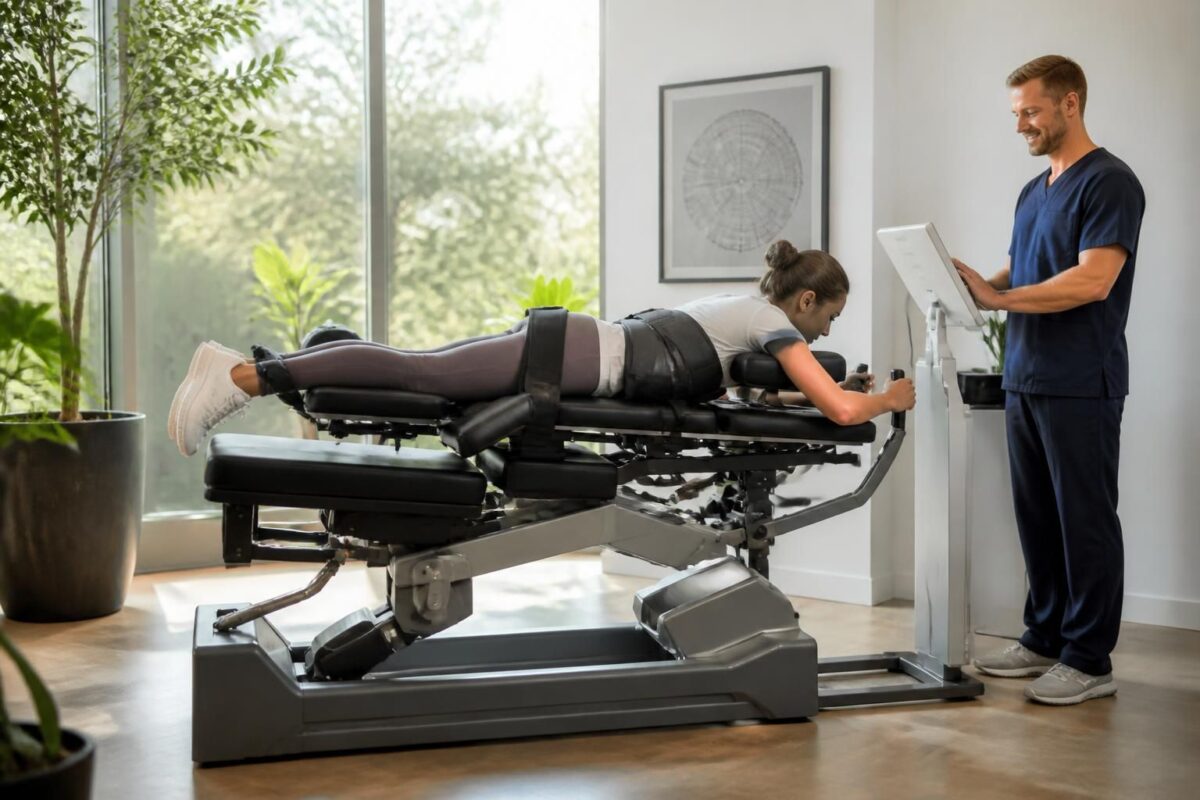
Decompression systems and tables also evolve to provide a more ergonomic and secure experience; these Innovations in neurovertebral decompression tables illustrate the evolution of the practice.
Evidence, testimonials and results
Patient feedback describes a marked improvement in their comfort and mobility after decompression sessions. These results support the effectiveness of the technique as Durable solution For associated neuropathic and musculoskeletal pain. Actual experiences also underline the importance of regular monitoring and long-term appropriate planning.
For additional information on benefits and pain prevention, see the article: Why neurovertebral decompression is an essential preventive solution.
Prevention and maintenance of the quality of life
Decompression can help prevent the progression of spinal disorders by prolonging disc health and maintaining optimal spinal alignment. This approach can also support mental well-being, by reducing the discomfort and stress associated with chronic pain. Dedicated resources address these preventive aspects and the overall benefits for active people and athletes.
To learn more about preventive aspects and sustainability of decompression, see: Decompression and nervous tensions – a non-invasive approach and Benefits for acute sciatica.
Additional resources and detailed testimonials are available on TagMed and associated platforms, including the following pages: Lasting decompression for chronic neuropathic pain and Durable solution for chronic neuropathic pain.
For an overview of the foundations and benefits, you can also consult relevant professional and institutional resources, favoring recognized training and associations in the field.
Additional resources:
– Physical and mental benefits of a neurovertebral decompression program
– Credible alternative to invasive solutions
– Freedom of movement regained
– Innovations in decompression tables
Medical disclaimer : The information and advice provided on this site does not replace the advice, diagnosis or treatment of a health professional. Please note that Dr. Sylvain Desforges osteopath is neither a doctor of medicine nor a doctor, and is not a specialist in a medical specialty as defined by the Collège des Médecins du Québec. Manual medicine, functional medicine and sports medicine as described on this site exclude any medical treatment or diagnosis made by a doctor or specialist doctor. Always consult your doctor for any medical questions. For more details, please read our full legal notice.
Medical Disclaimer: The information and advice provided on this site does not replace the health professional’s diagnosis or treatment. Please note that Dr. Sylvain Desforges osteopath is neither a doctor of medicine nor a doctor, and is not a specialist in a medical specialty as defined by the Collège des Médecins du Québec. Manual medicine, functional medicine and sports medicine as described on this site exclude any medical treatment or diagnosis made by a doctor or specialist doctor. Always consult your doctor for any medical questions. For more details, please read our full legal notice.
- Sustainable relief pain by reducing the pressure on the nerves and discs.
- Circulation and regeneration improved nerve tissue thanks to better infusion.
- Non-invasive option avoiding surgery and its risks.
- quick recovery and return to activities without hospitalization.
- Personalized approach Suitable for history and symptoms for lasting results.
- Prevention of recurrences thanks to the maintenance of the intervertebral space and posture.
- Therapeutic integration with other therapies to treat root causes and optimize results.
- Improved quality of life and mental well-being through lasting pain reduction.

This article presents why the neurovertebral decompression can constitute a Durable solution for chronic pain, detailing its mechanism, its concrete benefits and its place in a care program multidisciplinary.
A non-invasive and personalized approach
The neurovertebral decompression is a technique non-invasive which is based on a gentle traction Aiming to create a space between the vertebrae. This action reduces the Pressure on discs and nerves, thus promoting recovery without surgery. The process begins with an in-depth assessment of health status to establish a Tailor-made plan suitable for each patient.
Soft traction and safety
The intervention is done in a progressive and controlled way, with short sessions that ensure security and comfort while adhering to treatment.
Processing customization
The protocol is adjusted based on history, pain type and, if necessary, imaging results. This approach ensures appropriate progress and secure for each individual.
The long-term benefits of neurovertebral decompression for spinal health
In short In short, the neurovertebral decompression is a non-invasive approach that decreases the Pressure on intervertebral discs and nerves, favoring the Natural regeneration and tissue recovery. Its long-term benefits include Lasting pain reduction, Improving mobility and from the posture,…

Neurovertebral decompression and mobility: a return to an active life
In short In short, the neurovertebral decompression is therapy non-invasive who uses a gentle traction To create a space between the vertebrae and reduce the pressure on the Intervertebral discs and the nerves. It promotes a bloodstream improved, lowers tension…
Mechanisms that support sustainability
By decreasing the pressure On the nerves and discs, the technique allows a traffic improvement nutrients to the tissues and can promote regeneration damaged structures. These mechanisms attack the source of pain, offering more results durable rather than masking the symptoms.
Impact on tissue circulation and nutrition
Better irrigation of the discs and nerves supports their recovery and strengthens the resilience of the musculoskeletal system.
Prevention of recurrences
By restoring alignment and spinal mobility, decompression reduces factors that promote painful recurrences and can reduce their frequency and intensity in the long term.
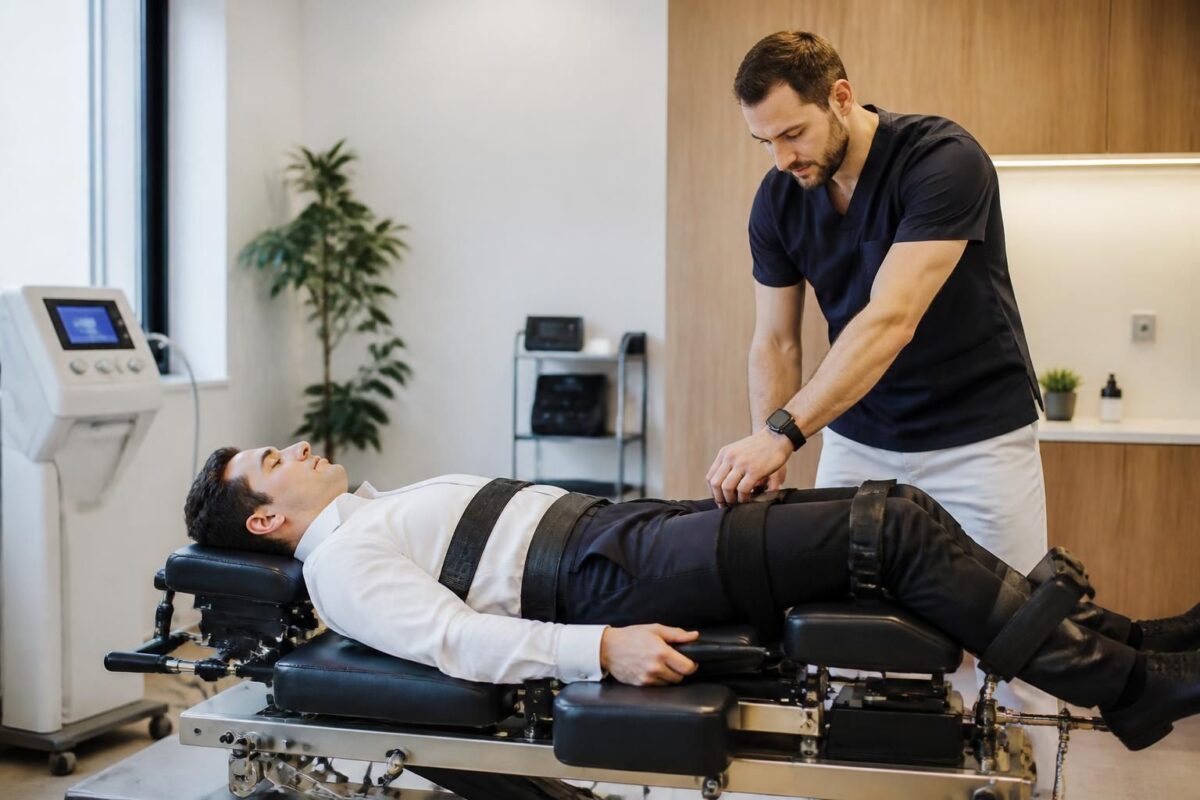
How Neurovertebral Decompression Prevents Diffuse Chronic Pain
In short decompression neurovertebral is one Non-invasive method aimed at reducing the Pressure on the intervertebral discs and the nerves, in order to prevent Diffuse chronic pain. It improves the circulation and thedisc hydration, decreases inflammation and promotes better mobility.…
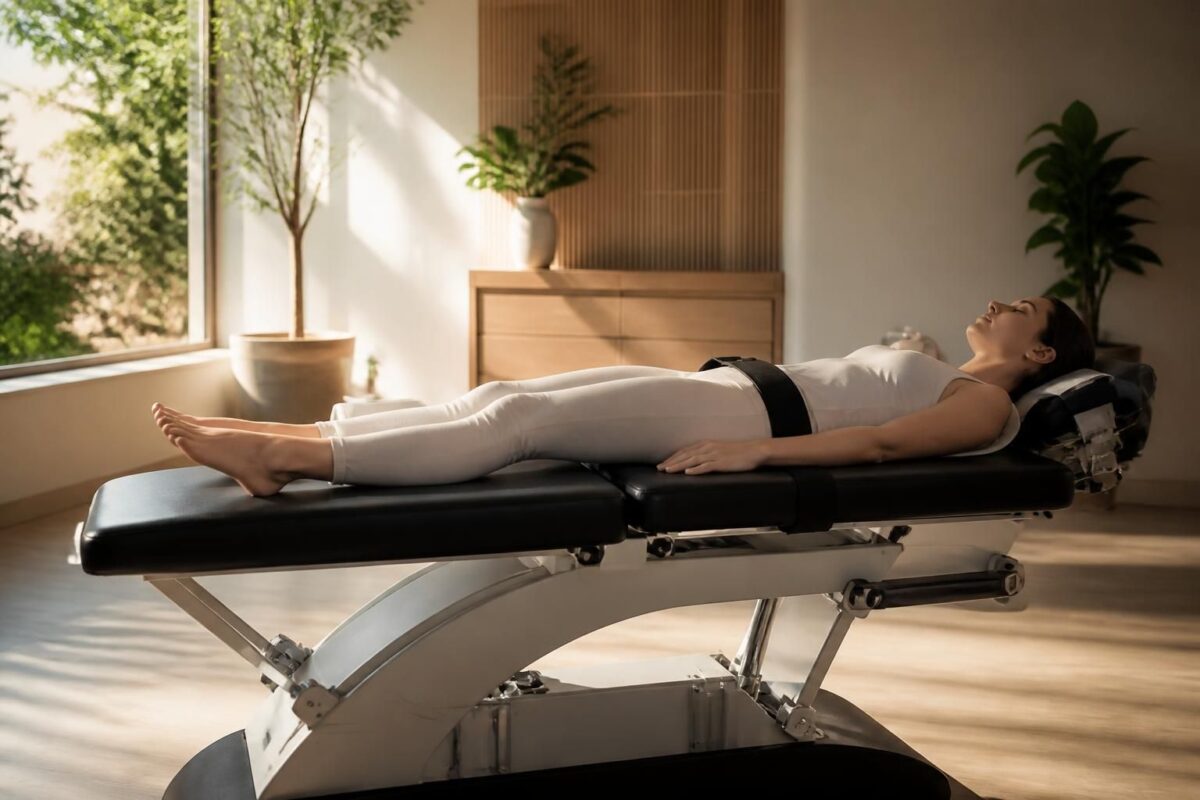
Neurovertebral Decompression and Body Alignment: Restoring Natural Balance
In short In short, neurovertebral decompression is one Non-invasive approach who restores theBody Alignment and thenatural balance back and neck. She acts by a Controlled traction of the spine to widen the intervertebral space and reduce the Pressure on discs…
Measurable benefits for everyday life
Many patients quickly find pain reduction, a Better mobility and the ability to resume daily, professional or sports activities, with sustained progress over weeks and months.
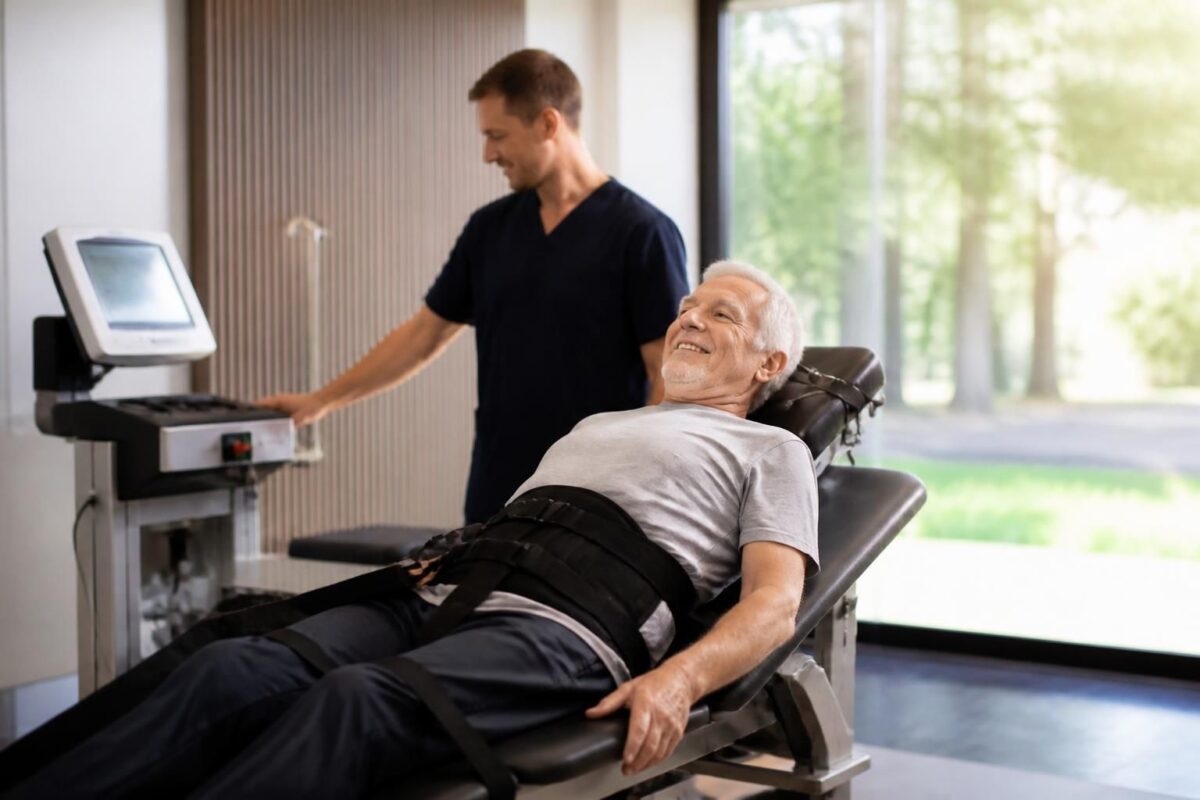
Why neurovertebral decompression is a lasting solution for active seniors
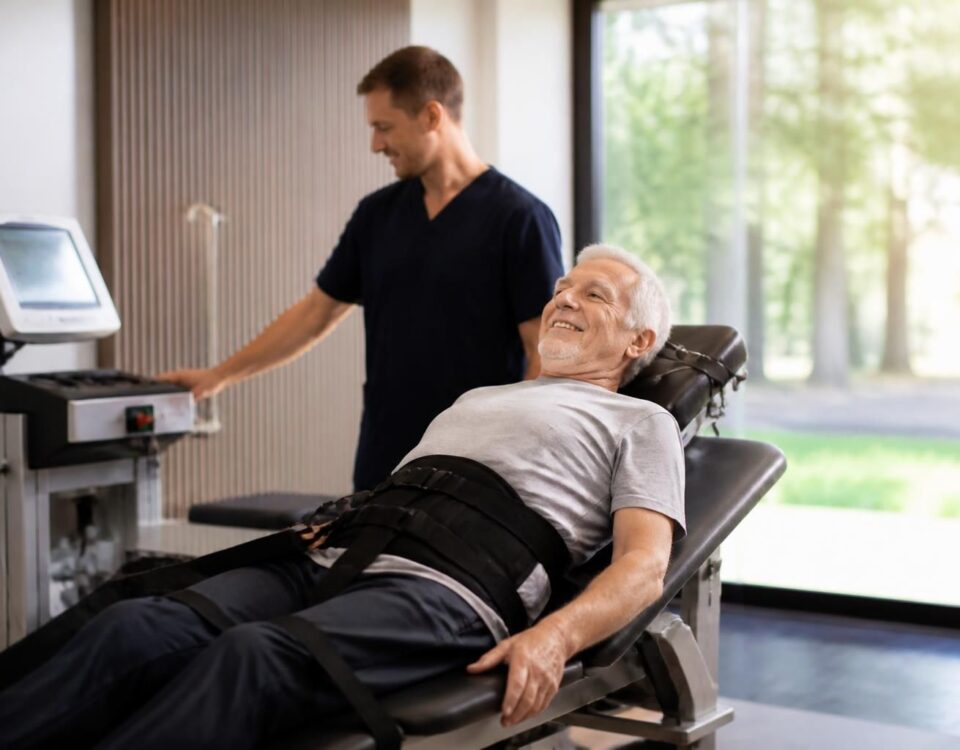
In short In short, the neurovertebral decompression is one Non-invasive therapy which sustainably relieves spinal pain in the spine active seniors By creating, by a Soft and controlled traction, a space between the vertebrae. At Montreal, it is recognized as…
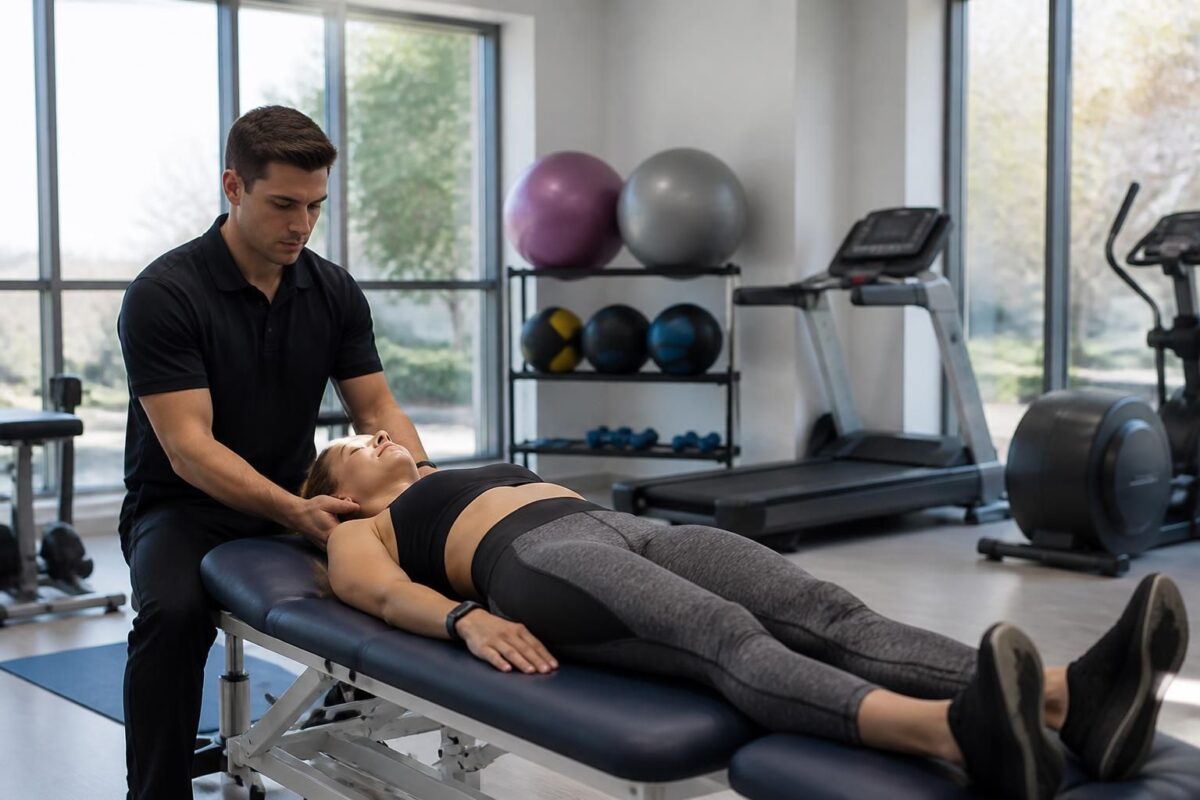
Neurovertebral decompression and recovery after severe sports injury
In short In short, the neurovertebral decompression is one Non-invasive method to Relieve the pressure on the Intervertebral discs and the gristle Via a Controlled traction, to facilitate the recovery After a severe sports injury. It improves the bloodstream towards…
Integration into a multidisciplinary program
This technique can be associated with other approaches such asosteopathy, the physiotherapy where the Shockwave therapy to address root causes and optimize results. The goal is a Therapeutic synergy which acts on the symptoms and their underlying mechanisms.
Therapeutic synergy
By working together, these interventions strengthen the beneficial effects and sustainably improve the quality of life.
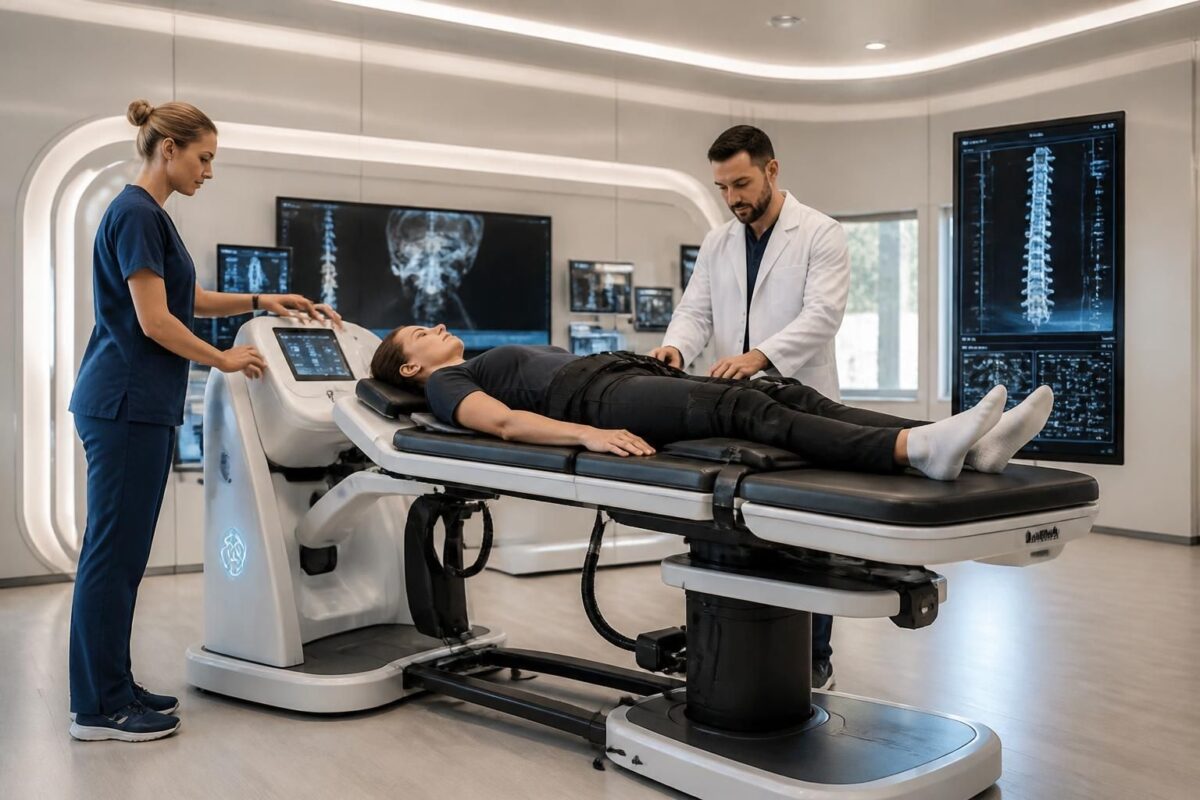
Recent innovations in neurovertebral decompression technologies
In short In short, the neurovertebral decompression is an approach non-invasive Aiming to reduce pressure on discs and nerves, and promote tissue regeneration. At Montreal, it is positioned as an effective option for lower back pain and herniated discs. The…
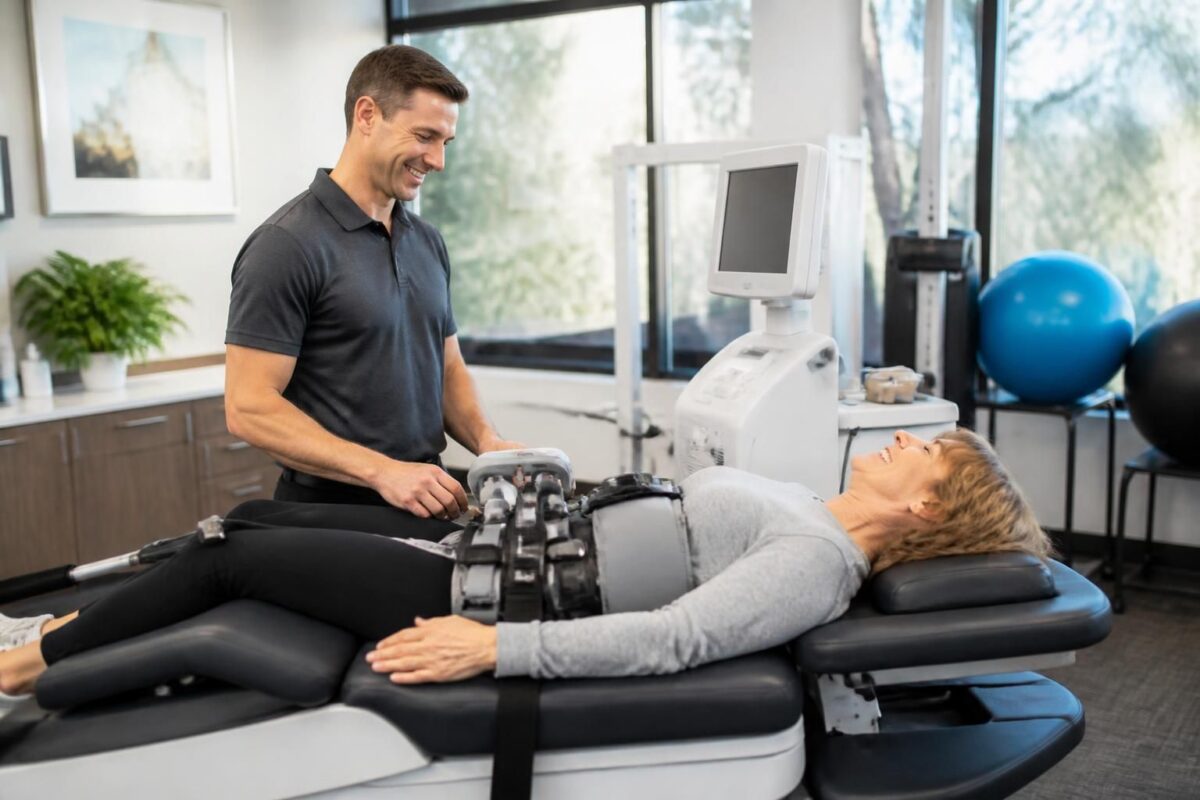
Neurovertebral decompression and diffuse pain: an appropriate solution
In short In short, the neurovertebral decompression is one Non-invasive solution For diffuse pain related to nerve irritation of the spine. She acts in Reducing pressure on intervertebral discs and nerves and improving the bloodstream, which promotes recovery and the…
Monitoring and security
One Regular follow-up Allows you to assess progress, adjust the plan and anticipate future needs. It is essential to discuss with a health professional to identify any contraindications and adapt the treatment according to the evolution of the symptoms.
Practical tips for optimizing results
To support the benefits of decompression, adopt adequate hydration and favor a correct posture on a daily basis. Integrate physical activities adapted and targeted exercises that enhance spinal stability and complement the work done by decompression.
| Axis | Concise impact |
|---|---|
| Key mechanism | Traction controlled creating a Space between the vertebrae To reduce the pressure on nerves and discs. |
| Targeted efficiency | traffic improvement and Nervous tissue regeneration. |
| Observation times | Results progressive, with improvements after several sessions. |
| Non-invasive nature | Method non-invasive, without surgery Nor medicine. |
| Personalization | Treatment personalized suitable for each patient. |
| Risk and security | Risk low when practiced by a professional, with surveillance and adjustments. |
| Integration into a program | Integration into a Multidisciplinary program (osteopathy, physiotherapy, etc.). |
| Impact on daily life | Reduction lasting pain, regained autonomy and better mobility. |
| Prevention and sustainability | Prevention of recurrences thanks to the maintenance of mobility and spinal alignment. |
Testimonials: Why neurovertebral decompression is a lasting solution for chronic pain
“Before I started treatment, my lower back pain limited me on a daily basis and I had the impression that nothing would move permanently. After a few sessions of neurovertebral decompression, I felt a reduction lasting pain and better mobility. It’s as if my column regained its balance and my life could resume its normal course. » Marie, 42 years old
“As a sportsman, I had tried many solutions, but it was still temporary. The neurovertebral decompression gave me a lasting improvement of my mobility and faster recovery after workouts. I can train again without fear and without continuous mediation. » Jean, 56 years old
“The cervical pain linked to my professional posture had taken over my quality of life. After the protocol, I observe a Sustainable reduction tensions and a best posture at work. It is reassuring to see that the benefits persist over the months. » Claire, 36 years old
“I hesitated for a long time before choosing a non-surgical approach. The neurovertebral decompression offered a Sustainable relief And an improvement in my blood circulation which allowed me to better support my daily activities without constant pain. » Ahmed, 60
“After years of neuralgia, I was told that I would need repeated treatments. However, with this technique, I saw a real Sustainability of results. My painful episodes have spaced out and my social life has regained its place. » Lea, 29 years old
“I work in a physical profession and relapses were commonplace. The sessions of Spinal decompression allowed me to install a Sustainable prevention pain and sustainably improve my mobility on a daily basis. It is a holistic approach that continues to bear fruit. » Paul, 45 years old
Dr. Sylvain Desforges, Expert in osteopathy, naturopathy and manual medicine, is the Founding President Tagmed clinics and the ACMA association. With a career dedicated toHealth Innovation, it puts at the heart of its approach the Chronic pain management and theIntegration of advanced technologies to optimize the well-being of each patient. His approach is based on methods evidence-based and attentive listening to individual needs, in order to propose lasting solutions rather than temporary palliatives.
Among these solutions, the neurovertebral decompression looks like a technique non-invasive which acts by a gentle traction on the spine. This action creates a Space between the vertebrae and reduces the pressure exerted on the intervertebral discs and nerves, which restores a better bloodstream and promotes the Nervous tissue regeneration. By promoting the hydration and repositioning of discs, it contributes to a lasting reduction in pain and a progressive improvement in functional capacities.
The sustainability of this treatment comes from a structured and personalized approach. Each patient benefits from a In-depth assessment its clinical history and needs, in order to develop an adapted decompression plan. This Care customization aims not only for quick relief, but also a Prevention of recurrences and a lasting improvement in the quality of life. The protocols favor progressive and measurable results, supported by rigorous clinical supervision and adjustments according to the evolution of symptoms.
Integrated into a Multidisciplinary approach, neurovertebral decompression combines harmoniously with other approaches such as osteopathy, physiotherapy and manual therapies. This synergy makes it possible to target the underlying causes of chronic pain — mechanical, neurological and vascular — while offering continuity of care and better therapeutic coherence. For patients, this results in a consistent progression towards a more balanced spine and regained mobility.
Patient feedback and clinical observations support this sustainable vision. Many people describe a significant decrease in pain, an improvement in exercise tolerance and a return to long-suspended activities. Each testimonial reinforces the idea that a Personalized and progressive approach, associated with a Controlled traction and expert supervision, can sustainably renew autonomy and well-being. Dr. Desforges insists on the importance of considering decompression as a central part of a care course, and not as an isolated intervention.
In short, neurovertebral decompression illustrates the alliance between Technological innovation and Evidence-based support, offering a viable pathway for chronic pain that impacts daily life. To learn more about its approach and available services, patients are invited to approach TagMed clinics and explore the options offered.
neurovertebral decompression is an approach non-invasive which brings lasting relief from chronic spinal pain related to spine by reducing pressure on the intervertebral discs and nerves. This article summarizes why this method can be a Durable solution For chronic pain, describing its mechanism, its long-term benefits and its integration into a global approach to spinal health.
The neurovertebral decompression OFFER A Sustainable relief Neuropathic pain by directly attacking their mechanical origin. by a gentle traction and controlled, it creates a space between the vertebrae, decreases the pressure on the nerves and discs, and stimulates a Better circulation nutrients to the nervous tissues. This approach promotes Nerve regeneration and gradually improves mobility, while limiting the risks and complications associated with surgery or pharmacological treatments.
One of the major advantages of this technique lies in its character non-invasive, which allows a quick recovery and less contraindications compared to surgical procedures. In practice, decompression can quickly reduce symptoms and, in the long term, limit recurrences by treating the underlying cause rather than masking pain with medication. For patients with herniated discs, sciatica or chronic pain related to nerve compressions, this approach may be an effective alternative and lasting.
Sustainable success, however, depends on a Personalized evaluation and one Regular follow-up. Each patient has a specific pathway and unique risk factors. A In-depth assessment Allows you to determine decompression suitability and adjust the treatment plan based on progressive outcomes and needs to maximize the chances of a recovery long-term.
Integrated into a global care program, neurovertebral decompression can be accompanied by other approaches to manual medicine and complementary therapies, thus strengthening its effectiveness. The objective is to address not only the symptoms, but also the root causes of chronic pain and to sustainably improve the quality of life. In this perspective, it is as a preventive option and therapeutic suitable for active patients and those seeking to avoid more invasive interventions.
To deepen and broaden your understanding, you can consult specialized resources on the subject, including those explaining the functioning, evidence and long-term benefits of neurovertebral decompression, as well as practical guides for patients and health professionals. For example, you can discover detailed explanations on Understanding neurovertebral decompression, indications and results observed in various clinical situations, or long-term sustainable efficacy analyses.
In addition, resources like Neurovertebral Decompression Sustainable Efficacy, A therapy to improve flexibility and reduce chronic pain, or Prevention of chronic nocturnal pain offer complementary perspectives to understand why this approach can be a lasting solution.
For patients and professionals seeking to explore practical and preventive aspects, specialized resources on the impact of this therapy after an accident, in seniors or in the prevention of vertebral complications can be consulted, in particular after an accident, Prevention of spinal complications, and Prevention of night pain.
Finally, for those who want a vision centered on the action and integration of technologies, resources such as A durable solution for recurring pain And the dedicated pages of the TagMed and Pulse Align clinics offer additional perspectives on the practical application and the results observed in the management of chronic pain.

Dr Sylvain Desforges, B.Sc., D.O., N.D., osteopath, is the founding president of TAGMED and of the ACMA association. He dedicates his practice to chronic spinal pain, low back pain and symptoms compatible with sciatica, particularly when pain radiates toward the buttock, leg, calf, foot or toes.
Through SOS Sciatique, he publishes educational content on sciatica symptoms, possible causes such as disc herniation, disc narrowing, foraminal stenosis or irritation of a lumbar nerve root, as well as non-surgical approaches that may be considered according to the evaluation. At Clinique TAGMED, care may include, depending on the case, motorized neurovertebral decompression, specific osteopathic care or precision percussion.
For an evaluation related to sciatica treatment in Montreal / Mount Royal or sciatica treatment in Terrebonne, please consult the services available at Clinique TAGMED.
Medical disclaimer
The information published on SOS Sciatique is provided for educational purposes only and does not replace a consultation, diagnosis, opinion or treatment provided by a physician or another authorized healthcare professional. The author of this article is neither a medical doctor nor a specialist in a medical specialty recognized by the Collège des médecins du Québec. The osteopathic, manual medicine or functional support approaches described on this site do not constitute medical acts and are not intended to replace medical follow-up.
Consult a physician or emergency service in cases of loss of bladder or bowel control, anesthesia in the saddle area, significant or progressive weakness in the leg or foot, fever, recent trauma, severe pain or rapid worsening of symptoms. For more details, please read our Legal Notice.