Why neurovertebral decompression is a lasting solution for chronic pain
26/06/2026
The Psychological Benefits of a Neurovertebral Decompression Program
26/06/2026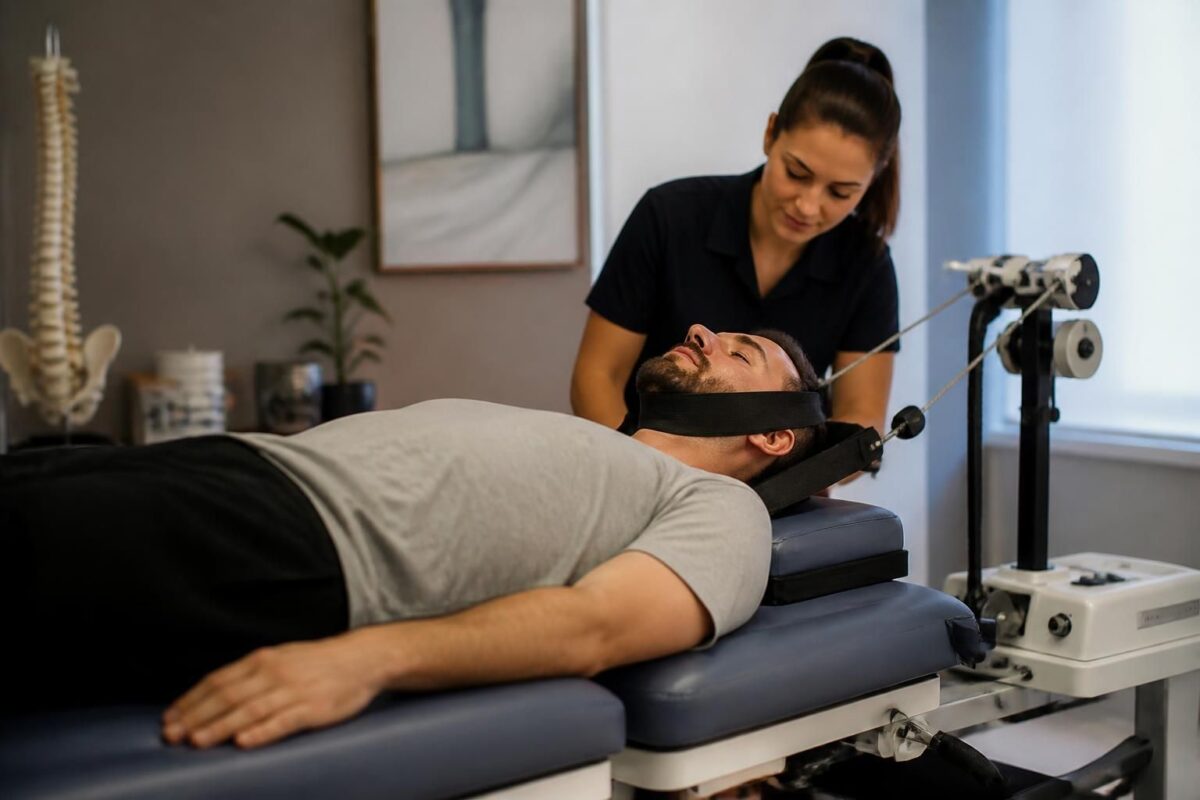
In short
| In short, the neurovertebral decompression is therapy non-invasive which aims to relieve neuropathic pain and Prevent invasive surgeries after complex vertebral procedures. At Montreal, this service is particularly recommended to avoid heavy procedures and support rehabilitation. Its key advantages include a Sustainable relief, a Improved mobility and an Prevention of recurrences, with a quick recovery and excellent tolerance. The mechanism is based on a gentle traction which creates a space between the vertebrae, decreases the pressure on the nerves and improves circulation, promoting tissue healing and the prevention of post-surgical pain. |
The neurovertebral decompression offers a way non-invasive To treat back pain and prevent Invasive surgeries. By creating a space between the vertebrae and reducing the pressure on the nerves, it improves circulation, promotes tissue regeneration and can slow down progression to surgery, while preserving mobility and quality of life. This approach is adapted and personalized, integrating into a multidisciplinary care pathway.
Neurovertebral decompression is a non-invasive approach that can help reduce nerve pressure and improve spinal function. This article explains how this therapy can act to prevent invasive surgeries and support rehabilitation, relying on evidence-based practice and a multidisciplinary approach adapted to the clinical environment in and around Montreal.
What is neurovertebral decompression?
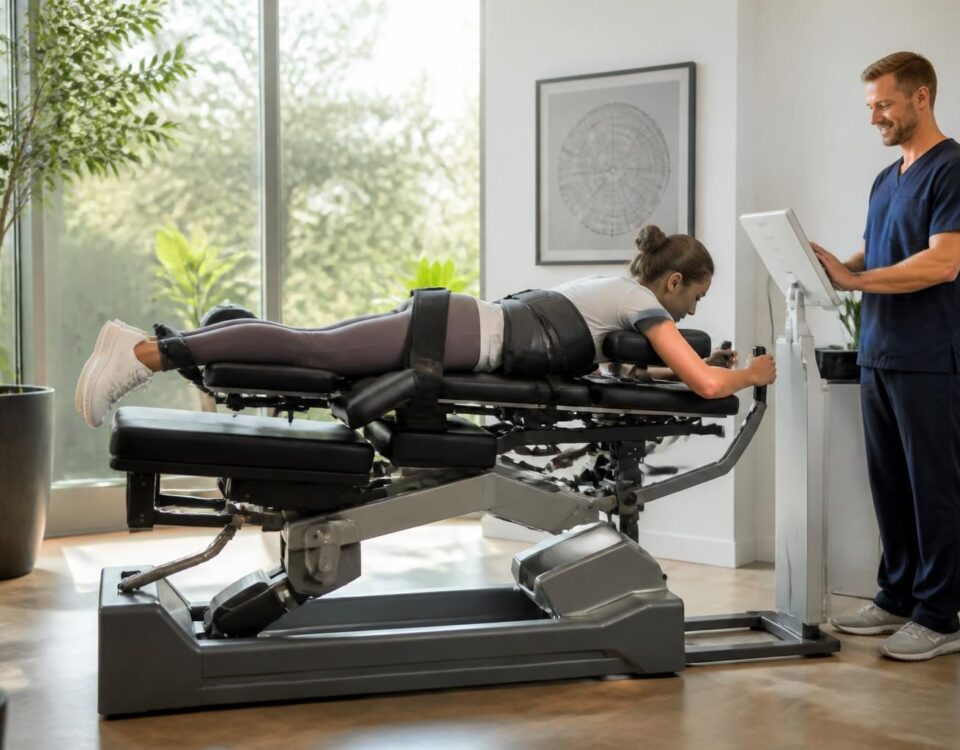
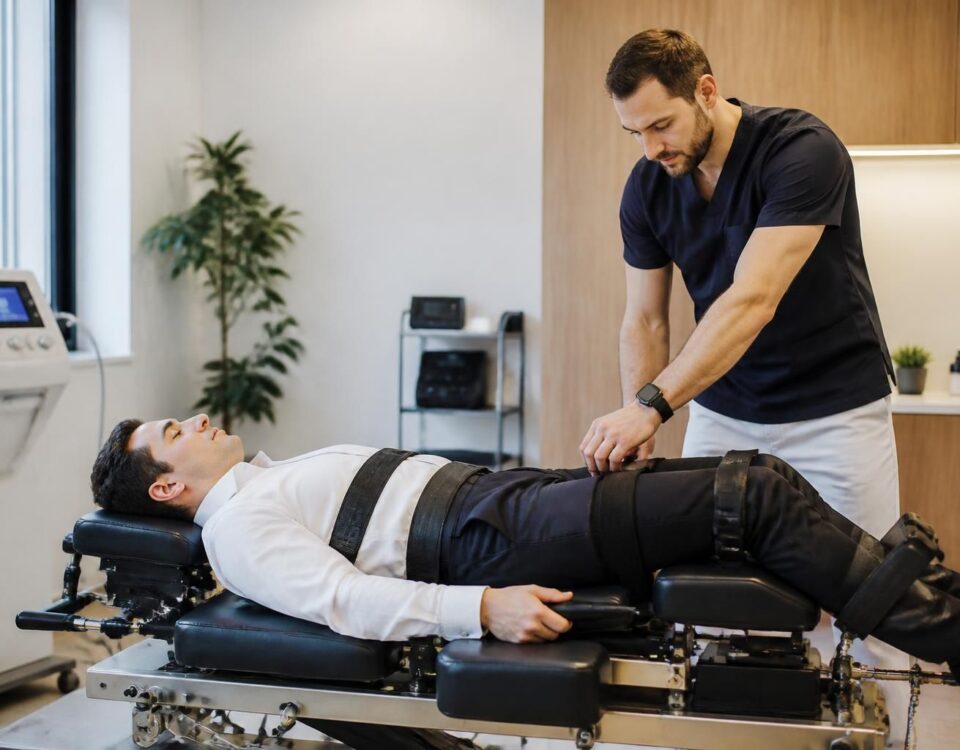
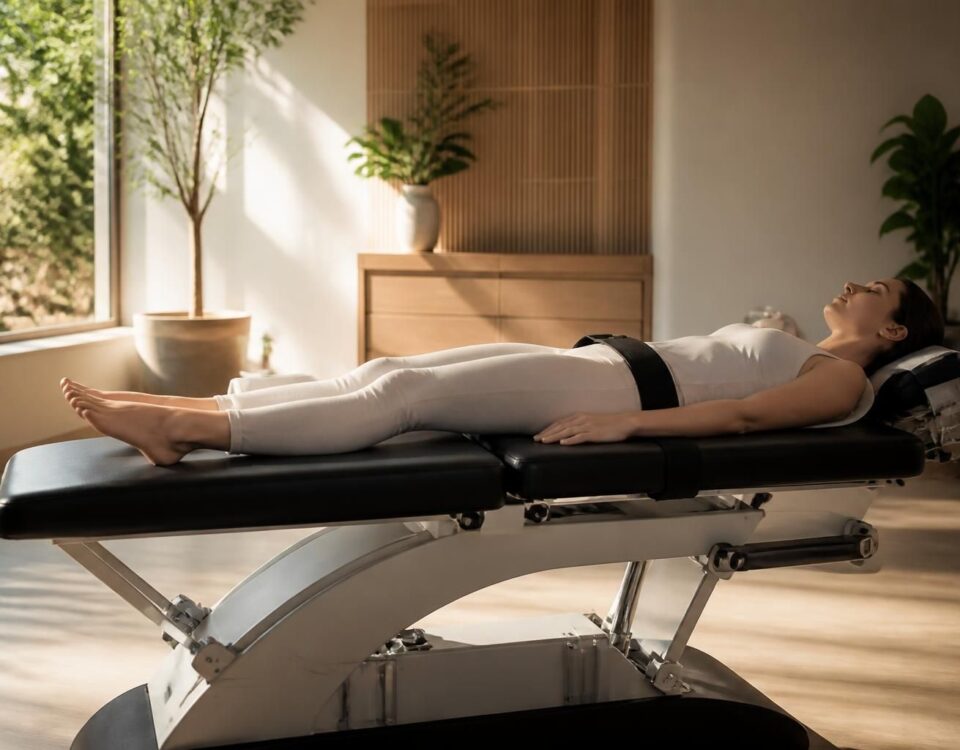
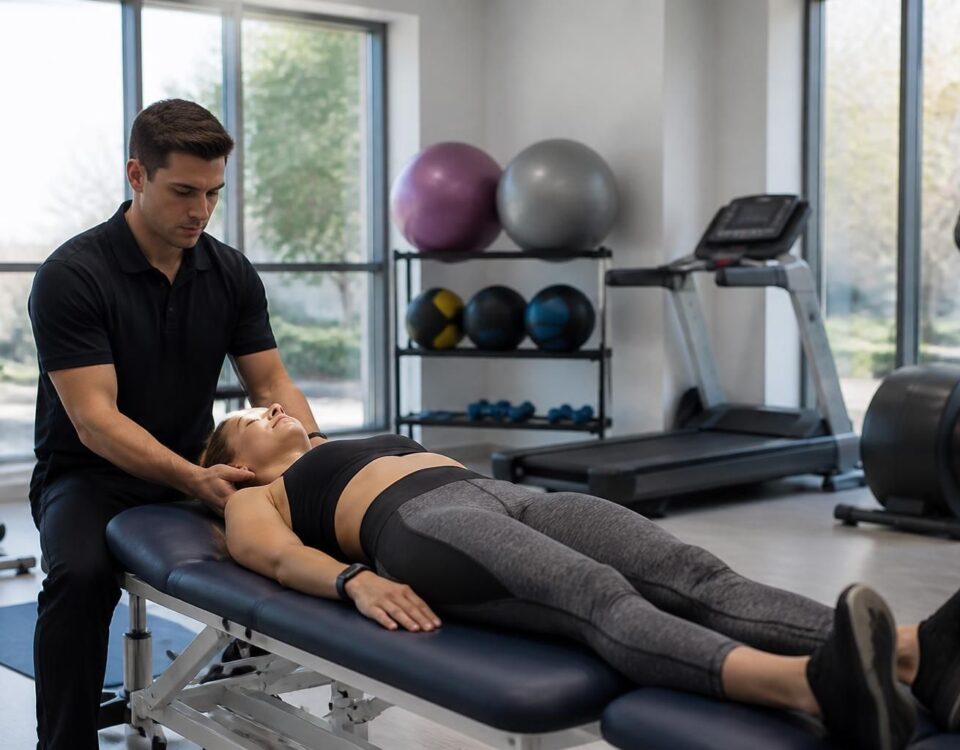
Neurovertebral decompression is a non-surgical therapy. She uses gentle traction applied to the spine. This traction creates a space between the vertebrae. This decreases the pressure on the nerves and on the discs. It also promotes better blood circulation in the treated area. The process can help heal tissue around the nerves and reduce pain associated with disc disorders.
How it can prevent invasive surgeries
Decompression can reduce symptoms and slow the progression of spinal disorders. By improving the disc space and circulation, it can avoid or postpone surgery when the results are favorable.
It acts as a non-invasive option that can complement other therapeutic approaches, which can lead to a reduction in the use of more invasive interventions. For some patients, this results in a better quality of life and a faster resumption of daily activities.
Indications, safety and follow-up
This therapy targets conditions such as discus disorders that lead to nerve compression. Before any treatment, an in-depth assessment is necessary to verify the adequacy of the treatment. The treatment is generally well tolerated and the possible risks remain low. A personalized protocol is developed by a qualified health professional.
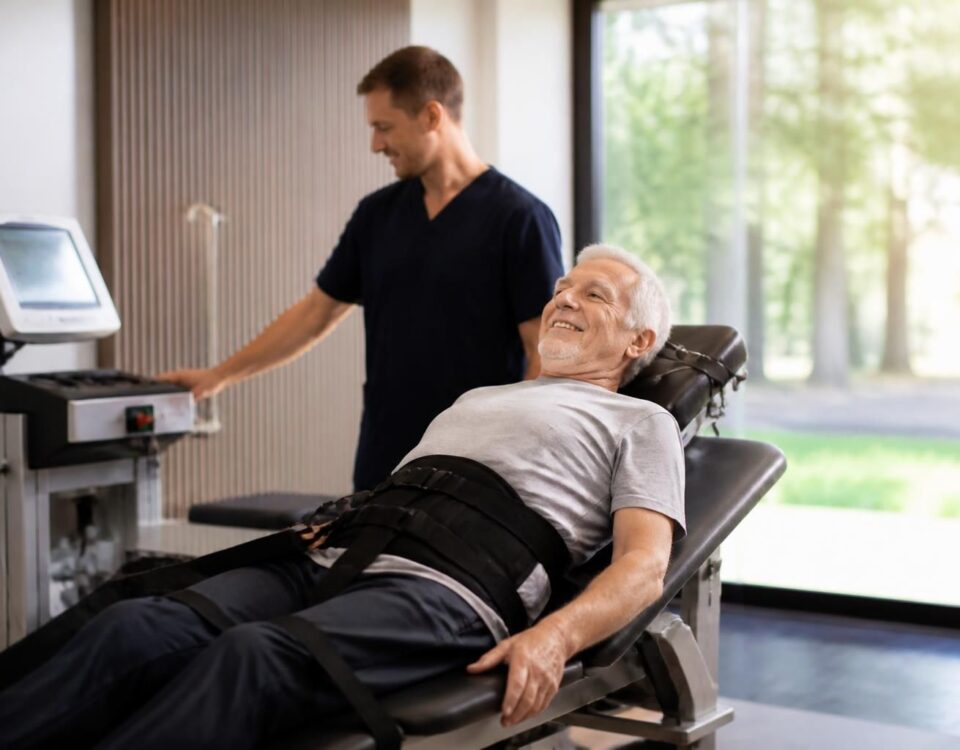
Modern protocols use computerized devices that adjust traction based on the patient’s response. This approach achieves effective results while minimizing discomfort during the sessions.
Integration into the practice of TagMed
At Clinique TagMed, in Montreal and Terrebonne, neurovertebral decompression is associated with a global assessment and other complementary therapies when necessary. The team works within the framework of best practices and relies on recognized training in the field (NUMSS, NAO and other appropriate programs). For more information on TagMed services, see Tagmed Clinic.
Additional resources and specific protocols can be consulted on Neurovertebral decompression and treatment of recurrent mechanical pain and A recognized solution to prevent recurrences of neuropathic pain after complex surgeries.
Potential Benefits and Security
Possible benefits include lasting pain relief, better mobility and reduced nervous tension. This approach is non-invasive and can be integrated into a multidisciplinary approach. For athletes and active patients, it can support the faster resumption of activities without the need for surgical procedures.
Who is this therapy for and where to follow
Neurovertebral decompression is suitable for patients with pain related to discal disorders and nerve compressions. It can be considered when conservative treatments remain appropriate and when the surgical risk should be considered with caution. In Montreal and the surrounding area, several clinics offer these services, with a personalized diagnosis and treatment plan. For a global approach, you can discover additional information about Personalized sports protocols.
Integration with other therapies and prevention of complications
Decompression can be associated with other manual medicine, such as osteopathy, in a global approach to the spine. This teamwork can help maintain results and reduce the risk of recidivism. To better understand the mechanisms and implications, consult the following resources Prevention of invasive surgeries and Details on neurovertebral decompression.
References and training
The professionals involved in these approaches follow recognized standards and training. Training in osteopathy is carried out in particular at NUMSS and NAO, with international perspectives such as National University of Medical Sciences and National Academy of osteopathy. As part of the institution, relevant professional associations include ACMA and the College of Canadian Osteopaths, as well as the College of Canadian Osteopaths.
To learn more about current results and protocols, read the following resources: Neurovertebral decompression detail, Study of current techniques and protocols, and Treatment of recurrent mechanical pain.
Medical Disclaimer: The information and advice provided on this site does not replace the health professional’s diagnosis or treatment. Please note that Dr. Sylvain Desforges osteopath is neither a doctor of medicine nor a doctor, and is not a specialist in a medical specialty as defined by the Collège des Médecins du Québec. Manual medicine, functional medicine and sports medicine as described on this site exclude any medical treatment or diagnosis made by a doctor or specialist doctor. Always consult your doctor for any medical questions. For more details, please read our full legal notice.
- Principle : gentle traction that spaces the vertebrae and reduces nerve pressure.
- directions : Post-surgery neuropathic pain and disc pathologies without immediate invasive intervention.
- Objective : Reduce pain, improve mobility and prevent recurrences.
- Security : Non-invasive approach, without anesthesia, rapid recovery.
- Impact on prevention : Offers an effective alternative that can reduce the use of invasive surgeries.
- Earnings : Increased security, faster recovery, potentially lower overall cost.
- Adapted profile : high-risk patients, active or sports patients wishing to avoid the operation.
- Tracking and customization : Tailor-made plan and regular monitoring to maintain results.

This summary explains how the neurovertebral decompression Can help prevent invasive surgeries by treating back pain by a non-surgical approach, improving circulation and tissue regeneration, and restoring spinal mobility. By decreasing pressure on nerves and discs, it can alleviate neuropathic pain and reduce recurring episodes, offering a credible alternative when conservative options remain possible. Integrated into a personalized care course, this treatment aims to delay or avoid surgery and to support rehabilitation.
Understanding neurovertebral decompression and its preventive role
Neurovertebral decompression is based on a Soft mechanical traction which creates a space between the vertebrae. this action reduces the pressure exerted on the nerves and improves the bloodstream as well as the nutritional intake of tissues, facilitating healing and pain reduction. It applies to conditions such as herniated discs, stenosis and mild osteoarthritis, and can reduce factors that lead to surgery if symptoms are controlled by preservative means.
Prevention rather than cure: why it matters
By acting upstream on mechanical causes and pain, decompression can decrease painful episodes and delay the time when surgery is considered. an evaluation precocious and one Multidisciplinary plan allow you to explore alternatives and monitor the patient’s progress, in order to optimize the chances of maintaining normal activity without surgical recourse.
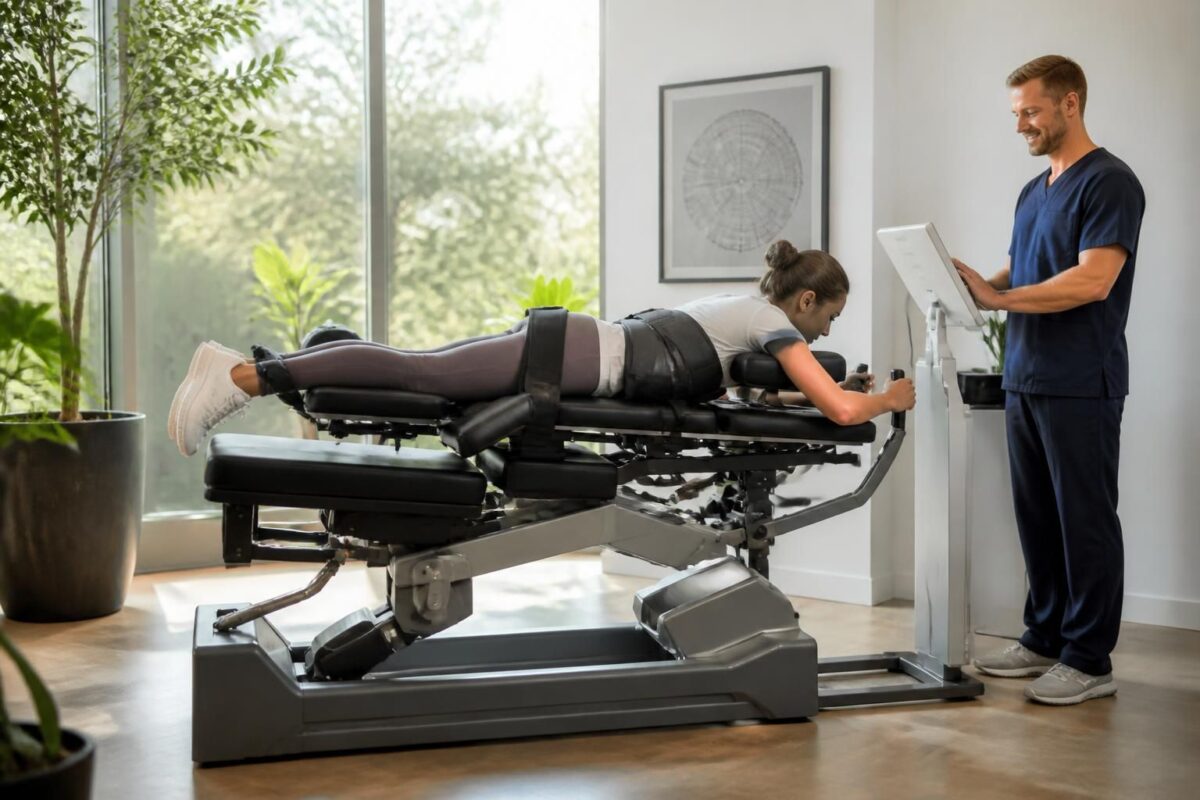
The long-term benefits of neurovertebral decompression for spinal health
In short In short, the neurovertebral decompression is a non-invasive approach that decreases the Pressure on intervertebral discs and nerves, favoring the Natural regeneration and tissue recovery. Its long-term benefits include Lasting pain reduction, Improving mobility and from the posture,…

Neurovertebral decompression and mobility: a return to an active life
In short In short, the neurovertebral decompression is therapy non-invasive who uses a gentle traction To create a space between the vertebrae and reduce the pressure on the Intervertebral discs and the nerves. It promotes a bloodstream improved, lowers tension…
Clinical benefits and selection criteria
The treatment is particularly suitable for patients with symptoms related to nerve pressure without immediate surgical necessity. It is useful for people who suffer from repeated painful episodes, radiant pain or movement limitations related to early lumbar or cervical disc diseases, while remaining as part of a non-invasive remedy.
Expected results and protocol
Typical benefits include a Sustainable reduction pain and a Improving mobility, with a Prevention of recurrences thanks to a better stability of the spinal structures. The protocol provides for sessions whose duration normally varies between 15 and 30 minutes, adjusted over several weeks depending on the patient’s response.
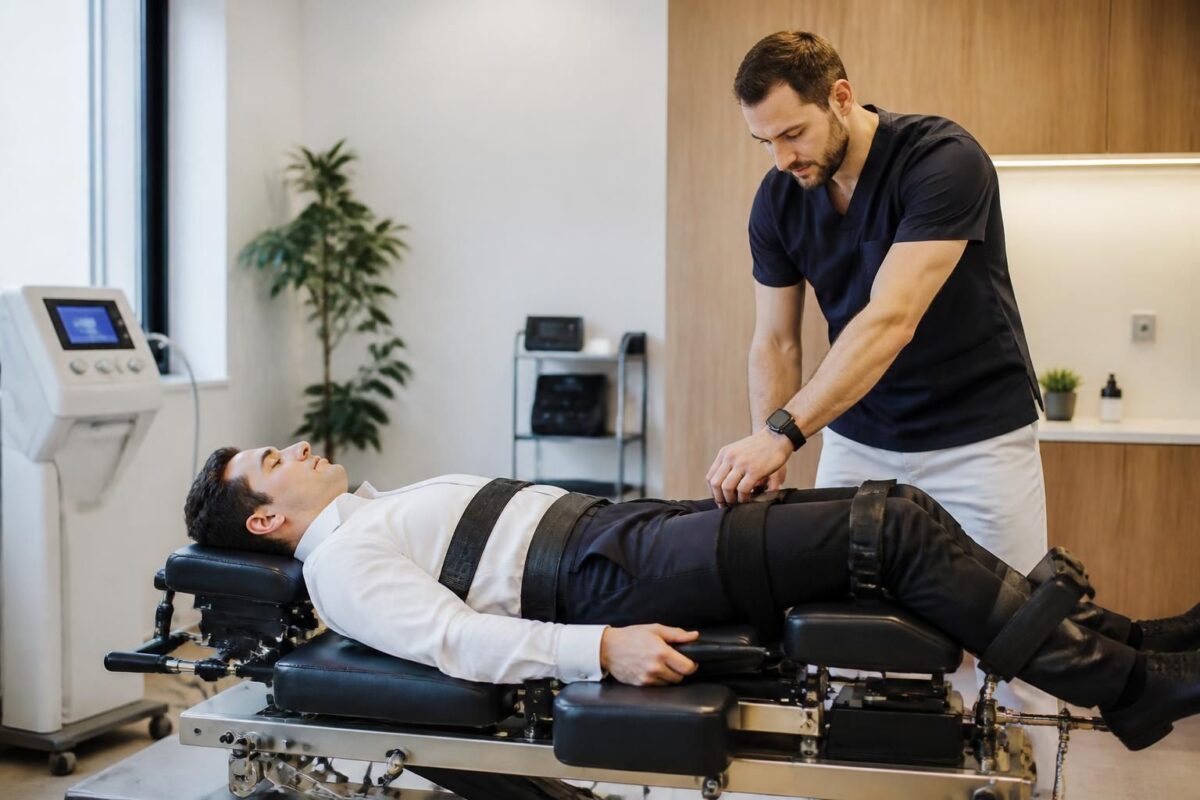
How Neurovertebral Decompression Prevents Diffuse Chronic Pain
In short decompression neurovertebral is one Non-invasive method aimed at reducing the Pressure on the intervertebral discs and the nerves, in order to prevent Diffuse chronic pain. It improves the circulation and thedisc hydration, decreases inflammation and promotes better mobility.…
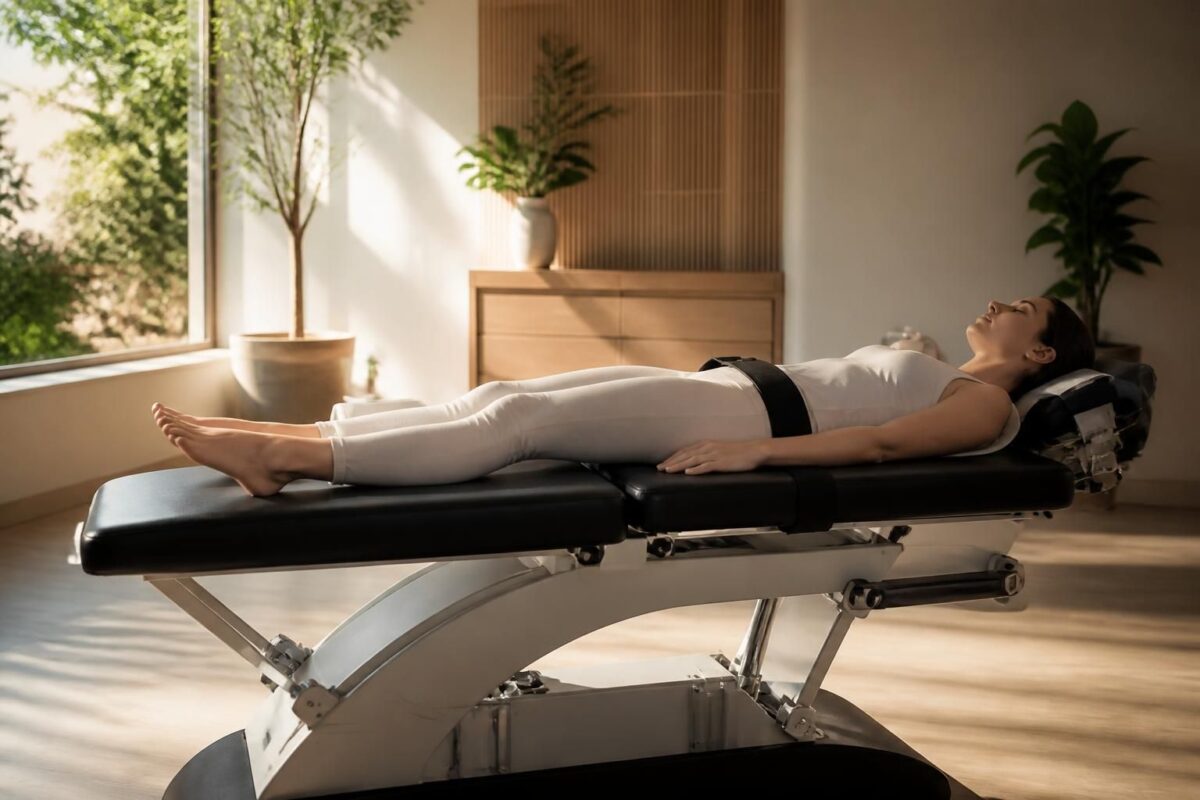
Neurovertebral Decompression and Body Alignment: Restoring Natural Balance
In short In short, neurovertebral decompression is one Non-invasive approach who restores theBody Alignment and thenatural balance back and neck. She acts by a Controlled traction of the spine to widen the intervertebral space and reduce the Pressure on discs…
Integration in the care pathway and prevention of surgeries
Before surgery, a screening and developing a Multidisciplinary plan make it possible to assess the alternatives and to estimate the feasibility of a postponement or abandonment of the intervention.
Use after surgery
After an operation, decompression can facilitate recovery by reducing tension around the spine and improving spinal alignment, while complementing other therapies such as physiotherapy and osteopathy to optimize postoperative results.
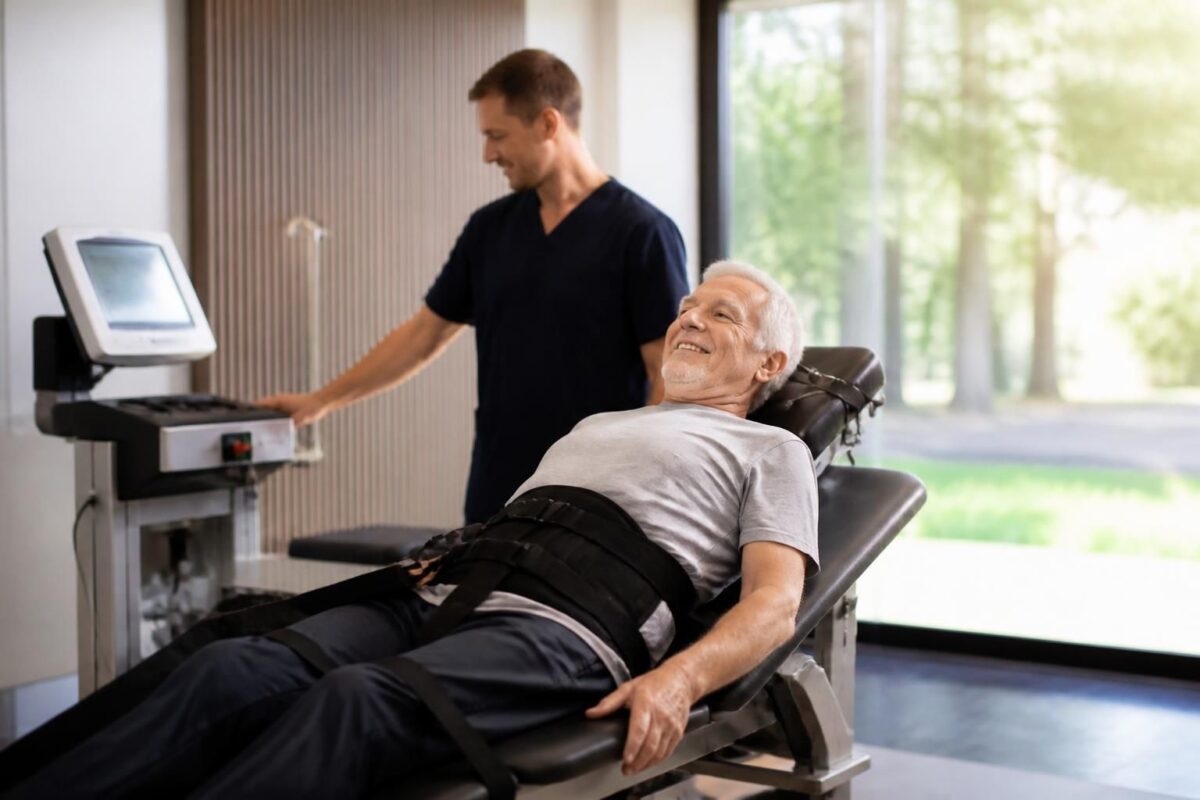
Why neurovertebral decompression is a lasting solution for active seniors
In short In short, the neurovertebral decompression is one Non-invasive therapy which sustainably relieves spinal pain in the spine active seniors By creating, by a Soft and controlled traction, a space between the vertebrae. At Montreal, it is recognized as…
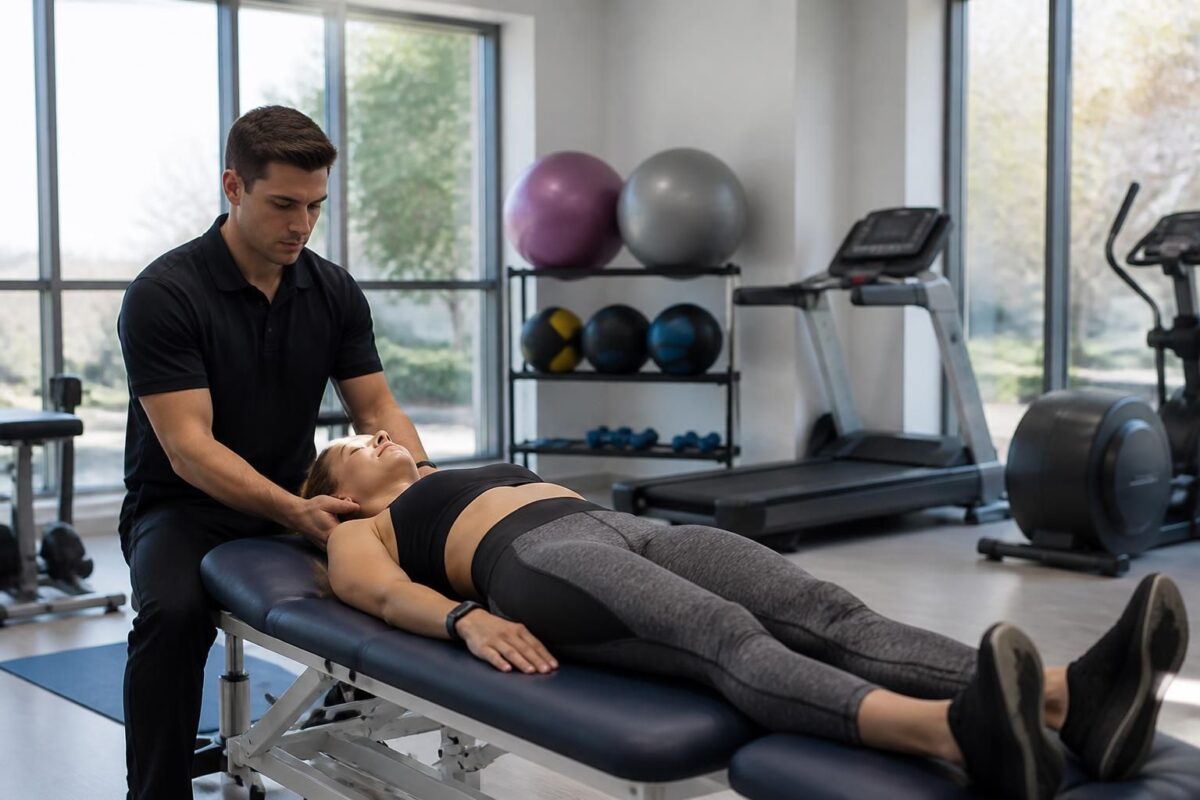
Neurovertebral decompression and recovery after severe sports injury
In short In short, the neurovertebral decompression is one Non-invasive method to Relieve the pressure on the Intervertebral discs and the gristle Via a Controlled traction, to facilitate the recovery After a severe sports injury. It improves the bloodstream towards…
Practical concerns and safety
Initial medical advice is necessary to exclude contraindications and determine the optimal number of sessions. Regular monitoring allows to adjust the protocol and measure progress, paying attention to the cost and at the tolerance of the patient. Good communication between the patient and the practitioner ensures continuous adaptation and optimal safety.
| Axis | Description |
|---|---|
| Objective | Sustainable reduction of Neuropathic pain and prevention of Invasive interventions futures. |
| Mechanism | soft traction creating a space between vertebrae, Decreasing the pressure On the nerves and favoring regeneration Tissue. |
| directions | complex post-surgery and situations at Recurrence prevention, when non-invasive options are preferred. |
| Benefits | Relief lasting, mobility improved and reduced risk of recurrence without surgery. |
| Limits and risks | Effect variable depending on the patient; risks weak-willed and temporary as a light stiffness; need Medical assessment. |
| Process and duration | sessions short and repeated; blueprint personalized after evaluation; Each session ~15–30 minutes. |
| Impact on recurrences | Improves the healing and the nervous repair, reducing the chances of recurrence of pain. |
| Functional benefits | Mobility accelerated and return to daily activities without pain. |
| Accessibility and cost | Option non-invasive often less expensive than surgery, with availability in specialized clinics. |
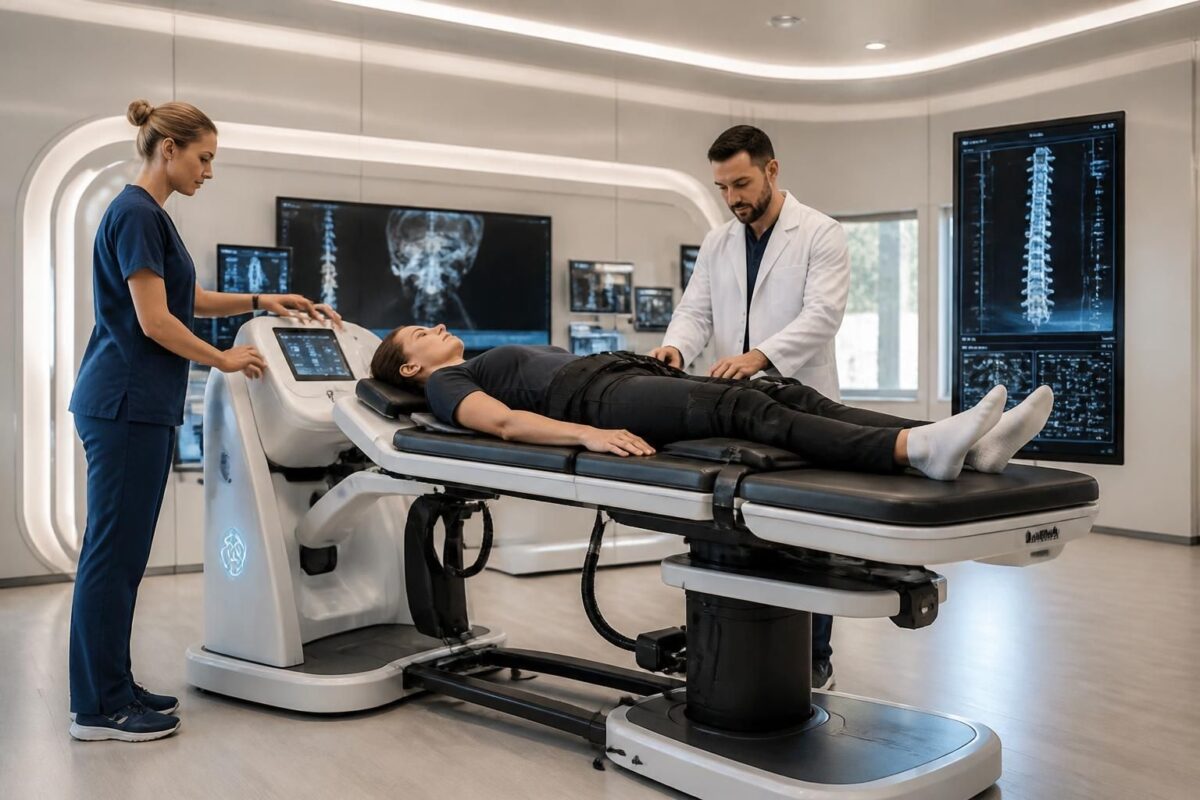
Recent innovations in neurovertebral decompression technologies
In short In short, the neurovertebral decompression is an approach non-invasive Aiming to reduce pressure on discs and nerves, and promote tissue regeneration. At Montreal, it is positioned as an effective option for lower back pain and herniated discs. The…
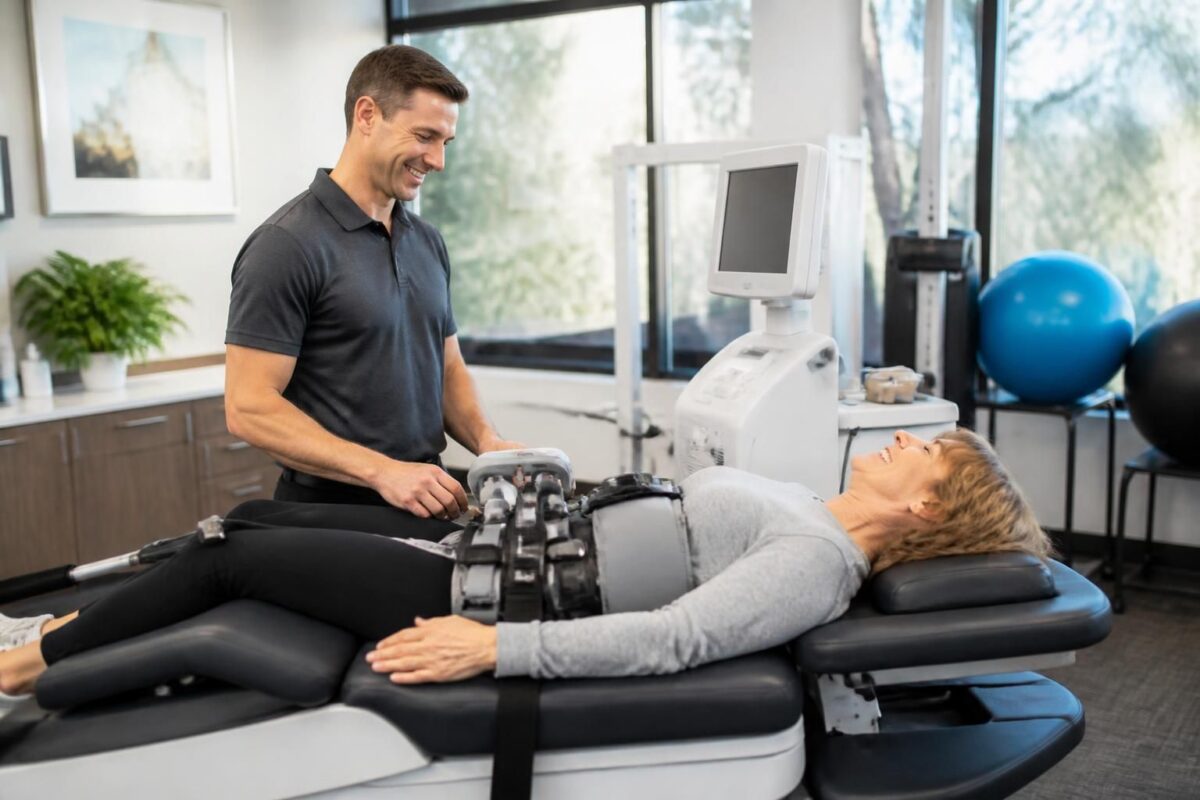
Neurovertebral decompression and diffuse pain: an appropriate solution
In short In short, the neurovertebral decompression is one Non-invasive solution For diffuse pain related to nerve irritation of the spine. She acts in Reducing pressure on intervertebral discs and nerves and improving the bloodstream, which promotes recovery and the…
Testimonials on neurovertebral decompression and prevention of invasive surgeries
“Thanks to the neurovertebral decompression, I was able to avoid heavy surgery and continue my daily activities without pain. The sessions were gentle and non-invasive, and I found a mobility that I had been missing for years. »
“As my pain decreased, I understood that this treatment could act in Prevention of invasive surgeries. My back has regained stability and I avoided an intervention that doctors once recommended. »
“As an athlete, the neurovertebral decompression accelerated my recovery and helped me to Prevent invasive surgeries. I can quickly get back to my sport with rediscovered confidence thanks to an approach non-invasive. »
“I am senior and the idea of a surgery worried me. This treatment non-invasive allowed me to gain autonomy and walk more without pain, while acting like a real Prevention of invasive surgeries. »
“The personalized plan and the regular sessions are convinced that the neurovertebral decompression was the best option for the Prevention of invasive surgeries. My symptoms are improving and my confidence in my body is back. »
“After several painful episodes, the neurovertebral decompression Helped me stay active and reduced the risk of surgery. I relive the activities that I like without fearing the operation. »
“The treatment was well tolerated and preserved the spine, avoiding invasive surgery. My daily life is more fluid and my quality of life improved significantly. »
“After a series of sessions, I noticed a decrease in pain and a stability that threatens to continue without surgery. it’s a real Risk prevention associated with invasive surgery. »
Dr. Sylvain Desforges is an osteopath, naturopath and manual medicine practitioner whose professional requirement is part of a constant innovation approach. Founding president of the Tagmed clinics and the ACMA association, he leads multidisciplinary teams dedicated to improving the health and well-being of patients on a lasting basis. His career combines clinical rigor and entrepreneurship to offer integrated, evidence-based care pathways that support everyone in their quest for autonomy and well-being.
His practice is distinguished by a sustained attention to the management of Chronic pain and by integrating advanced technologies for rehabilitation. Among these tools, the neurovertebral decompression occupies a central place, associated with options such as the laser and shockwave therapy when relevant. This global approach makes it possible to act on painful mechanisms, to improve mobility and to offer a credible alternative to more invasive treatments, while preserving the safety and quality of life of patients.
The neurovertebral decompression is at the heart of the DDR Desforges preventive strategy, which aims to reduce the use of invasive surgeries when non-surgical solutions exist. By practicing gentle and controlled traction on the spine, this technique creates a space between the vertebrae, decreases the pressure exerted on the nerves and improves local blood circulation. This modulation of the tissue flow supports the oxygenation and nutrition of the discs and nerves, thus promoting the healing and resilience of the vertebral system. For post-surgery patients, it helps prevent painful recurrences and optimize re-educational results.
The model of care adopted is based on an in-depth evaluation and a personalized plan, so that each patient has a course adapted to their specific needs. Dr. Desforges favors an approach that combines osteopathy, manual therapies and additional physical interventions to restore musculoskeletal balance and prevent the appearance of new pain. This approach is guided by the evidence and adjusted as patient progress and feedback, to ensure efficacy and safety at each step.
This leadership is manifested through the reach of TagMed and ACMA clinics, which promote safe and effective protocols and train professionals in innovative practices. By promoting interdisciplinary collaboration and the judicious use of therapeutic technologies, Dr. Desforges works to reduce the use of heavy and expensive surgical interventions, while offering a clear path to better autonomy and better quality of life.
For active people and patients with spinal pain, this approach offers tangible benefits: lasting relief, improved mobility, accelerated recovery and return to painless daily activities. By favoring non-invasive interventions and proactive prevention, Dr. Desforges offers a care trajectory that combines safety, efficacy and sustainability, in order to optimize the health and well-being of patients.
This conclusion details the role of the neurovertebral decompression in the Prevention of invasive surgeries, highlighting the mechanisms, clinical indications and potential benefits for patients with chronic or post-surgical pain. It synthesizes the key points to understand how this non-invasive approach can reduce the need for heavy interventions while improving quality of life and mobility.
The neurovertebral decompression stands out as a promising option to avoid Invasive surgeries When spinal symptoms persist after conservative treatments. By acting by gentle traction And by creating an extra space between the vertebrae, this nerve therapy relieves the nerves and improves local blood circulation, which contributes to the tissue healing and lasting pain reduction. For patients, this can mean a faster resumption of daily activities and a decrease in the risk of painful recurrence, while avoiding the risks and delays associated with surgery.
Mechanistics, the technique acts mainly by modulating the pressure exerted on the intervertebral discs and adjacent nerves. This pressure reduction promotes better oxygenation and tissue nutrition, stimulates natural repair processes and reduces nerve irritation. The results observed include decreased neuropathic pain and improved mobility, which is essential to prevent the installation of new functional limitations after surgery.
Typical indications cover post-surgical situations, degenerative pathologies such as vertebral osteoarthritis and herniated discs, as well as inflammatory pain and associated muscle tension. By preventing the appearance of recurrent pain and supporting spinal stability, this approach is part of a key step in a multidisciplinary rehabilitation course. To learn more about innovations and results, see the resources dedicated to these technological and clinical advances.
From a perspective of integrated care, neurovertebral decompression can be associated with other modalities such as osteopathy, physiotherapy and neuromodulation approaches when indicated. Specialized resources describe how these synergies make it possible to optimize pain reduction and functional recovery, while reinforcing mechanisms for preventing recurrences. For example, some expertise highlights the benefits of global support including personalized protocols and regular follow-up to adapt the treatment to the evolution of symptoms.
For seniors and people with a surgical risk, decompression offers Essential preventive solution which can limit the aggravation of vertebral pathologies and promote maintenance of autonomy. Analyzes and feedback demonstrate that the approach can reduce the use of invasive interventions while improving quality of life and overall mobility.
Finally, an in-depth initial assessment and a Custom Plan are crucial to maximize profits and minimize risks. The use of computerized devices and appropriate protocols allows controlled and secure traction, with follow-up that adjusts the sessions according to the patient’s response. To deepen contexts and clinical examples, you can consult resources exploring the links between decompression and post-surgical recovery, as well as future prospects in sports medicine and spinal pain management. For example, these resources can be useful:
Neurovertebral decompression and post-surgical pain – improve recovery,
Decompression and muscle tension – quick results,
Decompression – Prevent recurrences after complex surgery,
Prevention of invasive surgeries,
(Neurovertebral decompression)).

Dr Sylvain Desforges, B.Sc., D.O., N.D., osteopath, is the founding president of TAGMED and of the ACMA association. He dedicates his practice to chronic spinal pain, low back pain and symptoms compatible with sciatica, particularly when pain radiates toward the buttock, leg, calf, foot or toes.
Through SOS Sciatique, he publishes educational content on sciatica symptoms, possible causes such as disc herniation, disc narrowing, foraminal stenosis or irritation of a lumbar nerve root, as well as non-surgical approaches that may be considered according to the evaluation. At Clinique TAGMED, care may include, depending on the case, motorized neurovertebral decompression, specific osteopathic care or precision percussion.
For an evaluation related to sciatica treatment in Montreal / Mount Royal or sciatica treatment in Terrebonne, please consult the services available at Clinique TAGMED.
Medical disclaimer
The information published on SOS Sciatique is provided for educational purposes only and does not replace a consultation, diagnosis, opinion or treatment provided by a physician or another authorized healthcare professional. The author of this article is neither a medical doctor nor a specialist in a medical specialty recognized by the Collège des médecins du Québec. The osteopathic, manual medicine or functional support approaches described on this site do not constitute medical acts and are not intended to replace medical follow-up.
Consult a physician or emergency service in cases of loss of bladder or bowel control, anesthesia in the saddle area, significant or progressive weakness in the leg or foot, fever, recent trauma, severe pain or rapid worsening of symptoms. For more details, please read our Legal Notice.