Neurovertebral decompression and overall well-being: proven results
26/06/2026
How Neurovertebral Decompression Helps Relieve Night Pain
26/06/2026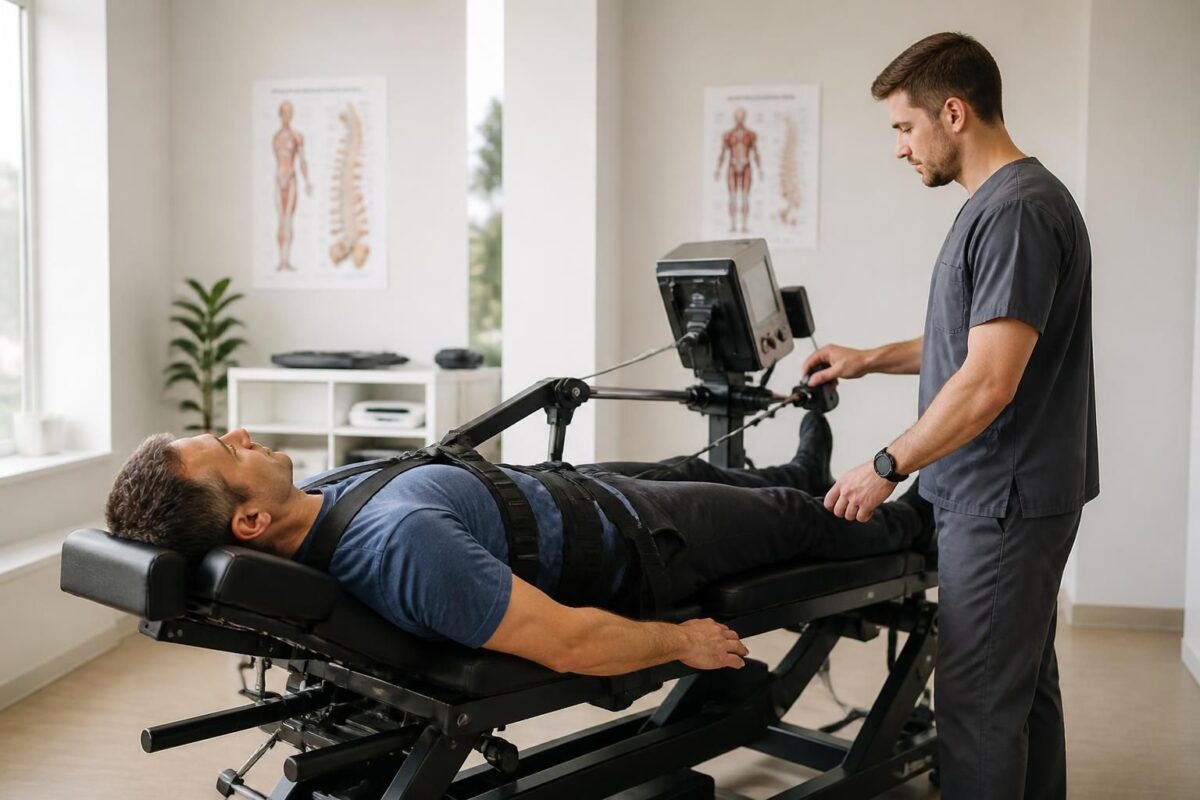
In short
| The neurovertebral decompression After a accident is one Non-invasive solution which increases the space between the vertebrae and reduces the pressure on the nerves and discs. Its key advantages include the Rapid pain relief, a Improving mobility and an Accelerated recovery, while minimizing the risk of chronic pain. Its operation is based on a Controlled traction of the column, often associated with manual techniques and a Custom Plan rehabilitation, with appropriate and secure follow-up. In Montreal and in the region, this service is particularly recommended after an accident to facilitate a rapid resumption of activities and improve the quality of life in the long term. |
After an accident, the neurovertebral decompression becomes essential because it acts directly on the spine to restore the space between the vertebrae and reduce the nerve compression.
- pain reduction and inflammation by releasing the nerves compressed and promoting circulation.
- Improving mobility and movement through better alignment and decreased muscle tension.
- optimal preparation for re-education and Accelerated recovery after the trauma.
- Aspect non-invasive which can prevent surgery when the treatment is adapted to each patient.
A professional assessment is necessary to determine the indications and define a personalized plan.
After an accident, neurovertebral decompression is a key approach to supporting recovery. It helps to restore the space between the vertebrae, soothes the pain associated with nerve compression and promotes faster and safer activity resumption. This article explains why this therapy is essential, how it fits into a care pathway, and what clinical evidence and experiences support its use.
Restoration of the vertebral space and reduced pressure on the nerves
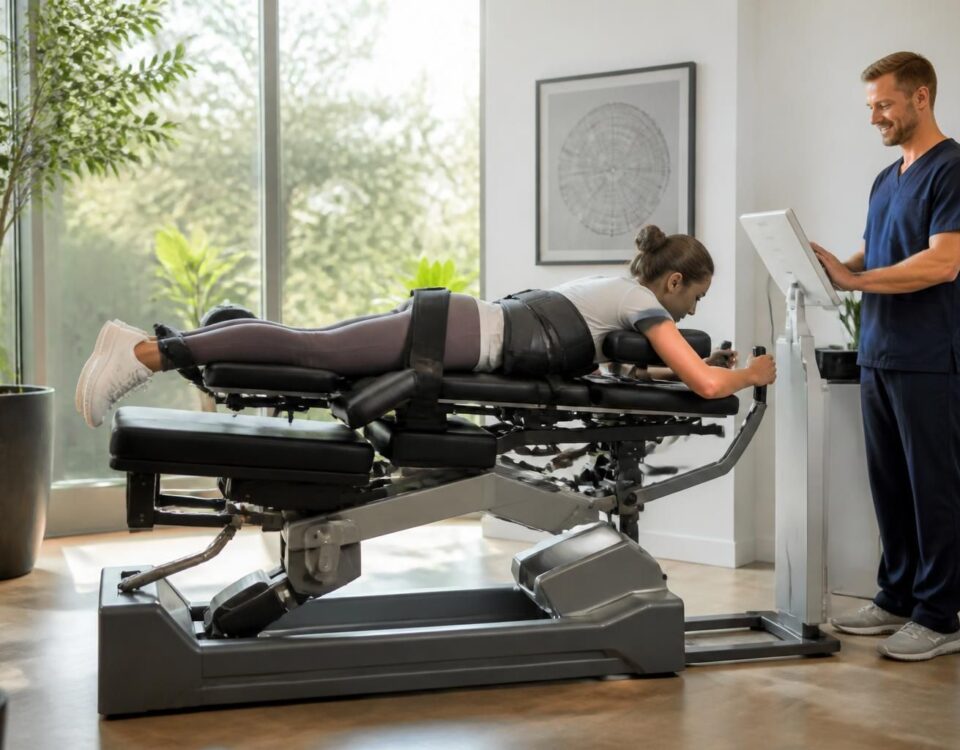
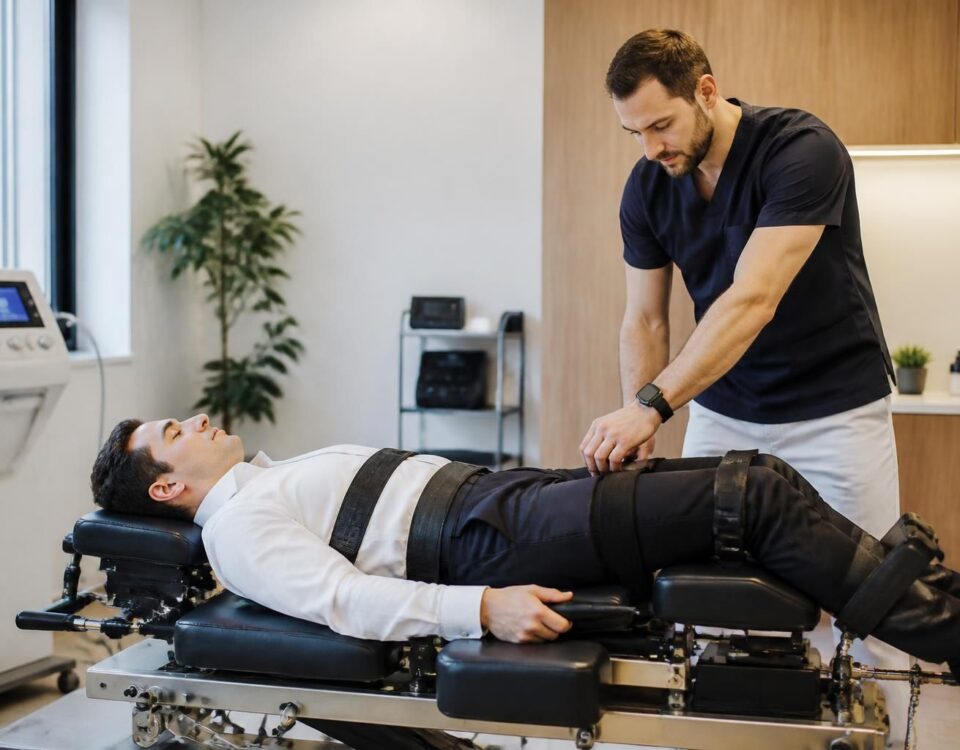
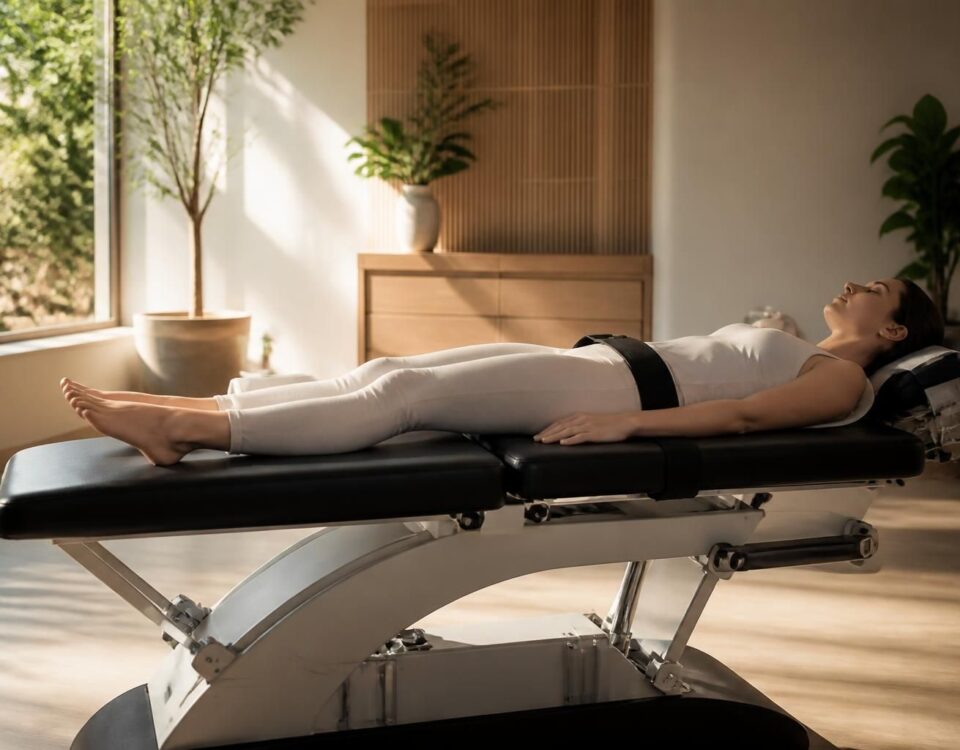
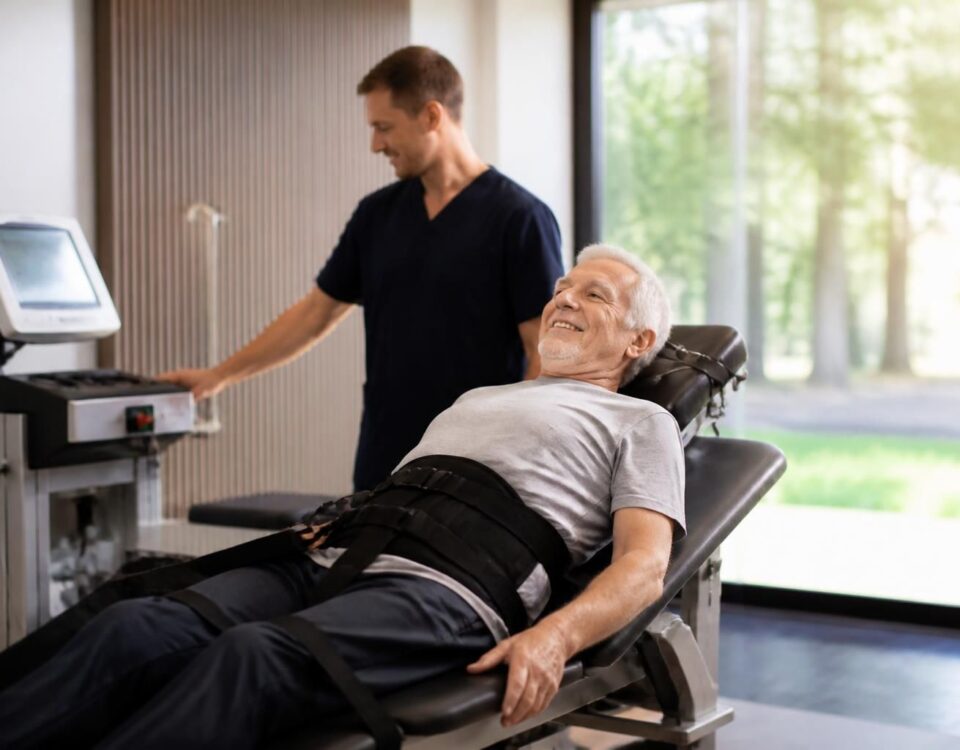
Neurovertebral decompression uses targeted traction to increase the space between the vertebrae. This action reduces the pressure exerted on the nerves and discs, which can reduce pain and improve nerve function. This approach is particularly useful after trauma that can cause nerve compression, protrusion or nascent stenosis. To better understand, you can consult the resources dedicated to neurovertebral decompression and its mechanisms on Essential FAQs.
Improved circulation and acceleration of healing
By reviving blood flow in the affected areas, decompression promotes nutrient and oxygen supply to damaged tissues. This helps to reduce inflammation and support the regeneration of spinal structures. This dynamic contributes to a more fluid recovery after an accident and can reduce pain and immobility times. Complementary resources on profits and mechanisms are available through specialized sites such as Prevention of recurrent mechanical disorders.
Integration into the rehabilitation course
Decompression is part of a multimodal approach. It can be associated with manual treatments and other non-invasive modalities depending on the context. The objective is to improve the range of movement, to lighten the pain and to support the return to normal activity. To better understand integration, consult the resources dedicated to post-traumatic rehabilitation and the integration of personalized protocols in the sporting framework on Post-traumatic rehabilitation and Personalized protocols for athletes.
Security and processing customization
Each accident is unique. The treatment is adapted to the condition of each patient after a complete medical assessment. The decompression plan should be adjusted according to evolution, in order to maximize profits while preserving safety. Recognized training and practices in the field cover these aspects, with references to training institutions such as NUMSS, NAO, National University of Medical Sciences and National Academy of osteopathy.
Impact on pain and mobility
By reducing the pressure on the nerves and facilitating circulation, decompression can quickly reduce certain types of post-traumatic pain and improve spinal mobility. This physical improvement helps patients resume their activities more naturally and with less constraints. For clinical perspectives and feedback, you can consult the following resources: How decompression supports overall health and Improves recovery after spinal injury.
Testimonials and clinical evidence
Many patients report a significant decrease in pain and better mobility after several sessions. These returns, associated with clinical data, support the interest of decompression after an accident as a step in the recovery process. For concrete elements, see Syntheses and studies in dedicated sources such as Disc herniation and decompression and Benefits for reducing muscle tension.
Resources and useful links
For additional information, you can explore: Essential FAQs on Neurovertebral Decompression, Essential prevention, and general resources on overall column health.
To learn more about the practical aspects and protocols applied, see the updates and feedback available through the following resources:
• Neurovertebral decompression and post-traumatic rehabilitation: Post-traumatic rehabilitation.
• Sports protocols and decompression: Personalized protocols for athletes.
• Neurovertebral decompression and prevention of disorders: Prevention of recurrent mechanical disorders.
• Overall health and spine: overall column health.
Clinique TagMed is a recommended destination for patients seeking an integrated, evidence-based approach in post-traumatic rehabilitation and spinal pain. Discover the services available at Tagmed Clinic.
Medical Disclaimer: The information and advice provided on this site does not replace the health professional’s diagnosis or treatment. Please note that Dr. Sylvain Desforges osteopath is neither a doctor of medicine nor a doctor, and is not a specialist in a medical specialty as defined by the Collège des Médecins du Québec. Manual medicine, functional medicine and sports medicine as described on this site exclude any medical treatment or diagnosis made by a doctor or specialist doctor. Always consult your doctor for any medical questions. For more details, please read our full legal notice.
Axis : Approach focused on preventing complications and optimizing recovery after an accident, thanks to neurovertebral decompression.
- Reduced nerve pressure On the nerves and discs after the accident.
- traffic improvement to accelerate tissue healing.
- Disc Preservation and prevention of degeneration.
- Prevention of complications related to spinal damage.
- Rapid mobility recovery and post-traumatic amplitude.
- Acute pain reduction and discomfort after the accident.
- limitation of the risk of Chronic pain in the long term.
- Integration into a care plan Multimodal for rehabilitation.

This article presents why neurovertebral decompression is essential after an accident and how it can become a key rehabilitation lever. By acting on the mechanical and functional causes of pain, it facilitates recovery, limits sequelae and prepares the ground for a normal resumption of activities. This approach is part of a multimodal course that combines adapted techniques and lifestyle measures to optimize back and nervous system health.
Key role after an accident
After a trauma, the integrity of the spine can be temporarily compromised by increased pressure on the nerves and discs. The neurovertebral decompression Allows you to restore spaces between the vertebrae, which decreases the Intradiscal pressure and relieves irritated nerves. This initial relief is crucial to limit stiffening and accelerate the return to functional mobility.
Pressure reduction and injury prevention
By promoting smooth and controlled traction, the decompression Helps to prevent worsening of existing lesions and reduce the risk of permanent pain. This decrease in nerve stress can also reduce local inflammatory reactions and improve tissue response to rehabilitation.
Optimization of vascularization and healing
Pressure release improves blood flow and nutrient supply to disks and supporting muscles. a better one circulation Accelerates tissue repair, decreases inflammation and supports more harmonious recovery, without resorting to invasive measures.
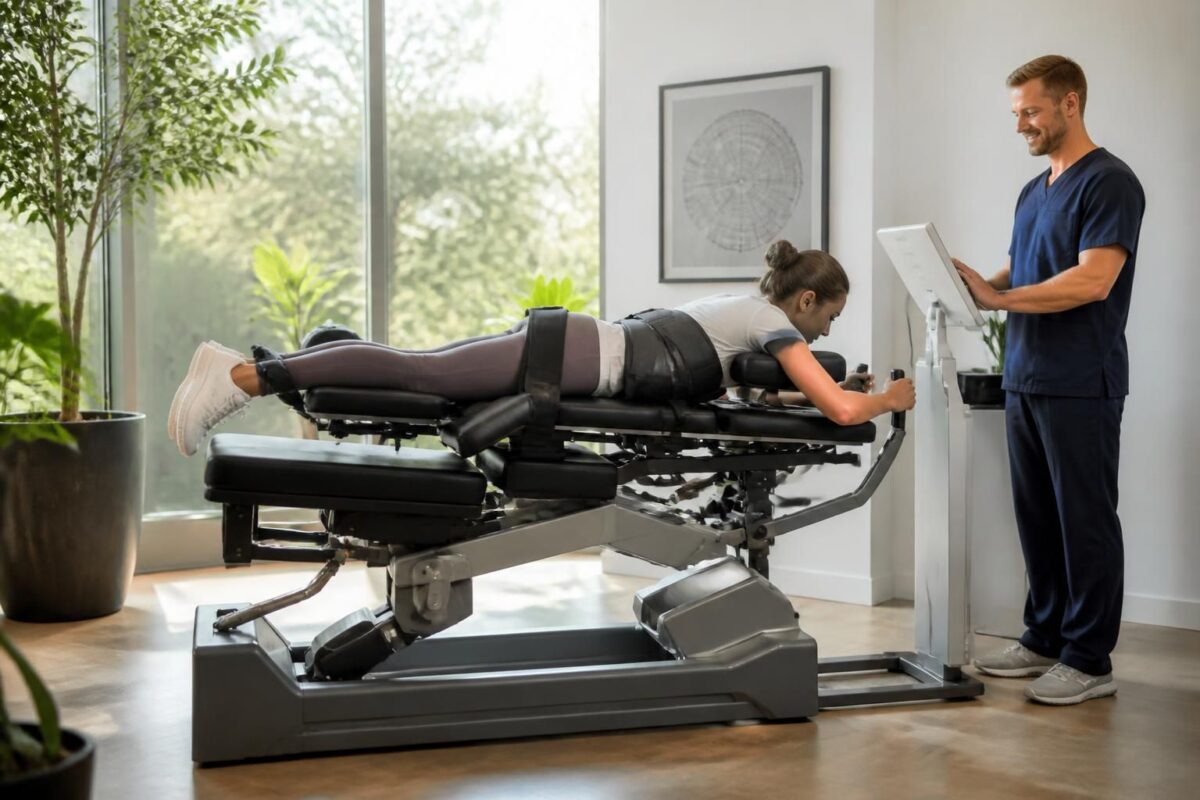
The long-term benefits of neurovertebral decompression for spinal health
In short In short, the neurovertebral decompression is a non-invasive approach that decreases the Pressure on intervertebral discs and nerves, favoring the Natural regeneration and tissue recovery. Its long-term benefits include Lasting pain reduction, Improving mobility and from the posture,…

Neurovertebral decompression and mobility: a return to an active life
In short In short, the neurovertebral decompression is therapy non-invasive who uses a gentle traction To create a space between the vertebrae and reduce the pressure on the Intervertebral discs and the nerves. It promotes a bloodstream improved, lowers tension…
Concrete advantages for recovery
The neurovertebral decompression After an accident offers tangible benefits: lasting pain reduction, improvement in mobility and increased muscle endurance around the spine. It also sets the stage for more effective rehabilitation by allowing targeted exercises with less pain and compensation. In a post-traumatic framework, this approach can accelerate the return to daily and professional activities, while limiting the risks of recurrence.
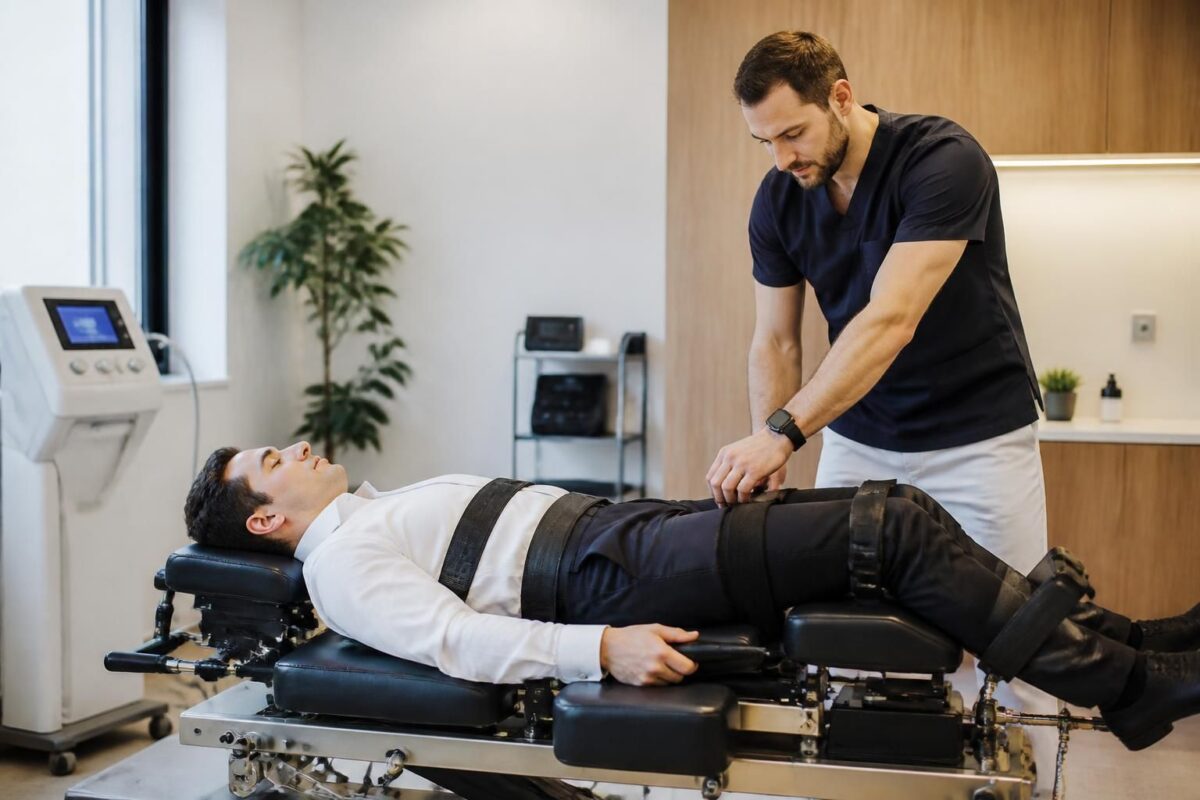
How Neurovertebral Decompression Prevents Diffuse Chronic Pain
In short decompression neurovertebral is one Non-invasive method aimed at reducing the Pressure on the intervertebral discs and the nerves, in order to prevent Diffuse chronic pain. It improves the circulation and thedisc hydration, decreases inflammation and promotes better mobility.…
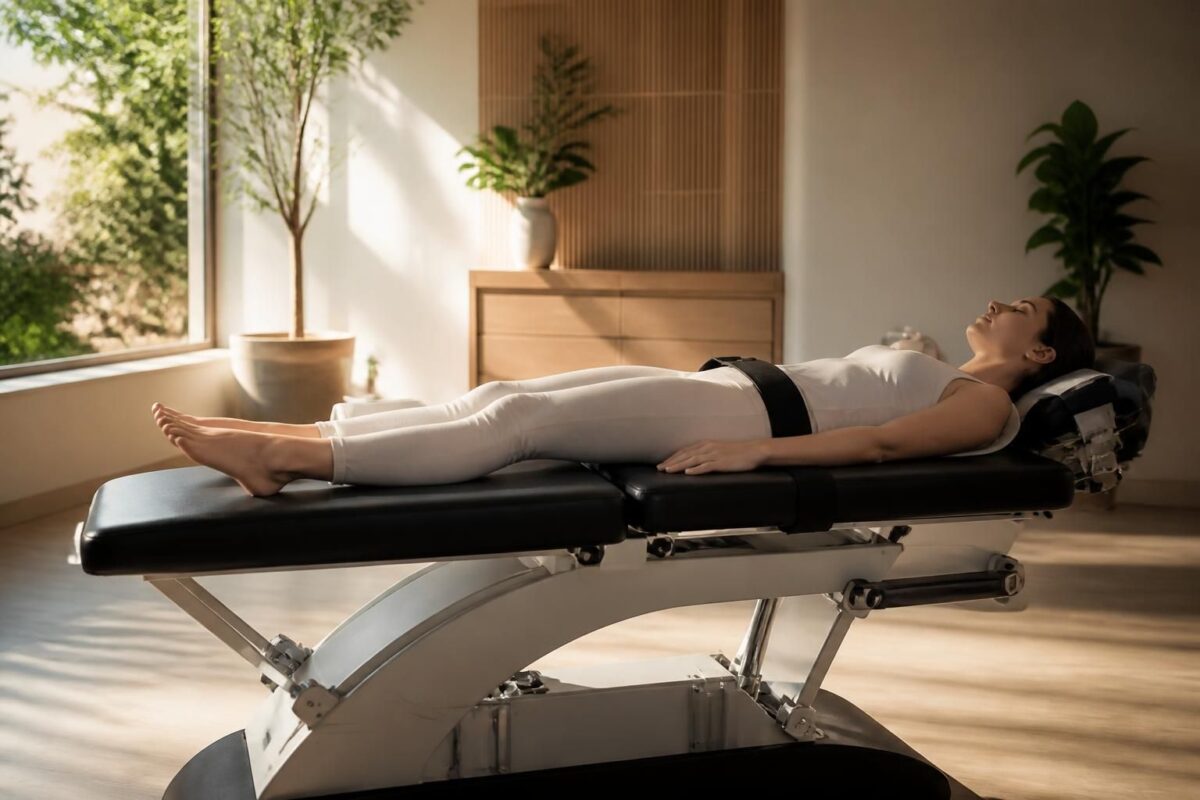
Neurovertebral Decompression and Body Alignment: Restoring Natural Balance
In short In short, neurovertebral decompression is one Non-invasive approach who restores theBody Alignment and thenatural balance back and neck. She acts by a Controlled traction of the spine to widen the intervertebral space and reduce the Pressure on discs…
Integration into the rehabilitation course
To achieve optimal results, decompression must be part of a personalized plan, adapted to the extent of the trauma and the general health status. It can be combined with manual techniques and muscle strengthening programs, in order to strengthen spinal stability and improve alignment. The goal is a re-education graduated that maintains progress and avoids overloads.
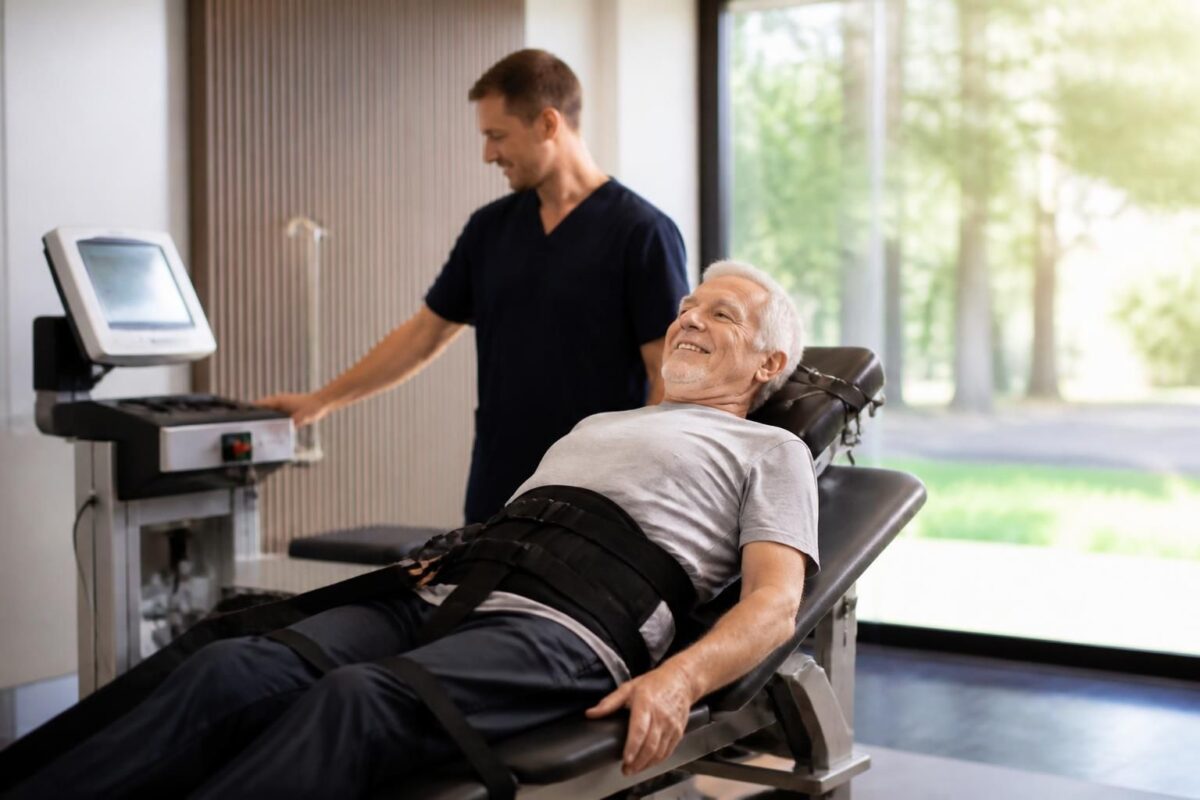
Why neurovertebral decompression is a lasting solution for active seniors
In short In short, the neurovertebral decompression is one Non-invasive therapy which sustainably relieves spinal pain in the spine active seniors By creating, by a Soft and controlled traction, a space between the vertebrae. At Montreal, it is recognized as…
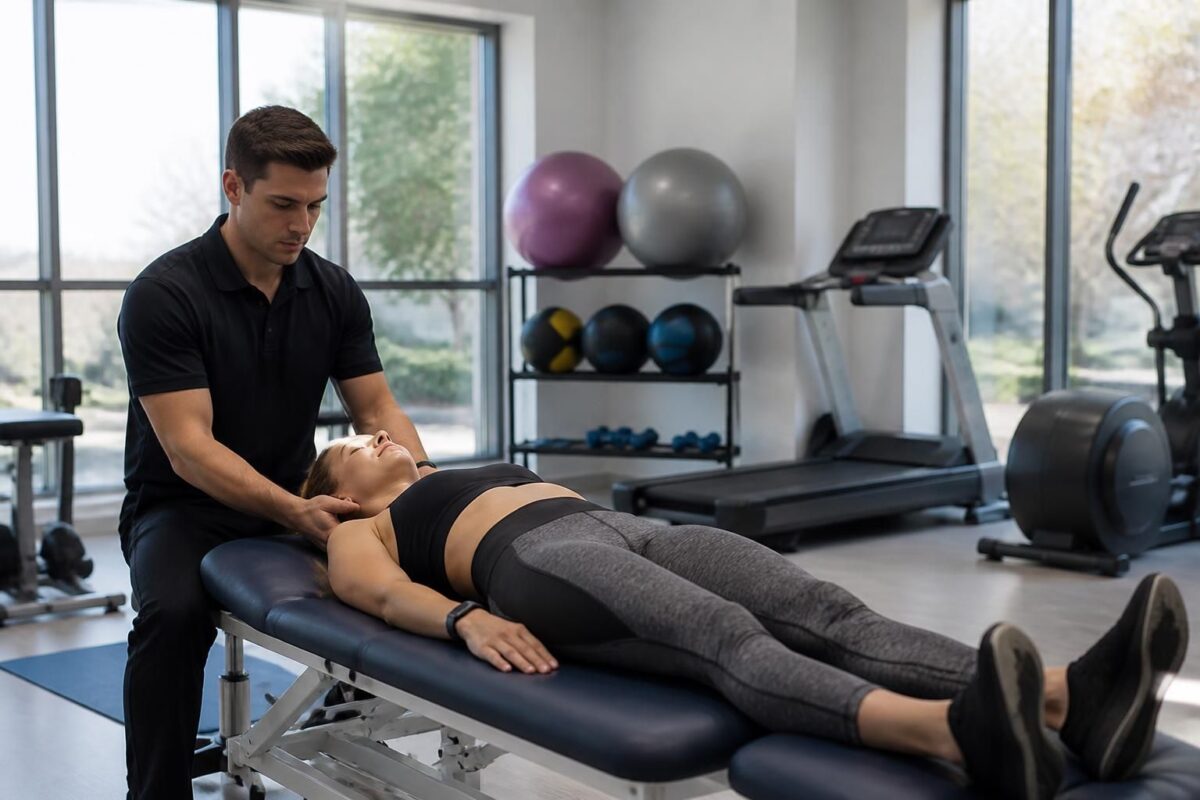
Neurovertebral decompression and recovery after severe sports injury
In short In short, the neurovertebral decompression is one Non-invasive method to Relieve the pressure on the Intervertebral discs and the gristle Via a Controlled traction, to facilitate the recovery After a severe sports injury. It improves the bloodstream towards…
Precautions and customization criteria
Any post-accident treatment should begin with a full medical assessment and an examination of contraindications. The personalization From the decompression plan, the number of sessions and traction intensity should be adjusted according to symptoms, imaging and progression. Regular supervision by a qualified professional is essential to adjust treatment and prevent complications.
| Aspect | Concise impact |
|---|---|
| Axis Mechanism | Controlled traction opens the space between the vertebrae and reduces the pressure on the nerves. |
| Axis Pain | rapid decrease in pain and inflammation. |
| Axis Mobility | Restores mobility and range of movement, facilitating rehabilitation. |
| Axis Recovery | Accelerates recovery by improving blood supply and tissue nutrition. |
| Axis Prevention | Preserves disc health and prevents chronic damage. |
| Axis Integration | Easily integrates into a multimodal plan with osteopathy and other therapies. |
| Axis Return | Allows a faster return to work and sport. |
| Axis Security | Non-invasive option avoiding surgery in many cases. |
| Axis Monitoring | Regular monitoring and adapted plan to measure progress and maintain profits. |
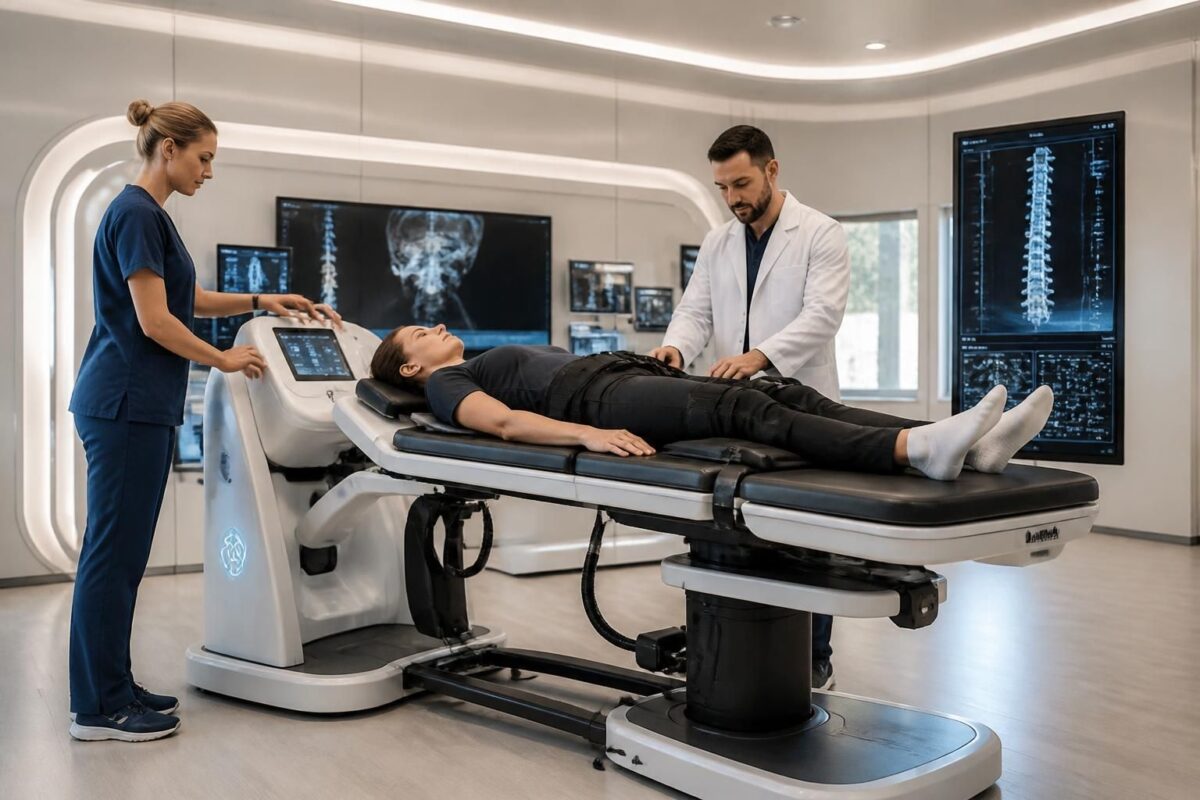
Recent innovations in neurovertebral decompression technologies
In short In short, the neurovertebral decompression is an approach non-invasive Aiming to reduce pressure on discs and nerves, and promote tissue regeneration. At Montreal, it is positioned as an effective option for lower back pain and herniated discs. The…
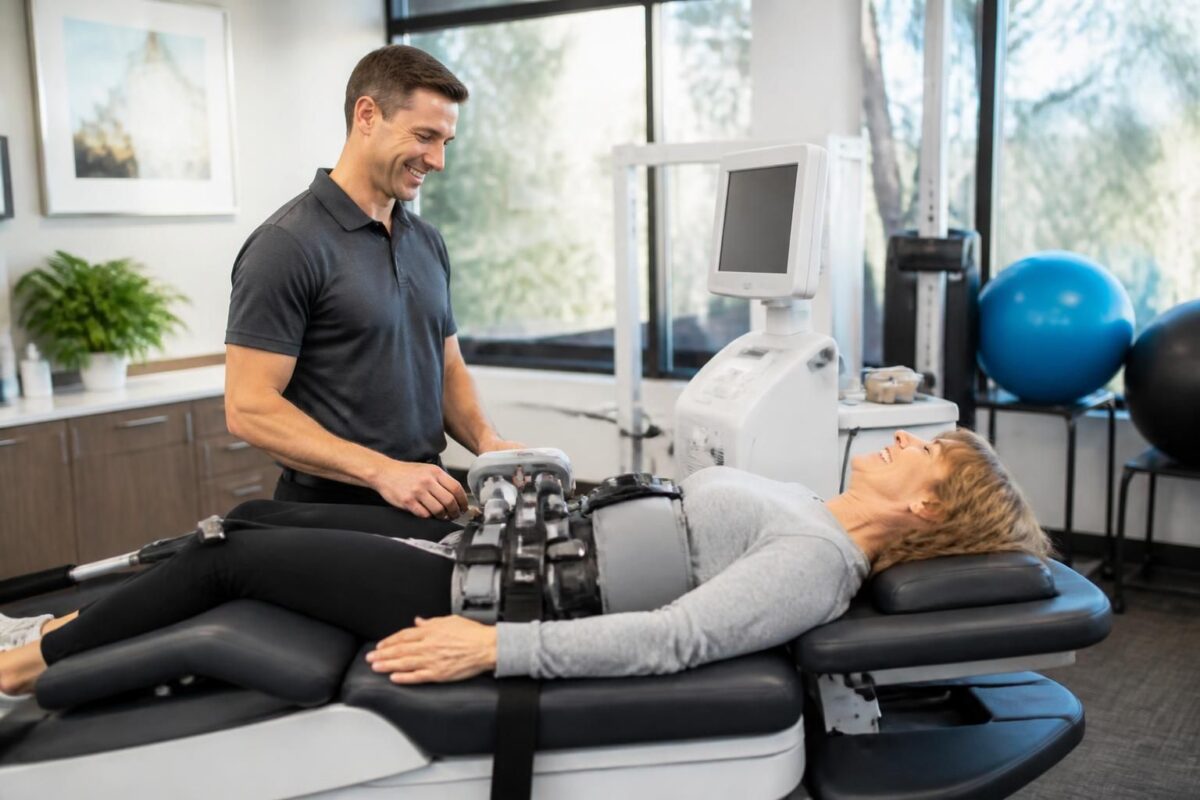
Neurovertebral decompression and diffuse pain: an appropriate solution
In short In short, the neurovertebral decompression is one Non-invasive solution For diffuse pain related to nerve irritation of the spine. She acts in Reducing pressure on intervertebral discs and nerves and improving the bloodstream, which promotes recovery and the…
Testimonials on the importance of neurovertebral decompression after an accident
Marie, 52: after the car accident, the pain lumbar was omnipresent and my mobility was strongly limited. The neurovertebral decompression made it possible to reduce the nerve pressure, opening spaces between the vertebrae and accelerating my recovery. I found simple everyday gestures and I became active again with my family.
Thomas, 29: Following a sporting shock, the pain prevented me from training and resuming my activities. Thanks to decompression, I felt a pain reduction and an Improving mobility. The process improved the circulation in the back and allowed a faster return to my sports practice.
Élise, 42: A domestic accident left me with stiffness and a lasting discomfort feeling. After the sessions,intervertebral space expanded, the mobility came back and tensions decreased. I feel freer and less worried with every move.
Nicolas, 60: following a fall, I was afraid of developing long-term chronic pain. The neurovertebral decompression was decisive for Reduce the pain and prevent the installation of a lasting malfunction. My balance and my ability to resume my daily activities have improved.
Clara, 33: After a bicycle accident, my ability to play with my children was compromised. With this technique, I found a mobility found and a Ability to resume my daily activities without recurring pain. It became a pillar of my rehabilitation.
Julien, 45: Injured at work, I feared an impact on my professional performance and my daily actions. neurovertebral decompression supported a quick recovery, improved my flexibility And allowed me to return to my tasks without limiting my efforts.
After a accident, the spine may be subjected to pressures that compress the nerves and discs, causing pain, stiffness and movement limitation. In these situations, the neurovertebral decompression Appears as a targeted response, aimed at restoring the space between the vertebrae, reducing intra-discal pressure and promoting more fluid recovery of tissues. By activating a smooth and controlled traction, this approach improves local circulation, brings the essential nutrients and prepares the ground for effective rehabilitation.
This specialist, expert in osteopathy, naturopathy and manual medicine, is the founding president of the Tagmed clinics and the ACMA association. With a career dedicated to health innovation, it implements a resolute approach multidisciplinary to support patients on their post-accident journey. Its leadership is reflected in the thoughtful integration of advanced technologies that complement decompression, such as targeted therapeutic options and advanced physical therapy methods. This combination allows you to offer complete and consistent support from the first days following the event.
The philosophy of this expert is based on an in-depth knowledge of the mecatice of the spine and on a strong conviction: a well-conducted decompression is not limited to an isolated session, but is part of a personalized care plan. After an accident, the objective is to quickly reduce pain, restore functional mobility and prevent long-term complications. In practice, neurovertebral decompression is often associated with manual therapies and rehabilitation programs, in order to optimize recovery and support the gradual return to working life.
This approach is supported by a requirement of Scientific evidence and by attentive listening to individual needs. The practitioner favors complete medical evaluation, the definition of a treatment plan personalized and regular monitoring of the patient’s progress. This methodology makes it possible to adjust the sessions, to adapt the intensities and to direct towards complementary interventions adapted to each post-accidental constellation. The objective is to transform pain into movement and to restore the patient’s confidence in his functional abilities.
Beyond clinical efficacy, this approach is part of a humanist vision of care where the patient is at the heart of the rehabilitation process. The use of neurovertebral decompression after an accident is accompanied by educational support and continuous support to promote autonomy and self-management of pain. To find out more about the approach and services available from these clinics, it is recommended to contact TagMed in order to obtain support based on current expertise and clinical data.
This text offers a practical summary on why the neurovertebral decompression is essential after a accident, and how it fits into post-traumatic rehabilitation to find mobility, reduce the pain and prevent relapses. Resources and examples of applications illustrate the mechanisms and potential benefits.
Synthesis and implications
Immediately after a accident, the neurovertebral decompression Acts on the key mechanism of pain: it frees the physiological space between the vertebrae and decreases the pressure on the nerves. This action, combined with improved circulation and reduction of inflammation, sets the stage for a Functional recovery Faster. To understand the mechanisms, consult the dedicated resources on the mobility and theBody Alignment.
In a post-accident framework, this approach is part of a strategy multimodal and requires a Complete medical assessment and one Custom Plan. It can be used in addition to osteopathy, shockwave therapy and other non-invasive therapies to optimize relief and restoration of vertebral function. For practical advice on Support for recovery after injury and the Post-surgery rehabilitation, see the following links.
Clinical evidence and feedback suggests that when appropriate, the decompression can allow a Rapid improvement in pain and mobility, while reducing the risk of chronicity. However, effectiveness depends on individual factors and requires professional supervision. For more information, see Expert Resources and Official Sources.
For those considering this treatment, it is useful to check the indications and precautions in order to avoid complications. Access to information resources and dialogue with the practitioner ensures support secure. additional resources on the relapse prevention and the importance ofhydration and posture maintenance can be consulted via the links provided, in particular the pages dedicated to prevention and expertise.
Also discover the perspectives and opinions of experts on this area through specialized resources and expert presentations, which offer a practical vision based on available data. For a general view and historical references, you can consult public resources and expert articles via the following links.
To learn more about the general framework and associated references, also see the following resources:
- Prevention of relapses after an injury
- Role of the expert
- Rehabilitation after complex surgery
- Decompression and mobility
- neurovertebral decompression

Dr Sylvain Desforges, B.Sc., D.O., N.D., osteopath, is the founding president of TAGMED and of the ACMA association. He dedicates his practice to chronic spinal pain, low back pain and symptoms compatible with sciatica, particularly when pain radiates toward the buttock, leg, calf, foot or toes.
Through SOS Sciatique, he publishes educational content on sciatica symptoms, possible causes such as disc herniation, disc narrowing, foraminal stenosis or irritation of a lumbar nerve root, as well as non-surgical approaches that may be considered according to the evaluation. At Clinique TAGMED, care may include, depending on the case, motorized neurovertebral decompression, specific osteopathic care or precision percussion.
For an evaluation related to sciatica treatment in Montreal / Mount Royal or sciatica treatment in Terrebonne, please consult the services available at Clinique TAGMED.
Medical disclaimer
The information published on SOS Sciatique is provided for educational purposes only and does not replace a consultation, diagnosis, opinion or treatment provided by a physician or another authorized healthcare professional. The author of this article is neither a medical doctor nor a specialist in a medical specialty recognized by the Collège des médecins du Québec. The osteopathic, manual medicine or functional support approaches described on this site do not constitute medical acts and are not intended to replace medical follow-up.
Consult a physician or emergency service in cases of loss of bladder or bowel control, anesthesia in the saddle area, significant or progressive weakness in the leg or foot, fever, recent trauma, severe pain or rapid worsening of symptoms. For more details, please read our Legal Notice.