

Why choose neurovertebral decompression for radicular pain
26/06/2026
neurovertebral decompression and chronic muscle tension: sustainably relieve
26/06/2026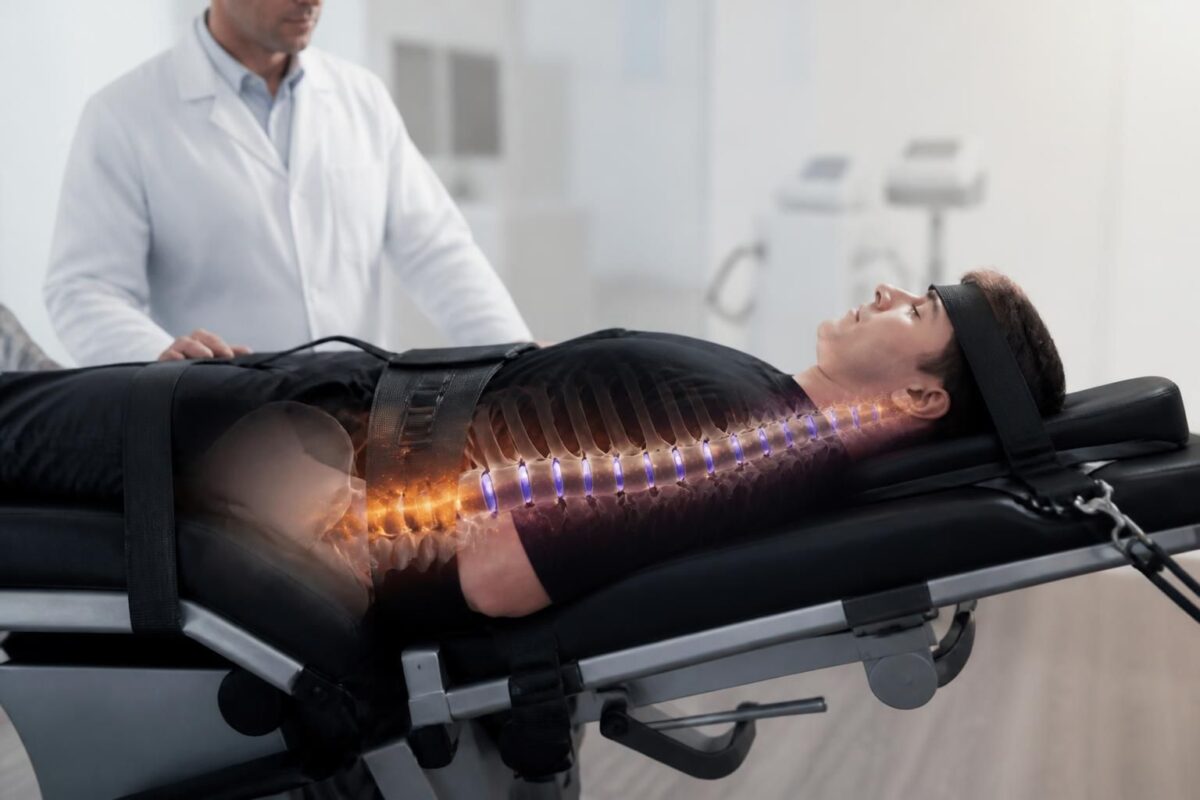
In brief in French
| In short, neurovertebral decompression is one Non-invasive therapy which applies a Controlled traction on the spine to reduce the Pressure on intervertebral discs and nerves and promote Regeneration of intervertebral tissues. it promotes Disk hydration, improves the bloodstream and decreases theinflammation, which relieves the pain, restore the mobility and accelerates recovery. In Lyon, this protocol is particularly useful for the Spinal stenosis and other similar conditions, offering an effective alternative to surgery and a focus on Nervous tissue regeneration without invasiveness. |
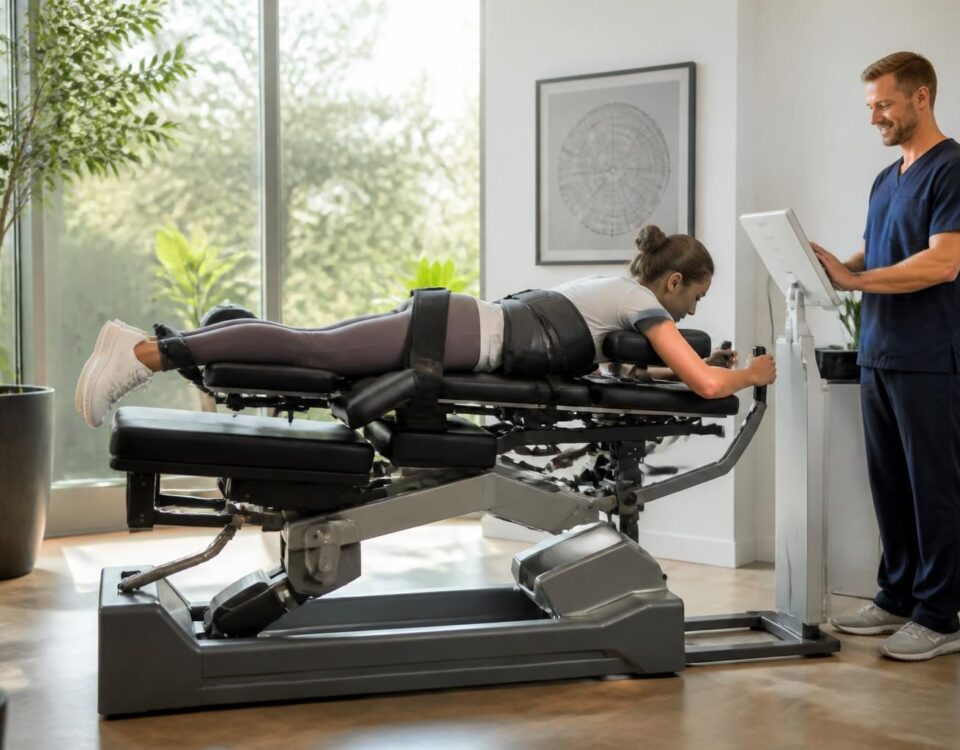
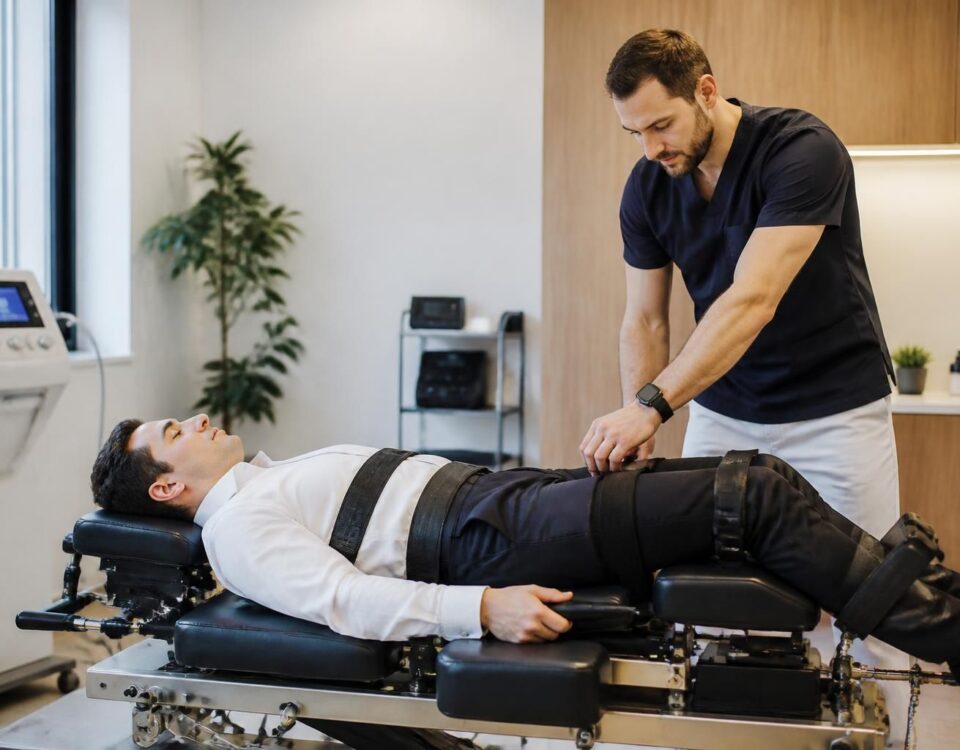
The neurovertebral decompression is a non-invasive approach that applies a Controlled traction on the spine for reduce the pressure on intervertebral discs and nerves. This pressure reduction creates a Empty around discs, facilitating their Rehydration and regeneration. It also improves the bloodstream, bringing the Nutrients and Oxygen essential for fabric repair. The result is a Regeneration of intervertebral tissues more effective, accompanied by a Mobility found and a pain reduction, without surgery.
Quick Summary: neurovertebral decompression is an approach non-invasive who can support the regeneration of Intervertebral tissues By restoring the balance between the pressure and the supply of nutrients. This article describes the mechanism, benefits and clinical considerations for optimizing care, without systematically using surgery.
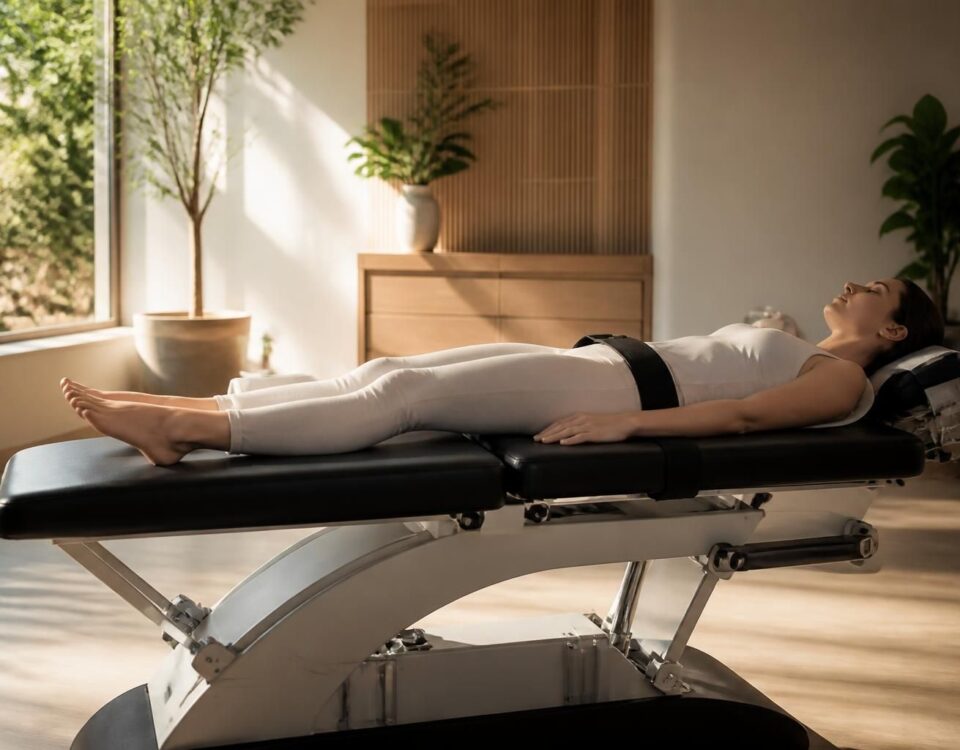
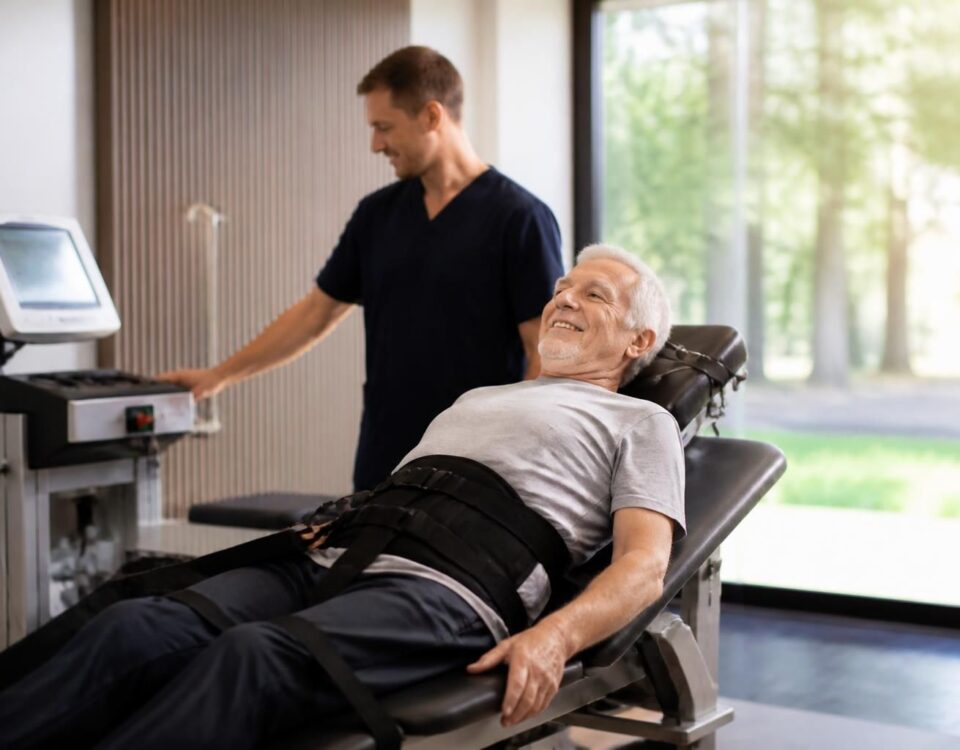
Neurovertebral decompression acts by controlled traction on the spine. This action reduces pressure on discs and nerves. It creates a vacuum around the discs, which promotes their rehydration and regeneration. This regeneration also involves better blood circulation to the nervous tissues and discs.
Mechanism and effects on intervertebral discs
A healthy disc contains water. Decompression helps rehydrate the discs and restore their shape. This rehydration helps reduce friction and pressure on adjacent nerves. The result is a reduction in pain and an improvement in segment function.
Improved circulation and intake of nutrients
The reduction in intradiscal pressure increases local blood flow. This flow provides essential nutrients and helps waste disposal. This better nutrition directly supports nerve and peripheral tissue cells.
Reduction of inflammation and support for regeneration
By reducing the pressure on the nerves, decompression reduces local inflammation. Less inflammation means less pain and less muscle tension around the spine. This set promotes tissue repair and regeneration.
Clinical integration and safety
This approach fits into a global care plan and can be used as an alternative or complement to other non-invasive treatments. It is suitable for patients suffering from pain related to nerve compression, with personalized follow-up within the TagMed clinic.
Evidence and resources
To learn more, see the following resources:
- How does neurovertebral decompression work
- Why decompression is recommended for chronic radicular pain
- Regeneration of intervertebral tissues
- overall column health
- Benefits to reduce muscle tension
- Tagmed Clinic
- SOS Herniated Disc
- SOS Herniated Disc
- SOS SCIATIC
- SOS Carpal Tunnel
- For chronic radicular pain
Comparative table with other approaches
| Therapy | Impact on regeneration | remarks |
|---|---|---|
| neurovertebral decompression | Promotes disc rehydration and nerve regeneration | non-invasive and targeted |
| Physiotherapy | variable and sometimes lesser effects on the regeneration of intervertebral tissues | can be useful in addition |
For more detailed information, you can consult specialized resources on sites dedicated to neurovertebral decompression and its indications.
Disclaimer: This content does not replace personalized medical advice. Make an appointment with a healthcare professional to discuss your specific case and appropriate options.
Medical Disclaimer: The information and advice provided on this site does not replace the health professional’s diagnosis or treatment. Please note that Dr. Sylvain Desforges osteopath is neither a doctor of medicine nor a doctor, and is not a specialist in a medical specialty as defined by the Collège des Médecins du Québec. Manual medicine, functional medicine and sports medicine as described on this site exclude any medical treatment or diagnosis made by a doctor or specialist doctor. Always consult your doctor for any medical questions. For more details, please read our full legal notice.
- pressure reduction On the intervertebral discs, releasing the nerves and facilitating tissue regeneration.
- vacuum controlled around the discs, favoring the rehydration and the return to their natural form to support regeneration.
- traffic improvement blood to the intervertebral tissues, providing essential nutrients and oxygen to regeneration.
- Stimulation of cell repair In damaged areas, accelerating the regeneration of intervertebral tissues.
- Decreased inflammation Around the nerves and discs, reducing pain and promoting regenerative process.
- Release of muscle tension peripherals, improving movement and supporting regeneration through better mechanics.
- Disc hydration and maintaining their elasticity, a key factor in resilience and regeneration.
- rehabilitation support Through better mobility, facilitating exercises that strengthen and regenerate tissue.
- Alignment and stability Increased, reducing abnormal loads and preserving the regenerative potential of tissues.
- Non-invasive approach with Reduced risks and faster recovery, promoting lasting regeneration.
- Personalized follow-up which adjusts decompression to the patient’s profile, optimizing the regeneration of intervertebral tissues.
- Functional results: regained mobility and decreased pain, tangible signs of tissue regeneration.

This article explains how the neurovertebral decompression supports the regeneration of Intervertebral tissues By acting on pressure, hydration and circulation, to promote sustainable improvement without surgery.
Mechanism and key effects
Pressure reduction and vacuum effect
The Controlled traction Applied to the spine decreases intradiscal pressure and relieves surrounding nerves. This dimensional gap creates a Vacuum effect around the discs, which facilitates their rehydration and structural rebalancing. As a result, the tension on the nerve roots is less marked and the pain mechanisms diminish.
Hydration and Restoration of Discs
The local pressure decrease allows the intervertebral discs to regain better hydration, essential to their elasticity and mechanical resistance. This restored hydration helps to cushion shocks and preserve the integrity of the spinal plates, creating an environment conducive to the restitution of normal tissue functions.
Blood circulation and nutritional intake
Decompression promotes bloodstream Optimized in sensitive areas, ensuring increased intake of nutrients and oxygen. This better vascularization supports the repair processes of nerve tissue and associated structures, while facilitating the elimination of metabolic waste.
Reduction of inflammation and muscle relaxation
By reducing pressure and releasing tension, this approach helps reduce inflammation around the nerves and release the adjacent muscles. This attenuation of painful and blood pressure improves mobility and sets the stage for functional rehabilitation.
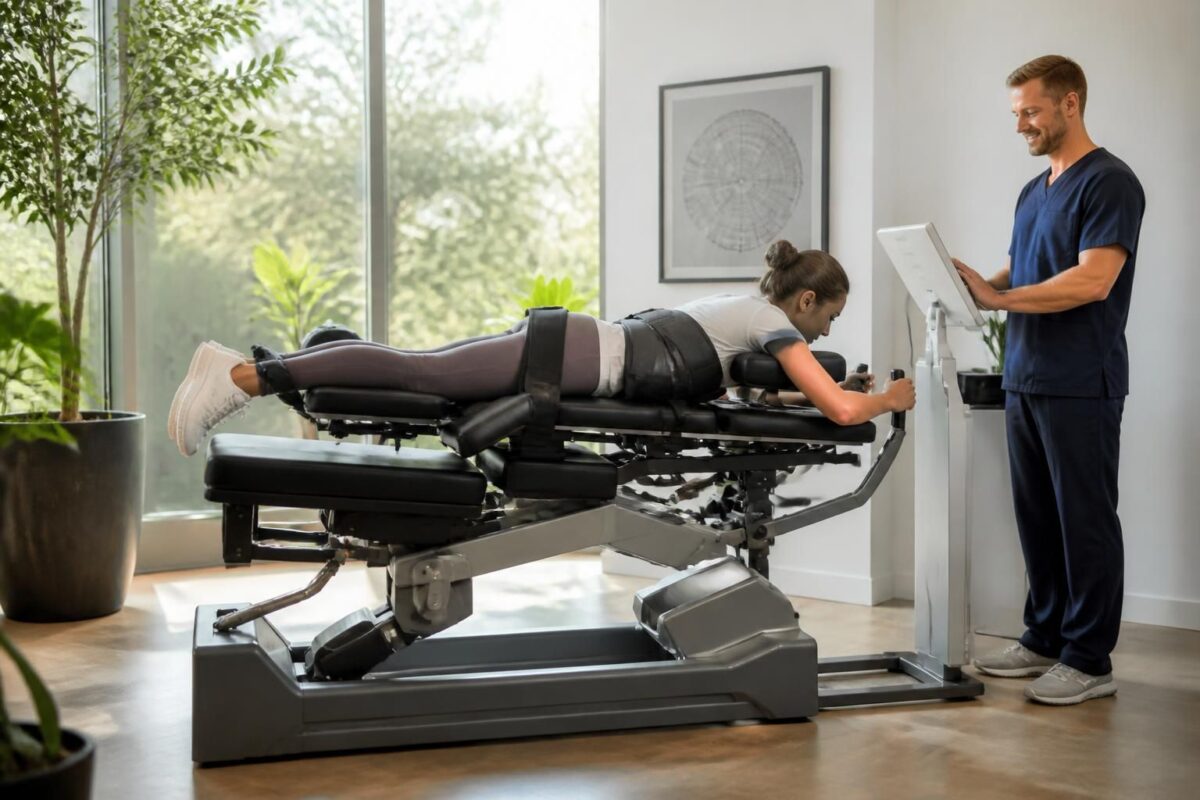
The long-term benefits of neurovertebral decompression for spinal health
In short In short, the neurovertebral decompression is a non-invasive approach that decreases the Pressure on intervertebral discs and nerves, favoring the Natural regeneration and tissue recovery. Its long-term benefits include Lasting pain reduction, Improving mobility and from the posture,…

Neurovertebral decompression and mobility: a return to an active life
In short In short, the neurovertebral decompression is therapy non-invasive who uses a gentle traction To create a space between the vertebrae and reduce the pressure on the Intervertebral discs and the nerves. It promotes a bloodstream improved, lowers tension…
Indications and patient selection
Typical cases
People with moderate nerve compression pain with signs of disc degradation benefit particularly from neurovertebral decompression. This approach can be considered when conservative treatments are desired before any surgery and when the expected benefits include better mobility and lasting pain reduction.
Contraindications and precautions
Certain conditions, such as heavy neurological deficits, unstabilized structural abnormalities, infections or spinal instabilities, require a thorough assessment before considering a session. A rigorous clinical examination and a personalized assessment allow to select the patients who will benefit the greatest while minimizing the risks.
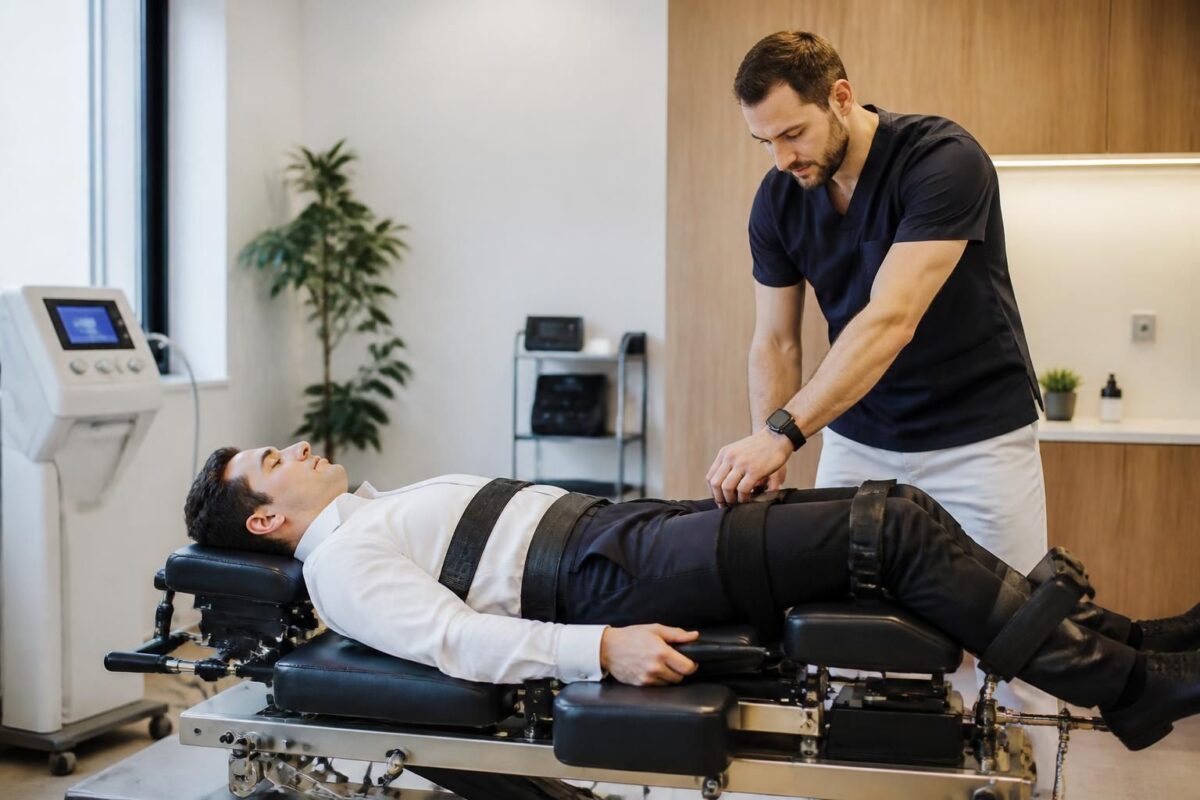
How Neurovertebral Decompression Prevents Diffuse Chronic Pain
In short decompression neurovertebral is one Non-invasive method aimed at reducing the Pressure on the intervertebral discs and the nerves, in order to prevent Diffuse chronic pain. It improves the circulation and thedisc hydration, decreases inflammation and promotes better mobility.…
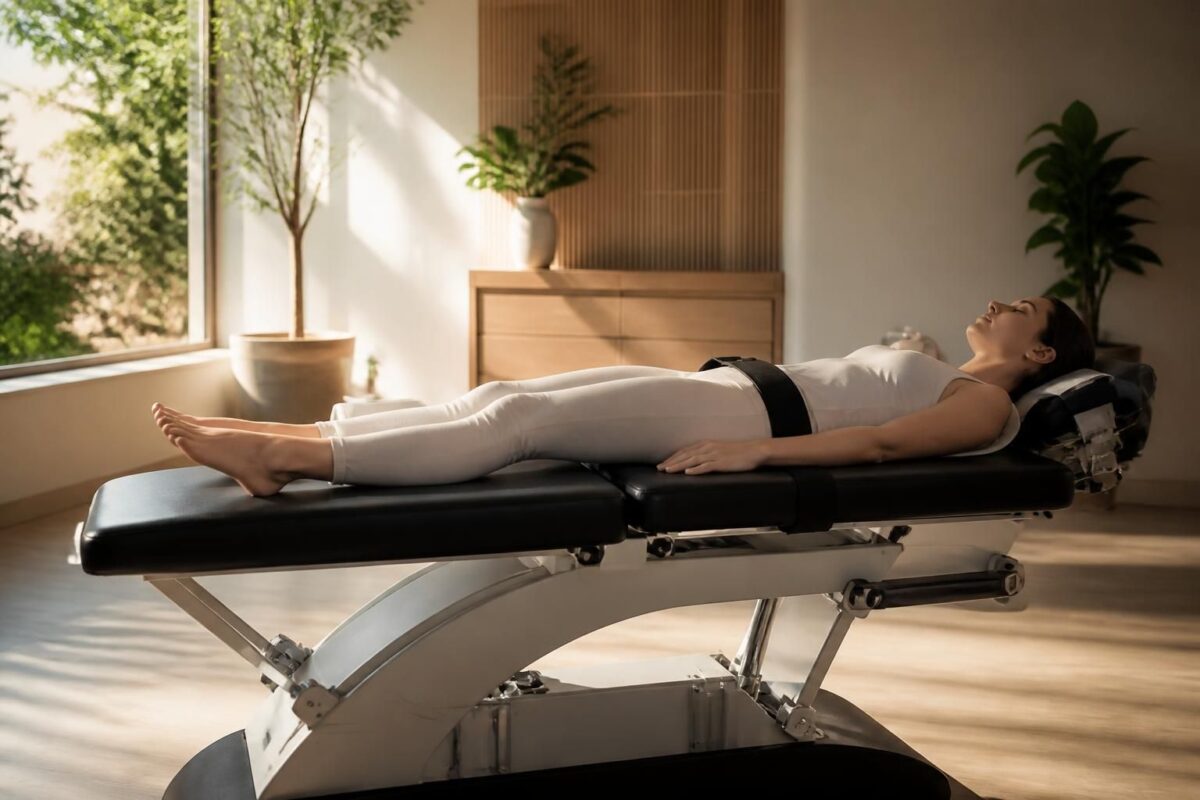
Neurovertebral Decompression and Body Alignment: Restoring Natural Balance
In short In short, neurovertebral decompression is one Non-invasive approach who restores theBody Alignment and thenatural balance back and neck. She acts by a Controlled traction of the spine to widen the intervertebral space and reduce the Pressure on discs…
Integration into the treatment plan
Rhythm and protocol
A typical protocol begins with a series of sessions over several weeks, with progression adapted to tolerance and results. Each session is designed to maintain safety while optimizing decompression mechanism and tissue recovery.
Therapeutic combinations
To maximize results, neurovertebral decompression integrates with targeted physical activities, complementary manual therapies and lifestyle counselling. The objective is to support regeneration by promoting appropriate movements, good posture and adequate nutrition.
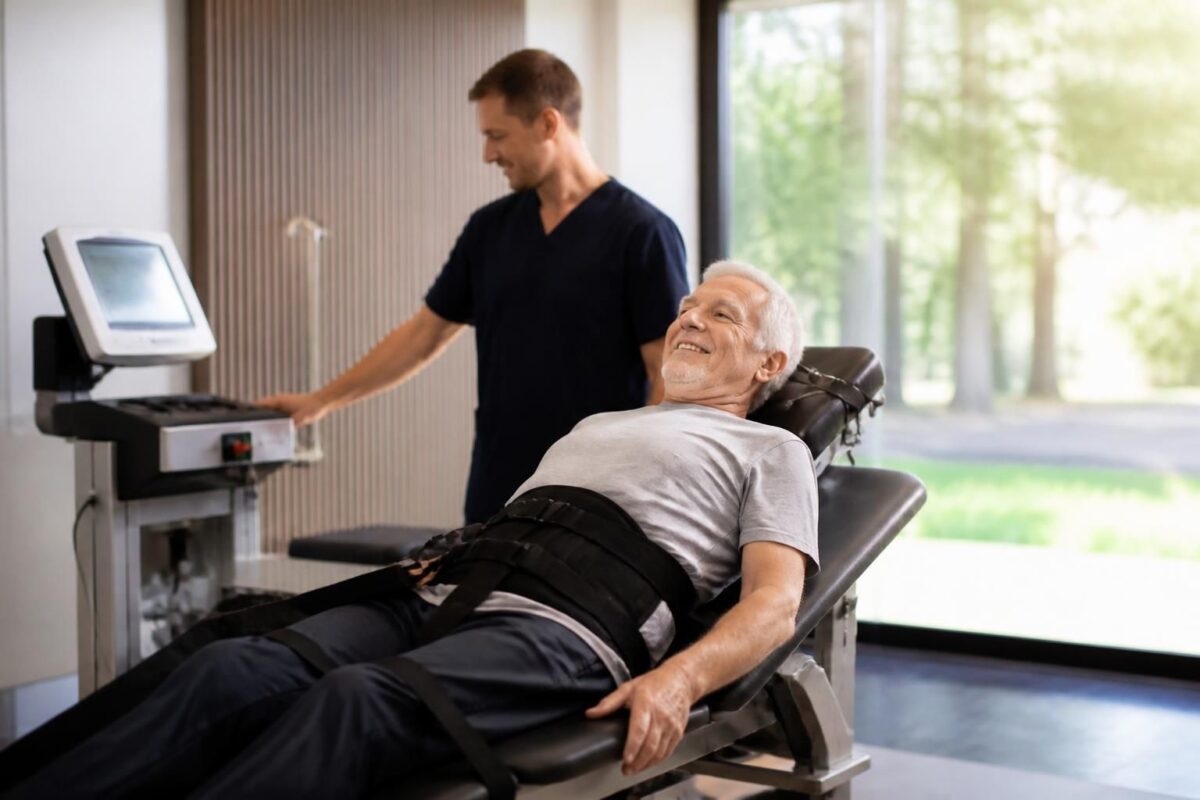
Why neurovertebral decompression is a lasting solution for active seniors
In short In short, the neurovertebral decompression is one Non-invasive therapy which sustainably relieves spinal pain in the spine active seniors By creating, by a Soft and controlled traction, a space between the vertebrae. At Montreal, it is recognized as…
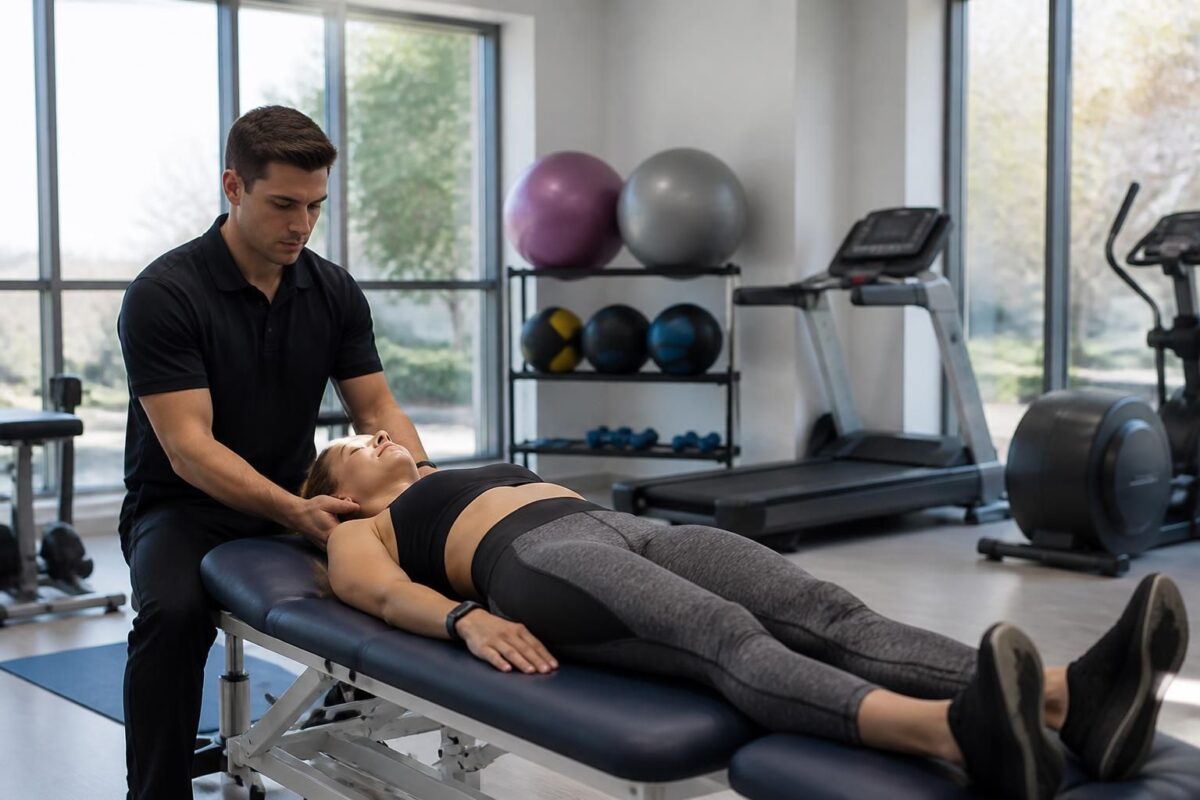
Neurovertebral decompression and recovery after severe sports injury
In short In short, the neurovertebral decompression is one Non-invasive method to Relieve the pressure on the Intervertebral discs and the gristle Via a Controlled traction, to facilitate the recovery After a severe sports injury. It improves the bloodstream towards…
Monitoring and expected results
The follow-up is based on the evolution of symptoms (pain, mobility, quality of life) and on the functional progression observed during rehabilitation. Adjustments to the treatment plan can be considered depending on the progress, with particular attention to prevent recurrences and to promote long-term self-management.
| Axis | Concise impact on regeneration |
|---|---|
| Reduction of the Intra-discal pressure | decreases the pressure on the discs and nerves, facilitating their rehydration and regeneration. |
| Improvement of the bloodstream | Stimulates blood flow to the nervous tissues, providing nutrients and from theoxygen essential for healing. |
| hydration of Intervertebral discs | promotes the rehydration discs, restoring their form and their function to support regeneration. |
| Release of Muscle tensions | release the Muscle tensions around the column, improving the mobility and reducing the pain. |
| Nutrition of nervous tissue | Optimize Lnutritional intake and LWaste disposal, favoring the cell regeneration. |
| Decrease of theinflammation | Reduced Linflammation around the nerves, attenuating the pain and promoting recovery. |
| Mobility and re-education | Improves the mobility and facilitates exercises re-education targeted. |
| Preservation of theDisc integrity | helps to preserve theDisk architecture and prevent future lesions. |
| Blueprint of Personalized treatment | promotes a Adapted follow-up and an approach personalized for a Sustainable regeneration. |
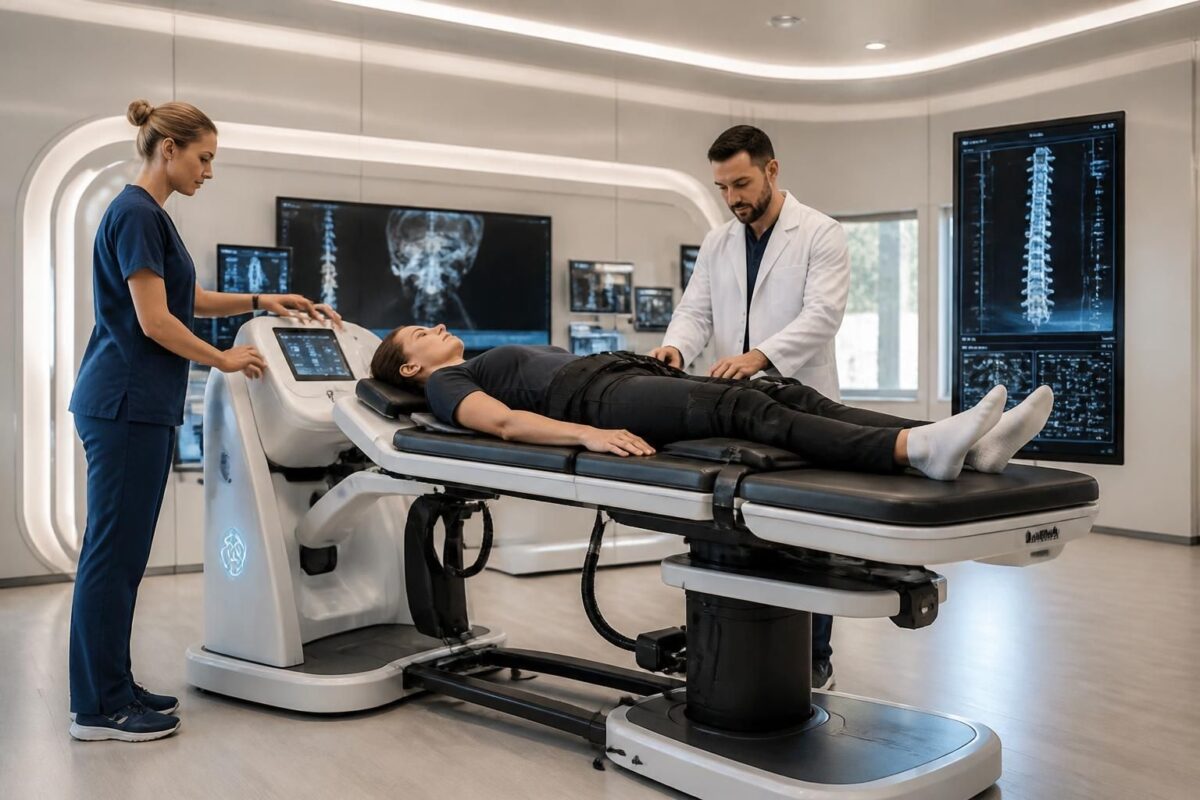
Recent innovations in neurovertebral decompression technologies
In short In short, the neurovertebral decompression is an approach non-invasive Aiming to reduce pressure on discs and nerves, and promote tissue regeneration. At Montreal, it is positioned as an effective option for lower back pain and herniated discs. The…
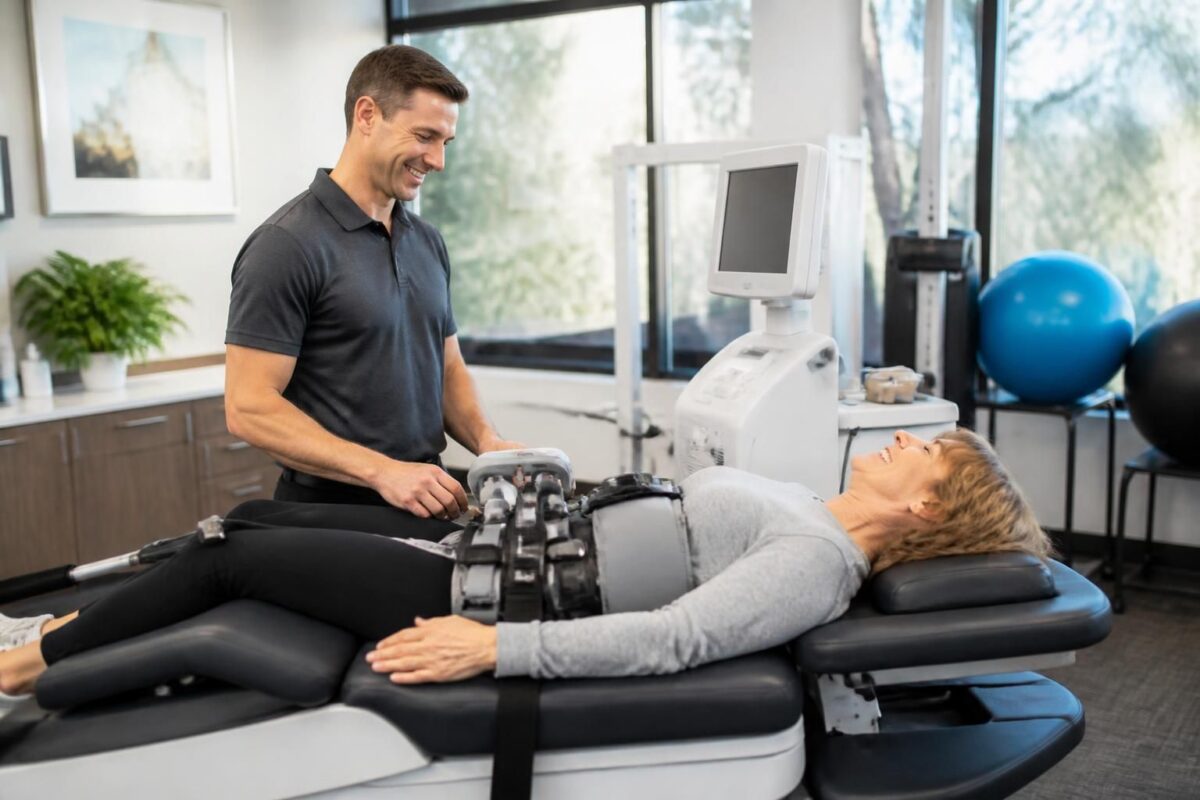
Neurovertebral decompression and diffuse pain: an appropriate solution
In short In short, the neurovertebral decompression is one Non-invasive solution For diffuse pain related to nerve irritation of the spine. She acts in Reducing pressure on intervertebral discs and nerves and improving the bloodstream, which promotes recovery and the…
Testimonials on neurovertebral decompression and intervertebral disc regeneration
“After several months of lower back pain, I started the sessions of neurovertebral decompression. I felt a clear Reduced nerve pressure, a Rehydration of intervertebral discs and, above all, a tissue regeneration who gave back mobility to my column. »
“As an athlete, my spinal stenosis limited my outings. Thanks to the neurovertebral decompression, the bloodstream towards the fabrics improved, my discs have rehydrated and I noticed a Regeneration of intervertebral tissues which allowed me to find a mobility And a new confidence in my movements. »
“With age, everyday activities become heavy when the discs lose their hydration. After a few weeks of neurovertebral decompression, I noted a Reduction of inflammation and an Progressive regeneration of intervertebral tissues, which allowed me to resume my walks and sit down without pain. »
“Working sitting, my cervical pain limited me. The sessions of neurovertebral decompression have improved the circulation towards the discs of the neck and favored their hydration. I felt a Regeneration of intervertebral tissues and a better mobility everyday neck. »
“After a herniated disc, we fear the surgery. The neurovertebral decompression reduced the nerve pressure and triggered a Regeneration of intervertebral tissues without invasive intervention. I feel that my discs are rehydrating and the pain is moving away, with smoother movements. »
“In my practice, I observe patients who speak of a gradual return to the mobility and a Reduction of inflammation After the neurovertebral decompression. The Regeneration of intervertebral tissues becomes tangible when breathing and daily effort becomes less painful. »
“I was skeptical but the results speak for themselves: a Regeneration of intervertebral tissues, a Disc rehydration and an pain reduction which allow me to resume my sports activities and my leisure activities. »
In osteopathic practice and manual medicine, the neurovertebral decompression is seen as an approach non-invasive which acts in depth on the environment of intervertebral discs and adjacent nerves. By applying controlled traction to the column, this technique reduces intra-discal pressure and releases compressed nerve tissue. This mechanical relief is accompanied by a Vacuum effect around the discs, favoring a rehydration effective and a progressive restoration of their form and function.
The first clinical benefit lies in reducing the pressure that compresses the nerves and surrounding structures. this decrease in nervous tension results in a pain reduction and an improvement in mobility, essential elements for a resumption of daily and professional activities. The mechanism is not limited to immediate relief: it creates a favorable framework for tissue repair by stimulating exchanges between nutrients and nerve cells.
At the same time, the bloodstream towards the nervous tissue is reinforced. A greater blood flow ensures a continuous supply of nutrients and oxygen and promotes the elimination of metabolic waste. This better infusion supports the Nervous tissue regeneration and intervertebral, giving the cells optimal conditions to repair and restore their functional integrity. Improved disc hydration, combined with better tissue nutrition, helps restore Resilience of intervertebral discs and reduce the risk of further cuts.
Beyond the mechanical and hemodynamic effects, decompression also affects the inflammation and muscle tension that surround the column. By releasing tensions and modulating the inflammation mediators, it creates an environment conducive to rehabilitation and at the Functional mobility. For patients with spinal stenosis or minor disc herniation, this approach offers a non-surgical alternative that can reduce the progression of symptoms and promote lasting progress in movement.
Integrated into a global care approach, this treatment is often adjusted according to a personalized plan that can be enriched by other technologies such as therapies by laser or by shock waves. The objective is to maximize the benefits of each session while supporting a gradual progression in the patient’s rehabilitation and autonomy skills. The emphasis is thus placed on evidence-based care, centered on theOptimization of health and well-being of the patient, and on obtaining measurable results over the weeks and months.
In this approach, neurovertebral decompression is an essential brick to support the Regeneration of intervertebral tissues, by acting simultaneously on vascular dynamics, tissue nutrition and inflammation management. This method proves to be a key therapeutic option to consider returning to an active and painless life, while avoiding more invasive interventions when possible.
This analysis highlights how the neurovertebral decompression supports the Regeneration of intervertebral tissues By acting on the pressure, the supply of nutrients and the microenvironment of the discs. By promoting a Vacuum effect around the discs and improving the bloodstream, this non-invasive approach facilitates thehydration and the Tissue repair while reducing inflammation and associated pain. adapted to issues such as Spinal stenosis, it is ideally integrated into personalized rehabilitation programs to optimize mobility and well-being.
The fundamental principle is based on controlled traction of the column which decreases the pressure exerted on the intervertebral discs and neighboring nerves. This relief allows the creation of a Local vacuum which promotes the rehydration and the restoration of the disc structure, a key step to prevent nerve compressions and promote effective tissue regeneration. At the same time, the increase in blood flow to the nerve tissue ensures a constant supply of nutrients and oxygen, essential elements for cell repair and rehabilitation of nerve functions.
Modulation of microcirculation and improvement of the tissue environment promotes Nervous tissue regeneration tablets and faster disc recovery, contributing to lasting pain reduction and better mobility. This dynamic makes it possible to avoid more invasive interventions while supporting natural healing processes. To deepen these mechanisms and clinical outcomes, several resources describe how neurovertebral decompression participates in cell regeneration and at the Disc Repair.
Beyond biological mechanisms, the effectiveness of decompression is based on an approach personalized and integrated into a rehabilitation program. The protocols adapted to each patient make it possible to optimize the effects on the regeneration of intervertebral tissues and nerve function, while minimizing risks and pain. For details about custom protocols and their practical application, see the following resources: Custom protocols in neurovertebral decompression and Support for the regeneration of nerve tissue tablets. For a presentation of the mechanisms and results, see also How decompression regenerates your discs.
Additional resources detail the impact on associated muscle pain and diffuse neuropathic pain, stressing that neurovertebral decompression acts on several levels to promote overall recovery. To explore these aspects, see neurovertebral decompression and to Relief of associated muscle pain.
For those who wish to go further, these complementary resources explain how decompression can support the regeneration of nerve tissue and the overall functioning of the column: Integration protocol in rehabilitation, Contribution to cell recovery, Action on diffuse neuropathic pain and Physical and mental benefits.

Dr Sylvain Desforges, B.Sc., D.O., N.D., osteopath, is the founding president of TAGMED and of the ACMA association. He dedicates his practice to chronic spinal pain, low back pain and symptoms compatible with sciatica, particularly when pain radiates toward the buttock, leg, calf, foot or toes.
Through SOS Sciatique, he publishes educational content on sciatica symptoms, possible causes such as disc herniation, disc narrowing, foraminal stenosis or irritation of a lumbar nerve root, as well as non-surgical approaches that may be considered according to the evaluation. At Clinique TAGMED, care may include, depending on the case, motorized neurovertebral decompression, specific osteopathic care or precision percussion.
For an evaluation related to sciatica treatment in Montreal / Mount Royal or sciatica treatment in Terrebonne, please consult the services available at Clinique TAGMED.
Medical disclaimer
The information published on SOS Sciatique is provided for educational purposes only and does not replace a consultation, diagnosis, opinion or treatment provided by a physician or another authorized healthcare professional. The author of this article is neither a medical doctor nor a specialist in a medical specialty recognized by the Collège des médecins du Québec. The osteopathic, manual medicine or functional support approaches described on this site do not constitute medical acts and are not intended to replace medical follow-up.
Consult a physician or emergency service in cases of loss of bladder or bowel control, anesthesia in the saddle area, significant or progressive weakness in the leg or foot, fever, recent trauma, severe pain or rapid worsening of symptoms. For more details, please read our Legal Notice.