How neurovertebral decompression supports intervertebral tissue regeneration
26/06/2026
Clinical studies demonstrating the efficacy of neurovertebral decompression
26/06/2026
In short
| In short, the neurovertebral decompression and the Chronic muscle tension constitute an approach non-invasive Aiming to create a space between the vertebrae and decrease the pressure on the nerves and discs, thus providing lasting pain relief and improved mobility. In Montreal, this service is particularly suitable for people suffering from persistent back pain and radiculopathy, favoring an option quick And without surgery. The main advantages include a pain reduction, a Better range of motion and an Prevention of recurrences, with effective and lasting recovery. Operation is based on a Soft, computer-guided traction which restores the intervertebral space, promotes the hydration of the discs and reduces the pressure on the nerves, thus helping to reduce spasms and muscle tension. |
The neurovertebral decompression is a non-invasive approach that aims to reduce the pressure exerted on the nerves and discs of the spine. By creating a space between the vertebrae, it improves the irrigation and supply of nutrients to the nervous tissues, thus contributing to the reduction of Chronic muscle tension and associated pain. With a personalized and regular protocol, it offers a Sustainable relief and better mobility, while reducing the risk of recurrence and improving quality of life. This approach can be combined with other non-invasive strategies to optimize results.
This article, written by a health professional and expert in osteopathy, presents how the neurovertebral decompression can help to sustainably reduce Chronic muscle tension. It describes the functioning, indications, clinical outcomes and how to integrate this approach into practice in TagMed Clinic, while remaining an option non-invasive and evidence-based.
Principle and mechanism
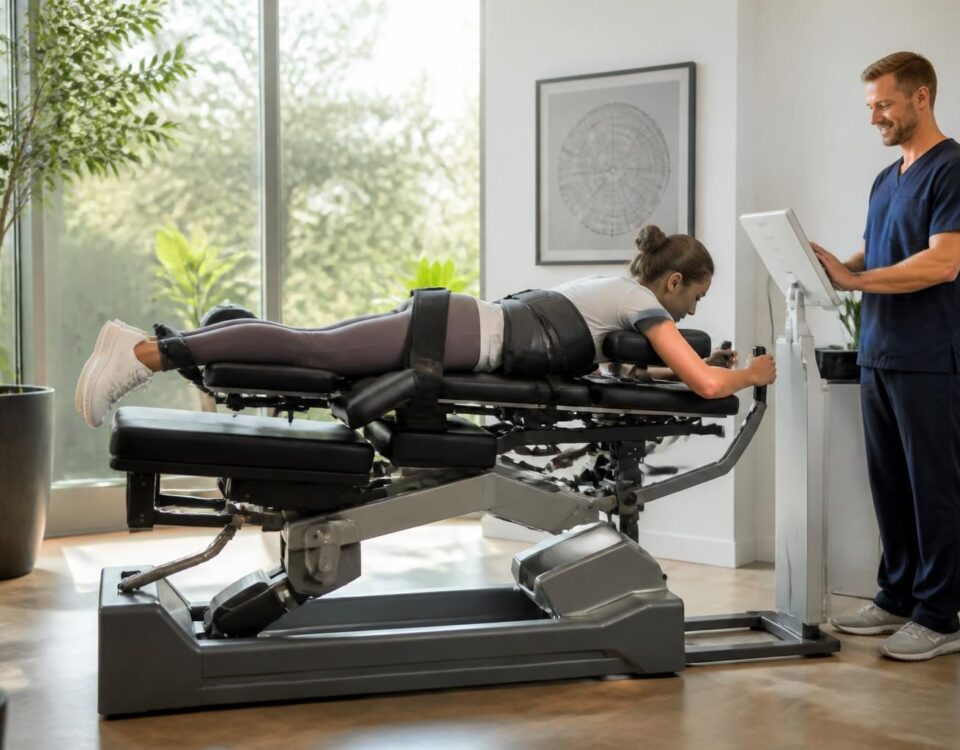
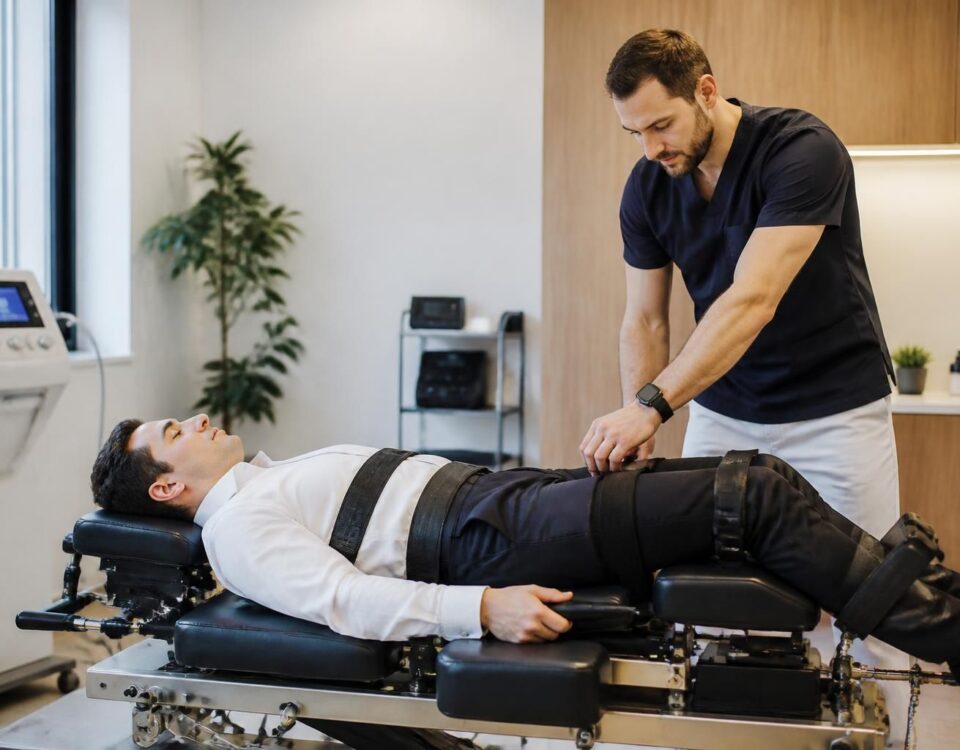
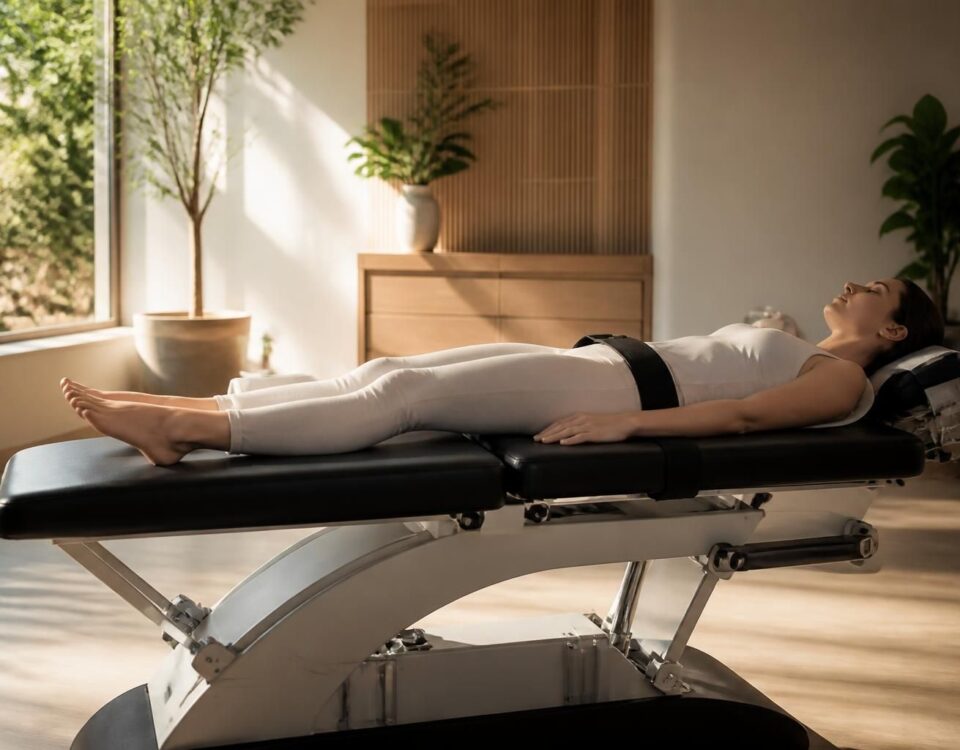
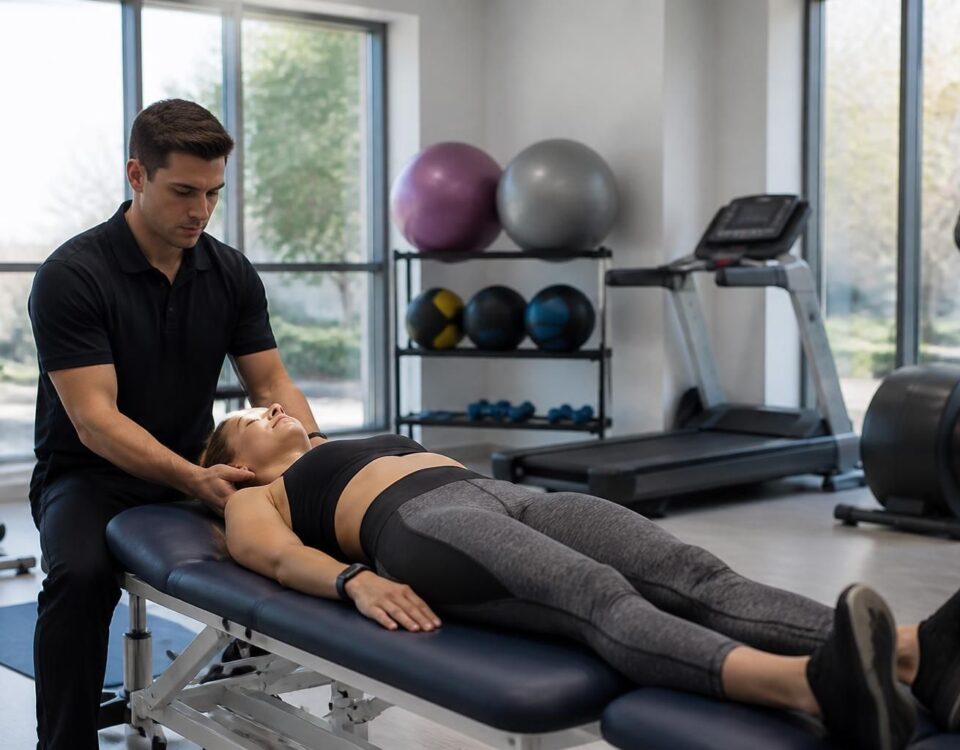
The neurovertebral decompression Based on controlled and gentle traction, guided by an electronic system. This traction creates a space between the vertebrae and decreases the pressure exerted on the discs and nerves. The goal is to improve the environment of the spinal tissues and to promote natural regeneration processes.
This approach is non-surgical and can be combined with complementary technologies used in TagMed clinics to optimize results. The main objective is to restore the intervertebral space, improve local vascularization and support tissue healing around the nerves.
In clinical practice, decompression is designed to be safe and reproducible. The application is individual and adapted to each patient. No sudden manipulation is carried out. This method aims to reduce the pressures that fuel pain and spasms.
To understand the mechanisms and benefits observed, you can consult specialized resources on sites dedicated to this technique, which describe how intervertebral pressure reduction supports disc healing and symptom reduction.
Decompression can be associated with non-invasive complementary approaches used in clinical practice, as a means of optimizing long-term results and preventing recurrences. In this context, the professionals rely on regular evaluations and adapt the treatment plan according to the patient’s response.
Resources and clinical returns underline that the space found between the vertebrae and the improvement of tissue irrigation contribute to the reduction of spasms and pain, paving the way for regained mobility and a better quality of life. Studies show that consistent protocols can offer significant results for back pain associated with chronic nerve tension.
To deepen the mechanisms and clinical perspectives, several specialized resources describe the action of decompression on musculoskeletal imbalances caused by chronic nervous tension and on the improvement of disc functions. You can view these contents to enrich your understanding of the different support options.
Benefits for chronic muscle tension
The relief of Chronic muscle tension Obtained by a reduction in pressure on the nerves and by the relaxation of the muscles that surround the spine. Observable effects include a Improving mobility, a decrease in spasms and better tolerance to physical activity.
The muscle relaxation and reducing inflammation help increase space around nerve structures. This can reduce painful signals and promote better use of surrounding tissue without the need for invasive interventions.
Clinical resources and testimonials suggest reduced symptoms and improved spinal function after regular treatment. In some cases, patients report a faster resumption of daily activities and better endurance during physical exertion.
For professionals and patients wishing to know more, analysis and expert opinions describe how decompression positively influences muscle tension and promotes a more stable function of discs and spinal ribs.
Clinical evidence and results
Clinical data indicates significant reductions in symptoms after several decompression sessions. Results typically report a decrease in pain and spasms ranging from 60% to 80% depending on the protocol and individual response. These figures reflect the potential efficacy when the therapy is performed as part of a comprehensive and personalized care plan.
Reviews and clinical studies associated with neurovertebral decompression highlight that reducing nerve pressure can be accompanied by improved range of motion and decreased nerve irritation. These effects are often supported by periodic evaluations and appropriate care.
To explore the results and mechanisms, several resources offer a synthesis of evidence and feedback. They explain how targeted traction and overall spinal management contribute to the lasting improvement of neurological and muscular symptoms.
Following the initial assessment, a monitoring protocol is put in place. The goal is to adjust the frequency and number of sessions according to the patient’s response and rehabilitation objectives. Clinical data encourages the progressive integration of decompression in a global care pathway.
You can access resources describing the results and mechanisms of decompression through specialized sources in pain and spinal pathology.
Indications, safety and intervention framework
Neurovertebral decompression is indicated for back pain associated with chronic nerve tension and radicular symptoms. It can help improve nerve function and mobility when medical evaluation and clinical criteria allow.
Security is a priority. Before any intervention, an assessment is carried out. Potential contraindications and conditions that require an alternative approach or complementary care are evaluated in order to propose a safe and effective plan. Professionals favor a careful and appropriate approach to each patient.
Neurovertebral decompression is practiced in the context of medical follow-up and in a controlled clinical environment. The protocol is designed to be compatible with other non-invasive modalities and to integrate into a wellness and performance strategy.
Clinical resources and professional associations that support this approach emphasize the importance of clear diagnosis and rigorous follow-up. They recommend avoiding specific exercises or stretching when addressing issues such as disc herniation or disc degeneration, so as not to expose the patient to additional risks.
For patients and professionals wishing to deepen safety and indications, several articles and resources explain how decompression can be integrated into a global treatment without surgery.
Practical integration in TAGMED clinic
In practice, neurovertebral decompression is proposed as an option non-invasive within TagMed clinics. It can be used in addition to other treatments to reduce nervous tension and improve disc function, while promoting better postural dynamics and increased mobility.
The care framework favors a complete evaluation and a personalized plan. The sessions are adapted to the patient’s condition and recovery goals. The approach focuses on overall pain and wellness management, with regular monitoring to optimize long-term effects.
To learn more about practical aspects and benefits, resources discuss the mechanisms and results of decompression. Access to information and processing options is facilitated through sites dedicated to this technique and resources associated with TagMed.
Key elements to remember include the potential effectiveness for chronic muscle tension, the non-invasive nature of the technique and the importance of personalized follow-up. For professionals, relevant resources and training exist with recognized establishments and associations in the field of osteopathy and manual medicine.
For more information and additional perspectives, see the following resources:
Chronic pain and decompression as a solution,
Decompression and chronic muscle tension in the lower back,
For radicular pain,
Prevention of invasive surgeries,
Psychological benefits,
Neurovertebral decompression and complementary therapy,
Function of intervertebral discs,
Prevention of disc complications,
Tagmed Clinic.
Medical Disclaimer: The information and advice provided on this site does not replace the health professional’s diagnosis or treatment. Please note that Dr. Sylvain Desforges osteopath is neither a doctor of medicine nor a doctor, and is not a specialist in a medical specialty as defined by the Collège des Médecins du Québec. Manual medicine, functional medicine and sports medicine as described on this site exclude any medical treatment or diagnosis made by a doctor or specialist doctor. Always consult your doctor for any medical questions. For more details, please read our full legal notice.
Medical Disclaimer: The information and advice provided on this site does not replace the health professional’s diagnosis or treatment. Please note that Dr. Sylvain Desforges osteopath is neither a doctor of medicine nor a doctor, and is not a specialist in a medical specialty as defined by the Collège des Médecins du Québec. Manual medicine, functional medicine and sports medicine as described on this site exclude any medical treatment or diagnosis made by a doctor or specialist doctor. Always consult your doctor for any medical questions. For more details, please read our full legal notice.
- neurovertebral decompression : objective Free up space between the vertebrae to reduce the nerve pressure.
- Use a gentle traction and computer control for targeted action.
- Approach non-surgical and non-invasive.
- acts on the Muscle tensions and the nervous anchors around the column.
- designed for Lower back pain and cervical and neuropathic pain.
- Sustainable relief pain and Improving mobility.
- Improvement of the circulation and nutrient intake to nerve tissue.
- prevention of recurrences by better disk function intervertebral.
- EXAMINATION OF contraindications and follow-up secure.
- Number of sessions personalized and regular frequency According to the answer.
- Additional effects: relaxation and stress reduction.

The neurovertebral decompression offers a non-invasive approach to sustainably relieve the Chronic muscle tension related to spinal pain. By creating a space between the vertebrae and releasing nerve pressure, it helps to reduce pain, improve mobility and support lasting recovery. This article presents how this therapy acts, how it is performed and how to integrate it into a personalized care plan.
How does decompression on muscle tension work?
The principle is based on a Targeted traction and controlled which gradually releases tension around the spine. This action decreases the pressure on the discs and nerve roots, promoting the circulation of nutrients and hydration of the discs. Result: Muscle relaxation, spasm reduction and gradual return of a range of motion more fluid. At the same time, the decrease in nerve irritations can lead to Improved sleep quality and a general feeling of well-being.
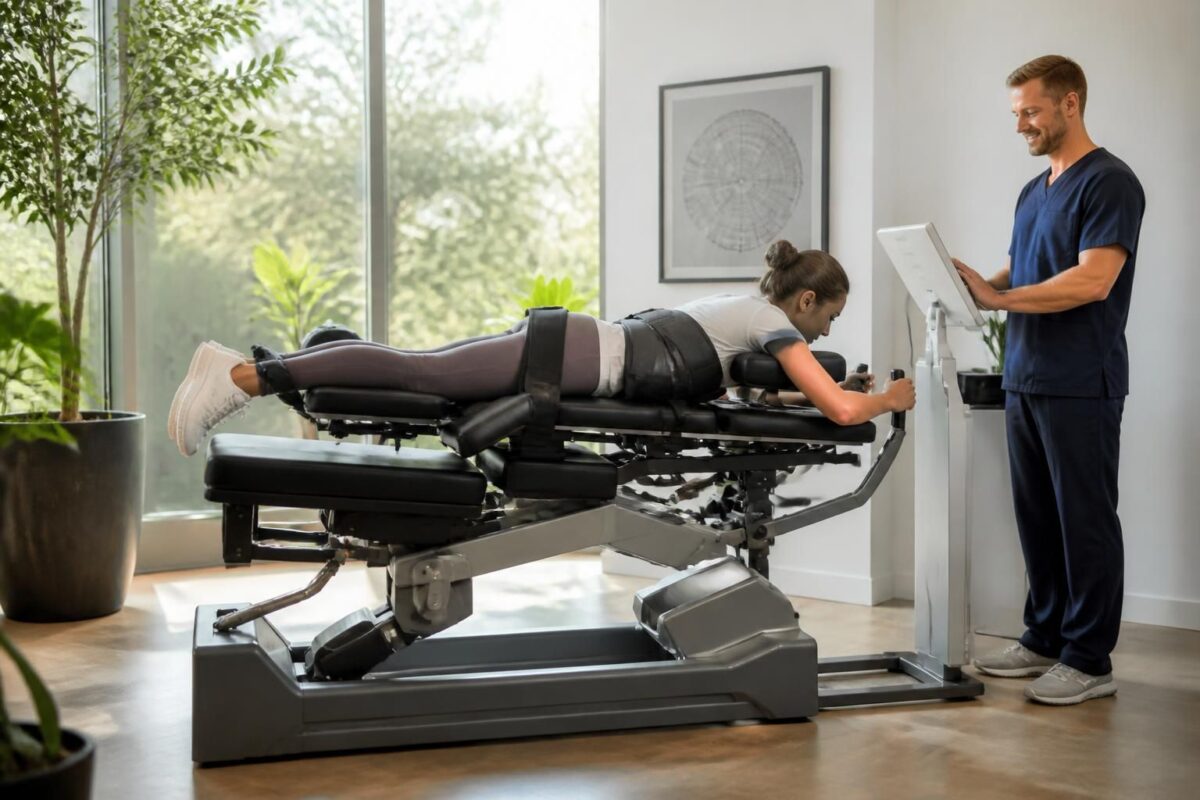
The long-term benefits of neurovertebral decompression for spinal health
In short In short, the neurovertebral decompression is a non-invasive approach that decreases the Pressure on intervertebral discs and nerves, favoring the Natural regeneration and tissue recovery. Its long-term benefits include Lasting pain reduction, Improving mobility and from the posture,…

Neurovertebral decompression and mobility: a return to an active life
In short In short, the neurovertebral decompression is therapy non-invasive who uses a gentle traction To create a space between the vertebrae and reduce the pressure on the Intervertebral discs and the nerves. It promotes a bloodstream improved, lowers tension…
Processing process and realistic expectations
Pre-treatment assessment
Each patient benefits from a Full assessment before the start of the sessions. This step confirms the indication and adapts the protocol, taking into account the history, symptoms and available imaging. This approach guarantees maximum security and efficiency adapted to each person.
During and after the sessions
The sessions implement a Soft and computer modeled traction, with a progression adapted to the patient’s response. Expected results include a rapid reduction in back and root pain, a Better mobility and an Prevention of recurrences By improving overall disk health. Although non-surgical, continuity of follow-up is recommended to adjust the frequency and number of sessions depending on the evolution of symptoms.
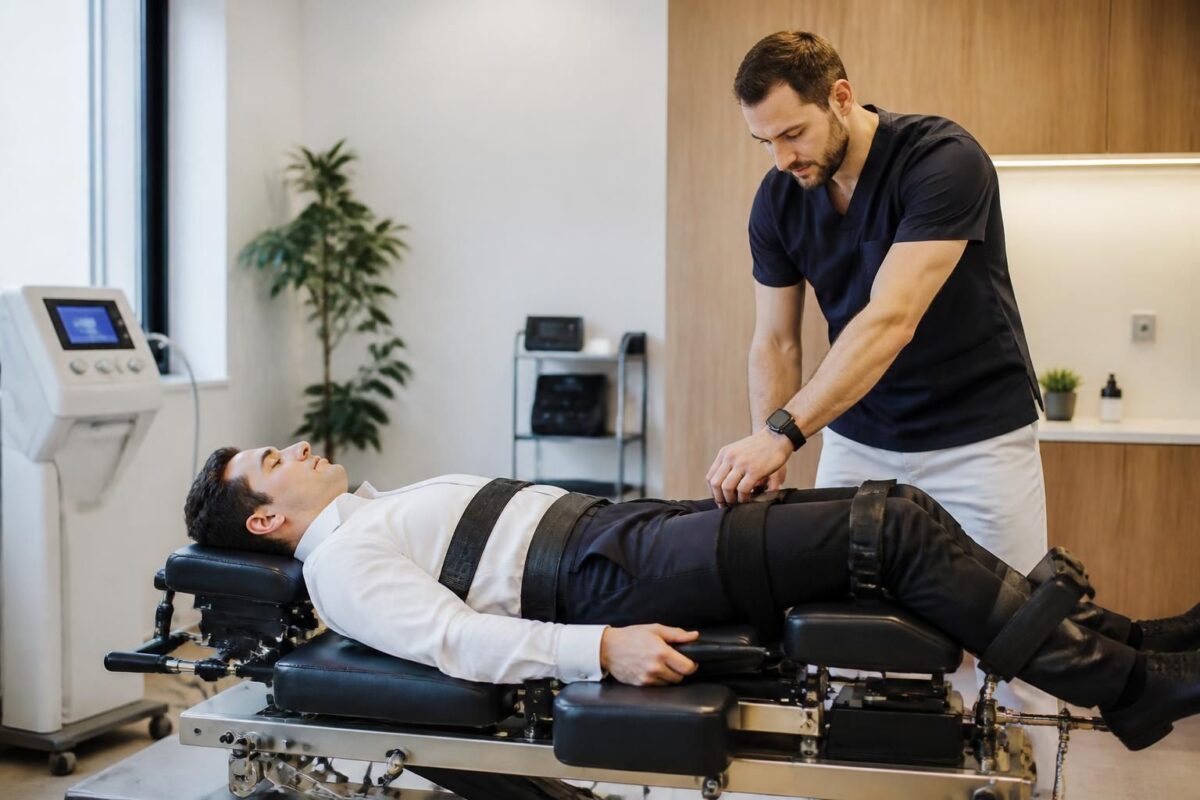
How Neurovertebral Decompression Prevents Diffuse Chronic Pain
In short decompression neurovertebral is one Non-invasive method aimed at reducing the Pressure on the intervertebral discs and the nerves, in order to prevent Diffuse chronic pain. It improves the circulation and thedisc hydration, decreases inflammation and promotes better mobility.…
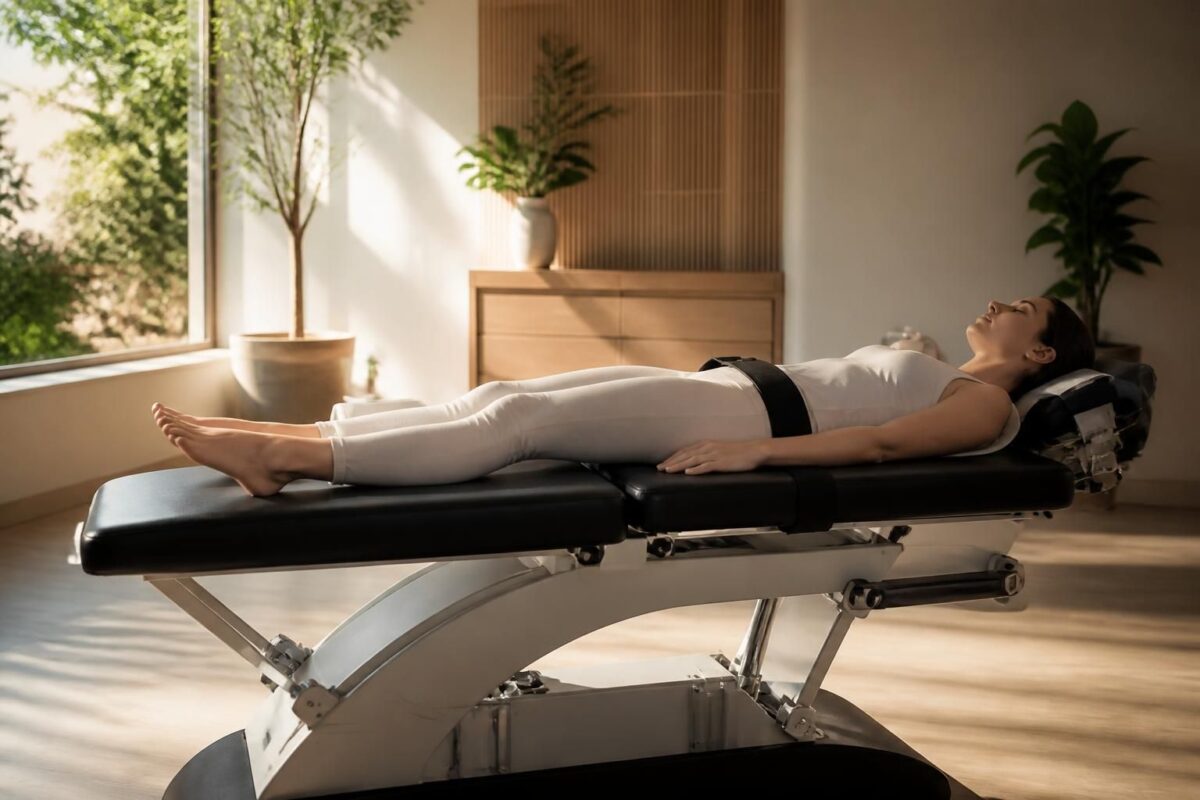
Neurovertebral Decompression and Body Alignment: Restoring Natural Balance
In short In short, neurovertebral decompression is one Non-invasive approach who restores theBody Alignment and thenatural balance back and neck. She acts by a Controlled traction of the spine to widen the intervertebral space and reduce the Pressure on discs…
Indications and safety
directions
This approach is indicated for persistent spinal pain and symptoms related to nerve pressure, such as lower back pain, radiculopathies and signs of disc degeneration. It can also benefit active people who are looking for an effective solution to quickly regain their mobility without heavy intervention.
contraindications
Some conditions require an in-depth assessment before any intervention: severe osteoporosis, recent vertebral fractures, marked spondylolisthesis, post-surgical pathologies or the presence of surgical material in the column. In these cases, the practitioner offers a suitable alternative and regular monitoring to ensure safety and effectiveness.
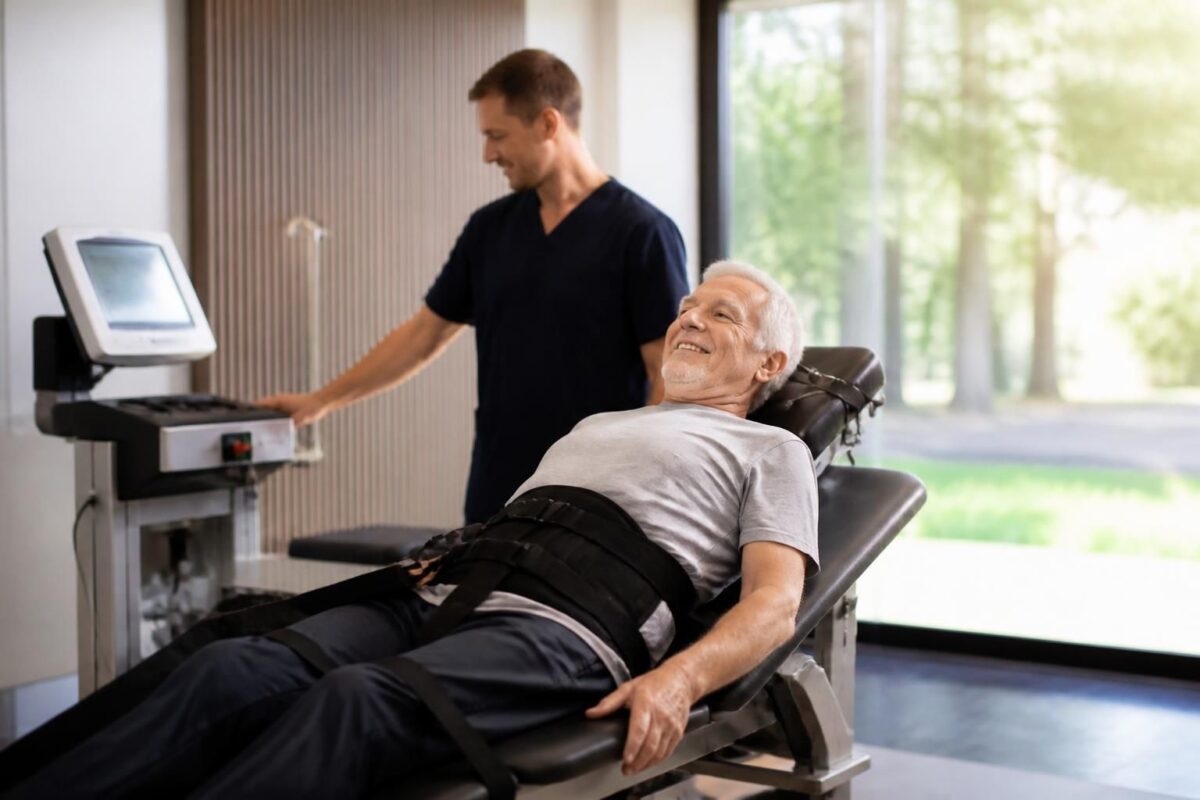
Why neurovertebral decompression is a lasting solution for active seniors
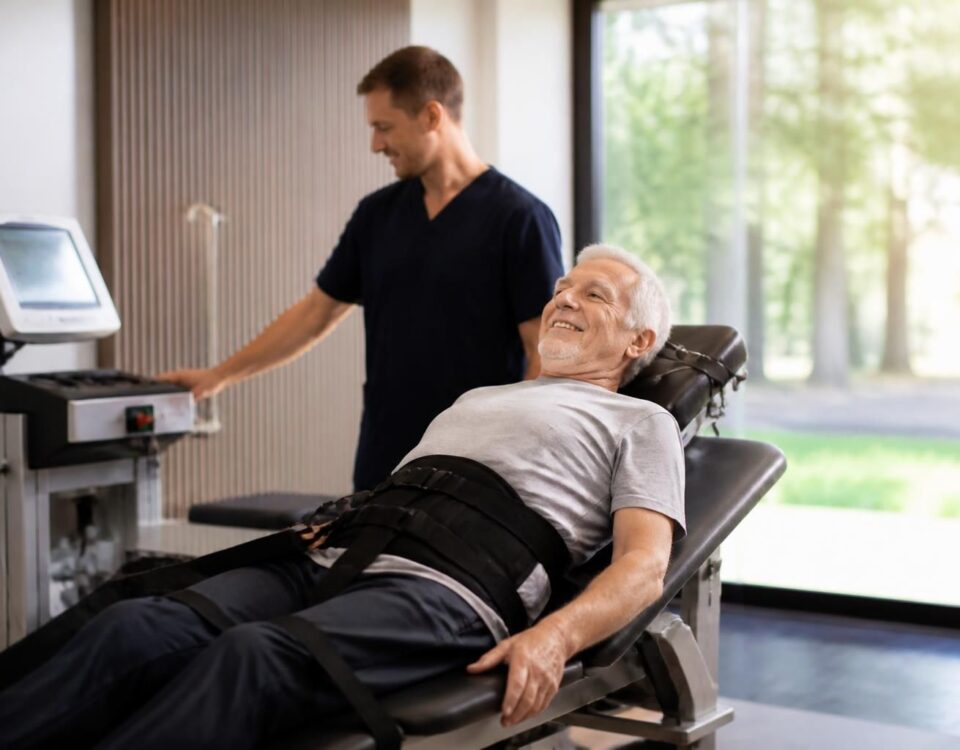
In short In short, the neurovertebral decompression is one Non-invasive therapy which sustainably relieves spinal pain in the spine active seniors By creating, by a Soft and controlled traction, a space between the vertebrae. At Montreal, it is recognized as…
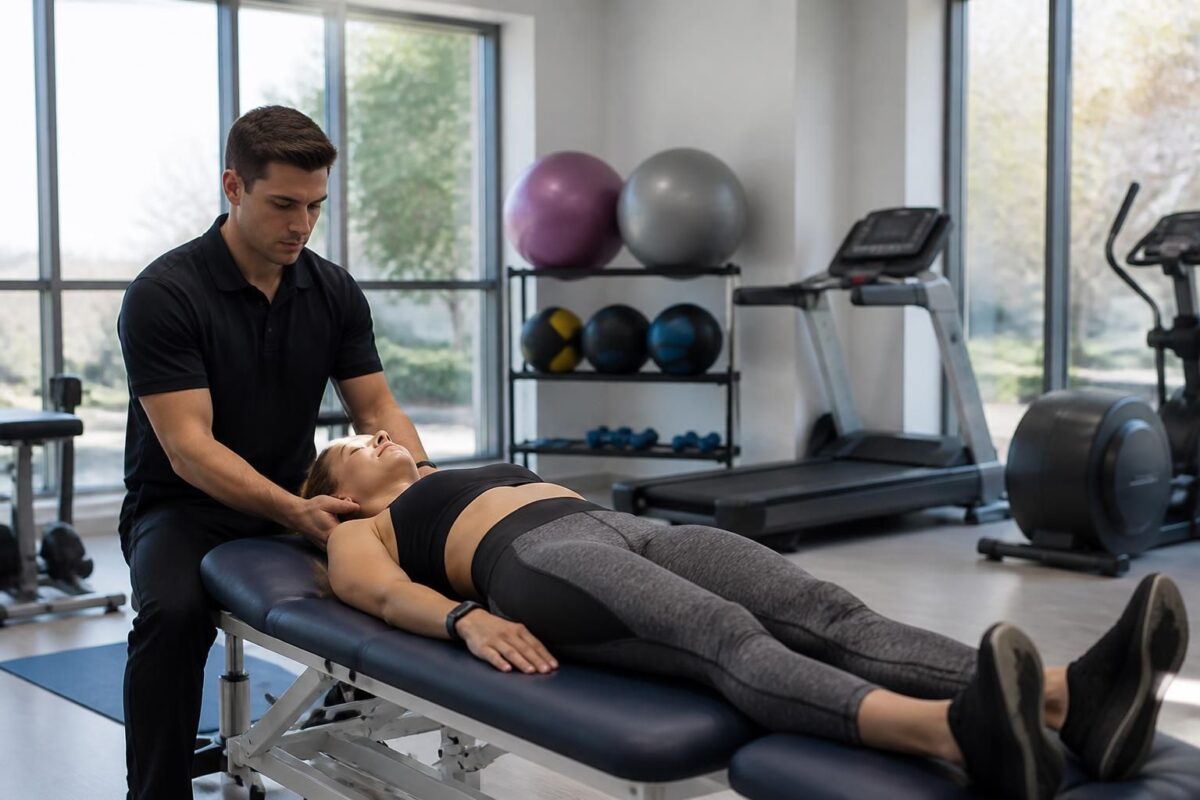
Neurovertebral decompression and recovery after severe sports injury
In short In short, the neurovertebral decompression is one Non-invasive method to Relieve the pressure on the Intervertebral discs and the gristle Via a Controlled traction, to facilitate the recovery After a severe sports injury. It improves the bloodstream towards…
Integration into a comprehensive care plan
Decompression can be integrated with other non-invasive approaches to optimize results. By associating this therapy with muscle strengthening programs, targeted stretching and postural counseling, we maximize the chances of lasting relief and a quick return to activity. The goal is a Holistic pain management and a lasting reduction in muscle spasms.
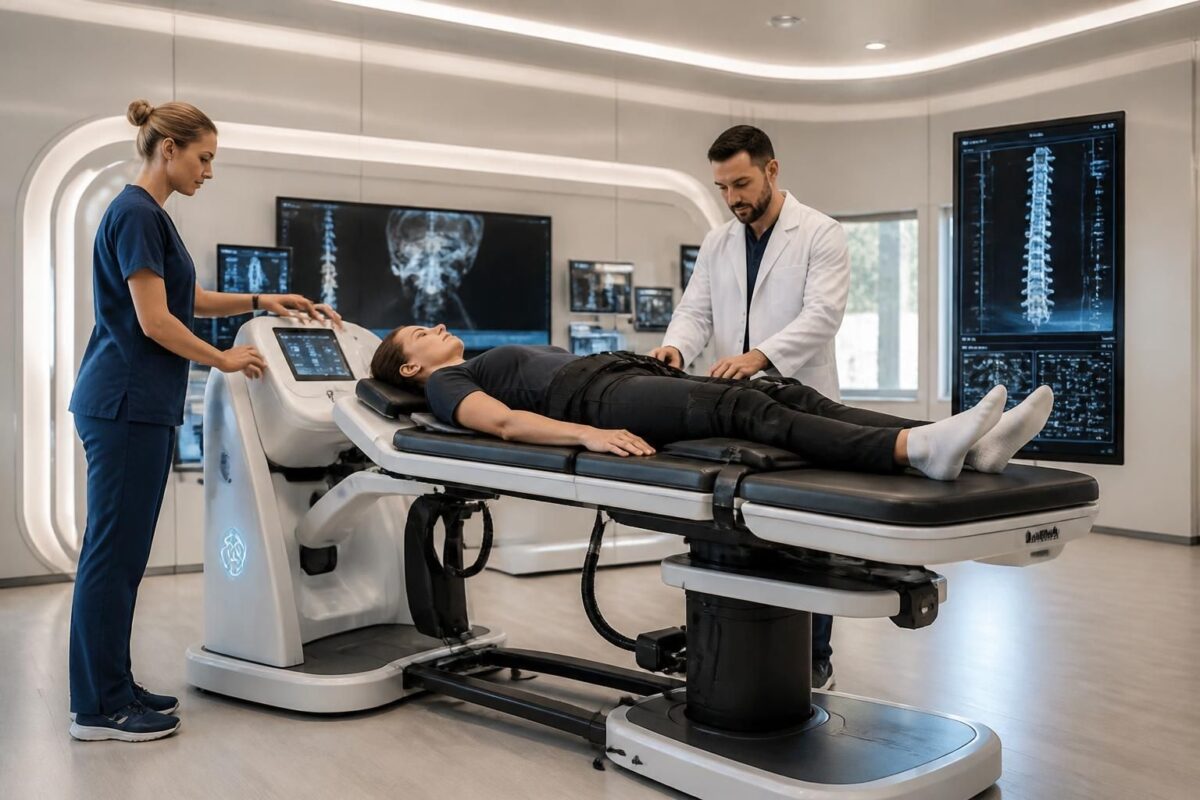
Recent innovations in neurovertebral decompression technologies
In short In short, the neurovertebral decompression is an approach non-invasive Aiming to reduce pressure on discs and nerves, and promote tissue regeneration. At Montreal, it is positioned as an effective option for lower back pain and herniated discs. The…
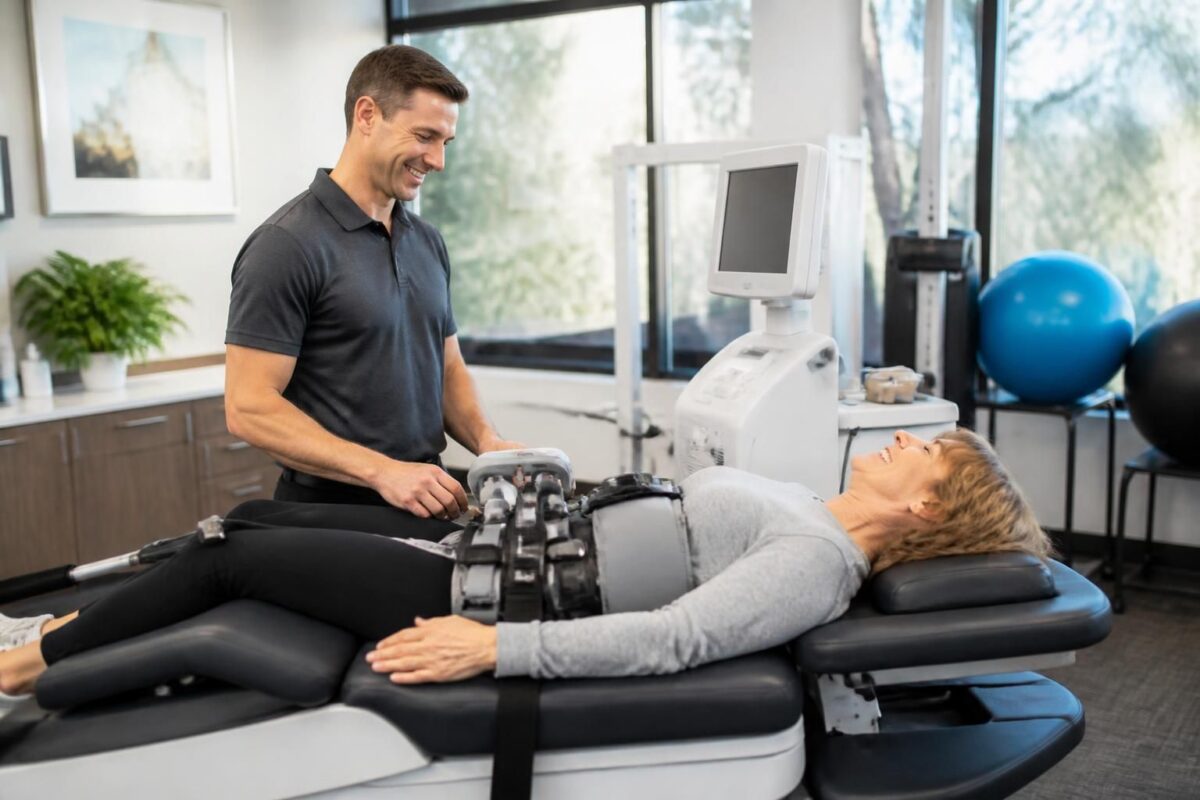
Neurovertebral decompression and diffuse pain: an appropriate solution
In short In short, the neurovertebral decompression is one Non-invasive solution For diffuse pain related to nerve irritation of the spine. She acts in Reducing pressure on intervertebral discs and nerves and improving the bloodstream, which promotes recovery and the…
Good practices and long-term follow-up
To extend the profits, it is crucial to maintain a Adapted hydration, to adopt a regular and appropriate physical activity, and to respect the recommendations of the therapist. Simple reinforcement and mobility exercises, performed gently, support spinal stability and reduce the risk of recurrence. Periodic monitoring makes it possible to adjust the protocol and to perpetuate the improvements obtained.
| Analysis axis | Concise elements |
|---|---|
| Objective | Reduce the pressure on the nerves and increase the space between the vertebrae for a lasting improvement pain and mobility. |
| Mechanism | Targeted and controlled traction promoting fluid redistribution anddisc hydration without surgery. |
| directions | Spasms and pain related to nervous and disc, lumbar or cervical tension, without surgery. |
| Earnings | Sustainable reduction of pain, better mobility and Muscle relaxation. |
| Safety and contraindications | adaptable to most; Major contraindications: severe osteoporosis, recent fractures, vertebral material; Preliminary medical assessment required. |
| Method of treatment | non-invasive; Regular sessions under supervision; Personalized progression depending on the patient. |
| Impact on spasms | Relaxation of the muscles around the spine and reduction in the frequency and intensity of spasms. |
| Monitoring and sustainability | regular evaluation of results; Maintenance of benefits by adapted physical activity and hydration. |
| Limits and conditions for success | Variable efficiency as appropriate; Requires accurate diagnosis and multidisciplinary approach; not a single solution. |
Testimonials on neurovertebral decompression and chronic muscle tension
“Before discovering neurovertebral decompression, my Chronic muscle tension and my spasms ruined my life and disturbed my sleep. After the start of treatment, I found a Sustainable relief and an Mobility found on a daily basis. The non-invasive sessions and gentle traction mount allowed to resume my activities without pain. »
“As a sportsman, I suffered from tensions that limited my performance. The neurovertebral decompression My license to Reduce muscle tension and improve therange of motion. In a few weeks, I was able to resume training gently and my pains did not return as before. »
“At 65, I had Lower back pain incessant that affected my sleep and my daily activities. The personalized sessions brought a Sustainable relief, and I sleep better. My alignment improved and I found a certain lightness in my daily actions. »
“I work standing up and I constantly had tensions rising along the back. With the neurovertebral decompression Associated with lifestyle advice, my Pains and spasms have decreased and my quality of life improved significantly. I am convinced by the effectiveness of this approach non-invasive. »
“The episodes of radiculopathy (pain radiating in the leg) are almost prevented from practicing my leisure time. After the Targeted sessions, the nerve pressure decreased and I feel a Sustainable relief, without heavy operation or drug. »
Dr. Sylvain Desforges, expert in osteopathy, naturopathy and manual medicine, is the Founding President Tagmed clinics andACMA Association. With a career dedicated toHealth Innovation, he specializes in Chronic pain management and theIntegration of advanced technologies such as the neurovertebral decompression, the laser and the Shockwave therapy. Its mission is to Provide evidence-based care to optimize the health and well-being of its patients. Its approach is based on rigorous evaluation, treatment customization and multidisciplinary collaboration to achieve lasting results.
The neurovertebral decompression is a method non-invasive which is based on soft and targeted mechanical traction. It aims to create a space between the vertebrae and thus reduce the pressure exerted on the intervertebral discs and on the nerves. Performed with specialized equipment, it offers a progressive therapeutic approach, without surgery, suitable for those who seek to reduce symptoms without going through surgical interventions.
This technique acts particularly on the signs related to the nervous tensions and pain that radiates from the spine, in particular lower back and cervical pain. It can help alleviate the pain associated with the disc degeneration and other manifestations related to nervous compression. The goal goes beyond simple relief: restore, as much as possible, disc pitch and promote thehydration and disk nutrition, to support tissue regeneration and improve the overall function of the spine.
The mechanism is based on a Controlled traction, modulated by computerized systems in order to optimize the effectiveness of the treatment. This traction generates a negative pressure Inside the discs, facilitating the supply of water and nutrients. With a suitable protocol and patient-friendly progression, the results include a pain reduction, a Improving mobility and an Decreased muscle tension. The approach is supported by continuous evaluation and regular monitoring to adjust the number and frequency of sessions according to the individual response.
The care path begins with a Full assessment including medical history, clinical examination and, where appropriate, targeted imaging. This step allows you to establish a Precise diagnosis and design a Custom Plan who can integrate other non-invasive approaches when relevant. The objective is to treat pain as a whole, coordinating decompression with interventions intended to improve posture, muscle tone and general condition of the patient.
The benefits felt go far beyond the occasional pain relief. By releasing tensions and restoring nervous balance, decompression promotes Better quality of life, improves sleep and the ability to resume daily and sporting activities. Clinical returns and patient testimonials converge towards regained mobility, decreased pain episodes and reduced stress associated with chronic pain, which positively influences mood and productivity.
In a logic of safety and sustainability, Dr. Desforges is considering the neurovertebral decompression as a component of a global care program. It can be associated with complementary non-invasive treatments and lifestyle advice, to support long-term benefits and help prevent recurrences. This integrative approach makes it possible to sustainably support people suffering from nervous tension and persistent pain towards better stability and a more sustained resumption of activities.
This conclusion clearly summarizes that the neurovertebral decompression is an effective non-invasive approach to sustainably relieve the Chronic muscle tension, by acting on the space between the vertebrae, the pressure on the nerves and the circulation of nutrients in the discs. This method aims to reduce spasms and restore optimal mobility, while avoiding the operative risks associated with surgery.
The neurovertebral decompression is based on a Soft and targeted traction which increases the intervertebral space and decreases the pressure exerted on the nerves. This regained balance promotes hydration and regeneration of discs, which contributes to a gradual decrease in Neuropathic pain And some Muscle tensions. For a detailed explanation of the mechanism, see the article titled How does neurovertebral decompression and its effects on diffused muscle tension (Explanatory link).
Common indications include pain related to disc degradation, chronic spinal pain, facet syndrome and post-surgical pain. The main interest lies in the fact that this approach is non-invasive And can enroll as a key step in a global wellness and recovery strategy. For seniors and people who have undergone surgery, specific resources point out that this option can be considered under medical supervision (Security for seniors).
In practice, the association of decompression with complementary approaches and appropriate hydration makes it possible to obtain more lasting results. Practices such as traffic optimization, maintaining an active lifestyle and preventing recurrences shine by their effectiveness contributing to a Mobility found and a reduction in persistent spasms. For concrete advice on the prevention of chronic mechanical disorders and continued benefits, you can refer to specialized resources (Prevention of mechanical disorders).
Clinical feedback and testimonials support the effectiveness of this approach. The neurovertebral decompression Is recognized to reduce persistent muscle tension and improve quality of life by decreasing the frequency and intensity of spasms. To deepen the benefits and mechanisms, consult the dedicated resources on specialized sites (Benefits on persistent tensions, Muscle spasms).
To facilitate your journey, it is possible to quickly assess your situation and plan the next steps with specialized professionals. Additional resources address in particular the links between decompression and rehabilitation after lumbar surgery (rehabilitation after surgery) and recovery options after vertebral fracture (Fracture recovery).
If you are looking for a structured and personalized approach for sustainably relieve chronic muscle tension, neurovertebral decompression can be a key option in your health program. To learn more about the benefits and mechanisms, you can consult the following resources and discuss with your healthcare professional:
– neurovertebral decompression and reduction of chronic nerve tension: Decompression and nervous tensions
– Benefits of neurovertebral decompression to reduce persistent muscle tension: Benefits for persistent muscle tension
– For a global and safe vision, the resources dedicated to seniors and the prevention of mechanical disorders complete your journey: Secure choice for seniors and Prevention of chronic mechanical disorders.
Make an appointment with a competent and experienced professional will allow you to determine if the neurovertebral decompression is in favor of your care plan, in order to obtain lasting relief and a better quality of life without the need for surgery.

Dr Sylvain Desforges, B.Sc., D.O., N.D., osteopath, is the founding president of TAGMED and of the ACMA association. He dedicates his practice to chronic spinal pain, low back pain and symptoms compatible with sciatica, particularly when pain radiates toward the buttock, leg, calf, foot or toes.
Through SOS Sciatique, he publishes educational content on sciatica symptoms, possible causes such as disc herniation, disc narrowing, foraminal stenosis or irritation of a lumbar nerve root, as well as non-surgical approaches that may be considered according to the evaluation. At Clinique TAGMED, care may include, depending on the case, motorized neurovertebral decompression, specific osteopathic care or precision percussion.
For an evaluation related to sciatica treatment in Montreal / Mount Royal or sciatica treatment in Terrebonne, please consult the services available at Clinique TAGMED.
Medical disclaimer
The information published on SOS Sciatique is provided for educational purposes only and does not replace a consultation, diagnosis, opinion or treatment provided by a physician or another authorized healthcare professional. The author of this article is neither a medical doctor nor a specialist in a medical specialty recognized by the Collège des médecins du Québec. The osteopathic, manual medicine or functional support approaches described on this site do not constitute medical acts and are not intended to replace medical follow-up.
Consult a physician or emergency service in cases of loss of bladder or bowel control, anesthesia in the saddle area, significant or progressive weakness in the leg or foot, fever, recent trauma, severe pain or rapid worsening of symptoms. For more details, please read our Legal Notice.