The benefits of neurovertebral decompression to reduce muscle tension
26/06/2026
Equipment innovations to maximize the results of neurovertebral decompression
26/06/2026
In short
| In short, the neurovertebral decompression is one Non-surgical approach which aims to Reduce intra-discal pressure and to Release the intervertebral space By applying a Controlled traction on the column. This allows the Retraction of herniated discs and the Disc rehydration, favoring the immediate relief pain andImproving mobility. Its main advantages include a Relief of back and neck pain, a Better range of motion, a reduction inUse of drugs and an Prevention of recurrences, all without surgery. It is addressed to Chronic mechanical disorders such as herniated discs, sciatica and disc degeneration. In Montreal, this service is particularly suitable for patients looking for a solution quick and secure to resume their activities. Treatment is offered as part of a Custom program and supervised that promotes a lasting return to working life. |
The neurovertebral decompression is an approach non-invasive which aims to relieve pain related to spinal disorders by reducing the Intra-discal pressure and repositioning damaged disks.
controlled and targeted traction, it improves the Local blood circulation, promotes the Disc rehydration and stimulates natural repair mechanisms.
integrated into a global rehabilitation and strengthening program, this therapy contributes to the Prevention of chronic mechanical disorders by reducing the risk of recurrence and improving the posture and stability of the spine.
It can be useful for lower back and cervical pain, sciatica and herniated discs and offers an alternative non-invasive to surgery for those who wish to avoid surgery.
A Assessment by a health professional is recommended before starting treatment, as some contraindications exist.
This article presents the neurovertebral decompression as a non-surgical approach to prevent Chronic column mechanical disorders vertebral. It describes the mechanism, clinical benefits, care pathway and safety issues. The objective is to help patients and professionals understand how this therapy can contribute to a better quality of life and to the prevention of recurrences in an appropriate clinical setting.
Principle and mechanism
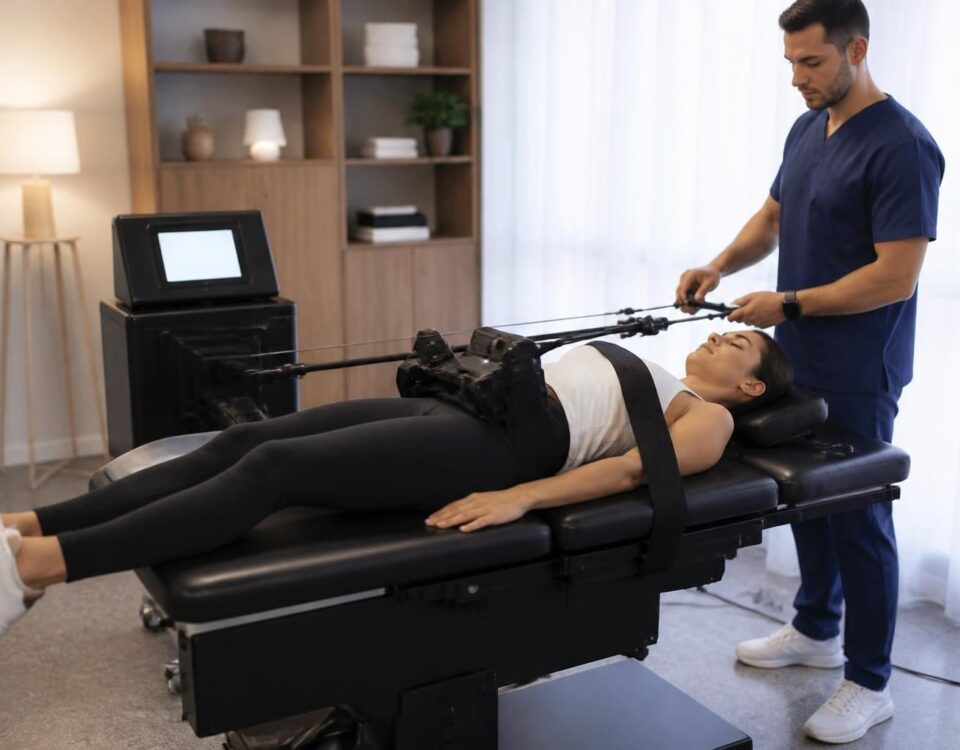
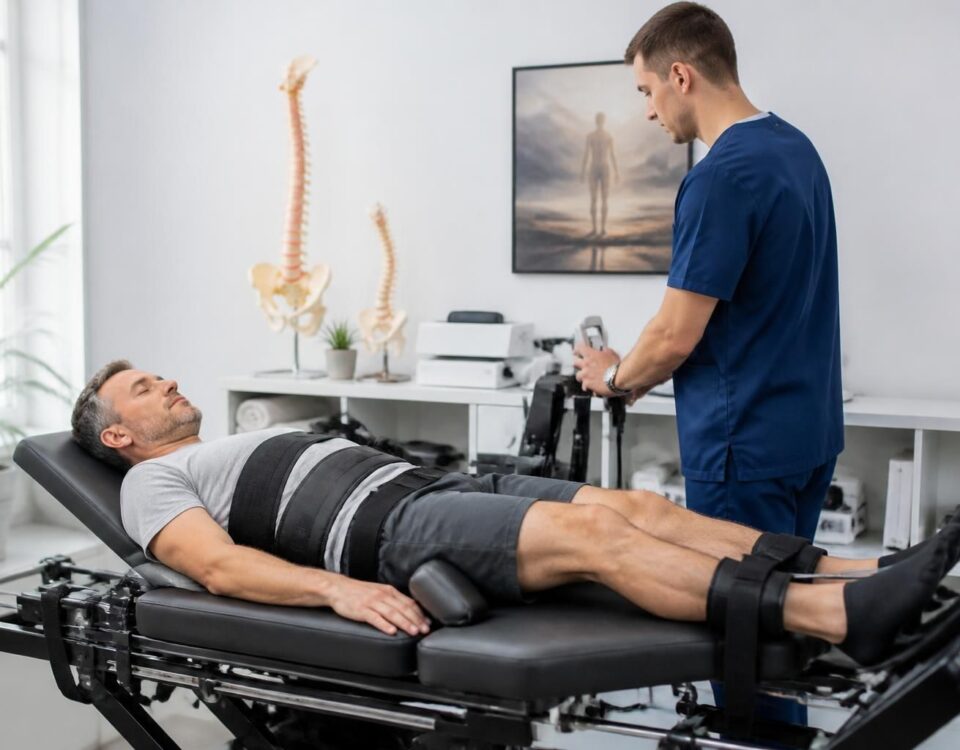
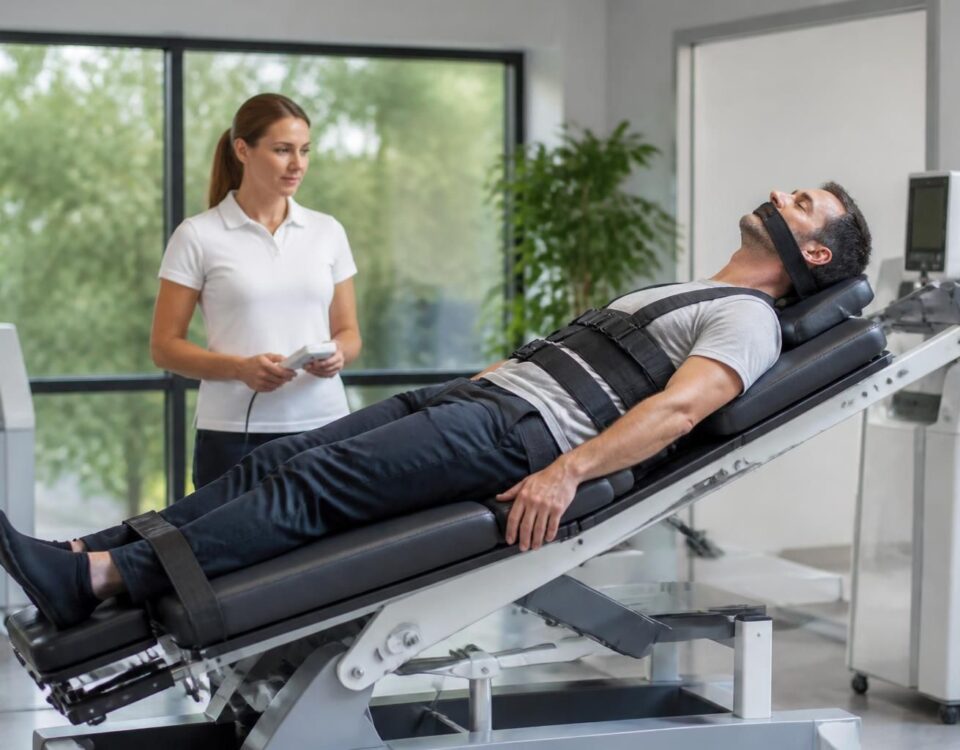
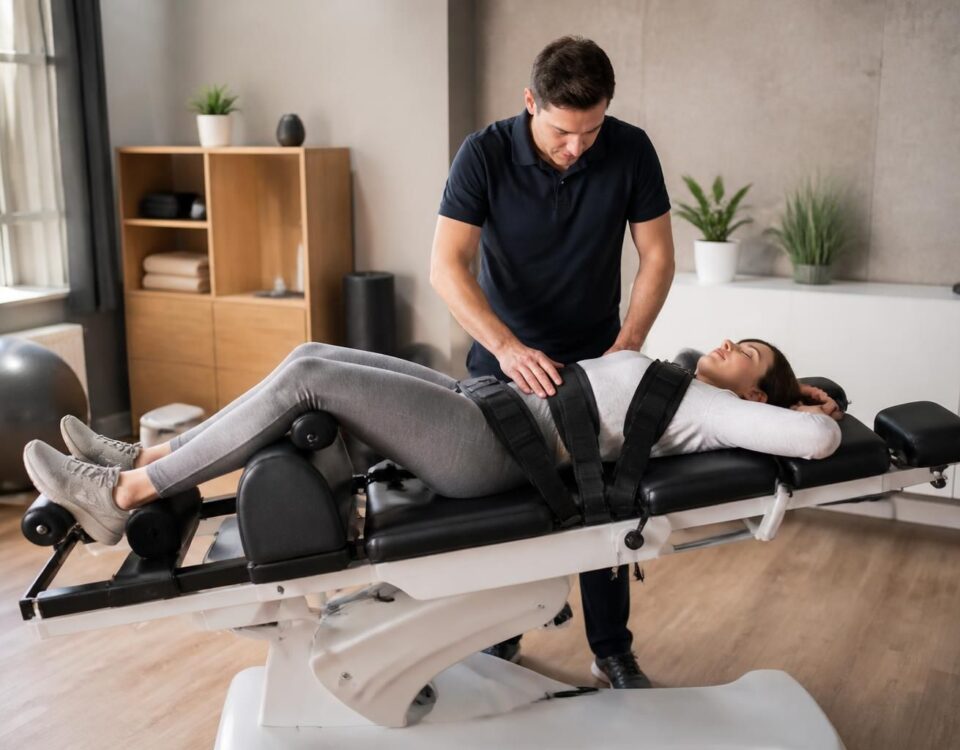
The neurovertebral decompression is a non-invasive therapy that acts on the spine by controlled traction. This traction creates negative pressure inside the intervertebral discs. This dynamic allows the retraction of displaced discs and reduction of compression on the spinal nerves. The result is an improvement in the disc space and better circulation of nutrients to the tissues concerned.
The process promotes Disc rehydration and natural tissue recovery, without the need for surgery. This approach is targeted at the affected segments and can be integrated into a global rehabilitation and reinforcement program. To learn more about the technical aspects and protocols, you can consult the specialized resources on different sites dedicated to this therapy.
Impact on the prevention of chronic mechanical disorders
By gradually reducing the pressure on the discs and nerves, decompression can contribute to a reduction in pain and a lasting improvement in mobility. This approach is designed to prevent recurrences and limit progression to more severe conditions that may require surgery.
Clinical data supports the effectiveness of this technique as a non-invasive option for treating common spinal disorders. Access to state-of-the-art equipment and individualized protocols makes it possible to obtain reproducible and secure results in well supervised clinical settings, particularly in TagMed and partner clinics.
Care course and protocol
The course begins with a clinical evaluation and, if necessary, with imaging examinations. A personalized treatment plan is then developed. The protocol includes regular sessions on a decompression table. Each session is supervised by a therapist who adjusts the parameters according to the patient’s tolerance and evolution. The post-treatment monitoring allows you to measure the improvement of pain and function, and to adjust the rehabilitation and posture advice if necessary.
As part of a multidisciplinary center, decompression can be associated with comprehensive management advice, including muscle strengthening and postural correction. For patients looking for solutions in a structure like TagMed, access is facilitated by the clinical services offered and the personalized programs set up by the team.
Contraindications and safety
Neurovertebral decompression is an approach non-invasive, but it is not suitable for all patients. A medical assessment is essential to identify contraindications and adapt the treatment. Conditions such as active vertebral fractures, certain infections, structural abnormalities or pregnancy conditions can influence the therapeutic decision. In case of doubt, the referring doctor can offer suitable alternatives or complementary.
The safety of the processing is based on the use of digital control equipment and supervision by qualified professionals. The objective is to ensure precise and safe traction, without pain or unnecessary risk for the patient. For complex cases, advanced protocols exist and can be discussed during a consultation.
Treatment integration and accessibility
Neurovertebral decompression is part of an integrated approach to care. It can be part of a multidisciplinary program, in addition to muscle strengthening and work on posture. Interested patients can contact equipped centers such as Tagmed Clinic In Montreal or Terrebonne to discuss a suitable route. resources and protocols available on sosciatica and other specialized portals offer additional information on the results and stages of treatment. For technical aspects and clinical perspectives, you can also consult SOS Herniated Disc.
Resources and useful links
To deepen, here are some useful and relevant resources in the context of information on spinal decompressions and their effects on pain and mobility. SOS SCIATIC, Quick results, Radiant pain, Prevention of chronic mechanical disorders, Neurovertebral decompression – Wikipedia, Prevention of chronic mechanical disorders, Therapié of choice for seniors, DNV – Medical Advance.
For specific resources on osteopathic training, the references concern only NUMSS, NAO, National University of Medical Sciences and National Academy of osteopathy. For professional associations, recognized organizations remain ACMA, College of Canadian Osteopaths and College of Canadian Osteopaths.
The treatments mentioned here favor care in the TagMed clinic in Montreal or Terrebonne when non-surgical options prove appropriate. For additional information and references, please consult the official pages of the clinics concerned.
Medical Disclaimer: The information and advice provided on this site does not replace the health professional’s diagnosis or treatment. Please note that Dr. Sylvain Desforges osteopath is neither a doctor of medicine nor a doctor, and is not a specialist in a medical specialty as defined by the Collège des Médecins du Québec. Manual medicine, functional medicine and sports medicine as described on this site exclude any medical treatment or diagnosis made by a doctor or specialist doctor. Always consult your doctor for any medical questions. For more details, please read our full legal notice.
- Principle : Reduction of intra-discal pressure and rehydration
- Objective : Reduce pain and restore mobility
- Target audience : lumbar, cervical and herniated discs
- Mode : non-invasive, without surgery, progressive treatment
- Prevention : limit recurrences by improving posture and muscle control
- Blueprint : Personalized program of 4-5 weeks and 20-25 sessions
- indicators : Pain relief, mobility gains and resumption of activity
- Security : Supervision by a therapist and post-treatment follow-up

This article presents the essential elements of neurovertebral decompression as a non-invasive approach to relieve back and neck pain and approach prevention chronic mechanical disorders. By strengthening clinical practice based on biomechanical mechanisms, this technique aims to reduce the pressure on discs and nerves, promote disc rehydration and support sustainable functional recovery. It is part of a global rehabilitation and prevention strategy, in order to avoid recurrences and maintain the gains obtained over time.
Principle and key benefits
Decompression is based on a segmental traction computer-guided, precisely applied to the spine, in order to create a negative pressure inside the intervertebral discs. This effect promotes the repositioning of damaged discs, reduces the Intra-discal pressure and releases the compressed nerves. At the same time, the increase in local blood flow supports the Tissue regeneration and improves mobility. Result: a gradual decrease in pain and an improvement in function, without surgical recourse.
well integrated into a rehabilitation program, this approach can contribute to the Prevention of recurrent pain By stabilizing the disc space and facilitating more harmonious movements. Clinical data suggests that when combined with strengthening exercises and posture advice, decompression can optimize the path to recovery and limit the root causes of low back and neck pain.
Indications and course of treatment
Typical indications include symptomatic disc disorders such as herniated discs and associated sciatica, as well as certain forms of low back pain and cervical pain related to disc degeneration. The current protocol envisages a progressive and personalized course, on average 20 to 25 sessions spread over 4 to 5 weeks, at the rate of 3 to 5 weekly sessions. Each session is adapted to the evolution of the patient, with real-time monitoring and adjustments to the traction parameters to optimize efficiency and safety.
The gait is non-surgical and does not require anesthesia. It fits into a global rehabilitation approach that may include targeted exercises, postural counseling and muscle building programs. To determine individual adaptation, an in-depth initial assessment by a health professional is recommended, in order to rule out contraindications and personalize the treatment plan.
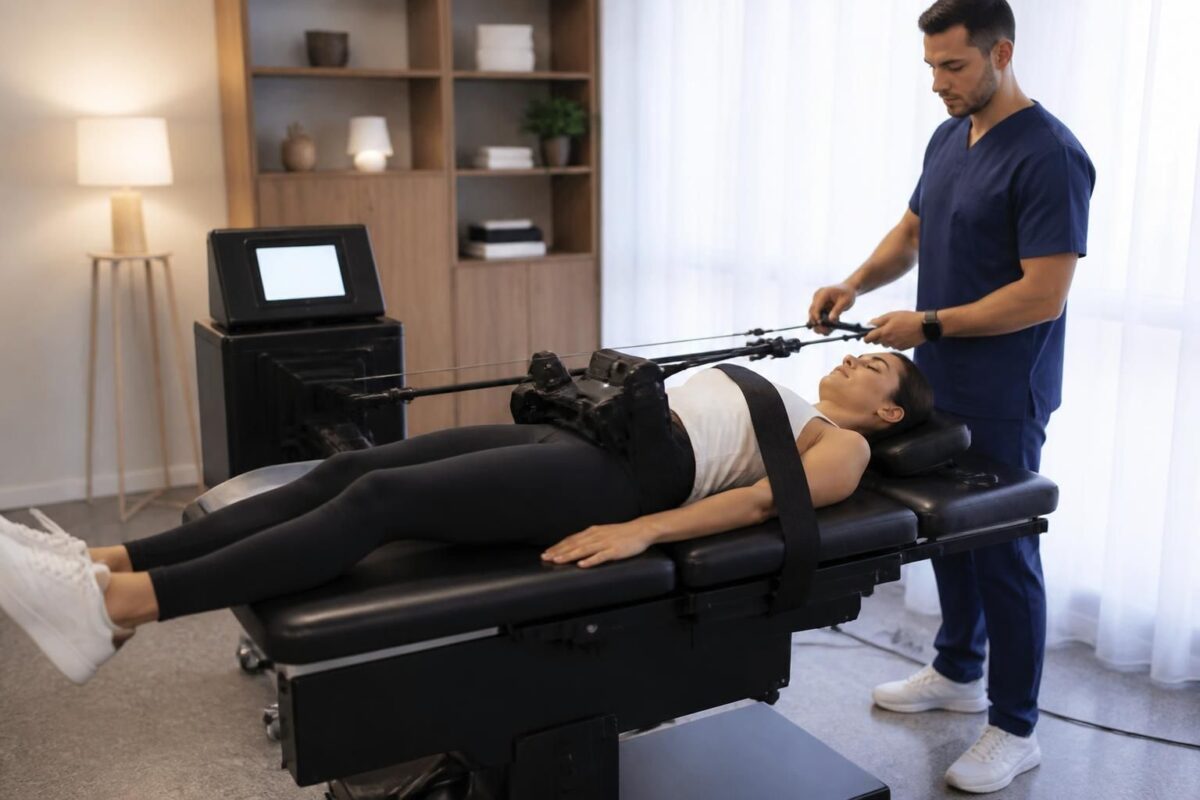
How neurovertebral decompression optimizes body alignment
In short In short, neurovertebral decompression is one Non-invasive therapy which aims to Reduce pressure on intervertebral discs and nerves via controlled traction of the spine. What does it bring? This makes it possible to correct the Postural imbalances and…
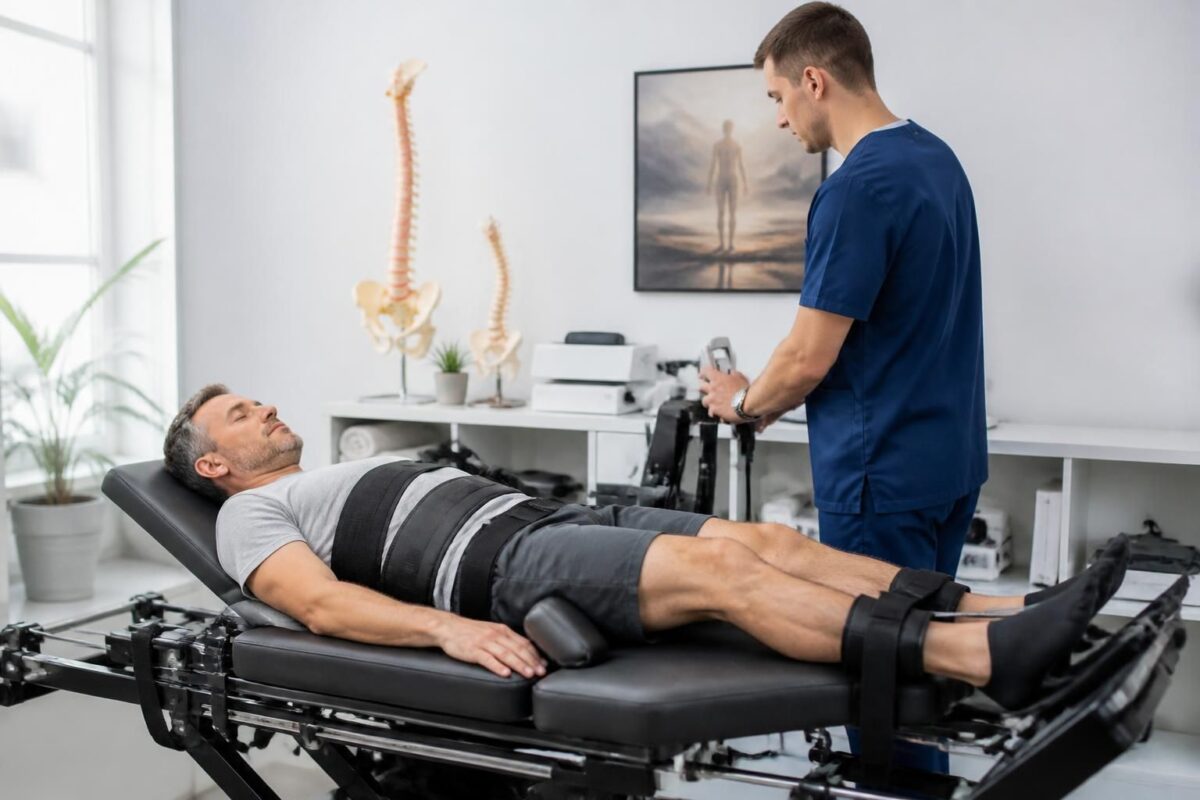
Neurovertebral decompression and post-traumatic pain management
In short In short, the neurovertebral decompression is one Non-invasive method which aims to reduce the pressure on gristle and the Intervertebral discs To treat pain post-traumatic and associated neuropathic pain. Its key advantages include theImproved flexibility of the column…
Prevention of chronic mechanical disorders
Beyond occasional relief, prevention is based on the lasting reduction of the mechanical factors that feed the Chronic pain. of Correct postural habits, adapted physical activity and a reinforcement program centered on the trunk contribute to maintaining the disc space and limiting tensions on joint and nerve structures. The objective is to preserve mobility while avoiding excessive loads and sudden movements which can aggravate disc fragility.
maintaining a personal responsibility With regard to posture at work and during daily activities is crucial. Regular exercises focused on trunk stability, spinal mobility and scapulo-thoracic balance, supplemented by ergonomic measurements, reduce the incidence of pain and inflammatory episodes.
Integration with rehabilitation and lifestyle habits
Effective prevention is based on collaboration between therapists and patients. The integration of the Functional rehabilitation (Strengthening, mobility and endurance) with lifestyle advice (weight, tobacco, sleep) optimizes long-term results and prevents relapses. Regular monitoring makes it possible to adjust the program and maintain a progression adapted to the rhythm of each individual.
Combined approaches, including decompression and controlled spending exercises, promote the return to normal activity and strengthen the resilience of the spine. By favoring a proactive and personalized approach, we maximize the chances of preventing Chronic mechanical disorders and support a sustainable quality of life.
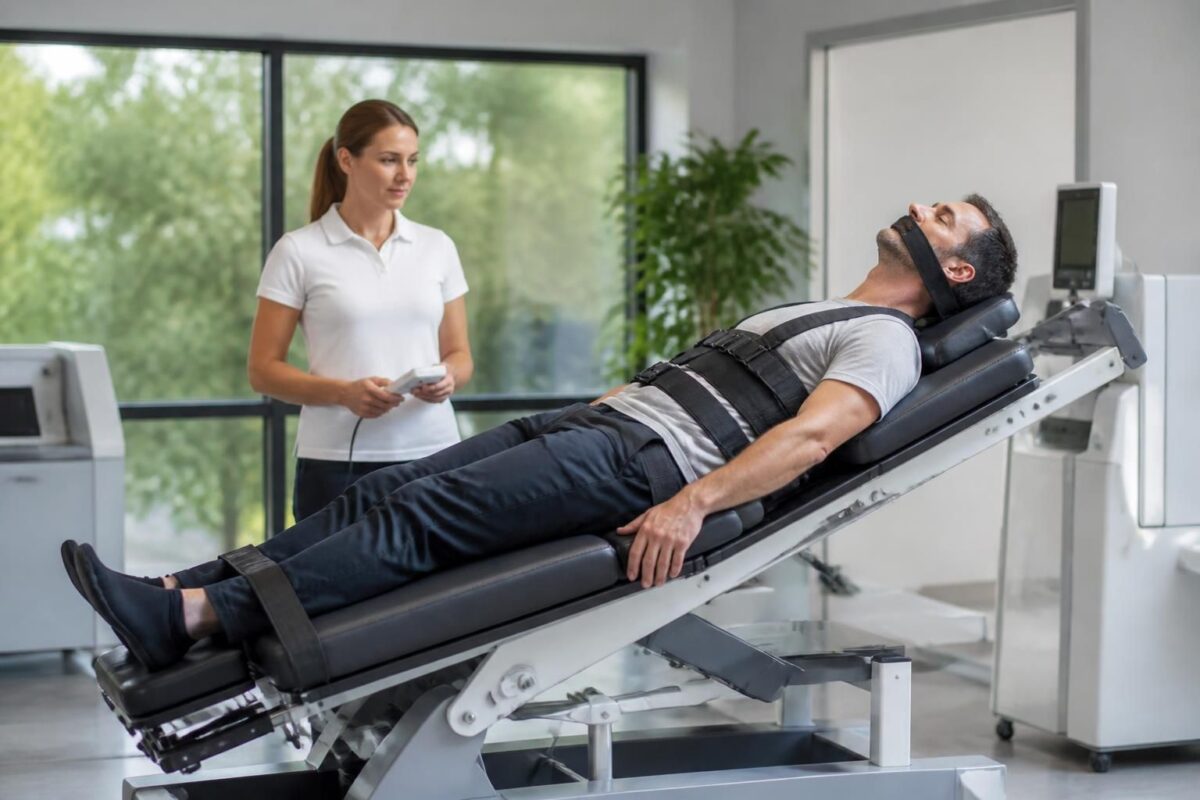
Why neurovertebral decompression is an essential preventive solution
In short In short, neurovertebral decompression is one Preventive solution non-invasive which aims to sustainably reduce the pressures on the discs and nerves. What is it? targeted therapy using Controlled traction on the column to create a Intra-discal vacuum, promote…
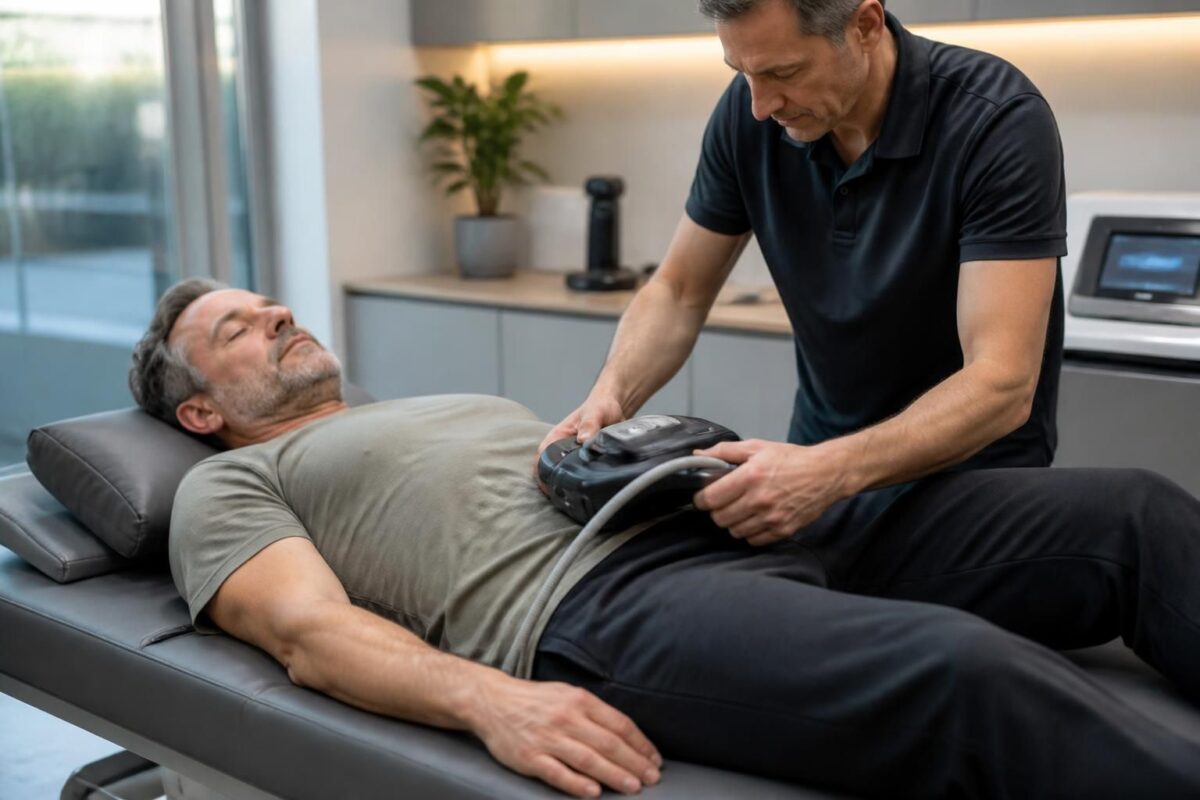
Neurovertebral decompression and treatment of chronic lumbar pain
In short In short, neurovertebral decompression is a technique non-invasive of Treatment of chronic lower back pain which reduces the Pressure on discs and nerves and can relieve the herniated discs and the disc degeneration. At Montreal, it offers a…
Safety and precautions
Like any therapeutic modality, neurovertebral decompression requires an appropriate evaluation and rigorous selection of patients. Certain conditions may constitute contraindications and require other options or adaptations of the protocol. An open dialogue with a health professional makes it possible to define the safest and most effective plan for each situation, while ensuring a personalized and transparent care course.
| Axis | Prevent chronic mechanical disorders with an approach non-invasive centered on the spine and postural reinforcement. |
| Definition | The neurovertebral decompression is a method non-surgical which reduces the pressure intra-discal and nervous, facilitating recovery. |
| Mechanism | A traction system Digitized and controlled Generates a Target vacuum, helping to rehydrate the discs and reposition the problematic elements. |
| Earnings | pain relief, improvement of the mobility and reduction ofinflammation without invasive intervention. |
| Target audience | Suitable for pain lumbar and cervical related to hernias or disc bulges; screening recommended. |
| Prevention | by strengthening support structures and correcting the posture, it contributes to reducing the risk of recurrence and limiting the progression to chronic pain. |
| Security | Process sure, without anesthesia and without surgery, with a good tolerance When done by qualified professionals. |
| Integration | fits into a Global program rehabilitation including exercises, reinforcement and lifestyle advice. |
| Duration and follow-up | Customized plan over several weeks with controls and parameter adjustments to measure progress. |
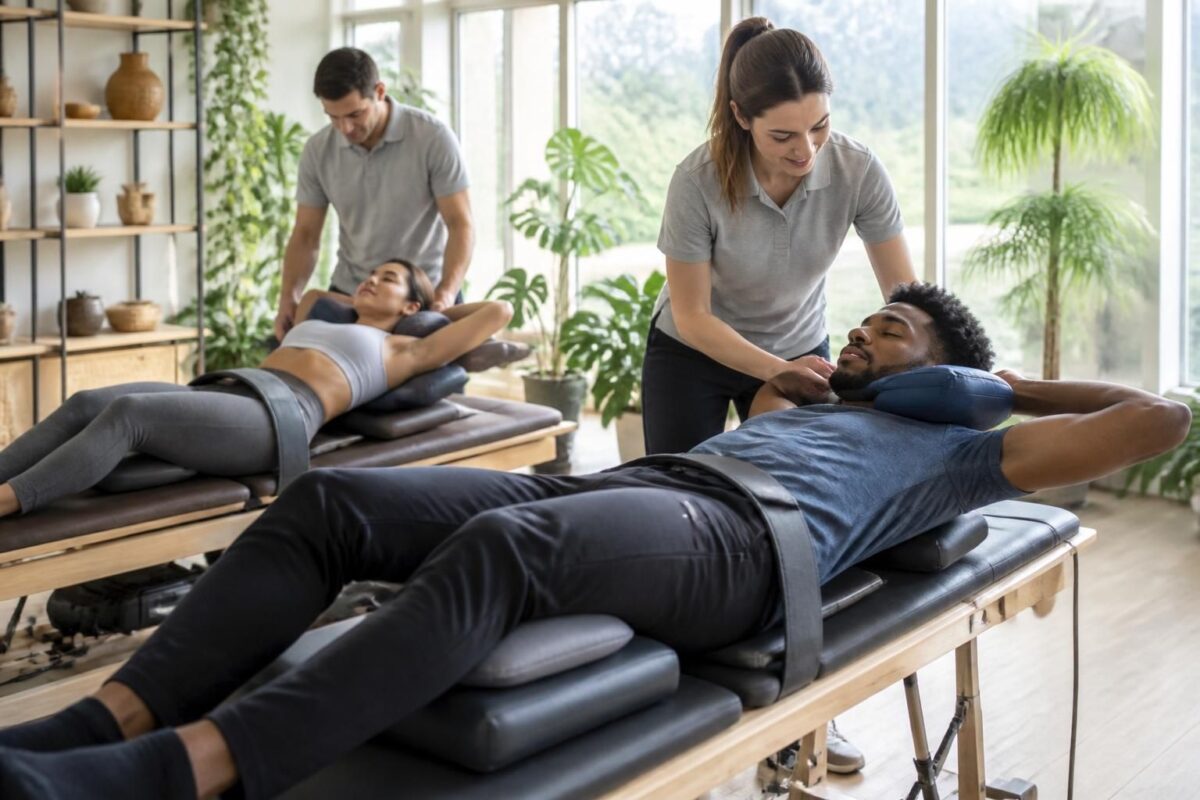
The physical and mental benefits of a neurovertebral decompression program
In short In short, the program of neurovertebral decompression is one Non-invasive approach which aims to underline the Chronic pain and improve the Physical and mental well-being. What is it? A technique that decreases pressure on discs and nerves to…
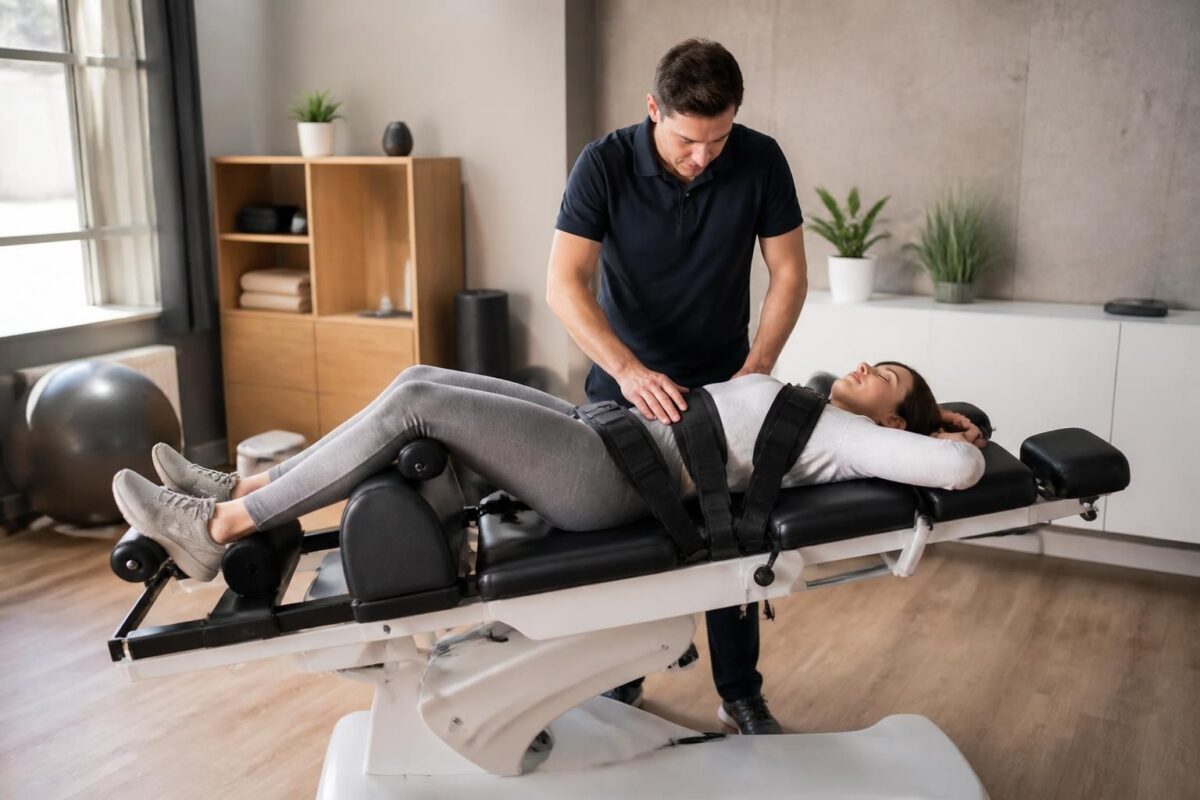
Neurovertebral decompression and relief of associated muscle pain
In short In short, the neurovertebral decompression is one Non-invasive approach which relieves the Associated muscle pain By applying a gentle traction on the spine for Release the intervertebral space and improve the circulation. Its advantages include reducing inflammation,Improving mobility…
Testimonials on neurovertebral decompression and prevention of chronic mechanical disorders
“I am Marie D., and after years of lower back pain, I decided to try the neurovertebral decompression. The sessions were gentle and non-invasive, and I quickly felt a decrease in pain. Today, I can resume my daily activities without this feeling of blocking, which also helps me in the Prevention of chronic mechanical disorders that once weighed me down”.
“As a sportsman, I suffered from a herniated disc that limited my training. Thanks to the neurovertebral decompression, the pain decreased and my mobility improved gradually. I particularly appreciate that it is a non-surgical and body-centered approach as a whole, and it helps me build a sustainable recurrence prevention routine, thus contributing to the Prevention of chronic mechanical disorders in my sports practice. »
“I am Claire P., aged 65, and I was afraid that my neck pain would cut me off from my little pleasures. After a few weeks of treatment with neurovertebral decompression, my symptoms have subsided and my posture is more balanced. This journey convinced me that this method can really help Prevention of chronic mechanical disorders in the elderly, promoting better autonomy and a new quality of life. »
“My name is Karim, 32, and I tested the neurovertebral decompression After low back pain related to sedentary lifestyle and repeated tension. The treatment was pleasant and the results were felt quickly, with a noticeable reduction in pain and better mobility. This approach gave me the tools to prevent long-term chronic mechanical disorders by combining posture, reinforcement and personalized follow-up. »
“As a team leader, I had to manage a sensitive back for years. After opting for the neurovertebral decompression, I saw continuous improvement and less nervousness in the face of pain. It is not only an immediate relief: it is a real prevention step towards better physical function and a reduction in the risk of recurrence, which fits perfectly into my approach to Prevention of chronic mechanical disorders. »
the journey of Dr. Sylvain Desforges Is part of an approach centered on health innovation and continuous improvement of clinical practices. Expert in osteopathy, naturopathy and manual medicine, he is the founding president of the Tagmed Clinics and theACMA Association. His vision is based on understanding the Chronic pain and implementation of solutions evidence-based, in order to optimize the health and well-being of patients. Its approach combines precise evaluation, personalized therapeutic choices and multidisciplinary follow-up, with particular attention paid to long-term effectiveness and the prevention of recurrences in the context of a sustainable care pathway.
At the heart of this practice, the neurovertebral decompression Represents a non-invasive and effective response to treat common spinal pathologies. This approach acts by reducing intra-discal pressure and favoring the Retrograde of hernias and disc bulges, without resorting to surgery. thanks to a Computer controlled segmental traction, the disc is manipulated with millimetric precision, creating an internal vacuum that allows the disc to resume its shape and evacuate the compression exerted on the neighboring nerves. This mechanism is accompanied by an improvement in local blood circulation, accelerating natural regeneration and mobility recovery, while providing an experience Comfortable and safe for the patient.
The prospect of Prevention of chronic mechanical disorders Also guides each step of the program. Beyond the initial relief, the objective is to identify and treat the risk factors and gestures that contribute to chronicity. It goes through muscle building targeted, a Postural rehabilitation and advice from (Health education) aimed at preserving the support structures of the spine. By combining these elements with ergonomic adaptations and healthy lifestyles, we seek to sustainably reduce painful episodes, improve function and increase patient independence in their daily activities. This active prevention is part of a holistic approach where physiology, ergonomics and lifestyle interact to maintain the results obtained.
His approach is illuminated by evidence and promotes a Multidisciplinary collaboration. By placing decompression as a key step in a global rehabilitation course, it offers a Non-surgical alternative which can reduce the need for more invasive interventions, while improving the mobility and reducing the pain. This approach aims not only for immediate relaxation, but also a Sustainable functional recovery and a better long-term quality of life, respecting the safety and well-being of each person being treated.
Through TagMed and ACMA, Dr. Desforges illustrates a Modern vision of back medicine, focused on innovation, personalization of care and patient education. His work demonstrates that the neurovertebral decompression and the Prevention of chronic mechanical disorders can converge to provide an effective and reversible path to regained mobility, pain reduction and maintaining an active and healthy lifestyle.
This article presents a concise summary on the neurovertebral decompression and his role in Prevention of chronic mechanical disorders, highlighting how this non-invasive approach can improve spine health, relieve pain and prevent recurrences when integrated into a comprehensive prevention and rehabilitation program.
The neurovertebral decompression offers a non-invasive therapeutic axis which acts directly on the Intra-discal pressure and the nutritional intake of the discs. By creating a targeted space and promoting disc rehydration, it contributes to the reduction of pain and the improvement of mobility, while limiting irritation of nerves and adjacent structures. This approach can thus prevent the aggravation of mechanical disorders and promote a return to daily activities with fewer limitations.
The mechanisms involved, in particular the improvement of blood circulation around the treated segments and the restoration of the elasticity of the DISC structures, contribute to a Sustainable functional recovery. This dynamic is part of a perspective of preventing recurrences, by strengthening the support capacities of the column and promoting better posture and healthier movement habits. To deepen the scientific aspects and current protocols, you can consult the following resources: Neurovertebral decompression and body alignment: a gentle solution and Comparative study of therapeutic approaches.
On the preventive level, the integration of decompression in a care pathway focused on the Muscle strengthening, endurance and posture Reduces the risk of long-term relapses and spinal complications. Specialized resources highlight the importance of an approach multidisciplinary and regular follow-up to maintain the gains obtained and encourage lifestyle habits that are favorable to the spine. To broaden your understanding of these preventive aspects, consult references such as Prevention of recurrent mechanical disorders and Prevention of relapses after an injury.
Decompression can also be considered as a Advance in manual medicine When associated with rehabilitation programs and appropriate posture and physical activity advice. For a perspective on this therapeutic framework and its integration into a clinical practice, you can explore Neurovertebral decompression: an advance in manual medicine.
For a vision centered on the daily life of patients, decompression allows treatment that can reduce disc inflammation and relieve chronic cervical or lumbar pain, while supporting the natural healing process and promoting a better quality of life. To learn more about these global approaches, see Neurovertebral decompression and chronic cervical pain: overall management.
In addition to a personalized course, the prevention of chronic mechanical disorders requires a suitable evaluation, targeted exercises and practical advice that support the longevity of the spine. For additional information on current advances and protocols, see Study of current techniques and protocols and Body alignment and smooth treatment.
To broaden the perspectives and follow recent developments around the prevention of chronic mechanical disorders, you can also consult How neurovertebral decompression reduces disc inflammation and Effects on Diffused Neuropathic Pain.
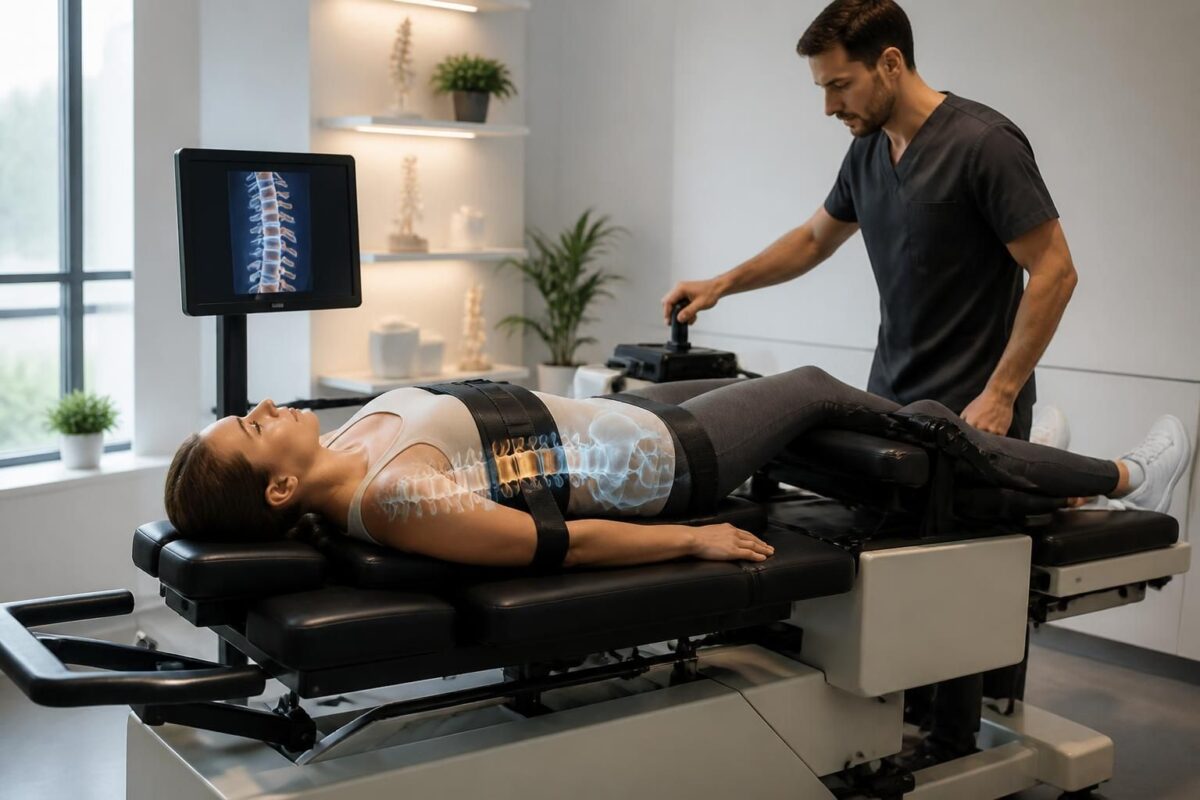
How neurovertebral decompression improves the function of intervertebral discs
In short In short, the neurovertebral decompression is one Non-invasive technique which applies a Controlled traction along the column to create a space between the vertebrae and reduce the Intradiscal pressure on the Intervertebral discs. This reduction promotes Disk retraction…
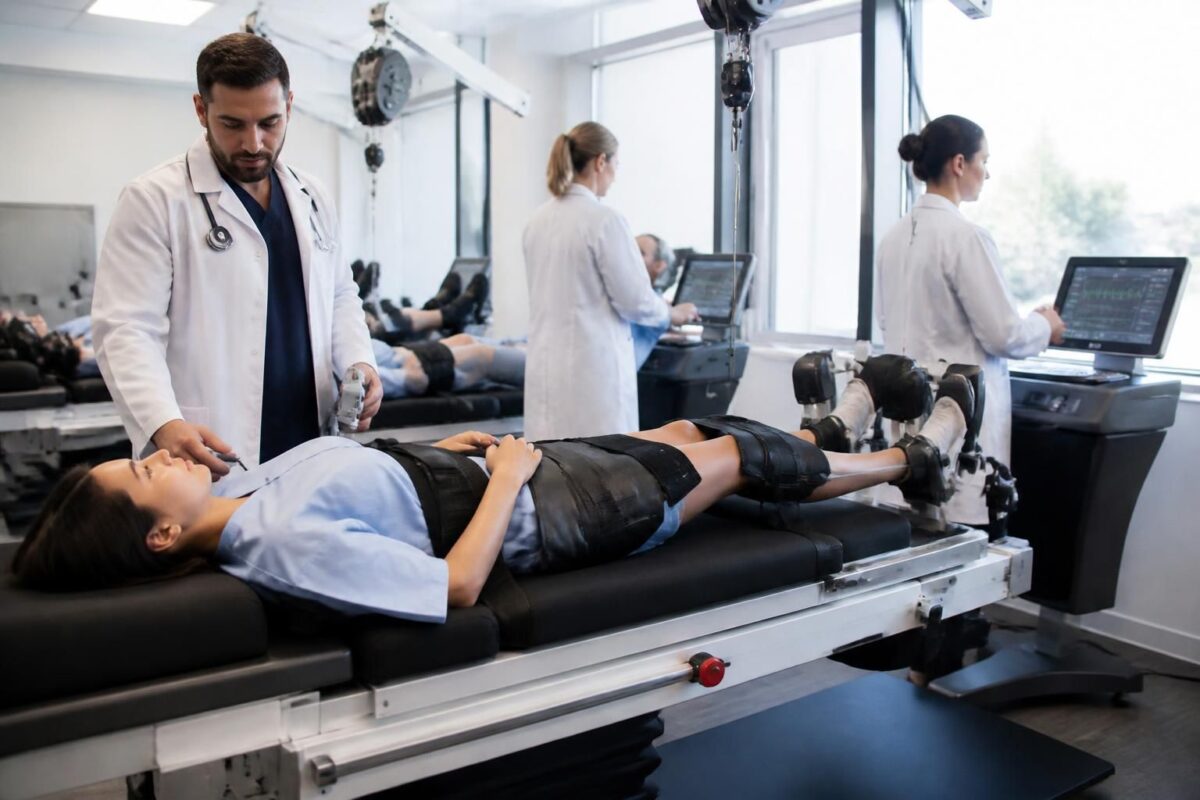
Advanced protocols for patients with neurovertebral decompression
In short In short, neurovertebral decompression is one Non-invasive technique which releases the pressure on the discs and nerves by a Controlled traction computer-guided. What is it? a series of Advanced Protocols adapted to the severity of lumbar or cervical…

Dr Sylvain Desforges, B.Sc., D.O., N.D., osteopath, is the founding president of TAGMED and of the ACMA association. He dedicates his practice to chronic spinal pain, low back pain and symptoms compatible with sciatica, particularly when pain radiates toward the buttock, leg, calf, foot or toes.
Through SOS Sciatique, he publishes educational content on sciatica symptoms, possible causes such as disc herniation, disc narrowing, foraminal stenosis or irritation of a lumbar nerve root, as well as non-surgical approaches that may be considered according to the evaluation. At Clinique TAGMED, care may include, depending on the case, motorized neurovertebral decompression, specific osteopathic care or precision percussion.
For an evaluation related to sciatica treatment in Montreal / Mount Royal or sciatica treatment in Terrebonne, please consult the services available at Clinique TAGMED.
Medical disclaimer
The information published on SOS Sciatique is provided for educational purposes only and does not replace a consultation, diagnosis, opinion or treatment provided by a physician or another authorized healthcare professional. The author of this article is neither a medical doctor nor a specialist in a medical specialty recognized by the Collège des médecins du Québec. The osteopathic, manual medicine or functional support approaches described on this site do not constitute medical acts and are not intended to replace medical follow-up.
Consult a physician or emergency service in cases of loss of bladder or bowel control, anesthesia in the saddle area, significant or progressive weakness in the leg or foot, fever, recent trauma, severe pain or rapid worsening of symptoms. For more details, please read our Legal Notice.