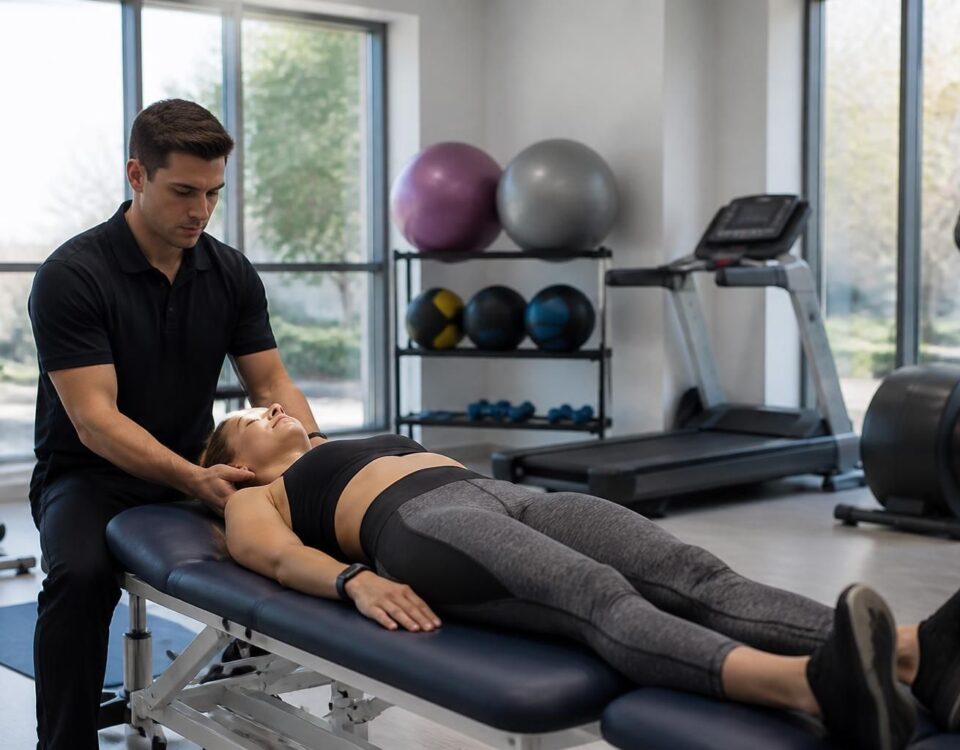
Neurovertebral decompression and recovery after vertebral fracture
26/06/2026
Neurovertebral decompression and prevention of chronic mechanical disorders
26/06/2026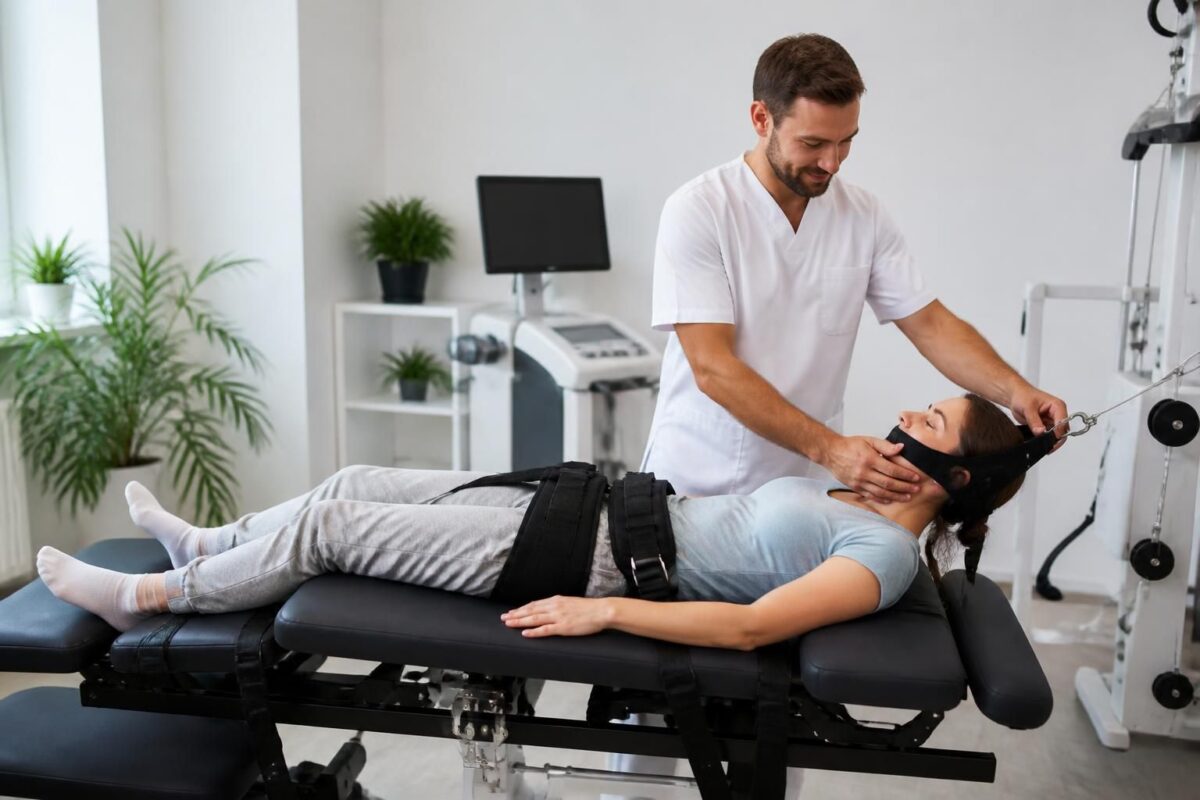
In short neurovertebral decompression is an approach non-invasive who uses a gentle traction To relieve the Muscle tensions related to the spine. Its benefits keys include pain relief, improvement of the bloodstream and tissue regeneration around the vertebrae, with a mobility and improved posture. How does it work? By producing a separation between the vertebrae, decompression decreases the Pressure on discs and nerves, promotes muscle relaxation and facilitates recovery. accessible to Montreal, this service is particularly recommended for people with chronic back and neck pain related to persistent muscle tension. |
The neurovertebral decompression is an approach non-invasive which helps to decrease muscle tension and spinal pain.
- Quick relief tensions thanks to a gentle traction which reduces the pressure on the nerves and discs, promoting muscle relaxation.
- traffic improvement blood in the vertebral region, allowing a better supply of oxygen and nutrients and supporting the Tissue repair.
- tissue regeneration Around the column, contributing to healing and a decrease in persistent discomfort.
- Increase in mobility and from the flexibility, facilitating the resumption of daily activities and a better range of motion.
- Prevention of recurrent pain By improving column stability and regeneration of intervertebral discs.
Quick Summary: Neurovertebral decompression is a non-invasive approach that aims to reduce muscle tension around the spine. It acts through gentle traction, restores the space between the vertebrae and improves local circulation. This method can sustainably relieve pain and promote better mobility, without surgery.
The neurovertebral decompression is an effective therapeutic option to reduce Muscle tensions persistent linked to vertebral problems. By releasing the muscles around the spine, it promotes relaxation, improves circulation and supports tissue regeneration. This approach is particularly suitable in Montreal and can be part of an evidence-based care plan, without the need for invasive interventions.
How does neurovertebral decompression work
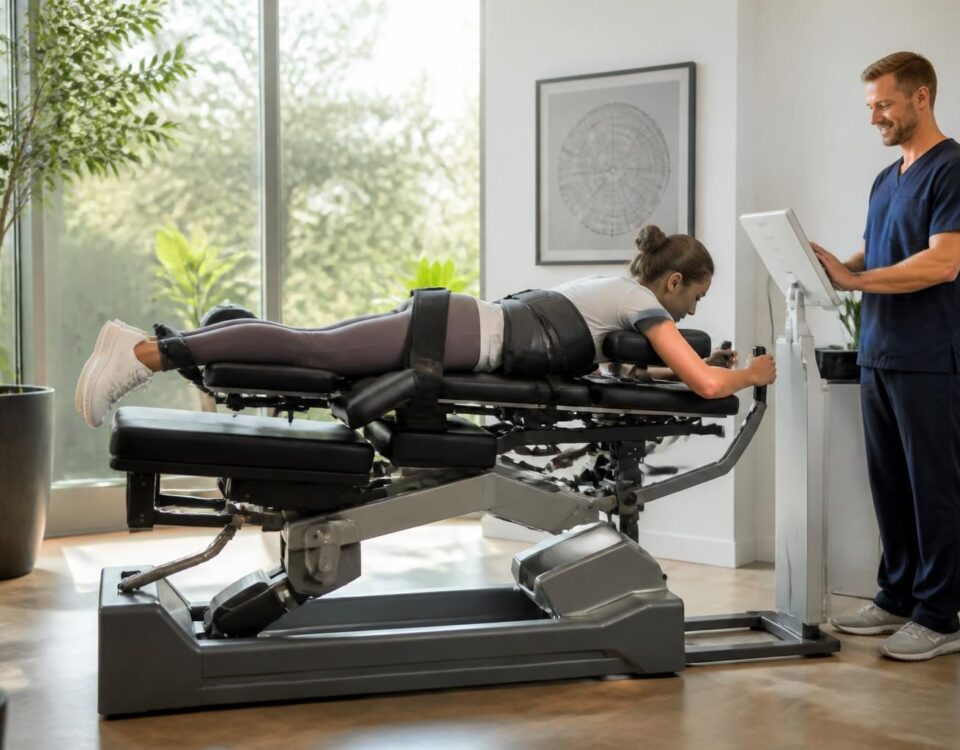
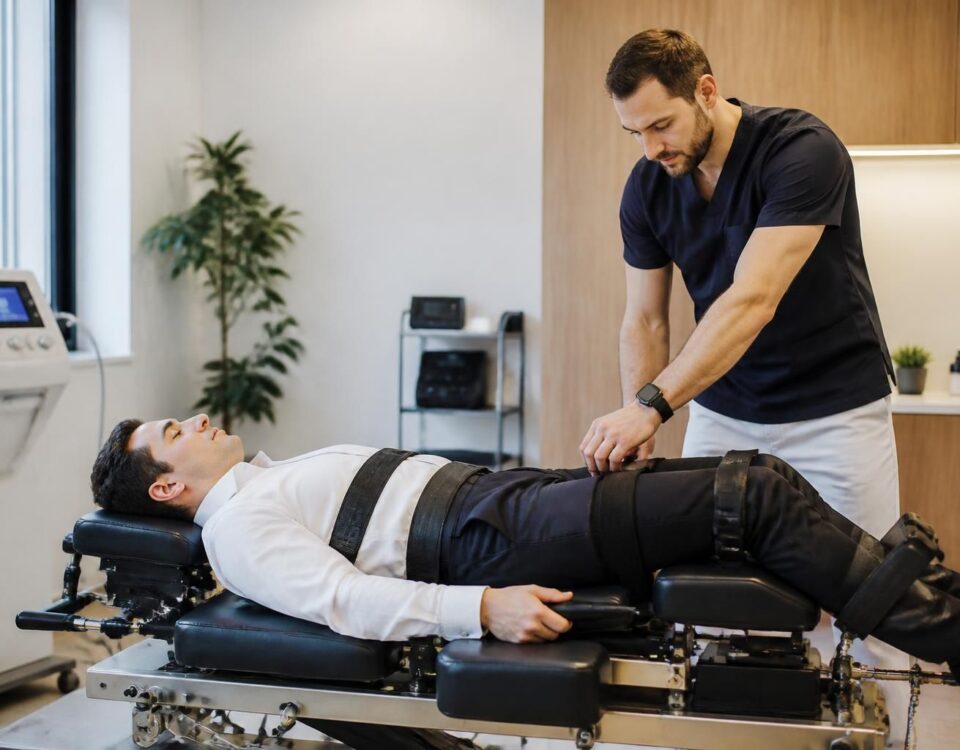
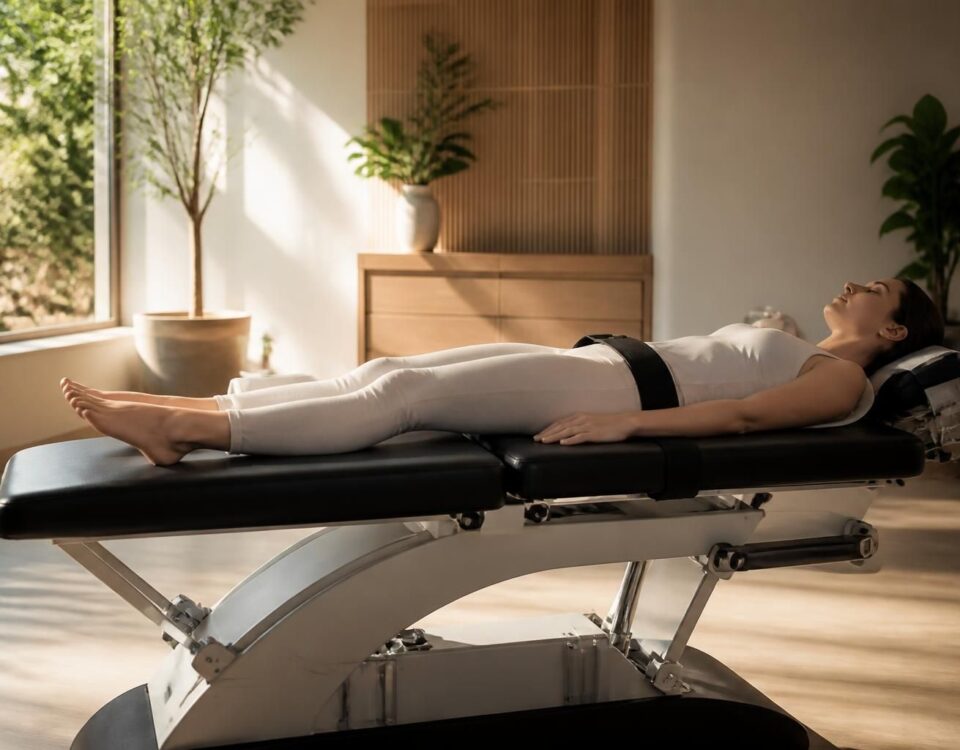
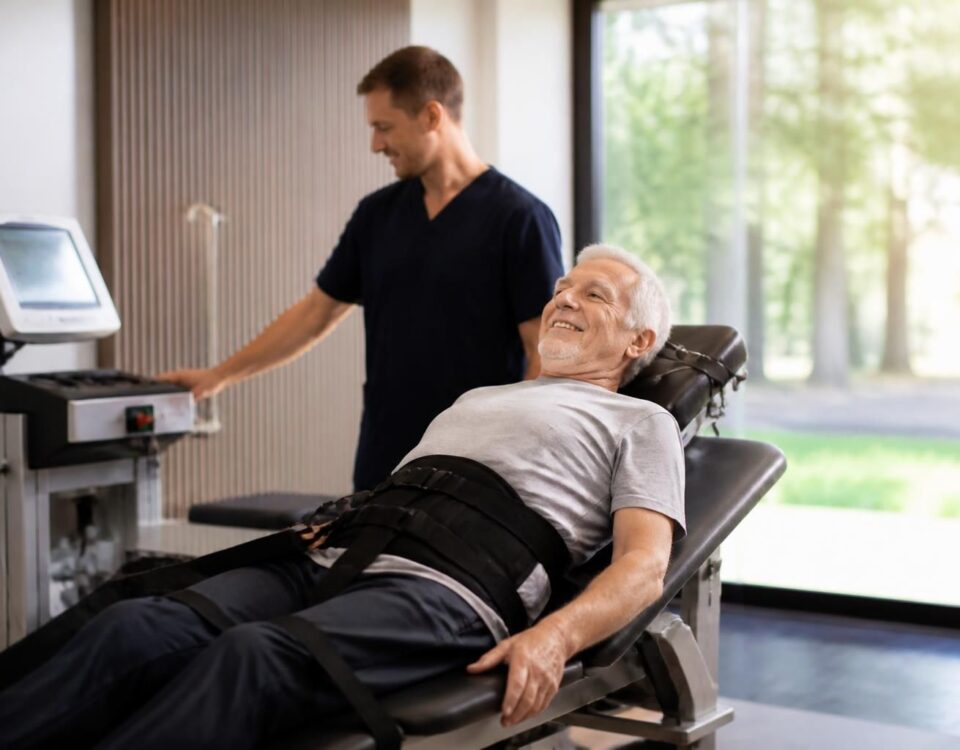
This technique uses traction Soft and controlled on the spine. It creates a space between the vertebrae and reduces the pressure exerted on the nerves and discs. The result is muscle relaxation and better local circulation, which contributes to a more comfortable and less painful recovery.
Benefits on muscle tension and pain
Neurovertebral decompression acts on several axes, allowing a significant improvement in the quality of life:
- Tension relief muscles and reduced discomfort.
- Muscle relaxation increased, with a decrease in tone in the targeted areas.
- Improved blood circulation In the spinal area, facilitating the supply of oxygen and nutrients.
- Tissue regeneration Facilitated around the vertebral structures and adjacent muscles.
- Increase in mobility and the amplitude of daily movements.
- Prevention of recurrent pain Through better spinal health and tissue regeneration.
- posture improvement and musculoskeletal balance.
Integration in a care and safety course
Decompression can be part of a care program at the TagMed Clinic in Montreal. It’s an option non-invasive and suitable for a large population. It is particularly relevant as an alternative when the goal is to avoid surgery or prolonged drug treatments.
Evidence and associated resources
Professional resources and clinical returns demonstrate significant benefits, including reducing overall stress and improving the emotional state of pain. To deepen this topic and explore the psychological and functional benefits, you can consult the following resources: Psychological benefits and Decompression and body alignment. For specific information on indications and results, see neck folder and Sports injuries.
For more information on the services offered, visit Clinic TagMed and associated resources:
Tagmed Clinic: Tagmed Clinic.
Pedagogical considerations and training
The contents and practices relating to osteopathy and neurovertebral decompression are based on recognized training. Reference institutions include NUMSS and NAO, as well as National University of Medical Sciences and National Academy of osteopathy.
Useful links and additional resources
To explore the topic further and view other perspectives, you can consult the following resources, which deal with neurovertebral decompression and its benefits:
- Benefits for muscle tension
- Prevention of relapses after an injury
- Technological innovations
- Body Alignment
- Role in medical tourism
- Benefits in Tagmed
- Medilum decompression
Medical Disclaimer: All articles must include, at the bottom of the page, the following text as a disclaimer:
“Medical disclaimer: The information and advice provided on this site does not replace the health professional’s benefit, diagnosis or treatment. Please note that Dr. Sylvain Desforges osteopath is neither a doctor of medicine nor a doctor, and is not a specialist in a medical specialty as defined by the Collège des Médecins du Québec. Manual medicine, functional medicine and sports medicine as described on this site exclude any medical treatment or diagnosis made by a doctor or specialist doctor. Always consult your doctor for any medical questions. For more details, please read our full legal notice. »
The information and advice provided on this site does not replace the advice, diagnosis or treatment of a health professional. Please note that Dr. Sylvain Desforges Osteopath is neither a doctor of medicine nor a doctor, and is not a specialist in a medical specialty as defined by the Collège des Médecins du Québec. Manual medicine, functional medicine and sports medicine as described on this site exclude any medical treatment or diagnosis made by a doctor or specialist doctor. Always consult your doctor for any medical questions. For more details, please read our full legal notice.
- Relief rapid muscle tension around the spine
- Relaxation lasting tense muscles
- Circulation Improved blood and better oxygenation
- Regeneration Facilitated local tissue
- Mobility found and reduced stiffness
- Posture and optimized vertebral alignment
- Prevention recurring pain
- non-invasive and natural, without surgery
- Welfare mind and stress reduction
- Recovery and improved performance

Neurovertebral decompression is a non-invasive approach that acts on the spine to reduce Muscle tensions and improve daily comfort. By creating a space between the vertebrae and releasing the nerve areas, it promotes better circulation and facilitates tissue regeneration around the column. This article presents the main benefits and describes how to integrate into a personalized care pathway to regain mobility and well-being without surgery.
Understanding neurovertebral decompression
This technique is based on gentle and controlled traction that gradually stretches the spine. The objective is to increase the space between the vertebrae, to reduce the pressure on the nerves and the intervertebral discs, and to promote better nutrition of the tissues. The expected result is a reduction in painful sensations and a lasting relaxation of the muscles surrounding the spine, contributing to a more harmonious musculoskeletal balance.
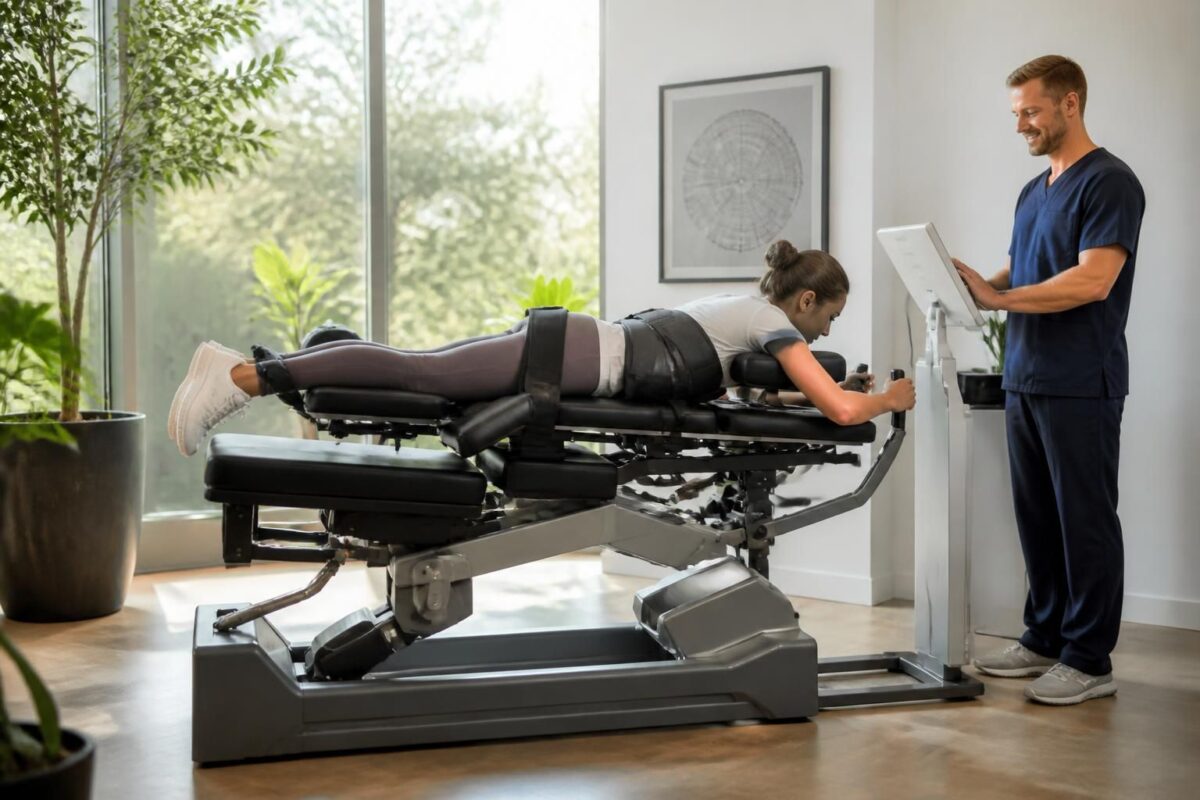
The long-term benefits of neurovertebral decompression for spinal health
In short In short, the neurovertebral decompression is a non-invasive approach that decreases the Pressure on intervertebral discs and nerves, favoring the Natural regeneration and tissue recovery. Its long-term benefits include Lasting pain reduction, Improving mobility and from the posture,…

Neurovertebral decompression and mobility: a return to an active life
In short In short, the neurovertebral decompression is therapy non-invasive who uses a gentle traction To create a space between the vertebrae and reduce the pressure on the Intervertebral discs and the nerves. It promotes a bloodstream improved, lowers tension…
The main benefits
Reduction of muscle tension
By lowering the pressure exerted on the vertebral structures, decompression facilitates the relaxation of tense muscles. The muscles around the spine regain better flexibility, which reduces pain and spasms and allows a more natural posture on a daily basis.
Improved circulation and tissue nutrition
Decreased compression promotes better local blood flow. This improvement in circulation Facilitates the supply of oxygen and essential nutrients, accelerates the regeneration of damaged tissues and helps reduce inflammation that maintains muscle tension.
Restoration of mobility and posture
The progressive release of spinal stresses allows an increase in the range of motion and better flexibility. This translates into a better ability to perform everyday gestures and resume physical activities without pain or postural discomfort.
Prevention of recurrent pain
By tackling the underlying causes of tensions — nerve pressure, disc dysfunctions, and muscle imbalances — decompression helps prevent recurrences. A more stable and better hydrated column is less sensitive to repetitive efforts and poor postures.
Psychological benefits and quality of life
The lasting relief of tension reduces stress related to pain, improves mood and promotes more restful sleep. This positive dynamic can act on all well-being and support better motivation to adopt healthier lifestyles.
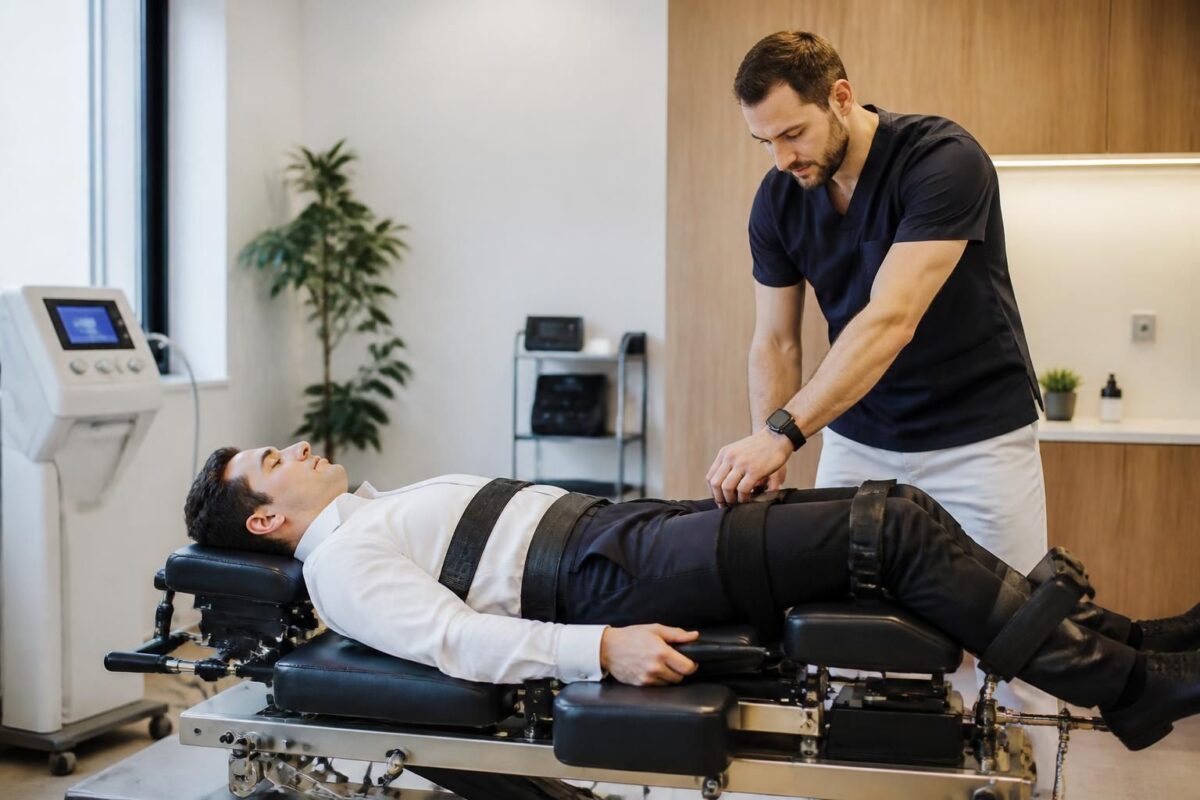
How Neurovertebral Decompression Prevents Diffuse Chronic Pain
In short decompression neurovertebral is one Non-invasive method aimed at reducing the Pressure on the intervertebral discs and the nerves, in order to prevent Diffuse chronic pain. It improves the circulation and thedisc hydration, decreases inflammation and promotes better mobility.…
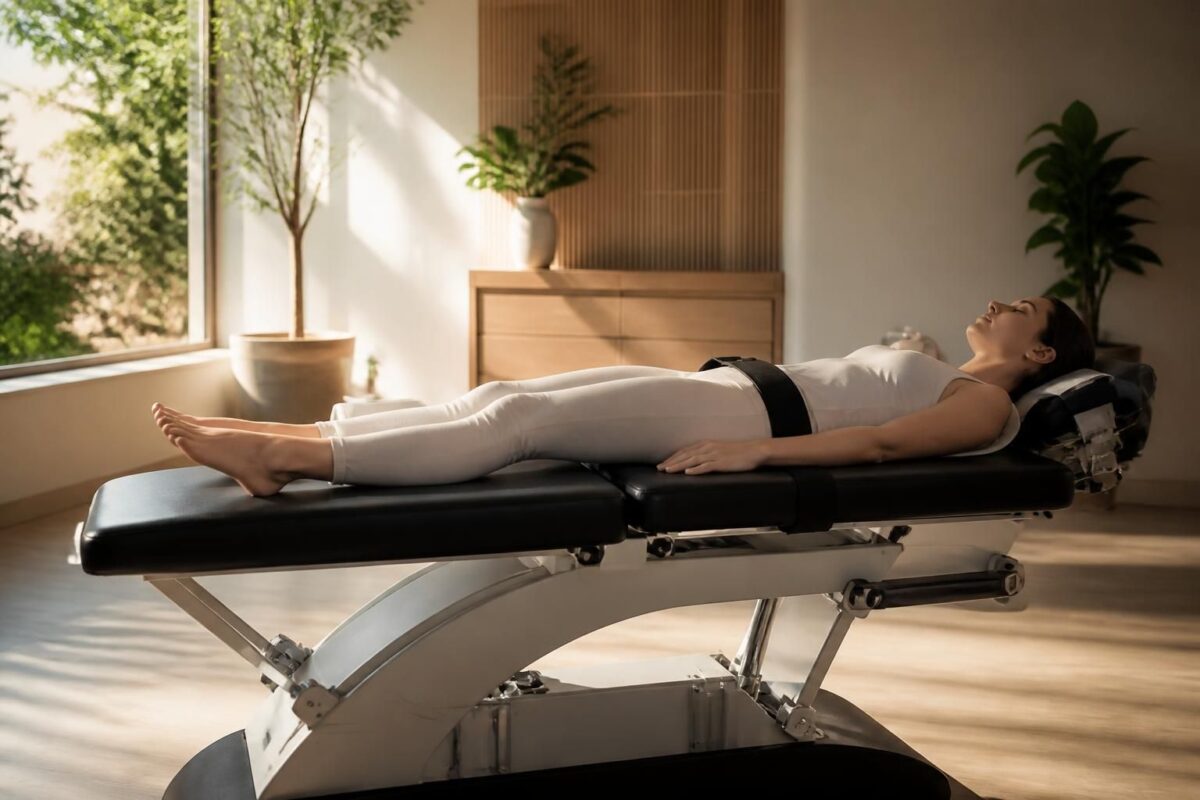
Neurovertebral Decompression and Body Alignment: Restoring Natural Balance
In short In short, neurovertebral decompression is one Non-invasive approach who restores theBody Alignment and thenatural balance back and neck. She acts by a Controlled traction of the spine to widen the intervertebral space and reduce the Pressure on discs…
Integration and practical advice
To optimize the results, decompression is ideally part of a multidisciplinary program including progressive reinforcement exercises, targeted stretching and postural advice. Regular sessions associated with an adapted routine make it possible to sustainably improve the stability of the spine and the flexibility of the surrounding muscle chains. Adequate hydration and active breaks at work complement this approach to support recovery.
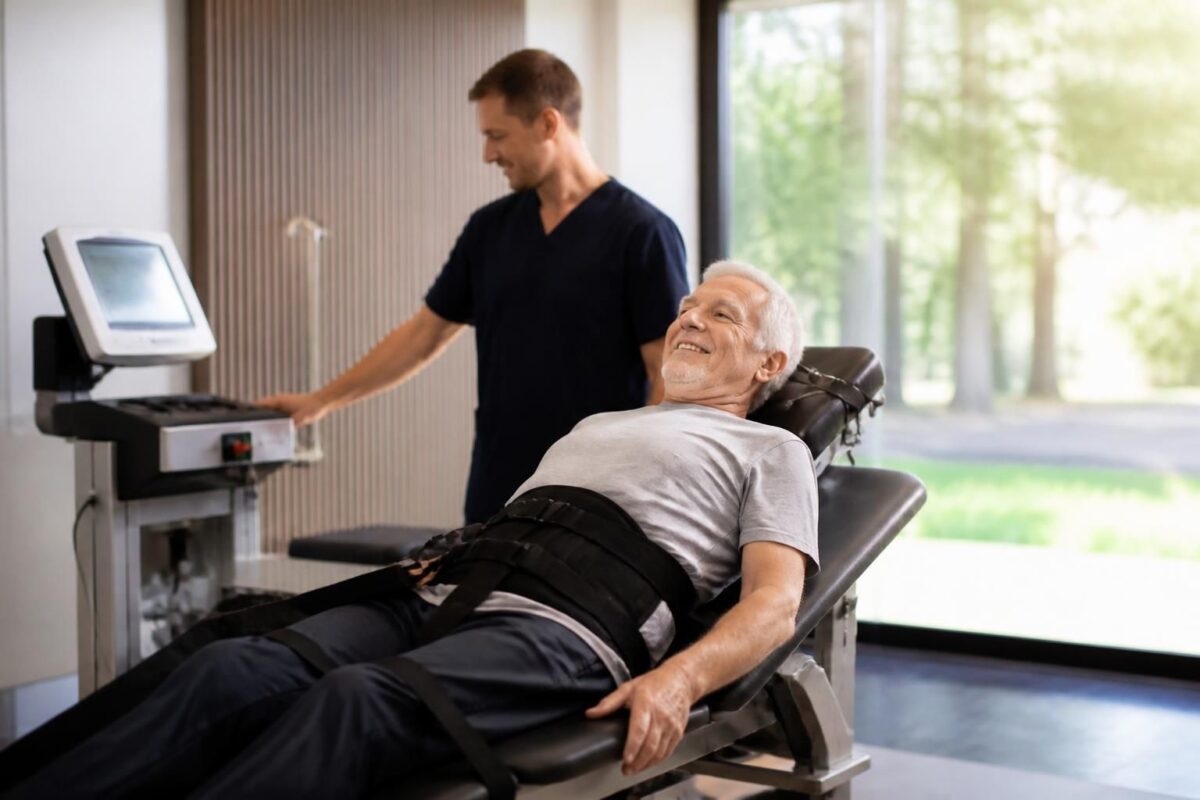
Why neurovertebral decompression is a lasting solution for active seniors
In short In short, the neurovertebral decompression is one Non-invasive therapy which sustainably relieves spinal pain in the spine active seniors By creating, by a Soft and controlled traction, a space between the vertebrae. At Montreal, it is recognized as…
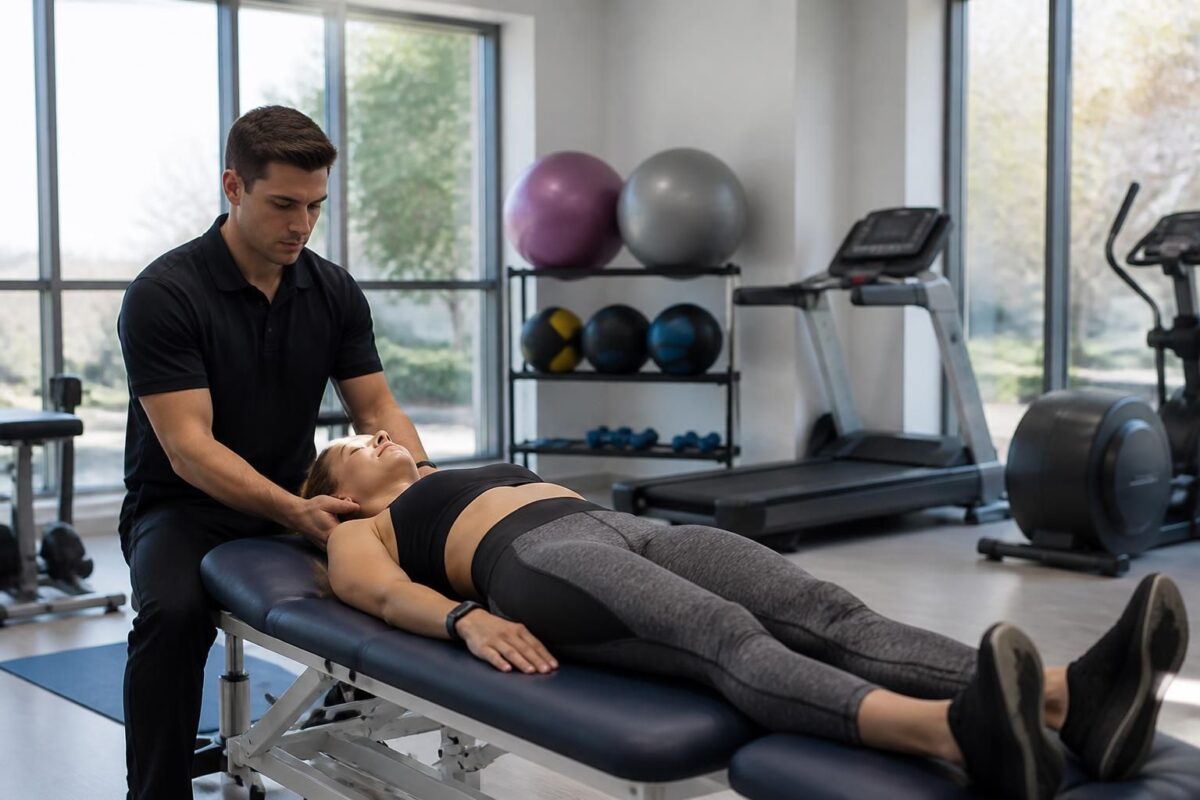
Neurovertebral decompression and recovery after severe sports injury
In short In short, the neurovertebral decompression is one Non-invasive method to Relieve the pressure on the Intervertebral discs and the gristle Via a Controlled traction, to facilitate the recovery After a severe sports injury. It improves the bloodstream towards…
Indications and precautions
This technique is aimed at many profiles suffering from back pain or cervical pain linked to chronic tension, without necessarily involving surgery. A pre-assessment by a health professional helps determine the pace and duration of the sessions, while monitoring any sign indicating the need for another approach. Always consult your doctor For any medical question and to ensure that this treatment is adapted to your personal situation.
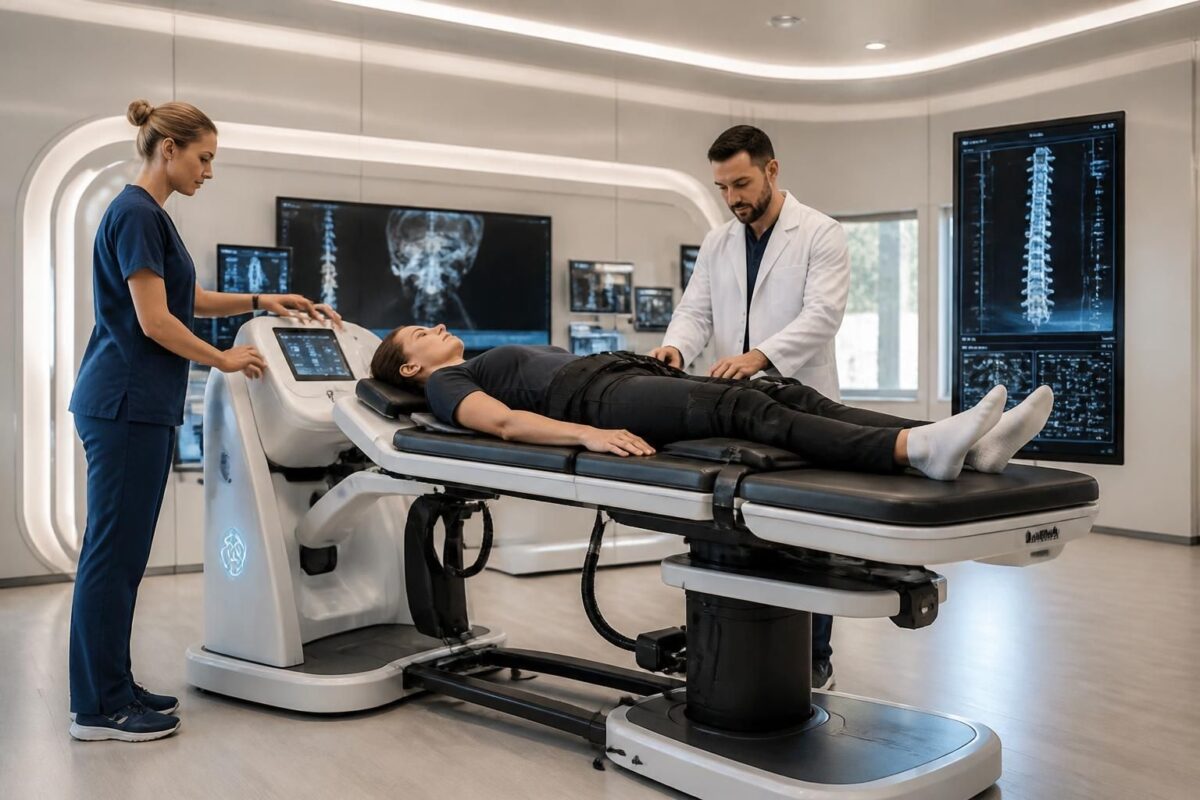
Recent innovations in neurovertebral decompression technologies
In short In short, the neurovertebral decompression is an approach non-invasive Aiming to reduce pressure on discs and nerves, and promote tissue regeneration. At Montreal, it is positioned as an effective option for lower back pain and herniated discs. The…
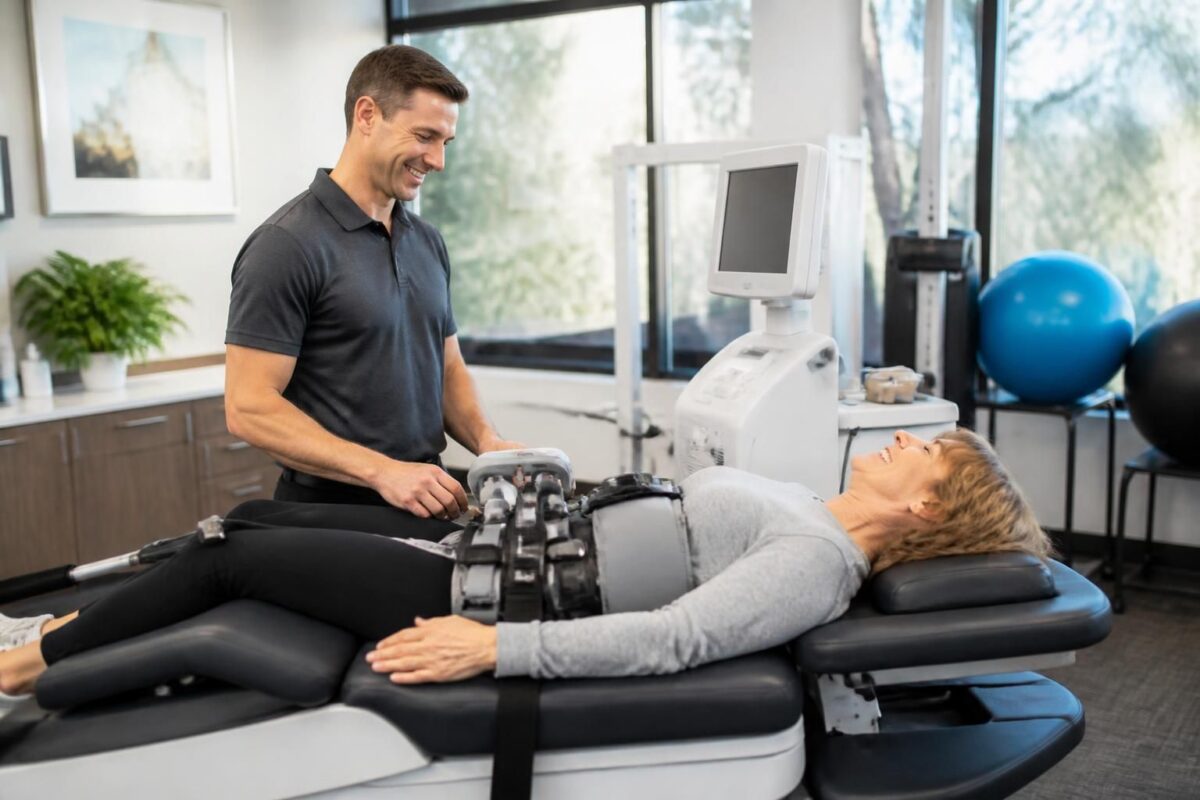
Neurovertebral decompression and diffuse pain: an appropriate solution
In short In short, the neurovertebral decompression is one Non-invasive solution For diffuse pain related to nerve irritation of the spine. She acts in Reducing pressure on intervertebral discs and nerves and improving the bloodstream, which promotes recovery and the…
Benefits of neurovertebral decompression on muscle tension
| Aspect | Impact |
|---|---|
| Muscle tensions released | Quick relief and pain reduction. |
| Pain depressed | Decreased pain due to reduced nerve pressure. |
| bloodstream improved | Better oxygenation and supply of nutrients in the tissues. |
| Mobility and flexibility | Better range of motion and flexibility. |
| Posture and alignment | more stable vertebral alignment. |
| Tissue regeneration Around the column | Support for the healing of damaged tissues. |
| Prevention recurring pain | Reduction in the risk of recurrence. |
| Welfare overall | Decreased stress and improvement in general comfort. |
Testimonials on the benefits of neurovertebral decompression
Marie, 38 years old: “After suffering from persistent tension in the back, I tried the neurovertebral decompression And I quickly felt a Sustainable relief. My Muscle tensions relax, my breathing is freer and my mobility has improved significantly. It’s incredible to be able to resume my activities without this tight rope feeling in the back. »
Jean, 45 years old: “Working long hours in front of the computer, I constantly had pain in my neck and shoulders. After a few sessions, the neurovertebral decompression Decreased the pressure on my nerves and my muscles relaxed. I found a Improving mobility And I can stay focused longer without discomfort. »
Sophie, 29: “I was facing tensions related to my sporting activity and a past injury. Decompression helped me loosen muscles and to regain flexibility. My following sessions brought a Rapid comfort improvement And I was able to resume my training with confidence. »
Jacques, 52 years old: “Former athlete, I had recurring tension in my lower back that affected my posture. After the decompression program, I found a Musculoskeletal balance more favorable, a best posture and an Reduced pain who still accompanies me today in my daily activities. »
Émilie, 30 years old: “As a young active mother, my lumbar tensions often came to the fore. Thanks to the neurovertebral decompression, I felt a reduction of tensions and an Improved posture which allowed me to play with my children without embarrassment or fatigue. My pain-related stress level has also decreased, which has improved my overall well-being. »
Lucas, 41: “As an athlete, I was looking for a non-invasive solution to prevent pain related to repeated effort. Decompression has not only Reduces pain, but also improved my bloodstream, which accelerates recovery and allows me to return to my sessions more quickly. I feel freer and more efficient. »
Dr. Sylvain Desforges, expert in Osteopathy, the naturopathy and manual medicine, embodies an approach focused on innovation and clinical efficacy. At the head of the TagMed clinics and the ACMA association, he is committed to offering treatments evidence-based To relieve the Chronic pain and restore well-being. His approach integrates advanced technologies such as the neurovertebral decompression, the laser and the Shockwave therapy, in order to accompany each patient in a personalized healing trajectory.
The neurovertebral decompression is an approach non-invasive which is based on a Soft and controlled traction of the spine. by gradually creating a Space between the vertebrae, she Reduces pressure exerted on the intervertebral discs and nerves, which reduces muscle tension around the spine and promotes Sustainable relaxation.
The effects result in several concrete benefits: a decrease in pain, a Improved blood circulation in the treated region and a Tissue regeneration accelerated. The Relaxation of tense muscles Improves the mobility and promotes a faster return to daily, sporting or professional activities. By strengthening the intake by Oxygen and nutrients, the technique supports recovery and helps prevent medium and long term relaps.
In addition to immediate relief, the neurovertebral decompression work on the long run By promoting the tone and musculoskeletal balance, improving the posture and stabilizing the spine. by acting on the underlying mechanisms of pain, including pressure on nerves and discs, she Reduces the risk of recurrence Tensions and pain, which is particularly valuable for people with chronic pain.
This therapy can be associated with other complementary approaches, such as Laser-based protocols and the shock waves, in order to optimize the results. His character non-invasive and its relative safety make it an attractive option for a wide range of patients, including athletes, people in rehabilitation and those looking for a natural alternative to invasive treatments. Accompaniment by a specialist makes it possible to adjust the protocol according to individual needs and functional objectives.
In summary, under the direction of Dr. Desforges, the use of the neurovertebral decompression is part of a global approach to well-being, aiming at sustainably relieve muscle tension and improve the quality of life. Its teams focus on Evidence of results, theActive listening and an Appropriate support With each course of care, in order to allow everyone to find a balanced spine and regained mobility.
This article summarizes the benefits of neurovertebral decompression to reduce muscle tension, focusing on the mechanisms, results observed and available resources to deepen the subject.
Lasting relief from muscle tension: thanks to a gentle traction Applied to the column, the pressure exerted on the nerves and discs is reduced, which promotes the relaxation of the tense muscles and provides a Quick and lasting relief muscle tension. To understand the principles and benefits, see Benefits explained.
Improved circulation and tissue regeneration: by releasing the intervertebral space, neurovertebral decompression promotes better bloodstream local and helps tissue regeneration Around the spine, which supports muscle and nervous healing. To explore the mechanisms and results, see modern techniques and Benefits explained.
Recovered mobility and improvement of posture: by reducing tensions and improving the mobility of the spinal segments, decompression contributes to a Improved joint mobility and a better posture on a daily basis. To understand the impact on mobility and clinical outcomes, see how it improves mobility and Benefits for back pain.
Prevention of recurrent pain: by acting on the underlying causes of the tensions, it participates in the Prevention of recurrent pain and supports a more stable spine, which reduces the risk of recurrence. For a preventive approach and long-term perspectives, see Benefits explained and tagmed.
Integration with other therapies and patient returns: This approach can be combined with other techniques to optimize the results, in particular in synergy with muscle strengthening programs and relaxation methods. For additional perspectives, discover modern techniques and testimonials on overall effectiveness.
To expand your understanding and access additional resources on the benefits and practical application of neurovertebral decompression, you can consult the following pages: Understand the benefits, Decompression and sciatic pain, and Improved joint mobility.
Medical warning: The information and advice provided does not replace the advice of a health professional. Please consult your doctor for any medical questions. For more details, please read our legal notice.

Dr Sylvain Desforges, B.Sc., D.O., N.D., osteopath, is the founding president of TAGMED and of the ACMA association. He dedicates his practice to chronic spinal pain, low back pain and symptoms compatible with sciatica, particularly when pain radiates toward the buttock, leg, calf, foot or toes.
Through SOS Sciatique, he publishes educational content on sciatica symptoms, possible causes such as disc herniation, disc narrowing, foraminal stenosis or irritation of a lumbar nerve root, as well as non-surgical approaches that may be considered according to the evaluation. At Clinique TAGMED, care may include, depending on the case, motorized neurovertebral decompression, specific osteopathic care or precision percussion.
For an evaluation related to sciatica treatment in Montreal / Mount Royal or sciatica treatment in Terrebonne, please consult the services available at Clinique TAGMED.
Medical disclaimer
The information published on SOS Sciatique is provided for educational purposes only and does not replace a consultation, diagnosis, opinion or treatment provided by a physician or another authorized healthcare professional. The author of this article is neither a medical doctor nor a specialist in a medical specialty recognized by the Collège des médecins du Québec. The osteopathic, manual medicine or functional support approaches described on this site do not constitute medical acts and are not intended to replace medical follow-up.
Consult a physician or emergency service in cases of loss of bladder or bowel control, anesthesia in the saddle area, significant or progressive weakness in the leg or foot, fever, recent trauma, severe pain or rapid worsening of symptoms. For more details, please read our Legal Notice.