Neurovertebral decompression and rehabilitation after complex surgery
26/06/2026
Neurovertebral decompression and prevention of recurrent mechanical disorders
26/06/2026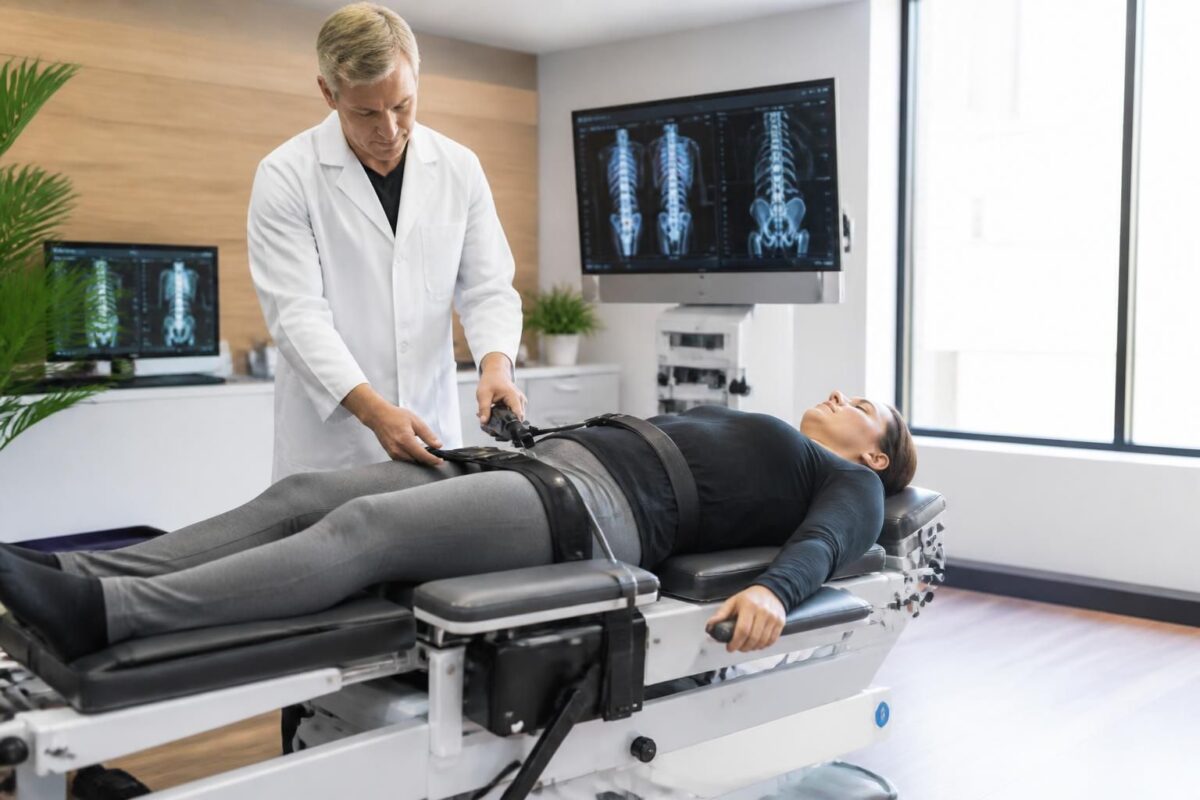
In short
| In short, modern techniques in neurovertebral decompression offer an approach non-invasive To relieve lower back pain and disc pathologies. They are based on a Personalized evaluation and an Controlled traction associated with Advanced technologies, like computer tables. Key benefits include a Quick relief, a Improved mobility and a reduction in functional limitations, while enhancing the effectiveness of complementary therapies such as physiotherapy and Osteopathy. This Multidimensional approach promotes overall recovery and Regular follow-up to adapt the treatment and prevent recurrences. In Montreal, this service is particularly recommended for people with mobility difficulties and looking for a Sustainable improvement in quality of life, without pain. |
modern techniques of neurovertebral decompression offer an approach non-invasive To relieve chronic pain in the spine, especially related to herniated discs. They are based on a Personalized evaluation, a Controlled traction on computerized tables and the use of Advanced technologies such as the laser and the shock waves.
This approach multidisciplinary affiliation physiotherapy and osteopathy To strengthen muscles, improve mobility and optimize results. The Regular follow-up and thePatient education allow treatment to be adjusted and prevented recurrences, leading to a Sustainable relief, a Better mobility and an quality of life amplified.
This guide, written by a health professional and expert in manual medicine, presents the Modern techniques in neurovertebral decompression To get Optimal results. It describes the assessment, technologies used, multidisciplinary integration and the key elements that allow for sustainable improvement in mobility and pain. To learn more about our protocols and approach, visit Clinique TagMed.
The neurovertebral decompression is a non-invasive approach that aims to reduce the pressure on discs and nerves. current protocols favor a Personalized evaluation and the use of advanced technologies to adapt each session to the pathology and the patient.
Evaluation and personalized treatment plan
A Personalized evaluation is the first step. The practitioner collects medical history, analyzes symptoms and, if necessary, examines imaging tests to understand the specific needs of the patient. This step allows you to define a Adapted treatment plan and effective, without unnecessary caution. The goal is to target painful mechanisms and optimize the chances of lasting relief.
modern protocols favor an approach multidimensional, which associates decompression with other relevant modalities. This synergy aims to act on the structural and functional factors that contribute to pain, while respecting the safety and rhythm of each patient. For additional information, you can consult the resources dedicated to the evaluation and optimization of treatments.
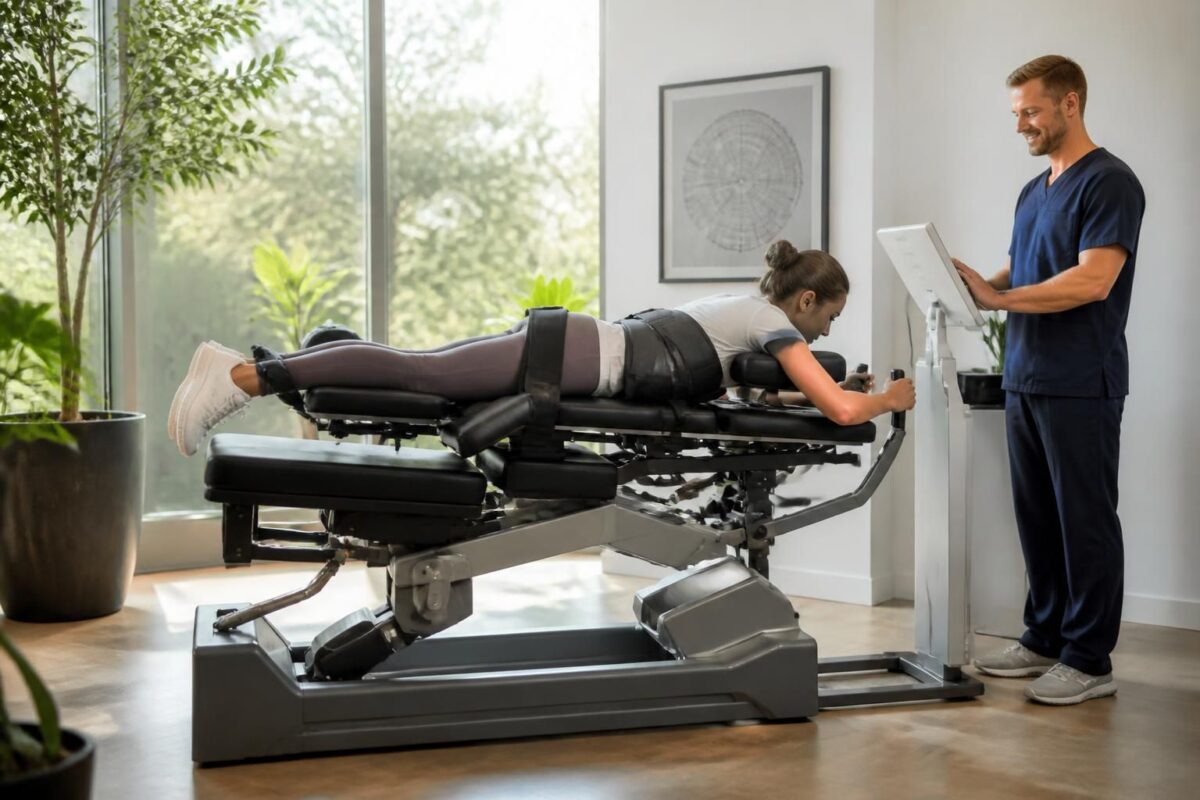
The long-term benefits of neurovertebral decompression for spinal health
In short In short, the neurovertebral decompression is a non-invasive approach that decreases the Pressure on intervertebral discs and nerves, favoring the Natural regeneration and tissue recovery. Its long-term benefits include Lasting pain reduction, Improving mobility and from the posture,…
Decompression technologies and protocols
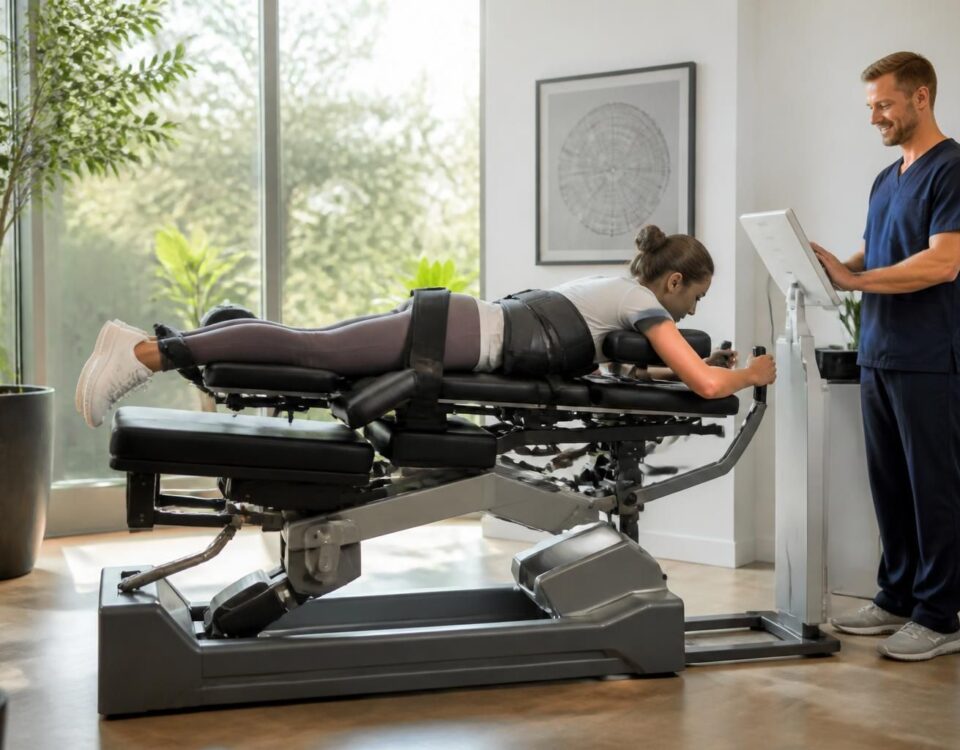
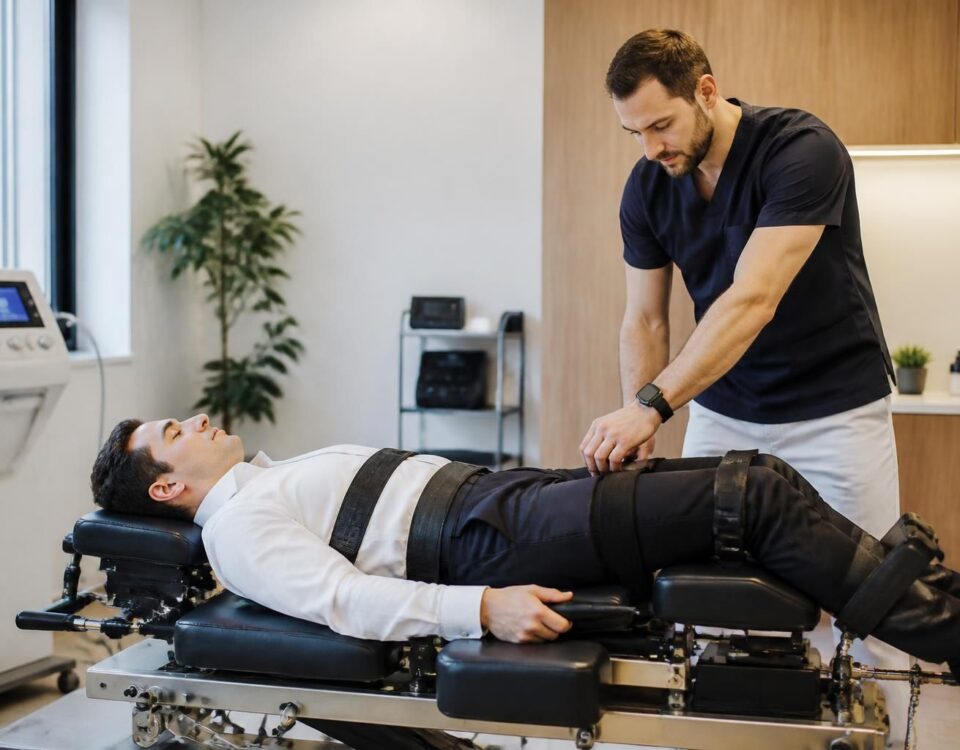
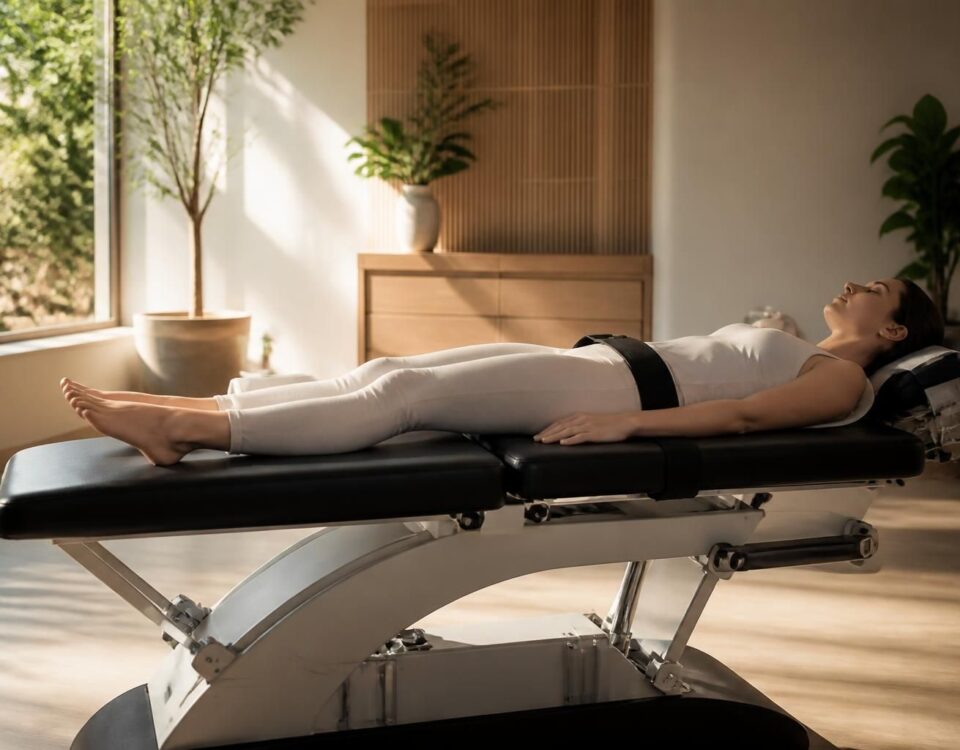
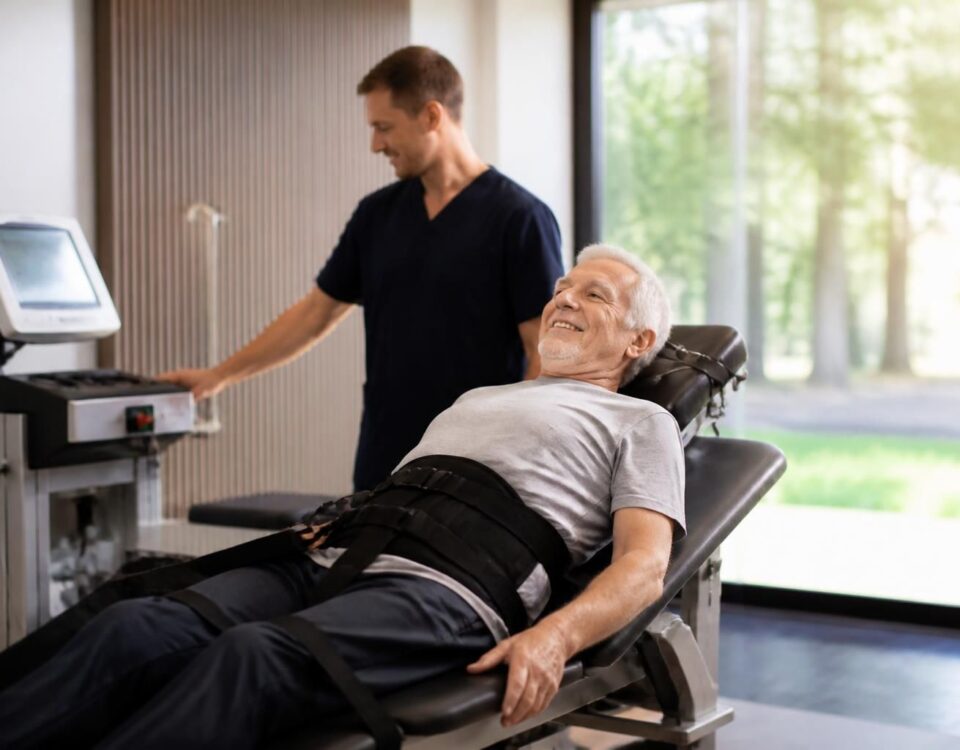
The heart of current methods is based on a Controlled traction and devices computerized Able to accurately adjust the applied force. This gentle traction acts on the spinal segments while preserving the tissues, promoting improved circulation and a gradual reduction in pain.
The Computerized traction devices allow to modulate the pressure exerted on the intervertebral discs and to obtain a more favorable load distribution. This precision enhances the safety of the treatment and increases the chances of a quick and lasting symptom relief.
Complementary technologies, such as laser and some shockwave therapy approaches, can be used by qualified professionals to increase targeted treatment efficacy. These techniques are part of a global approach, without replacing the fundamental principles of evaluation and therapeutic supervision.

Neurovertebral decompression and mobility: a return to an active life
In short In short, the neurovertebral decompression is therapy non-invasive who uses a gentle traction To create a space between the vertebrae and reduce the pressure on the Intervertebral discs and the nerves. It promotes a bloodstream improved, lowers tension…
Therapeutic integration and multidisciplinary synergy
Effective decompression is based on a Multidisciplinary synergy and coordination between different care approaches. Osteopathy and complementary manual techniques play an important role in supporting the effects of decompression and restoring the alignment and general balance of the body. This global approach can increase spinal stability and optimize recovery, while avoiding unnecessary invasive interventions.
Added to this synergy is a dimension of pain management and attention to the Prevention of recurrences. The goal is to establish a therapeutic framework that reduces symptoms and helps the patient maintain long-term benefits, while respecting their lifestyle and daily activities.
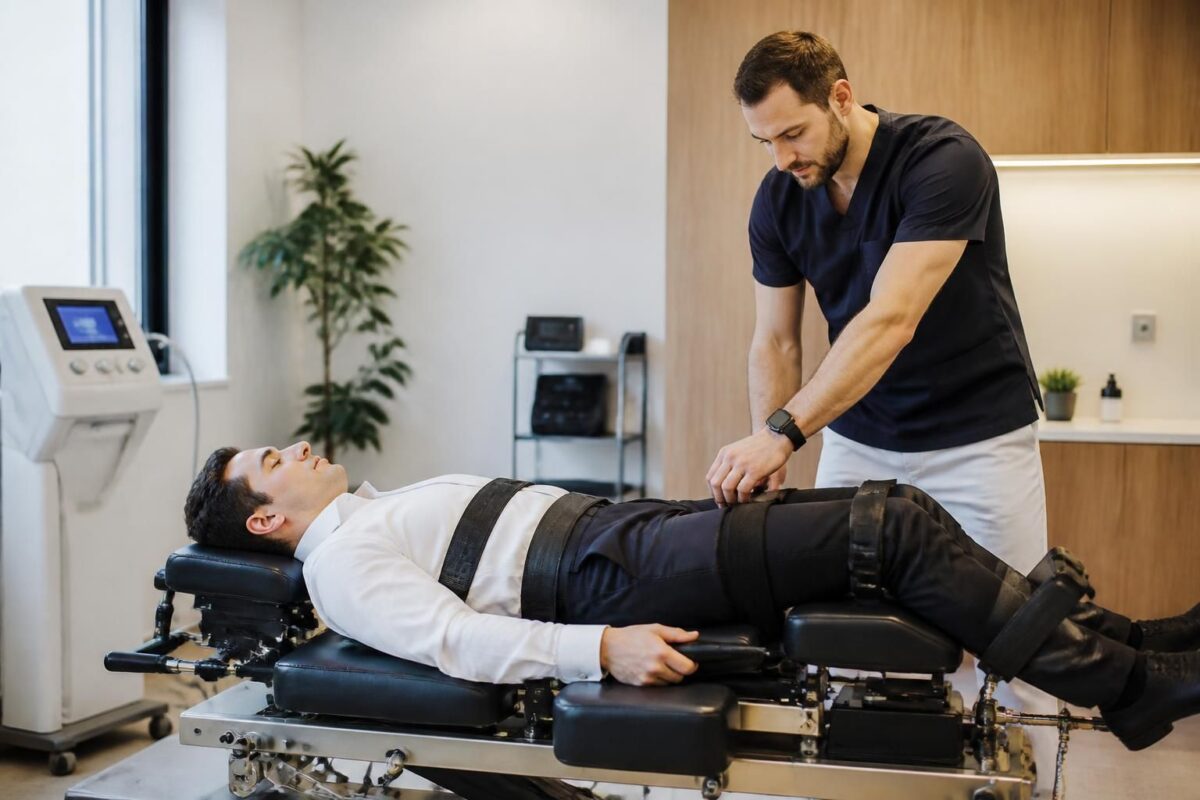
How Neurovertebral Decompression Prevents Diffuse Chronic Pain
In short decompression neurovertebral is one Non-invasive method aimed at reducing the Pressure on the intervertebral discs and the nerves, in order to prevent Diffuse chronic pain. It improves the circulation and thedisc hydration, decreases inflammation and promotes better mobility.…
Patient monitoring, education and autonomy
The Regular follow-up is essential to assess the evolution and, if necessary, adjust the protocol. The dialogue between the patient and the practitioner makes it possible to quickly detect changes and adapt the measures accordingly. Good follow-up ensures that the treatment remains dynamic and meets the patient’s progressive needs.
thePatient education And post-treatment support are key components. Understanding the factors that influence pain and favorable life gestures help preserve the benefits of decompression and prevent recurrences. These aspects support a lasting improvement in quality of life and mobility.
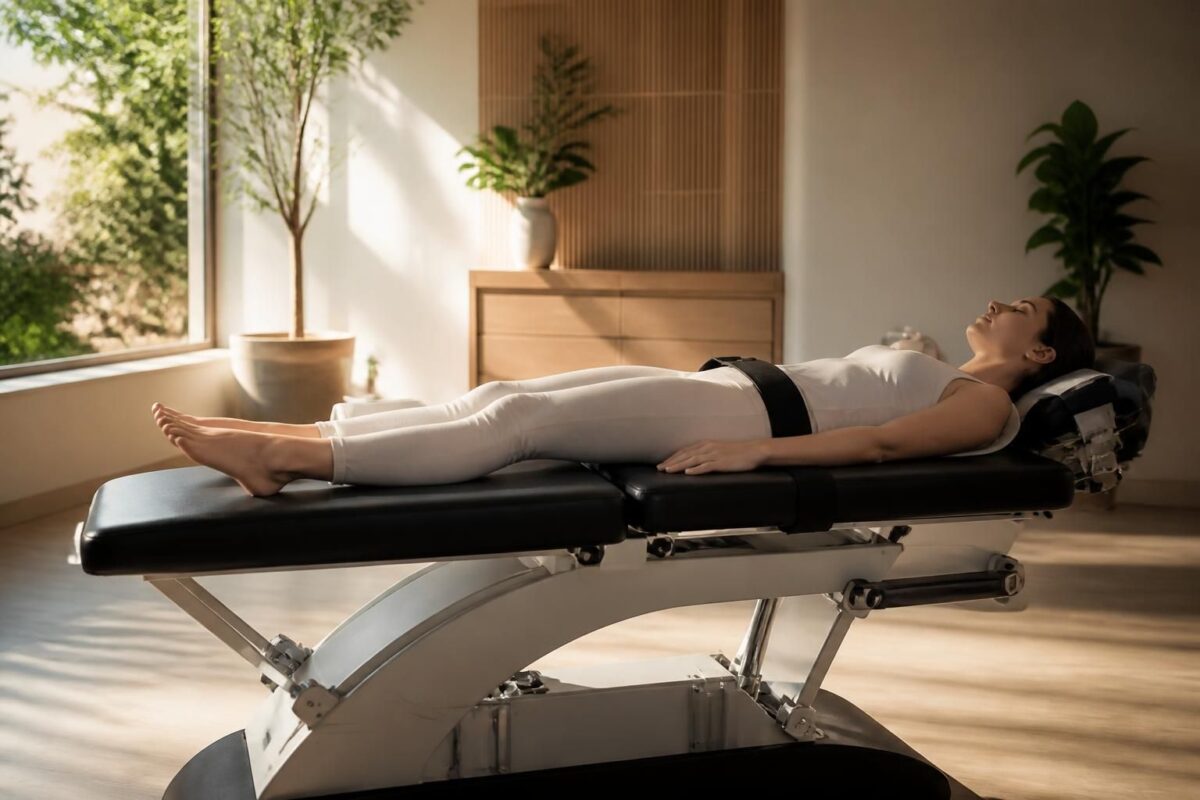
Neurovertebral Decompression and Body Alignment: Restoring Natural Balance
In short In short, neurovertebral decompression is one Non-invasive approach who restores theBody Alignment and thenatural balance back and neck. She acts by a Controlled traction of the spine to widen the intervertebral space and reduce the Pressure on discs…
Clinical evidence and observed results
Modern neurovertebral decompression protocols are based on clinical data demonstrating their effectiveness for lower back pain related to herniated discs and for improved mobility. The results come from studies and observations that show pain reductions and functional gains in a large number of patients after an adapted and supervised course. For journals and studies on the subject, refer to the following resources:
Consult the clinical resources and analyzes available on the following specialized platforms: Clinical studies proving the efficacy of neurovertebral decompression, Prevent future herniated discs, Root pain management, Reduction of chronic mechanical pain, Recovery after a muscle injury. For institutional resources, check the references on the dedicated pages of the TagMed site and associated clinics.
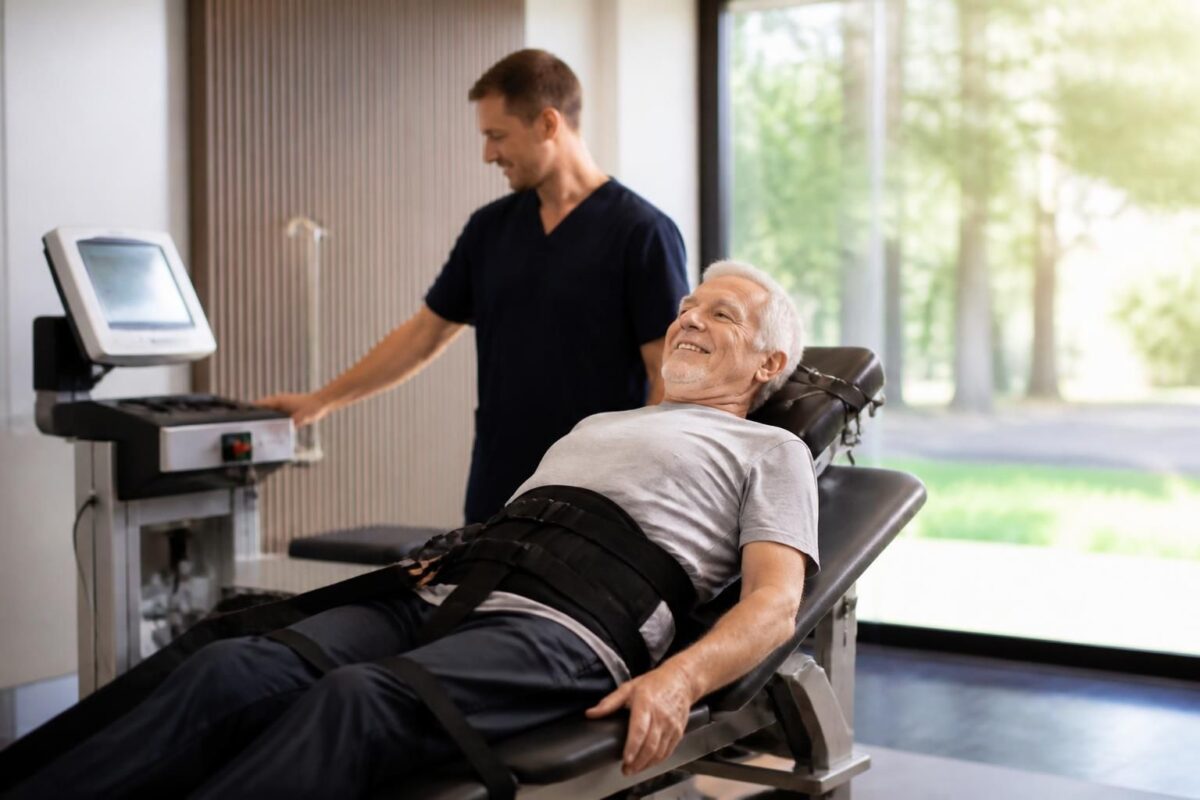
Why neurovertebral decompression is a lasting solution for active seniors
In short In short, the neurovertebral decompression is one Non-invasive therapy which sustainably relieves spinal pain in the spine active seniors By creating, by a Soft and controlled traction, a space between the vertebrae. At Montreal, it is recognized as…
Integration in institutions and associated resources
the professional framework of neurovertebral decompression is part of a practice based on evidence and clinical experience. the use of recognized centers such as Tagmed Clinic Ensures protocol quality and patient safety. For references and additional resources, you can consult the pages dedicated to decompression and its protocols on the specialized sites mentioned above.
For people wishing to deepen the aspects of training and practice, it is possible to move towards recognized training courses such as NUMSS and NAO, in relation to the standards of osteopathy and manual medicines. These references remain limited to recognized establishments in the field.
Additional resources and updates on modern decompression protocols are available at the following sites: Neurovertebral Decompression – Current Protocols, Tagmed Clinic, as well as the dedicated pages on clinical studies and the associated resources mentioned above.
Dr. Sylvain Desforges, osteopath and expert in integrative approach (osteopathy, naturopathy and manual medicine), offers an approach based on evidence to optimize the health and well-being of patients. For more information on modern techniques and results, see the resources published by TagMed clinics and their partners.
Medical Disclaimer: The information and advice provided on this site does not replace the health professional’s diagnosis or treatment. Please note that Dr. Sylvain Desforges osteopath is neither a doctor of medicine nor a doctor, and is not a specialist in a medical specialty as defined by the Collège des Médecins du Québec. Manual medicine, functional medicine and sports medicine as described on this site exclude any medical treatment or diagnosis made by a doctor or specialist doctor. Always consult your doctor for any medical questions. For more details, please read our full legal notice.
Guiding axis : Customization and technological synergy for optimal results in neurovertebral decompression.
- Personalized evaluation and tailor-made plan from the first consultation
- Controlled traction On computerized table for gentle decompression
- Computerized technologies To adjust pressure and amplitude in real time
- Integrated physiotherapy and strengthening the stabilizing muscles
- Associated osteopathy To harmonize the body and optimize the effects
- Multidimensional approach Combining decompression, osteopathy and rehabilitation
- Complementary therapies (Laser, shock waves) targeting inflammation and circulation
- Patient education and self-care programs to preserve gains
- Regular follow-up and readjustment of the protocol according to the progress
- Prevention of recurrences Via posture, ergonomics and healthy lifestyles

modern techniques in neurovertebral decompression Offer a non-invasive framework to sustainably reduce pain related to disc pathologies. This article presents the key recommendations for obtaining Optimal results, emphasizing personalized evaluation, the use of advanced technologies, integration with other therapies and the follow-up necessary to prevent recurrences.
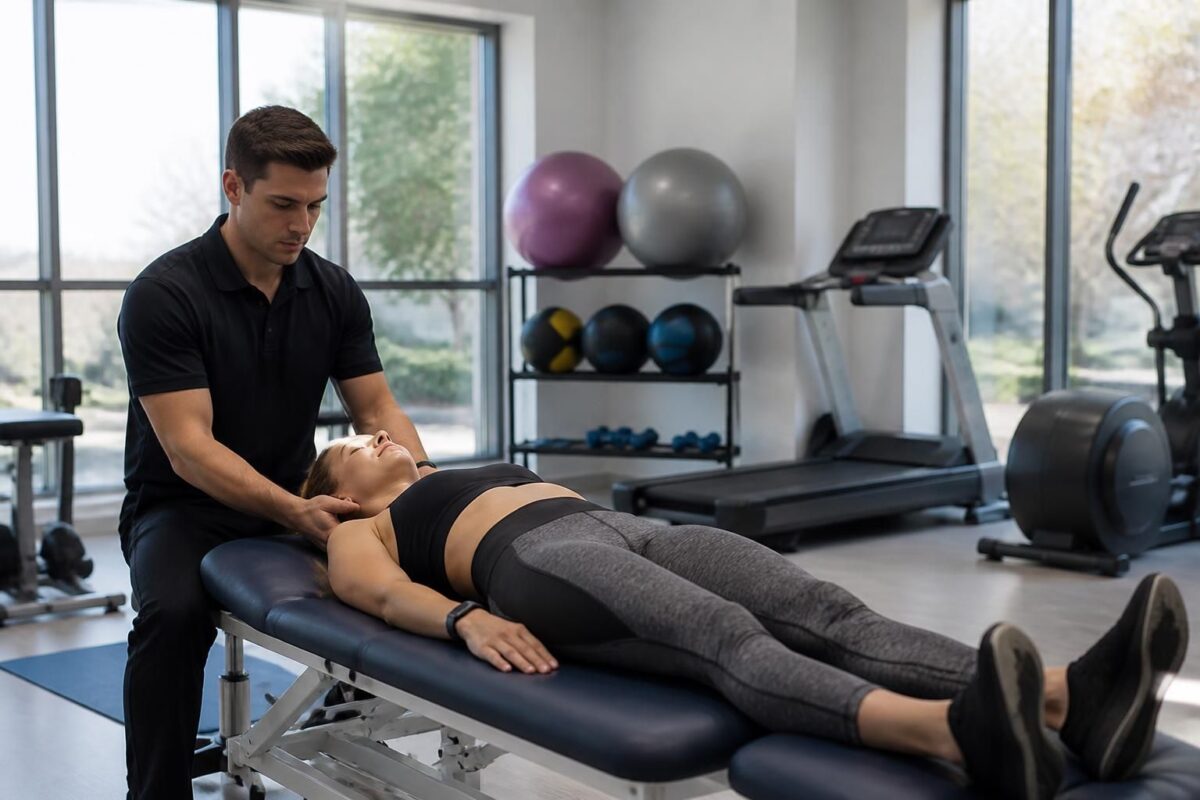
Neurovertebral decompression and recovery after severe sports injury
In short In short, the neurovertebral decompression is one Non-invasive method to Relieve the pressure on the Intervertebral discs and the gristle Via a Controlled traction, to facilitate the recovery After a severe sports injury. It improves the bloodstream towards…
Personalized evaluation and definition of the treatment plan
A Personalized evaluation in depth is the basis of any effective protocol. It combines history review, mobility assessment and, when necessary, imaging elements to specifically target painful areas. This approach makes it possible to design a Treatment plan Adapted to each patient, guaranteeing quick and lasting relief.
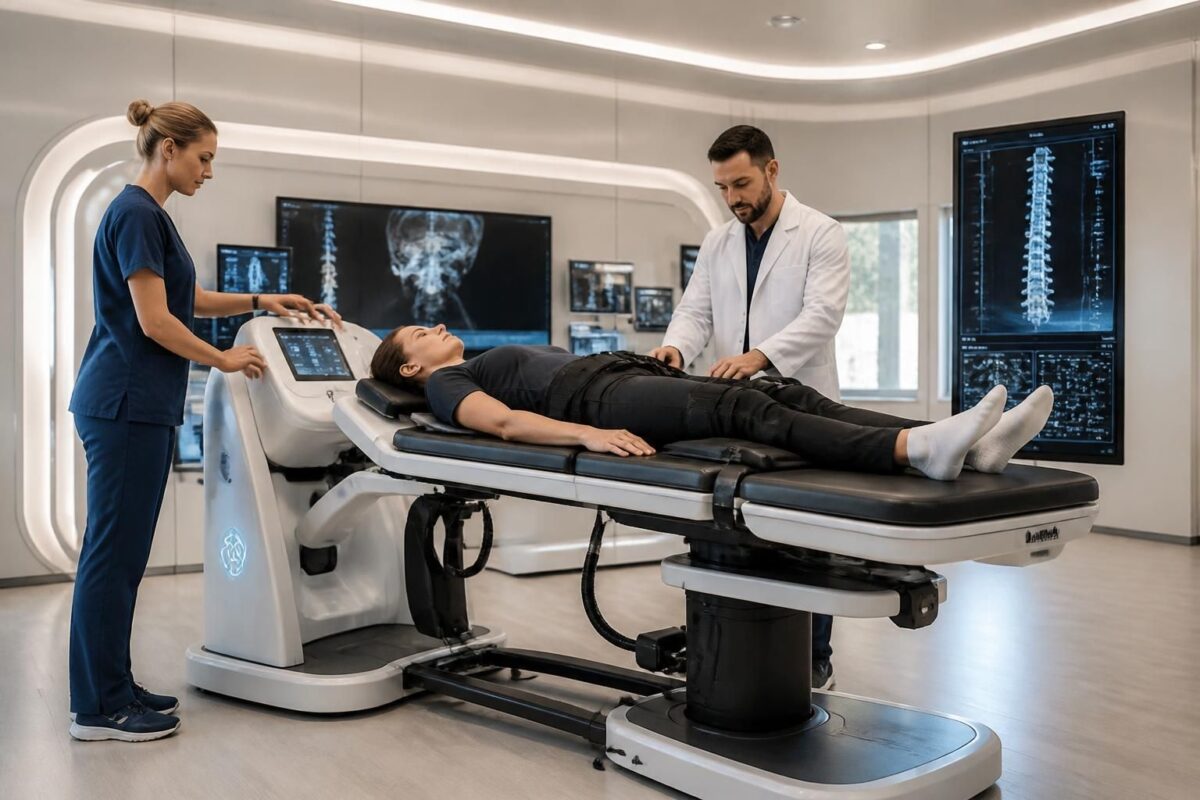
Recent innovations in neurovertebral decompression technologies
In short In short, the neurovertebral decompression is an approach non-invasive Aiming to reduce pressure on discs and nerves, and promote tissue regeneration. At Montreal, it is positioned as an effective option for lower back pain and herniated discs. The…
Traction technologies and techniques
Controlled traction and computerized tables
At the heart of modern protocols are the Controlled traction and the use of computerized tables that accurately adjust the applied force. This approach makes it possible to gradually reduce the pressure on the intervertebral discs, while protecting the tissues and avoiding overstresses.
Settings, security and progress
The progression of the treatment is based on Individualized settings (intensity, duration and frequency) adapted to the patient’s response. Guidance with clinical data and vigilant symptom control ensures maximum safety and appropriate progress at each recovery step.
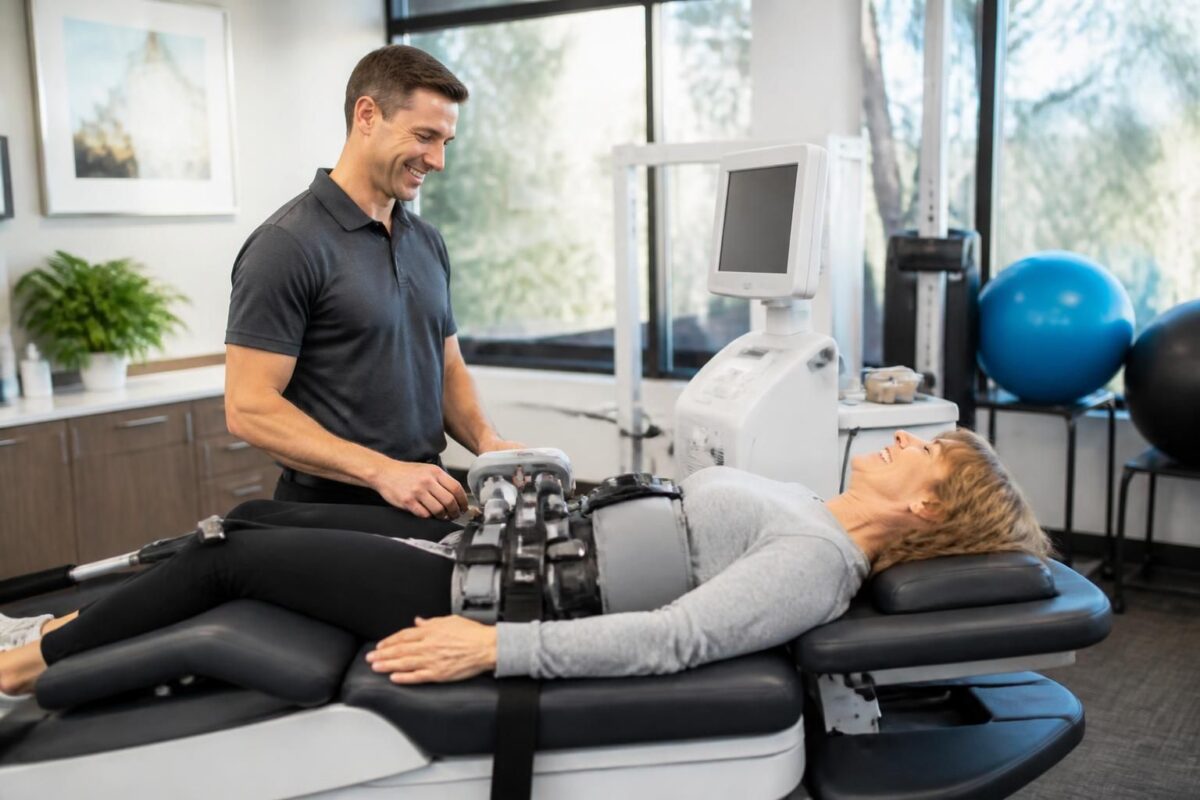
Neurovertebral decompression and diffuse pain: an appropriate solution
In short In short, the neurovertebral decompression is one Non-invasive solution For diffuse pain related to nerve irritation of the spine. She acts in Reducing pressure on intervertebral discs and nerves and improving the bloodstream, which promotes recovery and the…
Multidimensional approach and synergy of therapies
Physiotherapy and osteopathy
To optimize the effects of decompression, it is recommended to combine modalities such as the physiotherapy and theosteopathy. This synergy acts on the stabilizing muscles, improves mobility and promotes overall rebalancing of the body, which amplifies and prolongs the benefits of traction.
Relaxation, posture and patient autonomy
techniques of relaxation and advice on posture And lifestyle habits help stabilize the gains and prevent recurrences. Patient education and the integration of appropriate exercises enhance overall treatment efficiency and promote autonomy.
Monitoring, education and prevention of recurrences
Regular follow-up
One Regular follow-up Allows you to assess progress, adjust protocols based on results, and respond quickly to any symptomatic changes. This monitoring ensures a dynamic adaptation of the treatment and optimizes the chances of maintaining profits.
Education and self-care
lPatient education Deals with simple and daily measures to prolong the effects of decompression: adapted postures, progressive physical activity, hydration and ergonomics at work. theself-care is thus reinforced, which reduces the risk of reappearance of pain and accelerates the return to an actively committed quality of life.
Success Indicators and Expected Results
Success criteria include significant pain reduction, improved mobility and better ability to perform daily activities without pain. With a Personalized evaluation and an approach multidisciplinary, the majority of patients find long-lasting functional recovery and a reduction in limitations related to their spinal condition.
Modern techniques in neurovertebral decompression for optimal results
| Technical | Description |
|---|---|
| Controlled traction | Reduces the pressure on the Intervertebral discs by traction precise and progressive. |
| Personalized evaluation | Adapted plan after analysis of antecedents and theimagery. |
| Integrated physiotherapy | strengthens the Stabilizing muscles and improves the mobility. |
| Complementary osteopathy | harmonize the structures To optimize the decompression. |
| Advanced technologies | tables computerized and sensors ensure traction soft and controlled. |
| Multidimensional approaches | association with osteopathy and physiotherapy for a synergy. |
| Regular follow-up | Evaluate theevolution and adjusts the protocol. |
| Education and self-care | posture and lifestyle healthy to maintain earnings. |
Testimonials on modern techniques in neurovertebral decompression for optimal results
“Since the beginning of the sessions of neurovertebral decompression with Controlled traction and Integrated physiotherapy, my lower back pain has decreased considerably and my mobility has improved. I feel that the Optimal results are at your fingertips at each session. »
“The Personalized evaluation made it possible to adapt the treatment to my morphology and my activities, offering a rapid path to Sustainable results and a concrete improvement in my quality of life. »
“The Advanced technologies, especially decompression tables computerized, apply traction Smooth and precise and decrease the pressure on the discs, which promotes recovery and reduces pain faster. »
“The Multidimensional approach, which combines decompression, osteopathy and physiotherapy, maximize the results and accelerates the recovery overall body. »
“Thanks to these protocols modern, I found a Quality of life without pain And I can resume my daily activities without hesitation. »
“After several sessions, my pain decreased significantly and my mobility improved significantly, which allowed me to resume my activities with enthusiasm. »
“For athletes, the integration of these Modern protocols allows a Quick rehabilitation And a safer return to training, while preserving relapse prevention. »
“The Regular follow-up and theeducation post-processing helped me maintain the profits and Prevent recurrences, which makes the journey lasting and reassuring. »
Modern techniques in neurovertebral decompression for optimal results
Modern neurovertebral decompression is a non-invasive approach to alleviate Chronic pain, in particular those related to disc attacks. Under the aegis of Dr. Sylvain Desforges, expert in osteopathy, naturopathy and manual medicine, this discipline is based on innovative protocols that integrate advanced technologies such as decompression, laser and therapies by shock waves. As founding president of the TagMed clinics and the ACMA association, he places innovation at the heart of his practice and is committed to offering data-based care to optimize the quality of life of patients. Discover his approach and the services available at TagMed.
A Personalized evaluation is the first essential step. It includes examination of history, symptoms and imaging results, in order to design a suitable and safe decompression plan. The therapist also assesses mobility, functional limitations and patient goals, and then identifies factors that could influence treatment, such as postural habits or occupational constraints. This phase makes it possible to target the painful areas and adjust the traction, the duration of the sessions and the frequency of the treatments, guaranteeing measurable progress and a lasting improvement in mobility and comfort.
The base of modern protocols is based on a Controlled traction and advanced technologies. Computerized decompression tables apply a precise and progressive force on the column, reducing pressure on the intervertebral discs and promoting better tissue vascularization. In addition, the integration of laser And some shock waves Helps to decrease inflammation, accelerate recovery and increase overall treatment efficacy. Each session is designed to preserve patient safety while maximizing comfort, with continuous clinical response controls to adjust settings in real time.
A Multidimensional approach and personalized allows you to obtain superior results. Modern protocols are based on a synergy between decompression, osteopathy and physiotherapy, In order to strengthen the supporting muscles, restore correct posture and reduce loads on the column. This collaboration affects both cause and symptoms, while setting the stage for faster and more sustainable recovery. The objective is to strengthen the self-organization of the body and to improve tolerance to mechanical stress, which results in a lasting reduction in pain and a better quality of life.
Regular follow-up and Patient education constitute the heart of the protocol. The course provides fixed interval assessments to monitor progress, adjust parameters and prevent relapses. of Post-treatment exercises, adapted to each patient, strengthen the stabilizing muscles, improve mobility and facilitate the integration of new postural habits into daily life. Education also focuses on the importance of ergonomics, hydration and an active lifestyle, in order to maintain the benefits of decompression and avoid recurrences. This component actively involves the patient in his care pathway.
The results of modern protocols are encouraging. Patients report significant pain relief, improved mobility and better ability to perform daily activities without limitation. Dr. Desforges’ leadership, combining clinical expertise and innovation, supports evidence-based practice and oriented towards sustainable well-being. Through its action, it drives a vision where advanced technologies and manual approaches complement each other to optimize the spinal health and quality of life of patients, through TagMed and ACMA.
This text summarizes the principles of Modern techniques in neurovertebral decompression and their practical implications for obtaining Optimal results. It highlights the importance of Personalized evaluation, the use of Controlled traction via Advanced technologies, and harmonious integration with approaches such asosteopathy and the physiotherapy to promote sustainable recovery and a better quality of life.
protocols modern of neurovertebral decompression are based on a Individual assessment in-depth, which takes into account medical history, symptoms and imaging results in order to design a plan on measure. This approach makes it possible to precisely identify the areas to be targeted and to adjust the traction parameters to minimize risks while maximizing the efficiency of the treatment.
the component Controlled traction Associated with Computerized tables or other devices technological Ensures gentle and progressive application of force, reducing pressure on intervertebral discs and improving local blood circulation. This precision promotes quick recovery and progressive pain relief, while allowing real-time results to be tracked.
A Multidisciplinary approach is essential to amplify therapeutic effects. The integration of theosteopathy, from the physiotherapy, and techniques such as relaxation sessions or targeted exercises creates a synergy that affects both the cause than on the symptoms. This dynamic promotes improved mobility, posture and spinal stability, contributing to a Sustainable quality of life.
The role of Regular follow-up and thePatient education cannot be underestimated. Periodic evaluations and protocol adjustments ensure progression adapted to the evolution of symptoms and daily activities. Education includes good postures, maintenance exercises and lifestyle habits that preserve the benefits of decompression and help prevent recurrences.
For active patients and those who wish to understand current innovations, the resources associated with these protocols detail the Clinical controls, the Technological innovations and the Integrative methods employees. You can view articles and analyzes on the Innovative decompression technologies, the Current studies and protocols, or even the clinical osteopathic perspectives in Mobility and joint health.
Additional resources offer concrete perspectives on the effect of these protocols on alignment and mobility, and explain why decompression can be particularly suited to people who are active and prone to muscle tension. To learn more about spinal alignment and functional results, see the pages dedicated to these topics and their practical analyses.
To deepen, several online resources offer analyzes and syntheses on modern protocols and related technologies:
• How neurovertebral decompression improves vertebral alignment
• New heights in neurovertebral decompression
• Study of current techniques and protocols
• Decompression and muscle tension — a global approach
• Innovations in neurovertebral decompression tables
• Innovations in equipment for optimal results
• Disc hernia and neurovertebral decompression solutions

Dr Sylvain Desforges, B.Sc., D.O., N.D., osteopath, is the founding president of TAGMED and of the ACMA association. He dedicates his practice to chronic spinal pain, low back pain and symptoms compatible with sciatica, particularly when pain radiates toward the buttock, leg, calf, foot or toes.
Through SOS Sciatique, he publishes educational content on sciatica symptoms, possible causes such as disc herniation, disc narrowing, foraminal stenosis or irritation of a lumbar nerve root, as well as non-surgical approaches that may be considered according to the evaluation. At Clinique TAGMED, care may include, depending on the case, motorized neurovertebral decompression, specific osteopathic care or precision percussion.
For an evaluation related to sciatica treatment in Montreal / Mount Royal or sciatica treatment in Terrebonne, please consult the services available at Clinique TAGMED.
Medical disclaimer
The information published on SOS Sciatique is provided for educational purposes only and does not replace a consultation, diagnosis, opinion or treatment provided by a physician or another authorized healthcare professional. The author of this article is neither a medical doctor nor a specialist in a medical specialty recognized by the Collège des médecins du Québec. The osteopathic, manual medicine or functional support approaches described on this site do not constitute medical acts and are not intended to replace medical follow-up.
Consult a physician or emergency service in cases of loss of bladder or bowel control, anesthesia in the saddle area, significant or progressive weakness in the leg or foot, fever, recent trauma, severe pain or rapid worsening of symptoms. For more details, please read our Legal Notice.