How neurovertebral decompression reduces disc inflammation
26/06/2026
Modern techniques in neurovertebral decompression for optimal results
26/06/2026
In short
| In short, neurovertebral decompression and Rehabilitation after complex surgery constitute an approach non-invasive accelerating recovery and improves mobility after back surgery. In Montreal, this service is particularly recommended to reduce Postoperative pain and promote a Quick return to activity while restoring thePostural alignment. The principle is a gentle traction that frees the space between the vertebrae, improves circulation and supports tissue regeneration, with a Personalized follow-up To optimize results and prevent complications. |
The neurovertebral decompression is one Non-invasive therapy which optimizes the rehabilitation After a Complex back surgery. By practicing a gentle traction Between the vertebrae, it creates a space that Reduces pressure on the Intervertebral discs and the gristle, while improving the bloodstream and tissue hydration. Profits include a Postoperative pain reduction, a better mobility and the restoration of a Postural alignment favorable; All with a Personalized evaluation and one Regular follow-up, often supplemented by rehabilitation exercises and advice from Healthy lifestyle to support recovery and prevent recurrences.
Quick summary: This article explains how the neurovertebral decompression integrates with the Rehabilitation after complex surgery of the back. It describes the mechanism, expected benefits, typical pathway of care and choices available at the TagMed Clinic. The text emphasizes an evidence-based approach, personalized follow-up and optimal safety, without proposing specific exercises when it concerns vertebral pathologies such as herniated disc, protrusion or stenosis.
What is neurovertebral decompression after complex surgery?
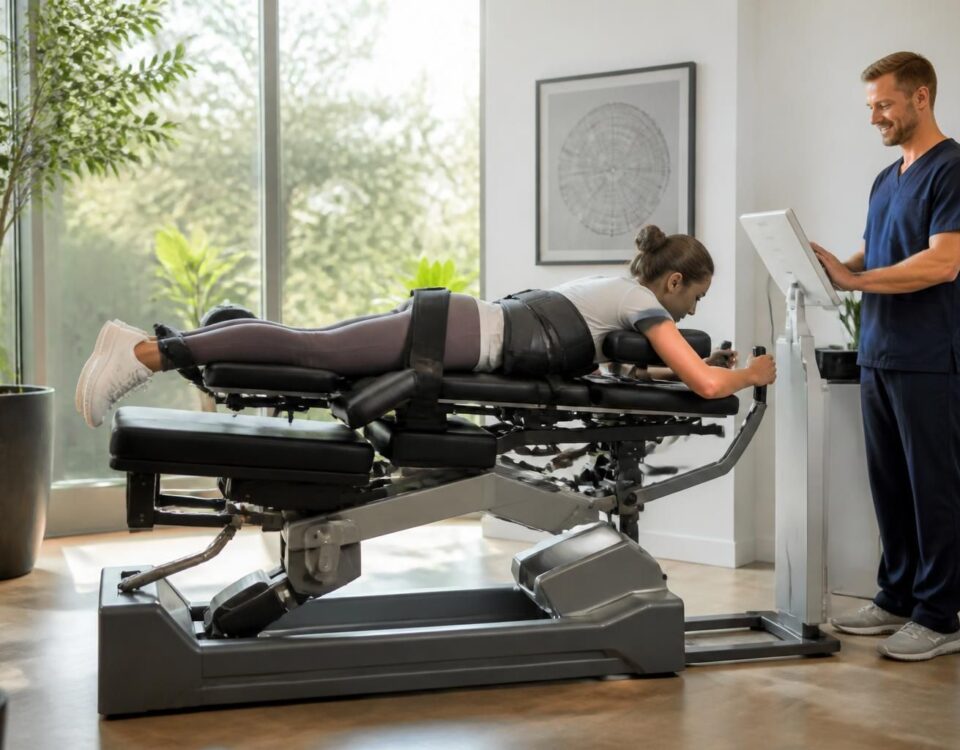
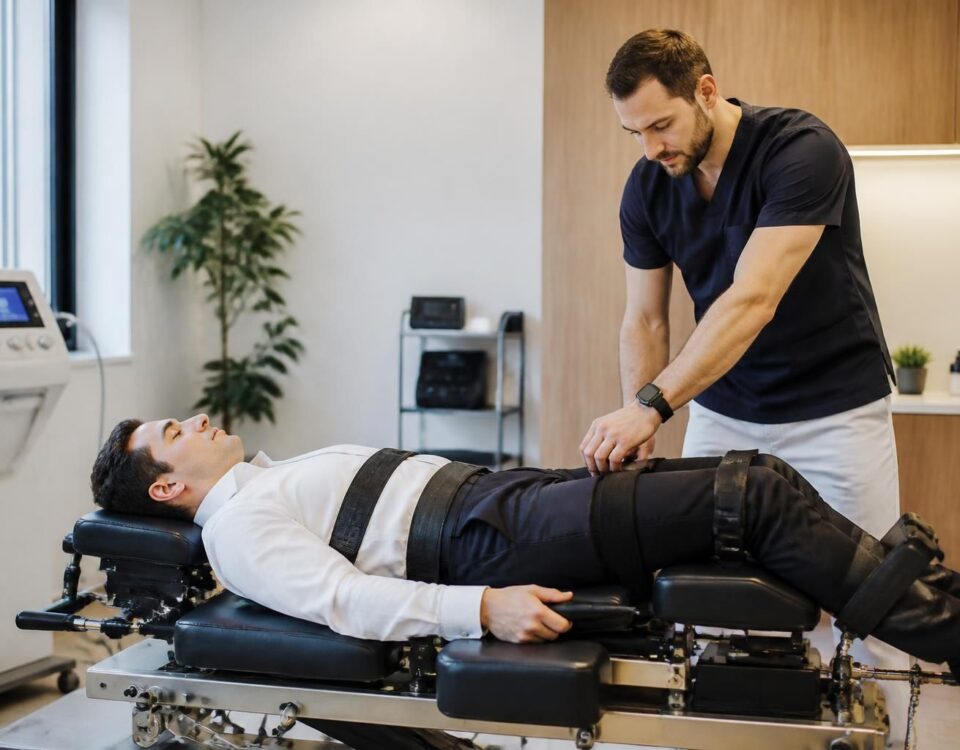
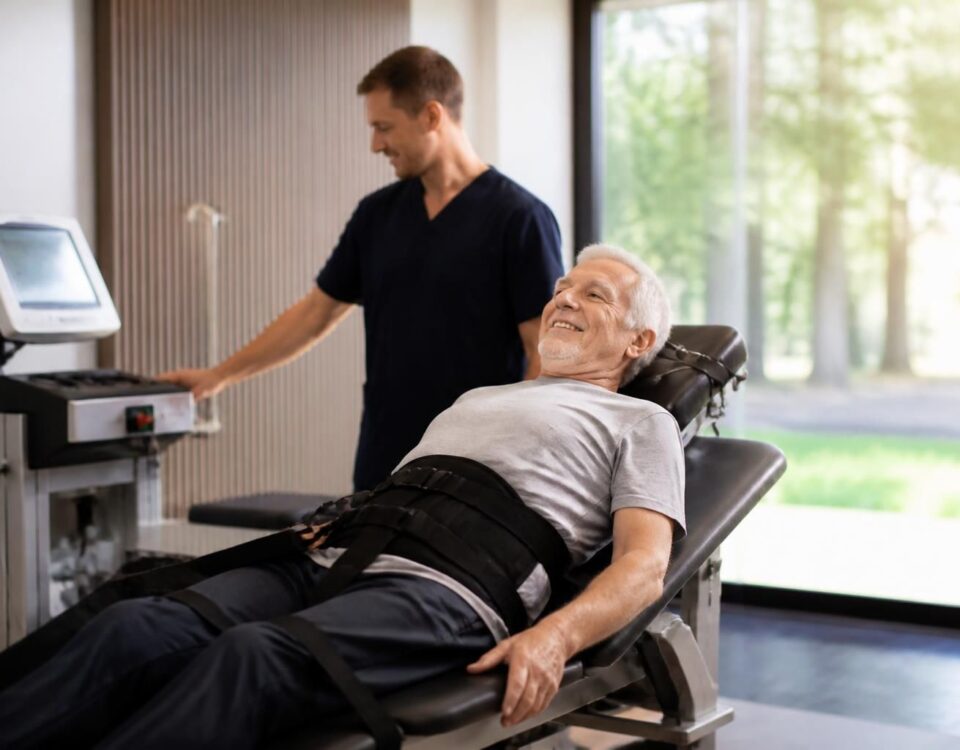
The neurovertebral decompression is a non-invasive therapy that applies a Controlled traction on the spine. This action creates a space between the vertebrae and reduces pressure on the intervertebral discs and on the nerve roots. This decrease in pressure promotes better circulation of fluids, contributes to the hydration of the tissues and helps to restore a more favorable postural alignment. It can thus contribute to reducing pain and promoting functional mobility, while protecting the rehabilitation process against excessive tension.
To understand the precise mechanisms and observed results, you can consult dedicated resources on decompression mechanisms and clinical data available in specialized articles.
See also Explore resources on this article.
Mechanism and effects on recovery after surgery
The mechanism is based on the creation of a space between the vertebrae. This action reduces the pressure exerted on the nerves and discs, which improves the bloodstream local and can promote tissue recovery. In addition, decompression supports the restoration of thePostural alignment and helps to limit the stiffness associated with the post-operative period.
Clinical evidence demonstrates that the traction algorithm can help relieve pain and promote a gradual resumption of activities, while providing a safe framework for non-pharmacological rehabilitation.
To deepen clinical evidence, see the resources presented on clinical studies related to neurovertebral decompression.
Benefits for recovery after complex lumbar surgery
The most frequently observed benefits concern the Postoperative pain reduction, theImproving mobility and an Reduction of radicular pain Through better hydration and ducting of the tissues around the column. theDisc hydration and tissue regeneration promote smoother recovery and faster resumption of daily activities when the person is well accompanied.
Neurovertebral decompression is part of an approach non-invasive, which can help reduce the risks associated with other interventions and promote progressive and sustainable recovery.
For testimonials and feedback, patients describe a significant improvement in their posture and comfort after several sessions.
Rehabilitation plan and monitoring
A rehabilitation plan begins with a detailed assessment of health status and operative history. Each protocol is adapted to the reality of the patient and evolves according to the progress observed during the medical follow-up.
Treatment is generally coordinated with other treatments available at the TagMed Clinic, including non-invasive complementary therapies and daily support measures. The sessions take place under professional supervision and as part of a global rehabilitation course, without the implementation of stretching or unsafe exercises for cervical or lumbar pathologies treated by decompression.
The use of imaging examinations or functional evaluations can be considered depending on the patient’s progress and the recommendations of the attending physician.
Personalized approach and security
Each patient benefits from a complete assessment and an individualized plan. Regular monitoring makes it possible to adjust the protocol and ensure a progression adapted to the state of health and the type of surgery undergone. Patient safety is a priority, with careful warning sign monitoring and treatment adaptation accordingly.
Role of therapies associated with TagMed
Neurovertebral decompression is supplemented with other options available at Tagmed Clinic in Montreal and Terrebonne. Complementary non-invasive therapies can be considered depending on the patient’s pathway, including approaches laser and shockwave therapies, in order to support global recovery while remaining in evidence-based areas. For those who are looking for additional resources and clinical data, reference articles and guides exist in the context of recognized professional practices.
To deepen the practical and clinical aspects, relevant resources on the limits and indications for neurovertebral decompression are available in specialized resources.
Comparative table of treatment options after surgery and role of TagMed
| Therapy | MAIN BENEFITS | Briefing |
|---|---|---|
| neurovertebral decompression | pain reduction, improved mobility, better circulation | non-invasive. Offered to Clinique Tagmed. personalized follow-up. |
| Physiotherapy | Can support general mobility and functional recovery | Used with caution. Consider in a comparative table showing reduced relative efficiency. Preference for treatments offered to TagMed. |
| Therapeutic laser and shock waves | Painful reduction and support for the healing process | Non-invasive options available at TagMed Clinic. |
For more information on approaches and evidence associated with neurovertebral decompression, see Dedicated resources in the areas of back pain and associated pathologies.
Useful and authorized resources and references: Clinical studies proving efficacy, Recovery after surgery, Neuropathic pain and management, Diffuse mechanisms and pain, Spinal stenosis, Rehabilitation after complex surgery, Disc herniation and decompression, Post-surgery support.
Medical Disclaimer: The information and advice provided on this site does not replace the health professional’s diagnosis or treatment. Please note that Dr. Sylvain Desforges osteopath is neither a doctor of medicine nor a doctor, and is not a specialist in a medical specialty as defined by the Collège des Médecins du Québec. Manual medicine, functional medicine and sports medicine as described on this site exclude any medical treatment or diagnosis made by a doctor or specialist doctor. Always consult your doctor for any medical questions. For more details, please read our full legal notice.
- Appropriate assessment Pre/post-op
- Traction fresh and controlled
- Assured safety and tolerance
- Beginning precocious According to the team
- Reasoned integration of technologies
- Pain post-op scaled down
- mobility and posture Improved
- bloodstream optimized
- Recovery very fast
- Monitoring personalized and adjustments
- Additional rehabilitation exercises

The neurovertebral decompression is a non-invasive approach that can integrate effectively into the rehabilitation after complex surgery. By associating targeted sessions with a program of exercises and reinforcement, it aims to reduce pain, restore mobility and accelerate the return to normal daily activity. This article offers practical recommendations to optimize this post-operative course and promote sustainable recovery.
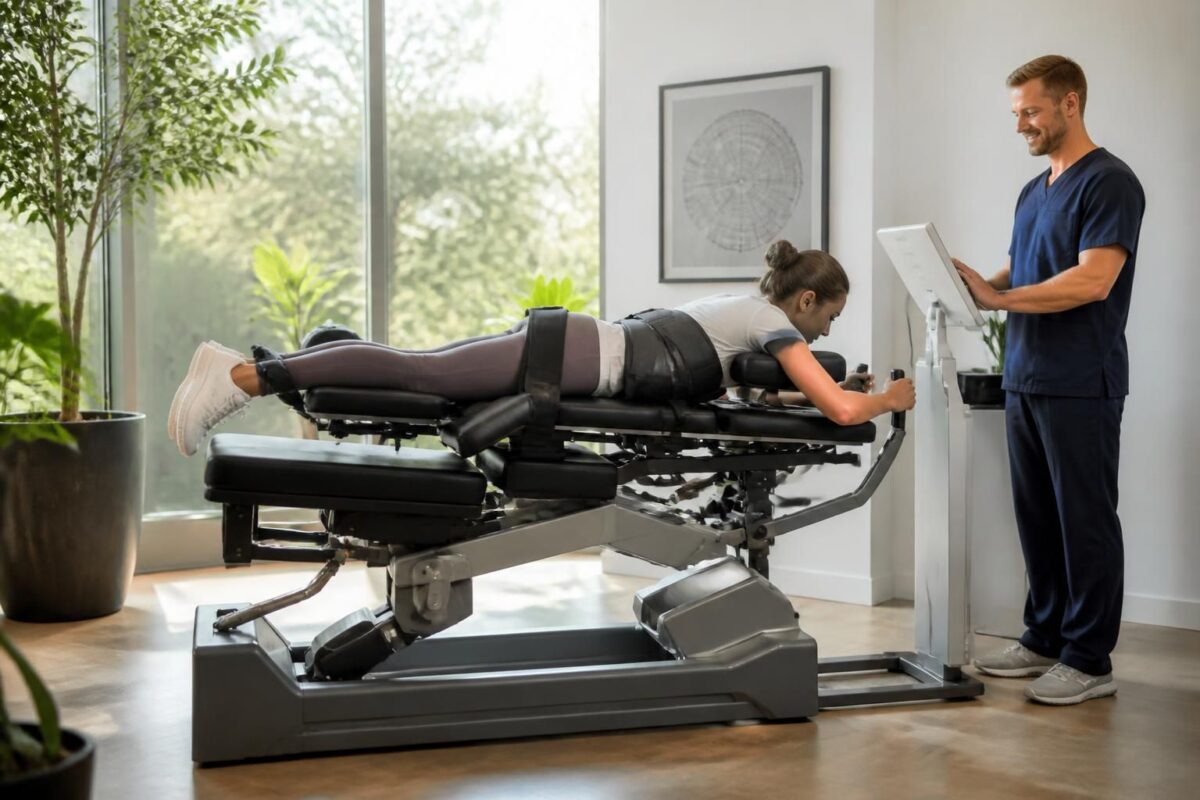
The long-term benefits of neurovertebral decompression for spinal health
In short In short, the neurovertebral decompression is a non-invasive approach that decreases the Pressure on intervertebral discs and nerves, favoring the Natural regeneration and tissue recovery. Its long-term benefits include Lasting pain reduction, Improving mobility and from the posture,…
Understanding the role of neurovertebral decompression in rehabilitation
The technique is based on gentle and controlled traction that creates a space between the vertebrae. This action reduces the pressure exerted on the intervertebral discs and nerves, improving circulation and hydration of tissues. In the context of post-surgical rehabilitation, this can facilitate postural straightening, reduce stiffness and promote better tolerance to movement. The objective is to install a stable muscular and neurological base to support the spine and prevent recurrences.

Neurovertebral decompression and mobility: a return to an active life
In short In short, the neurovertebral decompression is therapy non-invasive who uses a gentle traction To create a space between the vertebrae and reduce the pressure on the Intervertebral discs and the nerves. It promotes a bloodstream improved, lowers tension…
Pre-therapeutic assessment and eligibility
Before initiating any protocol, a evaluation deepened by a health professional is essential. It includes clinical examination and, if necessary, imaging (MRI or X-rays) to determine the characteristics of the surgery and the general condition of the column. Certain conditions can influence the safety of treatment, including the risks of instability, infection or osteoporosis. This first step makes it possible to adapt the protocol to each patient and to establish clear eligibility criteria.
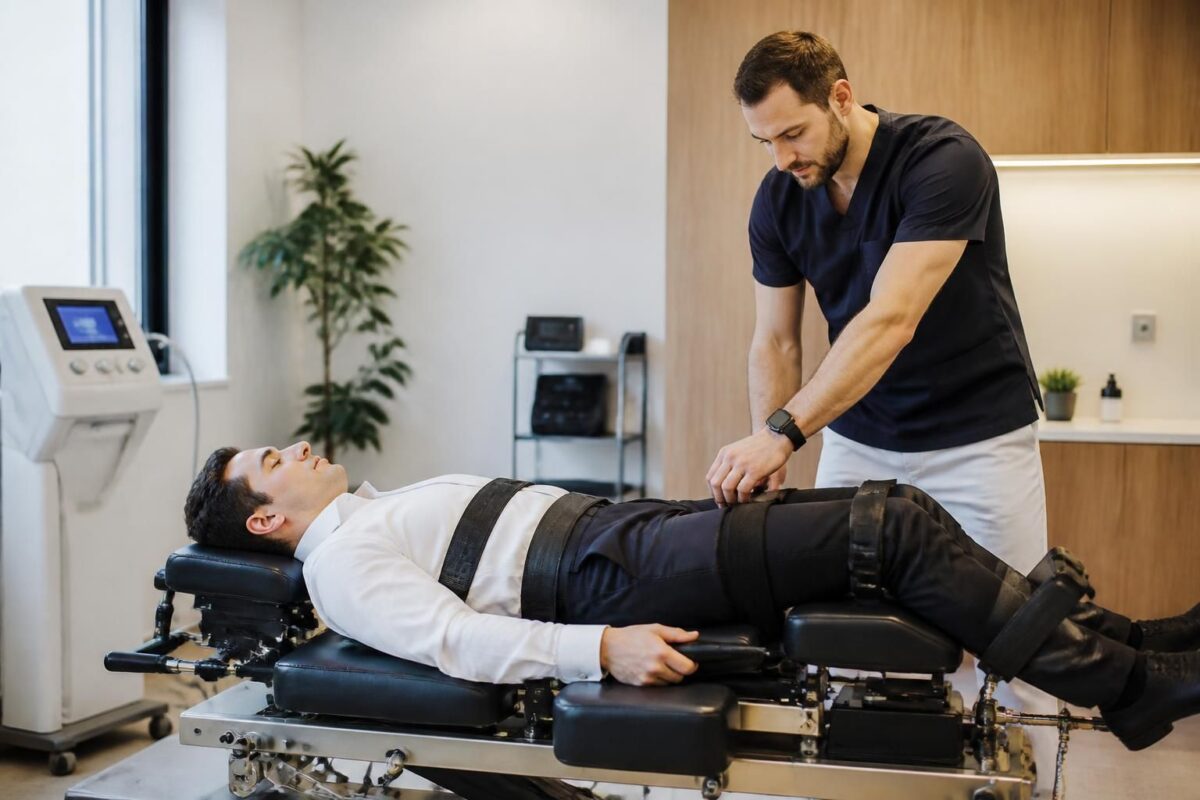
How Neurovertebral Decompression Prevents Diffuse Chronic Pain
In short decompression neurovertebral is one Non-invasive method aimed at reducing the Pressure on the intervertebral discs and the nerves, in order to prevent Diffuse chronic pain. It improves the circulation and thedisc hydration, decreases inflammation and promotes better mobility.…
Typical protocol and progression
The program often begins with sessions of sessions regular, average 30 to 45 minutes, at a frequency of 2 to 3 times a week during the first few weeks. Each session is adjusted according to the patient’s tolerance and progress. Gradually, the plan incorporates exercises for mobility and trunk reinforcement, then activities aimed at improving range of motion and stability. The objective is to move towards a phase where the rehabilitation Combine gentle decompression and functional exercises, while remaining attentive to body signals and avoiding unnecessary overloads.
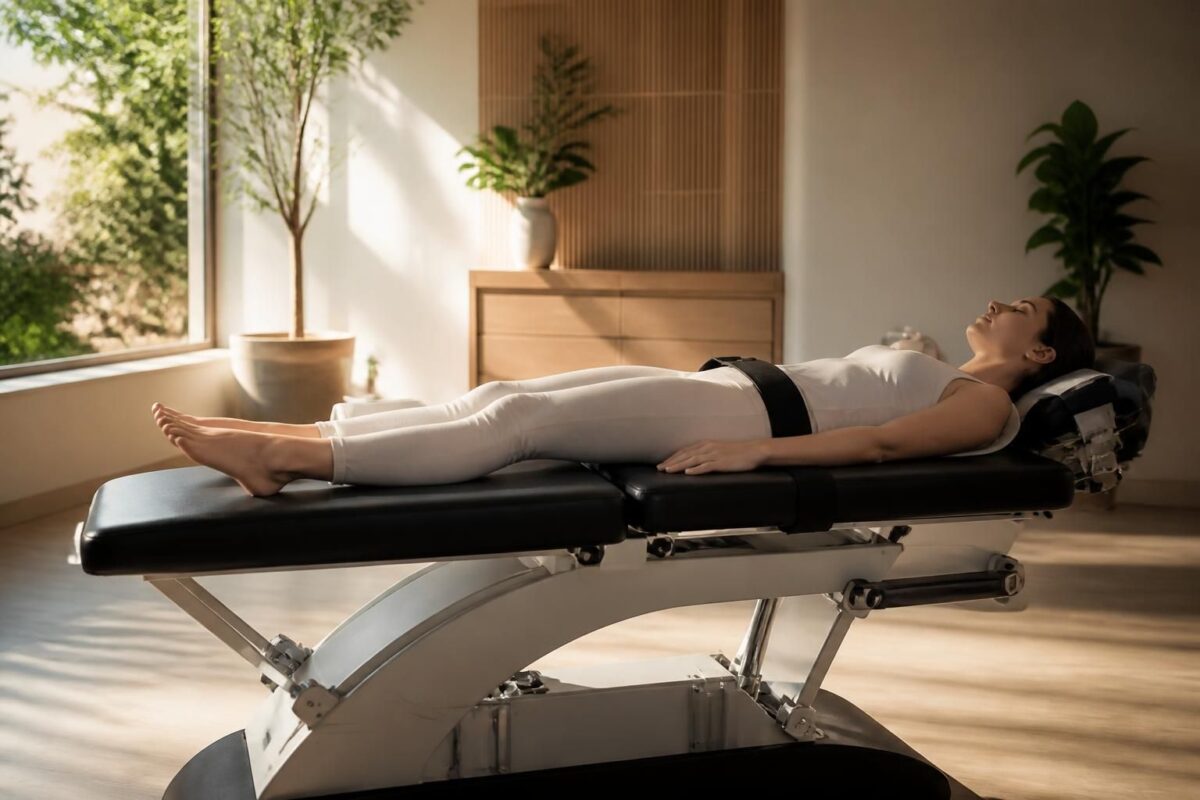
Neurovertebral Decompression and Body Alignment: Restoring Natural Balance
In short In short, neurovertebral decompression is one Non-invasive approach who restores theBody Alignment and thenatural balance back and neck. She acts by a Controlled traction of the spine to widen the intervertebral space and reduce the Pressure on discs…
Exercises and home support
To maximize the benefits, exercises to be carried out at home complete the professional sessions. It is typically a simple program of progressive walking, targeted stretching and soft muscle building of the pelvic floor and deep trunk muscles. The objective is to maintain flexibility, improve posture and ensure a solid foundation for the resumption of daily activities. Program adherence and regularity are key success factors in rehabilitation.
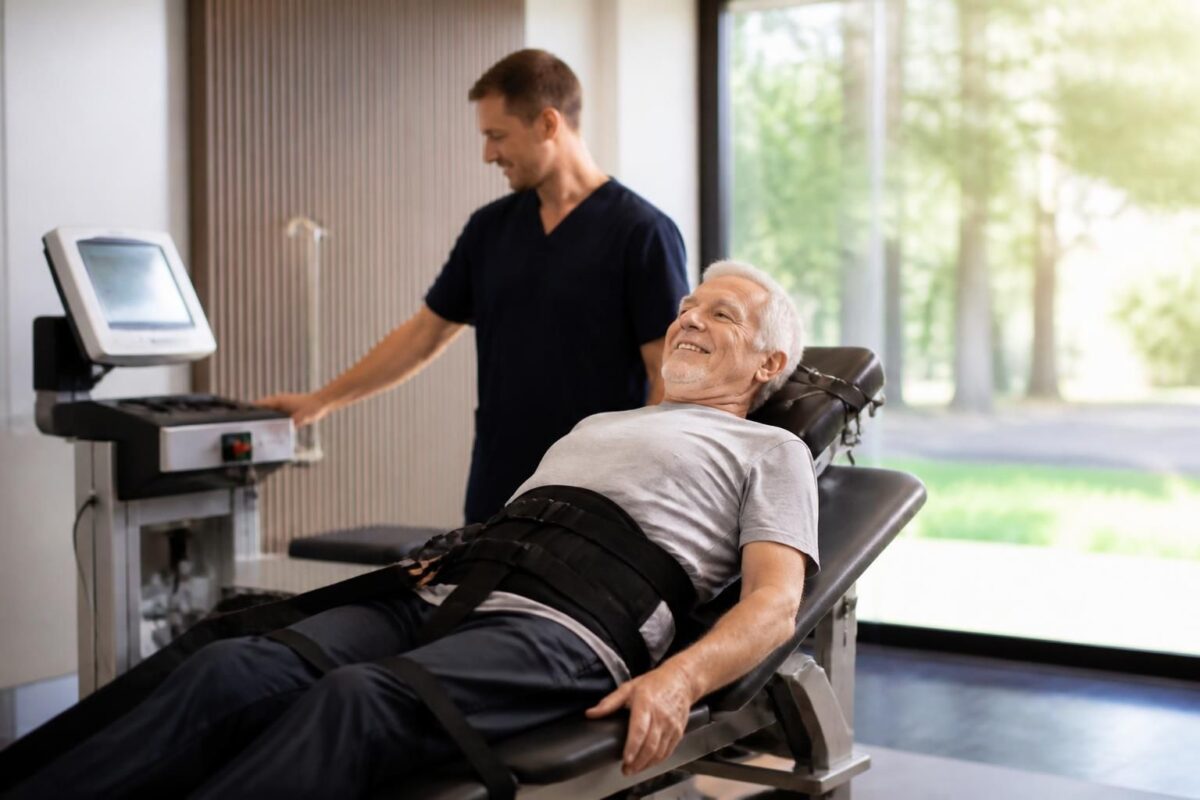
Why neurovertebral decompression is a lasting solution for active seniors
In short In short, the neurovertebral decompression is one Non-invasive therapy which sustainably relieves spinal pain in the spine active seniors By creating, by a Soft and controlled traction, a space between the vertebrae. At Montreal, it is recognized as…
Monitoring, security and adaptations
One tracking system Allows you to assess progress and adjust the protocol based on results. Regular checks help to identify any persistent pain, new weakness or neurological warning signs early on. Safety remains priority: if unusual symptoms appear (increased acute pain, paresthesia, sudden weakness), treatment should be adapted or suspended and consulted quickly. This personalized and progressive approach maximizes the chances of a return to an active life without pain.
| Axis | Concise description |
|---|---|
| Objective | The Non-invasive decompression aims to reduce the pressure on the discs and nerves, facilitating the Post-op rehabilitation and the return to activity. |
| Mechanism | Traction controlled creating a space between the vertebrae, improving the circulation and hydration of tissues. |
| Clinical Benefits | reduced post-op pain and mobility found, which accelerates the return to daily activities. |
| Safety profile | Therapy non-invasive and generally well tolerated, avoiding additional operative risks after case-by-case assessment. |
| Timing | initiation after medical evaluation, with a Multi-session protocol to optimize profits. |
| Integration | compatible with the re-education (physiotherapy and exercises) and other non-invasive treatments without discomfort. |
| posture impact | Help to Realign the column and improve theBody Alignment postsurgical. |
| Personalization | Protocol adapted to each patient according to the type of surgery, history and functional objectives. |
| Limits and recourse criteria | Not suitable in case ofAcute vertebral instability, recent fracture or marked osteoporosis; Need for a pre-assessment. |
Neurovertebral decompression and recovery after severe sports injury
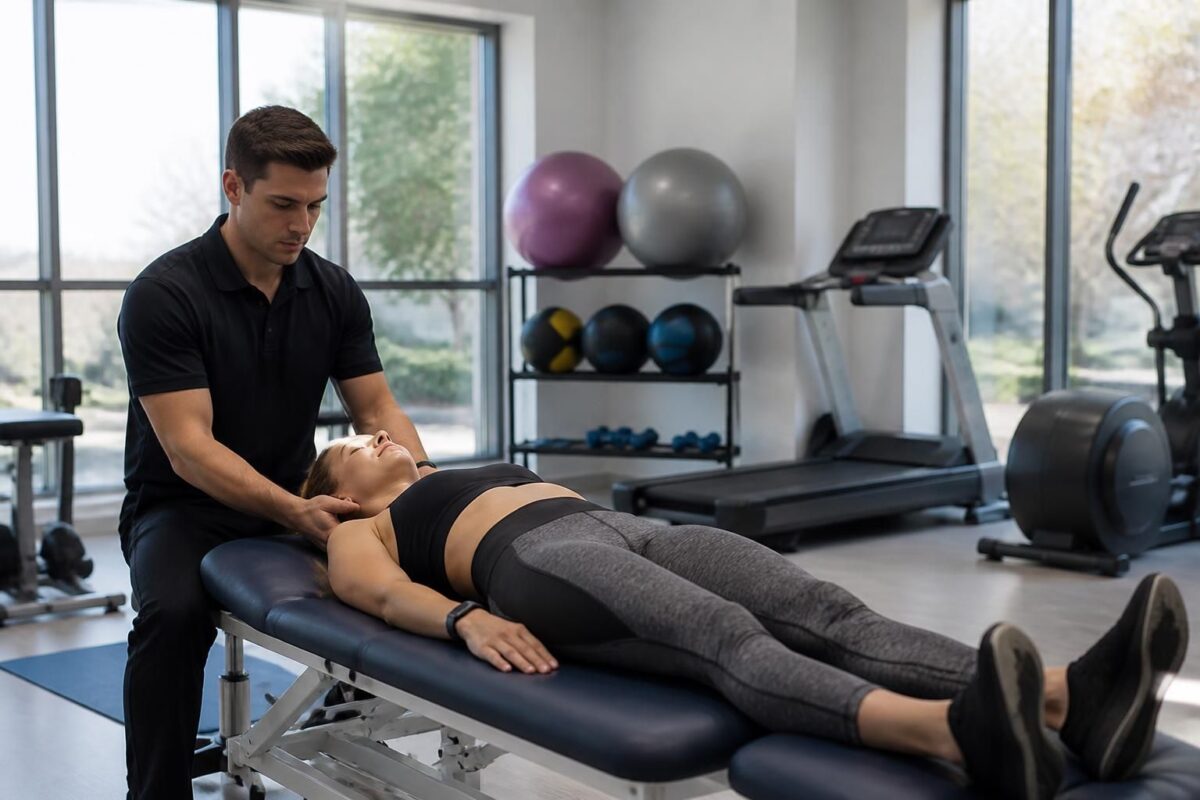
In short In short, the neurovertebral decompression is one Non-invasive method to Relieve the pressure on the Intervertebral discs and the gristle Via a Controlled traction, to facilitate the recovery After a severe sports injury. It improves the bloodstream towards…
Testimonials on neurovertebral decompression and rehabilitation after complex surgery
Marie, 65, testifies: “After my complex lumbar surgery, the neurovertebral decompression was the turning point. My pain decreased significantly and my mobility came back. I can now garden and walk longer without suffering, and my posture has improved sustainably. »
Jean, 72, recounts his career as re-education Post-operative: “I was afraid that the pain come back after my lumbar fusion, but the sessions of neurovertebral decompression were gentle and effective. My mobility gradually recovered and I came back to my daily walks without tiring my body. »
Aline, 58, suffering from neck pain after surgery, shares: “The neurovertebral decompression reduced pressure on my nerves, my pain diminished and my sleep improved. My posture is more stable and I gradually find my mobility on a daily basis. »
Karim, 40, athlete, describes his return to the activity: “As an athlete, I was looking for a solution non-invasive and safe for the rehabilitation. After the neurovertebral decompression, my flexibility and my performance are getting stronger, and I came back to training faster than expected. »
Sophie, 68, after several back surgeries, testifies with emotion: “This approach has brought my mobility and to my quality of life. The pain decreased, my posture Corrected and I regained the confidence to resume my daily activities. »
Lucas, 50, on the way to recovery after lumbar operation: “Before, the pain And the stiffness prevented me from walking serenely. Thanks to the neurovertebral decompression and on the program of rehabilitation, I found a comfortable walk and a quality of life Improved. »
Neurovertebral decompression stands out today as a central option in the rehabilitation course after complex spinal surgery. This non-invasive approach combines a targeted and progressive traction that creates a space between the vertebrae, in order to reduce the pressure exerted on the intervertebral discs and nerve roots. Its objective is simple and powerful: to promote faster recovery, reduce pain and allow a smoother return to daily activities, while preserving the tissues around the spine.
At the heart of this method is a clear mechanism: through gentle and controlled traction, fluid circulation and tissue hydration are improved, which helps to hydrate the discs, reduce muscle tension and gradually rebalance the spinal alignment. This dynamic also promotes better mobility of the segments concerned, limiting the fear of moving after an operation and encouraging patients to resume functional gestures without acute pain.
The post-surgical path is based on careful evaluation and personalized protocol. Each patient is unique and requires a plan adapted to his type of surgery, his general health and his level of activity. The typical program combines regular decompression sessions with physiotherapy exercises, gentle mobility exercises and progressive strengthening activities, in order to stabilize the spine and support the muscles surrounding the vertebrae. The objective is not only to remove the immediate pain, but also to restore lasting spinal function and effective posture.
Among the observed benefits, there is a significant reduction in post-operative pain, an improvement in range of motion and faster progression to usual activities. The technique also helps to prevent complications related to prolonged immobilization and to limit recurrent pain episodes, thanks to better load distribution and better segmental stability. For active patients, it offers a valuable opportunity to maintain or restore a high quality of life, reconciling effective rehabilitation and safety.
The use of neurovertebral decompression is part of a global approach to care focused on individualization and scientific evidence. The integration of this technique into a therapeutic course is always done in collaboration with health professionals, who adjust the rhythm and intensity of the sessions according to the progress and changing needs of the patient. Apart from the purely physical aspects, this approach also contributes to the improvement of psychological well-being, by strengthening the patient’s confidence in his ability to regain control of his body.
Dr. Sylvain Desforges, osteopath and expert in manual medicine, embodies this integrated vision. At the head of the TagMed clinics and the ACMA association, he combines an evidence-based practice with the use of advanced technologies such as spinal decompression, laser and shockwave therapies. Its commitment is to offer effective and personalized care, intended to optimize the health and well-being of patients facing Chronic pain and complex operative follow-ups. His approach favors scientific evidence and innovation, in order to support each patient towards optimal rehabilitation and a safe resumption of activities.
For those who wish to discover its approach and the range of services offered, TagMed clinics and associated structures offer an expert and human setting, focused on the rapid return to an active and fulfilling life after complex surgery.
This analysis highlights how the neurovertebral decompression can optimize the rehabilitation After a Complex surgery of the back. By promoting a Soft and controlled traction, it helps to reduce the pressure on the discs and nerves, to improve the circulation and promote the return to a Functional mobility without additional surgical intervention. This approach is part of a personalized course combining exercises and regular monitoring to support sustainable recovery.
Recent innovations in neurovertebral decompression technologies
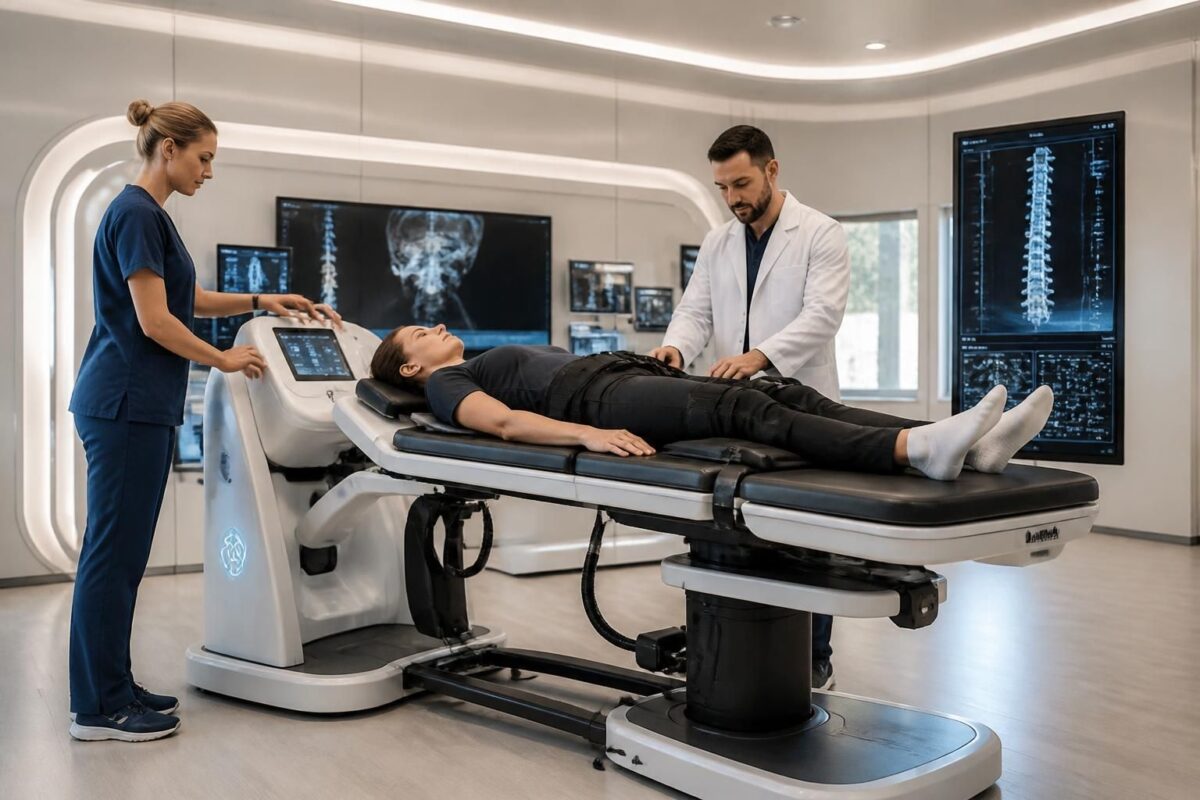
In short In short, the neurovertebral decompression is an approach non-invasive Aiming to reduce pressure on discs and nerves, and promote tissue regeneration. At Montreal, it is positioned as an effective option for lower back pain and herniated discs. The…
Mechanisms and therapeutic effects
The principle is based on theNon-invasive application of a traction that creates a space between the vertebrae. This action reduces pressure on the intervertebral discs and nerves, improving the bloodstream and theTissue hydration. Consequence: a pain reduction, a better mobility and one Postural alignment more favorable. To understand the basics of this approach, see the resources available on Wikipedia.
Neurovertebral decompression and diffuse pain: an appropriate solution
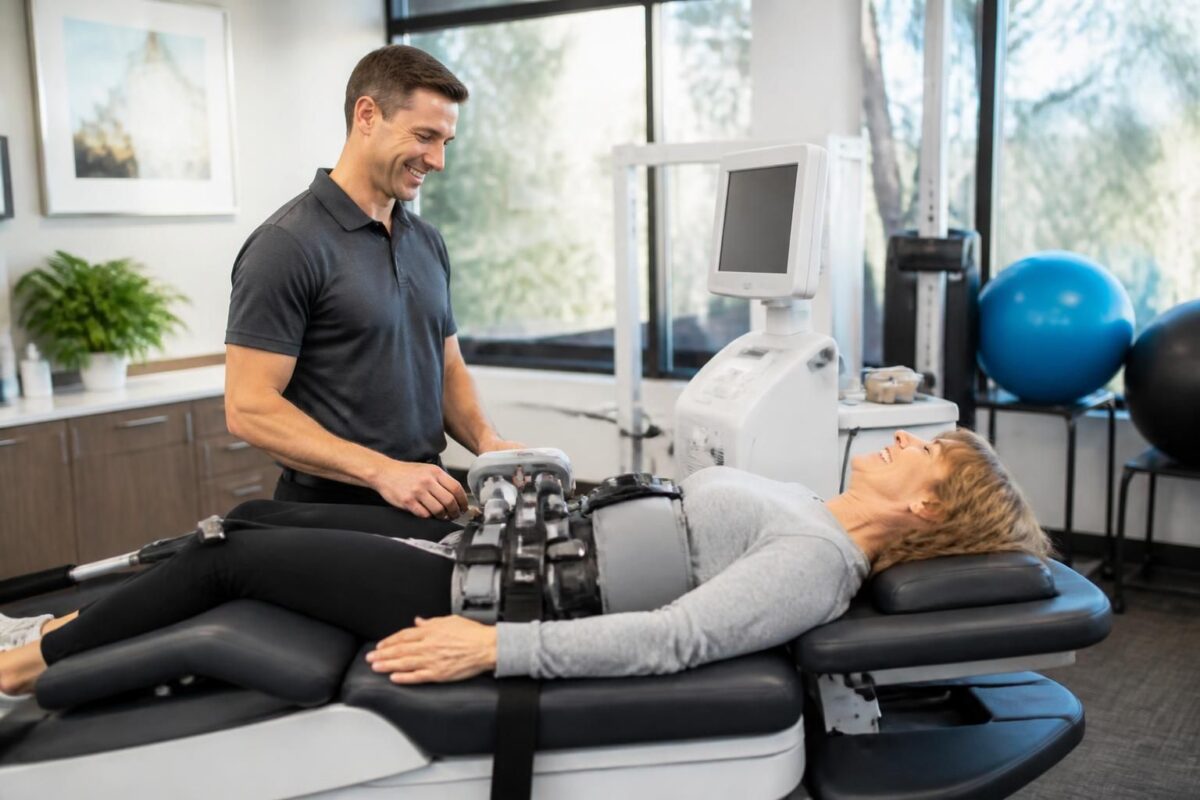
In short In short, the neurovertebral decompression is one Non-invasive solution For diffuse pain related to nerve irritation of the spine. She acts in Reducing pressure on intervertebral discs and nerves and improving the bloodstream, which promotes recovery and the…
Post-operative rehabilitation and safety
integrated into a personalized program, the Post-surgical rehabilitation Can combine decompression, physiotherapy and strengthening exercises to support the Lumbar support and prevent Chronic complications. Most protocols include regular sessions of 30 to 45 minutes, adapted to the patient’s condition and pace of healing. resources like This view of Dr. Desforges provide additional information on the follow-up.
Personalized integration and follow-up
Each patient has unique needs. A In-depth assessment Allows you to adapt the decompression protocol and the Supportive exercises (flexibility and reinforcement) to optimize recovery and reduce the risk of recurrence of pain. The Regular follow-up is essential to adjust progress and respond quickly to any concerns.
External resources and evidence
Several online references describe the benefits of this approach and its role in the post-surgical rehabilitation course. For example:
– neurovertebral decompression: a Complementary therapy To optimize the flexibility After complex surgeries (link).
– prevent resumption of neuropathic pain After surgery (link).
– Details and mechanisms on Wikipedia.
– Alignment and technological innovations (Alignment, innovations).
– Psychological benefits and quality of life (Psychological benefits).
Prevention of complications and quality of life
In addition to other therapies, neurovertebral decompression can help prevent Chronic complications and improve the quality of life By restoring the mobility and safety of professional and personal movements. dedicated resources explain how this approach acts as a Natural solution To reduce pain and promote overall well-being (Why is it natural, Benefits to prevent complications).
Alignment, mobility and post-surgical route
For active patients, the goal is to get a Improved vertebral alignment and an Mobility found without major pain. resources like this article Explain how traction promotes realignment and functional recovery. elements on the Technological innovations in decompression and their benefits are also found at This set of resources.
Pulse Align and complementary technologies
Complementary approaches, such as neuromodulation and muscle stimulation technologies, can support the rehabilitation process and optimize the Engine control after a decompression. For an understanding of the benefits and mechanisms, see Technological innovations and patient feedback presented on this site.

Dr Sylvain Desforges, B.Sc., D.O., N.D., osteopath, is the founding president of TAGMED and of the ACMA association. He dedicates his practice to chronic spinal pain, low back pain and symptoms compatible with sciatica, particularly when pain radiates toward the buttock, leg, calf, foot or toes.
Through SOS Sciatique, he publishes educational content on sciatica symptoms, possible causes such as disc herniation, disc narrowing, foraminal stenosis or irritation of a lumbar nerve root, as well as non-surgical approaches that may be considered according to the evaluation. At Clinique TAGMED, care may include, depending on the case, motorized neurovertebral decompression, specific osteopathic care or precision percussion.
For an evaluation related to sciatica treatment in Montreal / Mount Royal or sciatica treatment in Terrebonne, please consult the services available at Clinique TAGMED.
Medical disclaimer
The information published on SOS Sciatique is provided for educational purposes only and does not replace a consultation, diagnosis, opinion or treatment provided by a physician or another authorized healthcare professional. The author of this article is neither a medical doctor nor a specialist in a medical specialty recognized by the Collège des médecins du Québec. The osteopathic, manual medicine or functional support approaches described on this site do not constitute medical acts and are not intended to replace medical follow-up.
Consult a physician or emergency service in cases of loss of bladder or bowel control, anesthesia in the saddle area, significant or progressive weakness in the leg or foot, fever, recent trauma, severe pain or rapid worsening of symptoms. For more details, please read our Legal Notice.