Neurovertebral decompression and recovery after muscle injury
26/06/2026
The benefits of neurovertebral decompression to prevent chronic complications
26/06/2026
In short
| In short, the neurovertebral decompression is a method non-invasive which creates a space between vertebrae To reduce the pressure on the gristle and the Intervertebral discs. It aims to reduce Neuropathic pain and improve the mobility. Its advantages include a Sustainable relief, a quick return to the activity and the absence of surgery or medication. To montreal, this treatment is recognized as a Natural solution To improve the quality of life patients with spinal pain. |
The neurovertebral decompression is one Natural solution and non-invasive For spinal pain. In creating a space between the vertebrae, she Reduces pressure on intervertebral discs and nerves, which decreases pain and improves mobility. Without surgery or drugs, it offers a quick recovery and an Sustainable improvement in quality of life.
This article presents, in a clear and practical way, why the neurovertebral decompression constitutes an option natural and non-invasive To treat neuropathic pain related to the spine. He explains the mechanisms, indications and the role of this approach in a care pathway, favoring lasting results and improving the quality of life.
What is neurovertebral decompression?
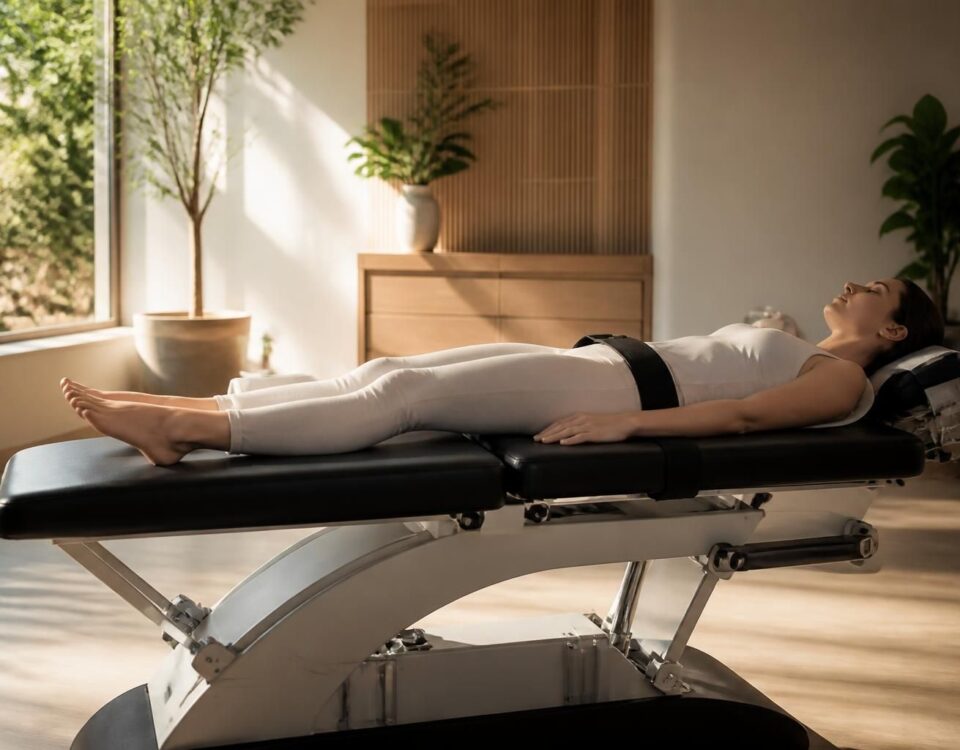
The neurovertebral decompression is a therapeutic technique that acts on the spine without surgery. It uses controlled traction to create a space between the vertebrae and release the pressure exerted on the nerves and intervertebral discs. This pressure reduction promotes the circulation and hydration of tissues, helping to reduce neuropathic pain and restore normal nerve function.
Indications and limits
This approach is particularly suitable for people with chronic neuropathic pain related to discsal problems, especially after surgery or in the context of disc degeneration. It aims to avoid invasive treatments and long-term medications. For questions related to herniated discs and root pain, you will find relevant resources on this type of publications.
How does a session take place
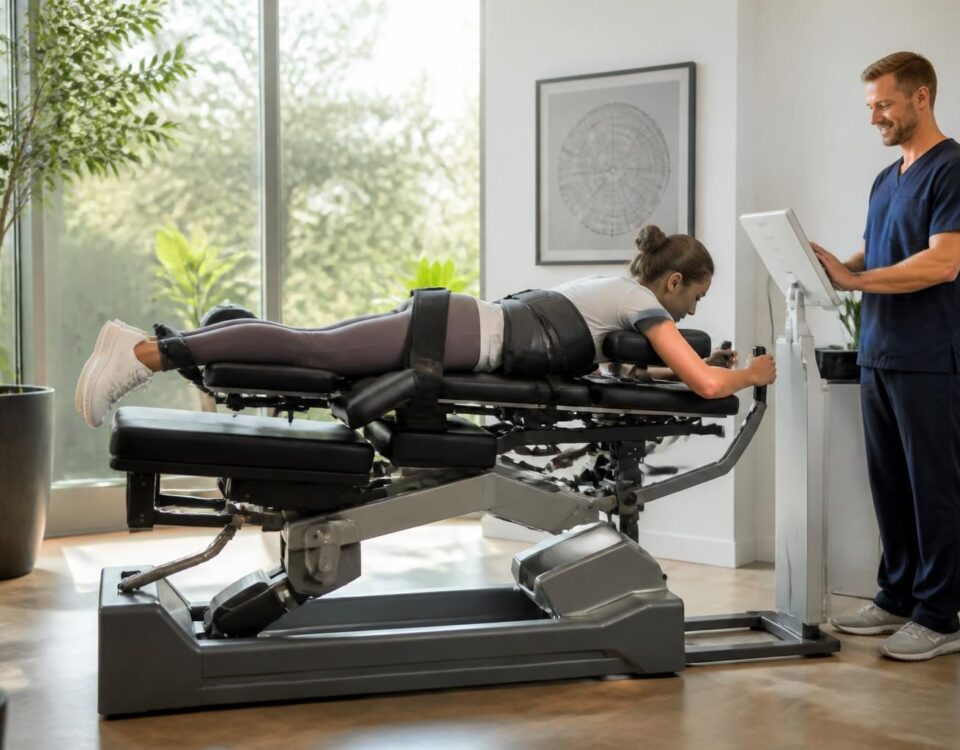
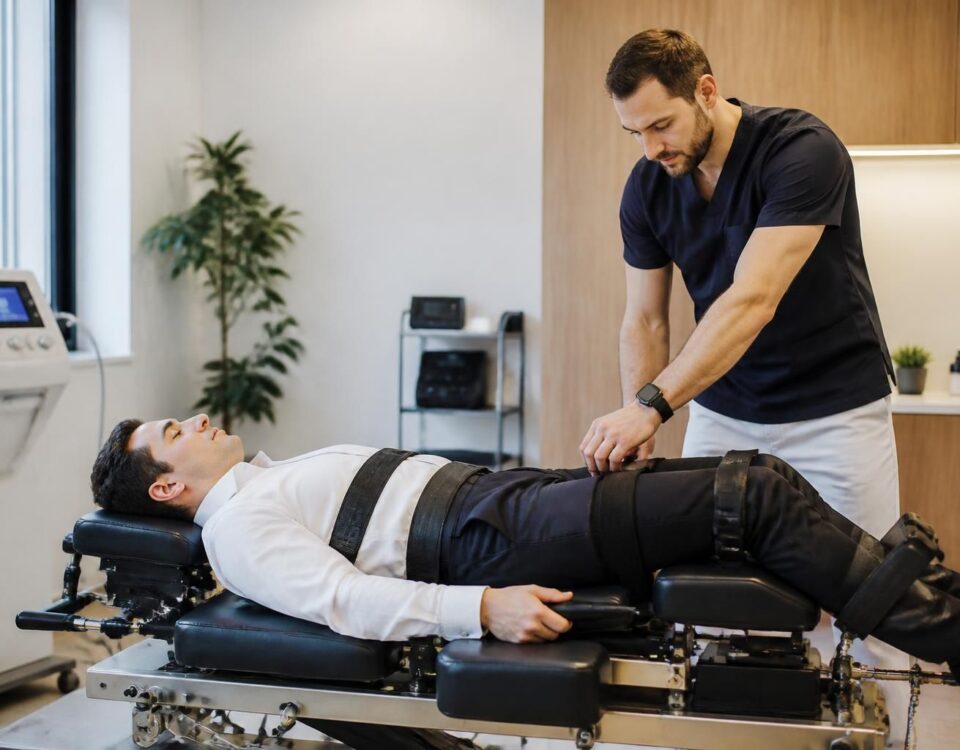
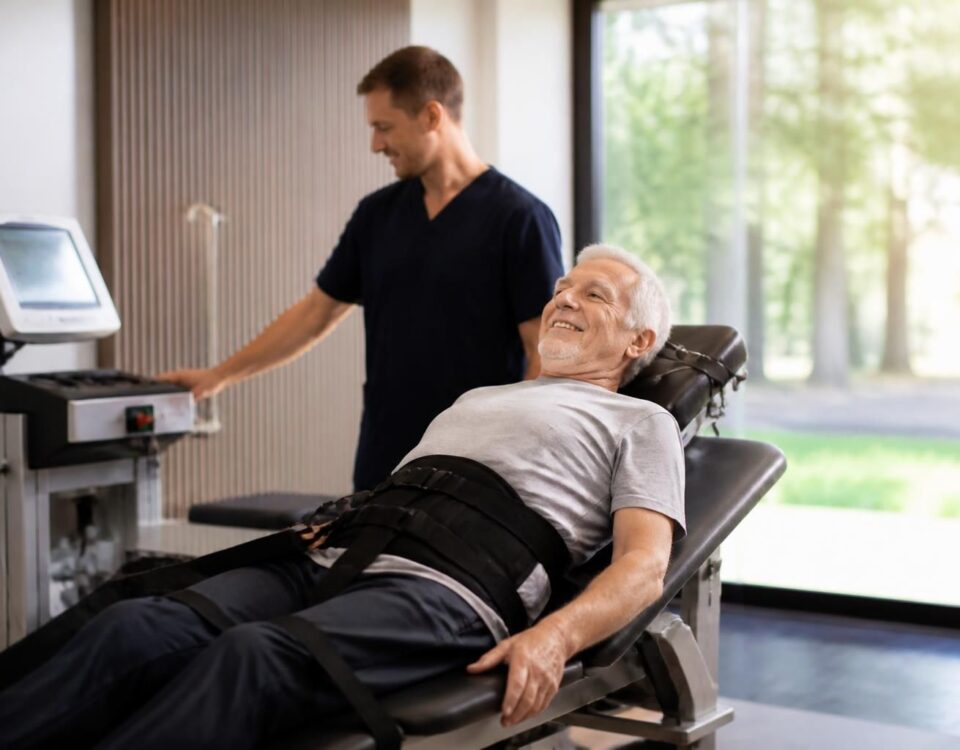
Each session is managed by a trained professional and begins with a targeted assessment of pain and column condition. The session takes place on a specialized table and includes soft and controlled traction. The protocol is adapted to each patient and may vary depending on the location and the nature of the pain. In this context, it is essential to follow the practitioner’s advice and maintain regular follow-up to optimize results. For additional information, see decompression-related resources on neurovertebral decompression.
Advantages and security
The main advantages are based on the character non-invasive, the progressive reduction of pain and the improvement of mobility. This approach helps to avoid the risks associated with surgery and to limit the use of drugs in the long term. The results vary by individual, but many patients describe a marked improvement in their comfort and daily activity after a few sessions. To explore testimonials and similar cases, visit specialized resources on This type of items.
Integration into the care pathway
Neurovertebral decompression is a step in a global approach to health. It can be offered in addition to other non-pharmacological and rehabilitation therapies, while remaining an alternative to surgery. To better understand how this technique fits into a personalized program, discover the resources available on tagmed and sites combining the notions of well-being and pain prevention.
As part of an informed journey, the patient is encouraged to examine the options available and to discuss with their attending physician. For general information on the links between decompression and well-being, see also resources like Well-being and quality of life and Prevention of neck pain.
For general information about origins and mechanisms, consult dedicated resources on sites Dr Desforges and chirosterosis.
For patients and professionals looking for official information, additional resources and testimonials, see also Treatment of persistent radicular pain and to Postural alignment and decompression.
To learn more about the links between decompression and quality of life, you can consult practical resources on this subject.
Tagmed Clinic offers this approach in Montreal and in its partner establishments. For information, see Tagmed Clinic.
For information on other aspects of column pain management and naturally effective solutions, resources like Decompression and herniated disc can be viewed.
Medical Disclaimer: The information and advice provided on this site does not replace the health professional’s diagnosis or treatment. Please note that Dr. Sylvain Desforges osteopath is neither a doctor of medicine nor a doctor, and is not a specialist in a medical specialty as defined by the Collège des Médecins du Québec. Manual medicine, functional medicine and sports medicine as described on this site exclude any medical treatment or diagnosis made by a doctor or specialist doctor. Always consult your doctor for any medical questions. For more details, please read our full legal notice.
“Medical disclaimer: The information and advice provided on this site does not replace the health professional’s benefit, diagnosis or treatment. Please note that Dr. Sylvain Desforges osteopath is neither a doctor of medicine nor a doctor, and is not a specialist in a medical specialty as defined by the Collège des Médecins du Québec. Manual medicine, functional medicine and sports medicine as described on this site exclude any medical treatment or diagnosis made by a doctor or specialist doctor. Always consult your doctor for any medical questions. For more details, please read our full legal notice. »
- non-invasive and without surgery
- Targeted traction Creates a space between the vertebrae
- decrease in pressure On the nerves and discs
- hydration Discs and better circulation
- Reduction of inflammation and nervous stress
- Quick relief and sustainable
- Fewer drugs and side effects
- Improved mobility and quality of life
- quick recovery and back to activities
- Personalized approach Adapted to each patient

Neurovertebral decompression is a natural approach that acts directly on the spine to relieve neuropathic pain. By creating a space between the vertebrae by gentle and controlled traction, it reduces the pressure on the nerves and intervertebral discs. This mechanism promotes blood circulation, rehydrates stressed structures and reduces inflammation, which results in a gradual reduction in pain, better mobility and decreased drug use. It’s a solution non-invasive, without surgery and without medication, favoring the return to an active and autonomous life.
What is neurovertebral decompression?
Neurovertebral decompression is a technique that uses appropriate traction to free up space between the vertebrae. This action aims to reduce the pressure exerted on the nerves and discs, while improving the hydration of the discs and local circulation. The result is a decrease in tension and a reduction in pain related to disorders such as herniated discs or radicular pain. This approach favors restoration through the natural mechanisms of the body.
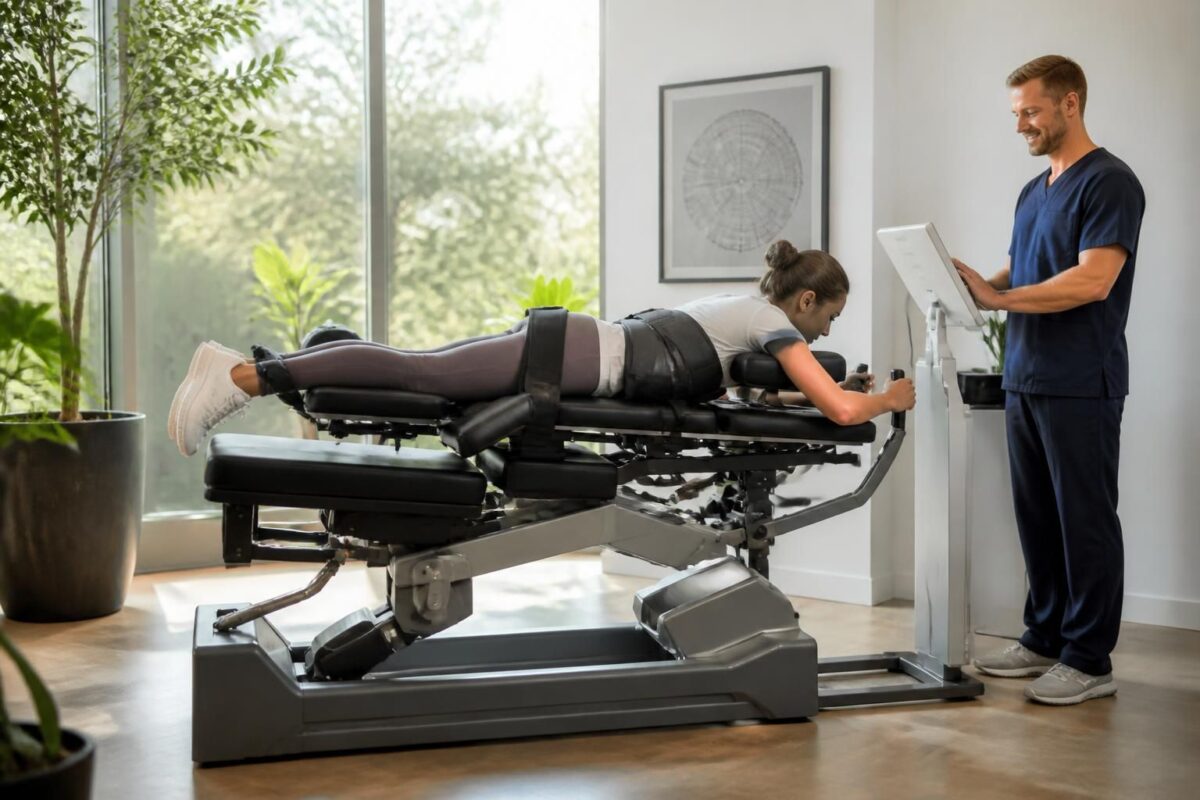
The long-term benefits of neurovertebral decompression for spinal health
In short In short, the neurovertebral decompression is a non-invasive approach that decreases the Pressure on intervertebral discs and nerves, favoring the Natural regeneration and tissue recovery. Its long-term benefits include Lasting pain reduction, Improving mobility and from the posture,…

Neurovertebral decompression and mobility: a return to an active life
In short In short, the neurovertebral decompression is therapy non-invasive who uses a gentle traction To create a space between the vertebrae and reduce the pressure on the Intervertebral discs and the nerves. It promotes a bloodstream improved, lowers tension…
Why is it a natural solution
A path without surgery
Unlike invasive procedures, neurovertebral decompression offers an alternative natural and non-surgical To treat spine-related pain. It is part of a logic of progressive rehabilitation and respects tissue integrity, which reduces risks and recovery times.
A patient-centric approach
Each session is adapted to the individual patient condition, with a preliminary assessment and a personalized plan. By acting on the very source of the pain, it can allow a lasting reduction of symptoms and an improvement in the quality of life without using long-term drug treatments.
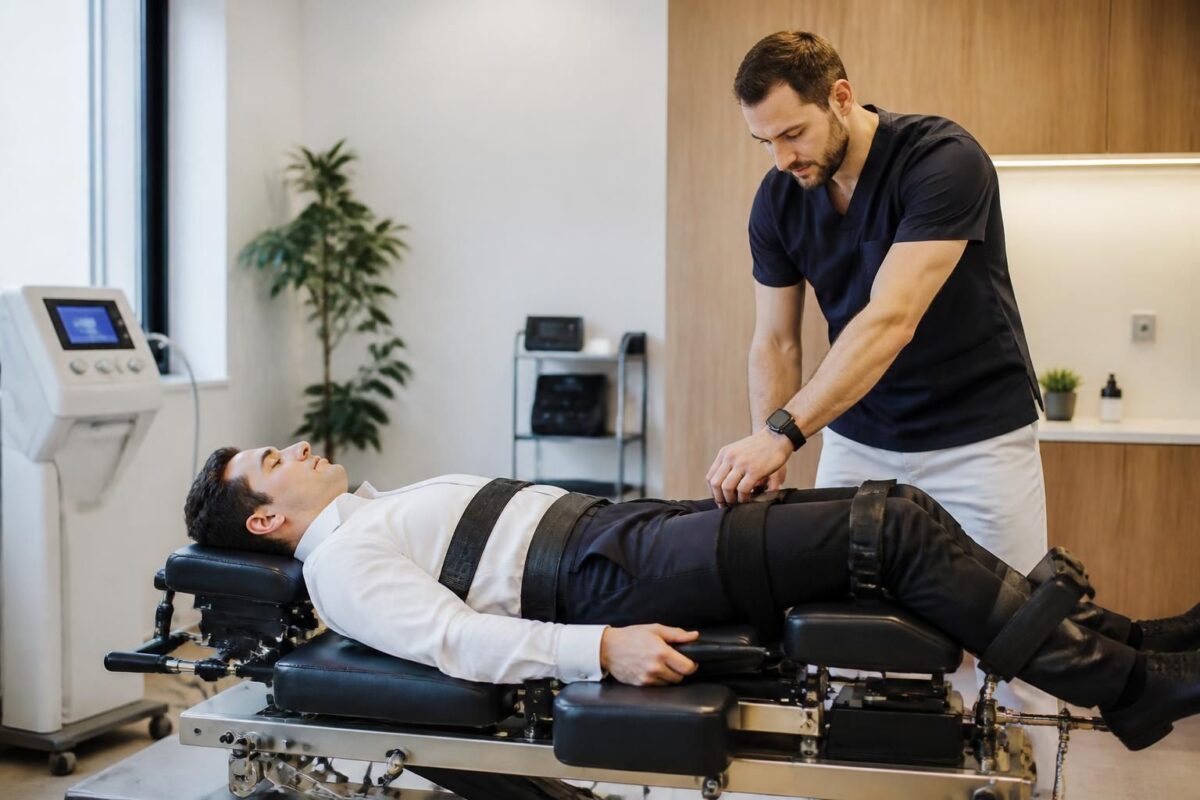
How Neurovertebral Decompression Prevents Diffuse Chronic Pain
In short decompression neurovertebral is one Non-invasive method aimed at reducing the Pressure on the intervertebral discs and the nerves, in order to prevent Diffuse chronic pain. It improves the circulation and thedisc hydration, decreases inflammation and promotes better mobility.…
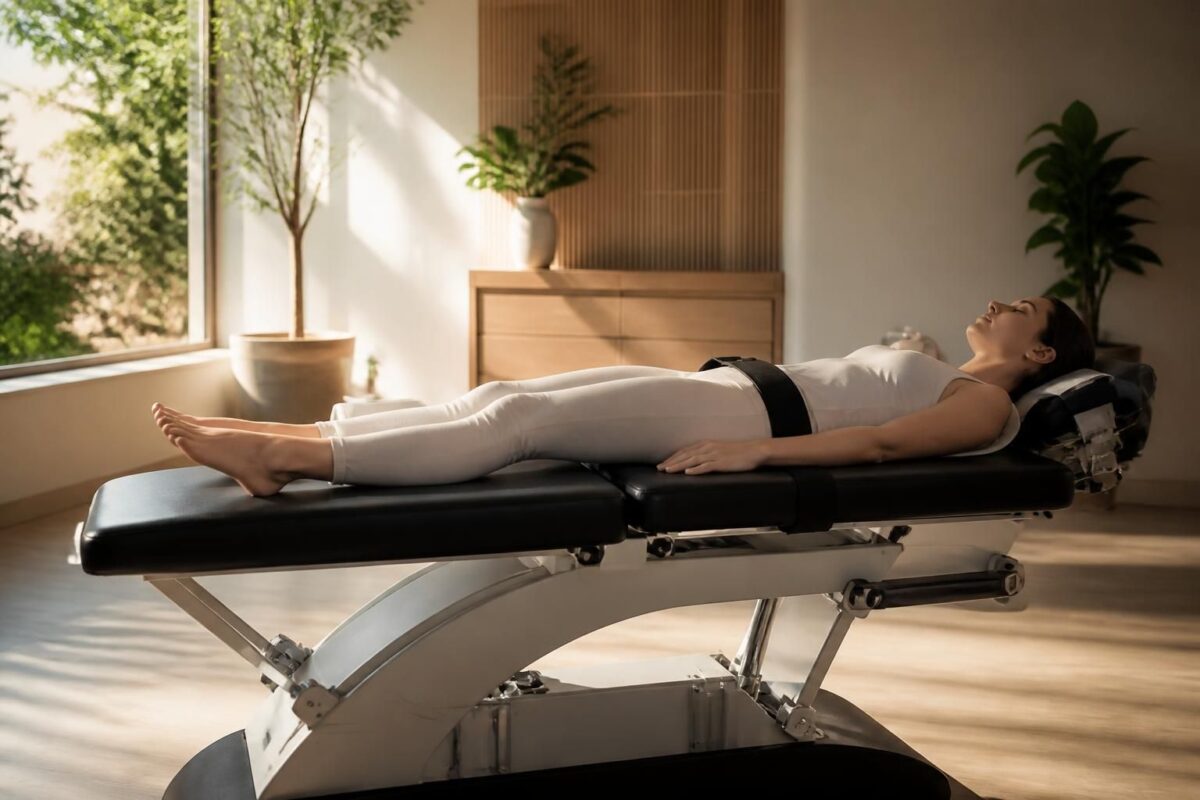
Neurovertebral Decompression and Body Alignment: Restoring Natural Balance
In short In short, neurovertebral decompression is one Non-invasive approach who restores theBody Alignment and thenatural balance back and neck. She acts by a Controlled traction of the spine to widen the intervertebral space and reduce the Pressure on discs…
Beneficiary indications and profiles
This method is particularly suitable for people with neuropathic pain related to discal disorders, cervical or lumbar pain, and those who wish to avoid medications or surgical procedures. It can also be considered after surgery when the pain persists, in order to improve mobility and comfort on a daily basis. The choice of this therapy should be discussed with a healthcare professional to ensure that it suits your situation.
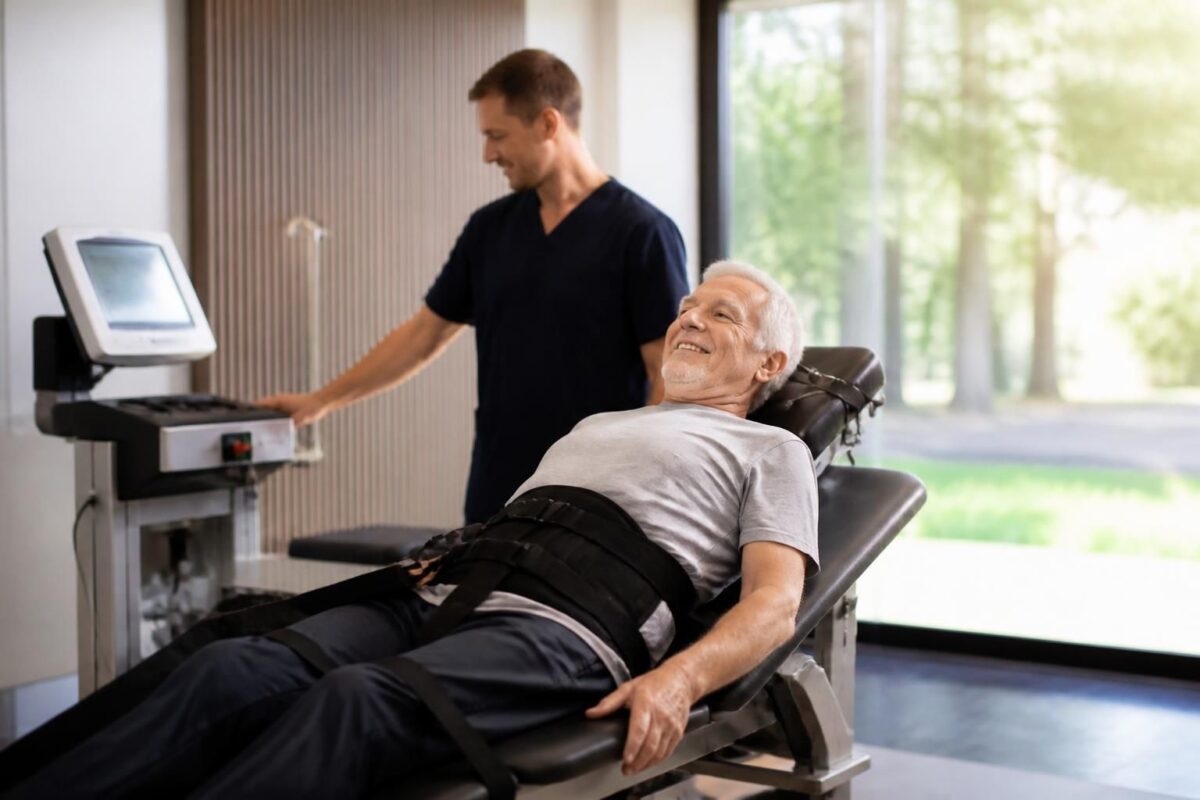
Why neurovertebral decompression is a lasting solution for active seniors
In short In short, the neurovertebral decompression is one Non-invasive therapy which sustainably relieves spinal pain in the spine active seniors By creating, by a Soft and controlled traction, a space between the vertebrae. At Montreal, it is recognized as…
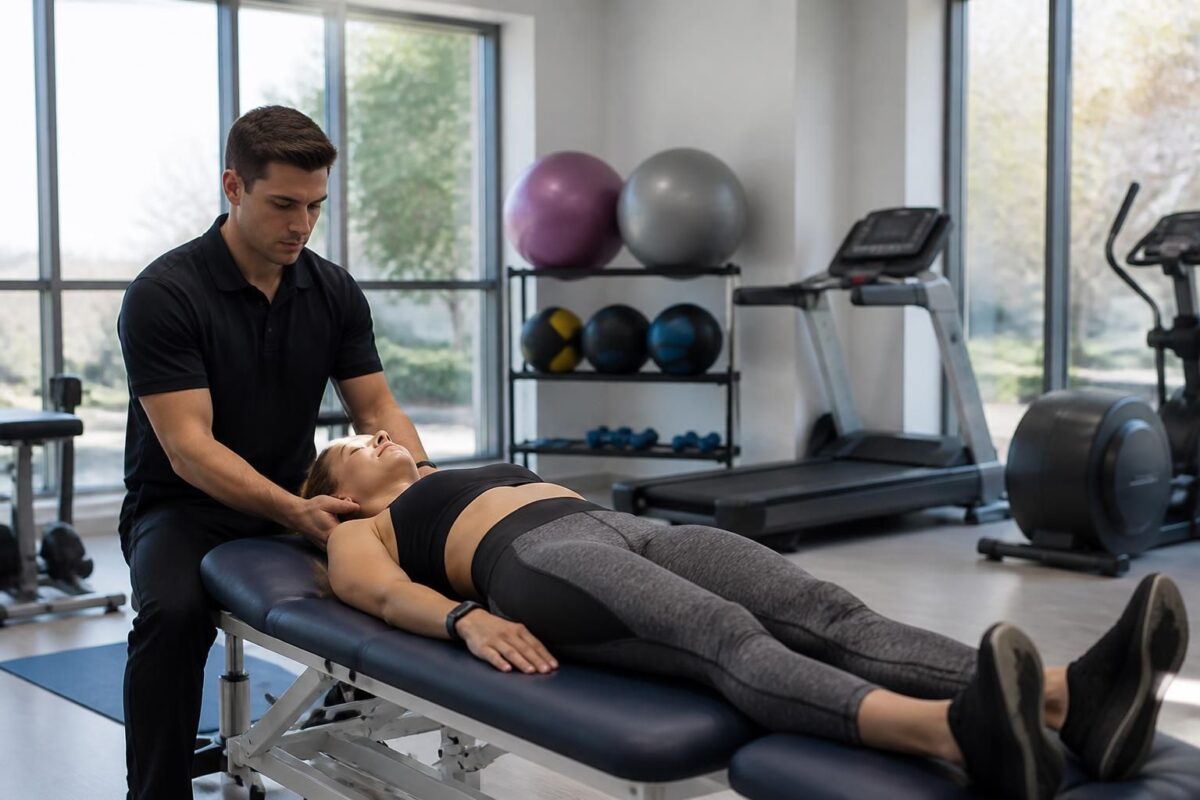
Neurovertebral decompression and recovery after severe sports injury
In short In short, the neurovertebral decompression is one Non-invasive method to Relieve the pressure on the Intervertebral discs and the gristle Via a Controlled traction, to facilitate the recovery After a severe sports injury. It improves the bloodstream towards…
course of a session and follow-up
A typical session begins with an assessment of pain, mobility and history. The practitioner then adjusts the decompression apparatus to apply gentle and safe traction during a treatment that usually lasts between 20 and 40 minutes. The number of sessions depends on the severity of the pain and the patient’s response, with regular assessments to adjust the plan and optimize the results.
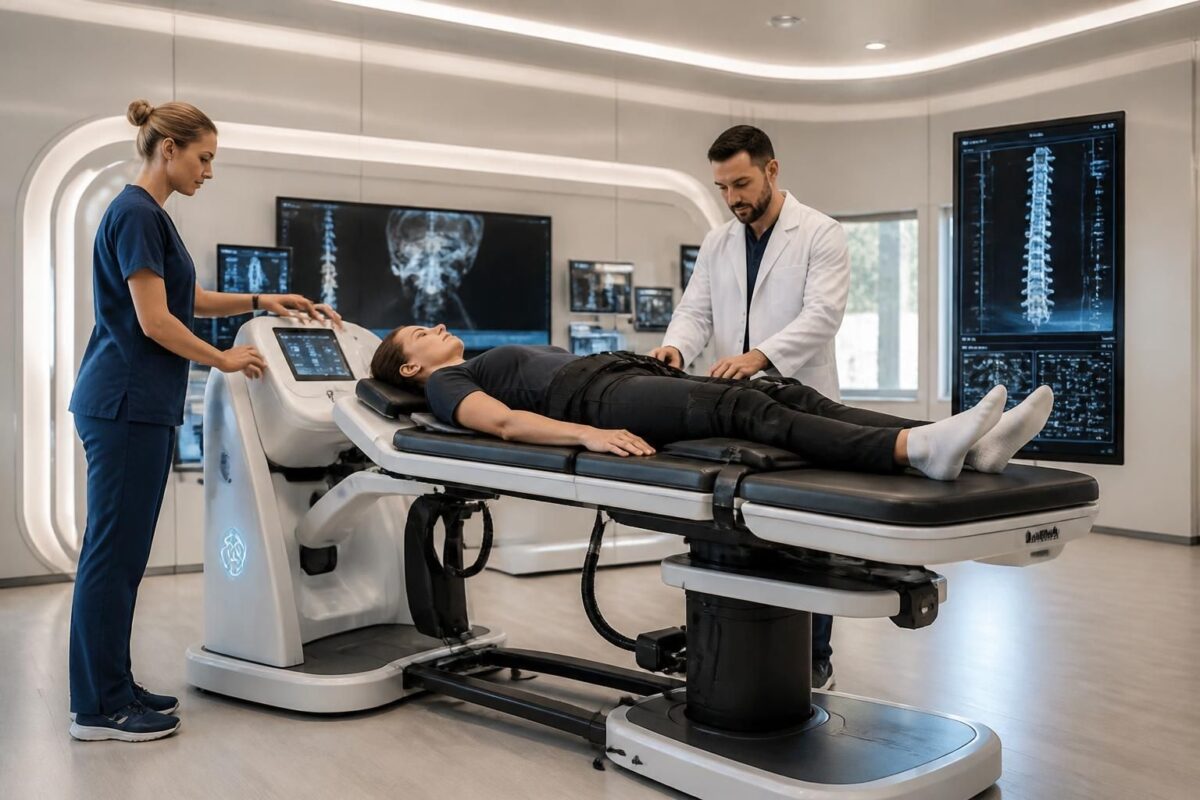
Recent innovations in neurovertebral decompression technologies
In short In short, the neurovertebral decompression is an approach non-invasive Aiming to reduce pressure on discs and nerves, and promote tissue regeneration. At Montreal, it is positioned as an effective option for lower back pain and herniated discs. The…
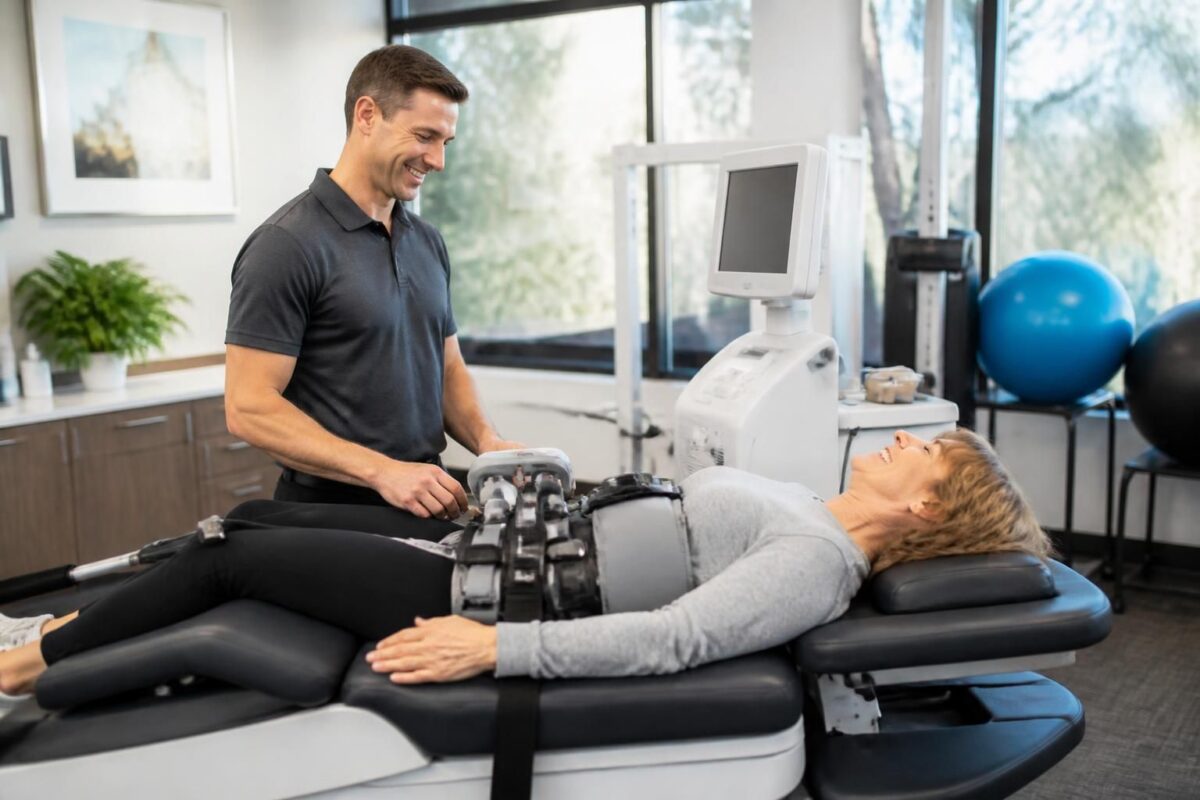
Neurovertebral decompression and diffuse pain: an appropriate solution
In short In short, the neurovertebral decompression is one Non-invasive solution For diffuse pain related to nerve irritation of the spine. She acts in Reducing pressure on intervertebral discs and nerves and improving the bloodstream, which promotes recovery and the…
Advantages and security
Among the advantages are a Non-invasive treatment, a pain relief that can appear from the first sessions, and a gradual improvement in mobility. The technique promotes Cerebrospinal circulation and disk hydration, two key recovery elements. Although largely safe, it requires prior assessment and follow-up from a professional to adapt the plan to each patient and prevent any contraindications.
Integration into a global approach
Neurovertebral decompression fits ideally into a holistic health strategy. It can be supplemented by adapted exercises, postural advice, complementary manual therapies and lifestyle recommendations aimed at preserving achievements. By associating this technique with healthy daily habits, we maximize the chances of obtaining Sustainable results and an Prevention of recurrences.
| Element | Impact |
|---|---|
| Natural and non-invasive | Relief without surgery or drugs. |
| pressure reduction On the nerves and discs | decreased pressure and reduced pain. |
| Controlled traction and security | Safe and controlled procedure without pain. |
| quick recovery | Resumption of rapid daily activities. |
| hydration and bloodstream | Improved tissue supply. |
| Personalization processing | Plan adapted to your condition. |
| Fewer side effects | Reduced risk and side effects. |
| Avoid surgery | Sustainable alternative without surgery. |
| complementarity with other non-invasive approaches | integrates with a comprehensive care pathway. |
Jean, 47, testifies: “I lived Neuropathic pain related to a herniated disc for years. After trying the neurovertebral decompression, I felt a Real relief without going through surgery. It’s an approach natural which acts on the source of the pain, not just the symptoms. »
Claire, 55, says: “Thanks to this method non-invasive, I found a Mobility found and an quality of life Improved. no more heavy devices or heavy treatments, and my Chronic pain on the back have decreased sustainably. »
Marc, 62, shares his experience: “After a chondroplasty And several months of post-operative pain, decompression was a real revelation. I found an active life and less pain, without resorting to a new operation. It is an effective alternative for those who suffer after surgery. »
Sophie, 39, testifies: “I had tried everything to regain my freedom to move. With the neurovertebral decompression, I found a freedom of movement And an energy that allows me to resume my daily activities without depending on the drugs. »
Marie, 53, explains: “After complex surgery, the pain persisted. Decompression changed my life by offering a Lasting pain reduction and an Better mobility, without the side effects of analgesics. It is a natural approach that keeps its promises. »
Lucien, 52, concludes: “I was looking for a solution natural and non-invasive For my neuropathic pain. By discovering neurovertebral decompression, I found a rapid pain reduction and an Prevention of recurrences which allowed me to resume my activities without fear. »
Dr. Sylvain Desforges is recognized as an expert in osteopathy, naturopathy and manual medicine. At the head of the TagMed clinics and the ACMA association, he places innovation at the heart of his commitment to improve the Chronic pain management. His career is guided by an evidence-based approach, aiming to combine technological advances with practices that respect the body and promote the long-term well-being of patients. Its integrated approach is based on technologies such as spinal decompression, laser and shockwave therapies to optimize clinical outcomes.
In his practice, the neurovertebral decompression is a natural response to spinal pain. Rather than imposing an invasive intervention or drugs, this method aims to relieve by acting directly on the mechanical cause of neuropathic pain. It relies on controlled traction to free up space between the vertebrae, reducing nerve pressure and promoting better hydration of the discs. This gentle approach offers an alternative that respects the balance of the body and can lead to a lasting reduction of symptoms.
Dr. Desforges’ practice highlights the dimension natural and non-invasive technique. By promoting blood circulation and tissue nutrition around the spine, neurovertebral decompression contributes to functional recovery without the risks associated with surgery or prolonged medication. Its objective is to allow each patient to regain real mobility and improved quality of life, while avoiding long-term treatments that can alter the overall balance of the patient.
This method is integrated into a personalized approach: each protocol is adapted to the patient’s medical history and lifestyle. Dr. Desforges often associates decompression with other complementary modalities and posture advice, stretching and targeted physical activities. Thanks to this synergy, patients can observe significant gains in terms of pain, flexibility and autonomy, which reinforces their ability to lead an active life without drug addiction.
Observed results and patient feedback underscore the efficacy of neurovertebral decompression in various cases, including chronic post-operative pain and radicular pain. As a committed leader, Dr. Desforges works to disseminate this approach within TagMed clinics and support patients towards a Durable solution and natural. His work illustrates how patient-centered management, supported by advanced technologies and evidence-based practices, can transform the assessment and treatment of neuropathic pain.
In summary, neurovertebral decompression constitutes a Natural solution and non-invasive For neuropathic pain related to the spine. By reducing the pressure exerted on the gristle and on the Intervertebral discs, it can reduce pain, restore mobility and promote a reduction, or even cessation, of the use of drugs, without resorting to heavy surgical interventions. This approach is accessible in several clinics and is part of a rehabilitation approach focused on well-being and quality of life.
Synthesis
The neurovertebral decompression is based on a Controlled traction which creates a space between the vertebrae. This reduction in pressure on gristle and the Intervertebral discs Improves blood circulation, promotes disc hydration and contributes to Lasting pain reduction. By precisely targeting the painful areas, it acts on the root cause of neuropathic pain rather than masking the symptoms.
Compared to surgical options, this method has major advantages: it is non-invasive, personalized and does not require anesthesia or prolonged recovery time. Typical results include a Improving mobility, a reduction of tensions and a better ability to resume daily activities, with a lower risk and an Faster recovery.
People who can benefit from this approach include those with chronic neuropathic pain related to pathologies such as herniated discs, neck or back pain, or those who wish to avoid long-term drug treatments or surgery. A prior assessment by a professional is recommended to adapt the protocol in any case.
The treatment is designed as a personalized course: an initial evaluation, then regular sessions (generally between 30 minutes and 1 hour) adjusted as the progression progressed. The number of sessions depends on the origin of the pain and the individual response, with an orientation towards a gradual and lasting improvement in function and comfort.
For those seeking additional resources or evidence on this approach, several reliable sources detail the mechanisms, indications and results observed. For example, you can explore articles and testimonials on technologies associated with neurovertebral decompression, and feedback from patients who have regained a better quality of life after this treatment: Why neurovertebral decompression is a therapeutic option for athletes, Neurovertebral decompression in Tagmed, and other relevant resources.

Dr Sylvain Desforges, B.Sc., D.O., N.D., osteopath, is the founding president of TAGMED and of the ACMA association. He dedicates his practice to chronic spinal pain, low back pain and symptoms compatible with sciatica, particularly when pain radiates toward the buttock, leg, calf, foot or toes.
Through SOS Sciatique, he publishes educational content on sciatica symptoms, possible causes such as disc herniation, disc narrowing, foraminal stenosis or irritation of a lumbar nerve root, as well as non-surgical approaches that may be considered according to the evaluation. At Clinique TAGMED, care may include, depending on the case, motorized neurovertebral decompression, specific osteopathic care or precision percussion.
For an evaluation related to sciatica treatment in Montreal / Mount Royal or sciatica treatment in Terrebonne, please consult the services available at Clinique TAGMED.
Medical disclaimer
The information published on SOS Sciatique is provided for educational purposes only and does not replace a consultation, diagnosis, opinion or treatment provided by a physician or another authorized healthcare professional. The author of this article is neither a medical doctor nor a specialist in a medical specialty recognized by the Collège des médecins du Québec. The osteopathic, manual medicine or functional support approaches described on this site do not constitute medical acts and are not intended to replace medical follow-up.
Consult a physician or emergency service in cases of loss of bladder or bowel control, anesthesia in the saddle area, significant or progressive weakness in the leg or foot, fever, recent trauma, severe pain or rapid worsening of symptoms. For more details, please read our Legal Notice.