How neurovertebral decompression improves intervertebral disc regeneration
26/06/2026
Key steps for successful treatment in neurovertebral decompression
26/06/2026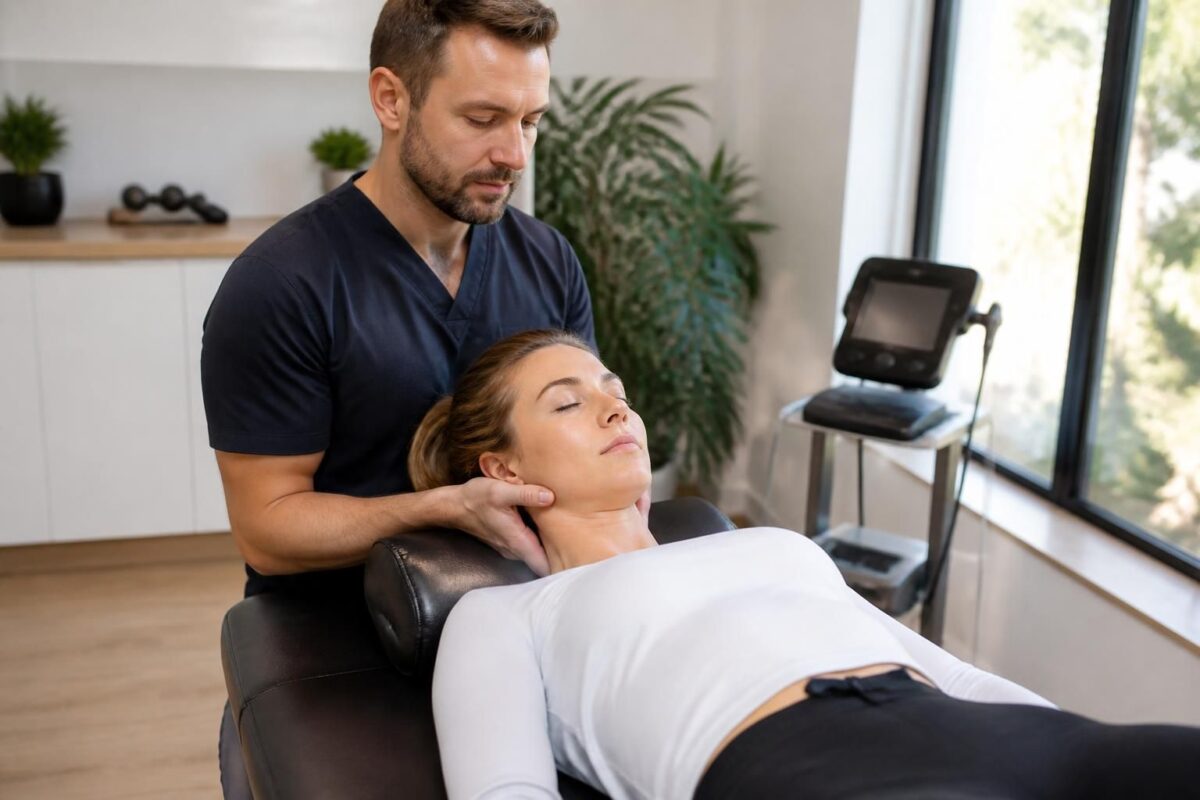
In short In short, the neurovertebral decompression is one Non-invasive method aimed at relieving neck pain chronicles by reducing the Pressure on intervertebral discs and nerves. it creates a space between the vertebrae, improves the bloodstream and promotes the tissue regeneration. Its advantages include the Quick relief, LImproving mobility and an Prevention of recurrences, while avoiding surgery and medication. accessible to Montreal, this service is particularly recommended for people exposed to long postures, stress and cervical tensions that limit activities and performance. |
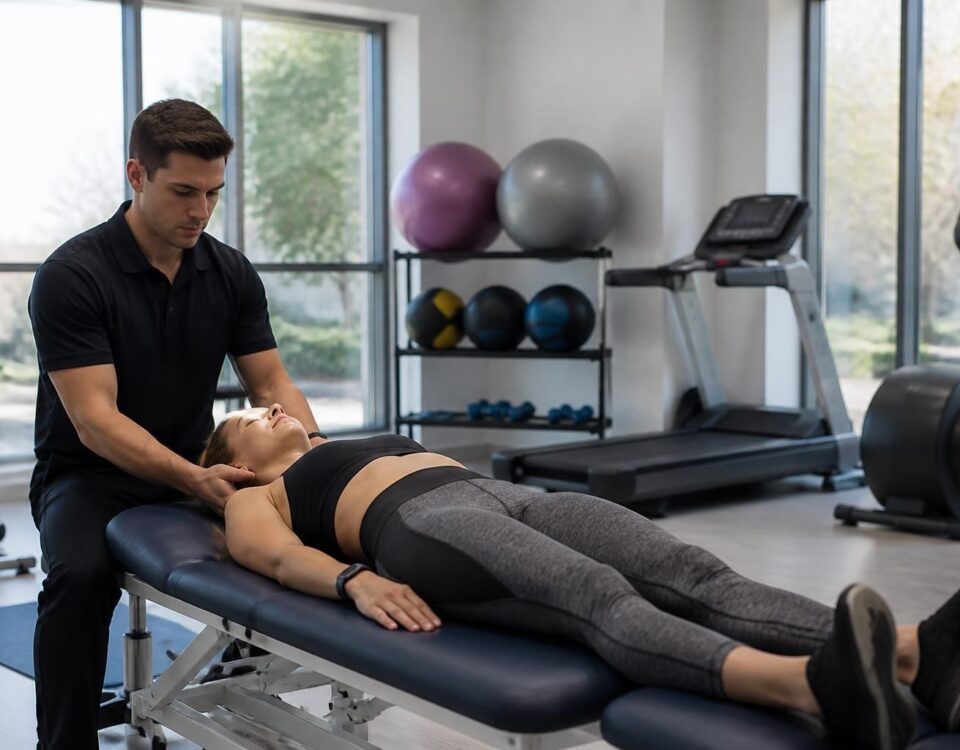
The neurovertebral decompression is an approach non-invasive which aims to relieve chronic cervical pain by reducing the pressure on the Intervertebral discs and the gristle. By creating a space between the vertebrae, it improves the bloodstream in the cervical region and promotes the tissue regeneration.
integrated into a prevention program, it acts not only on the symptoms, but also on the causes, helping to prevent recurrences. Associated with Targeted exercises, to a Ergonomic posture and management of stress, this method helps to improve the mobility and the Sustainable well-being.
This article describes how neurovertebral decompression can prevent and reduce Chronic pain cervical. This approach non-invasive Creates a space between the vertebrae, decreases the pressure on the intervertebral discs and nerves, and improves the bloodstream in the cervical region. Integrated into a multidisciplinary care program, it aims to prevent recurrences and optimize the mobility neck without resorting to invasive methods. To learn more about this approach and its role in prevention, discover the resources offered by TagMed and other health professionals.
What is neurovertebral decompression?
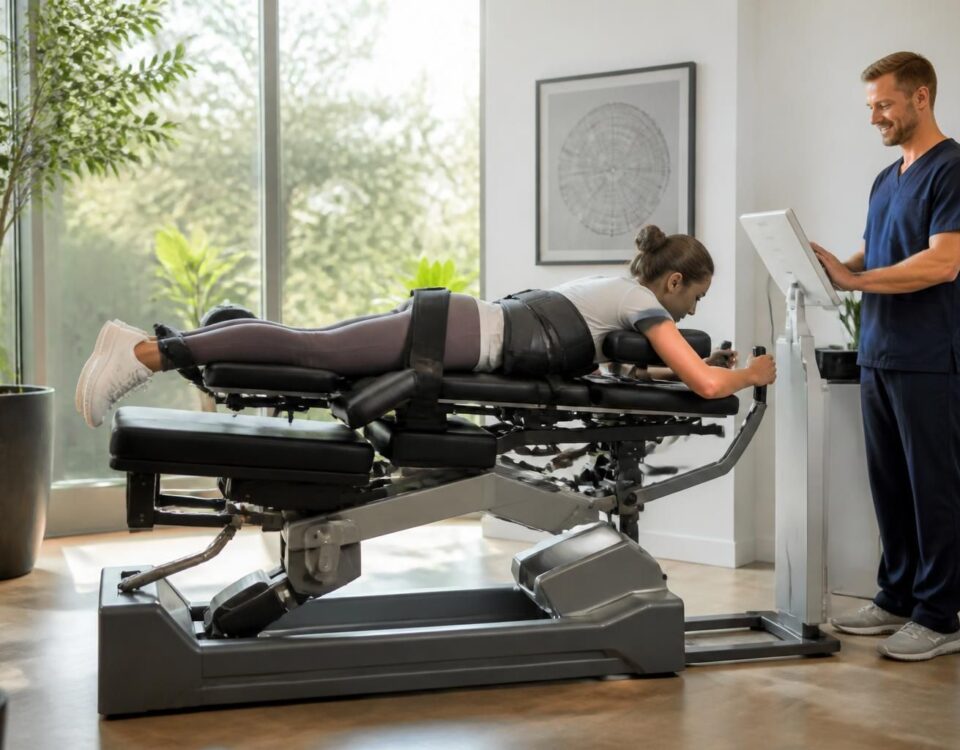
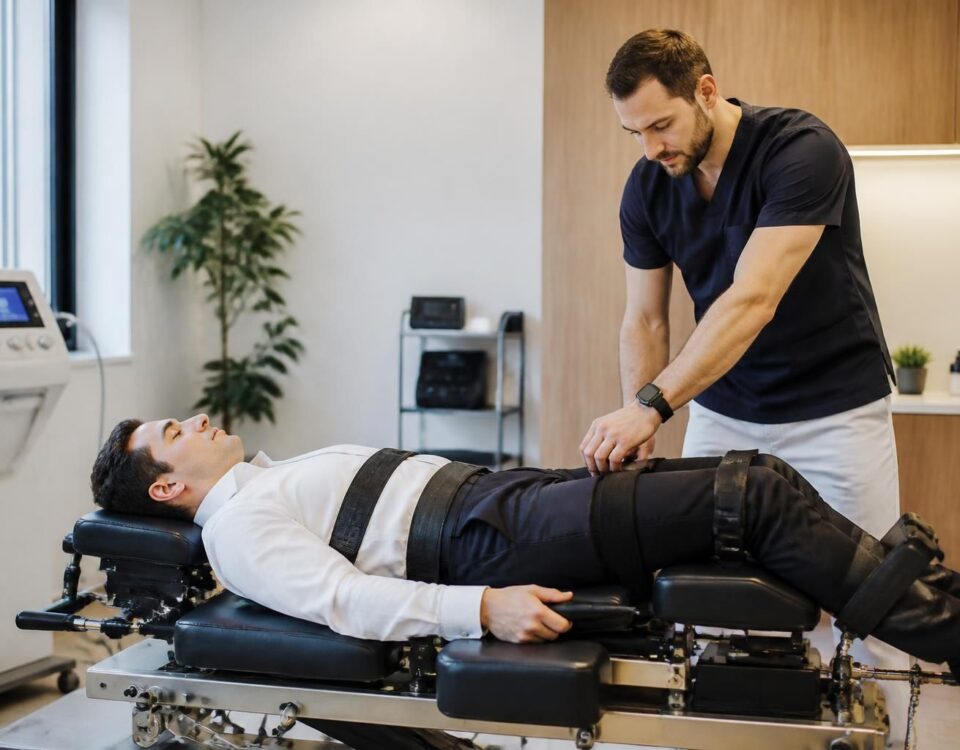
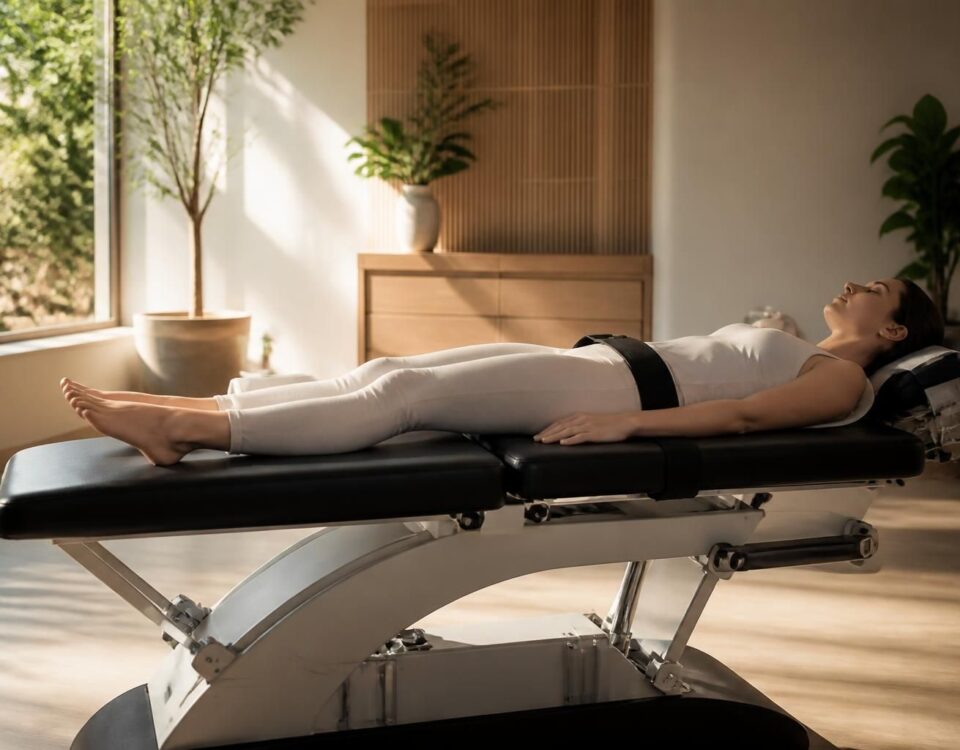
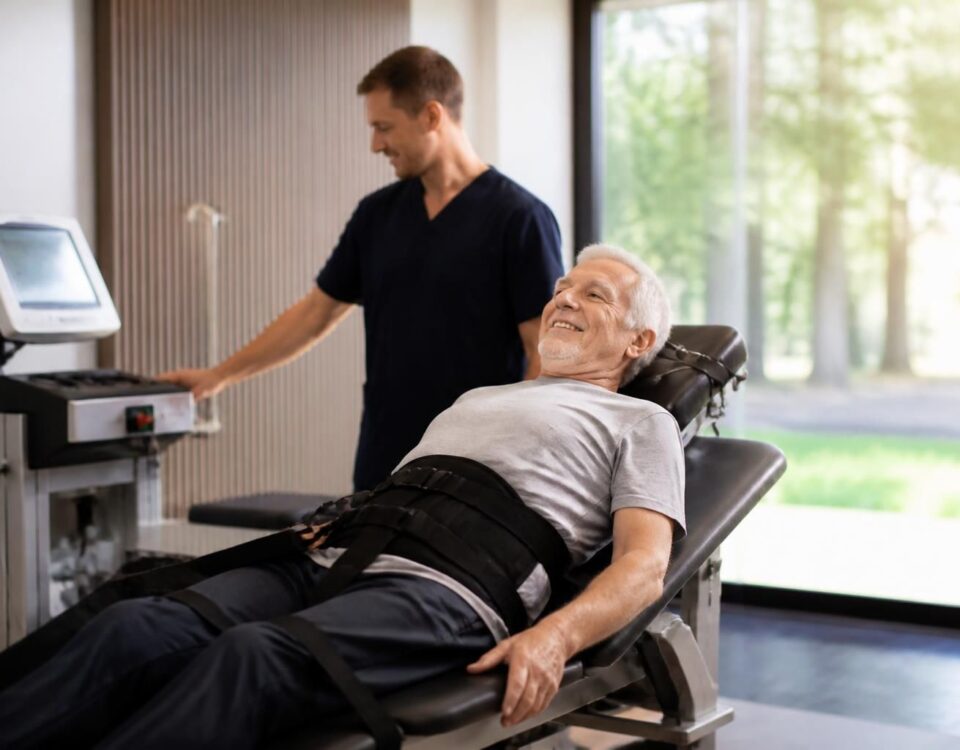
Neurovertebral decompression is a technique non-invasive which uses controlled traction to widen the space between the vertebrae. This action reduces the pressure exerted on the Intervertebral discs and the nerve roots, while promoting better circulation local. the process helps to improve the Tissue regeneration and reduce the mechanical stresses that fuel cervical pain.
Decompression and cervical pain prevention
Cervical pain can come from poor posture, stressors and repeated injuries. Integrating decompression into a treatment plan helps prevent progression of spinal imbalances and limit painful episodes. This approach supports better posture and an mobility durable, while avoiding aggressive treatments.
Integration into a care program
To obtain lasting results, decompression is part of a personalized approach. A initial assessment Allows you to target specific needs and plan the appropriate sessions. One Regular follow-up With a professional adjusts the protocol and ensures the effectiveness of the treatment. In the context of TagMed clinics, decompression can be associated with complementary technologies and approaches based on scientific evidence, to support regeneration and circulation without resorting to invasive procedures. For more information, see the resources of TagMed and partner institutions.
Resources and understanding
To deepen the information, the following resources provide explanations and feedback on neurovertebral decompression and its place in the prevention of neck pain:
- neurovertebral decompression
- Benefits for joint mobility
- Solutions for lower back pain
- Mechanisms of action
- Tagmed Clinic
- Neurovertebral decompression and prevention
For general information and additional resources, you can also consult the official pages of TagMed clinics or the resources related to the neurovertebral decompression mentioned above.
Medical Disclaimer: The information and advice provided on this site does not replace the health professional’s diagnosis or treatment. Please note that Dr. Sylvain Desforges osteopath is neither a doctor of medicine nor a doctor, and is not a specialist in a medical specialty as defined by the Collège des Médecins du Québec. Manual medicine, functional medicine and sports medicine as described on this site exclude any medical treatment or diagnosis made by a doctor or specialist doctor. Always consult your doctor for any medical questions. For more details, please read our full legal notice.
Axis: Mechanism and prevention in 2 columns
- Mechanism: Controlled traction creating a space between the vertebrae to reduce the pressure on the discs and nerves.
- Earnings: Rapid pain relief, improved mobility and better blood circulation in the neck.
- Regeneration: Promotes hydration and regeneration of cervical tissues.
- Integration: integrates into a multidisciplinary program with regular follow-up.
- Posture and ergonomics: Adapted workstation, eye level screen, lumbar support.
- Drill: soft stretches and strengthening of the neck and shoulders; regular physical activity.
- stress management: relaxation techniques to reduce muscle tension.
- Monitoring: Regular appointments to adjust the protocol and prevent recurrences.
- Daily habits: Hydration, active breaks and controlled movements throughout the day.

This non-invasive approach aims to prevent and relieve Chronic cervical pain by acting on the cervical spine by neurovertebral decompression and controlled traction. It improves the circulation blood, promotes tissue regeneration and fits into a care plan focused on prevention, the mobility and long-term quality of life.
Understanding neurovertebral decompression
Neurovertebral decompression is a technique non-invasive which creates a space between the vertebrae through controlled traction. This space reduces the pressure exerted on the Intervertebral discs and the nerve roots, facilitating better circulation and increased tissue nutrition in the cervical region. By doing so, it contributes not only to the relief of current symptoms but also to the Prevention of recurrences targeting the underlying mechanisms.
How does this work exactly?
By reducing the pressure on the cervical structures, decompression allows a better Hydration and repositioning of discs and promotes relaxation of the muscles around the neck. This approach can improve therange of motion and promote a more balanced posture, essential elements to prevent repeated tension and pain linked to prolonged postures or ill-suited efforts.
Indications and safety
This technique is particularly suitable for people suffering from chronic cervical pain, recurrent tension and discomfort linked to postural imbalances. It is considered as an alternative or complement to other manual and technological therapies, as part of a multidisciplinary program. Like any care plan, it requires personalized monitoring and regular evaluation to ensure the effectiveness and safety of the treatment.
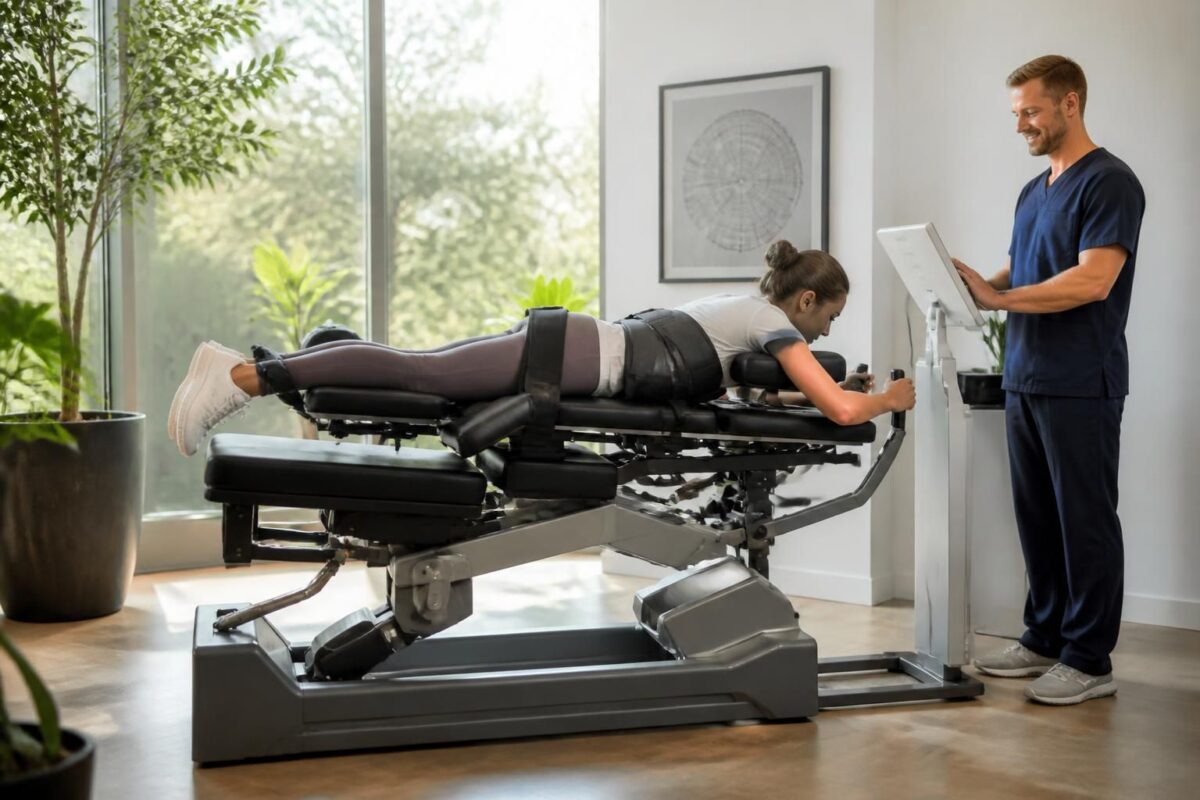
The long-term benefits of neurovertebral decompression for spinal health
In short In short, the neurovertebral decompression is a non-invasive approach that decreases the Pressure on intervertebral discs and nerves, favoring the Natural regeneration and tissue recovery. Its long-term benefits include Lasting pain reduction, Improving mobility and from the posture,…

Neurovertebral decompression and mobility: a return to an active life
In short In short, the neurovertebral decompression is therapy non-invasive who uses a gentle traction To create a space between the vertebrae and reduce the pressure on the Intervertebral discs and the nerves. It promotes a bloodstream improved, lowers tension…
Prevent chronic cervical pain
Common causes of cervical pain include a bad posture, a stress increased and injuries repeated. a lifestyle focused on Adapted ergonomics, active breaks and regular exercises can significantly reduce muscle tension and prevent the onset of pain. Integrating decompression into a preventive framework makes it possible to intervene on the source of the pain and not only on the symptoms.
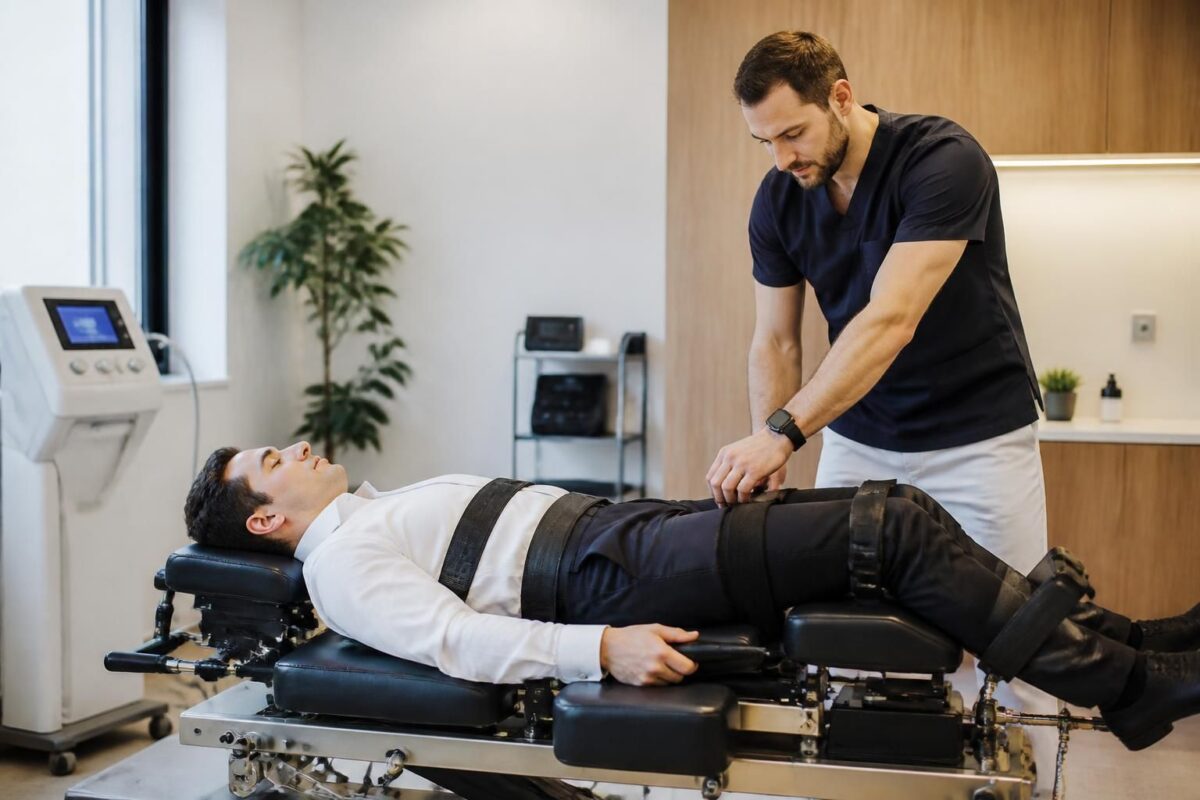
How Neurovertebral Decompression Prevents Diffuse Chronic Pain
In short decompression neurovertebral is one Non-invasive method aimed at reducing the Pressure on the intervertebral discs and the nerves, in order to prevent Diffuse chronic pain. It improves the circulation and thedisc hydration, decreases inflammation and promotes better mobility.…
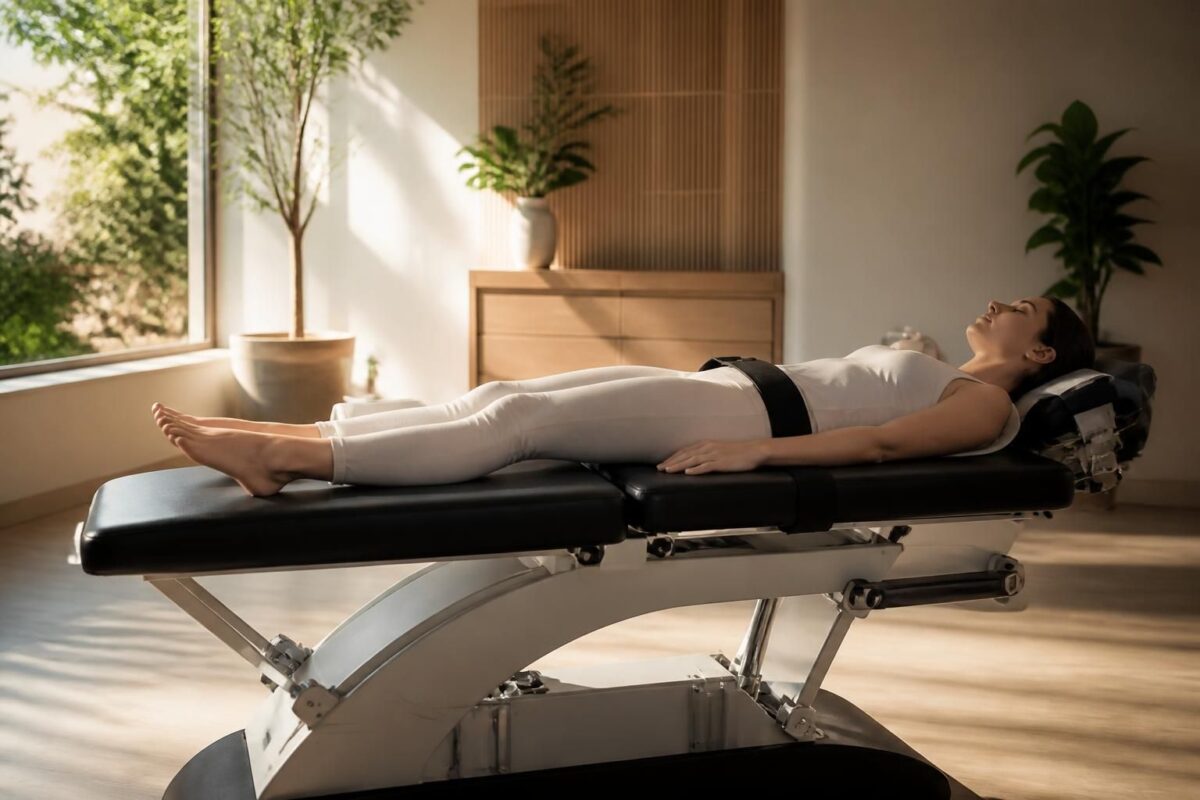
Neurovertebral Decompression and Body Alignment: Restoring Natural Balance
In short In short, neurovertebral decompression is one Non-invasive approach who restores theBody Alignment and thenatural balance back and neck. She acts by a Controlled traction of the spine to widen the intervertebral space and reduce the Pressure on discs…
Integrate decompression into a prevention program
To optimize the results, decompression must be part of a Multidisciplinary program including Manual therapy techniques, possibly additional treatments such as the laser or shockwave therapies as needed. regular follow-up with a health professional Allows you to adjust treatments and harmonize decompression with targeted neck strengthening and easing exercises.
Exercises and ergonomics on a daily basis
Incorporate gentle cervical and shoulder strengthening exercises, cervical stretching and regular physical activities like walking, yoga or swimming. Adopt a Neutral posture At work and at home, with a computer station adjusted to your morphology (eye level screen, lumbar support, wrist rest). Good ergonomics sustainably support the benefits of decompression.
Tracking and customization
Professional follow-up is essential to adapt the protocol to the evolution of your condition. Individualized adjustments, combining decompression and complementary interventions, make it possible to target risk factors and maximize the prevention of future pain. The objective is to maintain a functional, flexible and resistant cervical spine against stress and daily activities.
| Element | Details |
|---|---|
| Definition | The neurovertebral decompression is one Non-invasive technique which creates a space between the cervical vertebrae and decreases the pressure on the discs and nerves. |
| Mechanism | She uses a Controlled traction To realign the vertebrae and improve the bloodstream in the cervical region. |
| MAIN BENEFITS | quick relief and Prevention of recurrences thanks to the reduction of the pressure on the cervical structures. |
| directions | chronic cervical pain and associated conditions as a Cervical disc herniation or a radiculopathy Moderate. |
| Accessibility | accessible in clinics specializing in osteopathy and manual medicine. |
| Duration of a session | Typical session: 15 to 30 minutes. |
| Recommended frequency | Regular series with evaluation by a professional to adjust the plan. |
| Complements to the program | Integration with drill reinforcement and a ergonomy adapted. |
| Associated technologies | Potential use with laser, shock waves and technologies like Pulse Align to optimize results and mobility. |
| Monitoring and expected results | Monitoring regular to adjust the treatment; Expectations: Improving mobility and quality of life. |
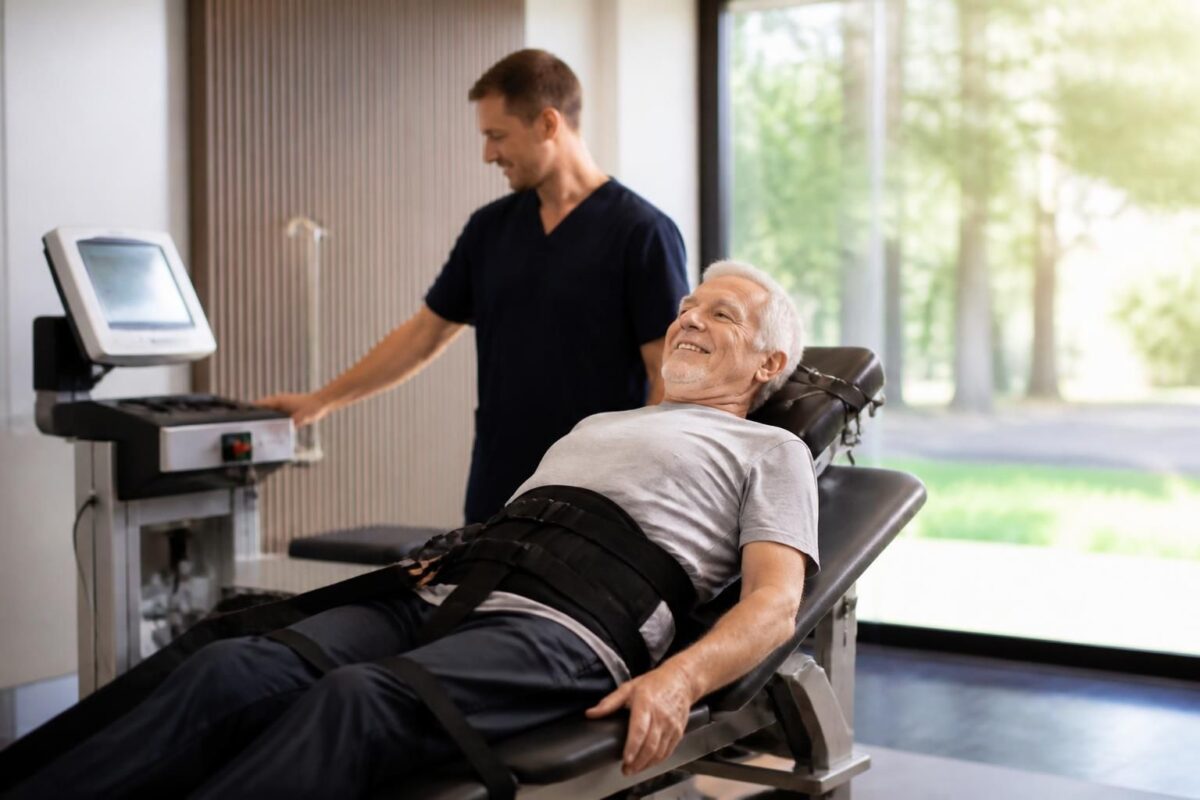
Why neurovertebral decompression is a lasting solution for active seniors
In short In short, the neurovertebral decompression is one Non-invasive therapy which sustainably relieves spinal pain in the spine active seniors By creating, by a Soft and controlled traction, a space between the vertebrae. At Montreal, it is recognized as…
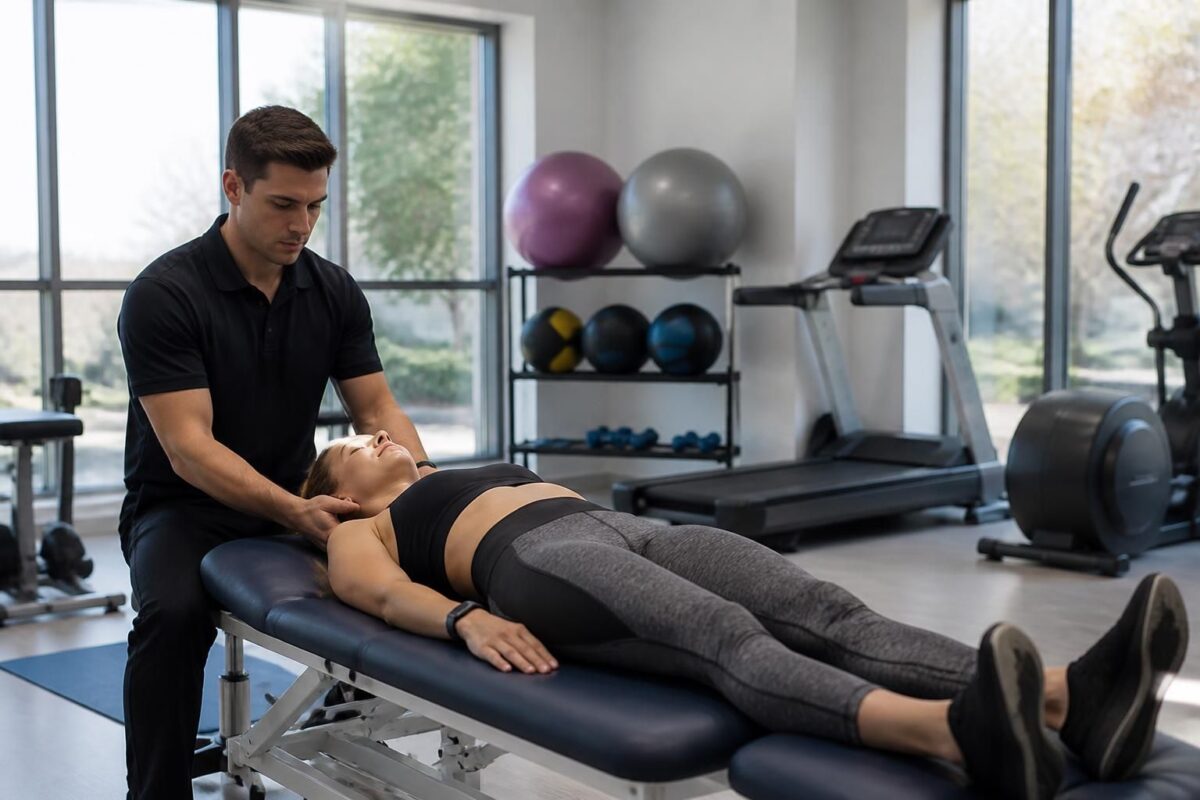
Neurovertebral decompression and recovery after severe sports injury
In short In short, the neurovertebral decompression is one Non-invasive method to Relieve the pressure on the Intervertebral discs and the gristle Via a Controlled traction, to facilitate the recovery After a severe sports injury. It improves the bloodstream towards…
Testimonials on neurovertebral decompression and neck pain prevention
Élodie, 38, project coordinator: “Since my first sessions of neurovertebral decompression, my neck pain have decreased sharply and my mobility found herself. I wake up less tense and find energy for my busy days. »
Marc, 45, consultant: “After months of persistent pain, this non-invasive approach allowed me to find a prevention effective against recurrences. My bloodstream In the neck has improved and I feel less stiffness in the evening. »
Caroline, 32, graphic designer: “In a few sessions, I felt a Quick relief. The treatment framework helped me to resume my activities without fear of radiating pains towards the shoulders, and my posture at work has improved significantly. »
Pauline, 29, dance teacher: “I joined the decompression with simple exercises and I found a working life: Dance, office and pain without pain. It’s a solution non-invasive that respects my body while protecting my spine. »
Julien, 41, developer: “The results are clear: less than cervical pain, better ergonomy in the office and rediscovered mobility. This approach convinced me that prevention requires simple and regular actions. »
Sophie, 36, sports coach: “I highly recommend decompression to my athletes and to all those who suffer from chronic neck pain. it’s An effective alternative and secure which helps prevent recurrences and preserve physical performance. »
Dr. Sylvain Desforges stands out as one of the pioneers in the field ofosteopathy, from the naturopathy and manual medicine. Both clinician and innovative, he holds the position of founding president of the TagMed clinics and the ACMA association, claiming an approach oriented towards the management of chronic pain and the integration of advanced technologies. Its vocation is to offer evidence-based care to optimize the health and well-being of its patients, by placing the prevention of neck pain at the heart of the therapeutic journey.
The neurovertebral decompression is a non-invasive technique intended to alleviate cervical pain by reducing the Pressure on the intervertebral discs and the gristle. It is based on a controlled traction carried out on a specialized table, which creates a space between the vertebrae and minimizes mechanical compressions. By promoting a better bloodstream and supporting the Tissue regeneration, it helps to relieve symptoms and prepare the ground for lasting functional gains, while avoiding surgical interventions.
Chronic cervical pain often finds its origin in modifiable factors such as bad posture, the stress and trauma. The decompression intervention, combined with reinforcement elements and postural rehabilitation, directly tackles these causes. By restoring the alignment of the segments and releasing tensions, it aims to prevent recurrences and to establish a more fluid mobility in everyday life.
The observed benefits can be quick and lasting. Many patients report Improving mobility and a noticeable decrease in pain after a few sessions. In addition to a noticeable relief, decompression promotes a more balanced posture, which can reduce muscle and joint stress. This proactive approach allows you to resume activities more comfortably and optimize the quality of life in the long term.
As part of a multidisciplinary care program, neurovertebral decompression can be enhanced by complementary technologies and treatments, including laser and shockwave therapies. Adding these options helps boost the Tissue regeneration and improve the circulation local, while maintaining the objective of non-invasiveness. This synergy offers complete support, adapted to individual needs and intended to optimize functional results.
At the heart of his approach, Dr Desforges combines education and personalized support to prevent the appearance and recurrence of cervical pain. He emphasizes the importance of a Adapted ergonomics at work and at home, targeted exercises of strengthening and of stretching, as well as on techniques of stress management and of relaxation. The objective is to provide each patient with practical and effective tools to maintain a healthy and resilient spine.
Committed to an evidence-based practice, Dr. Desforges takes an approach that combines theoretical knowledge and in-depth clinical experience. His leadership contributes to making technologies such as spinal decompression a central component of chronic neck pain, while valuing a patient-centric approach and lasting pain prevention. Its action is part of TagMed clinics and associated networks, where patients benefit from a clear and personalized journey to a healthier spine and a better quality of life.
This conclusion summarizes the importance of neurovertebral decompression in the Prevention of chronic cervical pain, highlighting its non-invasive mechanisms, its benefits on mobility and circulation, as well as the interest of a multidisciplinary program to avoid recurrences and optimize well-being on a daily basis.
The neurovertebral decompression acts by controlled traction that creates a space between the vertebrae, thus reducing the pressure on the Intervertebral discs and the gristle. This pressure reduction improves the bloodstream in the cervical region and promotes the Tissue regeneration, facilitating lasting pain relief and effective recurrence prevention when this approach is associated with targeted exercises and better posture.
For active people, the profits translate into a Improving mobility And a faster return to daily and sports activities, while avoiding surgical procedures. This method can be particularly valuable in the face of radiant pain and pain associated with conditions such as herniated discs, restoring a natural and lasting range of movement.
Prevention requires a adapted lifestyle including Strengthening and stretching exercises neck and shoulders, ergonomics suitable for work and home, and a stress management effective. Regularly integrated into a care plan, decompression helps to stabilize the cervical spine and correct postural imbalances that feed the pain, thus contributing to a Sustainable prevention recurrences.
In a multidisciplinary approach, decompression can be supplemented by techniques of manual medicine, technologies such as laser and therapies by shock waves, as well as neuromuscular stimulation tools like Pulse Align. This synergy maximizes profits by promoting tissue regeneration and an Improved traffic around the neck.
To deepen the subject and discover perspectives and feedback, you can consult resources dedicated to neurovertebral decompression and the prevention of cervical pain, in particular the following pages which address the benefits for manual workers, pains irradiating and athletes in competition:
Benefits for manual workers,
Decompression and cervical neuropathic pain,
Relief of radiant pain,
Reduction of chronic mechanical pain,
How decompression helps chronic cervical pain,
Benefits for competing athletes. Additional information from other professional and clinical sources, such as Prevention guides and Professional clinical analyzes, enrich understanding.
Finally, it is essential to remember that the neurovertebral decompression must be enrolled in an appropriate medical setting supervised by a health professional. Each patient is unique and requires personalized follow-up in order to assess progress, adjust the treatment plan and ensure effective long-term cervical pain prevention.
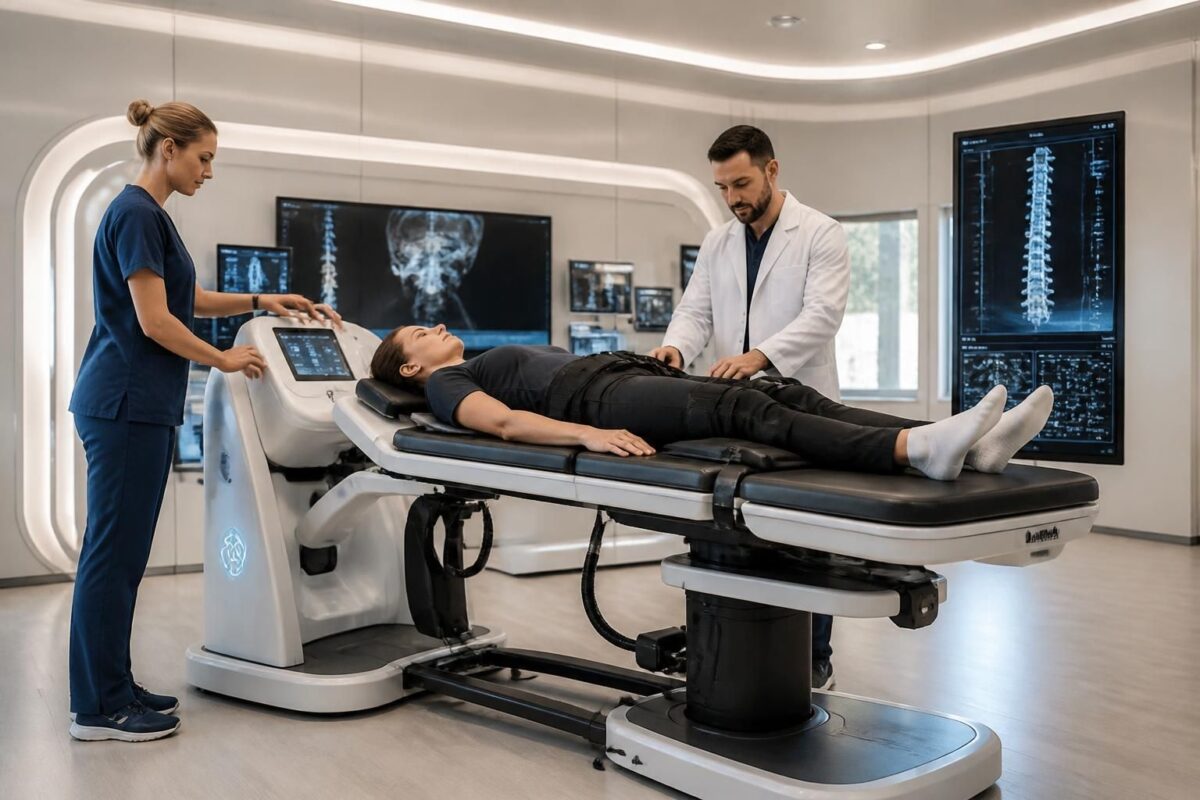
Recent innovations in neurovertebral decompression technologies
In short In short, the neurovertebral decompression is an approach non-invasive Aiming to reduce pressure on discs and nerves, and promote tissue regeneration. At Montreal, it is positioned as an effective option for lower back pain and herniated discs. The…
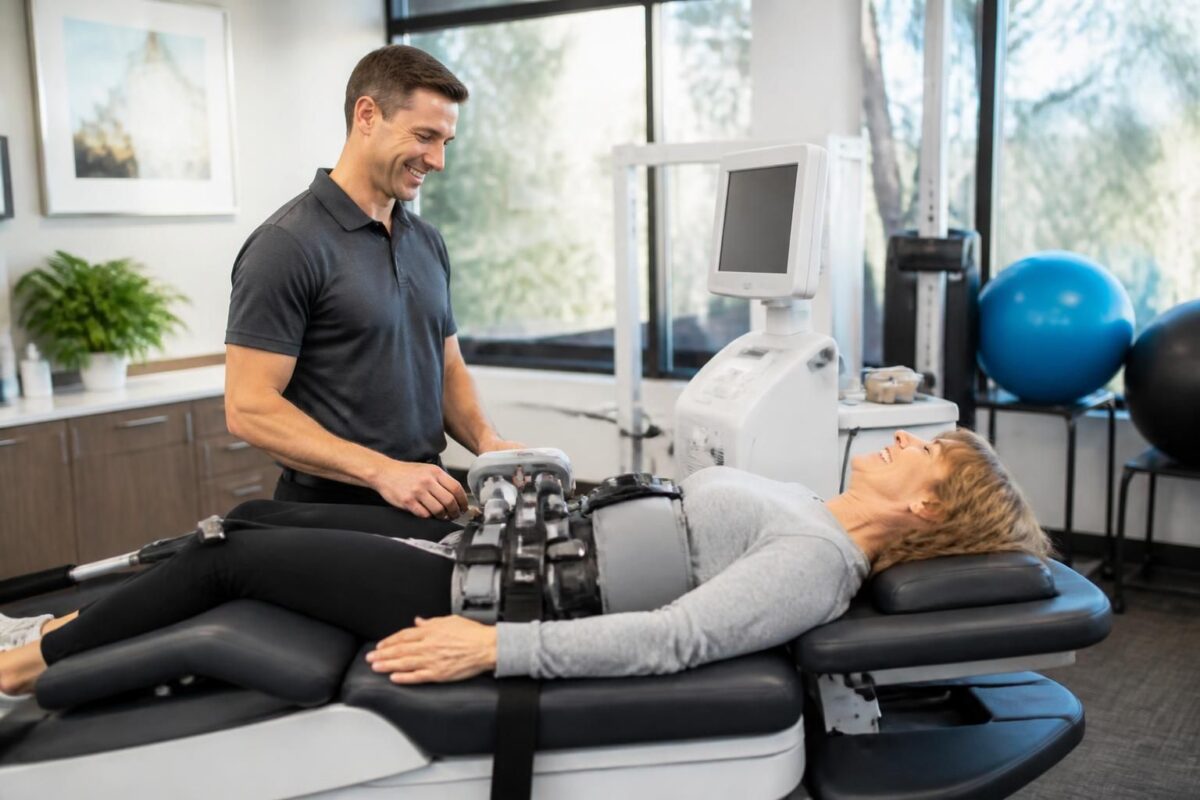
Neurovertebral decompression and diffuse pain: an appropriate solution
In short In short, the neurovertebral decompression is one Non-invasive solution For diffuse pain related to nerve irritation of the spine. She acts in Reducing pressure on intervertebral discs and nerves and improving the bloodstream, which promotes recovery and the…

Dr Sylvain Desforges, B.Sc., D.O., N.D., osteopath, is the founding president of TAGMED and of the ACMA association. He dedicates his practice to chronic spinal pain, low back pain and symptoms compatible with sciatica, particularly when pain radiates toward the buttock, leg, calf, foot or toes.
Through SOS Sciatique, he publishes educational content on sciatica symptoms, possible causes such as disc herniation, disc narrowing, foraminal stenosis or irritation of a lumbar nerve root, as well as non-surgical approaches that may be considered according to the evaluation. At Clinique TAGMED, care may include, depending on the case, motorized neurovertebral decompression, specific osteopathic care or precision percussion.
For an evaluation related to sciatica treatment in Montreal / Mount Royal or sciatica treatment in Terrebonne, please consult the services available at Clinique TAGMED.
Medical disclaimer
The information published on SOS Sciatique is provided for educational purposes only and does not replace a consultation, diagnosis, opinion or treatment provided by a physician or another authorized healthcare professional. The author of this article is neither a medical doctor nor a specialist in a medical specialty recognized by the Collège des médecins du Québec. The osteopathic, manual medicine or functional support approaches described on this site do not constitute medical acts and are not intended to replace medical follow-up.
Consult a physician or emergency service in cases of loss of bladder or bowel control, anesthesia in the saddle area, significant or progressive weakness in the leg or foot, fever, recent trauma, severe pain or rapid worsening of symptoms. For more details, please read our Legal Notice.