Neurovertebral decompression and acute lower back pain: an appropriate treatment
26/06/2026
Why neurovertebral decompression is a lasting solution for herniated discs
26/06/2026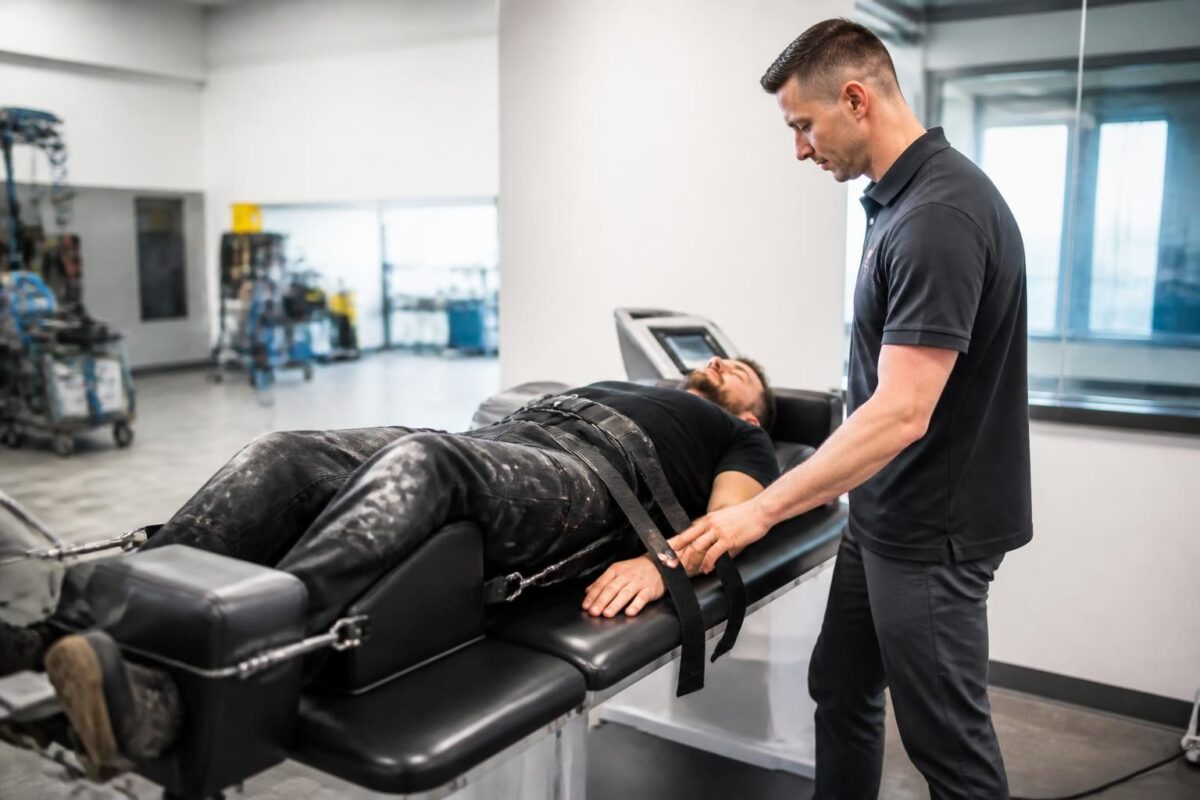
In short
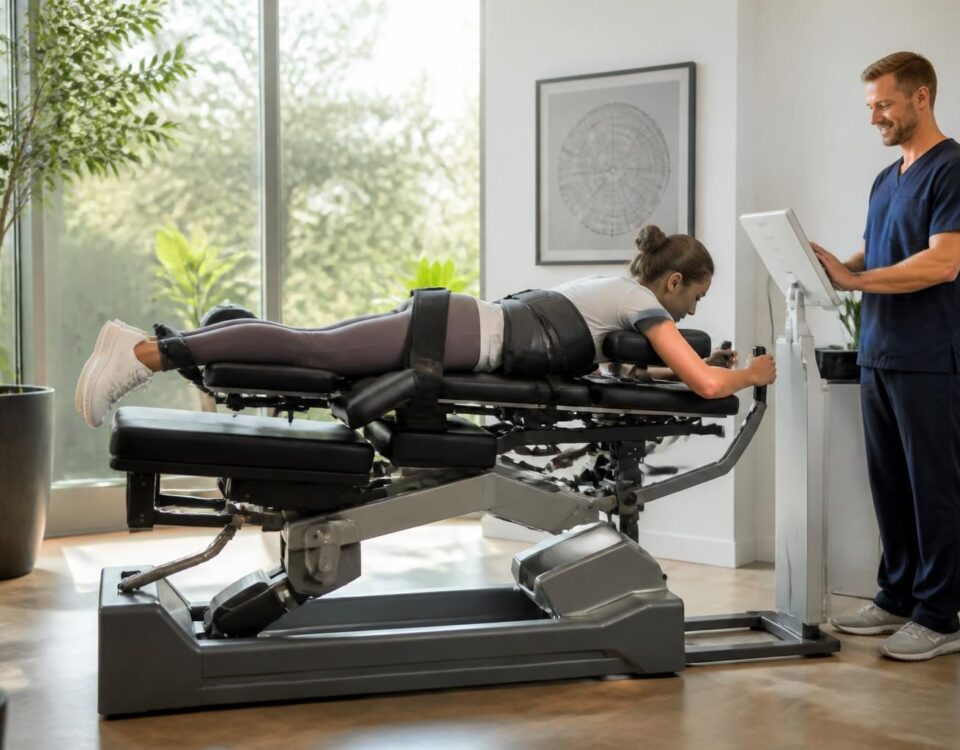
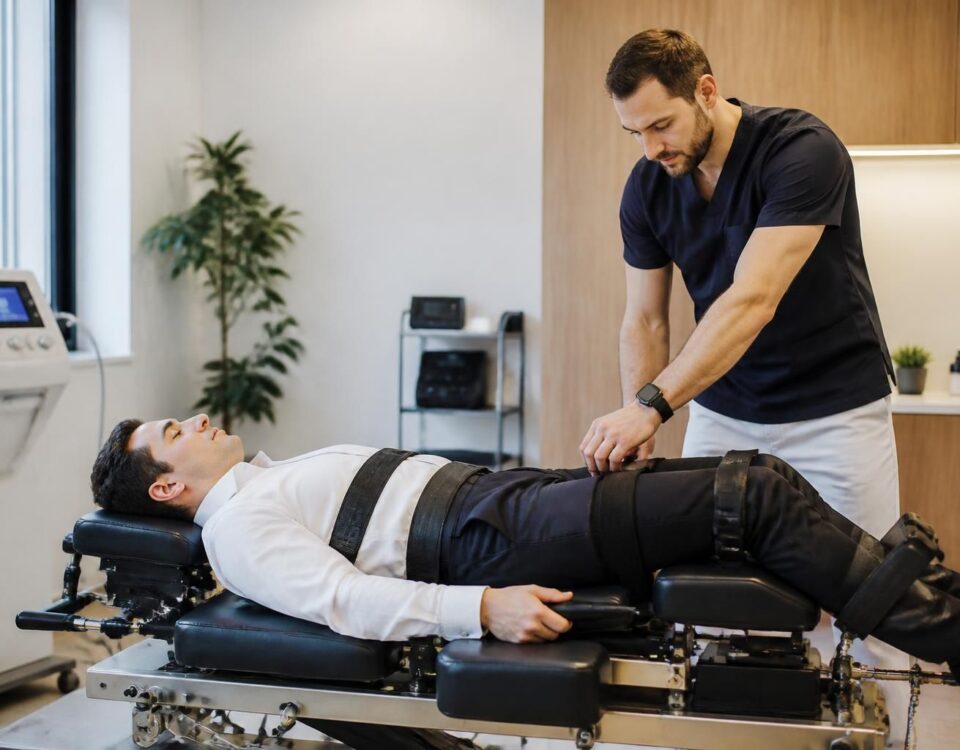
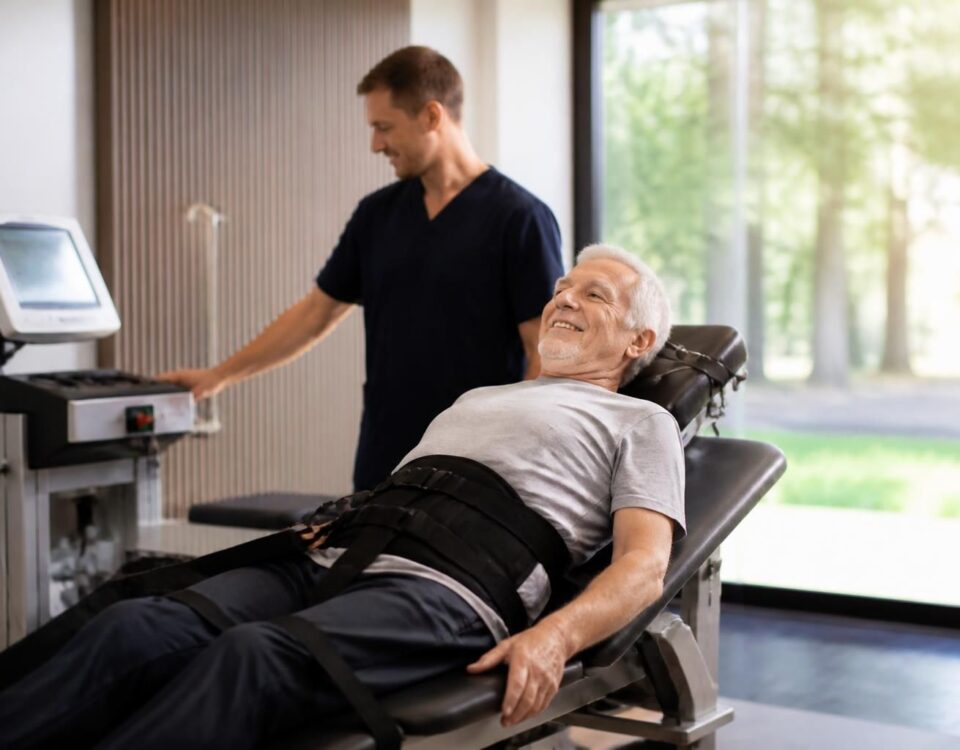
In short, neurovertebral decompression is an approach non-invasive intended to relieve back pain at the manual workers by releasing pressure on discs and nerves. Its key benefits includeImproving mobility and the reduction of pain, the Injury prevention and faster recovery after exercise, as well as better bloodstream and one General well-being. Its operation is based on controlled traction that creates a space between the vertebrae, soothes the compressed nerves and facilitates tissue regeneration, contributing to a more stable postural alignment. Accessible in Montreal, this service is particularly relevant for active people who wish to remain successful at work without pain. |
For manual workers, the neurovertebral decompression presents itself as an approach non-invasive To relieve pain related to exertion and repetitive overload. By releasing the pressure on the intervertebral discs and nerves, it reduces Chronic pain and improves the mobility and the flexibility. This technique promotes better bloodstream and accelerates the recovery After the effort, facilitating return to work and performance. It also contributes to a better posture and at the Injury prevention related to repetitive gestures and carrying charges. Finally, the relief and improvement of the mental well-being support the motivation and continuity of work on a daily basis.
Neurovertebral decompression provides an effective non-invasive approach for manual workers exposed to heavy loads, repetitive gestures and binding postures. This article presents the mechanisms, benefits and clinical implications to improve mobility, reduce pain and promote recovery in a professional setting.
Context and needs of manual workers
manual workers Face repeated stresses and loads that can cause muscle tension and recurring pain. A targeted approach can help free up intervertebral spaces and improve muscle balance. In practice, neurovertebral decompression aims to reduce the pressure on the discs and nerves, which can facilitate mobility and the general function at work.
PHYSICAL BENEFITS
pain reduction: By reducing compression on the nerves and discs, lower back and cervical pain related to daily work decreases, which allows activities to be resumed with fewer obstacles.
Improving mobility: The technique frees the space between the vertebrae, which promotes better range of motion and increased flexibility for repeated professional gestures.
Circulation and tissue nutrition: Improved local blood circulation supports tissue regeneration and evacuation of metabolic residues after exercise.
the physical effects often result in a Increased recovery After work and a better ability to perform daily tasks without persistent pain.
Mental benefits and quality of life
stress reduction and improvement in sleep occur when pain decreases. This contributes to a better concentration and a more stable mood on a daily basis.
Self-confidence Recovered through improved mobility and reduced pain, which can promote more active participation in work and social activities.
The combination of less pain and increased mobility supports a quality of life more favorable overall and better job satisfaction.
Impact on recovery and injury prevention
Decompression promotes Recovery after exercise By improving the blood supply and oxygenation of the tissues solicited by physical work. It also contributes to a Injury prevention By improving the alignment and stability of the spine, which limits tension on the muscles and joints during professional gestures.
This approach is integrated into a global care and does not replace an individual medical evaluation. For workers who have suffered injuries, it can support rehabilitation without resorting to invasive treatment.
Integration into the care pathway within TagMed clinics
In Tagmed clinics, neurovertebral decompression is part of a multidisciplinary offer adapted to the professional environment. It can be combined with other non-invasive approaches to optimize mobility and muscle function, while respecting the specific needs of manual workers.
For professionals wishing to deepen, resources and examples of the field explain the mechanisms and benefits observed. This article on the benefits offers concrete elements on the impact on muscle tension.
Additional resources and evidence
To deepen the interactions between neurovertebral decompression and muscle imbalances in active workers, see This dedicated article.
Additional resources on neurovertebral decompression and post-surgical support also exist, in particular through information devices accessible via specialized sources. For a global overview, see This excerpt on post-surgical support.
Recent discussions on specific cervical and lumbar aspects can be viewed via Dedicated resources.
References and useful links
For additional information on mechanisms and benefits, see the following resources: Benefits explained, relapse prevention, and Progression prevention.
Additional information from the TagMed network and its official resources can complement your understanding of the subject.
Medical Disclaimer: The information and advice provided on this site does not replace the health professional’s diagnosis or treatment. Please note that Dr. Sylvain Desforges osteopath is neither a doctor of medicine nor a doctor, and is not a specialist in a medical specialty as defined by the Collège des Médecins du Québec. Manual medicine, functional medicine and sports medicine as described on this site exclude any medical treatment or diagnosis made by a doctor or specialist doctor. Always consult your doctor for any medical questions. For more details, please read our full legal notice.
- Reduction of the pain lumbar
- Improvement of the mobility and daily gestures
- Relaxation of Muscle tensions
- Postural alignment improved
- Recovery faster after theeffort
- Prevention of Occupational injuries
- Better Movement control and proprioception
- bloodstream and improved tissue nutrition
- stress reduction and welfare renewed
- Increase in self-confidence and from the motivation to stay active

This recommendation presents the benefits of neurovertebral decompression for the manual workers, highlighting how this non-invasive approach can reduce back pain, improve the mobility and enhance overall well-being in the workplace, while promoting injury prevention and better operational performance.
Why choose decompression for manual trades
Handling, carrying loads and repetitive posture activities strongly stress the spine and adjacent muscles. By freeing the space between the vertebrae and decreasing the pressure on the nerves, the neurovertebral decompression May decrease chronic pain and reactivate underused muscle areas. This technique acts as a complementary support to conventional ergonomic measurements, by strengthening the overall stability of the trunk and facilitating daily work-related gestures.
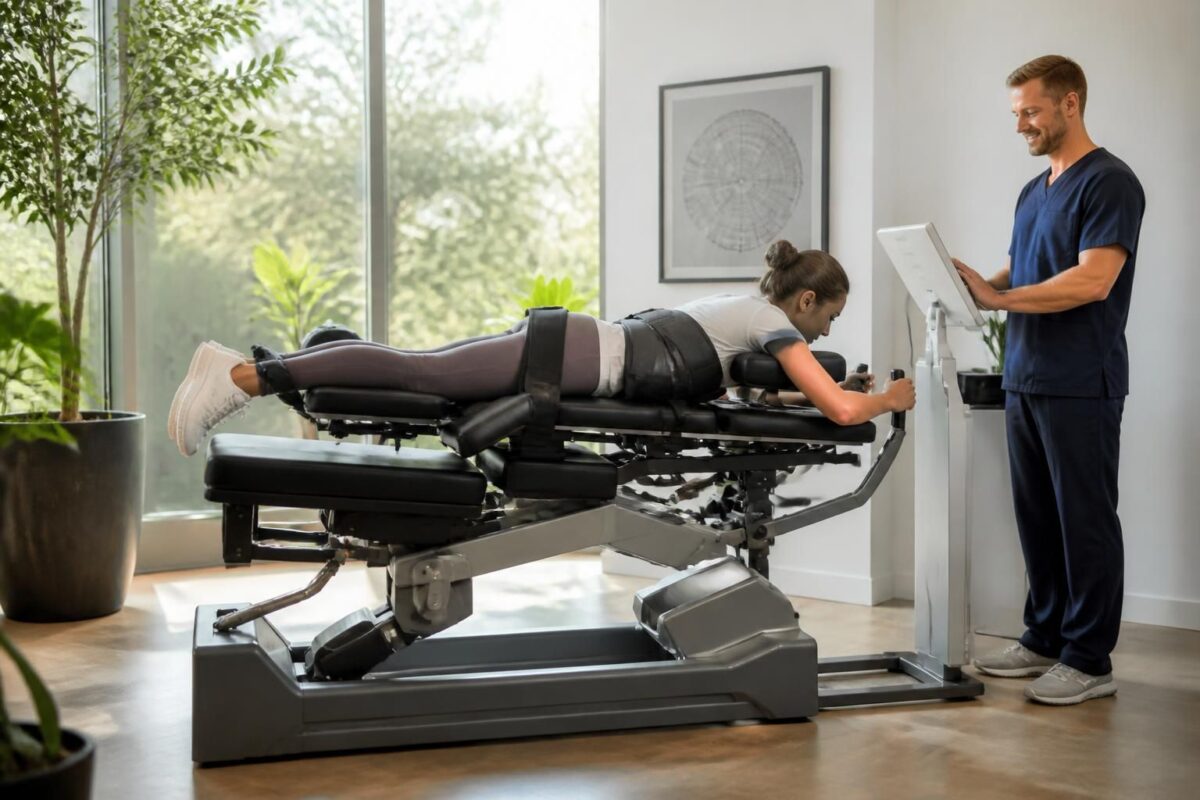
The long-term benefits of neurovertebral decompression for spinal health
In short In short, the neurovertebral decompression is a non-invasive approach that decreases the Pressure on intervertebral discs and nerves, favoring the Natural regeneration and tissue recovery. Its long-term benefits include Lasting pain reduction, Improving mobility and from the posture,…

Neurovertebral decompression and mobility: a return to an active life
In short In short, the neurovertebral decompression is therapy non-invasive who uses a gentle traction To create a space between the vertebrae and reduce the pressure on the Intervertebral discs and the nerves. It promotes a bloodstream improved, lowers tension…
Physical benefits for manual workers
Lasting pain relief and improved mobility
Manual work often exposes lumbar and cervical pain after working hours or repetitive gestures. Decompression helps reduce muscle tension and increase range of motion, allowing daily tasks to be performed with less discomfort. This pain reduction also facilitates the execution of technical gestures and correct work postures.
Injury Prevention and Posture Improvement
By improving the alignment of the spine and releasing the tensions of the muscles responsible for postural imbalances, decompression helps prevent excessive stress on musculoskeletal structures. For workers exposed to heavy loads, this results in better posture when lifting, reducing microtraumas and reducing the risk of recurrent injuries.
Recovery after effort and performance at work
Better blood circulation and increased intake of nutrients to muscle tissue promote faster recovery after intense efforts or prolonged periods of standing. This optimization is reflected in sustained energy, reduced fatigue and increased ability to maintain a level of performance throughout the day.
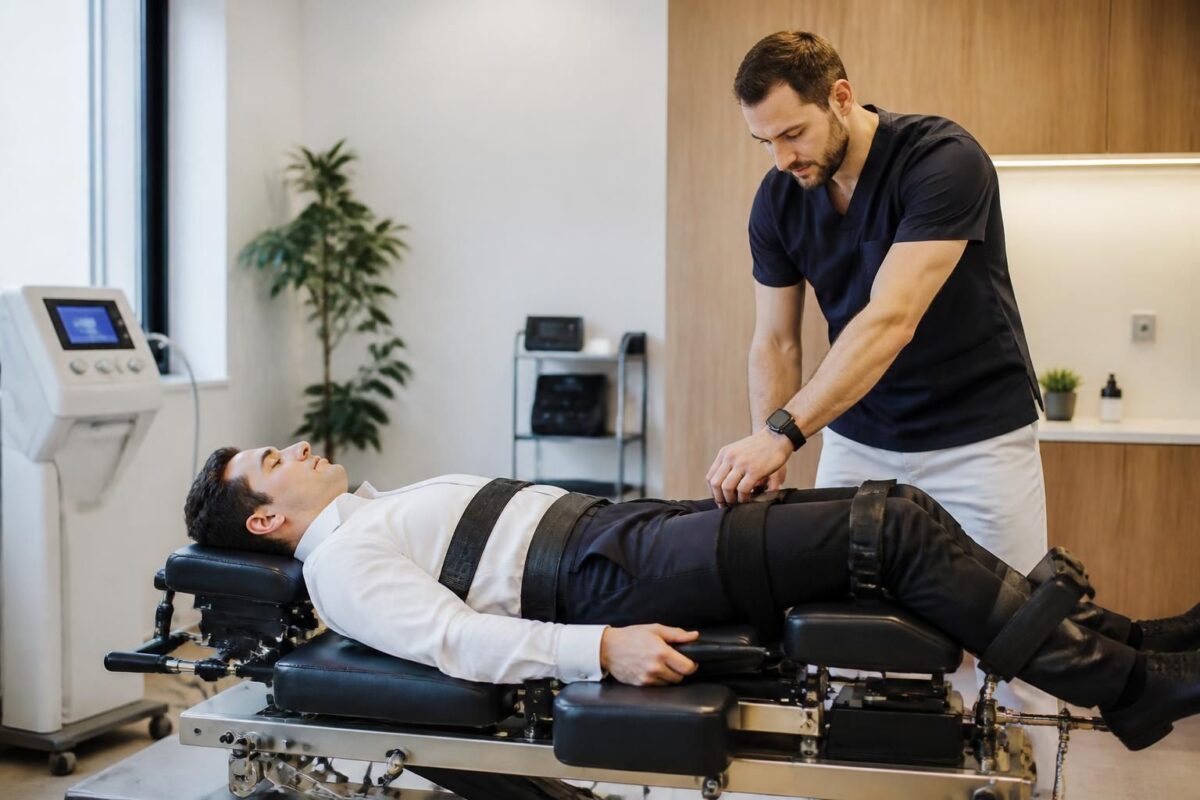
How Neurovertebral Decompression Prevents Diffuse Chronic Pain
In short decompression neurovertebral is one Non-invasive method aimed at reducing the Pressure on the intervertebral discs and the nerves, in order to prevent Diffuse chronic pain. It improves the circulation and thedisc hydration, decreases inflammation and promotes better mobility.…
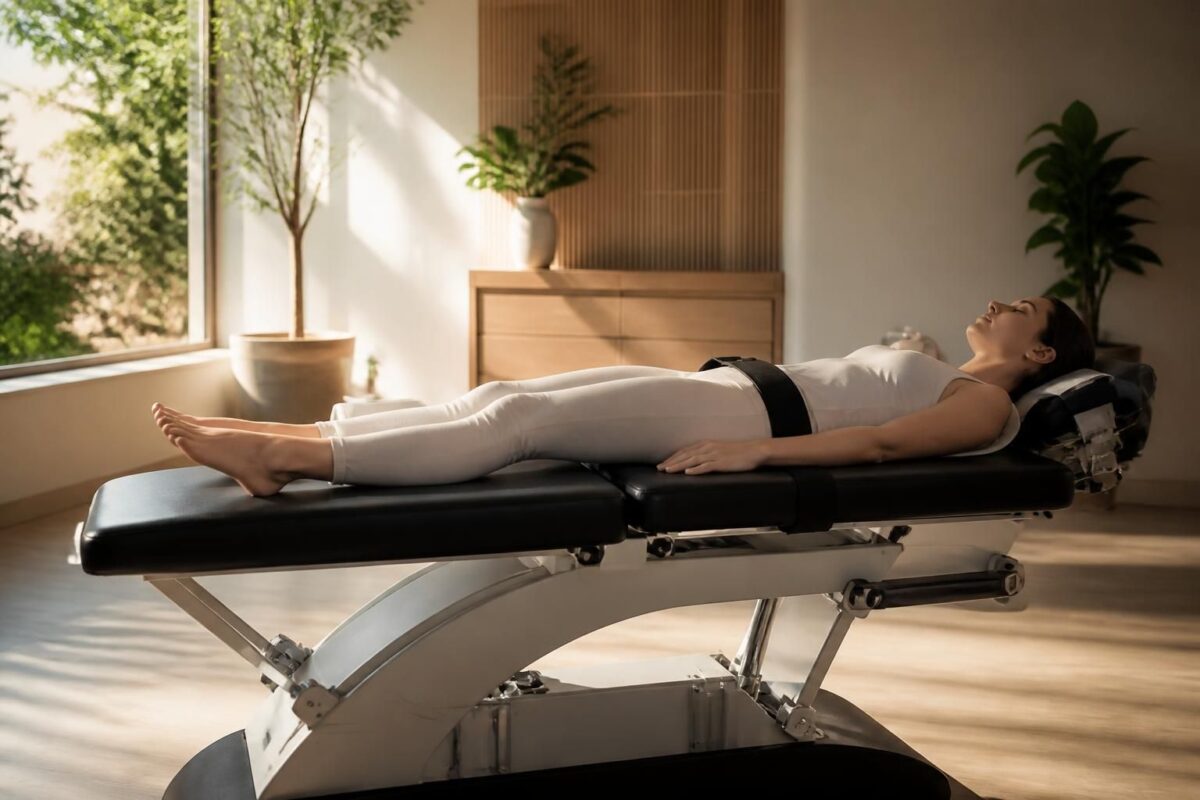
Neurovertebral Decompression and Body Alignment: Restoring Natural Balance
In short In short, neurovertebral decompression is one Non-invasive approach who restores theBody Alignment and thenatural balance back and neck. She acts by a Controlled traction of the spine to widen the intervertebral space and reduce the Pressure on discs…
Mental well-being and productivity
Stress reduction and concentration
Decreasing pain and improving mobility have a direct impact on the mental state. Less pain means less distractions and better focus on technical gestures, safety and work quality. A calmer spirit also promotes clearer communications and better team collaboration.
Trust and motivation to stay active
Finding a feeling of control over your body strengthens self-confidence and the desire to maintain appropriate physical activity, even outside work. This positive dynamic can contribute to better adherence to prevention programs and a proactive approach to occupational health.
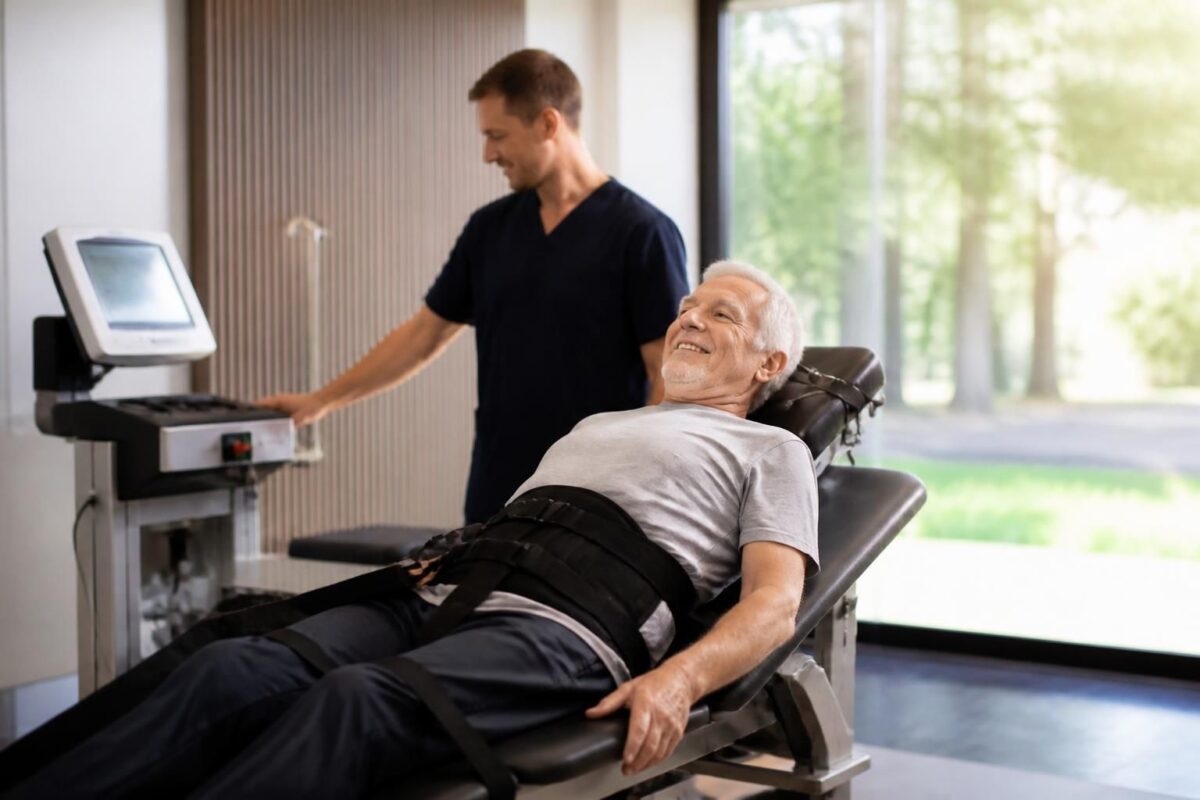
Why neurovertebral decompression is a lasting solution for active seniors
In short In short, the neurovertebral decompression is one Non-invasive therapy which sustainably relieves spinal pain in the spine active seniors By creating, by a Soft and controlled traction, a space between the vertebrae. At Montreal, it is recognized as…
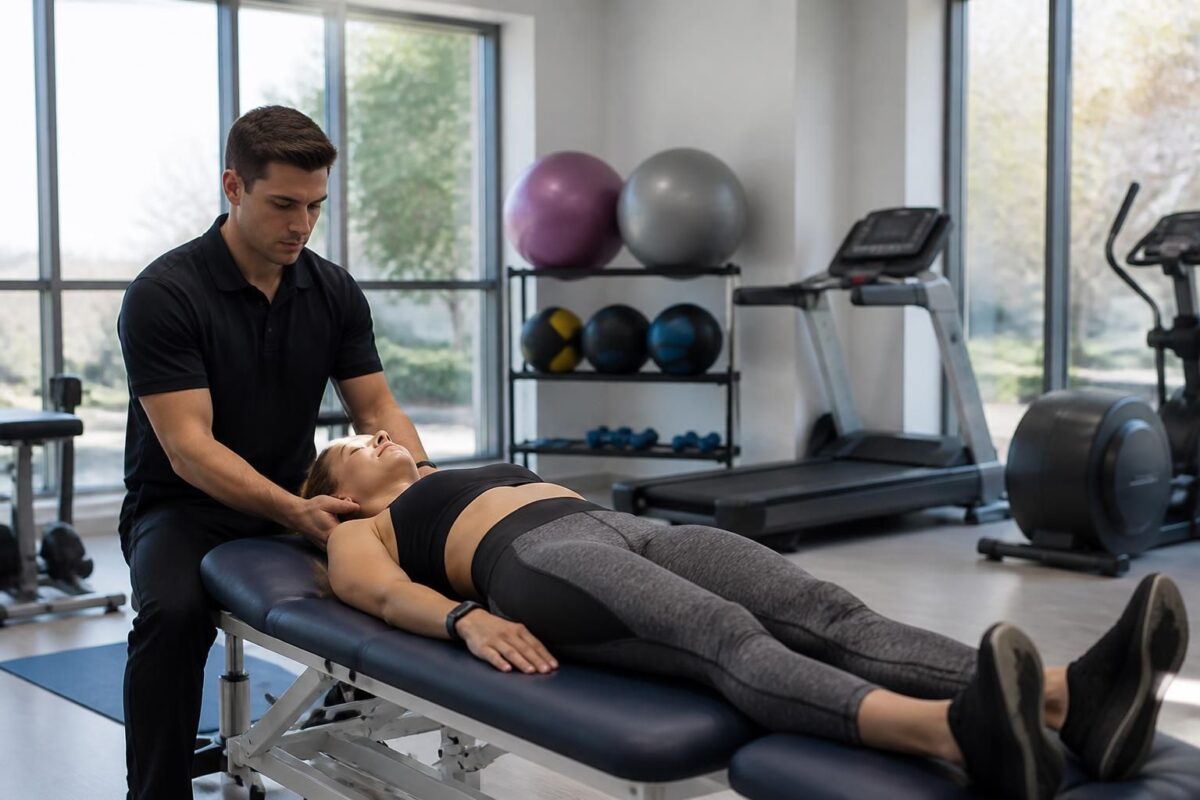
Neurovertebral decompression and recovery after severe sports injury
In short In short, the neurovertebral decompression is one Non-invasive method to Relieve the pressure on the Intervertebral discs and the gristle Via a Controlled traction, to facilitate the recovery After a severe sports injury. It improves the bloodstream towards…
Practical implementation at work
Individual evaluation and program customization
Each employee benefits from an assessment adapted to their position and their constraints. The customizable program can combine decompression sessions, targeted reinforcement exercises and ergonomic advice to optimize results and integrate the most relevant habits for professional daily life.
Integration with ergonomics and active breaks
Decompression is ideally part of a global strategy that includes ergonomic adjustments and regular active pauses. Micro mobility breaks and simple exercises can be practiced on site, helping to prevent stiffness and tensions related to posturality and repetitiveness of gestures.
Recommended frequency and durations
To obtain lasting benefits, it is recommended to start with regular sessions, adjusted to workload and pain level. As an indication, a progressive approach with one or two dedicated sessions per week can be envisaged, supplemented by autonomous exercises and ergonomic adjustments. The objective is to build a sustainable routine that integrates with the reality of manual work and that adapts to changes in positions and working conditions.
These recommendations are made to help optimize the health and performance of manual workers, while promoting active prevention of pain and work-related injuries. This information does not replace the opinion of a health professional and must be adapted to each individual situation.
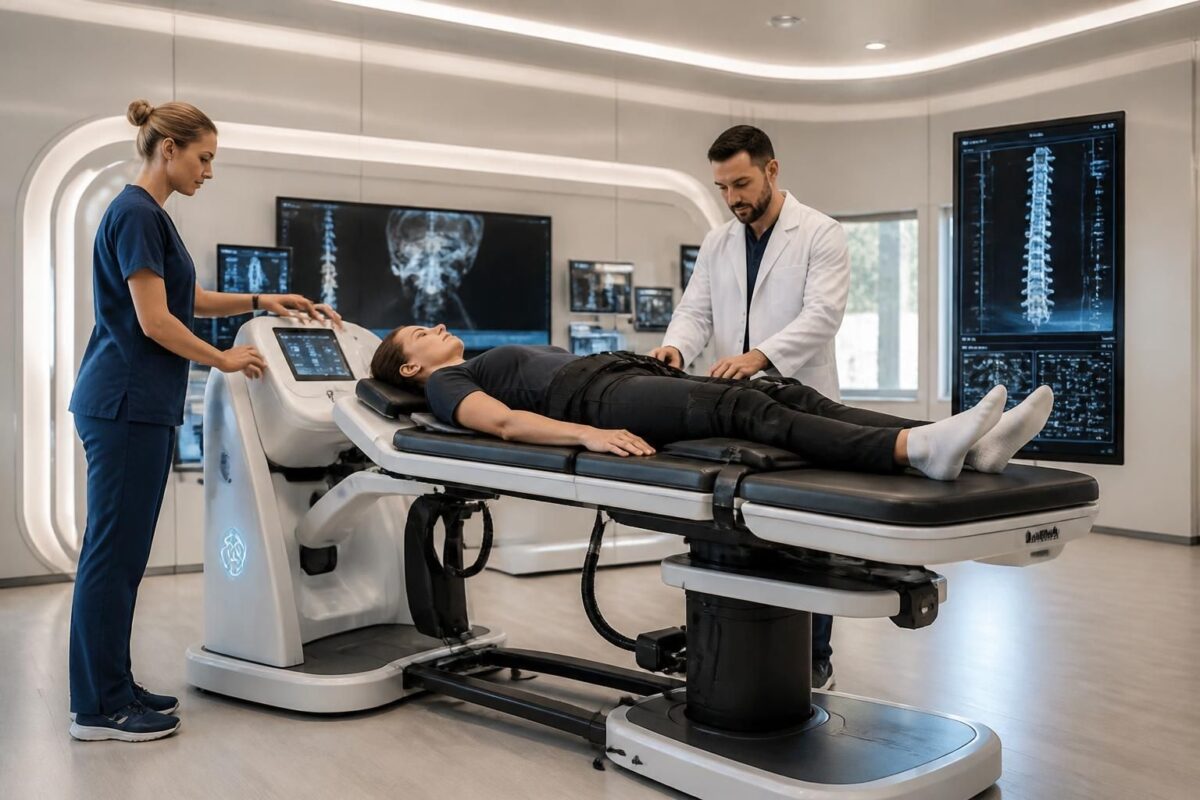
Recent innovations in neurovertebral decompression technologies
In short In short, the neurovertebral decompression is an approach non-invasive Aiming to reduce pressure on discs and nerves, and promote tissue regeneration. At Montreal, it is positioned as an effective option for lower back pain and herniated discs. The…
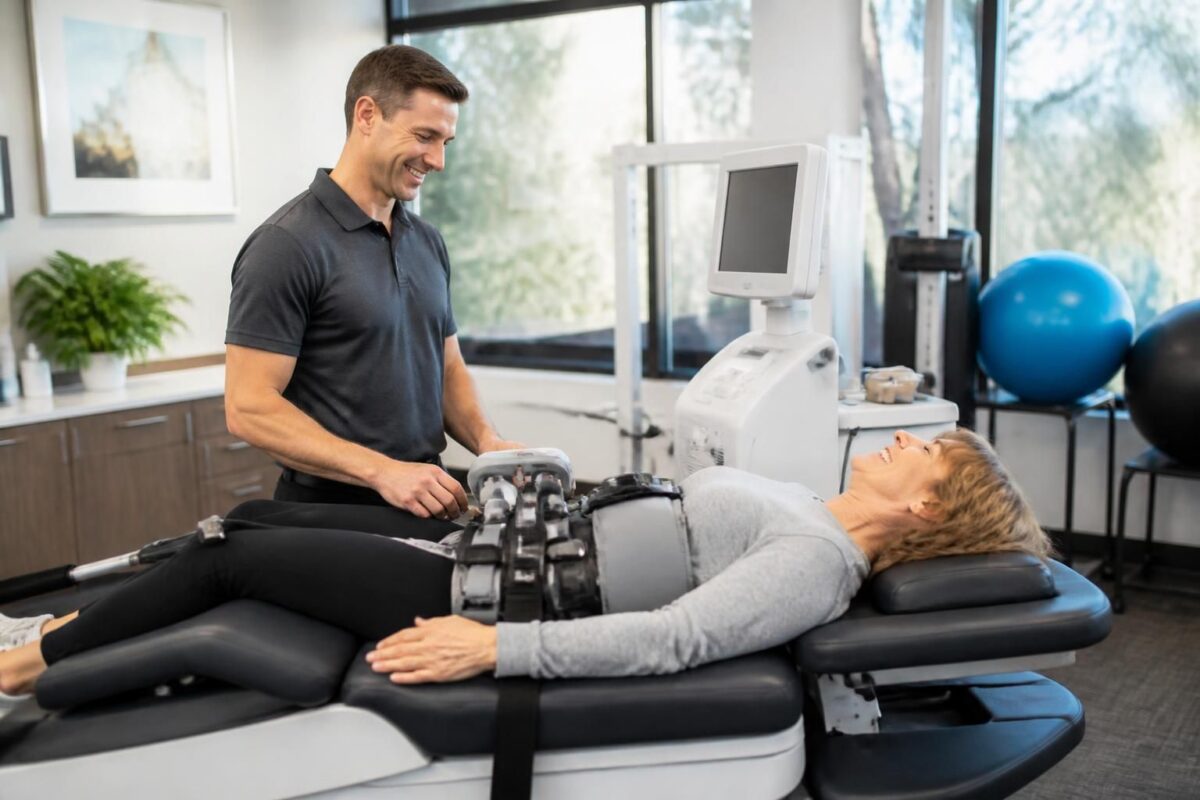
Neurovertebral decompression and diffuse pain: an appropriate solution
In short In short, the neurovertebral decompression is one Non-invasive solution For diffuse pain related to nerve irritation of the spine. She acts in Reducing pressure on intervertebral discs and nerves and improving the bloodstream, which promotes recovery and the…
Benefits of neurovertebral decompression for manual workers
| Impact axis | Concise benefit |
|---|---|
| Pain and lumbar/cervical discomfort | rapid reduction of pain and discomfort. |
| Mobility and flexibility | improvement of therange of motion and flexibility. |
| Posture and alignment | improvement of thealignment and posture. |
| Prevention wounds | reduction of Risk of injury and tensions related to repetitive gestures and heavy loads. |
| Recovery on stress | Improvement of the circulation and recovery after exercise. |
| Confidence and motivation | Strengthening of the confidence and from the motivation at work. |
| emotional stability and stress | decrease in stress and better mood. |
| proprioception and security | Improvement of the proprioception and coordination, risk reduction. |
Testimonials on the Benefits of Neurovertebral Decompression for Manual Workers
as manual worker, my days on the construction site left me aches and lumbar pain recurring. After the program of neurovertebral decompression, I found a pain reduction and an Mobility found which allow me to chain tasks without excessive fatigue.
For me, house painter, standing and repetitive gestures caused tension in the back and shoulders. Thanks to the neurovertebral decompression, I felt a posture improvement and an reduction of tensions which help me to keep my concentration throughout the construction site. I can work longer without feeling stiff in the evening.
as carpenter Working standing and crouching for hours, I often had pain in my back after cutting and heavy loads. With the neurovertebral decompression, the pain became more manageable and my recovery Post-site has improved, which allows me to come back to work faster the next day.
In my workshop, the repetitive gestures and vibrations of the post cause me cervical and lumbar pain. After a few sessions, I saw a Better range of motion and an reduction of tensions muscular, which facilitates the day and safety during delicate maneuvers.
as plumber, my activities require strength and flexion. The neurovertebral decompression allowed me a Faster recovery after the big lifts and improved my posture, reducing fatigue at the end of the day.
For a electrician who stays up all day and handles heavy tools, the decompression brought a Deep muscle relaxation and an Better mobility Neck and back, which helps me put and adjust the material with more precision and less discomfort.
as welder, hours spent at the station and repetitive movements create tension in the lower back. Since the start of the treatment, I have noted a pain reduction and an Better circulation in the lumbar region, favoring a quick recovery After work and a posture improvement.
Dr. Sylvain Desforges, expert in osteopathy, naturopathy and manual medicine, holds the position of Founding President of the TagMed Clinics and the ACMA Association. With a career dedicated toHealth Innovation, he specializes in Chronic pain management and the integration of advanced technologies, including neurovertebral decompression, the laser and shockwave therapy. Its approach is based on evidence-based care designed to optimize the health and well-being patients, including workers exposed to repeated and heavy efforts.
For manual workers, whose trades involve carrying loads, repetitive movements and restrictive postures, muscle tension and pressure on the spinal discs can accumulate and evolve into disabling pain. The neurovertebral decompression Acts gently by releasing the pressure exerted on the intervertebral discs and on the nerves, thus reducing irritation and pain. It offers a non-invasive way to restore the balance of the column and support the ability to perform daily work tasks without major limitation.
On the physical level, the benefits are manifested by a Improving mobility and an pain reduction associated with lumbar, cervical and postural tensions often observed in bodies solicited by manual labor. By increasing the space between the vertebrae and improving local blood circulation, decompression promotes Recovery after exercise and facilitates the return to activity after periods of overload. This process can also help prevent injuries related to repetitive mechanisms and poor posture.
From a mental and professional point of view, reducing pain and improving mobility lead to a mood enhancement, a self-confidence increased and better concentration at work. Manual workers regain greater autonomy in the execution of their technical gestures, which translates into better quality of service, less sick leave and increased motivation to pursue an active and lasting career.
The therapeutic approach is personalized and integrated into a global care program. Each patient benefits from a In-depth assessment and one Adapted treatment plan, adjusted according to professional objectives and work-related constraints. In addition, Dr. Desforges combines the neurovertebral decompression with other modalities such as laser and the Shockwave therapy Where relevant to optimize muscle function, circulation and tissue regeneration, while promoting a rapid resumption of professional activities.
In short, for manual workers, this approach offers a pragmatic and effective way to preserve professional activity, improve the posture and the proprioception, and support a longevity» in physically demanding occupations. Dr. Sylvain Desforges continues his commitment to offer data-based care adapted to the needs of active professionals.
This article presents the benefits of neurovertebral decompression for manual workers, explaining how this non-invasive approach can reduce back pain, improve the mobility and support the recovery After the effort, while promoting a better quality of life at work.
For manual workers, the neurovertebral decompression acts by reducing the pressure on the Intervertebral discs and the gristle, which results in a pain reduction and an Improvement of the amplitude of motion.
This approach promotes better posture and can help prevent injuries related to repetitive gestures and heavy loads, working on muscle balance andColumn alignment.
The Recovery after exercise is also optimized, thanks to a better bloodstream and the supply of essential nutrients to muscle tissue, which allows you to resume work more quickly.
Beyond the physical benefits, pain relief contributes to a better quality of life and to a stress reduction, which can improve concentration and motivation at work.
To deepen, see resources such as Benefits for manual workers and General well-being and quality of life.
Practical information and essential FAQs can be found on Essential FAQs.
For tools and perspectives related to performance improvement, please see: Optimizing physical performance and other specialized sources like active patients.
For a broader view of the contexts of use and benefits for manual workers, you can also consult This dedicated article.

Dr Sylvain Desforges, B.Sc., D.O., N.D., osteopath, is the founding president of TAGMED and of the ACMA association. He dedicates his practice to chronic spinal pain, low back pain and symptoms compatible with sciatica, particularly when pain radiates toward the buttock, leg, calf, foot or toes.
Through SOS Sciatique, he publishes educational content on sciatica symptoms, possible causes such as disc herniation, disc narrowing, foraminal stenosis or irritation of a lumbar nerve root, as well as non-surgical approaches that may be considered according to the evaluation. At Clinique TAGMED, care may include, depending on the case, motorized neurovertebral decompression, specific osteopathic care or precision percussion.
For an evaluation related to sciatica treatment in Montreal / Mount Royal or sciatica treatment in Terrebonne, please consult the services available at Clinique TAGMED.
Medical disclaimer
The information published on SOS Sciatique is provided for educational purposes only and does not replace a consultation, diagnosis, opinion or treatment provided by a physician or another authorized healthcare professional. The author of this article is neither a medical doctor nor a specialist in a medical specialty recognized by the Collège des médecins du Québec. The osteopathic, manual medicine or functional support approaches described on this site do not constitute medical acts and are not intended to replace medical follow-up.
Consult a physician or emergency service in cases of loss of bladder or bowel control, anesthesia in the saddle area, significant or progressive weakness in the leg or foot, fever, recent trauma, severe pain or rapid worsening of symptoms. For more details, please read our Legal Notice.