How neurovertebral decompression improves tissue regeneration
26/06/2026
The psychological benefits of successful neurovertebral decompression
26/06/2026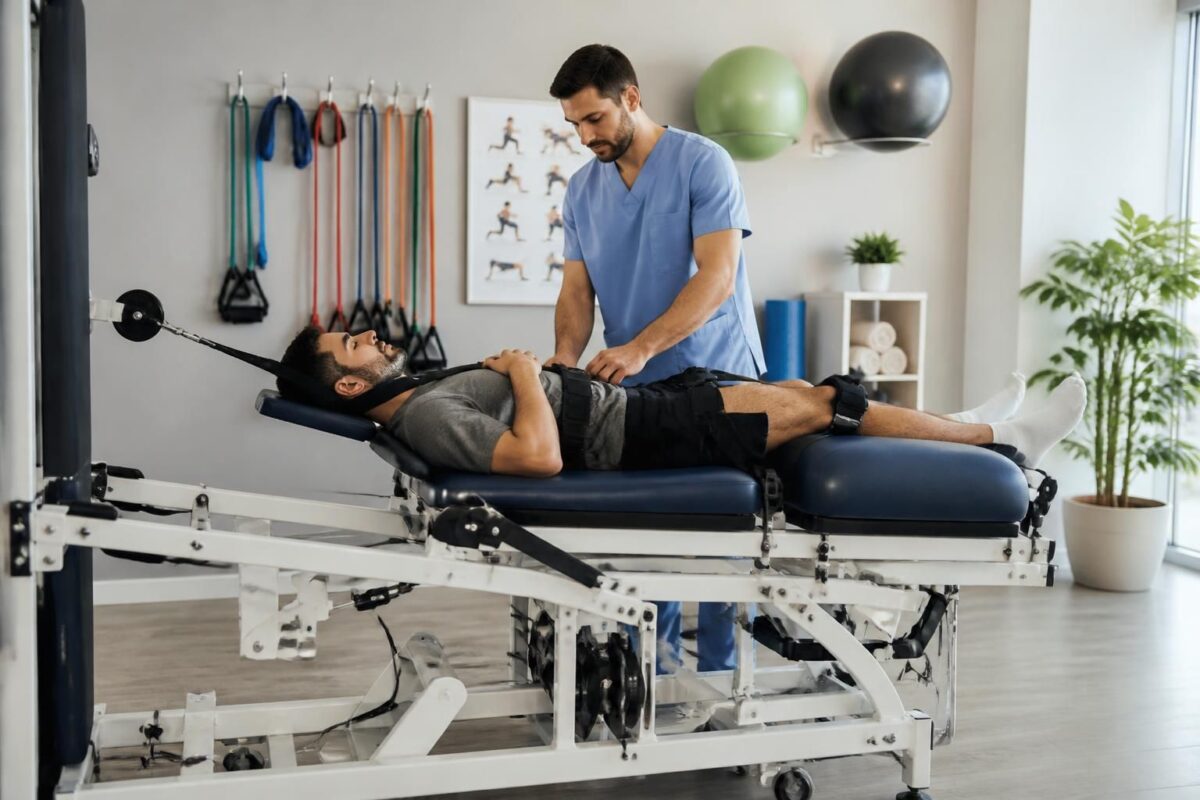
In short In short, the neurovertebral decompression is an approach non-invasive which creates a space between the vertebrae to decrease the pressure on the discs and nerves, promoting circulation and healing. This method allows a relapse prevention chronic injuries and Lasting pain reduction, with a Improving mobility and thealignment of the column. Its operation is based on a Controlled traction and personalized, adapted to each patient, and it is accessible to Montreal For people suffering from back pain and of discopathy. |
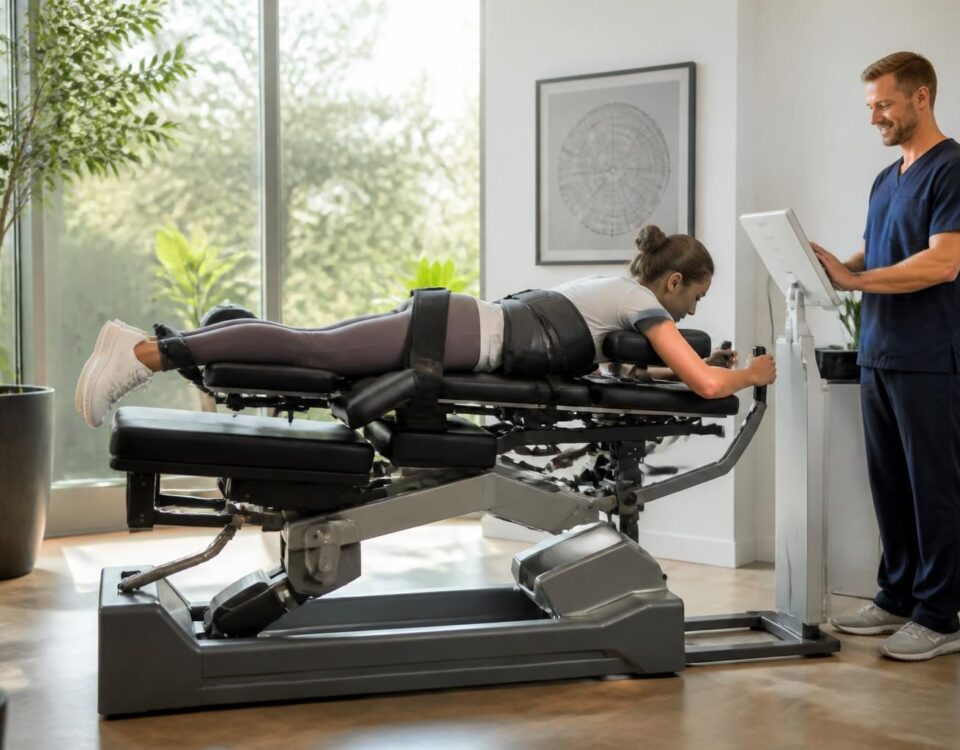
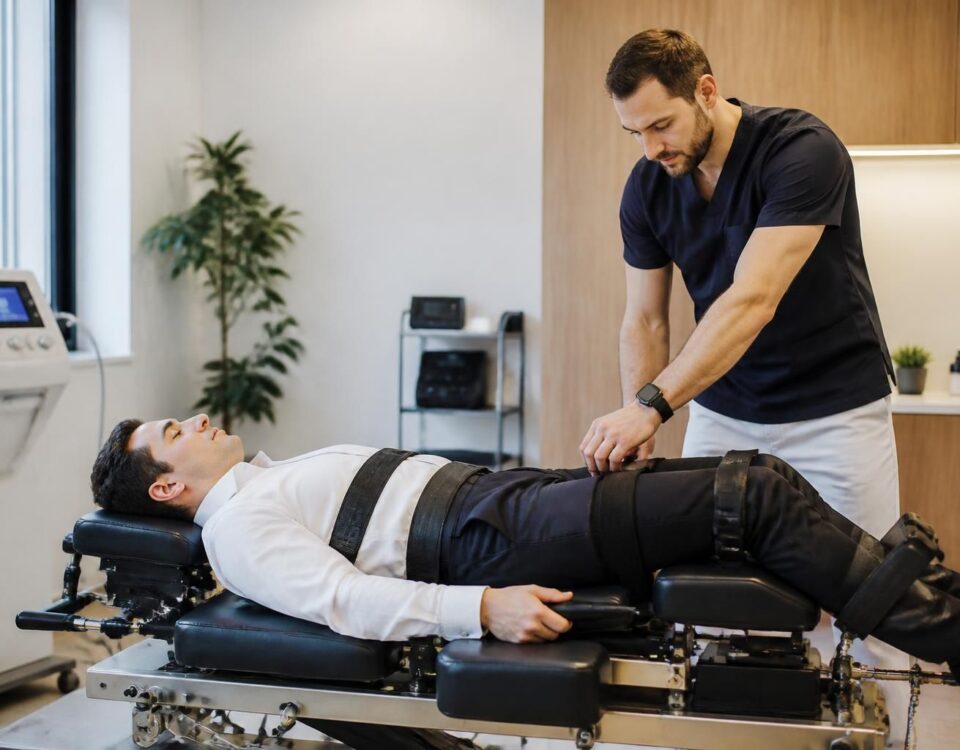
The neurovertebral decompression is an approach non-invasive intended to relieve pain related to vertebral pathologies and to prevent relapses chronic injuries.
By creating a space between the vertebrae, it decreases the Pressure on the intervertebral discs and nerves, improves the bloodstream and promotes tissue healing. This process also supports thealignment and the Structural stability of the column, key elements to prevent recurrences during daily or sports activities.
integrated into a Personalized care plan and one Regular follow-up, decompression can be associated with other approaches to optimize the mobility and the quality of life in the long term, while reducing pain for a long time.
This article, written by a health professional and expert in the field, explains how the neurovertebral decompression can promote the relapse prevention in people with chronic injuries. It describes the mechanism of action, the clinical benefits, integration into a care pathway and the resources available to support a sustainable and non-invasive approach.
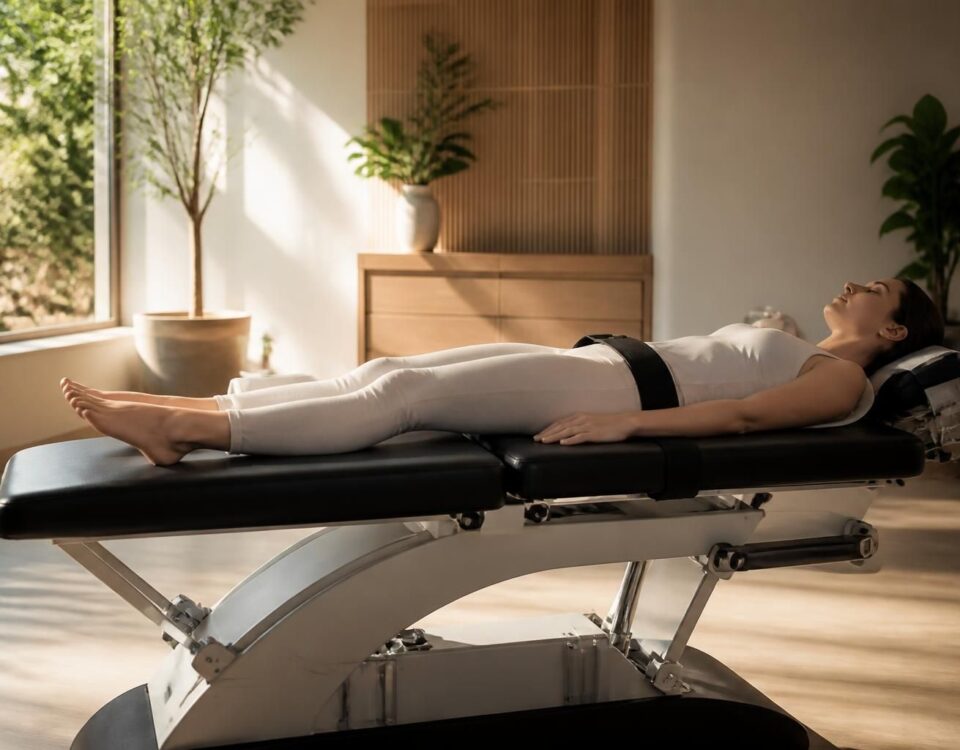
The neurovertebral decompression Acts by creating a space between the vertebrae. This space reduces the pressure exerted on the intervertebral discs and nerves, and locally improves blood circulation. This non-invasive approach aims to reduce inflammation, promote tissue repair and restore spinal alignment. It is part of a preventive logic, in order to reduce the risk of reappearance of pain and symptoms linked to vertebral pathologies.
As part of a relapse prevention, the objective is to permanently stabilize the column and to improve tissue tolerance to repeated efforts. This approach is particularly appropriate when pain and functional limitations persist despite conservative treatments. It allows to act on the mechanical cause of the pain and not only on the symptoms.
For patients, the integration of this technique into the care pathway is done within a multidisciplinary framework and is offered in our TagMed clinics in Montreal and Terrebonne. The standard protocol provides for a specific number of sessions, generally between 15 and 25, with regular assessments to adjust the care plan based on the individual response. This organization makes it possible to preserve the achievements and to support a sustainable functional recovery without the use of surgical procedures.
Key Elements for Relapse Prevention
Treatment promotes Improved spinal alignment and a better Local blood circulation, which supports tissue healing and reduces repetitive tensions that cause pain. By improving the integrity of the spinal structures and nervous comfort, it contributes to a Durable stability of the column and to a better tolerance to the daily loads and movements.
Decompression can also play a preventive role when athletes and active people have repetitive gestures or unusual loads. By acting on the mechanical factors that underlie the pain, it limits the risk of relapse and allows a gradual return to performance, while reducing the incidence of recurrences.
As part of this process, it is essential to rely on competent professionals and appropriate equipment. Protocols are designed to be safe, progressive and adapted to the clinical history of each patient. Clear communication between the patient and the practitioner remains at the heart of the effectiveness of prevention.
Clinical evidence and mechanisms
Clinical data suggests that neurovertebral decompression may Reduce the pain and improve the vertebral function in various pathologies. By reducing the pressure on the discs and nerves, the technique contributes to the pain retrogradation and better mobility, which is conducive to the prevention of long-term relaps. The results are observed in particular when the care strategy combines precise diagnosis, appropriate planning and regular monitoring.
Note, in the context of these treatments, the recommendations want to avoid the introduction of exercises or stretching as the main component of therapy in the texts dedicated to decompression. The objective is to favor non-invasive therapeutic interventions and local healing mechanisms.
Resources and additional readings
To deepen, here are relevant resources in accordance with the practice in osteopathy and manual medicine:
- Neurovertebral decompression – a natural solution to prevent recurrences
- Neurovertebral decompression and relapse prevention
- Neurovertebral Decompression and Joint Mobility – Complete Approach
- Strategies for effective support
- Benefits for Rehabilitation Patients
- An alternative for chronic radicular pain
- Natural alternative to surgical solutions
- Impact on recurrent injury prevention
- Posture and lasting alignment
- Common Decompression Myths – Corrected
To learn more about services and the clinical approach, you can consult our resources and dedicated pages on Tagmed Clinic and neurovertebral decompression.
In the context of the proposed treatments, we favor non-invasive and multidisciplinary approaches, and we place the safety and well-being of the patient at the forefront.
Medical Disclaimer: The information and advice provided on this site does not replace the health professional’s diagnosis or treatment. Please note that Dr. Sylvain Desforges osteopath is neither a doctor of medicine nor a doctor, and is not a specialist in a medical specialty as defined by the Collège des Médecins du Québec. Manual medicine, functional medicine and sports medicine as described on this site exclude any medical treatment or diagnosis made by a doctor or specialist doctor. Always consult your doctor for any medical questions. For more details, please read our full legal notice.
- preventive objective To avoid relapses Chronic pain
- Stability and alignment column to reduce pressure
- bloodstream Improved to discs and fabrics
- Personalized evaluation risk depending on the activity
- maintenance program Adapted to each athlete/patient
- Regular follow-up and protocol adjustments
- Controlled traction non-invasive to create a space between the vertebrae
- relapse prevention Via muscle strengthening and posture
- Multidisciplinary approach without surgery
- Results Expected: reduced pain and regained mobility
- Security and comfort, no incision
- Accessibility and processing customization

This article offers practical recommendations on the use of the neurovertebral decompression for the relapse prevention chronic injuries. It focuses on an evaluation framework, a Custom Protocol and strategies for integration into daily life and training, in order to support sustainable recovery and a better quality of life.
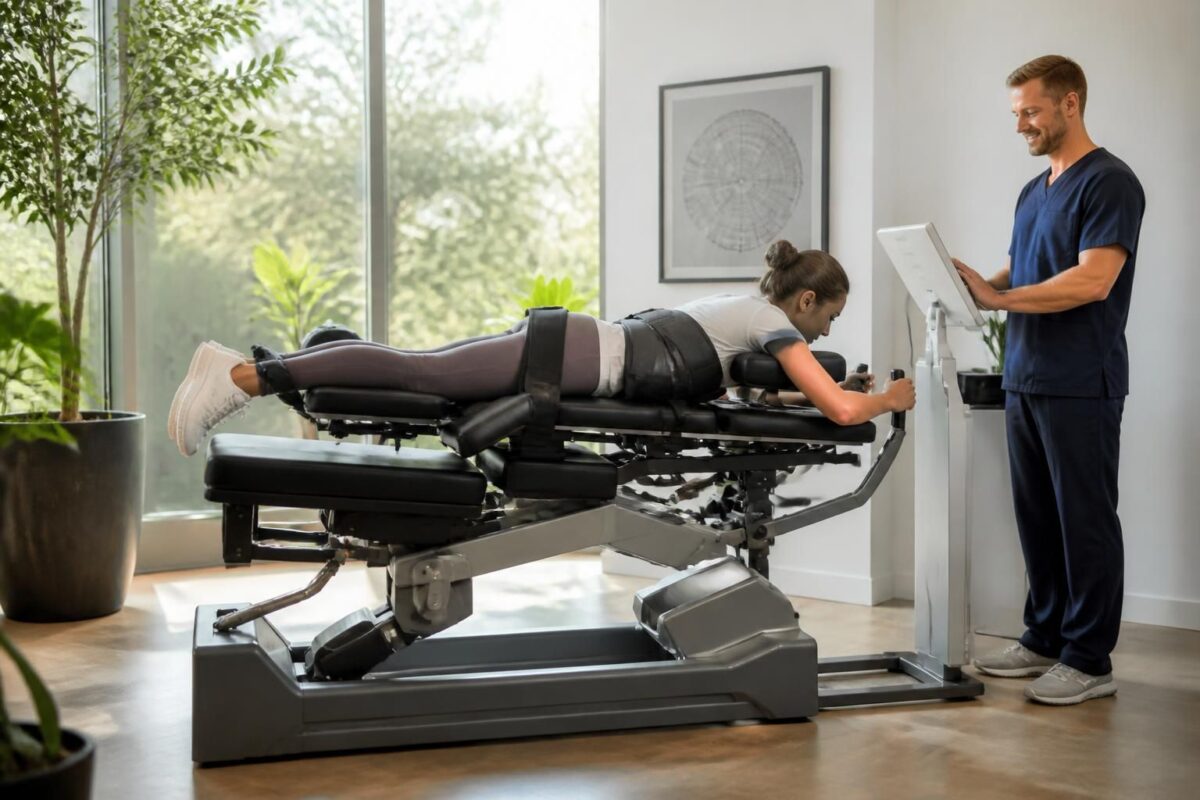
The long-term benefits of neurovertebral decompression for spinal health
In short In short, the neurovertebral decompression is a non-invasive approach that decreases the Pressure on intervertebral discs and nerves, favoring the Natural regeneration and tissue recovery. Its long-term benefits include Lasting pain reduction, Improving mobility and from the posture,…

Neurovertebral decompression and mobility: a return to an active life
In short In short, the neurovertebral decompression is therapy non-invasive who uses a gentle traction To create a space between the vertebrae and reduce the pressure on the Intervertebral discs and the nerves. It promotes a bloodstream improved, lowers tension…
Evaluate and plan to prevent relapses
The first pillar is a In-depth assessment risks and recurrence factors. This includes analyzing pain history, location and nature of symptoms, disk condition and column alignment, as well as activities that involve back. This examination makes it possible to identify areas of tension and risky gestures, in order to target the treatment plan without overloading the patient. A medical check-up and, if necessary, additional information, are essential to determine the adequacy of decompression in the overall framework of musculoskeletal health.
Key elements of the evaluation
Evaluate the trunk operation, amplitude of movement, and signs of irradiated pain. Define realistic goals focused on Lasting pain reduction, improving mobility and strengthening spinal stability. Make sure that contraindications and potential risks are clearly explained and compatible with the patient’s health project.
Prevention objectives
Formulate concrete goals around theOptimal alignment of the column, of a Improved blood circulation to damaged fabrics and a Targeted muscle strengthening to support the back. Integrate the idea that prevention goes through a multimodal approach and membership in a Custom program which evolves with clinical evolution.
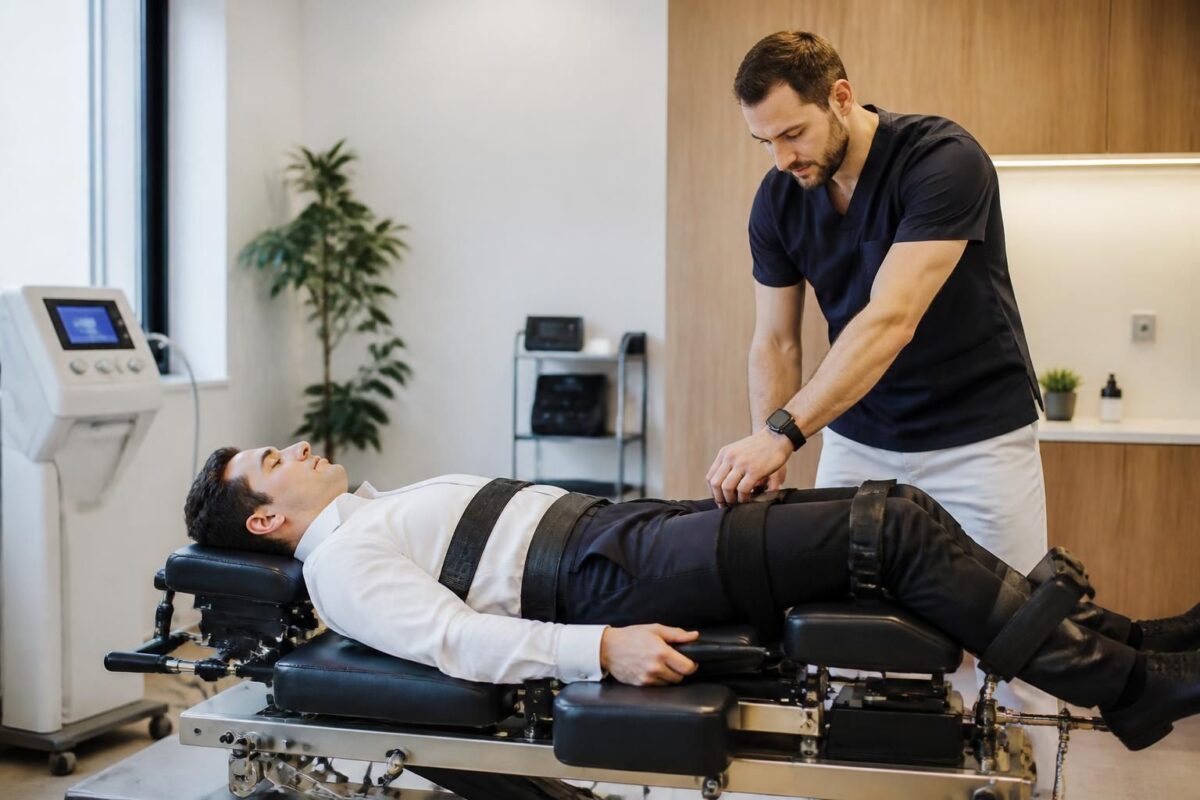
How Neurovertebral Decompression Prevents Diffuse Chronic Pain
In short decompression neurovertebral is one Non-invasive method aimed at reducing the Pressure on the intervertebral discs and the nerves, in order to prevent Diffuse chronic pain. It improves the circulation and thedisc hydration, decreases inflammation and promotes better mobility.…
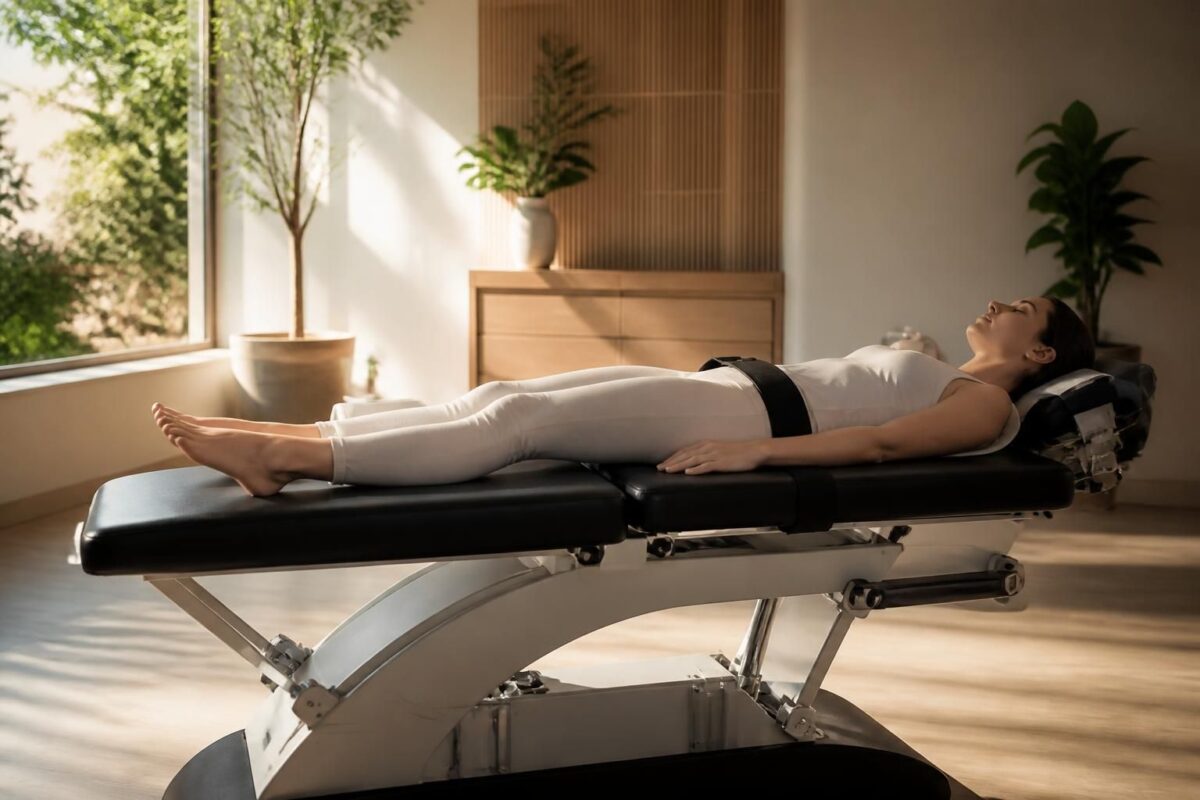
Neurovertebral Decompression and Body Alignment: Restoring Natural Balance
In short In short, neurovertebral decompression is one Non-invasive approach who restores theBody Alignment and thenatural balance back and neck. She acts by a Controlled traction of the spine to widen the intervertebral space and reduce the Pressure on discs…
Design a decompression and tracking protocol
The heart of the device is a Progressive protocol decompression adapted to each patient. It begins with introductory sessions to familiarize the patient with the technique, then extends over a sufficient period to promote the improvement of the intervertebral space, the reduction in pressure on the nerves and the restoration of the vertebral alignment. Regular monitoring makes it possible to adjust the number and frequency of sessions according to the individual response and any changes in the activity.
Phase and security
Plan clear phases: Acquisition of mechanisms, progression of loads and monitoring of symptoms. Maintain open communication between the patient and the practitioner, to prevent any discomfort and to avoid overloads that could compromise gains. The non-invasive and the targeted nature of the decompression make it a suitable option for people wishing to avoid surgery.
Success Indicators
Use simple efficacy indicators: lasting pain reduction, improved amplitude and mobility, and decreased relapse episodes. Also measure the impact on the quality of life and on the patient’s ability to resume daily and sporting activities in safety.
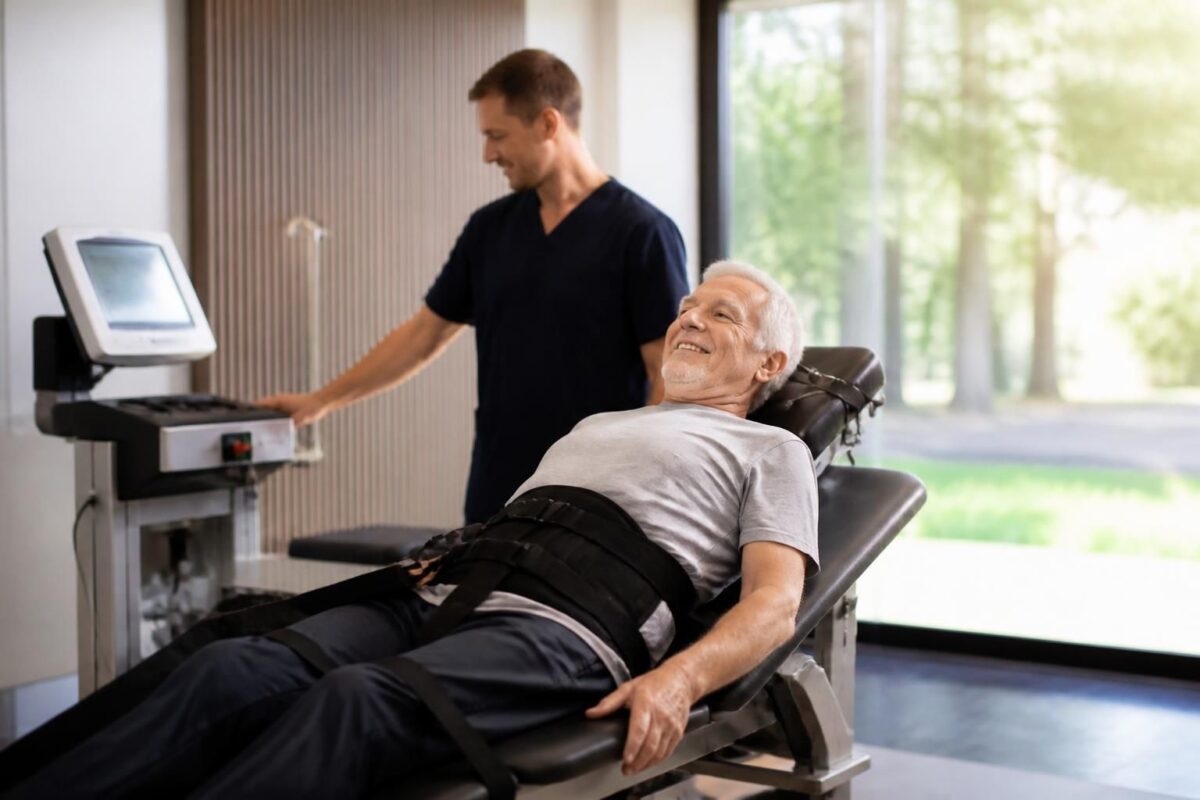
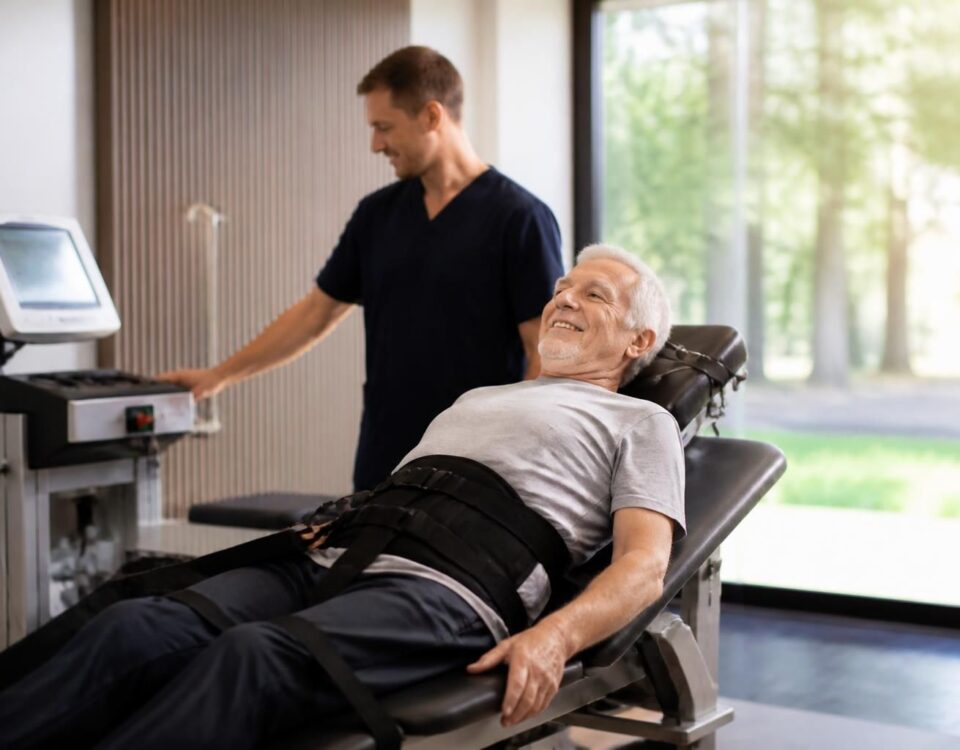
Why neurovertebral decompression is a lasting solution for active seniors
In short In short, the neurovertebral decompression is one Non-invasive therapy which sustainably relieves spinal pain in the spine active seniors By creating, by a Soft and controlled traction, a space between the vertebrae. At Montreal, it is recognized as…
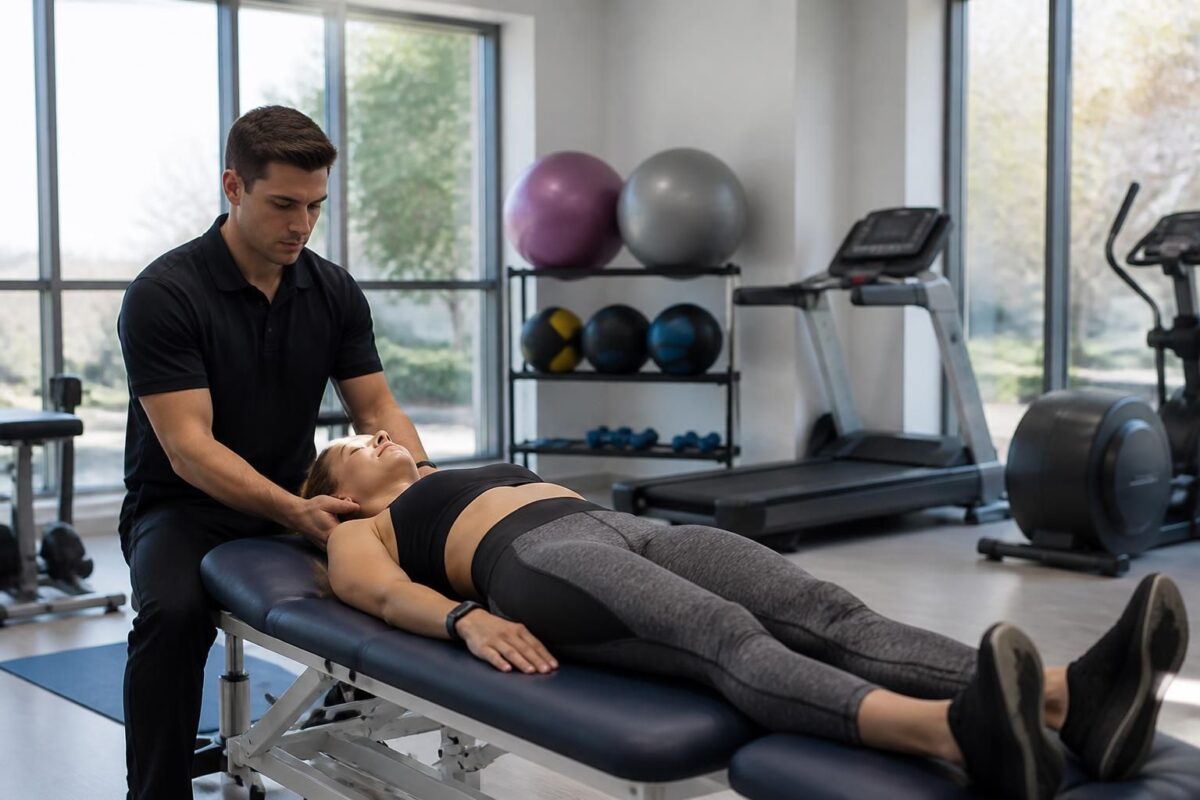
Neurovertebral decompression and recovery after severe sports injury
In short In short, the neurovertebral decompression is one Non-invasive method to Relieve the pressure on the Intervertebral discs and the gristle Via a Controlled traction, to facilitate the recovery After a severe sports injury. It improves the bloodstream towards…
Integrating decompression into training and everyday life
To maximize profits, associate decompression with a plan ofPersonalized workout and everyday adjustments. Implement core strengthening exercises and targeted stretches to maintain stability and prevent imbalances. Promote a suitable posture during daily gestures, walking to prolonged standing, and adjust loads and tensions during sports activities to limit repetitive stresses on the column.
Hydration and lifestyle
encourage a Adequate hydration and a balanced diet to support intervertebral disc nutrition and tissue recovery. Adopt regular stress management practices and sleep rhythms, which directly affect pain tolerance and night rest quality.
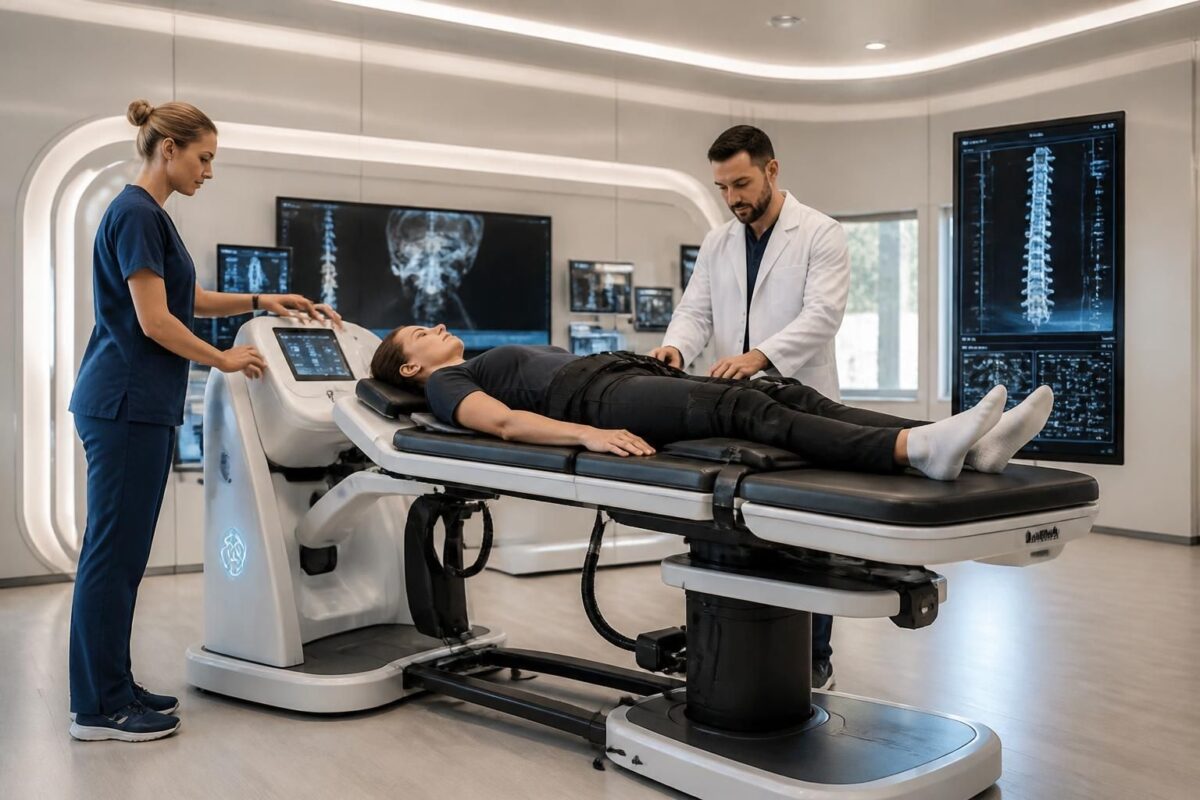
Recent innovations in neurovertebral decompression technologies
In short In short, the neurovertebral decompression is an approach non-invasive Aiming to reduce pressure on discs and nerves, and promote tissue regeneration. At Montreal, it is positioned as an effective option for lower back pain and herniated discs. The…
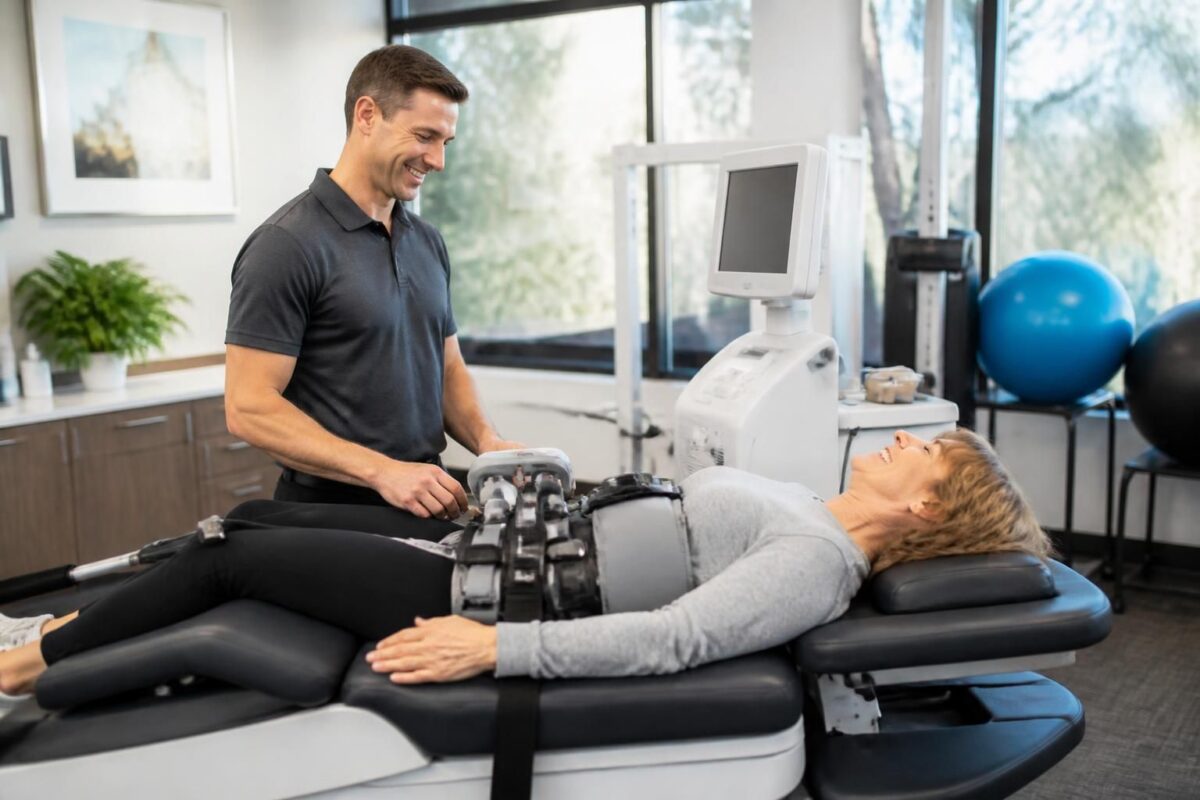
Neurovertebral decompression and diffuse pain: an appropriate solution
In short In short, the neurovertebral decompression is one Non-invasive solution For diffuse pain related to nerve irritation of the spine. She acts in Reducing pressure on intervertebral discs and nerves and improving the bloodstream, which promotes recovery and the…
Resources and support
Encourage the use of a Multidisciplinary team and appropriate support technologies. Well-coordinated support between the practitioner, the patient and the physical activity professionals is essential to ensure continuity of results and prevent relapses in the long term.
| Axis of evaluation | Concise impact |
|---|---|
| Therapeutic objective | pressure reduction on discs and nerves, favoring healing and spinal stability. |
| Mechanism of action | Traction fresh who creates A space between the vertebrae and Improves circulation towards the fabrics. |
| Mode of intervention | non-invasive, without incision, after Medical assessment. |
| Pain and mobility | Sustainable relief and Improving mobility With better nervous function. |
| relapse prevention | Improve thealignment and the stability to prevent recurrences. |
| Target population | Adults and athletes with low back pain related to disc pathologies, including hernias. |
| Duration and frequency | 15 to 25 sessions, progression personalized According to the answer. |
| Integration in the course | Integrated into an approach multidisciplinary with strengthening and advice from way of life. |
| Follow-up and evidence | Earnings Sustainable through clinical data; monitoring regular Recommended to adjust the protocol. |
Testimonials on neurovertebral decompression and relapse prevention
Marie discovered the potential of neurovertebral decompression for his chronic lower back pain. After the start of treatment, the pain has decreased sharply and the risk of relapses has been significantly reduced. She says she can gradually resume her sporting activity with confidence, without fearing new outbreaks.
Marc found a better mobility and a better posture thanks to a targeted approach to the spine. This non-invasive method played a decisive role in the relapse prevention and enabled him to regain a quality of active life on a daily basis and at work.
Sophie, passionate about running, found a lasting reduction in lower back pain and increased exercise tolerance after a few sessions. The work on the bloodstream and thealignment vertebral allowed him to prevent the news lesions And to progress with complete peace of mind.
Alexandre practitioner and sportsman, appreciates the character non-invasive and personalized of the protocol. Since the intervention, his pains are better managed and he feels prepared to resume training without fearing relapses, which reinforces his motivation and performance.
Émilie, an active retiree, found a quality of life found thanks to a better stability and one alignment found from his column. She underlines the absence of surgery and the lasting effect on her recovery, allowing her to practice pleasant activities such as painless gardening.
Jordan, a high-level athlete, systematically integrates this approach into his program and finds a Injury prevention reinforced and a Quick recovery competitions. He describes the neurovertebral decompression as a modern and effective solution to preserve its performance and limit relapses.
Neurovertebral Decompression and Prevention of Chronic Injury Relapses
the DR Sylvain Desforges, experienced osteopath, expert in manual medicine and naturopathy, brings its innovative approach to the service of people suffering from chronic pain related to the spine. At the head of clinics committed to excellence in care, he develops programs integrating cutting-edge technologies and a proactive injury risk assessment to optimize recovery and relapse prevention. His work is based on a philosophy based on evidence, aimed at improving the quality of life of his patients in the long term.
At the heart of his approach is the neurovertebral decompression, a non-invasive therapy that aims to restore the space between the vertebrae in order to reduce the pressure exerted on the intervertebral discs and on the nerves. By promoting better blood circulation and restitution of the spinal alignment, this technique actively participates in reducing inflammation and stimulating natural healing mechanisms. For people with lower back and cervical pain, it offers a path to significant functional improvement and regained mobility, without surgical recourse.
But the effectiveness of decompression is not limited to immediate relief. Dr. Desforges promotes a relapse prevention By integrating this therapy into a personalized musculoskeletal care setting. Each patient benefits from an individual assessment of the risk of injury, taking into account their activity, posture and medical course. From there, he develops a tailor-made program that combines decompression, targeted reinforcement exercises, and muscle rebalancing strategies, in order to consolidate column alignment and improve overall stability.
This approach is particularly suitable for athletes and active people exposed to repetitive loads and repetitive gestures. By adjusting the frequency and volume of sessions according to individual evolution, Dr. Desforges helps his patients return to their activities more quickly, while minimizing the risk of recurrence. The objective is clear: to allow a lasting resumption of performance with a healthier column and increased tolerance to daily demands.
Beyond the technique itself, the doctor insists on the importance of a multidisciplinary approach and educational support. Patients leave not only with a clear care plan, but also with practical advice to optimize their postural hygiene, diet and lifestyle, to support tissue repair and long-term spinal resilience.
The results observed are part of a dynamic of functional consolidation and prevention of recurrent pain. Many patients describe a lasting decrease in symptoms, regained mobility and better sleep quality, aspects that strengthen their bodily confidence and commitment to their health.
Dr. Desforges thus puts a proactive approach at the forefront, combining neurovertebral decompression, complementary techniques and patient education, to offer a lasting solution to chronic injuries and their potential relapses.
This conclusion explores how the neurovertebral decompression Can become an effective pillar in preventing relapses from chronic spinal injuries, relying on a non-invasive approach, focused on restoring alignment and improving circulation. It highlights the mechanisms, the appropriate conditions and synergies with other care techniques to optimize the maintenance of back health in the long term.
The fundamental principle is based on the creation of a space between the vertebrae, which reduces the pressure exerted on the intervertebral discs and the nerves. This action identifies several clinical benefits: lasting pain reduction, better mobility and stimulation of healing processes through improved vascularization. This approach non-invasive Offers a valuable alternative to prevent relapses, rather than waiting for the appearance of new pain after exercise or repetitive gestures of everyday life, and it can be adapted to each patient profile.
Prevention of recurrences also involves working on thevertebral alignment and strengthening support structures. By reducing the pressure exerted on the discs and restoring a balanced distribution of loads, the column regains stability that limits the triggers for relapse. To deepen perspectives and results, consult specialized resources like Spinal decompression and recurrence prevention and A durable solution to prevent spinal stenosis recurrences.
A key element to avoid relapse is the integration of decompression into a comprehensive musculoskeletal care program, supplemented by appropriate strengthening and easing exercises. This personalized approach is usually accompanied by regular follow-up and protocol adjustment according to the evolution of symptoms. Discover how this coordination can sustainably support spinal health and quality of life by reading analyzes and testimonies on the positive impact of these complementary approaches, for example via The quick results obtained thanks to neurovertebral decompression and Improving the quality of life of elderly patients.
For athletes and active people, the relapse prevention Goes through risk assessment and personalized adaptation of decompression protocols. Based on targeted recovery programs and lifestyle advice, athletes can optimize their recovery and decrease recurring painful episodes, as shown by feedback and specialized journals accessible via resources such as innovations in the field and Importance after a sports injury.
The use of qualified sources and professionals is essential to ensure a safe and effective approach. Dedicated pages underline how this therapy can reduce nocturnal pain, promote recovery and support resumption of painless activities, relevant elements for patients with conditions such as herniated discs and low back pain. For additional information, see the following resources: Reduction of nocturnal pain and Prevention of relapses after an injury.
Finally, the synergy between decompression and associated technologies can amplify the benefits, especially when integrated into clinics dedicated to spinal health. For additional approaches and concrete application examples, see resources such as Restore range of motion and Prevent spinal stenosis recurrences, in order to offer sustainable prevention adapted to each profile.

Dr Sylvain Desforges, B.Sc., D.O., N.D., osteopath, is the founding president of TAGMED and of the ACMA association. He dedicates his practice to chronic spinal pain, low back pain and symptoms compatible with sciatica, particularly when pain radiates toward the buttock, leg, calf, foot or toes.
Through SOS Sciatique, he publishes educational content on sciatica symptoms, possible causes such as disc herniation, disc narrowing, foraminal stenosis or irritation of a lumbar nerve root, as well as non-surgical approaches that may be considered according to the evaluation. At Clinique TAGMED, care may include, depending on the case, motorized neurovertebral decompression, specific osteopathic care or precision percussion.
For an evaluation related to sciatica treatment in Montreal / Mount Royal or sciatica treatment in Terrebonne, please consult the services available at Clinique TAGMED.
Medical disclaimer
The information published on SOS Sciatique is provided for educational purposes only and does not replace a consultation, diagnosis, opinion or treatment provided by a physician or another authorized healthcare professional. The author of this article is neither a medical doctor nor a specialist in a medical specialty recognized by the Collège des médecins du Québec. The osteopathic, manual medicine or functional support approaches described on this site do not constitute medical acts and are not intended to replace medical follow-up.
Consult a physician or emergency service in cases of loss of bladder or bowel control, anesthesia in the saddle area, significant or progressive weakness in the leg or foot, fever, recent trauma, severe pain or rapid worsening of symptoms. For more details, please read our Legal Notice.