Neurovertebral decompression and pain management: an innovative approach
26/06/2026
Neurovertebral decompression and associated muscle pain: a global solution
26/06/2026
In short
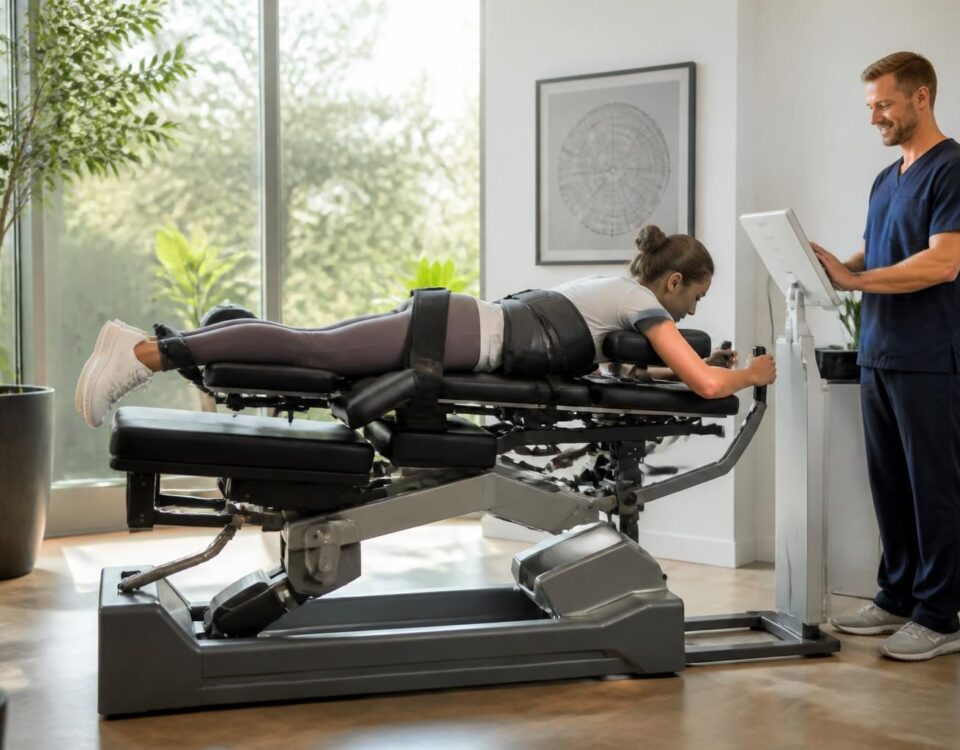
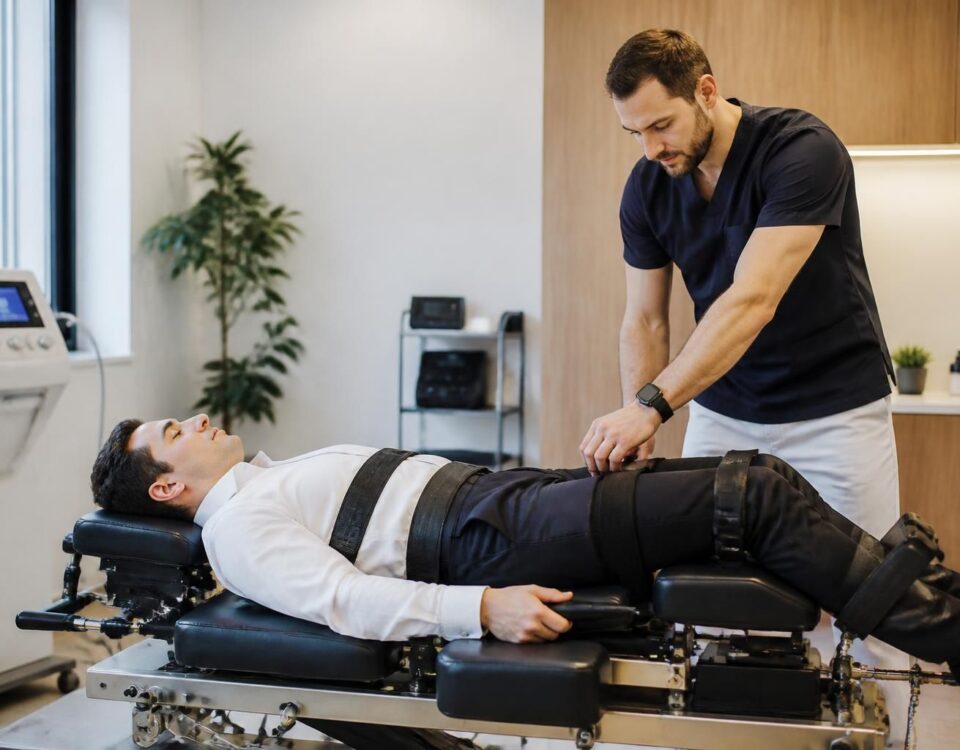
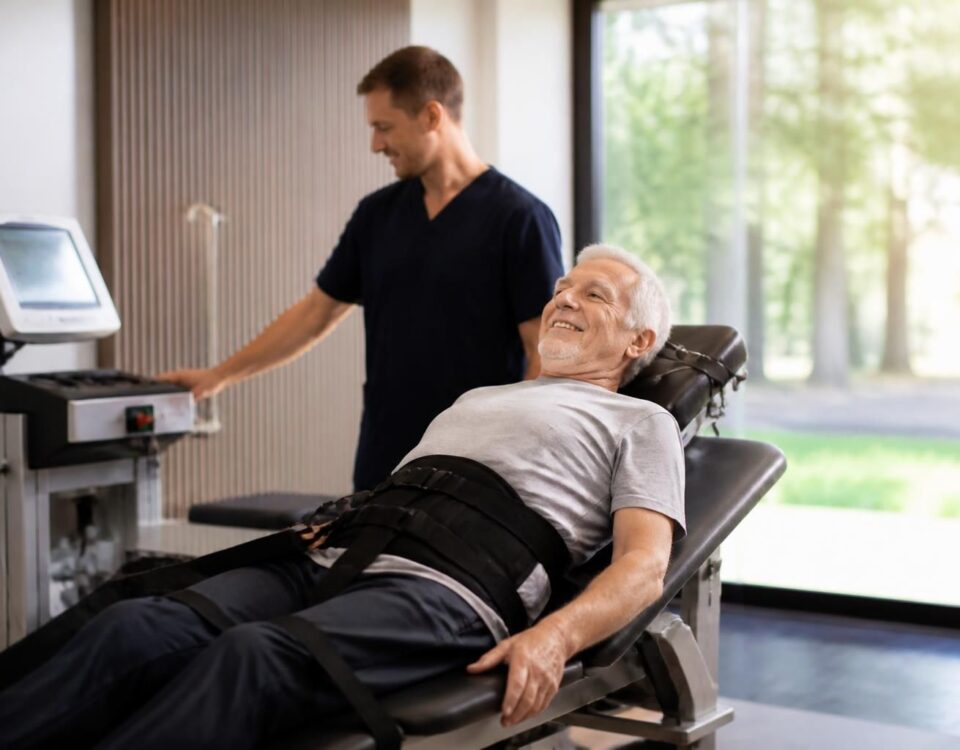
In short, neurovertebral decompression is one Non-invasive therapy aimed at reducing pressure on discs and nerves by a Controlled traction. It is aimed at back and cervical pain related to nerve compression and can be included in a Personalized care plan. Its advantages include a pain reduction, a Improved mobility and an Faster recovery After some lesions, with optimized results when the protocol and follow-up are respected. Its operation is based on a gentle traction and progressive, patient-friendly, and can be combined with other approaches such as osteopathy or rehabilitation. At Montreal, this option is particularly relevant for athletes and active adults who wish to preserve their performance while protecting their column. |
The common myths around the neurovertebral decompression have been corrected by a more realistic vision. Myth : This therapy is a miracle solution that instantly heals all spinal conditions. Reality : It is a non-invasive approach that can relieve some pain and improve mobility, but it is not suitable for all cases and is part of a Overall care plan. Myth : the profits appear immediately and durably without follow-up. Reality : The effects are observed gradually and require a Personalized follow-up and additional measures to preserve the results. Myth : all patients react in the same way. Reality : the answer is individual and depends on indications, protocol and general health status.
This text, written by a health professional expert in osteopathy And manual medicine, aims to clarify received ideas around neurovertebral decompression. It presents facts based on clinical data and feedback, while emphasizing that this non-invasive therapy must be part of a global approach adapted to each patient. The goal is to dispel received ideas and help make informed decisions without believing in a unique “miracle”.
Myth 1: Neurovertebral decompression is a miracle solution
Reality: Neurovertebral decompression can offer significant relief, but it does not cure all the pathologies of the spine and its results depend on the individual condition. This technique is part of a comprehensive care plan and should be used in addition to other evidence-based approaches. For some patients, the benefits are manifested by improved mobility and pain reduction, but this varies according to severity and clinical context. To learn more about clinical outcomes and actual cases, consult the specialized resources on sites dedicated to this area.
Myth 2: The effects are immediate and lasting without follow-up
Reality: Some 患者 report early relief, but the lasting results require a rigorous monitoring framework and consistency in the spinal health approach. Appropriate rehabilitation, lifestyle and regular checks make it possible to assess the evolution and to adjust the treatment plan. Long-term efficacy strongly depends on patient adherence and therapy integration into a global health approach.
Myth 3: All patients react in the same way
Reality: Each person presents a unique medical condition. Decompression can be more effective in some than in others, and the results vary depending on the location of the pathology, the degree of degeneration and the general state of health. It is essential to assess each case individually and discuss realistic expectations with the specialist.
Myth 4: It is dangerous or painful
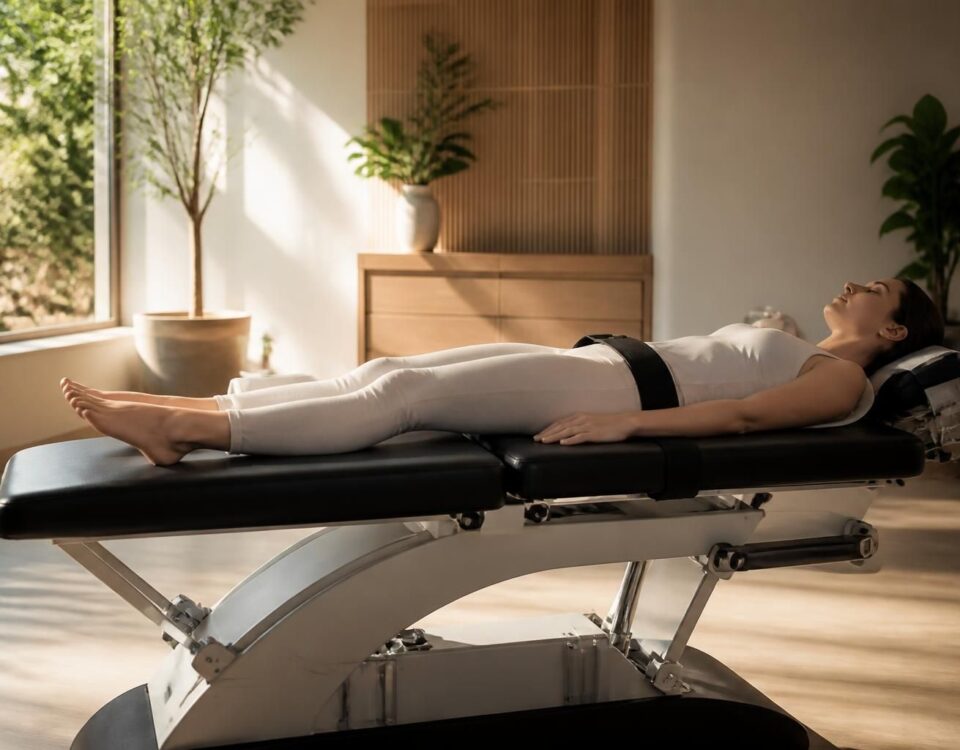
Reality: Neurovertebral decompression is a non-invasive approach and is generally well tolerated. It applies controlled and gentle traction on the spine, which creates a space between the vertebrae and can help reduce the pressure on the nerves. Like any intervention, it includes indications and contraindications and must be carried out by a qualified practitioner and within the framework of a proven protocol.
Advantages and limitations of neurovertebral decompression
Benefits include a pain reduction and an Improving mobility without surgery. It can also support recovery after certain injuries and promote better spinal function when associated with overall care. Nevertheless, it is not suitable for all situations and the results depend on the individual profile. A multidisciplinary approach, which may include other non-invasive therapies, offers the best framework to optimize long-term benefits.
Take a critical look at myths
It is essential to distinguish information based on clinical data from unverified perceptions. Decompression should never be considered a panacea, but as part of a personalized treatment plan. Studies and clinical feedback show that success depends on patient choice, protocol applied and follow-up. For resources and analytics, you can view clinical cases and specialized journals available on dedicated sites.
Integration into modern practice and the clinical setting
In sports medicine and spinal pain management, neurovertebral decompression is used as a non-surgical option suitable for some patients. It is part of a global approach that can include osteopathy, manual therapy and pain management tips, while avoiding invasive interventions when indications are not met. For athletes and active patients, this therapy can be part of a preventive and gradual resumption of activities, under professional supervision.
References and useful resources
For case examples and analyses, see for example the following resources in areas specializing in neurovertebral decompression and associated conditions:
Common myths about neurovertebral decompression
Quick Comparison Table
| Therapy | Benefits | Limitations |
|---|---|---|
| neurovertebral decompression | non-surgical alternative; May reduce pain and improve mobility; Integrated approach in TagMed | variable results; Depends on the patient; Requires follow-up and overall framework |
| Physiotherapy | promotion of mobility and function | Efficacy sometimes lower when used in isolation; does not replace a global and appropriate orientation |
For patients and athletes, the preferred approach remains that of a structured framework proposed by the TagMed clinic in Montreal or Terrebonne, with appropriate supervision and regular follow-up.
In addition, the training and exercise framework at recognized institutions can provide a solid foundation. Relevant training and resources can be accessed through recognized organizations in the field
For additional information on myths and realities, and in order to anchor practices in clinical data, you can explore the following resources:
Myths and realities on decompression and foraminal stenosis
For more information and clinical cases, neurovertebral decompression can be considered as part of the TAGMED clinic, which offers services in Montreal and Terrebonne.
As part of education and training, professionals can rely on trainings from NUMSS, NAO, National University of Medical Sciences and National Academy of osteopathy.
For information and resources associated with the lumbar and the range of decompression-treated pathologies, specialized sources at the following sites can be consulted:
For additional information on myths and realities, you can also consult the following resources.
For more details, see Related Resources and Published Clinical Perspectives on Specialized Areas and Sites for Neurovertebral Decompression.
-
Myth 1: Neurovertebral decompression heals everything instantly.
Reality: Can relieve some pain and promote recovery, but it is not a miracle solution and it is part of a global care plan. -
Myth 2: The effects are immediate and lasting without follow-up.
Reality: Improvements can appear quickly, but maintenance depends on tracking and a suitable lifestyle. -
Myth 3: It is painful or invasive.
Reality: It is a non-invasive procedure and generally well tolerated when performed correctly. -
Myth 4: It is suitable for all patients and all pathologies.
Reality: Not suitable for all conditions; Requires prior clinical and radiological evaluation.
-
Myth 5: It replaces surgery.
Reality: It can supplement or prepare a post-operative recovery, but does not replace surgical indications in all cases. -
Myth 6: It is a permanent solution against recurrences.
Reality: Reduces certain risks, but prevention requires a healthy lifestyle and regular follow-up. -
Myth 7: The results are the same for everyone.
Reality: The responses vary by patient and the nature of the lesions; individualized protocol is key. -
Myth 8: Drinking more water is enough to optimize the treatment.
Reality: Hydration is beneficial, but it does not replace the therapeutic approach or professional follow-up.

Quick summary: Neurovertebral decompression is not a miracle solution. It can relieve pain and improve mobility when used as part of a personalized care and follow-up plan, but it is not suitable for all situations and its effects are highly dependent on the patient and all the accompanying health activities.
Myth 1: It is a miracle solution that heals everything
The truth is that neurovertebral decompression acts as one tool among others in the management of spinal pain. It creates a space between the vertebrae and can promote the reduction of pressure on the nerves, which can reduce pain and facilitate rehabilitation. However, it does not replace a global and personalized support. The results are variable according to the pathology, the age of the symptoms and adherence to the complementary treatment plan such as exercises and postural advice.
What to remember
Not miracle but effective tool when it is part of a global strategy adapted to each patient.
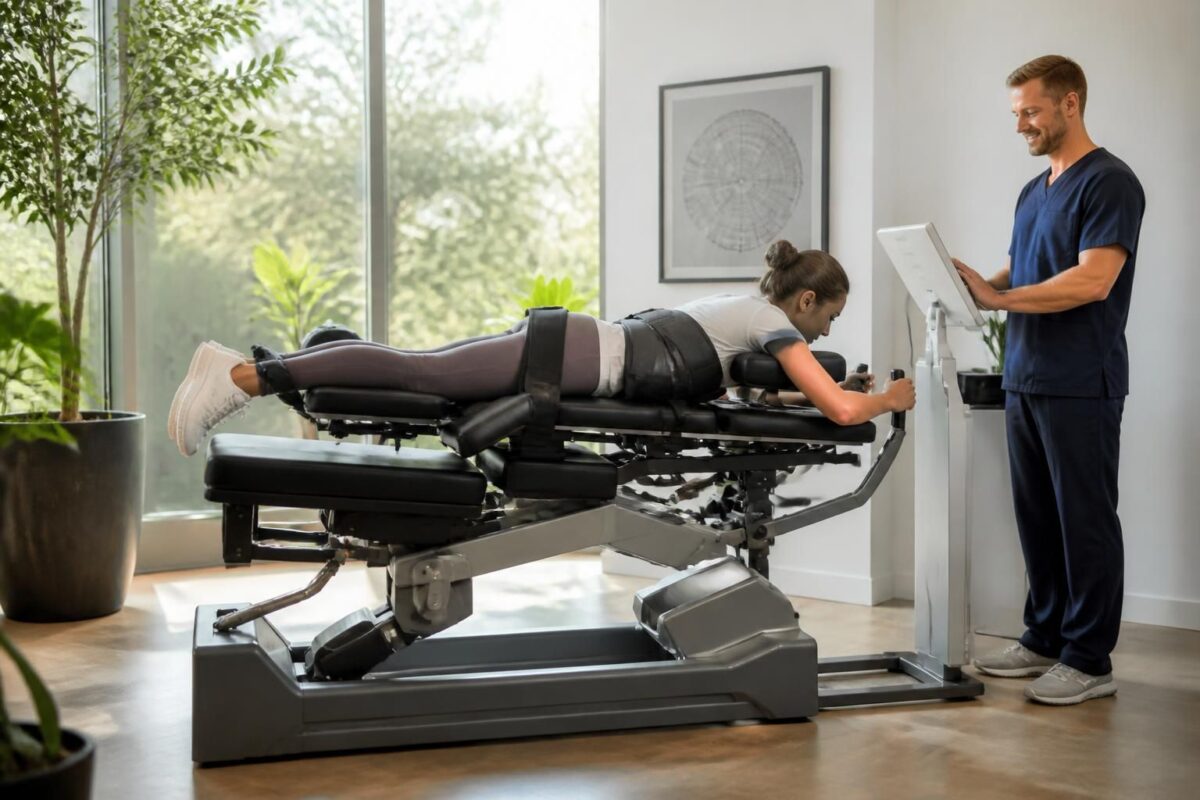
The long-term benefits of neurovertebral decompression for spinal health
In short In short, the neurovertebral decompression is a non-invasive approach that decreases the Pressure on intervertebral discs and nerves, favoring the Natural regeneration and tissue recovery. Its long-term benefits include Lasting pain reduction, Improving mobility and from the posture,…

Neurovertebral decompression and mobility: a return to an active life
In short In short, the neurovertebral decompression is therapy non-invasive who uses a gentle traction To create a space between the vertebrae and reduce the pressure on the Intervertebral discs and the nerves. It promotes a bloodstream improved, lowers tension…
Myth 2: It’s painful or invasive
Contrary to some popular belief, neurovertebral decompression is a non-invasive and generally well-tolerated approach. It is based on controlled and progressive traction, applied via a device specifically designed to stretch the column without aggression. Many patients describe a feeling of stretching or relaxation rather than pain. As with any treatment, some people may experience slight discomfort at the end of a session, and an adjustment of the protocol may be necessary.
What to remember
A gentle traction and one Professional follow-up Minimize risk and maximize comfort during treatment.
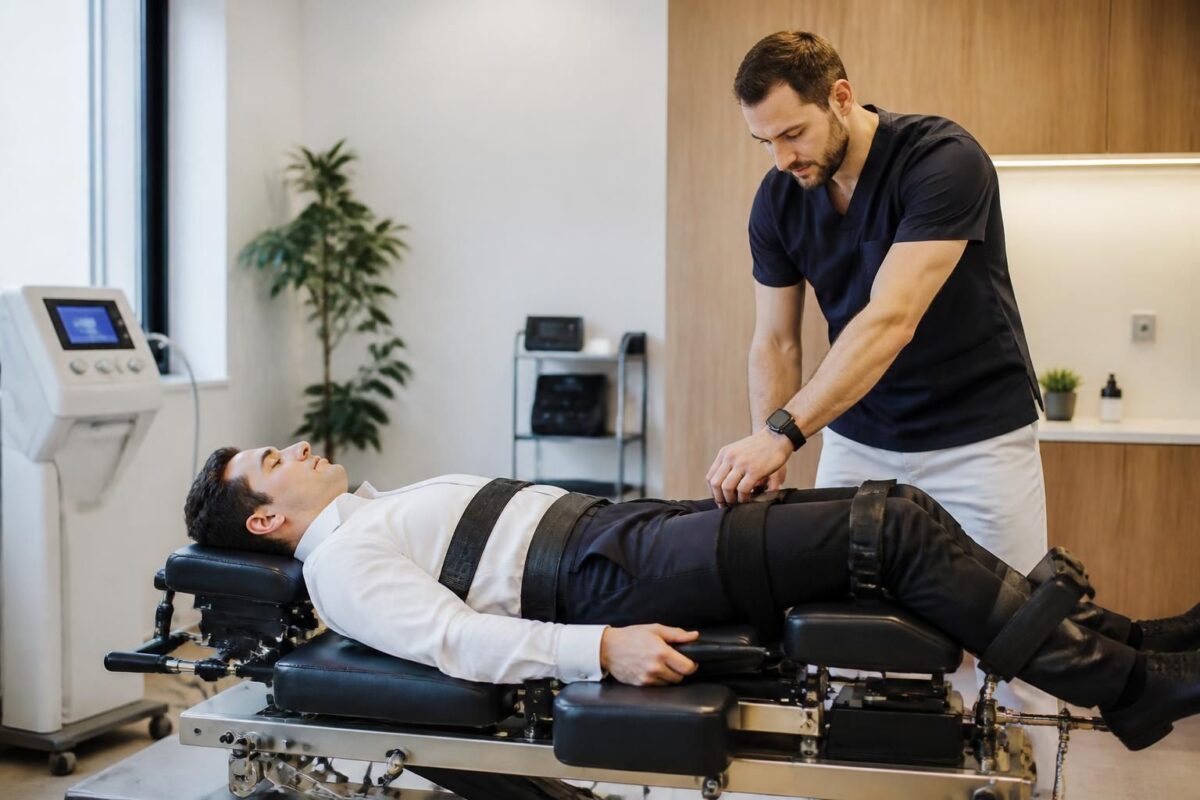
How Neurovertebral Decompression Prevents Diffuse Chronic Pain
In short decompression neurovertebral is one Non-invasive method aimed at reducing the Pressure on the intervertebral discs and the nerves, in order to prevent Diffuse chronic pain. It improves the circulation and thedisc hydration, decreases inflammation and promotes better mobility.…
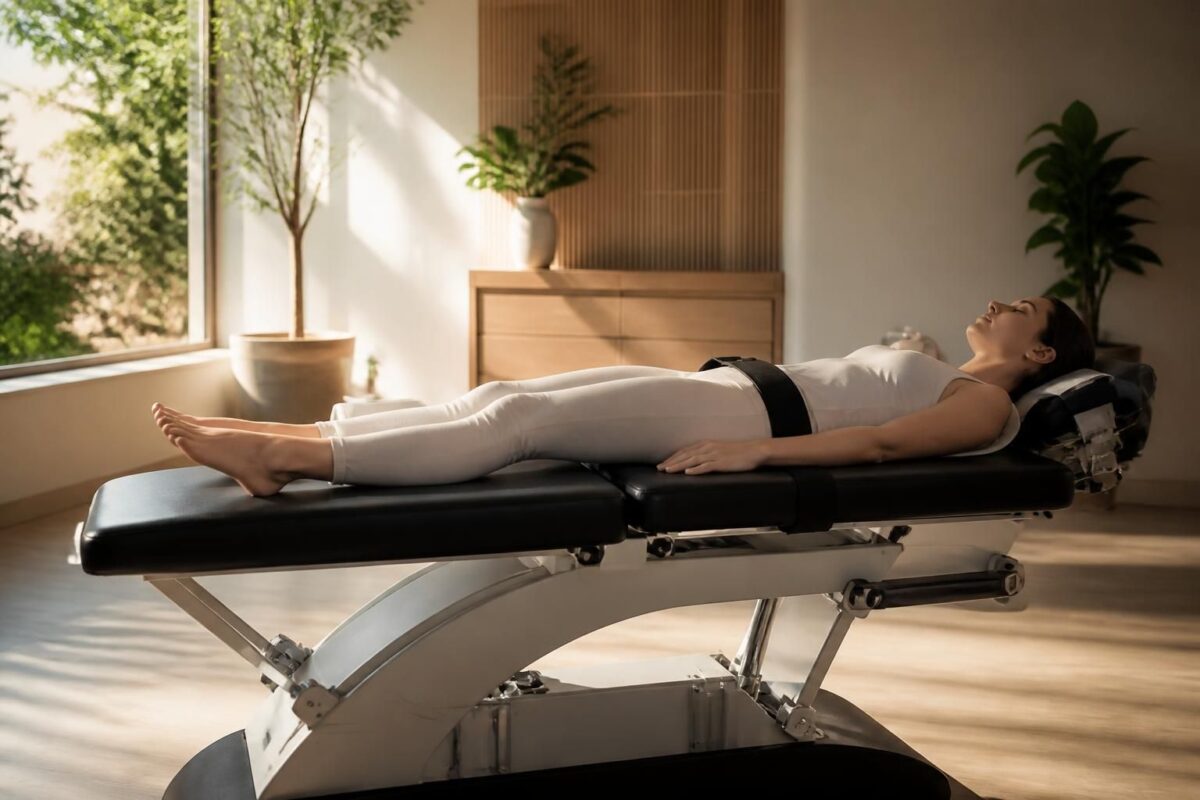
Neurovertebral Decompression and Body Alignment: Restoring Natural Balance
In short In short, neurovertebral decompression is one Non-invasive approach who restores theBody Alignment and thenatural balance back and neck. She acts by a Controlled traction of the spine to widen the intervertebral space and reduce the Pressure on discs…
Myth 3: the results appear immediately and remain untracked
Relief can appear from the first sessions, but the most lasting benefits are built with a progressive protocol and regular follow-up. To optimize the results, decompression must be combined with targeted exercises, good hydration and lifestyle adjustments. Without follow-up, the effects may decrease over time or be insufficient to maintain mobility and pain reduction.
What to remember
The Long-term success Depends on a Active commitment of the patient and a Coordinated care plan.
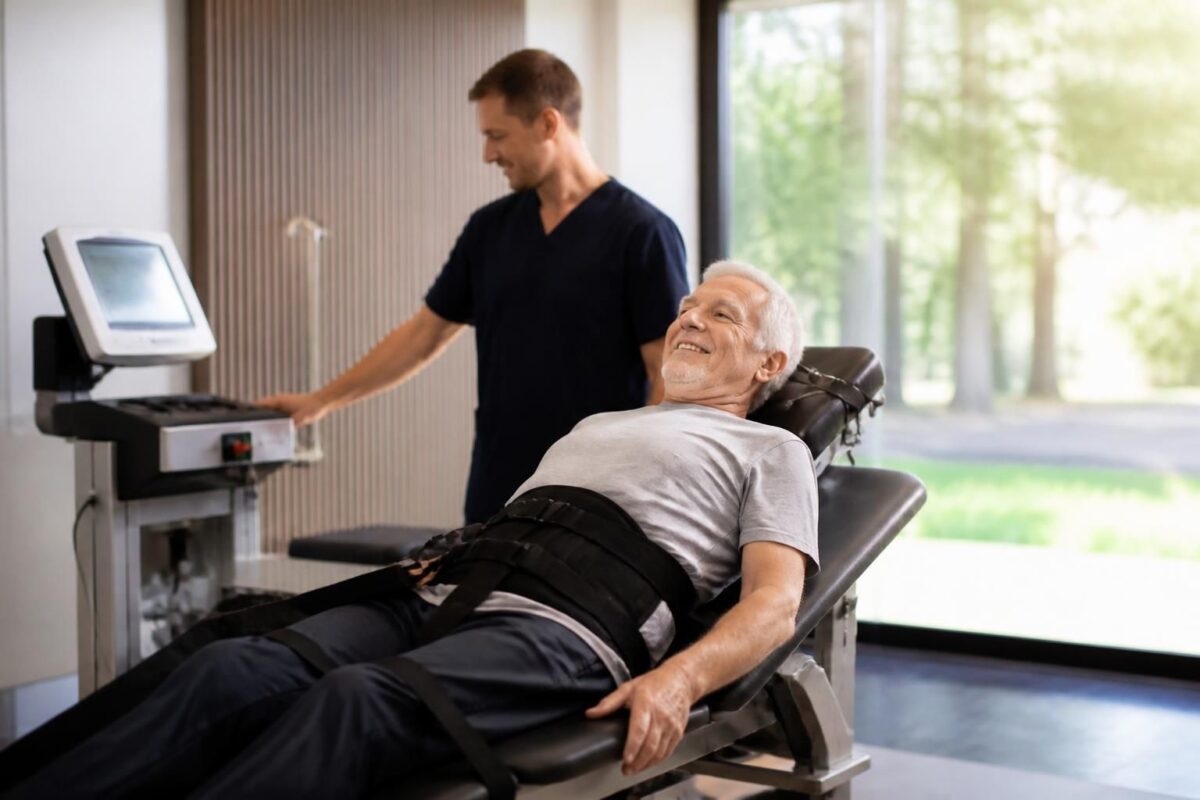
Why neurovertebral decompression is a lasting solution for active seniors
In short In short, the neurovertebral decompression is one Non-invasive therapy which sustainably relieves spinal pain in the spine active seniors By creating, by a Soft and controlled traction, a space between the vertebrae. At Montreal, it is recognized as…
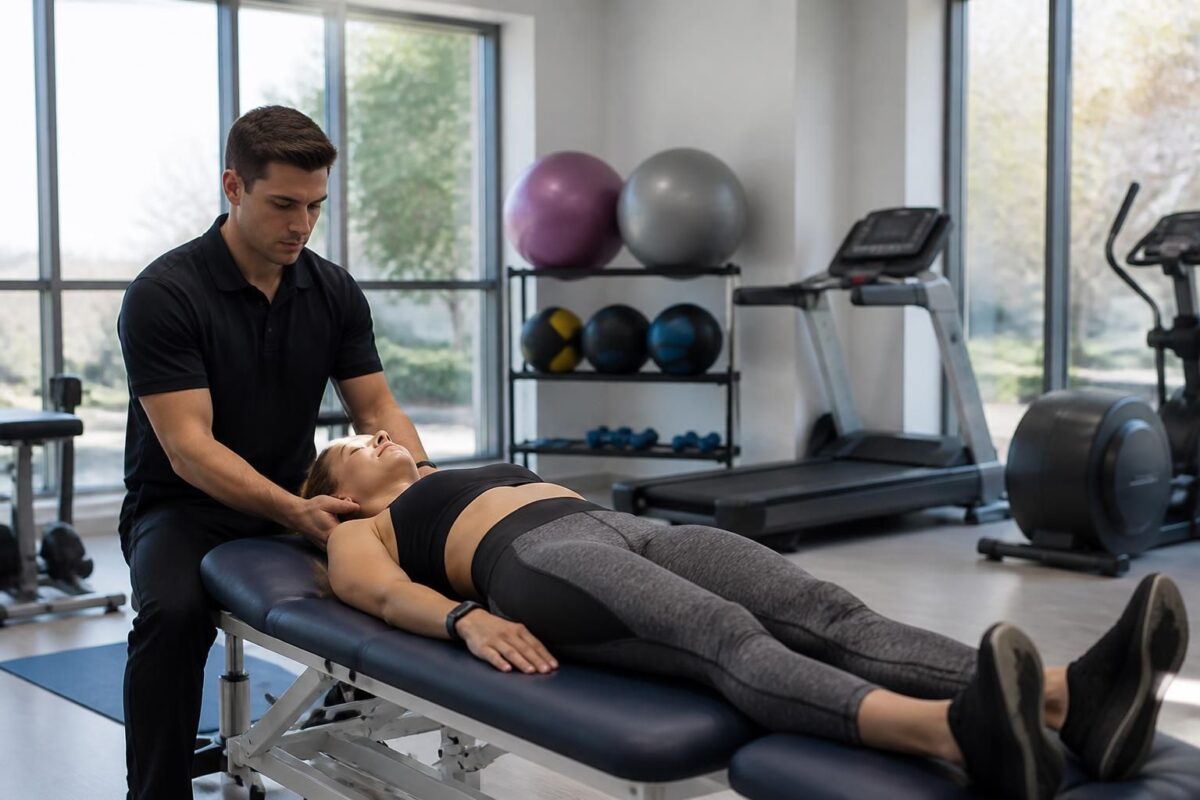
Neurovertebral decompression and recovery after severe sports injury
In short In short, the neurovertebral decompression is one Non-invasive method to Relieve the pressure on the Intervertebral discs and the gristle Via a Controlled traction, to facilitate the recovery After a severe sports injury. It improves the bloodstream towards…
Myth 4: It is suitable for all vertebral pathologies
Decompression is not indicated in all situations. It can be beneficial for certain conditions such as pain related to degenerative discs, compatible disc herniations or radiculopathies, but it is not recommended in the presence of active vertebral fractures, infections, tumors or other specific contraindications. A prior medical assessment is essential to determine the adequacy of the treatment and to avoid any aggravation.
What to remember
A Personalized medical assessment Identifies indications and discards risky situations before to start.
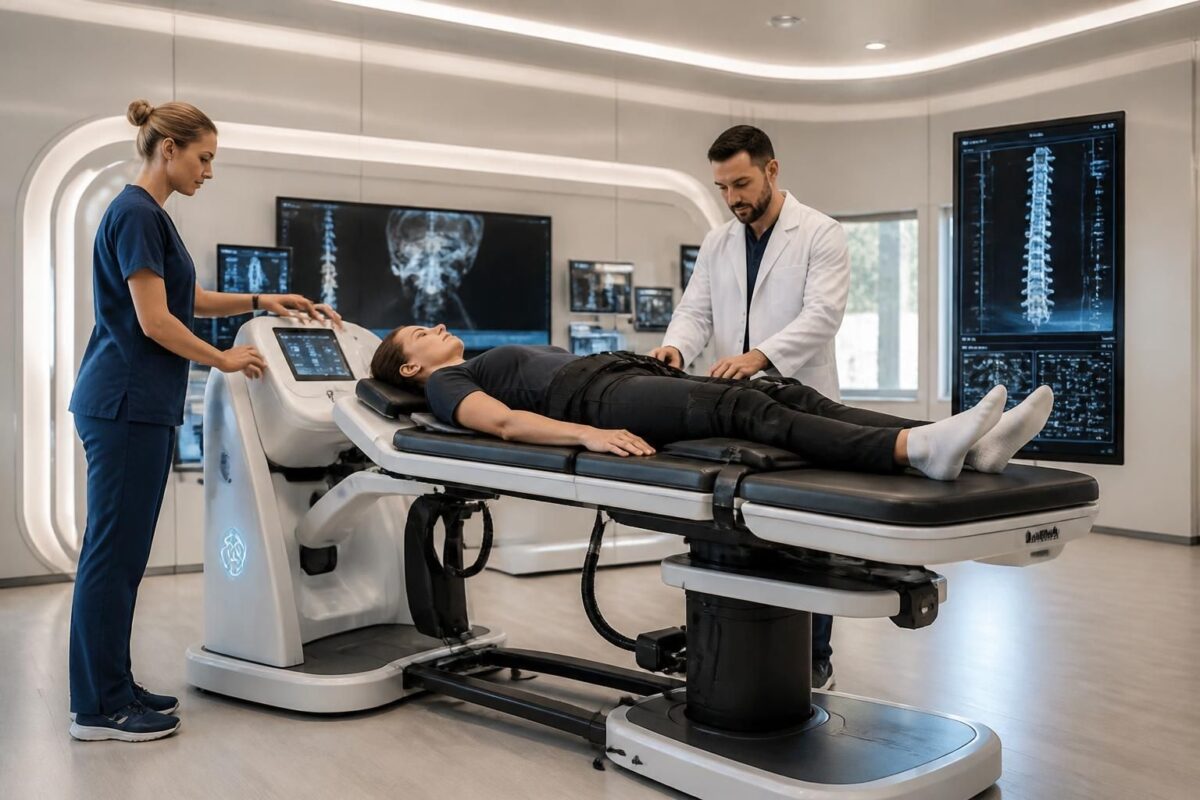
Recent innovations in neurovertebral decompression technologies
In short In short, the neurovertebral decompression is an approach non-invasive Aiming to reduce pressure on discs and nerves, and promote tissue regeneration. At Montreal, it is positioned as an effective option for lower back pain and herniated discs. The…
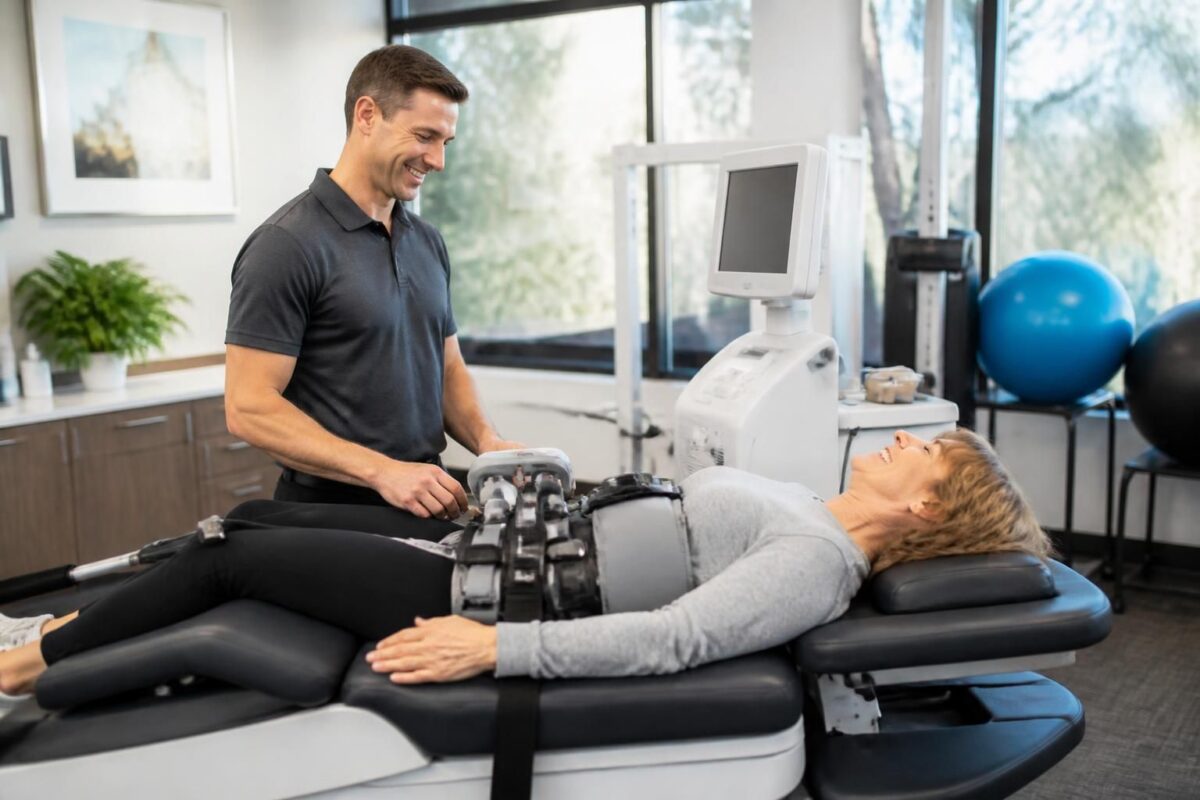
Neurovertebral decompression and diffuse pain: an appropriate solution
In short In short, the neurovertebral decompression is one Non-invasive solution For diffuse pain related to nerve irritation of the spine. She acts in Reducing pressure on intervertebral discs and nerves and improving the bloodstream, which promotes recovery and the…
Myth 5: Decompression replaces other approaches and exercises
This therapy is ideally part of a global plan that combines osteopathy, muscle strengthening, work on posture and lifestyle. It can facilitate rehabilitation and functional improvement, but it alone is not enough to prevent recurrences. The alliance between decompression and other non-invasive approaches is the key to optimizing stability and long-term spinal health.
What to remember
Consider it as complementary and non-exclusive, serving a Integrated care plan.
Myth 6: Everyone reacts the same way
Responses vary depending on the condition of the column, age, lifestyle and the presence of comorbidities. Some patients are getting marked improvements, others see more modest progress. This is why the approach must be personalized, with regular assessments and protocol adjustments based on the evolution of symptoms and patient goals.
What to remember
The success Depends on a personalization and appropriate follow-up rather than a universal effect.
Common myths about corrected neurovertebral decompression
| Myth | concise reality |
|---|---|
| Decompression is a miracle solution which instantly heals all the pathologies of the spine. | It solace and can improve the quality of life, but requires a protocol and one monitoring personalized; The results vary. |
| It’s a procedure painful and invasive. | It’s a technique non-invasive And generally comfortable, made on decompression table. |
| The effects are immediate and lasting without follow-up. | The benefits depend on protocol and one monitoring regular; Long-term results are not guaranteed. |
| All patients react in the same way. | The answer is individual, varies according to the state of health and the pathology. |
| Decompression replaces any therapy or surgery. | she can be complementary but does not systematically replace surgery; An evaluation is necessary. |
| She can heal serious herniations without further treatment. | She can help, but directions depend on the case; Sometimes other treatments are needed. |
| Decompression guarantees Prevention of recurrences. | Prevention is not guaranteed; the risk is reduced but also depends on the way of life and membership in the care plan. |
| It is suitable for All pathologies and to all patients. | It is not suitable for all pathologies; of contraindications exist. |
| Efficiency persists without re-education or physical activity. | Efficiency is optimized with a re-education and an Adapted physical activity; a good lifestyle is key. |
“Initially, I was told that neurovertebral decompression would be miraculous and immediate. This myth is widespread, but the reality is different: it is an approach non-invasive and painless who, when integrated into a Overall treatment plan, can sustainably reduce pain and restore mobility. After several weeks, I saw a gradual improvement and a better quality of life. — Laura, amateur sportswoman
“Many think they get results immediate and sustainable without follow-up. It’s a false principle. Decompression requires a monitoring and one personal commitment. With regular sessions and additional exercises, improvements are stabilizing and long-term. — Karim, active executive
“I was presented with this as a miracle solution who heals everything. In reality, it is a step in one Overall treatment plan. When combined with other care and good habits, it can generate significant benefits, but it is not universal. — Sonia, patient with herniated disc
“Many think that Everyone reacts the same way. This is not the case. The results vary according to each individual and his lifestyle. The ideal approach is therefore personalized, with an evaluation that makes it possible to adapt the protocol and optimize the benefits. — Paul, long-distance runner
“I hesitated between surgery and decompression. It is not a suitable alternative for all cases, but for me it has allowed to avoid the operation and to improve my daily life. The main thing is to discuss it with a specialist and to weigh the options in a safe setting. » — Nadia, sportswoman
“We often hear that athletes cannot benefit from this technique or that it is not compatible with the effort. In reality, when it is well integrated into a sports approach, decompression can support recovery, prevent relapses and support performance. — Marc, athlete
This professional biography traces the journey of a practitioner committed to an approach energetic and evidence-based to demystify neurovertebral decompression. In a field where received ideas abound, he has devoted his career to clarifying what this non-surgical therapy can and cannot offer. His work is at the crossroads of osteopathy, manual medicine and innovative technologies, in order to offer realistic and suitable solutions for patients suffering from back pain and functional limitations.
Myth 1: Neurovertebral decompression is a miracle solution Universal able to quickly heal all the pathologies of the spine. Reality: This technique can provide significant relief and improve mobility, but it does not replace a personalized treatment plan. It is a powerful tool as part of a global strategy that combines education, rehabilitation and lifestyle adaptation. Success depends on the individuality of each case and a rigorous protocol.
Myth 2: the effects are immediate and sustainable without follow-up. Reality: The first results may be noticeable after the first sessions, but the long-term benefits require regular follow-up and active patient activation. Maintaining improvements is based on program membership, home exercises and alignment of other non-invasive approaches with recovery goals. Without follow-up, the gains obtained may decrease over time.
Myth 3: All patients react in the same way to this procedure. Reality: Each individual has a unique clinical history, medical history and lifestyle factors that influence treatment response. The Targeted diagnosis, imaging evaluation and clinical examinations make it possible to determine whether the decompression is appropriate and, if necessary, to adjust the target of the therapy and the frequency of the sessions.
This practitioner insists on an approach multidisciplinary and personalized where neurovertebral decompression is integrated with other non-invasive modalities, such as shockwave therapy or laser, to optimize pain relief and function restoration. The objective is to reduce the pressure on the nerves, to improve the disc space and to promote a better distribution of forces on the spine, while respecting the contraindications and the specific needs of each patient.
At the heart of this approach are education and communication. The practitioner engages patients in an open discussion on realistic expectations and likely outcomes, explaining the physical mechanisms underlying decompression and clearly describing the indications and limitations of the procedure. This transparency contributes to a therapeutic relationship of trust and to a better cooperation of the patient in his care pathway.
The professional narrative also highlights the benefits psychological and functional that accompany pain reduction and improved mobility. By refocusing the approach on quality of life and performance on a daily basis, this doctor emphasizes that decompression is not an end in itself but a lever to restore the spinal balance and promote an active and serene life. Finally, he insists on the need for a framework Robust and scalable research and clinical practice to continue to demystify received ideas and guide care with scientific rigor.
This article clarifies the most widespread received ideas on the neurovertebral decompression and exposes evidence-based realities, emphasizing an appropriate approach to each patient and the conditions in which this therapy can be effective.
Myth 1: The neurovertebral decompression is one miracle solution Able to instantly heal all spinal conditions. Reality: This is a non-surgical option that can relieve pain and improve mobility in a global care setting, but it is not universal and must be integrated into a personalized and progressive treatment plan. To learn more about the limits and conditions of use, see dedicated resources like the one on the myths and realities of decompression: The most common myths about neurovertebral decompression and their reality.
Myth 2: The effects are immediate and lasting without follow-up. Reality: Improvements may appear quickly, but long-term effectiveness depends on a protocol adapted and Regular follow-up. Without adherence to the care plan, benefits may decrease over time. To understand how the monitoring and progression is articulated, see the explanation on how a session works and the importance of the therapeutic framework: Operation of a typical session and Integration among athletes.
Myth 3: All patients react in the same way. Reality: The answer varies greatly depending on the severity and individual medical context. A personalized evaluation is essential to determine the indication and adjust the number of sessions and the frequency. Recent analyzes and reviews describe how the results depend on the patient and on the type of pathology, as suggested by the synthesis accessible through the specialized resources on myths and their corrections: Myths and Realities.
Myth 4: Decompression is necessarily painful or invasive. Reality: It is a non-invasive procedure that aims to create a space between the vertebrae and reduce the pressure on the nerves, with an adapted session and typically present comfort signals. This erroneous perception is frequently relayed by received ideas and can be demystified via dedicated resources that explain the mechanisms and security put in place, for example Explanations on the course of a session and Myth or reality.
Myth 5: Decompression is a permanent solution that eliminates any cause of back pain. Reality: It can offer lasting relief for some patients, but it does not necessarily remove all underlying causes and must be associated with prevention and rehabilitation measures. For a balanced vision, refer to summaries that discuss limitations and indications, including through sources that address the results and their sustainability, such as Results and follow-up.
Myth 6: Athletes only need this treatment to perform. Reality: Decompression can be part of a global sports strategy, but the long-term benefits are part of a multidisciplinary care that includes reinforcement, mobility and prevention of recurrences. To understand why it is recommended in the sports setting, you can consult the analyzes and points of view dedicated to this subject: Recommendation in athletes.
Myth 7: This therapy is suitable for all forms of column pain. Reality: specific indications exist and certain pathologies or contraindications must be ruled out. Syntheses and practical guides present the indications and limits, such as those mentioned in the resources that sort out myths and realities and that shed light on clinical choices: Myths and Realities – Guidelines and Common corrected myths.
To enrich your understanding and access a broader perspective, you can consult the following resources that address myths and feedback around neurovertebral decompression and its role in the management of mechanical or neuropathic pain: Innovative management of neuropathic pain, Recommended for athletes, and Quick results obtained. Finally, for an educational and practical view, also consult Myths and Realities.
To access an official summary and detailed explanations, you can also browse reference resources that address common myths and their reality, for example via Myths and their reality and Testimonials and feedback.
In addition, reference and training resources offer a nuanced vision of decompression and its interactions with other non-invasive approaches, such as osteopathy and manual therapy. For a complete and updated approach, explore the links proposed above and those that enrich the understanding of the mechanisms and results of this therapy.

Dr Sylvain Desforges, B.Sc., D.O., N.D., osteopath, is the founding president of TAGMED and of the ACMA association. He dedicates his practice to chronic spinal pain, low back pain and symptoms compatible with sciatica, particularly when pain radiates toward the buttock, leg, calf, foot or toes.
Through SOS Sciatique, he publishes educational content on sciatica symptoms, possible causes such as disc herniation, disc narrowing, foraminal stenosis or irritation of a lumbar nerve root, as well as non-surgical approaches that may be considered according to the evaluation. At Clinique TAGMED, care may include, depending on the case, motorized neurovertebral decompression, specific osteopathic care or precision percussion.
For an evaluation related to sciatica treatment in Montreal / Mount Royal or sciatica treatment in Terrebonne, please consult the services available at Clinique TAGMED.
Medical disclaimer
The information published on SOS Sciatique is provided for educational purposes only and does not replace a consultation, diagnosis, opinion or treatment provided by a physician or another authorized healthcare professional. The author of this article is neither a medical doctor nor a specialist in a medical specialty recognized by the Collège des médecins du Québec. The osteopathic, manual medicine or functional support approaches described on this site do not constitute medical acts and are not intended to replace medical follow-up.
Consult a physician or emergency service in cases of loss of bladder or bowel control, anesthesia in the saddle area, significant or progressive weakness in the leg or foot, fever, recent trauma, severe pain or rapid worsening of symptoms. For more details, please read our Legal Notice.