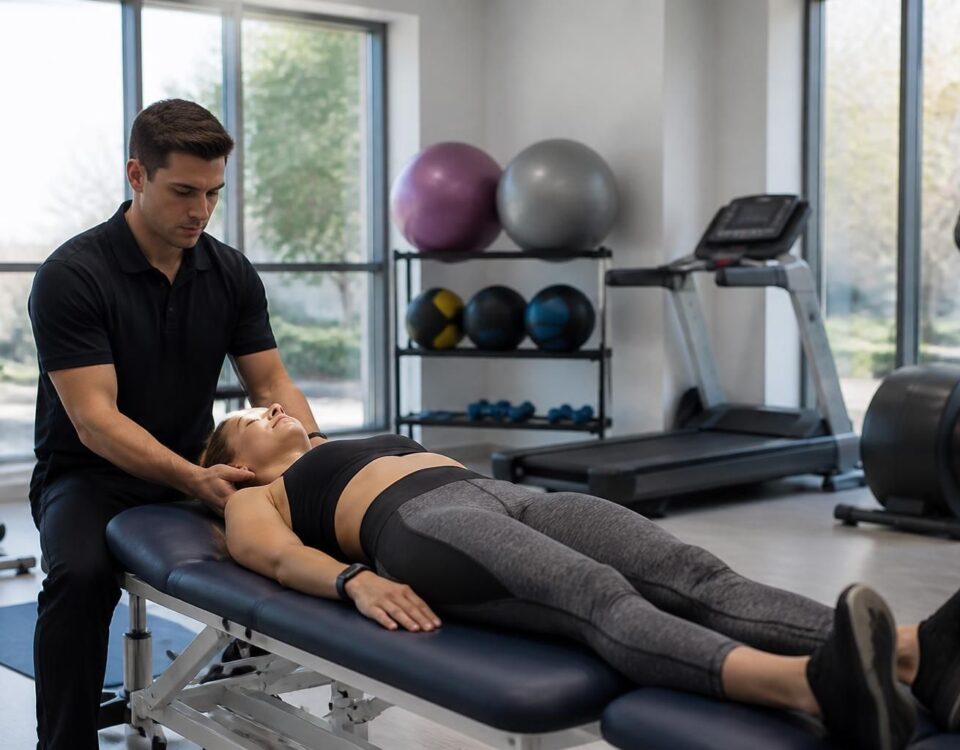
Mistakes to Avoid During Neurovertebral Decompression Treatment
26/06/2026
Neurovertebral decompression and posture: sustainably improve your alignment
26/06/2026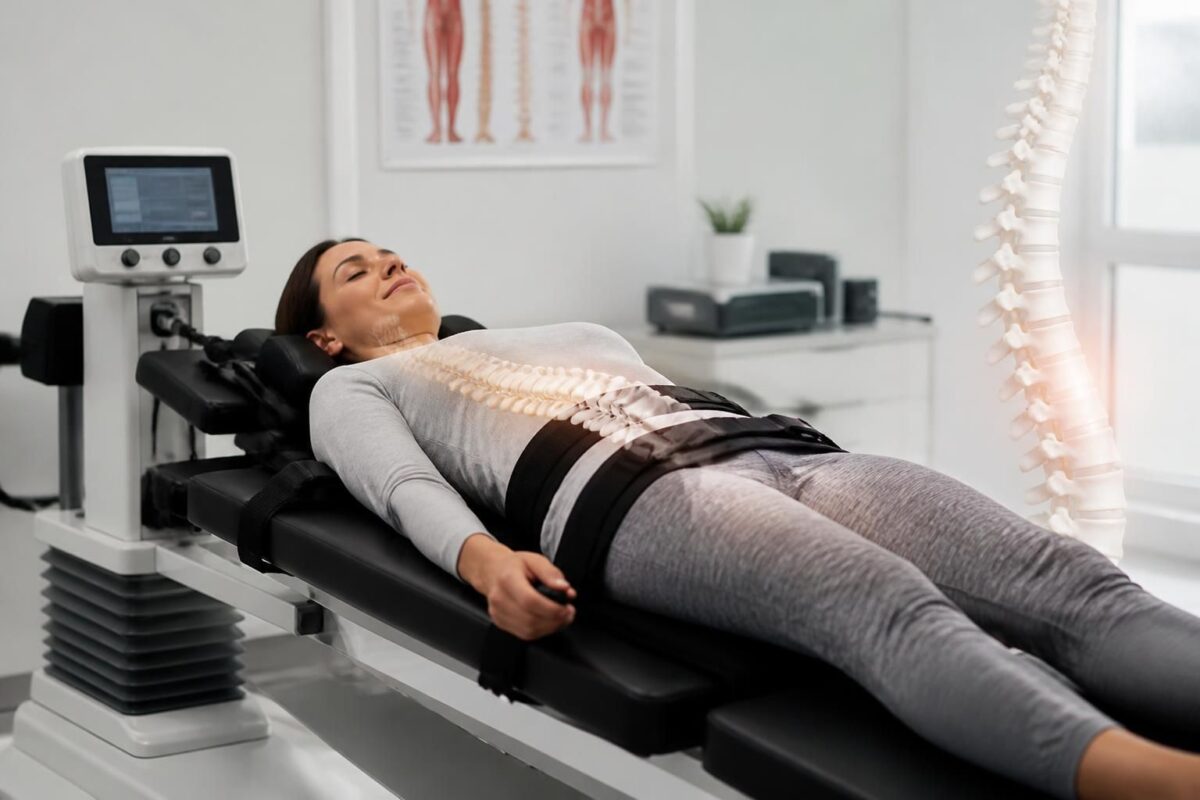
In short
| In short, neurovertebral decompression is an approach non-invasive Aiming to reduce Pressure on the intervertebral discs and re-establishing spinal alignment to support Overall back health. What is it? A technique of Controlled traction which releases the nerves and improves the disc space, relieving lumbar and cervical pain. What are the advantages? Reduced pain, better mobility, corrected posture, improved local circulation and progression in a rehabilitation program. How does it work? A progressive stretch that creates more space between the vertebrae, hydrates the discs and rebalances the column, with sessions adapted in the office and, according to the protocols, in home. In Montreal, this service is particularly useful for chronic lower back pain and postural imbalances. |
The neurovertebral decompression supports the Overall back health By acting on the key mechanisms that preserve a functional and lasting spine.
- pressure reduction exercised on the Intervertebral discs and the gristle, releasing tension and helping to reduce pain.
- Hydration and nutrition of discs favored by controlled traction, strengthening the flexibility and the resilience of the spine.
- Improved mobility and alignment of the spine, facilitating movements and correcting certain postural imbalances.
- Support for a global program back health, including stretching, muscle strengthening and appropriate lifestyle.
- Various applications : lumbar and cervical, with solutions in office or at home as needed.
Quick Summary: Neurovertebral decompression is a non-invasive approach that helps reduce the pressure on discs and nerves. It promotes overall back health by improving the intervertebral space, spinal alignment and mobility. This article explains how this technique can support the spine in a process of prevention and well-being, in practice and at home under supervision, and how to integrate it into a global approach to back health.
Principle and mechanism
The neurovertebral decompression aims to increase the space between the vertebrae by controlled traction. This action decreases the intervertebral pressure on the Intervertebral discs and reduces compression of gristle. It can help to restore a more favorable alignment of the spine and to release muscle tension associated with poor posture. This approach is non-invasive and is part of a global spinal health framework.
Benefits for back health
- pain reduction and functional improvement.
- Restoring hydration and disk properties.
- Improved column mobility and flexibility.
- Postural correction and decreased muscle tension.
- Possible integration into a rehabilitation plan supervised by professionals.
Implementation methods
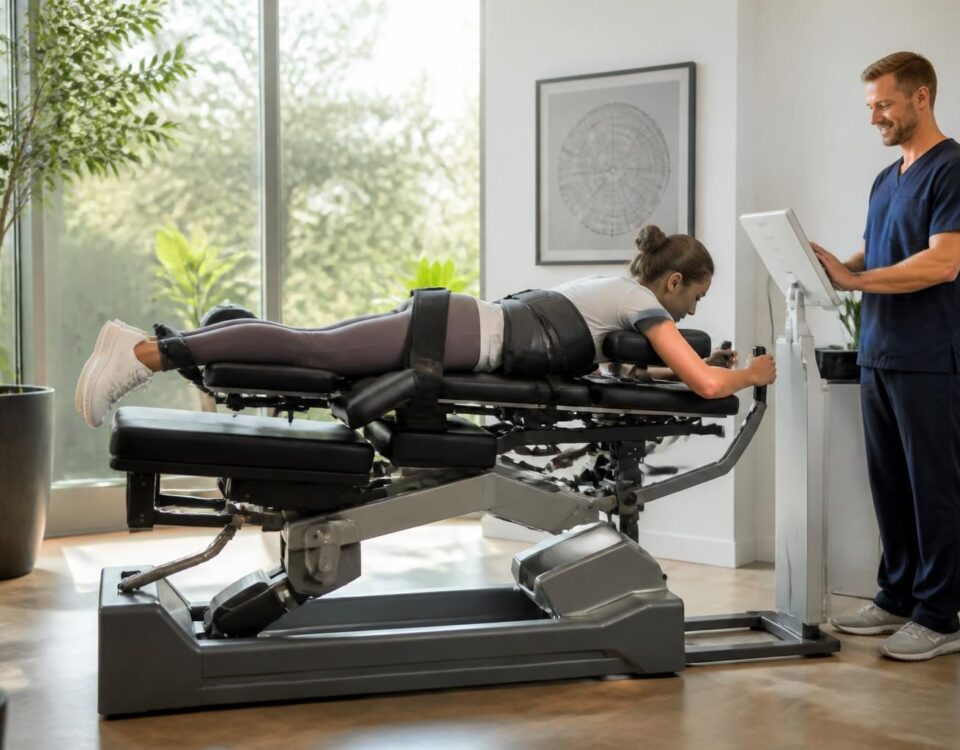
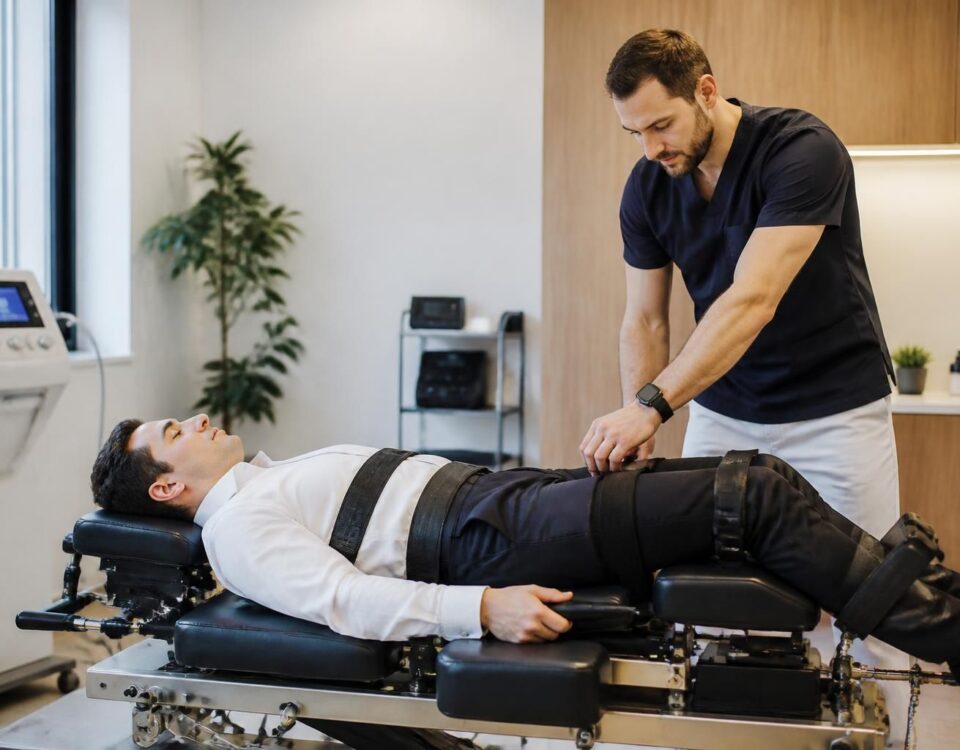
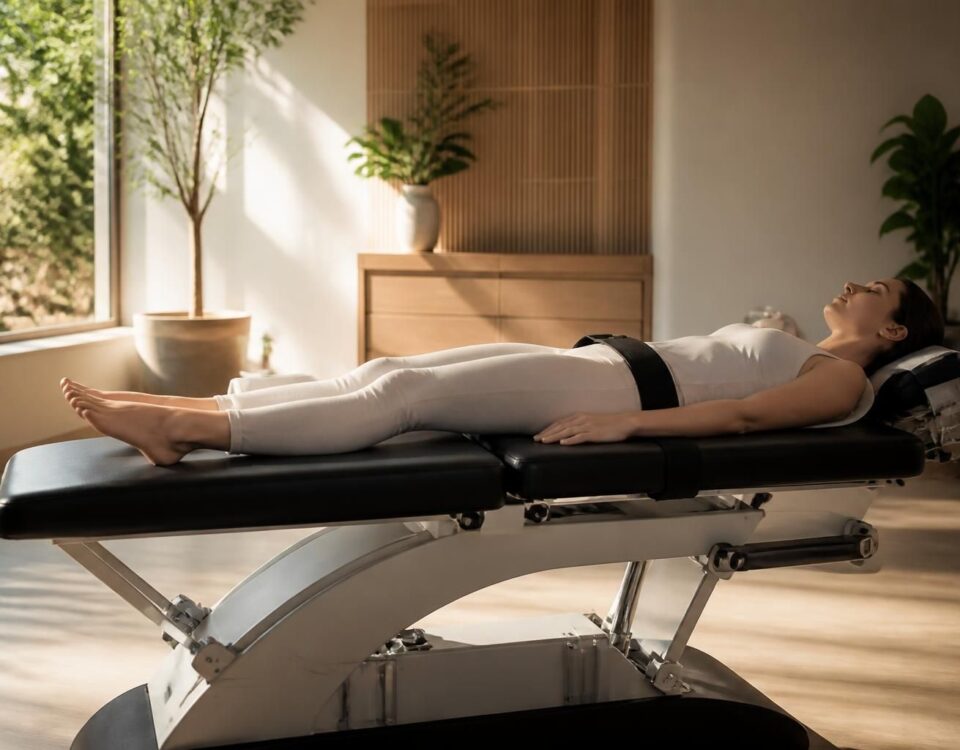
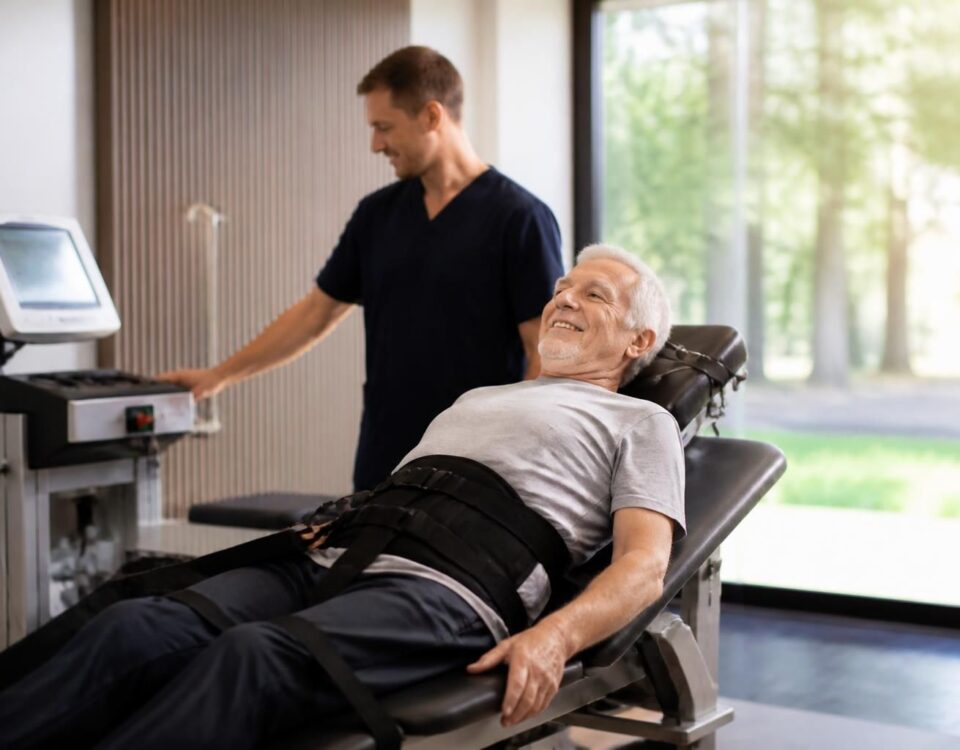
In the office, the sessions are carried out on a traction table with precise adjustments, adapted to each patient after a clinical evaluation. For complex cases or persistent pain, the protocol can be part of a global rehabilitation program offered by a specialized clinic.
In some situations, traction devices for home use may be considered as a supplement, under professional supervision. To learn more about the available options, see the Specialized Resources and TagMed Clinics.
Integration into a global back health approach
Decompression is not limited to an isolated session. It is part of a global approach that includes appropriate hydration, regular physical activity and good postural hygiene. The objective is to achieve lasting results and improve daily comfort, while limiting the risks of recurrence.
Training and professional executive
For professionals involved in these treatments, recognized training may include NUMSS and NAO, National University of Medical Sciences and National Academy of osteopathy. Professionals can work in recognized clinics such as TagMed or other partner structures.
Precautions and safety
Decompression is generally well tolerated. Avoid forcing during the sessions and begin gradually. In times of acute seizure, specific precautions apply and medical advice is recommended in the event of pathologies such as severe disc herniation or neurological symptoms. Regular follow-up by a qualified professional is recommended to ensure the effectiveness and safety of the treatment.
Resources and useful links
- Comment#ATFP_CLOSE_TRANSLATE_SPAN# Neurovertebral decompression helps relieve sciatic pain
- Comment#ATFP_CLOSE_TRANSLATE_SPAN# Neurovertebral decompression supports overall column health
- Decompression#ATFP_CLOSE_TRANSLATE_SPAN# Neurovertebral and herniated disc
- les#ATFP_CLOSE_TRANSLATE_SPAN# Modern Techniques of Neurovertebral Decompression Explained
- Decompression#atfp_close_translate_span# and blood circulation — an unexpected benefit
- Decompression#ATFP_CLOSE_TRANSLATE_SPAN# Vertebral — a natural treatment
- Decompression#ATFP_CLOSE_TRANSLATE_SPAN# and rehabilitation — Strategies and protocols
- Comment#ATFP_CLOSE_TRANSLATE_SPAN# acts the decompression on diffuse chronic pain
- Decompression#ATFP_CLOSE_TRANSLATE_SPAN# Neurovertebral — Wikipedia
- Decompression#ATFP_CLOSE_TRANSLATE_SPAN# Neurovertebral — Global Approach
For the practical aspects and the treatments offered, the patients can be directed to the TagMed clinics in Montreal or Terrebonne, in order to benefit from a personalized plan in a professional and secure setting.
Medical Disclaimer: The information and advice provided on this site does not replace the health professional’s diagnosis or treatment. Please note that Dr. Sylvain Desforges osteopath is neither a doctor of medicine nor a doctor, and is not a specialist in a medical specialty as defined by the Collège des Médecins du Québec. Manual medicine, functional medicine and sports medicine as described on this site exclude any medical treatment or diagnosis made by a doctor or specialist doctor. Always consult your doctor for any medical questions. For more details, please read our full legal notice.
- Disc pressure reduction on the lumbar and neck.
- Nerve release tablets to improve mobility.
- Disc hydration and better damping capacity.
- posture improvement and the alignment of the spine.
- Reduction of muscle tension related to poor posture.
- Stimulation of local traffic and tissue renewal.
- rehabilitation support and strengthening of the vertebral movements.
- Non-invasive approach for the Chronic pain of the back.
- Autonomy at home through simple and effective exercises.
- relapse prevention through a sustainable and appropriate routine.

This article presents, in a concise and actionable way, how the neurovertebral decompression can support the Overall back health. By reducing the pressure on the discs, releasing the nerves and improving the alignment of the column, this non-invasive approach easily integrates with a daily routine and rehabilitation program, to prevent pain and improve mobility along the way. term.
Understanding neurovertebral decompression
Neurovertebral decompression consists of gently soliciting the spine in order to reduce the pressure exerted on the intervertebral discs and nerve structures. This technique aims to create a favorable space between the vertebrae, which can facilitate the rehydration of the discs and the circulation of nutrients to the damaged tissues. It is not invasive and can be applied either in an outpatient setting or in the form of targeted home exercises with appropriate supervision.
Through its mechanisms, it acts on several essential levers of spinal health. By lowering the intra-discal pressure, it can promote pain reduction and improvement in mobilization. At the same time, it contributes to re-educating unfavorable postural patterns and supporting the restoration of a more harmonious spinal alignment, which directly influences the stability and comfort of the back on a daily basis.
The long-term benefits of neurovertebral decompression for spinal health
In short In short, the neurovertebral decompression is a non-invasive approach that decreases the Pressure on intervertebral discs and nerves, favoring the Natural regeneration and tissue recovery. Its long-term benefits include Lasting pain reduction, Improving mobility and from the posture,…

Neurovertebral decompression and mobility: a return to an active life
In short In short, the neurovertebral decompression is therapy non-invasive who uses a gentle traction To create a space between the vertebrae and reduce the pressure on the Intervertebral discs and the nerves. It promotes a bloodstream improved, lowers tension…
Benefits for overall back health
Reduction of pain and tension
One of the most direct avenues of decompression is the decrease in lumbar, dorsal and cervical tensions. By releasing the pinched nerves and decreasing pressure on the intervertebral structures, it can lead to a gradual pain reduction and a decrease in functional stiffness that limit daily activities.
Improved alignment and mobility
By promoting a more natural spinal alignment, decompression supports better load distribution and greater vertebral mobility. This postural effect can decrease painful compensations in the shoulders, neck and pelvis, and facilitate smoother movements when walking, swimming or daily exercise.
Disc protection and hydration
Controlled traction promoteshydration and nutrition of discs, key elements to preserve the elasticity and resistance of spinal shocks. By acting regularly, we can support the resilience of the spine in the face of repeated efforts and postural stress, thus reducing the risk of painful sensations linked to prolapsed or degenerative discs.
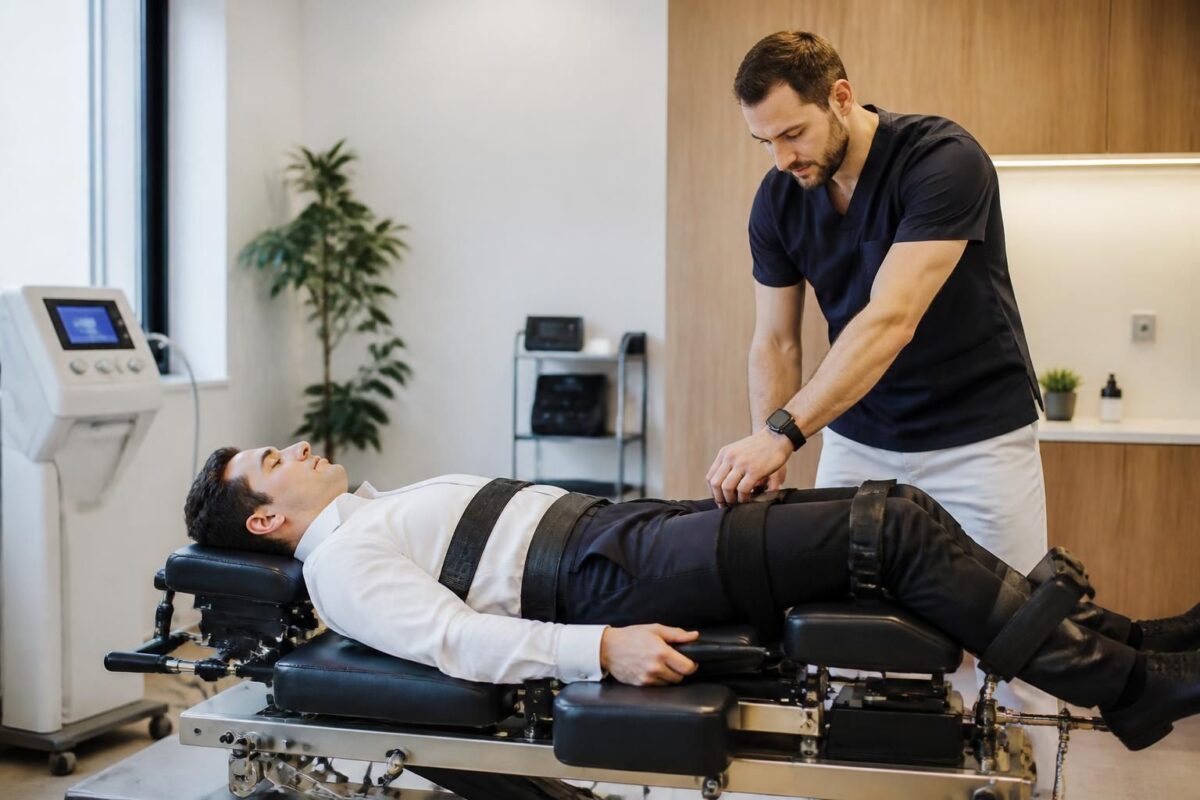
How Neurovertebral Decompression Prevents Diffuse Chronic Pain
In short decompression neurovertebral is one Non-invasive method aimed at reducing the Pressure on the intervertebral discs and the nerves, in order to prevent Diffuse chronic pain. It improves the circulation and thedisc hydration, decreases inflammation and promotes better mobility.…
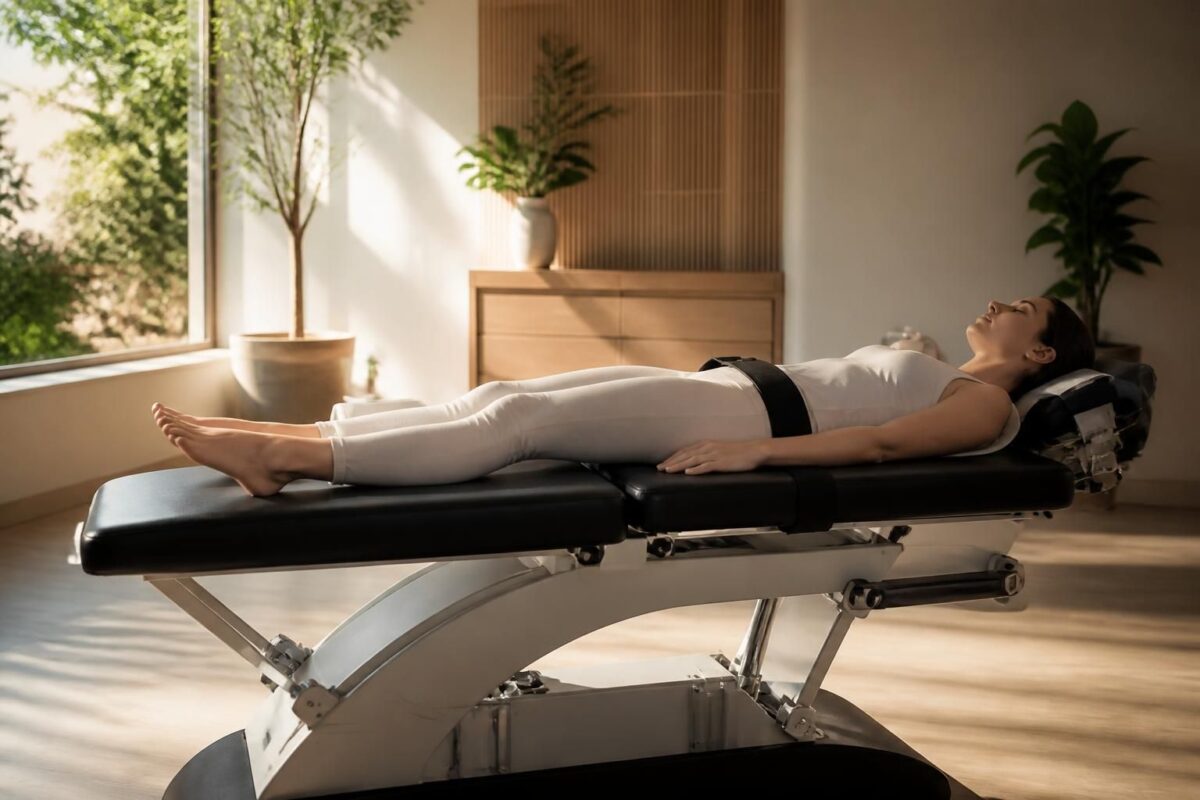
Neurovertebral Decompression and Body Alignment: Restoring Natural Balance
In short In short, neurovertebral decompression is one Non-invasive approach who restores theBody Alignment and thenatural balance back and neck. She acts by a Controlled traction of the spine to widen the intervertebral space and reduce the Pressure on discs…
Integration into a global approach
Decompression does not replace the other flaps of the support, it completes them. Associated with an adapted physical activity, a favorable lifestyle and targeted stretching exercises, it is part of a Multimodal rehabilitation aimed at sustainably improving function and quality of life. Its interest is manifested in both cases of chronic pain and acute episodes, when integrated into a personalized protocol and supervised by a health professional.
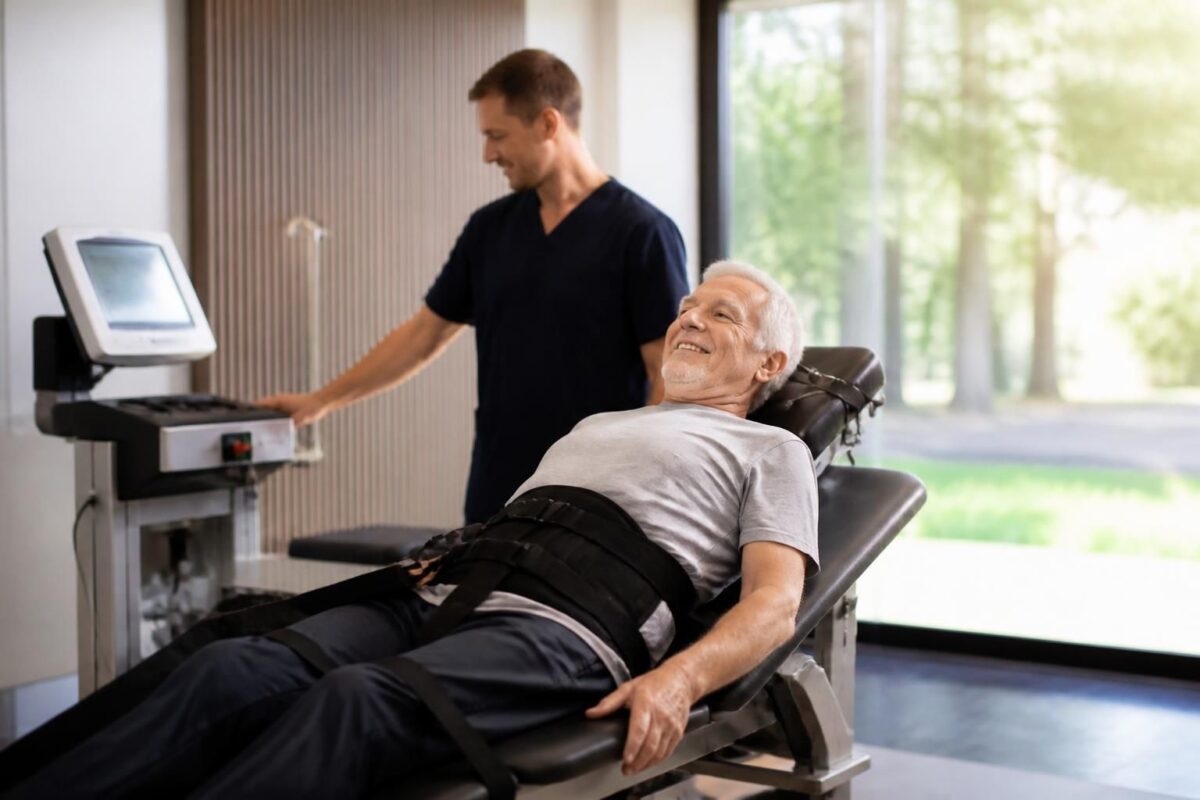
Why neurovertebral decompression is a lasting solution for active seniors
In short In short, the neurovertebral decompression is one Non-invasive therapy which sustainably relieves spinal pain in the spine active seniors By creating, by a Soft and controlled traction, a space between the vertebrae. At Montreal, it is recognized as…
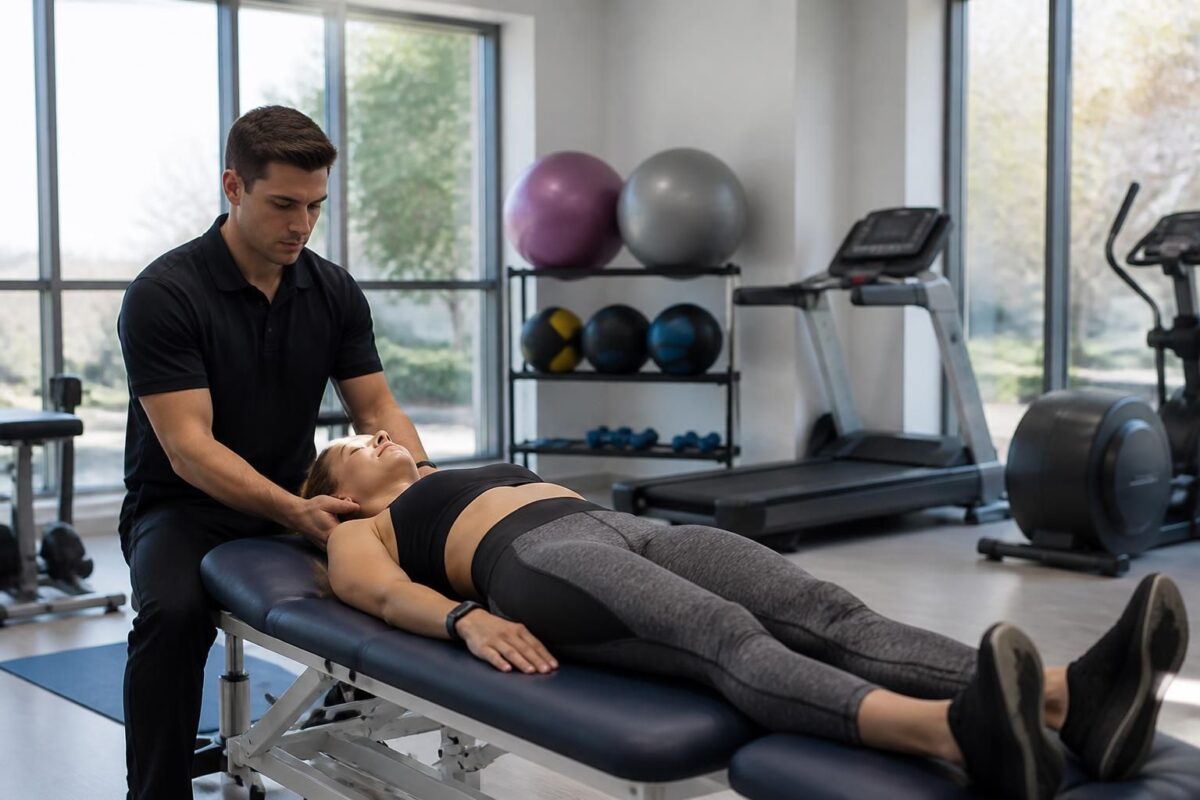
Neurovertebral decompression and recovery after severe sports injury
In short In short, the neurovertebral decompression is one Non-invasive method to Relieve the pressure on the Intervertebral discs and the gristle Via a Controlled traction, to facilitate the recovery After a severe sports injury. It improves the bloodstream towards…
Practical advice and safety
To get the most out of decompression, favor a regular practice of 5 to 10 minutes a day, while listening to your body and without trying to force the amplitudes. Gradually start and adjust the intensity based on feedback and progress. If you have a significant disc herniation, marked neurological pain, or symptoms that get worse, consult a professional before starting a decompression program. Make sure that each movement is carried out in accordance with your body limits and as part of a global and personalized treatment plan.
| Axis | Concise impact |
|---|---|
| Intra-discal pressure reduction | Reduces the pressure on the discs and promotes their recovery. |
| Release of nerve roots | Reduces nerve compression and improves functional mobility. |
| Spine alignment | Improves spinal alignment and load distribution. |
| Reduced pain and improved mobility | Reduction of pain and improvement of mobility on a daily basis. |
| Hydration and Disc Nutrition | Promotes disk hydration and tissue nutrition. |
| Mobility and spinal flexibility | Increases column mobility and flexibility. |
| Muscle rehabilitation and stability | Strengthens muscle support and stabilizes the back. |
| Prevention and autonomy | Encourages autonomy and sustainable habits. |
| Safety and indications | Program supervised and adapted according to specific conditions. |
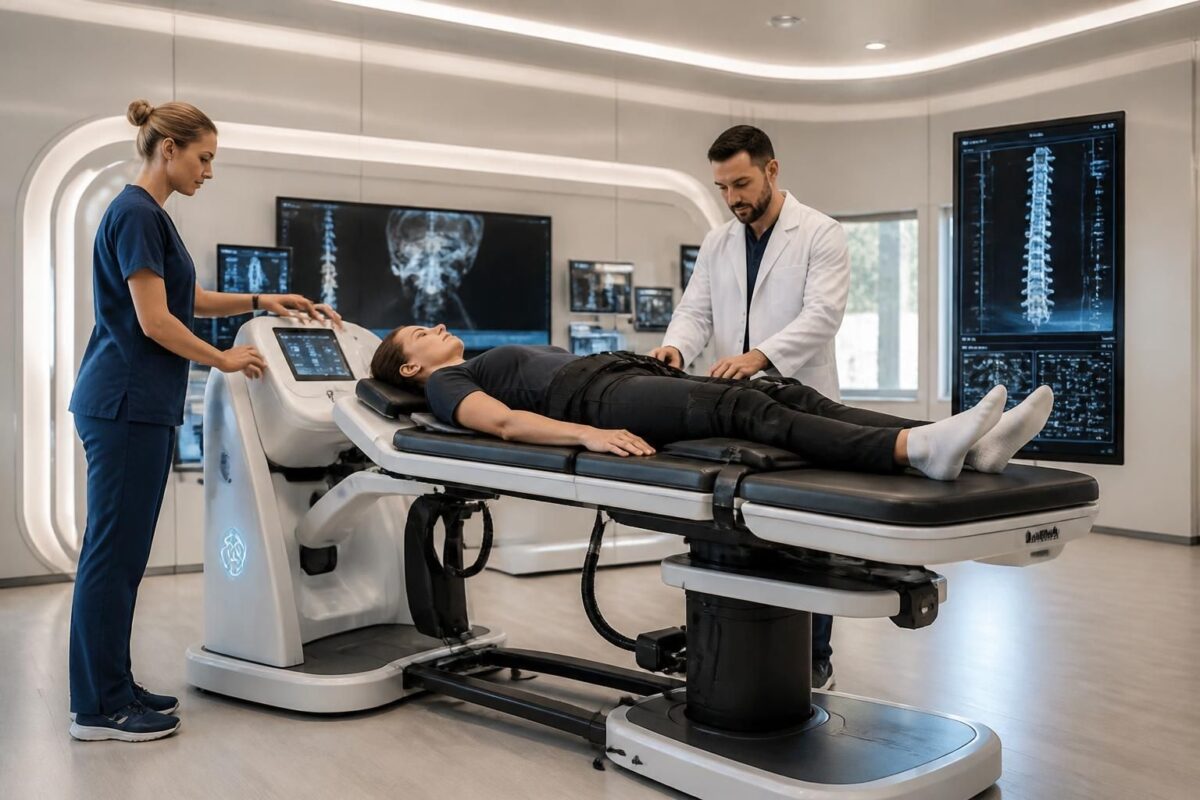
Recent innovations in neurovertebral decompression technologies
In short In short, the neurovertebral decompression is an approach non-invasive Aiming to reduce pressure on discs and nerves, and promote tissue regeneration. At Montreal, it is positioned as an effective option for lower back pain and herniated discs. The…
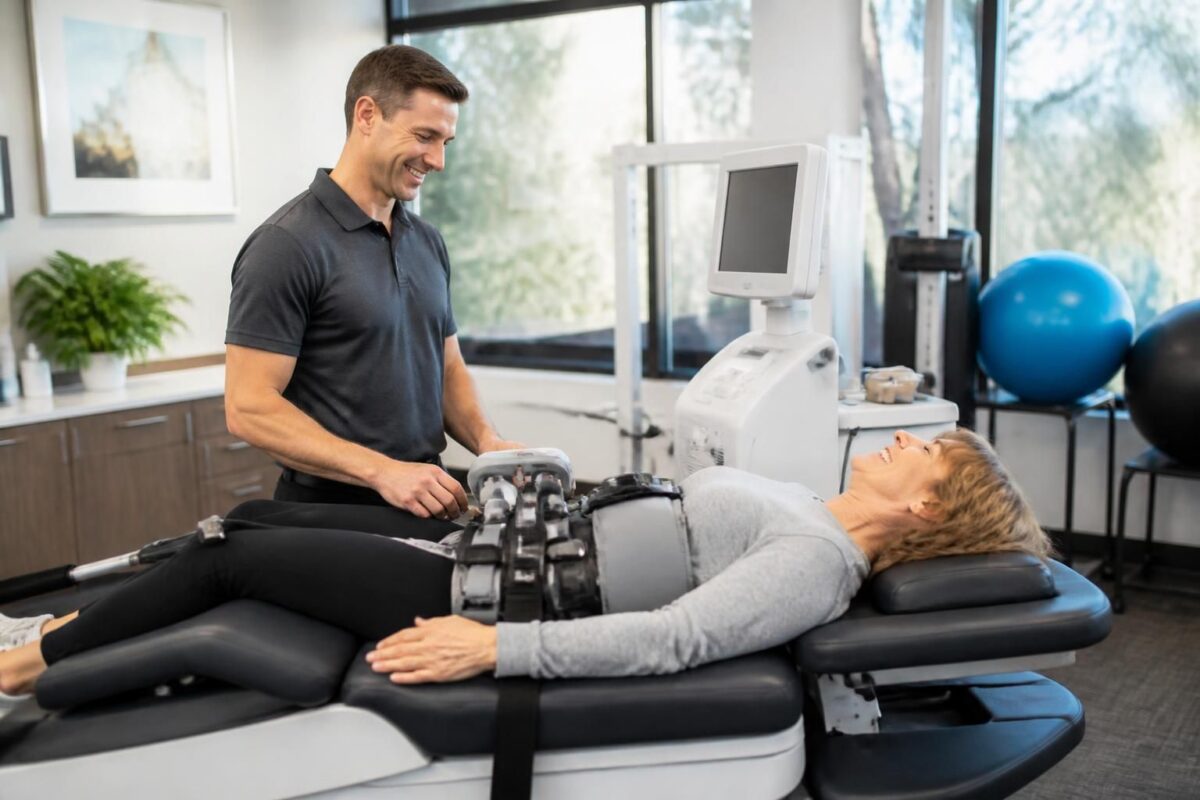
Neurovertebral decompression and diffuse pain: an appropriate solution
In short In short, the neurovertebral decompression is one Non-invasive solution For diffuse pain related to nerve irritation of the spine. She acts in Reducing pressure on intervertebral discs and nerves and improving the bloodstream, which promotes recovery and the…
Testimonials on supporting neurovertebral decompression to overall back health
Marie, 39: Since I started neurovertebral decompression, my lumbar pain decreased and my posture has improved significantly. My Overall back health is felt on a daily basis and I gradually find pleasure and ease in my movements.
Antoine, 52 years old: working up most of the day, I felt a reduced pressure on the discs and a better mobility of the back. This approach helps me to resume my tasks without pain and to maintain a quality of life more stable.
Léa, 28: As an athlete, neurovertebral decompression gives me faster recovery and flexibility increased. I also see a Reduction of inflammation And better stability of the upper and lower back after my workouts.
Jean, 60: after a few sessions, my nights have gained in quality and my spine health improves. I can resume routine activities without the pain that once held me back.
Sophie, 45: between children and work, my cervical and lumbar tensions have decreased, and my posture has corrected itself, especially when I sit for a long time. I feel more confident and free from my daily gestures.
Camille, 34: office work and repeated movements have long weighed on my back. Thanks to decompression and simple exercises at home, my Back health and my mobility improve day after day, with less pain and more stamina in my daily activities.
Dr. Sylvain Desforges, osteopath, naturopath and manual medicine practitioner, is recognized for his commitment to health innovation and evidence-based care. Founding President of the Tagmed Clinics and the ACMA Association, he devoted his career to improving chronic pain management and integrating advanced technologies into daily practice. Its approach is based on an individualized assessment and a global rehabilitation program, where neurovertebral decompression is central to supporting the Back health and the General well-being.
What is neurovertebral decompression and why does it act as a lever for back health? This technique consists of applying gentle and controlled traction along the column in order to increase the intervertebral space, decrease the pressure on the discs and release the compressed nerve roots. Expected results include better mobility, pain reduction and improvement in local circulation. Combined with other interventions, it promotes faster and more sustainable rehabilitation, cascading throughout the musculoskeletal system.
The most frequent indications in his practice include the back pain and neck pain chronic, hernias or disc protrusions, degenerative disc diseases and postural imbalances. By lowering intra-discal pressure and relaxing the tissues around the nerves, decompression can reduce neuropathic pain and improve flexibility, the posture and Lalignment of the spine. This approach acts not only on pain, but it also sets the stage for more effective and preventive movement patterns.
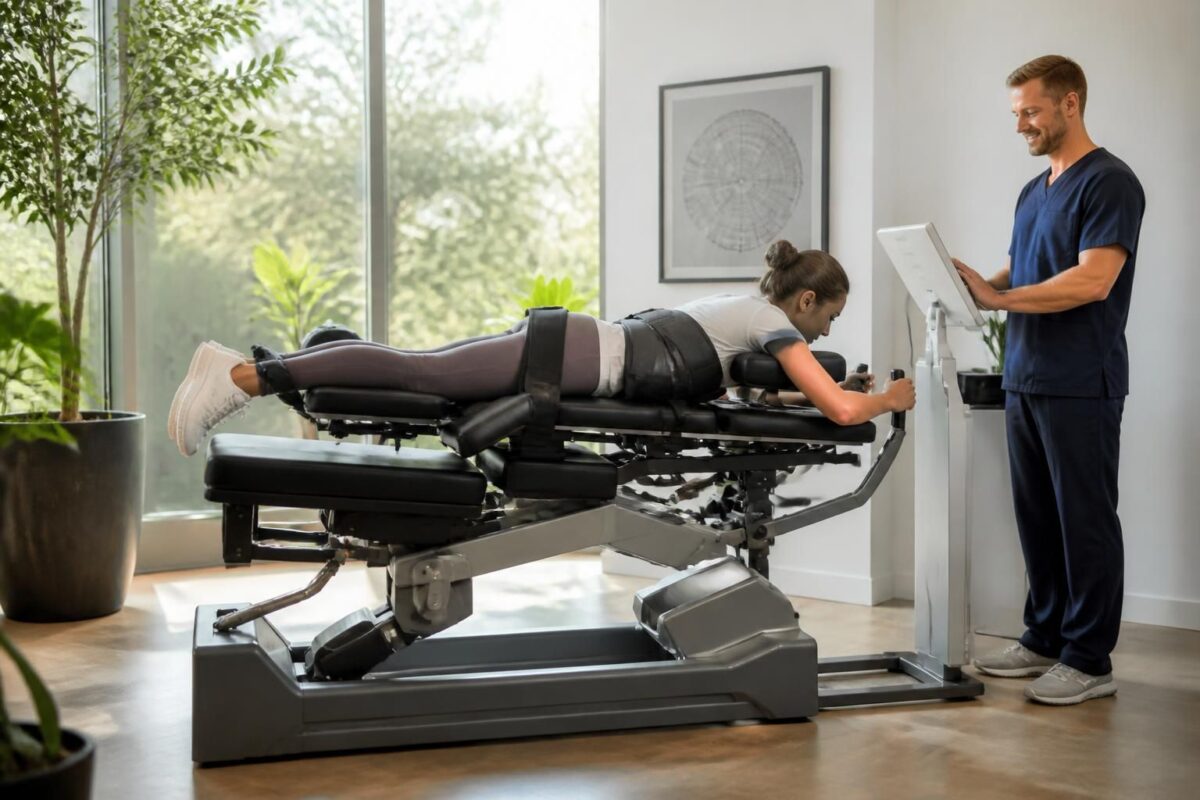
In the outpatient setting, decompression is performed on a specialized table where the traction parameters are adapted to the patient’s profile and stage of recovery. In some cases, gentle traction at home protocols offer therapeutic continuity and allow smooth progress between sessions. This gradual approach respects the body and promotes long-lasting adherence to treatment, while preserving patient safety.
However, decompression is only one element of a global plan dedicated to the vertebral health. Dr. Desforges often associates targeted exercises, advice fromhydration and of posture, and complementary therapies focused on strengthening, mobility and muscle balance. The objective is to support the discs, improve musculoskeletal coordination and reduce the risk of recurrence, while preserving a Quality of active life.
Success is based on education and patient engagement. After an initial assessment, a personalized program is implemented and adjusted as progress is made. Patients learn to integrate simple gestures into their daily lives—short stretching, postural breaks and healthy lifestyles—in order to extend benefits and maintain autonomy in their activities. This active involvement makes it possible to transform the way in which everyone takes care of their back.
This approach testifies to a vision where decompression becomes an accessible and effective pillar of overall back health, in the service of a more active and serene lifestyle. By staying true to a practice-based practice, Dr. Desforges continues his commitment to guiding patients to a more balanced spine and a better quality of life on a daily basis.
This conclusion summarizes how the neurovertebral decompression supports the Overall back health, by acting on the intervertebral discs, the nerves and the muscles, and by integrating into a global approach of rehabilitation and prevention. She recalls that soft traction aims to reduce the intervertebral pressure, promote theDisc hydration, relieve pain and improve mobility and the posture, while associating with active lifestyles and appropriate manual therapies.
Through its mechanisms, the Controlled traction Allows you to create a space between the vertebrae, which decreases the nerve compression and promotes better neurological function. It also contributes to the Rehydration of intervertebral discs and improving theSpinal alignment, which results in a Improving mobility and a decrease in muscle tension associated with poor posture.
Over the course of the sessions, many patients find a pain reduction, a Increased flexibility and a better ability to resume daily activities. The improvement of the posture And the decrease in contractures support not only immediate comfort but also the prevention of long-term recurrences.
The decompression fits ideally into a rehabilitation program: it can be carried out in the office with traction tables or, depending on the case, be associated with home devices offering soft and controlled traction. This approach allows alternating phases of relaxation and targeted stretching with active exercises, optimizing the effects on the spine and neural tissue. To deepen the practical aspects and the options available, you can consult the specialized resources on the manipulations and the associated methods: Manipulations in neurovertebral decompression.
Beyond the mechanical effect, decompression favorably influences theinflammation and local circulation, which can accelerate healing and mitigate painful signals. when associated with complementary approaches such as naturopathy Focused on hydration and lifestyle, or manual medicine techniques, it contributes to a lasting improvement of the vertebral health. To understand how this approach can support the regeneration of compressed nerve tissue, refer to specialized resources such as this link.
For safe and effective implementation, it is essential to approach decompression from a personalized and progressive perspective, under the supervision of a health professional. Respect the contraindications, favor the appropriate progression and integrate this treatment into a global plan of Rehabilitation and lifestyle Guarantee lasting results and reduced pain over time. Additional resources and examples of home application can be viewed via specialized information on neurovertebral decompression and its non-invasive alternatives, such as neurovertebral decompression.
In short, the neurovertebral decompression is a key lever for the Overall back health, acting on the structural and functional elements of the spine and part of a complementary strategy aimed at preventing pain, restoring mobility and improving the quality of life in the long term. To explore other modern perspectives and approaches, you can consult resources like This recommendation for athletes and modern techniques.

Dr Sylvain Desforges
Dr Sylvain Desforges, B.Sc., D.O., N.D., osteopath, is the founding president of TAGMED and of the ACMA association. He dedicates his practice to chronic spinal pain, low back pain and symptoms compatible with sciatica, particularly when pain radiates toward the buttock, leg, calf, foot or toes.
Through SOS Sciatique, he publishes educational content on sciatica symptoms, possible causes such as disc herniation, disc narrowing, foraminal stenosis or irritation of a lumbar nerve root, as well as non-surgical approaches that may be considered according to the evaluation. At Clinique TAGMED, care may include, depending on the case, motorized neurovertebral decompression, specific osteopathic care or precision percussion.
For an evaluation related to sciatica treatment in Montreal / Mount Royal or sciatica treatment in Terrebonne, please consult the services available at Clinique TAGMED.
Medical disclaimer
The information published on SOS Sciatique is provided for educational purposes only and does not replace a consultation, diagnosis, opinion or treatment provided by a physician or another authorized healthcare professional. The author of this article is neither a medical doctor nor a specialist in a medical specialty recognized by the Collège des médecins du Québec. The osteopathic, manual medicine or functional support approaches described on this site do not constitute medical acts and are not intended to replace medical follow-up.
Consult a physician or emergency service in cases of loss of bladder or bowel control, anesthesia in the saddle area, significant or progressive weakness in the leg or foot, fever, recent trauma, severe pain or rapid worsening of symptoms. For more details, please read our Legal Notice.