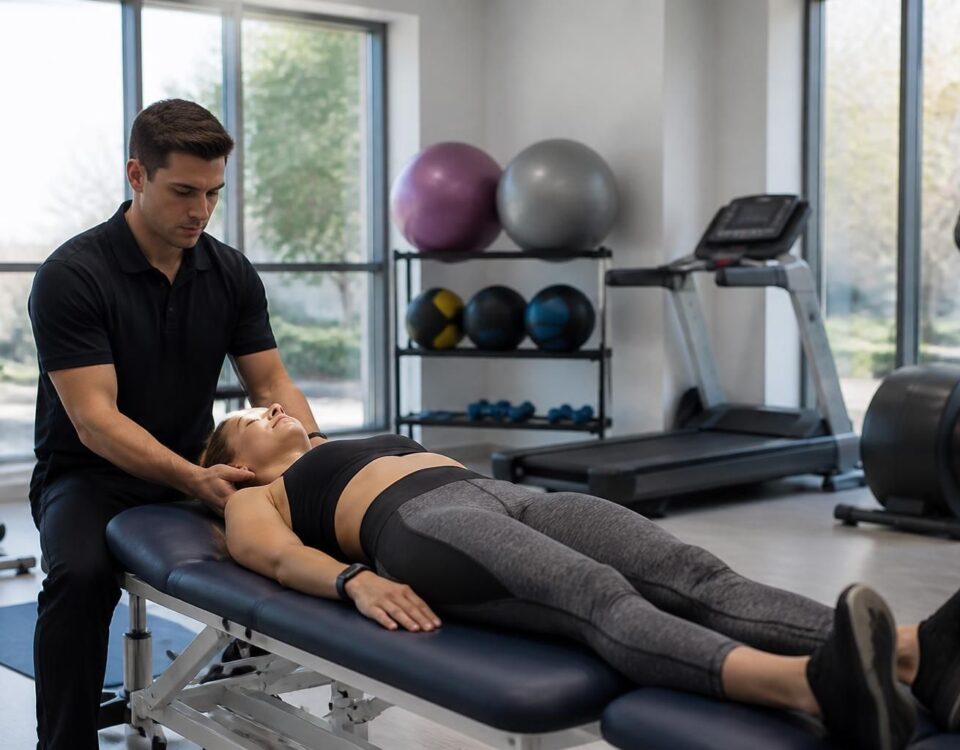
The benefits of neurovertebral decompression to prevent spinal complications
26/06/2026
Neurovertebral decompression and rehabilitation after a sports injury
26/06/2026
In short
| In short, neurovertebral decompression is a technique non-invasive using a gentle traction To free up the space between the vertebrae and reduce pressure on the sciatic nerve and the Intervertebral discs, thus soothing the sciatic pain. At Montreal, this treatment is particularly useful for people with Lower back pain and of chronic sciatica who are looking for a drug-free alternative. Its advantages include a Quick relief, a Improved mobility and an Optimized blood circulation, while reducing inflammation and risk of relapse. The mechanism is based on the creation of an intervertebral space that reduces the pressure on the nerves and promotes the healing of tissues, without surgery. |
The neurovertebral decompression is an approach non-invasive which applies a gentle traction on the spine. it creates a space between the vertebrae and reduces the Pressure on the intervertebral discs and the nerve roots, especially the sciatic nerve. By releasing this pressure, it alleviates pain scatics, improves the bloodstream and promotes tissue nutrition, contributing to the reduction of inflammation. The result is a Improving mobility and a decrease in pain, with a Prevention of recurrences when integrated into an adapted care plan.
This article, written by a health professional and expert in the field, clearly explains how the neurovertebral decompression can relieve the sciatic pain. It describes the mechanism, expected results and the elements to discuss with your osteopath for appropriate care.
What is neurovertebral decompression?
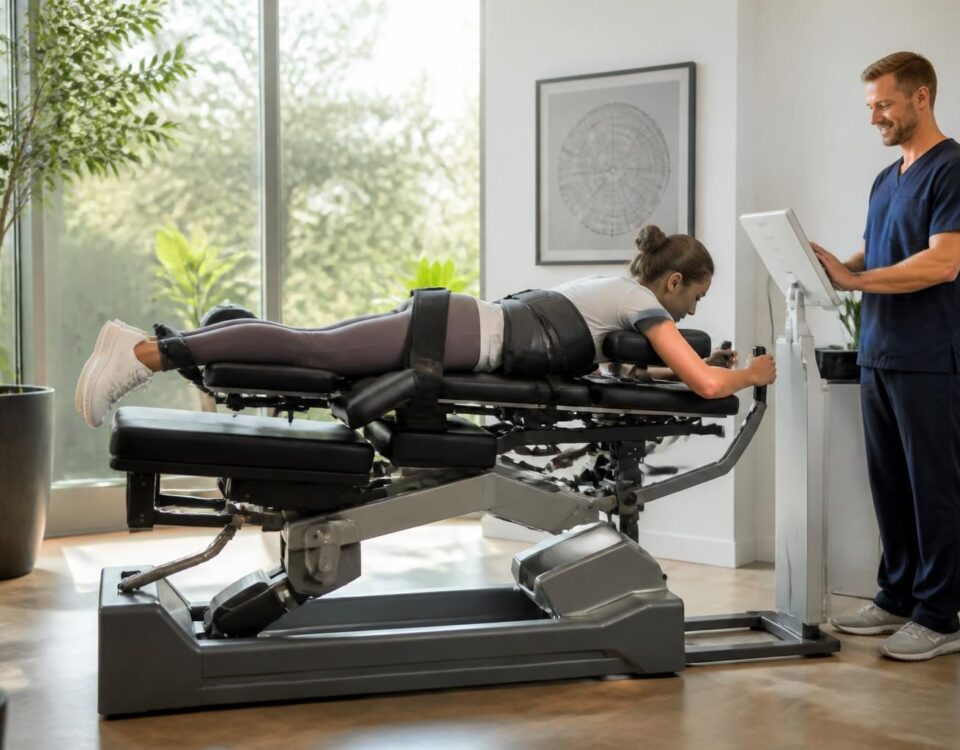
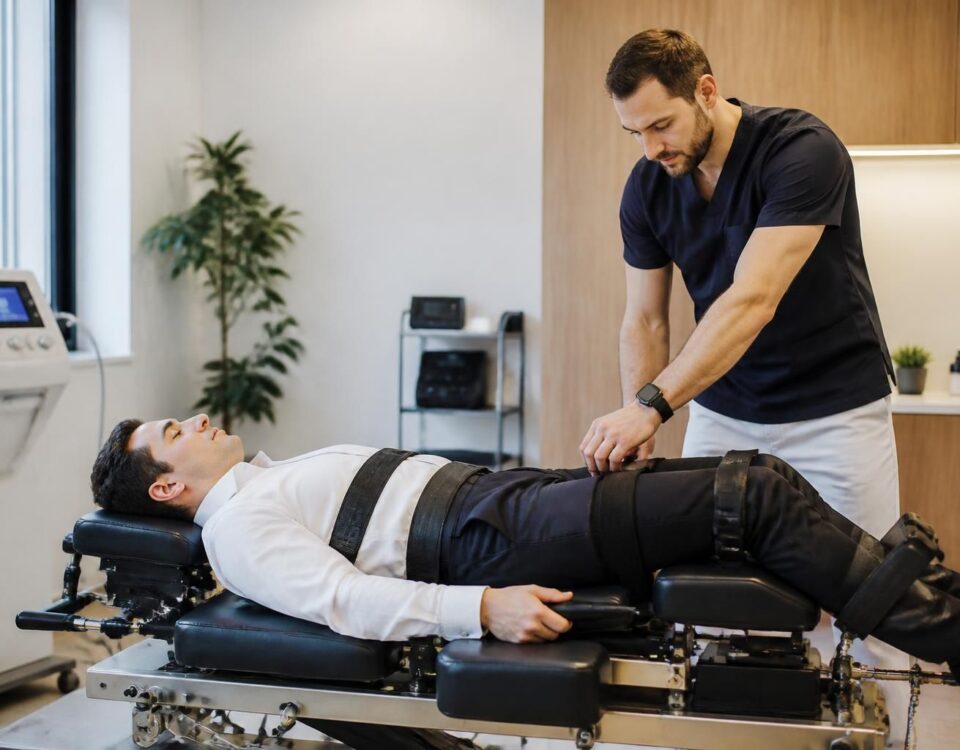
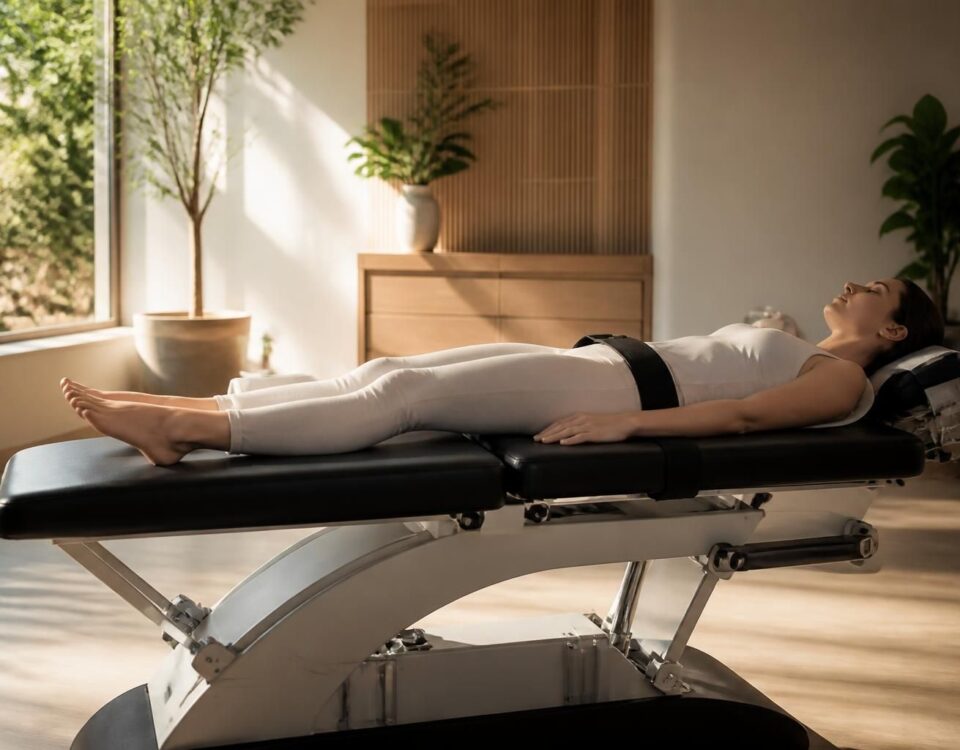
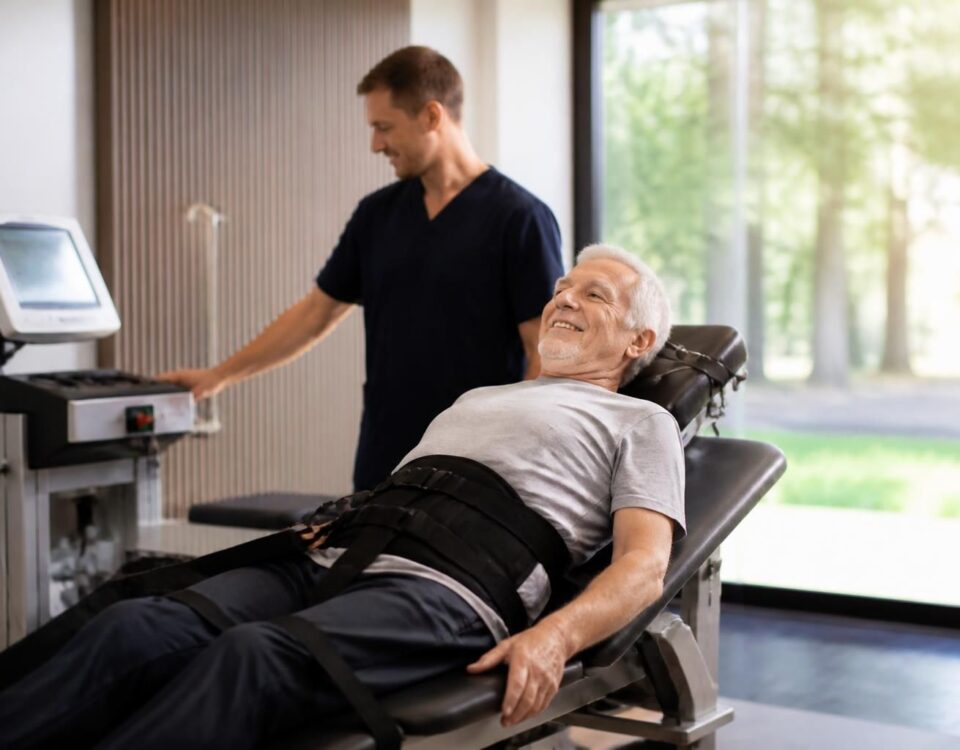
The neurovertebral decompression is a non-invasive method that uses gentle spinal traction. This action creates a space between the vertebrae and reduces the pressure exerted on the Spinal nerves and the Intervertebral discs. This promotes the reduction of tension on the nerves and can lead to a decrease in painful symptoms.
How does it affect sciatica?
Sciatic pain is often due to compression or irritation of the sciatic nerve. By releasing space around the nerve roots and improving local blood circulation, decompression can reduce inflammation and nervous irritation. This action can lead to progressive pain relief that usually spreads from the lower back to the buttocks and legs. For a more detailed explanation of the mechanism, see how it works.
What you can expect from the treatment
The treatment is non-invasive and unfolds over several sessions. Most patients find gradual reduction pain and improved mobility. However, the results vary according to each case and require an assessment by a health professional. Additional resources can be explored through information about the principles and steps of a personalized program.
Advantages and security
The main benefits include:
- pressure reduction On the nerves, decreasing the radiated pain.
- traffic improvement blood around the affected areas.
- Muscle relaxation and decreased spasms near the spine.
- Improvement of the mobility and comfort during movements.
- Non-invasive approach that can be integrated into overall care without surgery.
It is important to discuss with your healthcare professional to assess the suitability of this approach to your situation and to inform about any contraindications.
Integration and resources
Neurovertebral decompression can be associated with other non-pharmacological approaches and lifestyle tips to optimize results. To learn more about the innovations and principles of this approach, you can consult resources such as articles on Technological innovations in neurovertebral decompression and the Steps of a custom program. Additional explanations of the mechanism and principles of neurovertebral decompression are available on the principles. For feedback and testimonials, the site acute pain Gather practical cases and useful indications. Additional information can also be viewed on medium.
To learn more about clinical applications and opportunities at TagMed Clinics in Montreal, visit Tagmed Clinic.
Testimonials and evidence
Patients describe noticeable improvements after a few sessions, including decreased pain and better ability to resume daily activities without major limitation. These feedbacks underline the interest of a coordinated therapeutic plan adapted to each patient, in connection with the resources and technologies available within specialized clinics.
To deepen the relationship between neurovertebral decompression and sciatic pain and discover current data, you can consult resources such as A natural solution and innovations.
For additional information on indications and warning signals, see When to consult.
In order to get an overview, you can also read the article How neurovertebral decompression helps relieve sciatic pain.
For a comparative approach, this link presents a perspective on support and options in a global program: Reduction of symptoms associated with sciatica.
Find out about the options and how neurovertebral decompression can fit into your care pathway. If you have any questions, talk to a qualified healthcare professional and make sure this approach is right for your situation.
Medical Disclaimer: The information and advice provided on this site does not replace the health professional’s diagnosis or treatment. Please note that Losteopath is neither a doctor of medicine nor a doctor, and is not a specialist in a medical specialty as defined by the Collège des Médecins du Québec. Manual medicine, functional medicine and sports medicine as described on this site exclude any medical treatment or diagnosis made by a doctor or specialist doctor. Always consult your doctor for any medical questions. For more details, please read our full legal notice.
- Controlled traction Frees up space between vertebrae
- pressure reduction On the sciatic nerve
- traffic improvement and disk nutrition
- Reduction of inflammation Around the nerve roots
- Potential absorption herniated discs and protrusions
- muscle relaxation and better mobility
- Quick relief pain
- Improving mobility and amplitude
- better sleep and less night pain
- relapse prevention and recurrences
- Postural alignment improved
- Non-invasive option avoiding surgery

This article presents how the neurovertebral decompression can help relieve sciatic pain by reducing the pressure on the nerves and improving the bloodstream. By promoting the release of tensions and the recovery of intervertebral discs, this approach non-invasive Can sustainably reduce pain and improve mobility. It offers practical recommendations for integrating this treatment into a care plan, focusing on safety and efficacy.
How does neurovertebral decompression against sciatica work?
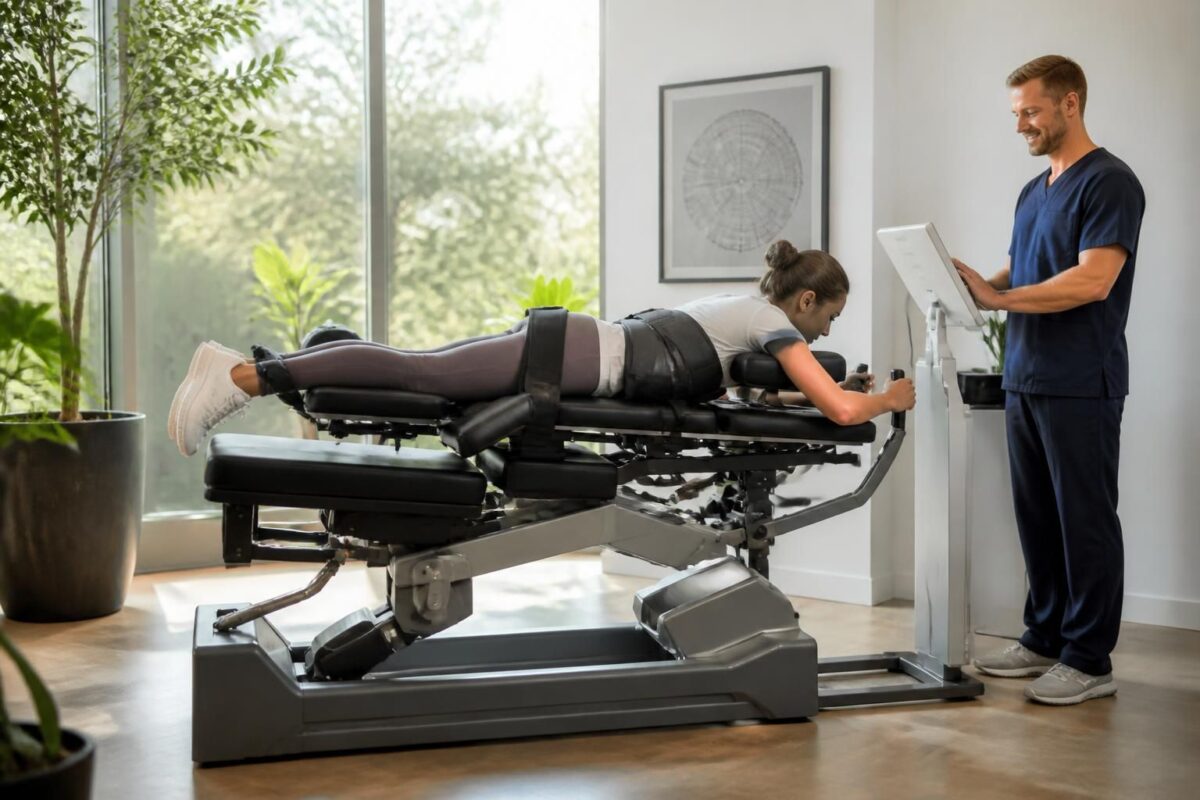
The neurovertebral decompression exercises a gentle traction on the spine, which creates a space between the vertebrae and reduces the pressure on the spine. Spinal nerves and the Intervertebral discs. This pressure reduction helps reduce irritation of the sciatic nerve and can promote the resorption of herniated discs and protrusions. At the same time, the increase in bloodstream and nutritional intake to tissues improve healing and reduce inflammation, resulting in a gradual decrease in pain and better mobility.
The long-term benefits of neurovertebral decompression for spinal health
In short In short, the neurovertebral decompression is a non-invasive approach that decreases the Pressure on intervertebral discs and nerves, favoring the Natural regeneration and tissue recovery. Its long-term benefits include Lasting pain reduction, Improving mobility and from the posture,…

Neurovertebral decompression and mobility: a return to an active life
In short In short, the neurovertebral decompression is therapy non-invasive who uses a gentle traction To create a space between the vertebrae and reduce the pressure on the Intervertebral discs and the nerves. It promotes a bloodstream improved, lowers tension…
Clinical benefits and expected results
Patients usually describe a quick reduction pain radiating along the path of the sciatic nerve, then a Improving mobility and column flexibility. By acting on mechanical causes (compression and tensions), decompression can also help prevent relapses by improving thePostural alignment and column stability. The effect on sleep is also noticeable, with a decrease in nocturnal pain that disturbs rest.
This approach is non-invasive and can be integrated with other treatments, such as targeted exercises or manual therapies, to optimize results. By promoting better circulation, it contributes to the supply of oxygen and essential nutrients, supporting the Tissue rehabilitation and recovery of damaged structures.
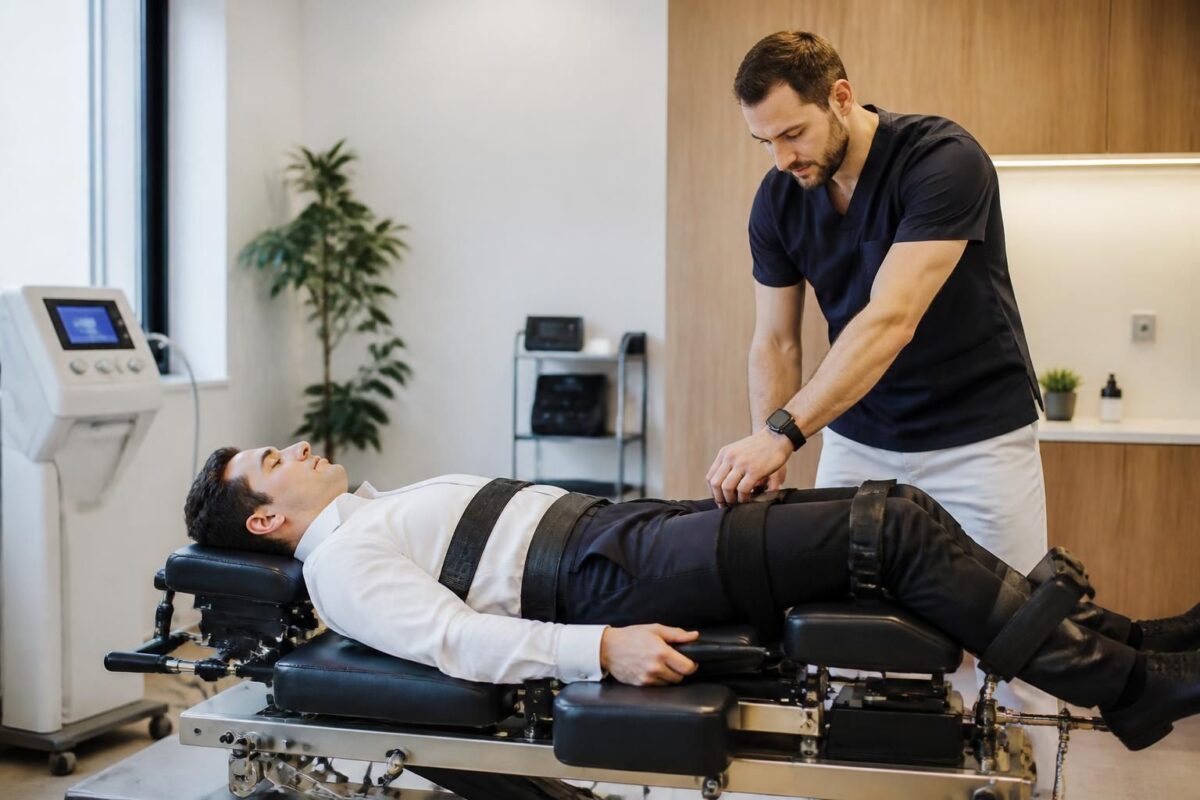
How Neurovertebral Decompression Prevents Diffuse Chronic Pain
In short decompression neurovertebral is one Non-invasive method aimed at reducing the Pressure on the intervertebral discs and the nerves, in order to prevent Diffuse chronic pain. It improves the circulation and thedisc hydration, decreases inflammation and promotes better mobility.…
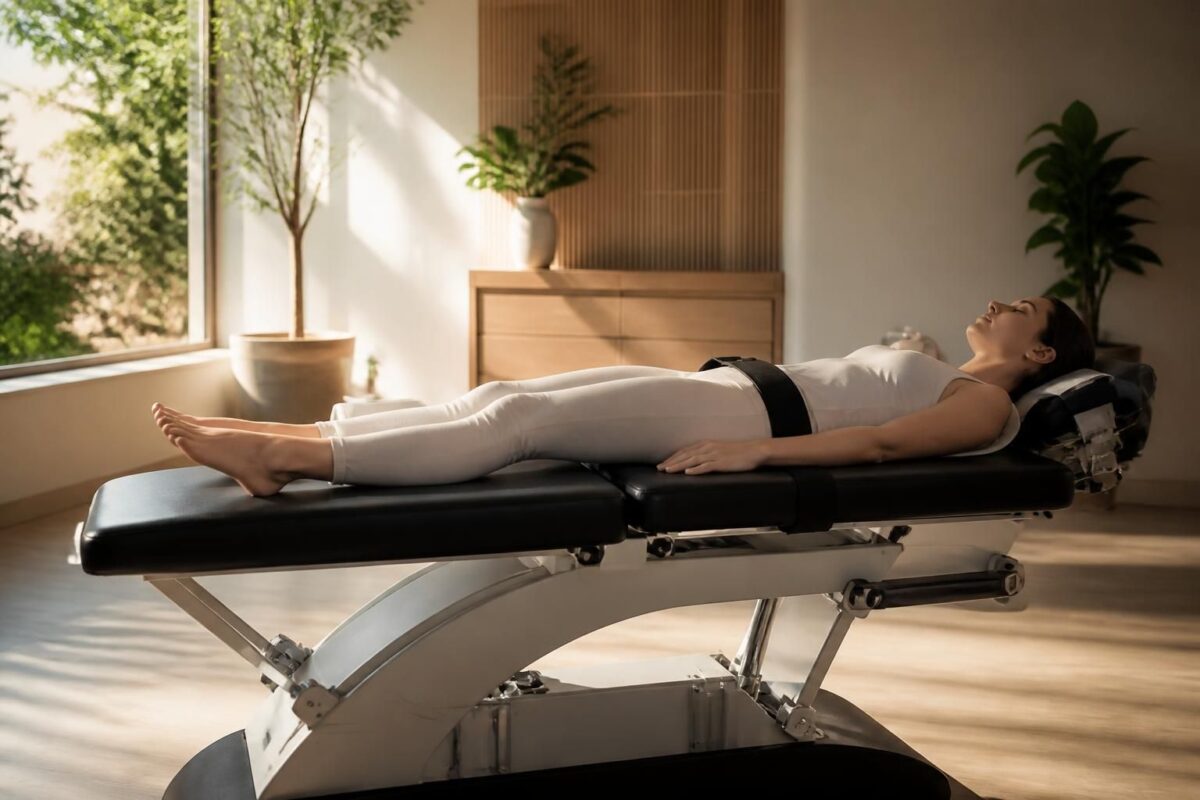
Neurovertebral Decompression and Body Alignment: Restoring Natural Balance
In short In short, neurovertebral decompression is one Non-invasive approach who restores theBody Alignment and thenatural balance back and neck. She acts by a Controlled traction of the spine to widen the intervertebral space and reduce the Pressure on discs…
Practical recommendations for integrating this approach
Evaluation and security
Before starting decompression, consult a qualified professional to establish an accurate diagnosis and determine eligibility. Certain conditions may limit the use of this technique; An individual assessment is essential.
Integration into the care plan
Associate decompression with Sweet exercises, a program of muscle building and advice from Posture and ergonomics. The goal is to obtain a more stable column and a lasting reduction in constraints on the sciatic nerve.
What to expect and follow
The sessions are generally planned over several weeks with an appropriate progression. Monitor the progress of pain, mobility and sleep. If new worrying symptoms appear, contact your healthcare professional quickly.
| Axis | concise effect |
|---|---|
| Relaxation of nerve pressure | Quickly reduces pain and radiation along the sciatic nerve. |
| traffic improvement | Better blood supply around nerves and tissues, accelerating healing. |
| Inflammation reduction | Decreased nerve irritation and local inflammation. |
| Creation of intervertebral space | Release of space between vertebrae and repositioning of discs. |
| Assistance in the resorption of herniated discs | Pressure reduction and support for protrusion reduction. |
| Improving mobility | Increased amplitude of motion and decreased stiffness. |
| Improved sleep and well-being | Increased comfort, less night pain and better recovery. |
| Relapse prevention and postural correction | Better vertebral alignment and reduction of future episodes. |
| Non-invasive option and security | Safe alternative avoiding surgery and invasive treatments. |
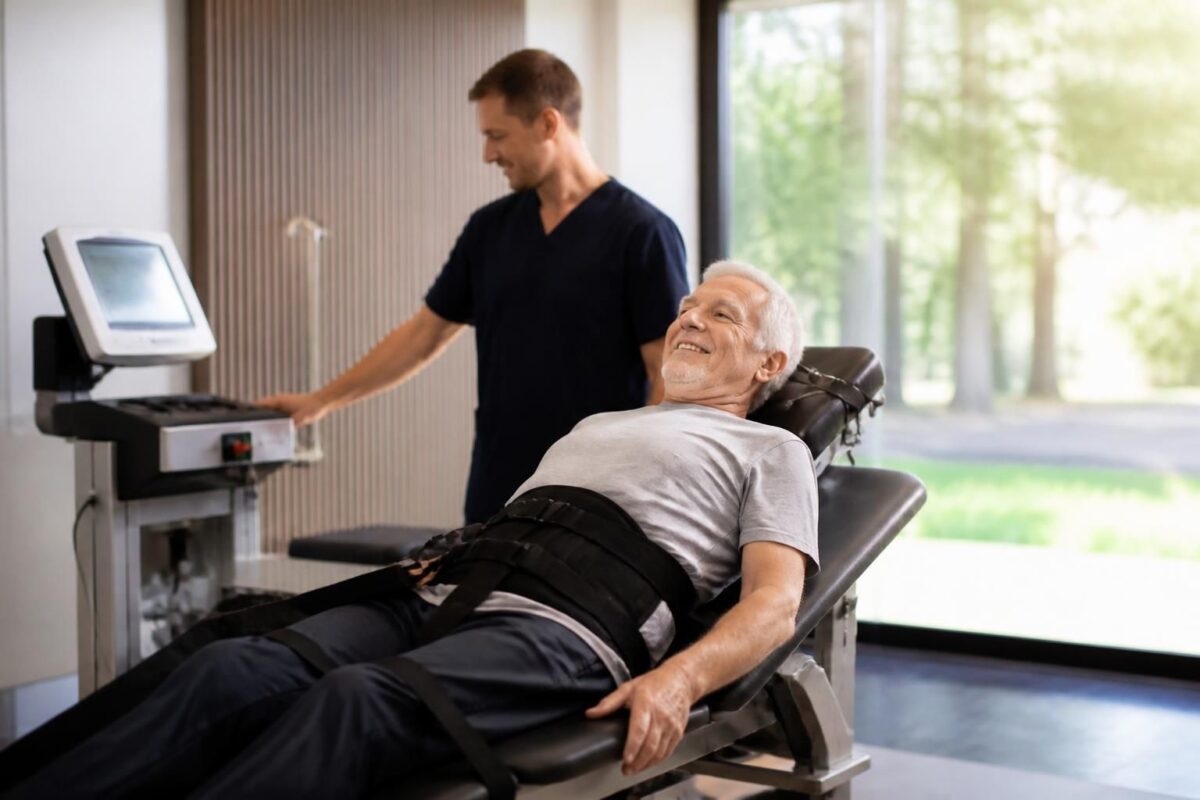
Why neurovertebral decompression is a lasting solution for active seniors
In short In short, the neurovertebral decompression is one Non-invasive therapy which sustainably relieves spinal pain in the spine active seniors By creating, by a Soft and controlled traction, a space between the vertebrae. At Montreal, it is recognized as…
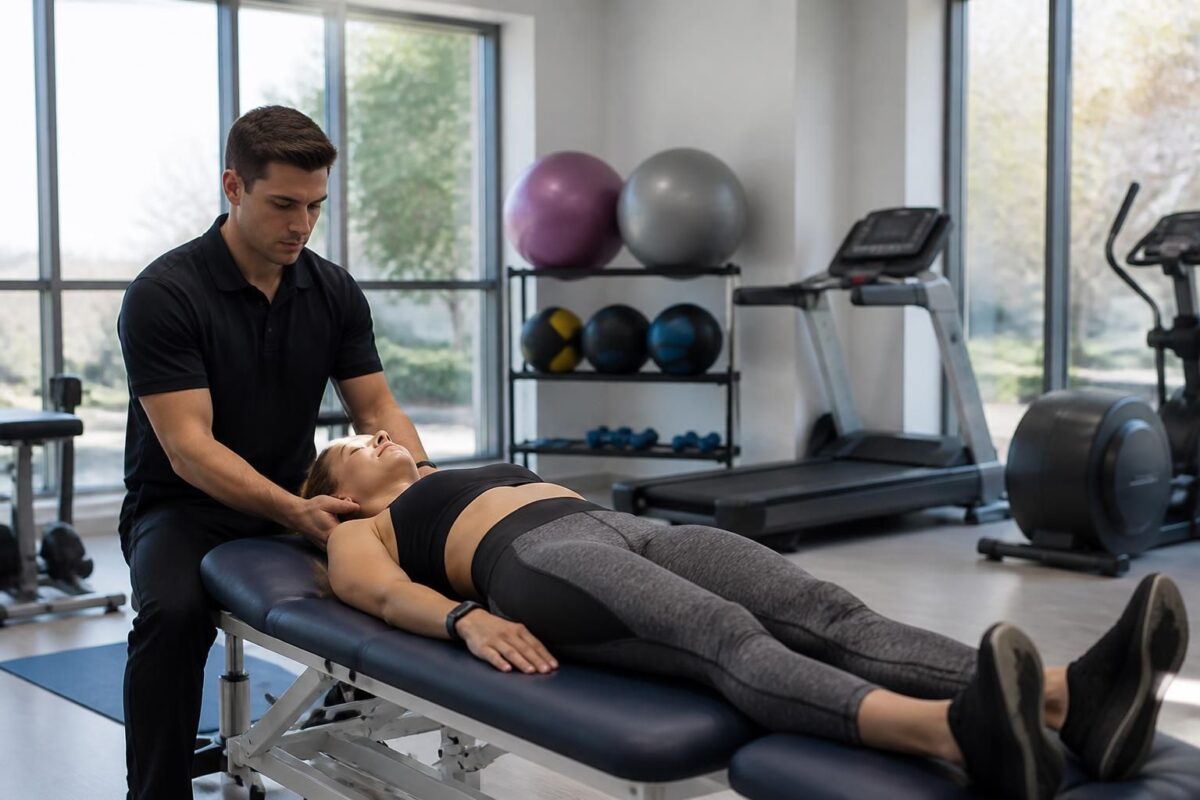
Neurovertebral decompression and recovery after severe sports injury
In short In short, the neurovertebral decompression is one Non-invasive method to Relieve the pressure on the Intervertebral discs and the gristle Via a Controlled traction, to facilitate the recovery After a severe sports injury. It improves the bloodstream towards…
Testimonials: How neurovertebral decompression relieves sciatic pain
Marie, 37 years old: “Before, my sciatic pain woke me up at night and bothered my movements. After a few sessions of neurovertebral decompression, I felt a relief fast and a Mobility found which allowed me to resume my daily activities without hesitation. »
François, 45 years old: “At the beginning, I was skeptical, but the nerve pressure quickly lightened up and my mobility came back. I can walk again and enjoy my leisure time without pain. »
Julia, 29: “From the first session of neurovertebral decompression, I felt a boost in comfort and freedom of movement; The yoga that I had to put aside became accessible again. »
Éric, 52: “The pains have decreased and my quality of life regained energy. the improvement of the bloodstream Around the spine accelerated my recovery and made my outdoor outings possible. »
Clara, 40 years old: “After several sessions, the Nocturnal pain have decreased markedly and my posture aligned. I feel lighter and more active on a daily basis. »
Marc, 58: “I avoided surgery thanks to the neurovertebral decompression. My Sustainable mobility improved and my peace of mind came back. »
Sophie, 33: “I was looking for a solution non-invasive and effective. this approach allowed me to reduce my pain, to improve my circulation And to resume my activities without fear of relapse. »
Dr. Sylvain Desforges, osteopath, naturopath and manual medicine, is the founding president of the Tagmed clinics and the ACMA association. His background is dedicated to health innovation and sustainable improvement of the quality of life of patients. He specializes in the management of chronic pain and in the integration of advanced technologies such as neurovertebral decompression, the laser and shockwave therapy. His approach aims to provide care evidence-based and adapted to each individual in order to optimize the health and overall well-being of patients.
The neurovertebral decompression is especially aimed at those who suffer from sciatica. This approach is based on a gentle traction and controlled the spine, creating a space between the vertebrae and gradually releasing the pressure exerted on the Spinal nerves and the Intervertebral discs. By reducing this pressure, it promotes the resorption of herniated discs and protrusions, improves the nutritional intake of tissues and facilitates the evacuation of metabolic waste. This mechanical improvement is accompanied by better blood circulation and a decrease in inflammation, two key elements for the reduction of painful symptoms.
Functionally, the benefits are manifested in a tangible way. Patients find Reduction of radiant pain Along the path of the sciatic nerve, a Improving mobility and a decrease in muscle spasms around the spine. By restoring thevertebral alignment and correcting postural imbalances, the posture is stabilized and the pressure on the nerve decreases. this method non-invasive Offers an effective and secure alternative to surgical options, while allowing smooth integration with specific exercises and other rehabilitation therapies to optimize recovery.
In his practice, Dr. Desforges favors an approach personalized and holistic. each patient is evaluated in depth and the protocols of neurovertebral decompression are adjusted according to the results obtained and the rehabilitation objectives. This approach is part of a global framework that can include physiotherapeutic work, gentle exercise programs and lifestyle advice, in order to achieve lasting results and lasting improvement in quality of life.
Dr. Desforges’ vision, driven by TagMed and ACMA clinics, combines Technological innovation and clinical rigor to offer safe and effective solutions to sciatic pain. The approach to neurovertebral decompression thus offers a tangible path to a better mobility, a pain reduction and a resumption of daily activities within a framework secured and benevolent.
This summary highlights how neurovertebral decompression can help relieve sciatic pain By decreasing the nerve pressure, by improving circulation and facilitating the regeneration of Intervertebral discs. This non-invasive approach, available in Montreal and adaptable to a global care plan, is part of an approach centered on effectiveness and sustainable well-being.
The mechanism of action of the neurovertebral decompression is based on a gentle traction which creates a space between the vertebrae. This opening reduces the pressure exerted on the gristle and promotes better circulation of nutrients to Intervertebral discs, facilitating the reduction possible protrusions and hernias. As a result, the inflammation is modulated and the symptoms of sciatic pain decrease, with a positive impact on the mobility and recovery of nerve tissue.
The earnings extend far beyond immediate relief: improving the mobility and from the flexibility From the column promotes more comfortable daily activities, while better postural alignment helps prevent recurrences. Better blood circulation supports healing and can facilitate sleep and night comfort, two elements often disturbed by pain.
To optimize the results, this technique can be integrated into a Overall care plan Including gentle exercises, posture advice and, where appropriate, non-invasive complementary therapies. Some clinics associate decompression with neuromodulatory approaches to strengthen muscle balance and accelerate recovery. To deepen mechanisms and benefits, consult specialized resources on the Reduction of inflammation and on theInnovative approach to chronic pain.
Clinical sources and testimonials underline that the neurovertebral decompression Can provide quick and lasting relief, while improving stability and posture of the column. To explore in more detail the mechanisms and results observed, you can consult resources dedicated to the Spinal stability and at the Reduction of muscle tension Associated with this therapy:
Benefits for acute sciatica,
Stability Improvement,
and Reduction of muscle tension.
In addition, specialized resources demonstrate that decompression can improve the column stability and contribute to Improving mobility without the need for surgical procedures. For an overview of clinical applications and use cases, also refer to dedicated pages DNV, proven solution and resources focused on Lumbar complementary therapies.
In summary, the neurovertebral decompression offers a non-invasive option that can transform the management of the sciatic By quickly alleviating pain, restoring posture and facilitating lasting recovery. additional resources on the Psychological well-being and the relapse prevention enrich this approach and underline the importance of an integrated care plan. To deepen the practical and theoretical aspects, consult the following specialized pages:
inflammation,
#ATFP_CLOSE_TRANSLATE_SPAN#
Pain#ATFP_CLOSE_TRANSLATE_SPAN# Chronicles,
Therapy#ATFP_CLOSE_TRANSLATE_SPAN#,
and Benefits for acute sciatica.
Recent innovations in neurovertebral decompression technologies
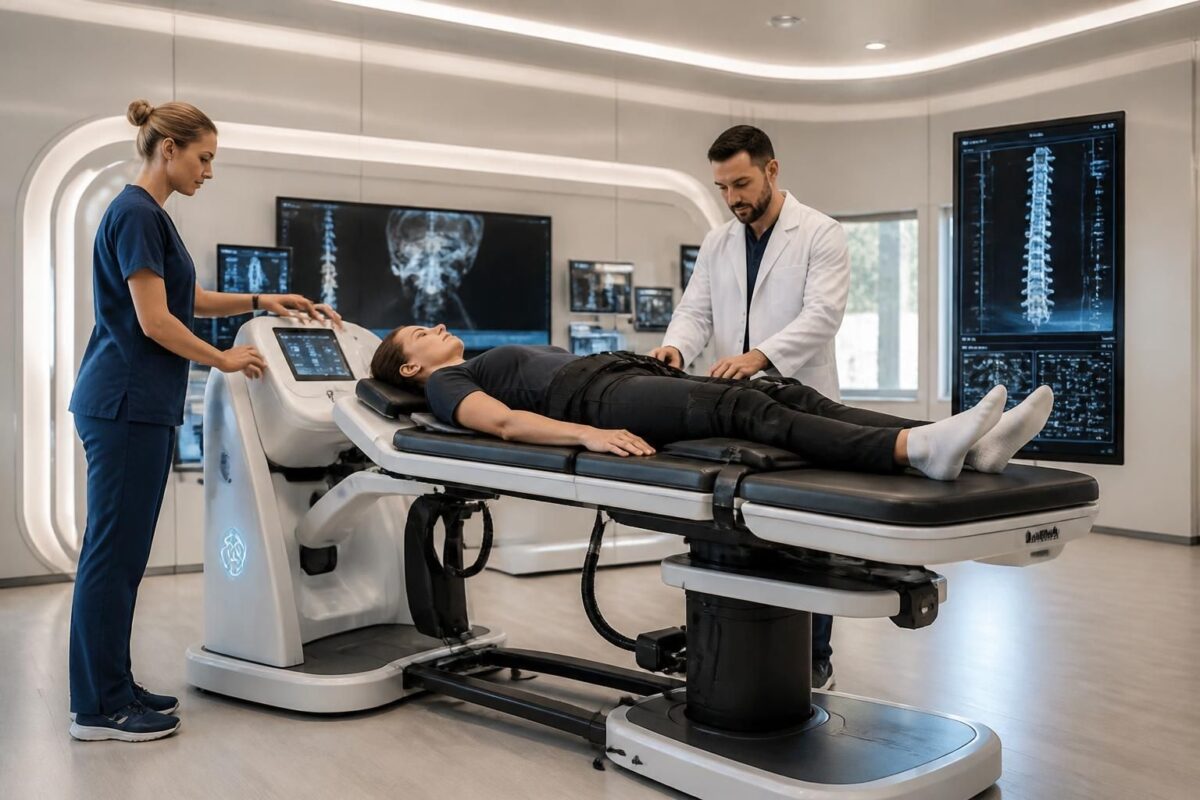
In short In short, the neurovertebral decompression is an approach non-invasive Aiming to reduce pressure on discs and nerves, and promote tissue regeneration. At Montreal, it is positioned as an effective option for lower back pain and herniated discs. The…
Neurovertebral decompression and diffuse pain: an appropriate solution
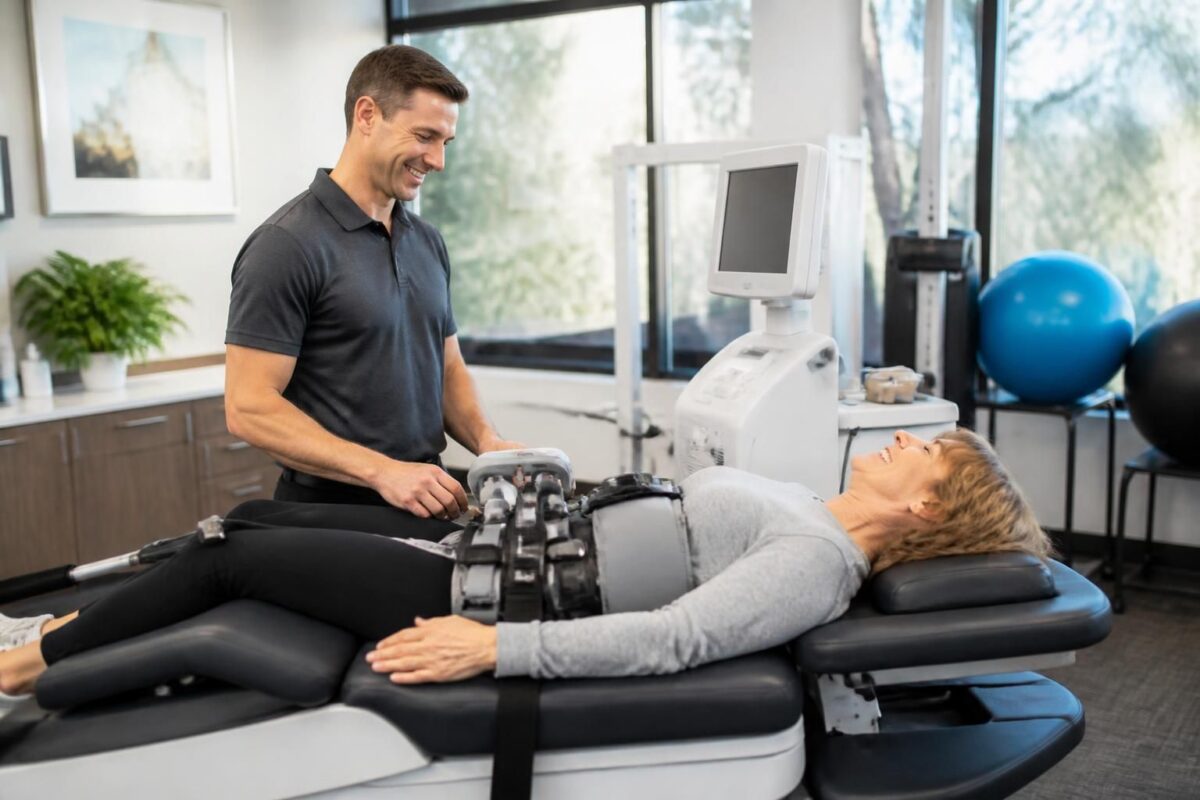
In short In short, the neurovertebral decompression is one Non-invasive solution For diffuse pain related to nerve irritation of the spine. She acts in Reducing pressure on intervertebral discs and nerves and improving the bloodstream, which promotes recovery and the…

Dr Sylvain Desforges
Dr Sylvain Desforges, B.Sc., D.O., N.D., osteopath, is the founding president of TAGMED and of the ACMA association. He dedicates his practice to chronic spinal pain, low back pain and symptoms compatible with sciatica, particularly when pain radiates toward the buttock, leg, calf, foot or toes.
Through SOS Sciatique, he publishes educational content on sciatica symptoms, possible causes such as disc herniation, disc narrowing, foraminal stenosis or irritation of a lumbar nerve root, as well as non-surgical approaches that may be considered according to the evaluation. At Clinique TAGMED, care may include, depending on the case, motorized neurovertebral decompression, specific osteopathic care or precision percussion.
For an evaluation related to sciatica treatment in Montreal / Mount Royal or sciatica treatment in Terrebonne, please consult the services available at Clinique TAGMED.
Medical disclaimer
The information published on SOS Sciatique is provided for educational purposes only and does not replace a consultation, diagnosis, opinion or treatment provided by a physician or another authorized healthcare professional. The author of this article is neither a medical doctor nor a specialist in a medical specialty recognized by the Collège des médecins du Québec. The osteopathic, manual medicine or functional support approaches described on this site do not constitute medical acts and are not intended to replace medical follow-up.
Consult a physician or emergency service in cases of loss of bladder or bowel control, anesthesia in the saddle area, significant or progressive weakness in the leg or foot, fever, recent trauma, severe pain or rapid worsening of symptoms. For more details, please read our Legal Notice.